
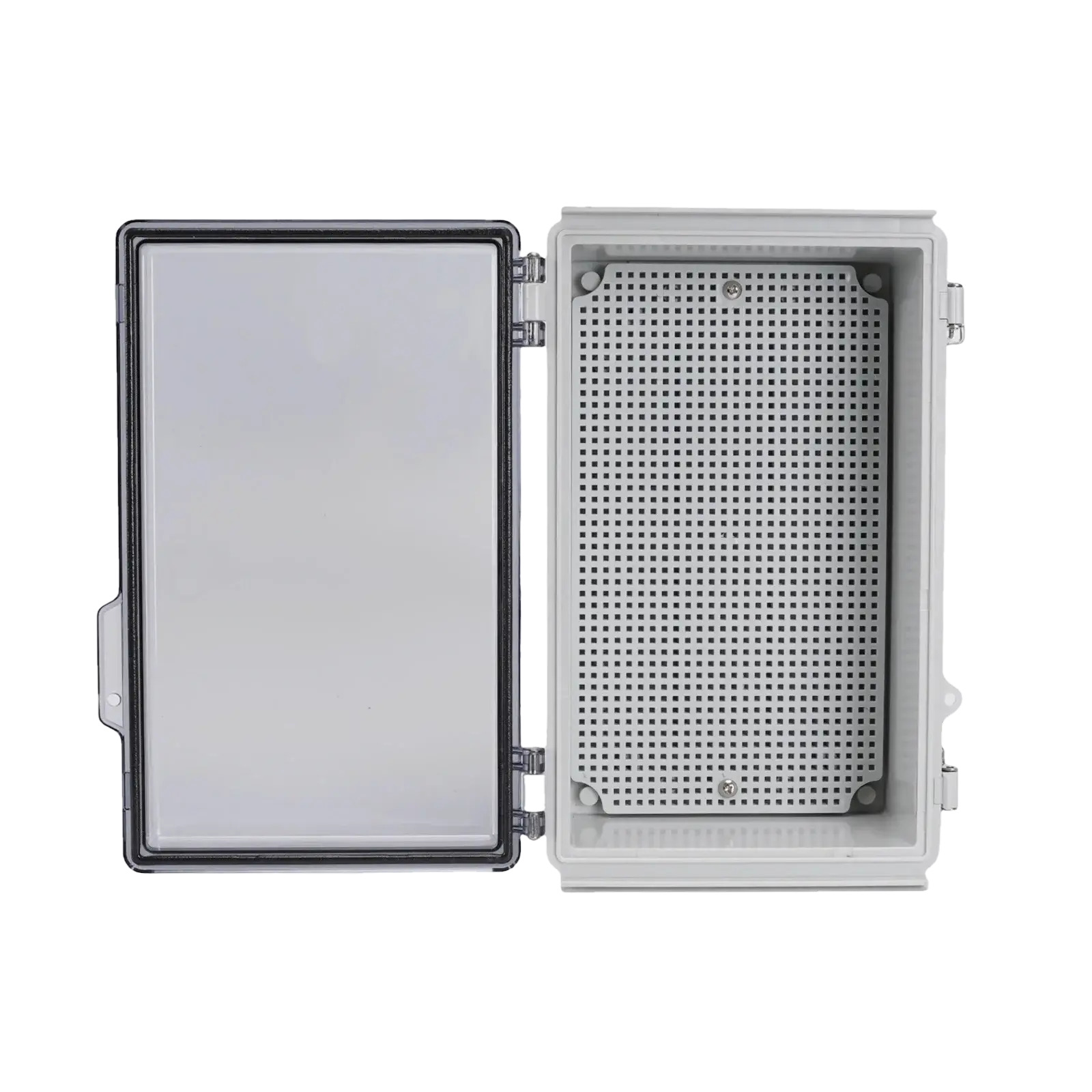
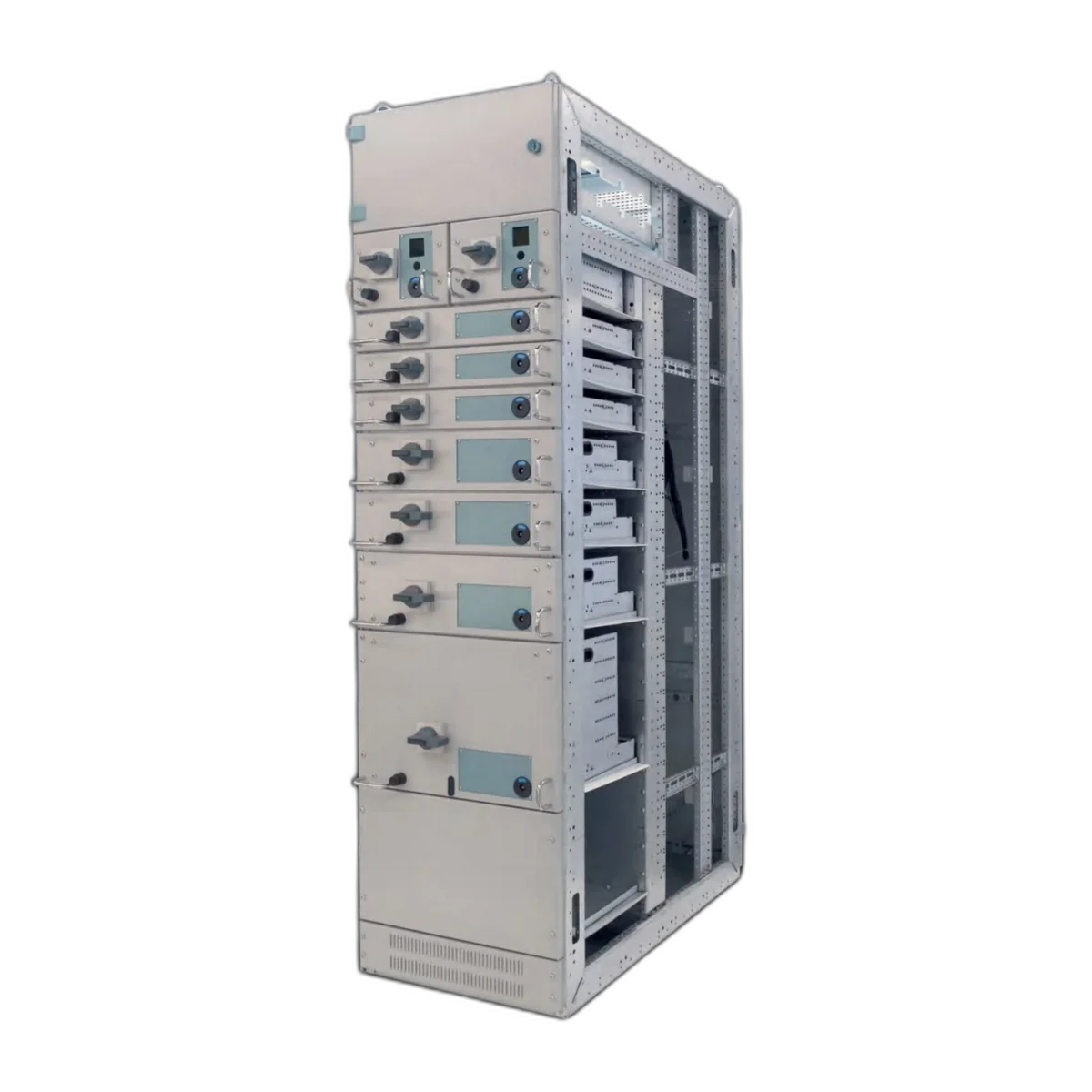
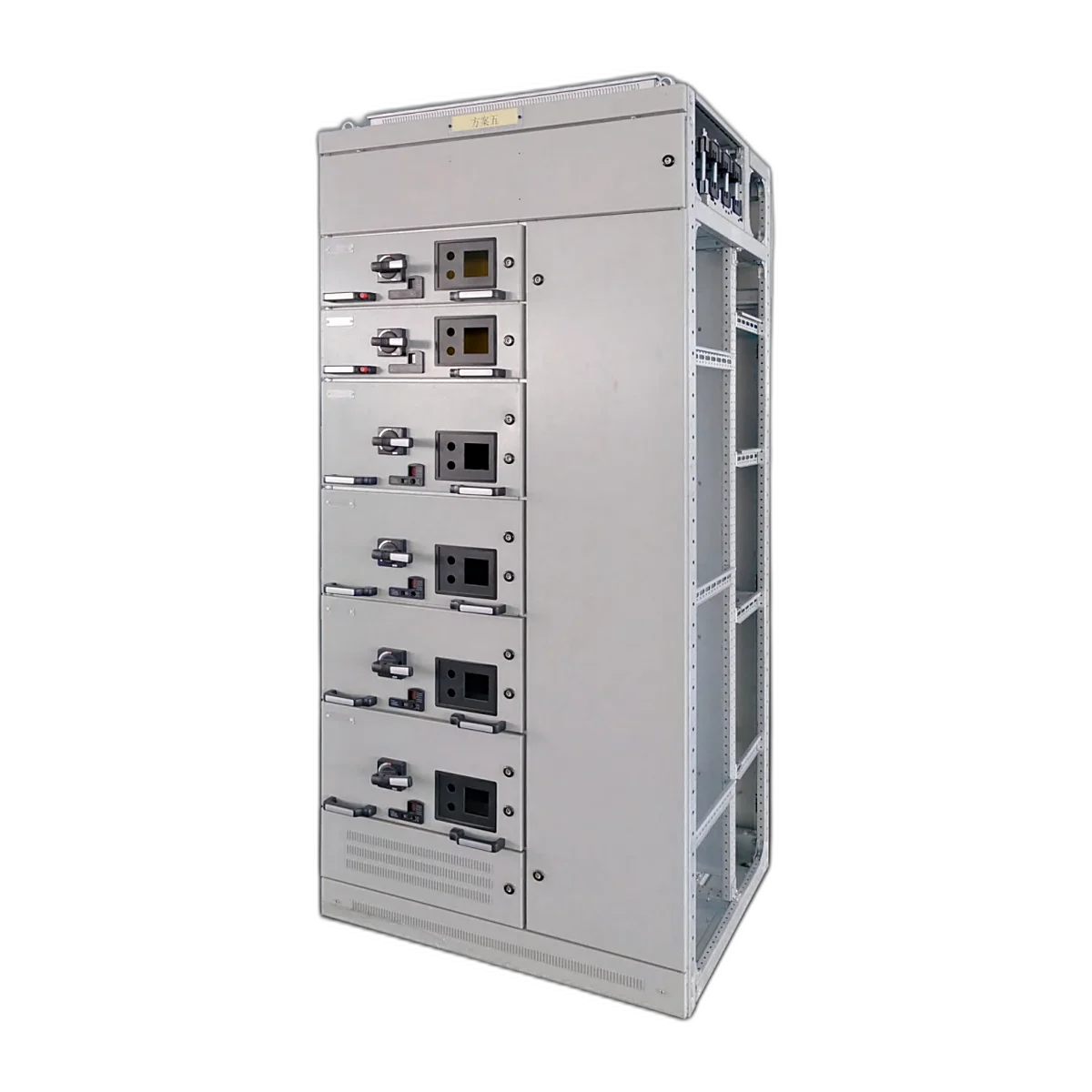
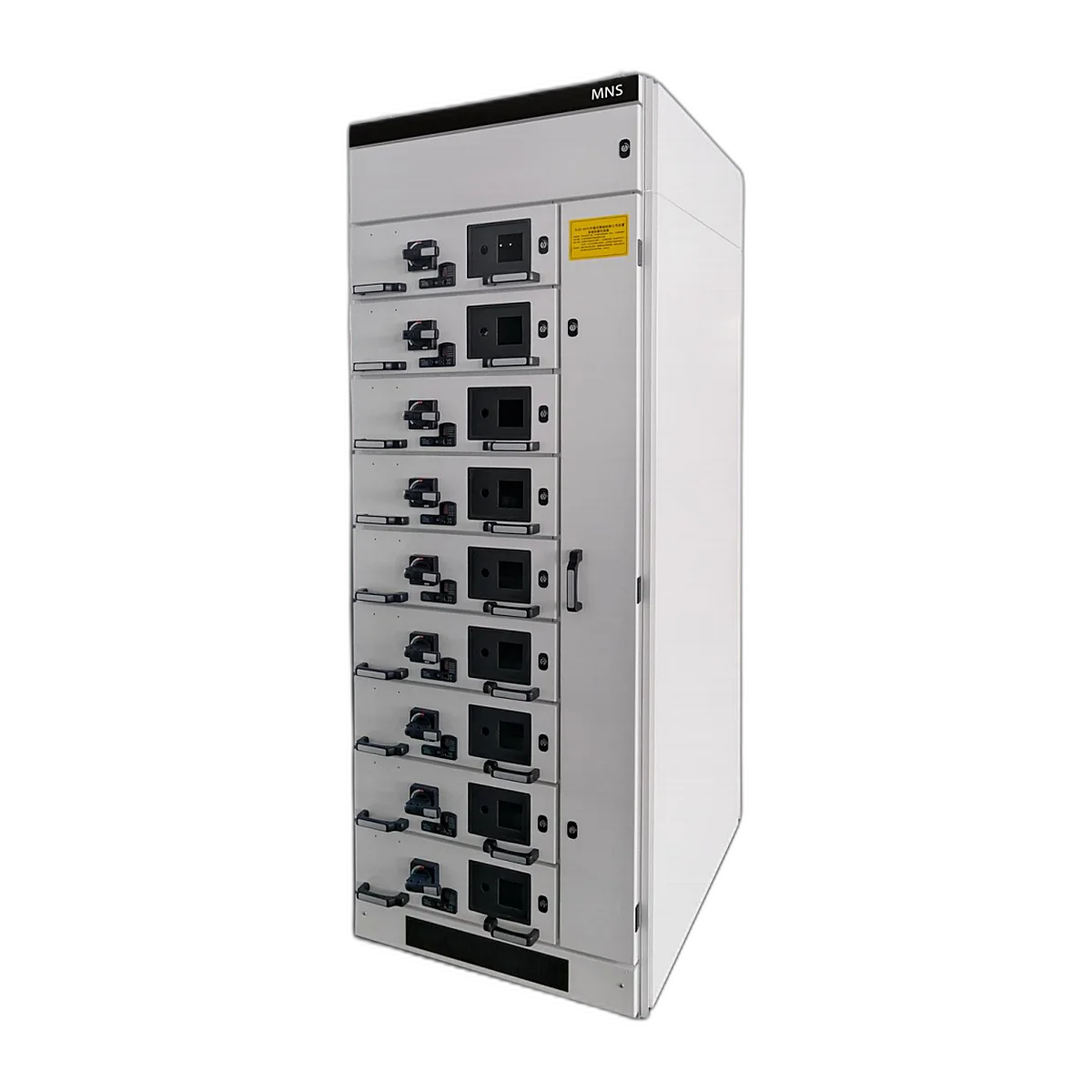
Top Industrial Enclosure Manufacturers for Energy Equipment OEMs
A manufacturer that is also an OEM for energy equipment must choose between two options when purchasing enclosures: either protecting their product in the field, or constructing a system that will be examined by a utility. The different reasons will lead to different types of suppliers, differing standards, and a three to five times price difference for what is essentially the same steel box.
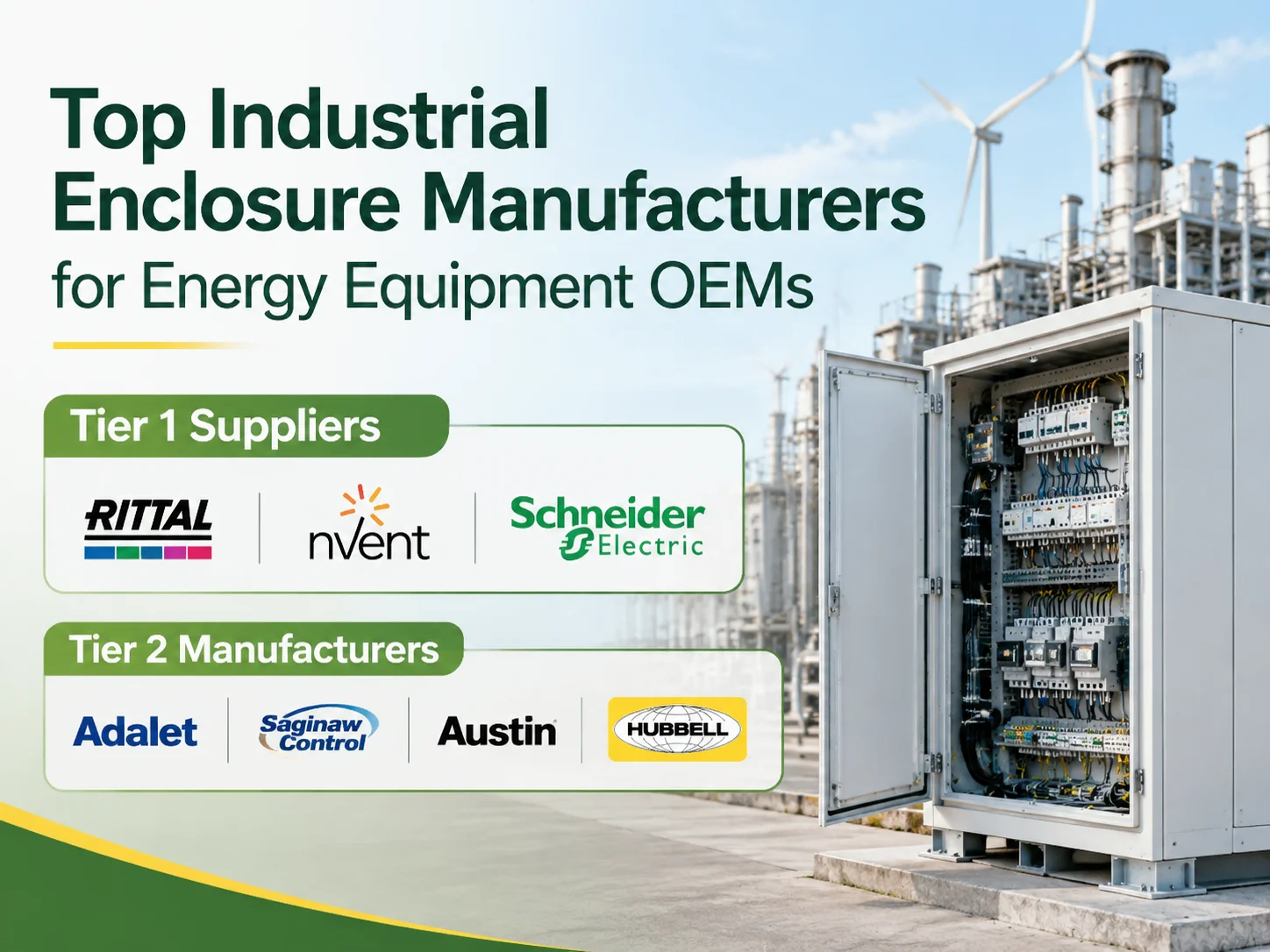
Quick answer: the suppliers that work with energy equipment manufacturers fall into three separate tiers. Tier 1 suppliers either build and install their own product or have their products manufactured. Examples of Tier 1 suppliers would be Rittal, nVent, Schneider Electric. Rittal, nVent and Schneider develop and sell a platform of enclosures that they manufacture and install (the hardware) in addition to providing thermal management and documentation for those installed enclosure products as well as any related accessories (the software). Tier 2 manufacturers provide custom-built and hazardous area assemblies, e.g., Adalet, Saginaw Control, Austin and Hubbell. These companies build manufacturing plants/assembly lines to develop enclosures that may meet various safety requirements, such as UL or NEMA, IEC 62208 for an empty enclosure, and IEC 61439 for a complete assembly after the energy equipment is installed into the enclosure.
What an Energy Equipment OEM Actually Buys an Enclosure For
The primary reasons for which Energy Equipment OEMs purchase enclosures fall within four main categories, each having its own focus:
Inverter/Converter OEMs require cable access and thermal performance as they utilize the enclosure for both thermal and mechanical purposes.
Transformer/Switchgear OEMs primarily require structural integrity as their enclosures must support the weight of busbars and may need to withstand an internal arc event.
Battery Energy Storage System Integrators (BESSs) must provide appropriate clean area separation and sufficient ventilation due to the high-temperature environments involved.
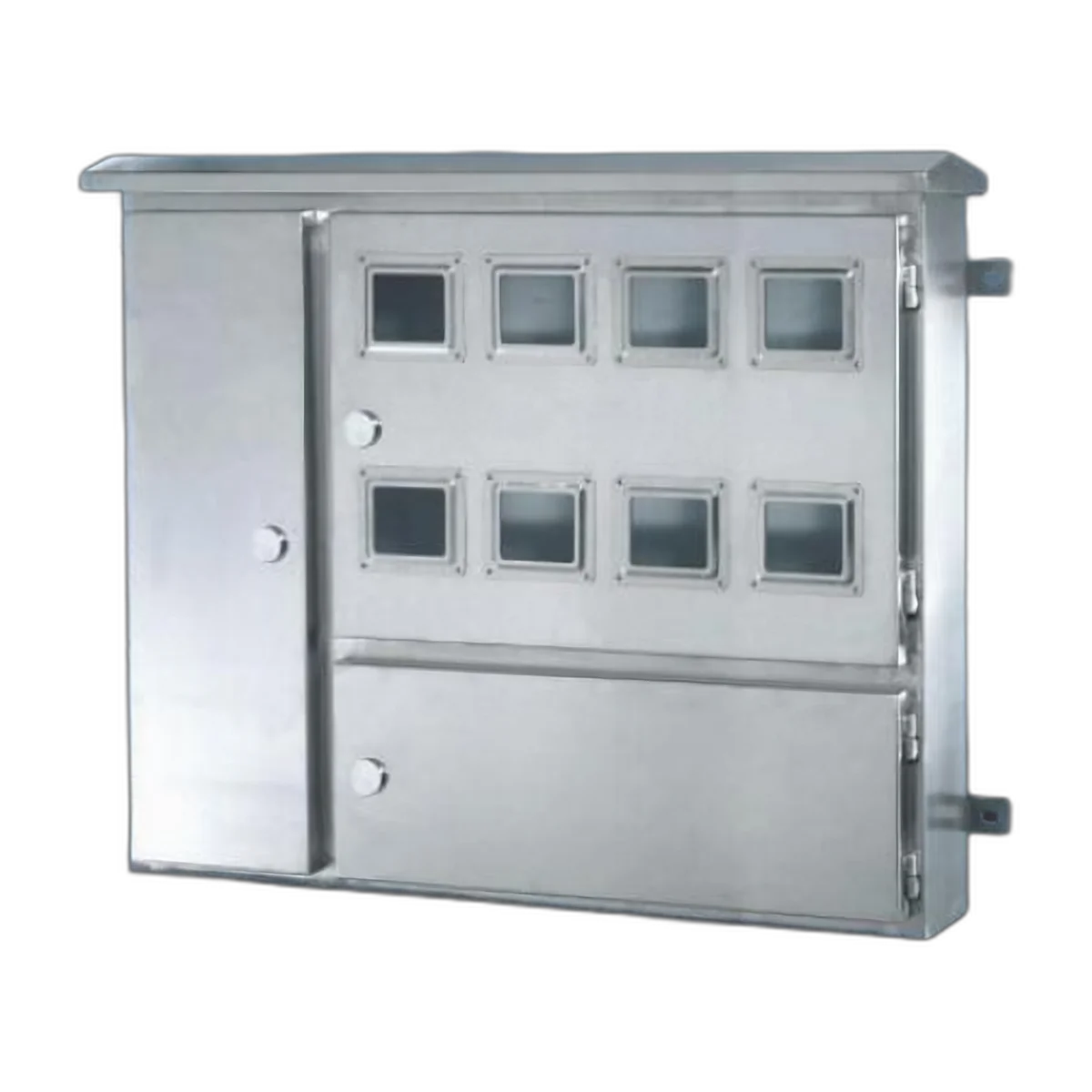
Lastly, Metering/Control OEMs require ingress protection and locking systems on their enclosures, as they are typically installed in publicly accessible locations.
What all these product families share in common is that the enclosure provides the interface between an OEM’s finished product and a location where the OEM has no control. A coastal solar power plant, a substation yard located in the desert, and a plant room located within an urban area each is classified according to the following three criteria: corrosion class, ambient rating and impact rating. Only the enclosure of these structures must withstand all three ratings; the electronic devices inside will be replaced during their life cycle.
The Standards That Decide the Enclosure
There are four key standards that define the enclosures, but they are used at different points in time.
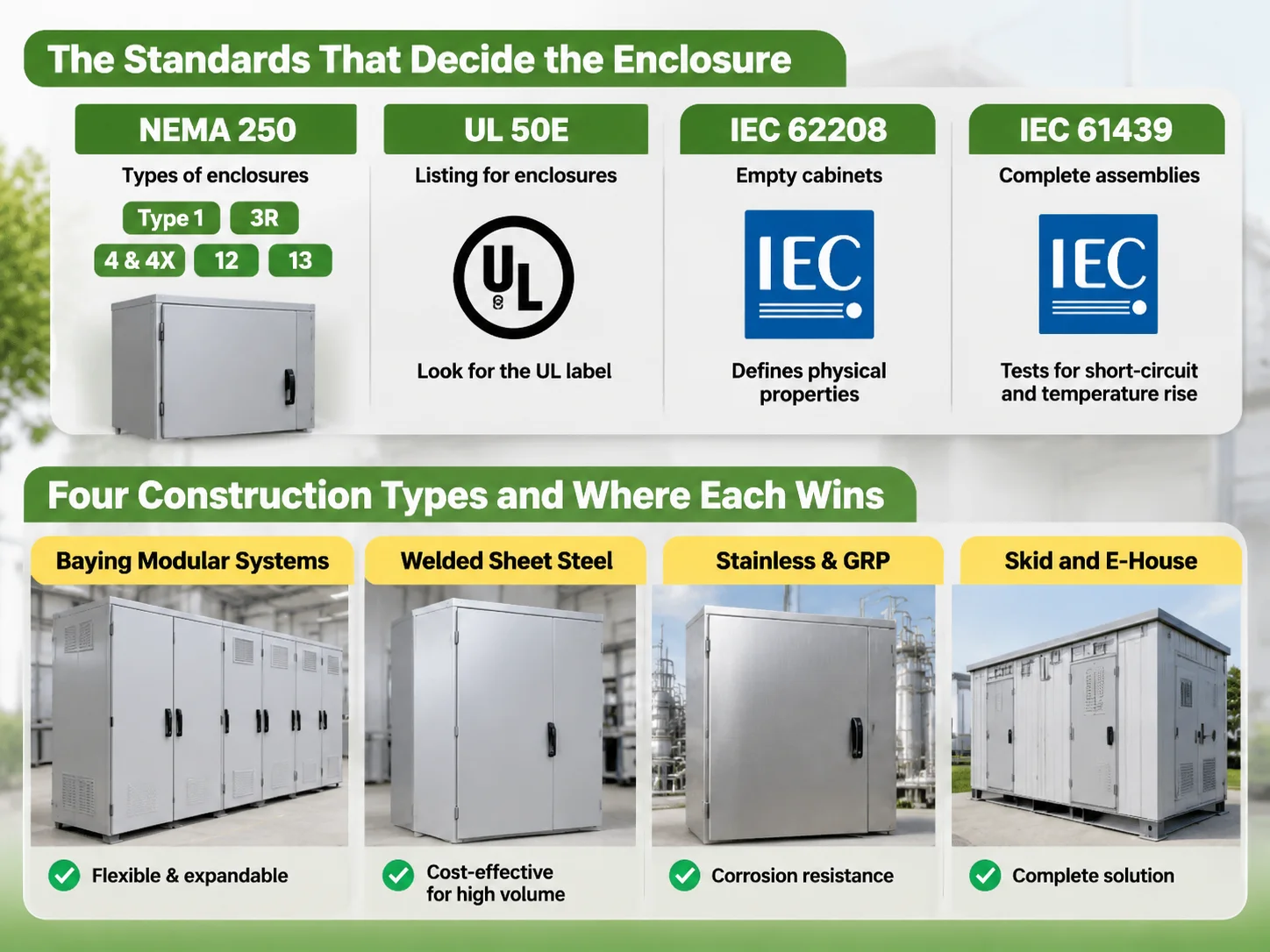
NEMA 250 outlines the types of enclosures available in North America. The types of enclosures include: Type 1 — general indoor purposes only, 3R — rain resistant outdoor purpose only, 4 & 4X — waterproof and corrosion-resistant indoor and outdoor use, 12 — dust proof for indoor use, and 13 — oil resistant outdoor and indoor use. UL 50E is the standard written by Underwriters Laboratories for listing types of enclosures, it is what a field inspector is looking for in labels found on the enclosures.
IEC 62208 covers empty cabinets for low voltage switchgear and control gear assembly. It is the IEC equivalent to NEMA 250 in North America. The standard describes in detail the physical properties and IEC 60529 defines the degree of protection and tests for impact and corrosion resistance.
IEC 61439 is the manufacturing standard for assembly of switchgear once equipment is placed inside the enclosure and this is the standard the OEM must comply with to convert a cabinet into a switchgear assembly. An enclosure made to IEC 62208 is a component; the OEM that installs the switchgear inside that cabinet must comply with IEC 61439. The OEM must also maintain the type test or design verification responsibilities as outlined in this standard.
This last statement is the point at which many OEMs are confused. Please note that a successful IEC 62208 enclosure does not imply the successful assembly of IEC 61439 assemblies. All assemblies must pass the short-circuit withstand and temperature rise tests required by IEC 61439. Enclosure suppliers are able to provide an enclosure supplier’s calculation, however, the assembler is responsible.
Four Construction Types and Where Each Wins
The construction type of an equipment enclosure is a more significant cost factor than the manufacturer brand.
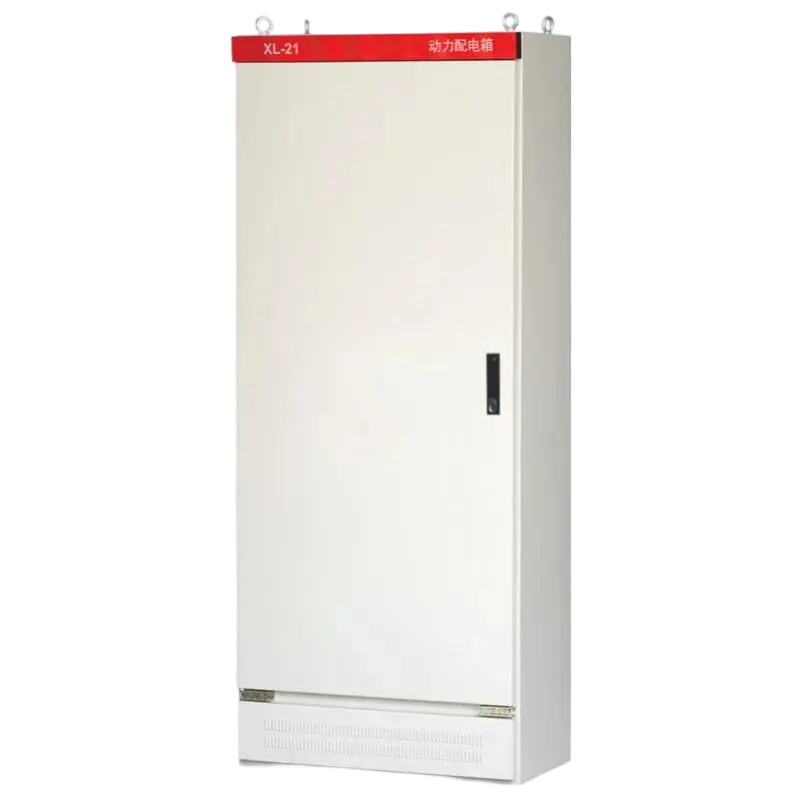
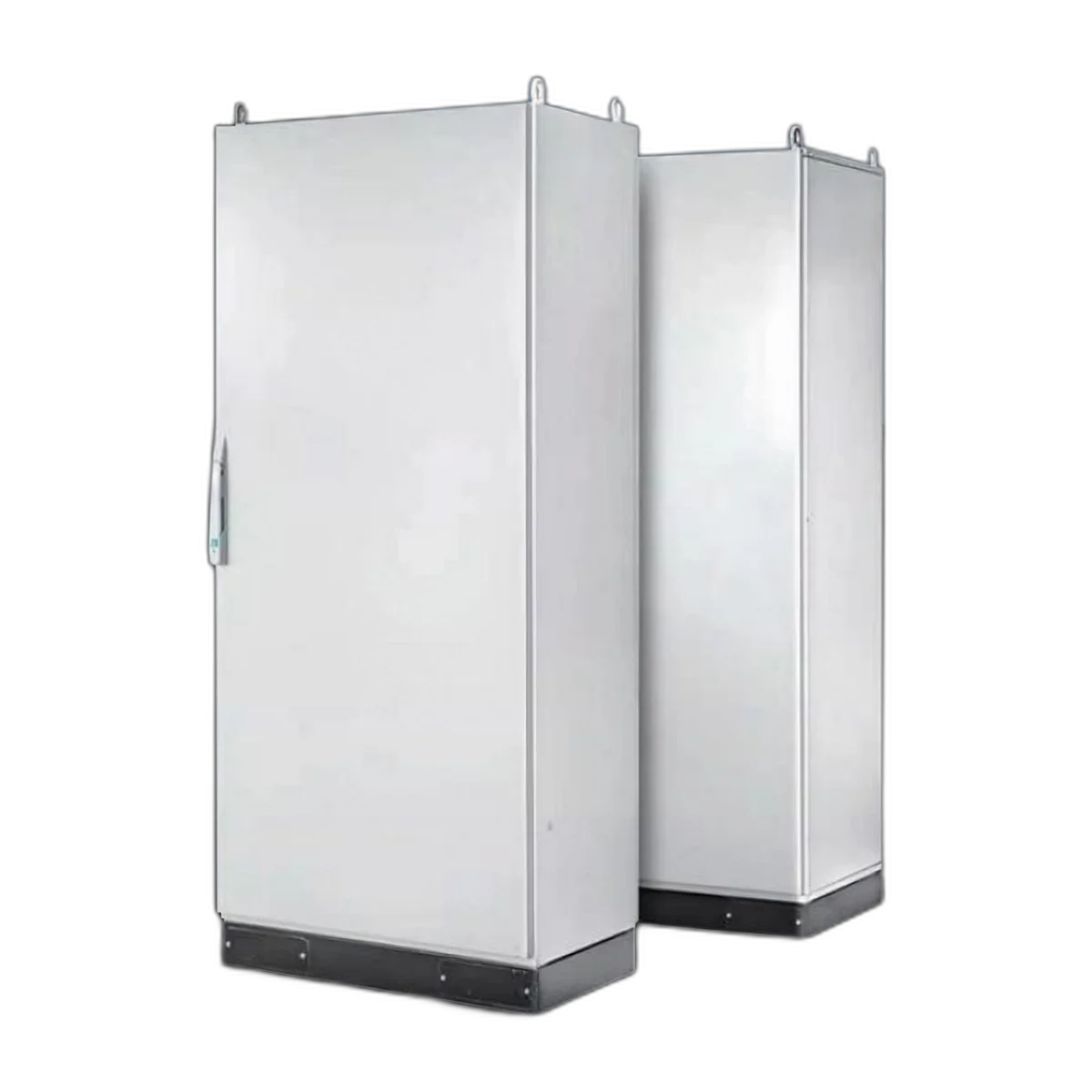
Baying Modular Systems – Baying modular systems are the central point for other systems that utilize these parts. They consist of an equipment enclosure frame with a grid pattern of mounting points, side panels that are bolted or otherwise fastened together, and the off-the-shelf availability of many different parts (doors, gland plates, thermal modules) to complement them. For example, if a user wants to build a 2,000 mm enclosure, the user can create one by joining three single units together or use the same part numbers as if it were a single unit. Furthermore, there is comprehensive documentation available for each construction type.
Welded Sheet Steel – Welded sheet steel enclosures are typically considered the OEM factory format. The equipment structure consists of a frame fabricated from 2-folded sheet material, with a door having a gasket, gland plate, and finish. Compared to other types of construction, welded enclosures can be produced at lower cost per unit in high volume. In addition, welded enclosures cannot be expanded upon, which makes them an ideal solution for products shipped as fixed assemblies.
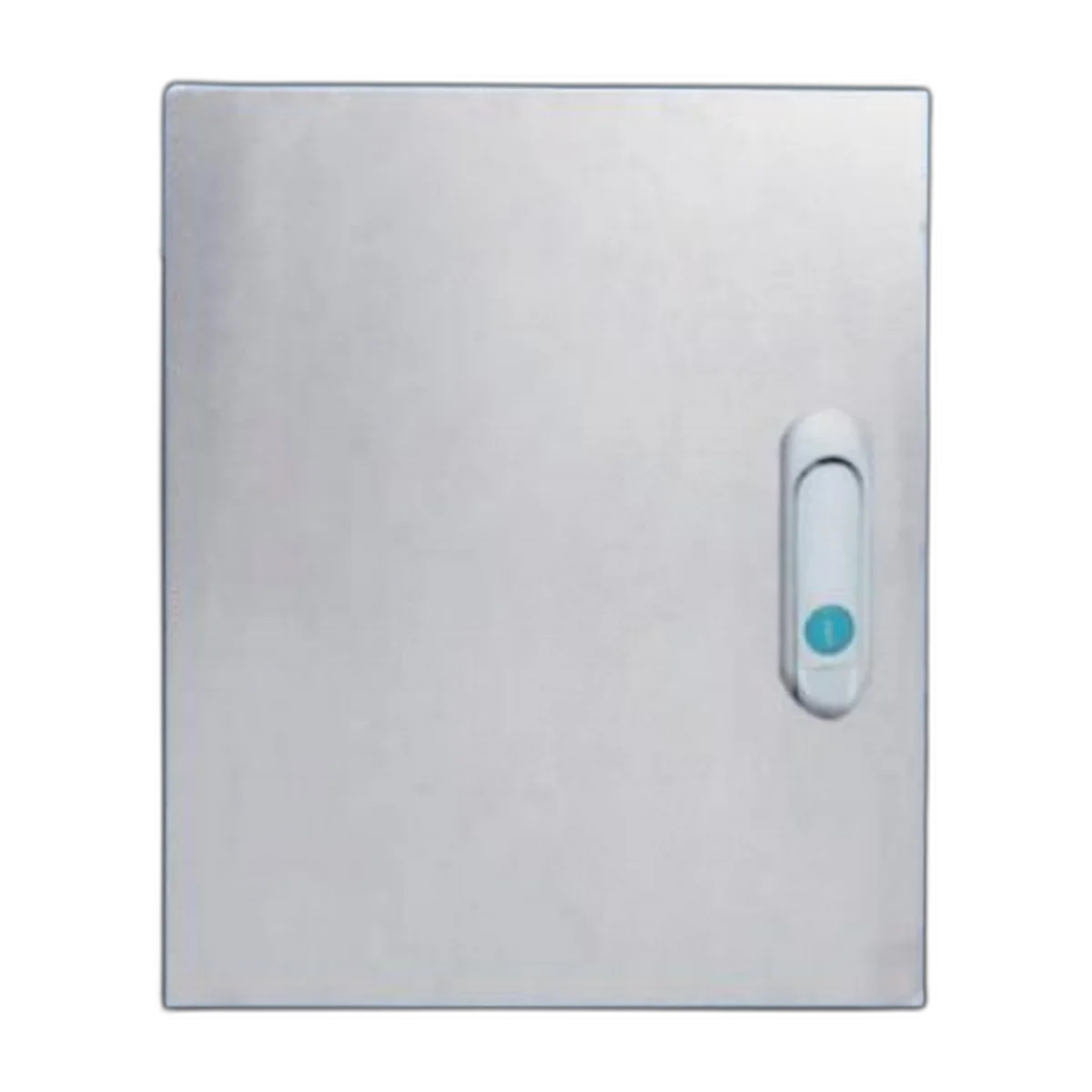
Stainless and Glass Reinforced Plastic (GRP) – Stainless steel and Glass Reinforced Plastic (GRP) enclosures are often the materials of choice for corrosive environments. 316-grade stainless steel is the preferred material for marine and chemical environments, while GRP is often the less-expensive alternative for environments where either the weight or impact strength of the enclosure is more important than the aesthetics of the enclosure.
Skid and E-House – Skid and E-house construction are often used as project specifications. Skid and E-house constructions typically consist of walk-in enclosures that contain electrical switchgear or transformer assemblies, battery rack systems, and are designed as a complete structural unit to be delivered as a single piece of equipment. This is another different supplier type, and a compact substation is where they fit in.
The Specification Items That Separate Quotes
| Item | Basic | Specification grade | Effect |
|---|---|---|---|
| Sheet thickness | 1.5 mm body, 1.5 mm door | 2.0 mm body, 2.0 mm door, 3.0 mm base | Rigidity, arc containment, weight |
| Gasket | Foam or PVC strip | Polyurethane foam in place, continuous | IP rating retention over life |
| Finish | Wet paint, 60 to 100 microns | Powder coat, 80 to 120 microns, 500 h salt spray | Corrosion class, repaint interval |
| Corrosion class | C3 indoor | C4 or C5-M outdoor and coastal | Site suitability, warranty |
| Ingress protection | IP54 | IP55 or IP66 with tested gland plate | Dust and water path |
| Thermal provision | Vents | Filter, heat exchanger or air conditioner sized to the load | Internal temperature, equipment life |
| Door hardware | Single point lock | Three-point lock, removable hinge, documented key plan | Security and service access |
The above provides an explanation as to why two quotes for a “1,600 x 800 x 600 enclosure, IP55” can vary by 100%. The largest contributors to the difference in quote price are the sheet thickness, gasket type and finish, all of which cannot be seen in photographs.
The gland plate is the most underestimated item by the buyers. An IP66 tested enclosure with gland plates cut at site is an IP54 enclosure. The gland plate has to be used in the proved-up configuration, meaning this part is produced or furnished to you with the cut-outs and slots required as per the specification of the manufacturer you work with.
The Manufacturers Worth Comparing
The comparison of suppliers should consider these manufacturers:
| Supplier | Base | Product type | Strength | Sells to |
|---|---|---|---|---|
| Rittal | Herborn, Germany | Baying systems, wall and floor enclosures | Platform breadth, thermal integration | Panel builders, OEMs, data centres |
| nVent Hoffman | Anoka, Minnesota, USA | NEMA enclosures, modular systems | US listings and stock depth | US OEMs, contractors |
| Schneider Electric | Rueil-Malmaison, France | Thalassa and PanelSeT systems | Integration with switchgear | Panel builders, utilities |
| Adalet | Cleveland, Ohio, USA | Heavy industrial and hazardous area | Explosion-proof and cast aluminium | Oil and gas, chemical |
| Saginaw Control | Michigan, USA | Custom NEMA enclosures | Modified standard, short runs | US industrial OEMs |
| Austin Electrical | Texas, USA | Custom steel and stainless | Large fabricated assemblies | Utility and industrial projects |
| Fibox | Finland | Polycarbonate and GRP | Non-metallic outdoor enclosures | Instrumentation, telecom |
| Hensel | Germany | Junction and meter boxes | Outdoor small enclosures | Installation and metering |
Neither tier is a ranking because each price tier has different target markets. A designer at a panel manufacturer who wants to create a 2,000 mm board compares Rittal, nVent and Schneider. A designer at a chemical company who wants to create a hazardous-location enclosure would only compare Adalet and a small number of additional suppliers in that field. An OEM creating their own product will always compare a fabricated enclosure by a factory to a modified catalog part.
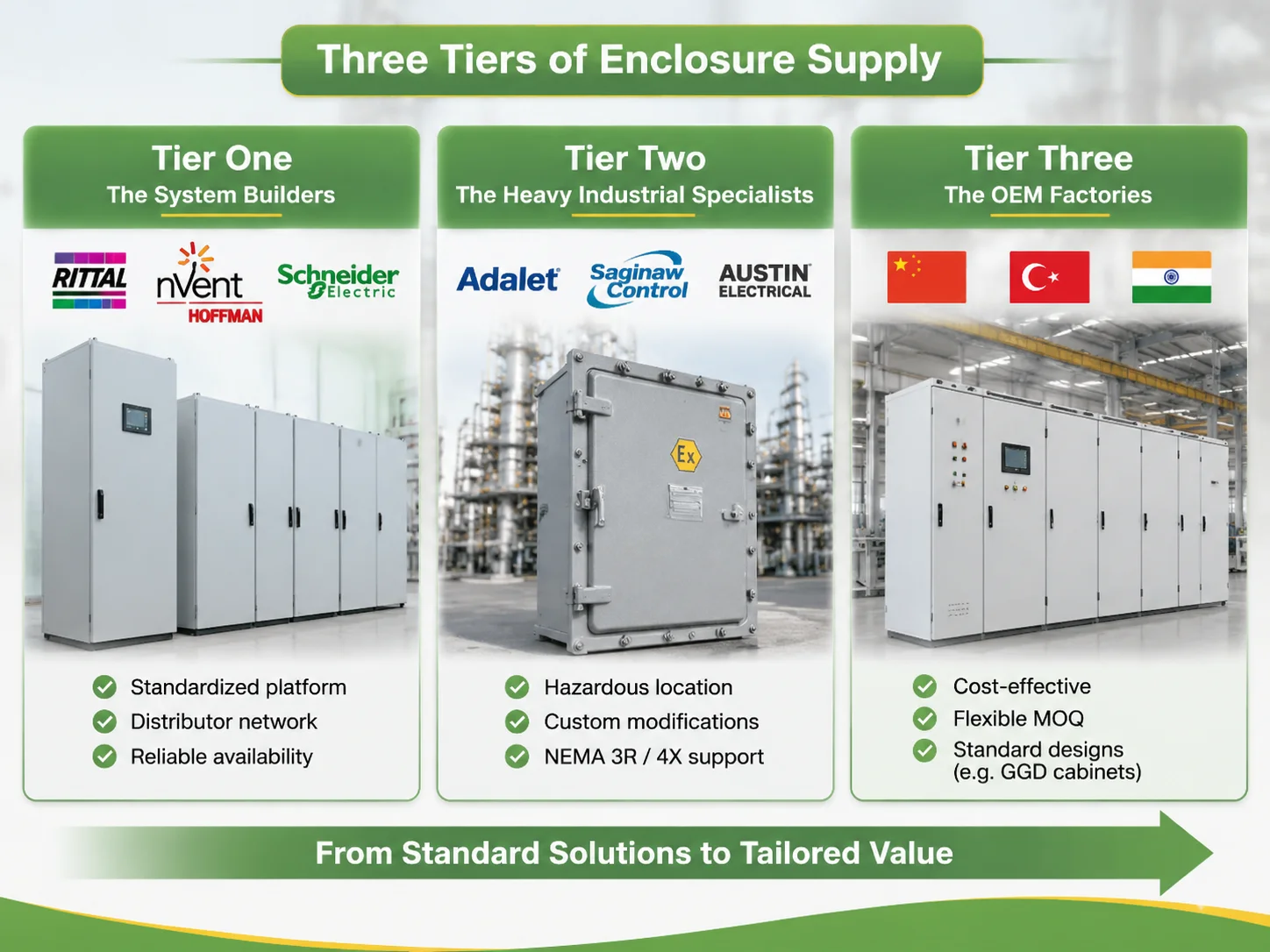
Tier One: The System Builders
Rittal’s advantage is its baying system. A single bay as well as a 10-bay assembly can be built using only the same frame, same door hardware and same accessory grid, therefore giving Rittal a strong advantage. The benefit of engineering efficiencies leads to many panel builders being able to provide pricing for an enclosure without having drawn out all the component parts for each customer because they design their products using a common panel platform.
nVent Hoffman uses a similar fact-based position to Schneider in North America, but places more emphasis on NEMA ratings and stock level availability. For the OEM in the US market, the depth of stock availability is the key determining factor between an estimated two-week and ten-week enclosure build time. Therefore, the decision of the platform used for an enclosure is usually made on stock availability rather than design parameters.
The Schneider Thalassa and PanelSeT range of enclosures (for use with Schneider switchgear) were designed as a single documentation package with the switchgear. Therefore, the advantage is that only one submittal is required for all equipment; however, the disadvantage is that the price of the switchgear enclosure includes the premium for the switchgear brand name.
All three OEMs have their products sold through distribution. Therefore, when an OEM purchases one of these enclosures, they typically buy from a local distributor rather than a factory. This means that the OEM is paying an additional margin to the distributor, who is also providing local stock availability, technical support, and a return process.
Tier Two: The Heavy Industrial Specialists
Adalet’s cast aluminum and stainless steel enclosures for hazardous location applications are built according to the specific area classifications as required and are not classified according to an IP rating. The certification for the enclosure as a Division 1 or Zone 1 enclosure is what the buyer is purchasing.
Saginaw Control and Austin Electrical’s enclosures are built using a drawing or specification. Their main advantage is that they can modify an existing standard enclosure based upon the requirements of the customer instead of having to design and fabricate a new enclosure from scratch, i.e. a taller door, additional gland plate, different finish or depth, etc. This is the section of the market where the available products in catalogs do not meet specifications, and there needs to be a full custom production of an enclosure; however, the turnaround from design-to-production is way too long.
The OEMs have taken note of this segment of the market, and are beginning to support standard NEMA 3R and 4X type enclosures for utilities and municipal projects, usually where a specification is developed from a standard drawing, and they will continue to support and grow this customer segment.
Tier Three: The OEM Factories
This has evolved into the last supporting tier (Tier 3) of foreign factory output in the form of welded sheet steel enclosures for original equipment manufacturers (OEMs): Chinese, Turkish, and Indian manufacturers sell enclosures engineered to drawings at discount pricing, from 40%–60% of the system builder price. Minimum order quantities (MOQ) for these products vary significantly; MOQs can range from single containers to several hundred.
What is being sold is quite straightforward. The final product is an enclosure that has been fabricated, has a factory price, has an engineering document with a finishing process laid out for the end-user, and has passed IP Testing. In effect, these factors equate to loss of catalogue grid access, local inventory, and application engineering for the end-user. This provides for a stronger value proposition for the OEMs that are able to design their own enclosure solutions. However, for a panelling organization that designs their enclosure solutions “on the fly,” there is a definite consequence to having to redesign the drawings every time a modification is needed to the design: it is now a revision to the drawings, not a selection from the catalogue.
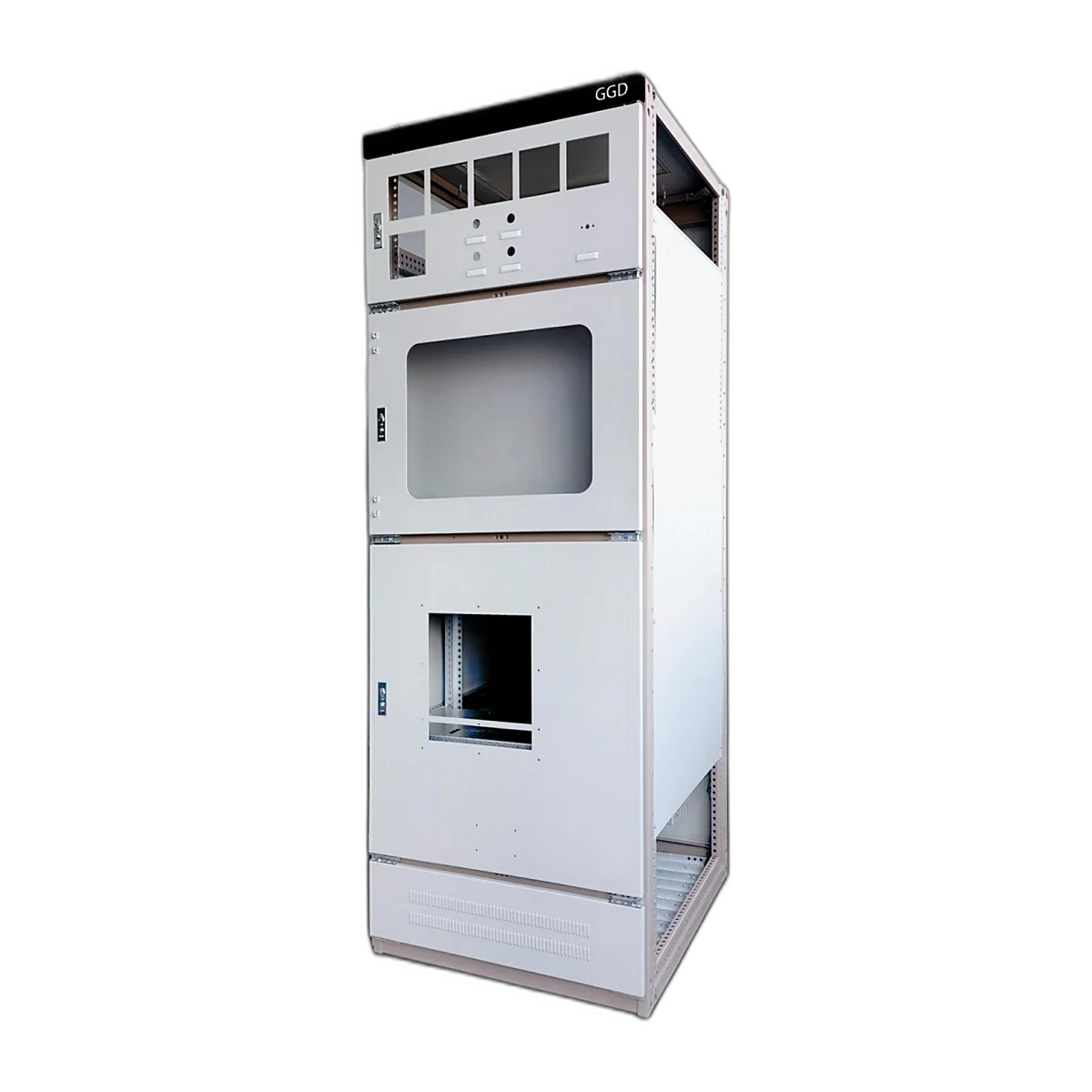
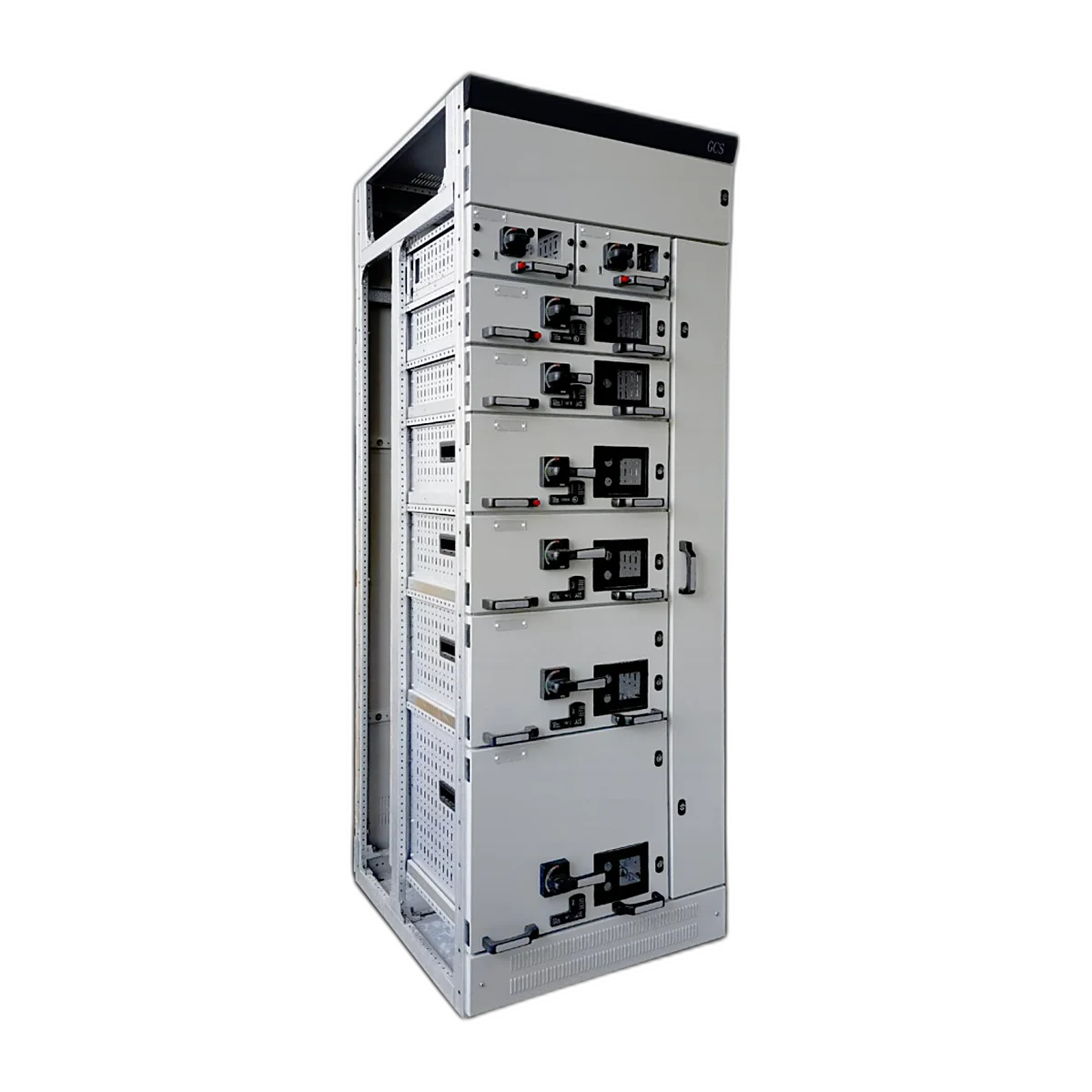
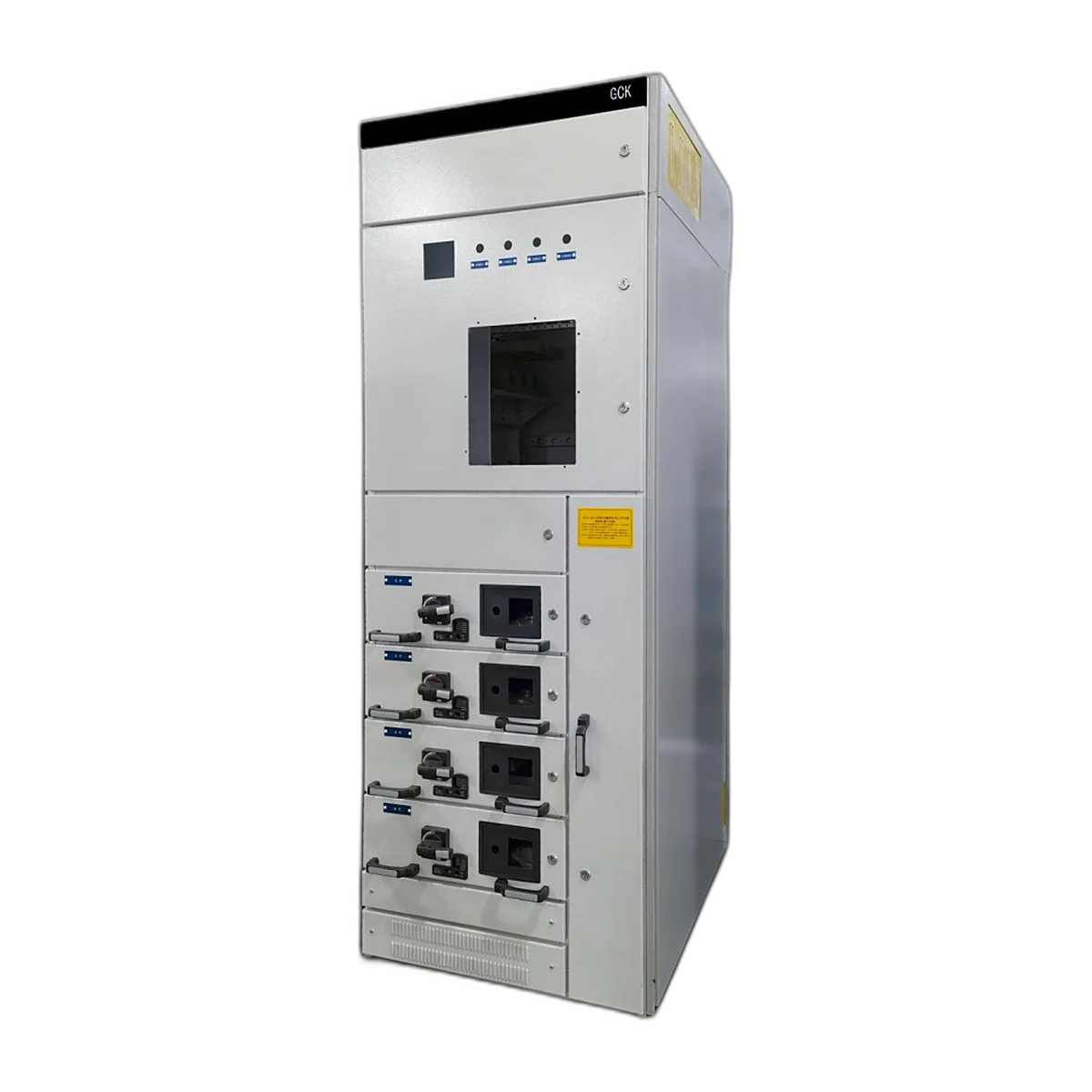
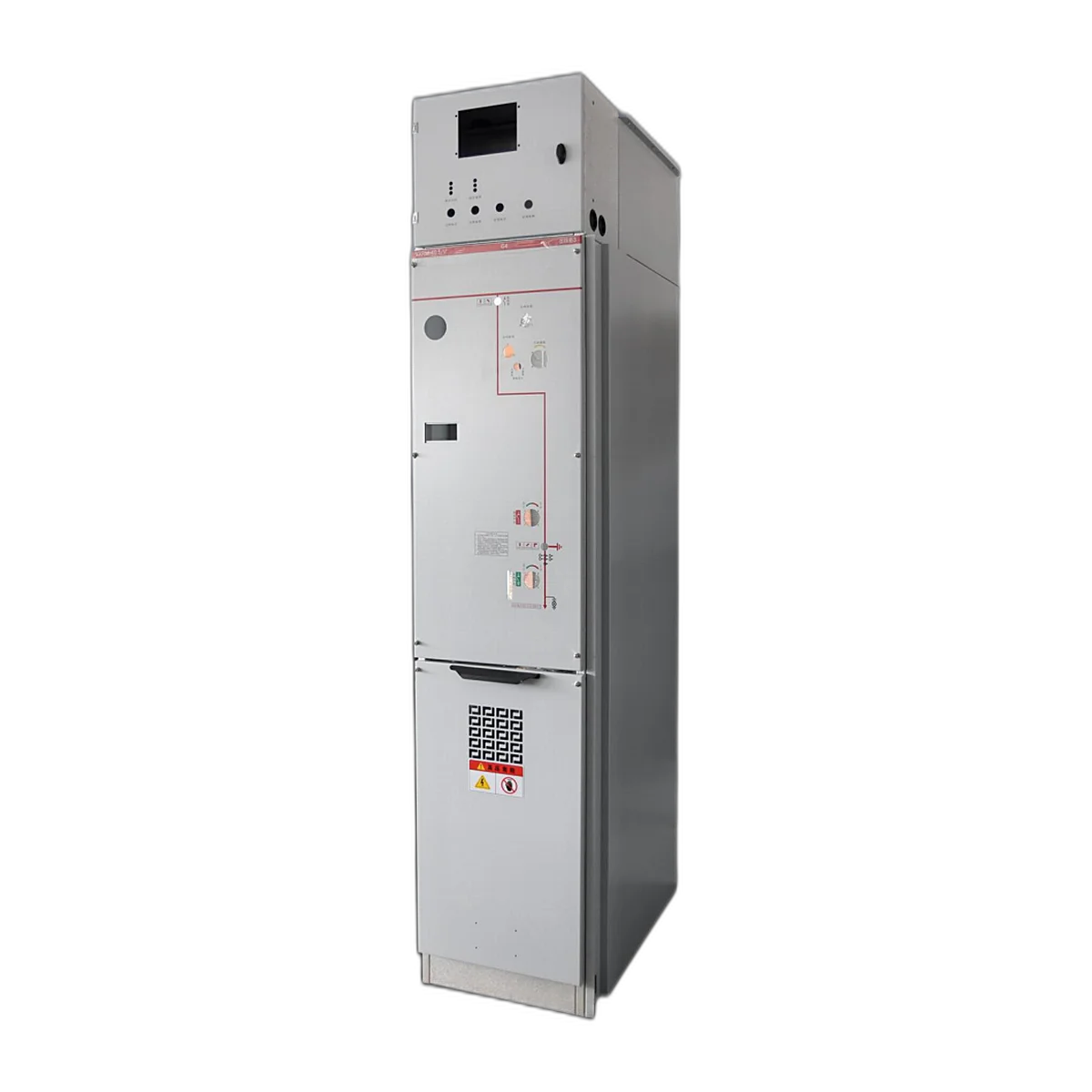
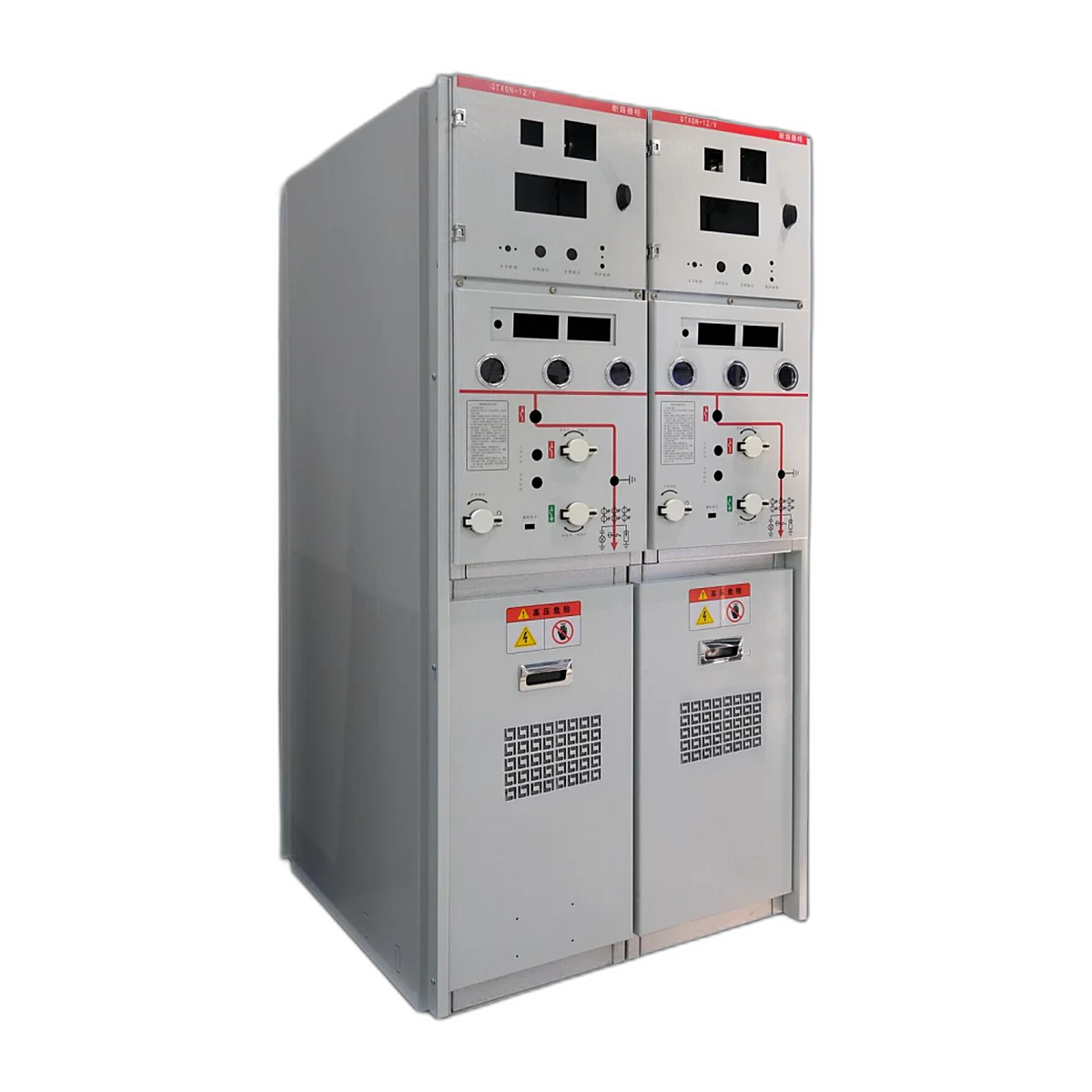
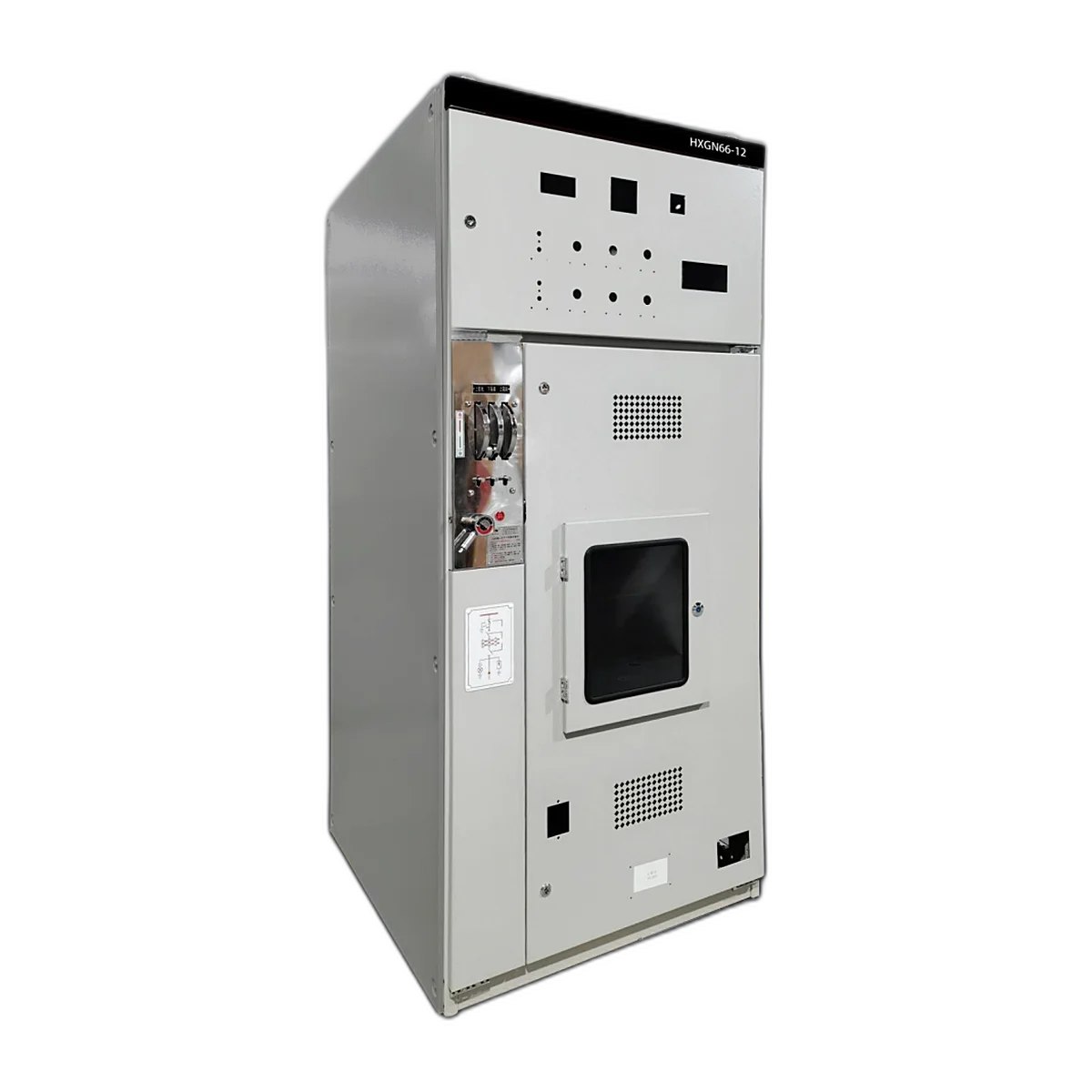
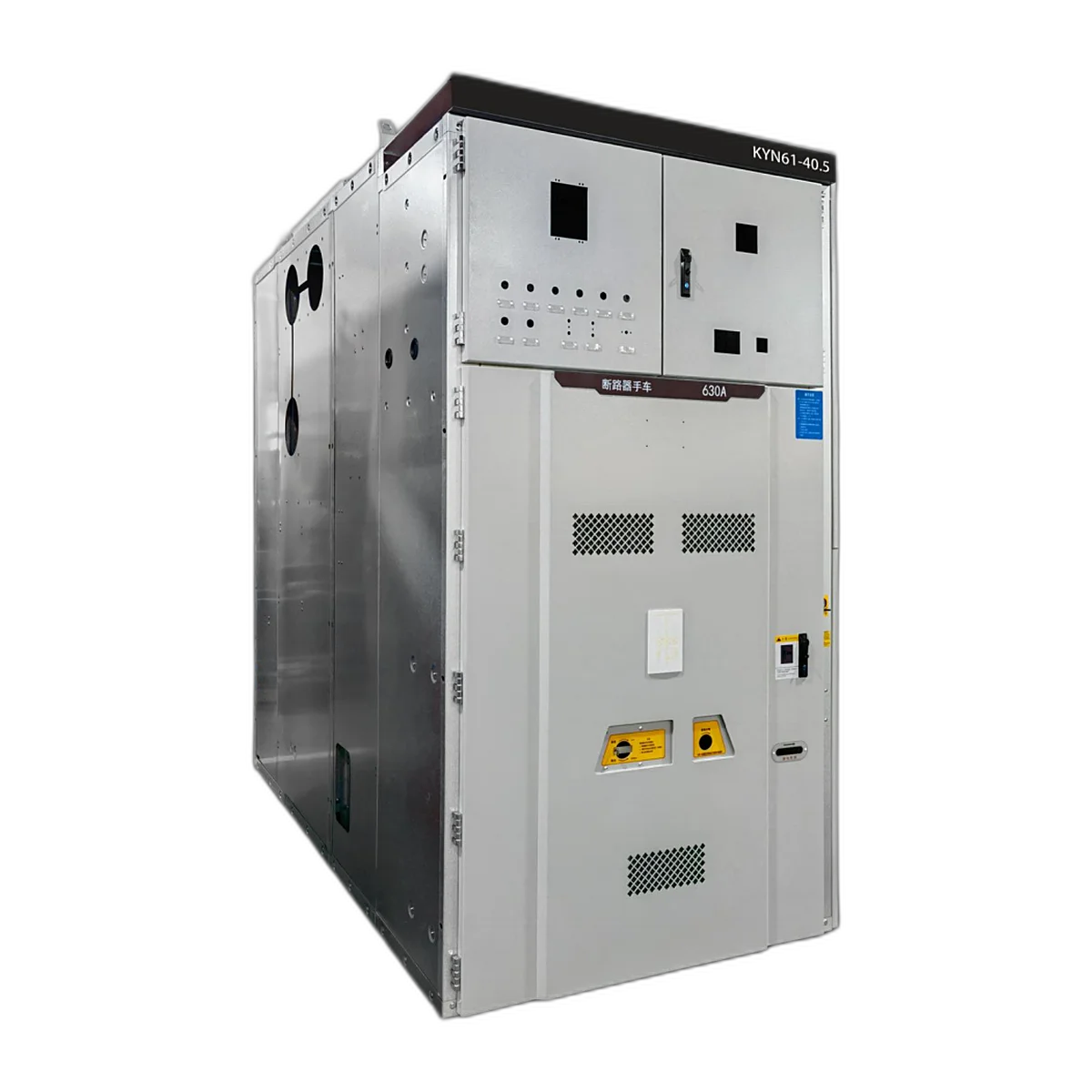
Currently, the format used most frequently in China for the majority of this output are GGD low voltage distribution cabinets that are fabricated using a welded frame with bolted doors and dimensions that match a “standard grid,” so that a plant can standardize on a singular depth and set of widths. Based on this product philosophy, you can acquire products that have been designed in a way to fit the product specification when using a baying system.
Price, MOQ and What “Factory Direct” Means
The following is a price range for a floor standing enclosure that is 1,600 mm (L) x 800 mm (W) x 600 mm (H) with an IP 55 rating, 2 mm steel, and powder coating:
- $600 to $1,200 is the approximate range of prices from a factory direct (for a container volume)
- $1,200 to $2,500 from a system builder via distribution
- $2,500 and up for stainless steel or hazardous locations
The comparison of the MOQ versus price has changed. The system builder sells ONE unit at full retail. The factory may quote the price on ONE unit at the sample price, and the production price for 50 units, which may be lower by up to 30% from the quoted price, and shipping for 50 is also one container. Therefore, the buyer comparing the factory direct for one unit to the distributor’s for one unit, is comparing apples to oranges.
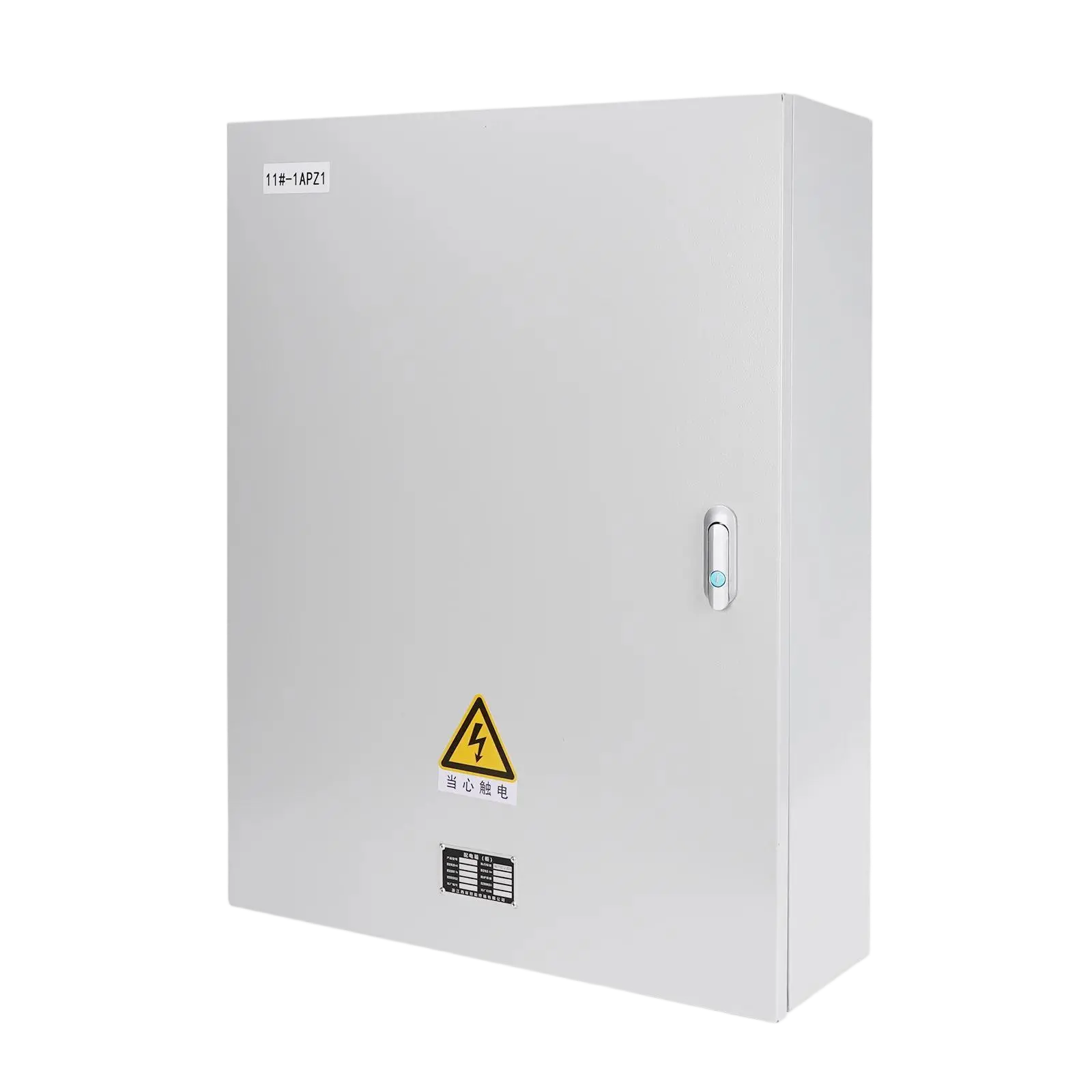
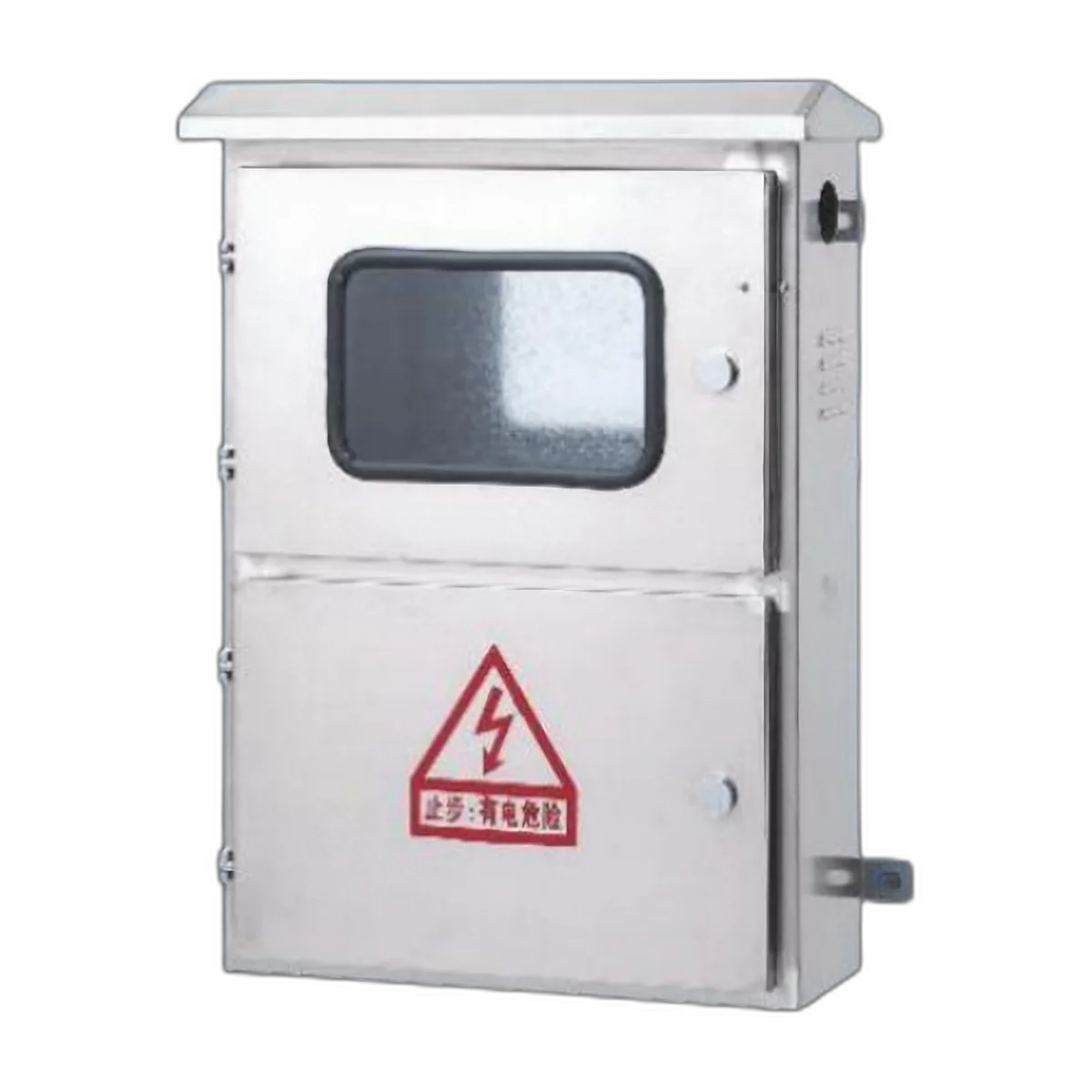
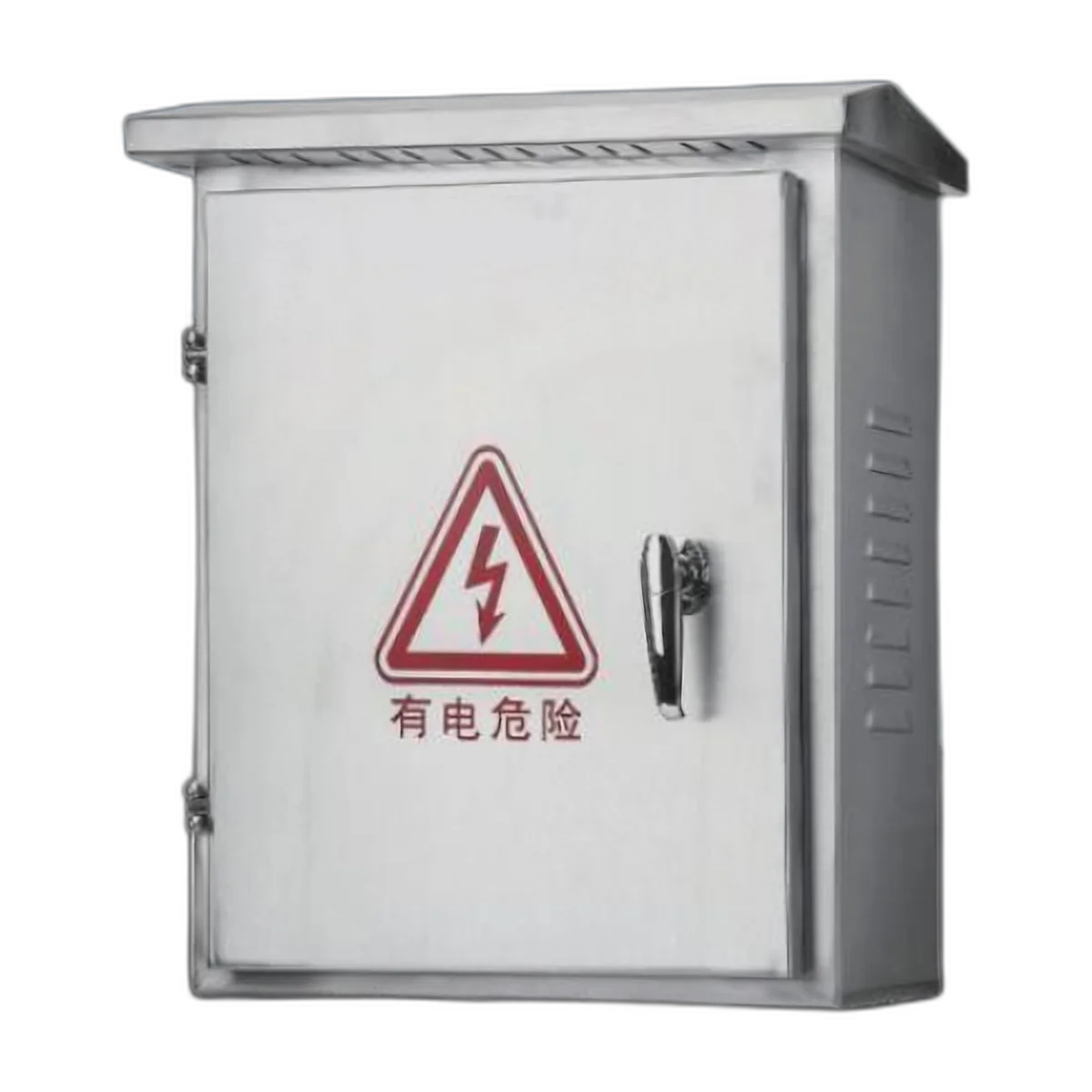
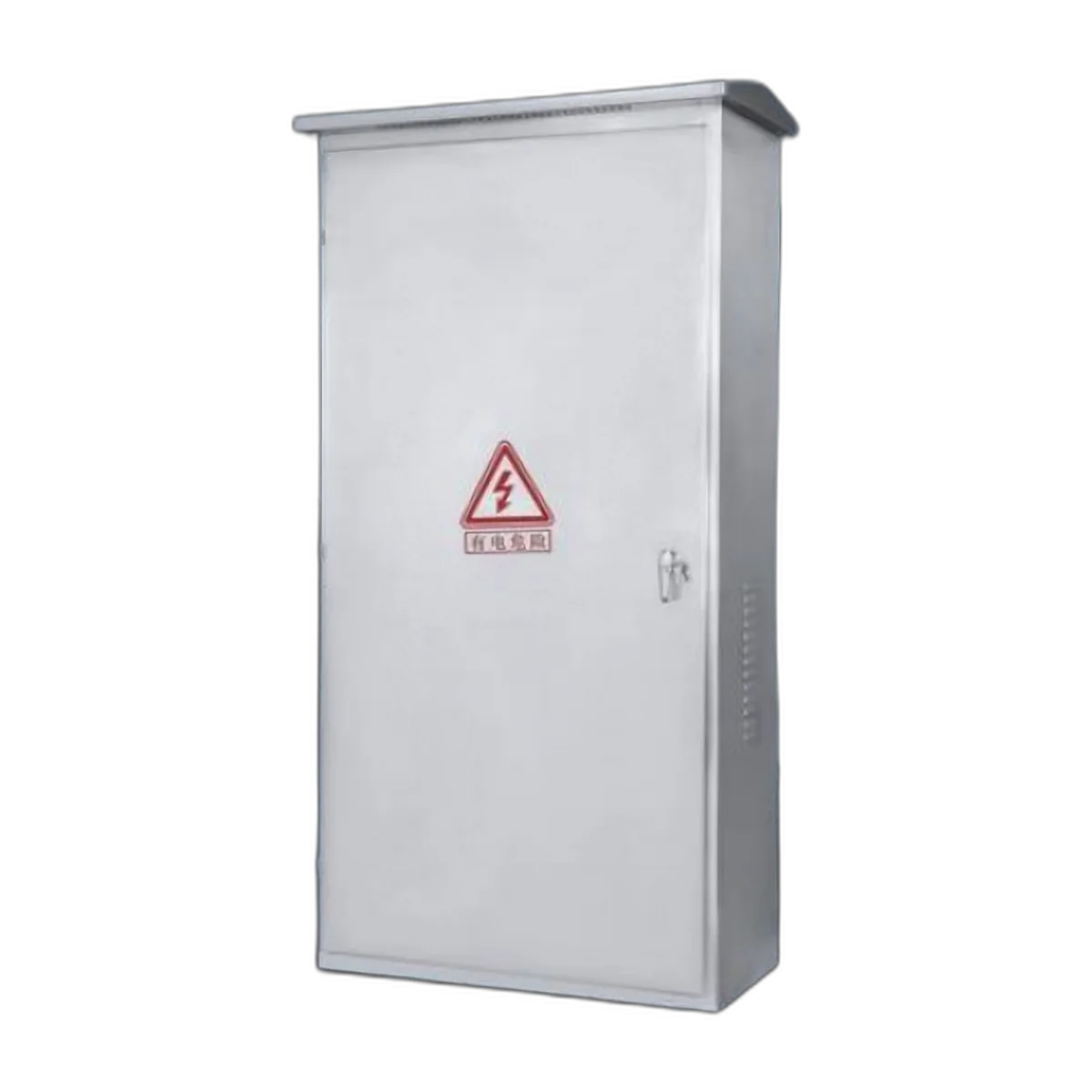
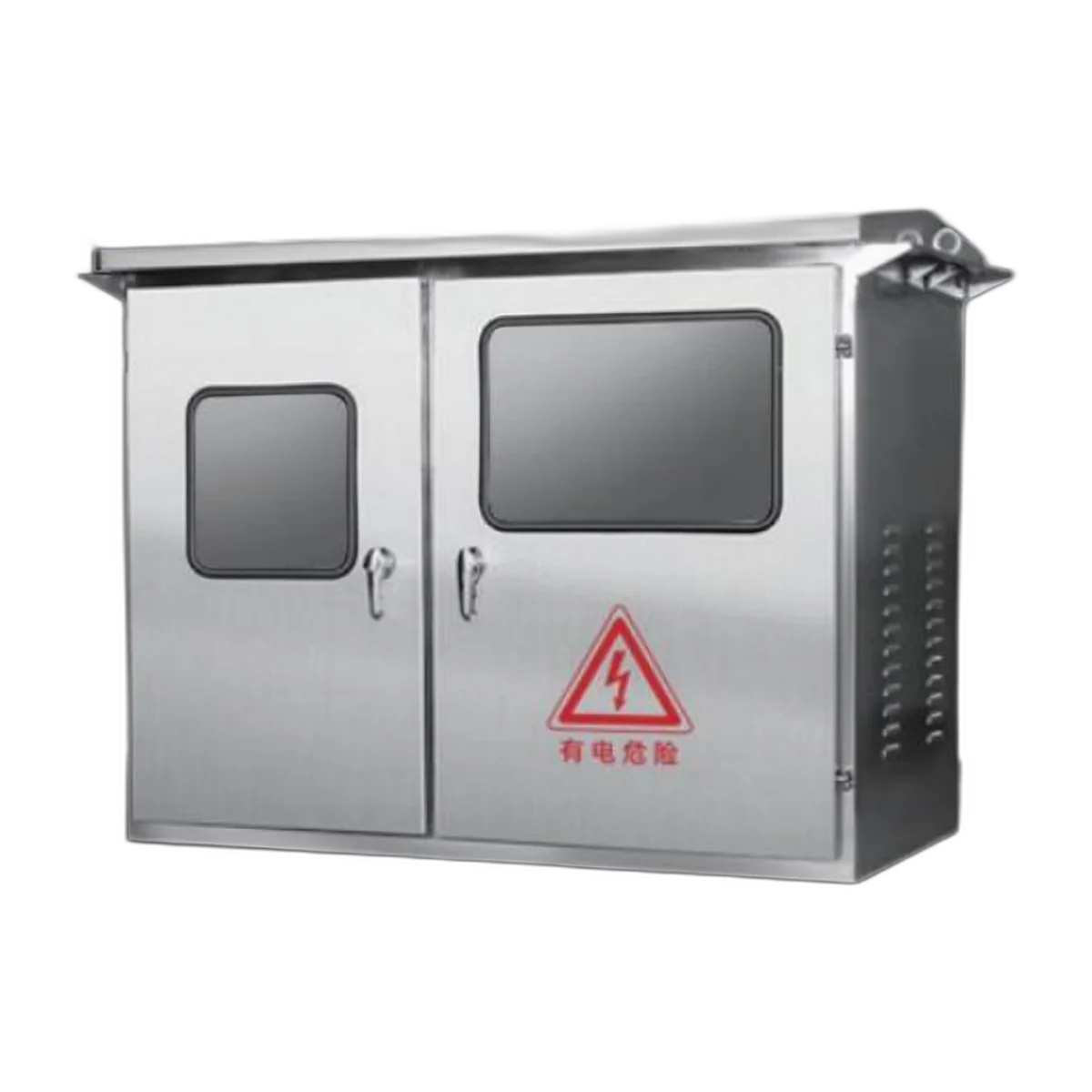
Factory Direct also means that all of the responsibilities the distributor was responsible for (check the drawing, first article inspection, warranty procedures) are now the responsibility of the buyer. The drawings, first articles, inspections and service documentation (like warranties) are not free, but are included in the costs of the products, as they are not included in the pricing of the product. If the factory provides first articles with photographs and dimensions, it will be worth the buyer paying a slight premium, and if the factory does not provide first articles, the buyer is accepting the risk without knowing it. The material component of the cabinet accounts for 33% of the total price difference, as stainless steel cabinets are priced about twice as much as painted steel cabinets of the same size. Additionally, the stainless steel outdoor power cabinet is the type of cabinet that will be specified by chemical and coastal facilities.
Lead Times, Tooling and the Drawing Approval Cycle
Lead times for cabinets differ considerably depending on the delivery method. Typically, if a cabinet is ordered as a stock item, it will ship within days. A modified version of a stock item will take approximately 4–8 weeks to manufacture. A factory-assembled custom-built cabinet can take approximately 8–14 weeks to produce, plus the time required for the manufacturer to receive drawing approval (which is typically 2–4 weeks), assuming that the OEM’s engineering department is on board with the requirements.
Buyers often mistakenly believe that the only delay in getting their cabinets is the time required for the factory to produce the cabinets. However, until the drawings of the cabinets are received and signed off by the OEM, there can be significant delays. Production will not start until the OEM has signed off on the drawings, and the OEM will not sign off on the drawings until it has completed its internal design work, which is dependent on the selection of equipment. Typically, the OEM’s internal design process creates a critical path for the project, as opposed to the path of the supplier.
Tooling does not generally pose a problem with sheet steel because, in this case, the processes used are laser cutting, bending, and welding, and there is no tooling required for these processes. However, if tooling is required for die casting or injection molding, the cost and lead times will be different from each other and the OEM’s production volume will determine the amortization of the cost of tooling. A polycarbonate enclosure made from a custom mould presents a different set of business challenges compared to a welded steel box. This is why at the enquiry stage the OEM and ODM enclosure service makes this distinction between fabricated and tooled orders.
How to Choose: A Four-Question Filter
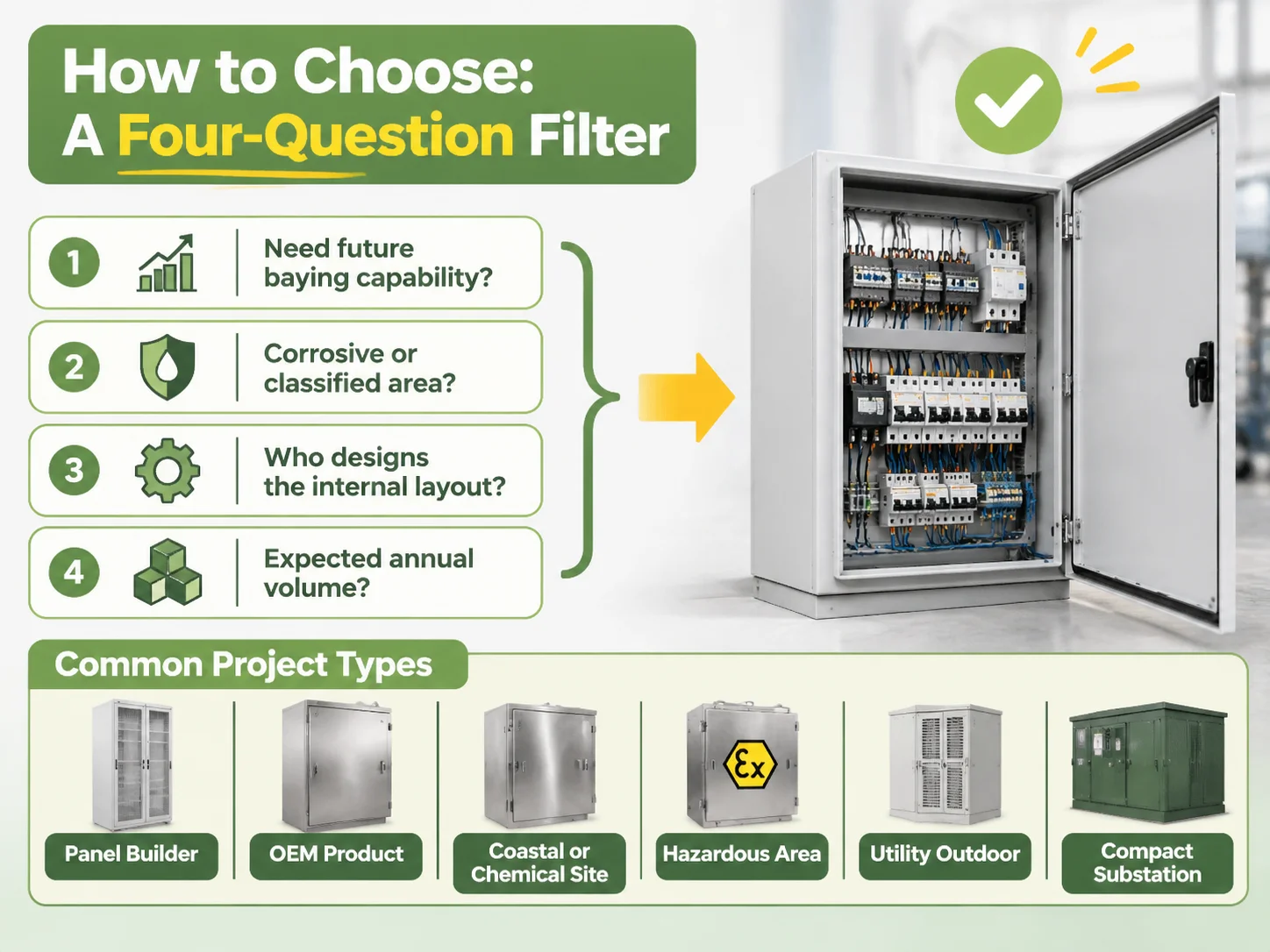
The quicker you can ask these four questions, the quicker you will narrow down your options in order to obtain both quotes.
Will your enclosure need to be compatible with a baying system later? If yes, the only possibility for the system builders would be to provide a solution, as a welded box would not offer expansion capability down the line. Is the enclosure going to be utilized in a corrosive or classified area? If yes, you should focus on the tier two specialists or consider a stainless steel build, and the material choice should direct your supplier choice. Who will create the internal layout of the enclosure, is the OEM creating the internal design, or will you just buy a standard assembly? If the OEM creates the internal layout, a factory build will be a more efficient means of producing the enclosure, whereas if the OEM does not create an internal layout, an off-the-shelf solution may save engineering costs. What is the expected annual volume of enclosures and how often do you expect changes to occur? The factory receives a high volume of orders with little variability, while the distributor receives a low volume of orders with a higher frequency of variability.
| Project type | Construction | First choice | What to check first |
|---|---|---|---|
| Panel builder, multi-bay board | Baying system | Rittal, nVent, Schneider | Accessory grid and stock |
| OEM product, fixed design | Welded steel | Factory build | First-article report and finish spec |
| Coastal or chemical site | 316 stainless or GRP | Specialist or factory | Corrosion class and salt spray hours |
| Hazardous area | Certified cast or stainless | Adalet and similar | Area classification certificate |
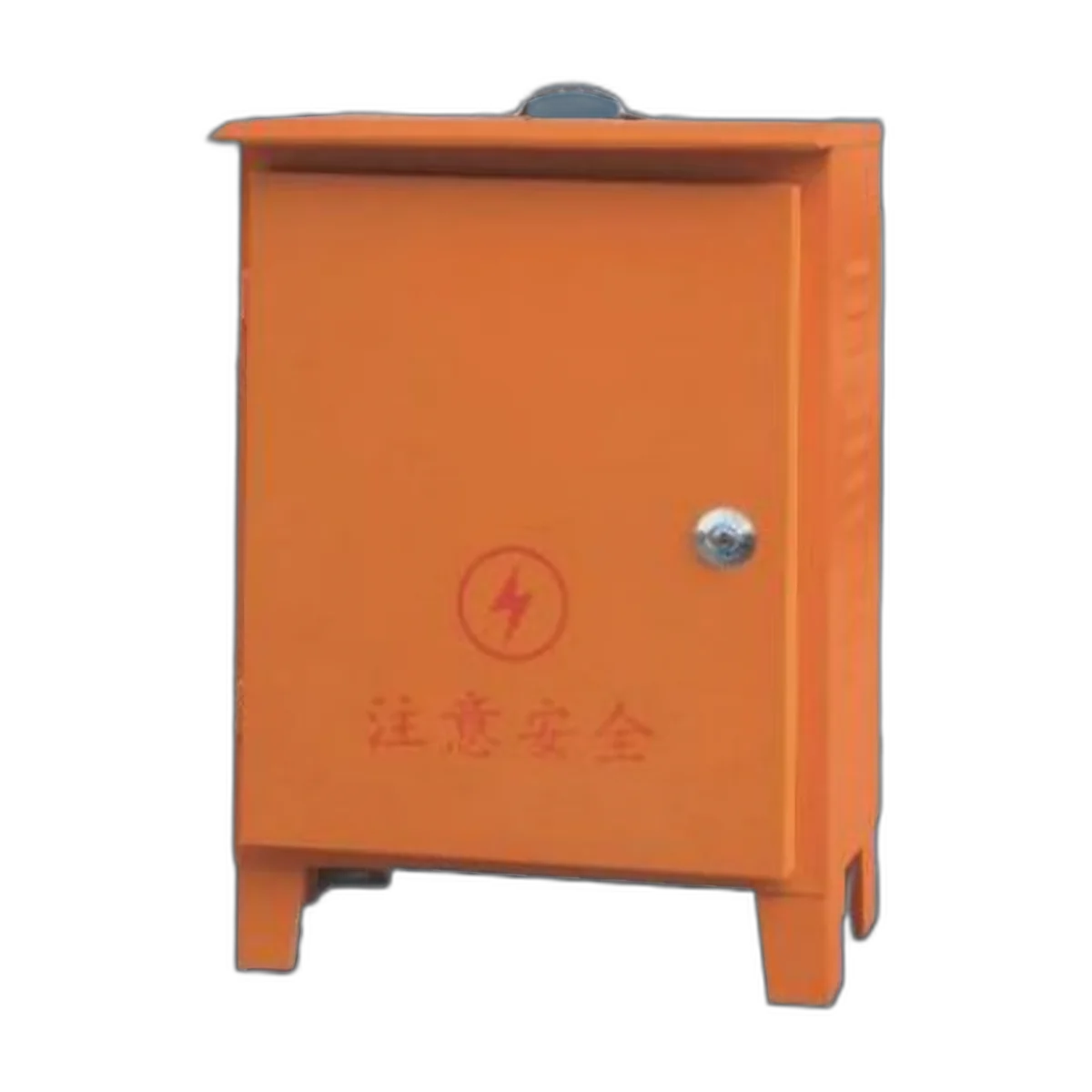
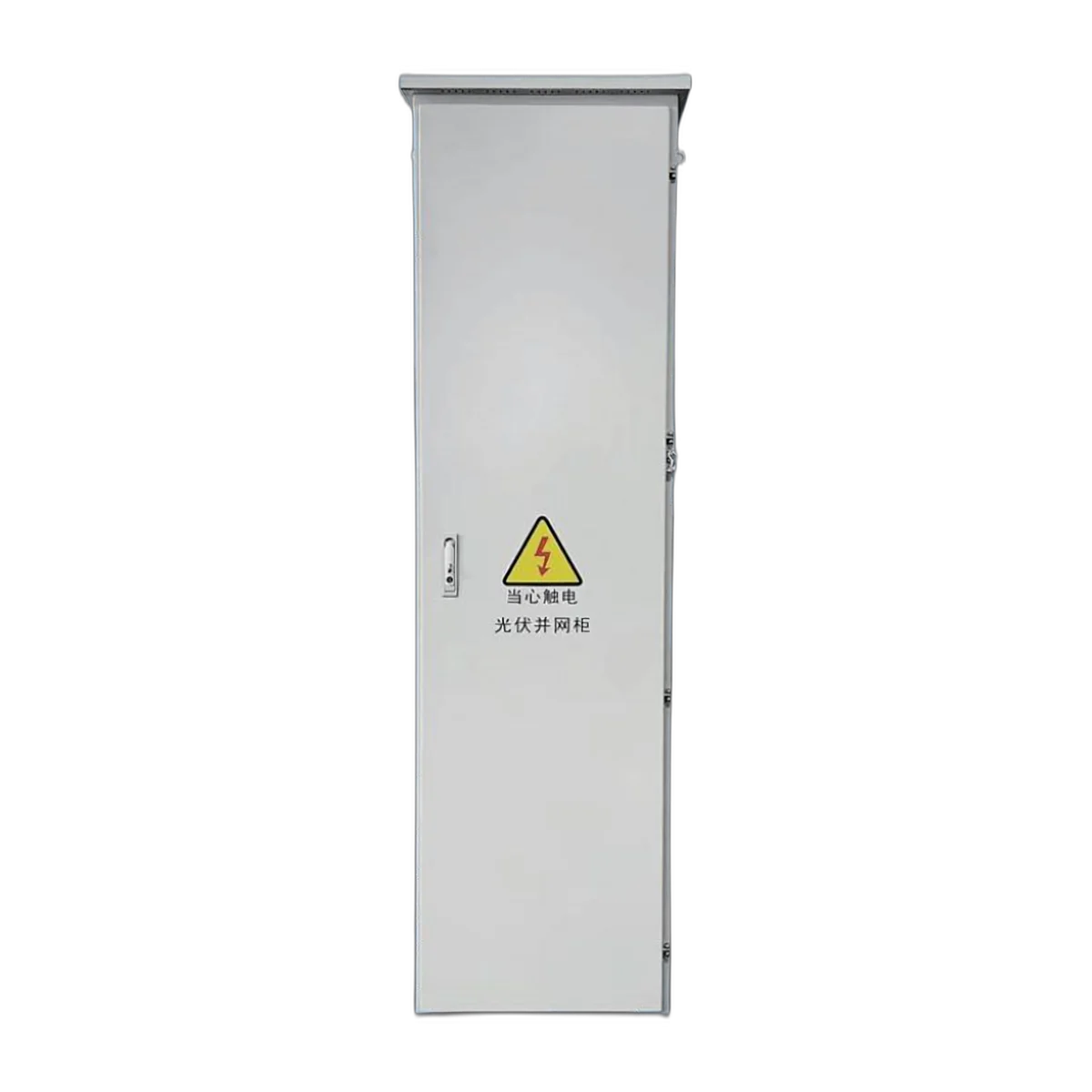
| Utility outdoor cabinet | NEMA 3R or 4X | US fabricator | Utility specification drawing |
| Compact substation | Skid or E-house | Substation builder | Structural and arc rating |
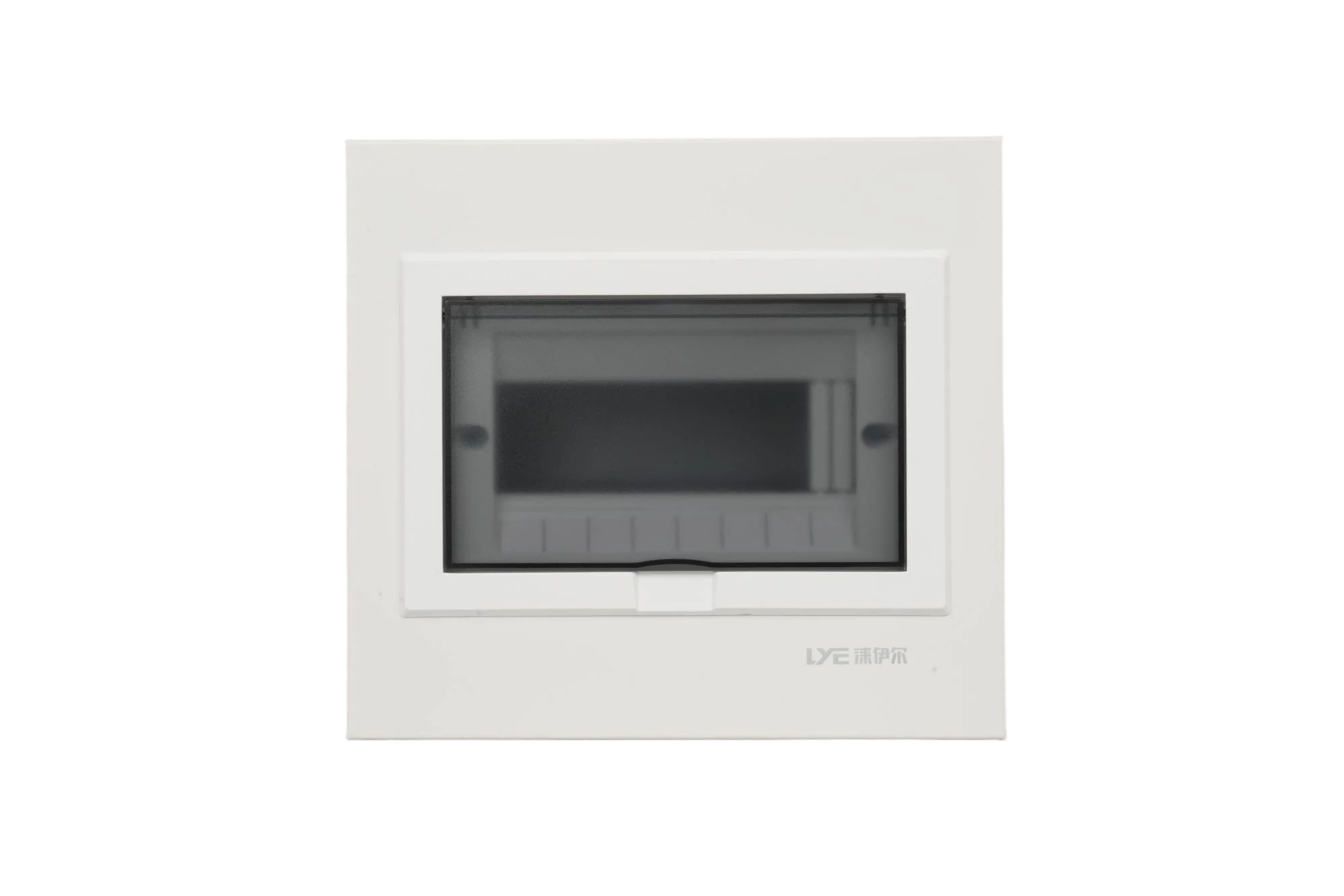
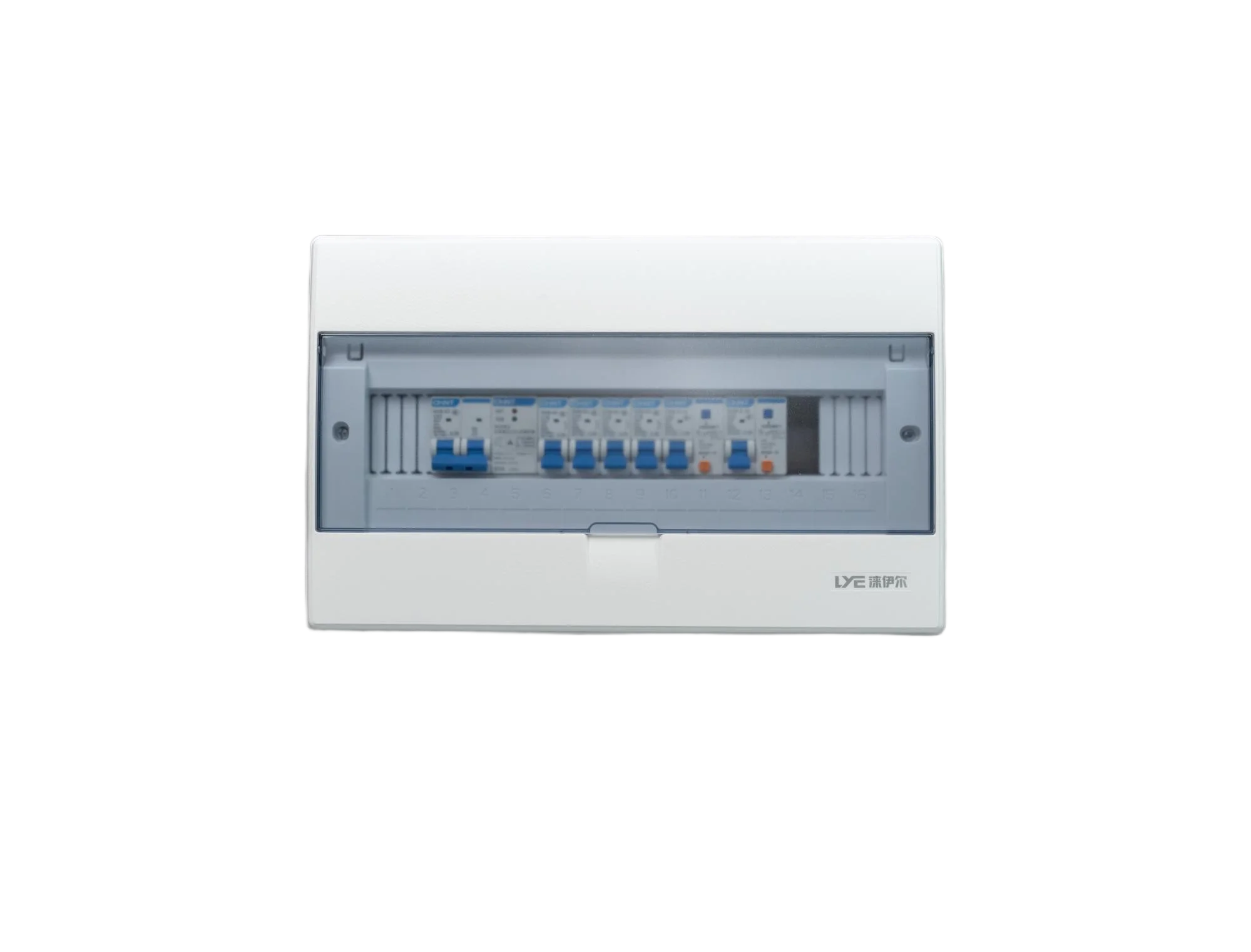
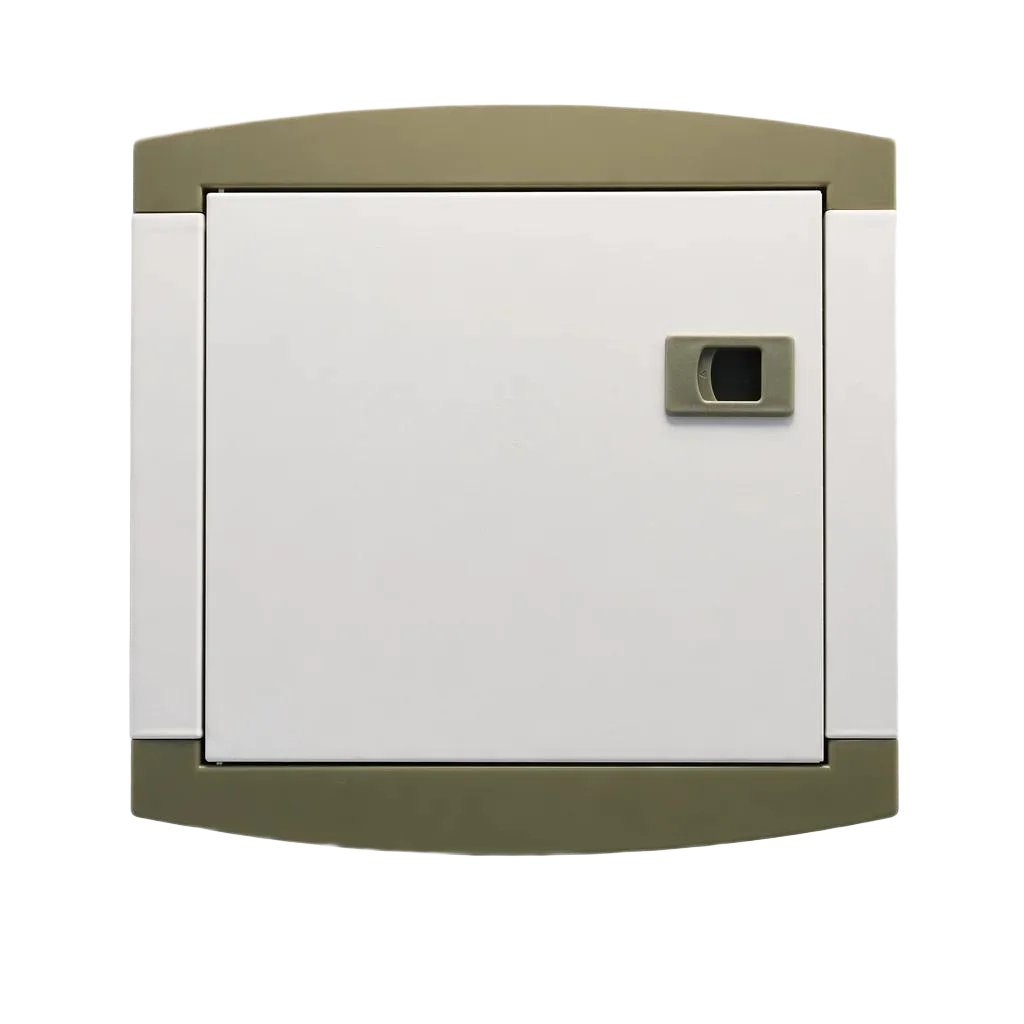
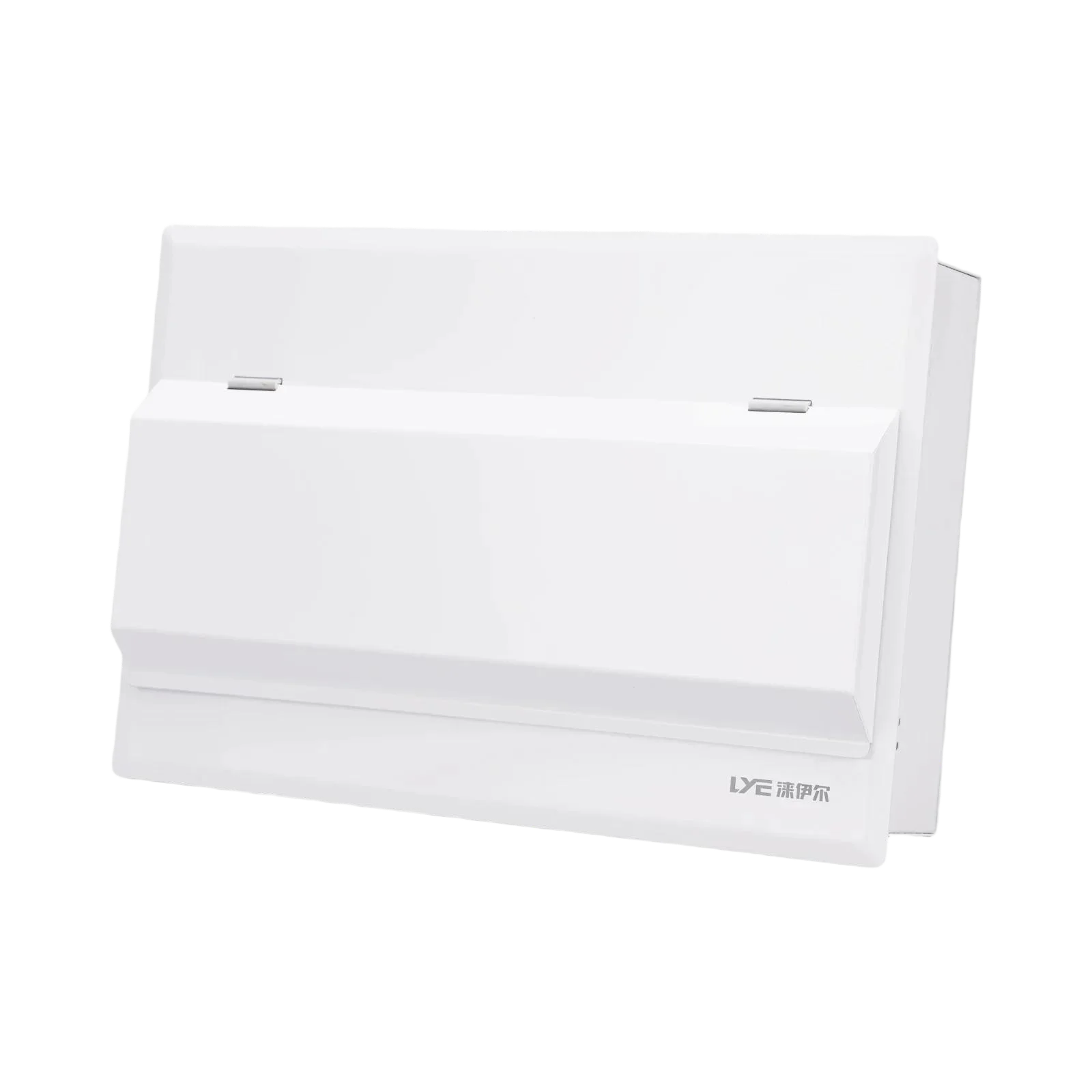
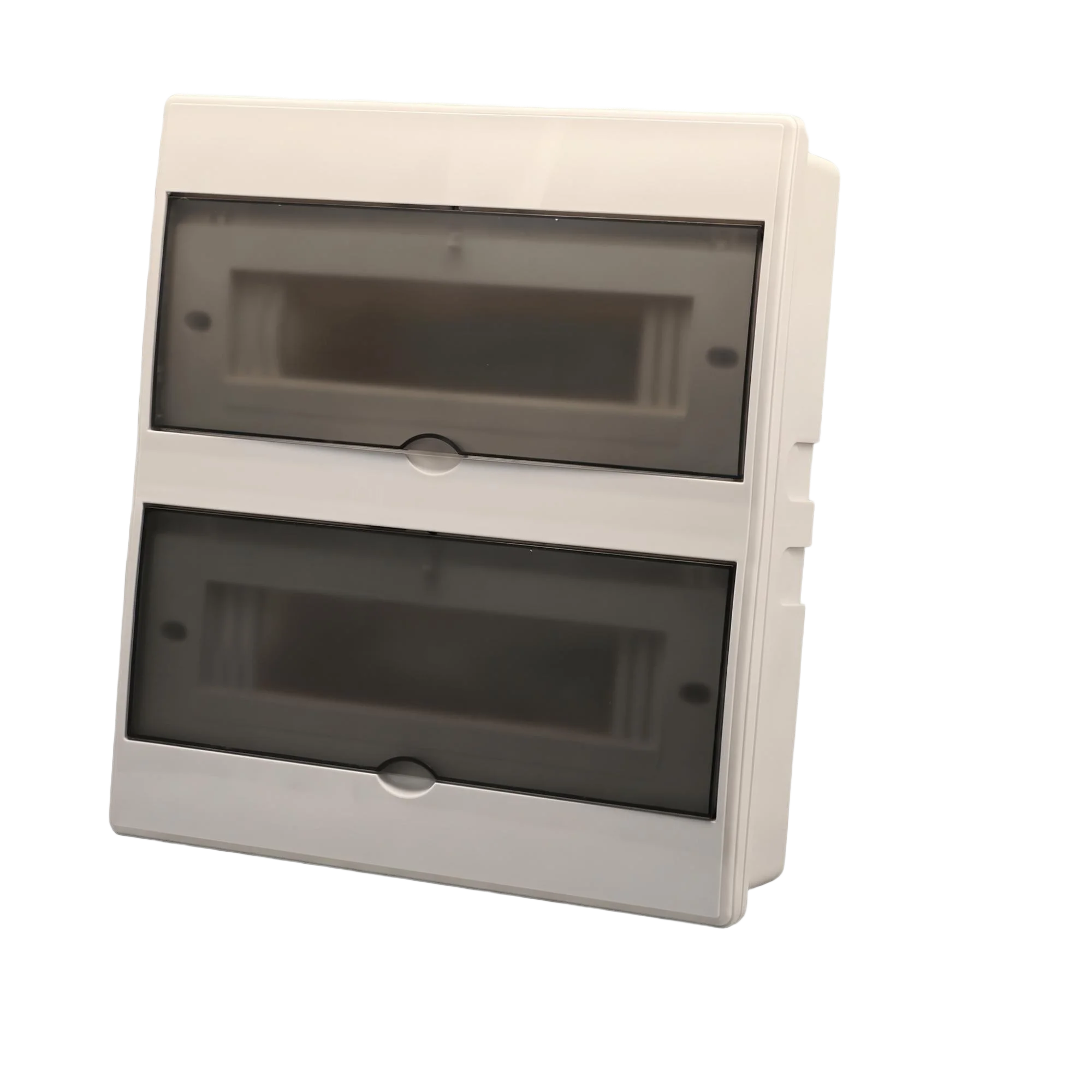
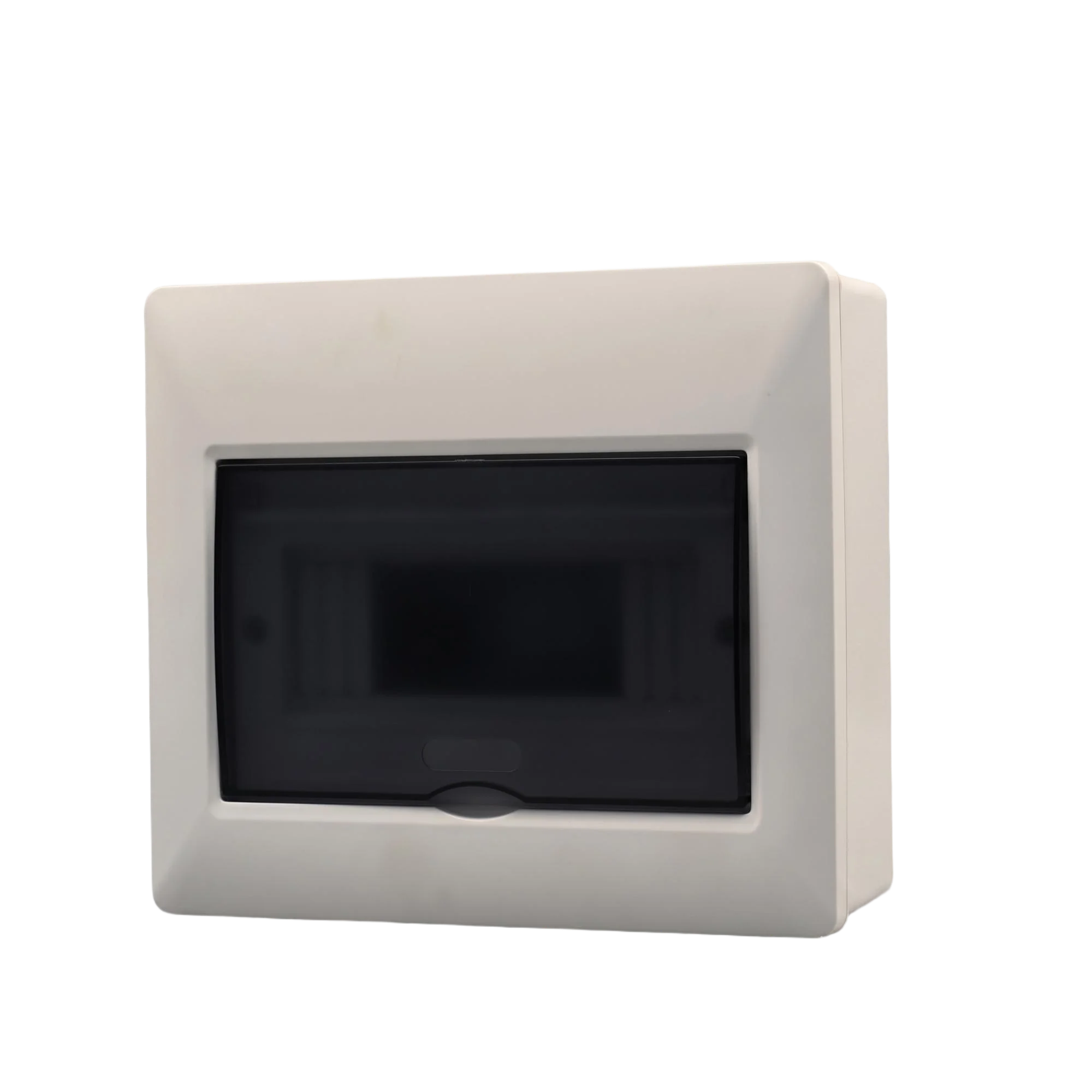
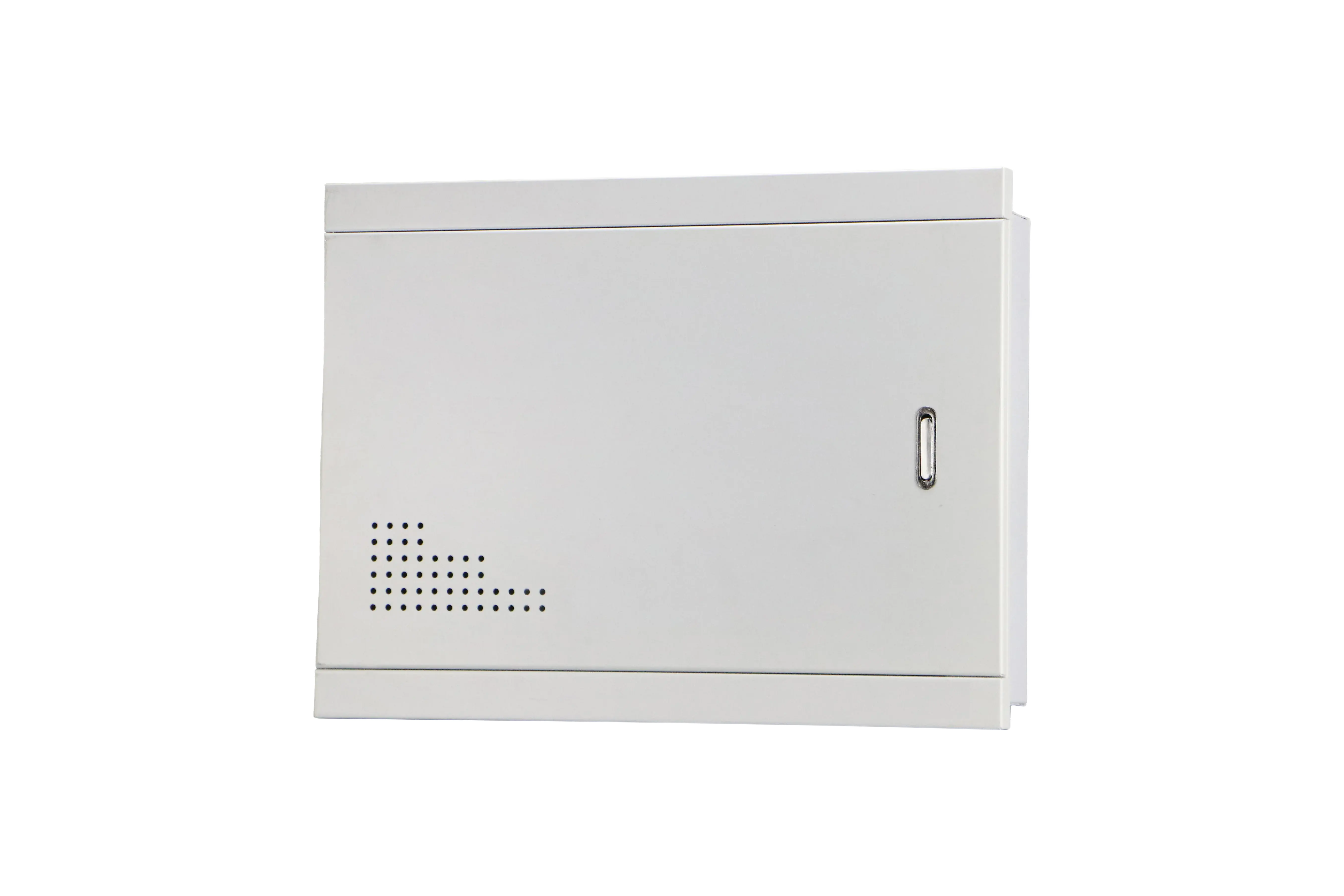
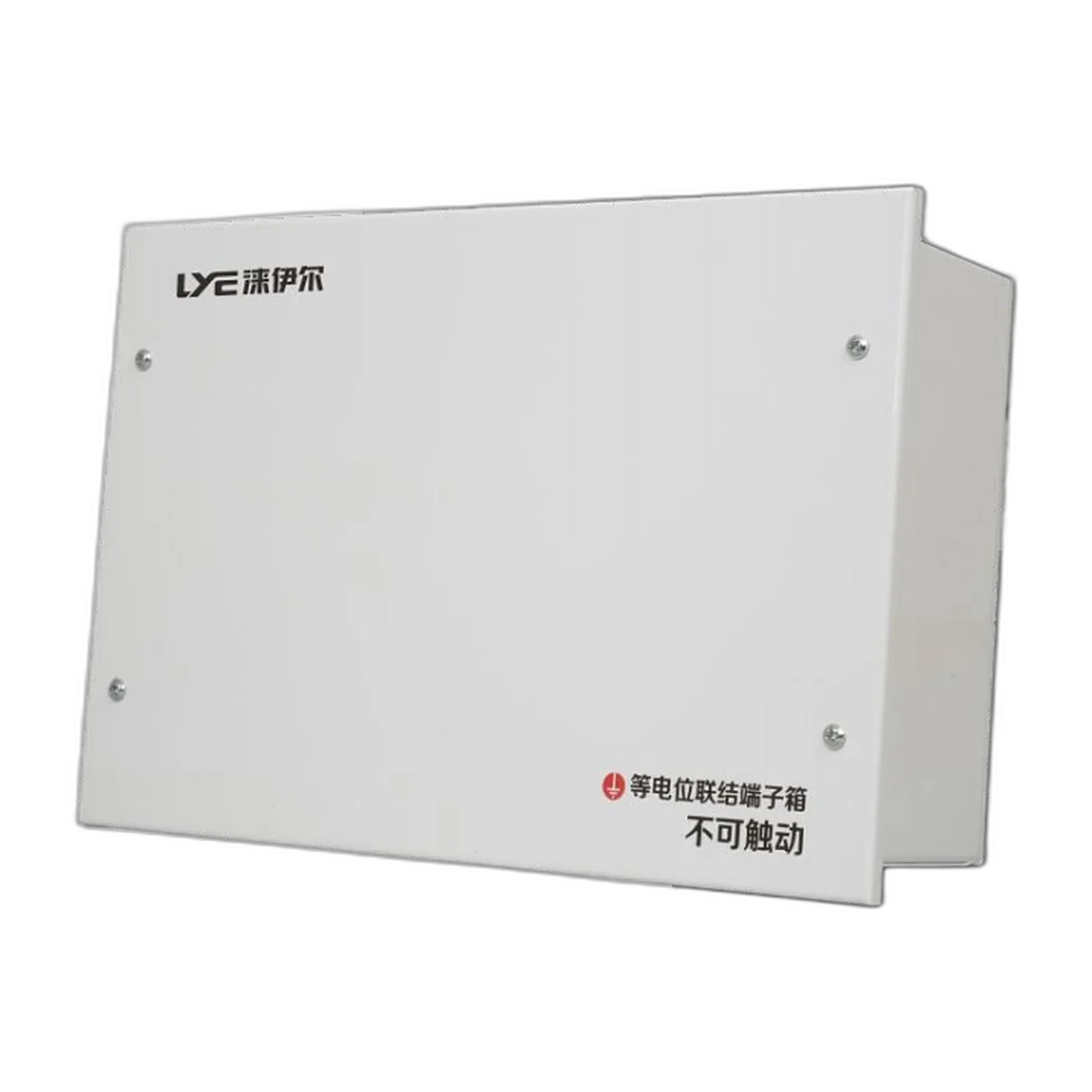
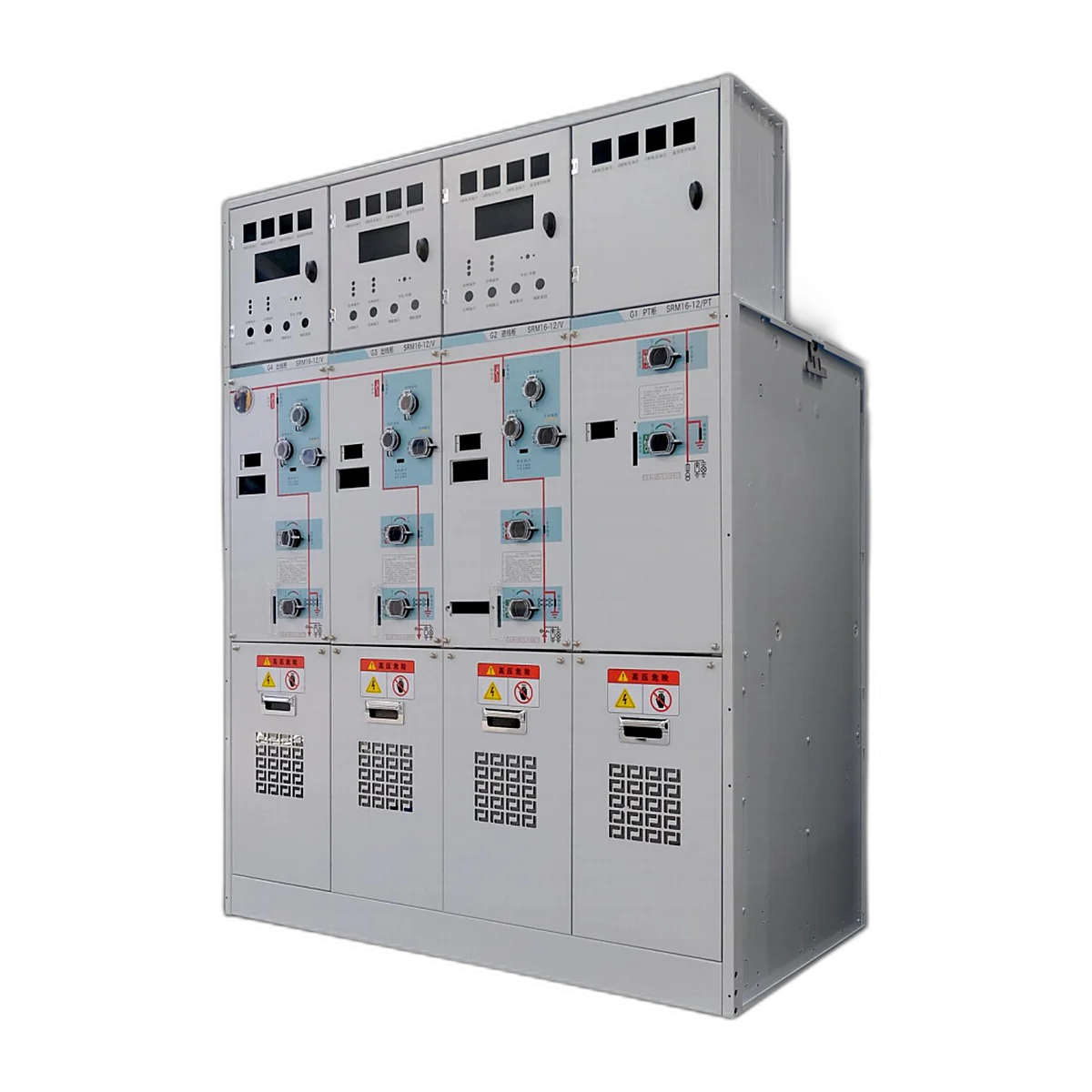
In situations where a building enclosure is considered a part of an assembly, the decision to use a certain type of enclosure is typically based on the type of switchgear inside the enclosure. An example of an assembly enclosure is a Foundation Distribution Box. This is the enclosure style used in situations where a facility requires a standardized footprint for a Distribution or Metering point. In such cases, the standardization of the Foundation Distribution Box has a higher value to the facility than the high per-unit cost because it gives the facility the ability to maintain a single spare enclosure on-site.
Where LYE Fits
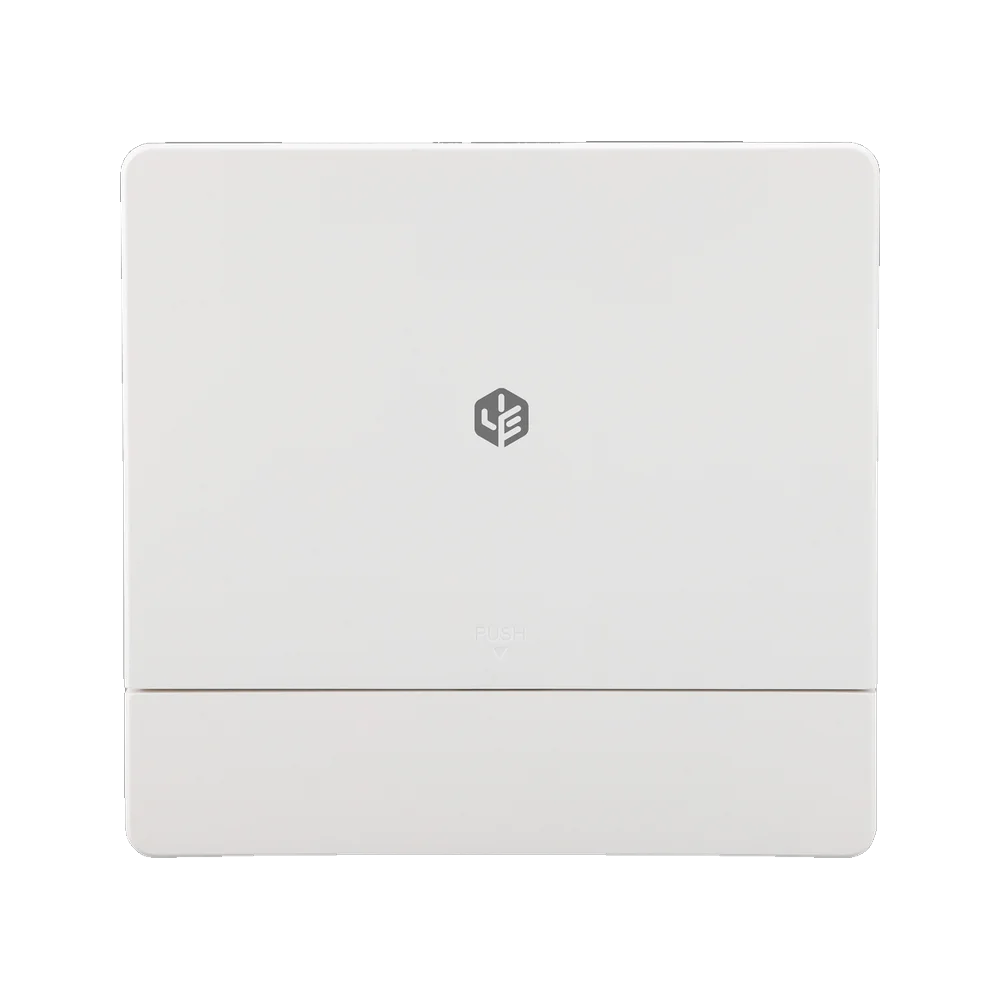
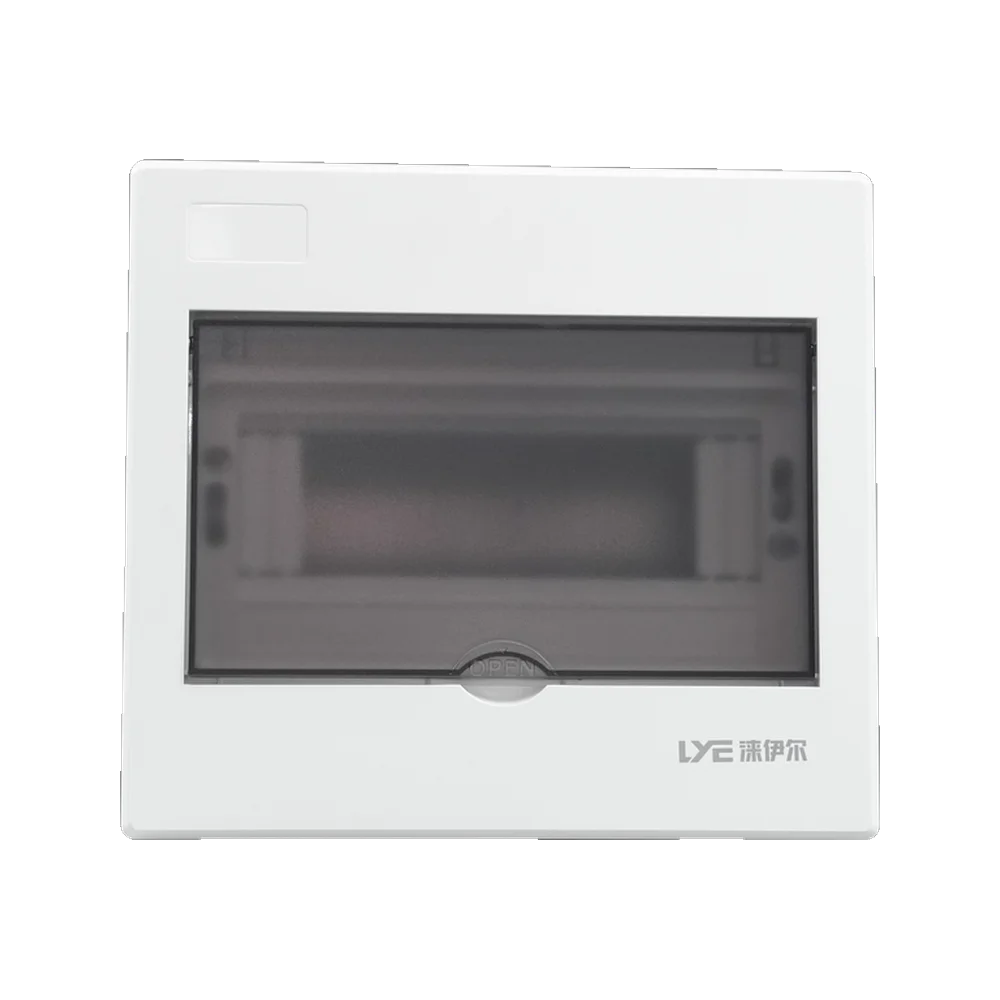
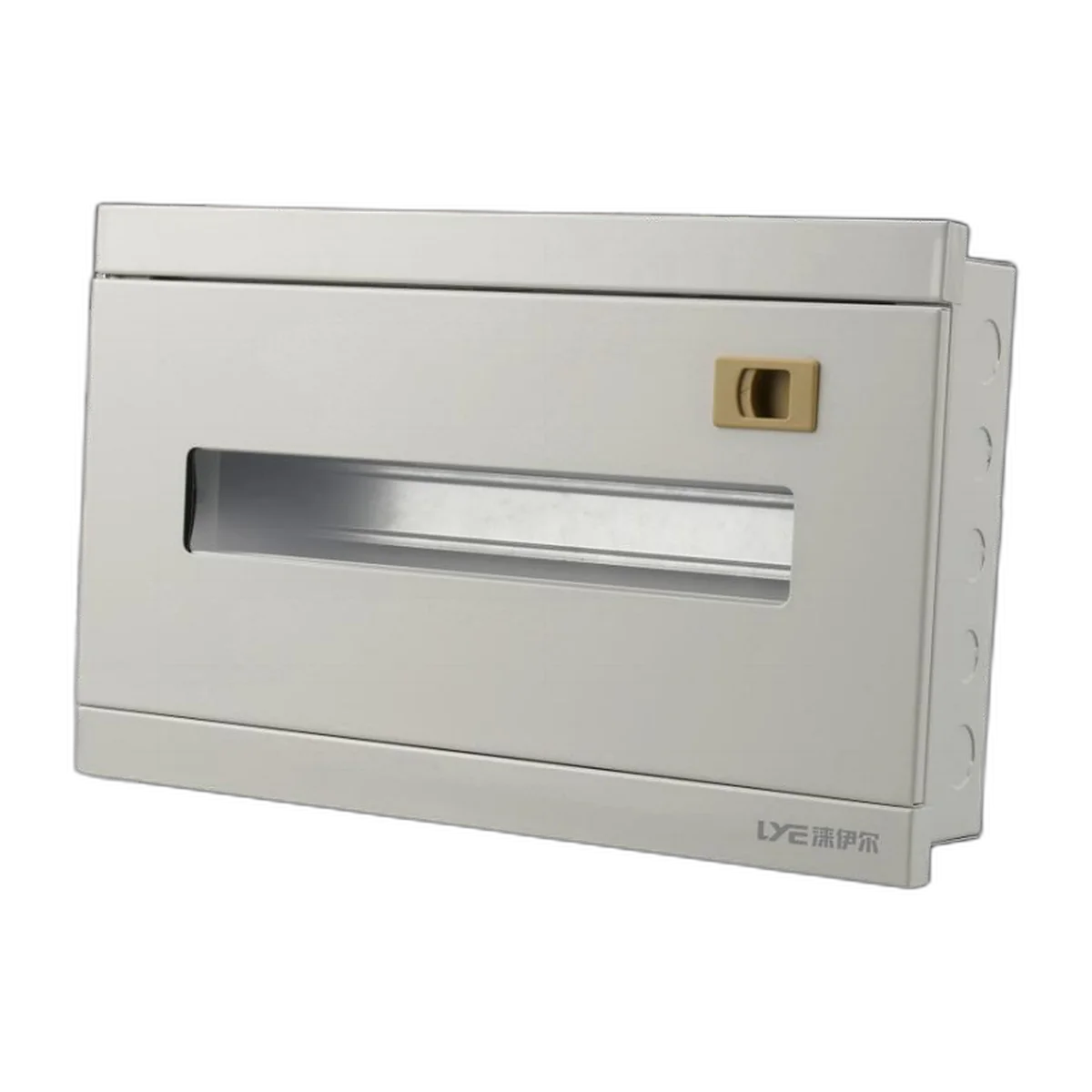
LYE produces fabricated sheet steel enclosures in welded construction and offers three degrees of marine environment protection: IP54, IP55, and IP66. Many energy Original Equipment Manufacturers (OEMs) prefer stainless steel because enclosures are replaced much more frequently than the equipment housed within them. However, we do not manufacture baying systems. The global platform for enclosures does not contain a common accessory grid; therefore each of our types of enclosure has its own accessory grid or none at all in Europe or North America, so any project requiring compatibility with an existing installation from Rittal will be submitted to Rittal for assistance.
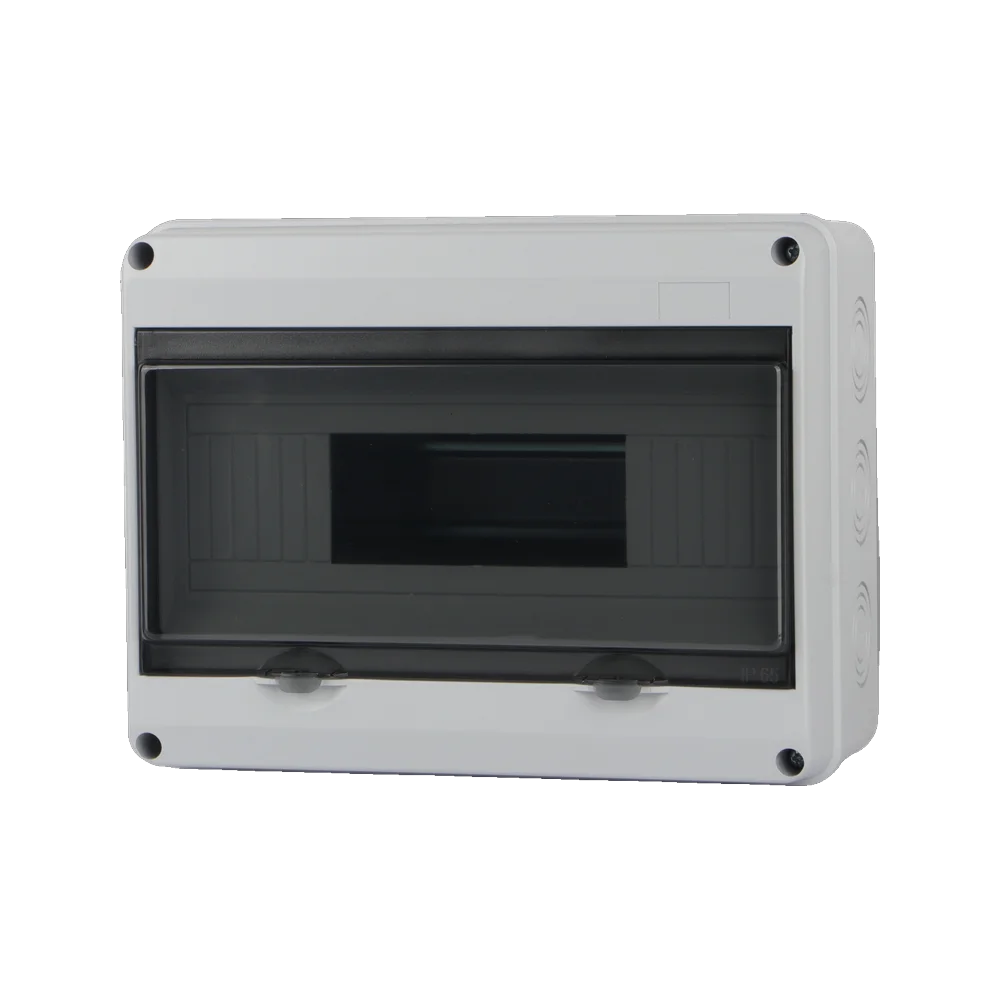
We are competitive with OEMs who use their own designs and ship a predetermined product, who also want fabricated enclosures to have a documented finish and an initial inspection report. Our enclosure catalogue provides for the common sizes which encompass the majority of orders, from 200 mm wall boxes through multi-section free-standing assemblies.
The advantage in terms of the OEM is not merely pricing, but also because the enclosure, the internal mounting plate and the cable entry are designed as an integral unit for that one product instead of assembled from multiple sources; thus eliminating the 15 mm interference that results during the initial prototype assembly.
FAQ
What are the largest industrial enclosure companies?
The largest industrial enclosure companies by revenue are Rittal, nVent and Schneider Electric. All use baying systems and catalog platforms to distribute to their customers. Below them are Adalet and Saginaw Control that provide heavy industrial and hazardous area work in North America, Fibox and Hensel manufacture non-metallic and small outdoor enclosures, plus there are the OEM specified fabricated enclosures from China, Turkey and India manufacturing plants.
What Is the Difference Between NEMA and IEC Enclosures?
NEMA 250 defines the Type Ratings for North America, with UL 50E being the listing standard backing it up. IEC 62208 covers the Empty Enclosures for Low Voltage Assemblies, with the use of the IP Code from IEC 60529. The two systems test differently; both a NEMA 4X and an IP66 enclosure can have similarities but not equivalency; therefore, for a project to specify both, it should hold both to the stricter requirement.
What Does an Industrial Enclosure Cost?
An industrial enclosure with dimensions of 1,600 x 800 x 600 mm (floor standing) manufactured using 2-mm thick sheet metal with an IP55 rating and a powder-coated finish has cost estimates between $600 and $1,200 from a factory at container volume and $1,200 to $2,500 from a system builder through distribution. For a factory manufactured stainless steel or certified hazardous-area enclosure, the prices are significantly higher. The difference in price between two quotations for the same size mainly comes down to sheet metal thickness, the gasket used and the finish.
Should an OEM Purchase a Catalogue or Custom Enclosure?
If the internal layout of the product is subject to frequent change or if there is good potential for product extension, then a catalogue platform can save the engineer time. However, if the product design is fixed with predictable volume, then a machine-fabricated enclosure designed specifically around the product will eliminate interference, lower the overall part count and will result in 40–60% lower costs at volume.
References
- Rittal — Enclosure Systems and Climate Control
- nVent — Hoffman Electrical Enclosures
- Adalet — Heavy Industrial and Hazardous Area Enclosures
- Fibox — Polycarbonate and GRP Enclosures
- UL Solutions — UL 50E Enclosure Standards
Conclusion
There are three tiers of enclosure markets, and each of the three tiers are not competing with one another. There are system builders that offer a baying-type platform, specialists who produce a certified and fabricated heavy industrial enclosure, and there are factories producing enclosures to OEM drawings, usually at 50% of the cost of a system builder. The requirements of the enclosures — i.e., whether they require extension, certification for hazardous areas, or a design built around a fixed product — will determine which option is best for your needs.
Within each tier, there are four key criteria that will determine the actual price: sheet thickness, gasket design, finish, and corrosion class. All four are not visible in a photograph, yet all four will materialize in a failure three years later. You should always ask for the finish specifications (e.g., salt spray hours) and the IP test report for the configuration as shipped; thereby making the comparison more about the product rather than the number.