
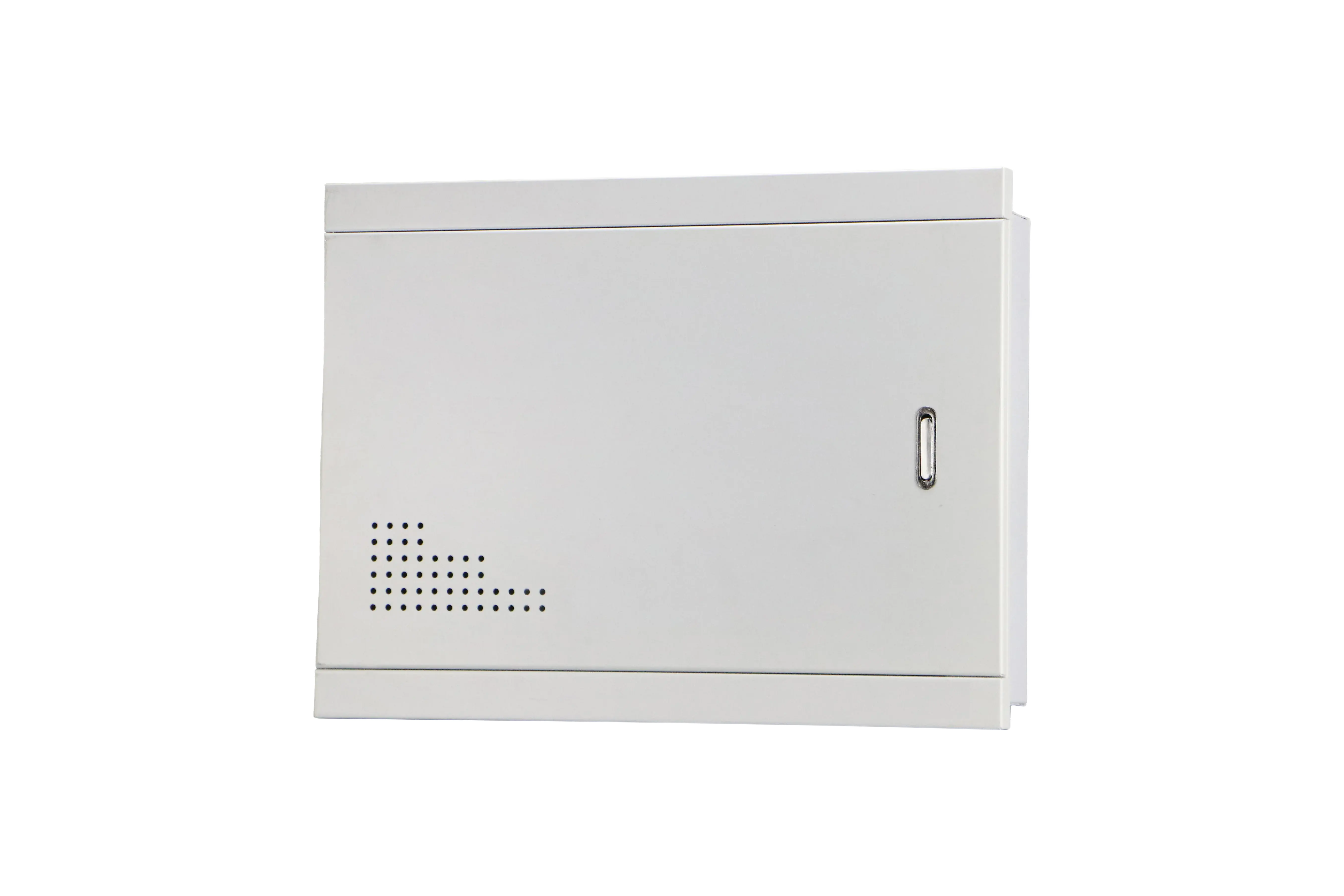
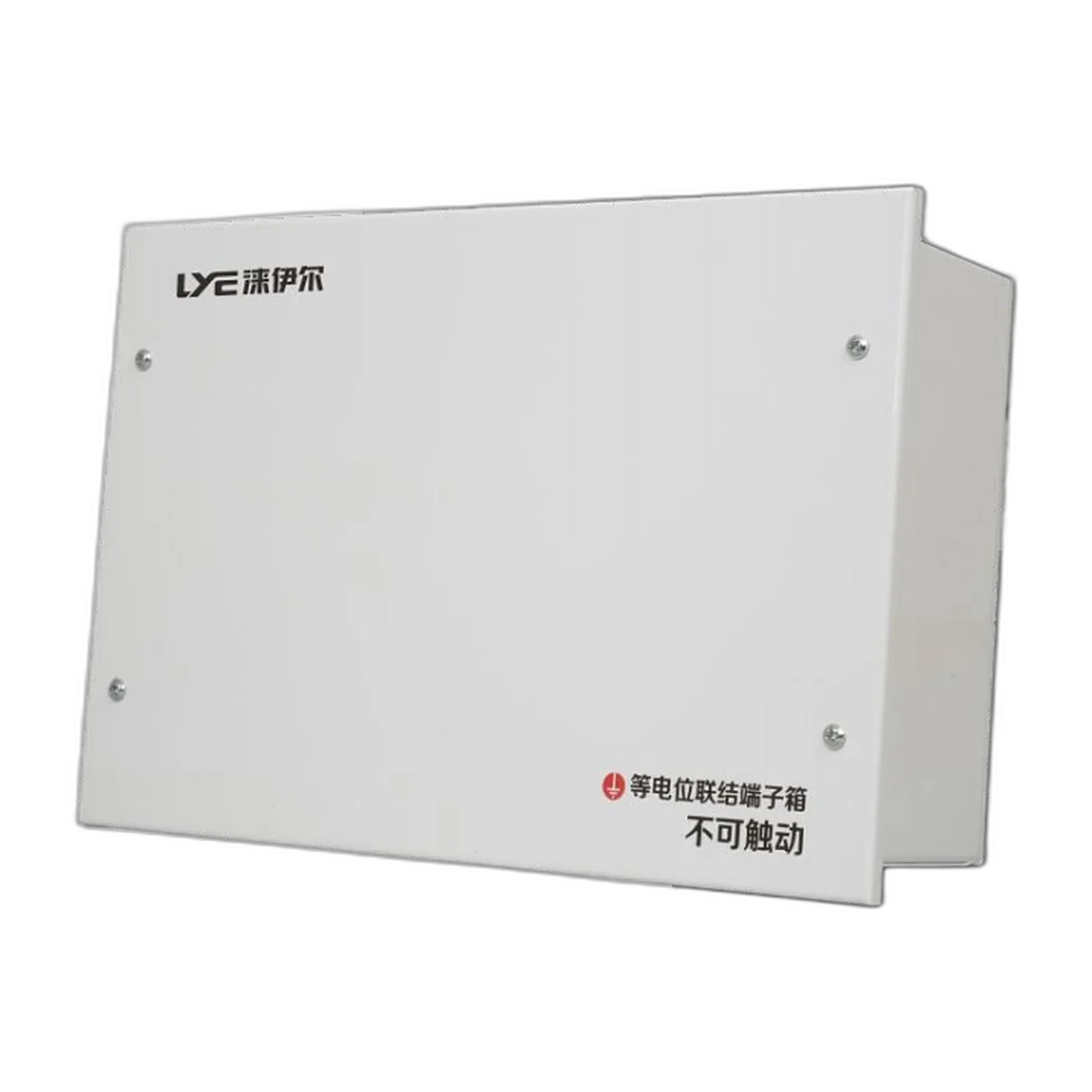
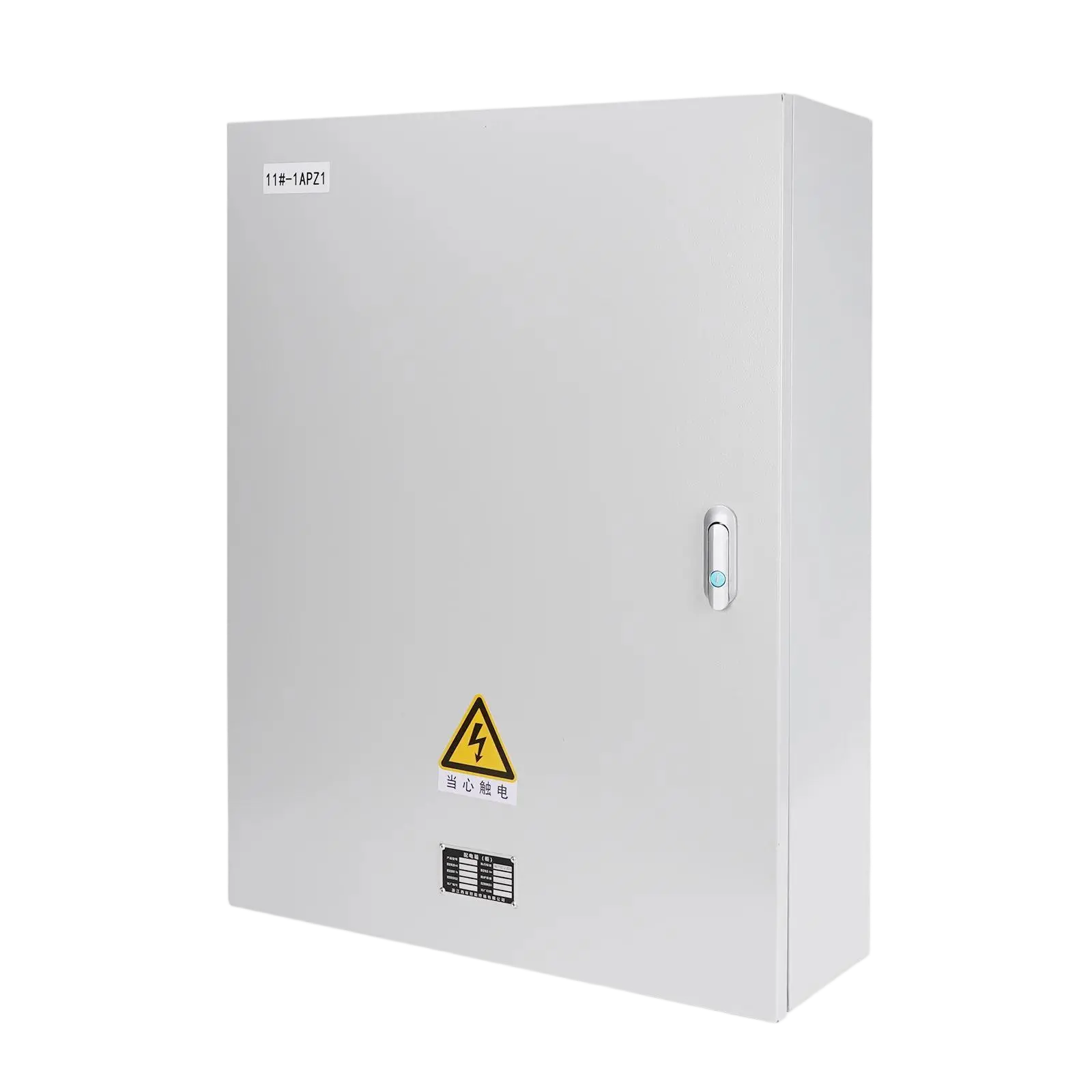
NEMA 3R or NEMA 4X
When it comes to choosing between NEMA 3R and NEMA 4X enclosures—both of which provide varying levels of water and dust protection—the answer is that neither is better than the other, as they are two separate and distinct levels of protection. In addition, the price difference between the two enclosures is 2–5 times greater, meaning that there will be additional costs associated with installing either enclosure in the wrong application.
Quick answer: select the wrong enclosure and you will pay for it both ways; ie, if you installed a NEMA 3R enclosure in a washdown area, you would expect the enclosure to fail in about 18 months; conversely, if you installed a NEMA 4X enclosure on a dry service entrance, you would have then spent money on something that does not provide any additional value than that which was required by code. The difference between a NEMA 4X enclosure and a NEMA 3R enclosure is that a NEMA 4X enclosure will survive exterior elements as well as having a better seal against water, dust, and dirt. The additional cost of manufacturing NEMA 4X enclosures stems from the use of a gasket and corrosion resistant materials and tighter tolerances.
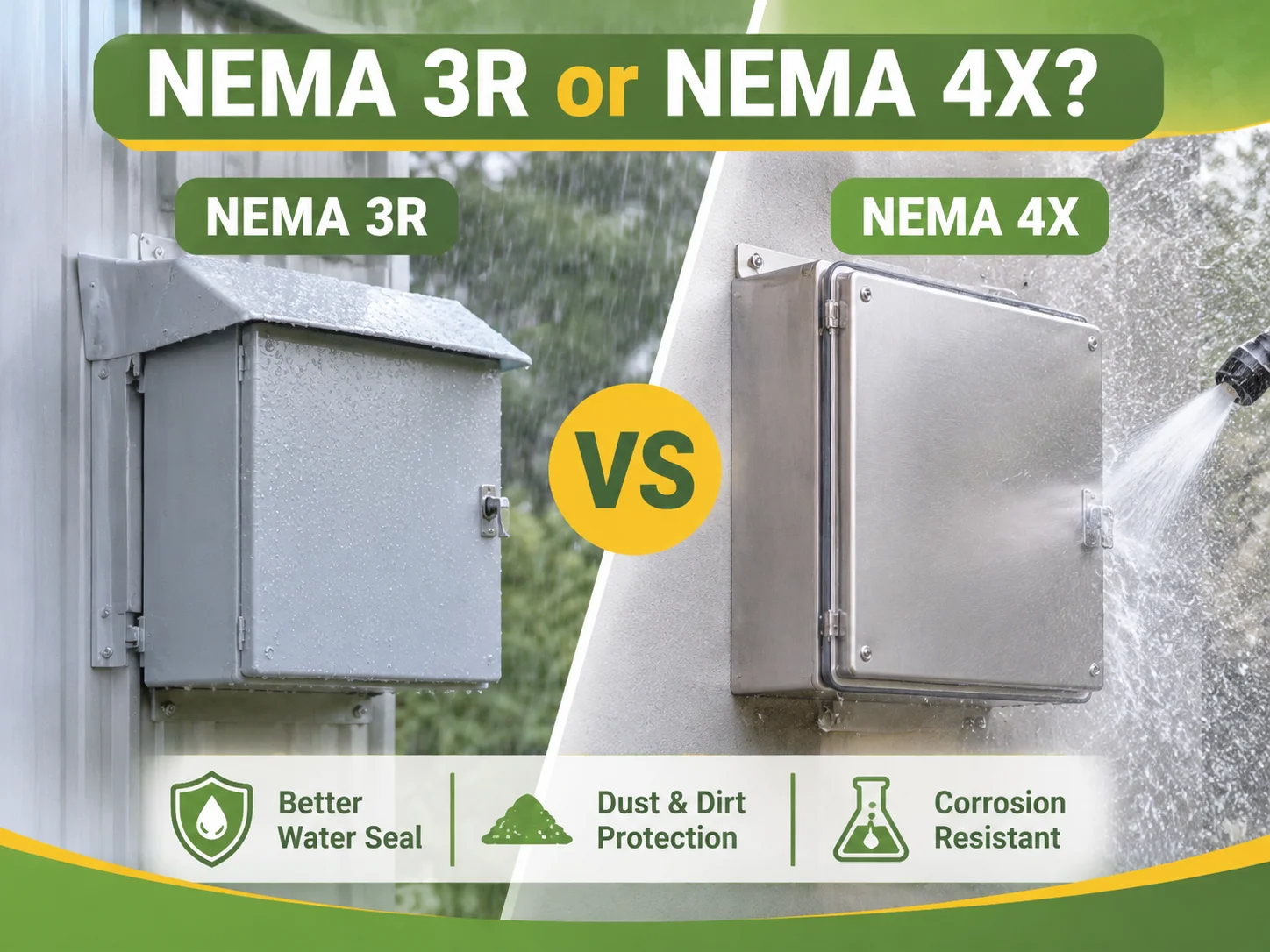
The Short Answer, and Why “Better” Is the Wrong Question
When determining how to specify NEMA enclosures, we advise all potential customers to specify the worst case scenario that may occur within the enclosure over a one-year period, rather than the average scenario. For example, if the worst-case scenario is rain, then specify NEMA 3R. If the worst-case scenario is a hose, exposure to chloride atmosphere or chemical sprays, or exposure to excess water pressure of 40 pounds per square inch (psi), then the enclosure would need to be classified as a NEMA 4X Enclosure. In the case of a fire hose spraying at 40 psi from two metres away, neither NEMA 3R nor NEMA 4X would provide adequate protection and a different strategy would have to be employed in the installation of the enclosure.
One additional poor specification habit is that a drawing that states NEMA 3R or better would put the responsibility on to the contractor to make the decision for the best price. In contrast, a drawing that states a NEMA 4X Enclosure made of 304 stainless steel with a continuous hinge and no drain holes provides objective evidence to the supplier to base a quote, as well as objective evidence for the inspector to verify compliance with the requirements.
What NEMA 3R Actually Certifies
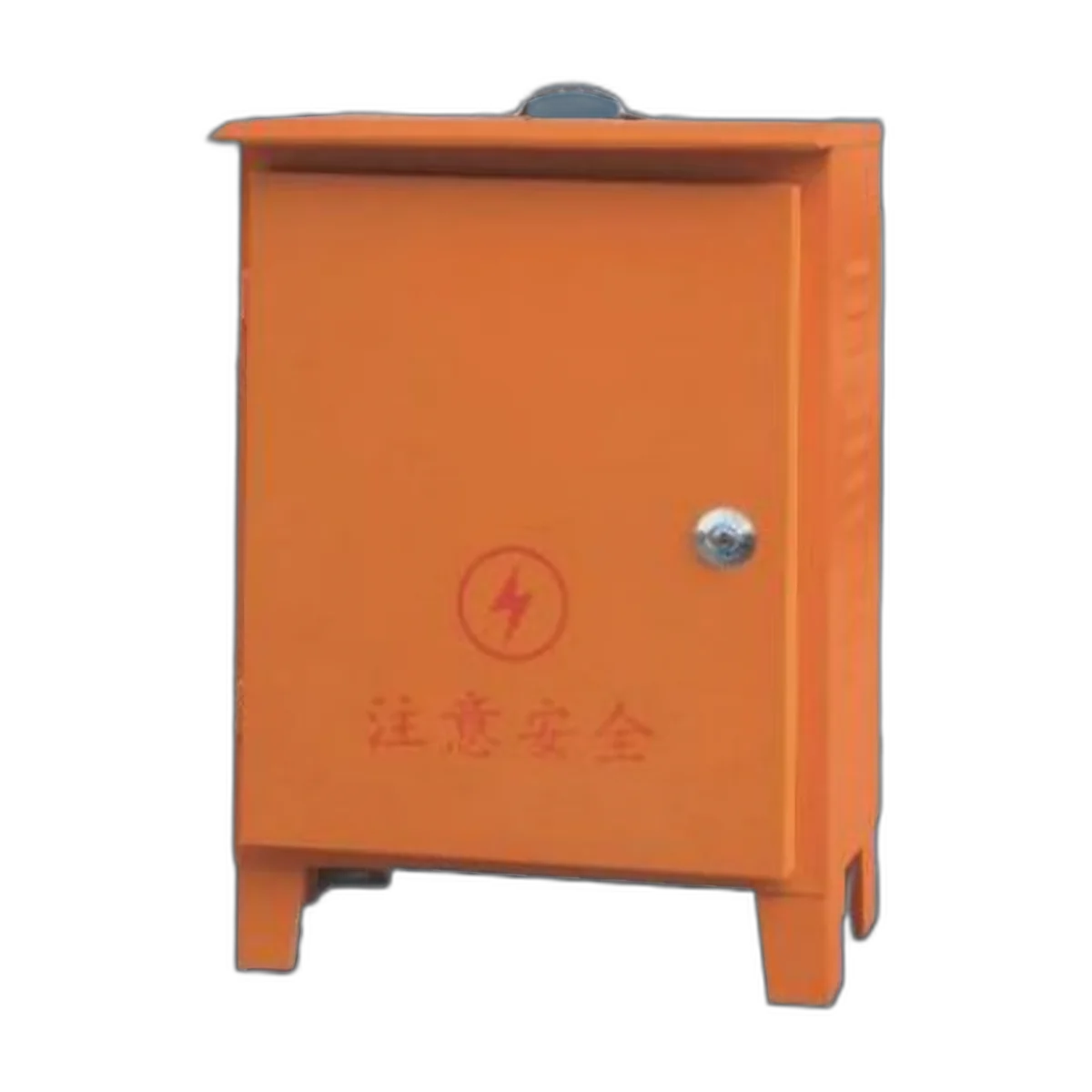
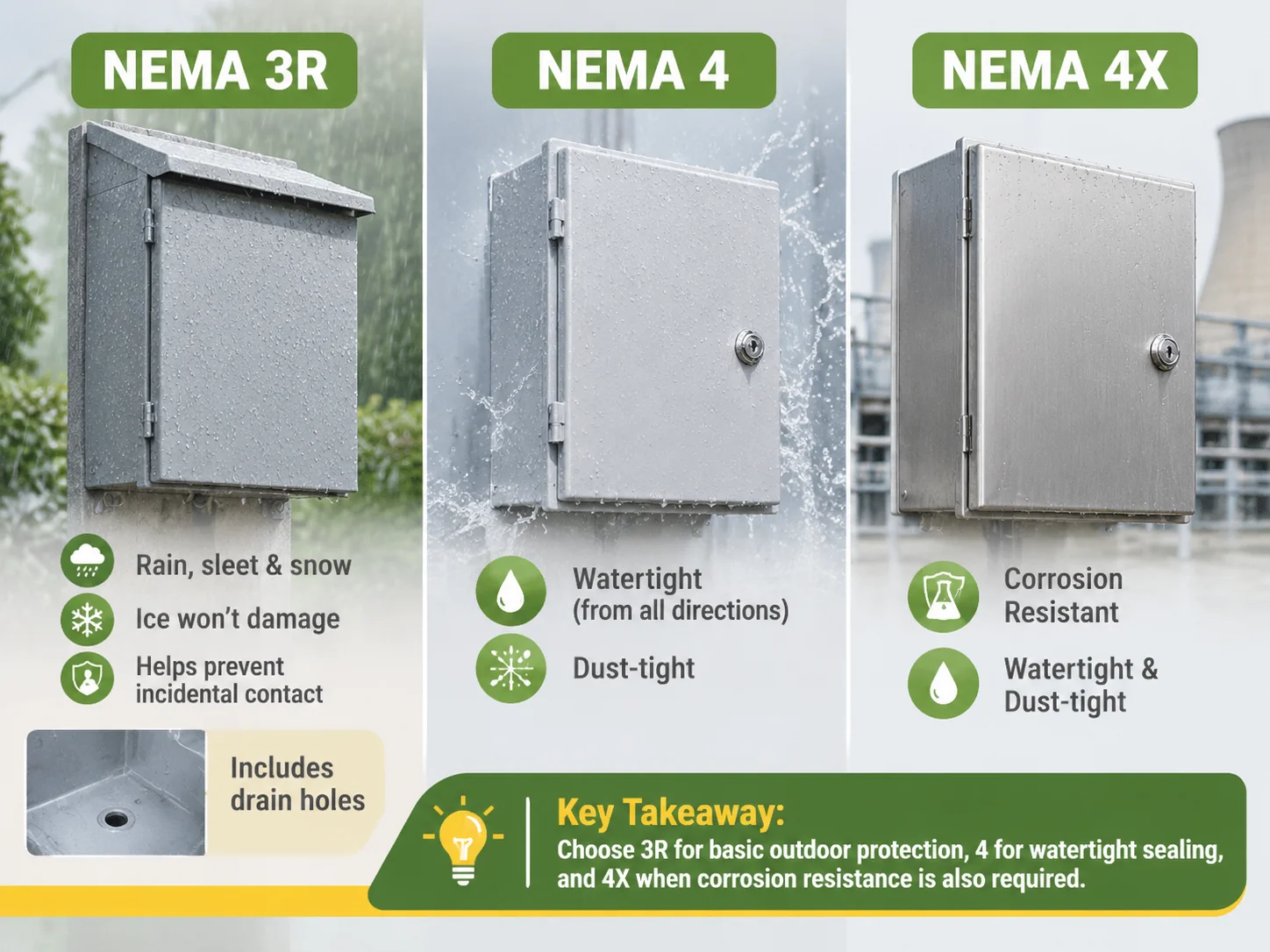
NEMA 3R specifies a rating for a Type 3R Enclosure, which provides protection from falling dirt, rain, sleet, and snow when used indoors or outdoors. Ice shall not damage a 3R Rated Enclosure and therefore shall remain functional even when ice forms on the outside of the enclosure. In addition, the NEMA 3R Enclosure provides a means of protection from incidental contact with the internally enclosed equipment. An important feature of the NEMA 3R Enclosure is the drain method. According to NEMA, a 3R enclosure can include a drain or weep holes in the floor, since it’s designed to allow for water ingress, which means you’ll need to allow for a method of egress too; therefore, you won’t be able to make a 3R fully dust-tight since the same openings that allow for water escape will also allow for dust ingress.
Additionally, Type 3R designations do not provide wind-blown dust protection, are open to water sprayed or splashed directly onto the enclosures by hoses or other means, and their only means of corrosion resistance is through the original coating of paint or galvanised coating; so, any 3R that’s installed adjacent to a cooling tower, for example, will eventually rust from the inside out.
What NEMA 4X Adds, and Where Type 4 Ends and 4X Begins
Type 4 Enclosures provide a watertight and dust-tight rating to protect against all types of water flow, including ice. Corrosion resistance is purely a matter of material properties, regardless of the MDL (Manufacturer Data List) that is typically found in your submissions. Type 4X adds corrosion resistance to the Type 4 protection. The difference between Type 4 & 4X is the additional letter “X” and can be found missing in a Manufacturer’s Engineered Submittal.
Even if the painted steel enclosure has an excellent coating, it can never be classified as a Type 4X product because the Type 4X designation is based on the material used, as well as its design. Paint alone does not determine a Type 4X classification.
The construction difference between 3R and Type 4 Enclosures is largely a result of the ratings. A 3R Enclosure has an overlapping flange as part of its design to aid in water shedding due to geometry. The 4X box requires a gasket that can compress, a continuous hinge or a captive screw pattern to pull down evenly on the cover, and a latch that will allow for equal compression across the length of the door hardware. Therefore, you will find that the hardware used on a 4X is typically more costly than what is used for a 3R.
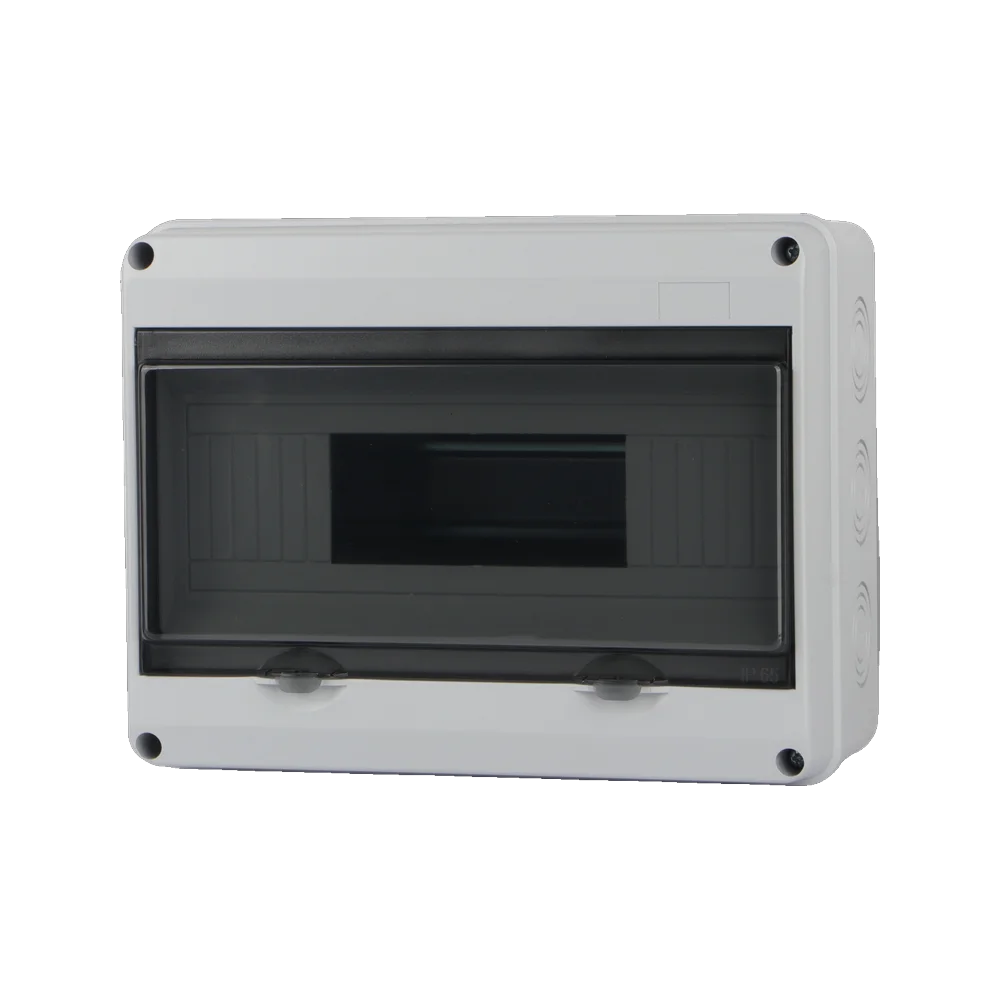
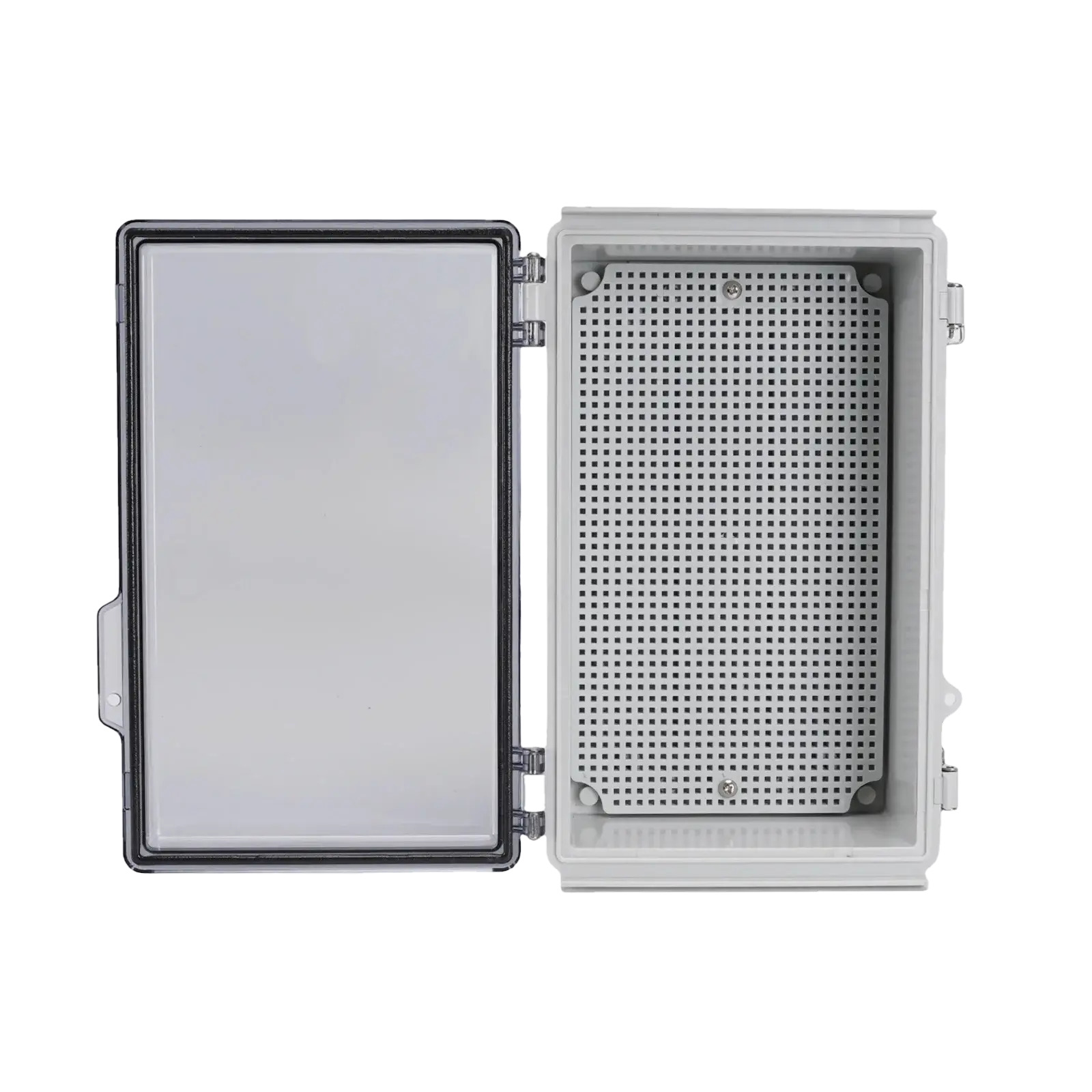
In applications where the enclosure must be watertight and not necessarily corrosion resistant, Type 4 enclosures are the more economical choice and are often the definition of “4X” where specified in the drawings. The IP65-rated outdoor distribution box made out of polycarbonate with a gasket and no drain will meet the requirements for both water and dust ingress protection without being incorrectly labeled as having a corrosion rating when it is not necessary.
Side by Side: Rating, Test and Enclosure Construction
| Property | NEMA 3R | NEMA 4X | What it changes on site |
|---|---|---|---|
| Rain, sleet, snow | Yes | Yes | Both survive weather |
| Falling dirt | Yes | Yes | Same |
| Windblown dust | No | Yes, dusttight | Conductive dust kills 3R |
| Hose-directed water | No | Yes | Washdown rules out 3R |
| Ice resistance | Yes | Yes | Same |
| Corrosion resistance | No | Yes | Coastal and chemical sites |
| Drain or weep hole | Permitted | Not permitted | A drain voids 4X |
| Typical material | Painted or galvanised steel | 304 or 316 stainless, PC, GRP | Drives the price |
| Approximate IP equivalent | IP14 | IP66 | Informative, not formal |
The approximate comparative IP ratings shown in the last row are provided for convenience for purchasers who work in IEC terms; they do not represent an official conversion value for IP rating to NEMA rating. The differences between the NEMA 250 and IEC 60529 standards stem from how each is tested. While NEMA offers a corrosion and ice test, IEC offers a number of immersion classes that NEMA does not have. Where both are specified, the higher rating applies.
The Three Tests That Separate Them
The hose test is the one that decides most installations. The enclosure designated as Type 4 or 4X must be tested by spraying it with water from a hose at a controlled rate of pressure from a specific distance for a set period of time to ensure that water does not enter the enclosure. The Type 3R does not undergo hose testing and is not required to pass it either.
A 4X enclosure is tested against fine dust at negative pressure, which is why there is a gasket on the 4X enclosure as opposed to the Type 3R enclosure.
The corrosion test examines how the enclosure will react to saltwater by immersing the enclosure in a saltwater solution for a specific duration, and examining whether there is evidence of base metal exposure. For example, if a painted 3R enclosure is left exposed to the elements in a coastal location for two years, it will likely have rust developing at the mounting points, which will typically begin at the location of a scratch created during installation; whereas a 4X enclosure will not have this problem due to the fact that the 4X has been tested for this condition.
Materials: Why 4X Is Usually Stainless or Polycarbonate
The four materials identified that can carry a 4X designation are selected based on impingement, UV resistance, and temperature levels rather than by the enclosure’s rating.
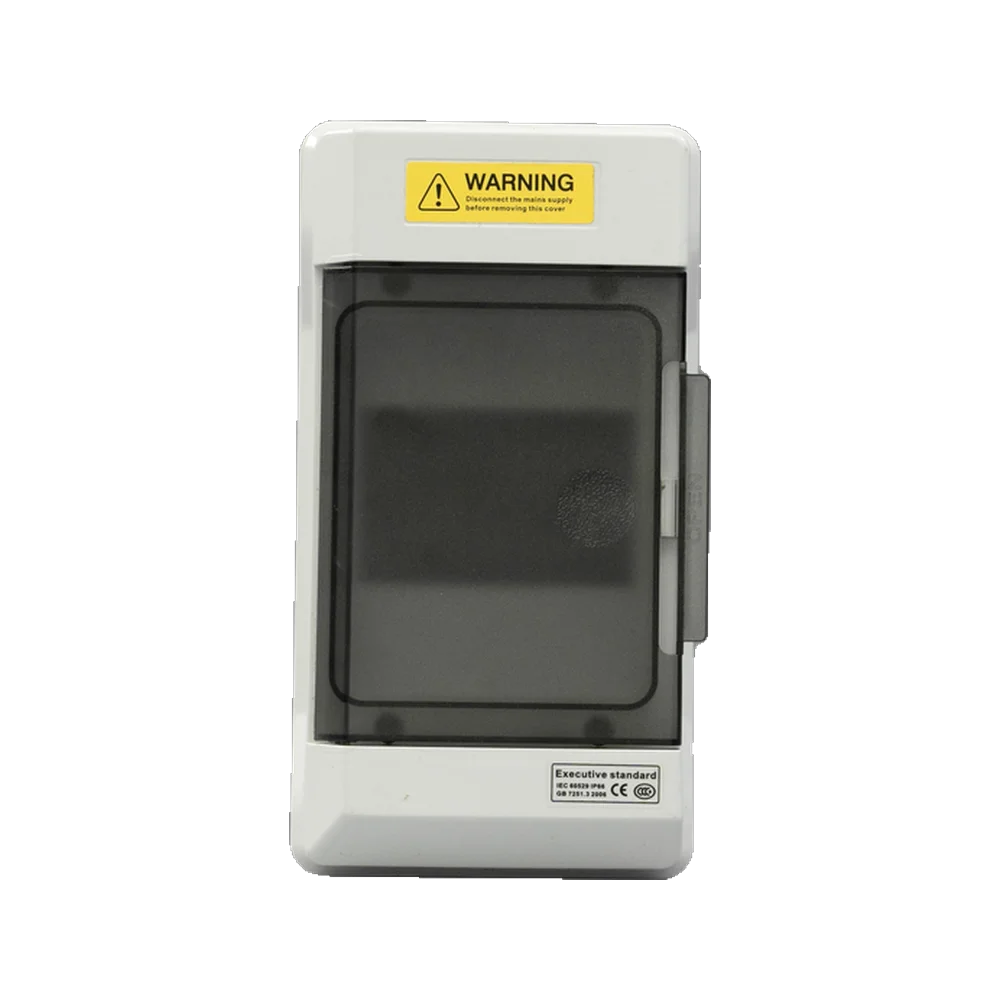
304 stainless is the default material specification for food, pharmaceutical, and general industrial applications. The Polycarbonate material is the least expensive option for producing 4X rated (waterproof & dustproof) products and is widely used (up to approximately 600 mm in height) for these purposes. This material is known for having excellent impact resistance, being non-corrosive (no metallic material), and not subject to any corrosion whatsoever from washing; however, polycarbonate has one major drawback regarding UV light. Non-stabilised Polycarbonate will yellow and become brittle when exposed to sunlight for an extended period, and there is no visible difference in the quote when you compare the non-stabilised versus the stabilised Polycarbonate grades. The IP66 full plastic electrical enclosure is the configuration that is specified most frequently for outdoor instrumentation, and the durability of the product in ten years will be dictated by the quality of the polymer used. The Fibreglass Reinforced Polyester material falls in the middle of Polycarbonate and Stainless Steel in terms of price. It is most commonly used for outdoor applications where the weight or price of Stainless would be an issue. Fibreglass Reinforced Polyester is also very resistant to damage from chlorides (“salt”). Fibreglass Reinforced Polyester will not dent, but it will chalk when exposed to the elements and is more difficult to work with on-site than Steel.
The three areas that generate the majority of demand for 4X rated products are food and beverage washdown environments, coastal and marine locations, and wastewater or chemical plants. In the first, the hinges and latches of the enclosure will show pitting first. Food and beverage washdown: the water is typically chlorinated and heated, and the enclosure receives an attack every day near the source. 304 grade Stainless is suitable for the enclosure but will not suffice for hinges and latches. The default requirements for an outdoor enclosure are 304 stainless steel as the enclosure body and for hardware components; alternatively, you can utilize the 304 hardware, and be satisfied that the latches will eventually deteriorate.
Pressure Washing, Chlorides and the 304 vs 316 Decision
The marine and coastal environments are constantly subjected to airborne chloride deposits. Those airborne chloride deposits remain on the surface of a structure until they are periodically removed by routine maintenance. Therefore, the best approach for mitigating these airborne chloride deposits is to use 316 stainless steel in marine locations. However, 316 stainless steel may exhibit stained appearances from tea staining due to exposure to the marine atmosphere unless it is routinely washed. It is important to note that having a structure rated as a 4X structure does not eliminate the necessity for routine maintenance in saltwater environments.
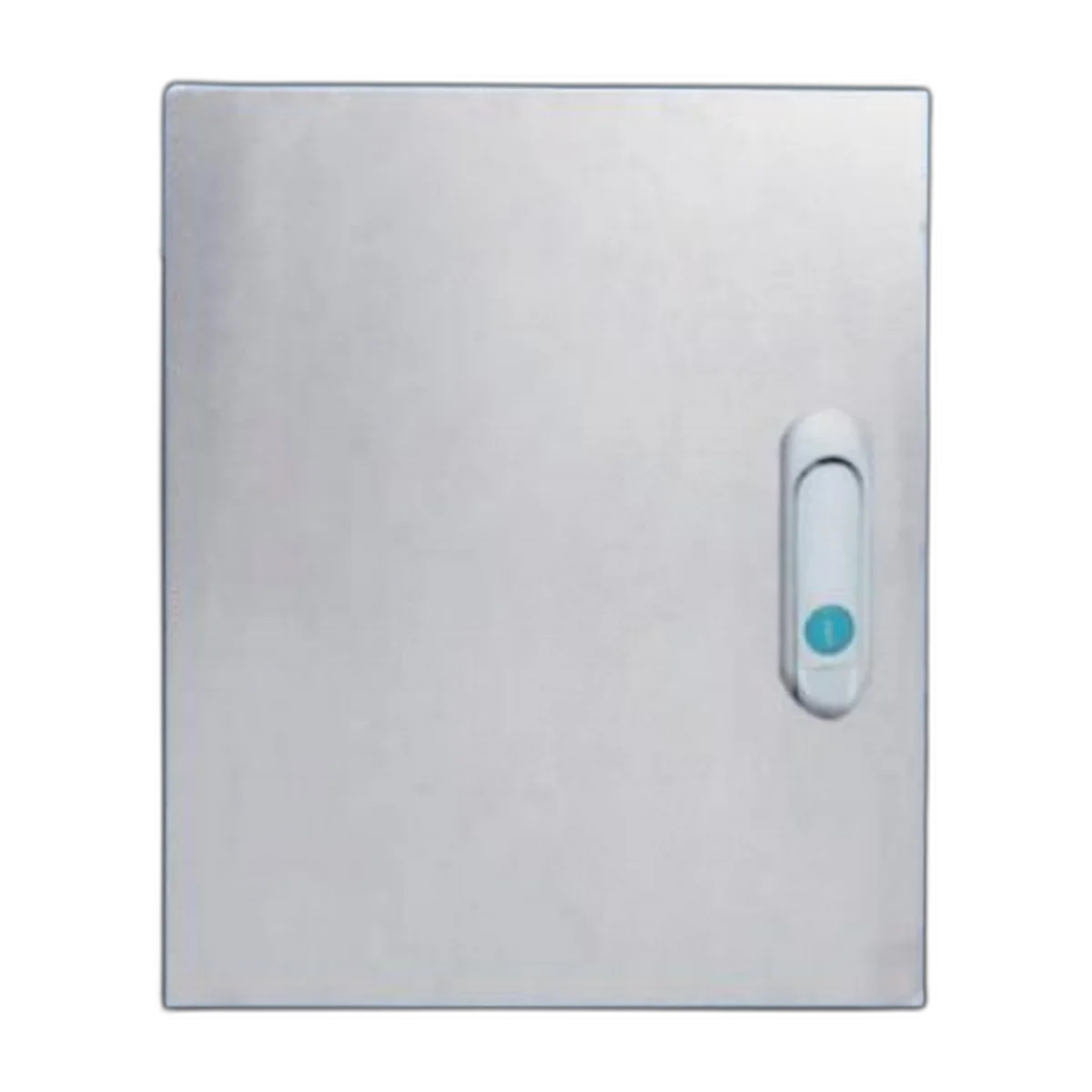
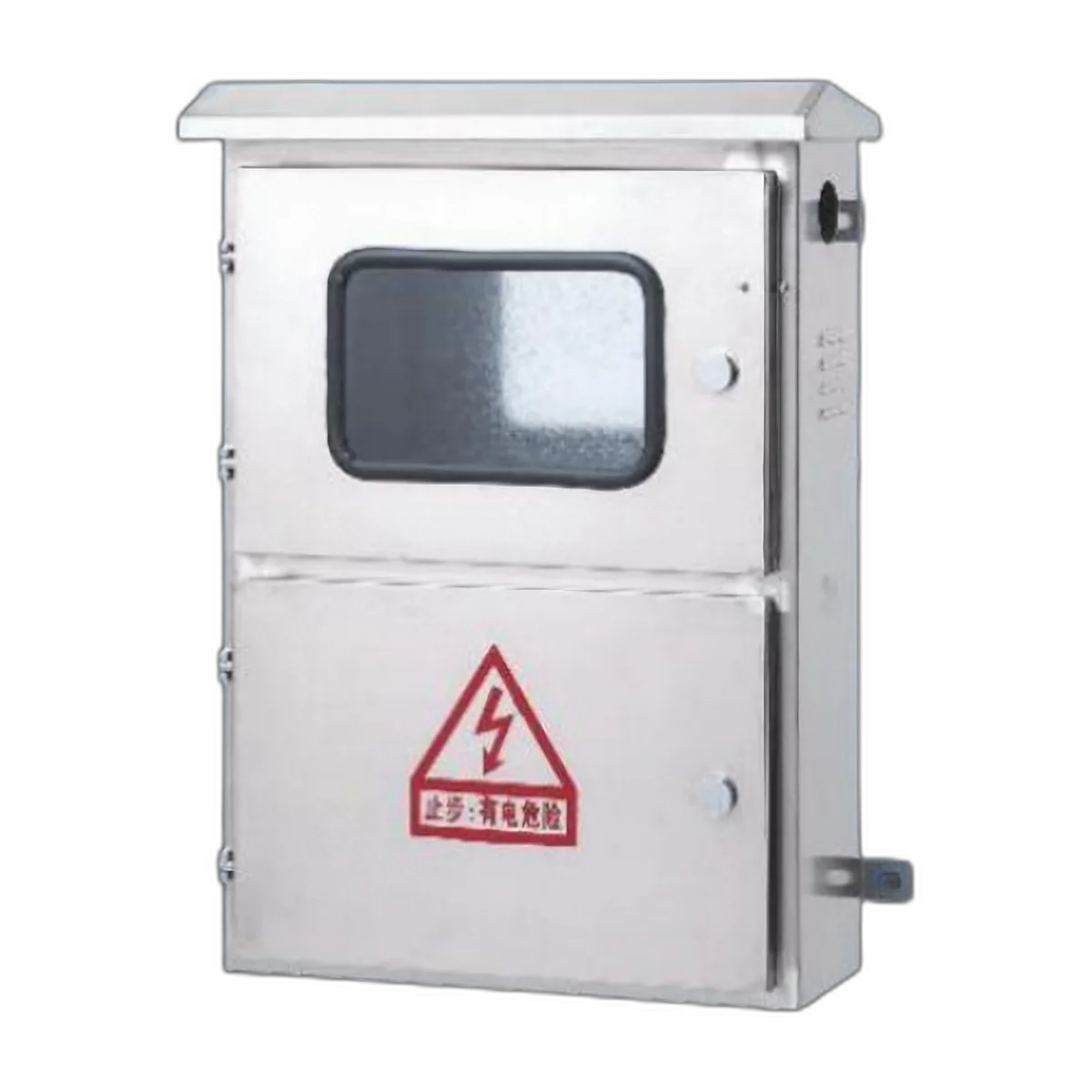
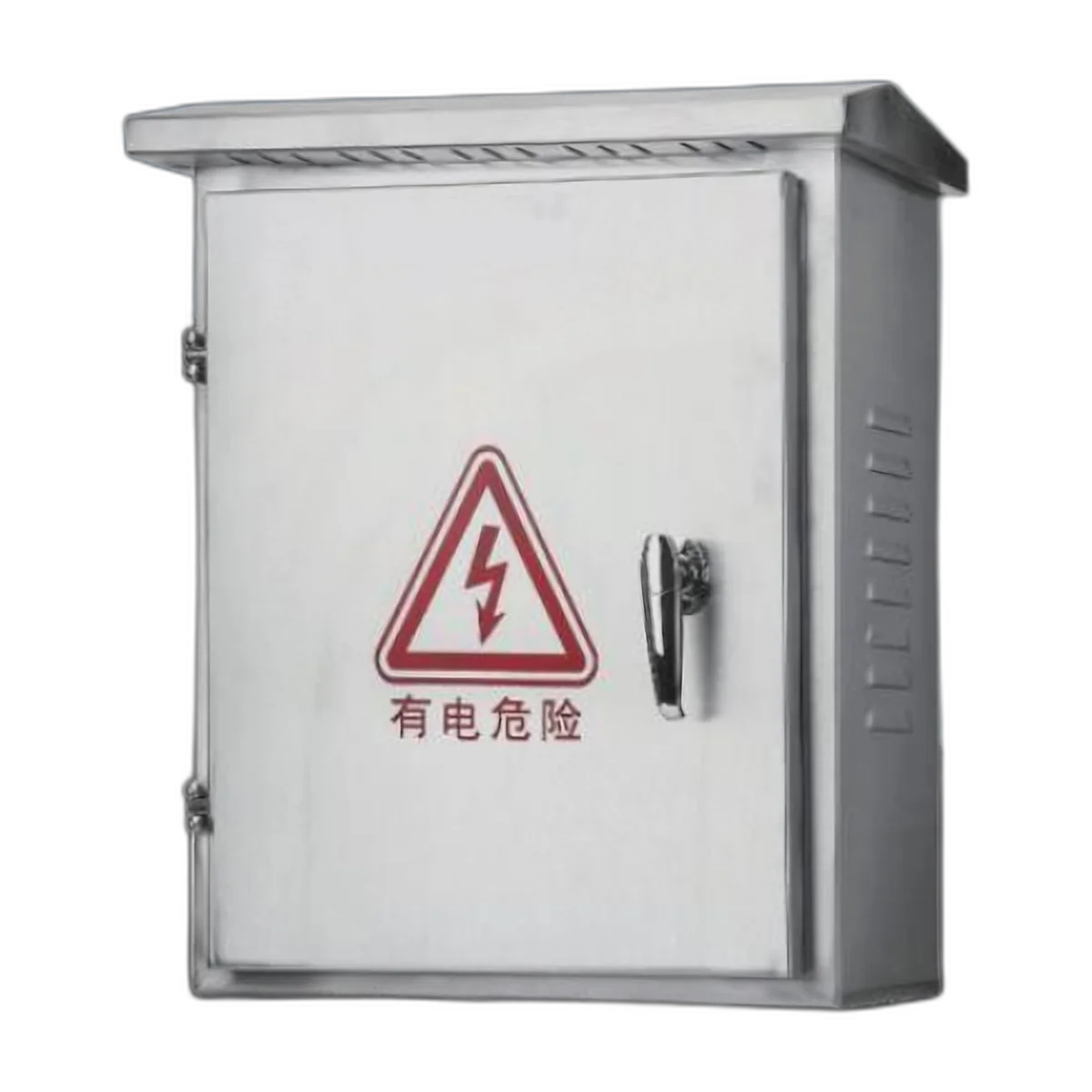
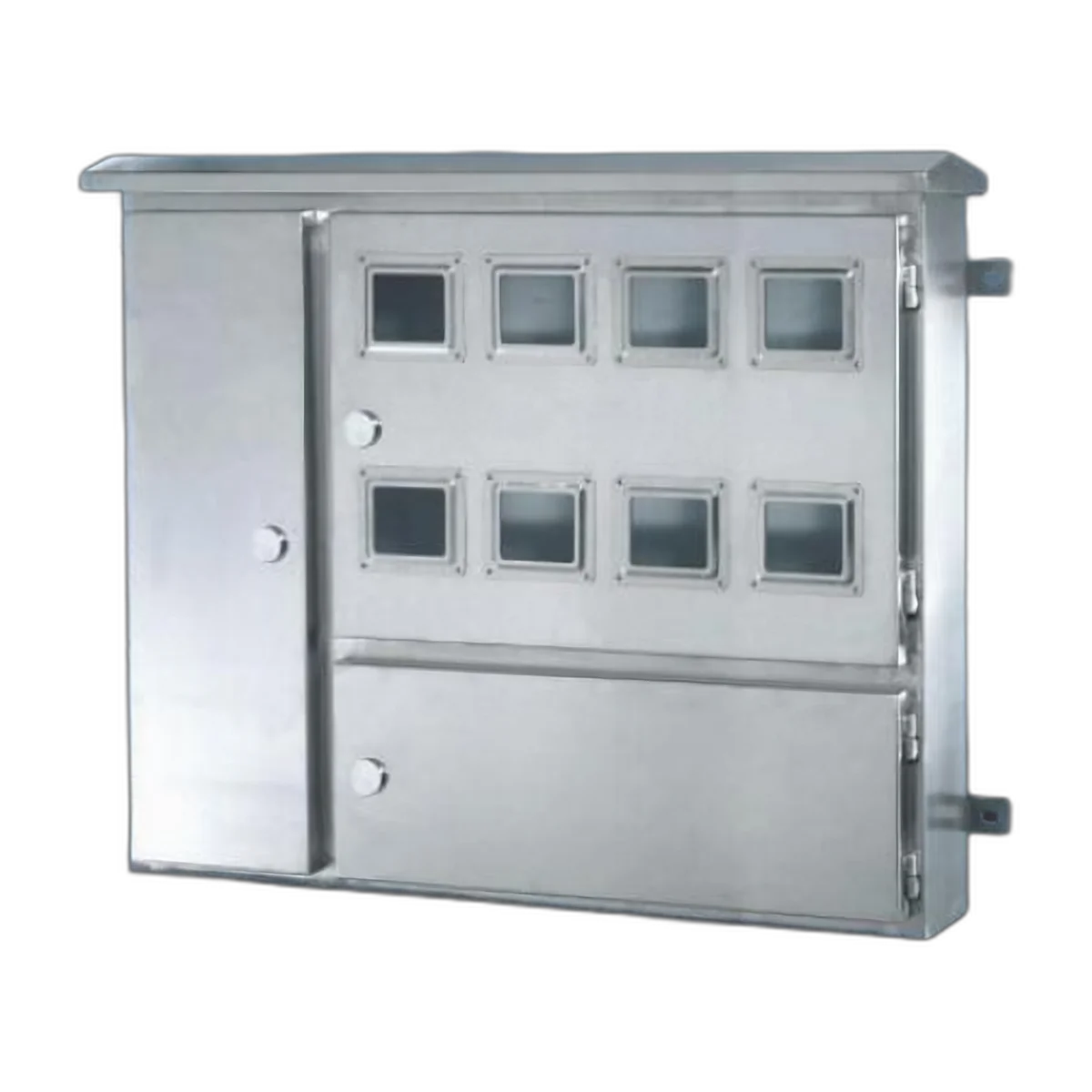
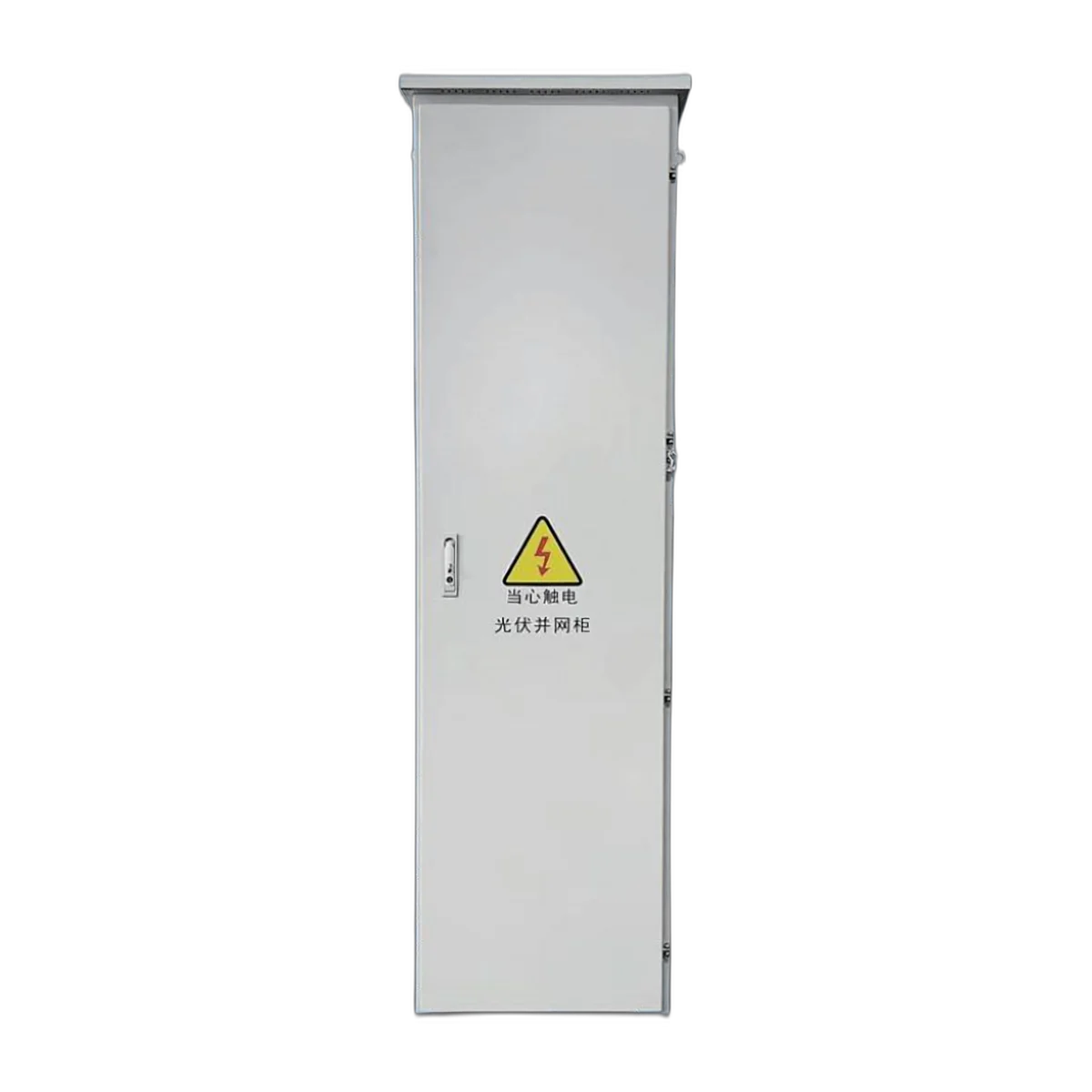
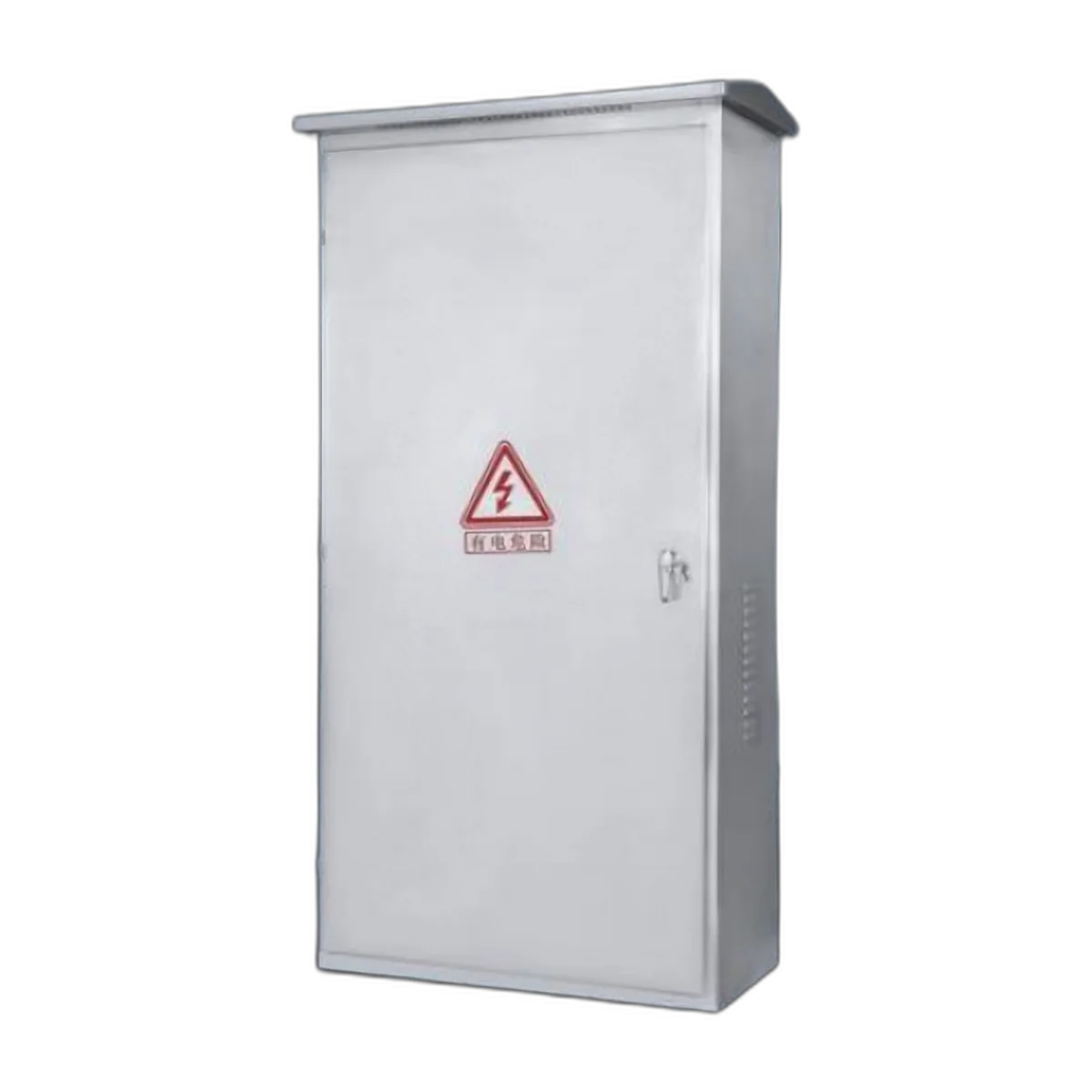
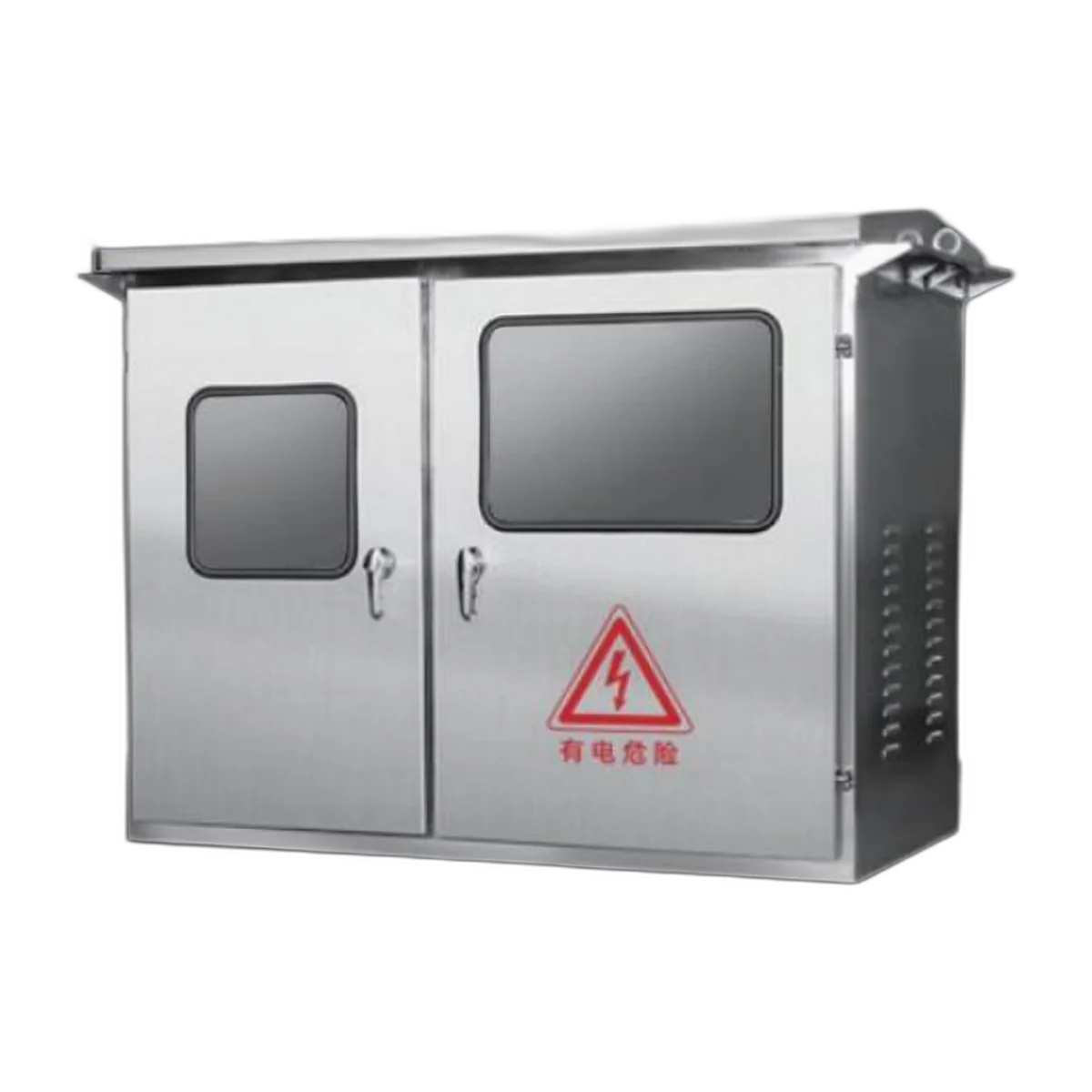
In waste treatment plants and chemical plants, two primary chemical processes are at work on the base metal (the steel) in all environments: attacks caused by hydrogen sulfide and hypochlorite occur at any point on the base metal where there is a defect. Therefore, in these two industrial applications, the painted steel used as a 3R enclosure is where we find the fastest failure rate. In these two applications, a stainless steel rated as a 4X provides no performance enhancement, only an industry requirement, as the outdoor distribution box of stainless steel is the correct enclosure style.
Where 3R Is the Correct Choice
Three application classifications indicate that a 3R is correct in design. Specifying 4X does not result in any functional advantage, rather it imposes a cost without any benefits.
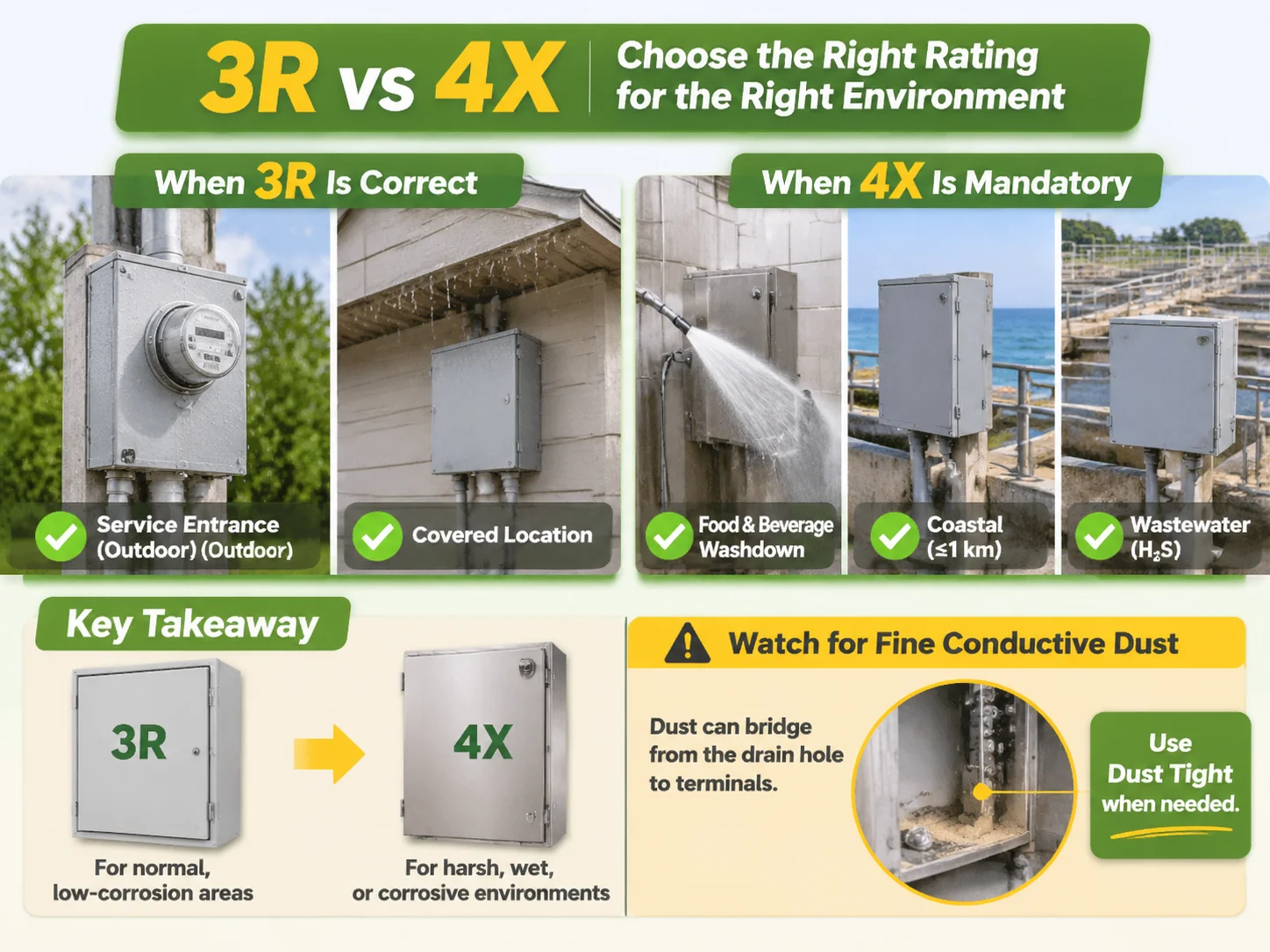
The first is the service entrance, in which the meter base, main disconnect and utility pull section are designed as outdoor exposed, wet, and dry enclosures with drainage being a feature instead of a defect. Every North American utility company utilizes a standard 3R enclosure; a 4X substitution creates an alteration on the foot print and mounting of the structure.
The second is a covered location where the enclosure is located beneath a canopy, inside an open ended shelter or mounted against a wall that has an overhang. Water falling onto the enclosure reaches it from above, making the enclosure a perfect demonstration of the 3R type enclosure.
Climate Type #3: Dry Inland.
In most cases, climate classification systems utilize a “3R” rating because the temperatures are above freezing with very limited or no chemicals and washdowns.
A 3R rating is typically incorrectly applied to environments where there is hose-water or chlorides as one of the exposures. Often the failure occurs over time; therefore, it will take time for it to show up. As the corrosion develops at the bottom edge of the gasket, the corrosion will go below the gasket into the connector, and eventually cause damage to the equipment inside the box. By this time, the warranty will have expired and the damage to the connectors will be irreversible.
Where 4X Is Mandatory
The following five types of environments require the mandatory use of climate type #4X in the selection of gasket materials: Food and beverage manufacturing washdown areas; any exterior facility location within approximately one (1) kilometer or so of the salt-water environment; any chemical storage and dosing rooms; Wastewater treatment facilities where there is hydrogen sulfide; and any outdoor installation located in an amendment adopting #4X for the application (typically found in marinas, fuel dispensers, and certain agricultural buildings). The Correct Ratings of Different Types of Enclosures are as follows:
| Environment | Correct rating | Material | Failure mode if under-specified |
|---|---|---|---|
| Service entrance, inland, covered | 3R | Galvanised steel | None; 4X is wasted money |
| Open yard, inland, no washdown | 3R | Painted steel | Paint scratches rust first |
| Food plant washdown, daily | 4X | 304 stainless | Water in the box within a year |
| Coastal, within 1 km of sea | 4X | 316 stainless | Tea staining, then pitting at fixings |
| Wastewater, H2S present | 4X | 316 stainless or GRP | Base metal attack at every scratch |
| Carbon black or metal powder | 4 or 4X | Steel or GRP | Conductive dust bridges terminals |
In addition to environmental failures, we will have failures in enclosures from the presence of fine conductive dust. The use of conductive dust creates a hazard for the enclosures by bridging an enclosure’s drain hole to its terminals. The appropriate rating here would be Dust Tight. So, whether you are using 4 or 4X, it will depend on the level of corrosion resistance that is provided by the exposure of the enclosure to any of the above dust types.
Cost: What the Difference Actually Is
When comparing similar sizes, a 4X enclosure will cost two to five times more than a 3R. For smaller enclosures the cost ratio between the two is at its highest due to the amount of gasket and latching material that is used. As the enclosure size increases, the cost ratio shrinks as the amount of steel material used increases. A polycarbonate 4X enclosure measuring 300 by 400 mm sells for three times more than a painted steel 3R enclosure of the same size; a floor mounted stainless steel cabinet sells for approximately 2.5 times more.
The cost of using 316 Stainless Steel is approximately 20–40% more than that of using 304 Stainless Steel for the same fabrication step. A marine or hypochlorite environment is worth paying for; outside of that, it is a waste of your money.
The other cost that buyers overlook is the modification. A stainless enclosure requires a hole to be punched, not drilled, and a gasket or gland plate to keep the enclosure’s rating. A polycarbonate box requires use of a hole saw and a sealing gland, both of which require more installation time than a painted steel box, and if done incorrectly, will void the rating of a box that has already been paid for.
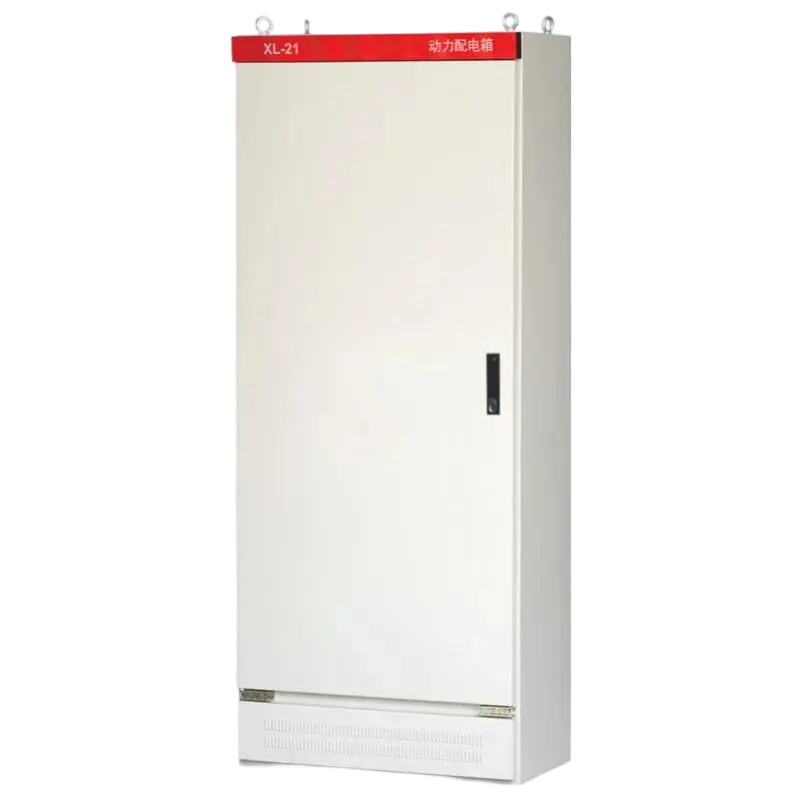
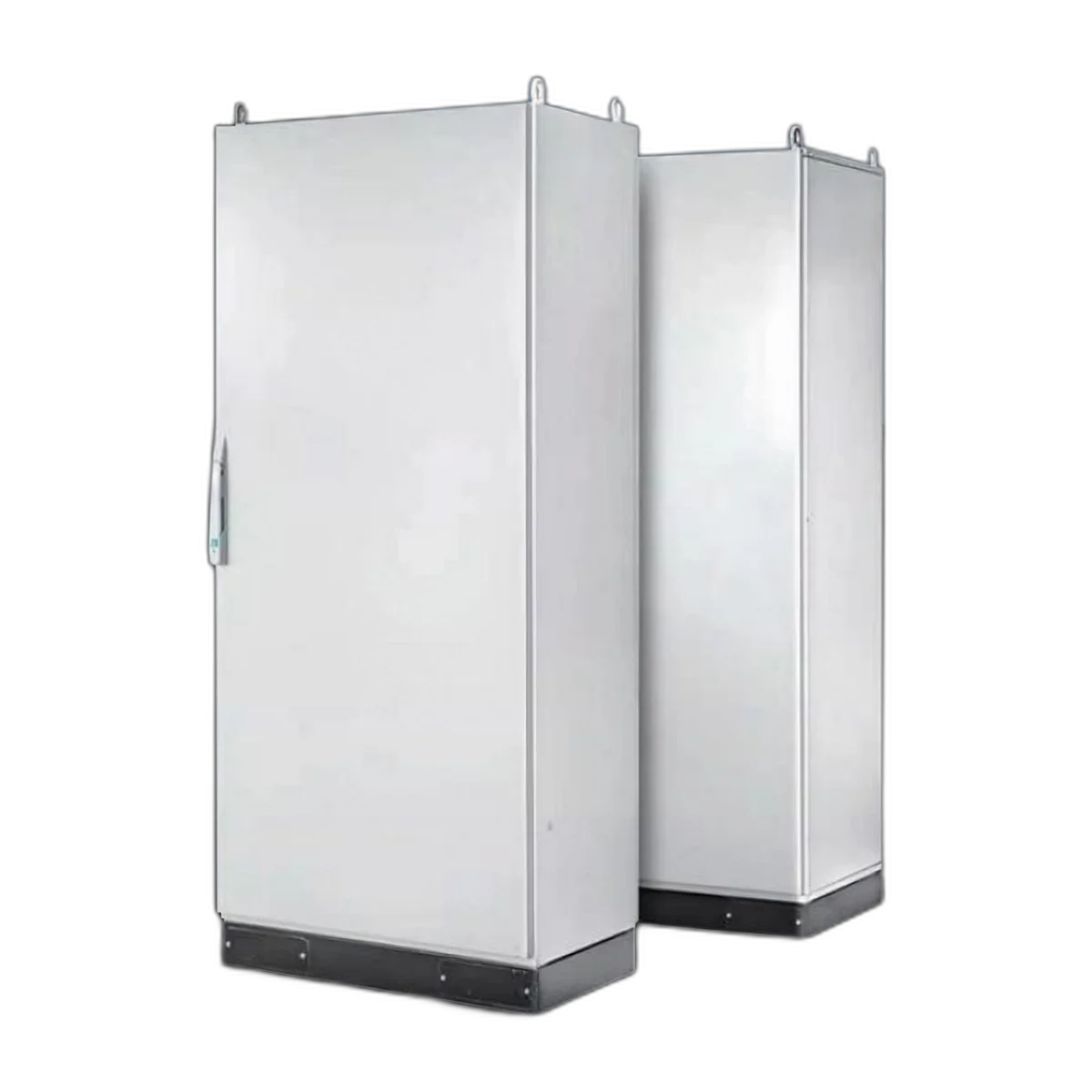
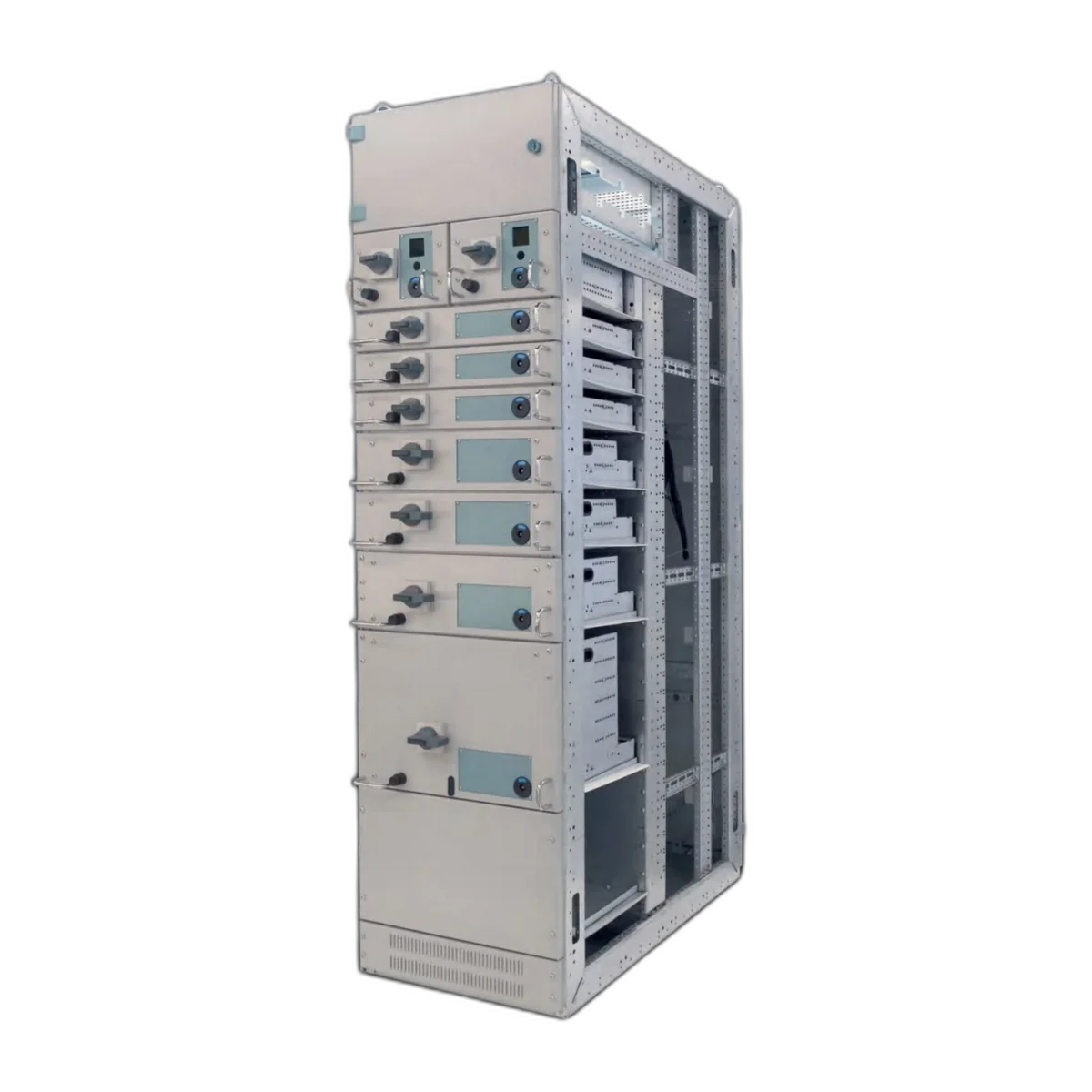
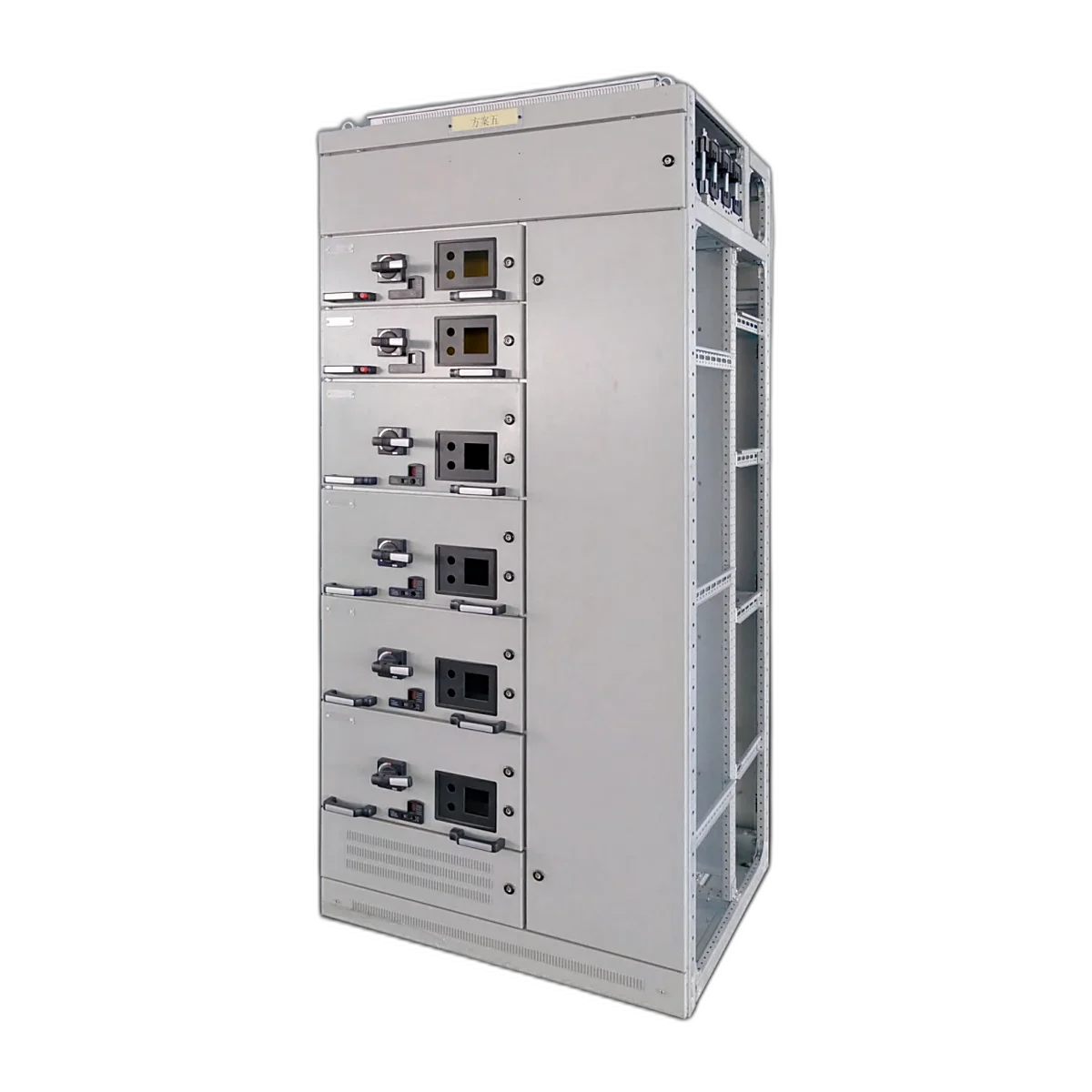
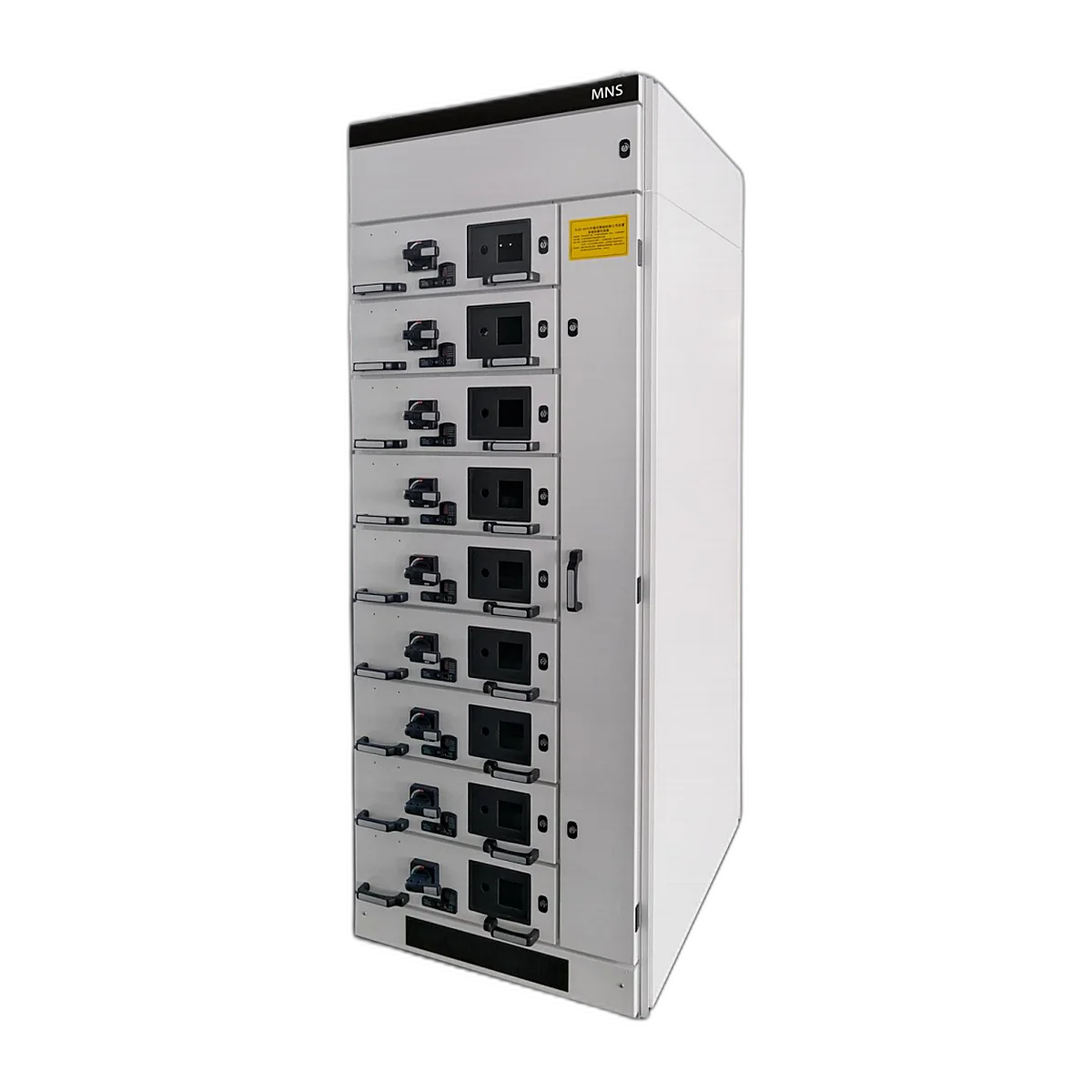
When there is a cabinet system with an enclosure as part of it, the 4X type of stainless steel outdoor power cabinet is properly used for the whole system (rather than using individual 4X boxes mounted to a back plate) and is less expensive than buying separate 4X boxes and mounting them together.
Installation Details That Void Either Rating
A rating is a property of the enclosure as tested, not as installed, and four installation practices silently negate it.
The first and most common practice is to drill a drain hole. This usually occurs when a user wants to prevent condensation build-up; however, this practice converts a 4X enclosure into a 3R enclosure in one operation. The correct method of preventing condensation from forming in a 4X enclosure would be to install a breather with a membrane or a small heater.
The second method for losing the 4X rating is to mount the 4X enclosure through the rear panel without sealing the mounting hardware. In this case, the four screws used to fix the enclosure to the back panel will create four unsealed penetrations, and therefore water will track up the screw threads. Gasketed washers and/or a mounting flange will eliminate this issue. Cable glands have ratings that do not match the enclosure rating. The rated enclosure may be IP66, and the cable gland rating may be IP54, thus the completed assembly is rated IP54. The rating includes the cable gland’s locknut and sealing washer.
Additionally, a gasket that is pinched or painted is incorrect. Specifically, a gasket designated “4X” must sit in its groove without being stretched and cannot be coated in paint. If the refurbishment paints the door and the gasket together, the sealing ability is lost.
For any project that requires non-standard sizes of enclosures or specific cable gland arrangements, these requirements must be part of the build process, and the enclosure must not be altered after the fact. Therefore, please remember to state this requirement in your quotation, as the cable gland rating is only valid if the enclosure configuration matches the tested configuration.
How to Specify It in One Line, and Get What You Asked For
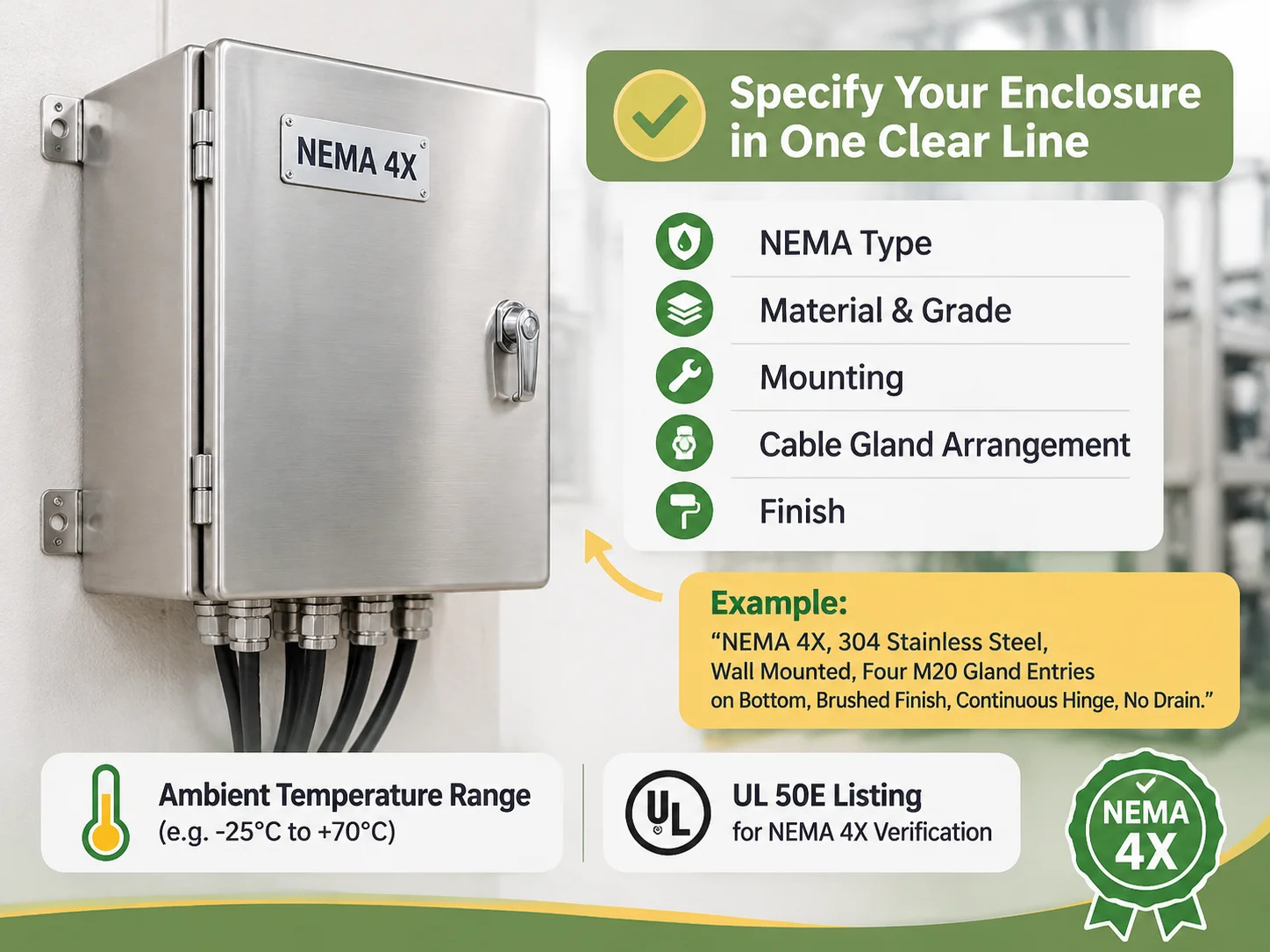
In order to get the precise enclosure you have requested, you will need to specify the following during the quotation process.
The recommended method of identification includes five key elements: NEMA type, material and grade, mounting, cable gland arrangement and finish; we suggest the following example: “NEMA 4X, 304 Stainless Steel, Wall Mounted, Four M20 Gland Entries on Bottom, Brushed Finish, Continuous Hinge, No Drain.” If you provide all this information, there will be no room for interpretation.
Lastly, be certain to include the ambient temperature range and internal clearance required in your quotation; this allows for verification versus trust. A 4X enclosure may be rated to either -25°C or -5°C without defining any particular temperature range in the enclosure listing. This difference is significant for any cold storage facility or for any yard that could be located in a cold climate.
Test Evidence. NEMA does not have a certification program for its enclosures; rather, it requires manufacturers to self-declare their enclosures to the NEMA 250 standard, and where listings are required, the enclosure must be listed under UL 50E by a third-party testing agency. Suppliers that can provide a UL file number and material certificates are suppliers with verifiable claims of NEMA 4X certification since their 4X enclosure has been proven to meet the NEMA 250 and UL 50E requirements.
FAQ
Where is NEMA 4X used?
A NEMA 4X enclosure is used in both indoor and outdoor locations where the enclosure will be subjected to hose-directed water, windblown dust and a corrosive atmosphere. Examples of typical applications would be in the food and beverage washdown areas, wastewater treatment plants, coastal and marine applications, chemical dosing rooms, outdoor instrumentation located in humid environments. A NEMA 4X enclosure would be the appropriate rating for any area that a NEMA 3R enclosure would rust or become waterlogged when subjected to hose-directed water.
Is a NEMA 3R enclosure suitable for outdoor applications?
Yes, a NEMA 3R enclosure is typically the industry standard enclosure for service entrances, meter bases, and utility disconnects. A NEMA 3R enclosure can withstand rain, sleet, snow, falling dirt and ice. It does NOT protect against windblown dust, sprayed/hosed water and corrosive atmospheres; therefore, it would not be suitable for food and beverage washdown areas or coastal environments.
Is a NEMA 4X enclosure dust tight?
Yes, a NEMA 4X enclosure is considered to be dust-tight. What distinguishes Type 4X from Type 4, in addition to being watertight and resistant to corrosion, is the added requirement of being dust-tight. To comply with this dust-tight requirement, all Type 4X enclosures utilize a tight-fitting compressed gasket, and do not allow for the installation of an internal drain.
Is it possible to install NEMA 4X outdoors?
Yes. NEMA 4X enclosures are suitable for both outdoor and indoor applications, and they will remain intact even when ice has built up on them. The issue is more related to the material of the container than to the NEMA rating. For example, a polycarbonate NEMA 4X enclosure needs to be manufactured from a UV-stabilised material to ensure it will not break down outdoors. A 304 stainless steel NEMA 4X enclosure can be used in salt air environments, but will not be impervious to staining unless regularly washed down.
References
- Polycase — NEMA 3R vs 4X: Understanding the Difference and How to Choose
- NEMA Enclosures — NEMA Ratings Buying Guide for Type 1, 3R, 4, 4X and 12
- KDM Steel — NEMA 3R vs NEMA 4X Enclosure Comparison
- Rittal — Enclosure Systems and Environmental Protection Ratings
- UL Solutions — UL 50 and UL 50E Enclosure Standards
Conclusion
NEMA 3R and NEMA 4X are not the same classification of enclosure. A NEMA 3R enclosure is built to shed falling water and allow it to drain away, while a NEMA 4X enclosure is built to protect against driven water and dust. Further, the material used in the construction of a NEMA 4X enclosure must be corrosion-resistant.
The difference in cost between NEMA 3R enclosures and NEMA 4X enclosures is due to the additional cost associated with the gasket, material grade and testing requirements for NEMA 4X enclosures. Choose a NEMA 3R enclosure for service entrance locations, a covered area, or dry inland applications, and do not buy a NEMA 4X enclosure unless you can justify a higher expense due to the level of environmental exposure that an NEMA 4X enclosure must endure. Similarly, choose a NEMA 4X enclosure for duty such as washdown service, chemical splash, or conductive dust. In all cases, specify the type of NEMA-rated enclosure chosen, material grade, and gland configuration on a single line, as the rating is only valid for the specific arrangement in question.