
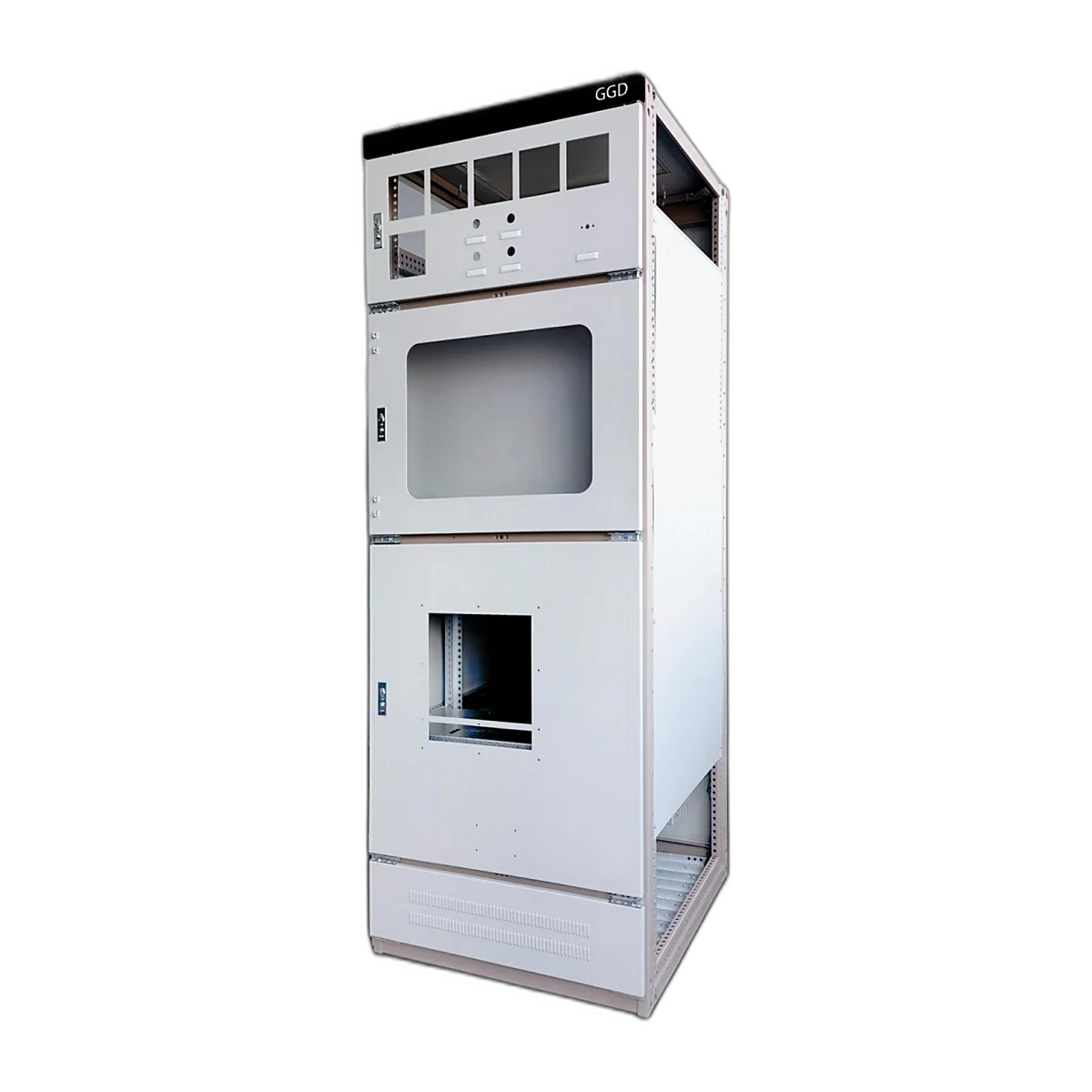
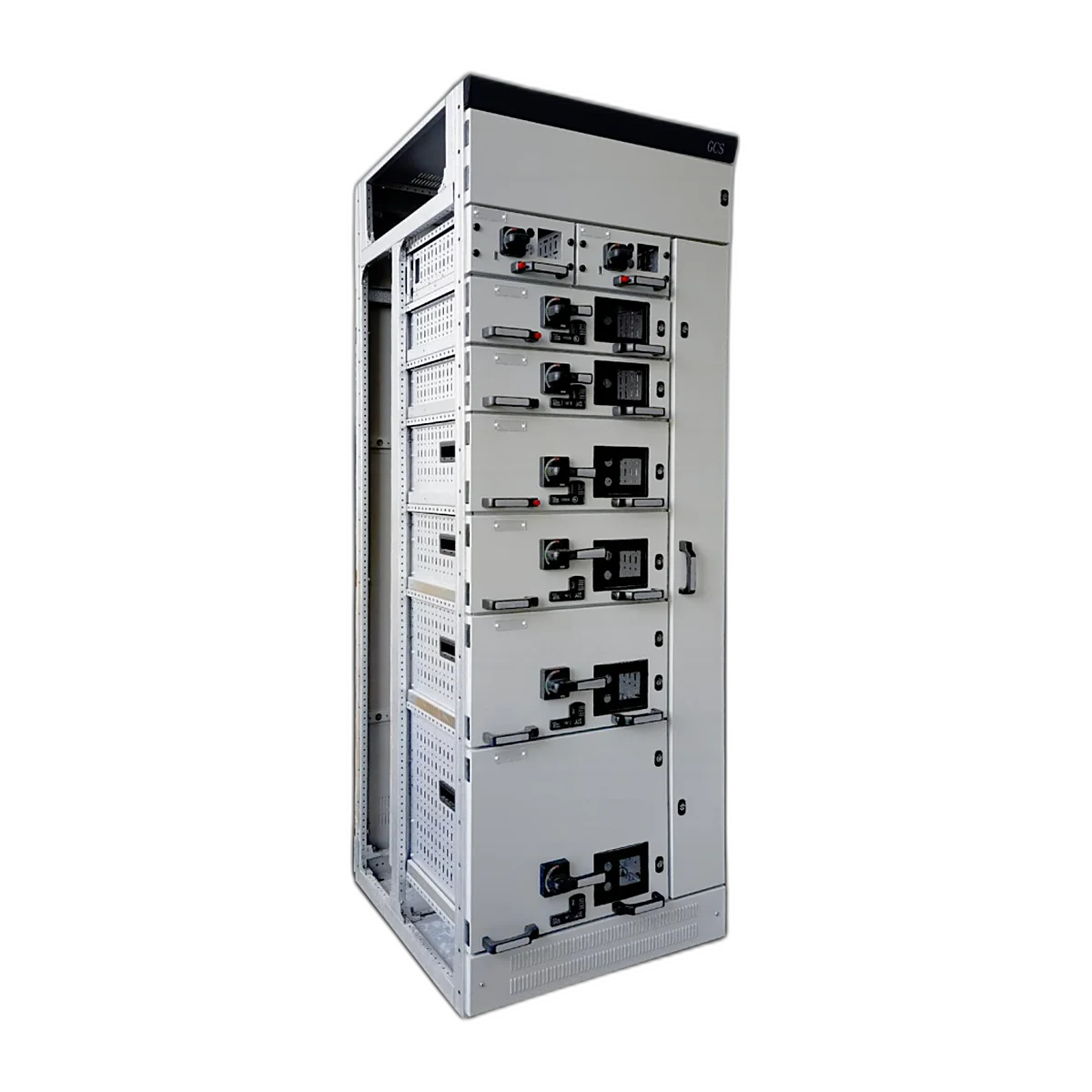
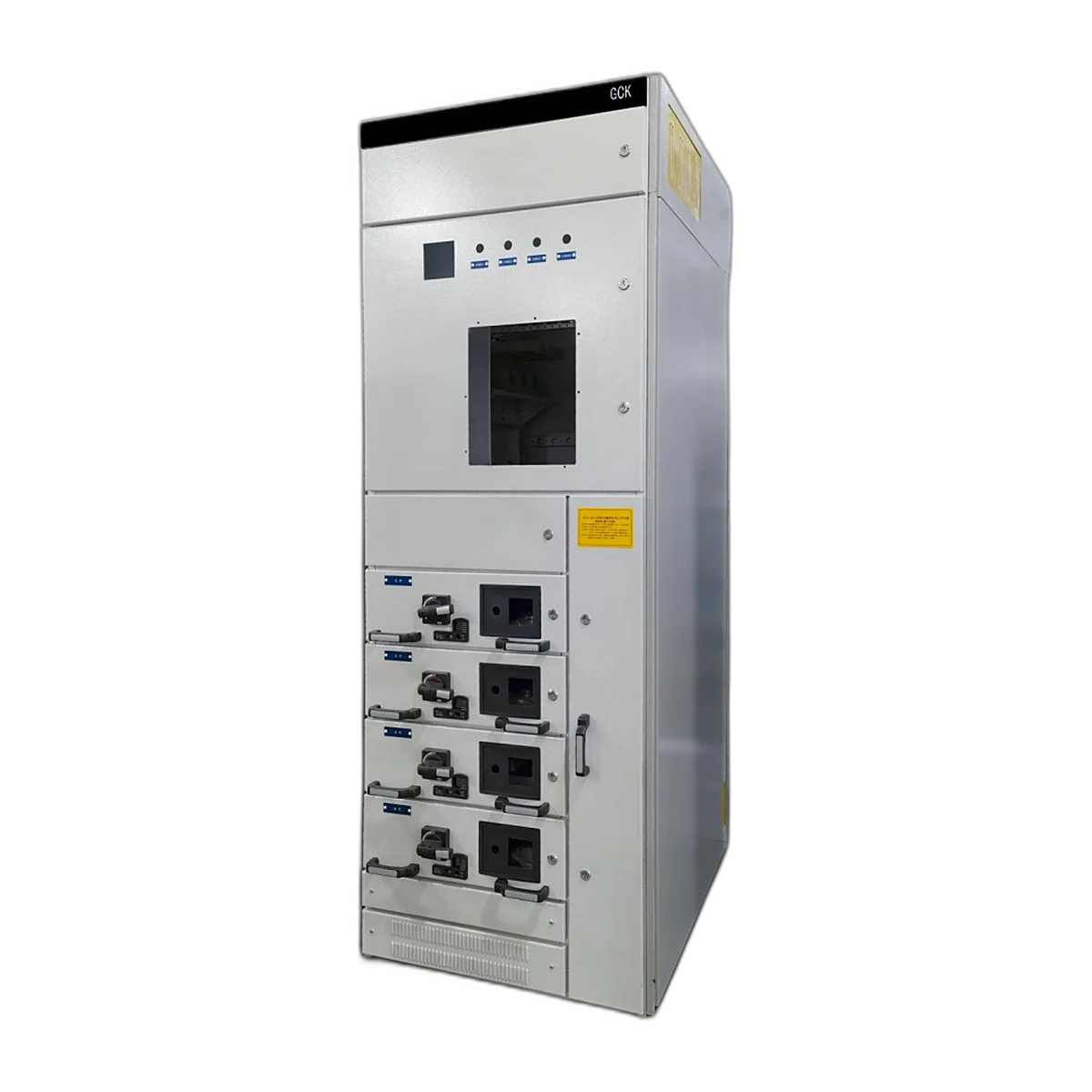
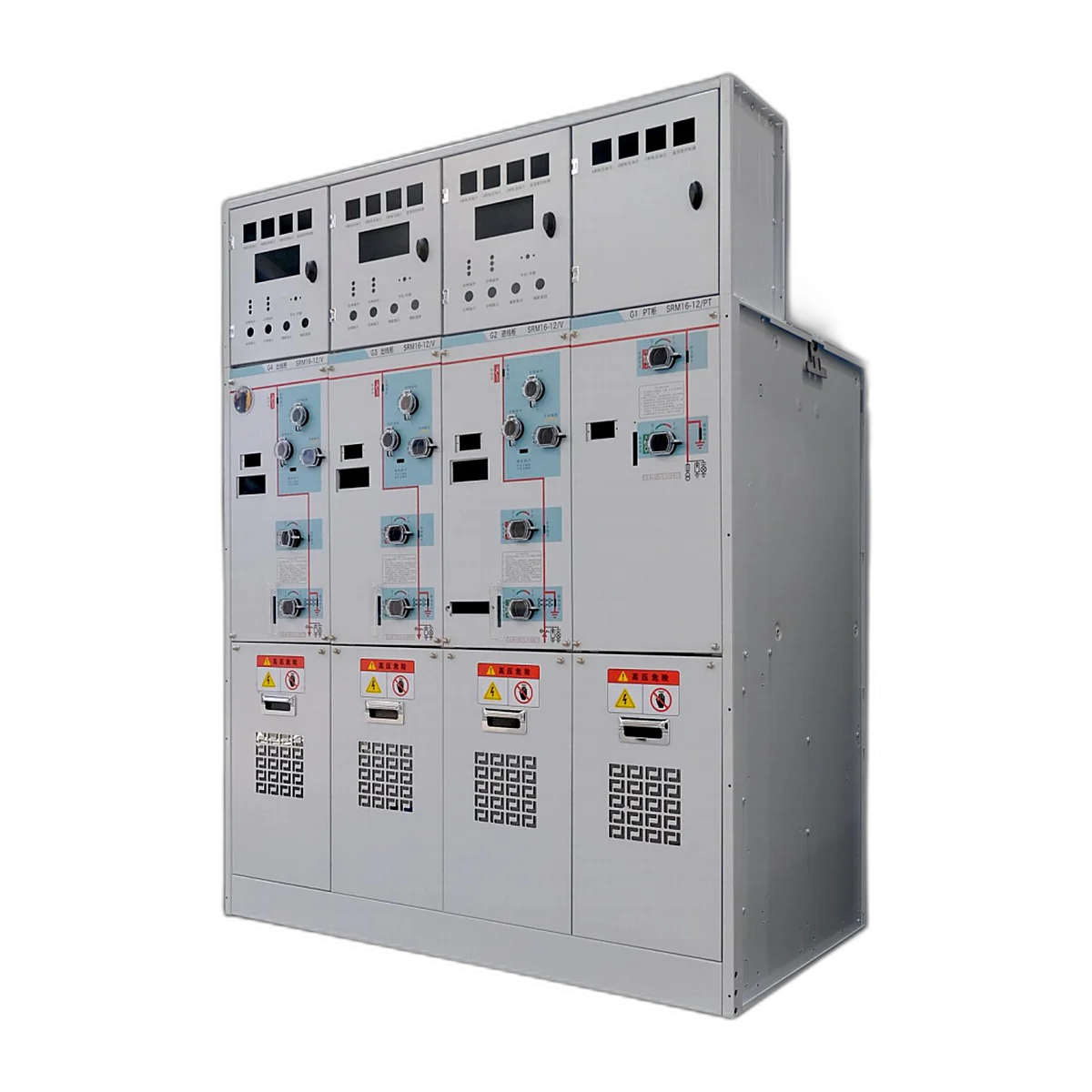
Rugged Enclosures for Oil and Gas
Oil and gas is the place when choosing electrical enclosure fails to be a commodity choice. There are two principals under which enclosure must fulfill its function – it has to protect from corrosive ambience and from an explosive one and these two principals are contradictory. While corrosion resistance requires the use of stainless steel and tight gaskets, preventing explosions means that heavy casings must be used as well as precise flame trenches with no gaskets at joints.
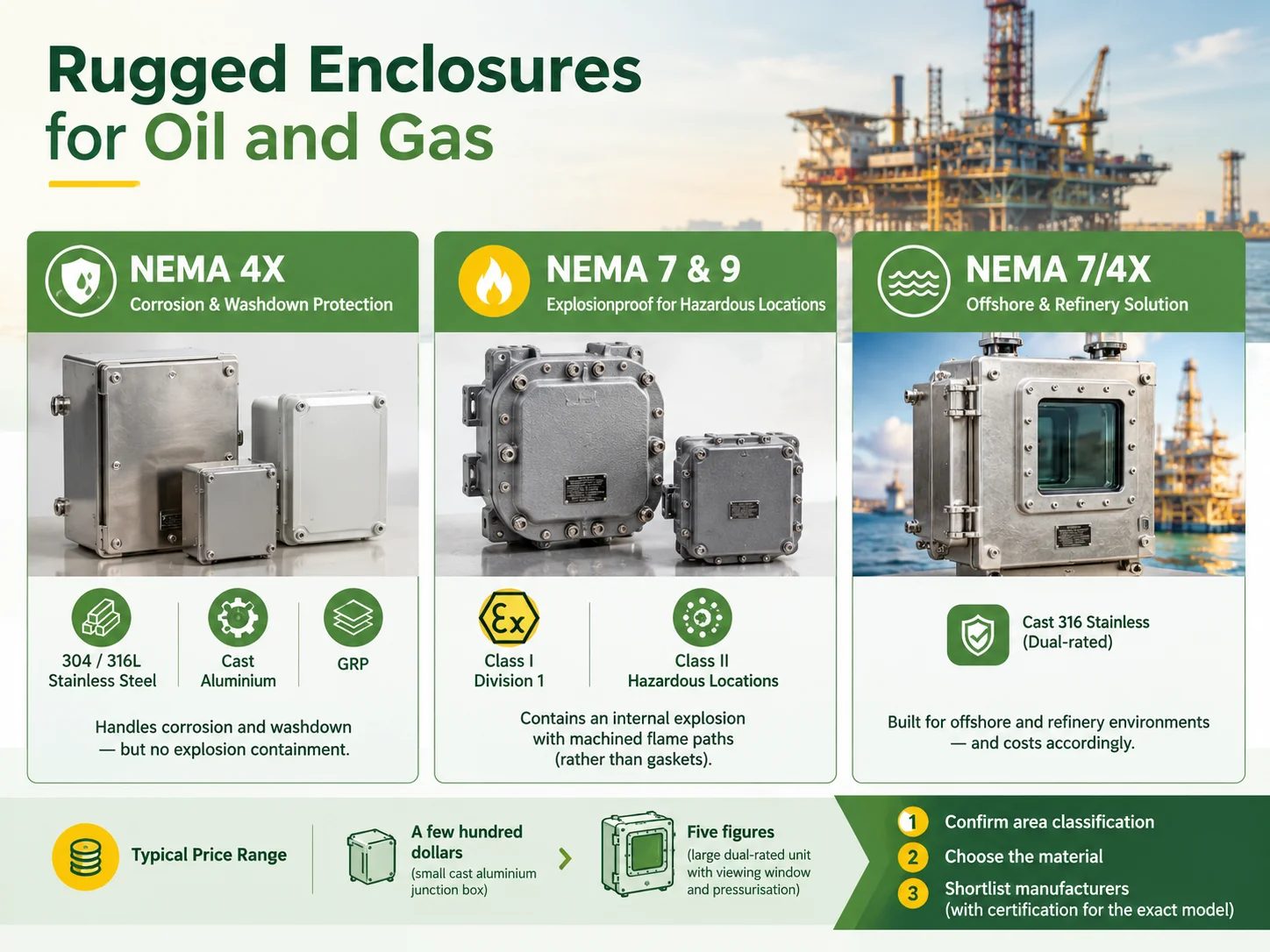
In the situation of oil and gas businesses, it can be observed that there are numerous families of enclosures to select from. Among them are the NEMA 4X enclosures that can be made in 304 or 316L stainless steel or cast aluminum or GRP which can resist corrosion and washdowns but do not provide any explosion containment. Another type is NEMA 7 and NEMA 9, they are capable of containing an explosion in either Class I Division 1 or Class II hazardous locales. While using NEMA 7/4X units made of cast 316 stainless offers an ability to withstand explosions and potentially is the safest option, it is the most expensive also.
What “Rugged” Actually Means in Oil and Gas
The term “rugged” is used loosely by marketing companies doing business in the industrial enclosure sector. However, in this industry, the phrase means that an enclosure must keep providing protection for as long as the installation is functioning in an environment that is hostile to both the enclosure materials and the air around it.
Stress factors are the same in refineries, oil drilling fields, gas processing plants, and offshore platforms:
- Corrosion. Hydro-sulfide and other chemicals like chloride, saltwater, washdown detergents, and other kinds of process chemicals attack enclosures in working conditions.Offshore sites have the worst conditions since it is an ever-high salty and humid environment.
- Explosive atmosphere. When working, flammable gas and vapors are present in a designated area. It means that now design philosophy has changed and enclosure is no longer just a way to protect the installation from harsh environments — it should be a means of containing the gases and other vapors as well.
- Dust hazard. Different materials like grain and powders of polymers create dust hazards that are classified differently from gases but still require a special rating to pass.
- Physical and thermal abuse. All the actions performed by all kinds of machinery like fans and compressors, impacts of mechanical work, UV radiation, and extreme temperature differences.
- Access problems. Closing of an enclosure is costly, but in fact, the most expensive thing about making an installation fail is the activity of truck transport and the waiting time for getting a permit to access the installation in the pre-organized window of time.
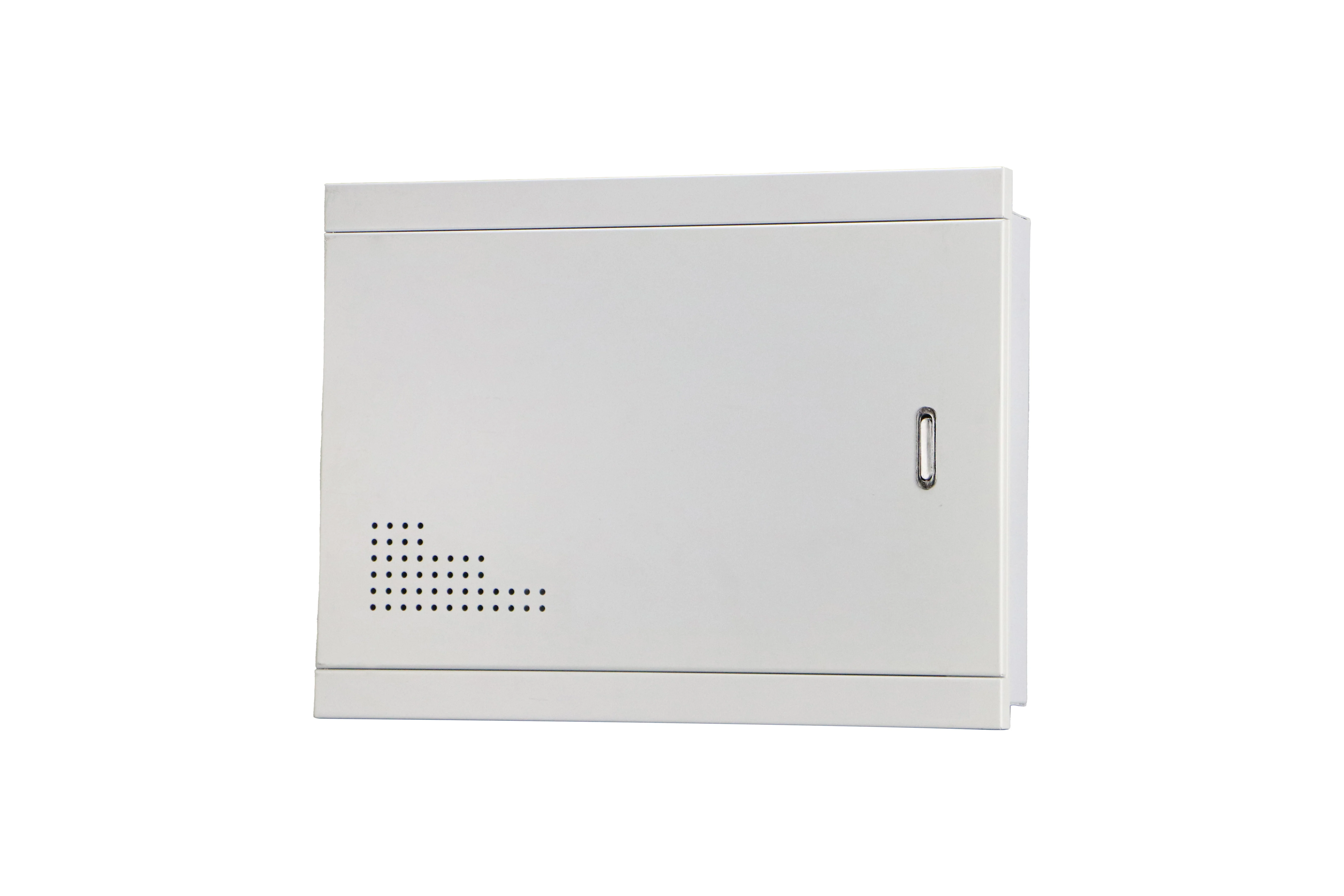
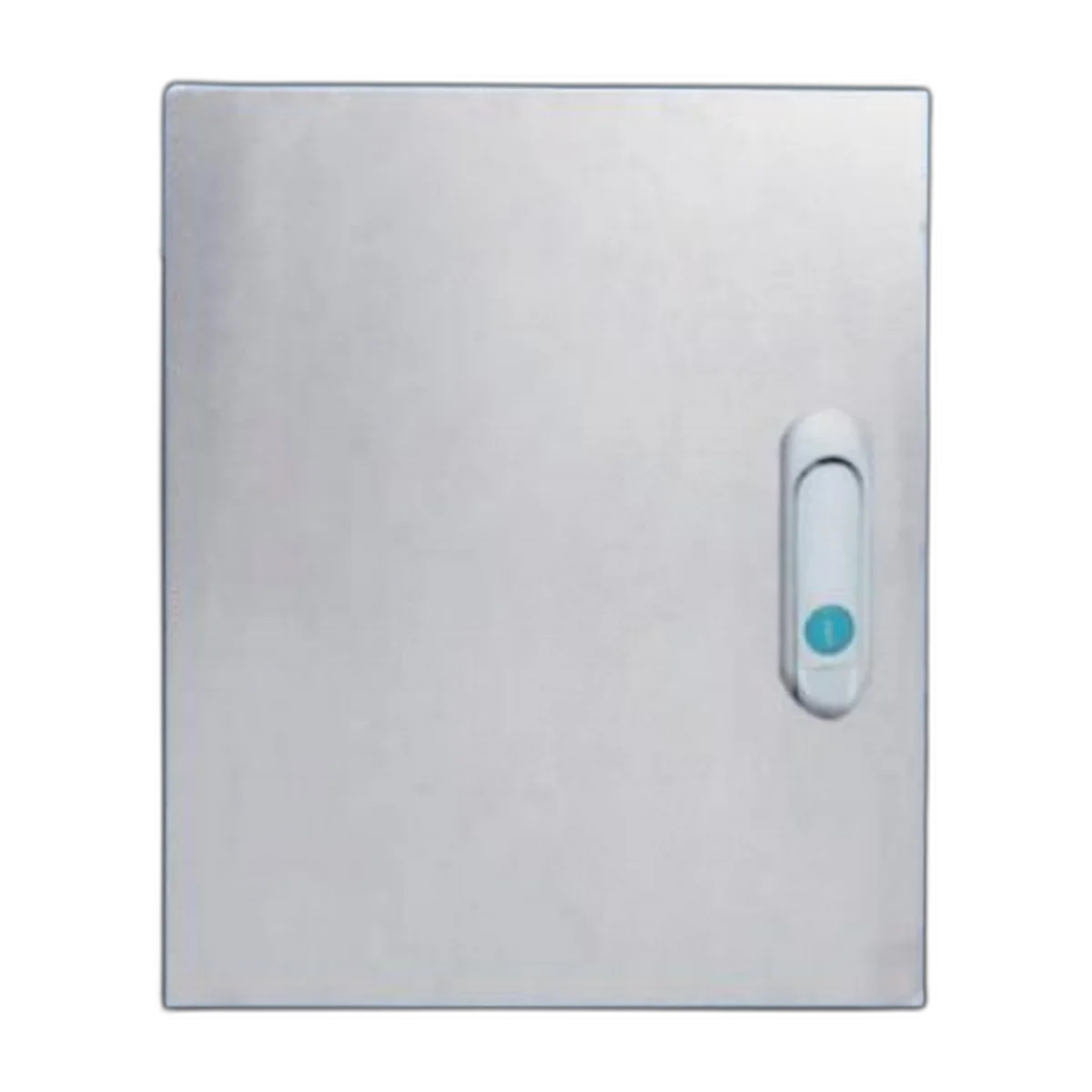
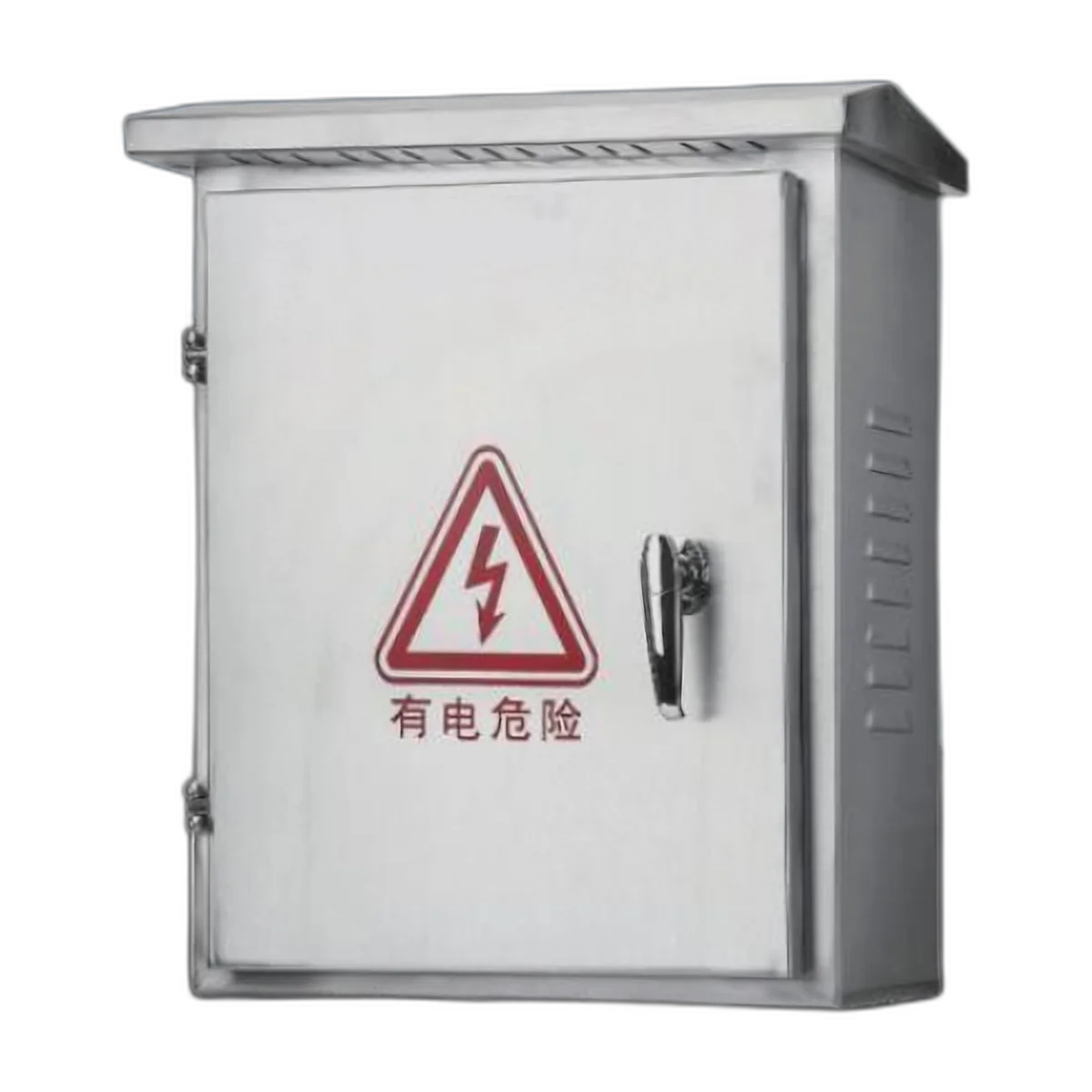
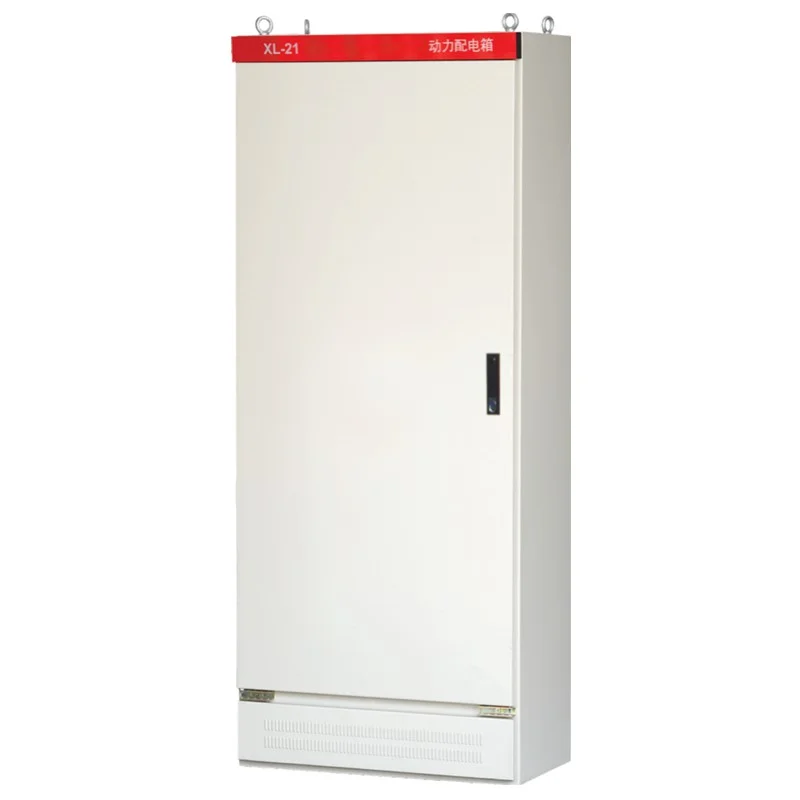
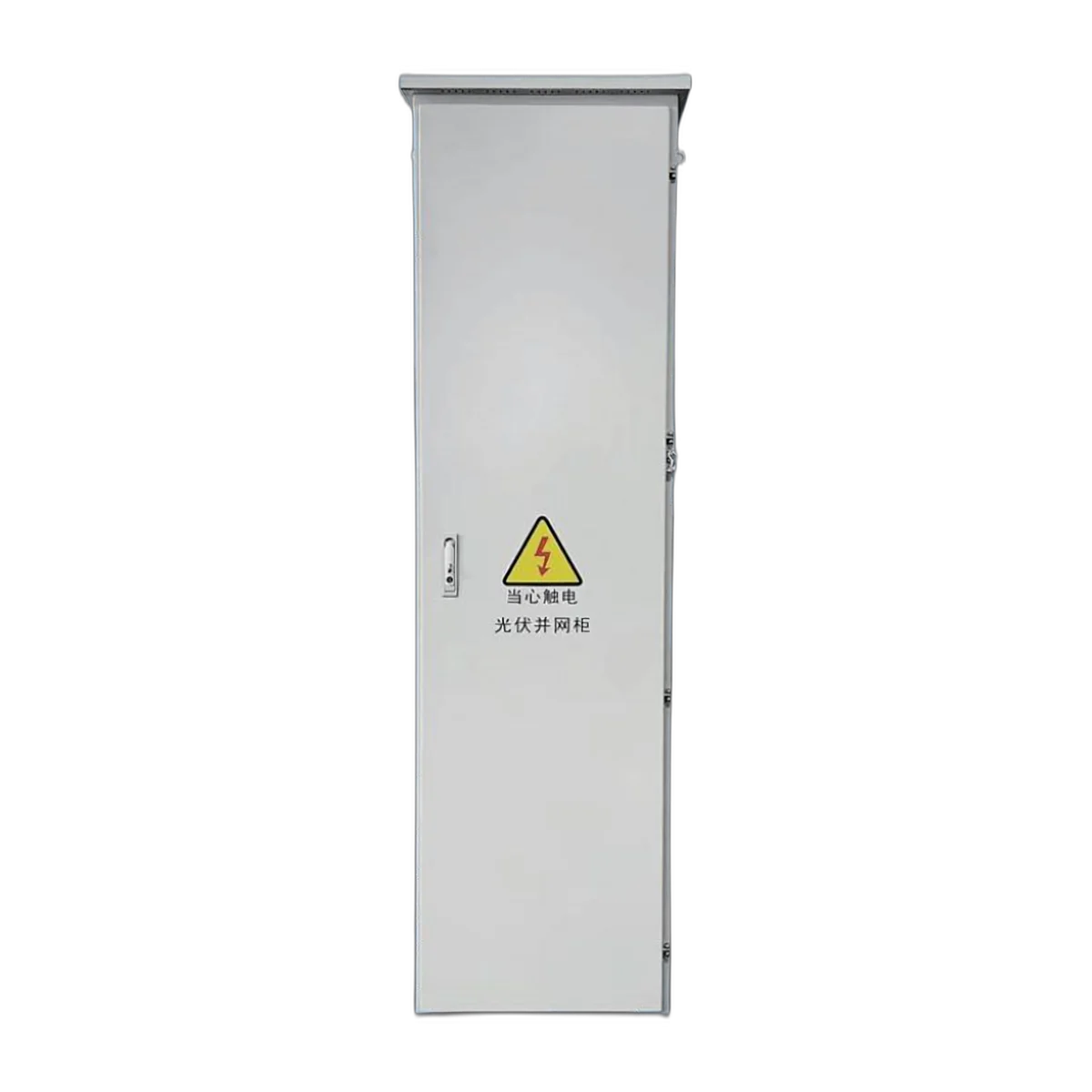
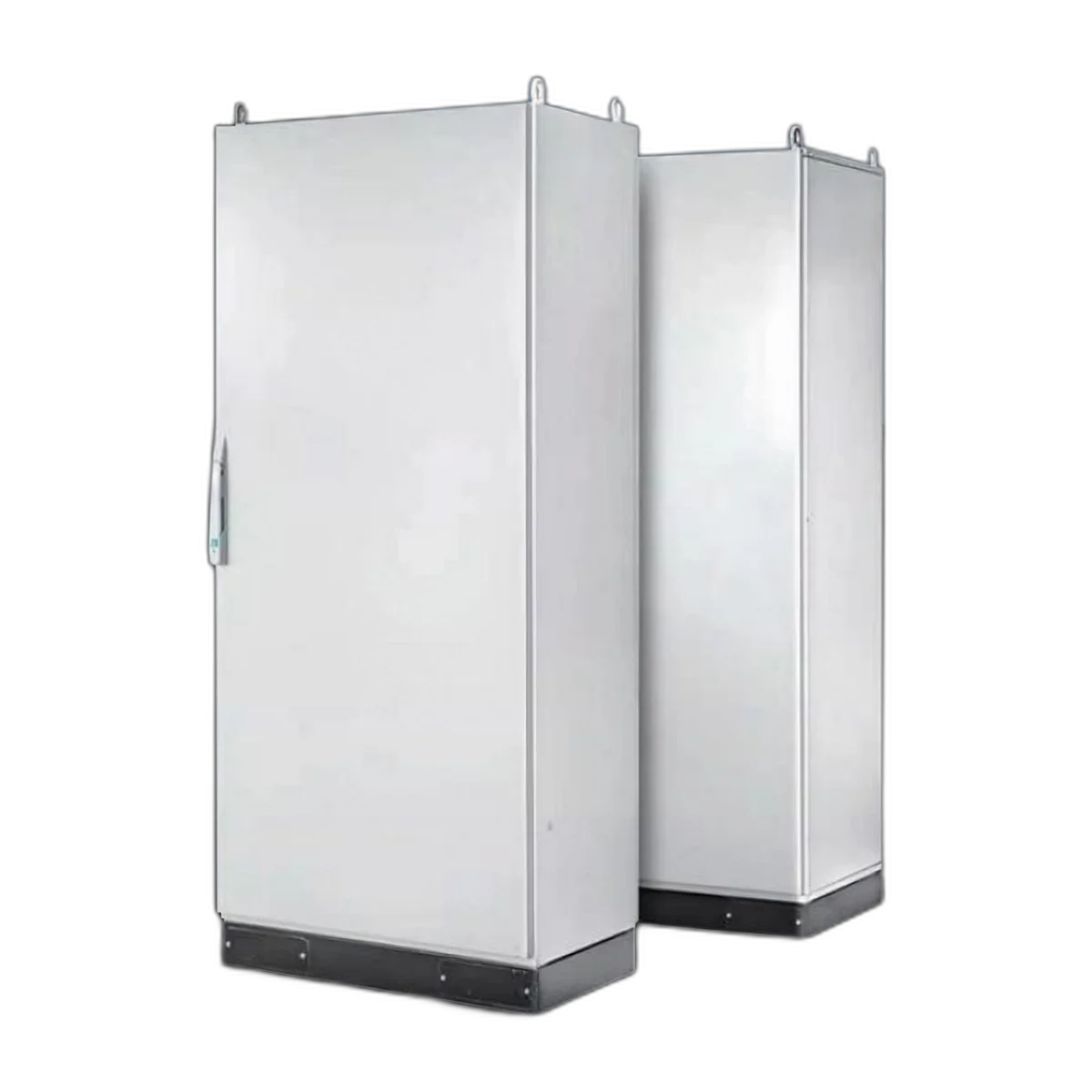
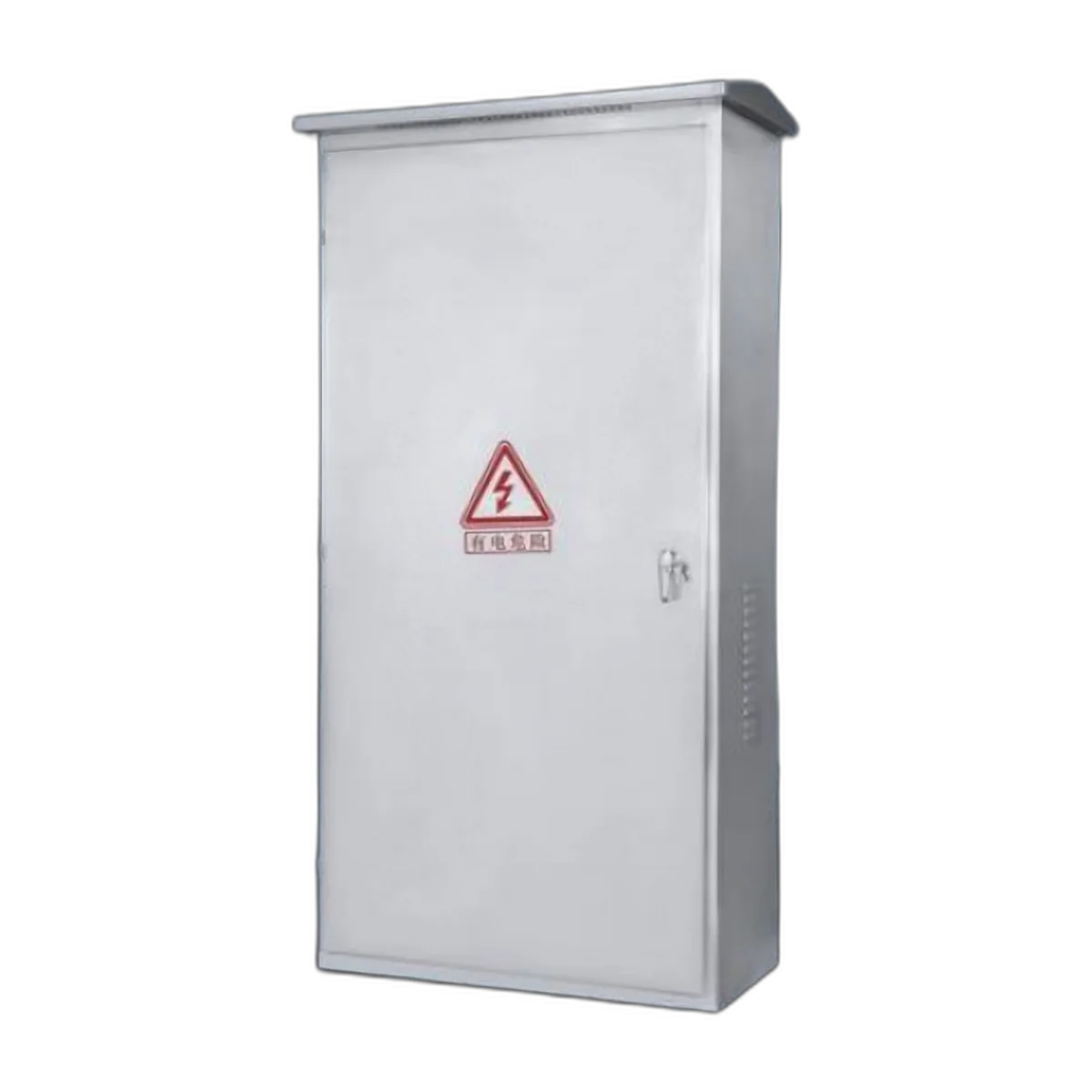
This is why, an enclosure should be chosen based on the frequency of making an access to it. The important thing is that an enclosure should be well-designed to allow for easier operation — for instance, it is better to use doors instead of covering. A stainless steel outdoor power cabinet is the kind of construction that survives the weather side of this for a decade without attention — the question that follows is whether the area classification allows that style of enclosure at that position at all.
The Ratings That Matter
There are two rating systems that function at the same moment but they provide answers to different questions.
- Ingress protection refers to the question “Can dust and water come inside?” NEMA 4 is protective against water blown at it by a hose; NEMA 4X includes protection against corrosion, and in terms of the IEC system, IP66 means protecting against dust and a strong water jet with a 12.5 mm nozzle at 100 liters per minute. Using NEMA 4X does not imply that an enclosure is explosionproof, while no IP rating guarantees it will be so.
- Hazardous area classification answers the question “Can I install this enclosure here at all?” NEMA 7 rates enclosures for Class I Division 1 areas where flammable gases and vapors can be found in normal operations (e.g. hydrogen, propane, acetylene, ethylene, and similar gases). NEMA 9 means the presence of combustible dust. The NEMA 4X rating has nothing to do with those matters.
Understanding how NEMA 7 functions is crucial because it impacts the needed maintenance regime. An explosion-proof enclosure does not prevent the explosion from happening inside; it simply contains the explosion. If there is a spark inside that ignites the mixture of gas and air inside the enclosure, the explosion-proof enclosure keeps the internal pressure and forces the gases through specifically designed flame paths that cool them to below their ignition temperature before they escape to the outside air. This is the reason behind making the cover joint a metal-to-metal joint and the bolts having to be properly torqued.
At the same time, it explains how a good intentioned modification can destroy the whole purpose of explosion containment. Adding a gasket to a NEMA 7 enclosure in order to give it weather-tightness is a violation of the code – such an unauthorised gasket might block venting of the explosion pressure and transform the enclosure from a safe containment device into a dangerous pressure vessel. In case explosion containment and rain protection are needed at the same location, the only solution is to specify a dual-rated enclosure in the first place rather than modifying it in the field.
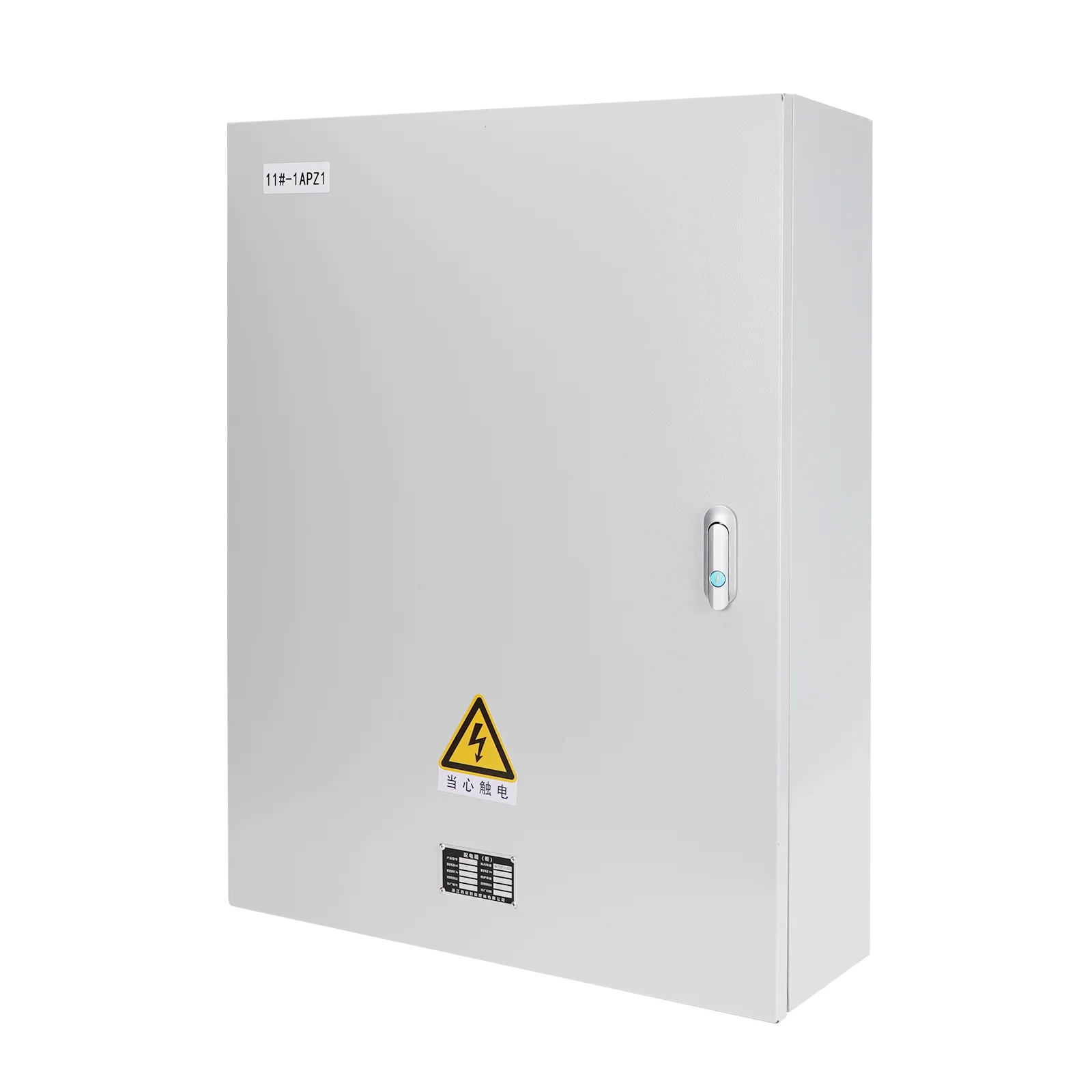
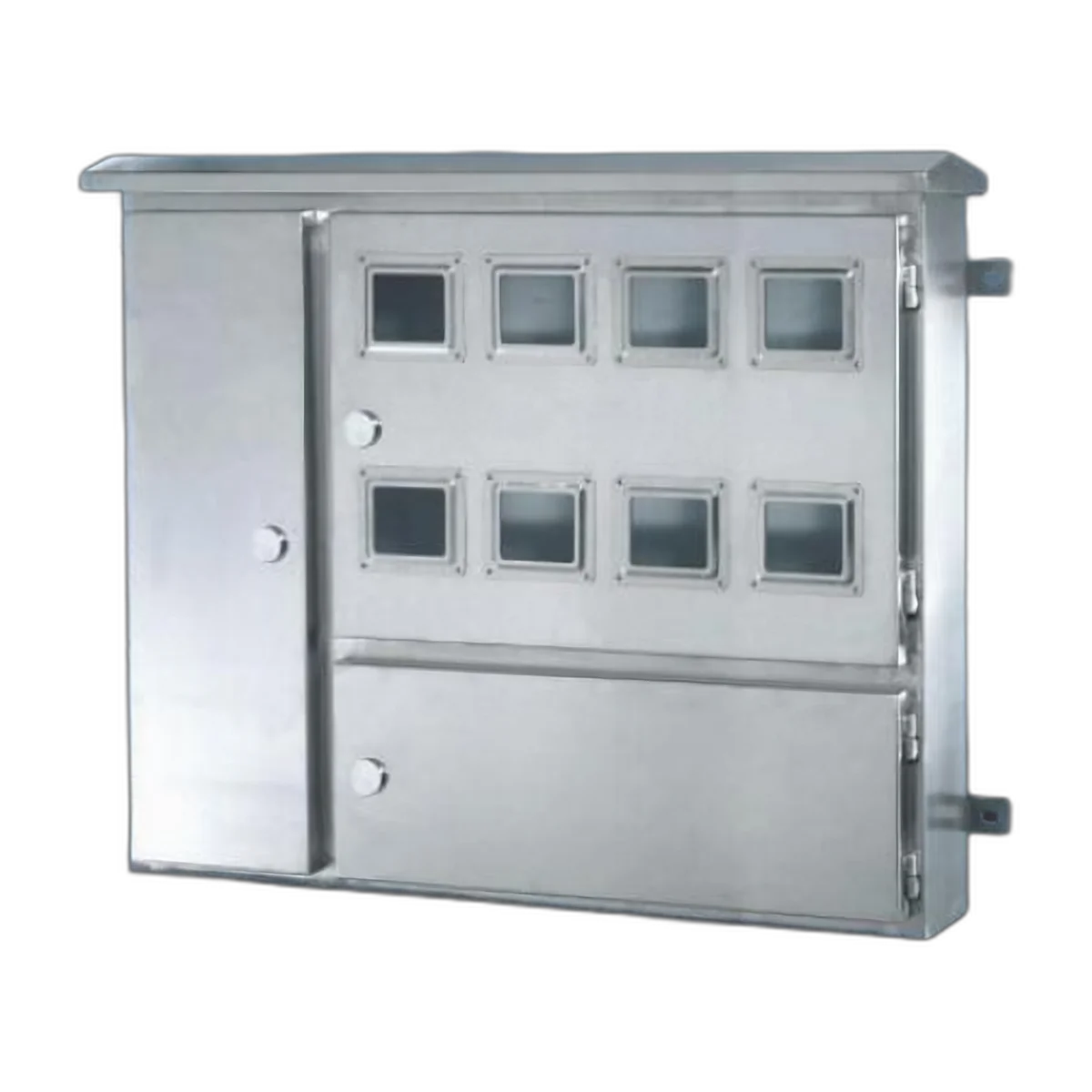
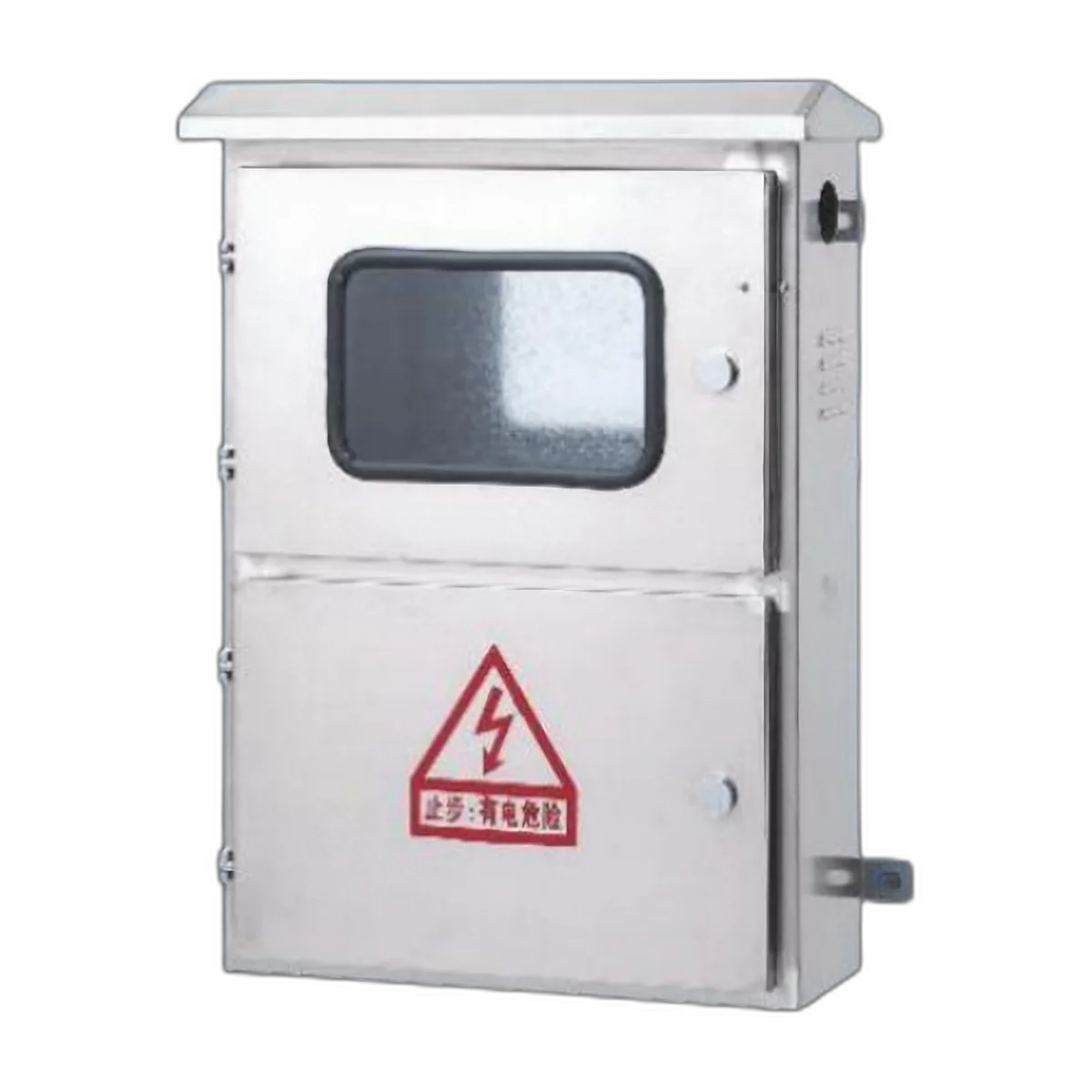
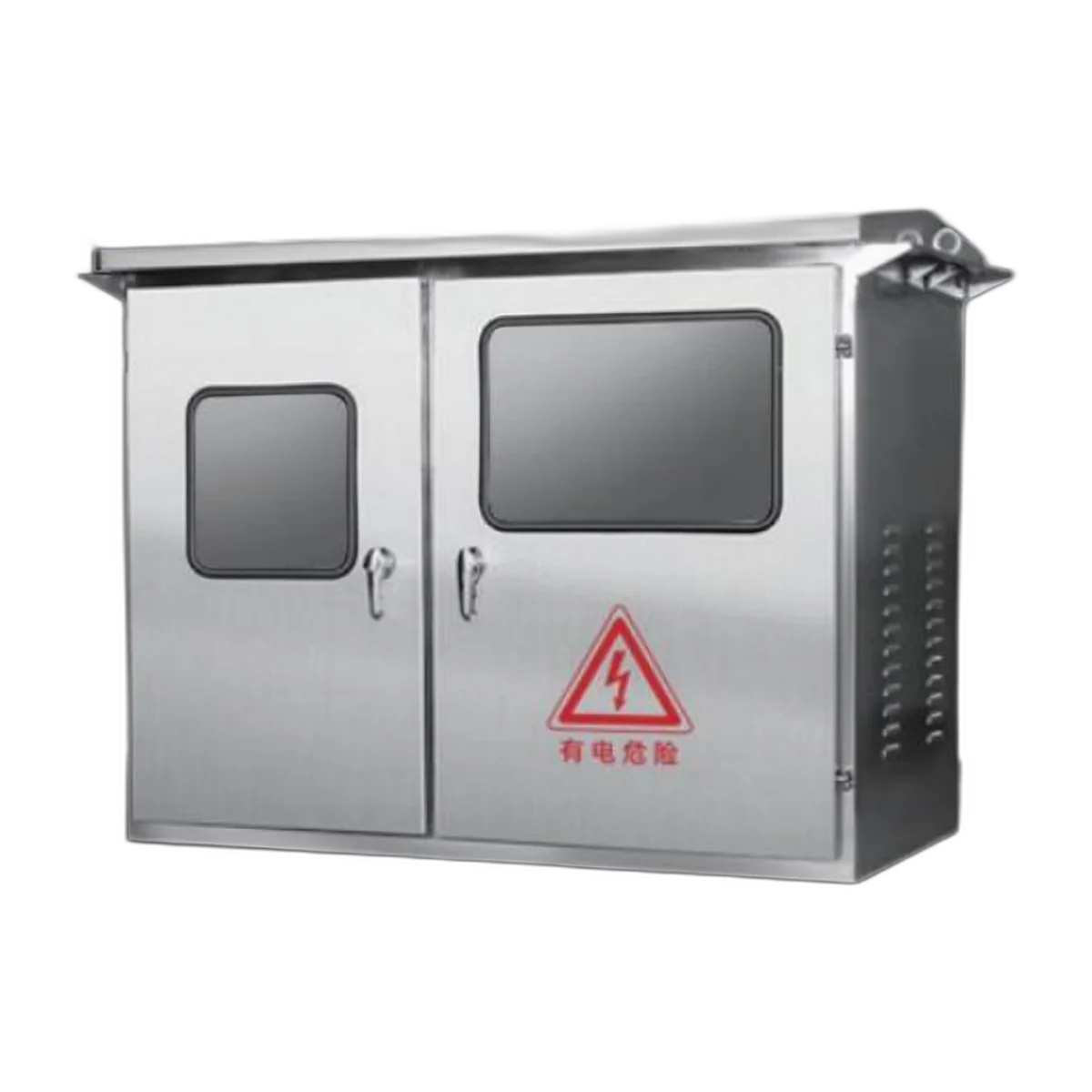
On the other side of the same site, on a non-hazardous side, making a decision about the use of an enclosure becomes much easier since it is merely an ingress problem and products are specified depending on the environment rather than on the area classification. An outdoor stainless steel distribution box is representative of the class used for utility and distribution positions where corrosion is the main threat and there is no combustible atmosphere to contain.
Materials: 316L Stainless, Cast Aluminium and GRP
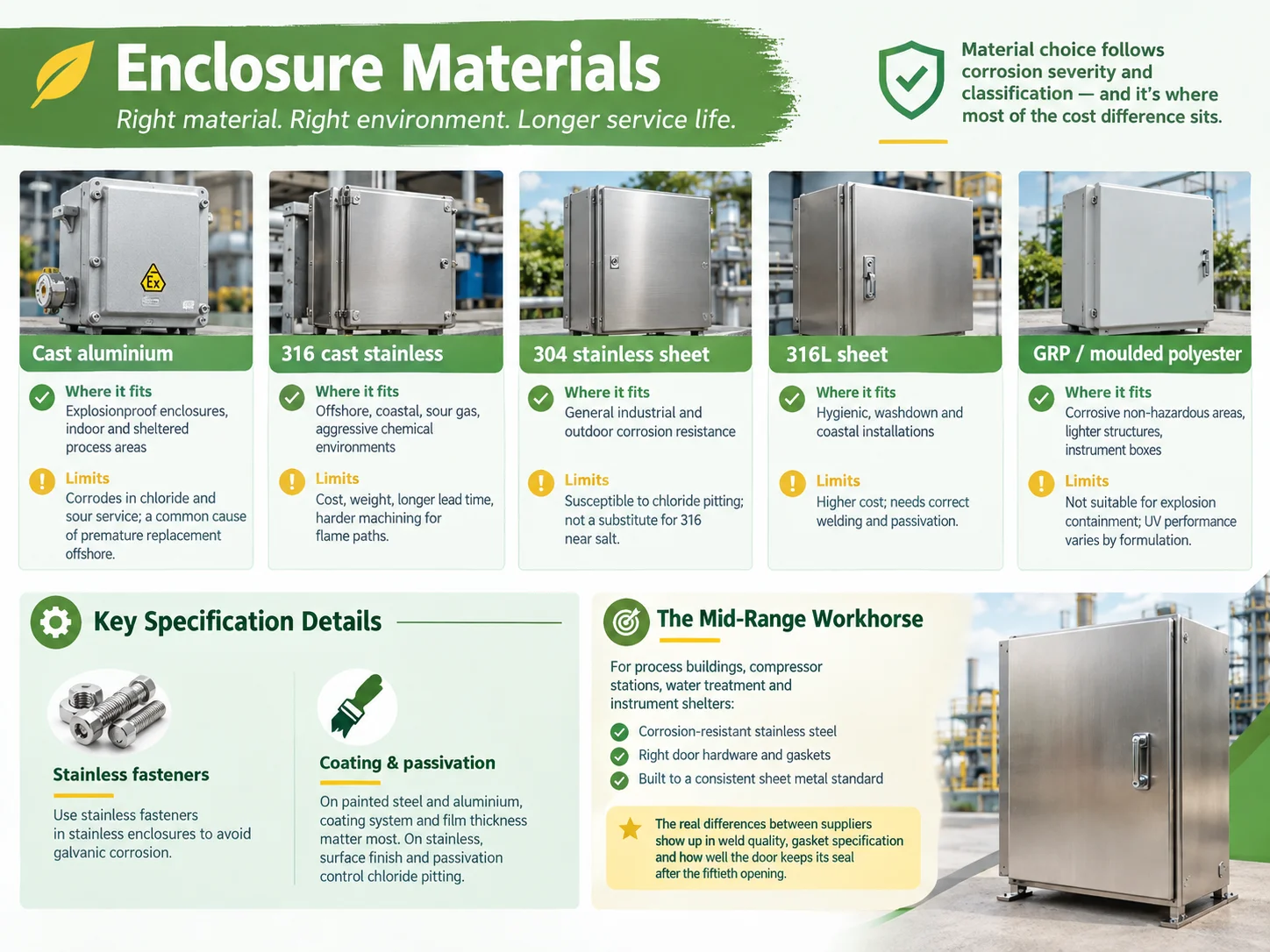
Material choice follows from the corrosion severity and the classification, and it is where most of the cost difference sits.
| Material | Where it fits | Limits |
|---|---|---|
| Cast aluminium | Explosionproof enclosures, indoor and sheltered process areas | Corrodes in chloride and sour service; a common cause of premature replacement offshore |
| 316 cast stainless | Offshore, coastal, sour gas, aggressive chemical environments | Cost, weight, longer lead time, harder machining for flame paths |
| 304 stainless sheet | General industrial and outdoor corrosion resistance | Susceptible to chloride pitting; not a substitute for 316 near salt |
| 316L sheet | Hygienic, washdown and coastal installations | Higher cost; needs correct welding and passivation |
| GRP / moulded polyester | Corrosive non-hazardous areas, lighter structures, instrument boxes | Not suitable for explosion containment; UV performance varies by formulation |
There are a couple of important elements that should definitely be included in the specification rather than be left to the fabricator. First is the subject of fastening items: stainless cases must be assembled with stainless fasteners, since carbon steel fasteners inserted in stainless body cause galvanic corrosion at the most essential place that remains sealed and compact. Another issue is the coating and passivation – on painted steel and aluminum constructions the coating system and film thickness largely define the service life of the particular material, while on the stainless coating this property mostly depends on surface treatment of the material.
For enclosures of an average range, e.g. process buildings, compressor stations, water treatment and instrument shelters, the optimal specification is, as a rule, the corrosion-resistant stainless enclosure equipped with suitable door motor devices and seals manufactured in accordance to a respective sheet metal standard. A stainless steel distribution box in that class is the workhorse of the non-hazardous side of a plant, and the differences between suppliers show up in weld quality, gasket specification and how well the door keeps its seal after the fiftieth opening.
Types and Typical Configurations
The goods in this sector fall into a few categories.
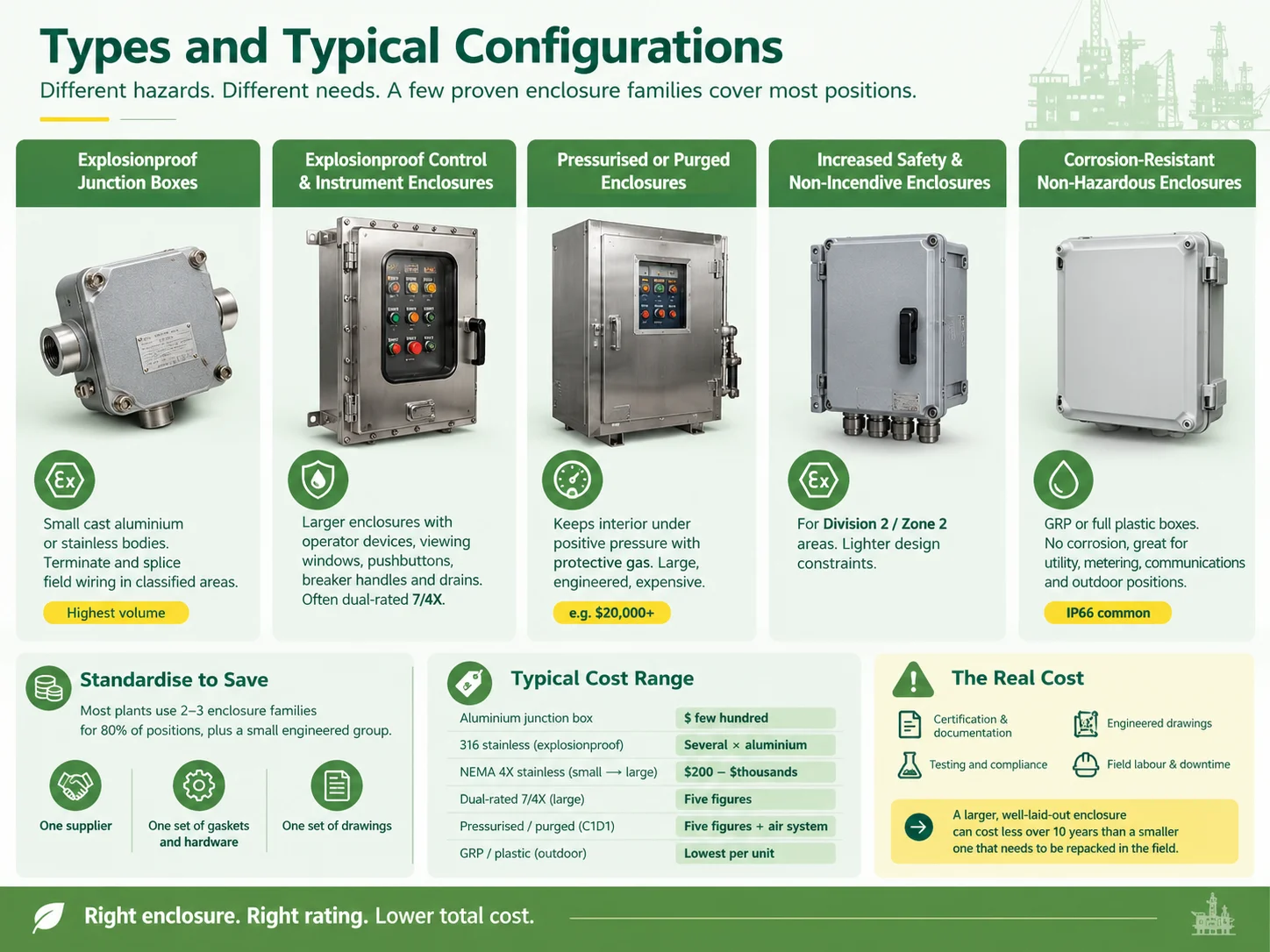
- Explosion-proof junction boxes. These are small bodies made from either cast aluminium or stainless steel with machined tops and are used for the termination and connection of field wiring in classified areas; this is the most widely sold item from the point of view of the total number sold.
- Explosion-proof control and instrumentation enclosures. These are larger enclosures with controls, viewing windows, switches, circuit breakers, and valves; they often bear dual marking 7/4X and can be utilized offshore or in washdown environment.
- Pressurized or purged enclosures. These can be used where a large enclosure is needed in a hazardous location, but an explosion-proof cast solution cannot be employed. Such an enclosure operates under positive pressure, keeping the interior atmosphere different from that of the environment around it. These are big, costly units – for example a C1D1 stainless enclosure with a viewing window measuring 18 × 24 × 8 inches costs about $20,000.
- Increased safety and non-incendive enclosures for Division 2 and Zone 2 areas where risks are lower, leading to less stringent design requirements.
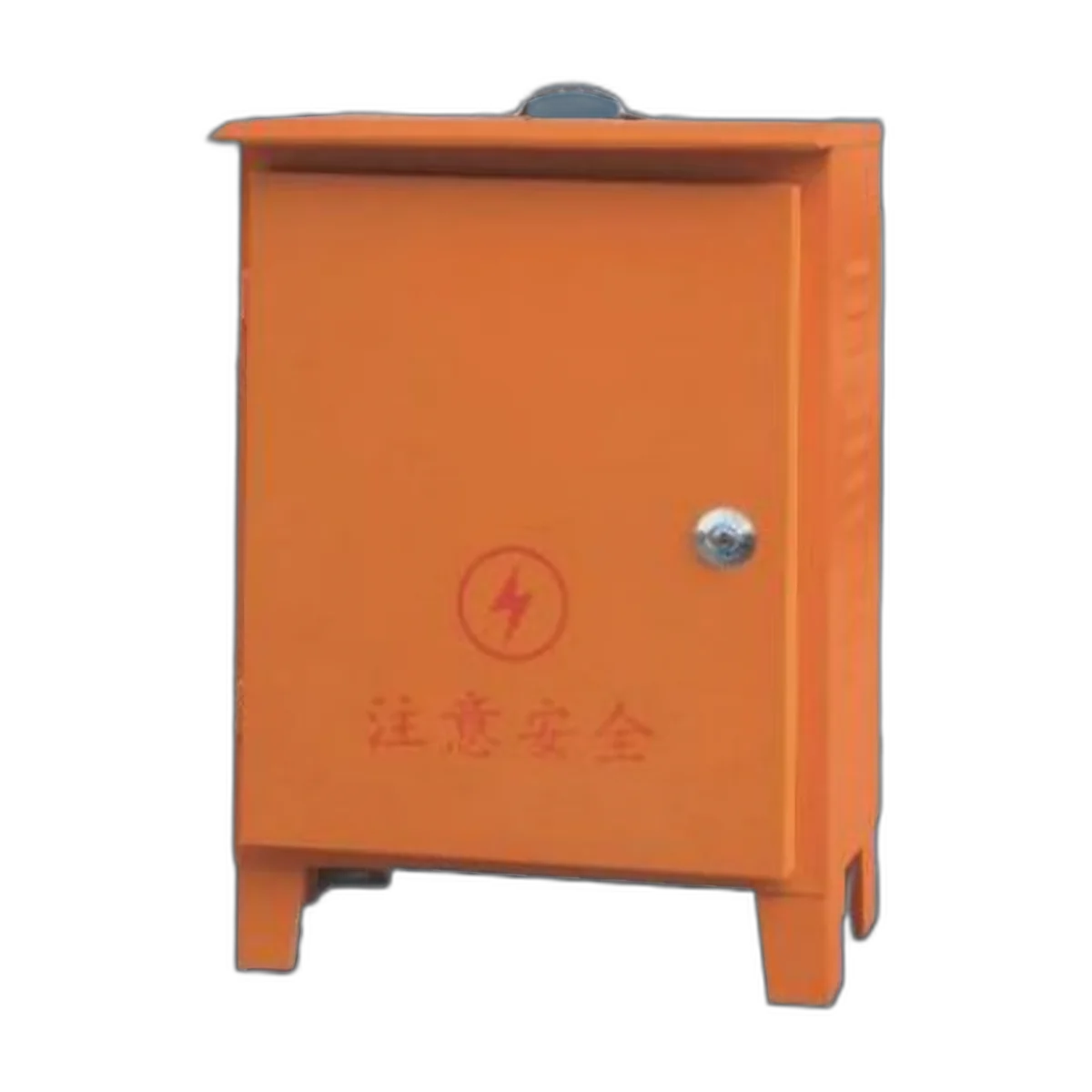
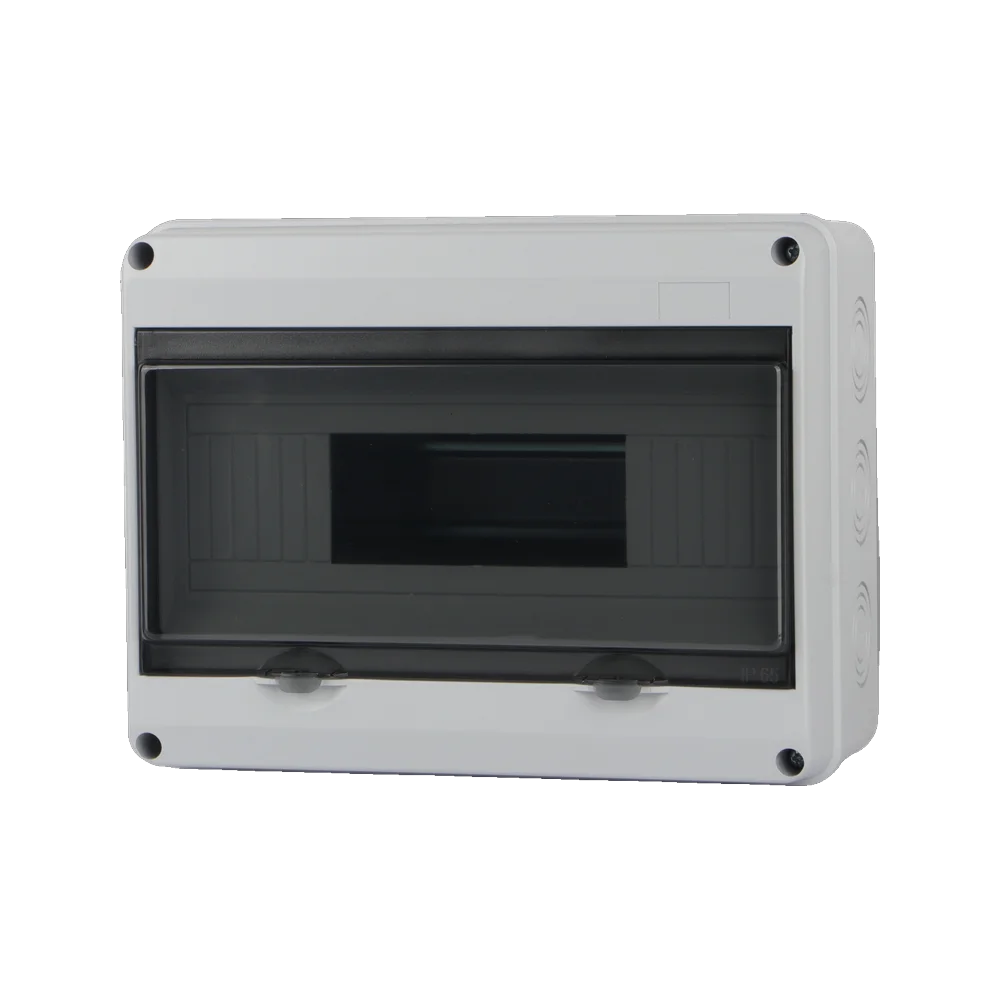
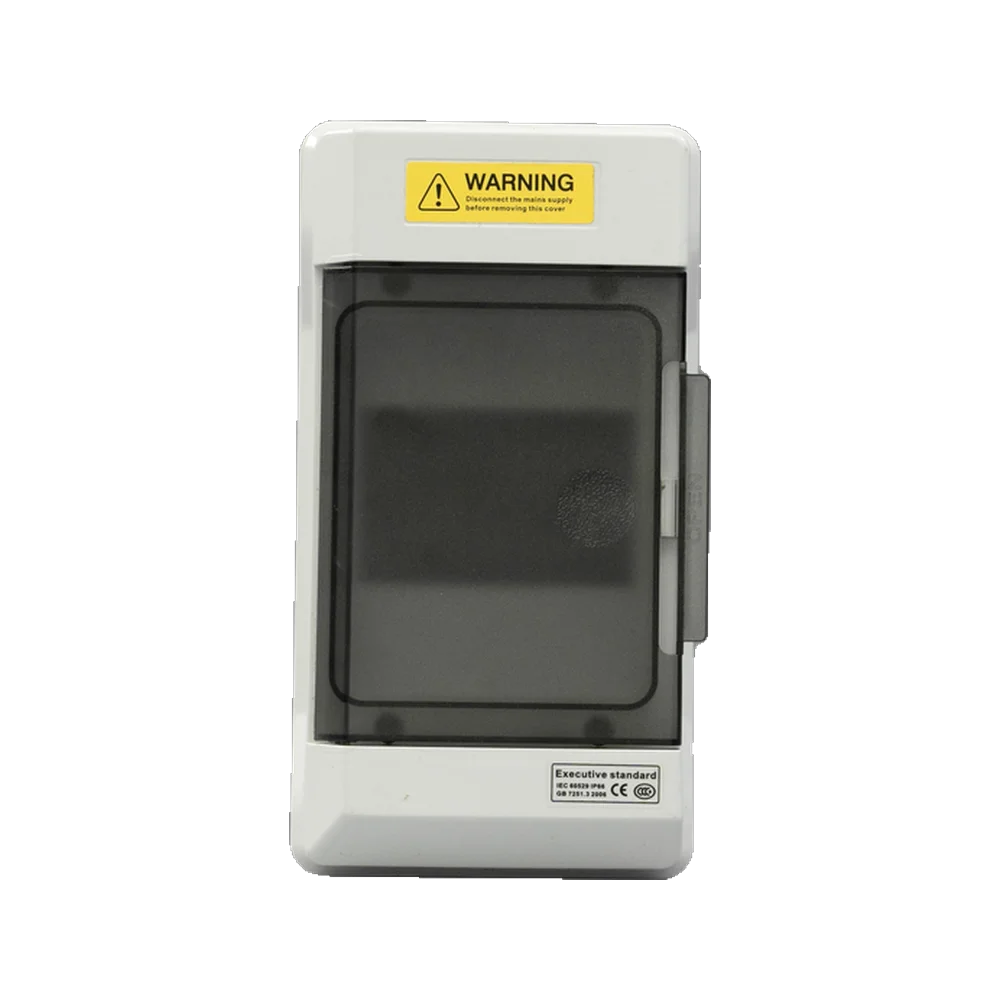
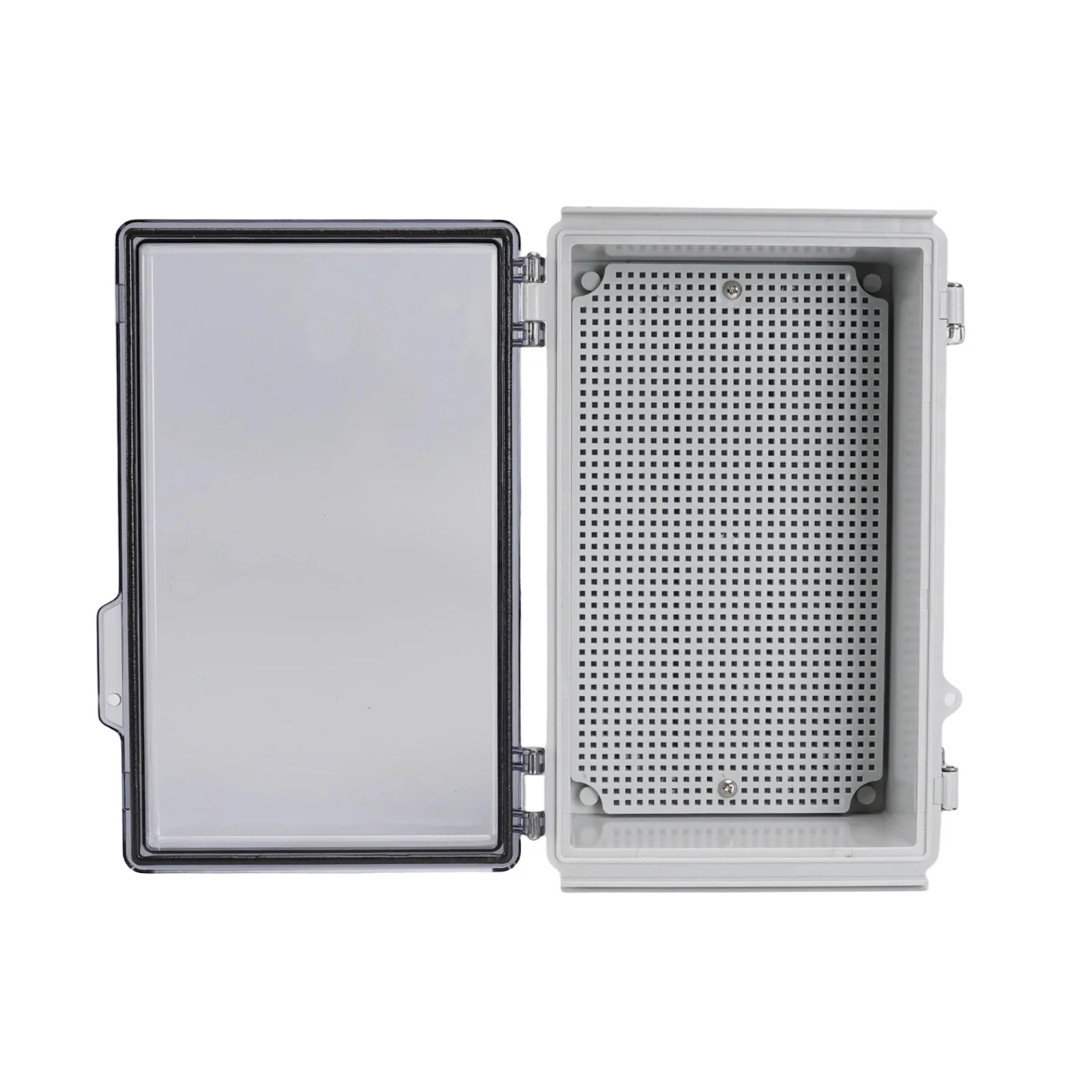
- Corrosion-resistant non-hazardous enclosures for utility, metering, distributing, and communicating applications; moulded GRP or full plastic enclosures are leading in this domain because they cannot corrode, which makes an enclosed full plastic IP66 rated box a commonly used in exposed outdoor situations where classifications do not require metal solutions.
Standardization in these categories allows plants to obtain real savings. Most companies end up with two or three types of enclosure that cover 80% of locations, plus a few engineered enclosures for rare cases. Purchasing all these boxes from one supplier entails using one type of gasket, hardware, and scheme that makes life much easier during turnaround.
What It Costs
When it comes to pricing, it’s important to remember that the costs associated with these enclosures can vary dramatically based on factors like quality, type of material used, and its dimensions, meaning that they should serve as vague, indicative benchmarks instead of precise estimates.
- For example, a small explosion-proof cast aluminum junction box may set you back by just a couple of hundred bucks, whereas the cast 316 version is several times more expensive.
- The NEMA 4X versions can cost anywhere from around $300 for a basic box, and can reach into thousands for larger enclosures depending on thickness, size, and other characteristics.
- Plus, some of the more complicated premium and specialized boxes, such as dual-rated NEMA boxes with viewing windows and operator devices, can run into five figures for the bigger models.
- Pressurized and purged C1D1 enclosures can also be costly, plus the air system will add on top of that as well.
- Fiberglass and plastic premium outdoor enclosures usually end up being the cheapest option, with minimal costs over time with no maintenance of any corrosion.
However, one of the key costs to consider when budgeting for these safety features and systems is the certification paperwork and drawings associated with each enclosure along with the testing process. In addition, your costs will skyrocket based on how often you are going to need to manipulate the enclosure in the future. On a platform, an enclosure requires paperwork, and if you opt for a bigger enclosure, it will easily pay for itself over the years as opposed to having to use a smaller one and re-working everything on-site.
Installation and Maintenance
The maintenance methods vary according to the rating. However, applying them incorrectly will eliminate the guarantee.
- Explosionproof enclosures: Check all flame routes. Generally, the surfaces of machine joints should be inspected every six months because if they are dirty or covered with paint, grease, or rust, it will impair the extinguishing mechanism. Clean these surfaces and do not apply any lubricant on them; just do not paint them.
- Make sure that all cover bolts have the correct torque. It is necessary to tighten explosionproof fixtures according to engineering specifications. Tightening by feel may ensure sufficient visual inspection only.
- Do not include a gasket in the flame route and do not perform any drilling or machining operations on explosionproof fixtures unless these operations comply with the regulations.
- Ingress-protected enclosures: Check gaskets. For enclosures rated according to NEMA 4X or IP66 the gasket is protection. Look for signs of brittleness, cracks, and crushed gaskets, especially those installed in the sunlight, since hardened gaskets must be replaced, not reinstalled.
- Check ventilation units. If a breather is blocked, the enclosure will be a condensation collector, and condensation will destroy electronics much earlier than corrosion.
- In everything that relates to stainless enclosures use stainless hardware and check the torque after the first thermal treatment of the enclosure in case it is installed outdoors.
Make a record of all the installations, including the model and certification references for every enclosure used. Turnarounds will benefit a lot from these records as they will allow you to determine that the box on line 3 is the dual-rated one made of 316 stainless steel with a specified gasket number.
How to Shortlist a Manufacturer
There are five questions that can quickly streamline the processes of the sector, and the information given in response should generally be documentary and not oral.
- Can you get the certificate for the precise model you are going to purchase? UL and cUL certification for North America, ATEX and IECEx certification for the world level. An approval listing for a given manufacturer does not equal a certificate for a distinct model of device or an enclosure, especially when there are double-marked enclosures made of stainless steel.
- Do you manufacture your flame paths yourself? This is what makes a producer of hazardous area devices different from just a sheet metal fabricating shop with cast equipment in the list of products.
- Is the traceability trace of materials traced correctly? For instance, if it is sour service or offshore, it is important that certificates mention heat numbers in them.
- How do you approach a non-standard case? Every factory has a case that doesn’t fit the dimension of an enclosure. It is a good case when something can be engineered rather than just saying that it is impossible to do.
- What is the time frame for completing a repeat order? Ask this question directly, as the reply regarding the first order will always be good, different from answers given in three years.
For the un-classified portions of the estate, it is largely advisable that the plants adopt a controlled corrosion-resistant enclosure program-standardized sizes, standardized gaskets, standardized door hardware, all produced to their own drawings and marked with their own references.That is a conventional OEM and ODM arrangement for enclosure production, and it converts a recurring specification argument into a stocked part number. The manufacturers worth talking to for that part of the job are the ones with capacity in stainless sheet and plastic as well as cast product.
Frequently Asked Questions
What is a type 7 enclosure?
The NEMA 7 designation refers to an explosion-proof enclosure that is designed for indoor use in those areas classified as Class I Division 1, where flammable gases or vapor may exist under normal operating conditions. Moreover, it applies to groups B, C, and D in terms of gases and vapors. The purpose of this type of enclosure is not to prevent explosions but to contain them within the unit via machine-cut metal flame paths that cool released gases sufficiently to temperatures below their ignition point. The enclosure itself does not provide any form of corrosion resistance unless the additional 4x letters are added when the enclosure is rated according to both standards.
What type of enclosure will protect against oil and coolant seepage?
NEMA Type 12 serves as the traditional form of protection against dirt, dust, lint, and oil or coolant ingress. It is suitable for providing indoor protection for machine tool and industrial applications and is not intended for use in hazardous locations or outdoors. NEMA Type 4 and NEMA Type 4X are also resistant to hose-directed water, so they represent a better option when washdowns are needed; NEMA Type 4X also needs to take the additional corrosion resistance of oil mist or coolants into account. For outdoor use when the enclosure is also exposed to the weather, choose NEMA Type 4X or a combination of NEMA Types 4X and 12.
Is a NEMA 4X enclosure explosion-proof?
The confusion may lead to actual issues because NEMA 4X denotes a rating for ingress and corrosion, i.e., the enclosure is watertight and resistant to corrosion, but is in no way referred to as an explosion-proof system, which means that if NEMA 4X is installed in a Class I Division 1 area, it is a breach of code. In cases when there are requirements regarding ingress and explosion-proof performance, dual qualification NEMA 7/4X must be ensured. NEMA 7 is a cast, machined product as opposed to sheet metal. Implementing weatherproofing means putting the enclosure at risk of violating the regulations, as methods like adding gaskets or seals may obstruct pressure relief.
What are mechanical enclosures?
In the field of enclosures, “mechanical enclosure” is defined as the enclosure style with the primary purpose of physical protection of the device as distinct from functioning as type of electrical containment — meaning enclosures for mechanisms and actuators, instrumentation, machine guarding and operator stations. In terms of oil and gas, the same term refers to the non-classified enclosure around the valves, actuators and instruments in the plant site where the need is corrosion resistance and mechanical protection rather then explosion proofness. The specification relates to material and the any finish but not electrical rating: i.e. 6M stainless steel or UV-stabilised polymer, with sealed hardware and the gasket fitting the environment.
References
- Adalet — NEMA 7 explosionproof enclosure technical and application guidance
- Killark (Hubbell) — hazardous location enclosures and fittings
- R. Stahl / Bartec — explosion protection for oil and gas and chemical plants
- OSHA — electrical safety requirements for hazardous (classified) locations
- National Electrical Manufacturers Association — enclosure type designations and standards
Conclusion
If you want to have the right classification, you have to start from your area. It determines whether you are getting a sealed box or a containment device and there is no amount of stainless steel that can turn one into another. Then you should use the appropriate materials, as cast aluminum and 304 sheet steel should never be used offshore while you can use 316L with stainless steel fasteners. Also, do not forget to budget for certification fees, to torque the flame-path bolts, check gaskets, and breather drains as well as to standardize the non-classified part of your site, which sooner or later will let you avoid any complicated specifications in the future.