
Weak Current Box Guide
When it comes to language, there is a misconception from customers from English-speaking countries, which should be noted. The term “weak current cabinet” does not imply that it is meant for weak current but it is a cabinet where the wiring enters the building. If, for example, the telephone lines, a copper wire for fiber-optic internet or wires for CCTV cameras enter the building, they all go through this cabinet.
Moreover, this cabinet cannot be installed after the building has been built or refurbished. If the cabinet is extremely deep, the router will be installed on the other side and if the cabinet is metal then the Wi-Fi will not be working.
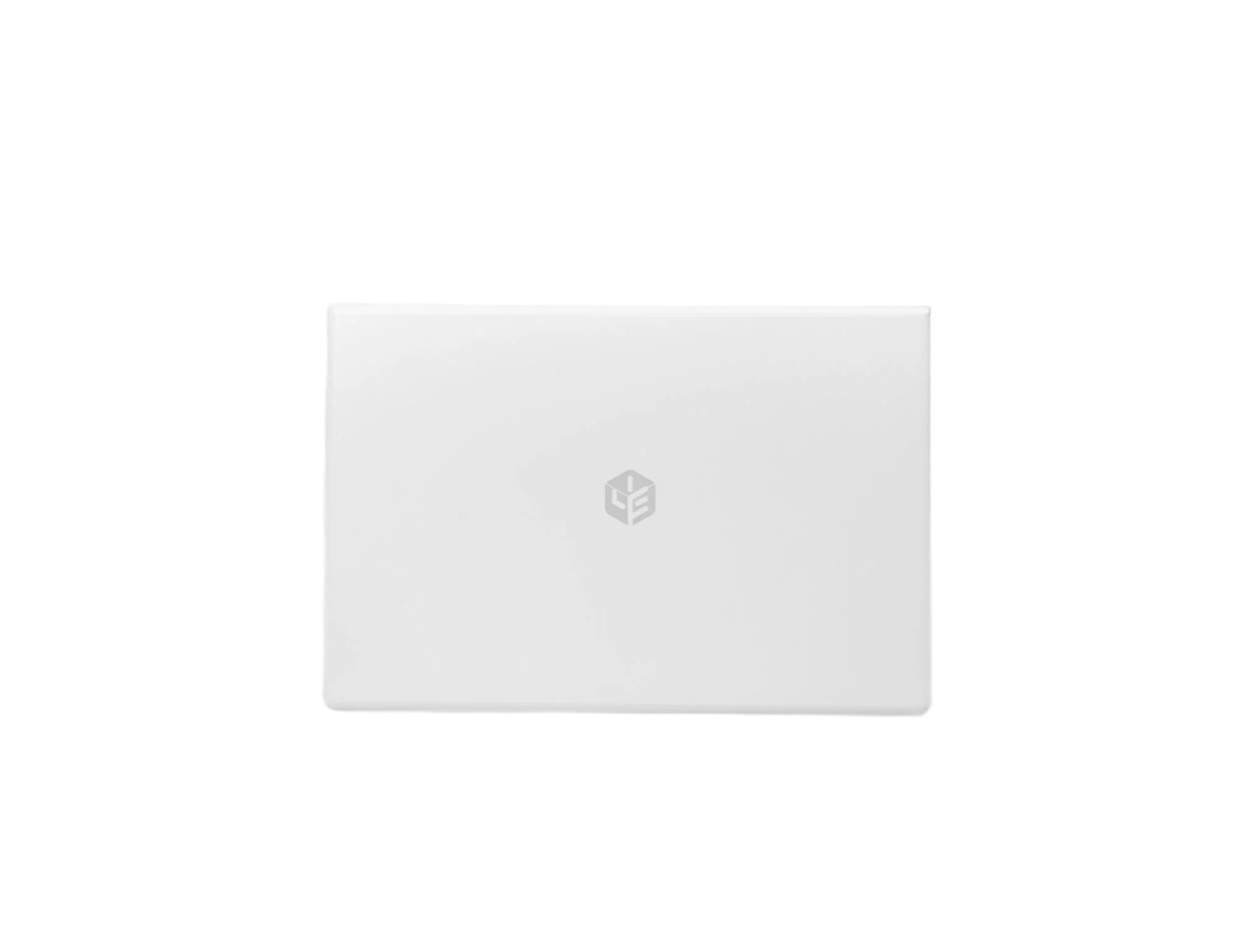
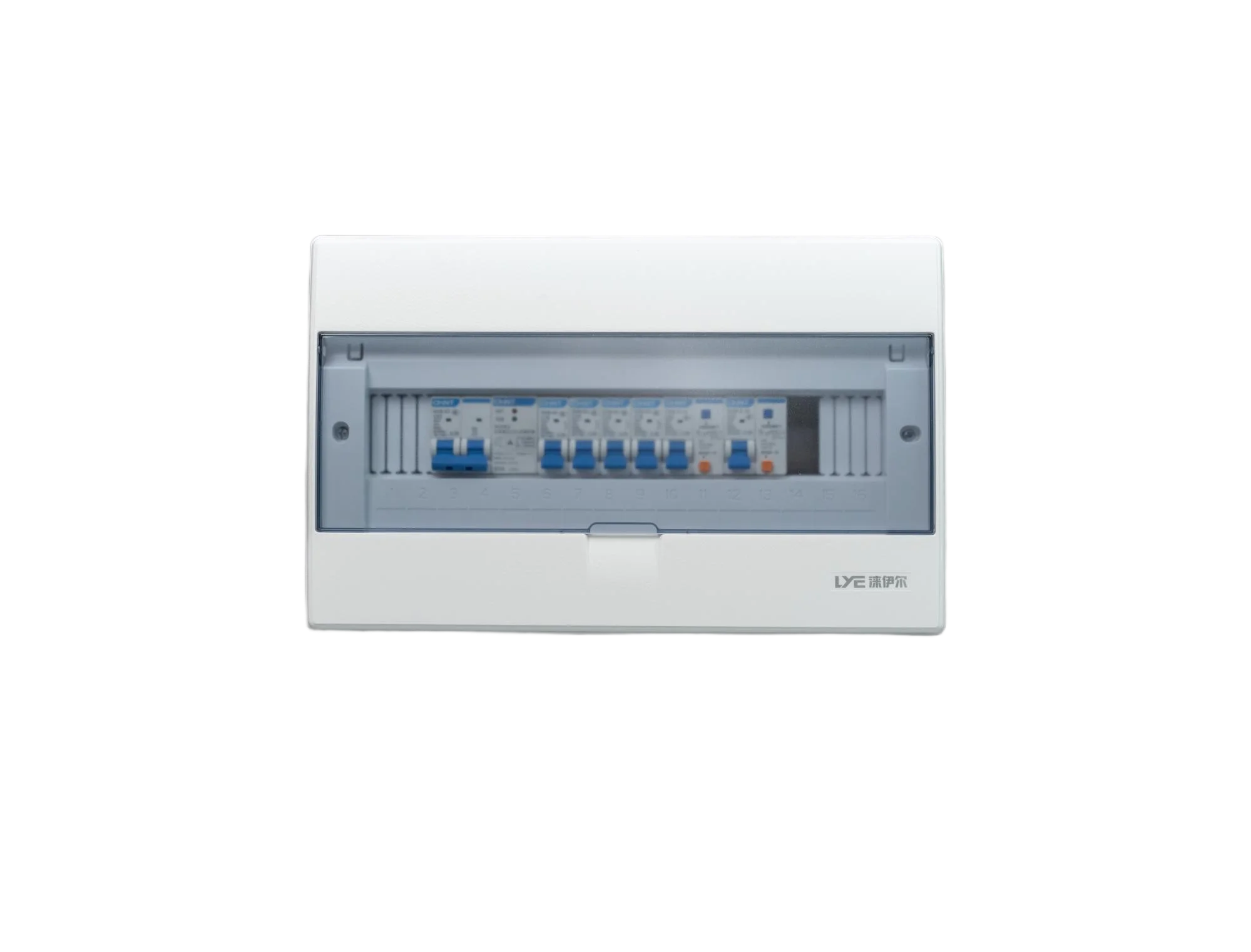
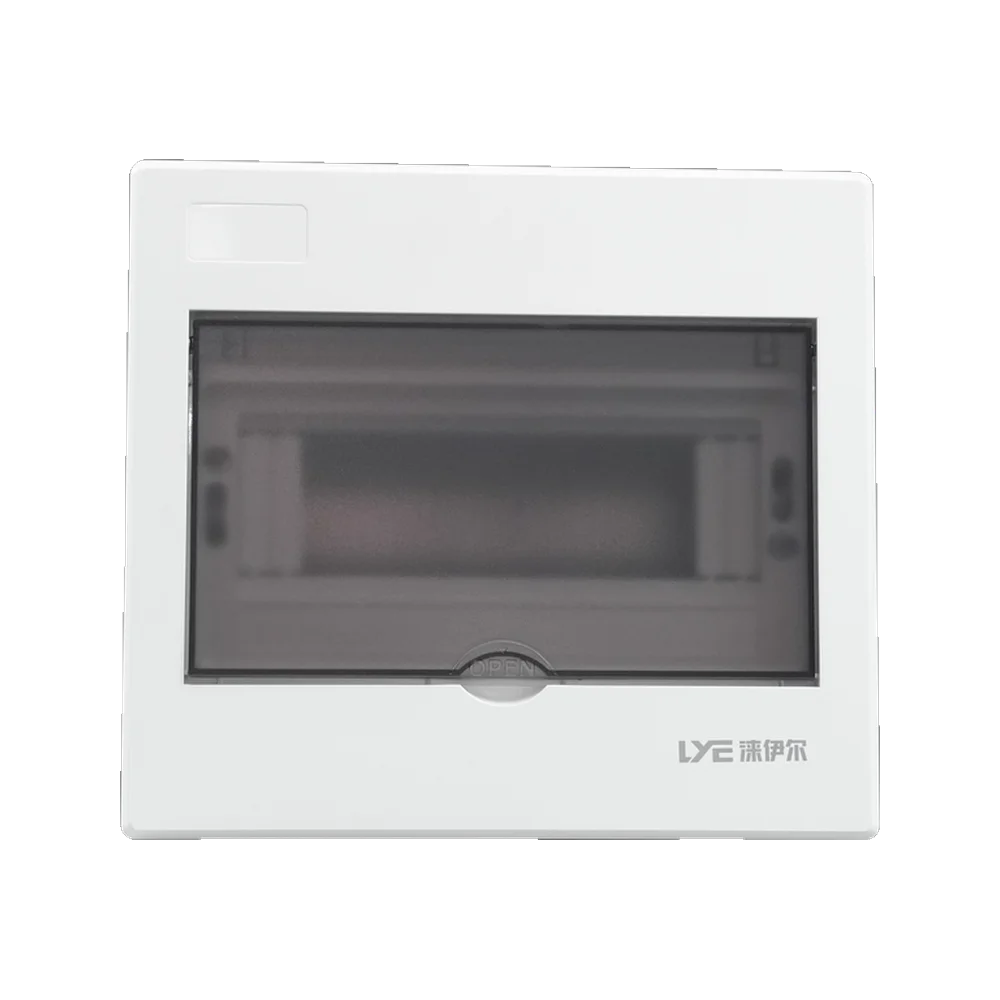
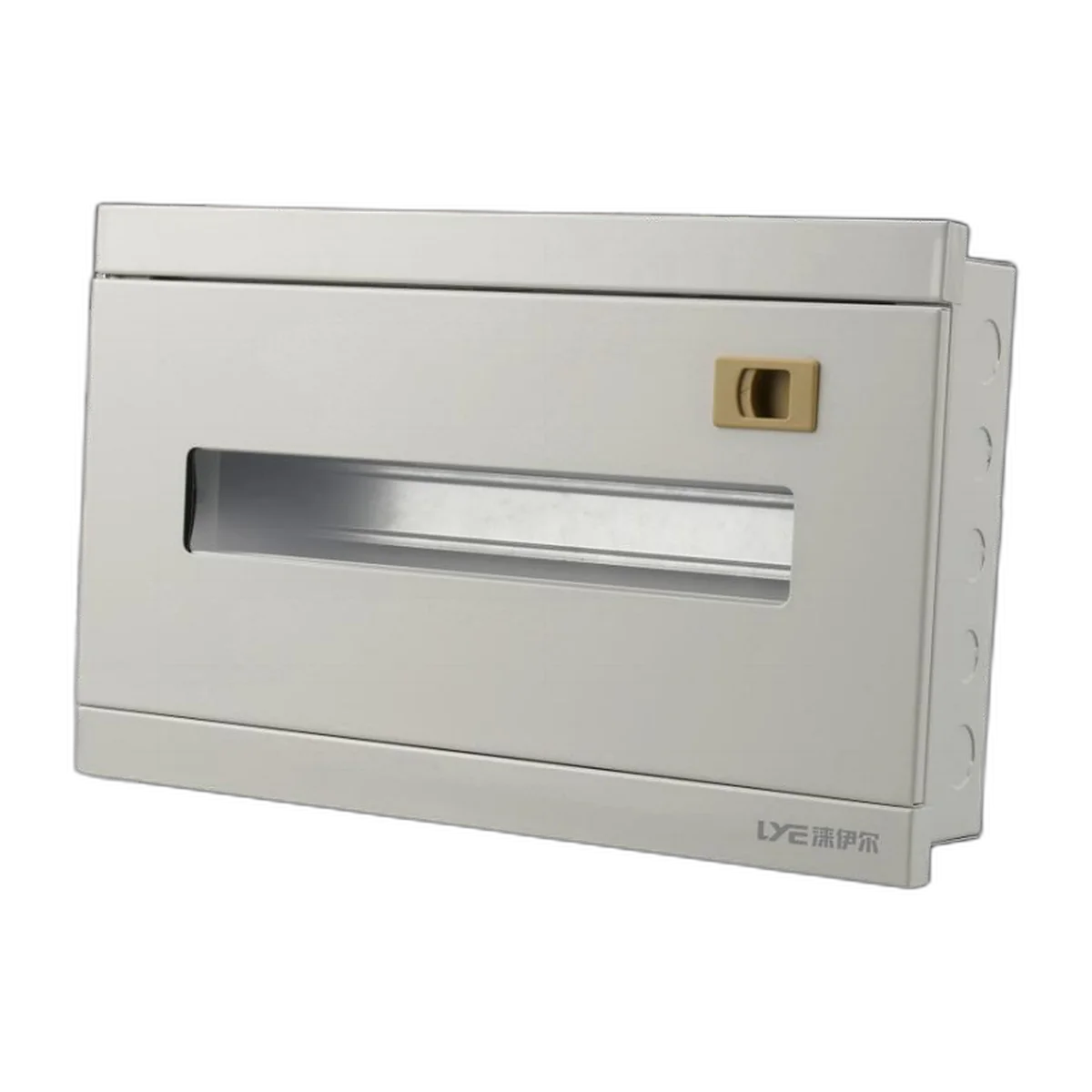
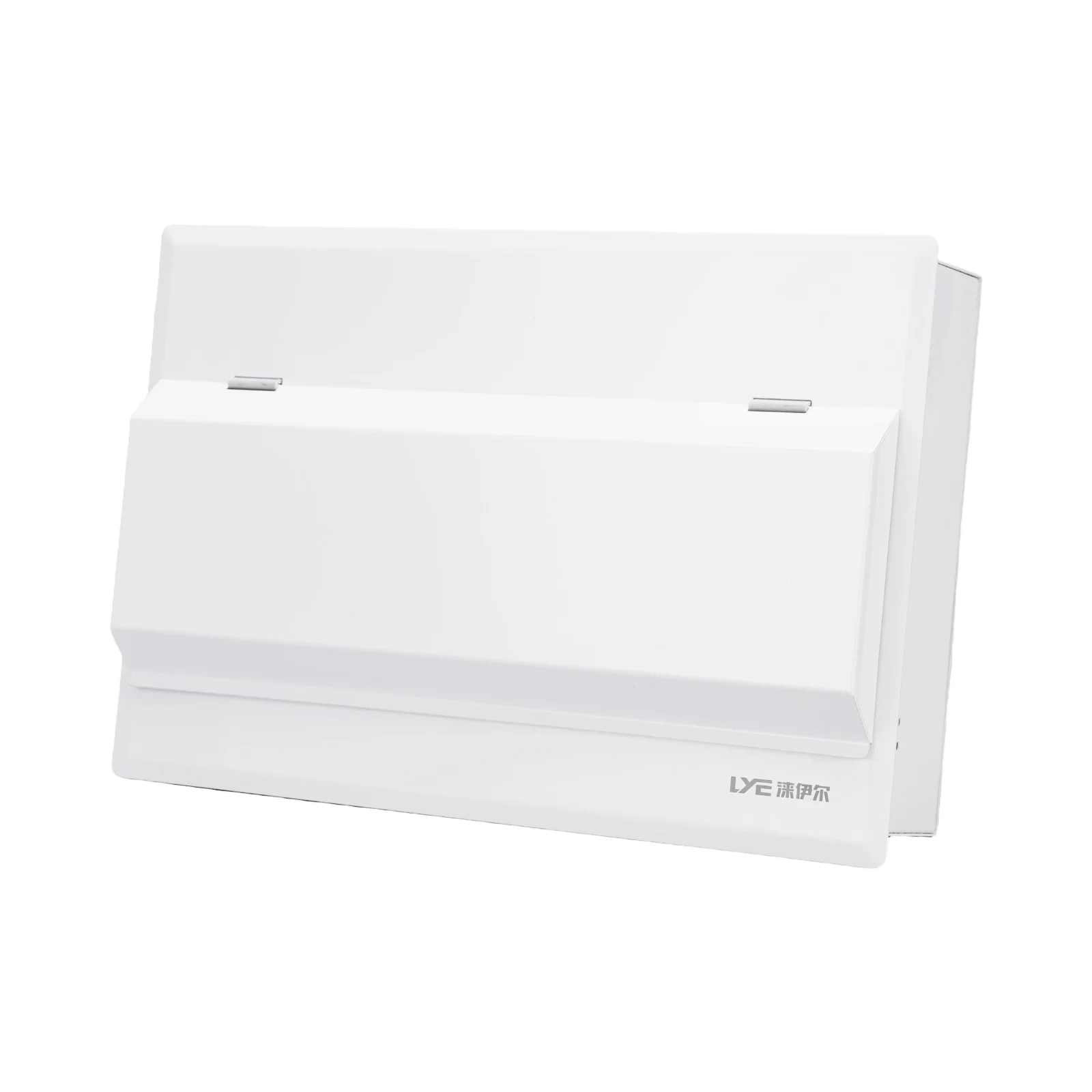
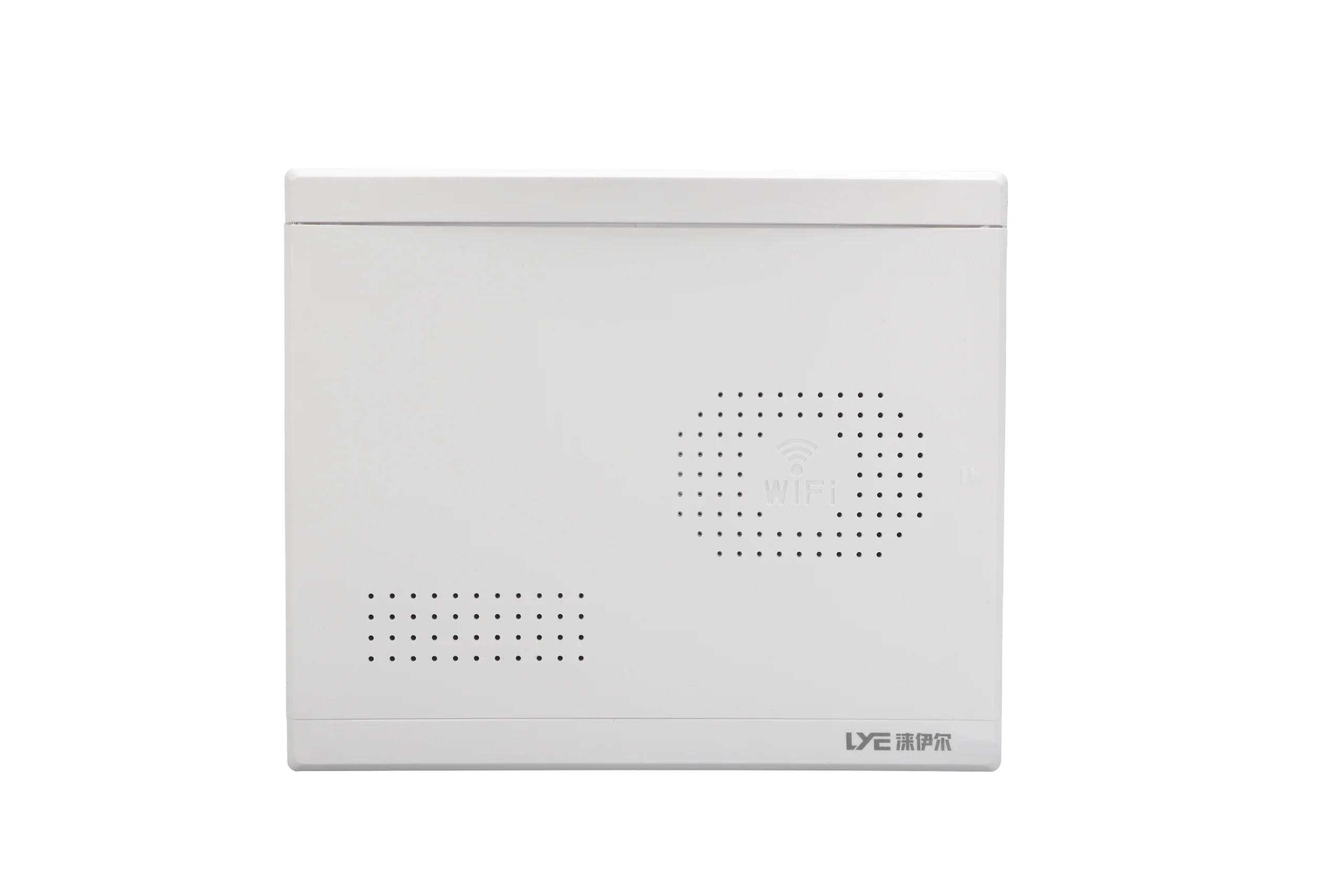
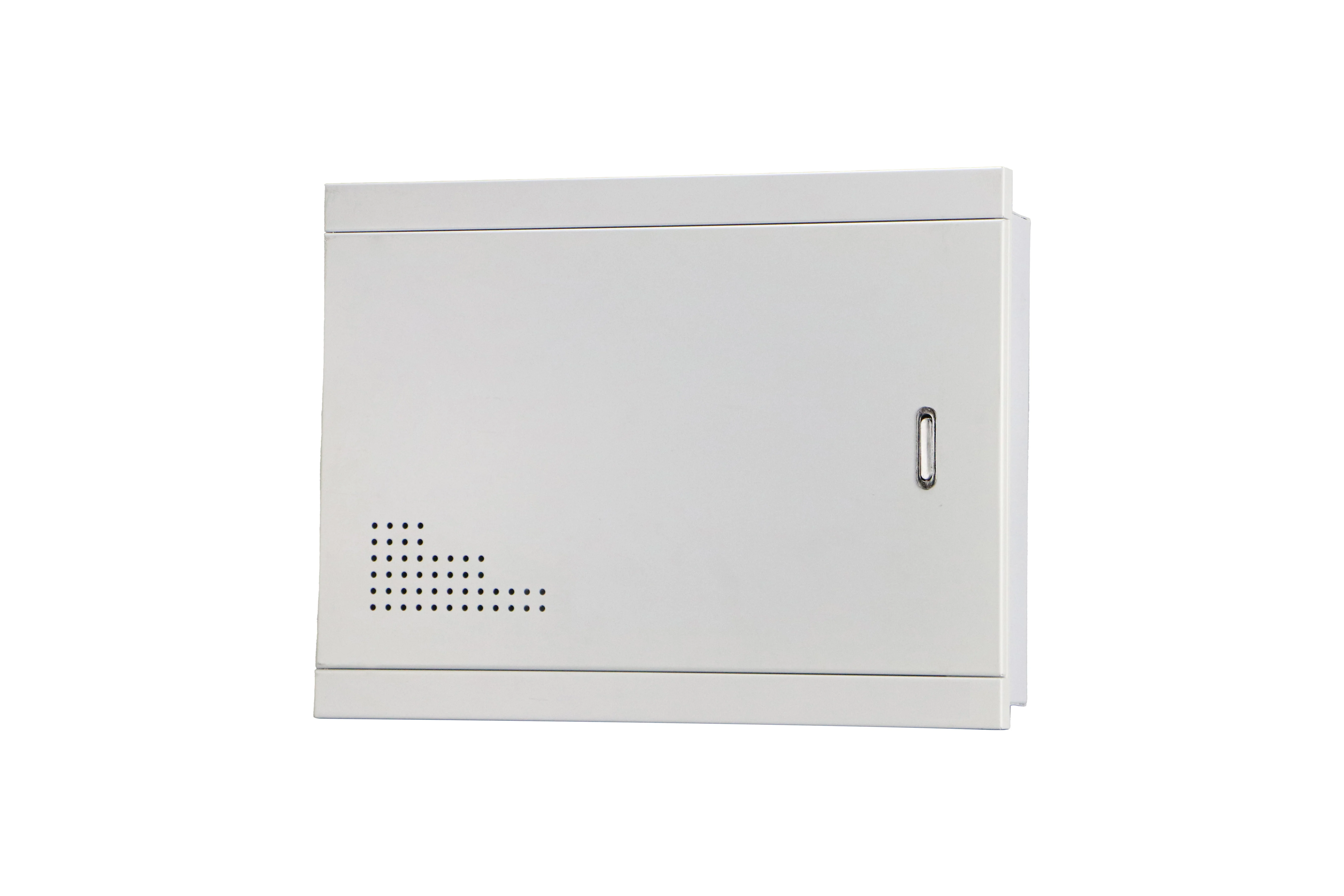
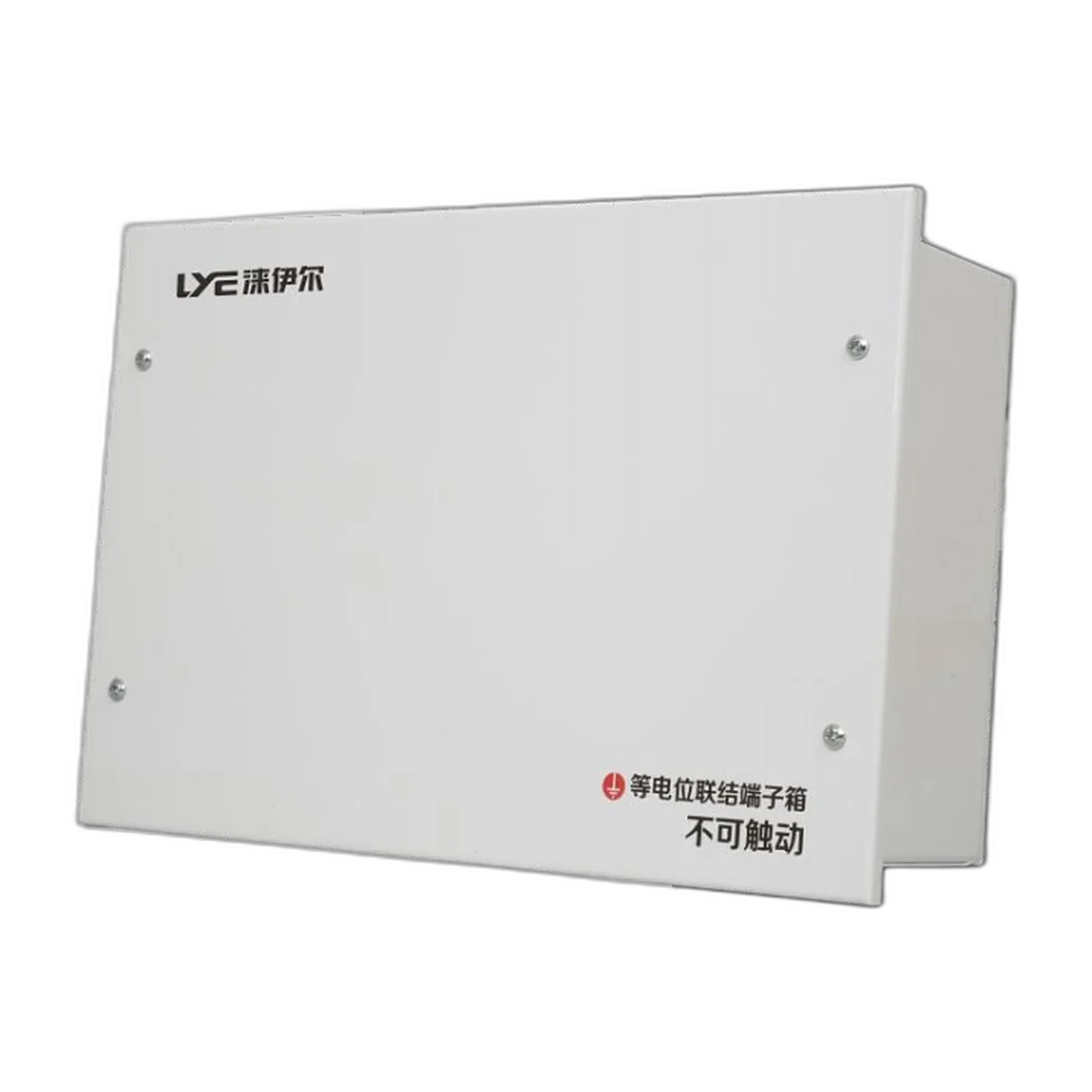
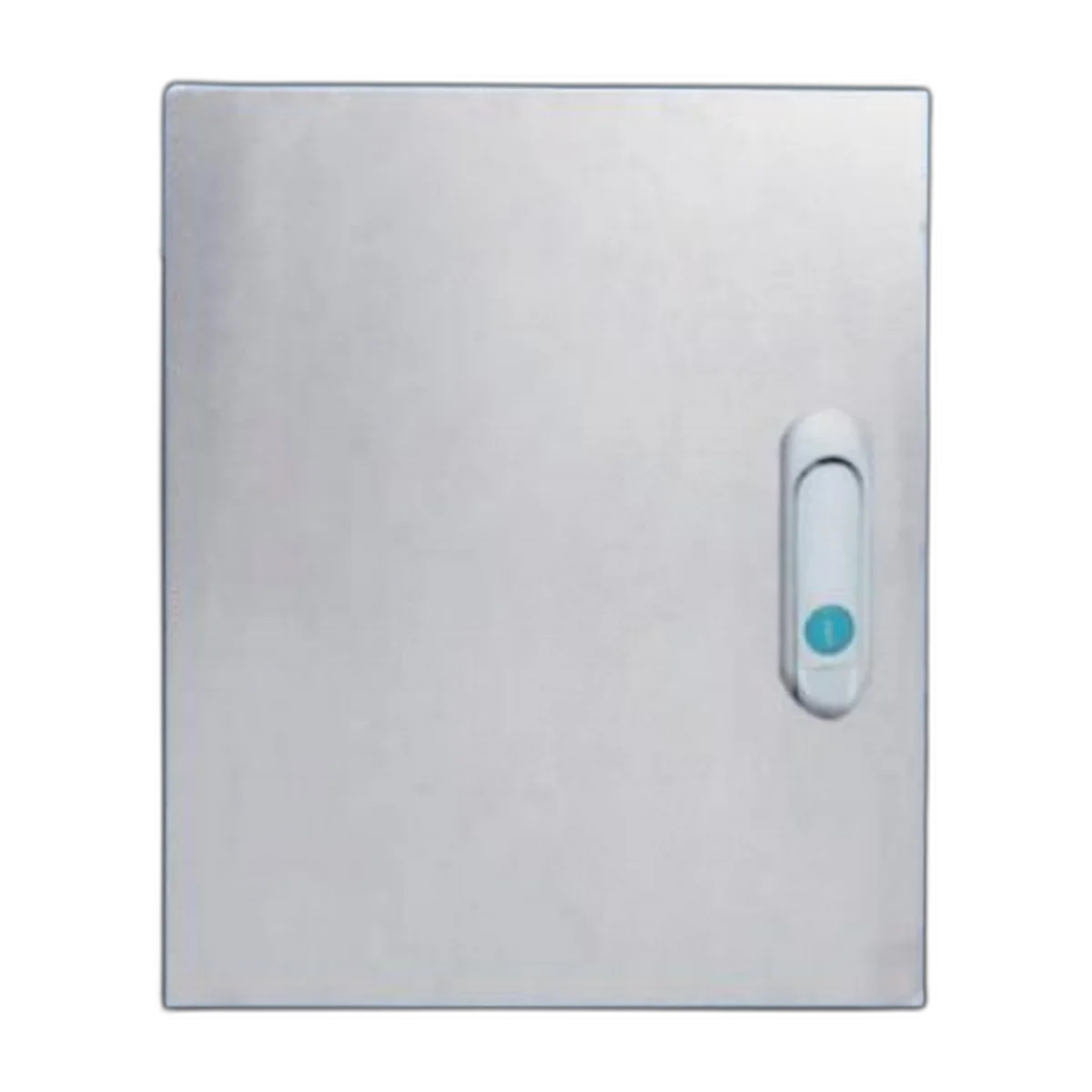
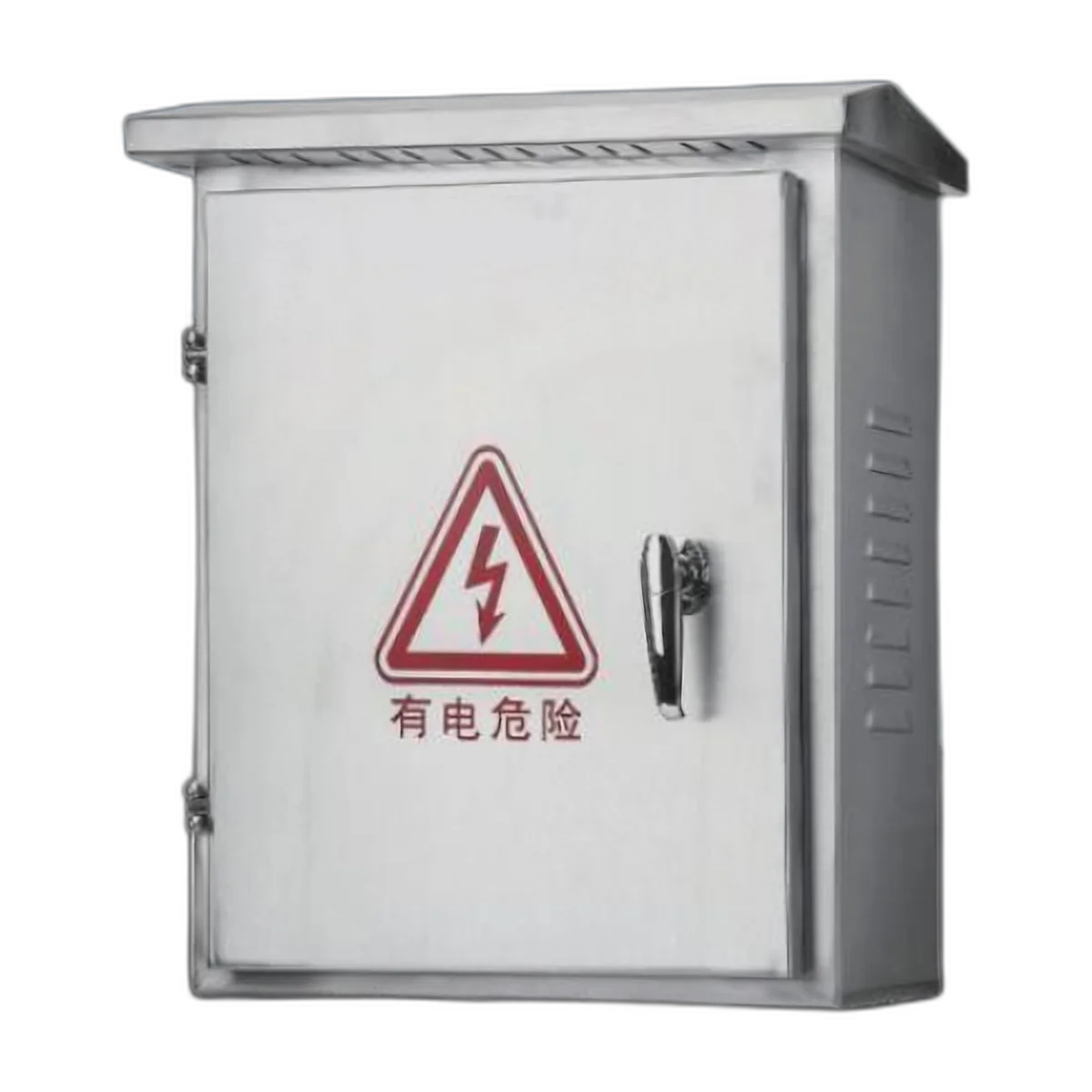
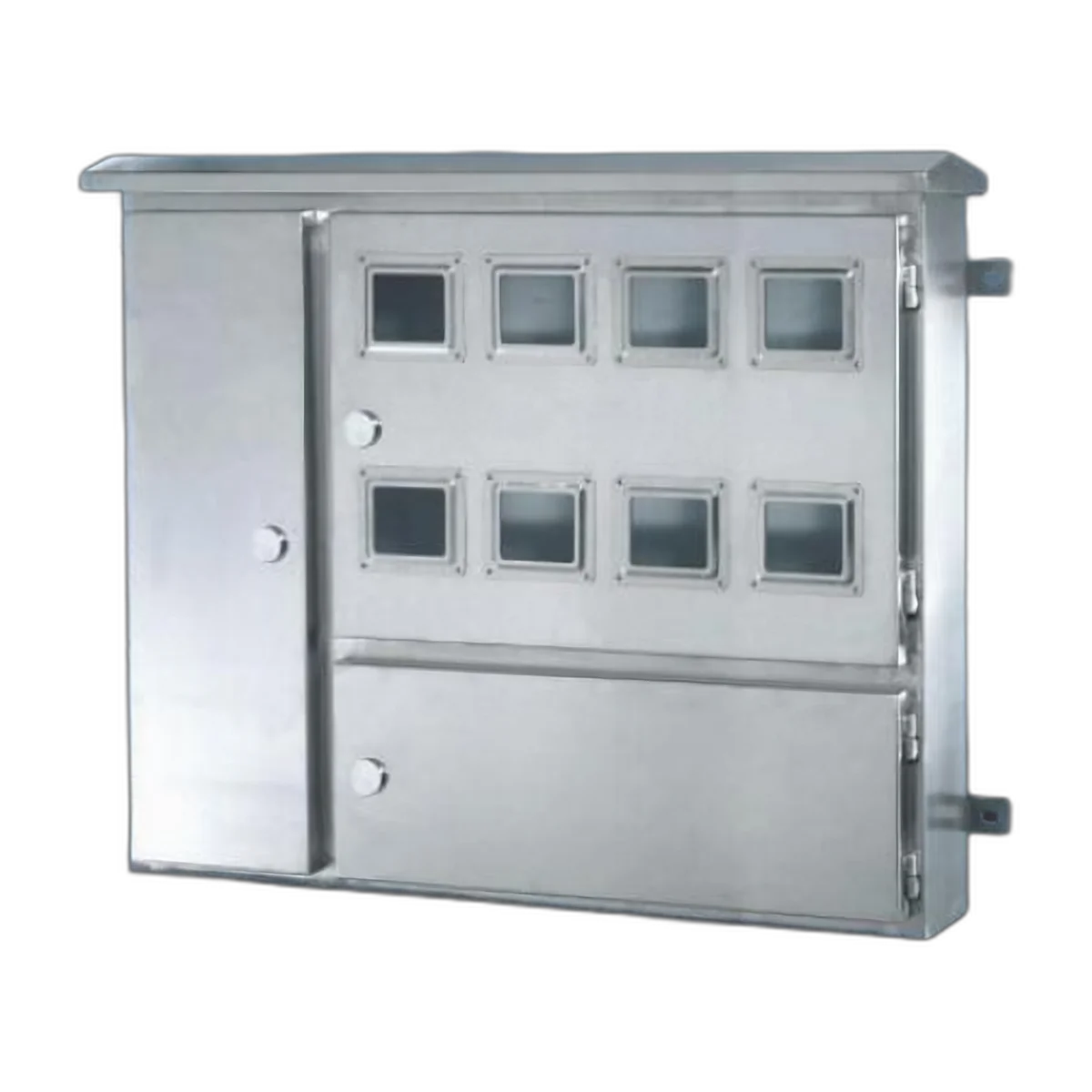
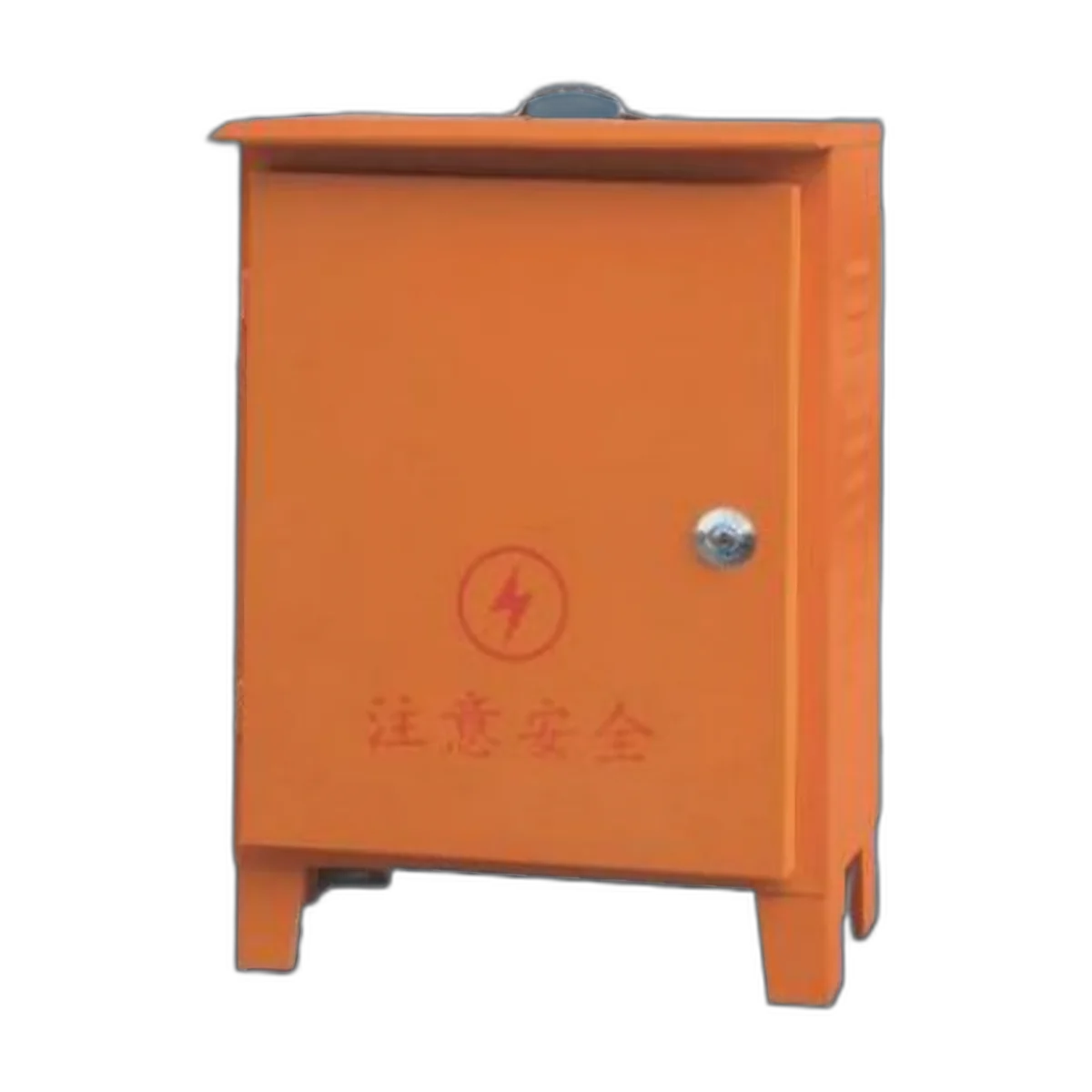
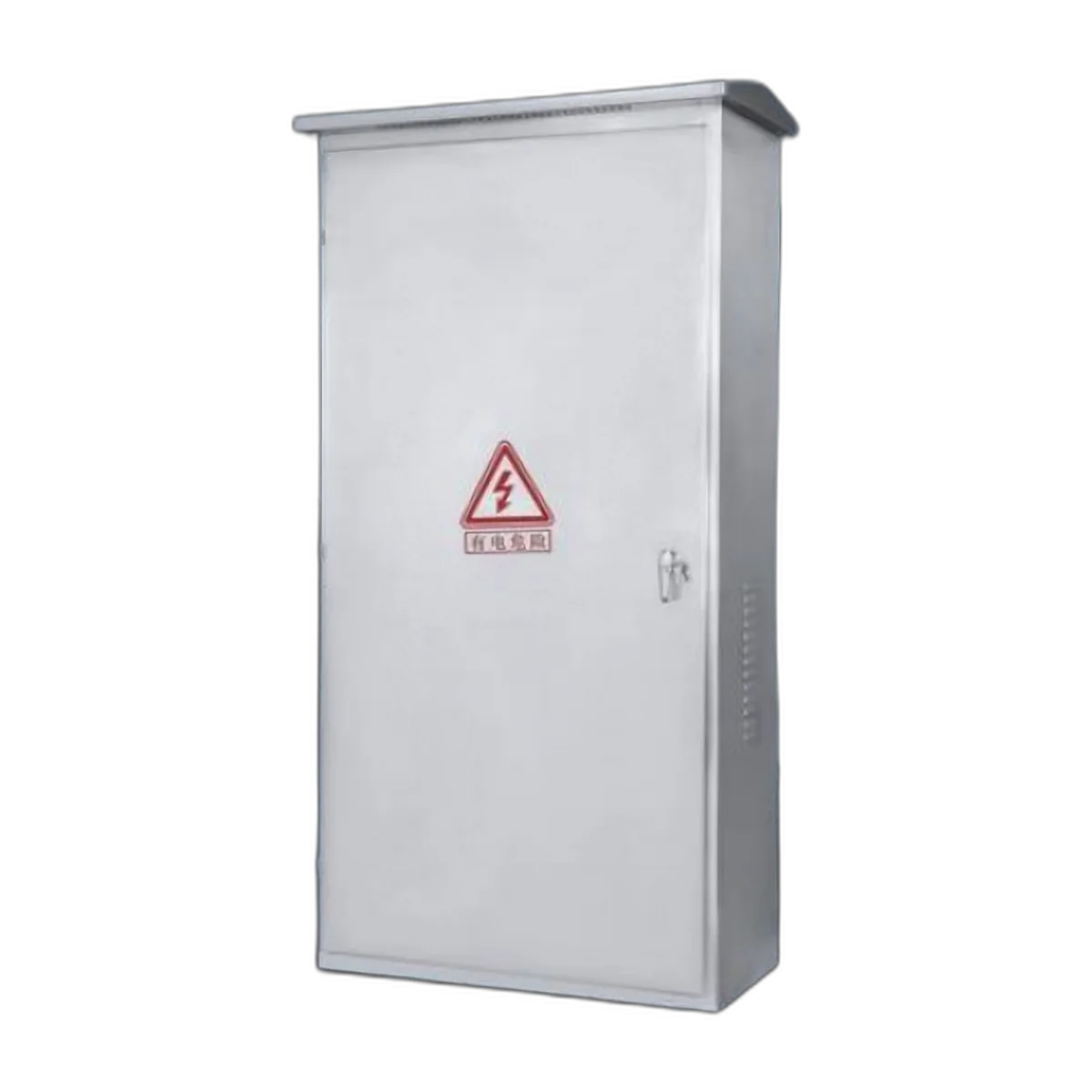
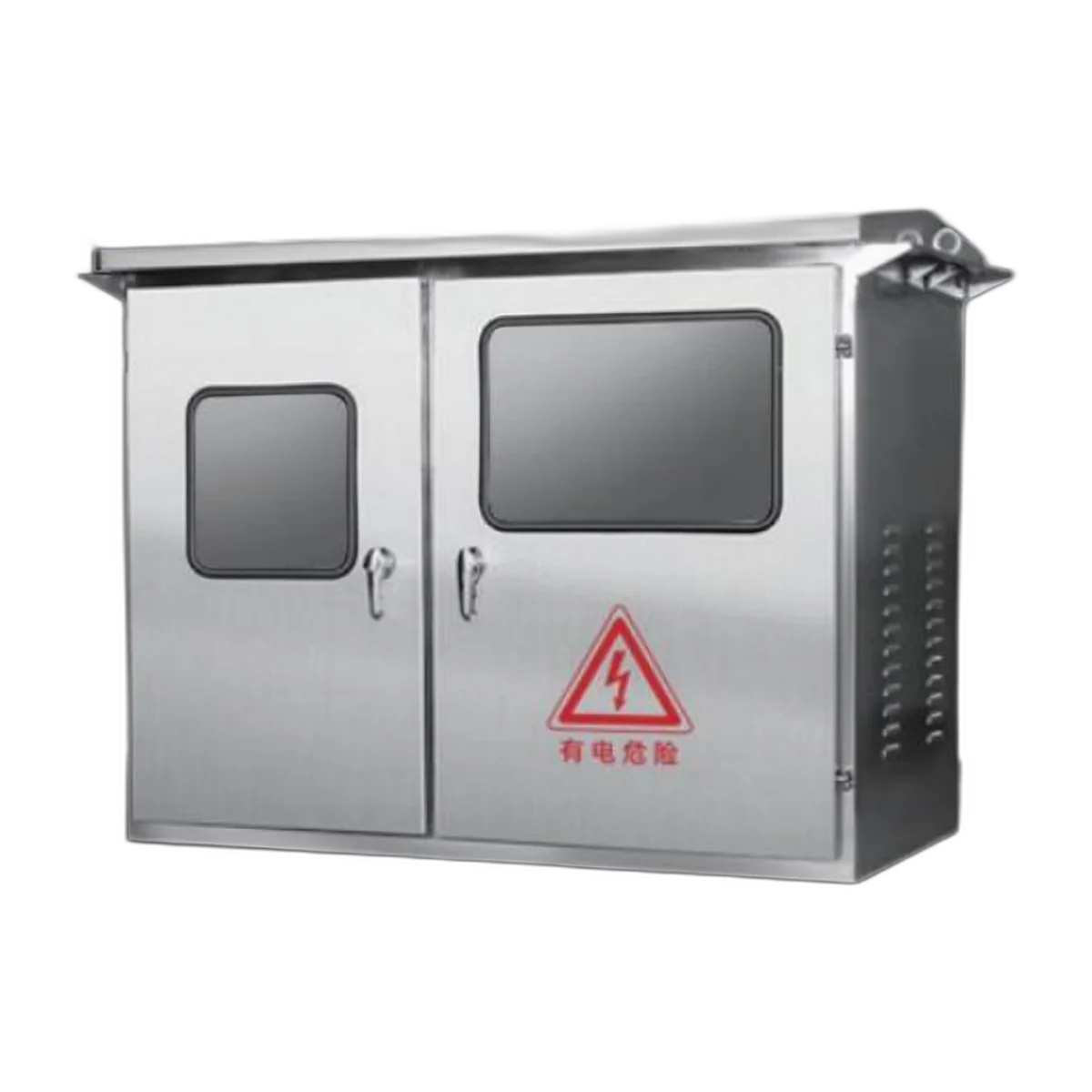
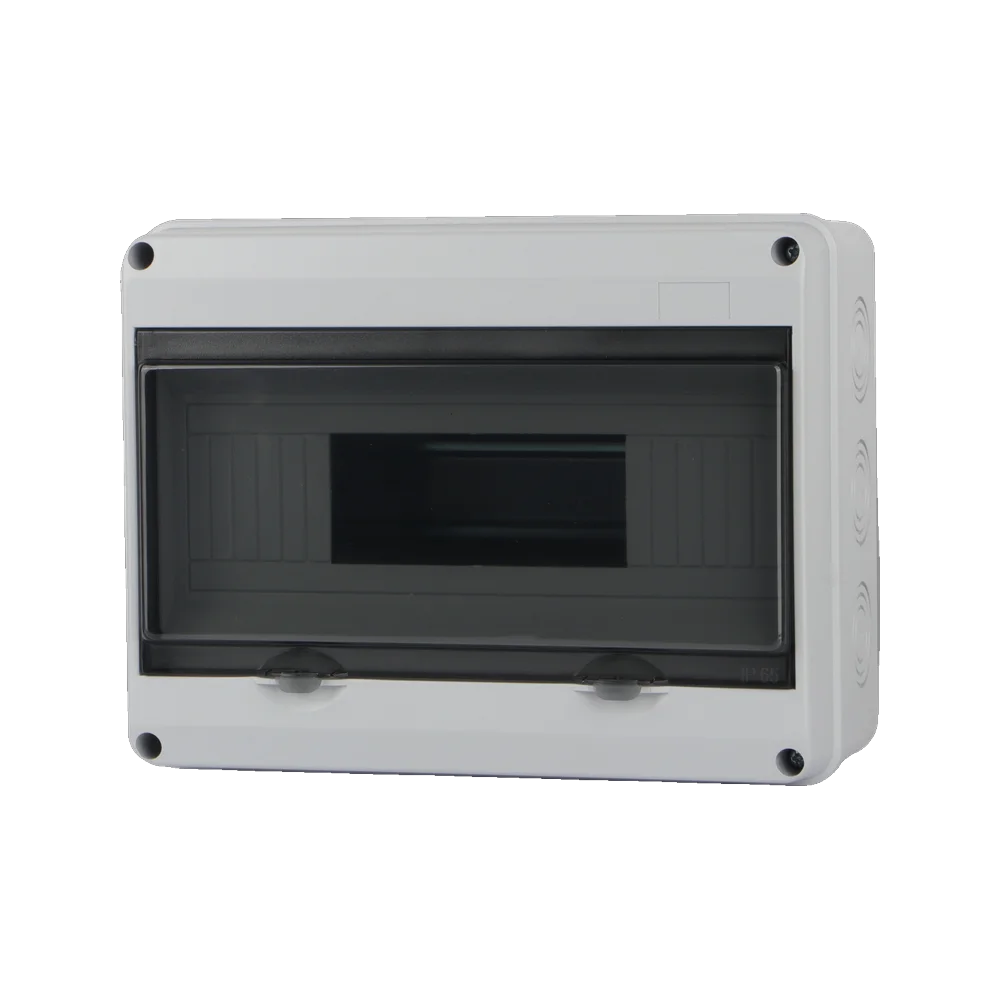
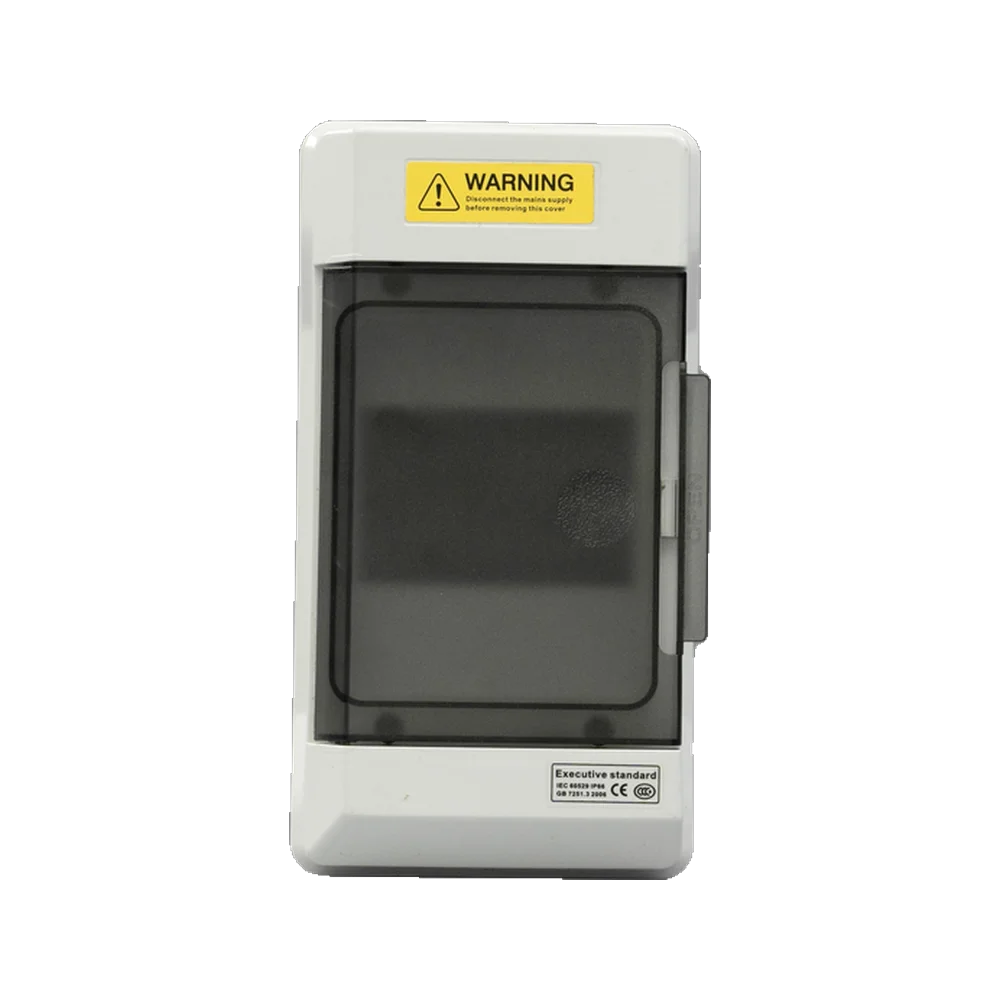
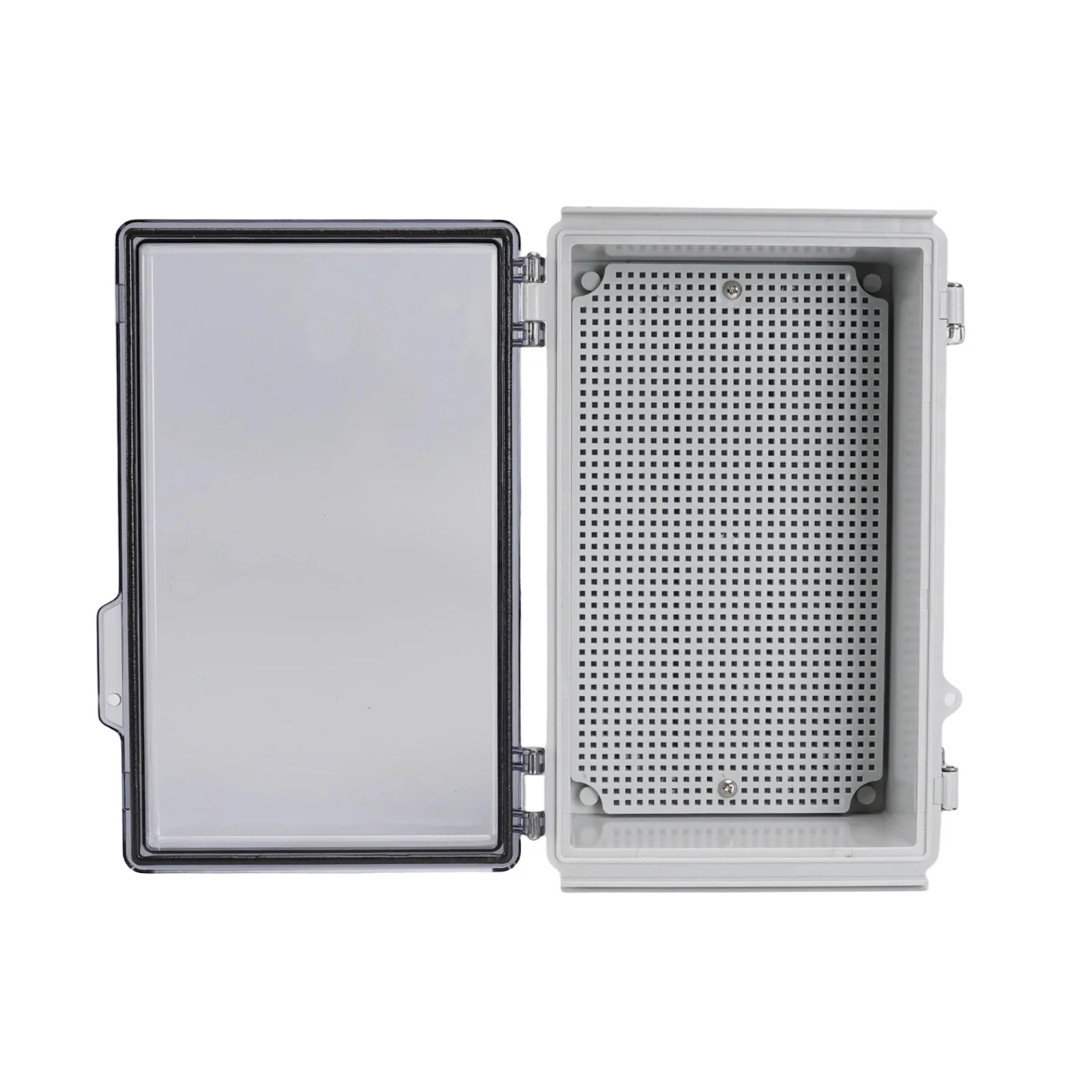
A weak current box, known by various names such as a multimedia information box, multimedia wiring box, low voltage box, or FTTH box is a box fixed on the wall, designed to establish connections between fiber optic cables, data cables, TV cables, telecommunication cables, and security cabling. In terms of dimensions, such boxes for domestic use have dimensions typically equal to 300×400×120mm and can be made of cold rolled steel of 0.8mm to 1.2 mm in thickness or ABS+PC. Regarding the prices of such items used in homes, the regular plastic box costs about ¥30 and the good quality metal box costs about ¥350. Therefore, when choosing a weak current box, the depth, material, and standard module type should be paid attention to.
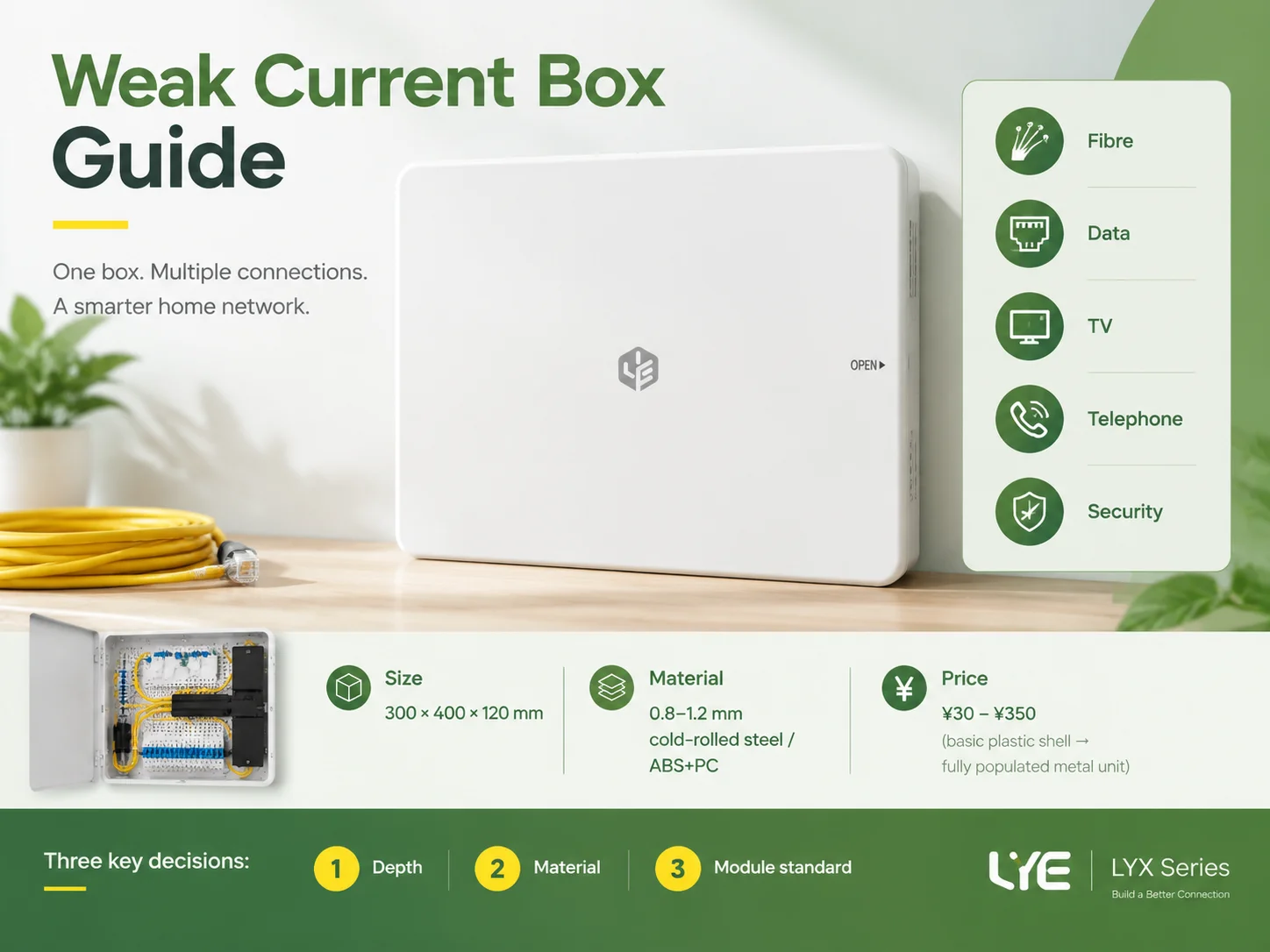
What a Weak Current Box Is, and the Names It Goes By
In Chinese practice, there are two types of electrical installations in buildings; one is strong current (强电) which is basically power supply and the other weak current (弱电) which deals with communication. Although this distinction is conceptual, it is in line with the distinction that is made in the rest of the world between power distribution and structured cabling or extra low voltage systems.
A name has been given to the box housing the weak side of the electrical system and the name is one of the many forms of naming used in English.
| Term | Where it is used | What it usually means |
|---|---|---|
| Multimedia information box | China, product catalogues | The most literal translation; the full-feature unit |
| Weak current box | China, India, Middle East | Same product, older terminology |
| Structured wiring enclosure | North America | Emphasises cabling termination over media |
| Low-voltage box / enclosure | US, UK trade | Generic; can also mean a power enclosure |
| Media cabinet / home run box | US residential AV | Usually larger, often with a fan |
| FTTH box / fibre entry box | Telecom | Fibre only, with a splice tray |
| Smart home box | China, current | Adds power module and bus interfaces |
In case you are purchasing abroad, the right phrase to use is “multimedia information box” together with the size, since it is the description used by manufacturers from Zhejiang and Guangdong. The correct phrase to be used is “structured wiring enclosure”, as this is what language specialists will understand.
What It Solves That a Distribution Board Cannot
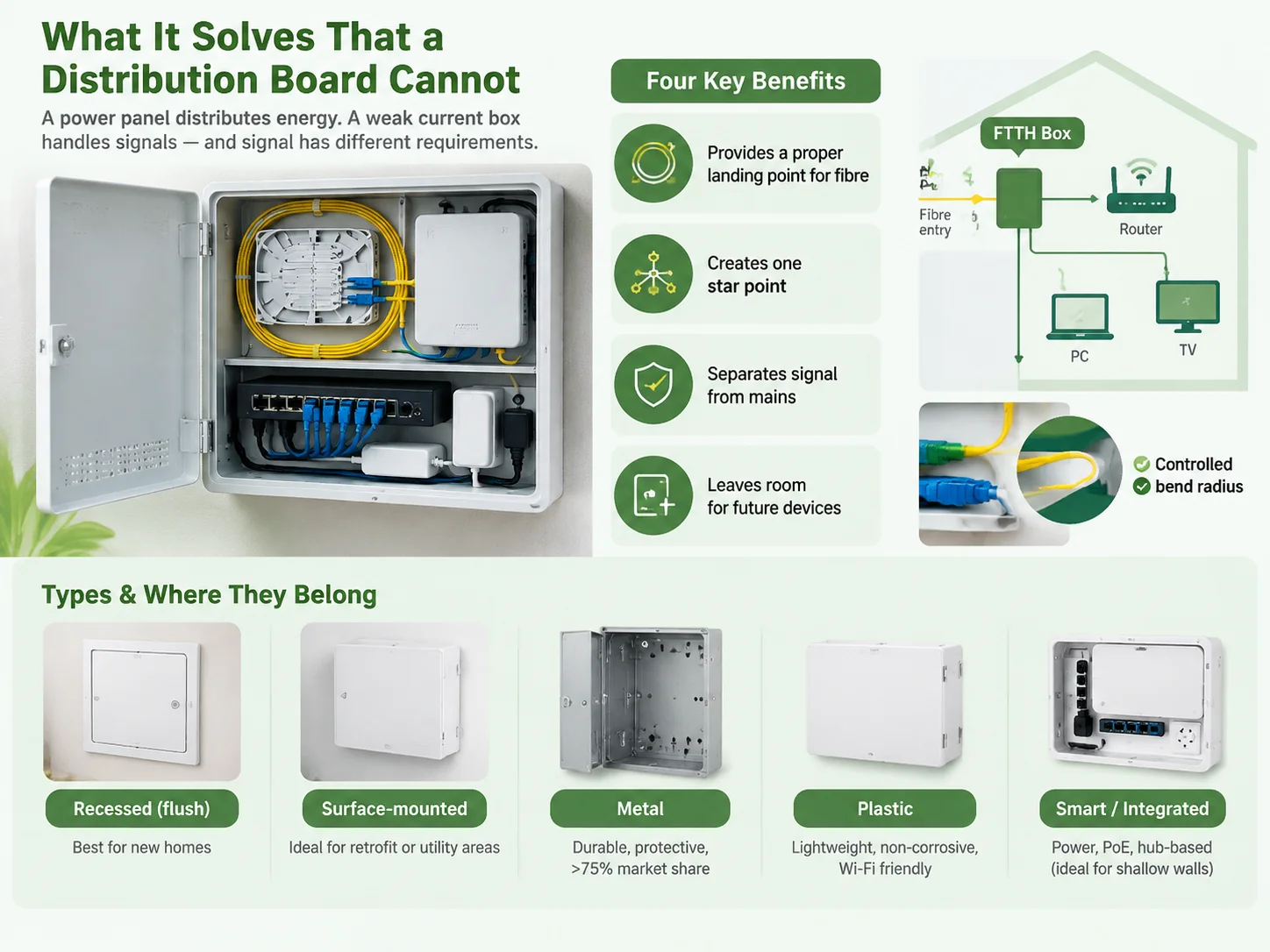
Electricity is distributed via a power panel. Weak currents and signals utilize a weak current box. Signals have requirements that are not required by electricity: bends, distances from mains, ends of cables that can be reassembled, and space required for other devices that did not exist when the building was constructed.It has four advantages.
- It provides the fibre with a landing place. A fibre coming in needs a splice tray, a coil of a pigtail with a bend radius, and ONU has to have a position with a socket. Without an enclosure, all the components could find themselves on top of a cupboard with the bending radius defined by the installer using a cable tie.
- It creates one star point. The data cables are star wired in one place. If this point is a cardboard box hidden behind the sofa, then all changes require some pickaxe work through the walls.
- It isolates signal from mains. The regulation says that 300 mm is the minimum between electricity and signal runs and in the cabinet it is impossible to meet this requirement, hence there is a physical barrier or separate compartments. This is what makes a gigabit versus a link that for some reason runs at 100 Mbps with the load.
- It gives the space for the next device. The box that is enough for ONU and four-port switch in 2020 does not meet the space requirements for mesh node, NAS, and PoE injector in 2026.
The wiring architecture that a box serves, including how fibre entry, splicing and internal distribution are usually arranged in a residential or commercial building, is set out in this outline of the communication network and FTTH box solution.
The Types, and Which One Belongs Where
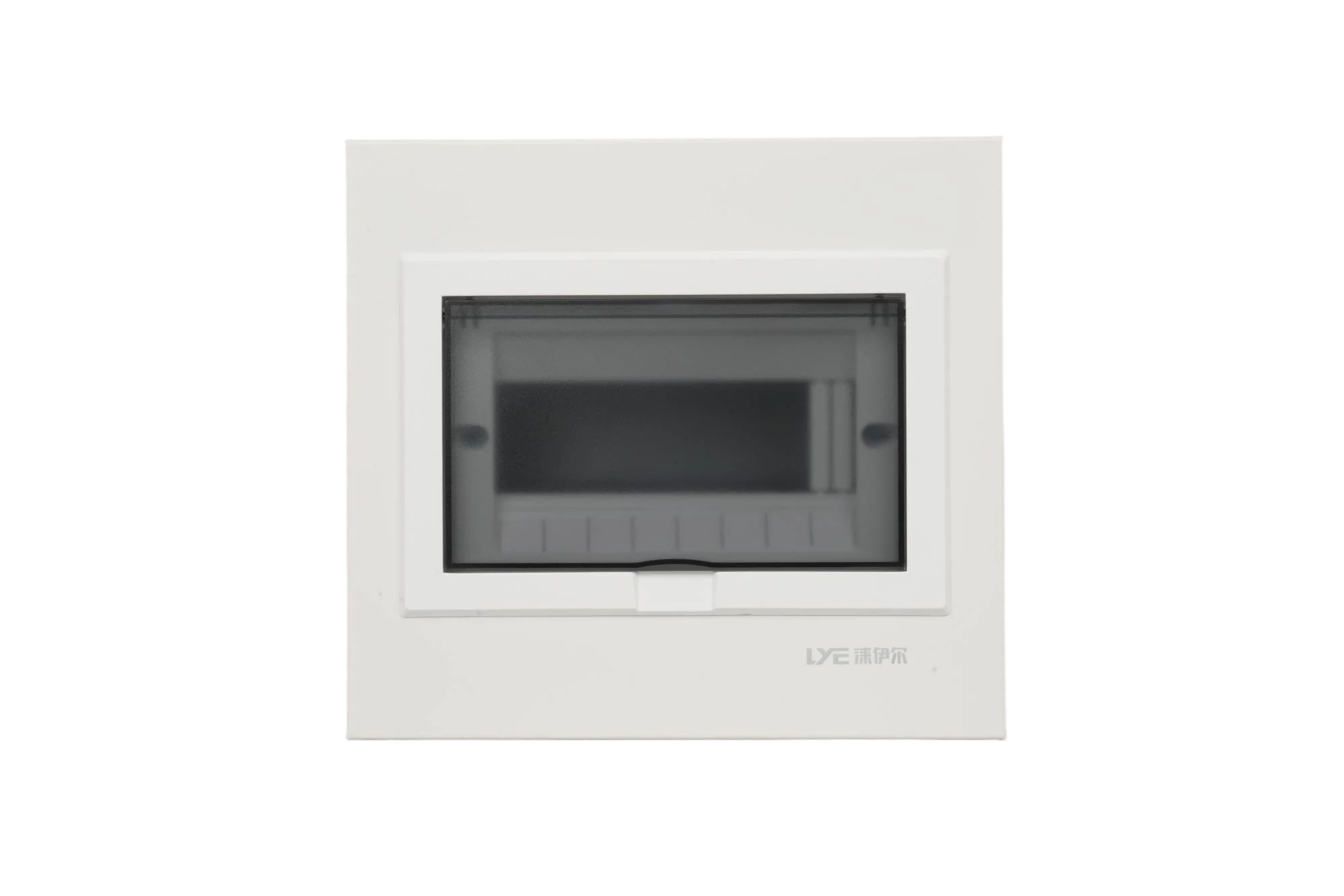
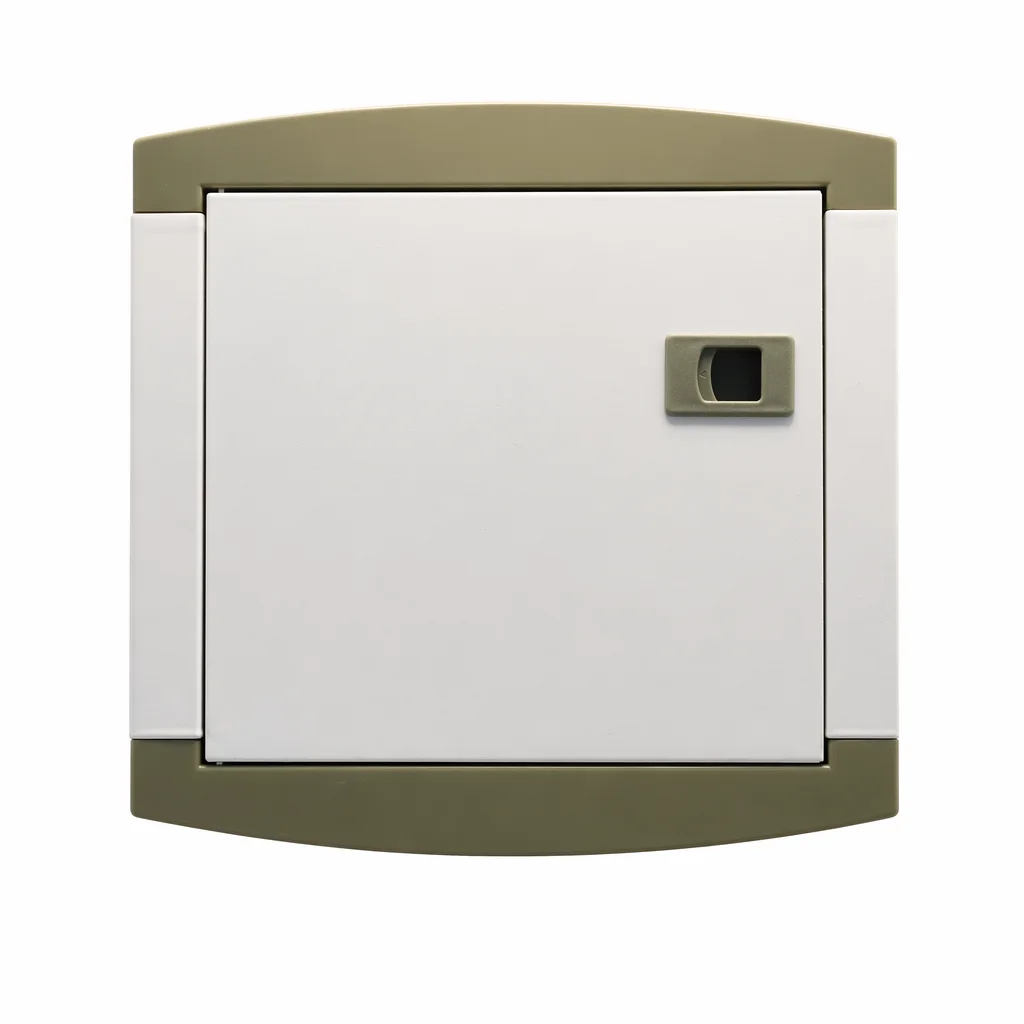
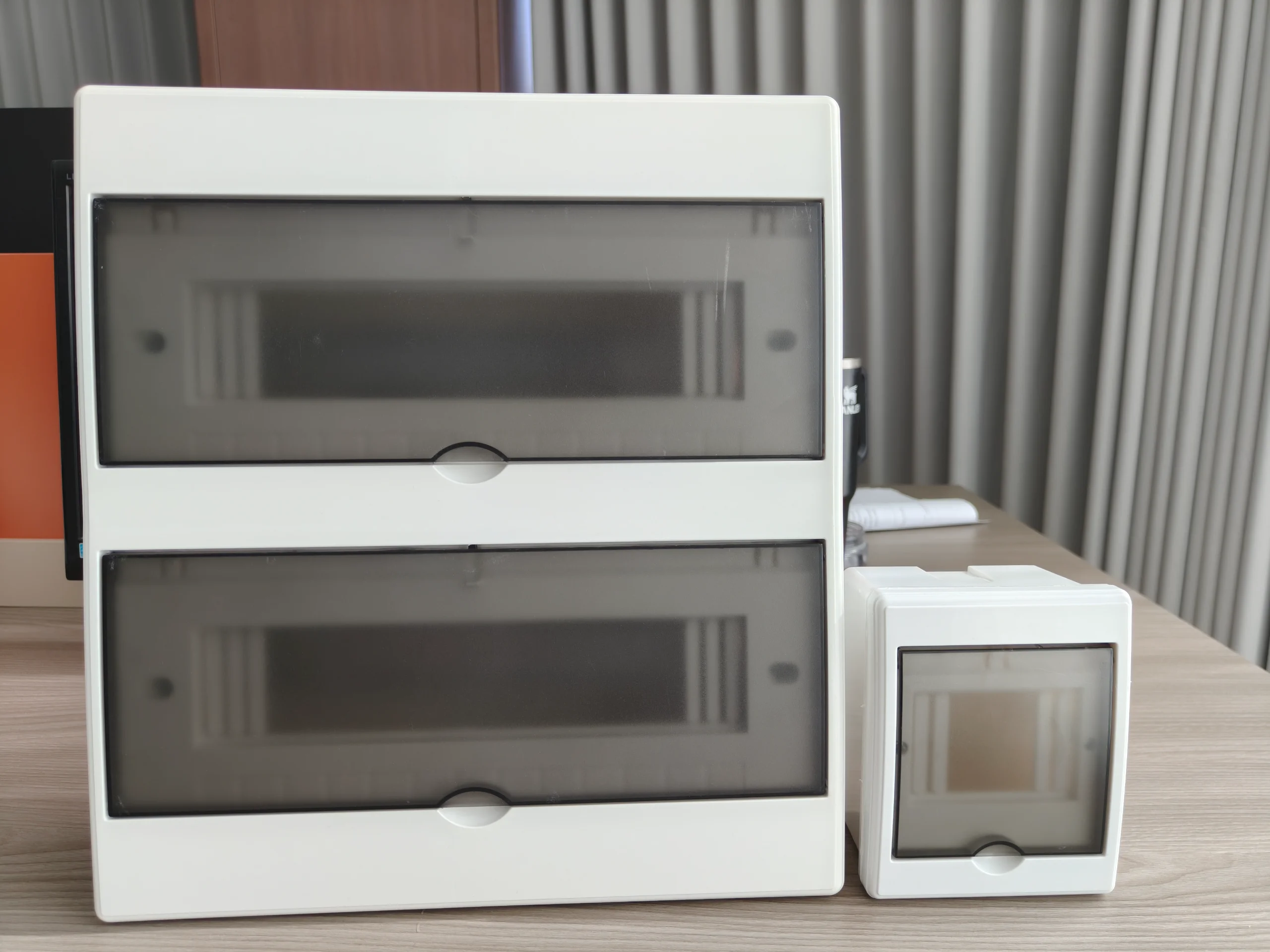
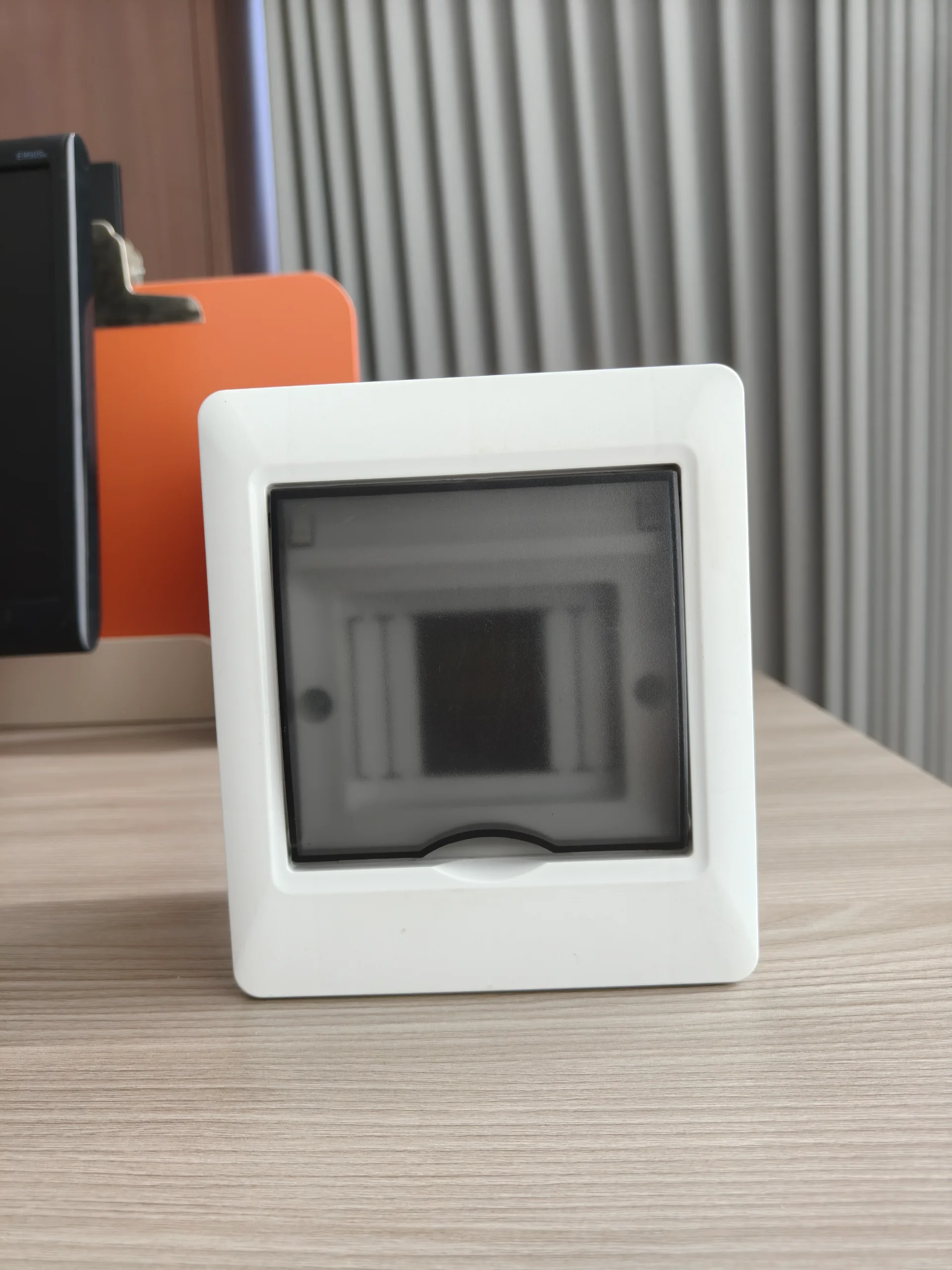
Flush or recessed boxes are typically located within the wall which means that only the frame is visible. It is considered to be the standard in newly built houses ensuring that they have the best aesthetics. However, the downside is that the wall’s opening has to be perfect.
- Surface-mounted boxes are fixed onto the walls. While they are unattractive in the living spaces, they are entirely appropriate in the technical premises, back office of shops, or remodels when it is impossible to make a hole of 400 mm in a load-bearing wall.
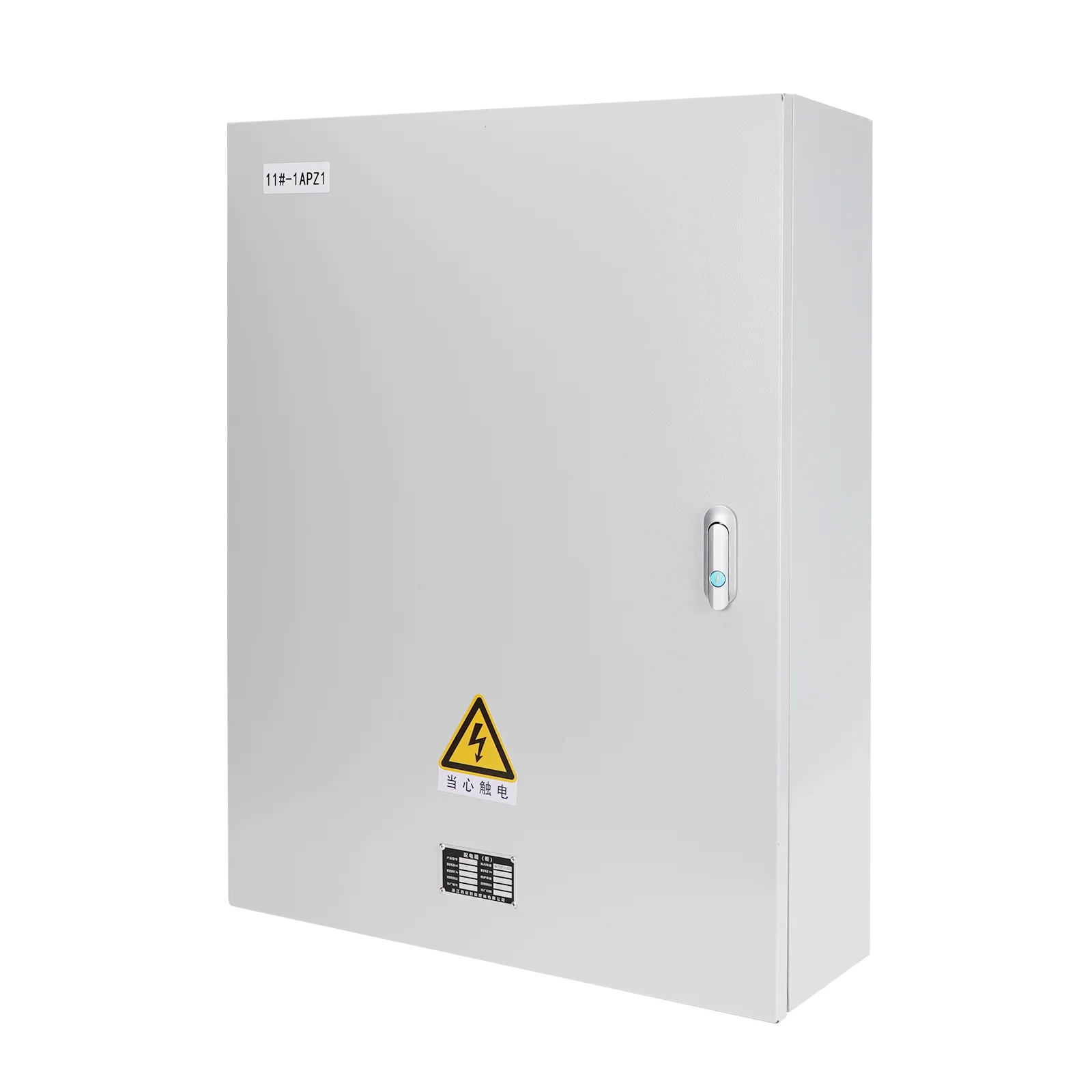
- Metal boxes made of cold-rolled steel of 0.8 and 1.2 mm continue to remain dominant on the market. More than 75 of the designed equipment is metal since its functionality includes mechanical strength and the ability to protect wiring. The cost of these boxes is 30-50% higher than that of plastic boxes of the same size.
- Plastic boxes made of ABS or ABS + PC are the least expensive variants around. These products have an important advantage of being lighter and not corroding. They are also invisible for Wi-Fi frequencies that ranges from 2,4 GHz to 5 GHZ which is more important than consumers know.
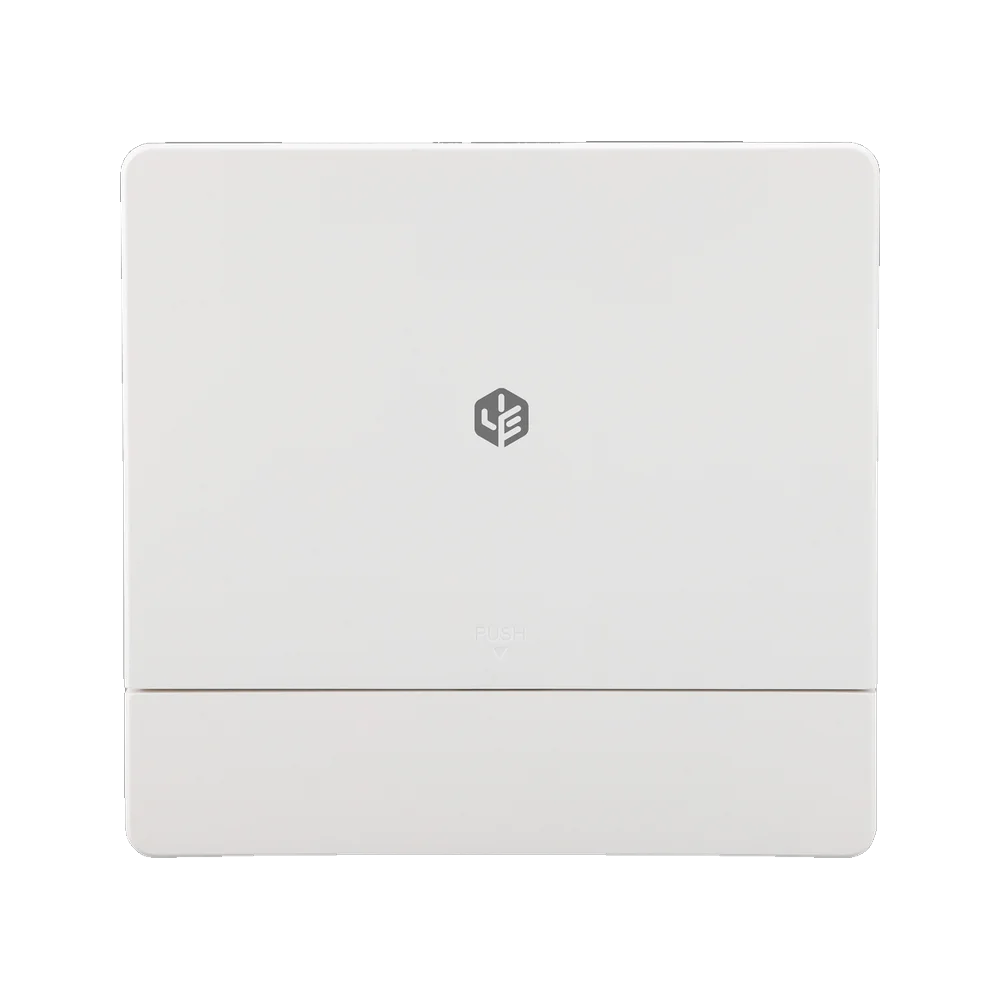
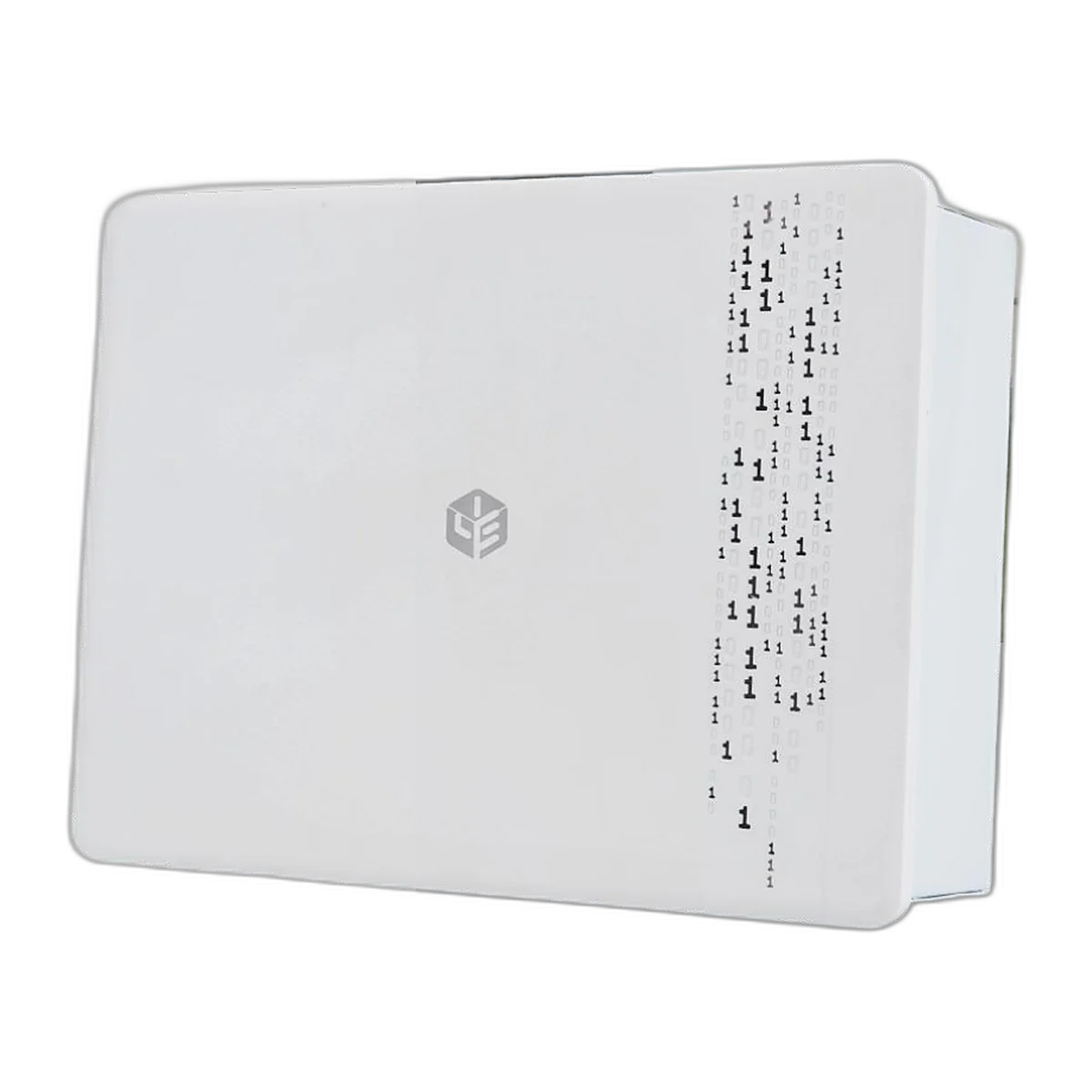
- Smart boxes or integrated ones include some power module, bus system and in some cases PoE modules and use hub-level layouts instead of patch panels. The compact units in a modern range are aimed at apartments where depth is the binding constraint, as with this compact multimedia information box built for shallow wall construction.
Metal or Plastic: The Decision Table
| Criterion | ABS / ABS+PC | Cold-rolled steel 1.0 mm |
|---|---|---|
| Temperature rise with ONU at full load | ≤8°C | ≤4°C |
| 2.4 GHz attenuation | Under 0.5 dB | 3–5 dB, needs an external antenna |
| Load capacity | Under 5 kg | Over 15 kg |
| Ingress protection | IP30, no gasket | IP40 with gasket |
| Corrosion | None, but UV-degrades outdoors | Requires coating; 72 h salt spray is the usual test |
| Typical 300 × 250 × 120 price | ¥35–50 | ¥70–90 |
| Where it belongs | Dry interior wall, router inside, Wi-Fi matters | Damp, plant room, riser, security requirement |
The Wi-Fi issue influences almost all domestic building projects. A router locked inside a steel box becomes a Faraday cage, as the figure above shows per enclosure before the door gets locked. If the router is placed in the enclosure, it is better to use plastic or a metal box with a plastic front and an antenna gland for it. On the other hand, if the enclosure is utilized only for terminations and the router is situated outside the enclosure, it is better to use steel.
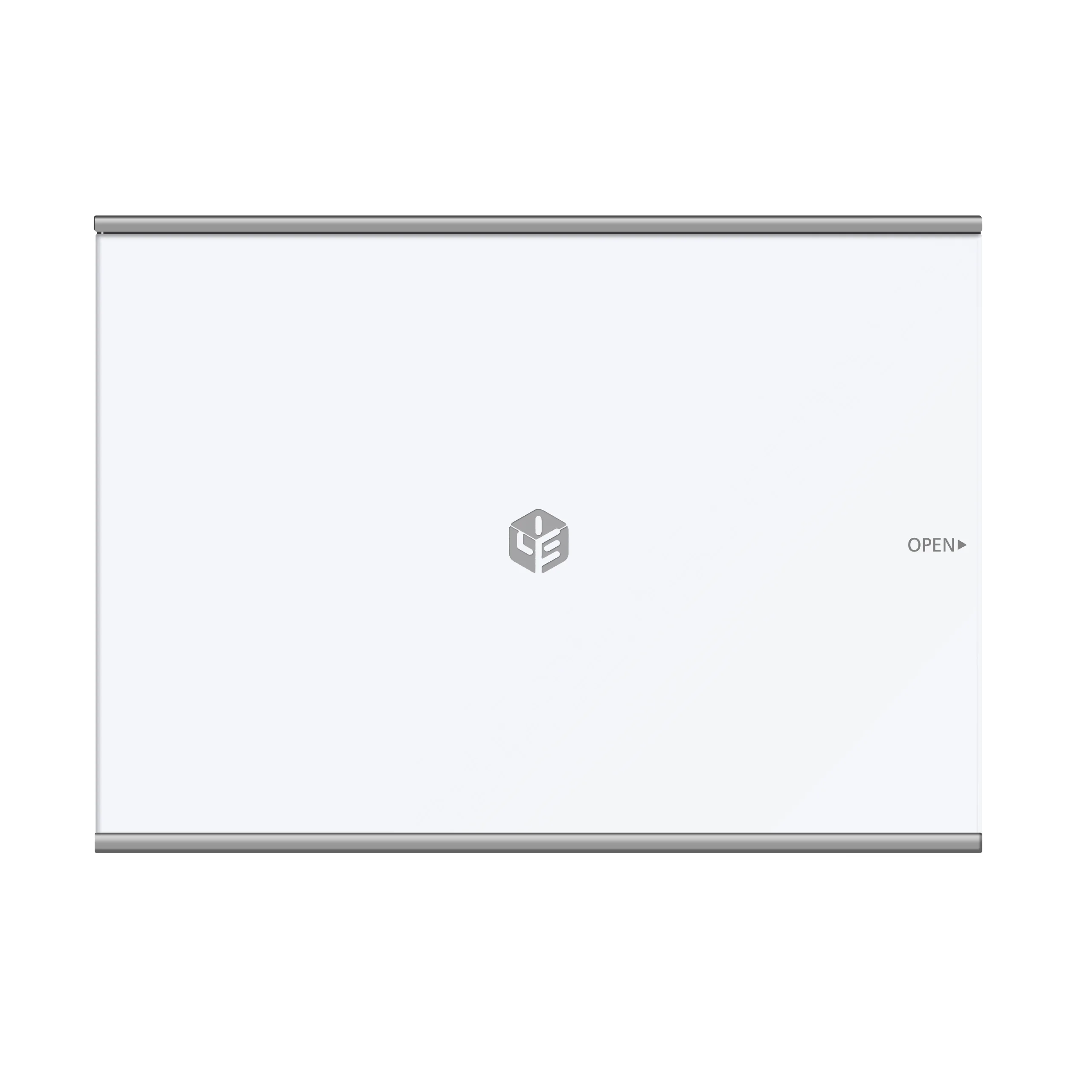
In method of a higher specification for a residential project where one would be able to see the enclosure in a hall, the enclosure has to become an aesthetic item rather than keeping its practical purpose. Glass-panel units exist for exactly this reason, such as the smart home multimedia information box with a flush glass front, and they cost roughly twice what a painted steel door costs.
Sizing: The Three Dimensions That Matter
It’s the width and height of boxes that buyers wish to compare; but depth creates the problem.
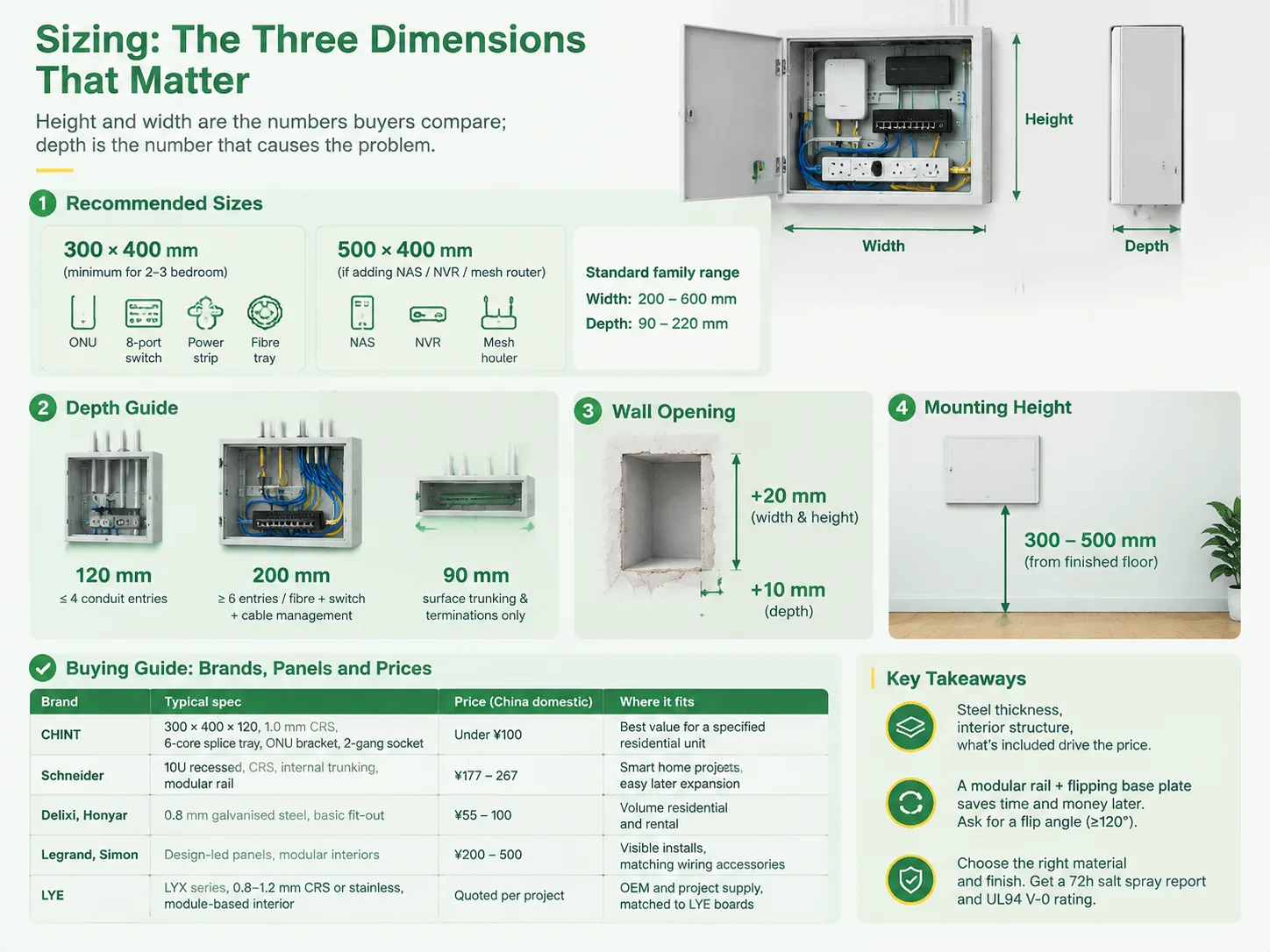
- Height and width. For a two or three bedrooms home with ONU, maybe an 8-port switch and a power strip coming in, working minimum is 300 × 400 mm. The size should be increased to 500 × 400 mm if a NAS, NVR or large mesh router is being installed. Don’t wait until the wall is closed to make this decision! Standard box sizes are 200 × 200 mm through 600 mm in width, with heights ranging from 90 to 220 mm.
- Depth. A box with 120 mm depth fits 4 or less conduit entries; a box with 200 mm depth has 6 or more entries or a combination of switch or cable management device, and fibre coil. Depth of 90 mm is for surface trunking systems.
- The wall opening. The wall opening is to be 20 mm bigger than the box and 10 mm deeper than the height of the box so that there is enough room for mortar or foam. Art fixtures, with adjustable mounting ears, allow for a width that is 15 mm size tolerance. Just cheap mounting equipment leaves so much room for imperfections!
- Additionally, there is one more required and usually forgotten figure: mountings height. For this kind of installation, the bottom of the box should be installed 300-500 mm above the floor level; this height seems to allow for easy access, but it also doesn’t appear in the field of vision, and this point is addressed in most cases in the practice of Chinese installers.
Buying Guide: Brands, Panels and Prices
| Brand | Typical spec | Price (China domestic) | Where it fits |
|---|---|---|---|
| CHINT | 300 × 400 × 120, 1.0 mm CRS, 6-core splice tray, ONU bracket, 2-gang socket | Under ¥100 | Best value for a specified residential unit |
| Schneider | 10U recessed, CRS, internal trunking, modular rail | ¥177–267 | Smart home projects, easy later expansion |
| Delixi, Honyar | 0.8 mm galvanised steel, basic fit-out | ¥55–100 | Volume residential and rental |
| Legrand, Simon | Design-led panels, modular interiors | ¥200–500 | Visible installs, matching wiring accessories |
| LYE | LYX series, 0.8–1.2 mm CRS or stainless, module-based interior | Quoted per project | OEM and project supply, matched to LYE boards |
Three factors drive the price in the nominal size category: the thickness of steel, inside structure, and what is inside the box. A unit priced at ¥55 is different from the one that costs ¥180 only in terms of the thickness of its door and whether its base plate is reversible or whether the manufacturer lends the splice tray, the ONU bracket, or a socket.
Inside structure helps to save. If the box is equipped with modular rails and reversible base, it can be upgraded in less than 10 minutes. The same cannot be achieved in the case of fixed base. Always ask what the base plate flap angle is and treat angles less than 120° as a design issue.
Finally, we come to the decision on the panel. Painted cold-rolled steel panels are the choice for large series production. Stainless steel 304 is for kitchens, laundry rooms, and coastal buildings where salt spray resistance pays more than price. Components painted with powders perform better than those painted with wet paint on doors that have to be opened at least once a week.
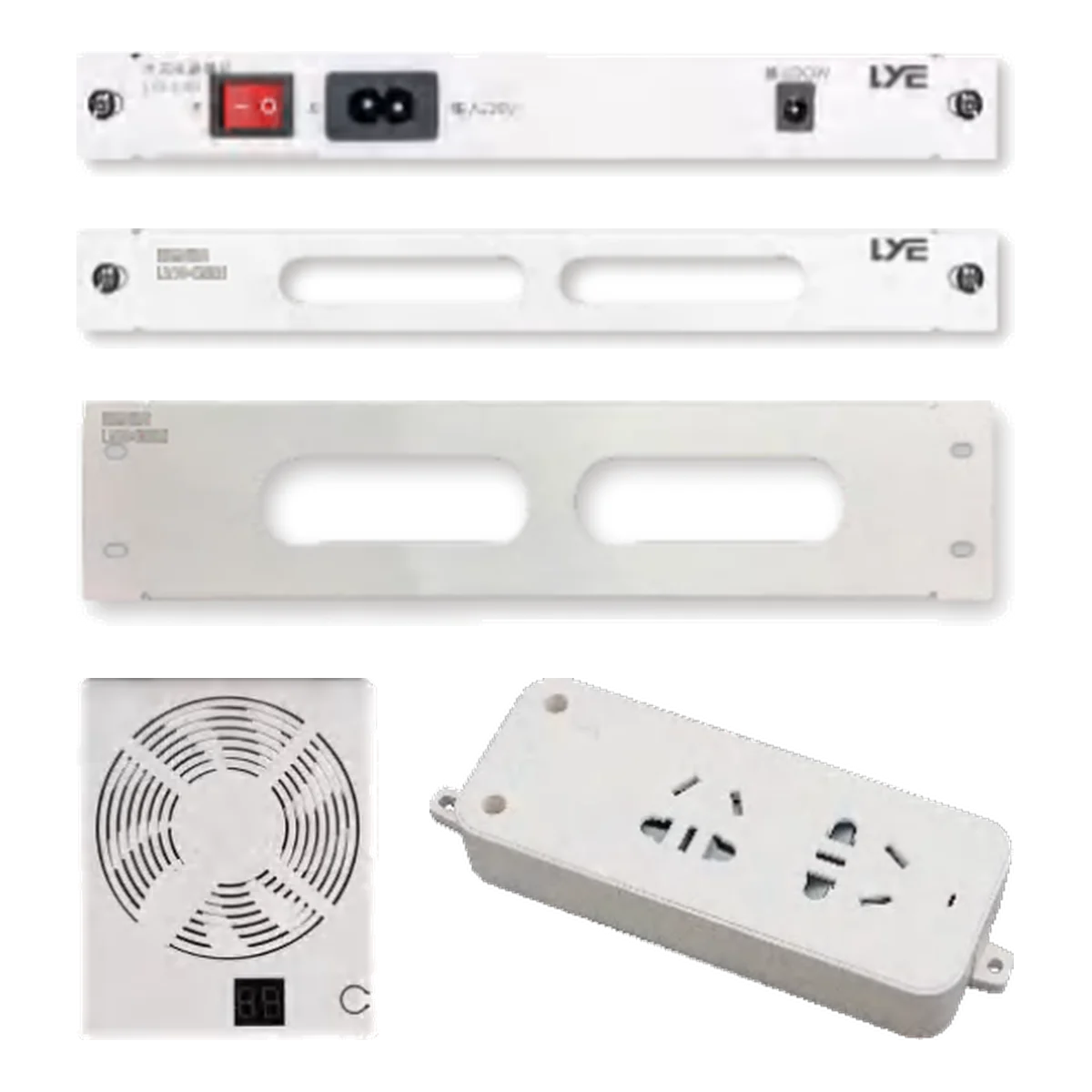
For projects where the box has to match a specific interior, the module range matters more than the shell, and the information box module series is what allows one shell to serve voice, data and TV requirements in different combinations.Two documents are worth asking for before a volume order: a salt spray report at 72 hours with no corrosion, and a UL94 V-0 flammability rating on the plastic parts. A supplier who cannot produce either is selling a box, not a component.
Installation: The Sequence and the Five Mistakes
- Position box before the conduits. Therefore, position of the box determines the conduit route. Mark the opening, measure the depth and run the conduit.
- Keep entries separate. Keep power in one knockout and signals in the other. While installing provide a socket for the power supply and a data termination on two opposite sides of the box.
- Provide service loops. Every cable must be provided with a 300 mm wire-clamp. Wrapped Cat6 must not bit unwound and no slack must be left.
- Follow bend radius for fibre. Use 30 mm for a standard single-mode fibre and splice trays not cold splice. Cold splice has a power loss not more than 0.6 dB but passes the continuity test.
- Bond the box. Metal boxes shall have grounding connection to the building, with the use of a terminal not self-tapping screw through paint. This is the reason the shield of the shielded data cable did not touch the ground.
Five mistakes in the order of their appearance: the box for the ONU is too small, data cables are with the same connection as power cables use wire with no slack and no terminal grounding; steel box is where router is located; and the box is installed in an enclosure that gets filled with shelves within a month.
Commissioning Checks
Verify four details prior to completion of wall closing.
- There is no discontinuity or incorrect connection at the endpoint of each wire.
- There is no miscalculation on fiber loss.
- There is presence of power supply with correct polarity at the junction.
- The door opens freely without getting stuck in wires, which seems to be inconsequential, until the thick bundle of wires pressed against the part of the door while closing.
Label the two ends of each wire. The label one needs to pay attention to is the one inside the box on the other side of the cable.
Where LYE Fits
LYE builds distribution boxes and enclosures, including the residential and commercial ranges that sit on the same wall as a weak current box. The LYX series covers multimedia information boxes and fibre entry boxes from compact apartment units up to larger project enclosures, and the AP101 power module for information boxes is the piece that supplies the 220 V rail inside the enclosure without running a separate socket.
Stating the facts regarding the limitations: The LYE takes care of outer casing, door, inner components and power supply unit, while provider of router, ONU and switch is someone else. Since a box description does not claim otherwise, the manufacturer’s responsibility lies in uniformity of production process, matching the box to the equipment it accompanies and giving the option to use OEM route if the distributor wishes to have the same product under different name.
FAQ
What causes low current in the house?
When analyzing the weak current side, one can usually point to long cable runs, a split or corroded connector, an especially bent cable, or the data cable combined with data in a conduit for power. In the case of power, a low reading of current on a load means some high-resistance location such as a loose connection, undersized wire, or faulty equipment. Moreover, even though the nature of diagnostics is totally different, the initial step is the identification of which side to evaluate for faults.
What is a low voltage box called?
The reference to the same category of wall-mounted cabinet for signal cabling varies by the trade. Thus, electricians from North America refer to it as low-voltage enclosure or structured Wiring enclosure, whereas AV installers call it media cabinet or home run box, telecommunication engineers refer to its fibre-only version as FTTH box or fibre entrance box, and Chinese manufacturers name it multimedia information box or weak current box.
How much does it cost to replace an electrical breaker box?
That is the case with the power panel and not with the low-voltage box, which is much more expensive. In the US, a typical residential breaker panel replacement costs around $1,000–2,500, depending on the amperage and any upgrades of the service. For the low voltage box in the same house, one can expect to pay ¥30–350 for the device along with about an hour’s worth of labor. Confusing the two usually leads to bad estimates.
What are the four types of electrical boxes?
The classification divide is based on function: junction and splicing boxes, device boxes, switch boxes, and luminaire boxes. For weak current applications, instead of being based on function, the classification relies on installation type and type of materials used: recessed or surface mount, metal or plastic, with further subcategories of connection-only type of boxes and integrated boxes which come with a power unit and bus interface.
References
- CHINT — Distribution and Enclosure Product Range
- Legrand — Wiring Accessories and Enclosures
- Delixi Electric — Distribution Boxes and Enclosures
- Simon — Modular Wiring and Enclosure Systems
- TIA — Structured Cabling Standards
Conclusion
Currently, junction boxes can often be one of the least pricey items when it comes to the installation process. Nevertheless, their repair can be difficult as it requires destroying the walls to reach the box. The installation process must proceed in the correct order, taking into account the way different devices sit inside the junction box, the materials of which the device is made, the way it is constructed inside and how it will look.
If the junction box is to be used as a housing for the router, plastic is the best material for its manufacture. If the box is to be used with different devices, stainless steel is the better choice. Regardless of the case make sure the cable is long (more than 300 mm).