

Types of Gas Meter Box: Surface, Recessed, Semi-Buried and Universal
The first point to consider when specifying, replacing or repairing a gas meter box is which type of gas meter box you are dealing with. Because the four types of gas meter boxes are not interchangeable and are governed by different standards applicable to the network operator, only certain types of gas meter box can be placed at certain location by the network operator. The second point that you will need to take into consideration is to ensure that you differentiate the box from the meter itself as this is an area where people have trouble as this is what leads to the confusion that people have when they make inquiries.
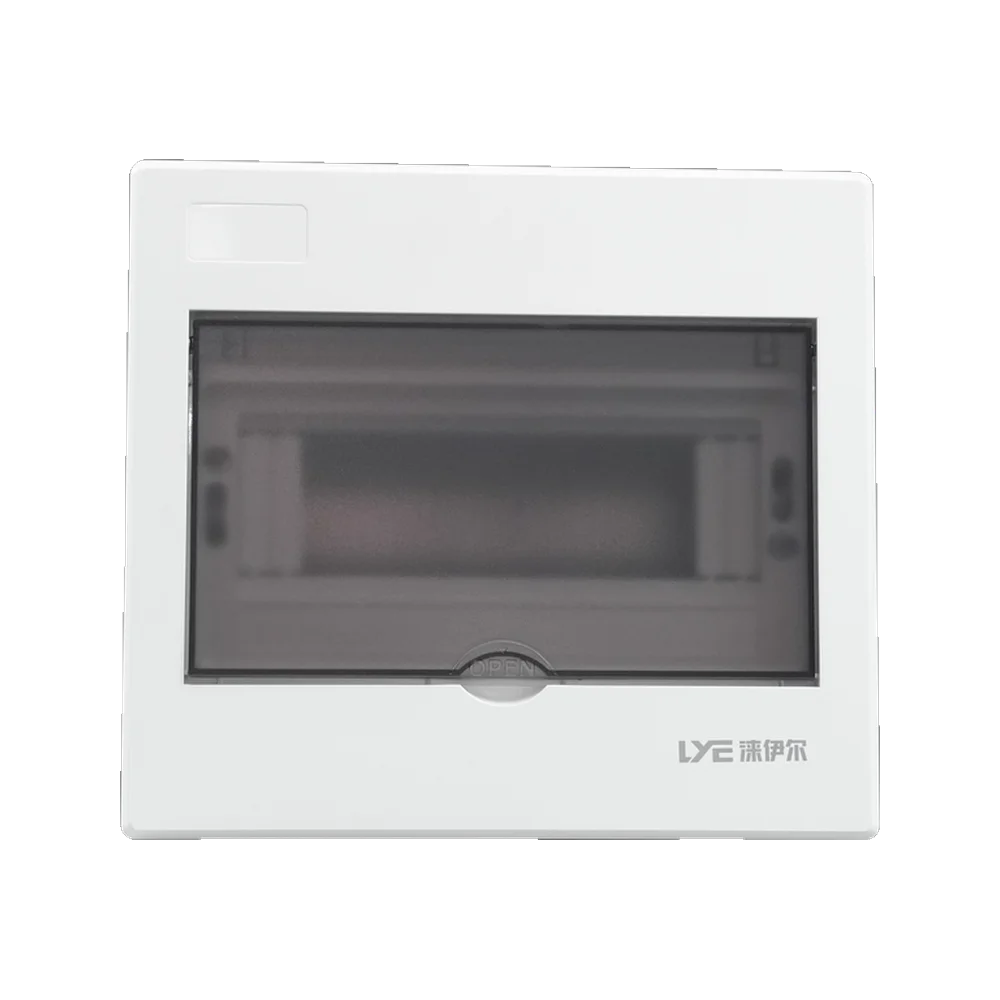
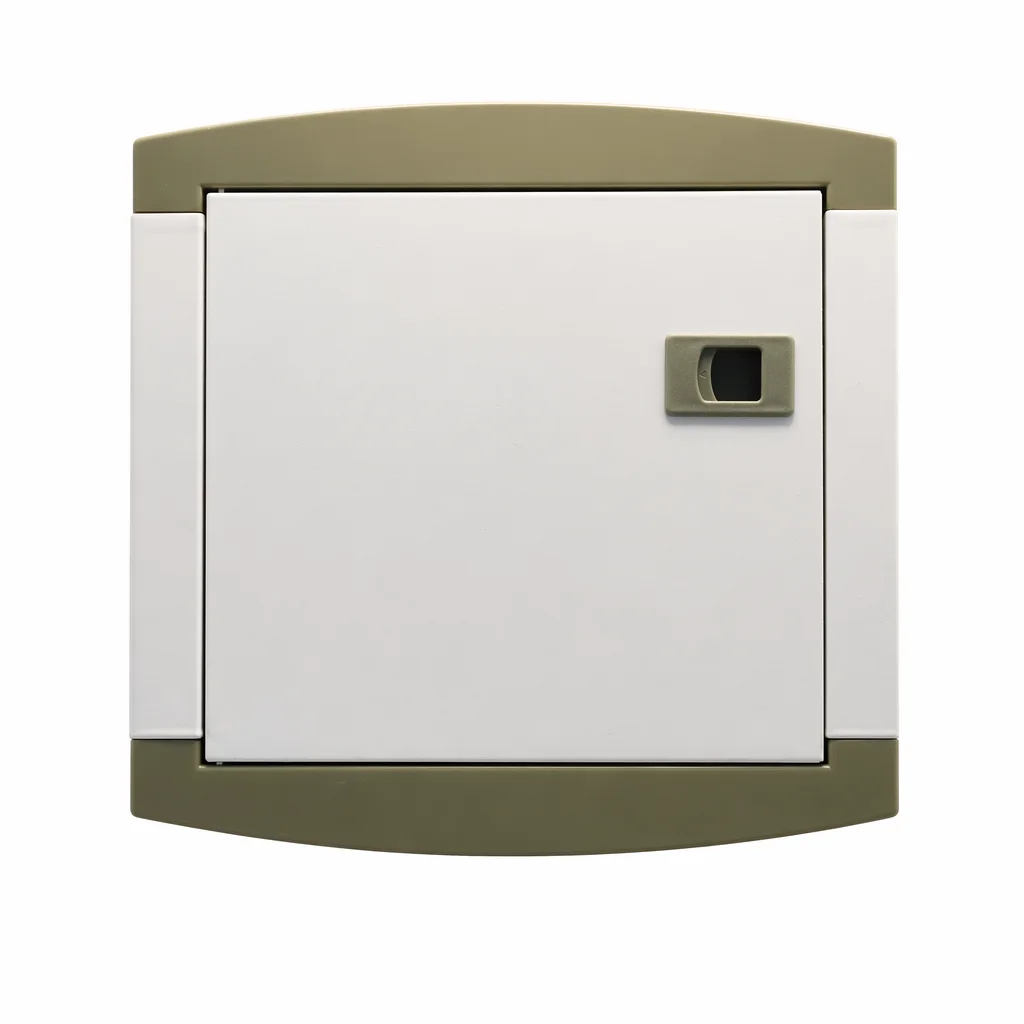
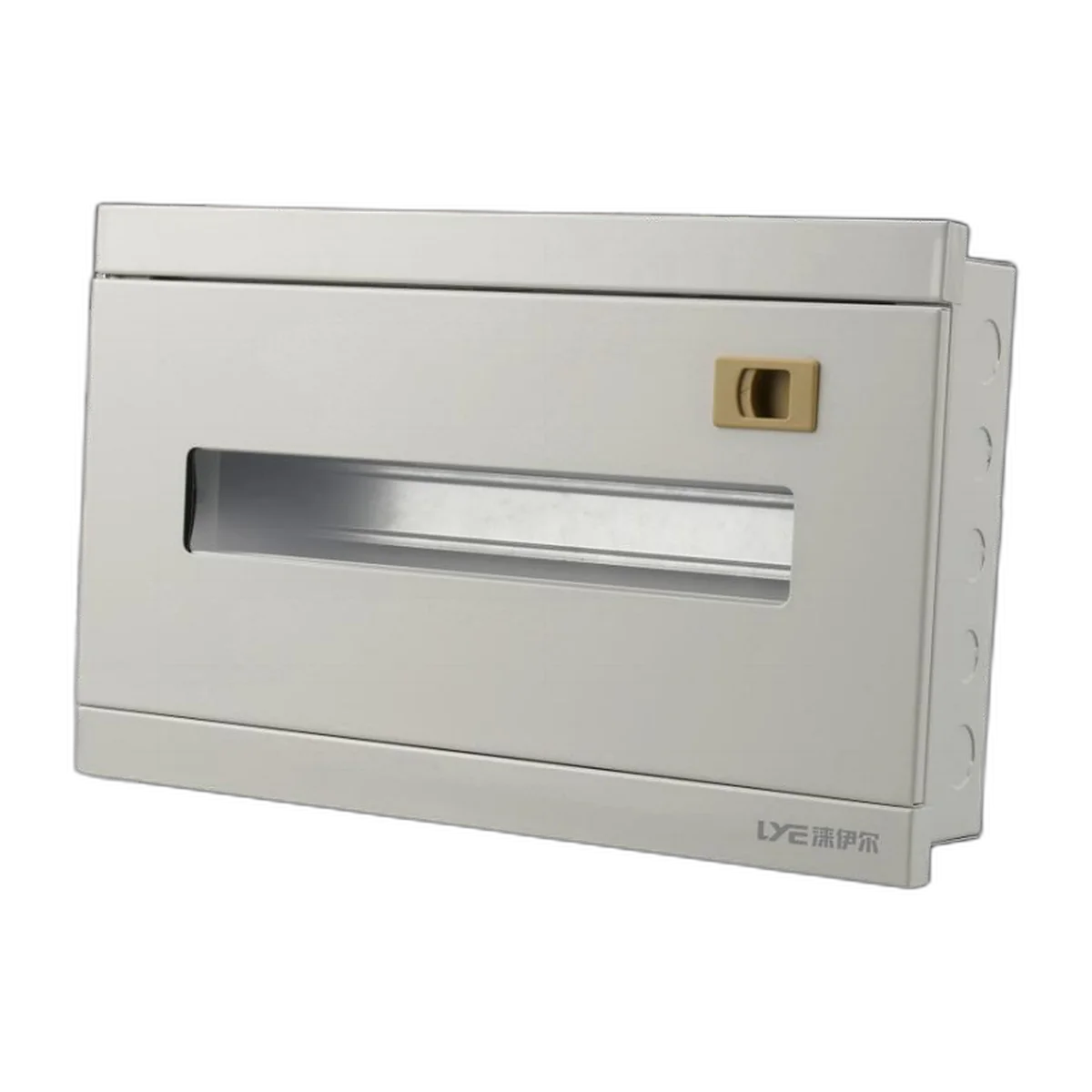
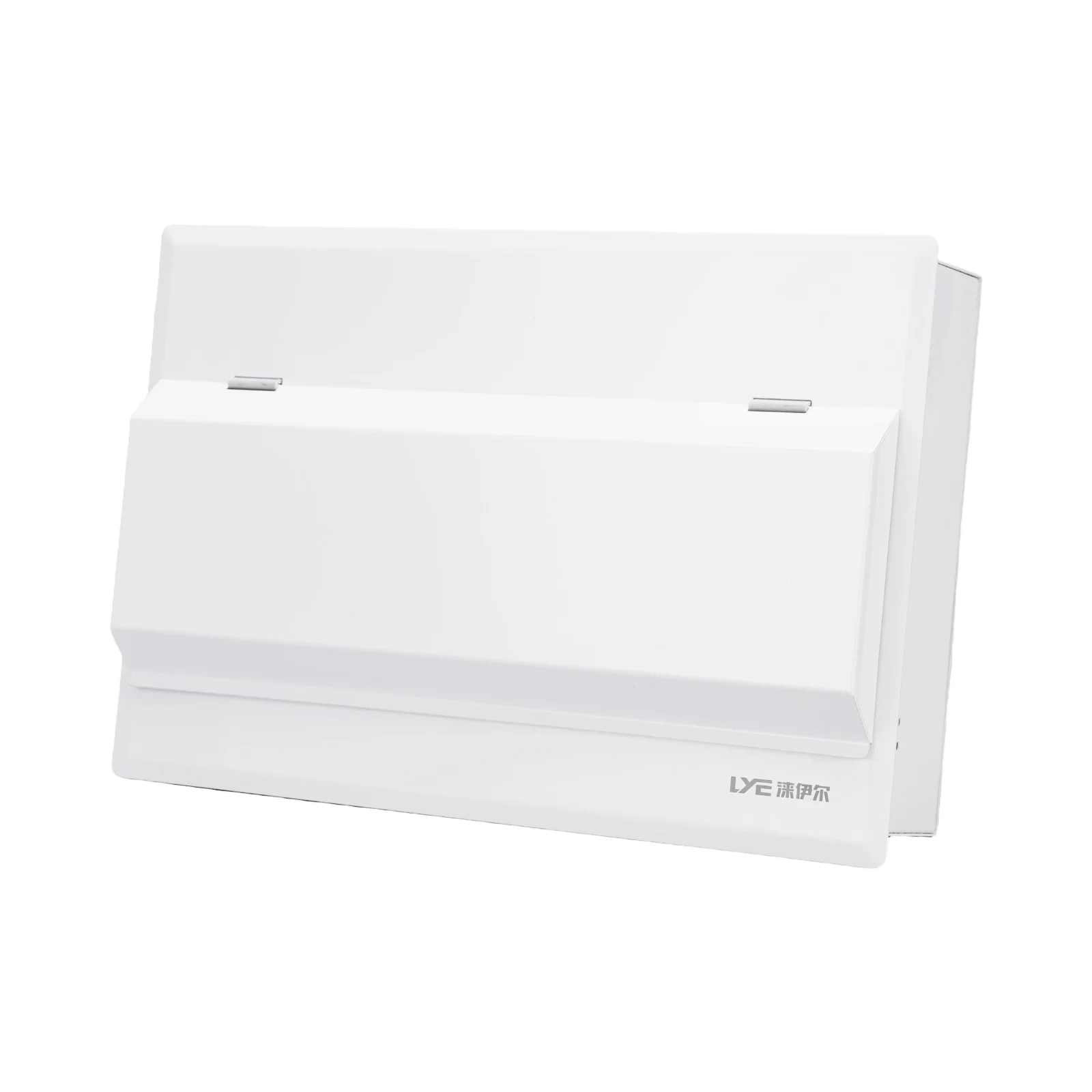
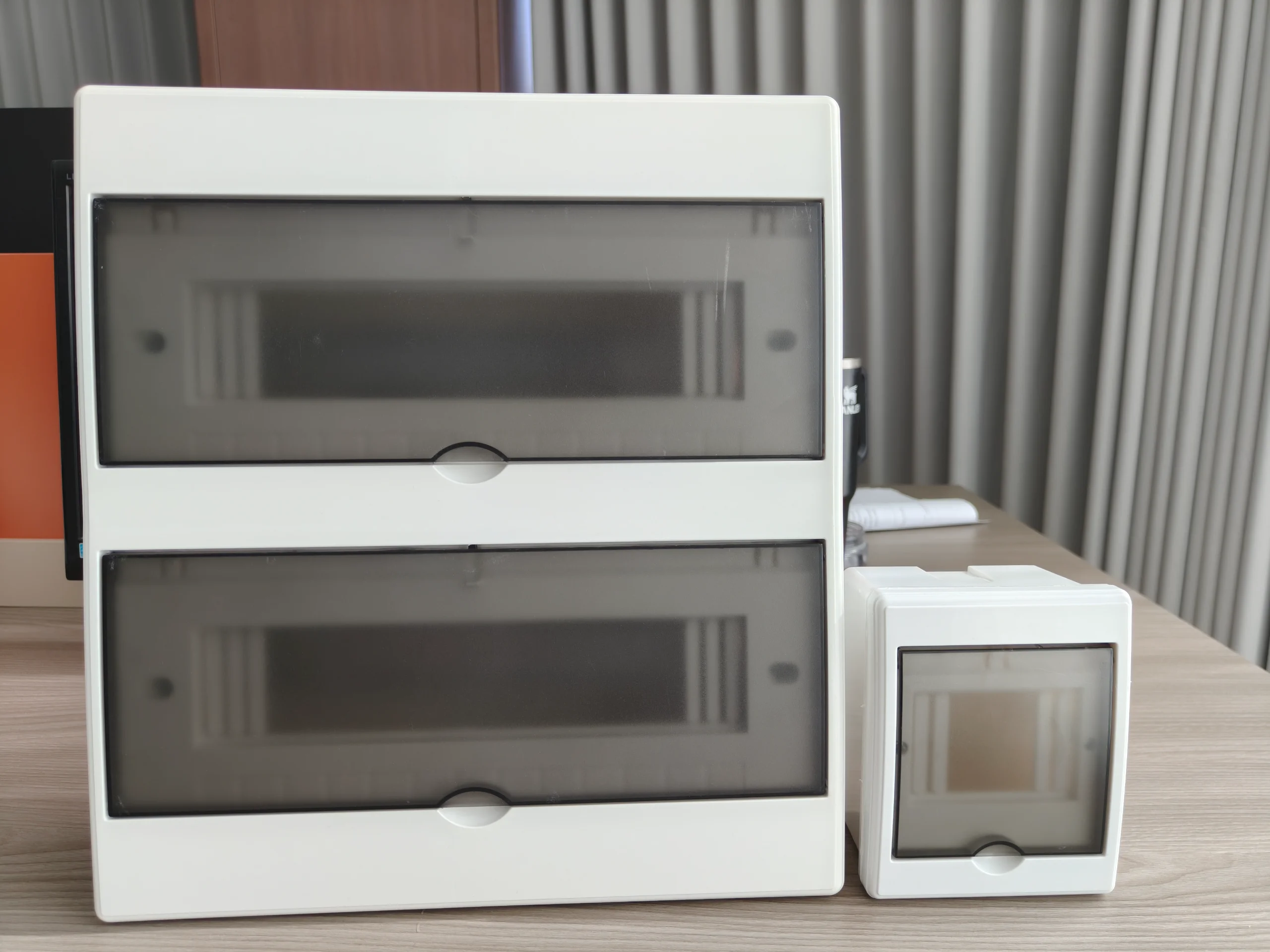
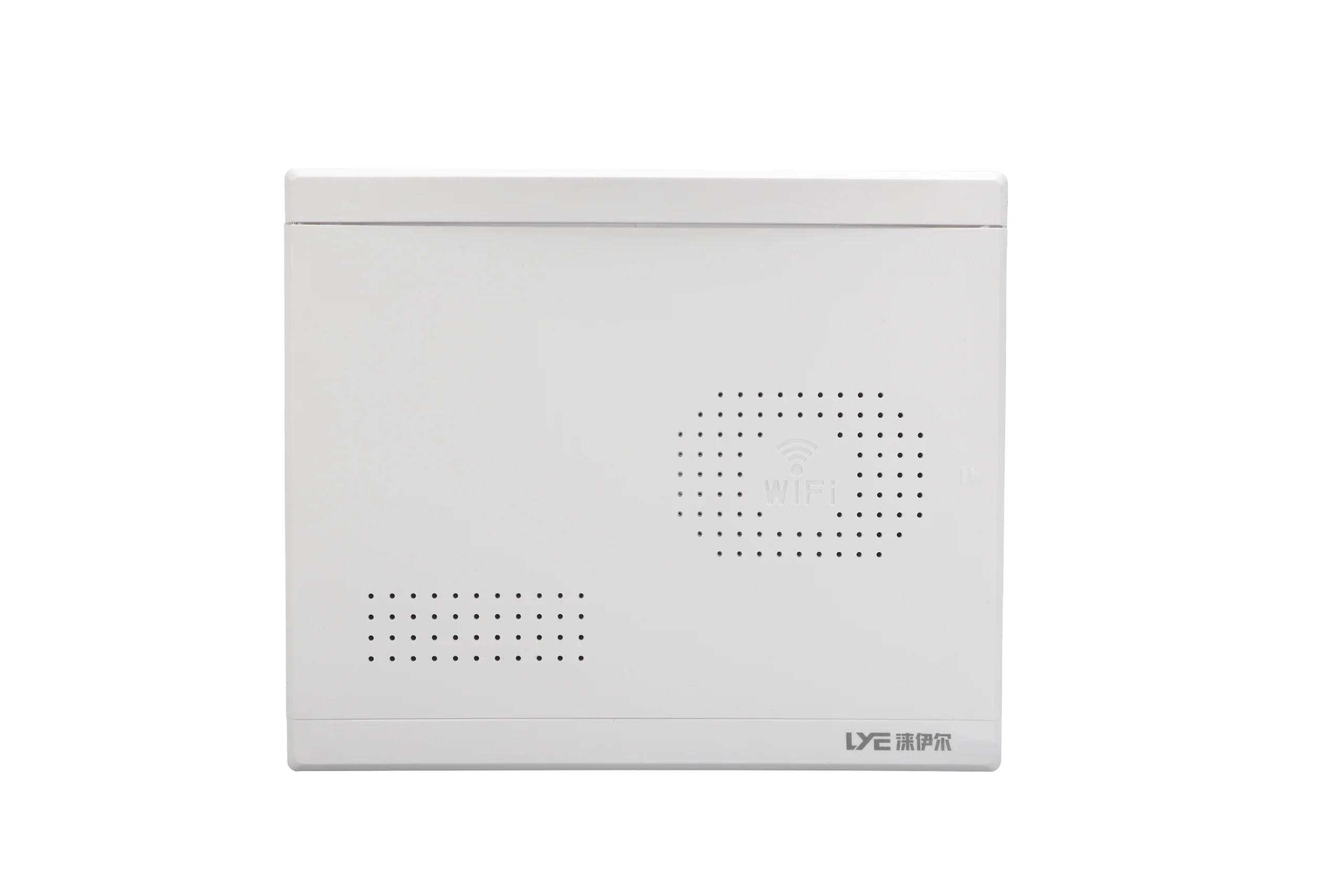
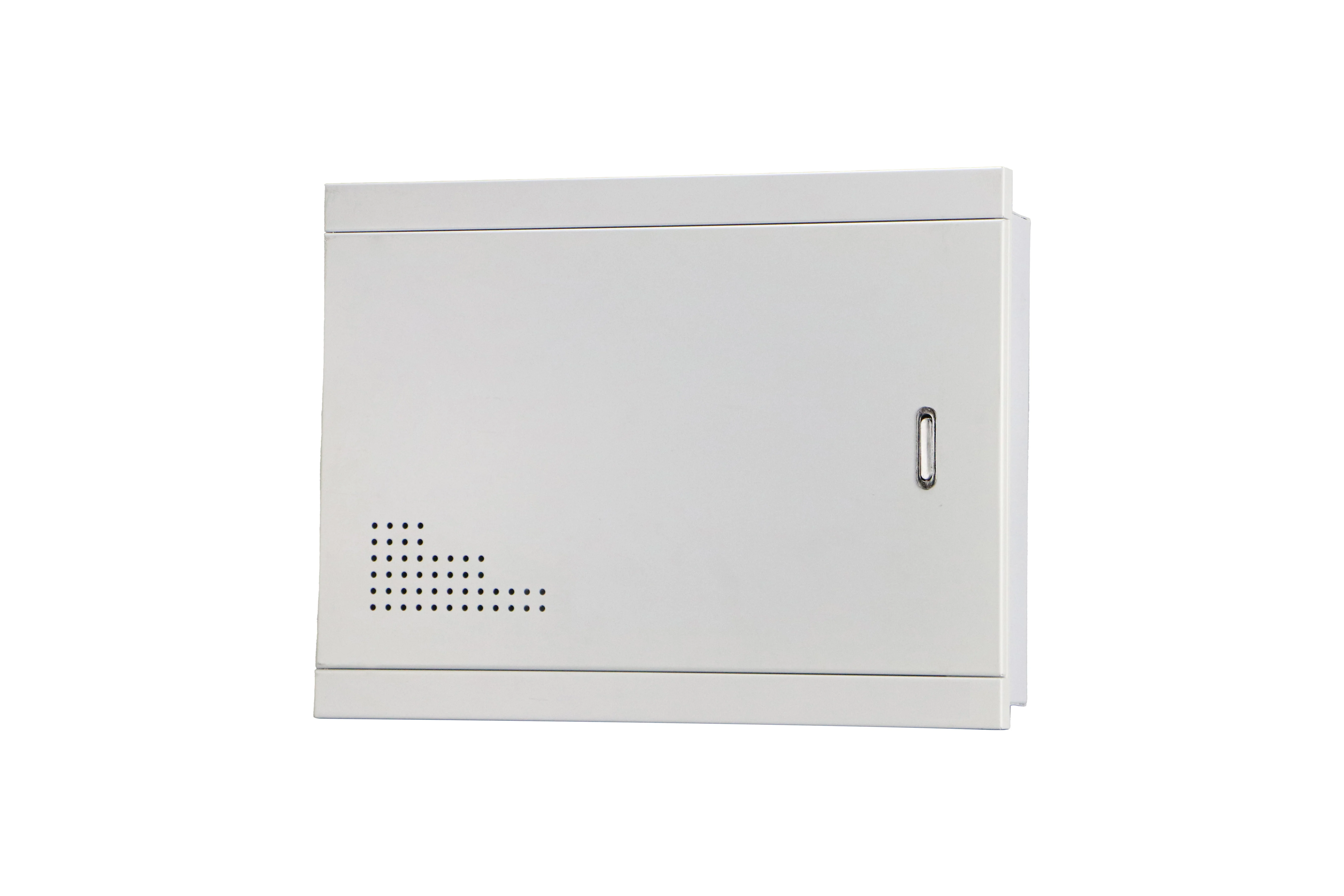
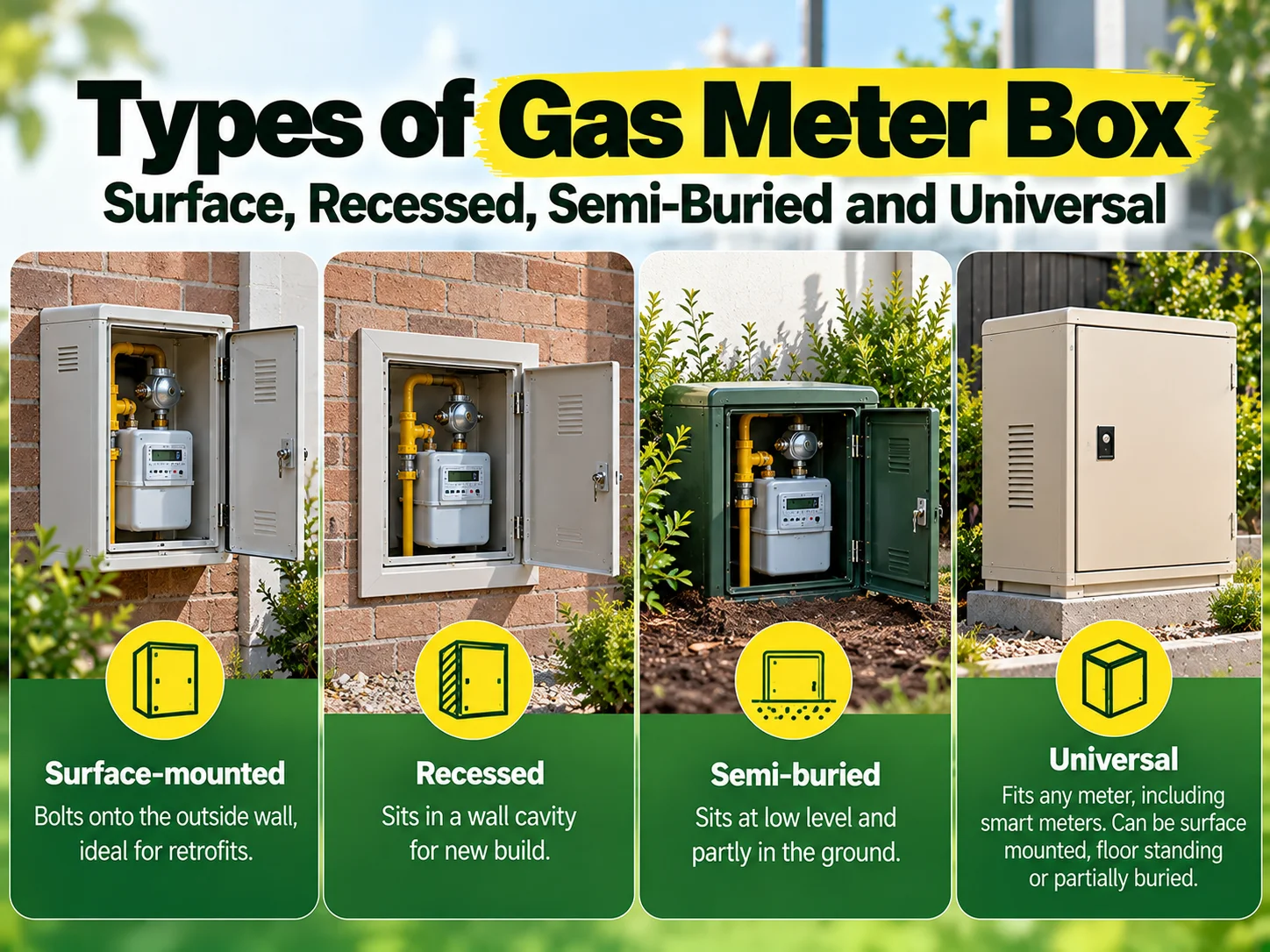
In short, there are four different kinds of gas meter boxes. Surface-mounted boxes are mounted on the outer side of the wall and convenient in cases where there’s no cavity in the wall. Recessed or built-in boxes are made particularly for houses being built with space in the wall ready for the box. Semi-buried or semi-concealed boxes are installed at low height and a part in the ground. Since then, they’ve been mostly replaced with universal and multi box types of boxes. Universal boxes can keep any kind of meter including smart meters and can be surface-mounted or placed on the floor or be partially embedded in the ground. Most of the boxes are made of glass reinforced plastic material according to BS 8499, fire retardant according to BS 476-7 Class 2 and the box is not the same as the meter inside.
The Four Main Types
The categories are devised based upon the installation method and not the visual characteristics, so their existence depends on the site constraints.
- Surface-mounted box. The box is bolted to the exterior wall. This is the most common and applicable approach when there is no cavity available for installation or when retrofitting a meter to an already constructed residence. Box dimensions are around 510 x 408 x 242 mm and the latest models are generally used since they correspond with the Mk2 guideline used for new connections; nevertheless, older devices still exist as replacement solutions. The gas flow comes through a riser pipe situated on the right interfacing side of the box.
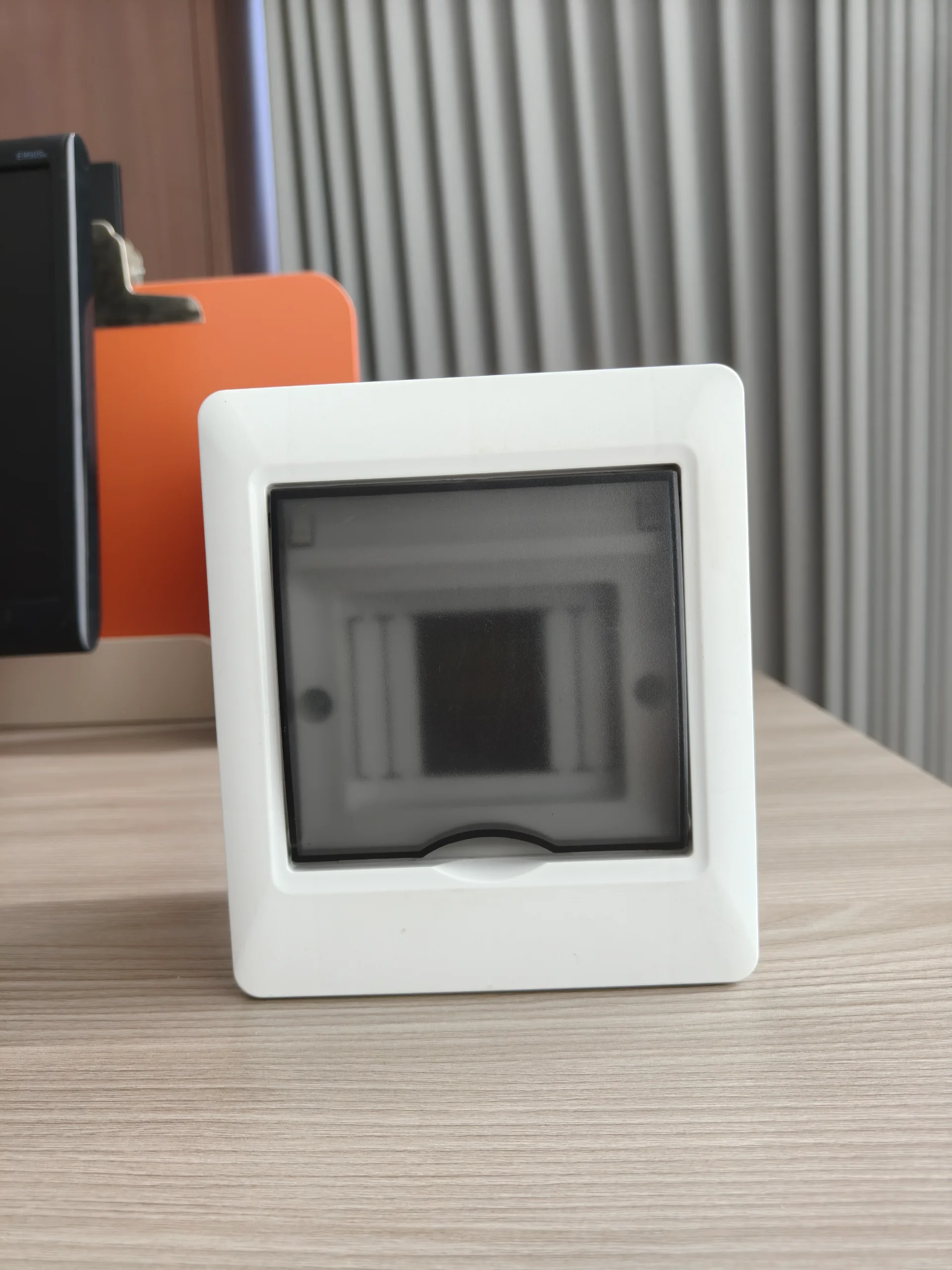
- Recessed or built-in box. The box is positioned in a hole in a wall that is created usually during construction so that the architrave sits about 60 mm above the wall surface meaning that the door is flat. The approximate size of such boxes is about 595 x 409 x 214 mm and they comply with BS 8499 that is the standard for new building.
- Semi-embedded / semi-concealed box. The box is placed low as it is partly underground and used to reduce the visibility of the device or when wall-mounted box is not appropriate for certain heights. Throughout history, the boxes had many varieties supplied according to the operator since it was of the utmost importance that the type was approved by the operator. Modern constructions had almost exhausted the previously mentioned boxes and operators must install replacements that comply with the current normative.
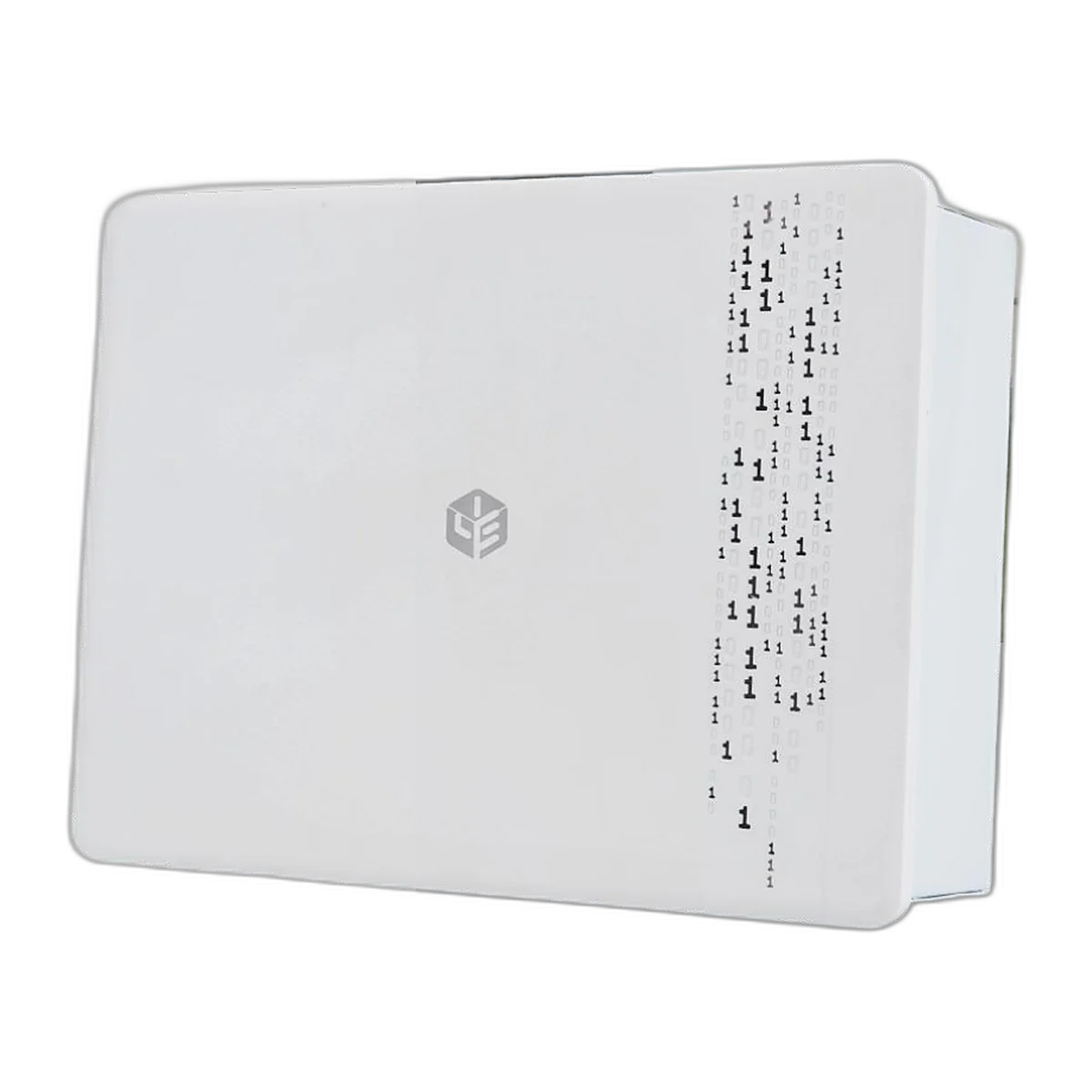
- Universal / multibox. The most widely used box for new connections. They accommodate different types of domestic meters including prepaid and smart-meter devices and can be adapted for any kind of installation. They usually comply with BS 8499:2009 that determines the required construction of the device.
Repair kits for the mentioned boxes rely on the overbox solution. An overbox is designed to cover damaged devices without the necessity of removing them from the wall. This construction solution is extremely useful in cases when demolition of damaged devices would lead to some non-remediable damage of the wall surface.
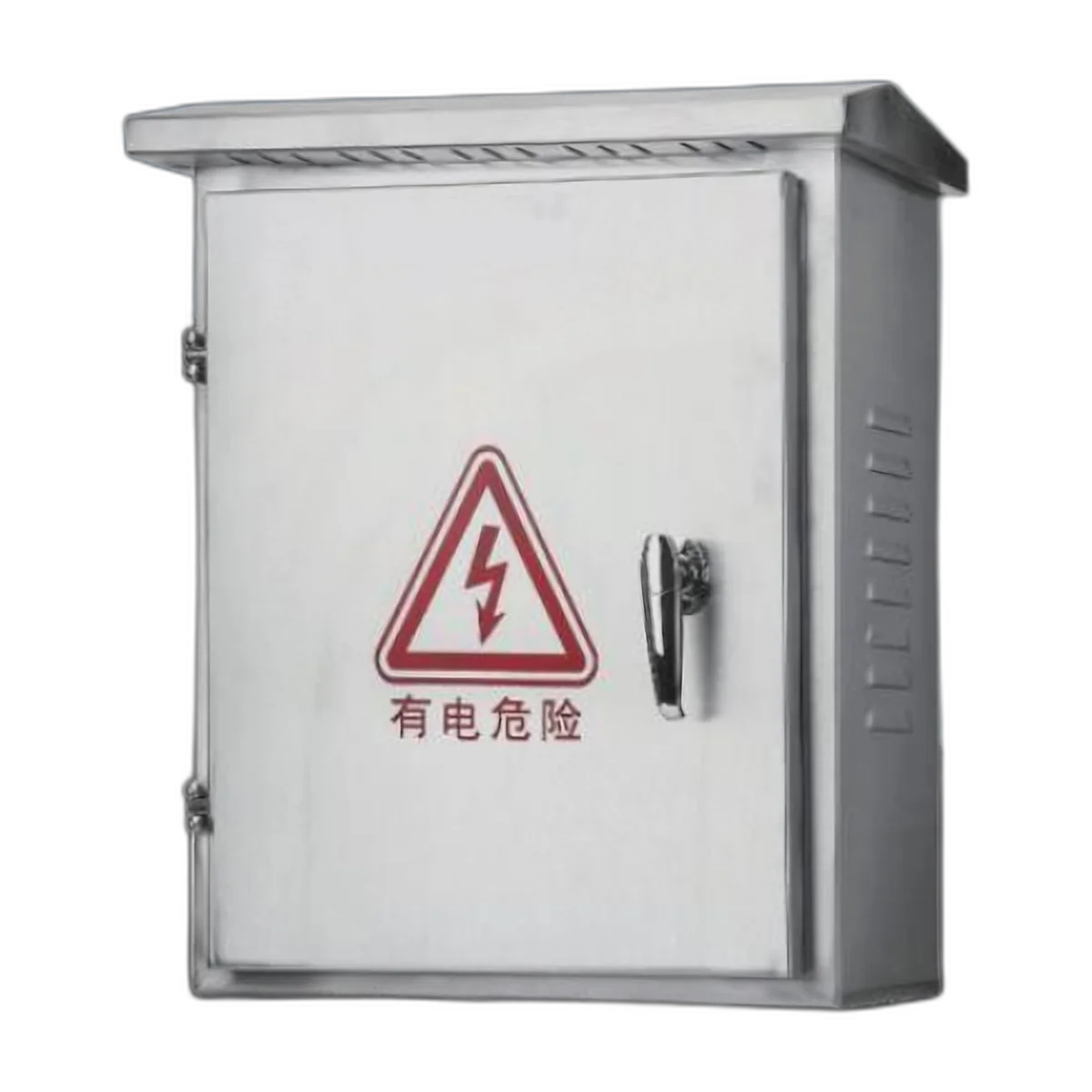
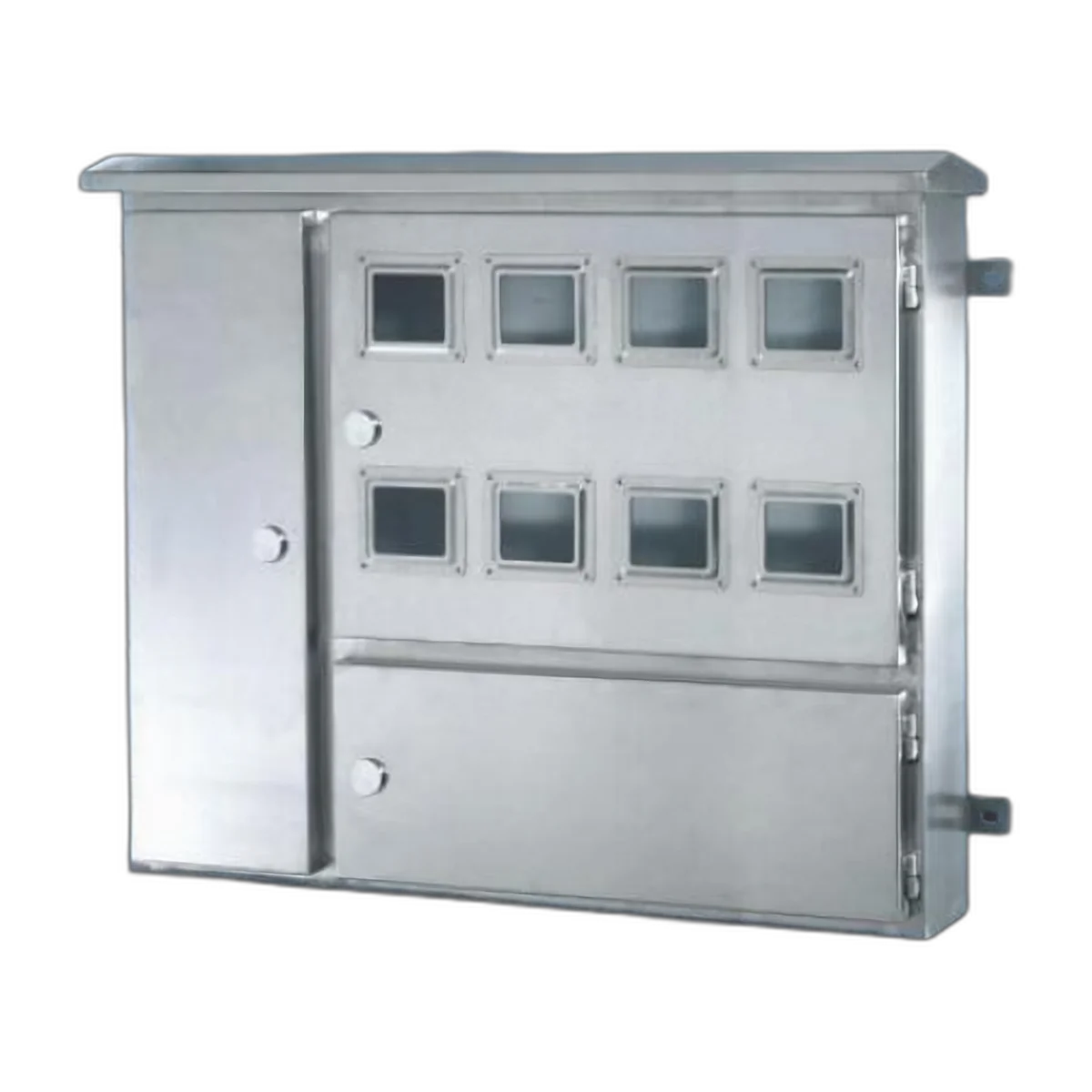
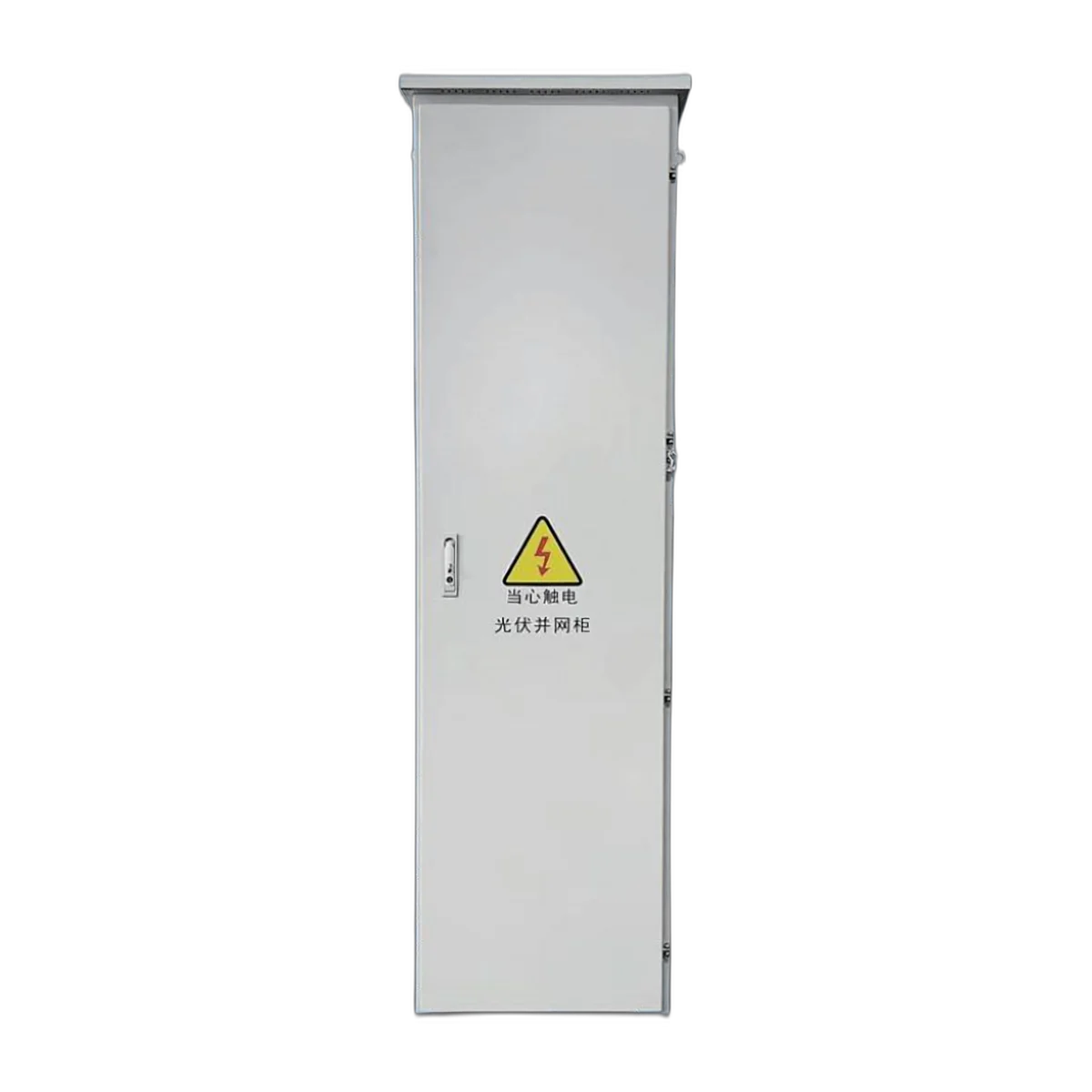
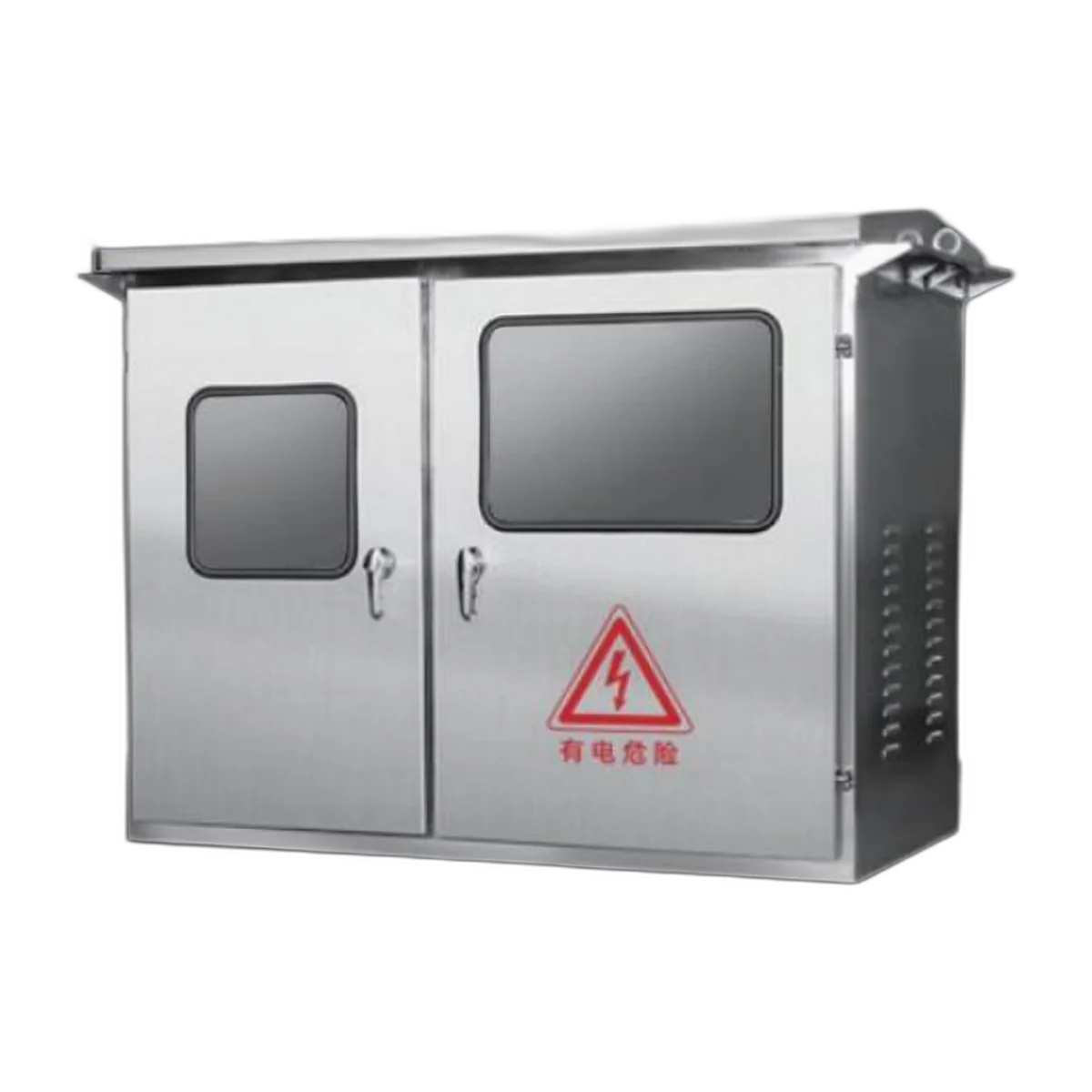
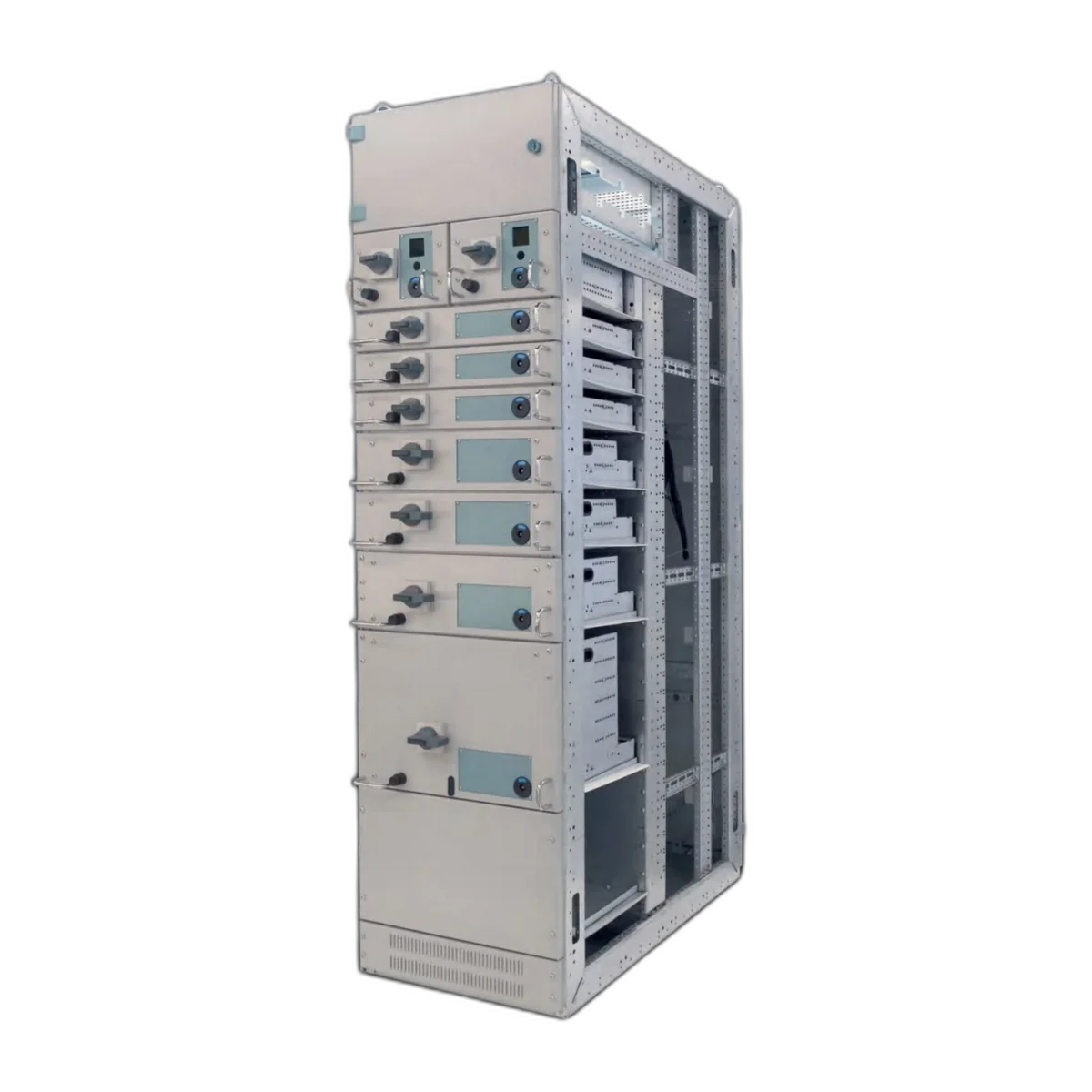
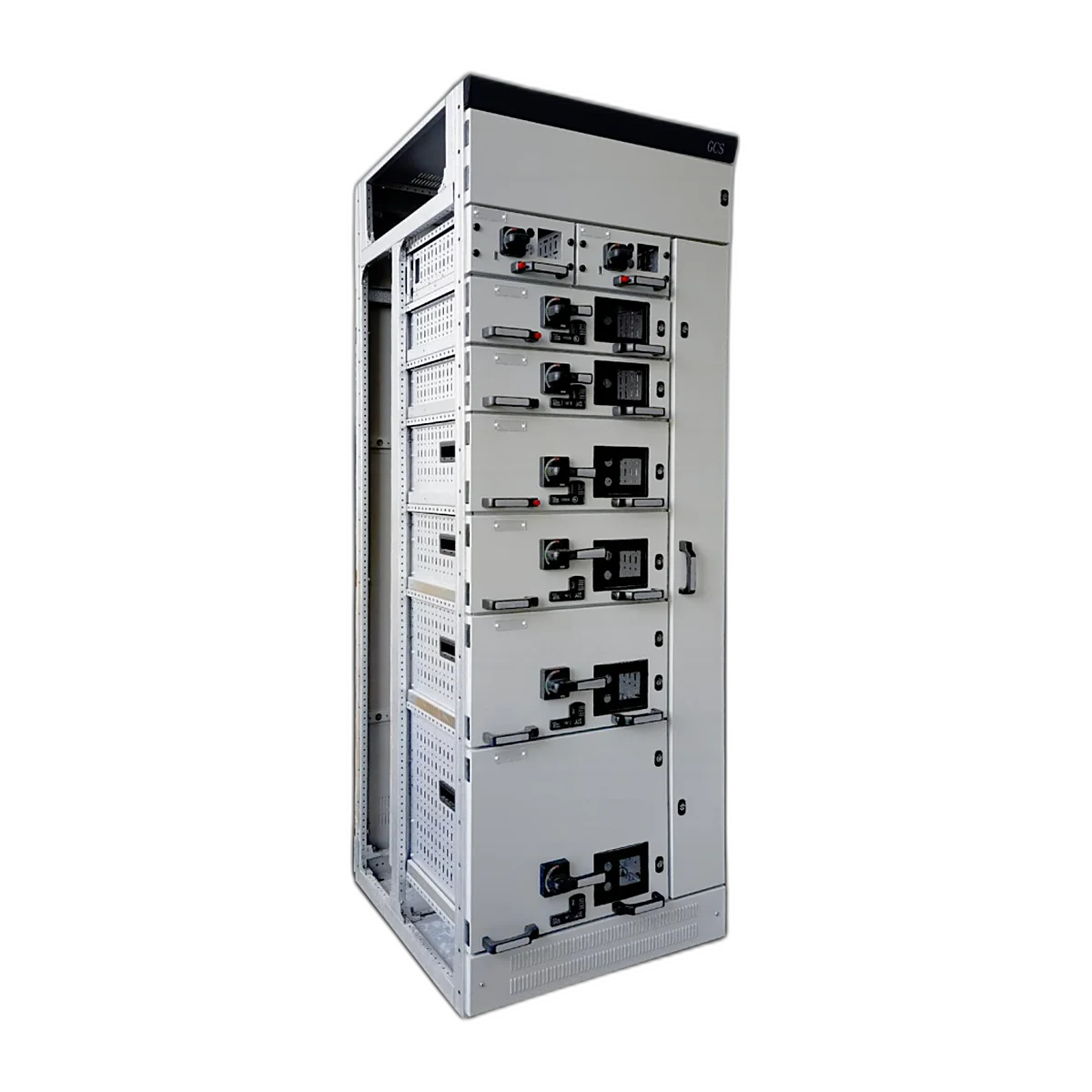
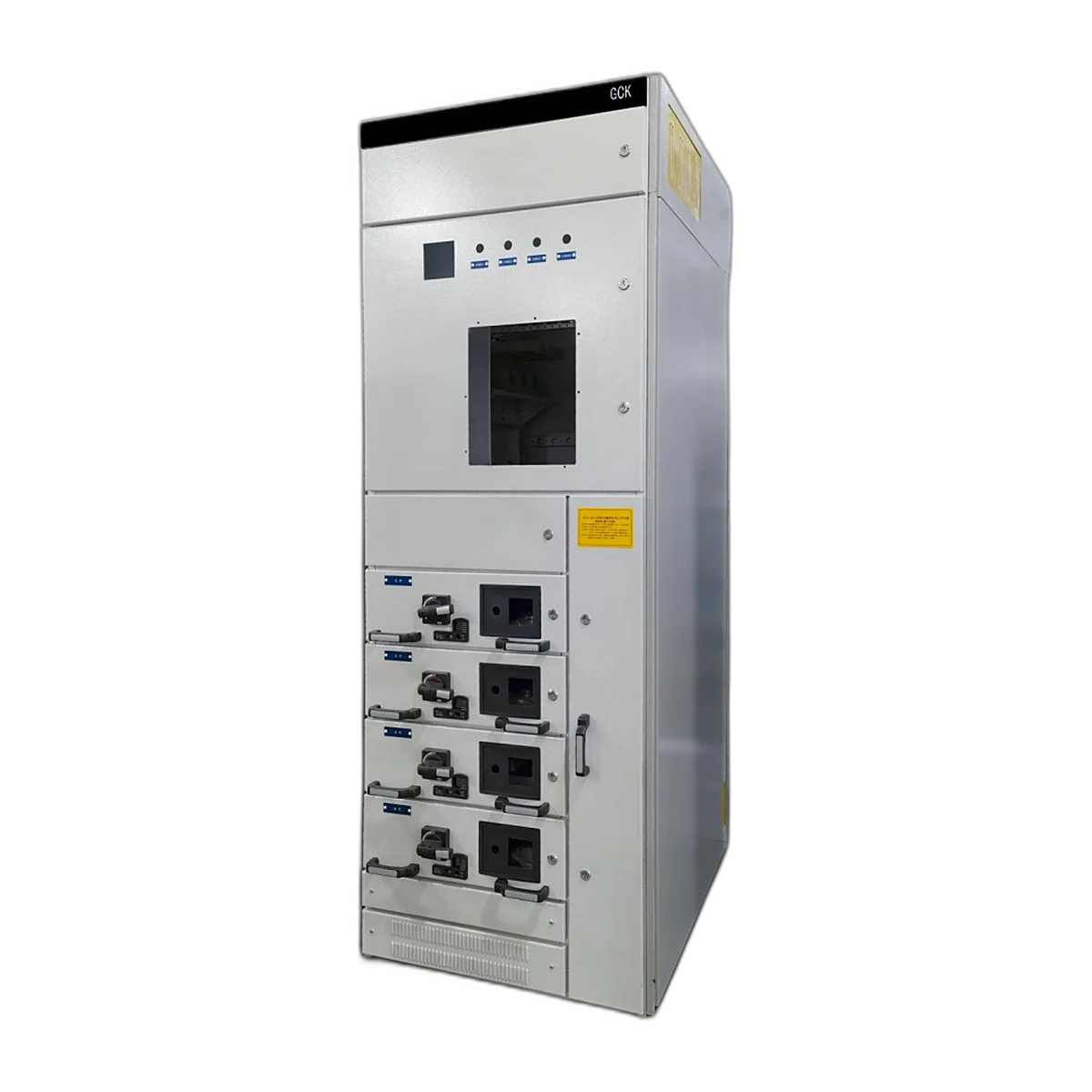
The box is a housing, not a meter, and the two are supplied by different people. The box is a builder’s or merchant’s item; the meter and its connections belong to the network operator or supplier, and the electrical equivalent — where the cabinet is a specifying decision but the metering equipment is not — follows the same logic, as in this multi-position meter cabinet for metering installations. Keeping the two in separate conversations is the fastest way to avoid a wasted site visit.
Dimensions and the Standards Behind Them
The gas meter boxes in both the UK and Ireland are governed by British Standards. It is very important to know the reference points as they decide if a box falls within the acceptance criteria.
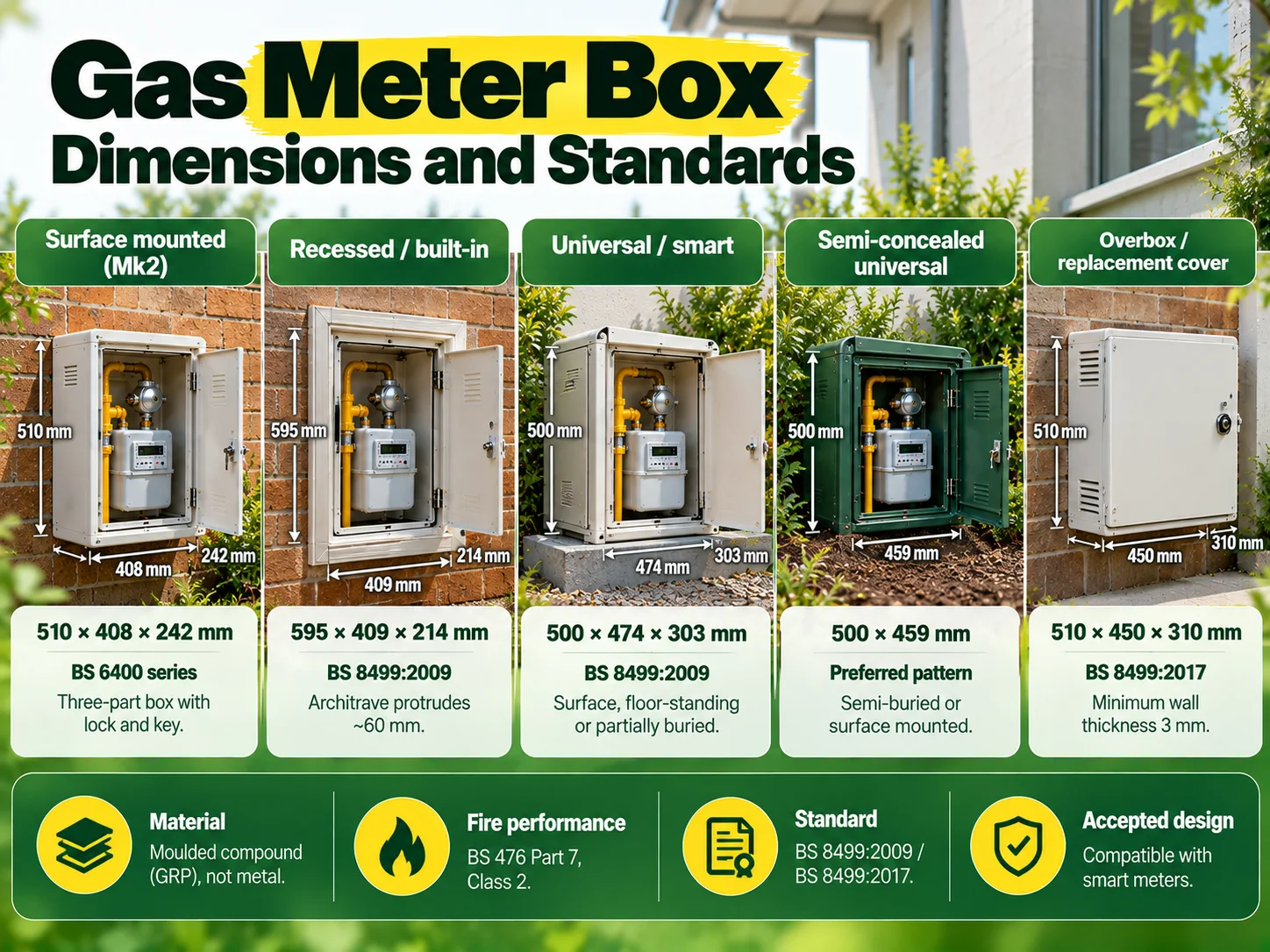
| Type | Reference dimensions (H × W × D) | Standard / notes |
|---|---|---|
| Surface mounted, Mk2 | 510 × 408 × 242 mm | BS 6400 series; three-part box (door, box, back) with lock and key |
| Recessed / built-in | 595 × 409 × 214 mm | BS 8499:2009; architrave protrudes ~60 mm |
| Universal / smart | 500 × 474 × 303 mm | BS 8499:2009; surface, floor-standing or partially buried |
| Semi-concealed universal | 500 × 459 mm (H × W) | Preferred semi-concealed pattern; semi-buried or surface mounted |
| Overbox / replacement cover | 510 × 450 × 310 mm | BS 8499:2017; minimum wall thickness 3 mm |
There are two important specifications mentioned in BS 8499 which eliminate many options. The first specification on materials clearly specifies that moulded materials are to be used rather than metal, and BS 8499:2017 indicates that the minimum wall thickness is to be 3 mm. This is significant since metal alternatives are in common use as robust products but many do not allow for the use of a smart meter, whereas the GRP (Glass Reinforced Plastic) enclosure according to the standard will.
Regarding the second specification on fire performance, BS 8499 boxes are fireproof in compliance with BS 476 part 7, class 2. This is a clear classification and not a marketing description and is one of the reasons a homemade or improvised enclosure cannot be used.
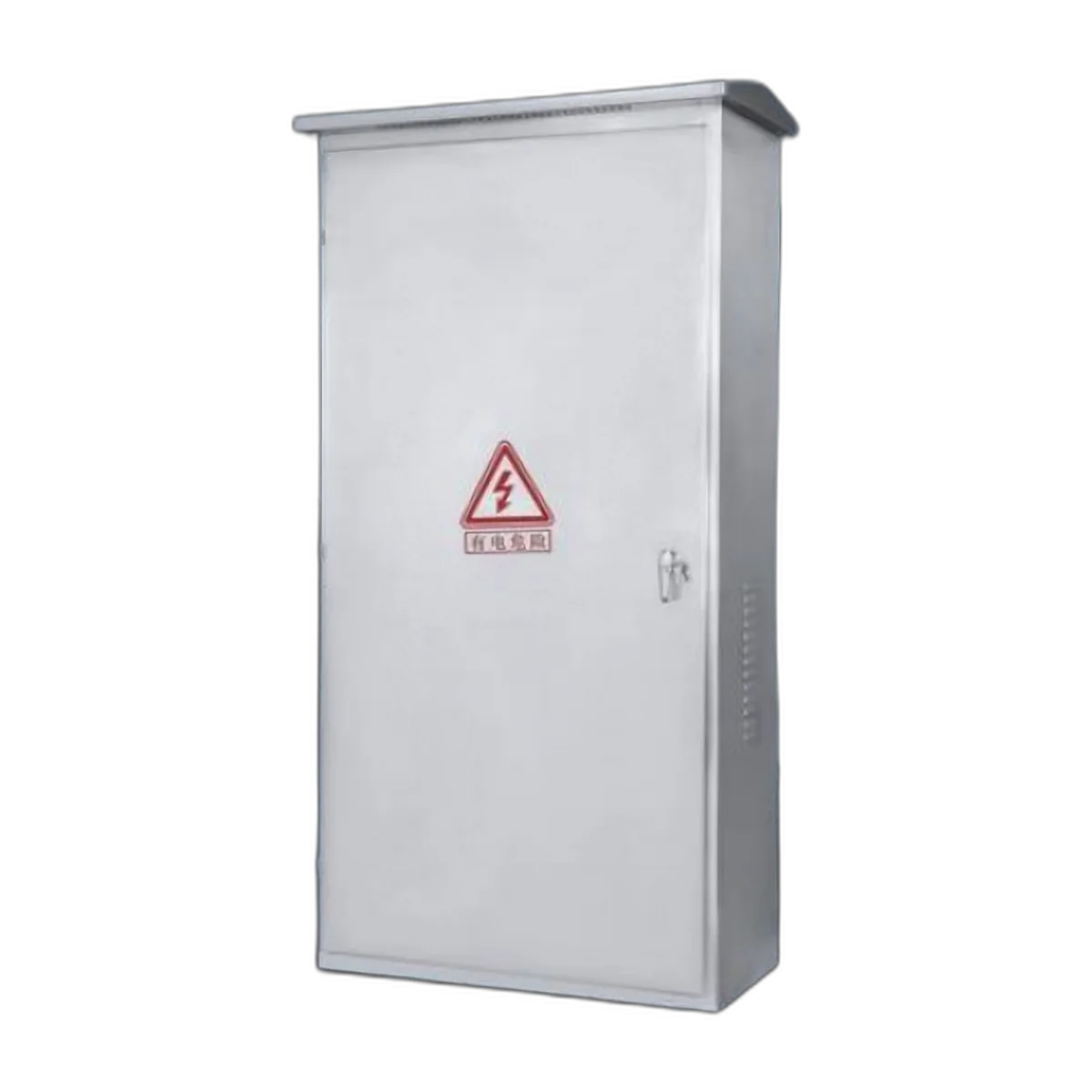
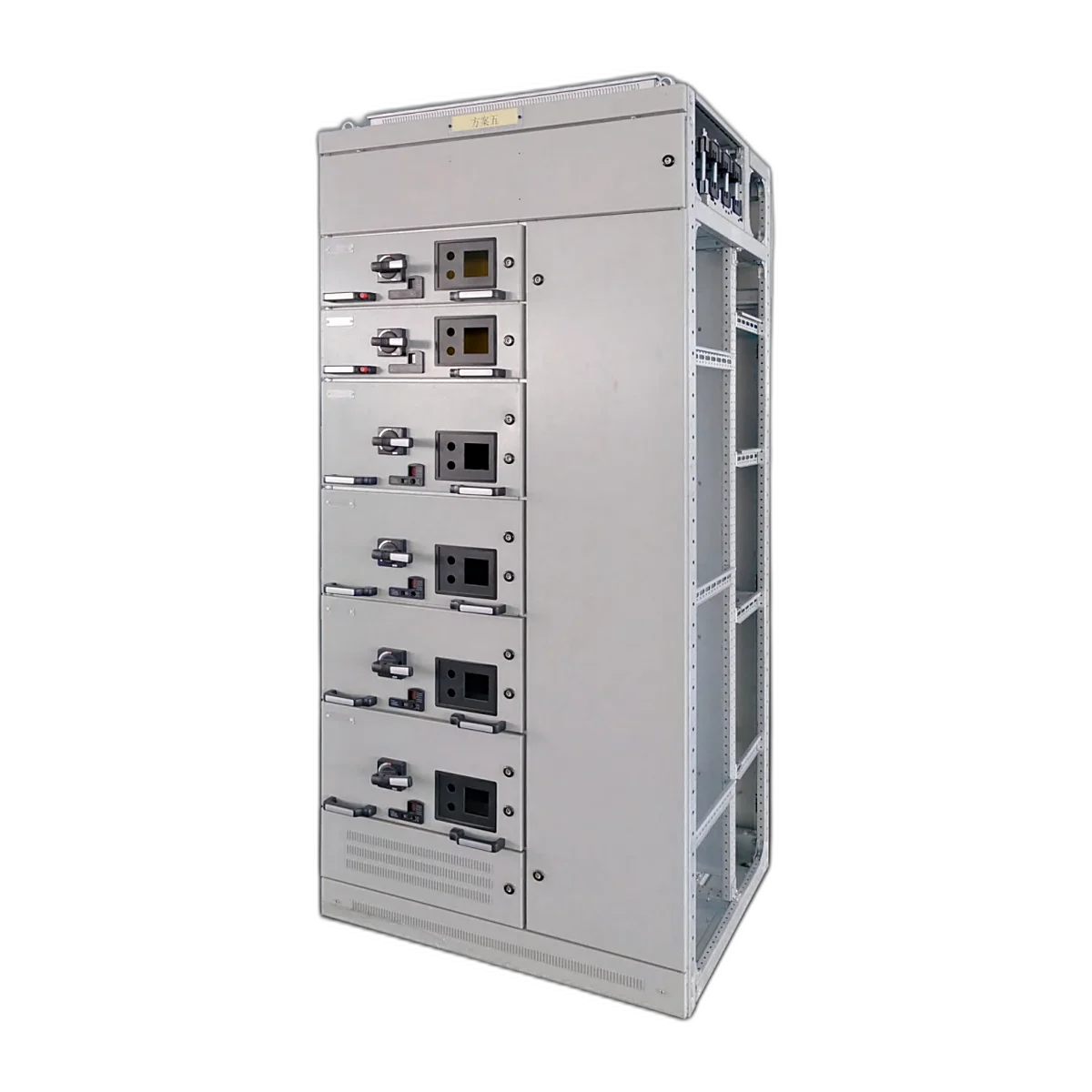
There are also other aspects of construction methods and materials used when there is a mutual understanding regarding the matching of the enclosure to the exposure.Where a position is exposed, an metal distribution enclosure is the analogue on the electrical side — the enclosure specification follows the environment rather than the cheapest available box.
Which Type Fits Which Site
The selection is generally dictated by the building, and placement constraints are equally significant when selecting the box type.
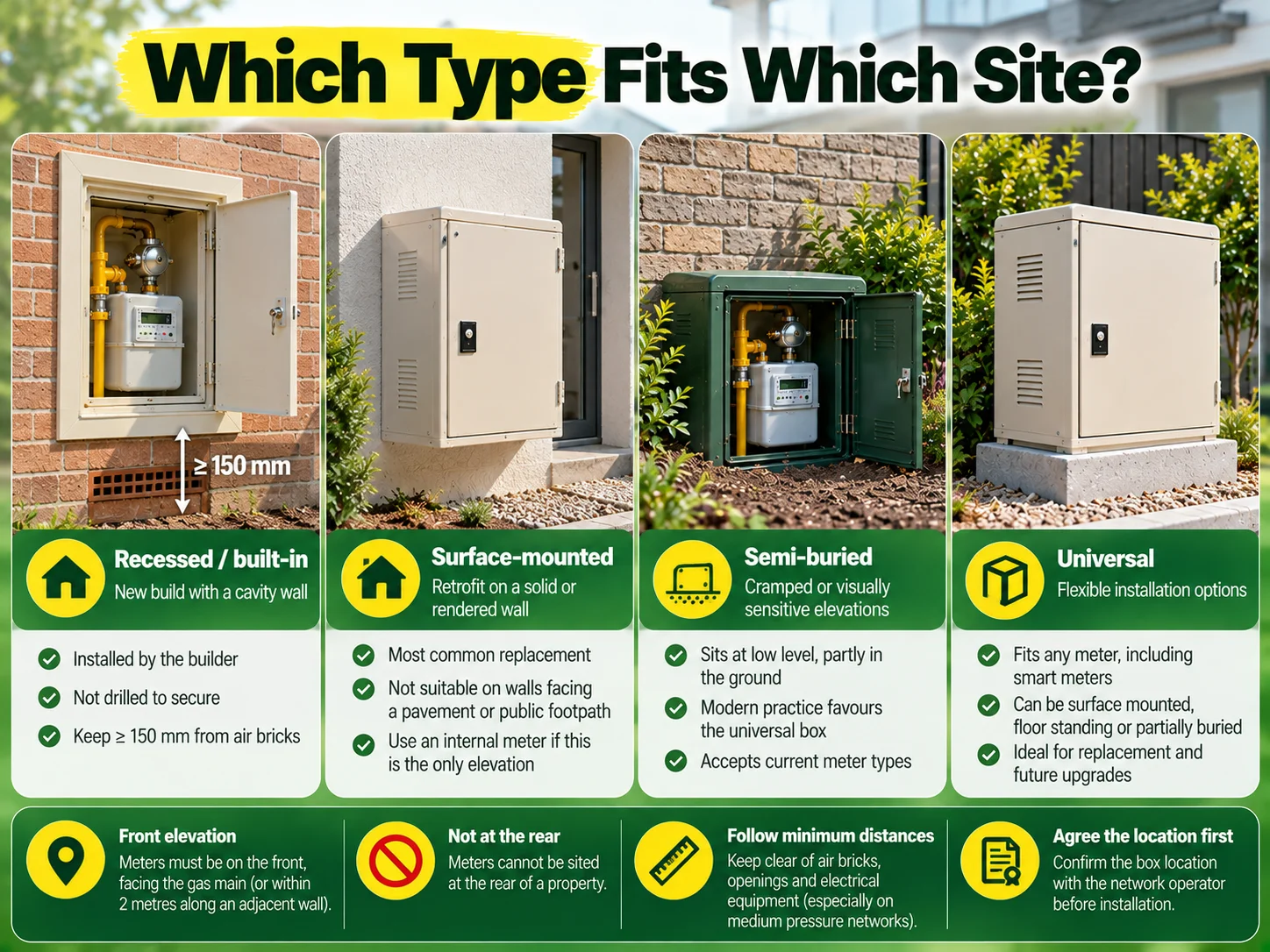
- For new constructions with cavity walls: either a fitted or inset box which is supplied and installed by the builder prior to the gas service appointment.
- The box has to fit into the recess in the wall without having to drill it for fixing since this would allow gas to leak into the cavity making it unsafe.
- Moreover, it should be positioned not less than 150 mm from any cavity air bricks.
- In case of solid or plastered walls: the surface-mount meter.
- This is the most widely used replacement solution but it also cannot be installed on any wall which is facing the pavement or is in the public pathway or shared access because of excessive projection; otherwise, the meter will have to go inside the building.
- In case of tight or sensitive locations: either a semi-buried or low-level universal box.
- The latter option is preferred today because of the possibility to install a modern meter and replace the box without digging the ground.
- In case the meter is installed at the wrong place, service alteration is needed which is carried out by the operator and requires an approved box.
The siting rules that most often catch people out:
- Typically, external connections are to be placed at the front of the building in line with the gas main or no more than two metres along an adjacent wall. The connection cannot be at the back of the property itself.
- Internal connections are unusual and have a number of requirements. They must be well ventilated, protected from damage and easy to access and allow the possibility for the connection to be mounted above ground level, amongst other conditions.
- In some cases, gas services provided from a medium-pressure system must be located at a greater distance. These connections can be made only via a special box provided by an operator.
- Being recessed is not the responsibility of an operator. Most operators provide surface-mounted and multibox options, not recessed ones. It is on the customer to hire a builder to serve it and install it before installing the box.
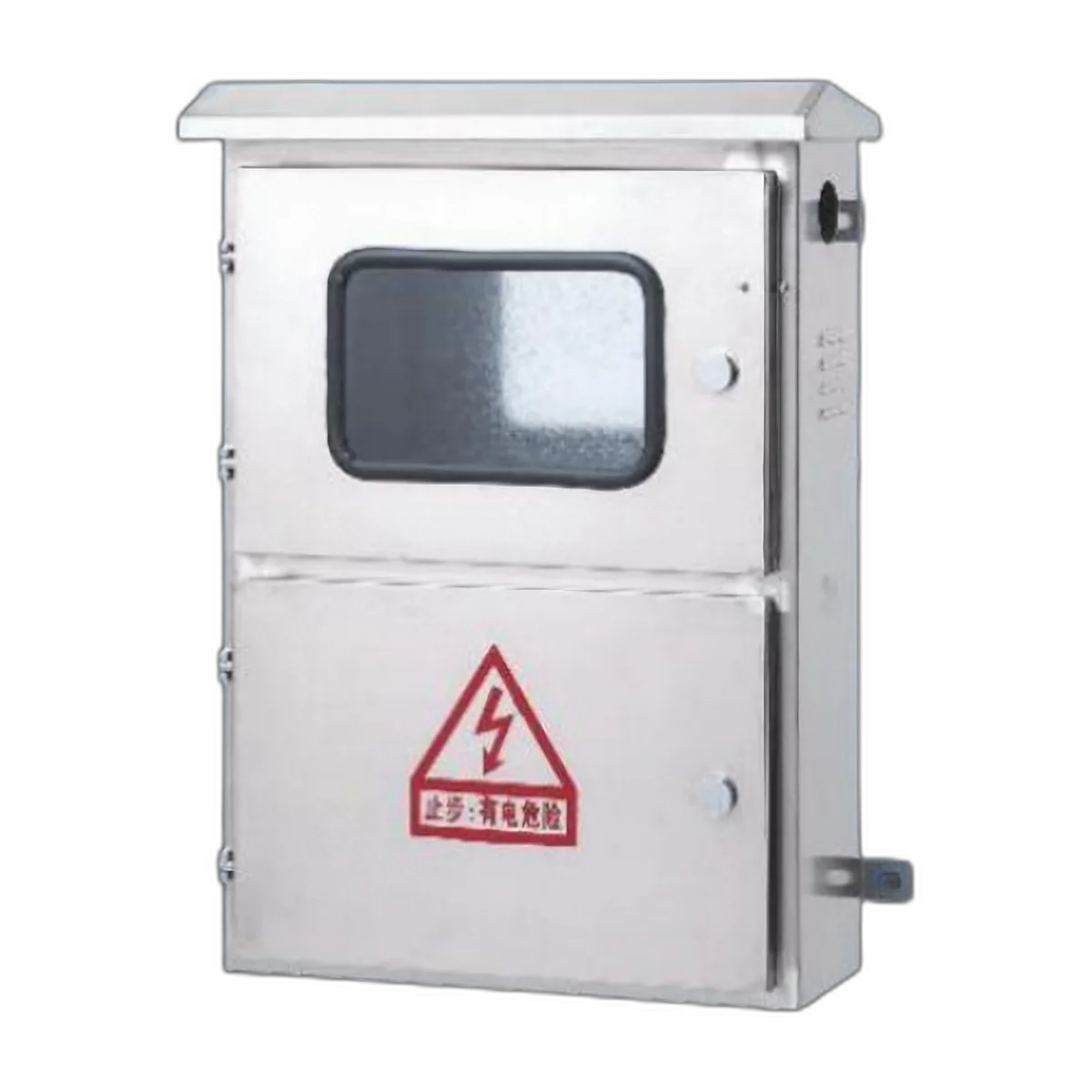
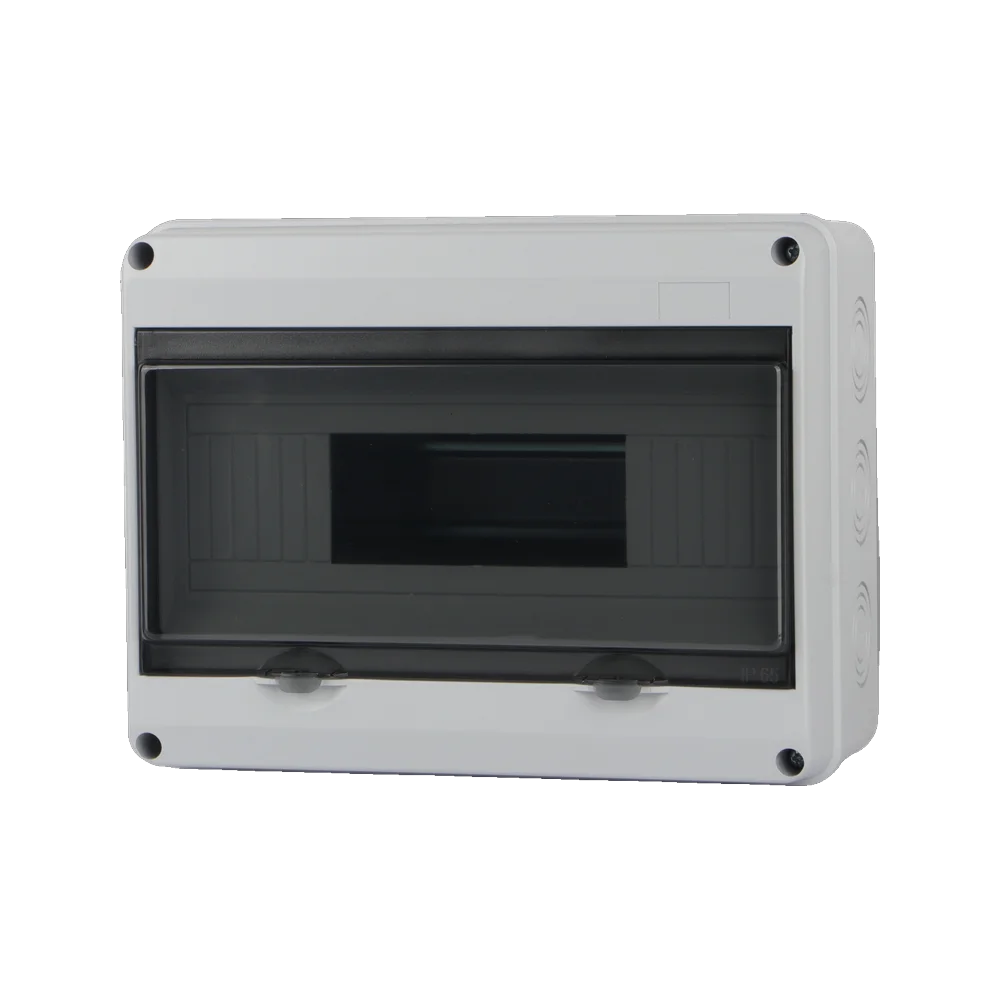
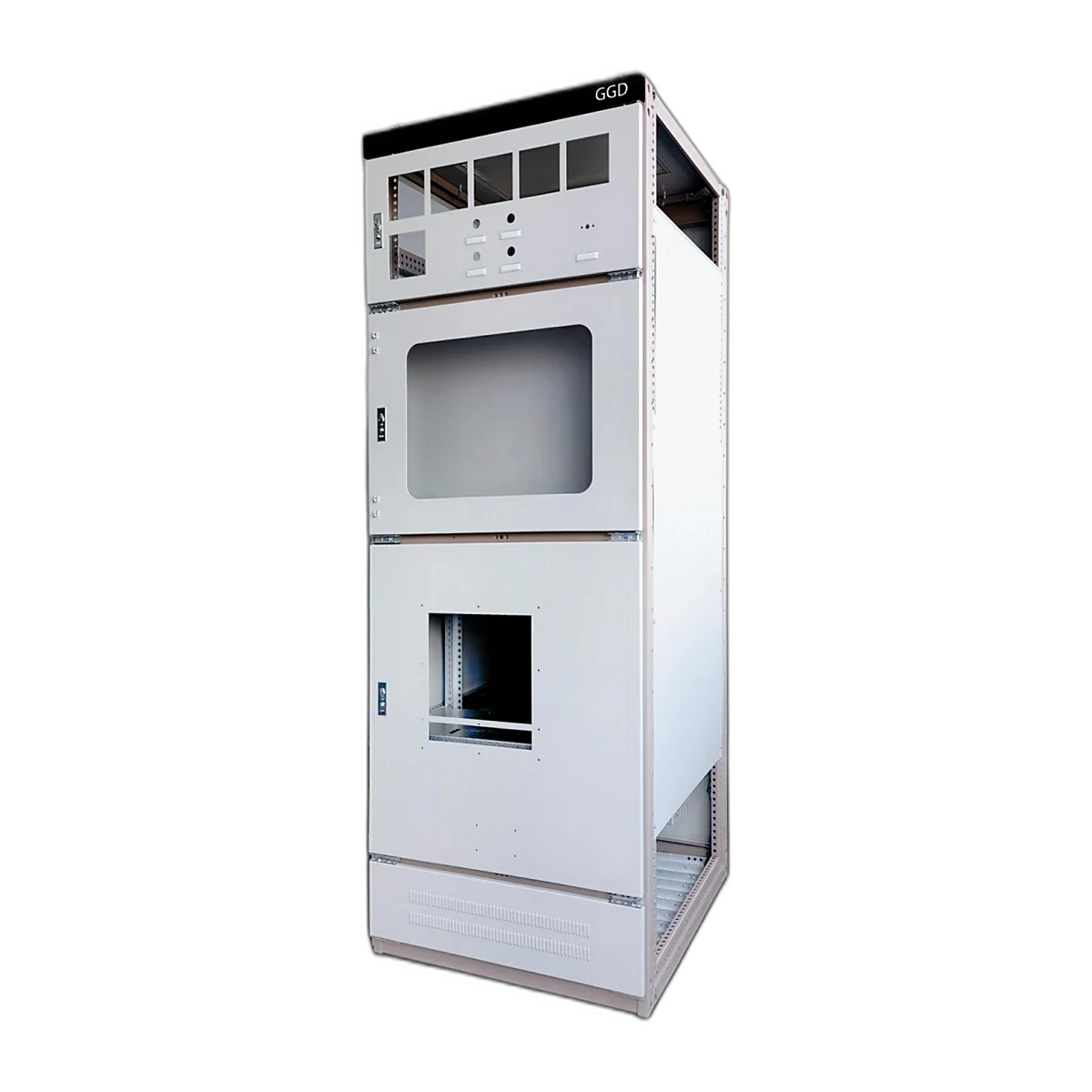
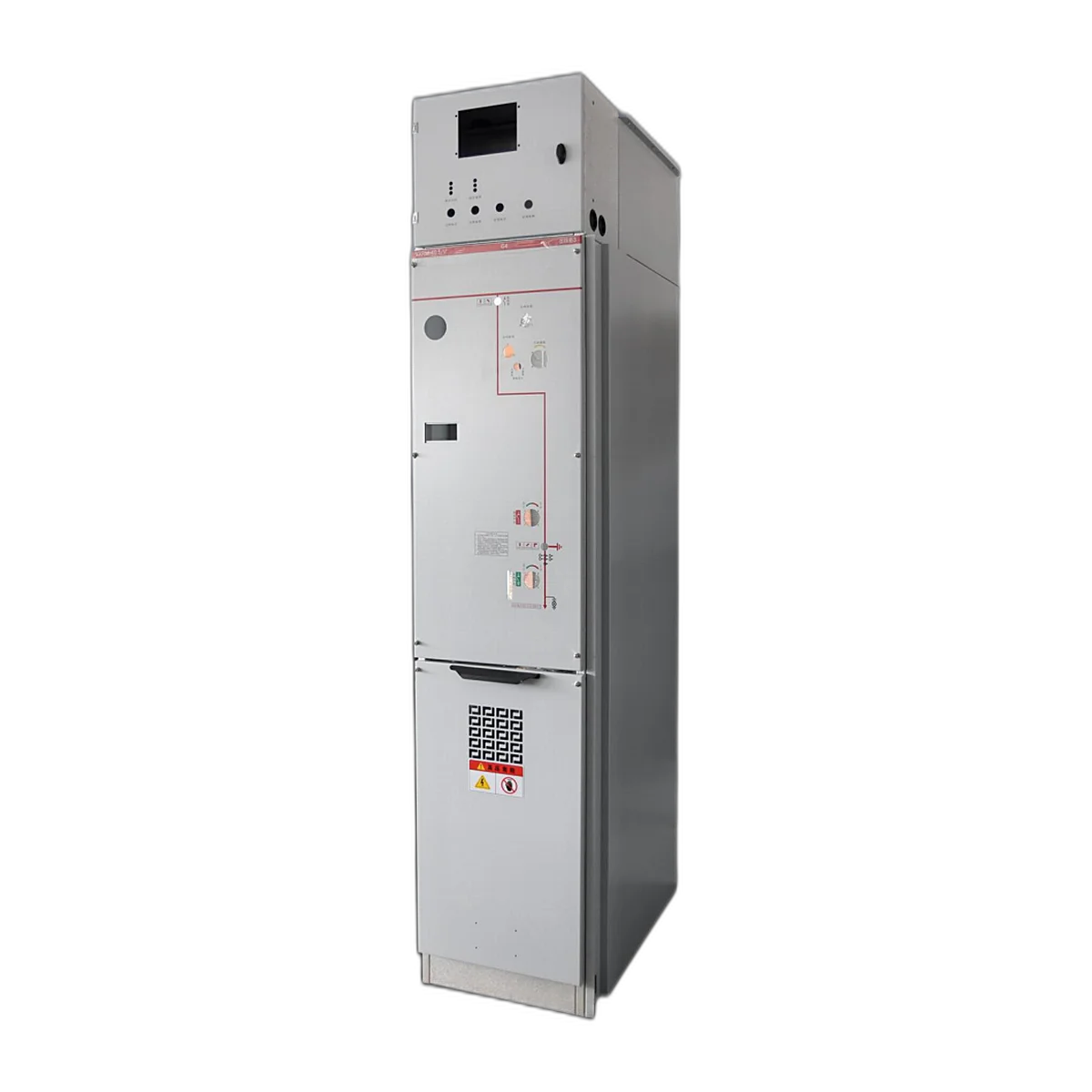
The last point leads to a practical implication: the location must be confirmed with an operator before installation starts. If it is done incorrectly, the box will have to be relocated afterwards.The same discipline applies to distribution equipment on the electrical side, where position determines everything from cable entry to access for maintenance — a single-phase or three-phase distribution box is far easier to live with when the position was decided before it was mounted, not afterwards.
Gas Meter Boxes Versus Electric Meter Boxes
Different products, different standards, and no interchangeability.
| Feature | Gas meter box | Electric meter box |
|---|---|---|
| Governing standard | BS 6400 series, BS 8499 (box construction) | BS 8567 (and historically the PRS8 standard) |
| Material | GRP, polyester moulding compound, minimum 3 mm wall | GRP or metal, with knockouts and cable entry |
| Fire performance | BS 476-7 Class 2 | Fire performance requirements differ |
| Internal fitment | Meter bracket, riser tube, Emergency Control Valve access | Meter board, cable entries, often a window |
| Distinguishing feature | Ventilation and safe gas dispersal; no drilling into cavities | Sealing against water ingress and cable management |
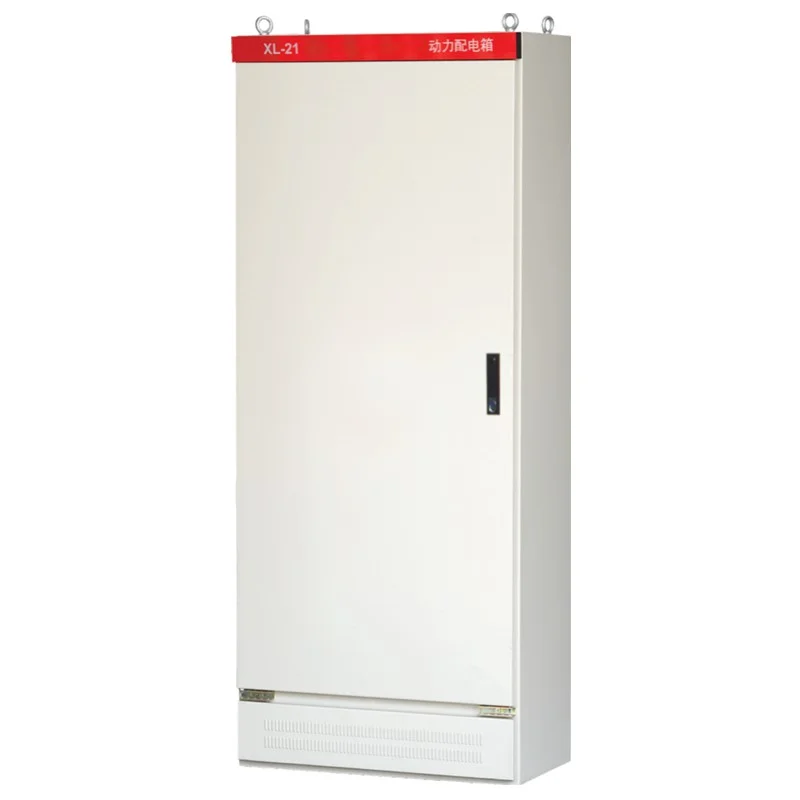
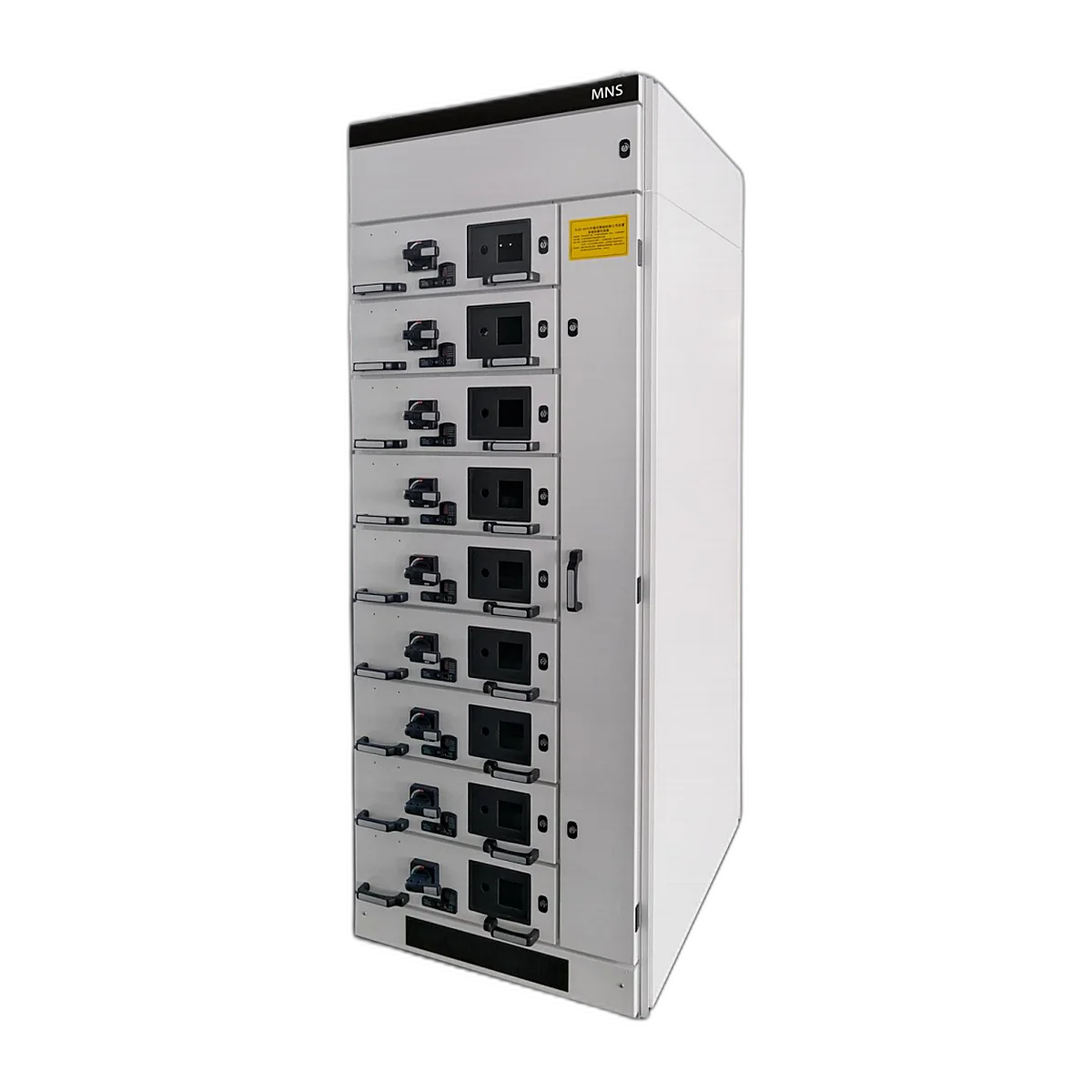
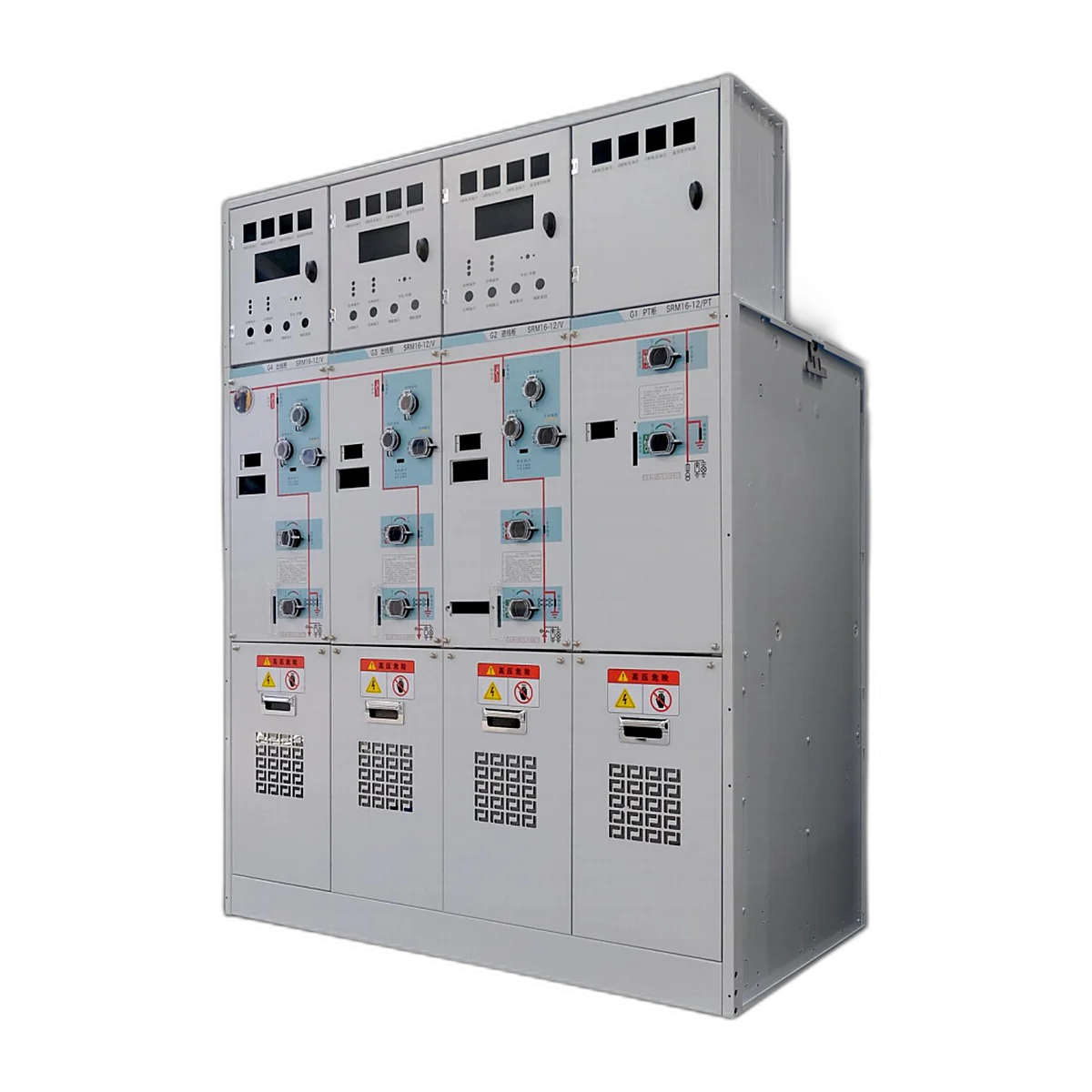
The gas box has been created in order to make sure that gas is ventilated and dispersed safely and that’s why there are certain rules concerning the placement of air bricks and access openings. The electric box will be built in the opposite way because it means that all cables must therefore be sealed and installed properly.Assuming one will do the job of the other is the mistake to avoid, and on commercial or multi-position installations the two are usually separate assemblies — the electrical side often integrated into a single unit at the distribution position, as with an integrated power distribution cabinet.
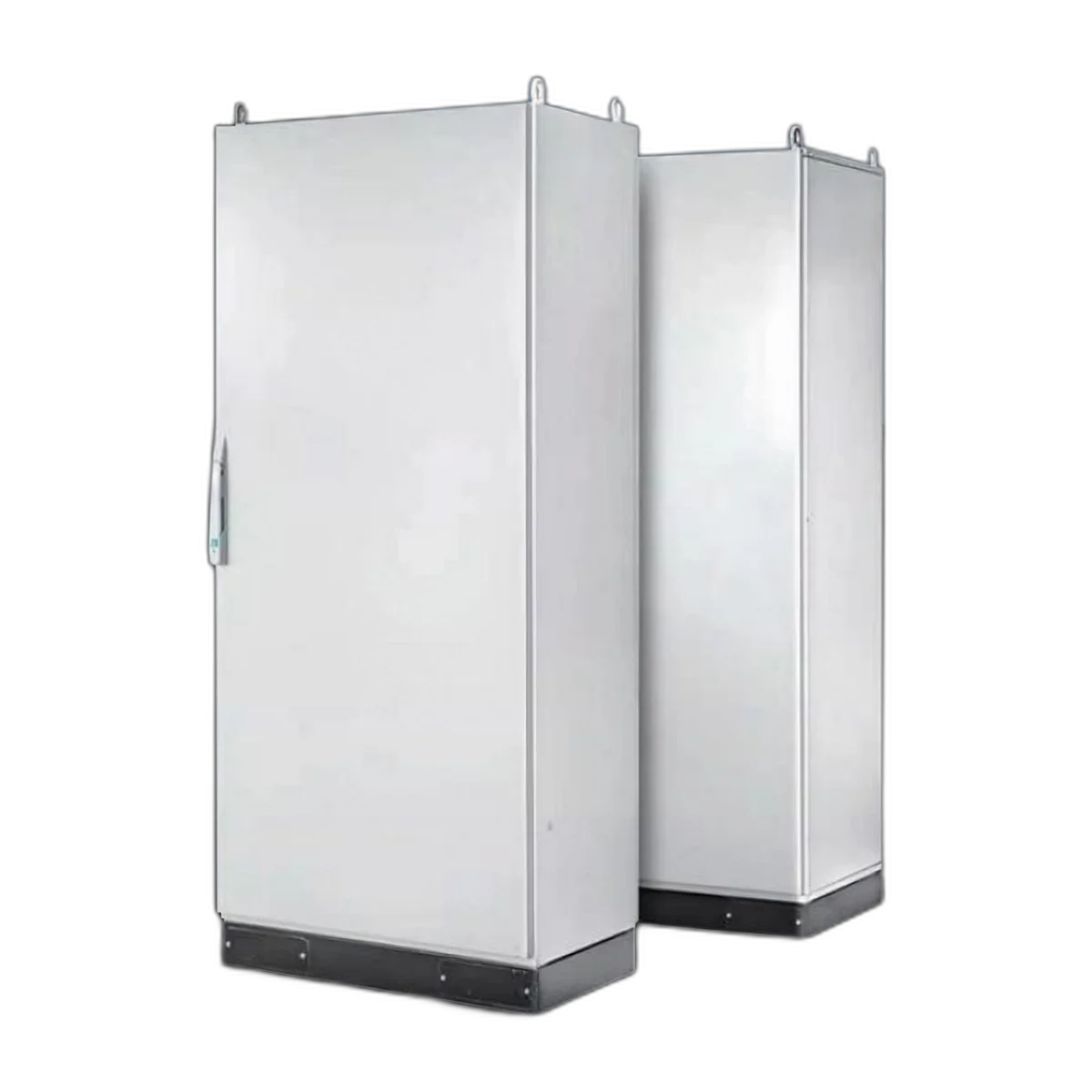
On different multi-dwelling and commercial locations, gas meter boxes can also be found in bigger free standing shapes for utility companies and big construction works, sometimes with explosion relief. They are very different when compared to domestic boxes in terms of specifications, and they are usually part of a network rather than being bought from a merchant.
How to Choose
Five questions in sequence, and the answer can usually be found by the second one.
- What is the current box, and is it being replaced? If the back plate is in good condition, and only the lid is damaged, getting a new lid will cost much less than taking the whole box — the overbox will deal with the damaged Box Mk1 without taking off the rear section from the wall.
- What type of meter is or will be installed? Smart and prepaid meters need boxes that fit their devices. Here is where old metal boxes fail, that is why universal design has taken over.
- What does the wall allow? Recessed implies cavity, solid means surface-mounted, and elevation restrictions mean semi-buried.
- What will the operator tolerate? Ask them before you purchase anything. Especially for semi-delicate replacements, the operators do not typically allow any other design than theirs in the same position, which is why other boxes will be rejected.
- Who will install it, and when? Recessed boxes require builders’ activities; surface and universal boxes are usually installed by the operator’s team.
When it is a part of a wider project of either new construction or refurbishment, the metering position is a decision among many: how to manage power supply, where the meter is and thus work is carried out from.Getting that layout settled as one scheme rather than in sequence is what the residential building distribution solution is about, and the metering position is one of the inputs rather than an afterthought.
Frequently Asked Questions
What are the four types of meter boxes?
Evaluating gas external box types, there are four classifications namely surface-mounted, recessed (or built-in), semi-buried (or semi-concealed) and universal (or multibox) meters box. Surface mounted boxes are secured by relaying on frame or structural anchoring. Recessed or built-in gas external boxes are placed on the newly-built cavity wall structure. Semi-buried box is a style of box that has itself been widely replaced by the modern universal box. The last gas external boxes called as multiboxes, functions as universal receivers of various domestic meters including smart meters.
What are the different types of gas meters?
Most residential gas meters are diaphragm (also known as positive displacement meters) that measure gas by filling and emptying chambers of a certain volume, such as the “G4” and the “U6” sizes. However, big industrial and commercial locations use rotary meters for medium volume and turbine meters for high volume gas. In addition to those physical types, the gas meters can also be classified commercially, is they can be credit meters (that bill periodically), prepaid meters (that are paid in advance) and smart meters (that provide both debit and prepaid services). The type of meter depends on the maximum demand at the supply point, not on the homeowner.
How much does a gas meter box cost?
At the UK, a standard domestic GRP gas meter box generally costs between £60 and £200, according to type and size. The surface-mounted boxes and recessed models will cost less than universal or multi-position units, and their doors or lids will cost £20-£60. An overbox is a box that fixes a broken one without removing the existing one from the wall. Overbox is expected to cost £70-£120. The cost of installation is separate and should be accounted for, which may involve a network operator or builder carrying out paving work, so the cost of labor and any roadwork should be accounted for.
Can I replace my own gas meter box?
In many cases, you can install the boxes themselves, since they are considered a merchant’s or builder’s item and not part of the gas installation, but anything involving the gas pipe, meter, Emergency Control Valve and the position of the termination must be carried out by the network operator or a registered Gas Safe engineer. However, two limitations should be noted before you start. The builder has to install the recessed box before making the meter appointment, and it must not be drilled or fixed in a way that would allow the gas to enter the wall cavity. Moreover, when the operator replaces a damaged semi-concealed box, they will only accept the current version of their approved design in that position. Therefore, ensure that you check what the operator will connect to before making any order.
References
- Tricel UK — gas meter box range, dimensions and standards compliance
- MeterBoxesDirect — replacement gas meter box types and door sizes
- SGN — gas connections, meter positions and service alteration guidance
- Gas Safe Register — gas work competence and what must be done by a registered engineer
- National Gas — gas transmission and meter installation information
Conclusion
There are four types of boxes, one installation logic, and a collection of siting rules that determine which box type is allowed. You can use either recessed for new construction, surface-mounted for retrofit in an accessible elevation, semi-buried for unaccessible elevations, or universal that is the default for smart meters and modern meters. Make sure you are clear about the standards and about the wall’s type as well as the equipment being used by the operator, and finalize the box’s position before starting any fitting operations. Then keep the discussions of the box and the meter separate, as the box is your choice and meter is your operator’s choice.