
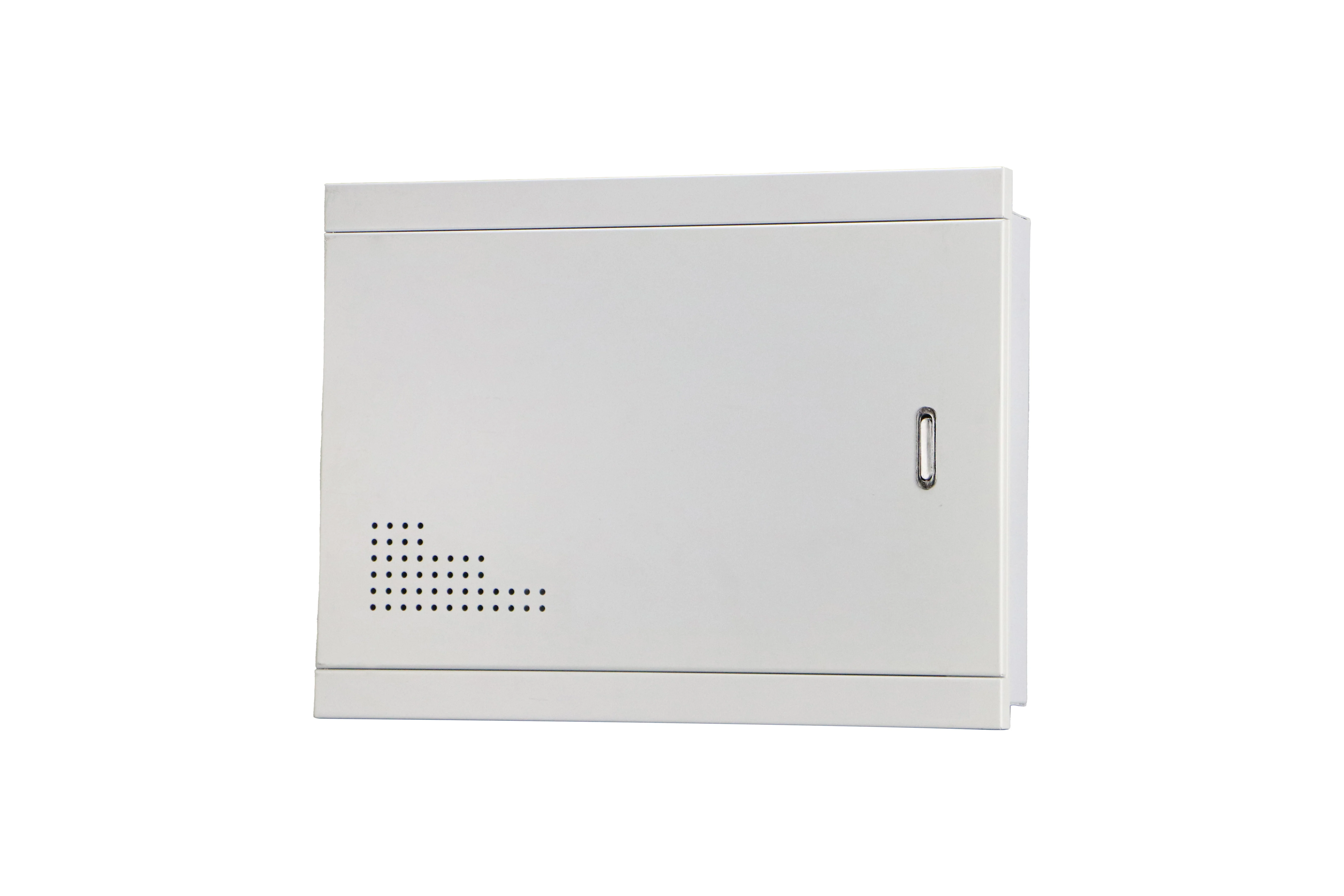
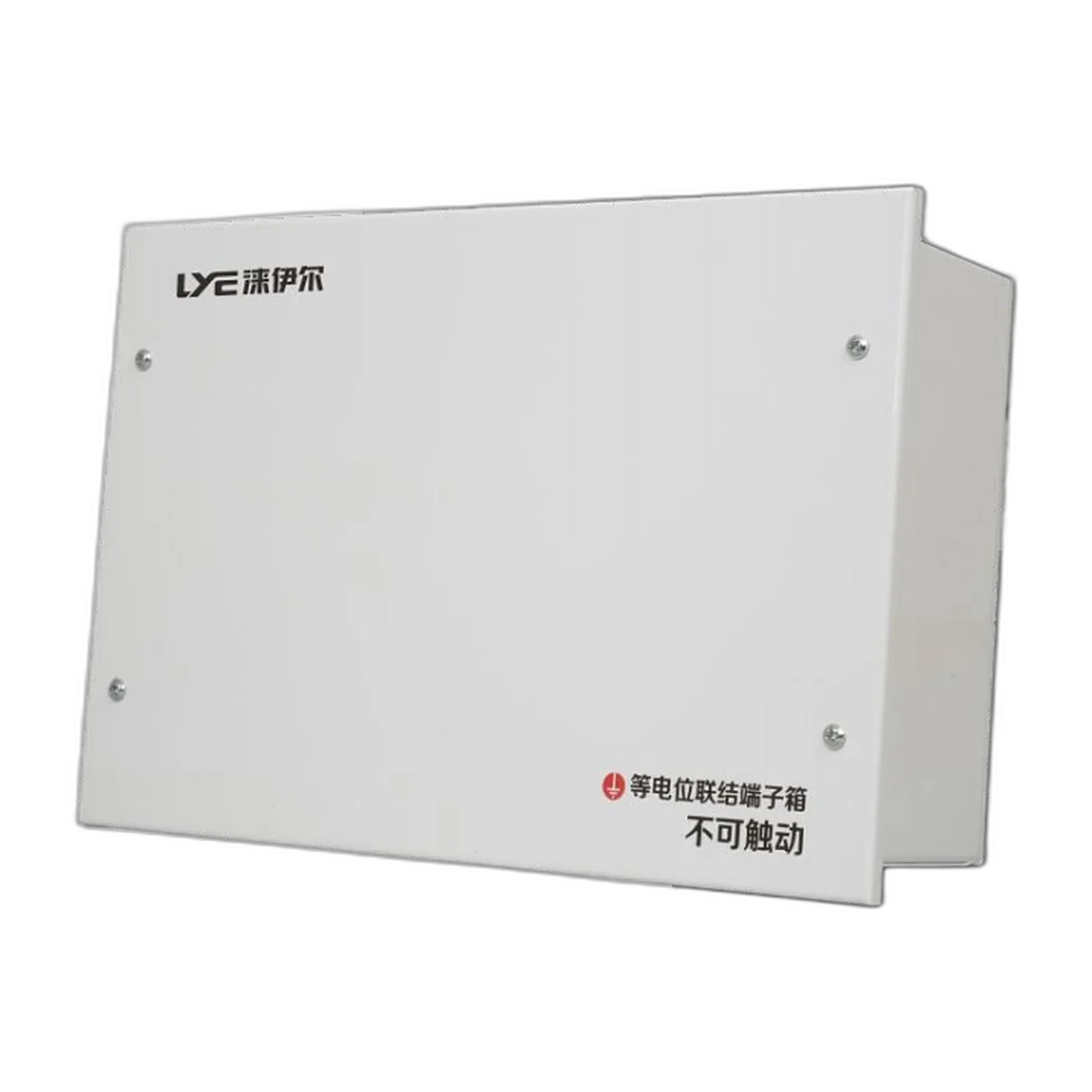
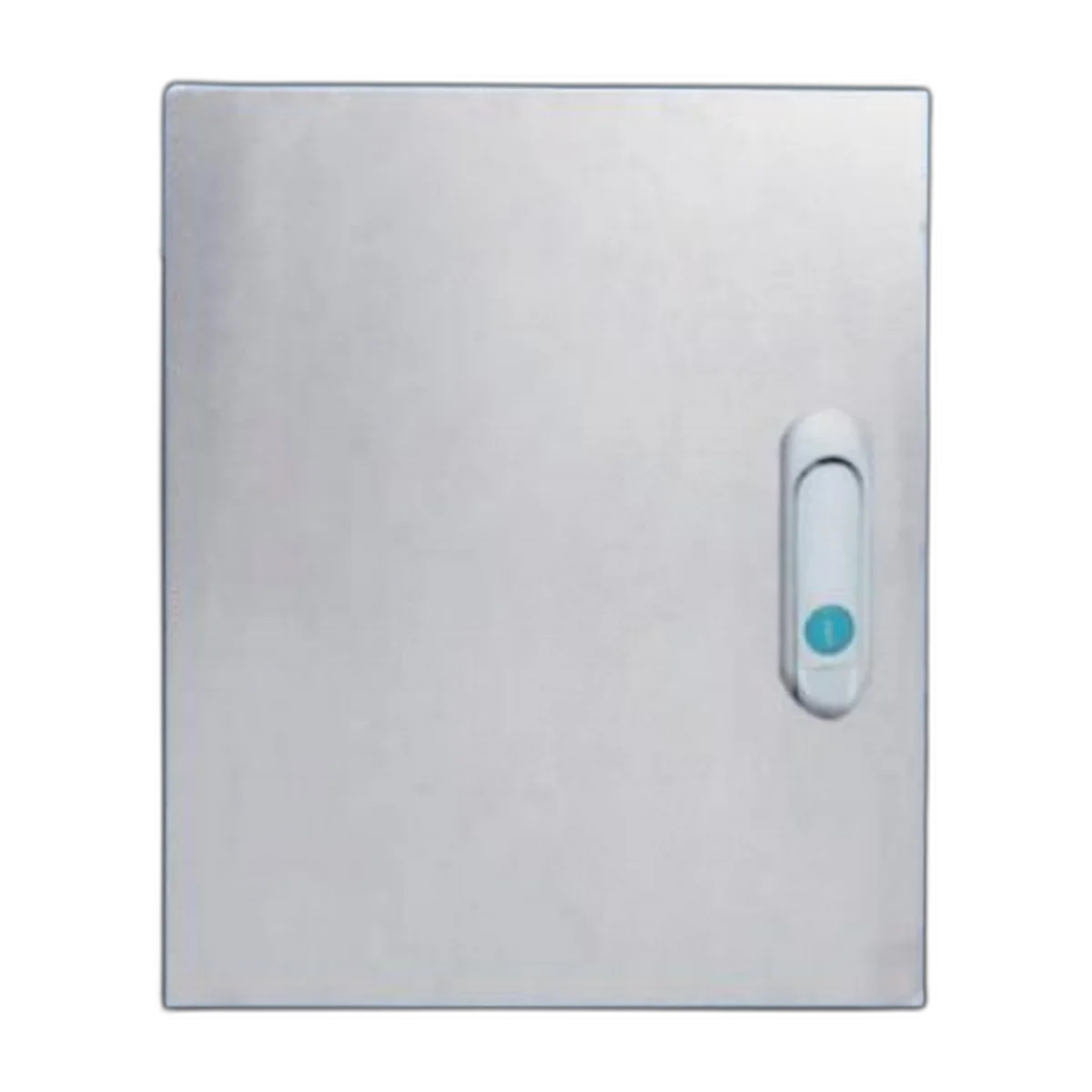
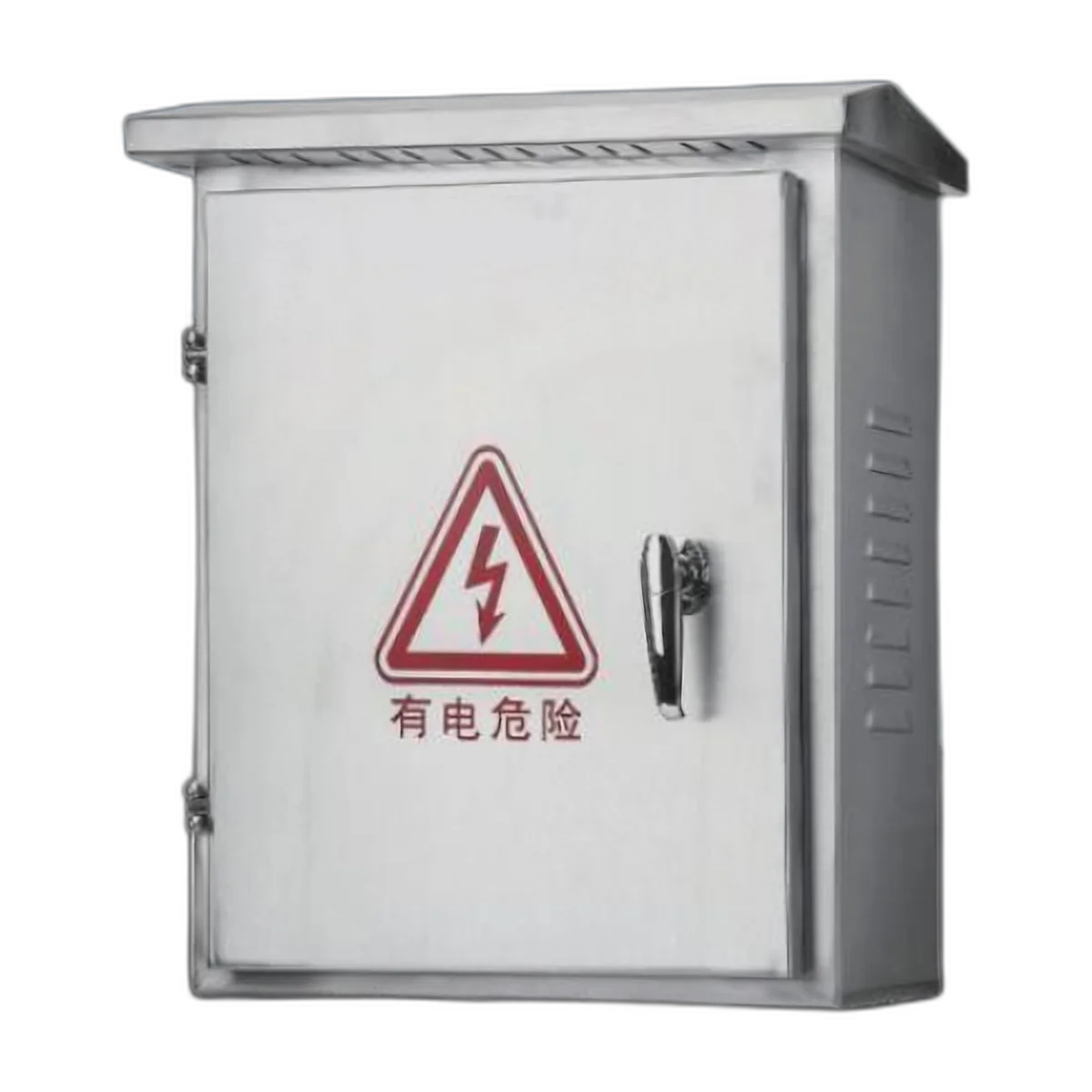
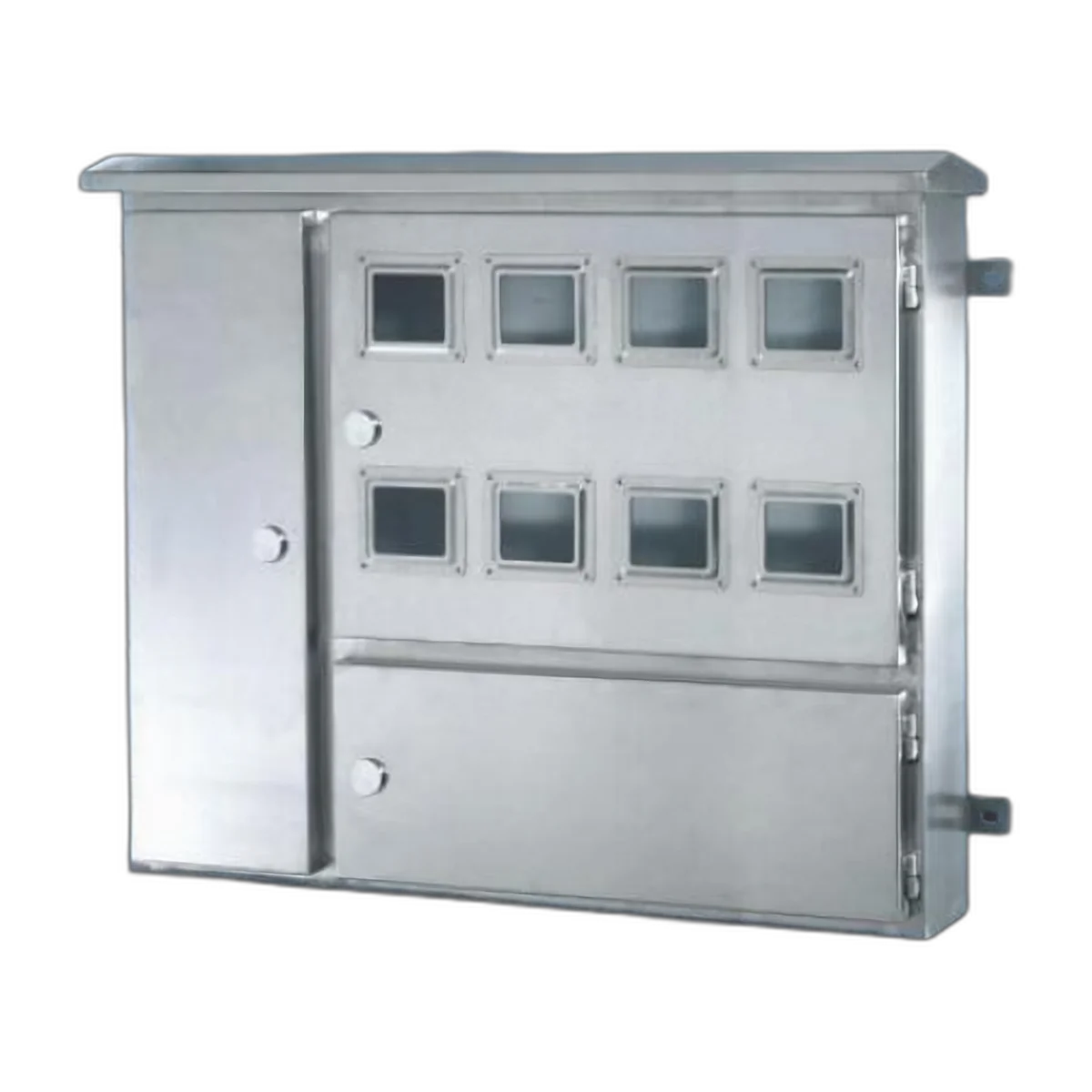
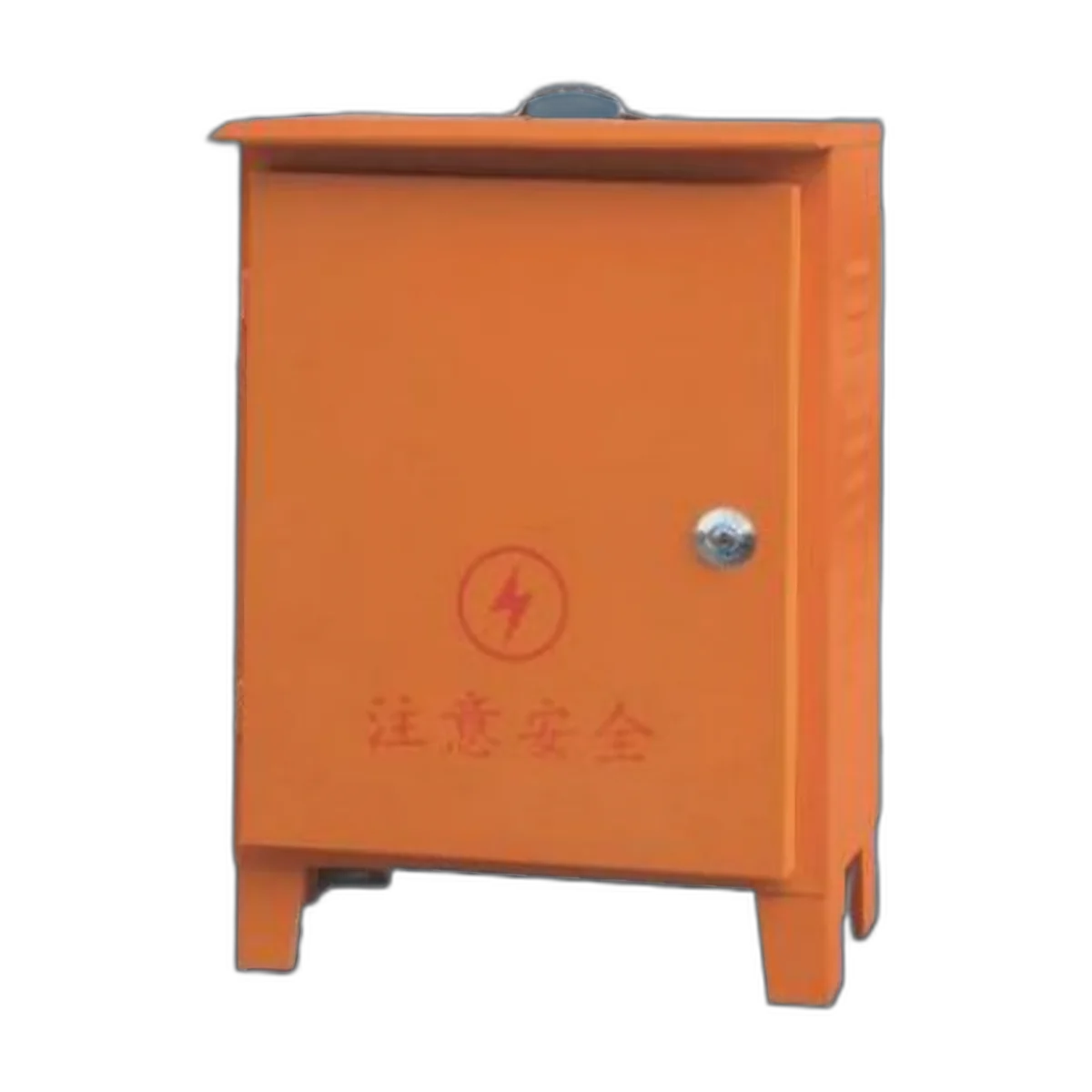
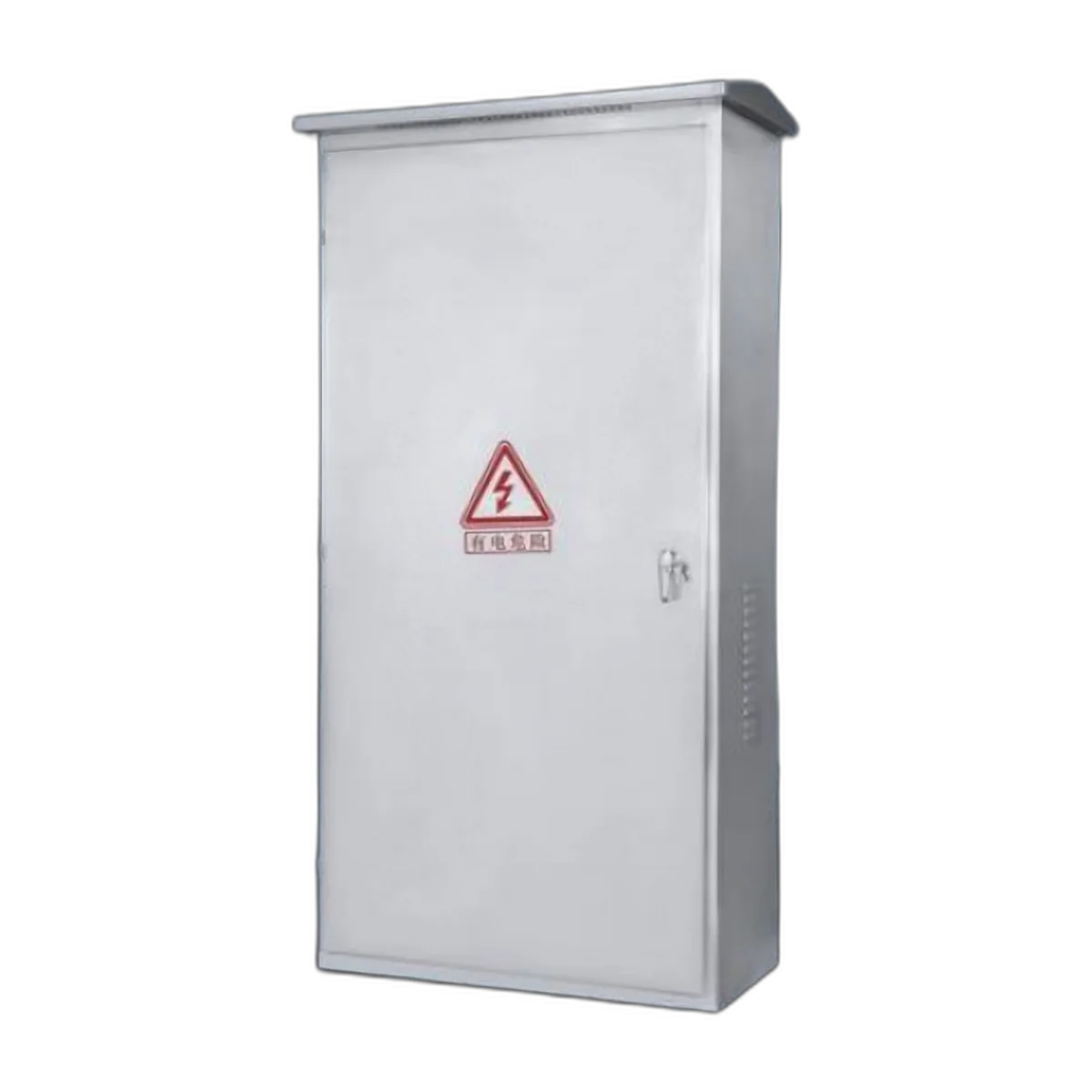
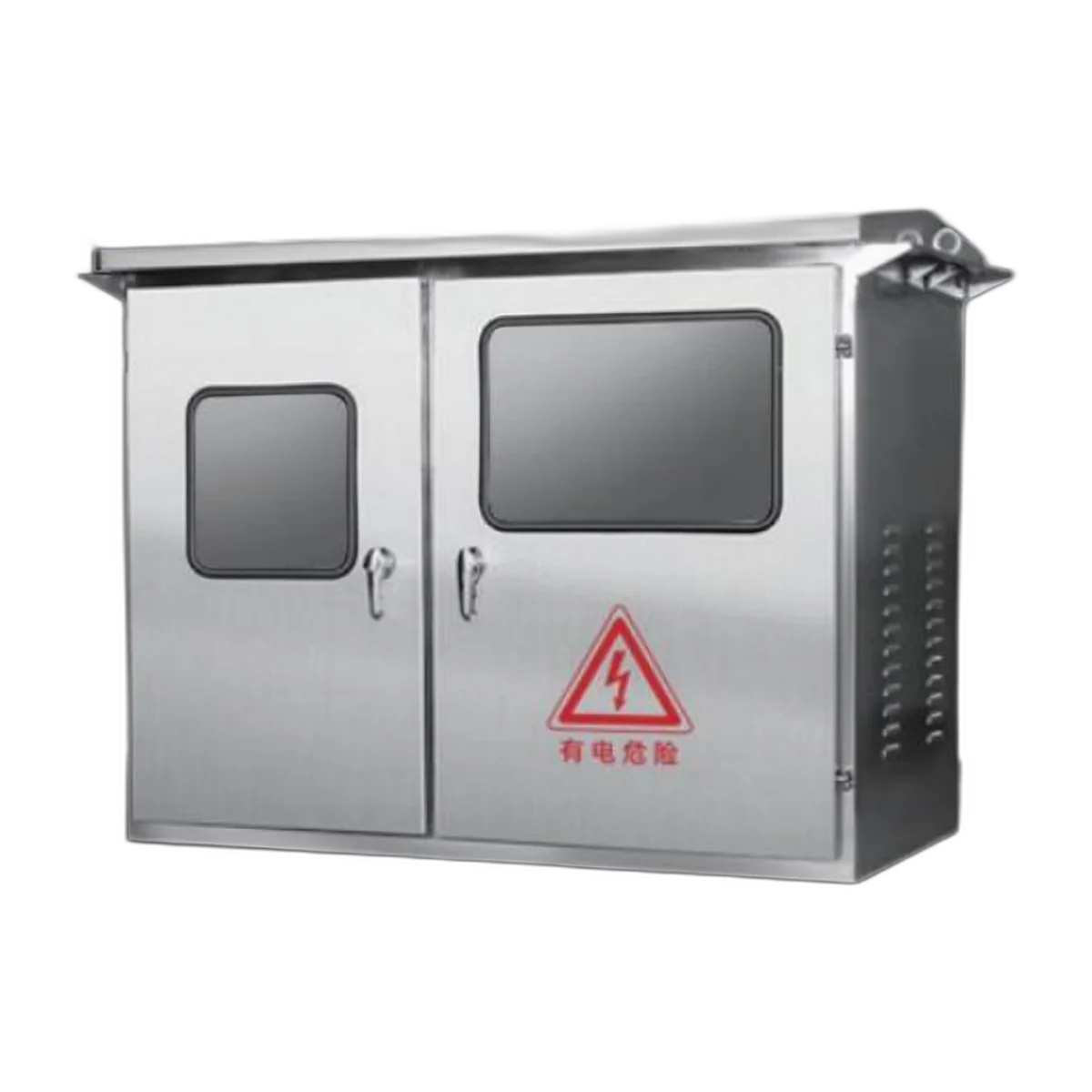
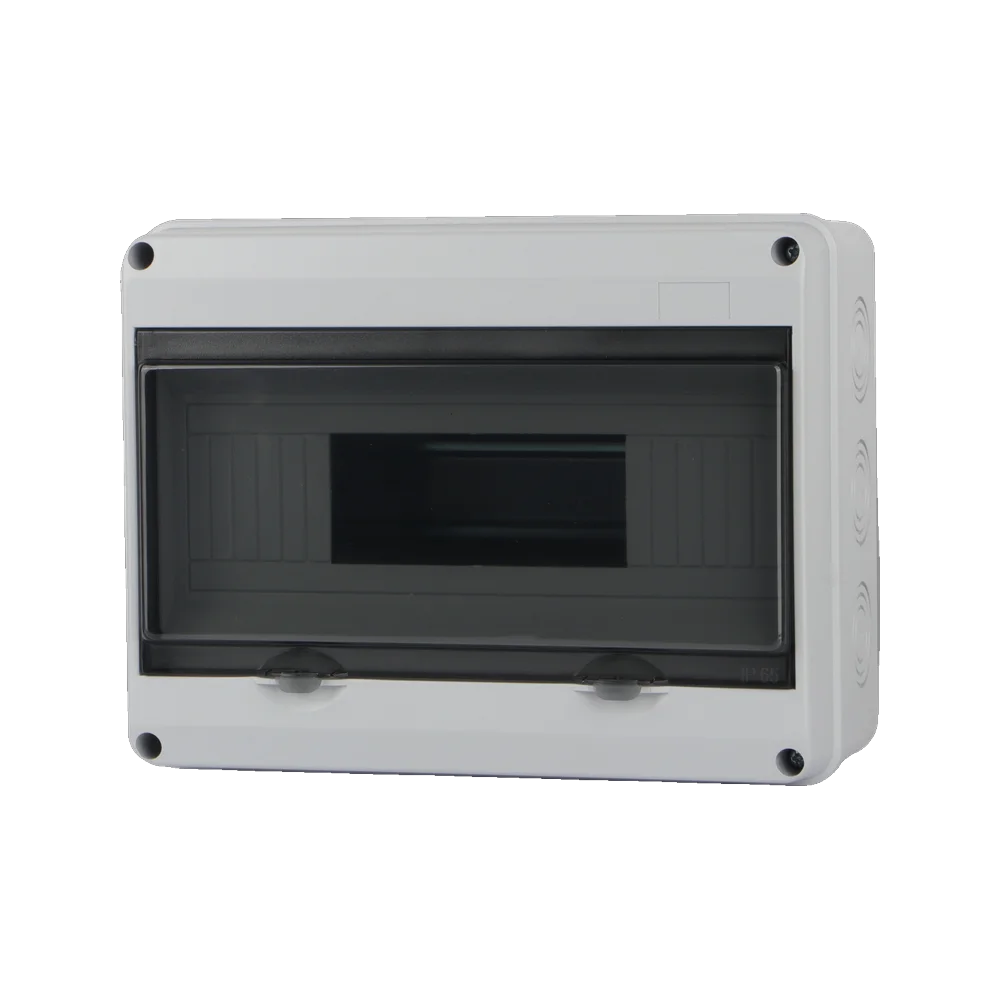
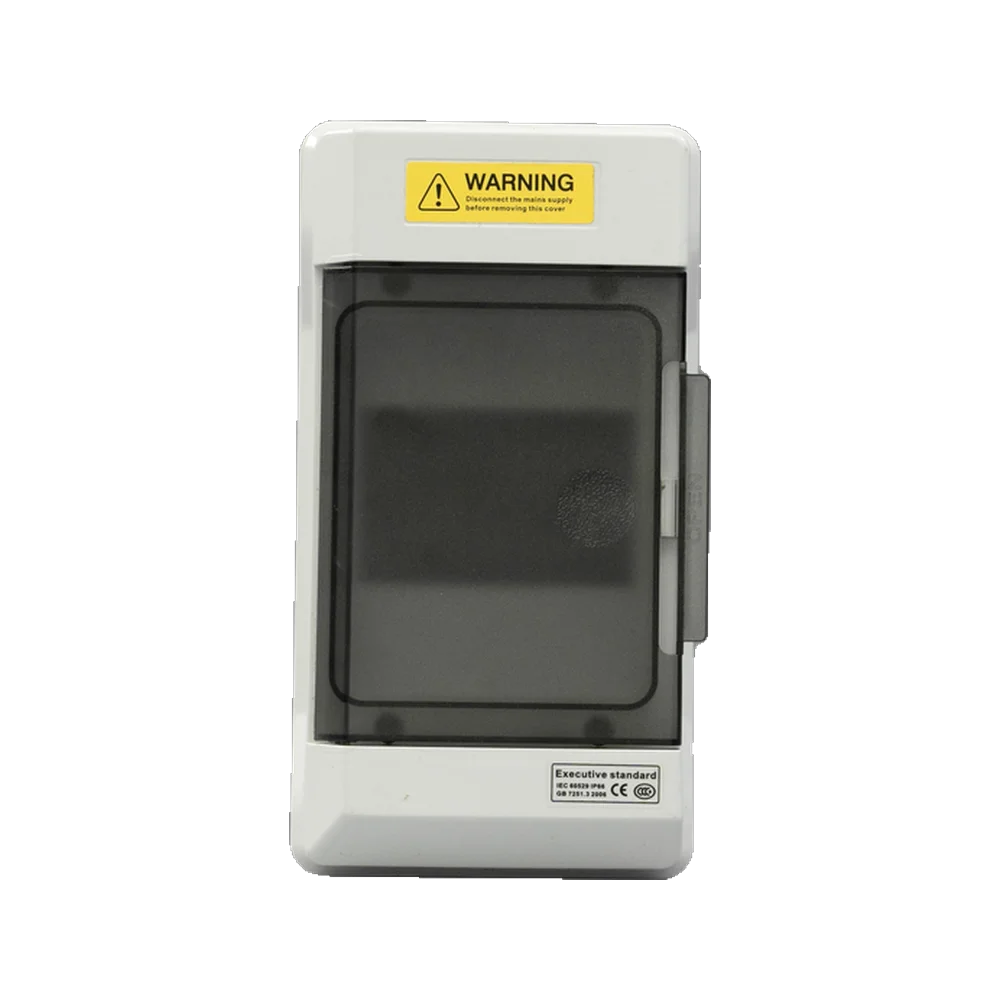
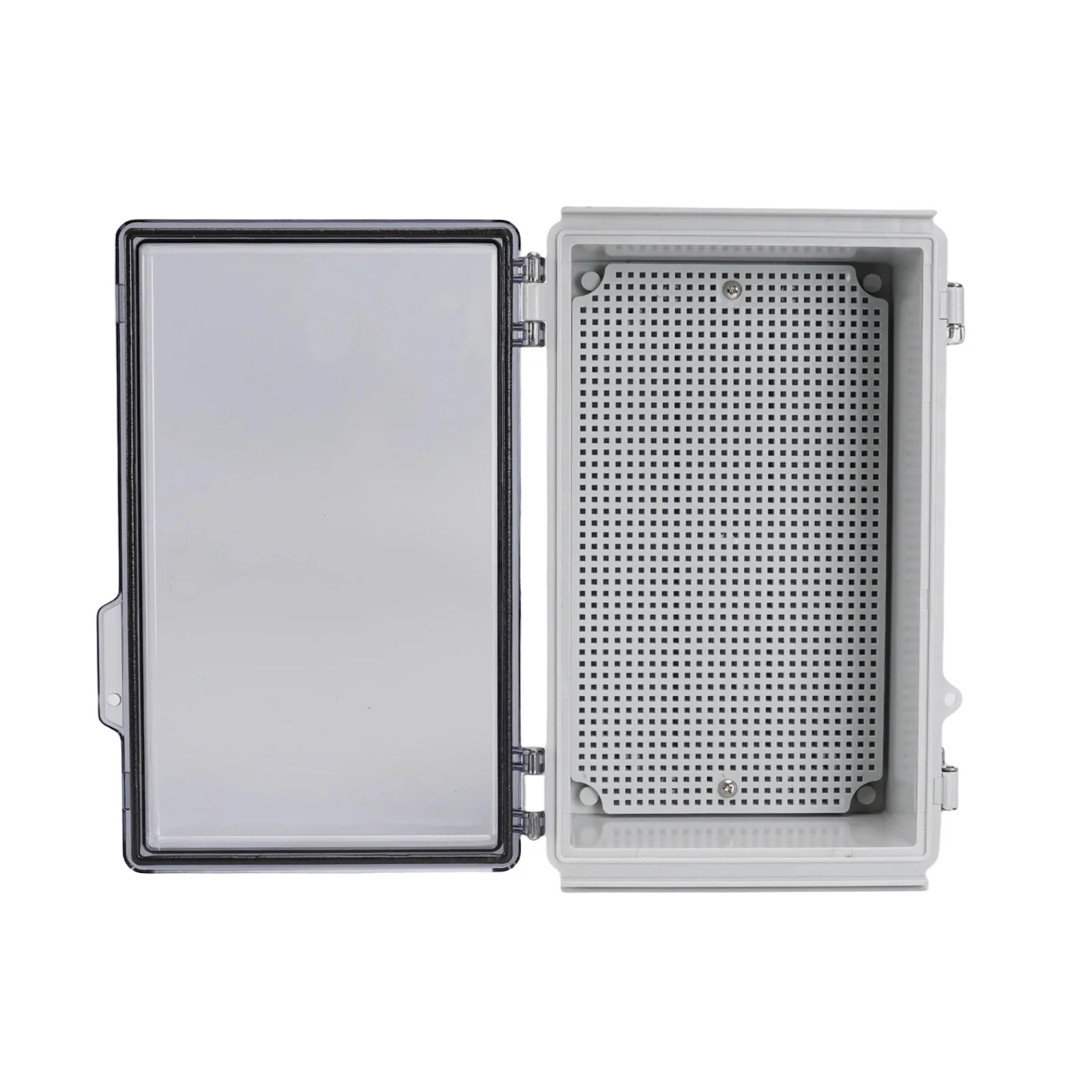
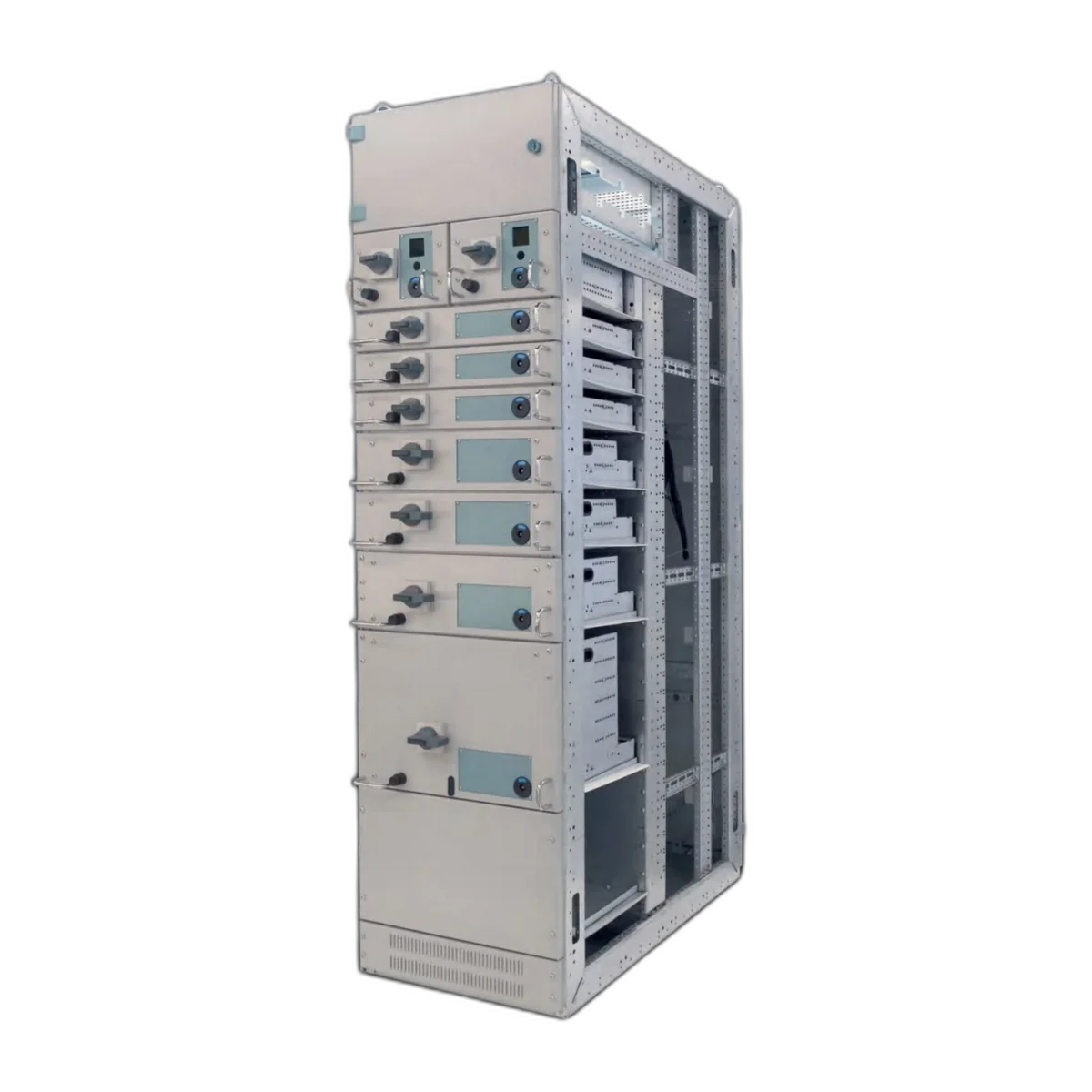
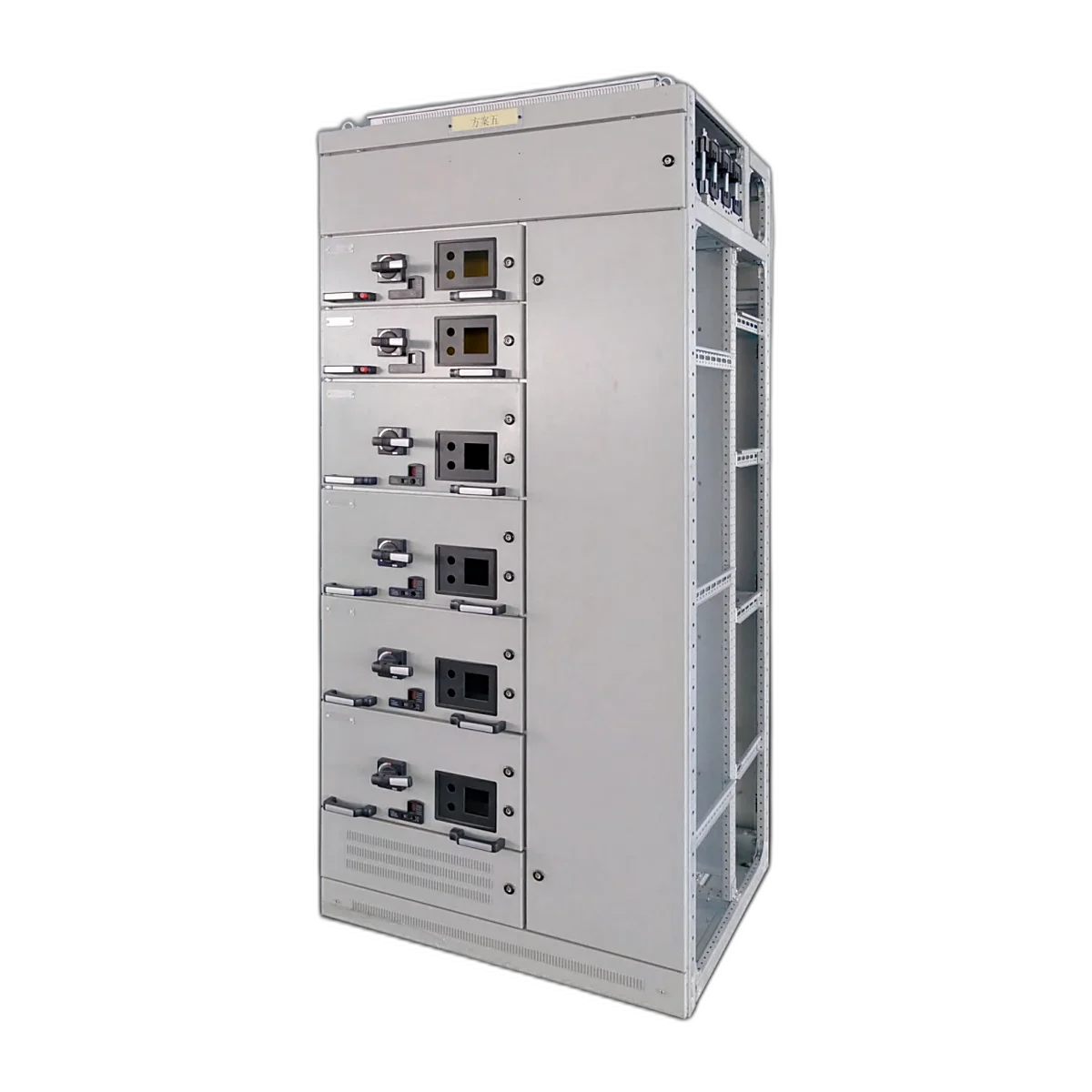
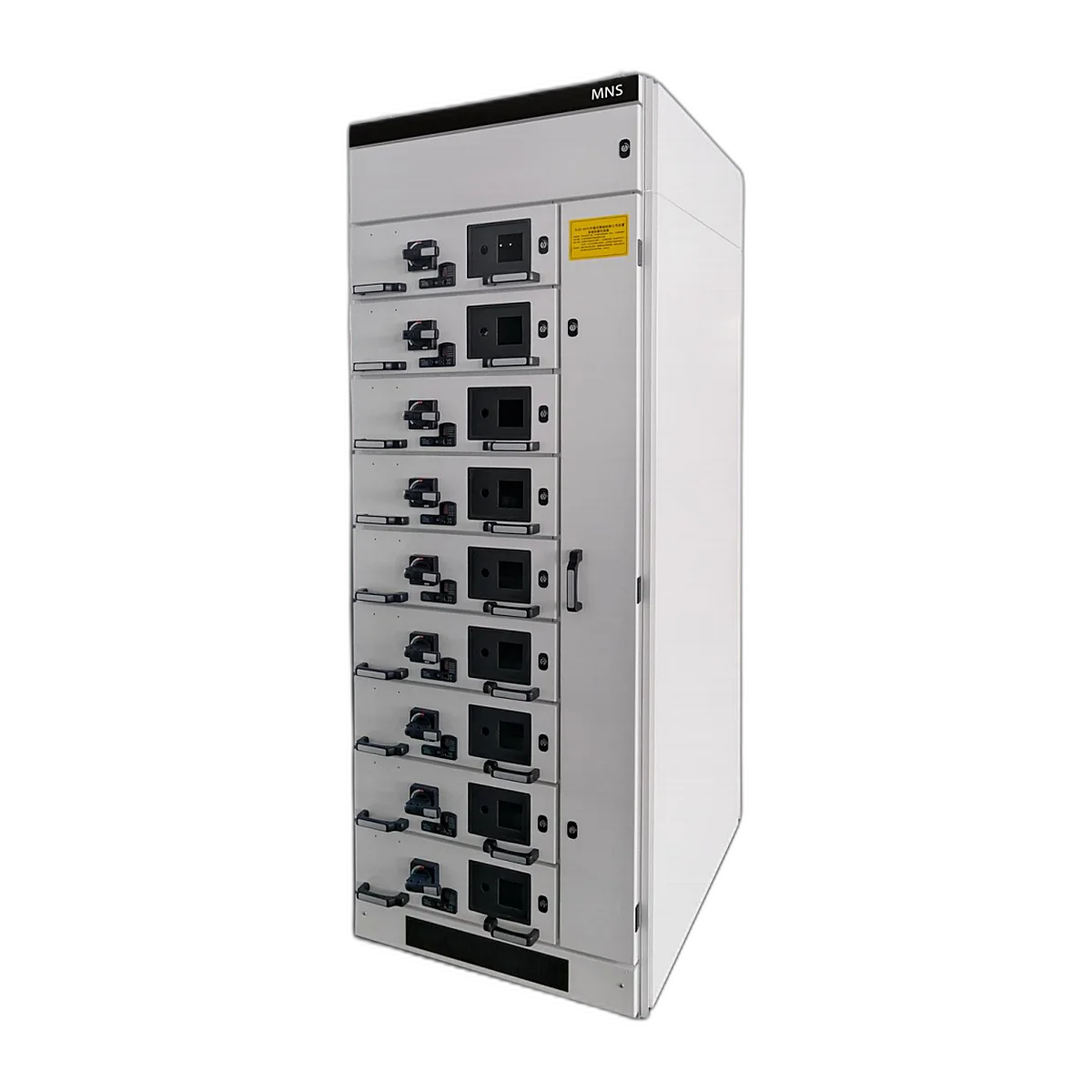
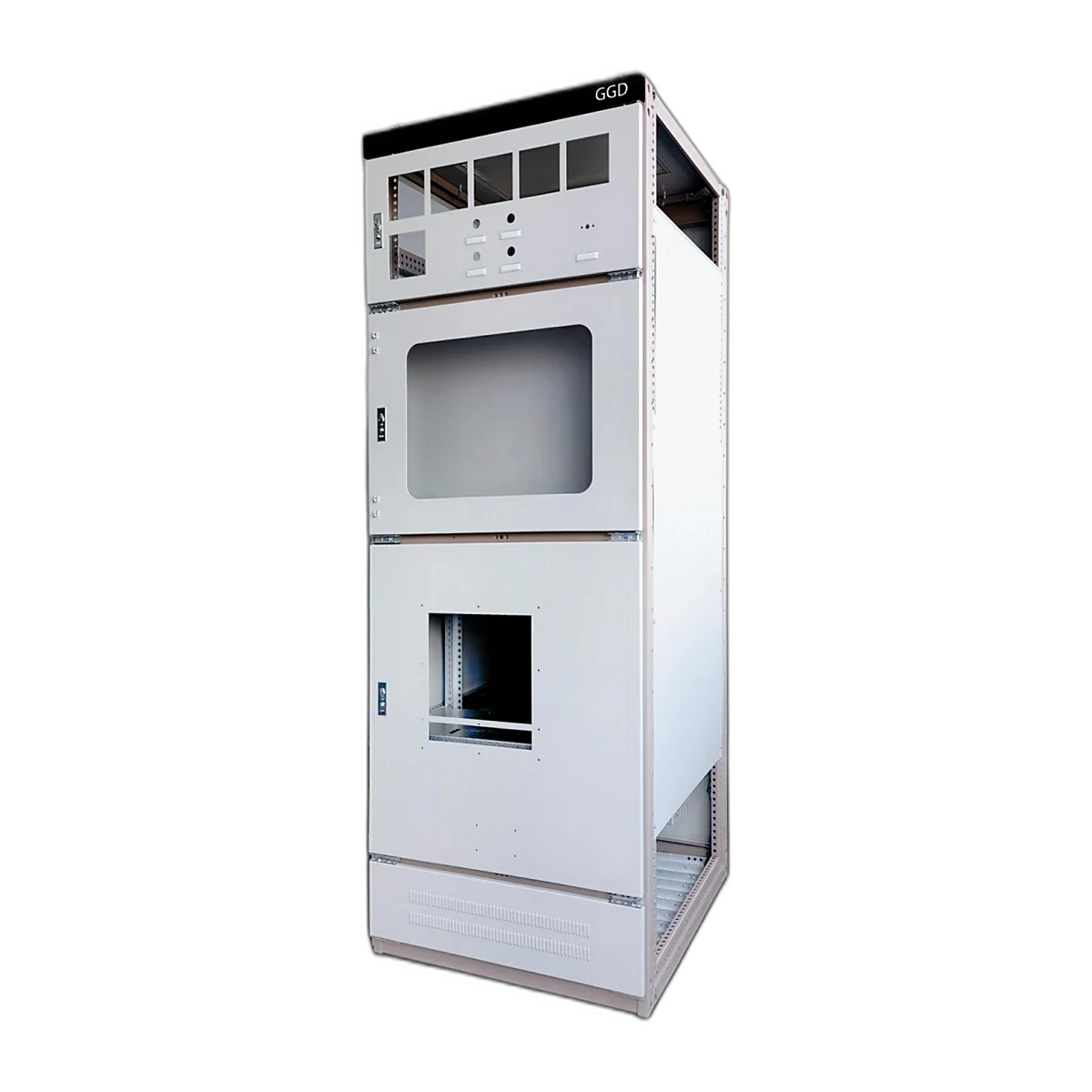
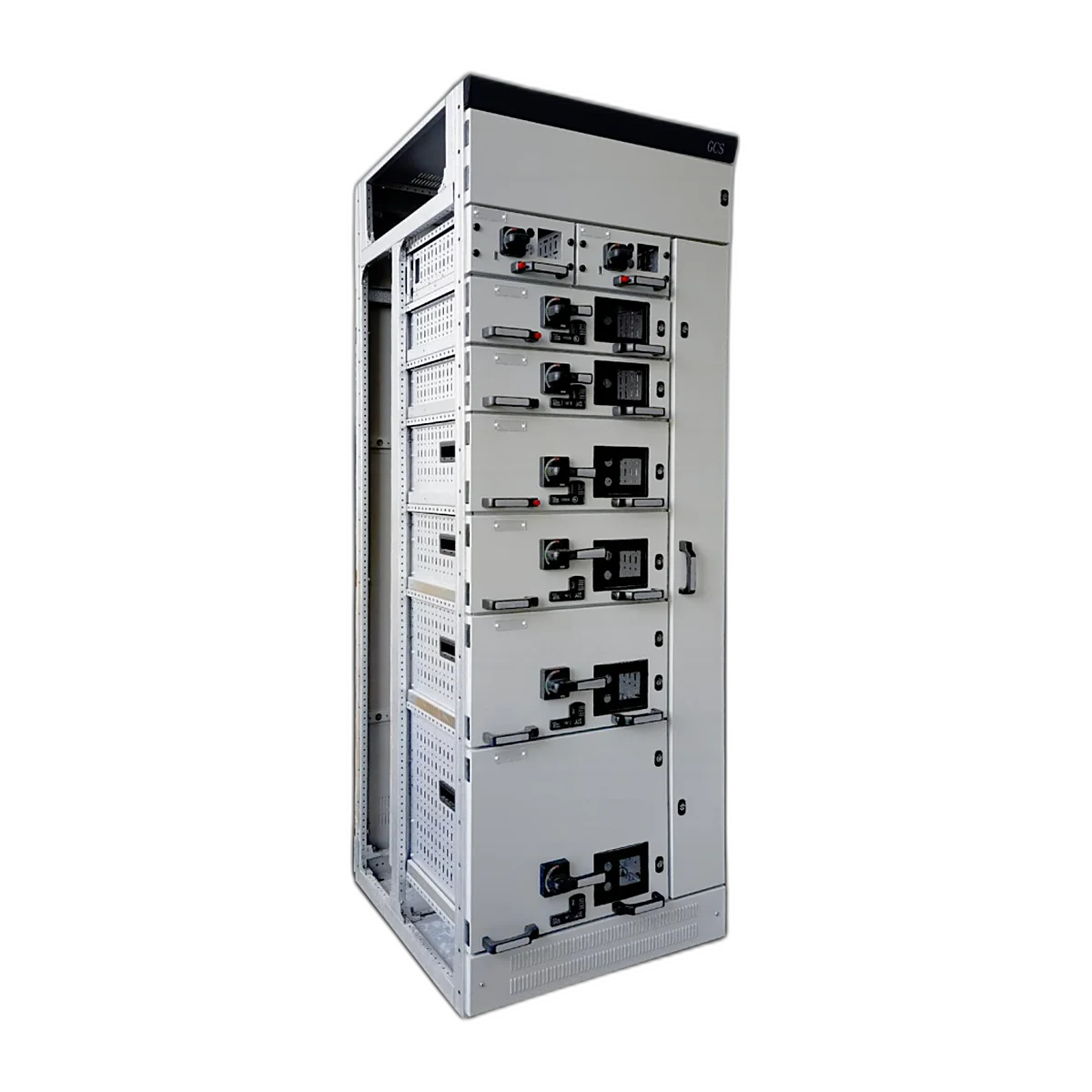
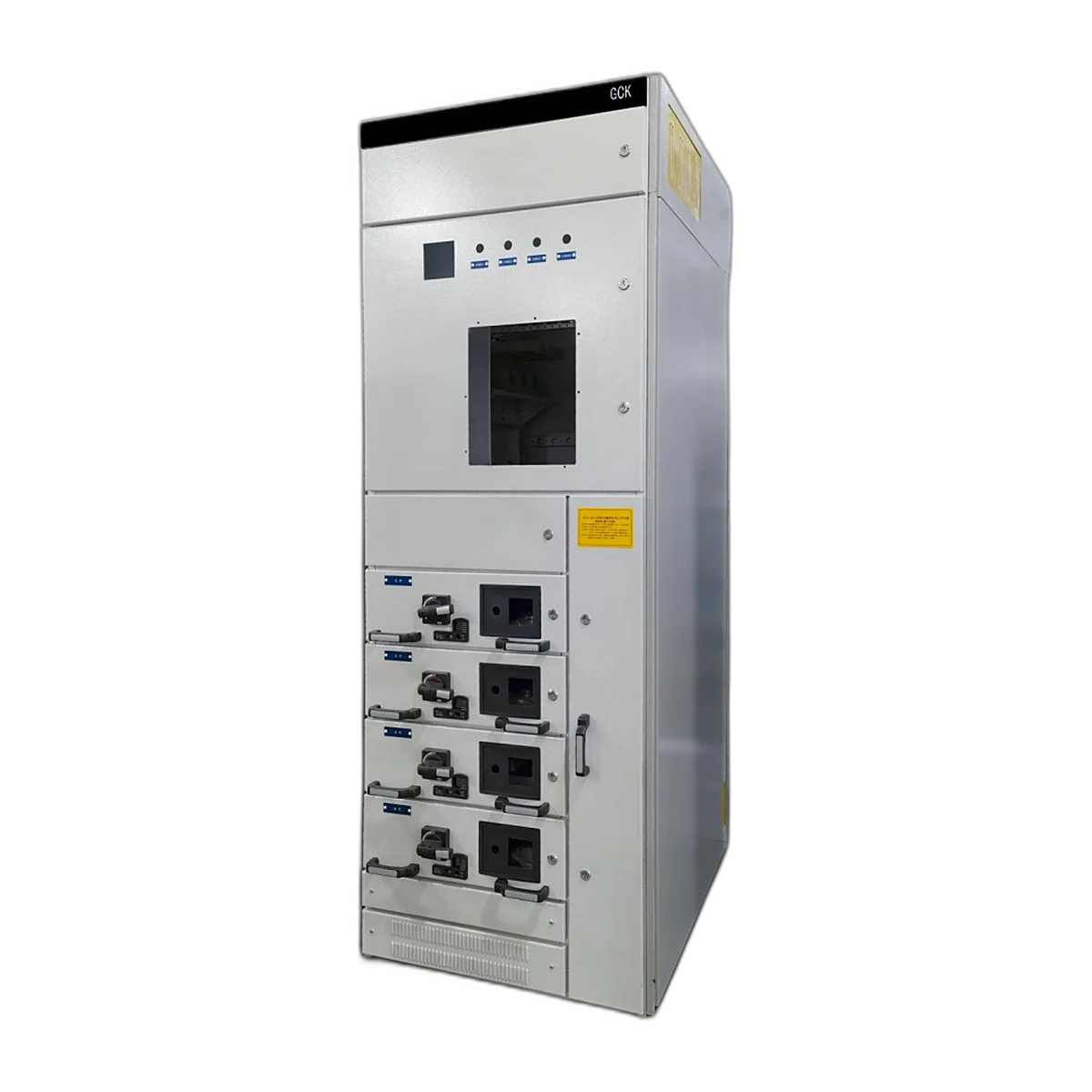
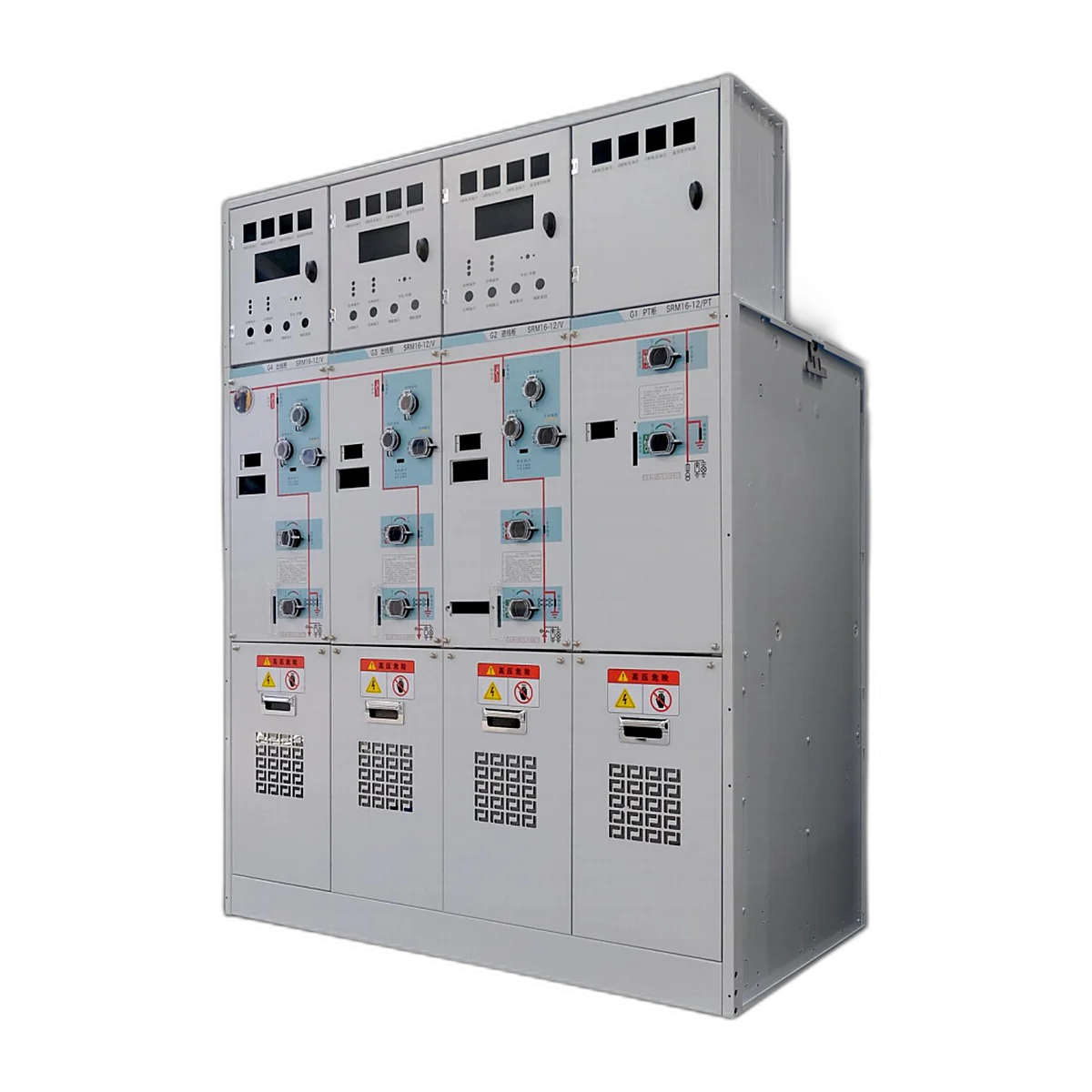
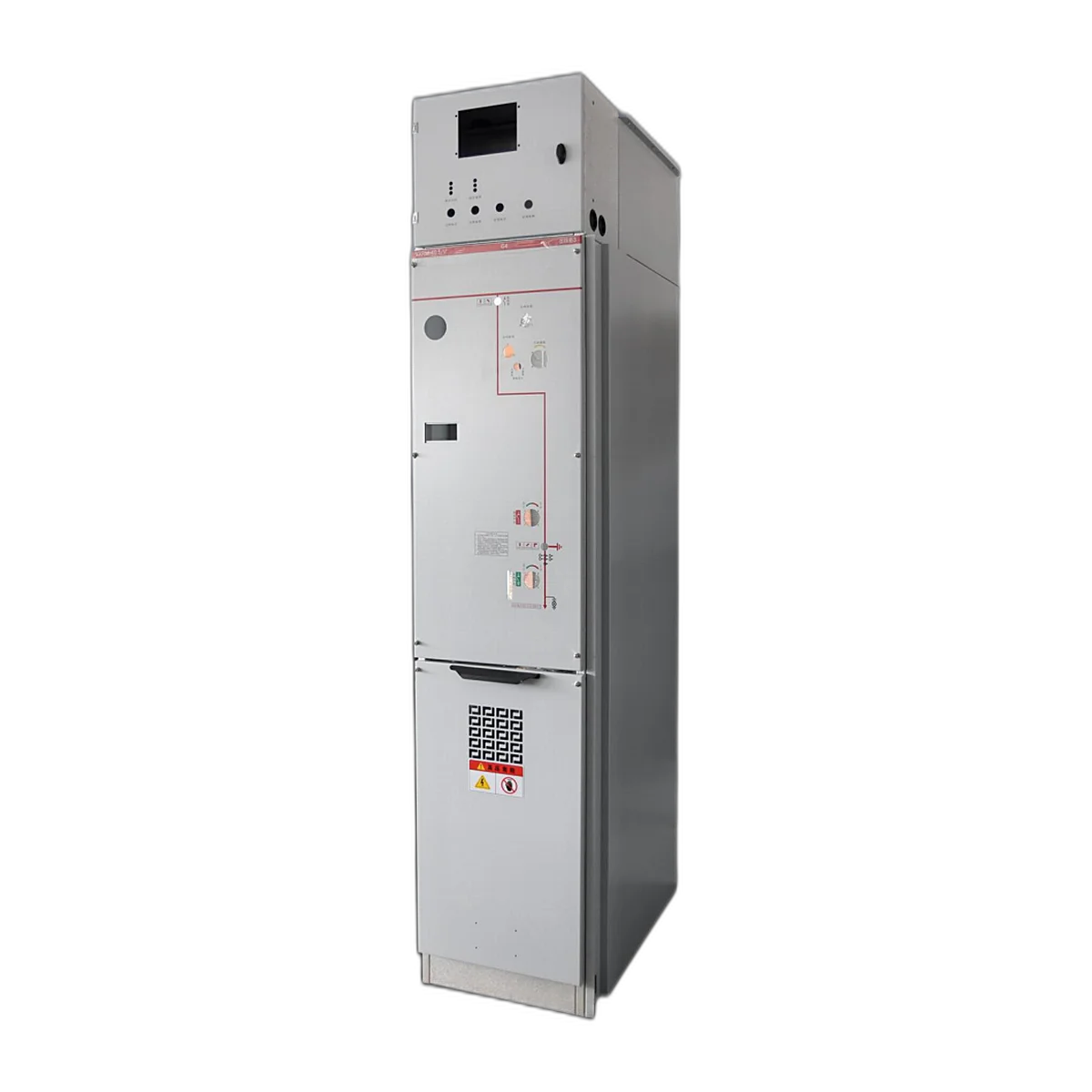
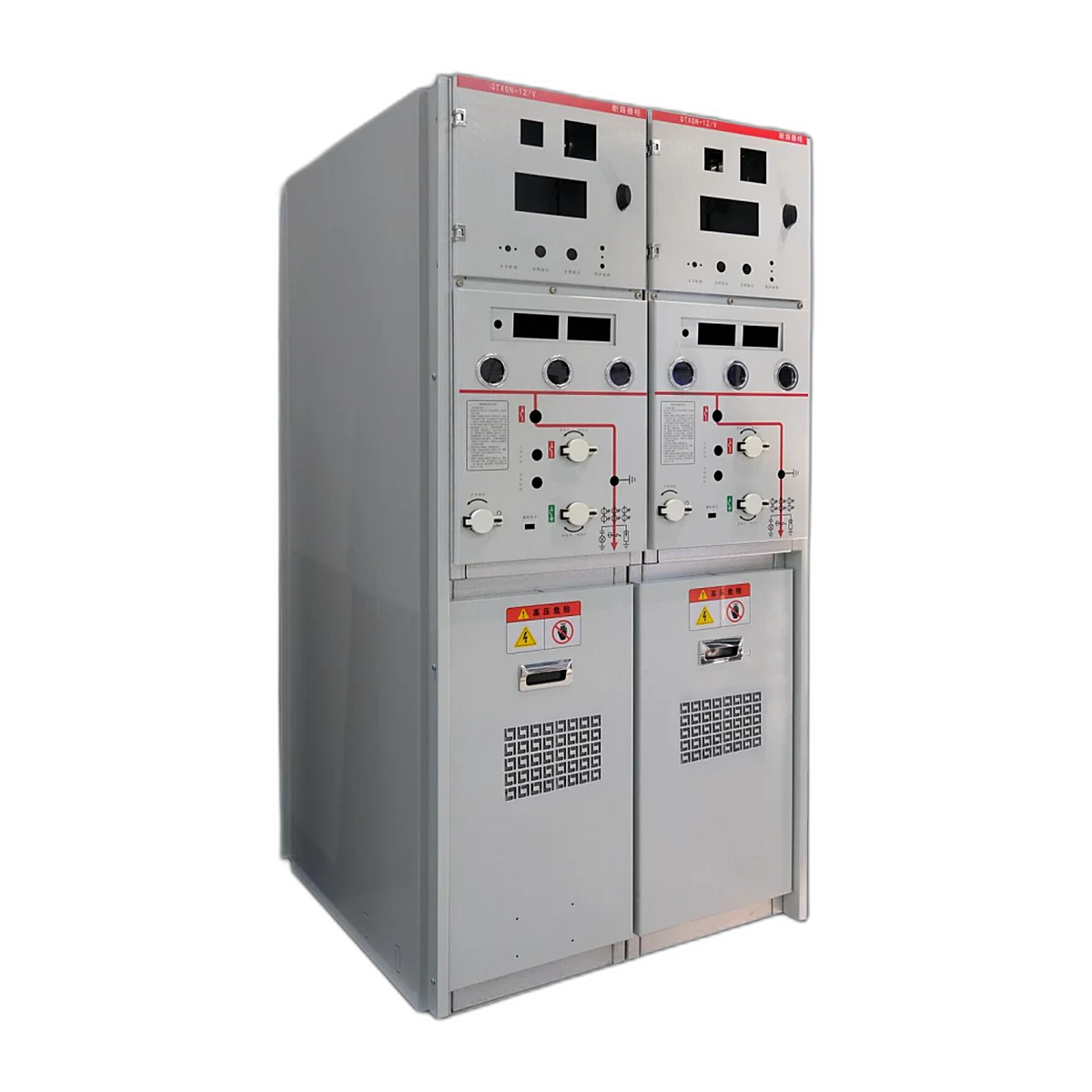
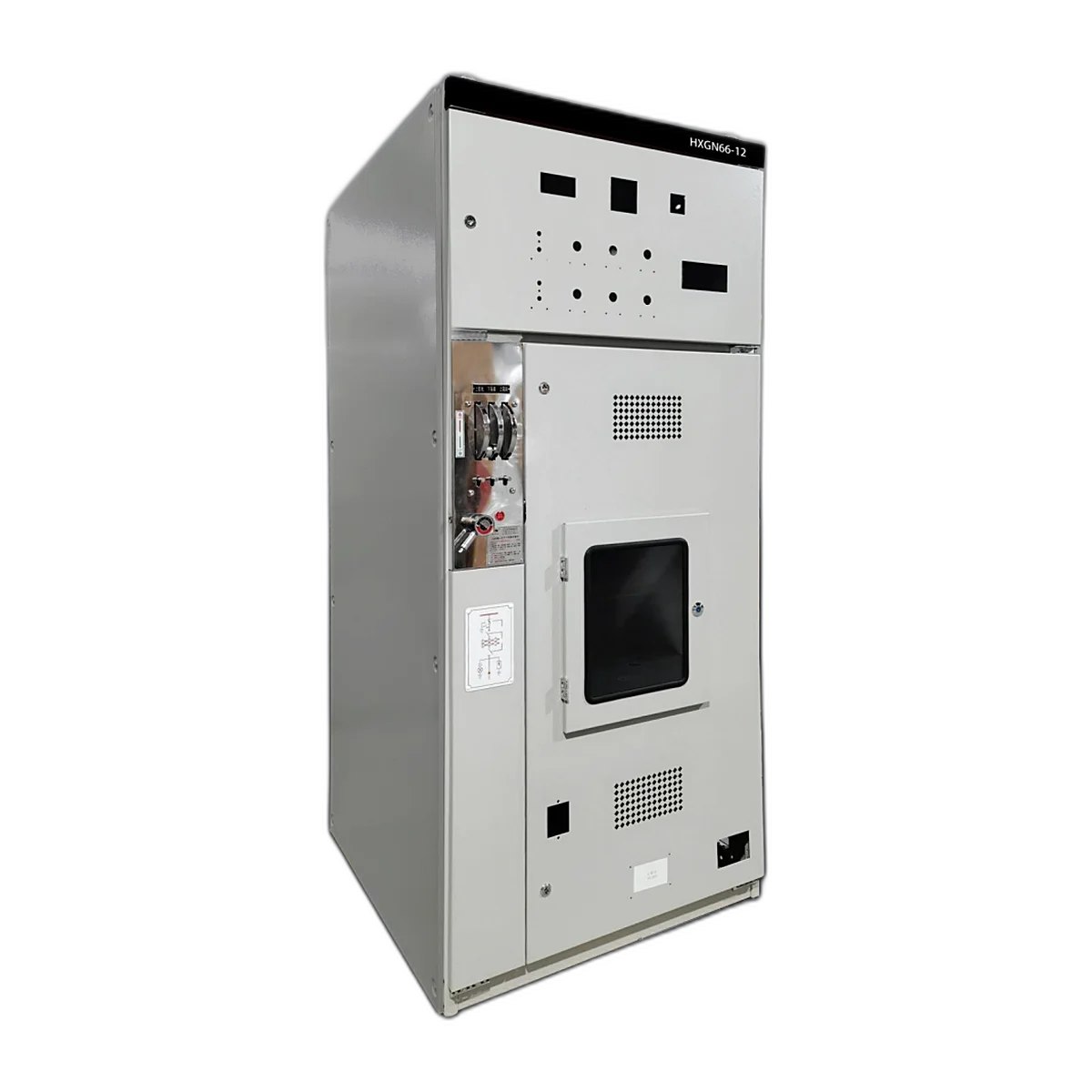
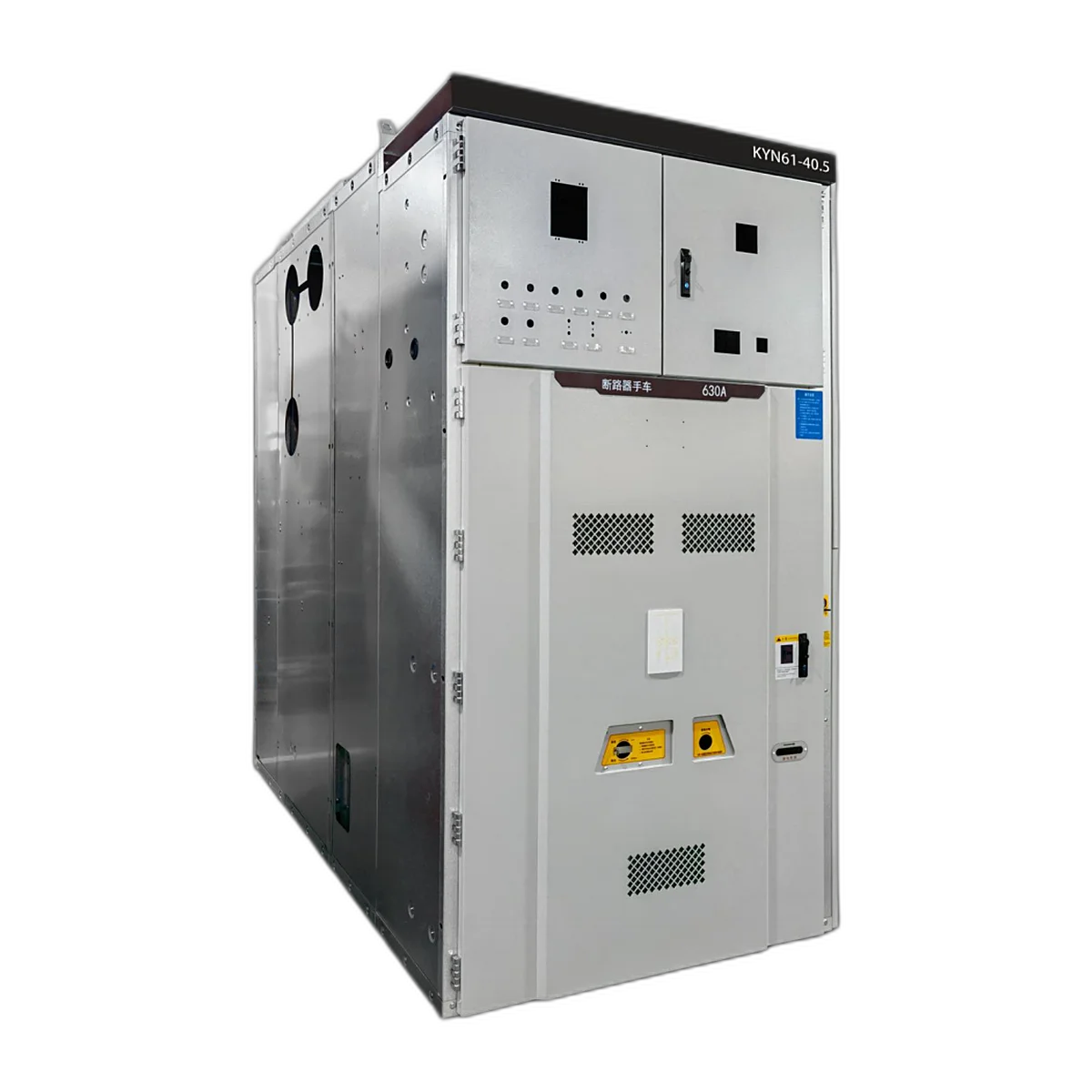
Custom 304 Stainless Steel Enclosures
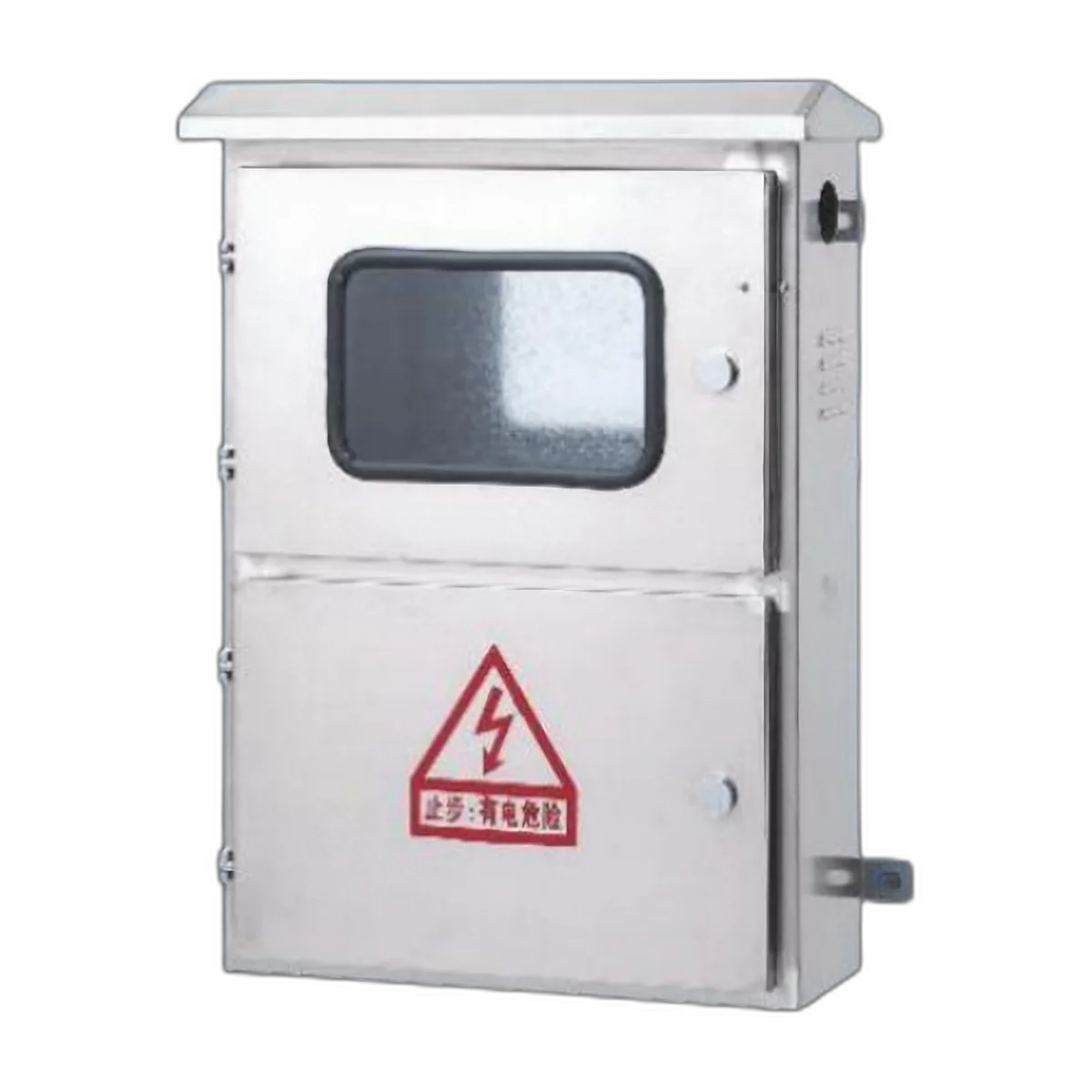
The custom 304 stainless steel enclosures are typically selected when the enclosure must resist extreme weather and is subject to large washdown situations. However, if the dimensions, cutout positions, or shapes of the enclosure are not the same, the standard enclosure may not meet the requirements. Engineering is simple, but often problems arise in the transition from the customer to the manufacturer.
In conclusion, the best readily usable material for NEMA Type 4 or IP66 rated industrial or outdoor housings is stainless steel grade 304 unless the area is coastal or too high in chlorides (for which you need grade 316 or 316L). Normally, a custom enclosure is that described using a drawing which specifies the size, material, thickness, openings, hardware, finish and certifications of the enclosure in detail. A standard quality grade 304 enclosure would cost from $300 to $1,500 depending on the size, thickness, welding and finishing operations cost, while 316L enclosure would cost more than 304.
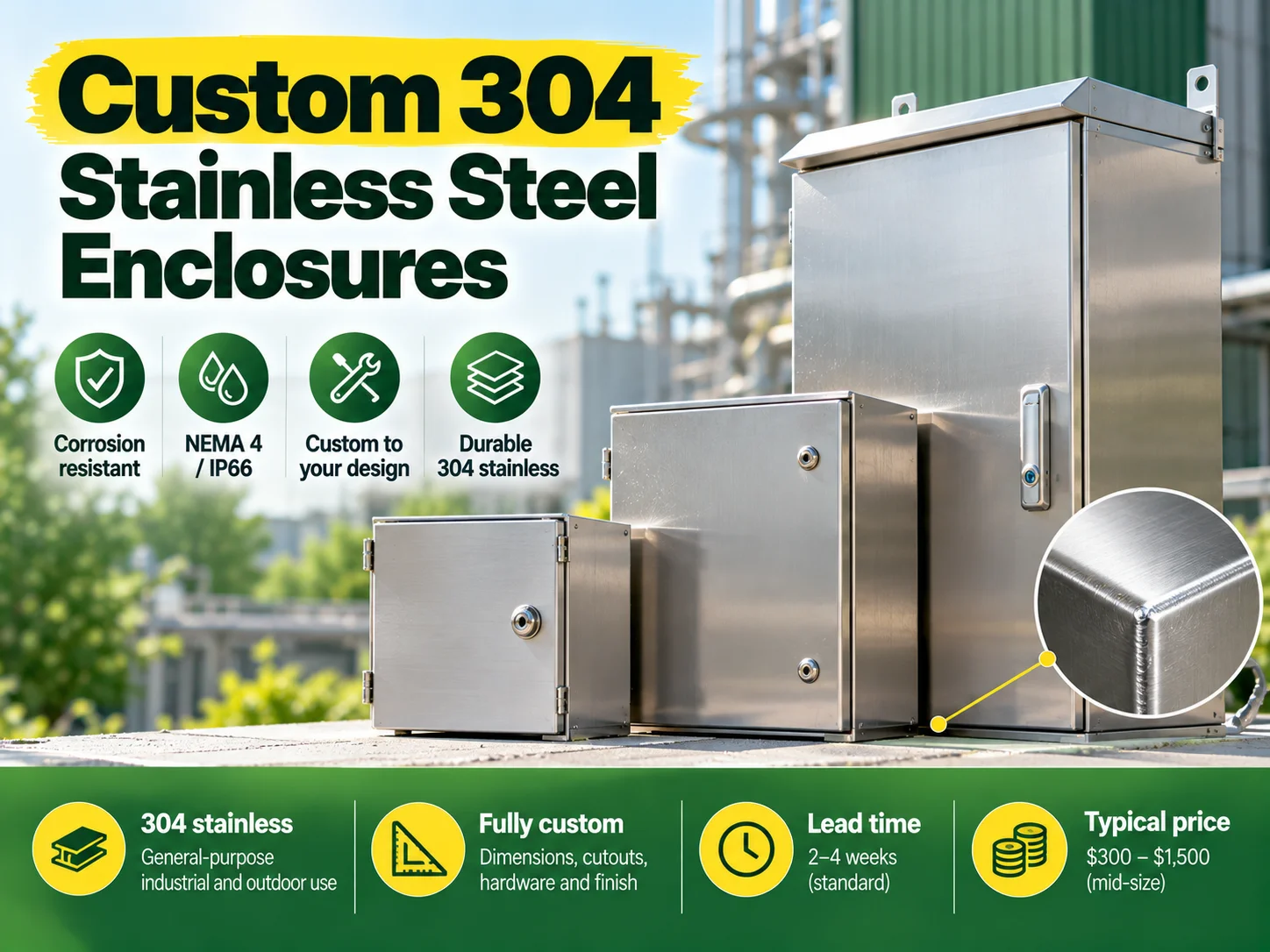
Why 304, and When It Isn’t Enough
304 type of stainless steel is the most commonly used steel that has nearly 18% chromium and about 8% nickel content and is, therefore, known as 18/8 stainless-steel. It is highly corrosion resistant in atmospheric and most industrial applications, it is easy to form and weld, and its cost is much less than that of molybdenum containing stainless steel grades. Therefore, this grade is suitable for most of the enclosure applications.
But 304 does not perform well in chloride presence. Chlorides cause 304 material to pit and to develop stress corrosion cracks and this means that any application with the presence of salt spray, seaside environment, de-icing salt, chlorinated water and many industrial operations will have poor results if corrosion occurs. It is also worth noting that 304 normally has the “tea-stain” problem — the brown stain that occurs as the result of 304 interaction with polluted air. This tea-staining is an aesthetic problem for a new object, as the stain does not affect the properties of a new installation.
There are also two additional aspects to consider when using 304 stainless steel:
- Galling of surfaces. 304 steel will gall on threaded joints, especially when such joints are made of stainless steel, which is important since enclosure covers have bolts that need to be taken care of with anti-galling protection mechanisms.
- Weld sensitization. In most cases, a standard 304 might lose its corrosion resistance because of the presence of chromium carbide during welding process. A low carbon version – 304L – does exist to minimize that problem, although in any case post-weld passivation should be done with enclosures with a lot of welded joints.
The practical choice in terms of decision making is 304 for land industrial, town and different outdoor applications and 316 or 316L for coastal, marine, chemical, pharma and food manufacturing applications. A wrong call here can cost a lot, as the failure mode here is corrosion showing within one year on a cabinet that was designed for twenty years. A stainless steel distribution enclosure in 304 is the standard industrial answer; the position analysis is what decides whether it should have been 316.
What “Custom” Actually Covers
“Custom” can mean many things to buyers, ranging from different cutout patterns to a fully engineered assembly, with corresponding changes in price and lead times across the spectrum.
- Configured standard enclosure. A catalogue box with customized cutout, gland plate, mounting plate and different lock. Short delivery time, slight premium, no tooling costs.
- Modified standard enclosure. A catalogue box that has been changed in dimensions, such as additional depth, special door arrangement, welded hood or plinth.
- Fully bespoke fabrication. An enclosure created according to drawings too, non-standard size and shape, with prescribed welding and finishing details. This is where a real custom job begins to matter, as well as where drawings and acceptance standards become most important.
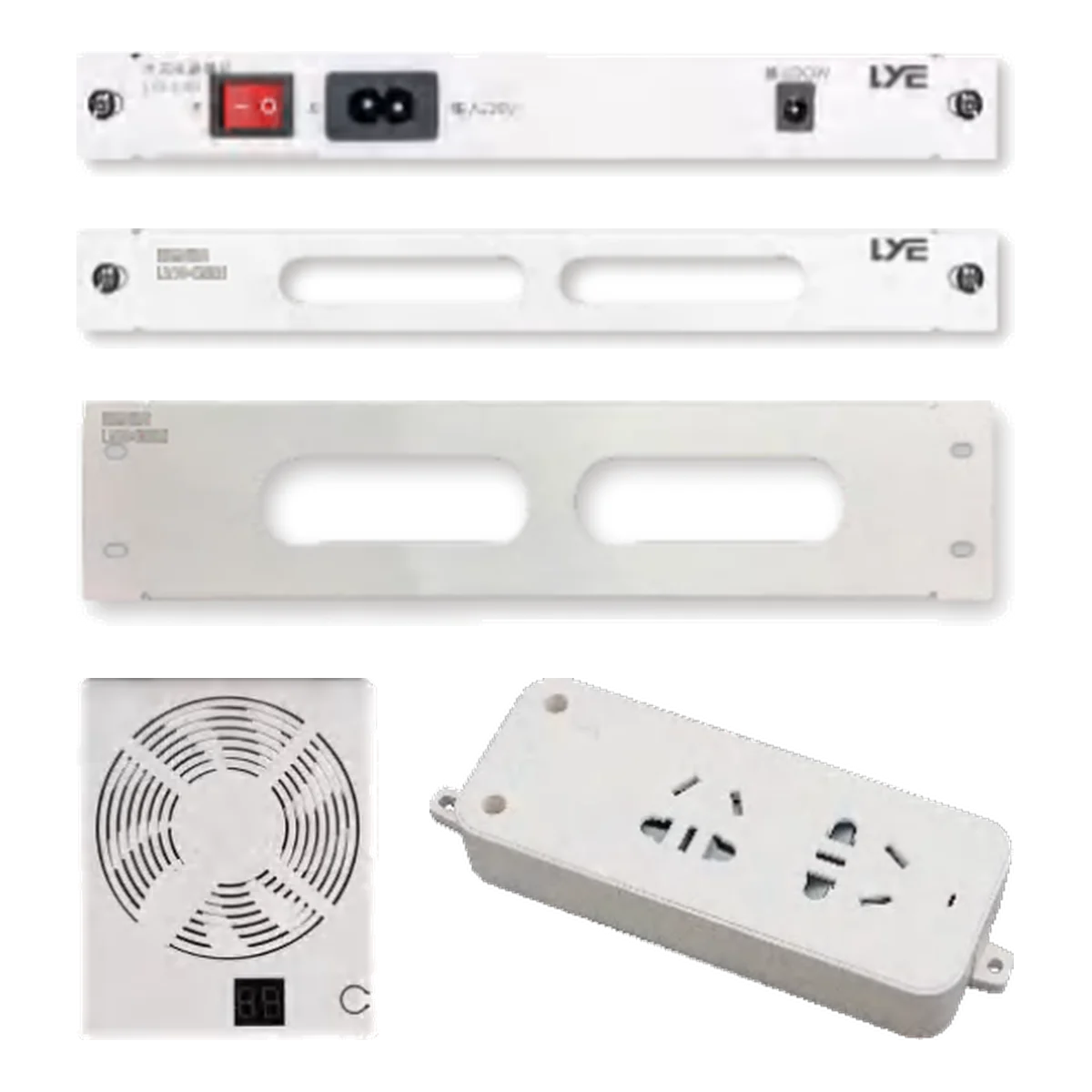
- Engineered assembly. A finished enclosure with mounted inner parts, prepared for wiring, with openings, cooling system, and often inside control or distribution system.
The specifications in each case will include a similar list of items and should be considered in their structural order because each specification will define the next one.
- Material and thickness are frequently referred to in the specifications and cover class, finish, and gauge of the metal sheet. For the enclosures, 14 and 16 gauges serve as the most common thickness, however, for large doors thicker materials and other reinforcing options may be needed.
- Dimensions and tolerances are explained including both external and internal dimensions along with mounting points, however, the best approach is to include only those tolerances that are absolutely necessary and do not cost extra money.
- Cutouts and holes are important and necessitate mentioning their size and position in addition to some other aspects such as whether some elements have to be sealed.
- There are not many types of doors that are actually considered.
- Gasket is not only represented by the type of the material of the gasket but also how it is fixed to the unit.
- Finish layer may vary from mill finish to powder coating.
- Rating includes information concerning ingress rating along with the verification of this parameter.
- Last but not least, documentation includes certificates and all other necessary documents.
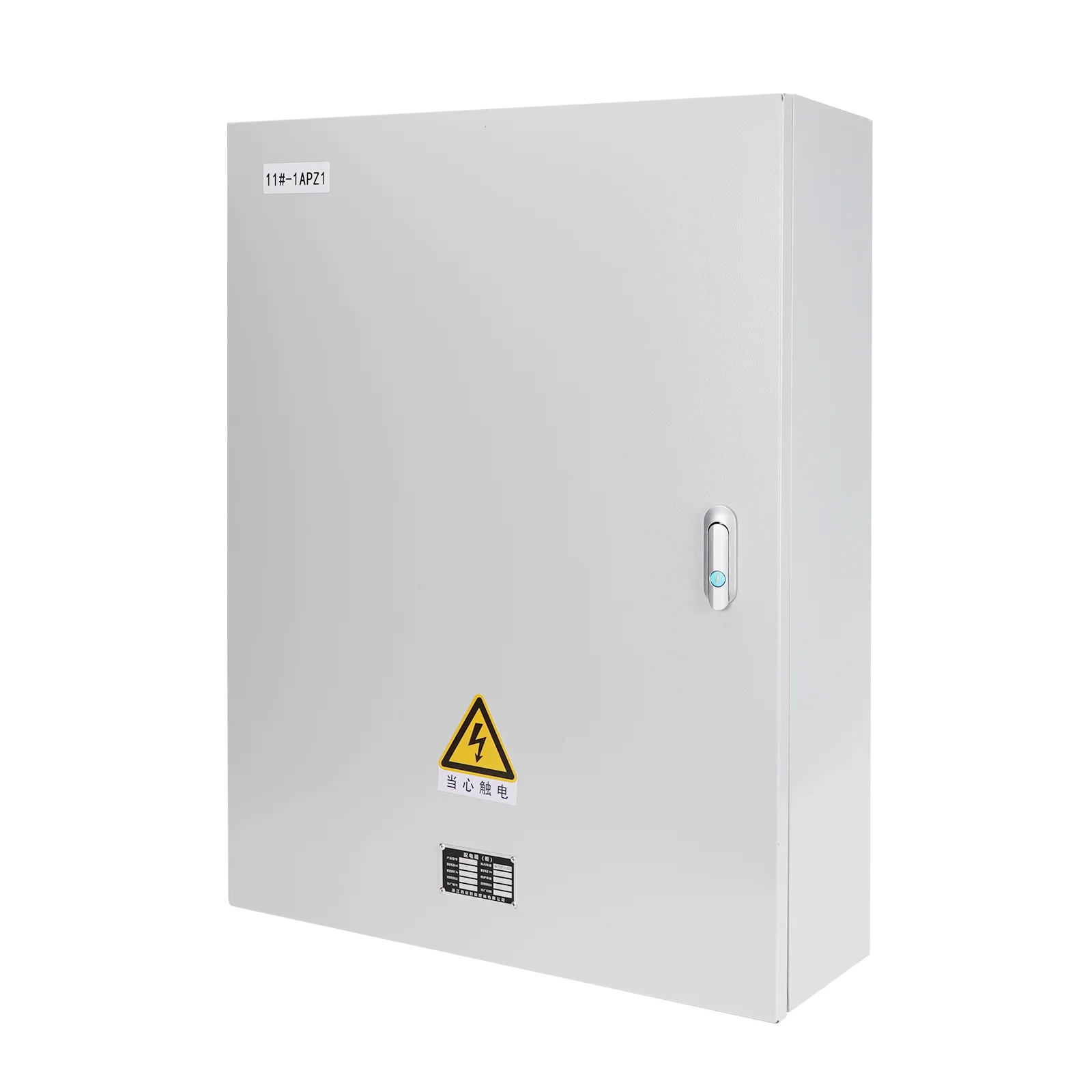
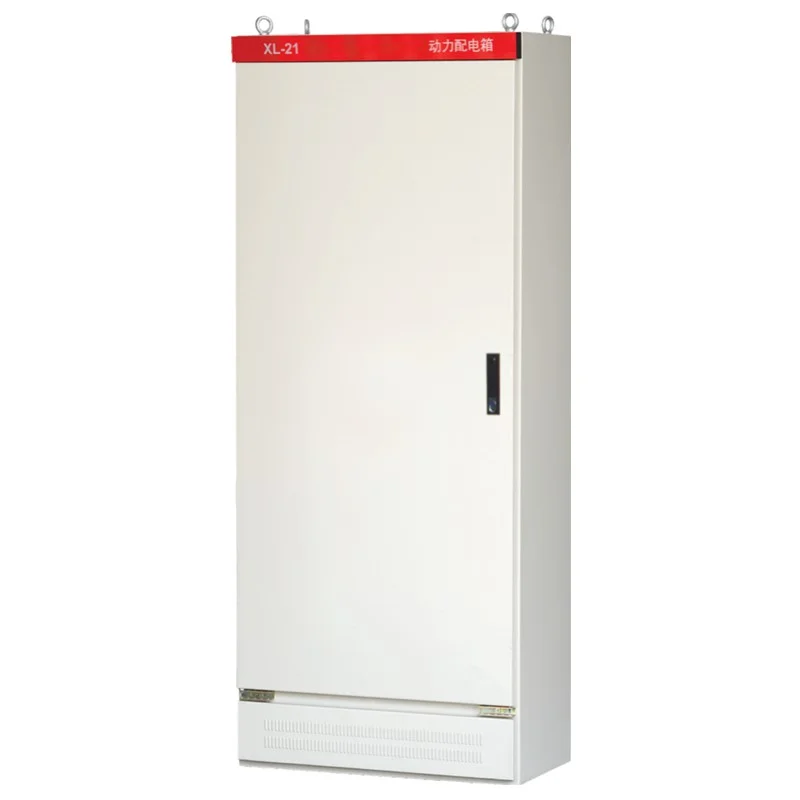
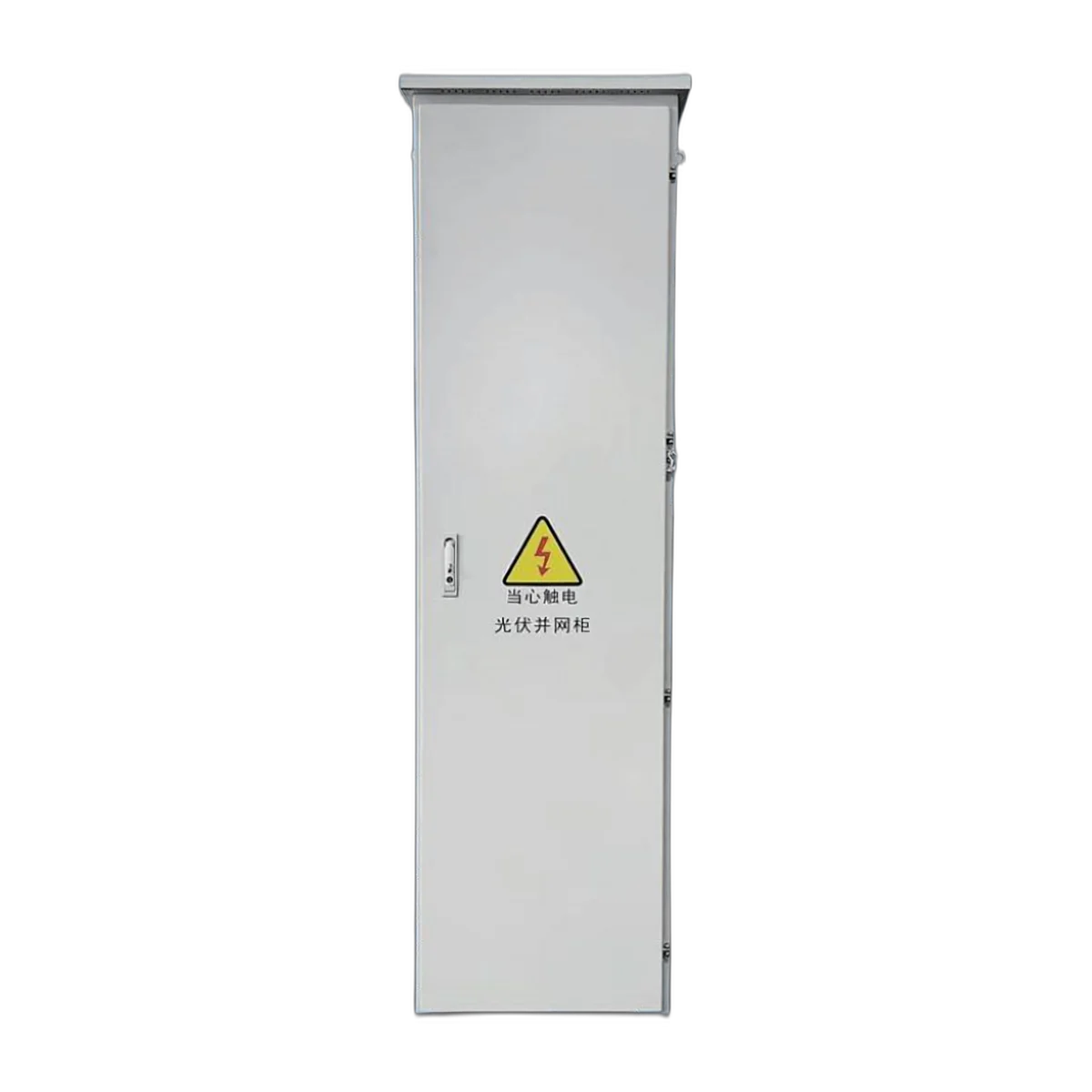
For a large outdoor power position, most of those items are decided by the environment rather than by preference. A stainless steel outdoor power cabinet is a useful reference for what a complete specification looks like in practice: corrosion-resistant construction, sealed doors with proper hinges, thermal management provisions, and enough internal volume to lay the equipment out properly rather than packing it in.
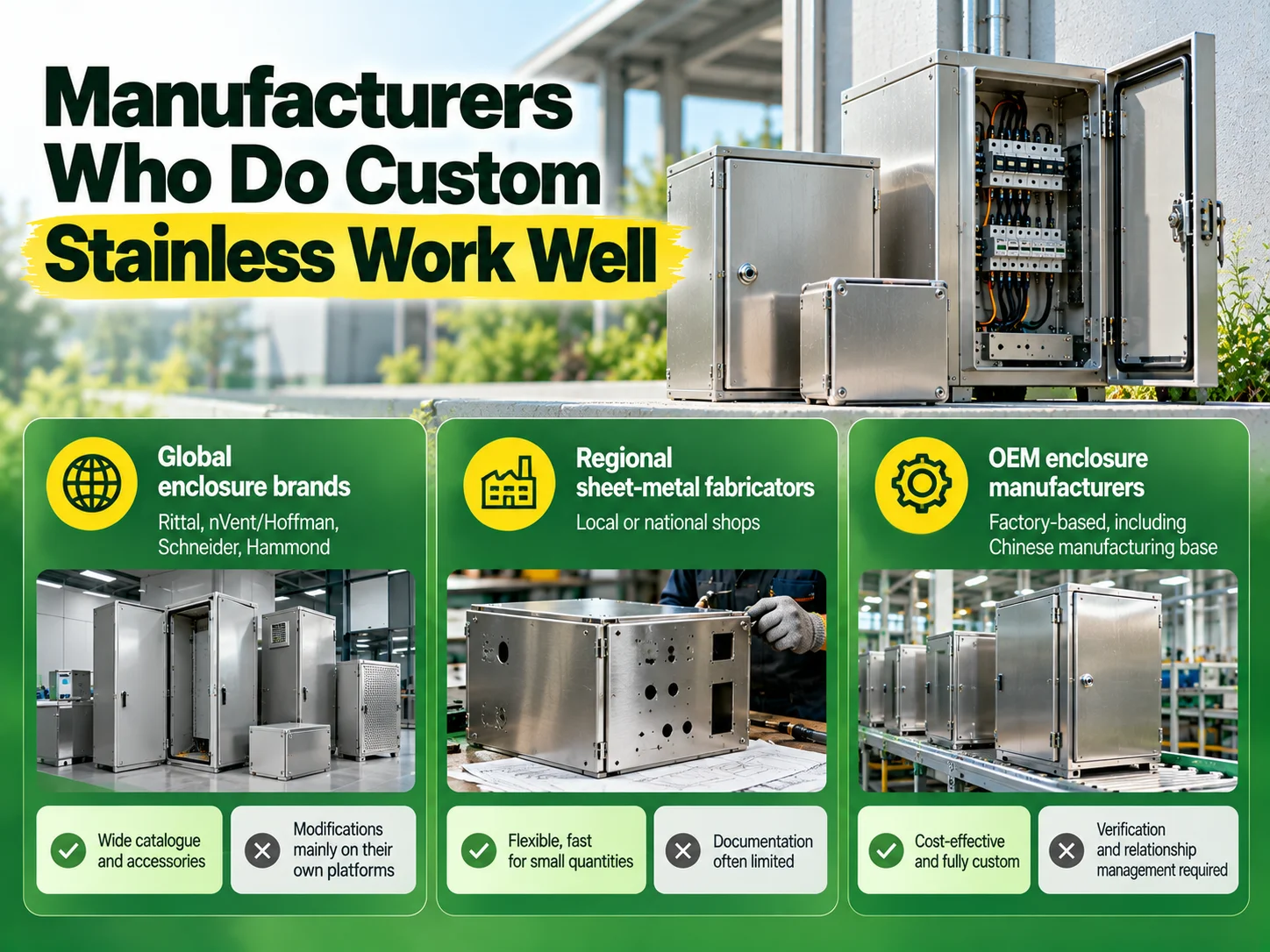
Manufacturers Who Do Custom Stainless Work Well
The custom-made stainless enclosure sector can be divided into three key sub-sectors, and it pays to be familiar with the one in which you’re making your purchases to understand the variation in pricing.
- Global brands. Rittal, nVent/Hoffman, Schneider, and Hammond all offer ranges of stainless steel enclosures alongside modification capabilities. Pros: they all come with vast catalogues, drawings, accessories, and are always available on the market. Cons: limited modification capabilities since the modifications need to be relevant to their program, making the production of highly customized boxes impossible.
- Regional shops. A local or national shop will manufacture the solitary unit according to your drawings. Pros: flexibility in operations, speed in terms of producing limited quantities, acceptable minimum order lines. Cons: limited capacities since enclosures would be an isolated job, thin documentation and certification dependent on testing facilities and procedures.
- Manufacturers with trade agreements. These are factories focused on the manufacturing of enclosures and those willing to manufacture under private labels. Pros: low cost, ability to work with custom designs and prolonged period of specs replication. Cons: the verification of the designs and their management is up to the buyer.
A regional shop is the best option for a one-shot order. If you need a series of operations — be it a product line, assembly of equipment somewhere, or a range of products you want to sell — then you should turn to an OEM since the real value lies in multiple batches rather than in a costly unit making process. The company profile and manufacturing scope of a dedicated enclosure manufacturer is the first thing to read when comparing that category, because in-house sheet-metal, welding and finishing capability is what determines whether your drawing is followed across batches.
Briefing a Factory Without Losing Weeks
When it comes to custom manufacturing, communication problems outweigh issues with capability. Six factors can help you address this issue.
- Send actual drawings instead of just sending the dimensions via email. A DXF or STEP file coupled with the dimensioned PDF allows the fabricator to work with something tangible and to double-check something. Sketches and images will just produce something close yet not completely accurate, and the second attempt will take two weeks of time.
- Provide verbal description of the exposure condition, e.g. “Outdoor, coastal, 200 m from the sea” gives more to the manufacturer than knowing the material grade and allows him to raise 316L at the very beginning.
- Explain the purpose of the enclosure. Indoor control panel, outdoor distribution box, instrument casing, area for cleaning, etc. The purpose can dictate many other aspects like gasket choice, ventilation system decision, thermal solution, and door design described in the drawing.
- Give clear instructions on how the rating will be checked. Requiring a NEMA Type 4 rating or an IP66 rating is one thing, but requiring a test report against it is a different story impacting the manufacturing process.
- Agree on the finishing and put it into the document. The direction of brushing, whether the welding needs to be finished, whether the welding discoloration is acceptable and whether passivation is a part of the process should be included in this written document. One of the most widely spread reasons why organizations reject their first products comes from this issue.
- Agree on all documentation and packing requirements well ahead of time in order to avoid problems later. The certificate of the material, records of the dimensions, marking, and how the other unit will be protected during the shipping process should be mentioned because scratches on stainless steel would result in the rejection.
Once the specification is sorted out, the description can be used for the subsequent purposes, which is the main aim of a private label concept.That is what OEM and ODM enclosure production is designed to provide, and it is worth establishing before the third order rather than after it.
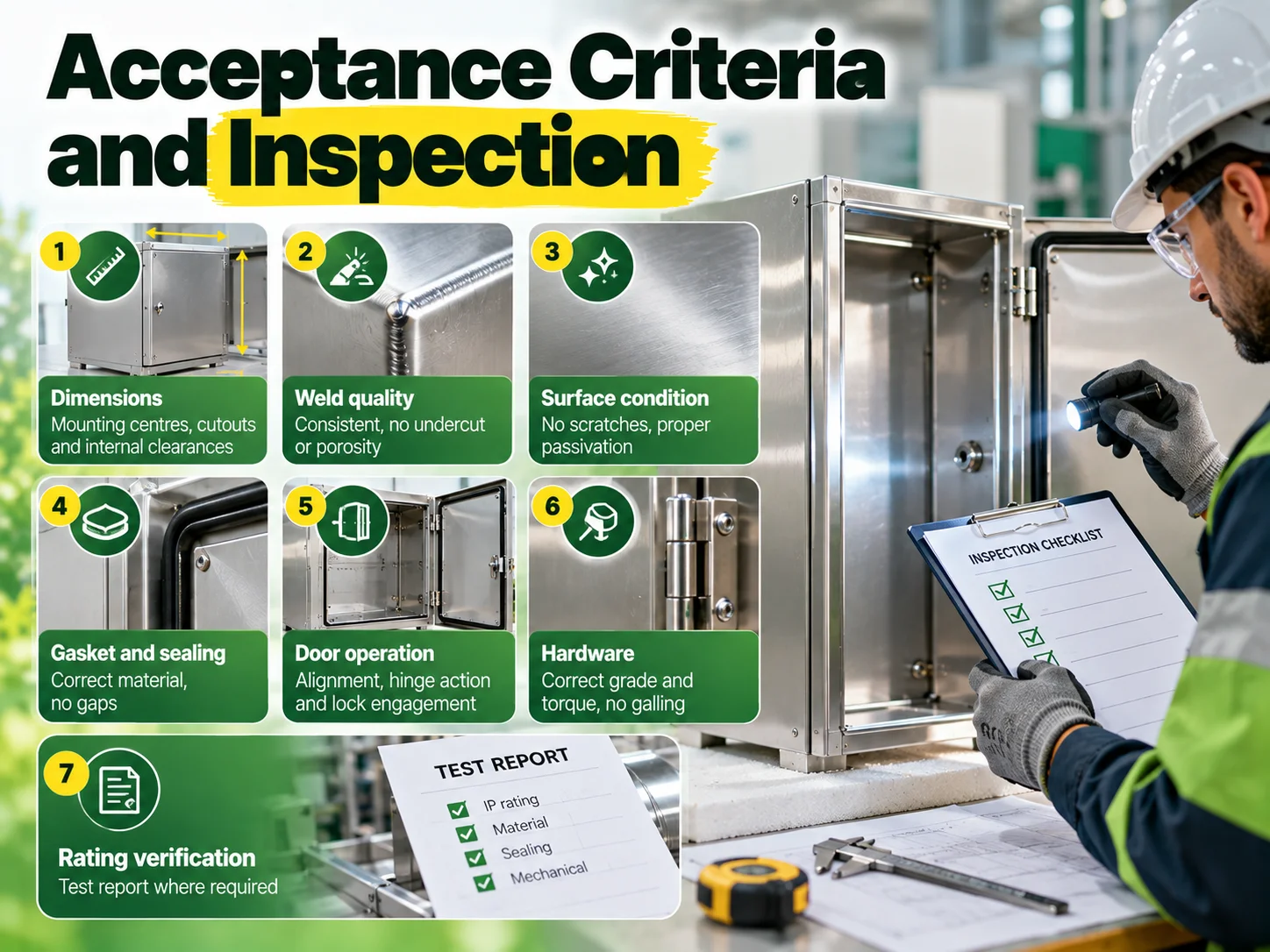
Acceptance Criteria and Inspection
You need to evaluate the delivery to determine if a minor mistake can develop into a recurring issue.
You can check for the following things:
- Dimensions according to drawings with points of mounting, cutouts and distances within the component.
- Weld quality — uniform, dressed when indicated with safe welds and no hole formation. If the unit is supposed to be sealed, ask for a test to be conducted without any chemicals.
- Appearance of the unit — no scratches, color change due to welding is acceptable only if stated in the documents, passivation must be present.
- Gaskets and sealing answers to questions regarding the materials used as well as corners that meet and close with perfect cooperation.
- Working of the unit — alignment, work of hinges, closing, the amount of opening.
- Hardware — right type, right torque, and absence of galling.
You can do all of this at the beginning of the delivery instead of shipment, at a factory- the cost is really high if you check a large number of enclosures after a couple of weeks. If you are going to work with a company on a systemic basis, it is better to organize a consistent inspection strategy in advance with all the details and responsibilities clearly explained.How a manufacturer describes its own production and quality service commitments is a reasonable starting point for that conversation.
Getting a Sensible Price
When you have a basic understanding of what contributes to the cost, custom enclosure pricing is quite predictable.
- The grade and thickness of the material. Stainless steel prices can be several times that of M.S., and 316L is more expensive than 304. Changing gauge from 16 to 14 can significantly increase the costs of enclosures that are on the bigger side.
- Welding. It is charged per linear metre. Therefore, a fully welded and seam-sealed enclosure can be very expensive in comparison to an enclosure made by folding and spot welding.
- Finishing. The costs on the treatments like brushing or bead-blasting as well as welding processing, and passivation have to do exclusively with the labor involved; however, powder coating the stainless steel requires an additional process.
- Hardware and gaskets. Stainless steel hinges, locks, well-looking openings, breathers, and drain holes influence the overall cost of the enclosure (but they don’t change much in accordance with the quantity).
- The quantity has the following effect. The first unit involves not only production, but also programming and preparation; with the second it becomes solely a matter of producing the enclosure.
- Documentation. Certificates of compliance, testing reports, and tracing regulate what you would get when using specified materials.
To give some reference prices: a small custom enclosure in stainless steel grade 304 with openings and flap door costs between $300 and $700; a wall-mounted cabinet costs from $700 to $1,500; an outdoor cabinet can cost between $1,500 and $6,000, depending on other aspects. The usage of 316L increases the price by 20 to 40%. As for the waiting time, the production of a simple box usually takes from 2 to 4 weeks, but if the production is more complicated, it can take from 4 to 8 weeks with the first article being the one that bears a risk of being delayed.
There are two recommendations regarding negotiations. The first recommendation is to ask for the prices split into the following categories: material, labor, hardware, finish, and documentation. It provides an understanding of how to cut costs in a more logical way; for example, it is possible to save the finish costs only. The second recommendation is to separate the set-up costs from the costs per unit, when the enclosure has to be manufactured in lots.
Frequently Asked Questions
What are the downsides of 304 stainless steel?
There are three principal reasons to avoid using this grade. First, the alloy is prone to chloride pitting and stress corrosion cracking and therefore it is unsuitable for freshwater applications as well as for coastal, marine, and de-icing-salt environments where grades 316 or 316L are more appropriate instead. Second, the grade tends to galling on threaded fasteners, a property that is important for the closure cover bolts and hinges. Third, this grade loses its corrosion resistance in the heat-affected area of welds unless a special low-carbon variant 304L is specified or the assembly is passivated.
Is 304 stainless OK for outdoor use?
Indeed, for the majority of outdoor applications — such as inland industrial, urban, and weather-exposed environments, as well as washdown areas — 304 stainless steel works just fine. However, it is not suitable for salt. Any coastal installations, offshore locations, roads that have been salted for de-icing, or anywhere that has chlorides must specify 316 or preferably 316L for welded applications. The proper approach is to specify the exposure to your fabricator instead. It is the distance to the coast and chloride presence that determine the material, and errors made in this regard will appear as corrosion in an enclosure that is supposed to last for decades within one or two years.
What is a type 4 enclosure?
NEMA Type 4 is a classification for an enclosure that needs to be both waterproof and dust-proof, meaning that it has to resist water provided from hoses, splash water, rain, sleet, snow and dust carried by the wind. NEMA Type 4X provides the same protection along with the ability to fight corrosion. So if you need a stainless-steel or polymer enclosure for an outdoor setting, that would mean using a Type 4X enclosure. NEMA Type 4 is the minimum requirement for any custom stainless-steel enclosure mounted outside; if it could be used in a wash-down area or next to the sea, it is advisable to go for Type 4X and make sure that gaskets and hardware can withstand those conditions.
Is 304 grade stainless steel good quality?
Yes, 304 is an authentic and well-recognized engineering grade, not some low-cost alternative and is also the right material in the overwhelming majority of cases for industrial enclosures. The confusion arises because of the way marketing uses the term “stainless steel” rather freely, with inexpensive products using either lower-quality materials or thinner materials. The item to verify is not just the name of the grade but the supporting details: material certificates attached to the sheet used, the actual thickness used, whether the welds were passivated, and the specification of the gaskets and hardware. These four pieces of information will reveal whether the 304 enclosure indeed behaves like a 304 enclosure.
References
- Bud Industries — industrial enclosure selection guidance and stainless options
- Rittal — stainless steel enclosure systems and modification services
- nVent Hoffman — stainless steel enclosure product data and ratings
- Hammond Manufacturing — enclosure materials, finishes and protection ratings
- Thomasnet — custom sheet metal and enclosure fabrication supplier directory
Conclusion
The material used for custom-built industrial enclosures is mostly stainless steel 304 which instead of its grade. The things which cause frustration are usually exposure conditions that were not considered before, missing drawings of enclosure, specifications not approved, or correspondence that arrives after the fabrication process has been initiated. Properly addressed the problems mentioned above would guarantee success of any custom-built enclosure program — the first enclosure is only a project while the tenth one is a regular order regardless of the time and type of documentation submitted to the steel supplier beforehand.