
What Is the Difference Between IP54 and IP65?
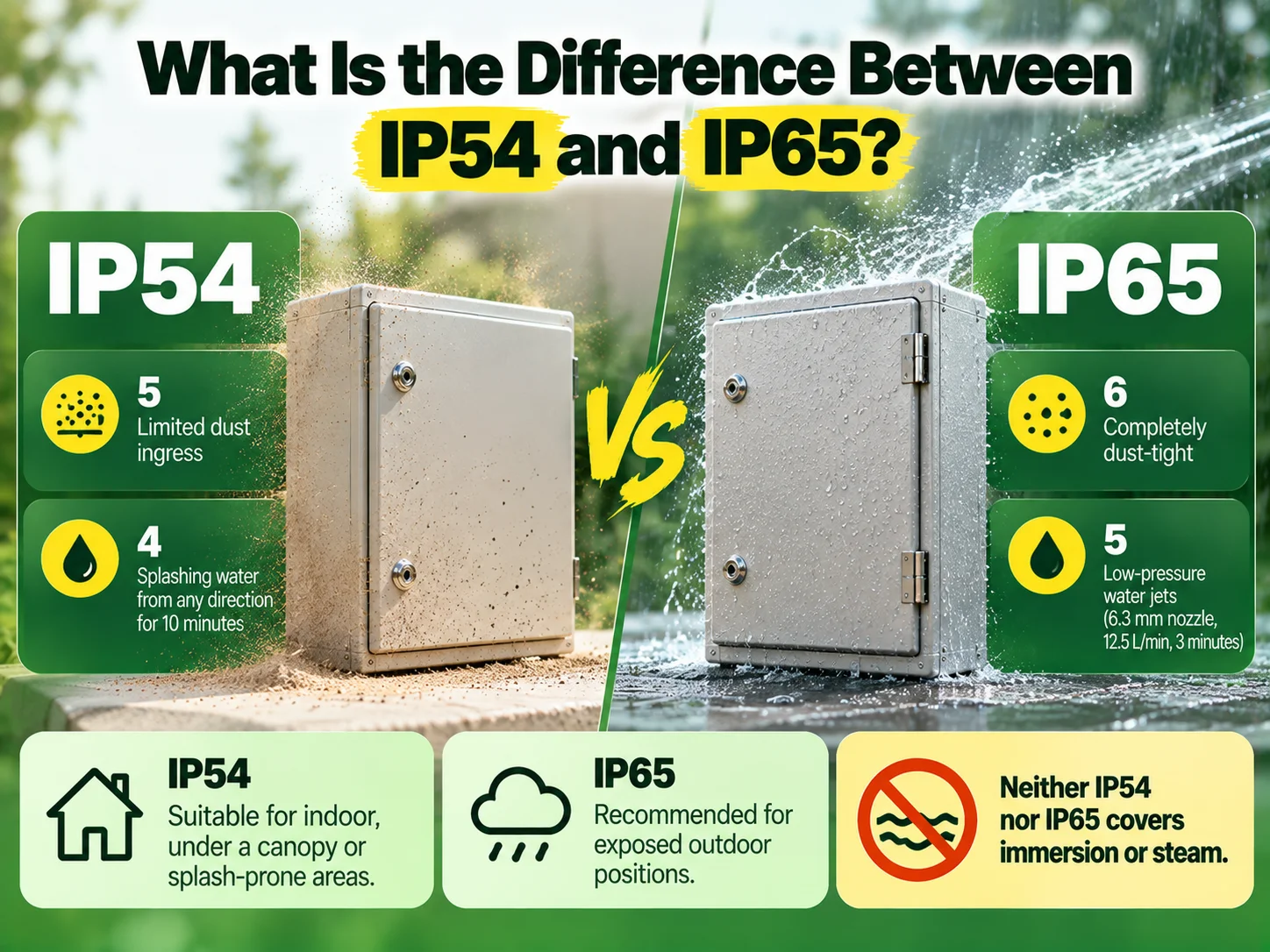
Among various industrial enclosures, ratings of IP54 and IP65 are present. These differ by one digit. IP54 denotes that dust enters the box but does not pose a threat, while splashed water is not dangerous to the enclosure. Meanwhile, IP65 means that dust does not penetrate the casing, and water jet does not damage the casing. In this way, one digit defines whether this enclosure will remain on a plant wall and what its outdoor performance will be.
To make it simple, IP54 indicates that the enclosure has a rating of 5 for solid particles in the air and a rating of 4 for water. This means that the enclosure allows some dust particles penetrations, but it does not affect normal operation; the enclosure will also withstand splashes from water for 10 min. IP65 means 6 for solid particles and 5 for water. It indicates that the enclosure is dust tight and that it will also withstand low-pressure water jets from a 6.3 mm nozzle and at a rate of 12.5 litres per minute for a duration of 3 min. Therefore, IP65 is better than IP54 in both aspects and should be used as a minimum standard for outdoor use. IP54 is more cost-effective and can be used indoors or under a canopy.
The Two Digits, Decoded
The IP rating is based on IEC 60529 and consists of two numbers. The first number indicates the degree of protection from solids, while the second indicates the degree of protection from liquids. The two numbers are completely independent from one another, meaning that a high score in one field does not tell anything about the score in the other field.
- The first digit refers to solids and is between 0 and 6. The important milestones are 4 (the protection of objects larger than 1 mm, thus wires and small tools will be protected), 5 (the dust protection level, meaning that some dust may enter but cannot disturb the operation of the device) and 6 (complete dust protection).
- The second digit refers to liquids and is between 0 and 9. The only relevant degrees of protection are 4 (any splash from any direction), 5 (low-pressure water jets), and 6 (high-pressure jets), while the other digits mean that the device will be able to stay immersed in the water with a specific pressure for a certain amount of time.
When we look at IP54 and IP65 ratings, they are not occupying next positions in the scale, but instead IP65 is above IP54 according to both scales.
What IP54 Actually Protects Against
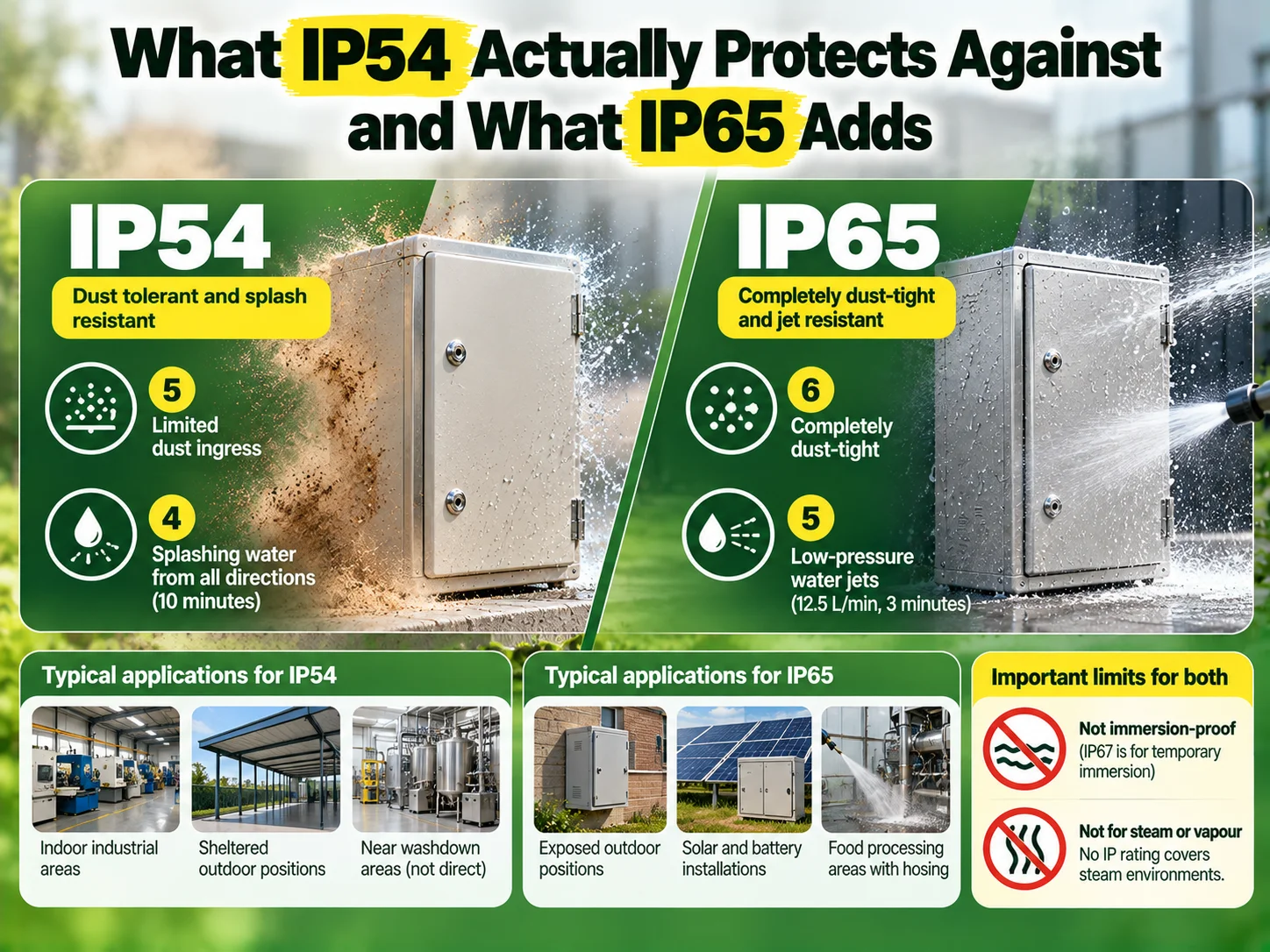
The dust test for the “5” rating involves exposing the device to dust for 2 hours in a dust chamber, and the criterion for passing is rather lenient: a little dust that can enter as long as it does not harm the functioning of the device. One of the practical implications of this is that an IP54 enclosure used in a dusty environment will require cleaning from time to time since it is not dust-tight but rather dust-tolerant.
The water test for the “4” rating consists of a 10-minute splash from all directions, approximately at 10 liters per minute. It includes rain hitting the enclosure at an angle, condensation falling down on it, and hand washing around it. What it does not include is a hose directed at the enclosure or using a pressure washer.
Thus, the “IP54” rating is ideal for the following areas:
- Indoor industrial places (workshops, power plants, engineering shops) where dust exists but is not aggressive and contains splashes of water.
- Sheltered outdoor areas (under a roof, inside a covered passageway, under the eaves) where rain can strike at an angle but cannot come as a direct jet.
- Area where the cleaning happens nearby, but not on the enclosure itself, such as areas of food plants beyond their wet side.
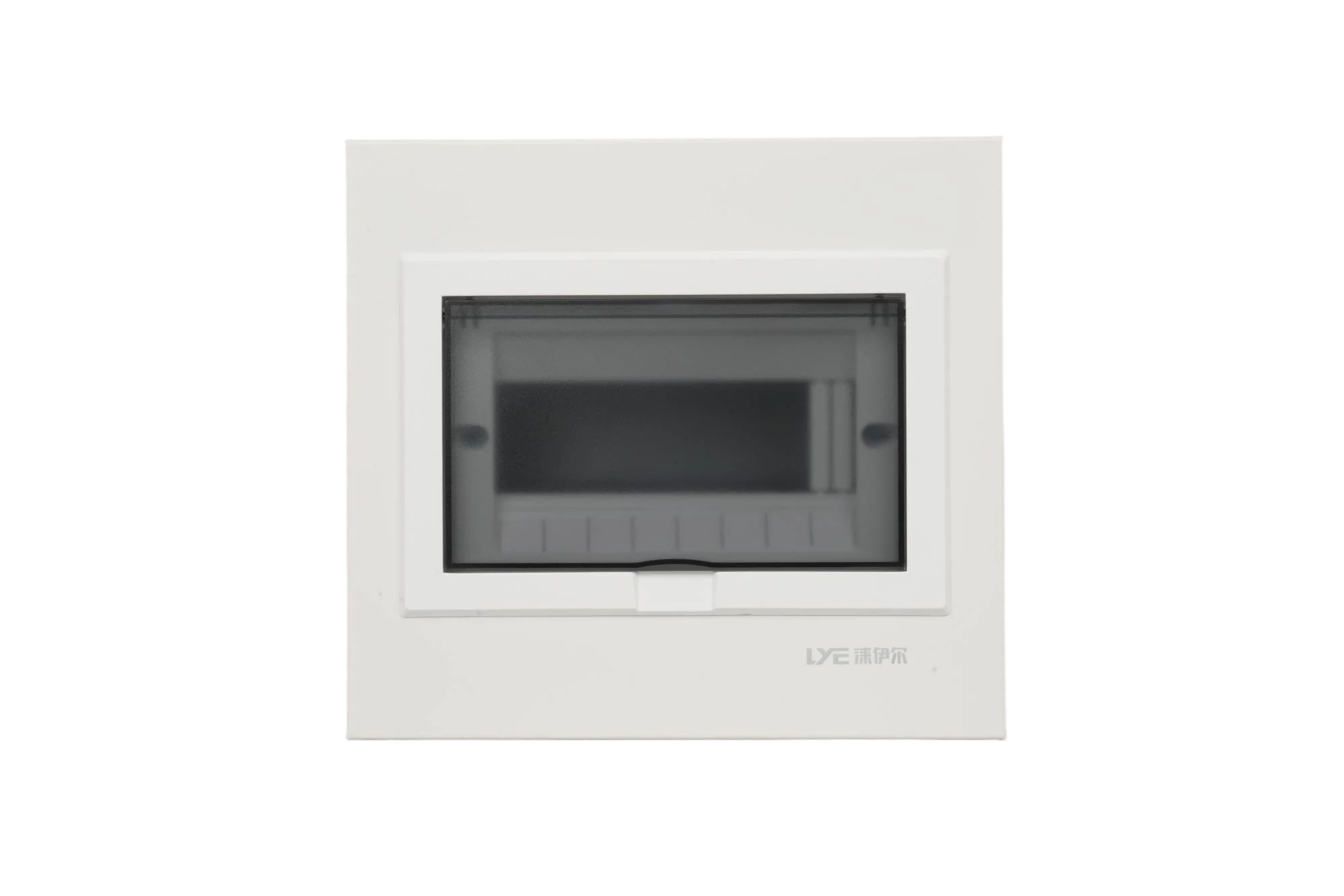
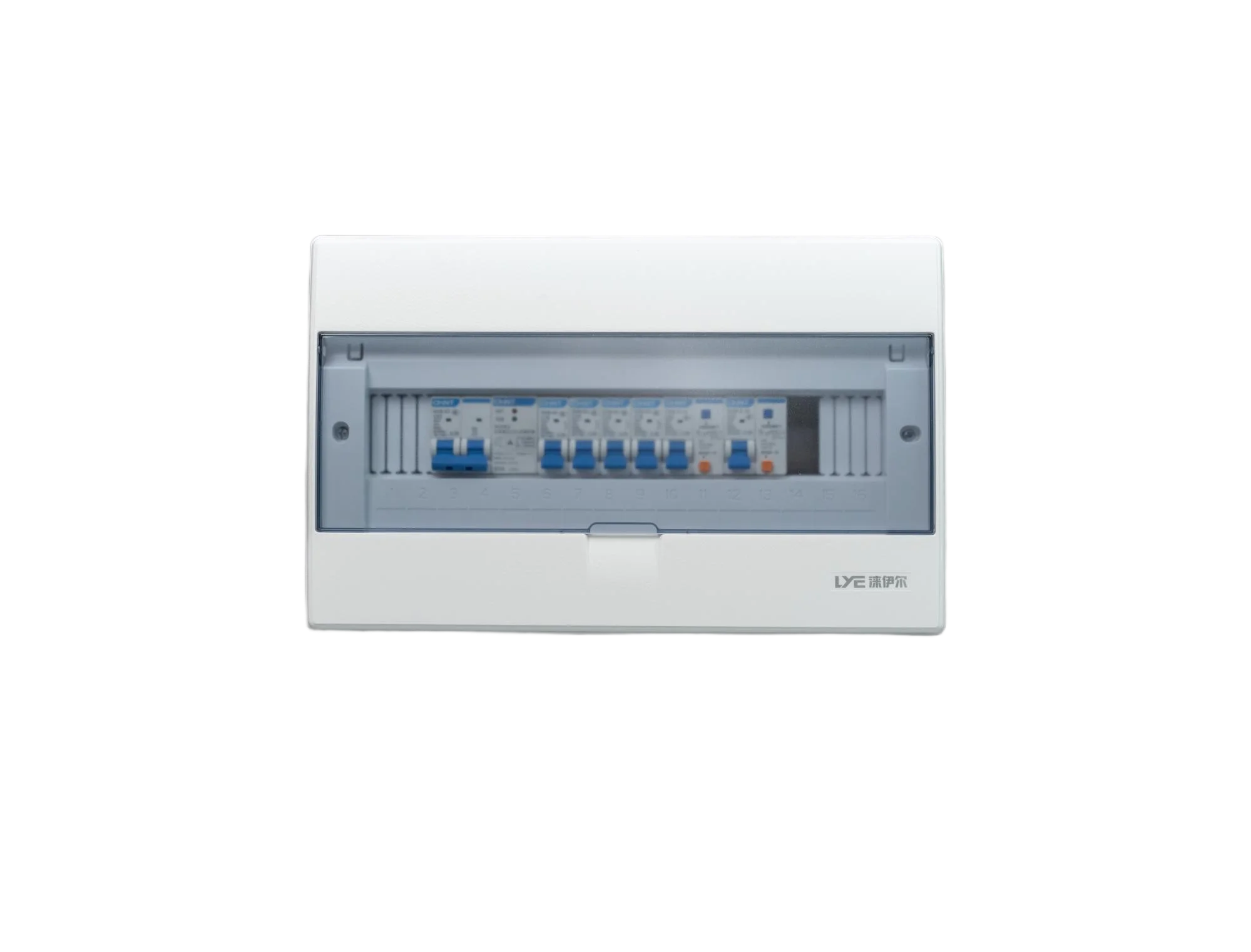
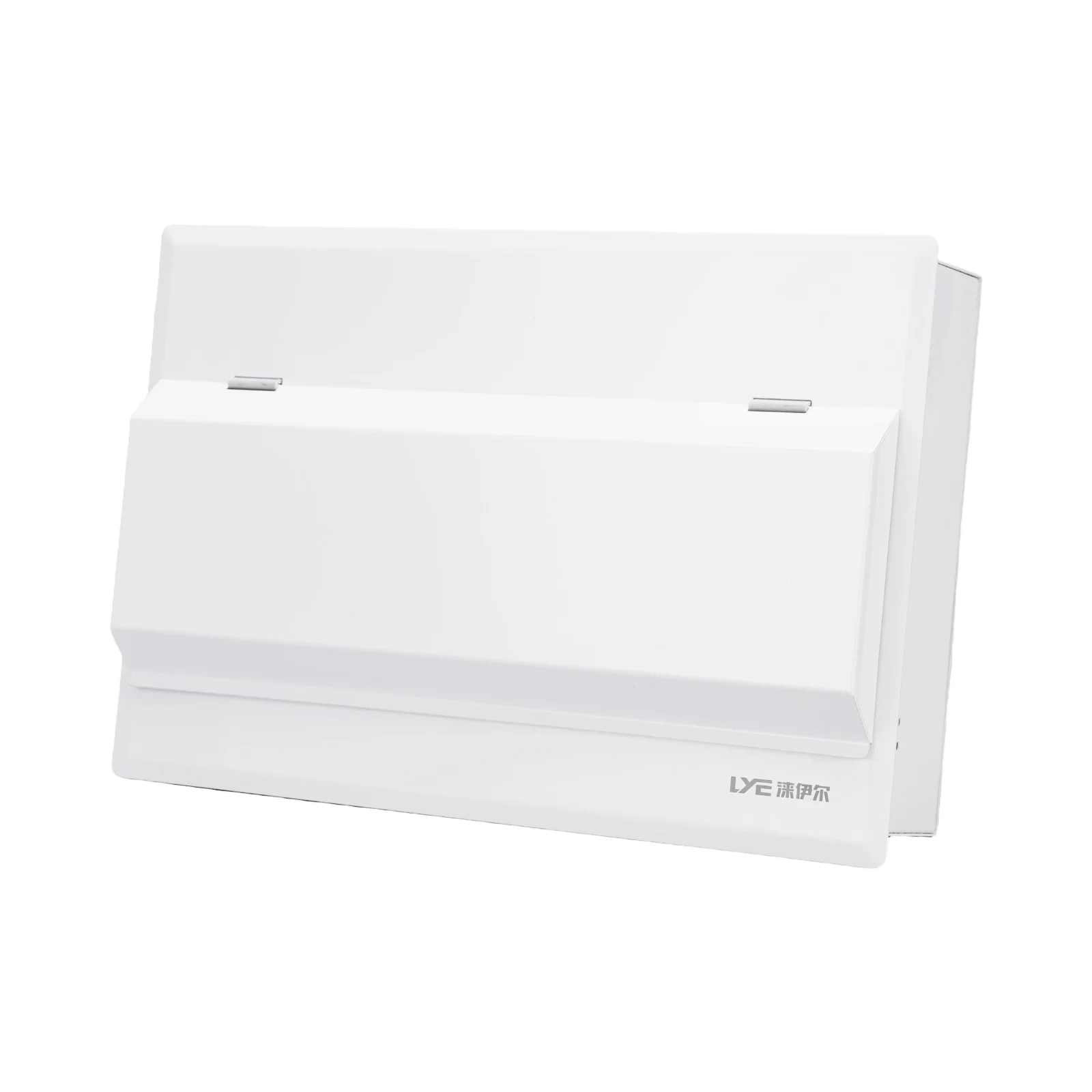
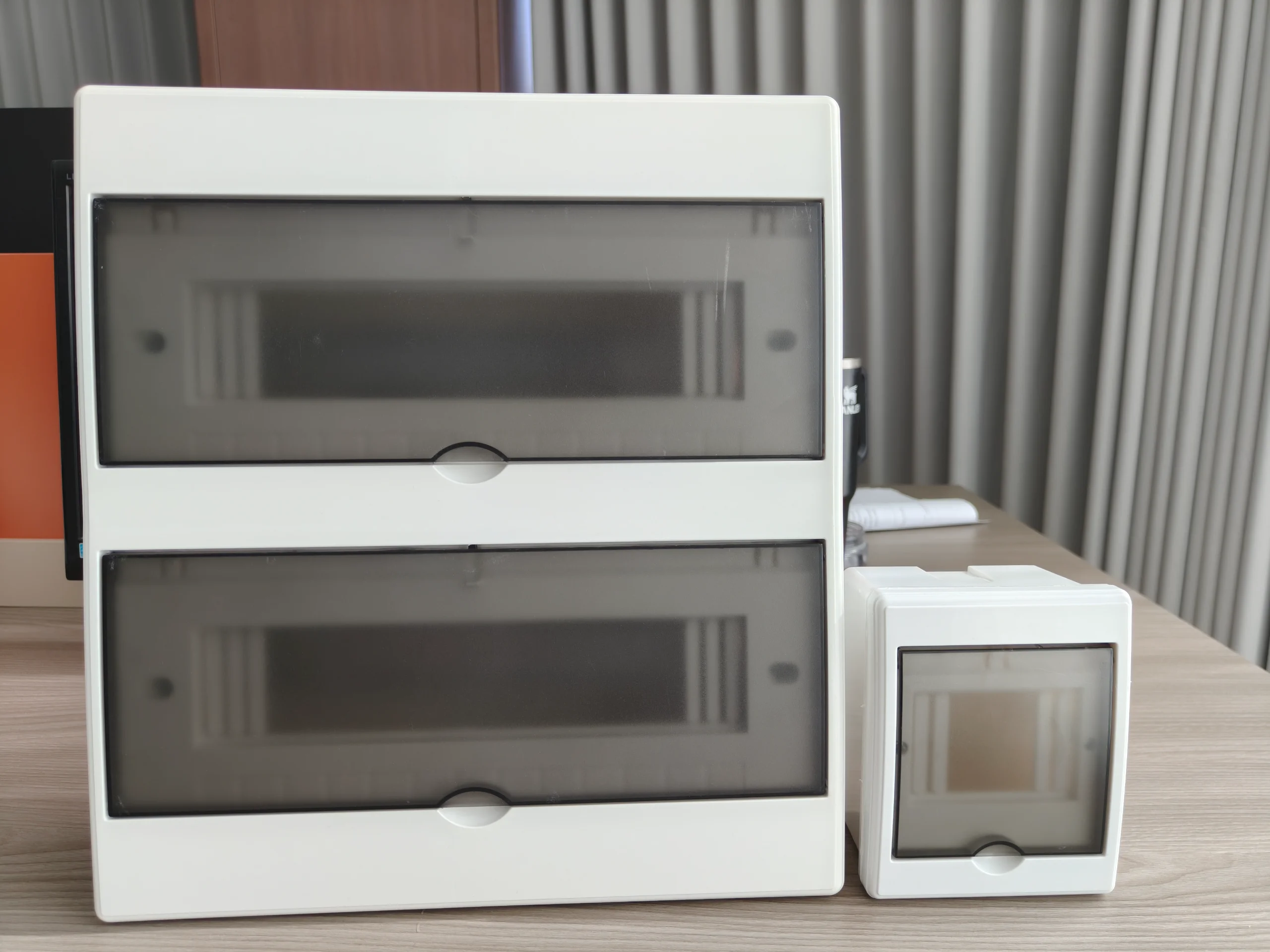
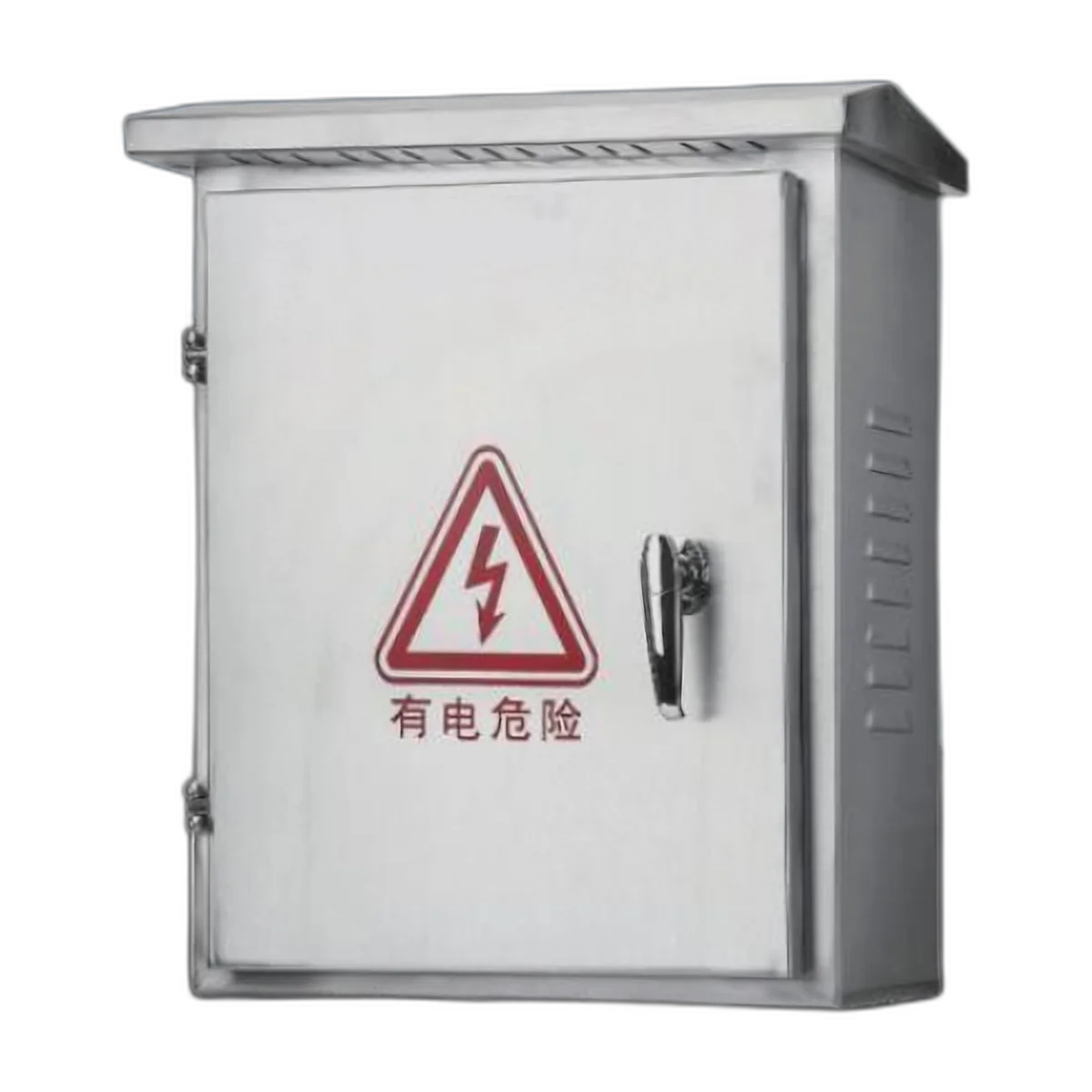
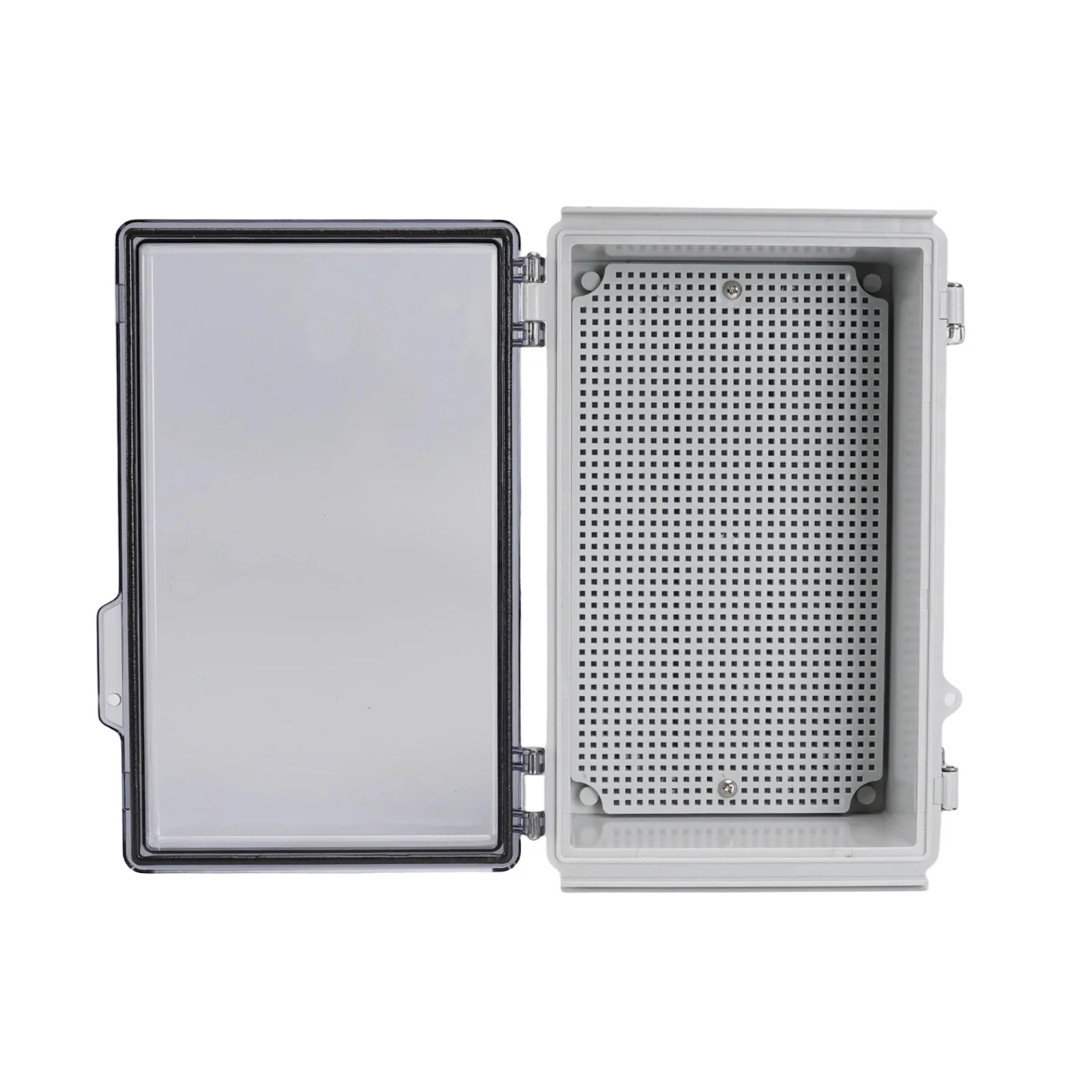
The category itself is well established and the products are inexpensive, which is why IP54 is the most commonly quoted rating on general-purpose distribution equipment. A waterproof outdoor distribution box rated IP65 is the step up from that baseline — the same class of product, specified for a harsher position, and that difference in specification is where the cost difference sits.
What IP65 Adds
Two significant upgrades that need to be understood rather than assumed.
- The 6 rating is achieved as the product undergoes testing both in a vacuum and a dust chamber where dust is purposely drawn in for an eight-hour test. Its aim is to ensure that there is no entry of dust into the machine. This is what permits IP65 to be effective in really dusty operations in grain handling, cement making, woodworking, powder coating and mining.
- The 5 rating for water means that it can resist water sprayed at it from a nozzle of 0.25 inches in diameter at a rate of 12.5 L/min for three minutes, starting from a distance of 3 yards. Thus, in practice, IP65 can withstand strong rain, water from a hose and vehicle splashes making it suitable for many applications outside.
Such performance is what has made IP65 a very popular choice for cases installed at exposed walls, outdoor furniture, solar panels and batteries, marine and coastal environments, as well as food-making areas which frequently require washing. An IP66 full-plastic electrical box sits a step further up again on the water axis — a 12.5 mm nozzle at 100 litres per minute — which is the specification to reach for where a plant genuinely washes equipment down rather than merely hosing around it.
There are some misconceptions regarding IP65 specification. Its 7 level indicates protection against immersion but it does not protect equipment from being filled with water when standing in a pool of water. Furthermore, it does not protect against vapour as the authorities say that there is no metric for these gaseous forms of water. Hence, equipment washed in a tunnel or using steam cleaning should use other specifications for protection.
NEMA Equivalents and Cross-Referencing
North American specifications use NEMA types rather than IP codes, and the two systems overlap without being equivalent.
| IP rating | Rough NEMA equivalent | What it covers |
|---|---|---|
| IP40 | NEMA 1 | Objects over 1 mm; no water protection |
| IP54 | NEMA 12 / 13 | Dust, dripping and splashing water, oil and coolant seepage |
| IP65 | NEMA 4 | Dust tight, hose-directed water |
| IP66 | NEMA 4 / 4X | As above, with 4X adding corrosion resistance |
| IP67 / IP68 | No direct equivalent | Temporary or continuous immersion |
The term provided in the table is “rough.” NEMA ratings incorporate construction, gasket, corrosion, and icing considerations that the IP system does not investigate and may denote that NEMA 4X may endure conditions that are never tested for according to the IP65 box. The practical rule of thumb is that these ratings are cross-references for shortlisting and not a substitute for specification, and where a data sheet provides both ratings, it is wise to read both ratings instead of assuming one over the other.
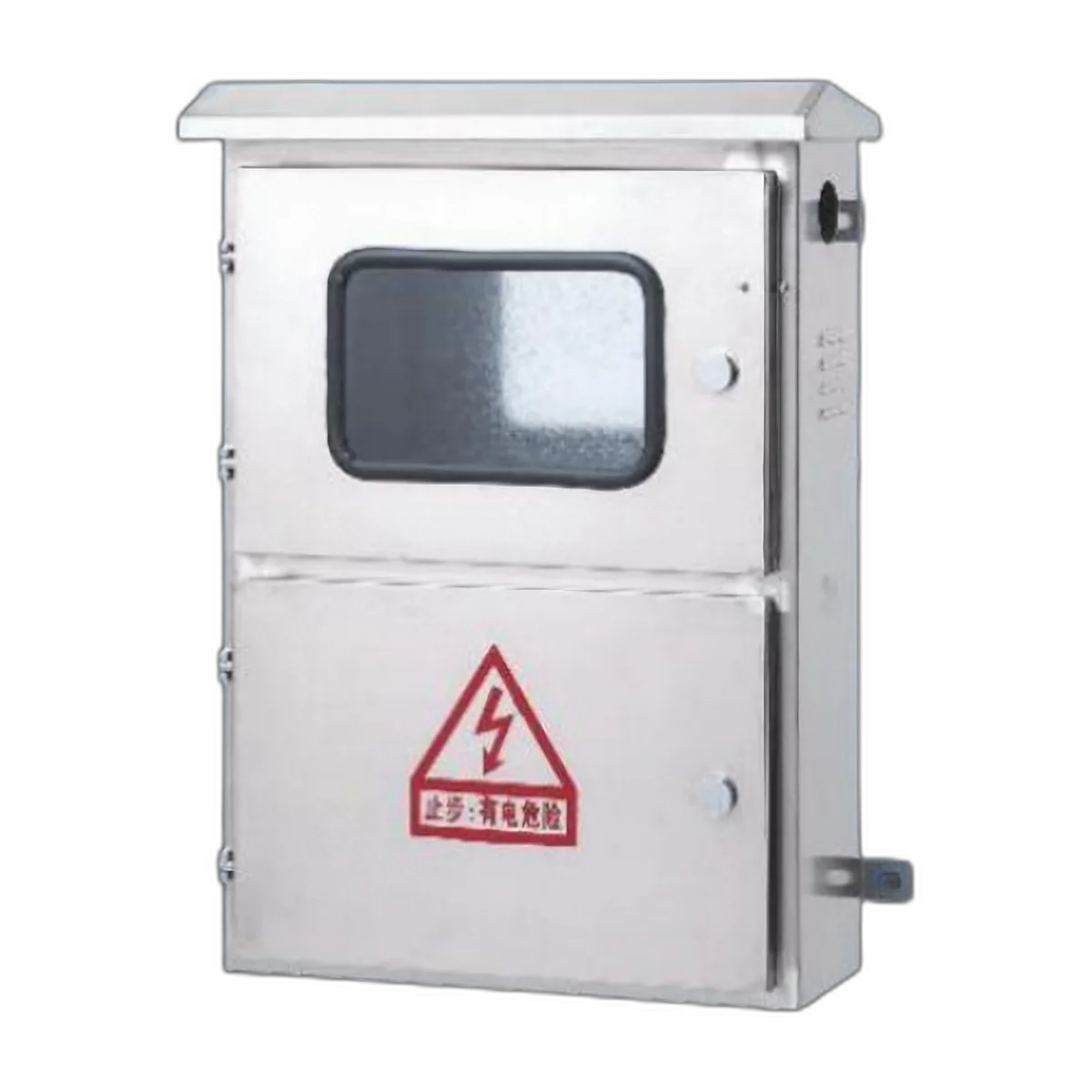
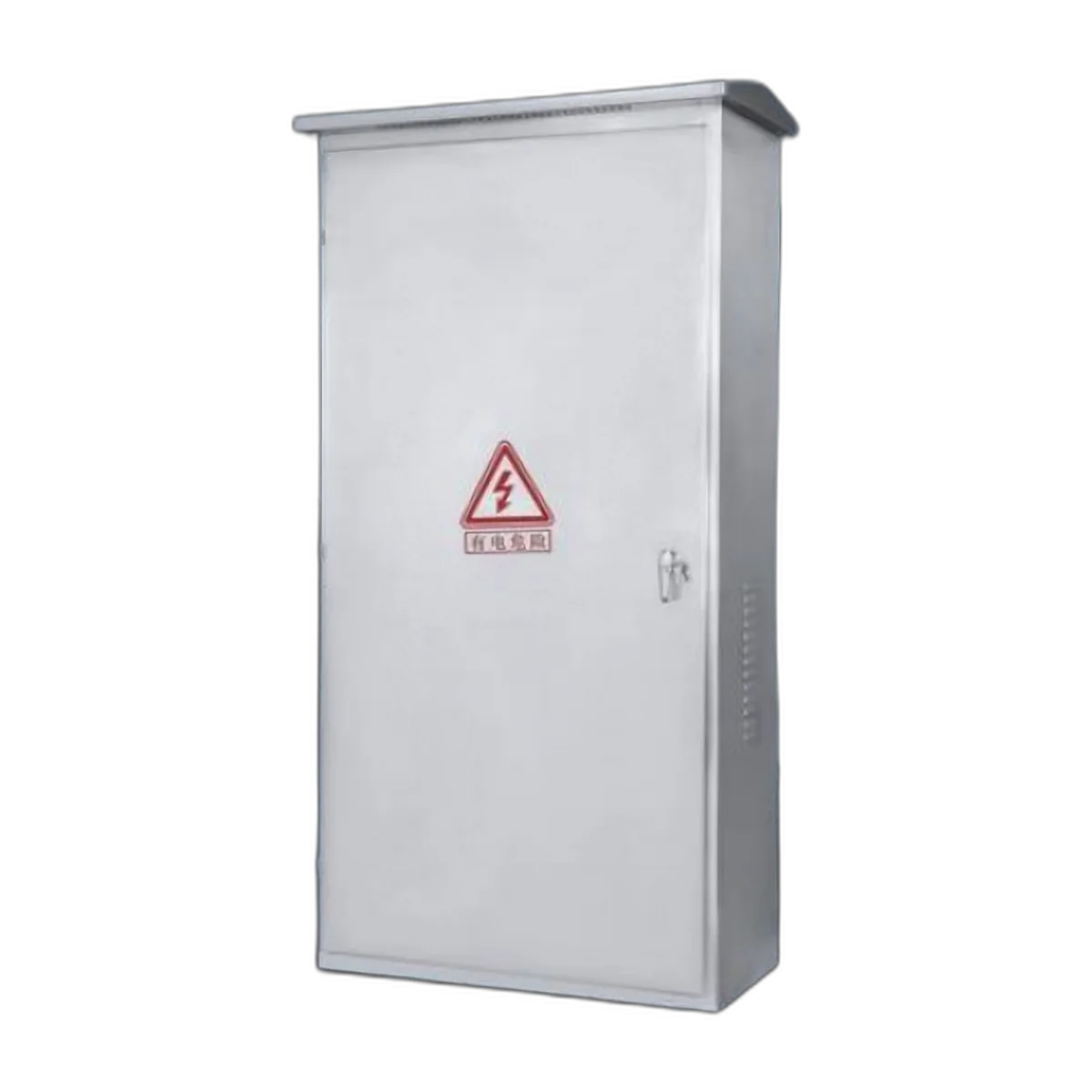
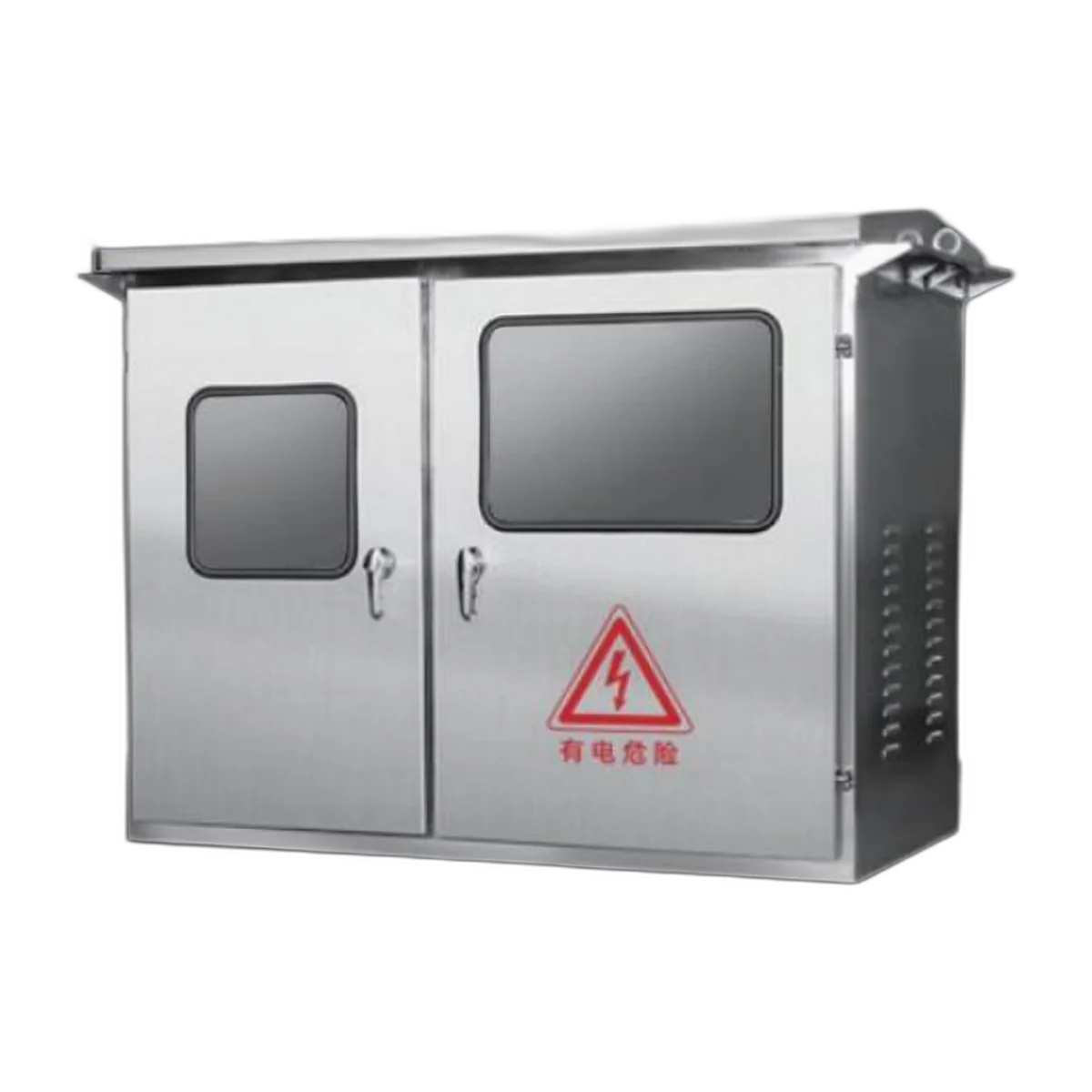
Another aspect worth investigating is what the rating was actually designed for. An IP rating is applicable to the enclosure as tested with its gaskets and cable entries. Drill an additional hole, fit a gland that is not rated accordingly, or keep a gland coming from above with no drip loop, and then it is not an IP65 enclosure regardless of the label. In reality, cable entry is the most prevalent cause of moisture inside the correctly defined box, which is why it is easier to verify a supplier who gives both ratings.An outdoor stainless steel distribution box carrying both sets of data is the kind of specification sheet worth comparing against the position it is going into.
Choosing Between Them
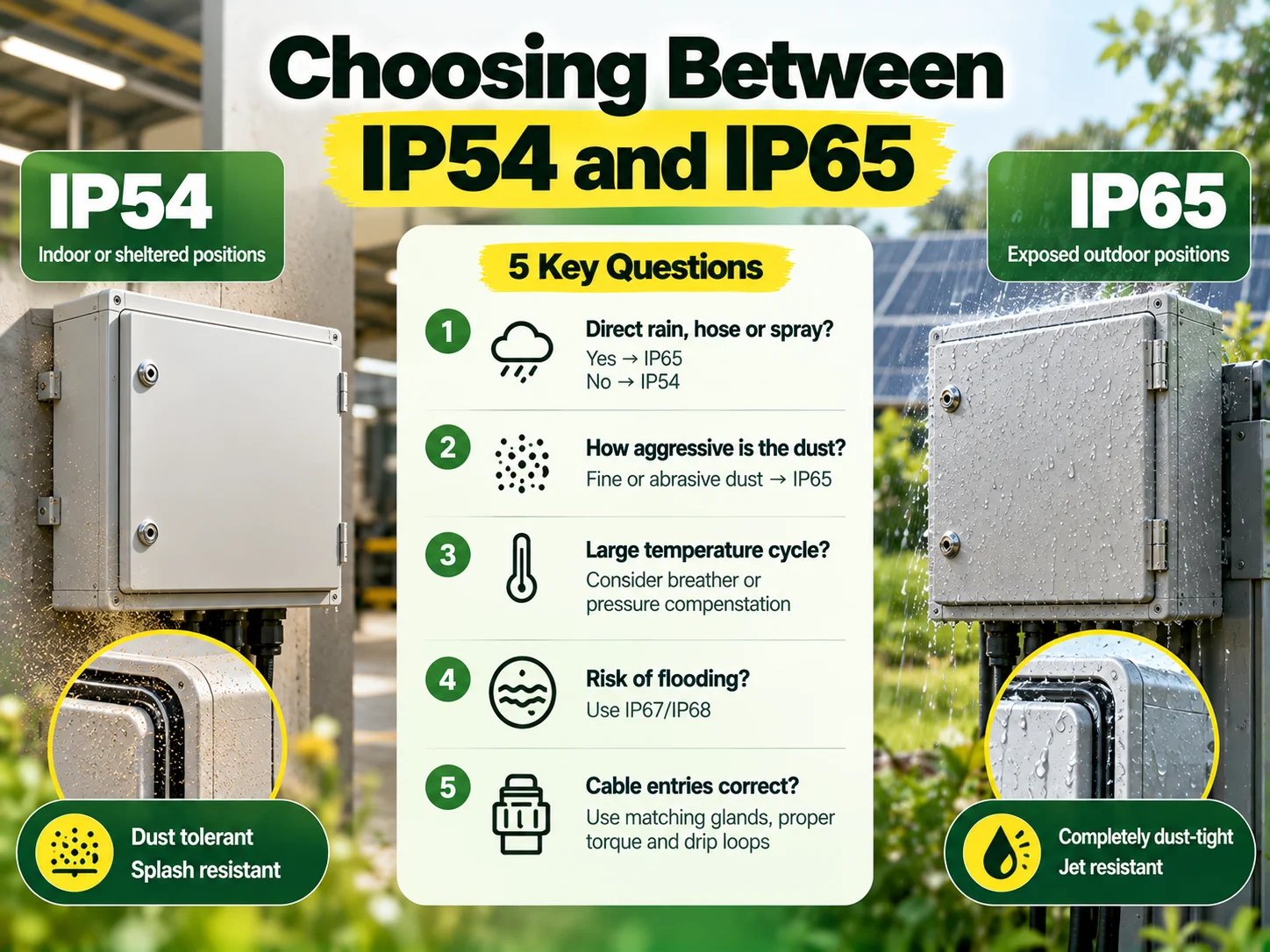
Five questions decide this, with the answer generally obvious already by question three.
- Is the enclosure exposed to direct rain, hose spray, or anything similar? If yes, then IP65 will be the bottom line, not the apex. If the enclosure is truly sheltered, then an IP54 is adequate and cheaper.
- How aggressive is the dust? Fine dust, conductive dust, or coarse, ridiculous dust – i.e. cement, carbon black, metal powder, grain – would argue for dust-tight regardless of its water status.
- What is the temperature cycle? An enclosure that heats up in the sun and cools down at night will breathe through its gasket. This is why sealed enclosures located in high-UV or high-humidity zones sometimes require a breather drain or a pressure-compensating element as opposed to just a tighter seal.
- Is the location subject to flooding? If standing water is a viable outcome, then an enclosure rated either IP54 or IP65 is not in order; this is IP67 or IP68 territory, with height above the ground becoming as much a concern as classification.
- What are the cable entries? This is the specification that truly does define the performance upon installation — matching-graded glands, proper torque, drip loops on any entry above the enclosure, and vacant knockouts left open.
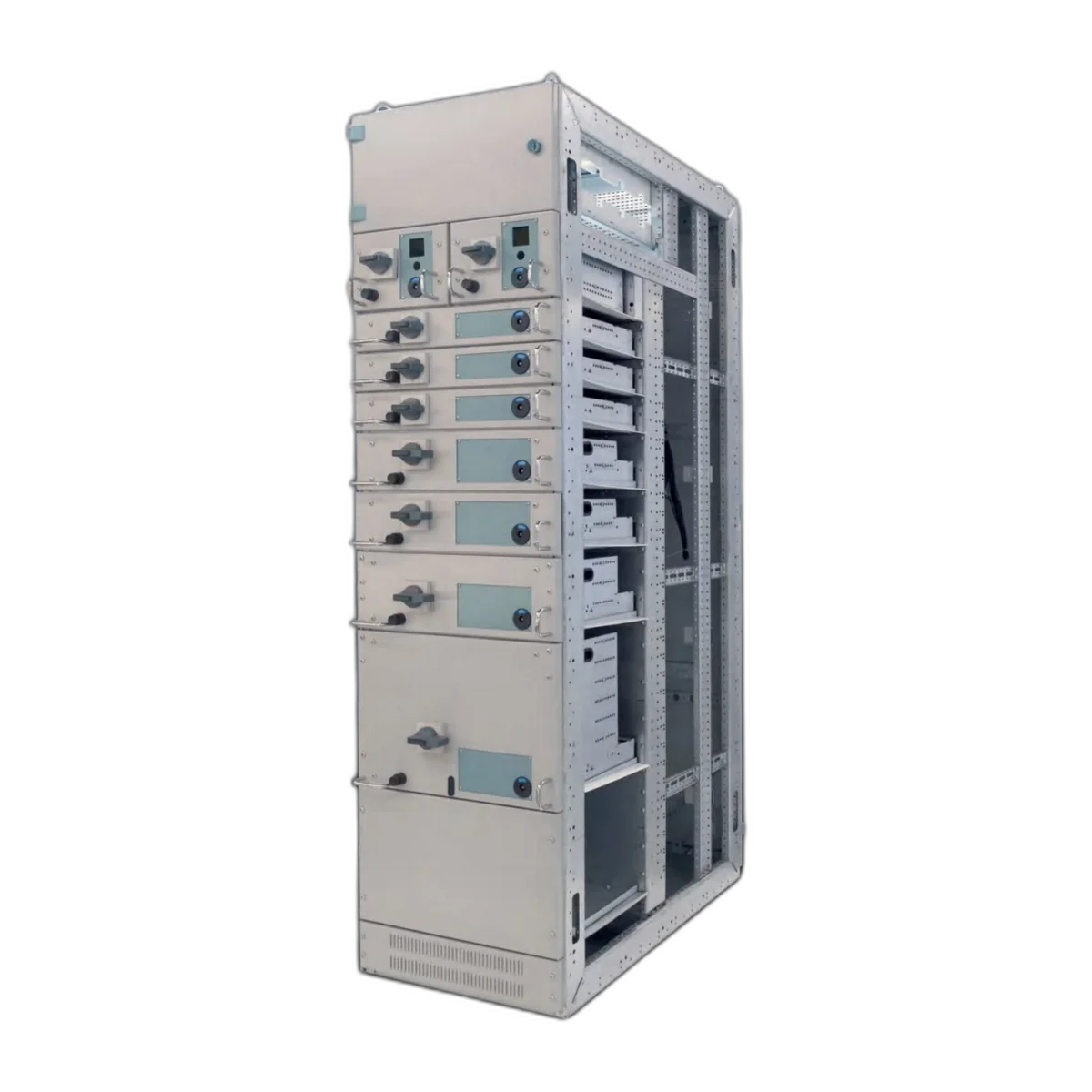
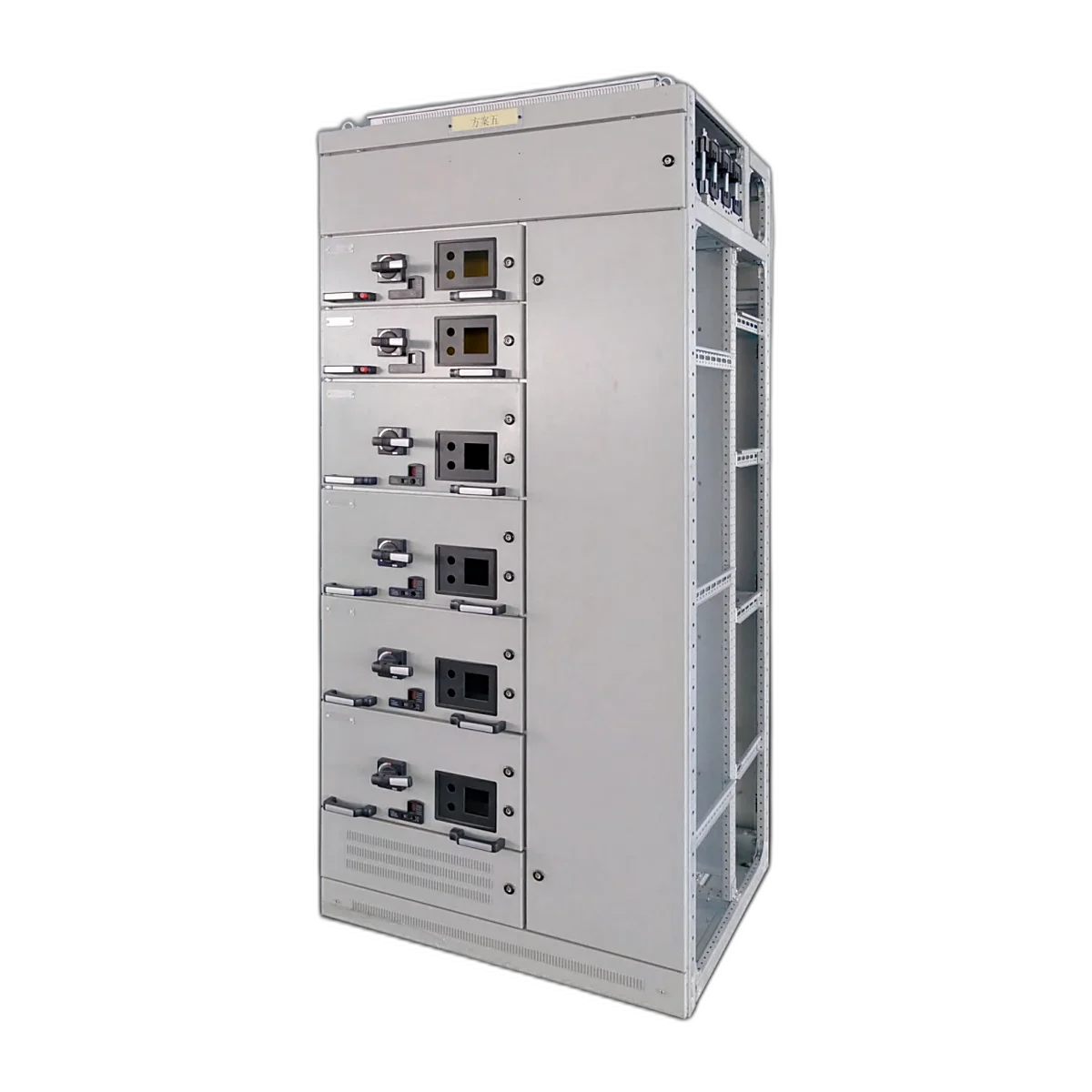
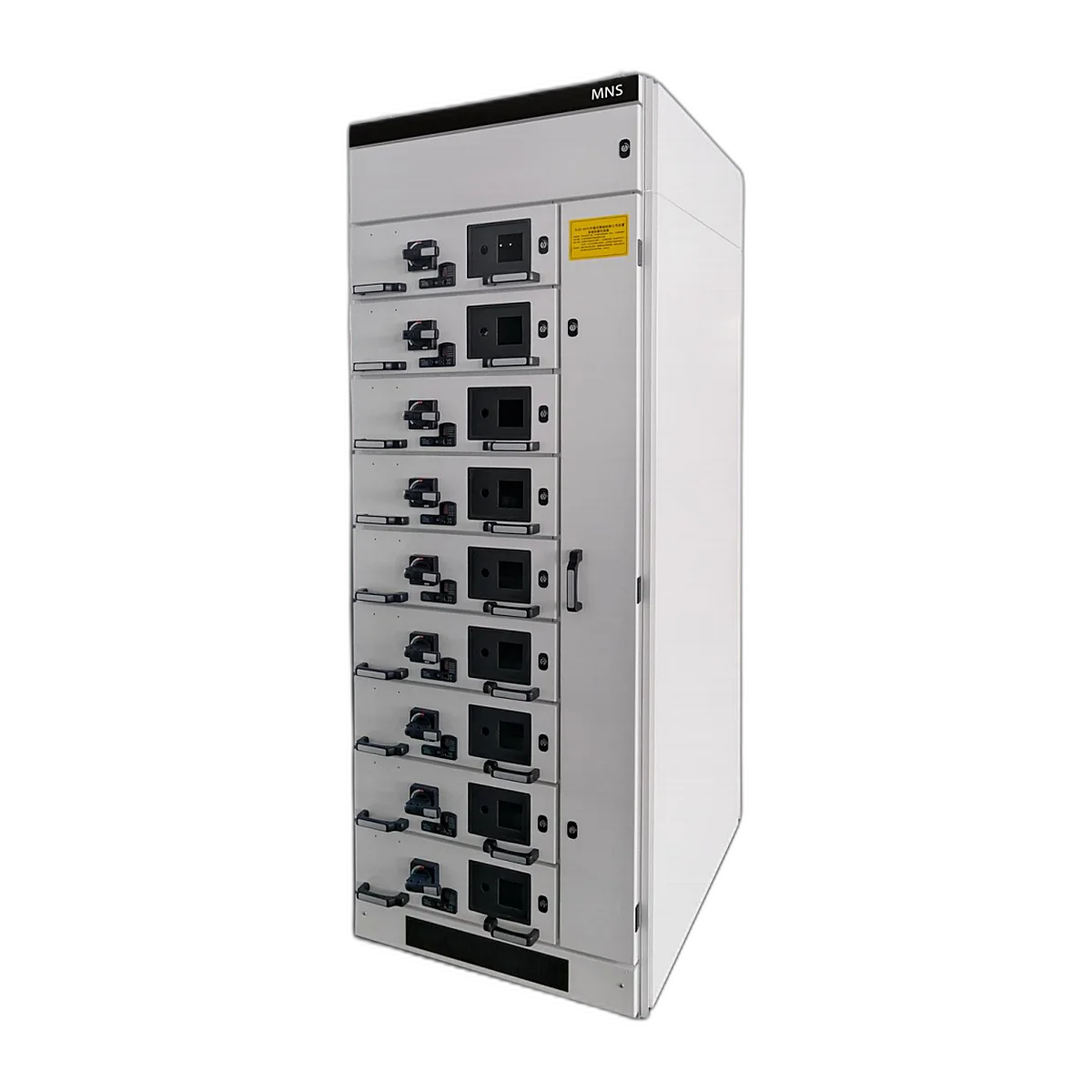
On outdoor renewable and utility positions, the decision is almost invariably IP65 or better, because exposure is uninterrupted and a service trip to a remote site dwarfs the difference in cost between the two enclosures. That is the reasoning behind specifying sealed enclosures across renewable energy distribution positions, where the cabinet may be approached twice a year at best and everything inside it has to survive in between.
Where Each Rating Is the Wrong Choice
The assessments of the IP ratings are often incorrect and can even be opposite to each other.
- Take the example of IP54 being outdoors on an exposed wall. This is one of the most common mistakes that is made as the rating can be achieved for the first season but after that, it will only show signs of contamination, damage to terminals and working intermittently. The additional cost of IP65 is much lower than the cost associated with just one service call.
- Taking another example, IP65 in the presence of steam or condensation. In a commercial kitchen hood, laundry facility or steam tunnel, no IP rating can do anything as the breakdown takes place at the condensation process inside a closed box, so the only solution is to get a breather, heater or relocation of the machines outside the area.
- Then the next example is IP65 for immersion. In case of a closed box in a flooded sump or pumps chamber, the right rating would be either IP67 or IP68 and also a mounting height that will not expose it to stagnant water.
- Another example is IP65 in case of using a bus bar or installation where internal access is needed. Usage of high rating means more complicated sealing and it will take more time to do maintenance when needed. Therefore, putting IP65 for every enclosure that will be opened frequently makes you pay for maintenance instead of getting a better protection.
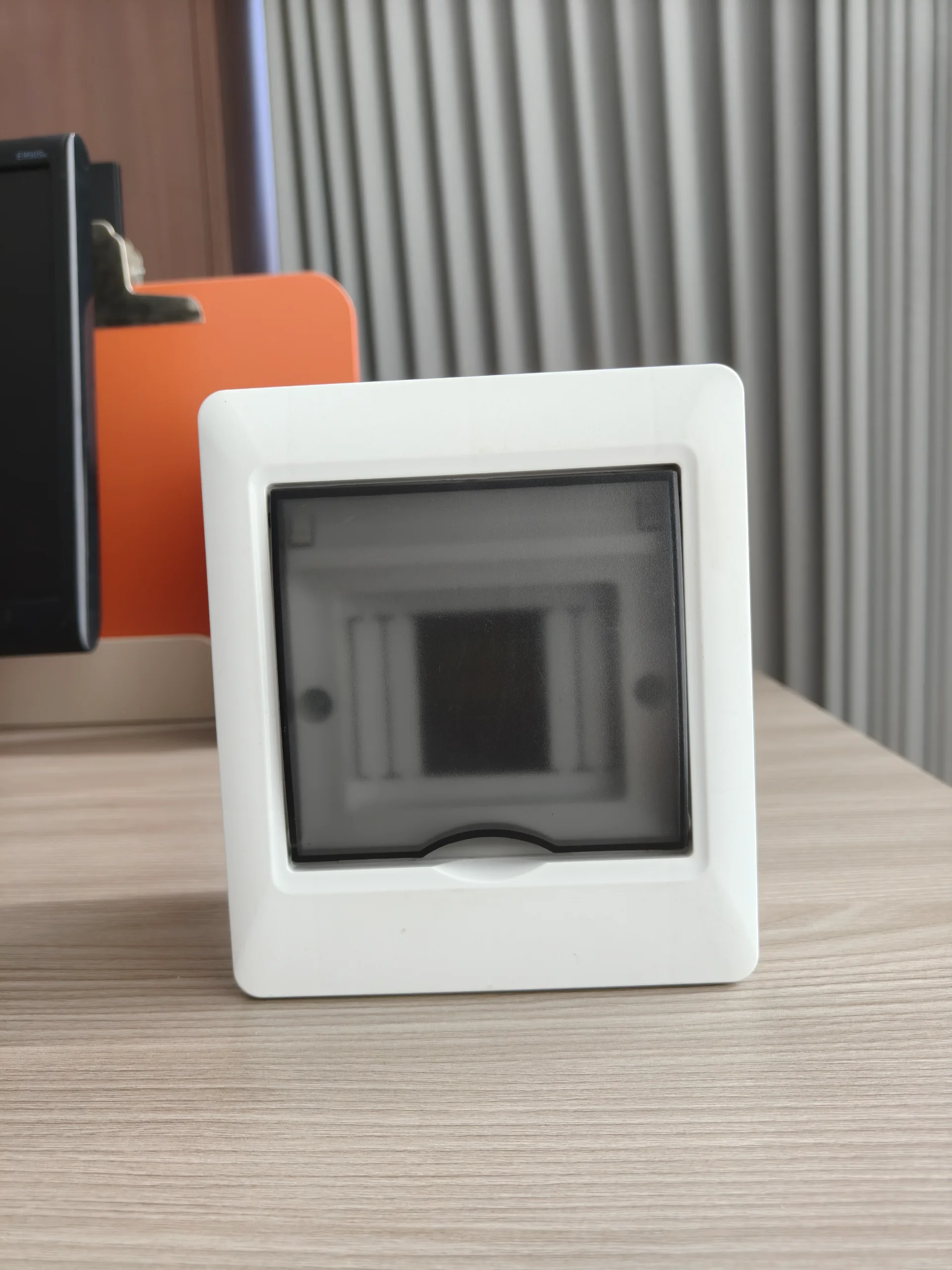
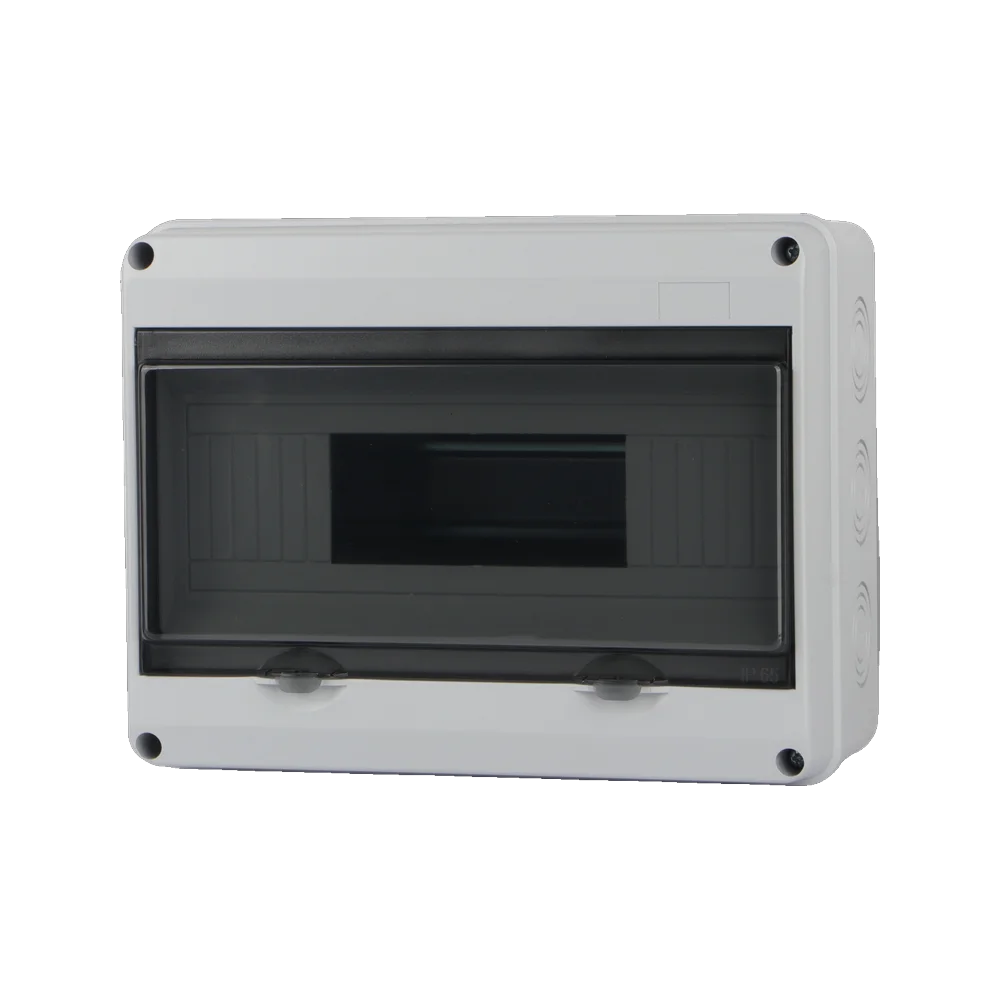
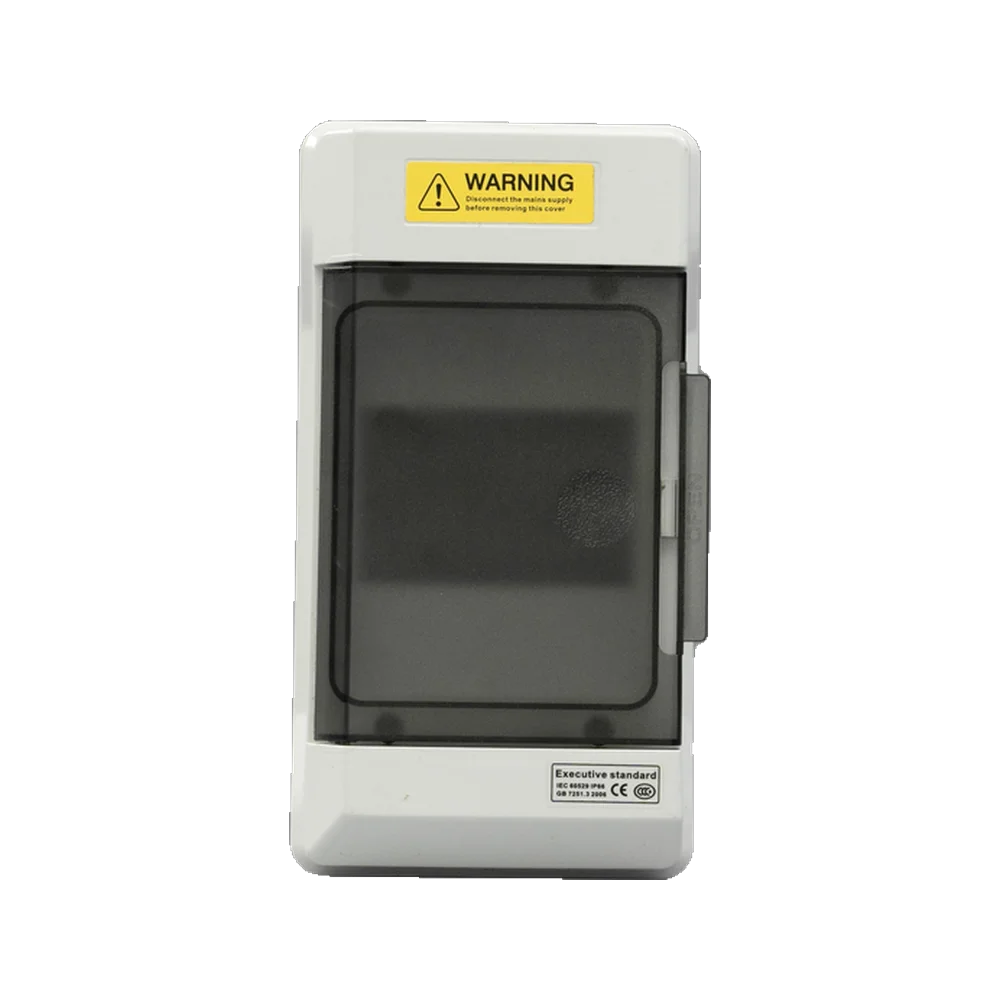
Finally, in case of a board on the wall of a plant or in a shelter, the usual type of enclosure would be the correct and cost-effective solution and there would be no additional benefits in putting IP65 rating and paying for it.A surface-mounted full-plastic distribution box is the kind of product that fits those positions — adequate protection, non-corroding, and specified for the location rather than for the datasheet.
Frequently Asked Questions
Is IP65 enough for heavy rain?
Indeed. The test for IPX5 is conducted using 6.3 mm nozzle at the rate of 12.5 litres per minute to assess water resistance on a device for three minutes from a distance of about three metres at approximately 30 kPa, which is harsher than driving rain against a stationary object. IP65 does not include situations of submersion, jet washing which require IPX6 or IP69K, and steam. Therefore, regarding installations of a device on an exposed wall, pole or roof, IP65 rating may be adequate unless cable entries are made to a high standard and any entry above has a drip loop .
Which is better, IP54 or IP65?
IP65 is superior on both fronts: it is not simply dust-proof, but also jet-resistant as opposed to splash proof. In pure terms of ratings, it is clearly superior. However, the question of the use comes down to the specific circumstances: if the enclosure is placed indoors inside a plant room, where no more than splashes hit it, IP54 is the perfect choice with no drawbacks of higher maintenance cost. Conversely, for an outdoor use, IP65 is the bare minimum, and in terms of pricing, IP54 is simply not worth the risks.
Is IP54 suitable for heavy rain?
Not for direct rainfall on an exposed surface. IPX4 tests rolling water from all sides at around 10 liters per minute for ten minutes which allows passing rain with an angle as well as leaking water and condensation but not strong water jet. On protected wall under cover of eaves, this should be fine. On the structure that takes IP54 position and gets exposed to the elements, there will be a water leak eventually and IP65 rating is more reasonable.
Which is better, IP67 or IP65?
Instead of just one designation being superior, both specifications serve to show protection against various hazards. IP65 refers to protection against dust as well as low-pressure water jets; IP67 means the object is protected against dust and temporary immersion in water up to a meter depth for 30 minutes. There are cases when enclosures are going to be submerged — in case of flooded pit or pump chamber or below-grade vault, then IP67 is essential. If the used equipment is to face water cleaning devices such as pressure washer or fire hose instead of standing water, neither IP67 nor IP65 is sufficient; in that case, IP66 or IP69K is the correct specification.
References
- Fibox — IP-rated enclosure technical guidance and product data
- Rittal — enclosure protection categories and application selection
- NEMA Supply — enclosure type ratings and IP cross-reference
- Hammond Manufacturing — enclosure ingress protection specifications
- National Electrical Manufacturers Association — enclosure type designations
Conclusion
The difference between IP54 and IP65 lies solely in the definition of how much dust protection an enclosure is providing (tolerance vs. tightness). Whenever the enclosure has to be placed outdoors, it is always preferred to use IP65 over IP54, since the difference in price is minimal and the costs likely incurred will be significant. When the enclosure is to be used indoors or under shelter, IP54 should be used since the extra money is wasted to buy nothing but a door that does not open in a timely manner. In such cases, the contractor should devote its energy to the proper arrangement of cable entries, since the role of gaskets and connectors is immense.