
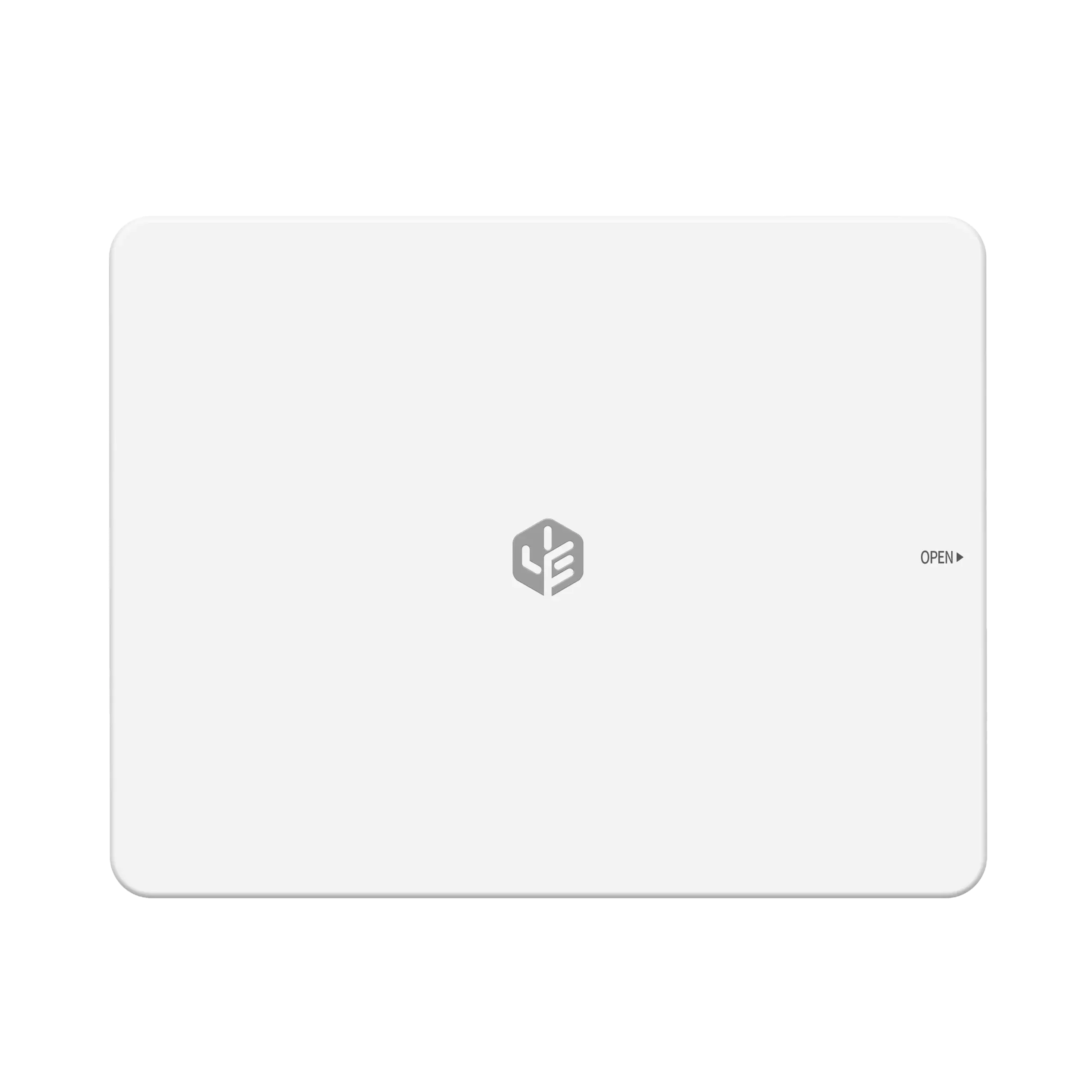
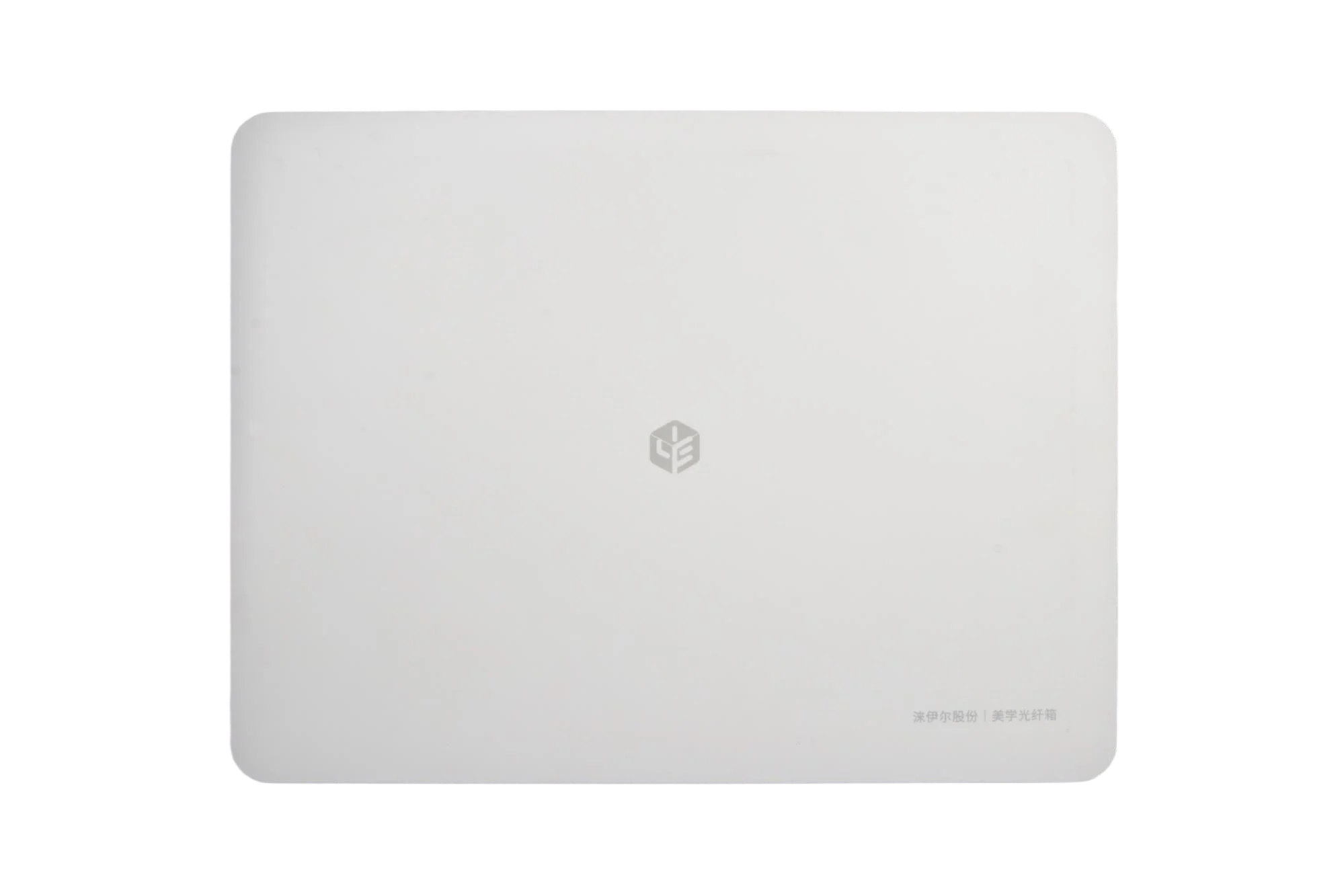
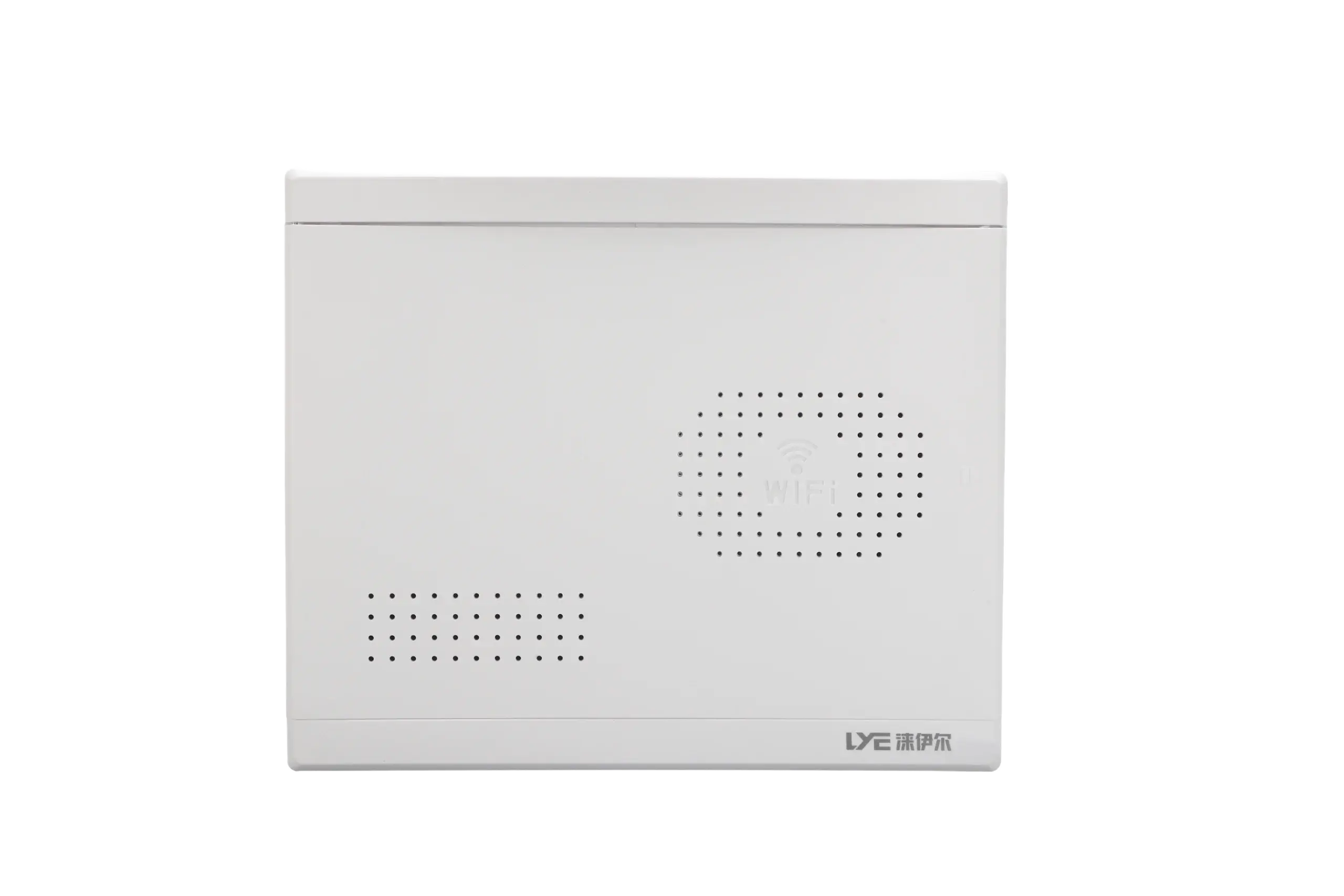
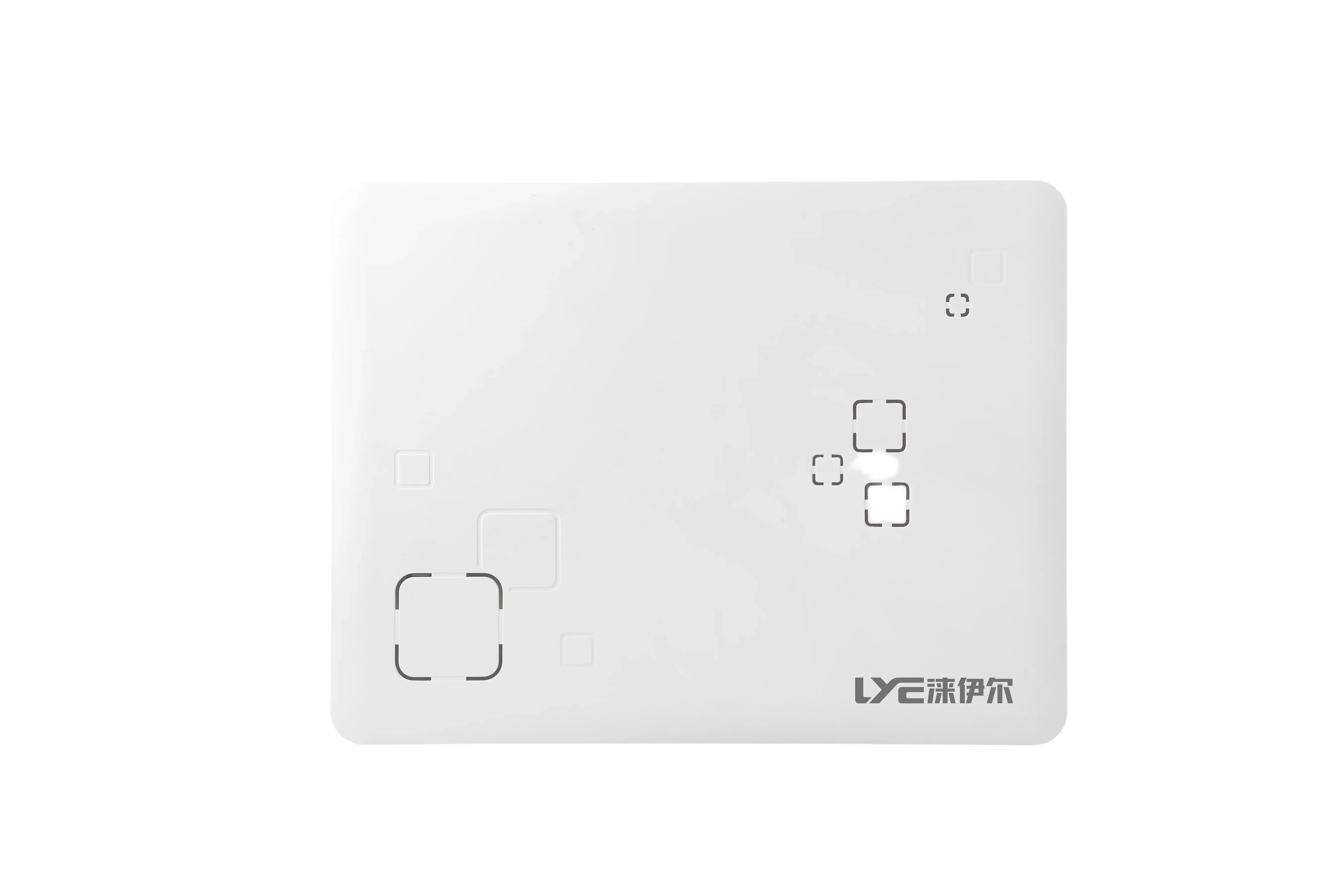
Best Weatherproof Enclosure Box for Outdoor Electrical Power
Most electrical problems with outdoor setups are not created from the box itself. They come from where the cables enter into the box, how they mount the box or when utilizing a box rated for rain but set in a location that has sideways, high-pressure water flow. So the first thing to consider in choosing the enclosure is the specific area of use before thinking about the material type as they are both equally important.
Quick answer: For an outlet or a small distribution box mounted on the wall of your home, you should typically choose an IP65 or IP66 polycarbonate enclosure in the 200mm to 400mm size range from around $20 to $60, however, if you live in coastal, chemical or washdown areas then you will want to look at either 304 or 316 Stainless Steel rating from $80 to $350, and if you have a large outside power distribution box then you will want to look at a floor cabinet made of GRP or Stainless at a cost starting from $400-$1500. The rating of a weatherproof box should generally meet or exceed an IP65 rating as a minimum, an IP66 rating is required where there is potential for a hose-down or driving rain and a NEMA 4X rating is also acceptable if you are ordering a product from North America. The most important detail for keeping the box dry is not the box itself but rather the gland(s) that you use to seal the cable entry points into the box.
The rest of this document will go into detail about what is required from a true Weatherproof enclosure, provide an overview of the IP and NEMA rating scales, identify the four different materials used in outdoor electrical enclosure products, review the various product families that are available to be used for outdoor applications, compare and contrast dimension/size and price of the different types of enclosures, introduce some common brands of outdoor electrical enclosure products and describe how to choose the right type of outdoor enclosure by application, and finally outline the installation methods and techniques necessary to complete your enclosure installation and the questions you should be asking before ordering your enclosure product.
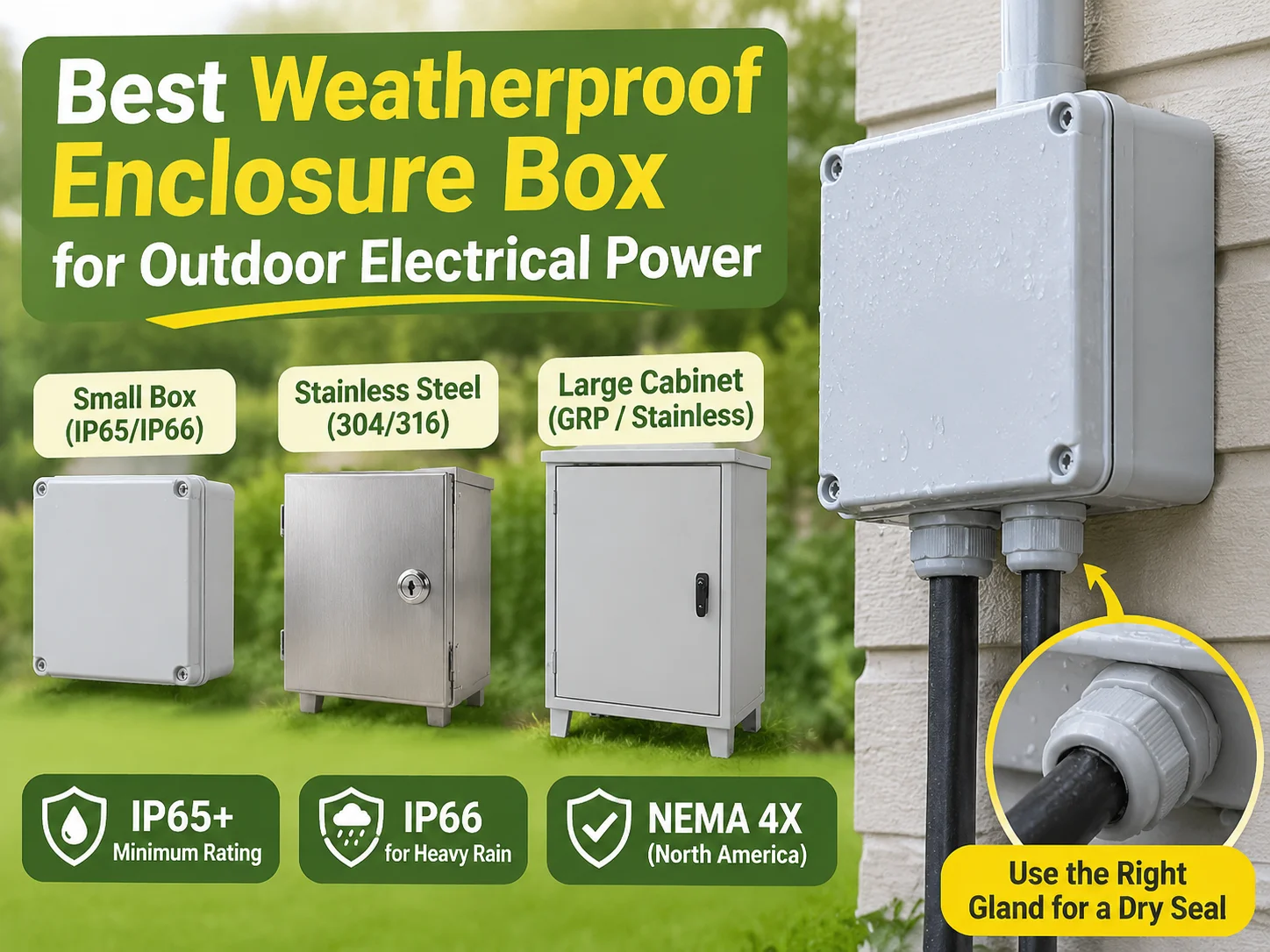
What Weatherproof Has to Mean
Keeping liquid water out is a function of the rating. The ability to withstand ultraviolet radiation is an attribute of the material. The capacity to be protected from corrosion is a property of both the material and finish. Finally, the ability for a person wearing gloves to be able to unlock a box is also essential because a box that cannot be opened will likely end up being opened by force.
Of the four things mentioned above, the easiest to determine whether it has produced a faulty product is the rating of the box and is the least likely to be the cause of failure. If a box rated IP65 fills with water while in service, there is likely an unsealed gland, faulty gasket, holes drilled through the back of the box, or missing screws from the lid that have caused the failure. It is the installation that has failed, not the box itself.
The slow failure associated with exposure to UV radiation occurs when the polycarbonate boxes that do not have UV stabilizers will experience yellowing and hardening after two to three summers, which will be evident by the cracking of the lid when it is opened. In contrast, GRP (Glass Reinforced Plastic) or stainless steel boxes will not fail in this manner.
IP Codes and NEMA Ratings: The Two Types of Ratings
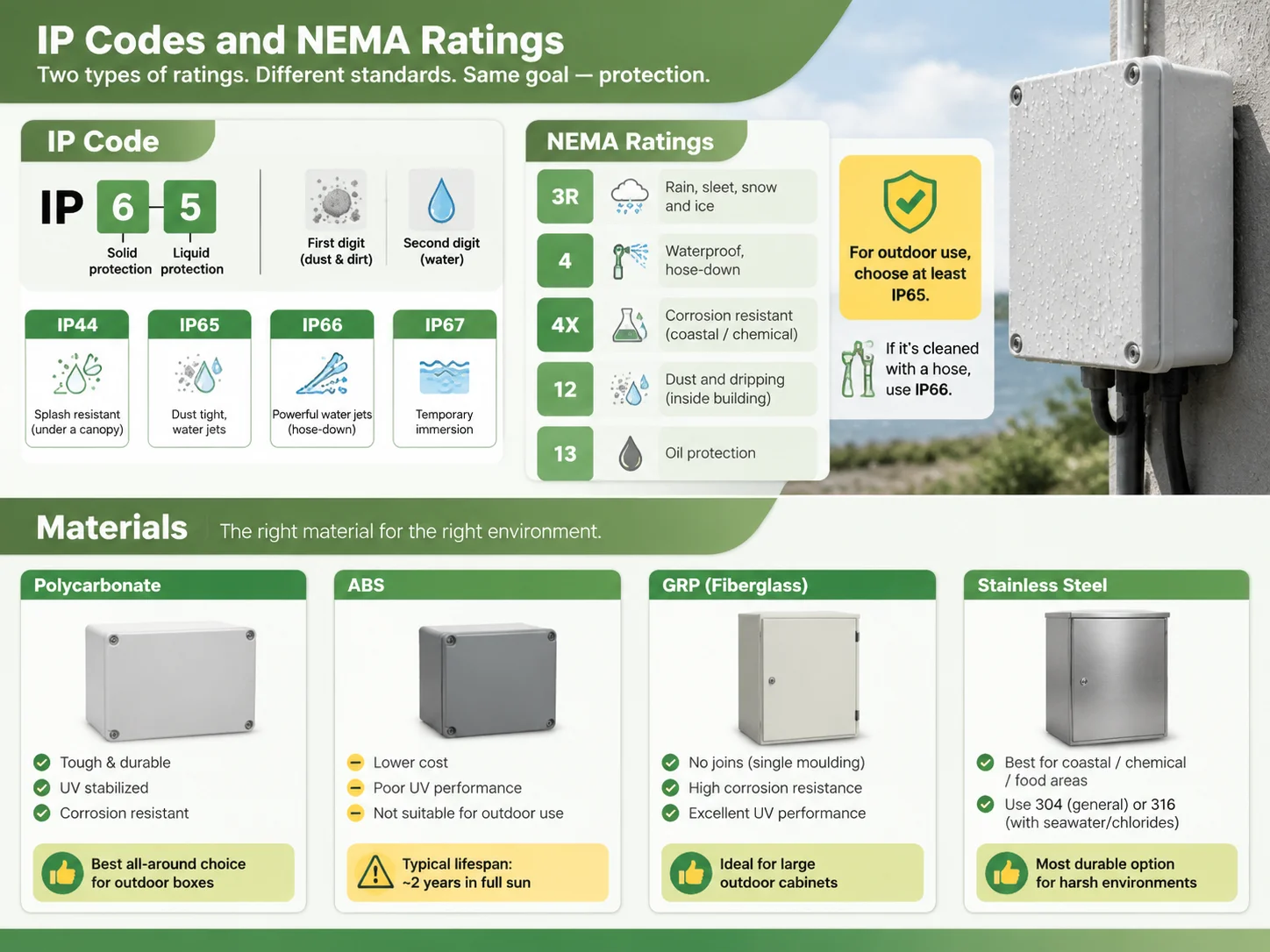
An IP Code is defined by its two digits: the first digit identifies the protection against solids and the second digit identifies the protection against liquids. The first digit identifies how dust and dirt are managed (i.e., a rating of 5 indicates that the item is dust protected, whereas a rating of 6 indicates that it is dust tight). The second digit speaks to the way water can be managed by that device. IP Ratings indicate how water can be projected through the device but do not indicate how long an item will remain waterproof from direct water exposure. For an outdoor box, the most common ratings are IP65 and IP66.
In contrast, NEMA has developed its own rating system and does not map directly to the IP Code Rating. For example, NEMA 3R is designed to be resistant to rain, sleet, and snow, which is why most outdoor equipment in North America has this rating. NEMA 4 indicates that items will remain waterproof and are designed to be cleaned with a hose. A NEMA 4X is designed to resist the effects of corrosion and is therefore used when a coastal or chemical project requires it. NEMA 12 indicates that it offers protection against dust and dripping inside a building, while NEMA 13 will protect against oil.
- IP44 – Protects against splashes from any direction and is suitable for providing protection to a wall that is sheltered from rain and wind (under a canopy).
- IP65 – Protects against dust and is watertight to water jets and can be used for the general outdoor mounting of a wall.
- IP66 – Protects against dust and is watertight to the powerful water jets. This unit is suitable for the cleaning of hose-down areas and for the provision of protection to walls that are otherwise exposed to the weather.
- IP67 – Provides temporary immersion. Suitable for use in pits and sumps and for areas where water can accumulate on the ground due to flooding.
- NEMA 3R – Protects against rain, sleet, snow and ice, which are typically found on the exterior of outdoor electrical equipment located within North America.
- NEMA 4X – Protects against water immersion and corrosion in a coastal or chemical washdown environment.
When in doubt, the practical minimum for any product used outdoors is IP65 and the minimal acceptable standard for anything cleaned with a hose is IP66. For example, if you specify a box with an IP44 rating because it will be installed “under the eave,” expect to have it wet itself out before the end of the season due to the splash-up effects of wind-driven rain.
Materials: Plastic, GRP, Steel and Stainless
Polycarbonate is the most commonly used material for outdoor boxes. Polycarbonate is a tough plastic; it is easy to use, can be manufactured to a clean shape, has good performance with UV stabilizer and is corrosion resistant. Additionally, it is easy to see how much quality there is in different grades of polycarbonate, because the low cost of lower quality grades will fail in sunlight after a short period of time due to insufficient UV stabilizer.
ABS is a lower cost plastic but is not suited for outdoor use. Its lower impact strength at low temperatures and poorer UV performance make it unsuitable for use as an outdoor box. In fact, the majority of box products sold as “plastic” are actually made of ABS unless otherwise specified. Typically, a box or covered area meant for outdoor use would last four years of continuous exposure in the sun, while the same box would only last approximately two years if placed on an outdoor wall receiving full sun.
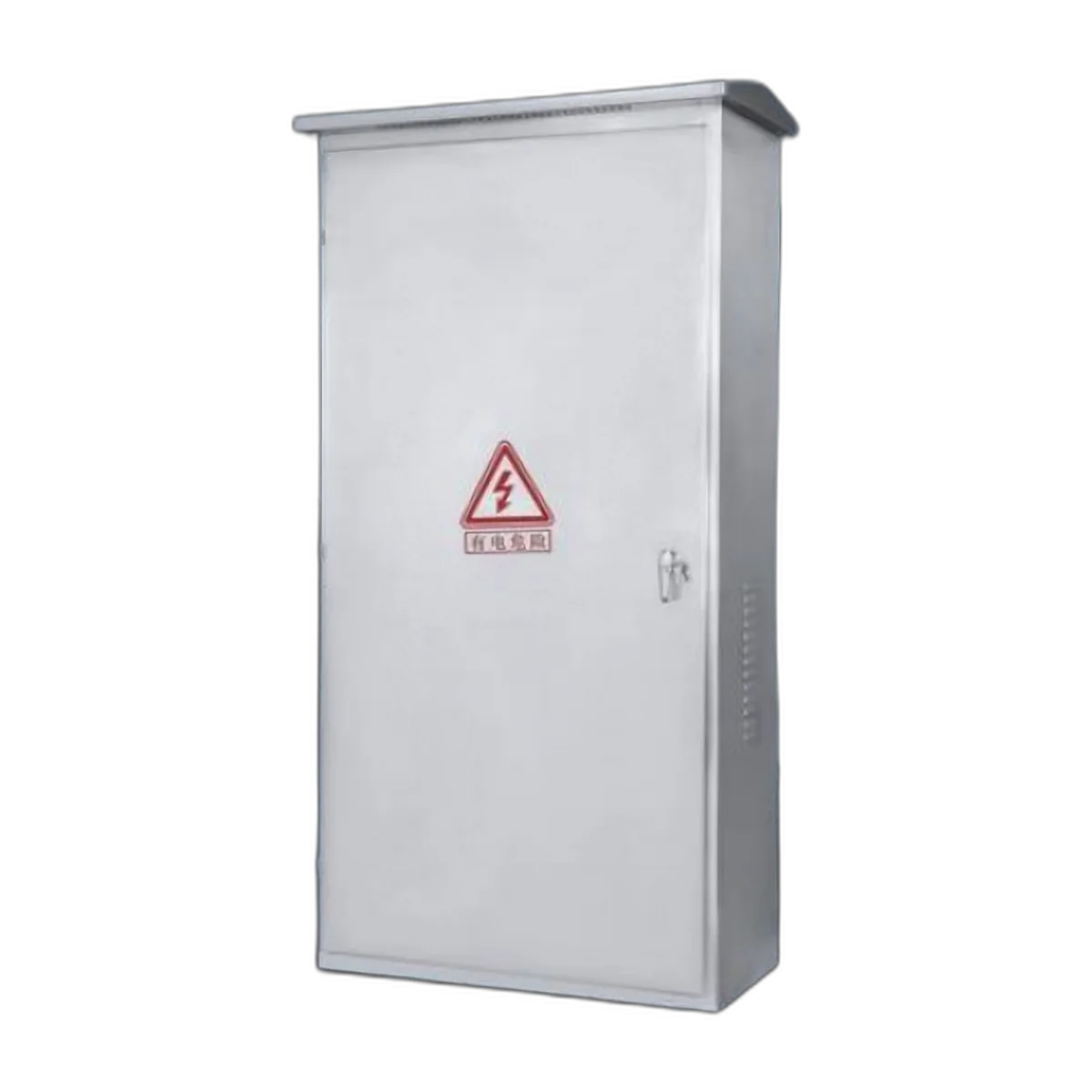
Large outdoor cabinets are usually constructed from GRP (glass reinforced polyester), which is cast in a single moulding (no joins), has an extremely high resistance to corrosion, has excellent resistance to UV rays, and can be manufactured in dimensions that cannot be achieved with thermoplastic materials. GRP cabinets are more expensive than polycarbonate but are less expensive than stainless steel cabinets.
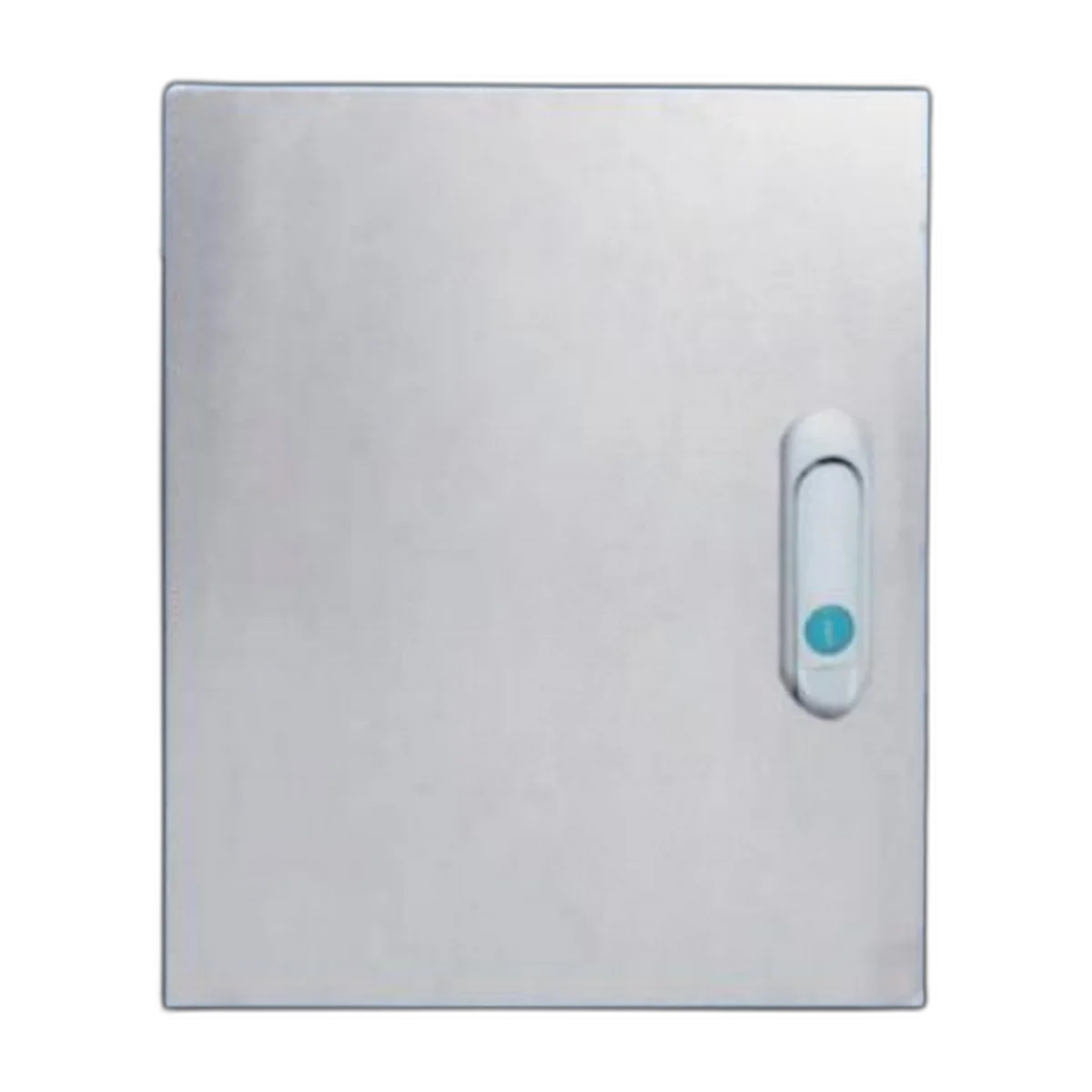
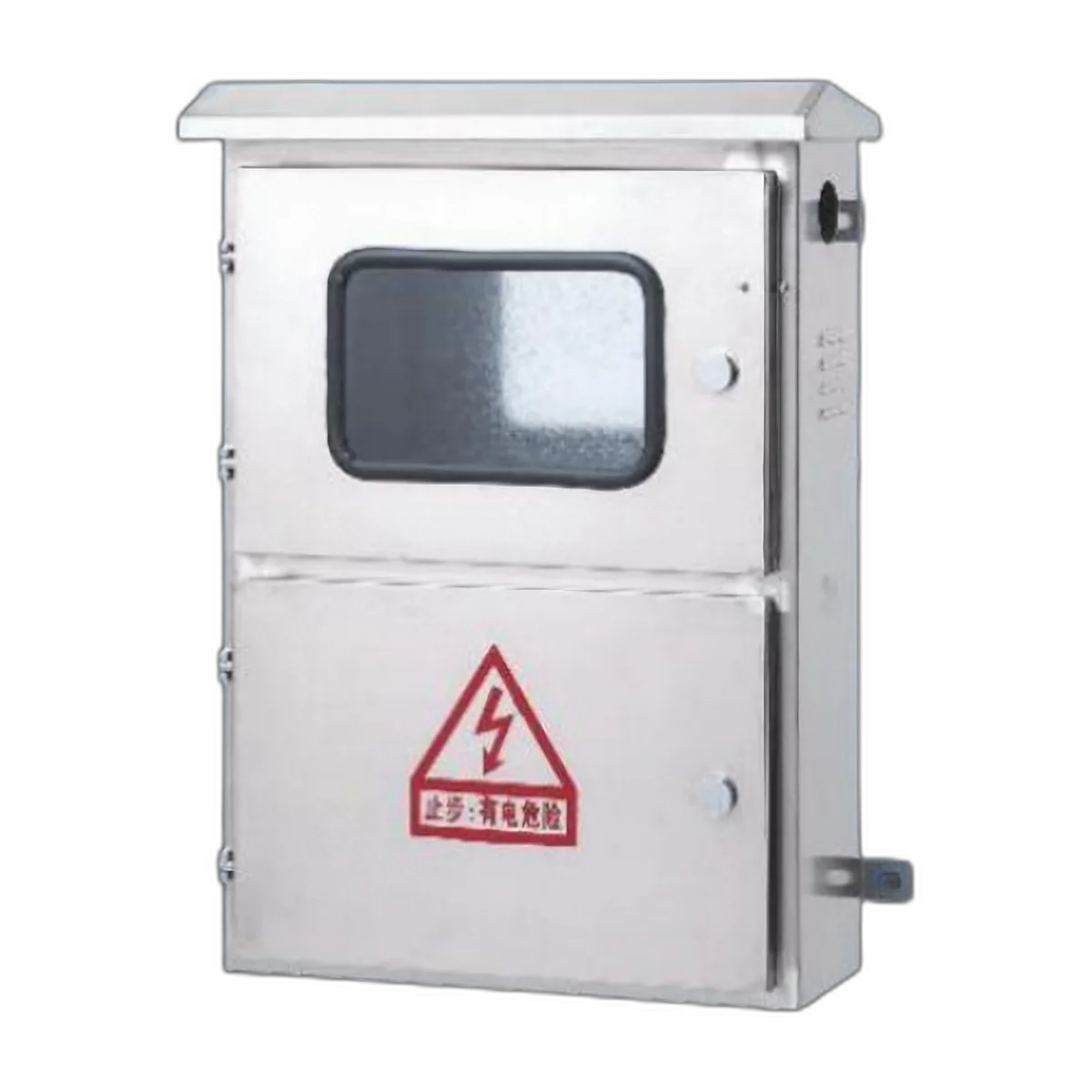
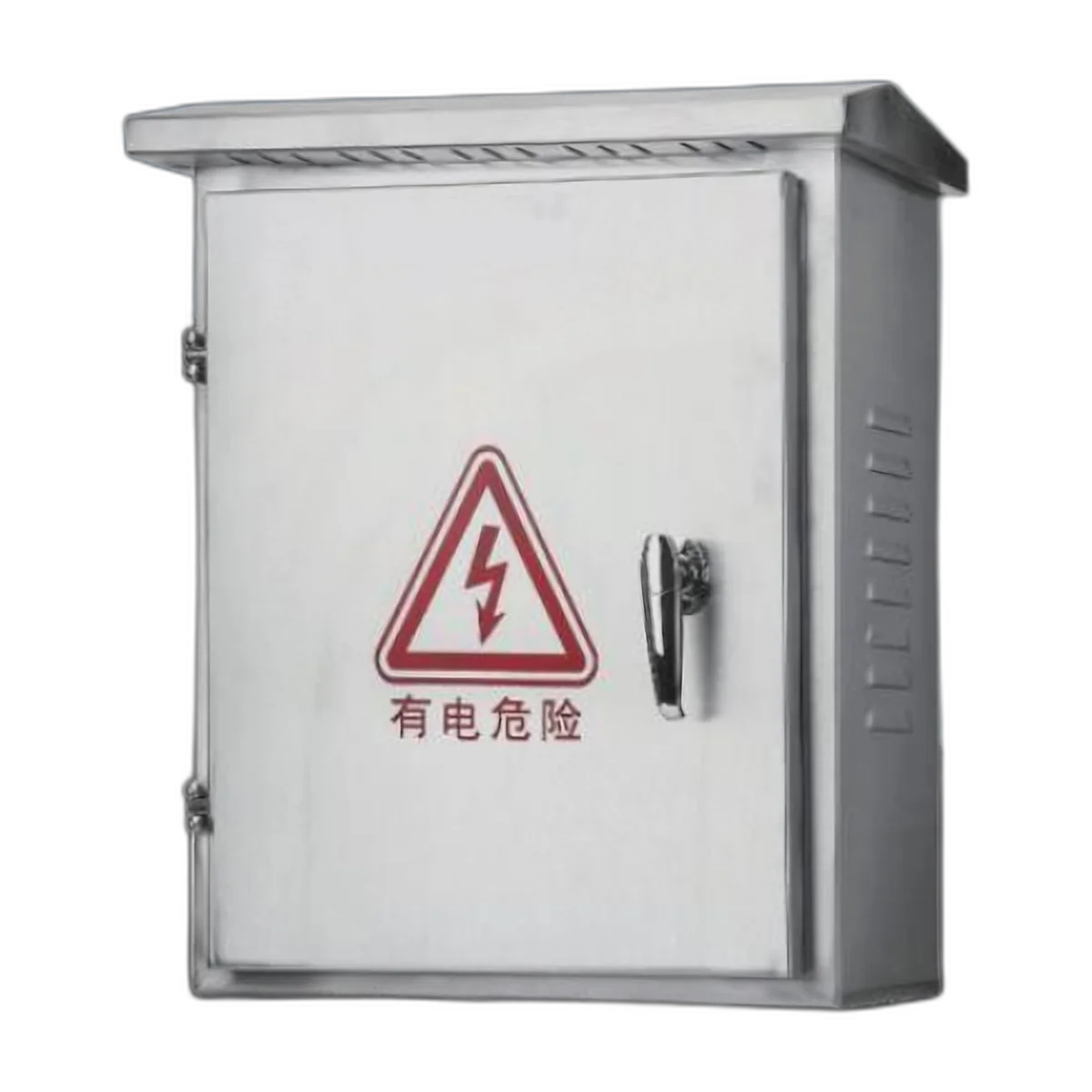
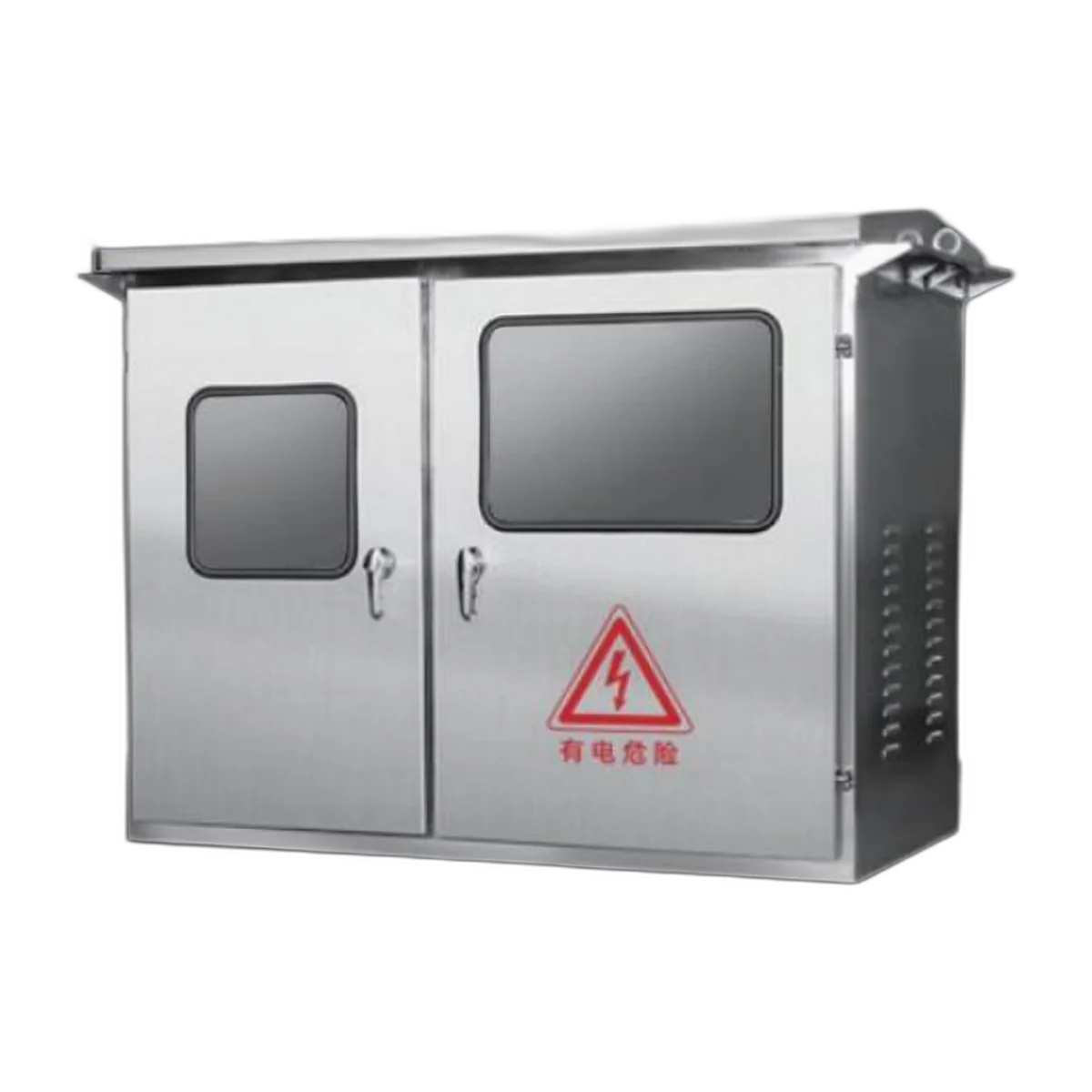
Stainless steel should be used for all coastal, chemical, and food handling areas. Generally, 304 stainless is sufficient for outdoor applications. If you are located within a few kilometres of the ocean and chlorides (such as seawater) are present, you should use 316 stainless. Also, painted steel cabinets cannot be used as an alternative to stainless steel cabinets because after several years, when the paint coating wears away from the edges (cut after fabrication), the first signs of rust will appear around an opening.
The Products in the Outdoor Power Market
While the market for outdoor electrical power products has five product families, the selection of an appropriate outdoor product for a particular use will depend very much on what type of electrical appliances will be stored inside the product. The size of the product will not be a primary factor in determining which product to purchase.
| Family | What it contains | Typical Rating | Where it is Used |
|---|---|---|---|
| Small Junction Box | Splice or single device | IP65 | Garden lighting, gate motors, CCTV |
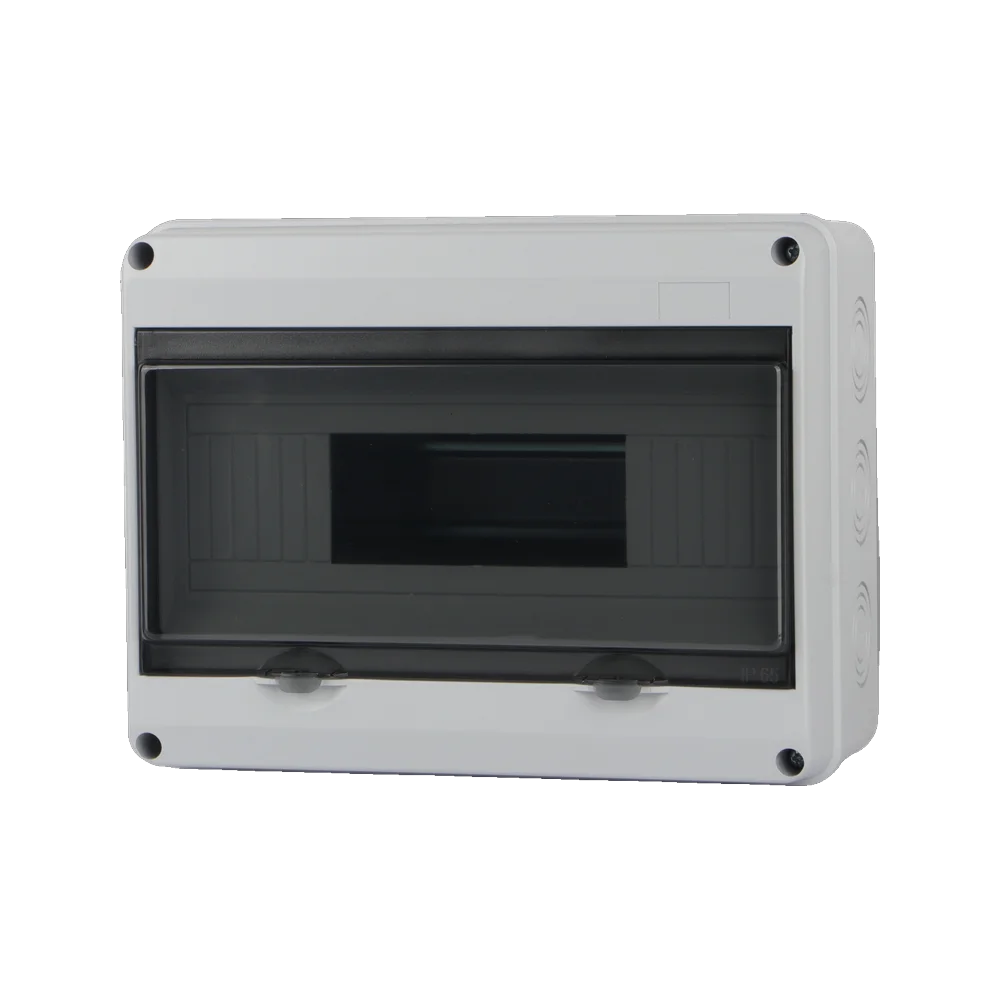
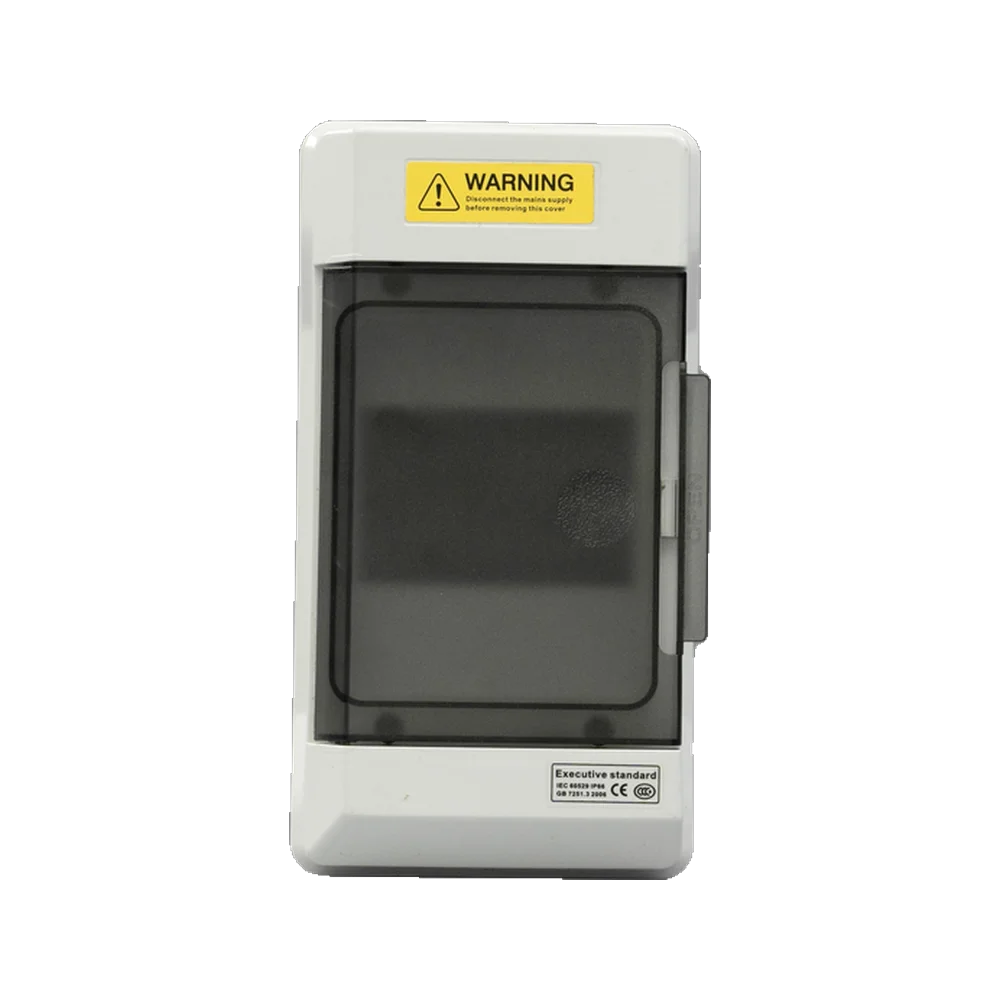
| Wall-mount Distribution Box | DIN Rail 6-24 modules | IP65 or IP66 | Outdoor circuit socket, outbuildings |
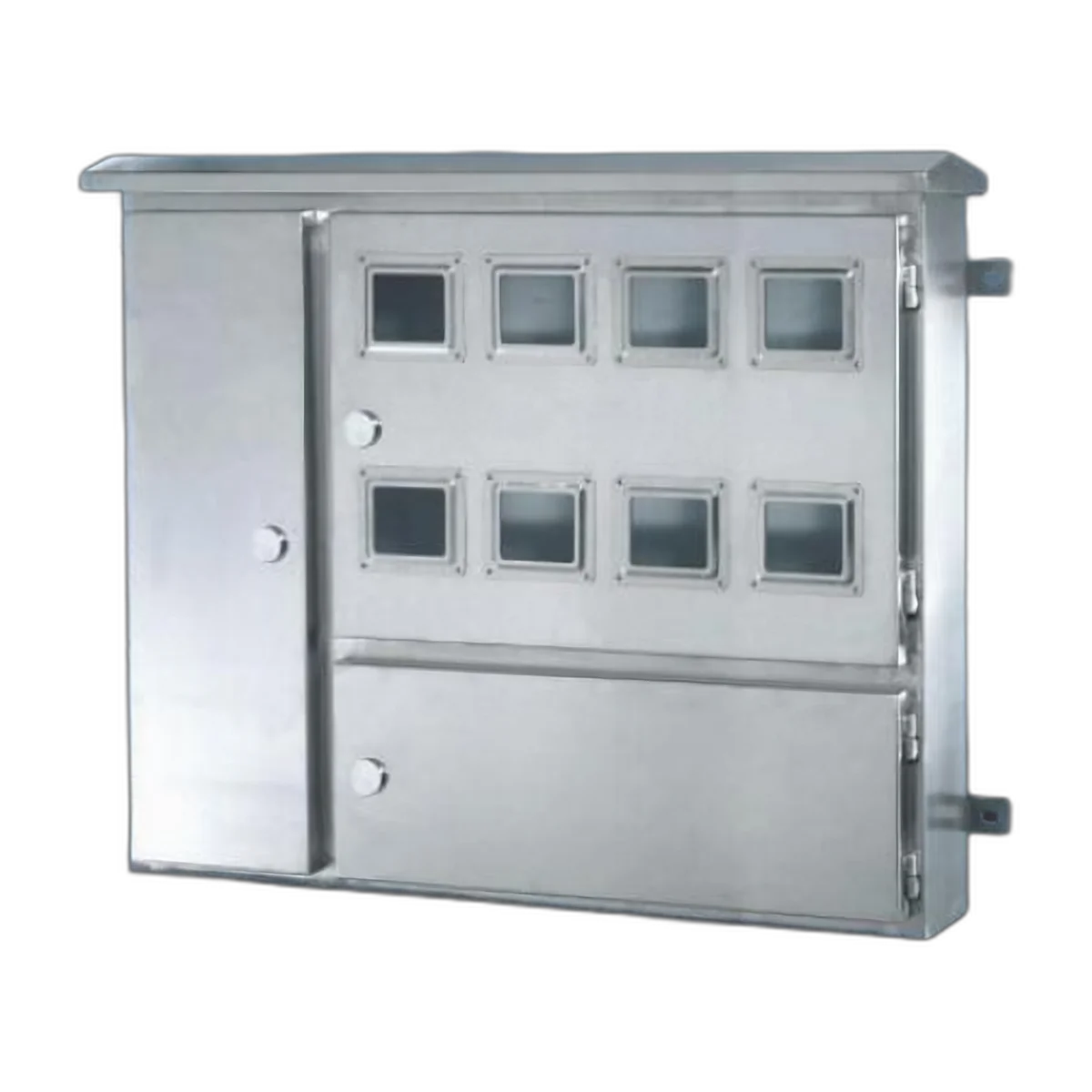
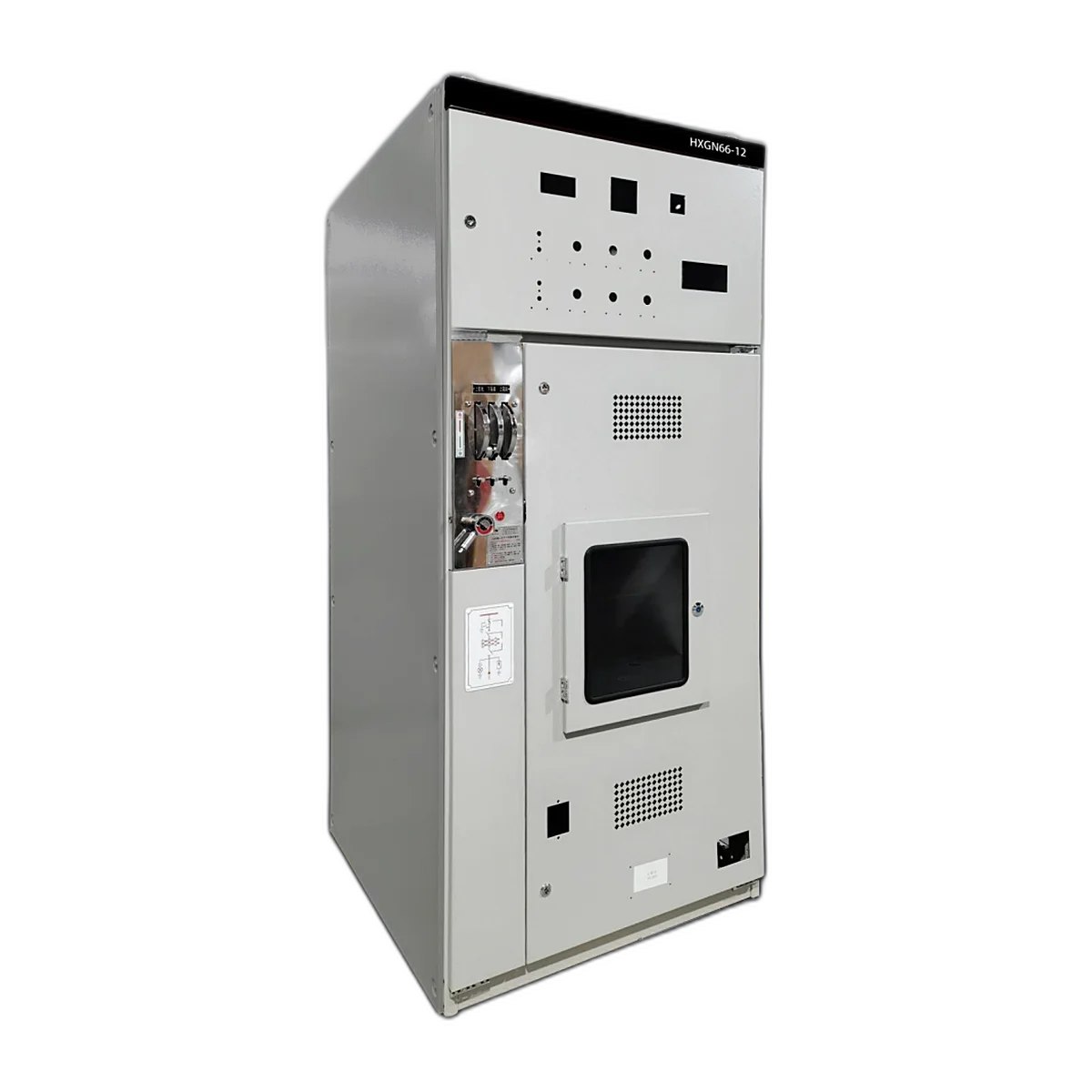
| Meter/Service Box | Service board, main switch and meter | IP54 to IP66 | Boundary boxes, site supplies |
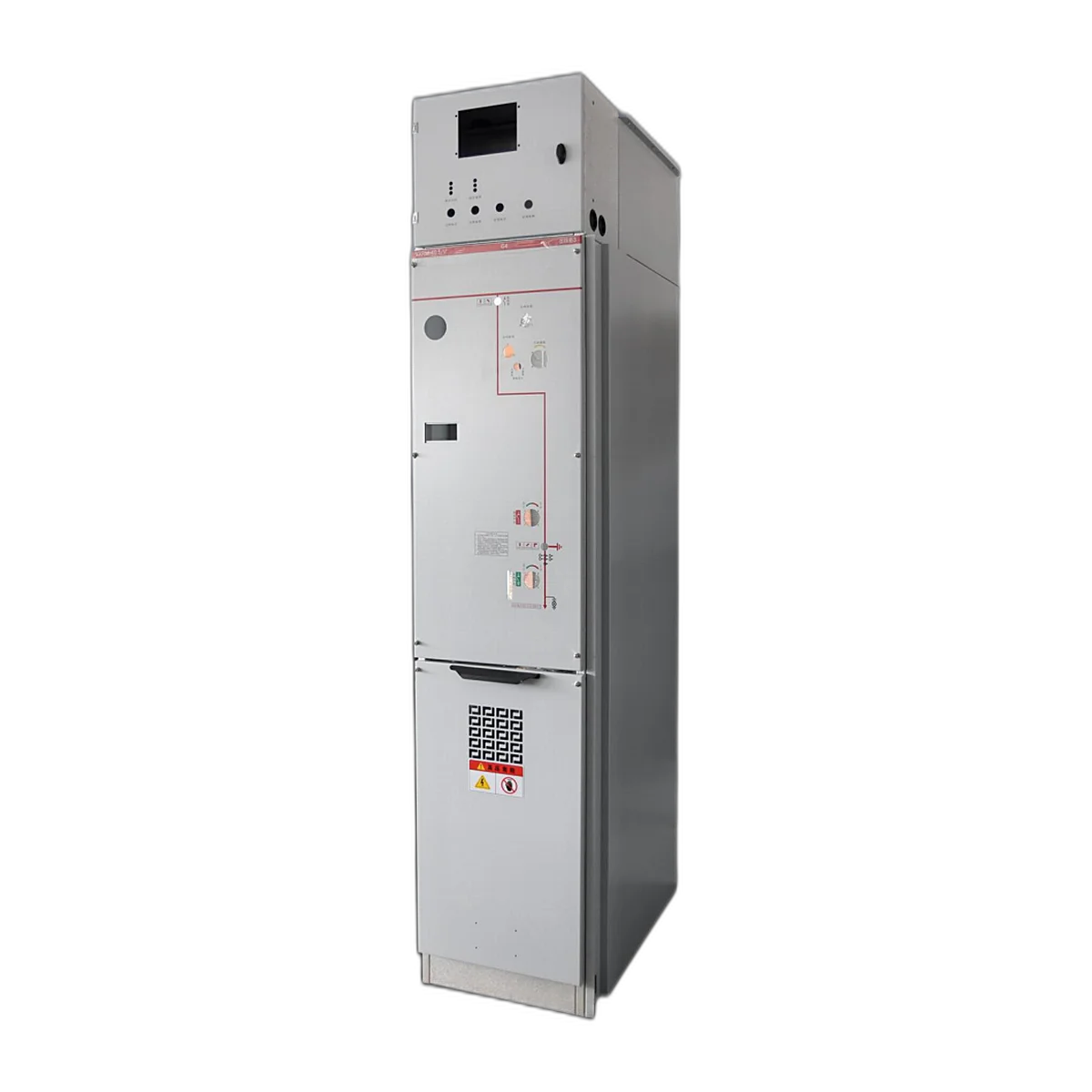
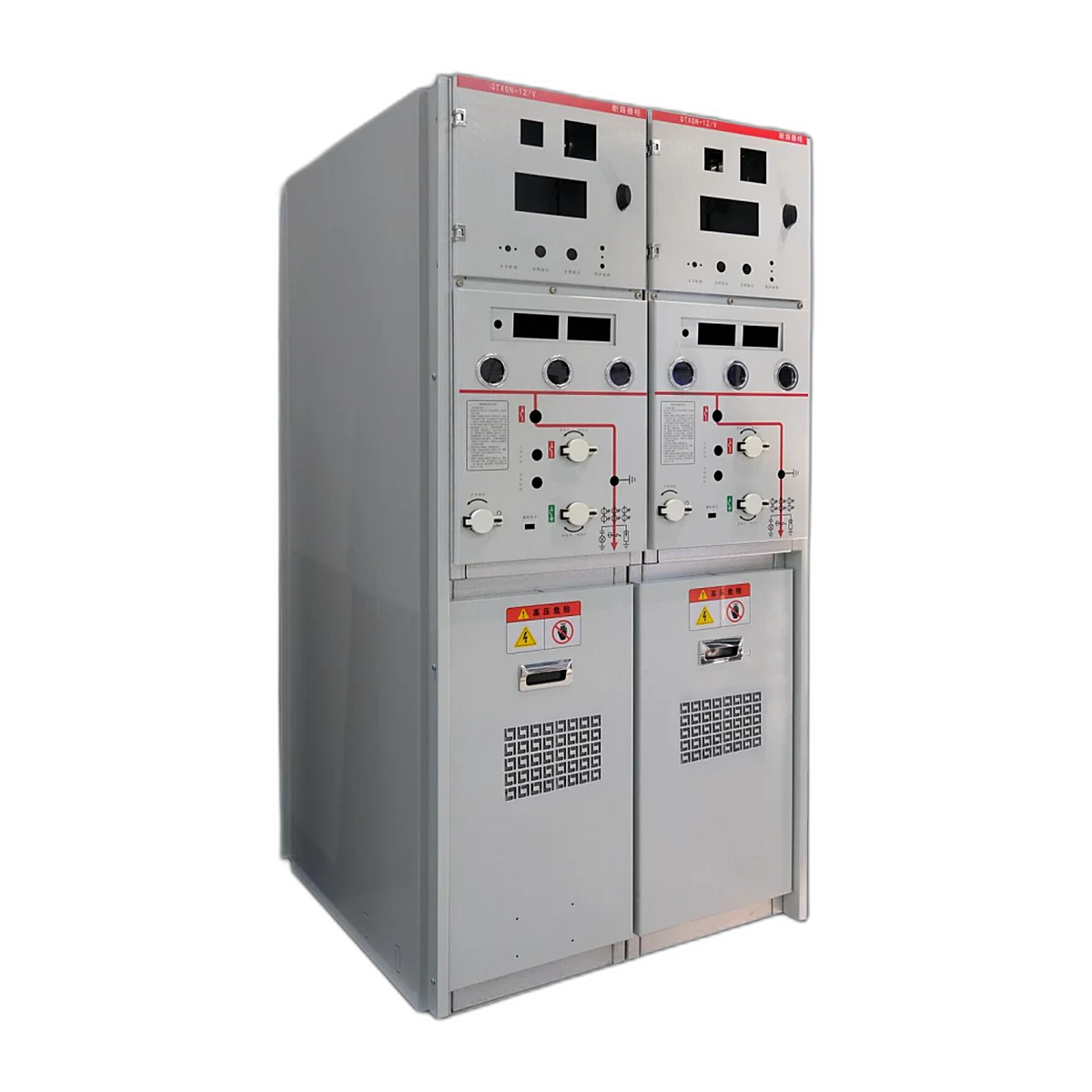
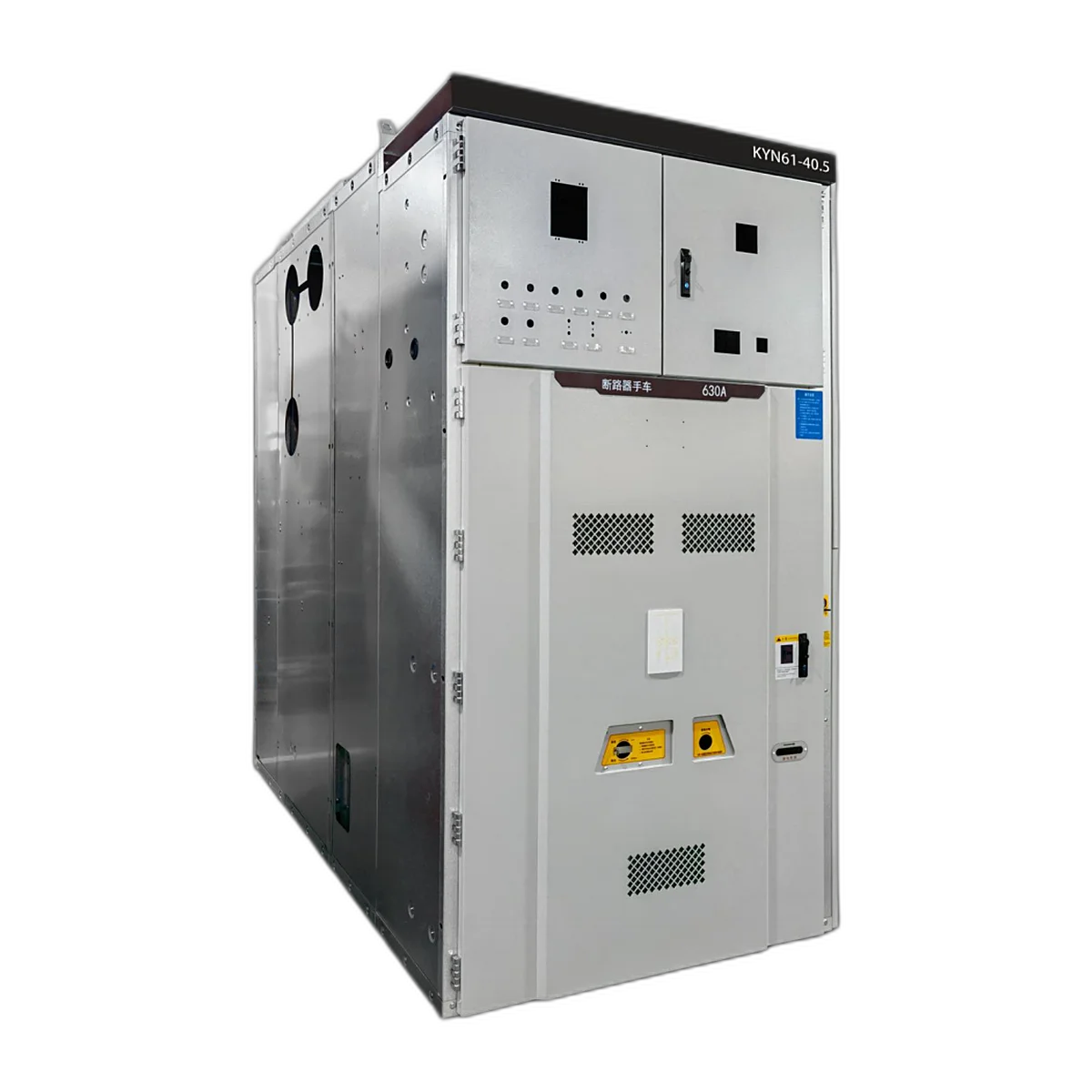
| Floor Standing Cabinet | Full distribution board, control gear | IP55 to IP66 | Yards, plant rooms & Pumping Stations |
| Stainless Process Enclosure | Terminals, Instrumentation & Small Boards | IP66 | Food, Water Treatment & Coastal Areas |
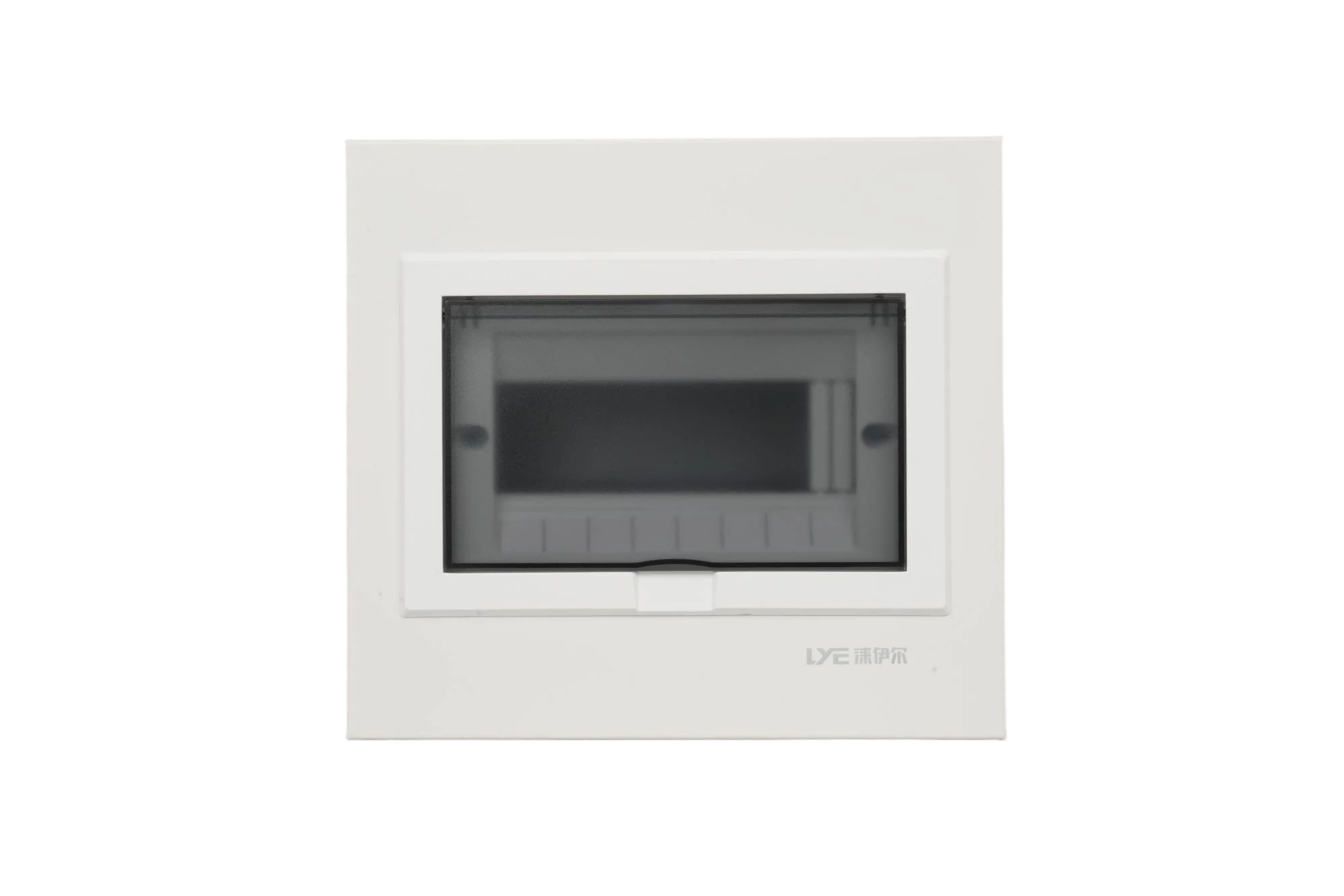
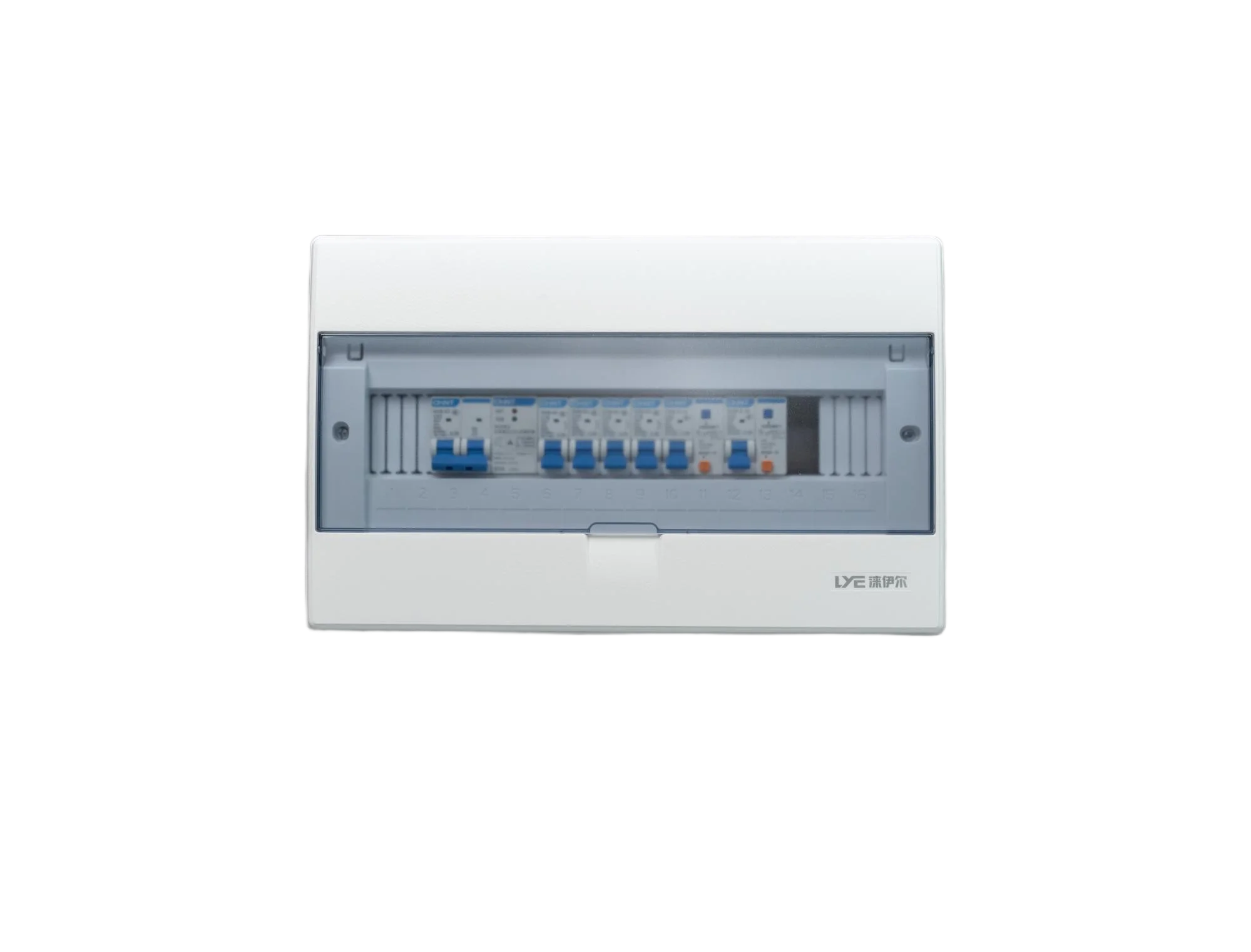
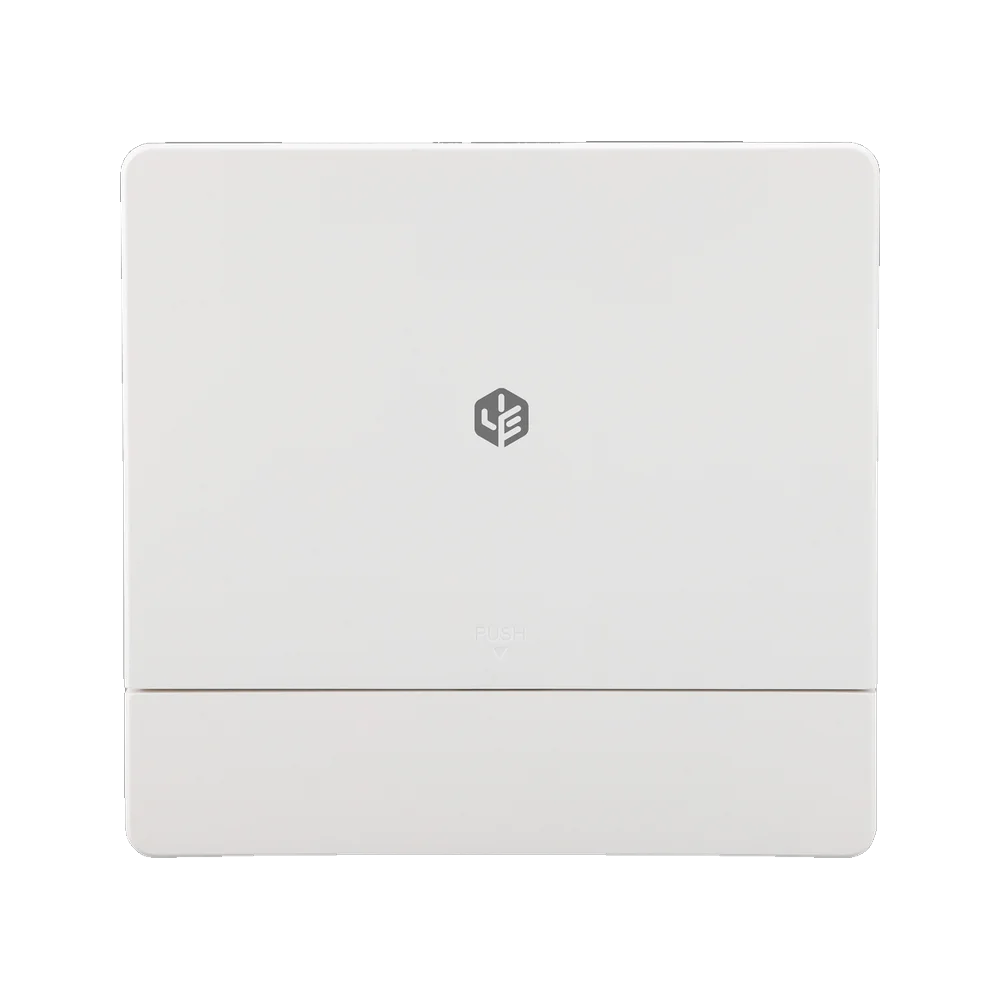
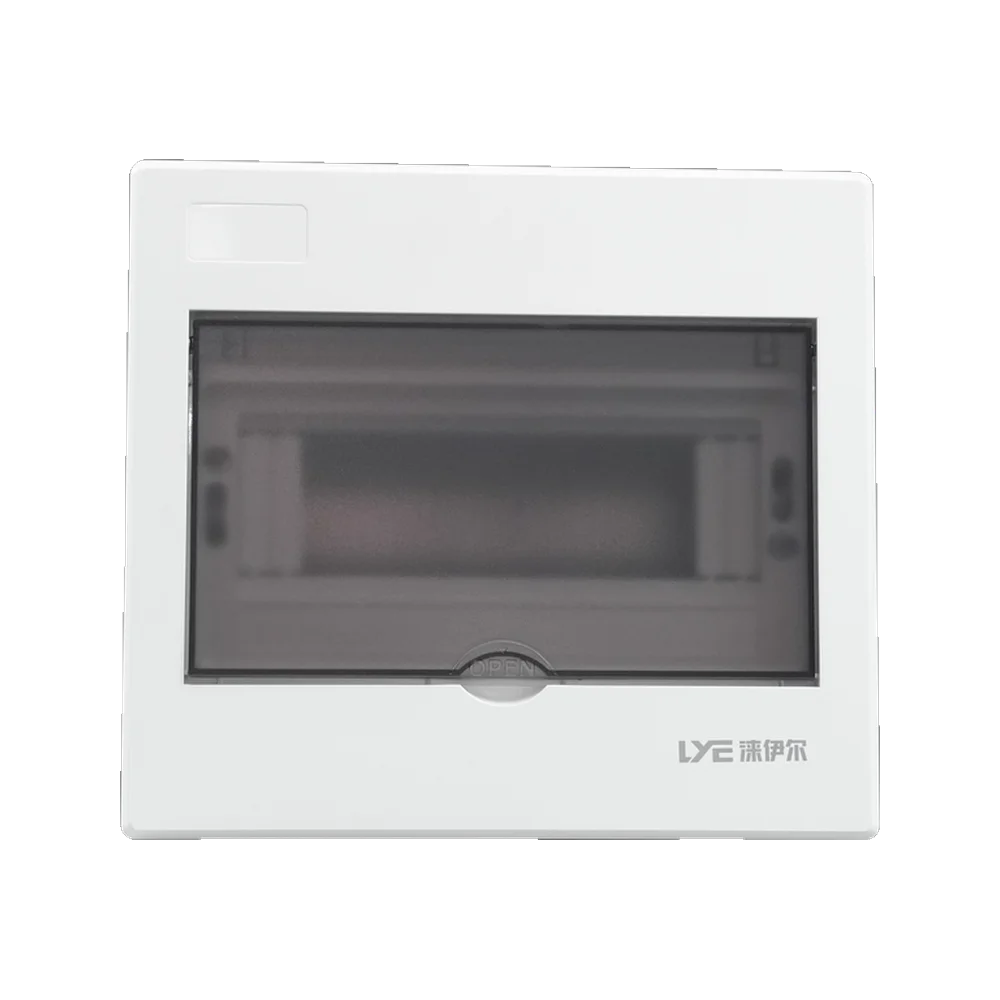
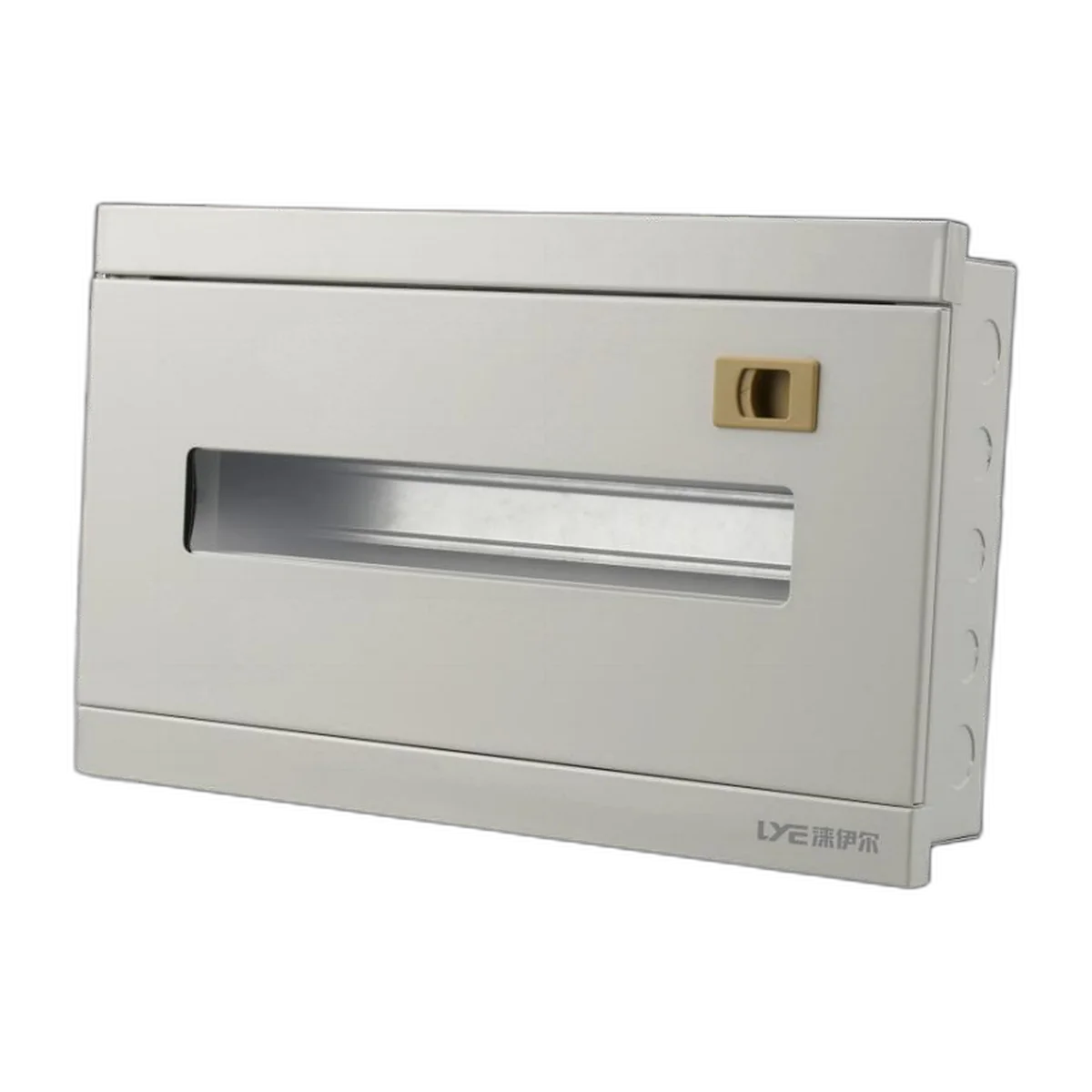
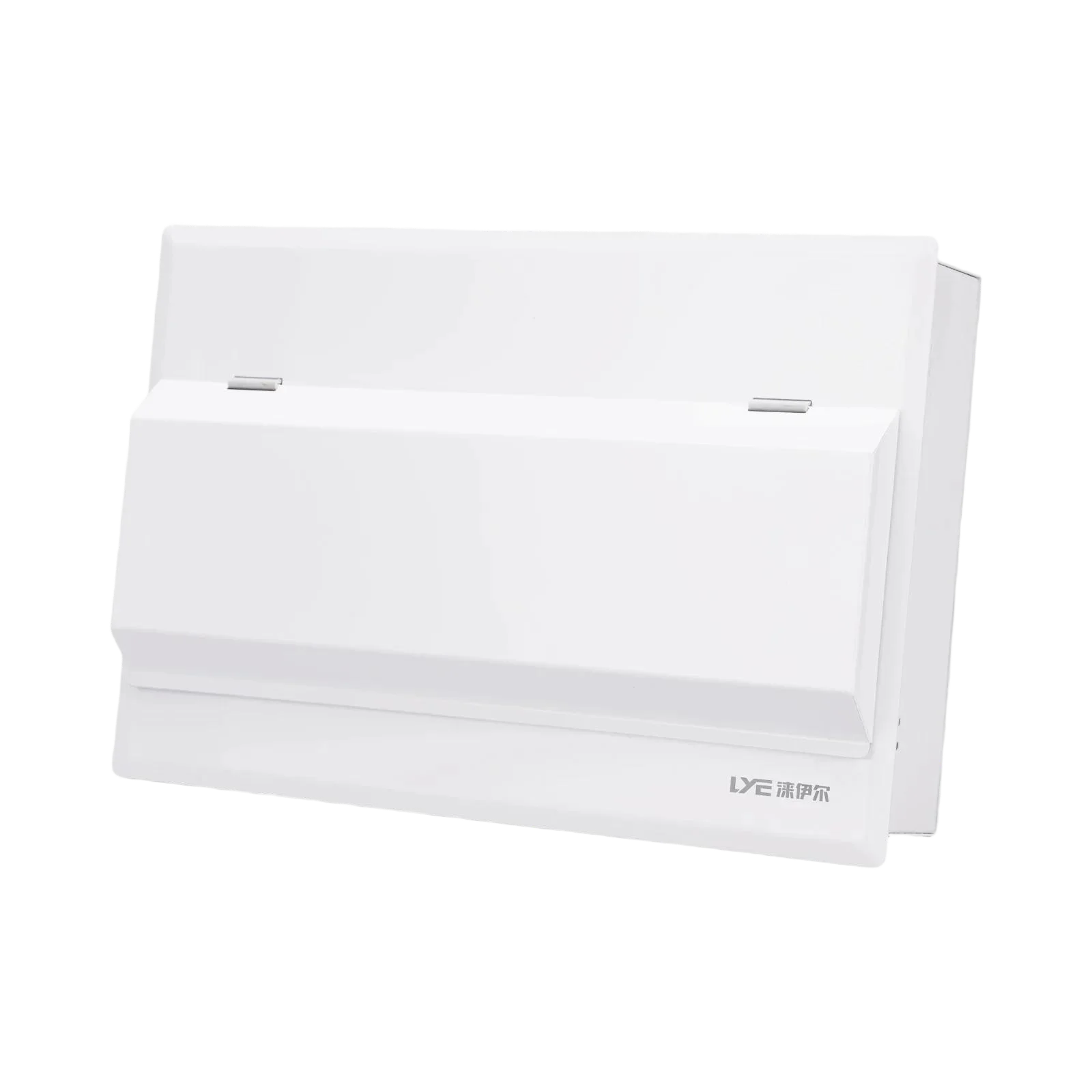
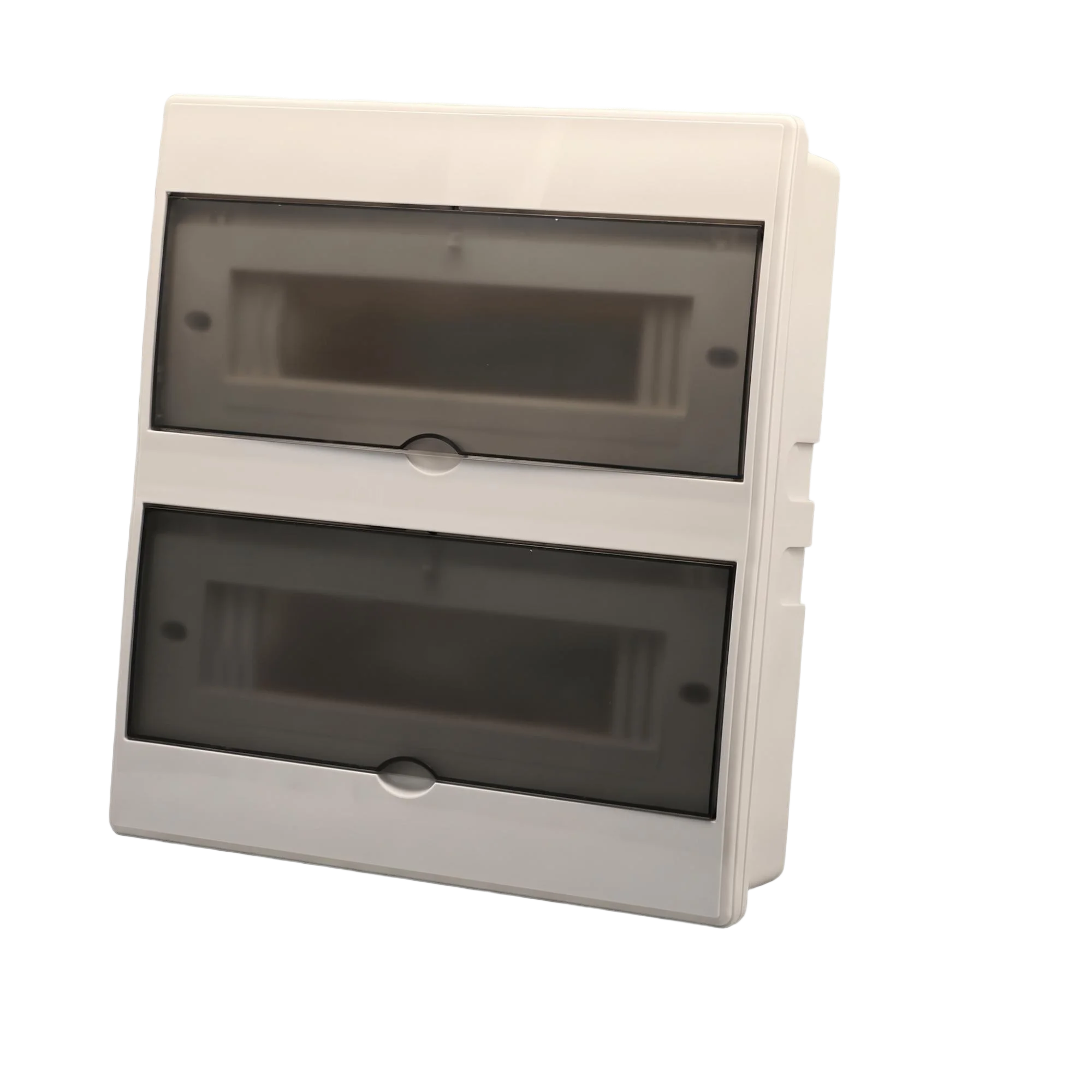
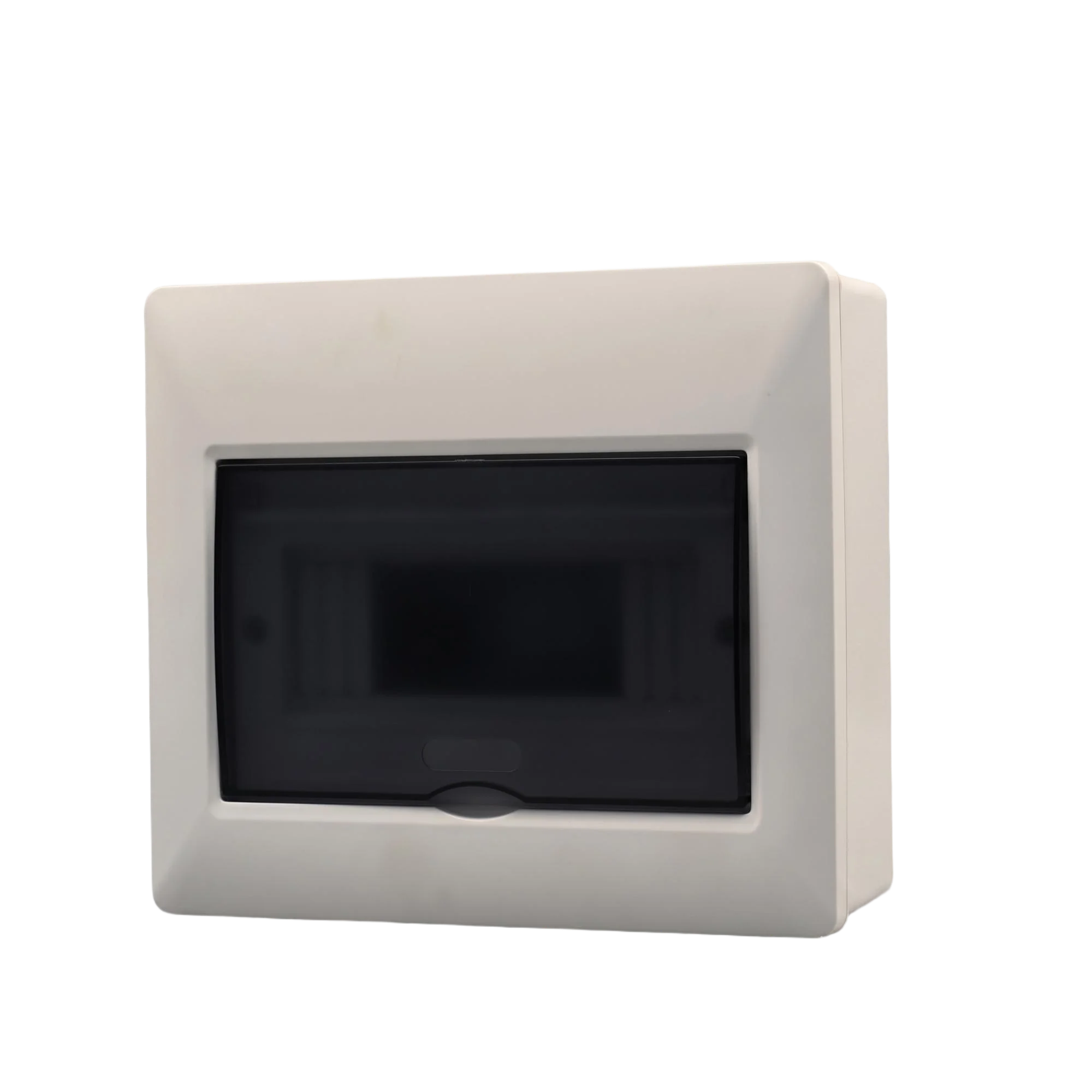
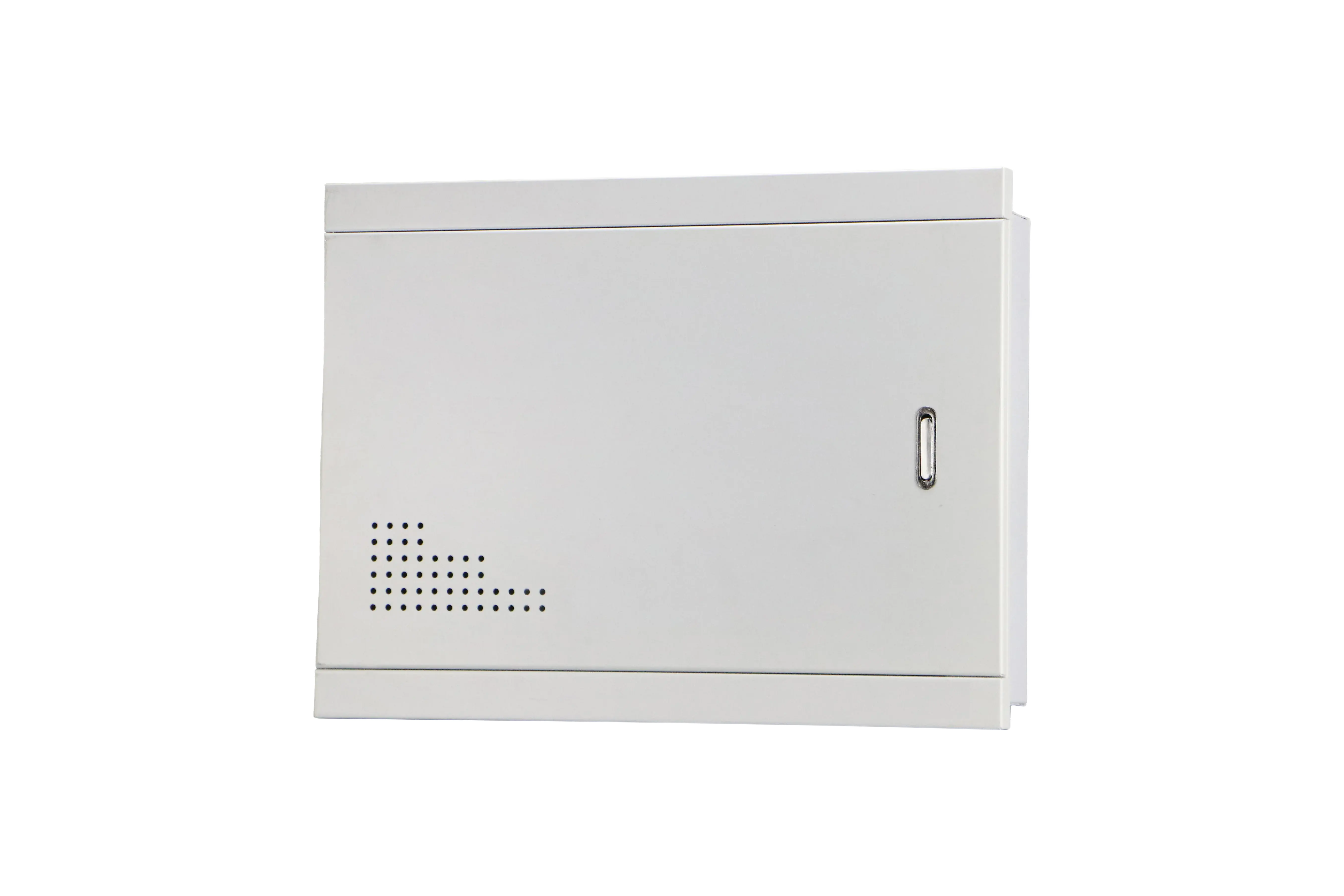
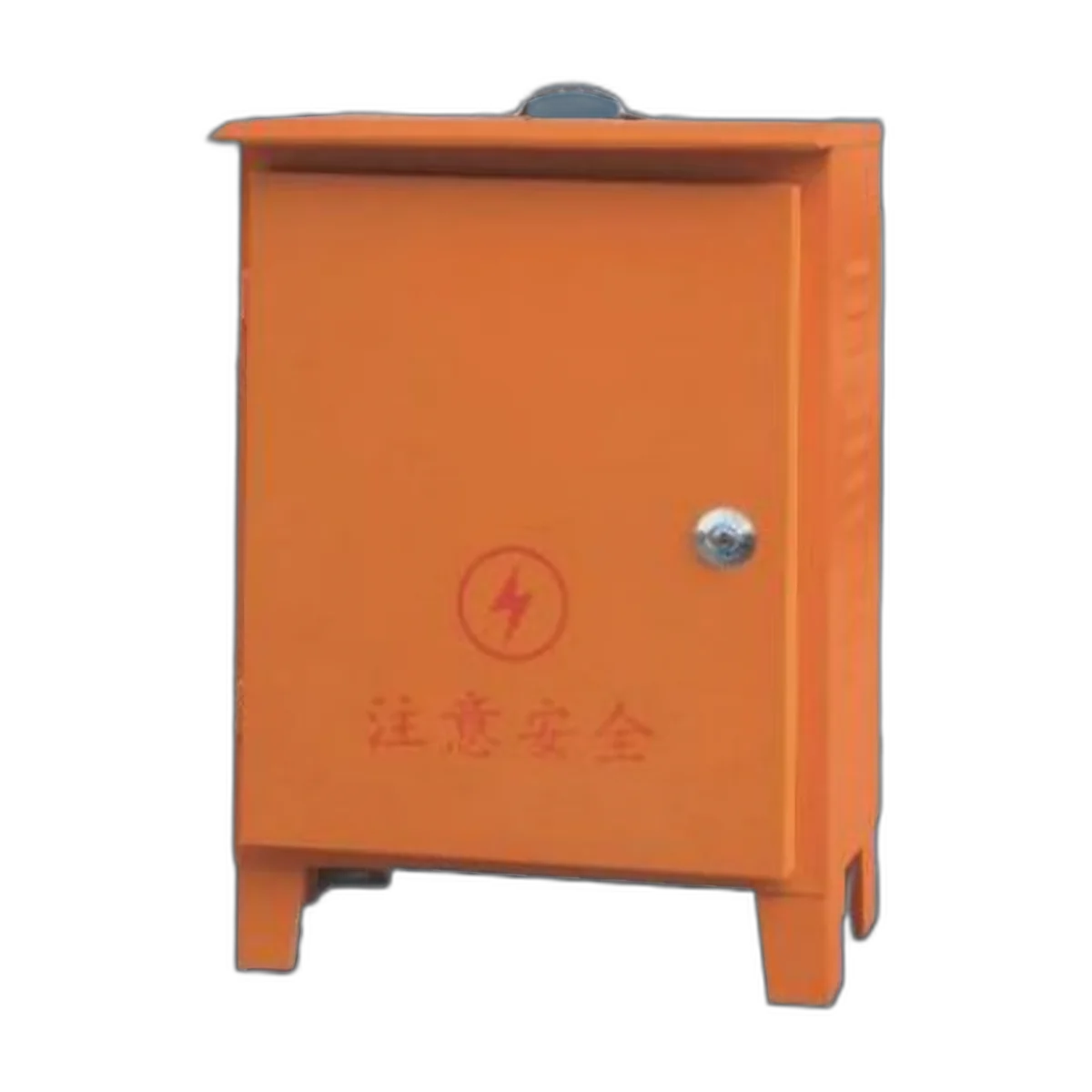
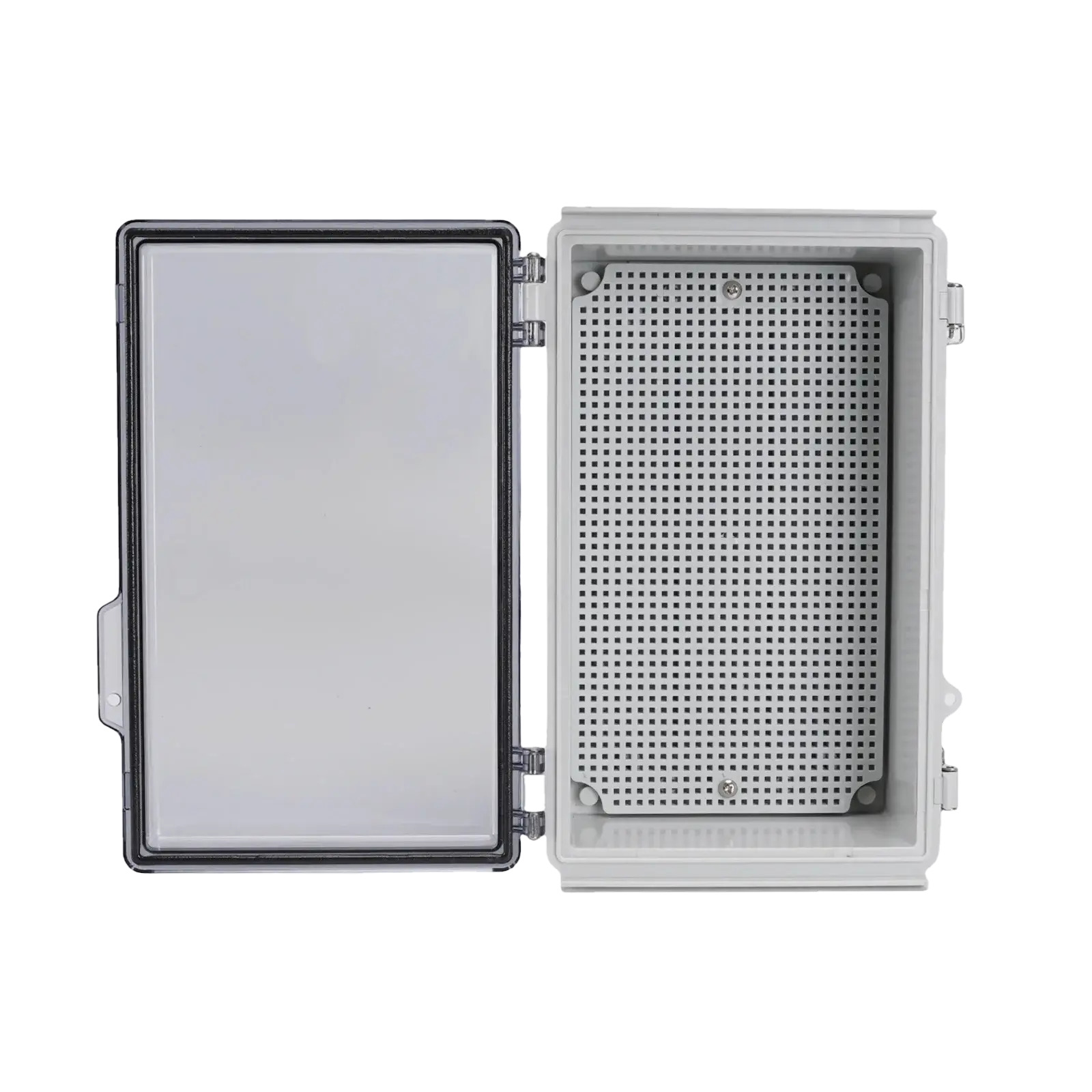
The IP65 rated waterproof outdoor distribution box, indicated in the second row of the table, represents the family where most enquiries relating to outdoor power occurs. This is a wall mounted box that incorporates a DIN rail, providing either a transparent or opaque door, and having sufficient depth to accommodate one (1) breaker as well as the cables connected to it.
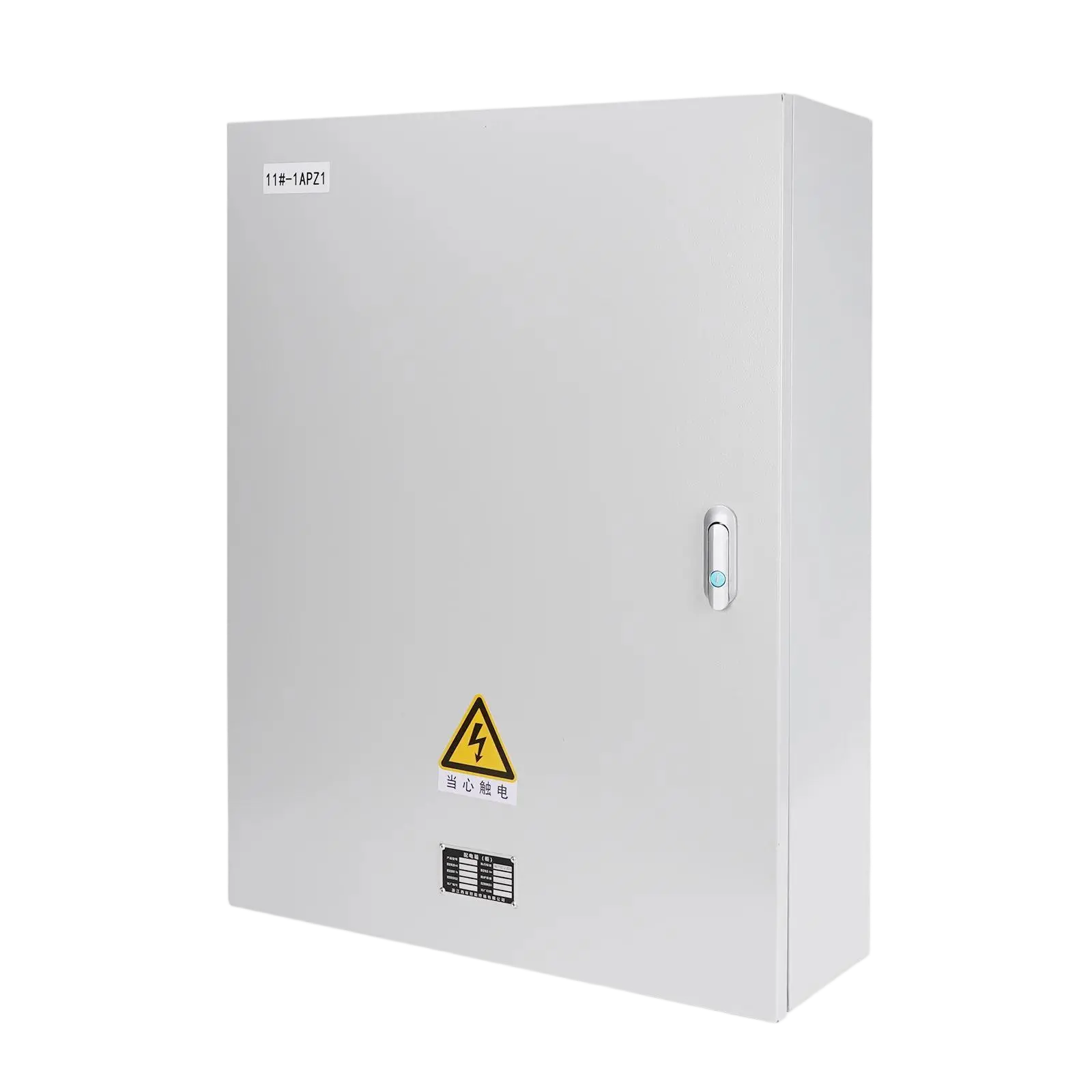
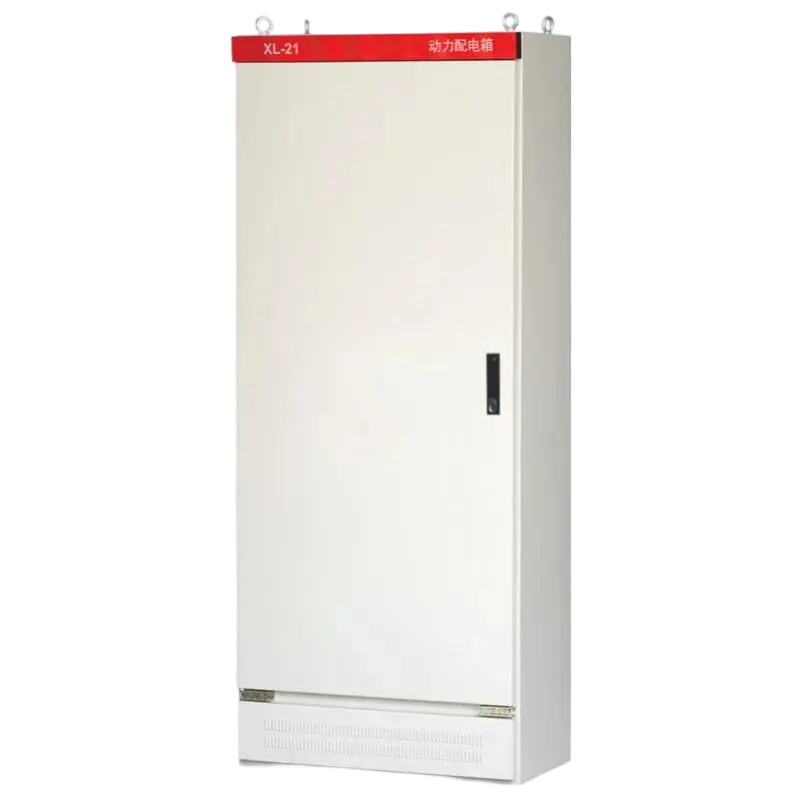
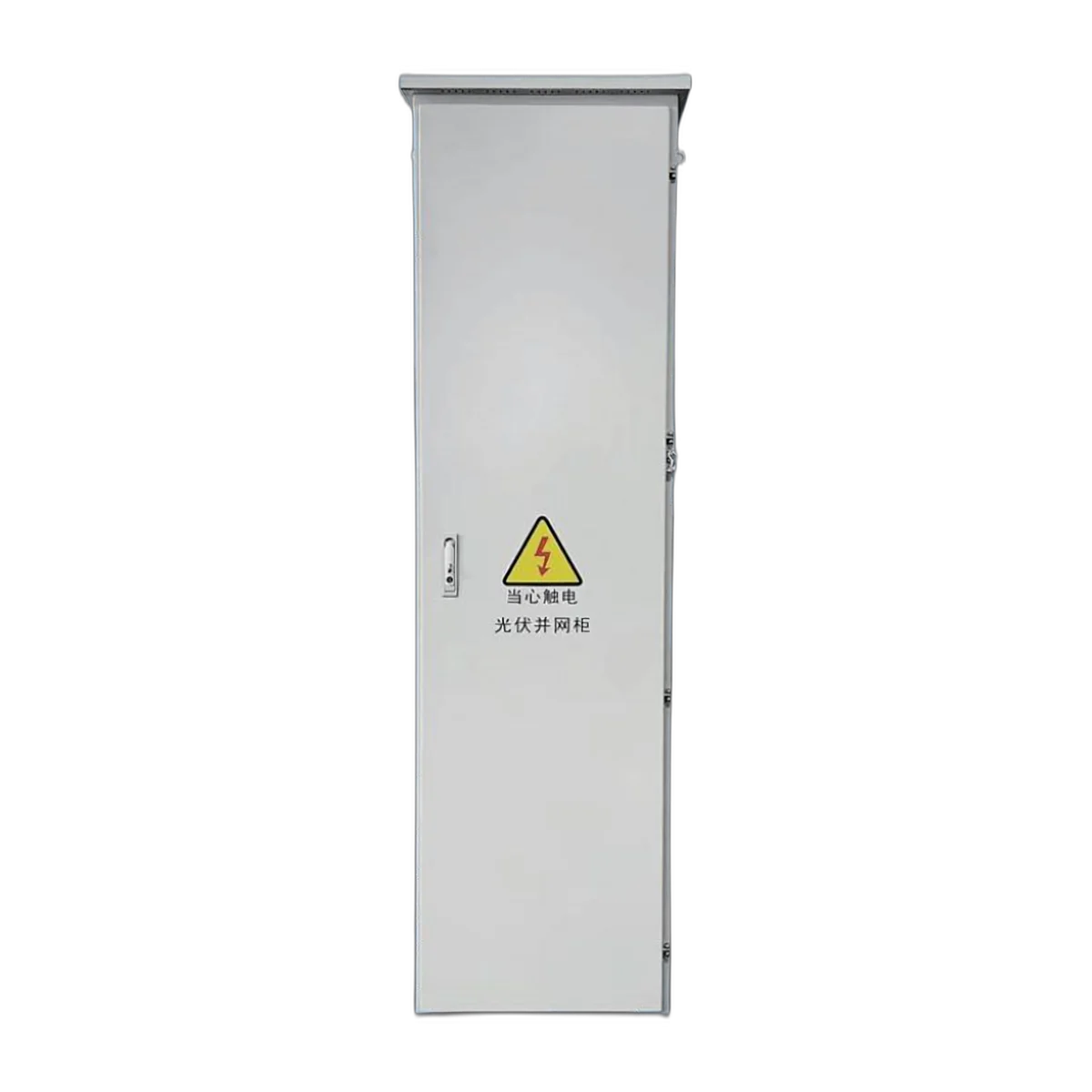
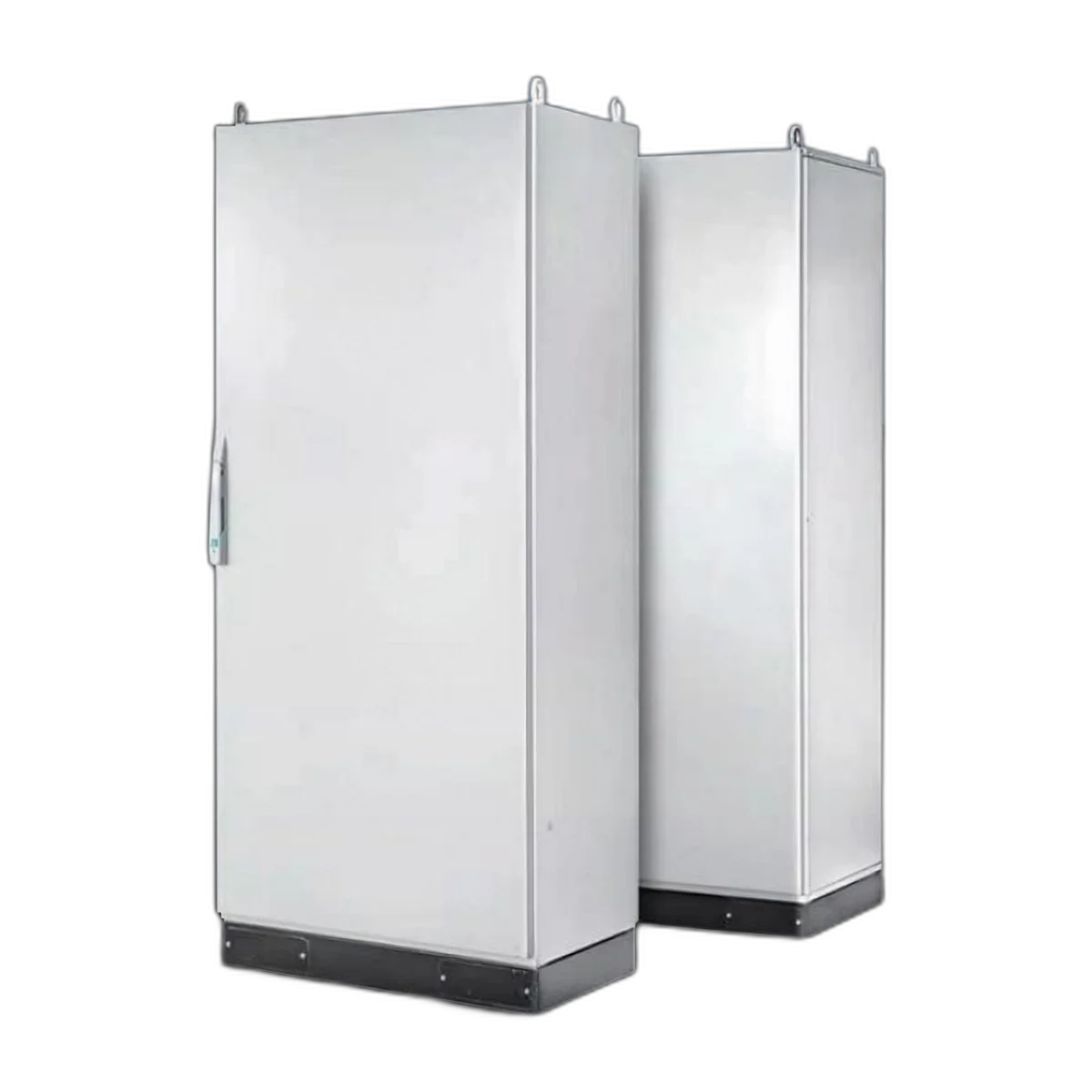
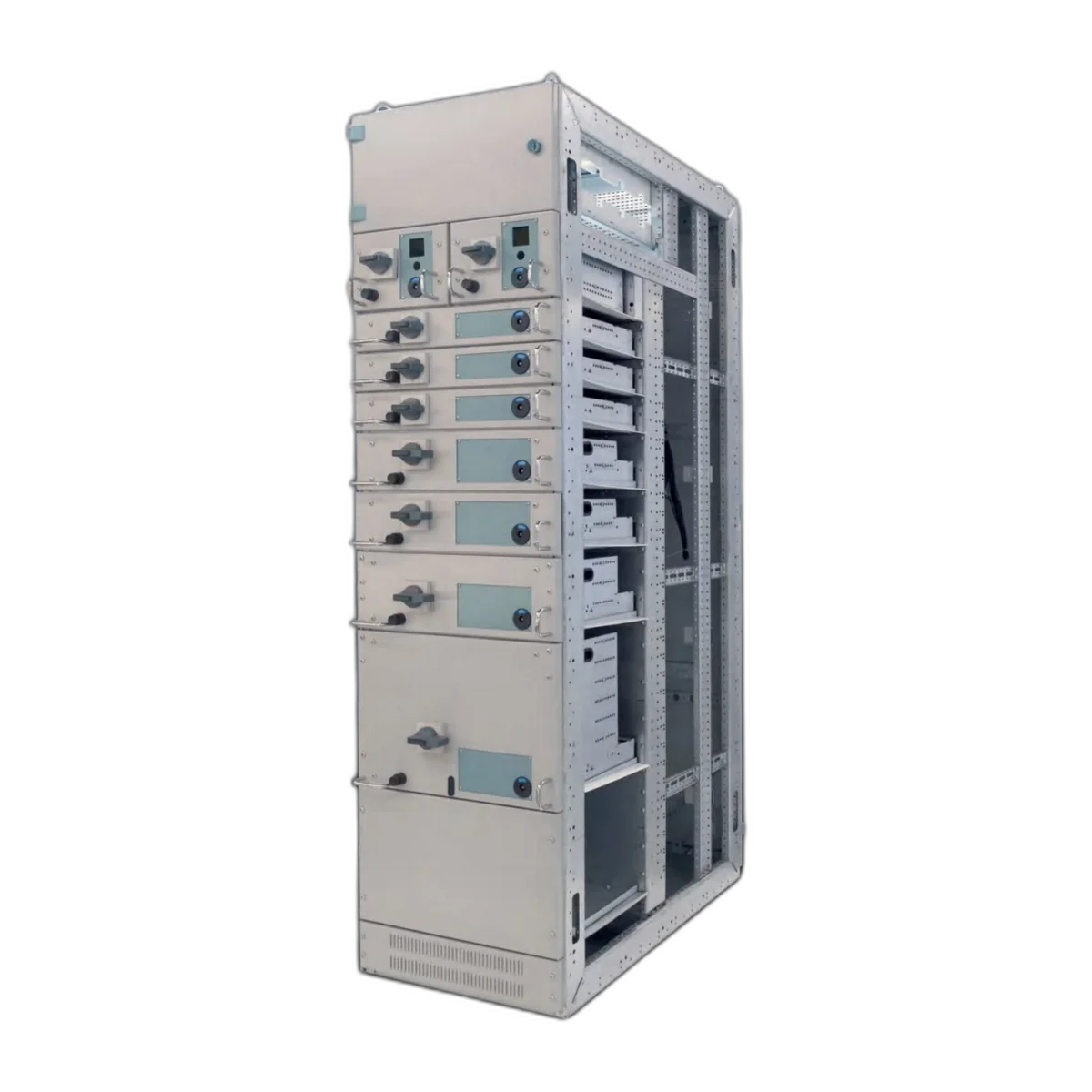
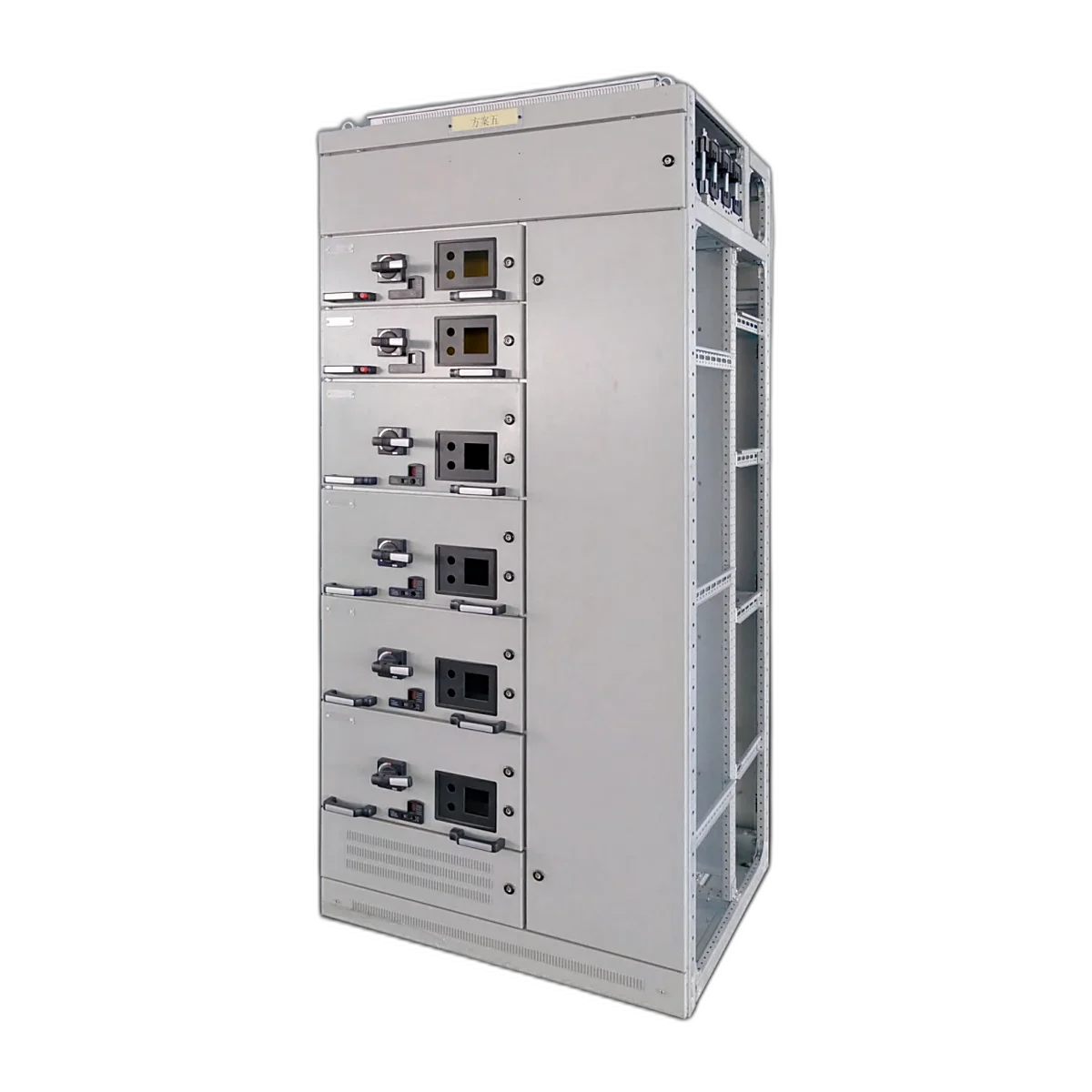
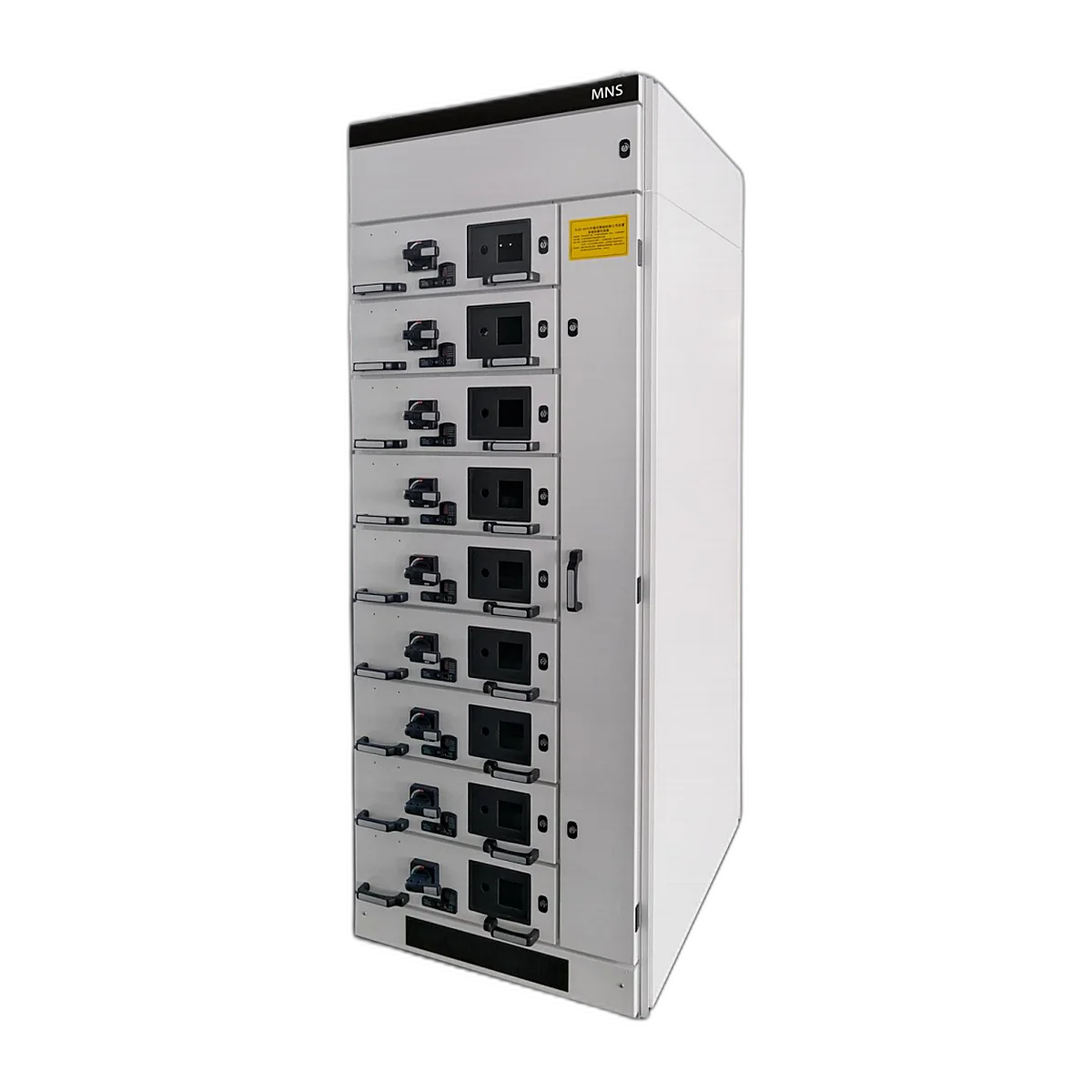
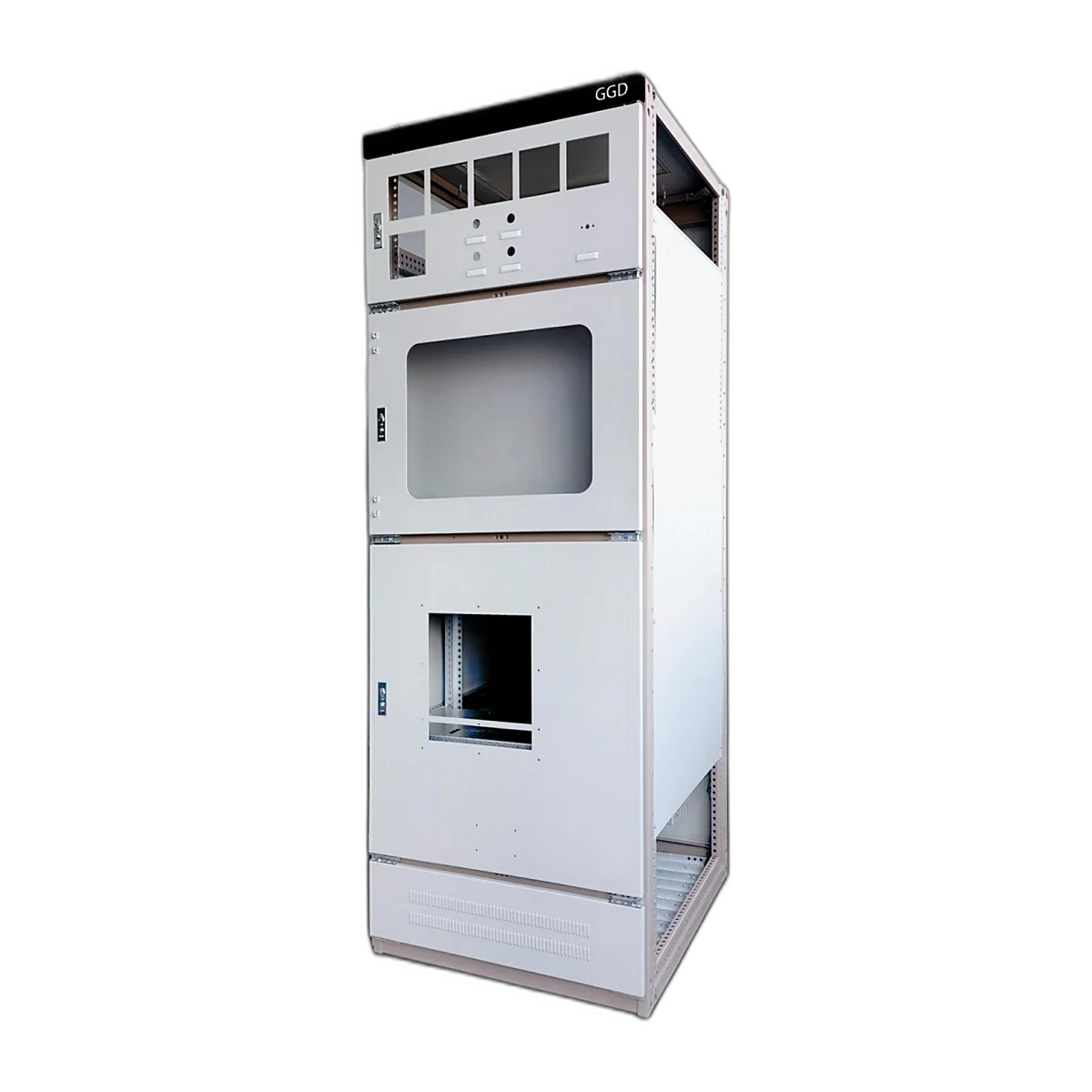
The fourth row represents the under-specified family of floor cabinets. A floor cabinet located in a yard requires a plinth, rain hood, locking mechanism, and a drainage path; and although the cabinet may be rated IP66, without a plinth, water will enter through the cable entry hole on the bottom of the cabinet.
What Each Size Is Used For
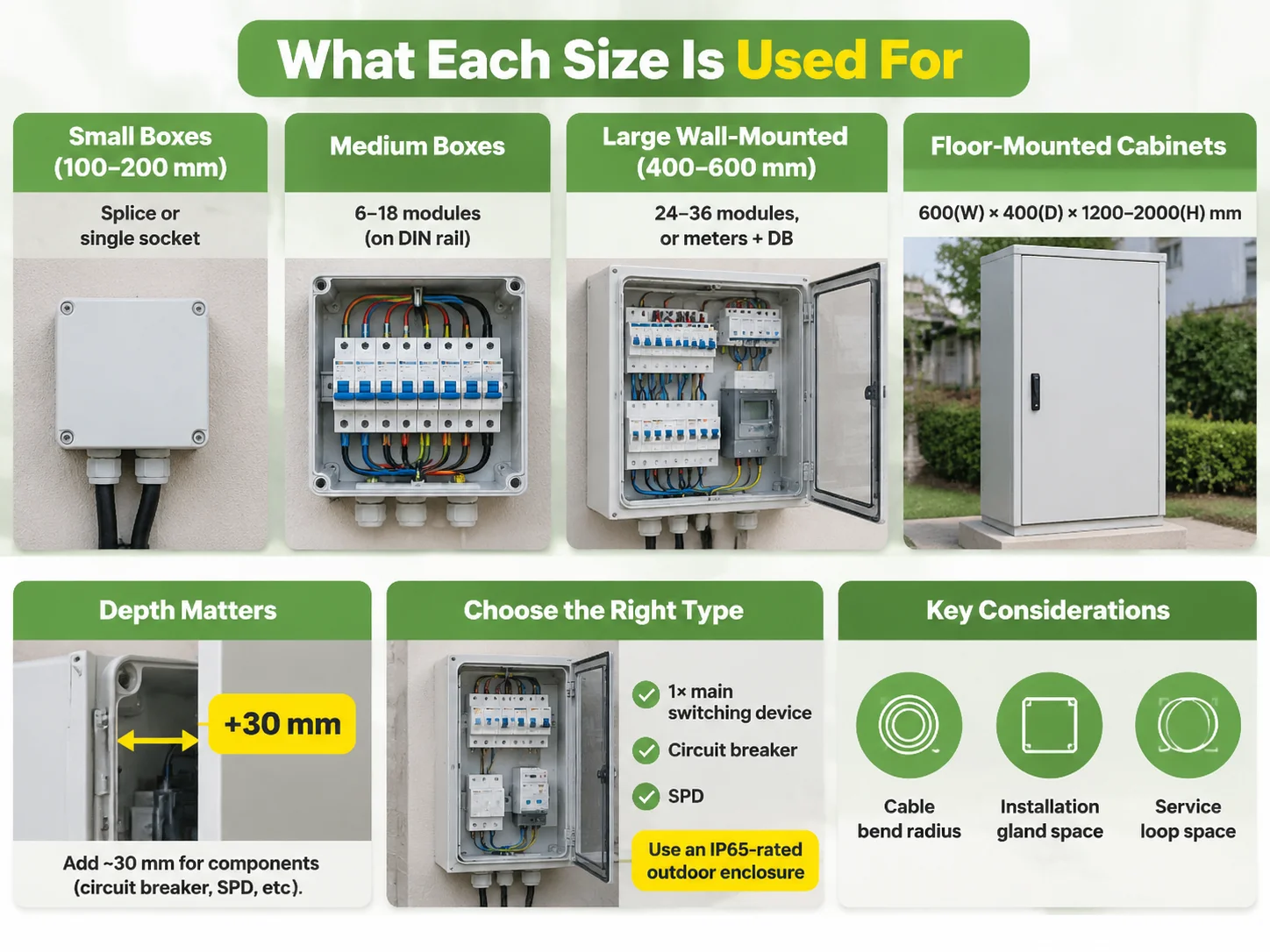
Size is defined by what will fit, the breaking radius of the cable; plus the space required for an installation gland; and the space needed for a service loop. A common mistake when ordering a box is to order one based on fitting the modules, but not the cable.
Small boxes ranging in size from 100mm to 200mm are designed to hold a splice, or a single socket. Medium boxes are used to accommodate between six (6) and eighteen (18) modules on a DIN mounting rail, and they are typically used outdoors to distribute socket circuits and as small-sized distribution boards. In addition, large wall-mounted control equipment (between four hundred millimeters (400 mm) and six hundred mm in size) can hold between twenty-four (24) and thirty-six (36) modules, or can also accommodate one or more meters and a distribution board.
Floor-mounted cabinets typically measure either six hundred millimeters wide, four hundred millimeters deep x twelve hundred millimeters tall to twelve hundred millimeters in length, eight hundred millimeters deep, or continue increasing upward towards a maximum size of two thousand (2,000) millimeters tall.
Glass door depth measurements often go unnoticed. All other specifications aside, a 150-mm deep, 24-module box does provide an adequate amount of space for some components but once the circuit breaker, surge protector, and cable bend are added to the enclosure, the door may not be fully sealed.
In general, you must add to the depth of this box, thirty (30 mm high by whatever the height and width of your tallest components), then check how and from what angle you’ll be connecting your cables.
If your box must house one (1) main switching device, a circuit breaker and an SPD, then use an IP65-rated large outdoor-enclosed DIN solar panel distribution box configuration with the additional height provided for a surge protection device or meter.
Listing of Electrical Box Types with Pricing Information
A list of electrical box types that are available on the market along with their price ranges is provided below:
| Product | Size Range | Typical Price | Material |
|---|---|---|---|
| Small Junction Box | 100 to 150mm | $5 to $15 | ABS or Polycarbonate |
| Wall Distribution Box, 12 Modules | 300 x 400mm | $20 to $45 | Polycarbonate, IP65 |
| Wall Distribution Box, 24 Modules | 400 x 500mm | $35 to $75 | Polycarbonate, IP65 or IP66 |
| GRP Cabinet | 600 x 400 x 1,200mm | $250 to $600 | GRP, IP65 |
| Stainless Wall Box | 300 x 400mm | $80 to $200 | 304 or 316 |
| Stainless Floor Cabinet | 800 x 600 x 1,800mm | $600 to $1,500 | 316, IP66 |
The variation shown in each row represents differences in gasket quality, hinge quality, and whether the box is made from one piece (moulded) or two pieces (assembled from a base and cover). A lower-cost box will have a foam gasket that will compress once and remain compressed; whereas a higher-cost box will have a moulded or co-extruded gasket which will recover when unused.
The plastic electrical box rated IP66 is the highest-rated plastic electrical box, and the typical price difference between an IP66 plastic electrical box and an IP65 plastic electrical box of equal size is approximately 20% to 30% due to the added cost for a pressure washer resistant gasket and cover.
Leading Brands and Manufacturers
There are many well-known global brands in this product category that have their own individual strengths. For example, nVent Hoffman is considered a leader in North American enclosure types and offers enclosures that cover NEMA 3R through NEMA 4X (both steel and stainless steel and composite). Rittal is considered the leader in supplying modular systems for floor-standing cabinets. Fibox provides the maximum supply of GRP boxes as well as polycarbonate boxes intended for use outdoors and/or in an environment classified as industrial. Hensel offers the best selection of junction and meter type enclosures for use in the German market. Gewiss and Legrand both provide the industry with wiring accessories where the wiring accessories are used as a component of the installation system.
The shared advantage of these four manufacturers is that they all provide documentation for all of their products including; a type-tested IP rating, a material declaration, and a Certificate of Conformity that can be retained by a specifier. The shared disadvantage of all of these brands is that their price is generally two to four times greater than that of a manufacturer’s (factory) product with the same IP rating.
This price differential is not entirely due to margin; rather, the additional cost incurred with the branded box includes the cost of testing/prototyping, production of the catalogue, the requirement for local stock, and providing technical support. Conversely, the cost associated with a manufacturer’s non-branded product is limited to the cost of producing the moulds and material used for the box. In the case of a construction project where the box represents only one line item while the installer’s labour to install and connect the product is the primary cost, the brand-name product will generally be the more economical option.
Choosing by Application
The chart provided below depicts an application-based perspective on how to select the right box. The chart assumes that the box in question will be mounted/installed outdoors and not in a protected environment (i.e. out of direct sunlight). The following table shows the various applications, ratings, materials, and price ranges for outdoor electrical enclosures:
| Application | Rating | Material | Price Range |
|---|---|---|---|
| Sconce (outside) | IP65 | Polycarbonate | $20 to $45 |
| Junction box for garden lighting | IP65 or IP67 | Polycarbonate with gel-filled connectors | $8 to $30 |
| Site cabin outside wiring | IP65 | Polycarbonate or fiberglass (type IV) | $35 to $150 |
| Site applications along the coast (corrosive environment) | IP66, NEMA 4X | 316 stainless steel | $150 to $600 |
| Food wash down area | IP66 or IP69K | 316 stainless steel | $150 to $600 |
| Flooding zones | IP67 or IP68 | Polycarbonate and Stainless Steel | $60 to $400 |
| Cabinet for using solar or battery | IP55 with ventilation | Powder-coated steel or GRP | $300 to $1,200 |
The last entry is important for two reasons. First, the cabinet must have ventilation to operate properly because the equipment inside generates heat. Second, there is a contradiction between the need for ventilation and the requirement of IP66 rating. Therefore, you need to use a filtered vent or a heat exchanger, not a sealed enclosure. The specification should indicate the expected temperature rise within the enclosure, as well as its IP rating.
Installation Considerations That Will Impact the Drying Out of Cabinets
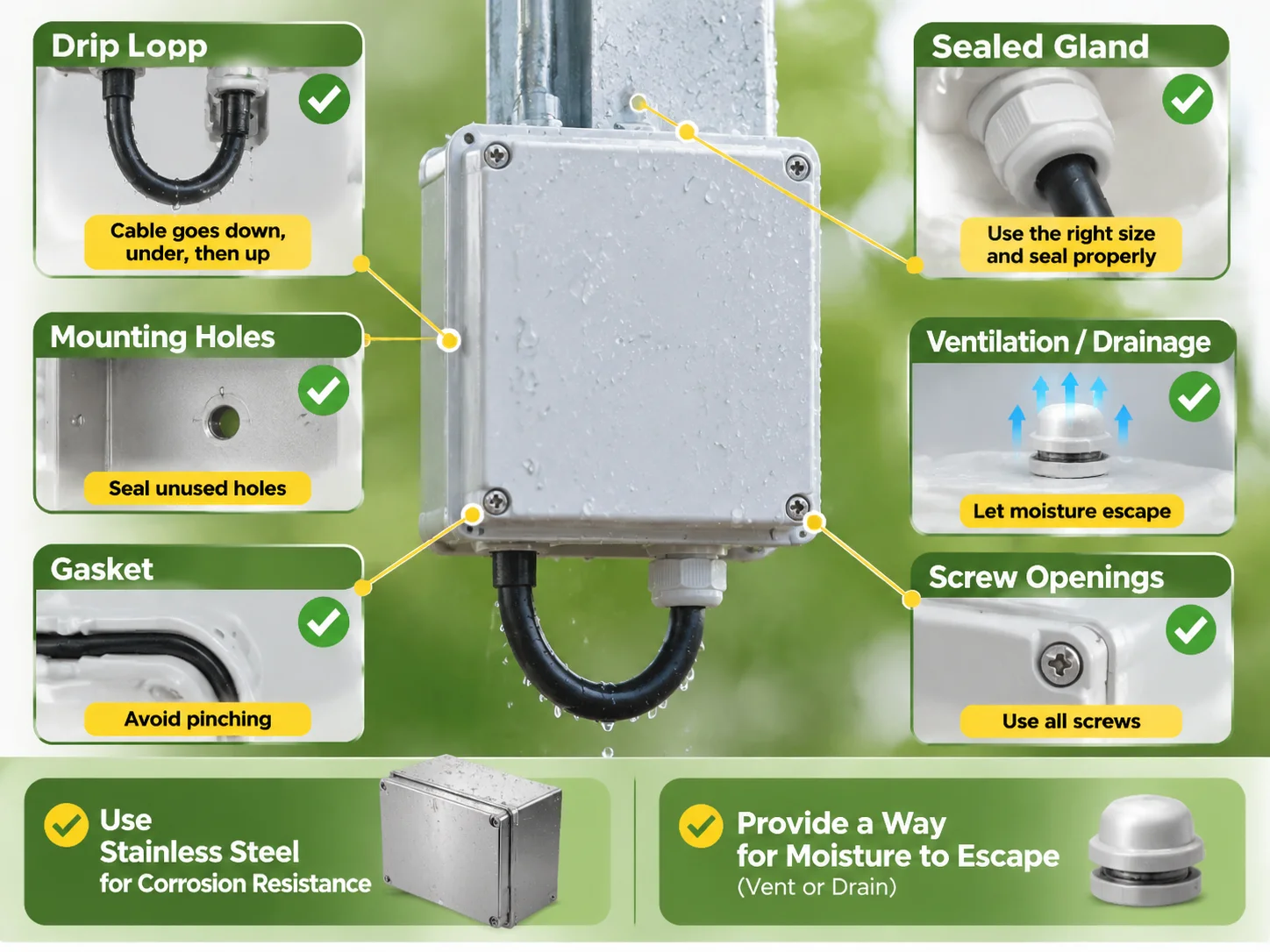
Five installation details are responsible for the majority of the water ingress; none of these details is the enclosure. The ingress points are:
- The Gland: A gland that is unsealed or undersized is an open hole.
- The Entry Direction: When a cable comes in from above, it drips water into the enclosure unless it has a drip loop in place.
- Mounting Holes: Any hole drilled in the back of an enclosure is an open hole.
- The Gasket: A pinched gasket will not prevent water from entering the enclosure.
- The Opening: An opening where a screw has been inserted is an open hole. One missing screw is enough to defeat the purpose of the lid screwing on securely.
The most affordable method of protecting cables from the elements is creating a drip loop, which most often gets overlooked. When running a cable from above, it should go down and under the entry, then back up, so any moisture will drain off the loop and not into the cable gland. This requires 200mm of cable.
The next cheapest method of preventing moisture entering an enclosure is by providing a solution for the moisture to escape by providing ventilation or drainage on the enclosure. When the temperature of a sealed box decreases, a vacuum is created inside the enclosure, allowing room air to enter through the enclosure gasket. Without adequate ventilation or drainage, the moisture condenses inside the enclosure, and turns into water. Pressure compensation devices can be purchased for only a couple dollars, and they allow moisture that accumulates inside an enclosure to escape before it corrodes the inner terminals.
Stainless steel and plastic enclosures are two vastly different materials when it comes to corrosion. While stainless steel enclosures totally remove the corrosion issue, they still do not solve the water problem. A stainless steel enclosure that becomes submerged in water will experience the same damage as a plastic enclosure.
Where LYE Comes In
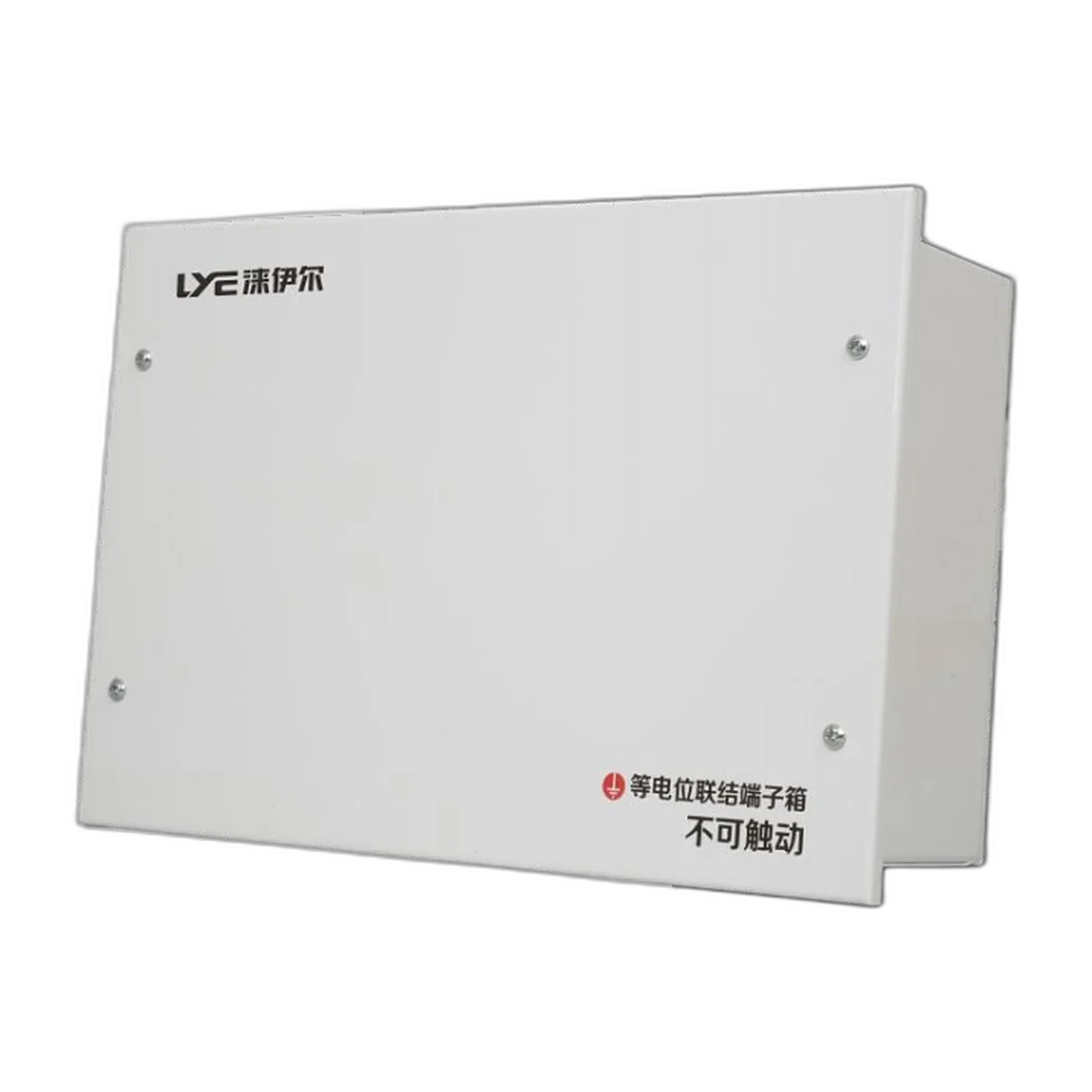
We manufacture our polycarbonate and ABS wall boxes. We fabricate our stainless steel wall boxes. We assemble our floor cabinets. We stock these items based on size and rating only. The range of commercial facility enclosures is divided based on location, not product type. This is how a project decides which enclosures will be used.
What we are able to offer is factory pricing and a documented performance rating including: IP65 and IP66 test results, grade of material, and gasket specifications. What we cannot offer is a local technical contact and a stock position in every country as is offered by branded
A projectrequires fifty boxes of the same dimensions and is shipped by an established route to the nearest factory; thus, the cost savings are genuine. However, for a project requiring five boxes of five different sizes and requiring delivery in one week, a local distributor provides a superior alternative. Some manufacturers will quote a lead time that is impossible to meet; it is simply more efficient to provide an alternative, rather than to state an impossible lead time.
Questions to Ask Before Ordering
Six questions to ask prior to placing an order.
- The first question is, what is the ingress protection (IP) rating, and have the IP ratings been tested (Type Tested) rather than merely calculated?
- Secondly, what is the type and grade of plastic, and is the plastic treated for UV resistance (if applicable)?
- Thirdly, what are the internal dimensions of the box (note that some people will use external dimensions)?
- Fourthly, what type of gland plate or knockout arrangement exists on the box, and what size gland does it accept?
- Fifthly, what is the configuration of the door and locking mechanism? (For instance, it would not be safe to use a coin-operated box for storing valuables.)
- And finally, what is the intended mounting method of the box? (For instance, a box designed to mount on a DIN rail bracket differs from those intended to mount with four screws.)
The seventh point of interest, and an important aspect for installation, is how the box is delivered; i.e., whether it is shipped as an assembled unit with the DIN rail attached, with the gasket fitted, and whether it requires complete assembly, thus meaning more time is needed for the actual installation than if it arrived pre-assembled.
Frequently Asked Questions
What type of electrical box can be used for?
AnAn IP65 rated polycarbonate junction box for your connector and your cable should be sized appropriately. To mount the box, either run the cable out of the bottom or trace a “drip loop”. If the fixture will be mounted to a wall where there will be direct sunlight, make sure that the box has been treated with an ultraviolet stabiliser (UV). If the box will be installed on a coastal property, then opt for one made from stainless steel.
What type of electrical box would I buy for a wet area, like in my yard?
There are many options available. GRP (glass-reinforced plastic) and stainless steel cabinets can be purchased in sizes ranging from 600x 400 x 1200mm to 1200 x 800 x 2000mm, both types are available in IP65 and IP66 certified models, with a plinth/ overflow cover, a rain guard and a lock. They are ideal choices for a pump station or as a service supply point for your garden lighting.
What do I look for when selecting a box for an outdoor outlet?
Typically, a box that is rated IP65 or IP66 with a hinged and gasketed lid that has adequate space for the circuit breaker and the cable bend. A standard outdoor outlet will not have the same waterproof capability as a box with a direct cover, since the cover protects the outlet and not the entire box assembly.
What is a good choice for a waterproof electrical cord box?
A small IP65 or IP67 rated polycarbonate connector box, with either end fitted with cable glands. Also a gel-filled electrical box containing a gel-filled connector at a buried wire joint. The gel-filled electrical box would be more appropriate for a temporary outdoor connection. An IP54 rated cord cover for outdoor use will also keep the connection dry from the rain but will not keep the connection dry from being submerged in water.
What is the difference between IP65 and IP66 ratings?
The key difference is that both ratings indicate dust resistance, but they differ in how the boxes may be protected from water while being hosed down or subjected to direct spray by a water jet. IP65 indicates that the enclosure will withstand continuously being sprayed with jets of water of 6.3 mm diameter; whereas IP66 indicates that it will withstand continuously being sprayed with very powerful jets of water of 12.5 mm diameter under increased water pressure.
Is a polycarbonate box effective outdoors?
Polycarbonate with a UV stabiliser is effective for 10-15 years in a temperate climate. In contrast, an ABS box without a UV stabiliser will begin to fail after 2-3 years. If the urethane is located in an area close to a major coastal area, this should be made from either stainless steel or a GRP box, as both will provide the best long-term solution.
References
- Rittal – Outdoor electrical enclosures and protection categories
- Fibox – Polycarbonate and GRP enclosures for outdoor use
- Hensel – Electrical junction and electrical meter boxes for outdoor applications
- UL Solutions – Certification for enclosure ratings
- NEMA – Electrical enclosure types and definitions
Conclusion
The best box to buy for outdoor use is a box rated with the appropriate rating for your location, a material that will withstand being outdoors due to exposure to the sun, and that you have properly installed the box. The fact that you purchased a higher-rated box does not negate the potential existence of a leaking cable gland.
The two numbers you need to remember are IP65 for all outdoor applications, and IP66 for anything that you could wash down. And one thing you will want to get in the habit of doing is to install the box with the cable entering through a drip loop.