
Junction Box: Metal or Plastic?
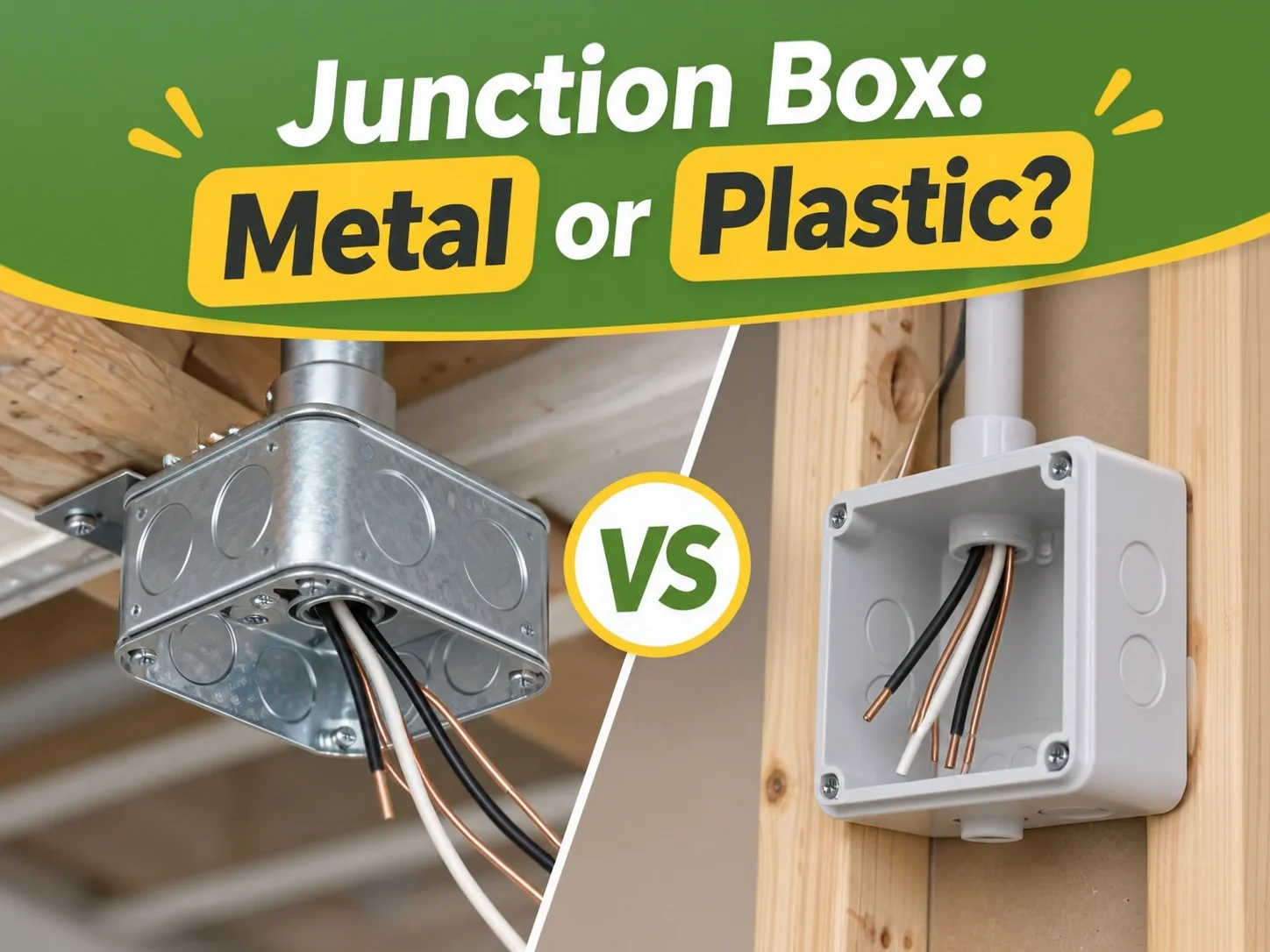
The debate over whether to use metal or plastic junction boxes can seem like a matter of preference; however, it’s really about where they’re being installed. For example, an electrician may install a metal junction box in a ceiling void and a plastic junction box in a stud wall. Both of these options are considered appropriate and correct from a code compliance standpoint; they will be available to the homeowner during the building’s life. If the junction boxes are not installed correctly, a corroded box, a non-grounded metal cover, or an inspection failure will show up years later.
How to Select the Correct Type of Junction Box
A metal junction box must be used if it must be rigidly secured, be bonded to an earth ground, or be able to withstand heat and impact. In other words, the majority of commercial ceilings, exposed work areas in industrial facilities, and hazardous environments need to have metal junction boxes. Similarly, if a home’s stud wall contains non-metallic wiring or the location of the installation is dry, plastic junction boxes may be used. Typically, selecting junction boxes made of plastic for residential stud walls is faster and easier than selecting metal.
In wet, outdoors, or wash-down locations, the material used for a junction box is much less important than the junction box’s IP66 or stainless finish.
The following sections will provide information regarding how a junction box functions, and contrast the two materials’ strengths and weaknesses. Furthermore, this section will describe the relevant code sections governing Junction Box construction; and examine the corrosion and fire behaviour characteristics of each Junction Box type. Finally, the following sections will illustrate the price difference between the two types of Junction Boxes, and present an easy-to-follow selection chart based on your specific application requirements. Lastly, the following sections will describe the criteria for ordering a Junction Box including size, number of knockouts, amount of available space within the Junction Box, and how the Junction Box is finished.
What a Junction Box Has to Do
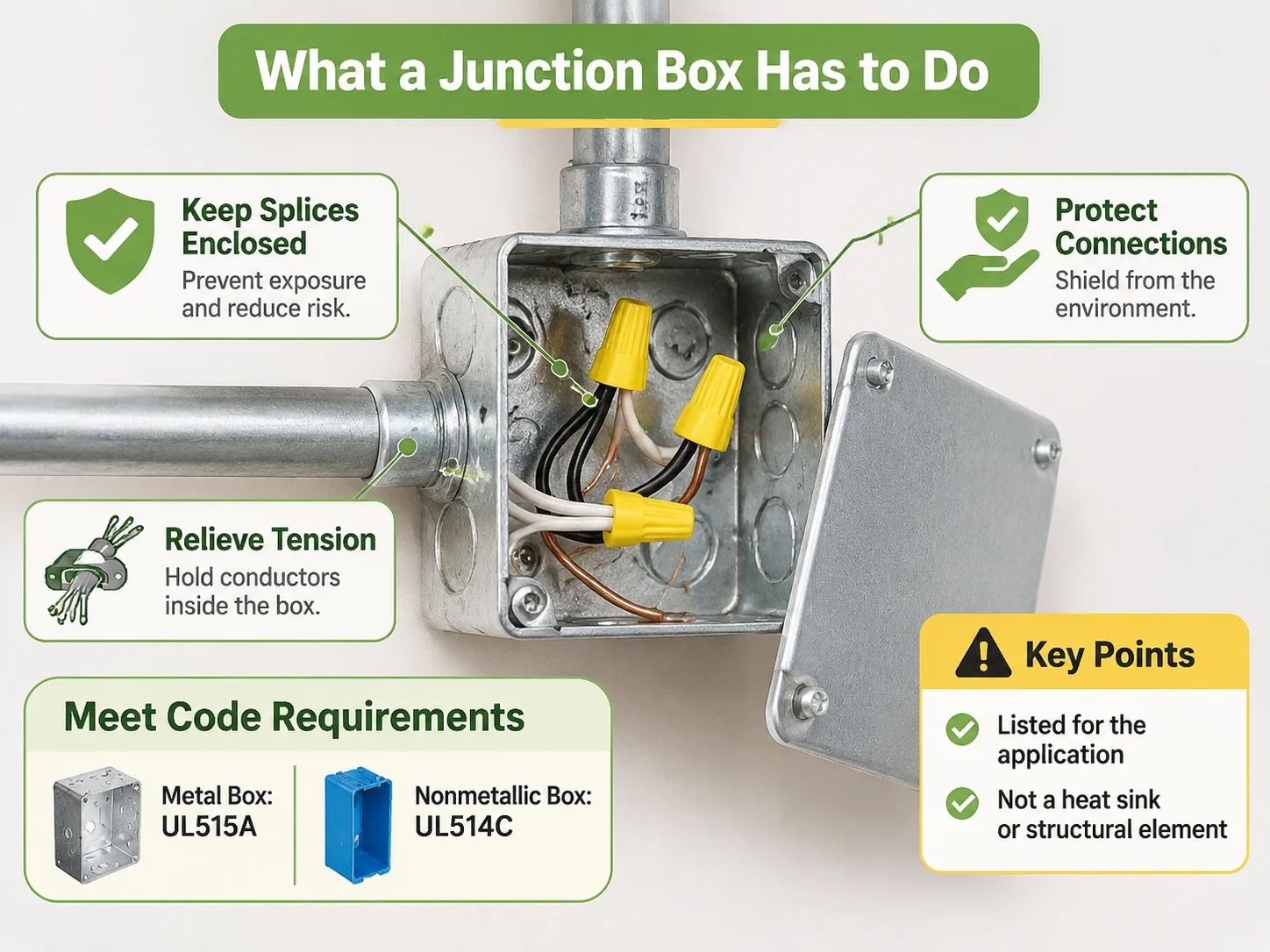
When installing splices, a box must not only have a cover but also be enclosed so that no part of the splice can be exposed. A cover will hold the conductors within the box, keeping tension from being transmitted to the connection point, and will also protect the connection from the surrounding environment (where material choices become critical). The box will also provide a permanent location for the cover to be removed/replaced without moving the wiring.
All four types of boxes must meet code requirements. The box must be listed for the application it is used for, and in North America, this means a metal box must have a UL515A rating and a nonmetallic box must have a UL514C rating. The ratings are both very different, as they define the following: the wall thickness of the box, the strength of the knockouts, the temperature rating, and how the box is bonded to the installation. A box that has not been listed for any purpose has not been tested for any of those elements listed above.
Boxes are not heat sinks or structural elements. Plastic boxes do not require a grounding connection, while metal boxes do! Both factors do not impact the current-carrying capability of any conductors or devices located within the box. Generally speaking, customers who anticipate superior cooling performance from a metal box are often disappointed by the fact that the heat generated within a junction box results from the poor quality of the connection rather than the material of the enclosure.
Steel Boxes: Strong, Grounded, Compliant with Electrical Codes
A steel box maintains its shape. Maintaining its shape while supporting a fixture, supporting a conduit run pulled tight, or standing on top of a ceiling grid is why maintaining its shape is important.
Fire is another angle that shows the value of metal, as metal does not act as an additional fuel source and also does not become weakened by the heat created by a cable fault.
While this benefit comes with a disadvantage, the downside of the rigidity of metal is that it requires an additional bonding connection to the equipment ground conductor for safety. Metal boxes must always be bonded to the equipment grounding conductor, and in addition to the bond to the equipment, there must also be a bond to the metal box. The bond to the box must occur via a separate wire that is connected from the box to the circuit conductors as well as from the circuit conductors to the metal box. NEC §250.148 requires a bonding jumper from the metal box to the circuit conductors, therefore, it should be noted that this requirement is in effect whenever a self-grounding receptacle is used, which is a common exception taken on a Friday afternoon after a long week.
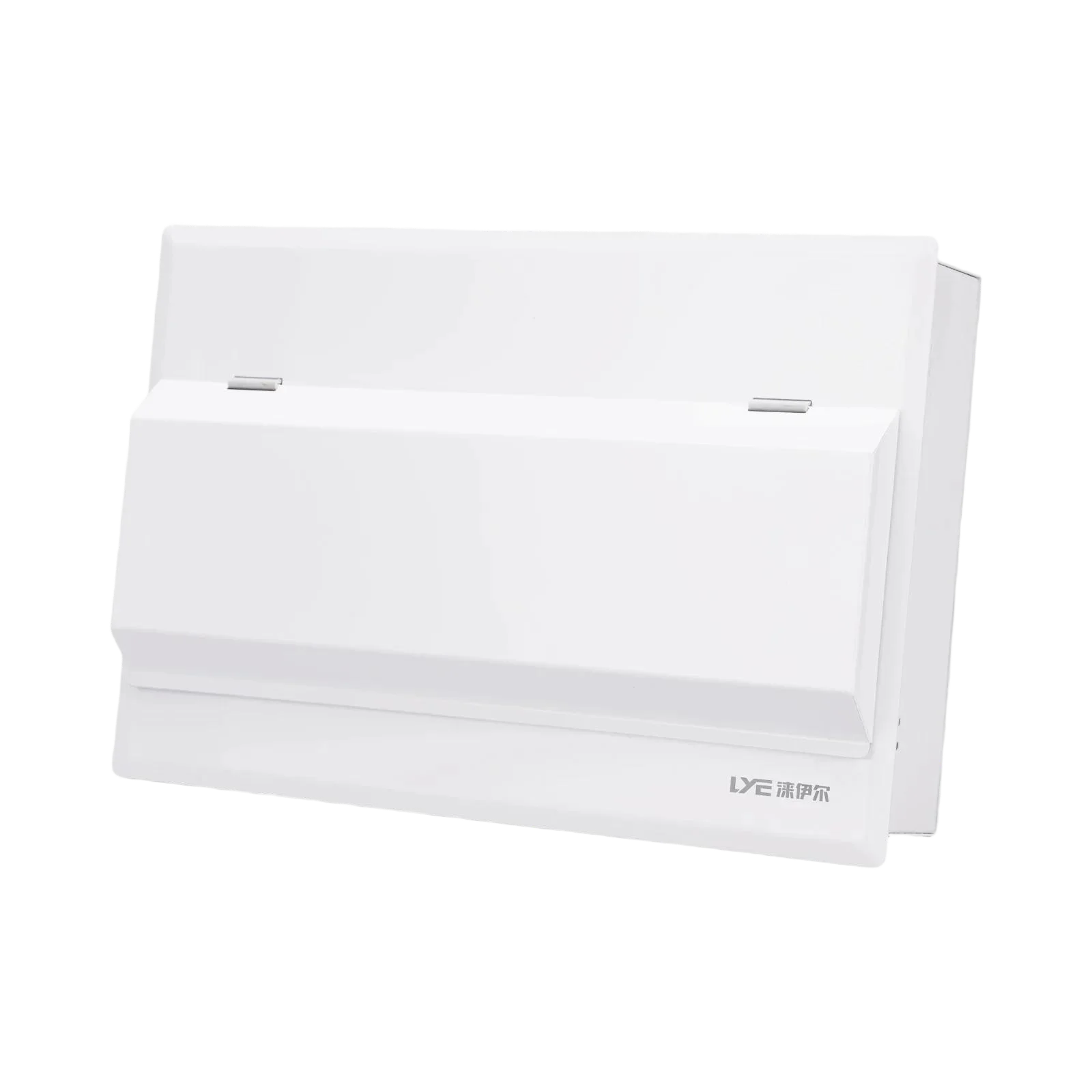
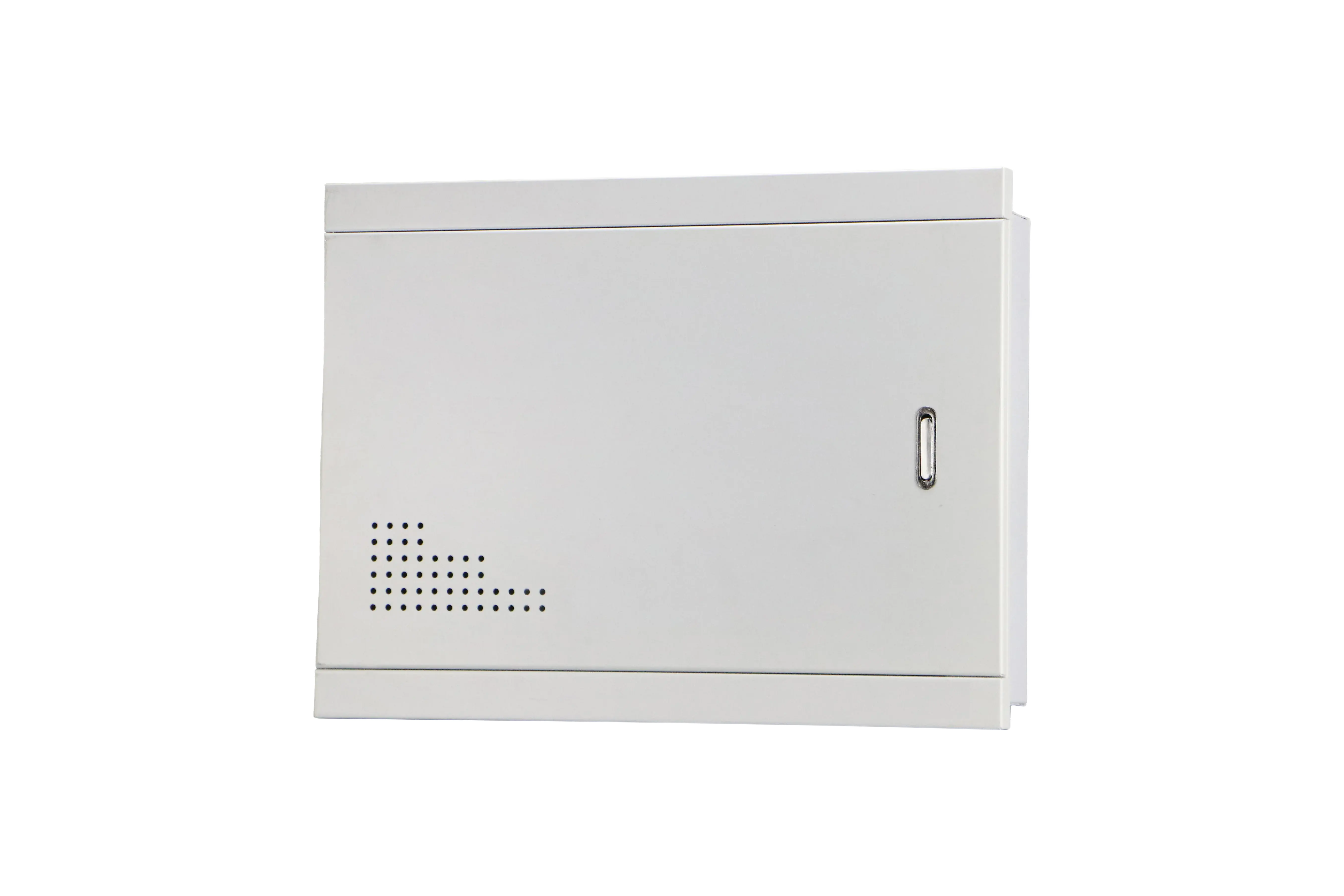
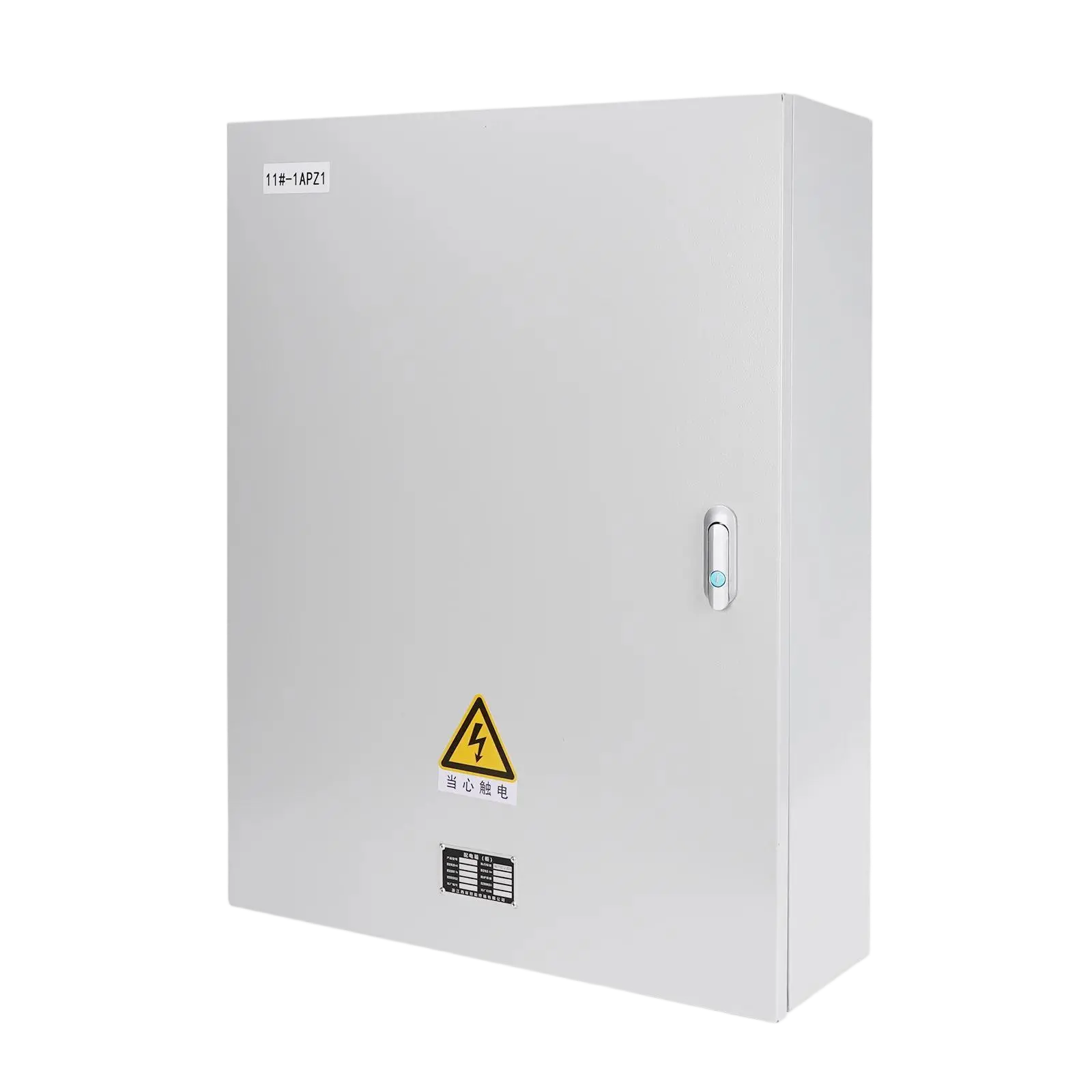
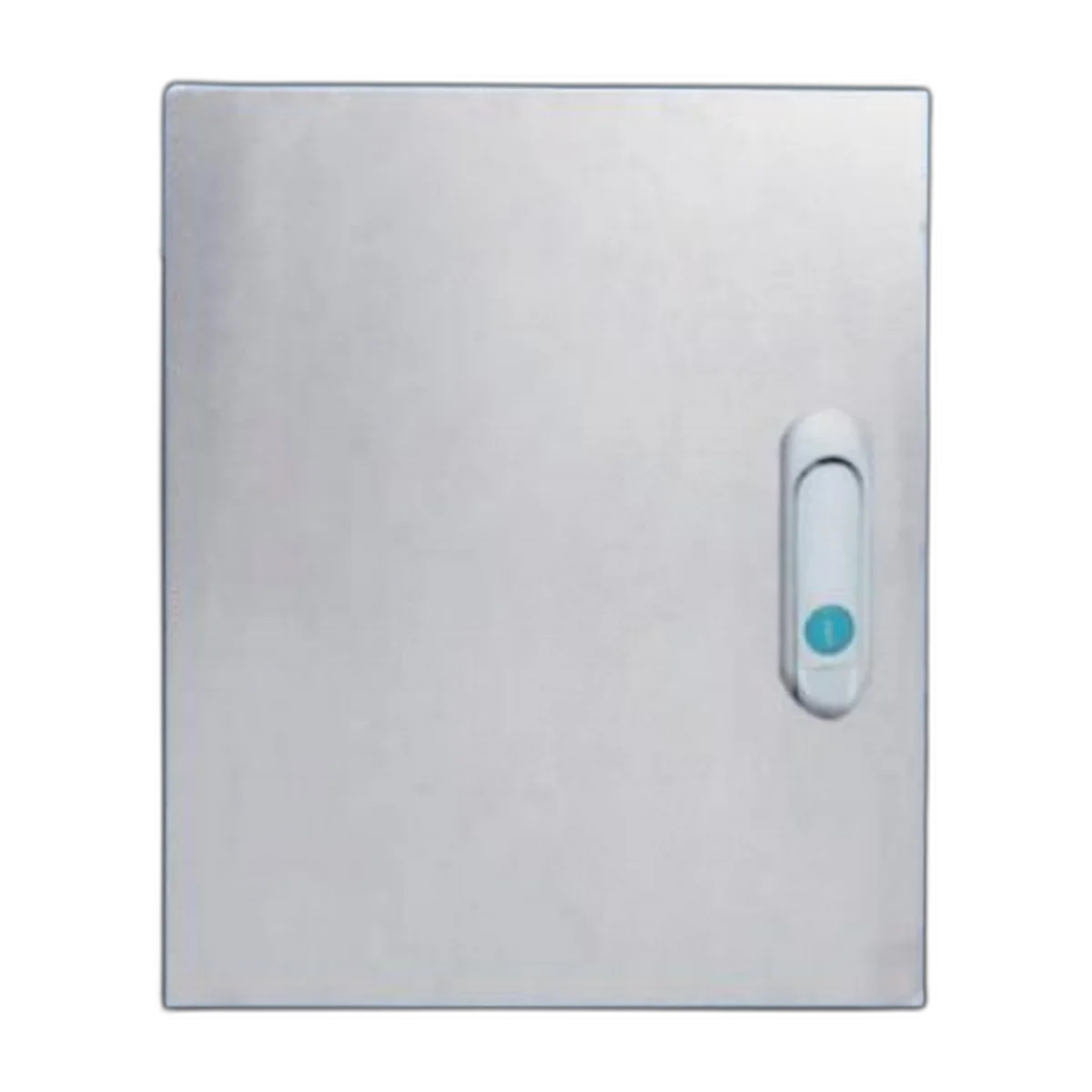
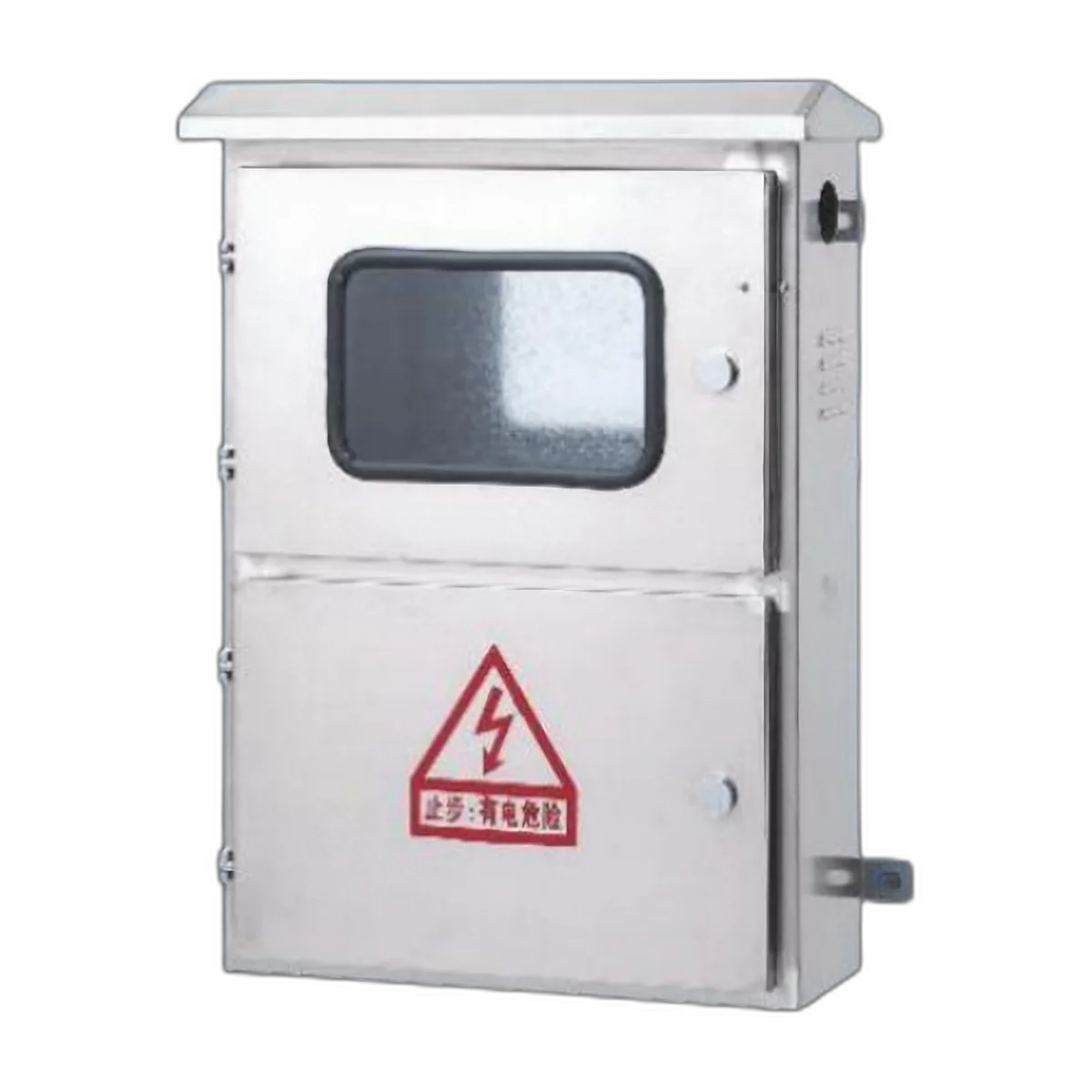
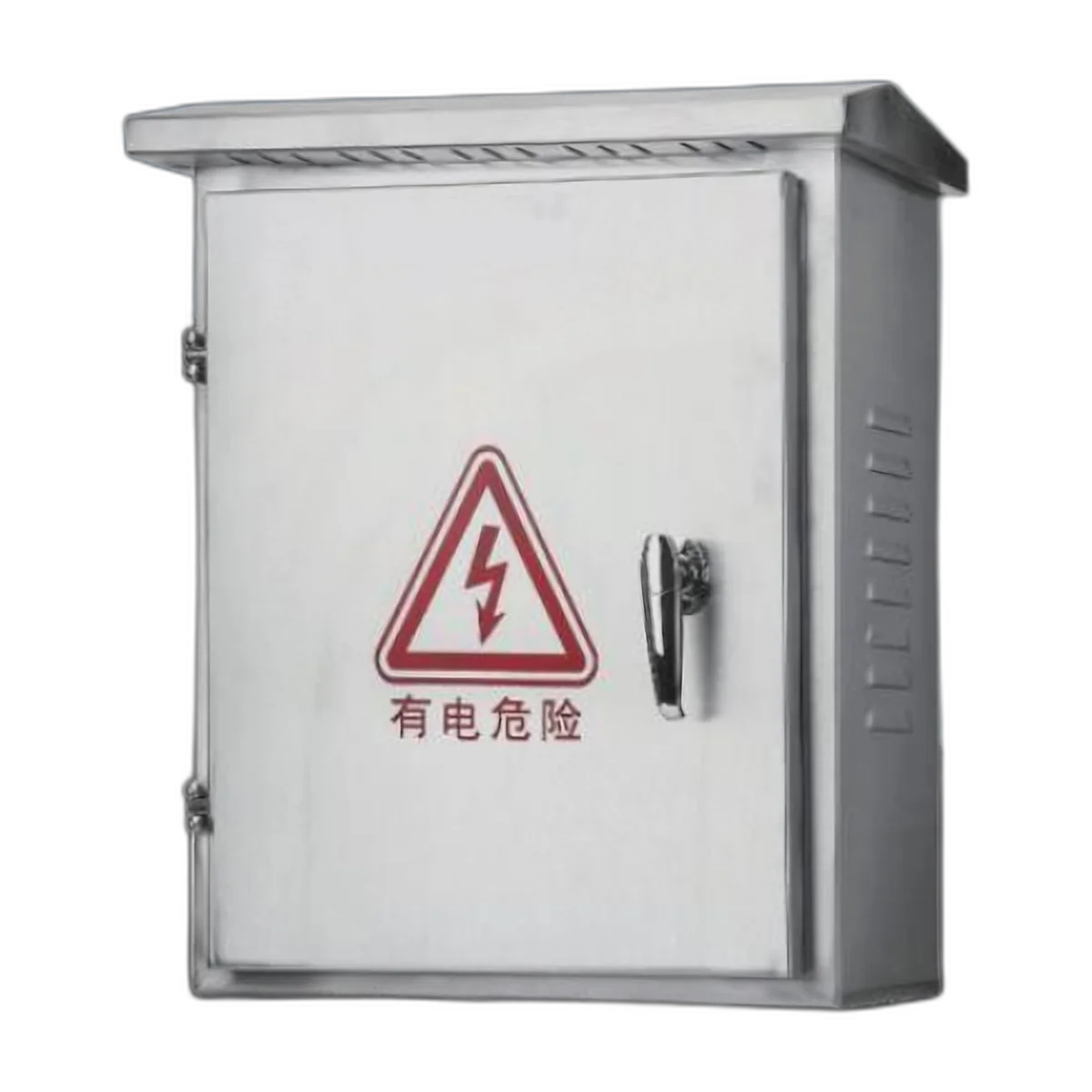
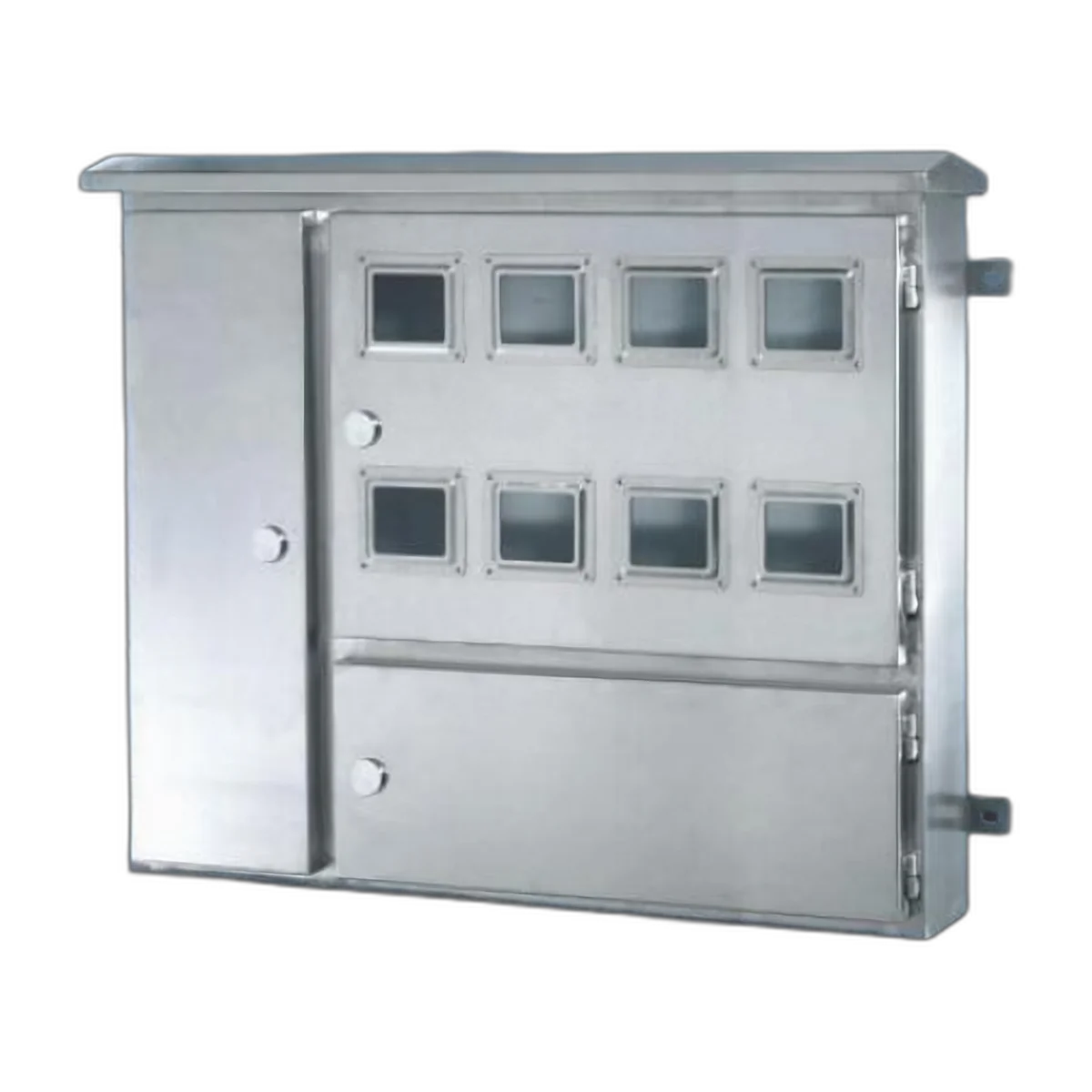
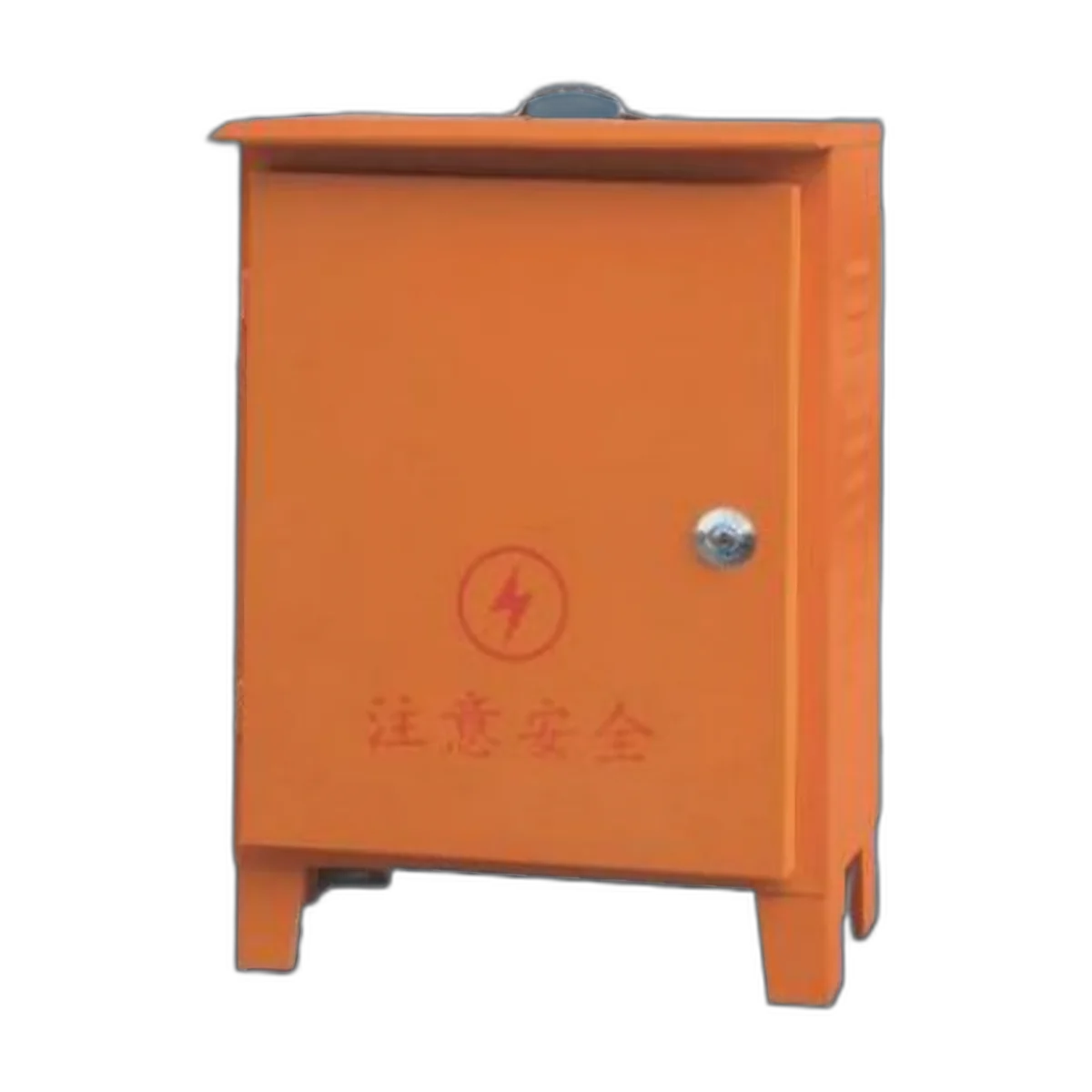
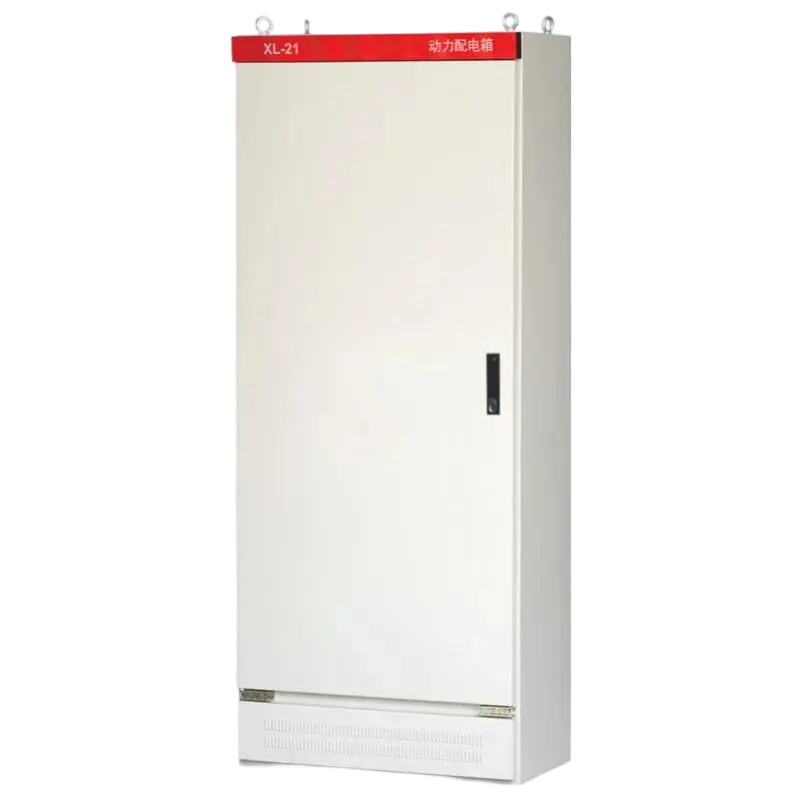
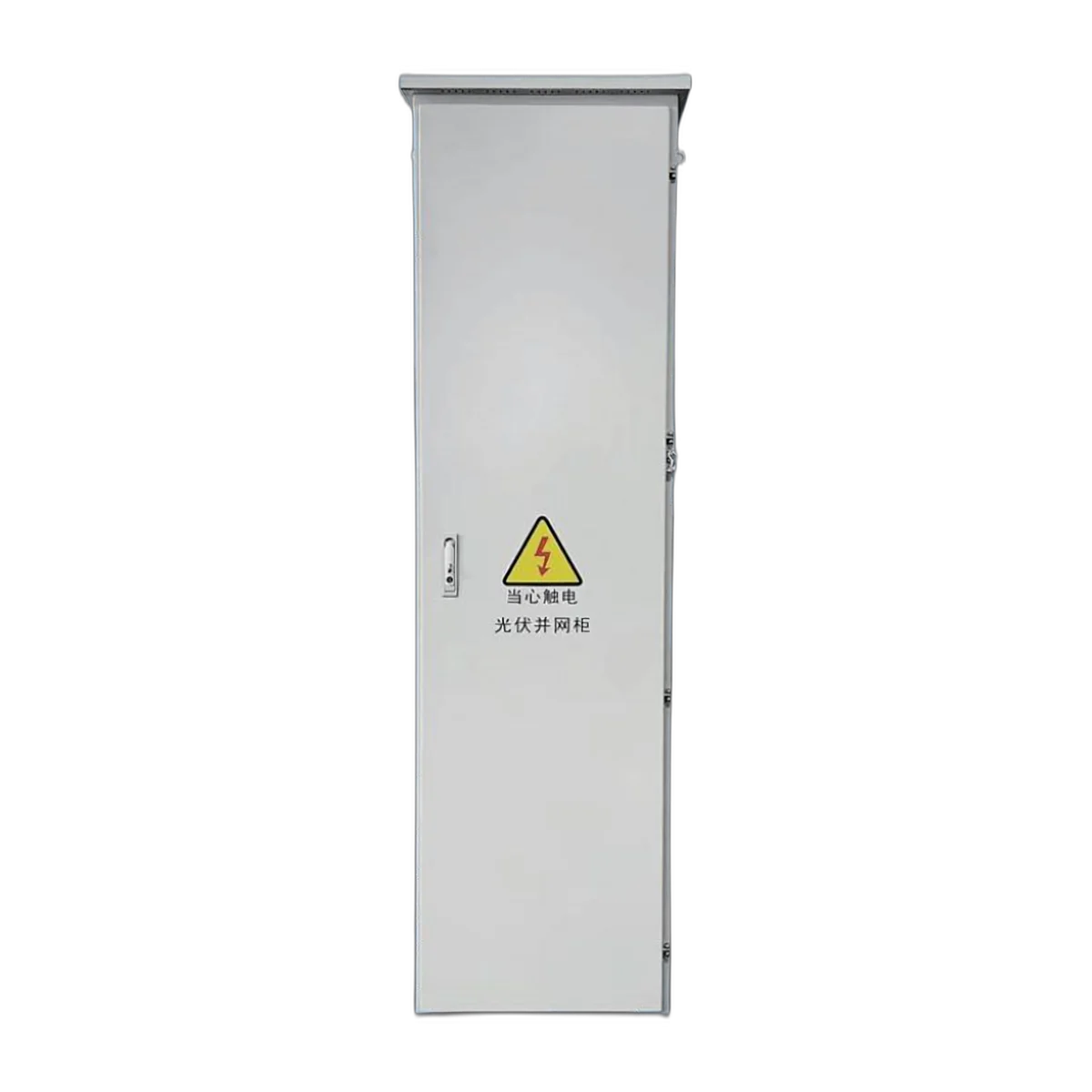
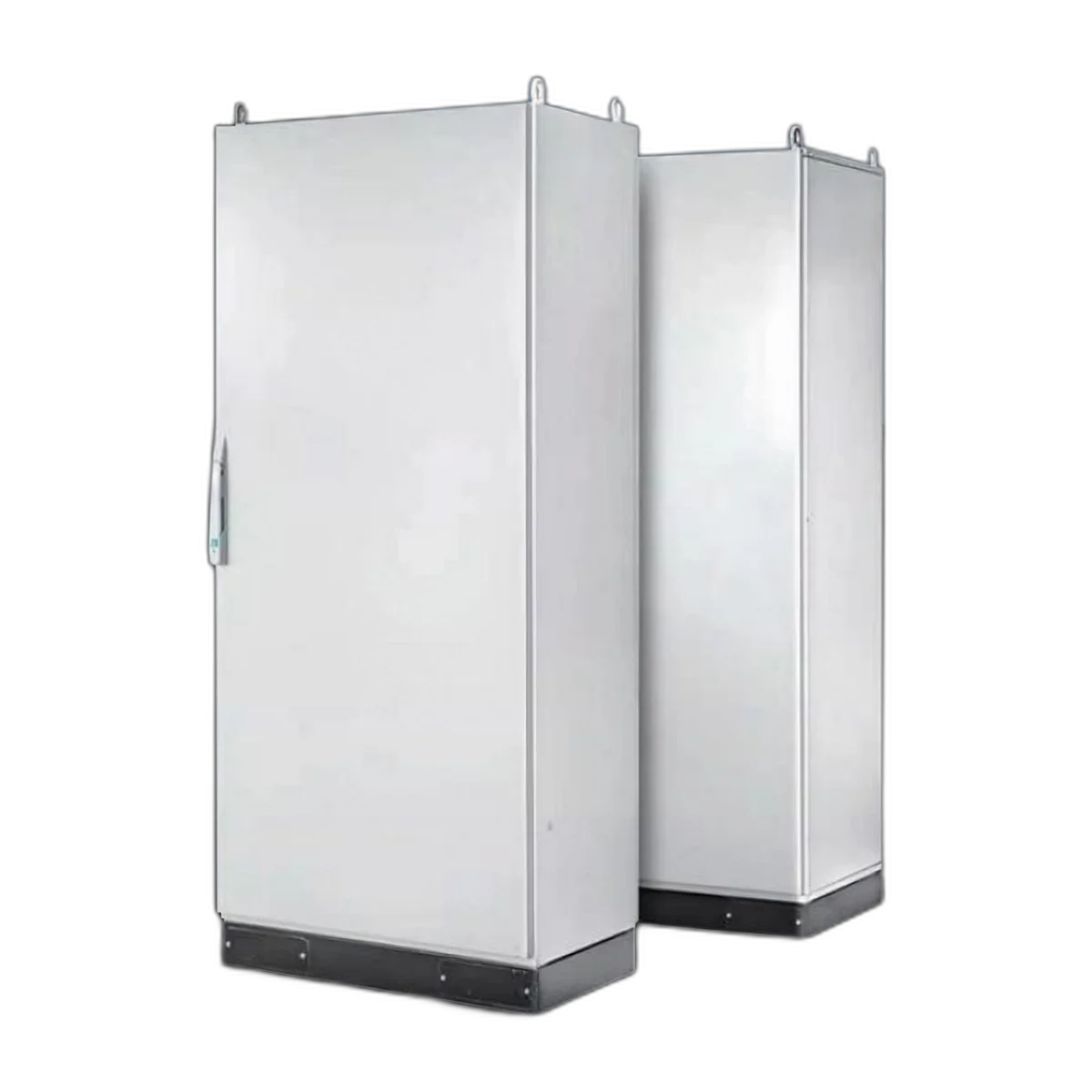
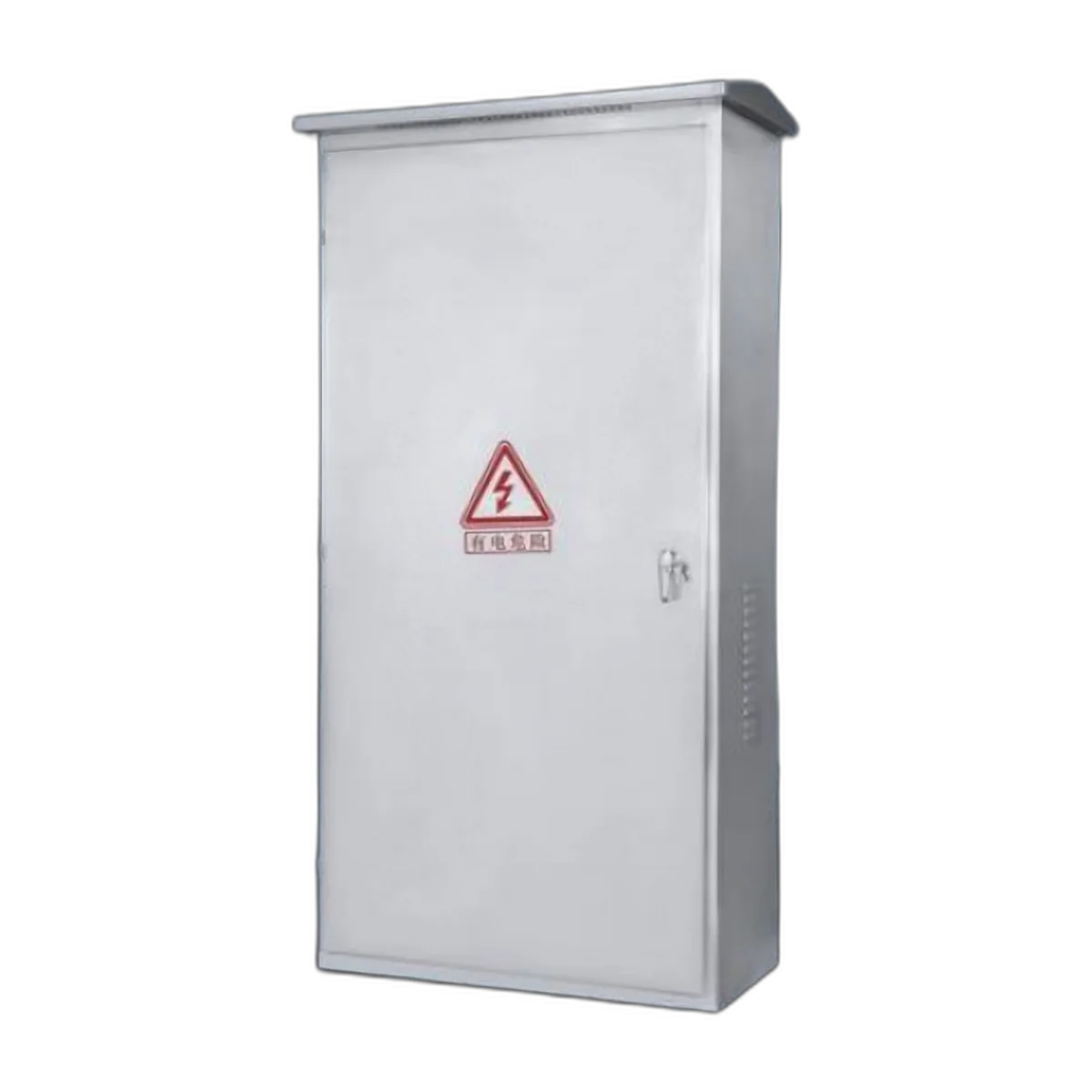
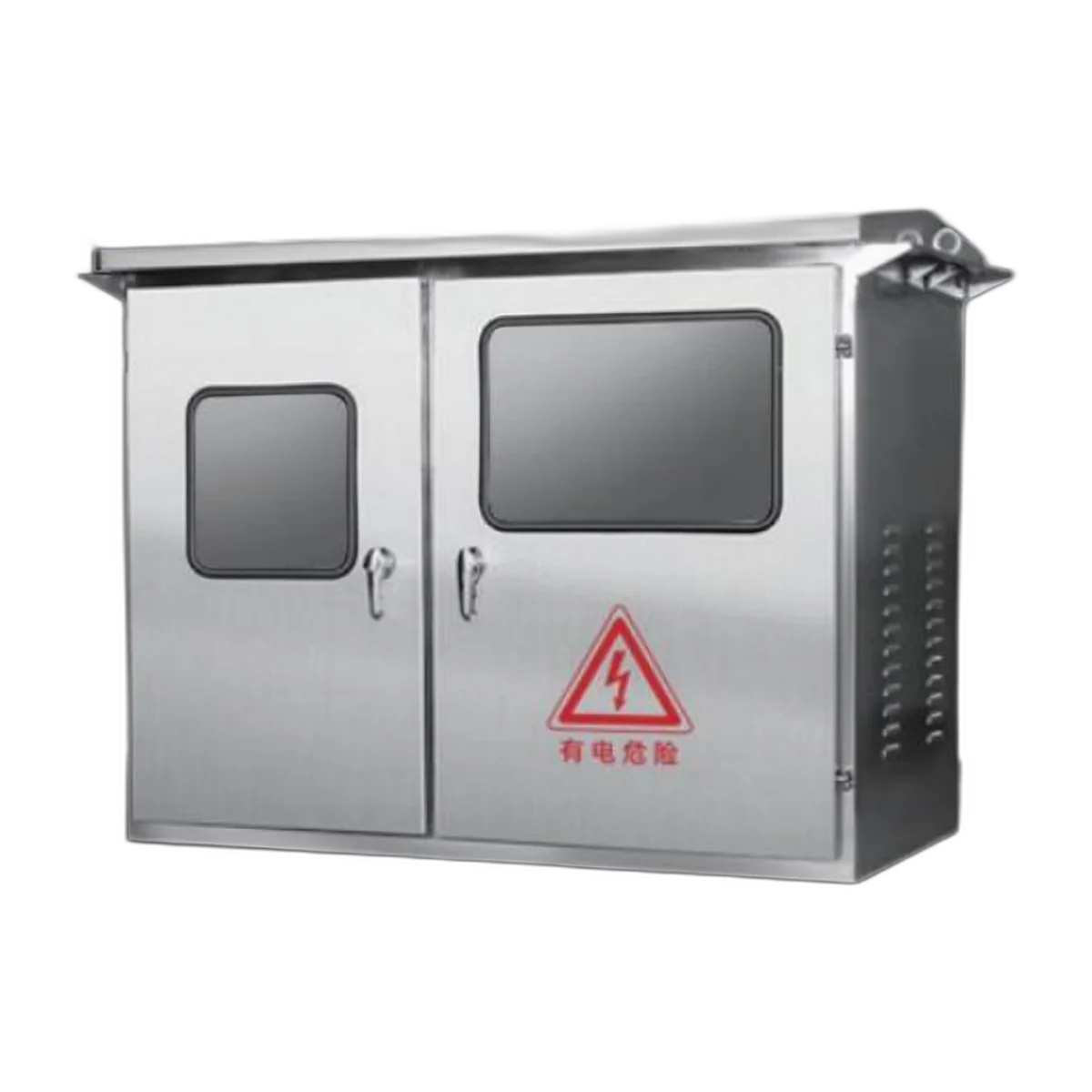
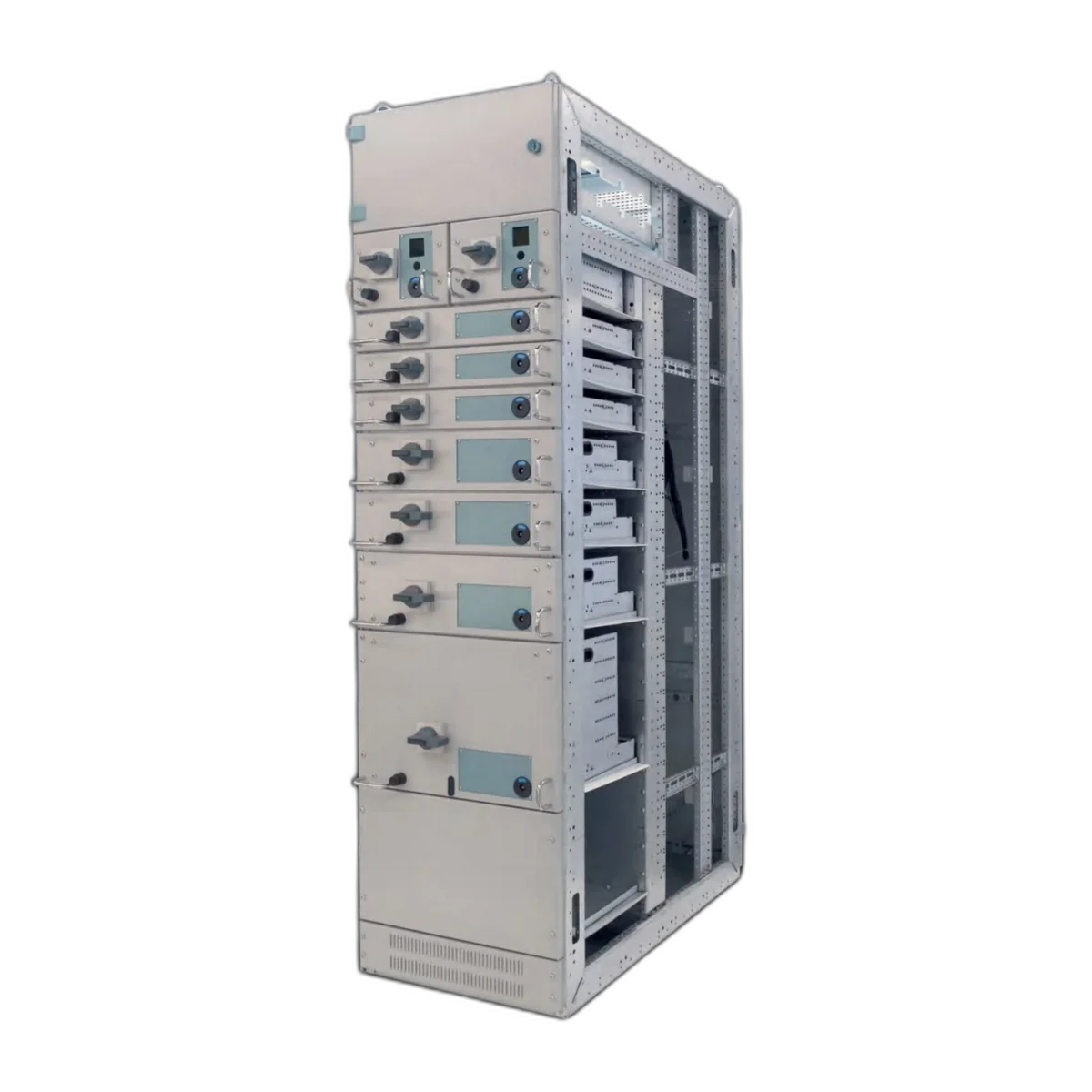
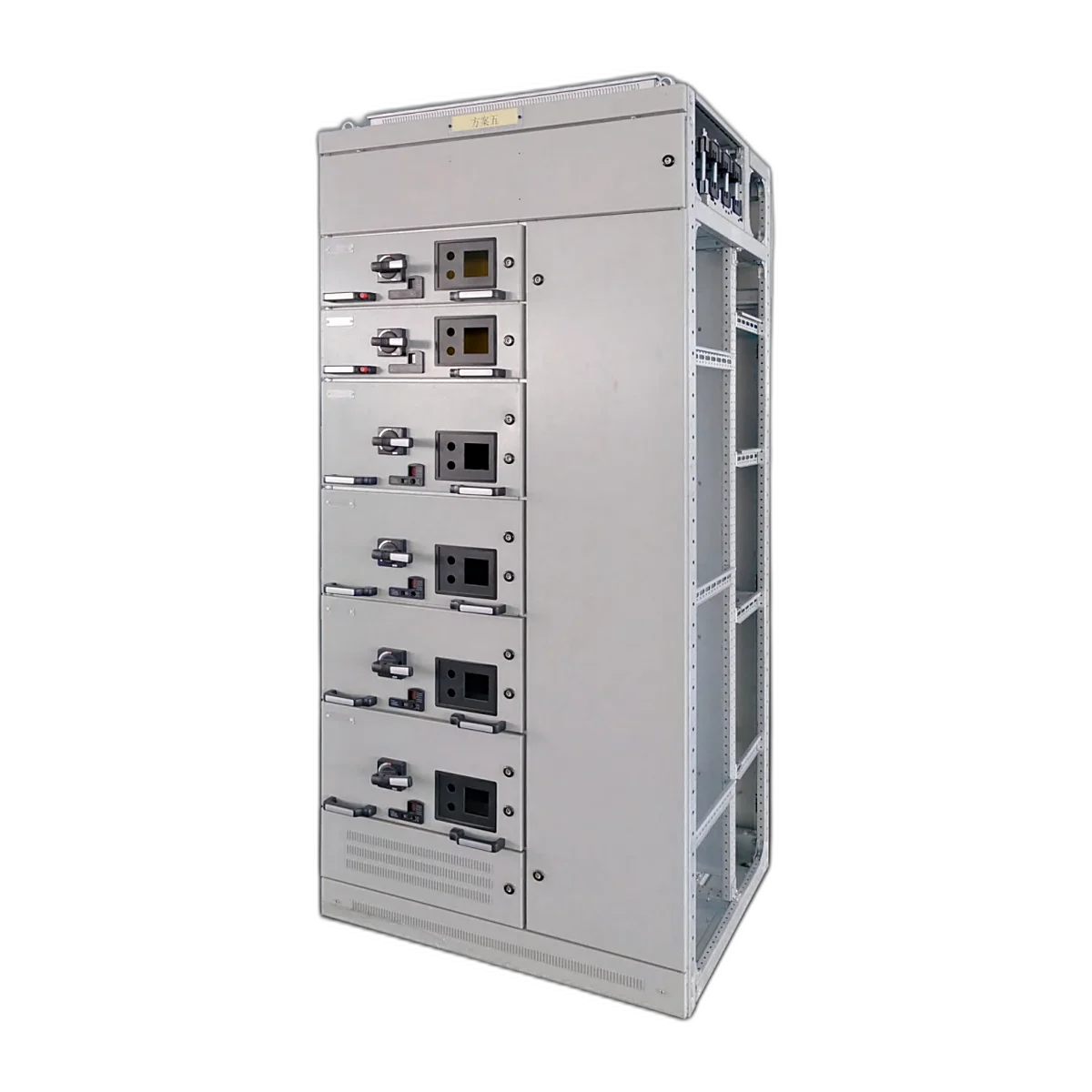
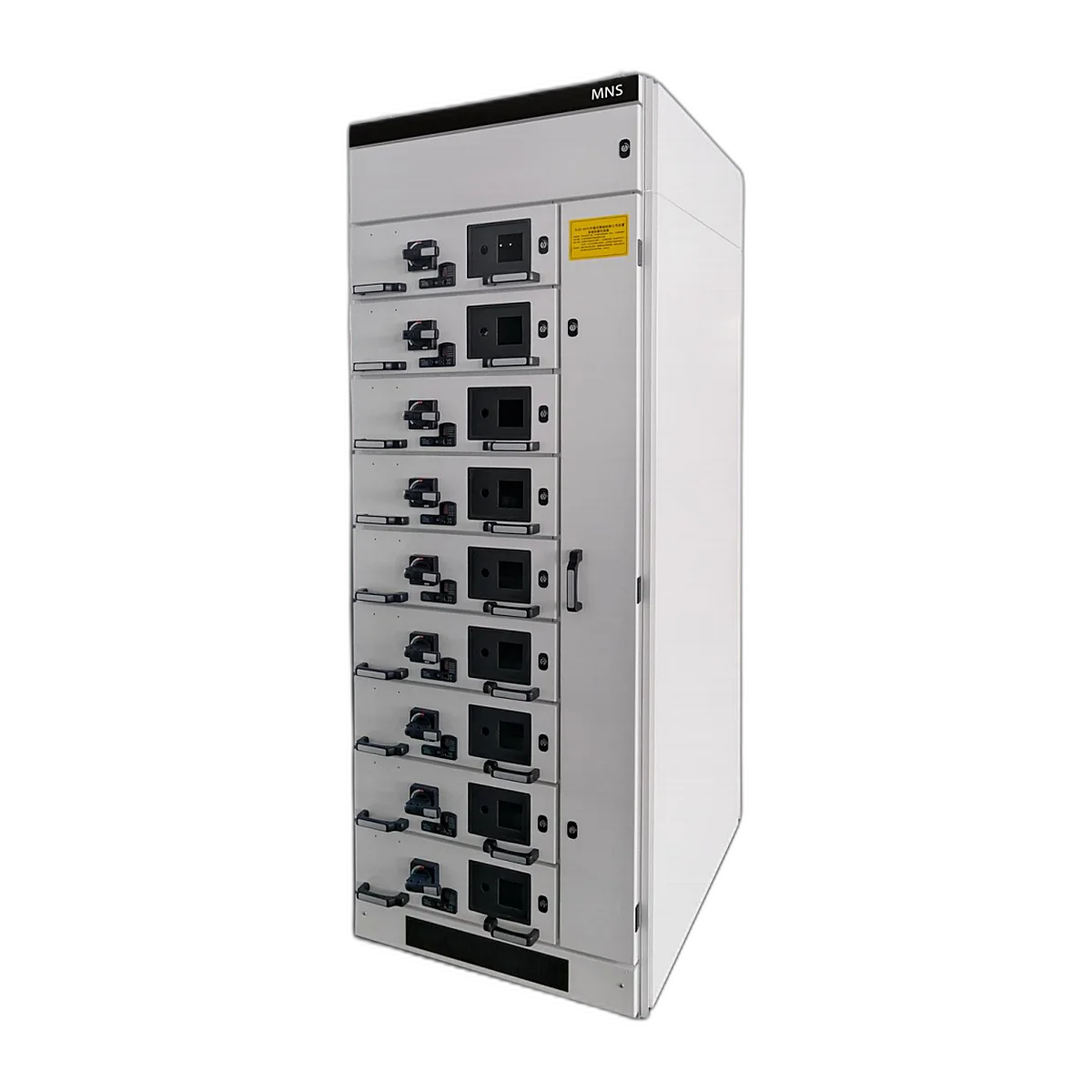
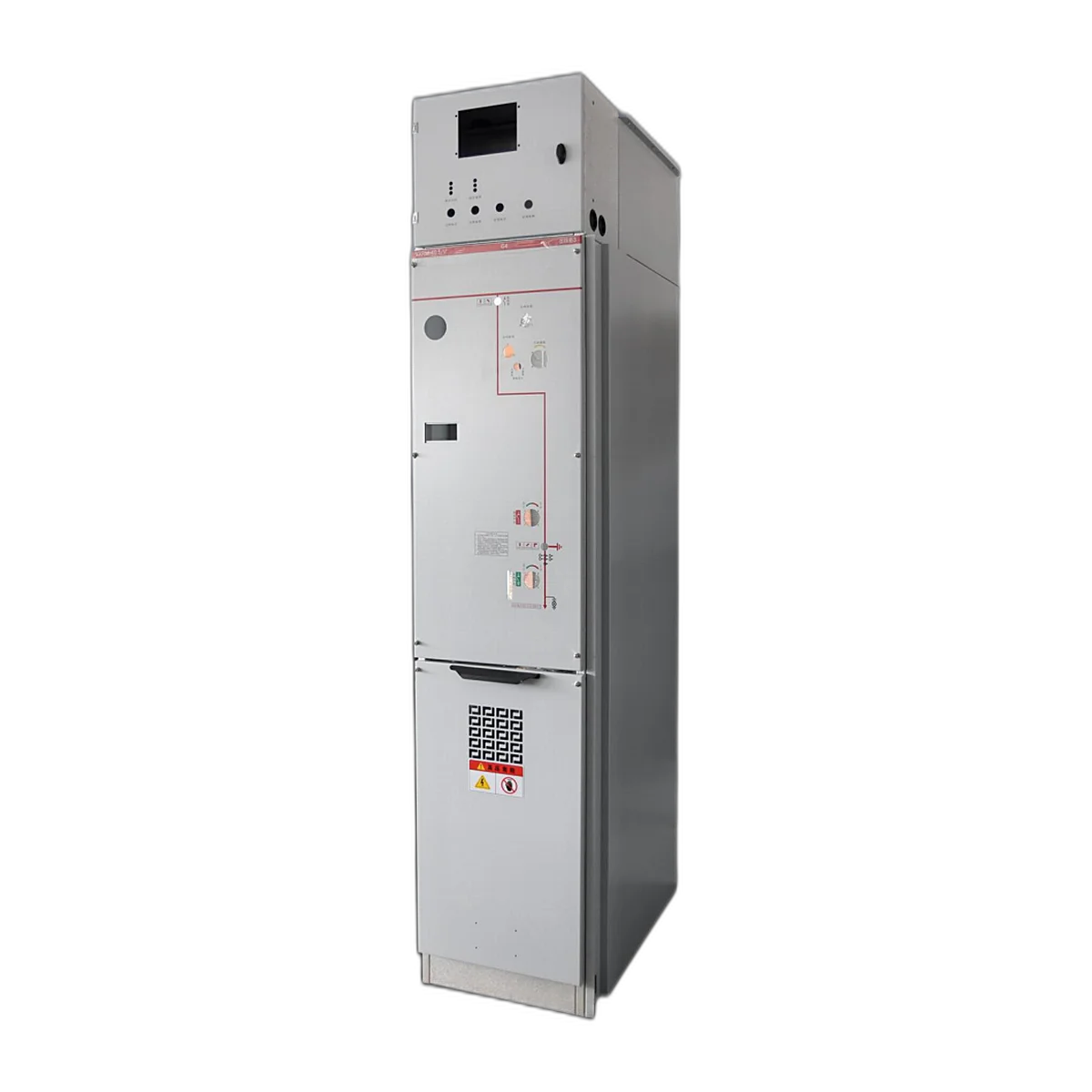
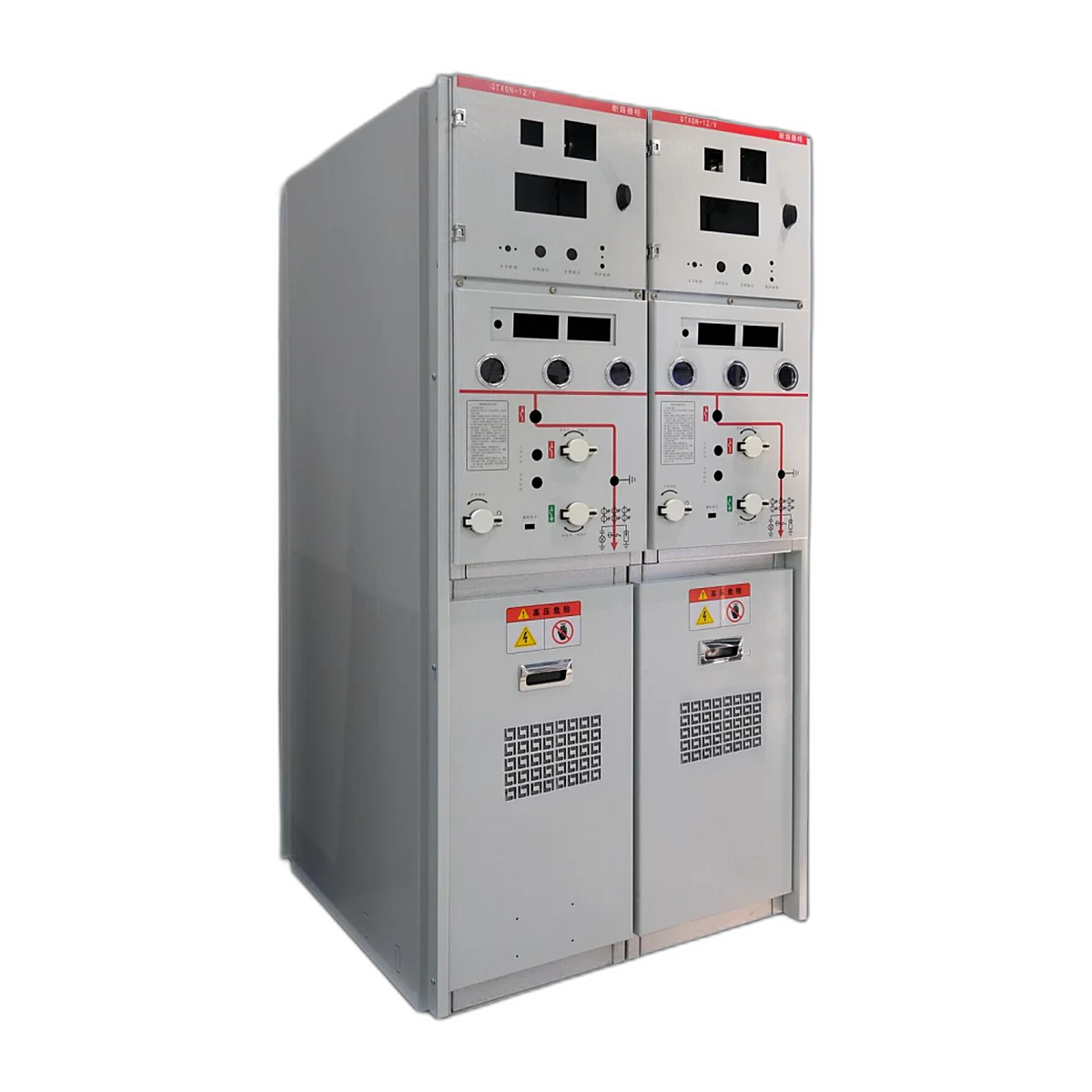
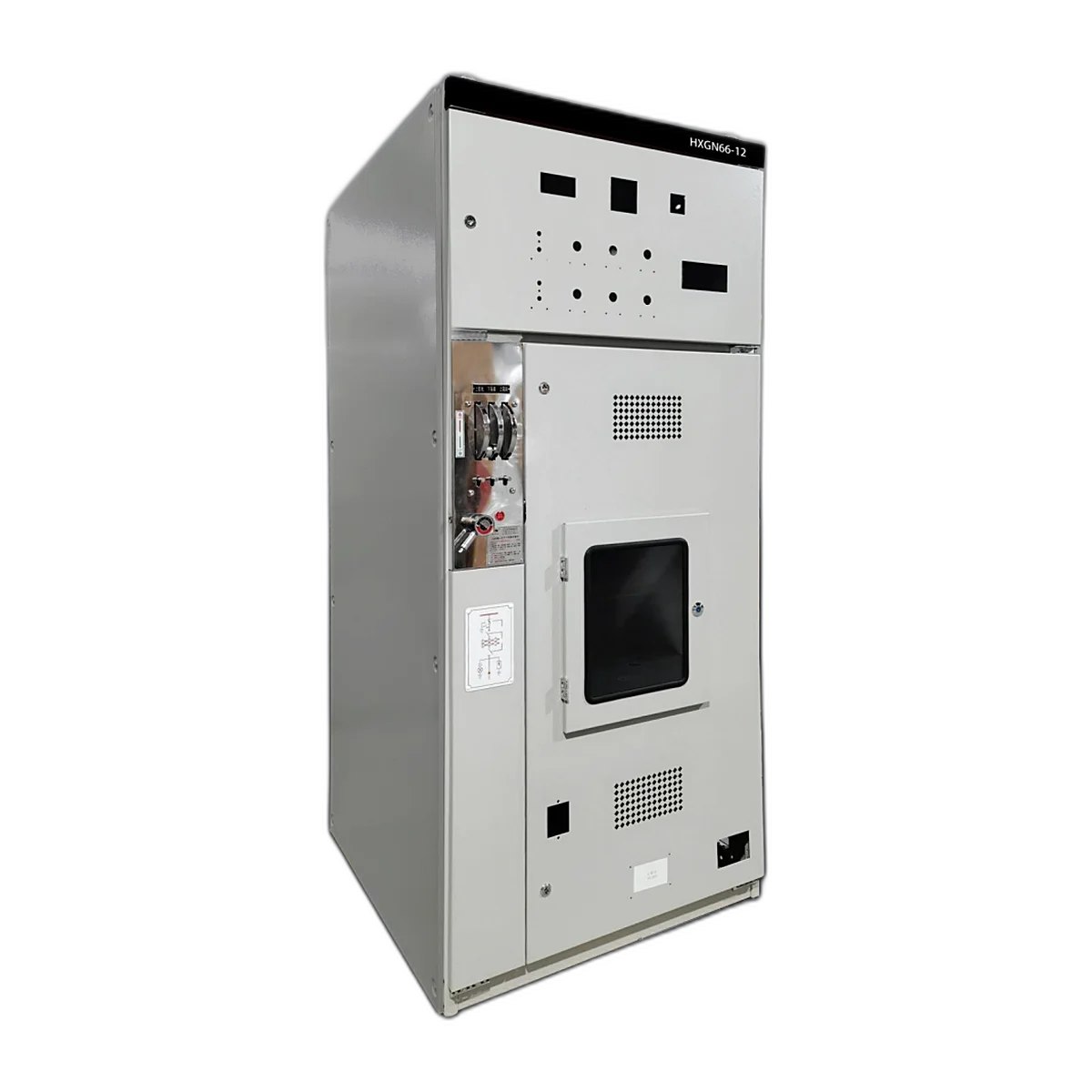
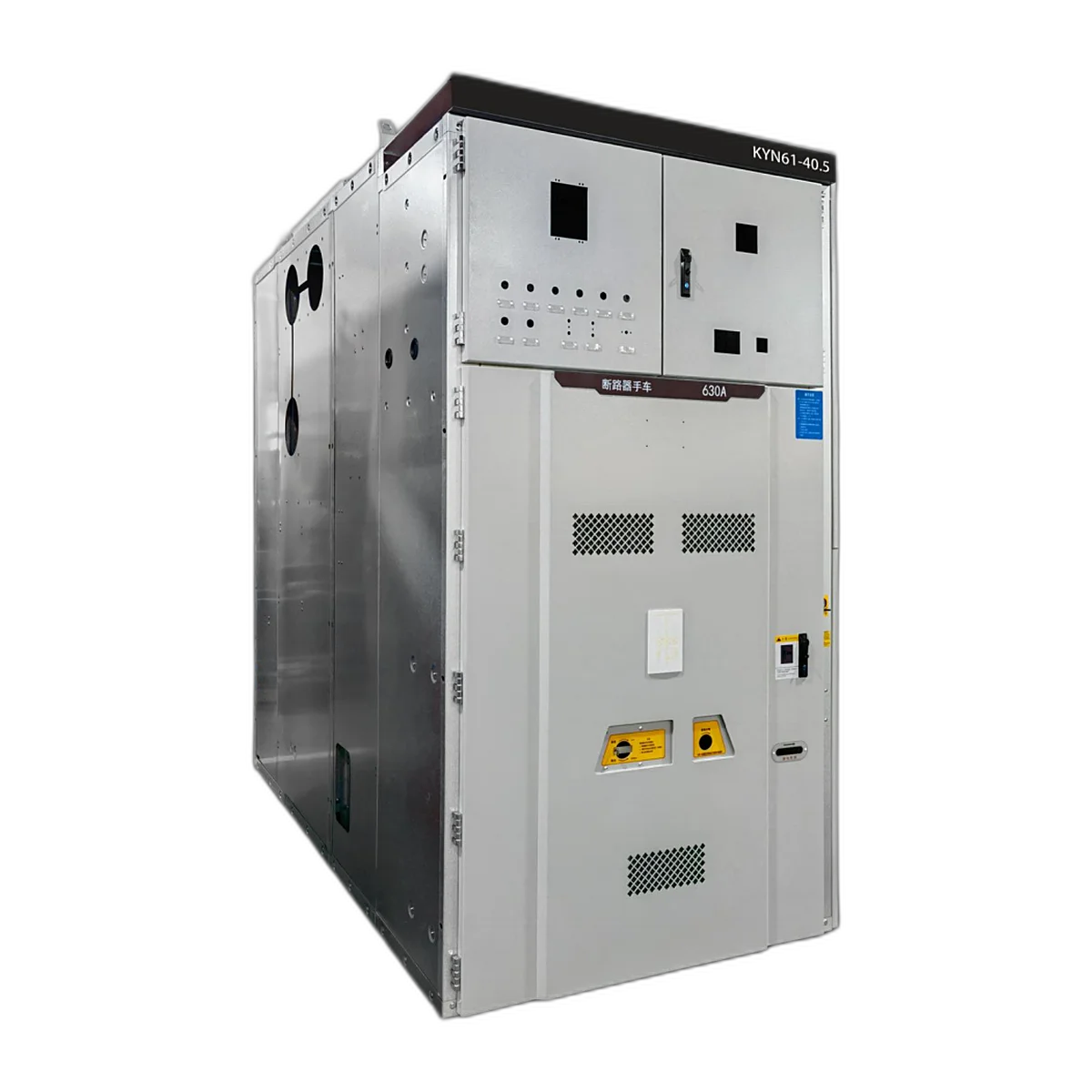
Metals also have a wide range of finishes that cannot compare to the available finishes of plastics, including dry, wet, and outside; these include: galvanized steel for dry, zinc-coated steel for damp, cast aluminum for outside and wet applications, and 304 or 316 stainless steel for food, pharmaceuticals and salty coastal environments. The JXF series of metal distribution boxes are a typical starting point for most industrial projects; they are made of folded steel with a removable cover and a powder coat finish designed to withstand the rigors of an industrial plant’s dry environment.
The disadvantage of using a metal box in a wet environment is that the metal box has a tendency to corrode at the cut edges and at the knockouts. Each knockout creates an area of exposed metal on the box and once the area has been exposed, the area will continue to rust outward from the knockout; therefore, when a metal box is installed in a wet ceiling, it will rust from the knockouts outward. This is due to the failure of the coating and not the metal. This explains why a galvanized box will typically last five years in a wet location compared to a 316 stainless box that can last for 20 years.
Plastic Boxes: Non-Conductive, Cheap, Fast
Plastic containers are low in cost and install quickly; they do not require bonding; therefore, they are quickly and easily installed compared to metal. In the residential renovation market this combination of factors outweigh all other factors and makes for a great majority of the success of plastic boxes.
The majority of plastic containers are made from either PVC or ABS during standard construction; however, for heavy-duty applications, the boxes are produced from glass-filled thermoplastics. PVC is inexpensive, dimensionally stable and easy to cut; however, it is also susceptible to becoming brittle when exposed to ultraviolet (UV) light or after many years of use. ABS is more durable and stands up better under UV exposure. Neither of these two polymer materials is intended to be used as a mounting point for heavy fixtures or used for supports when pulling through conduit.
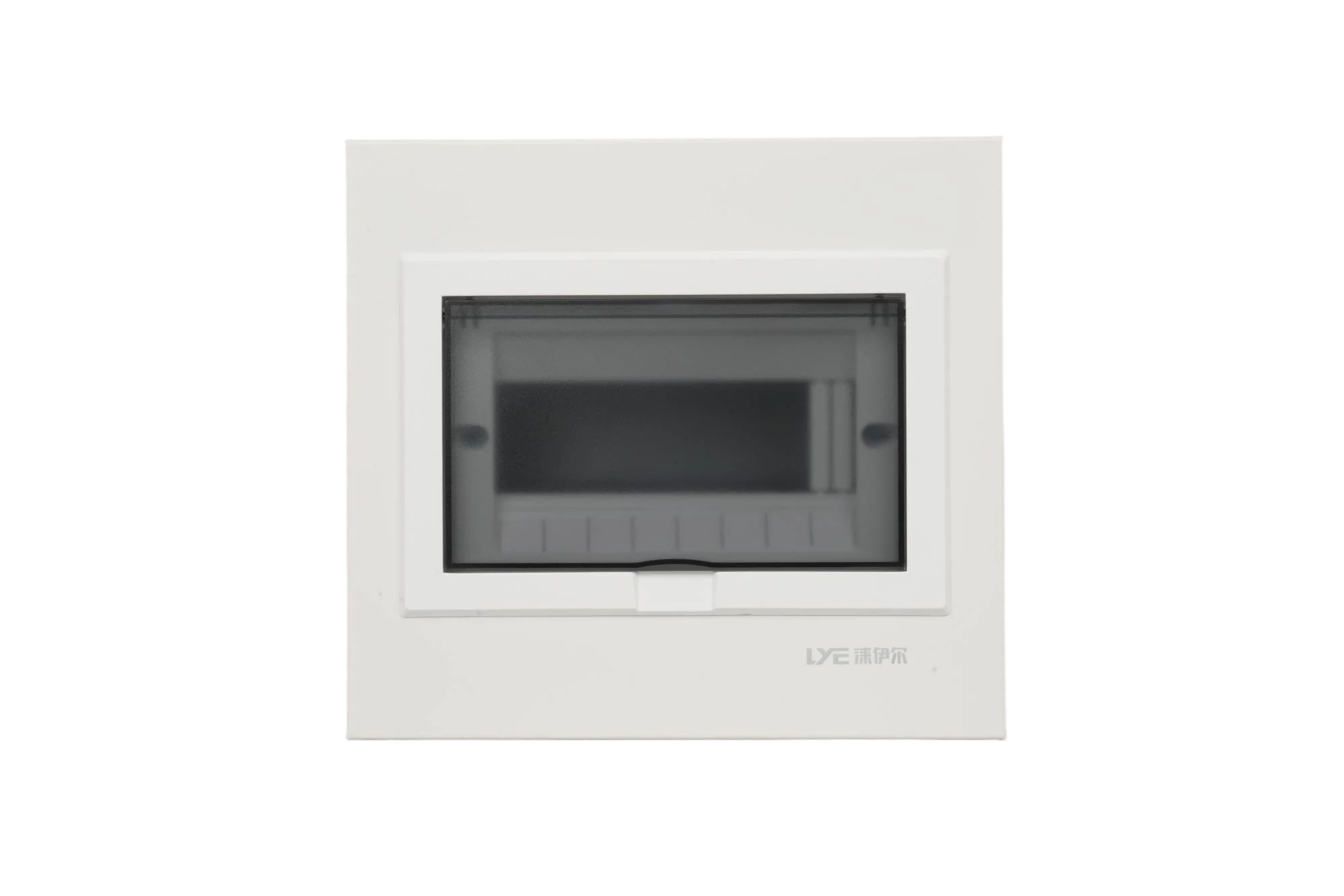
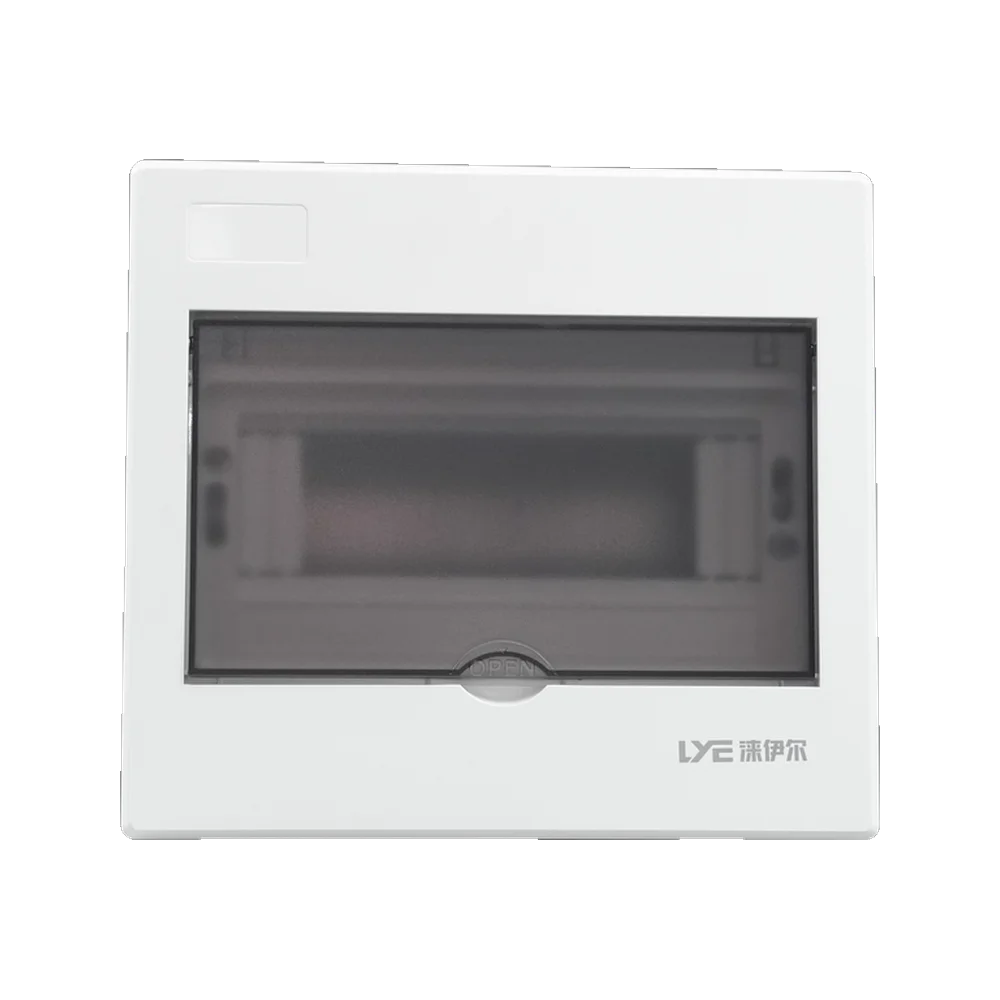
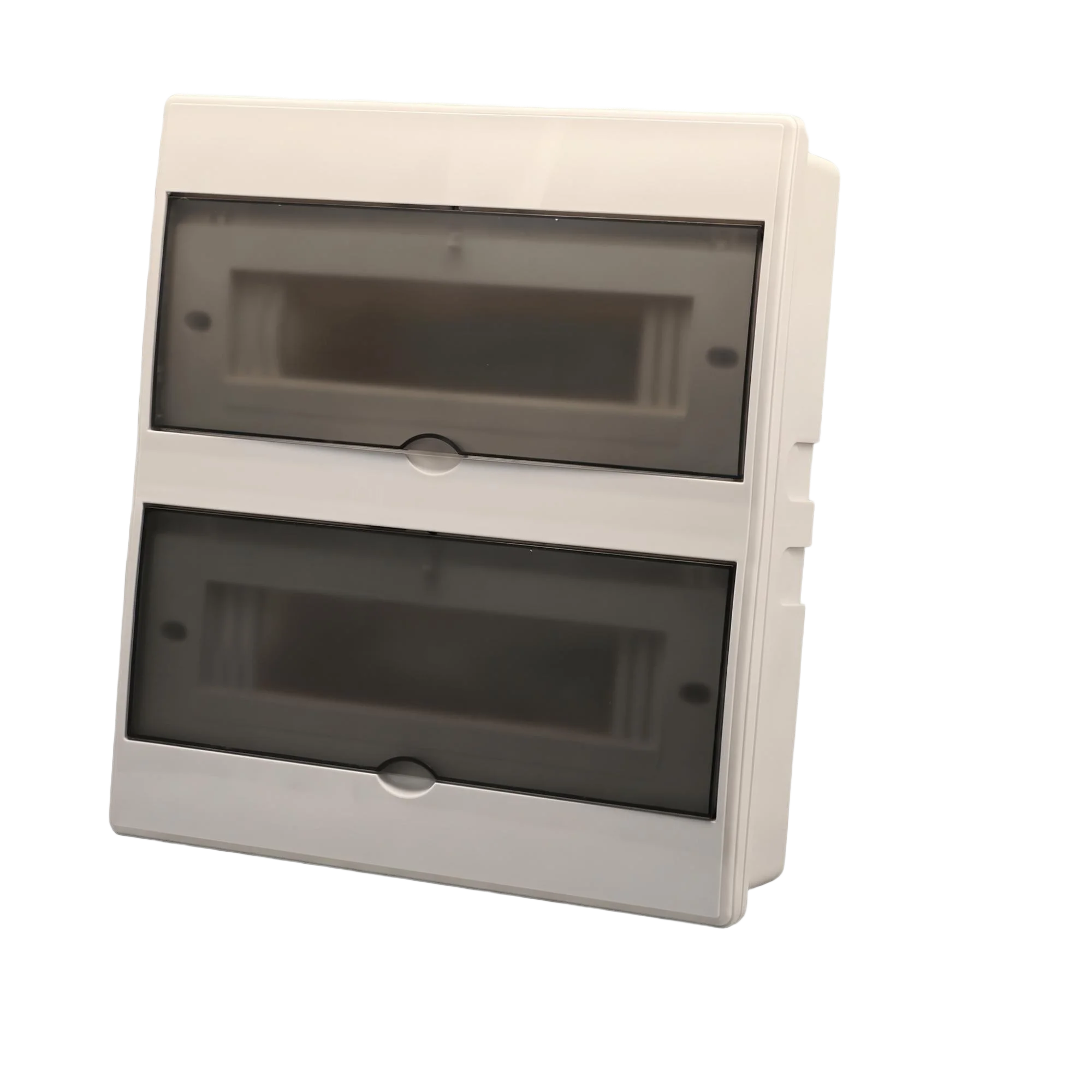
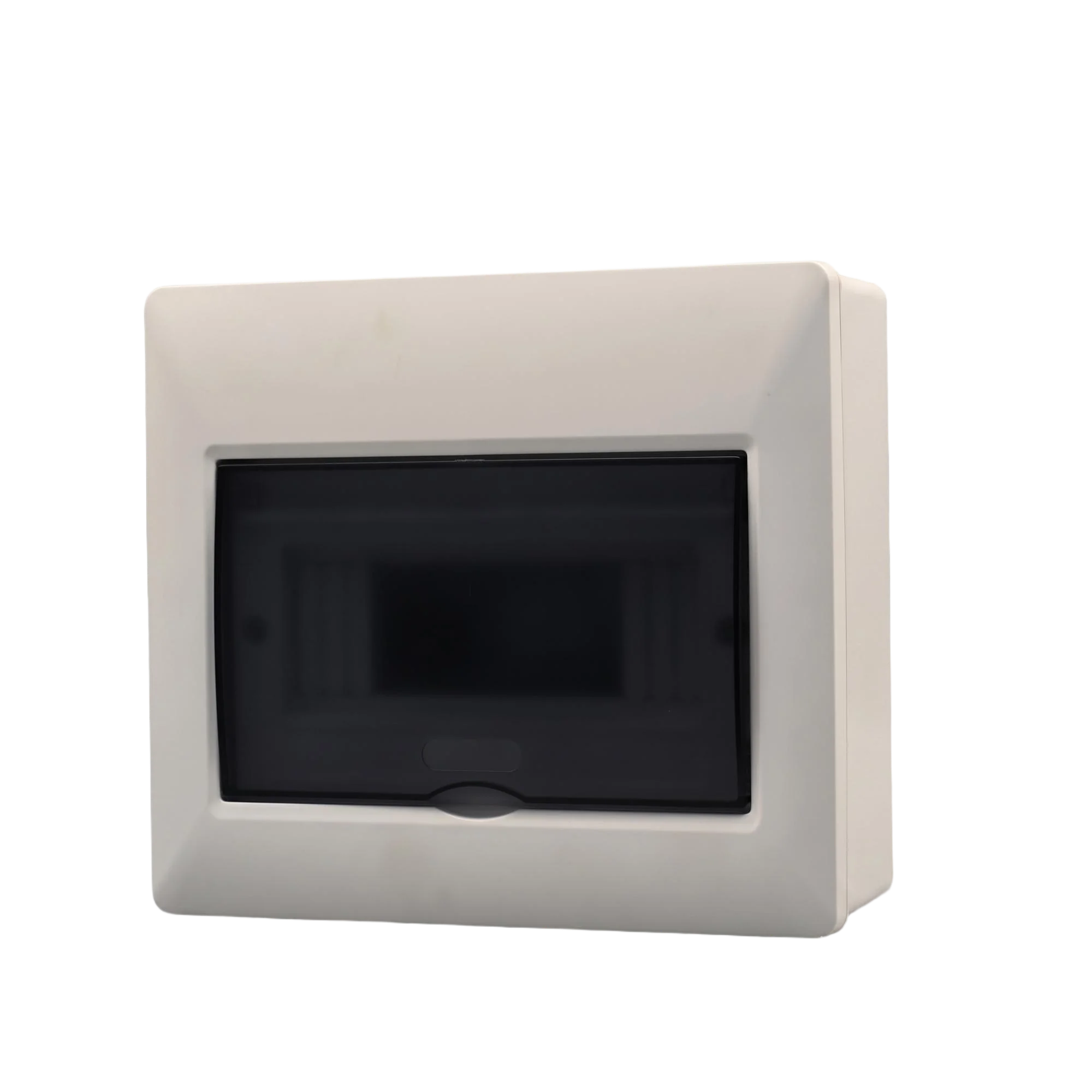
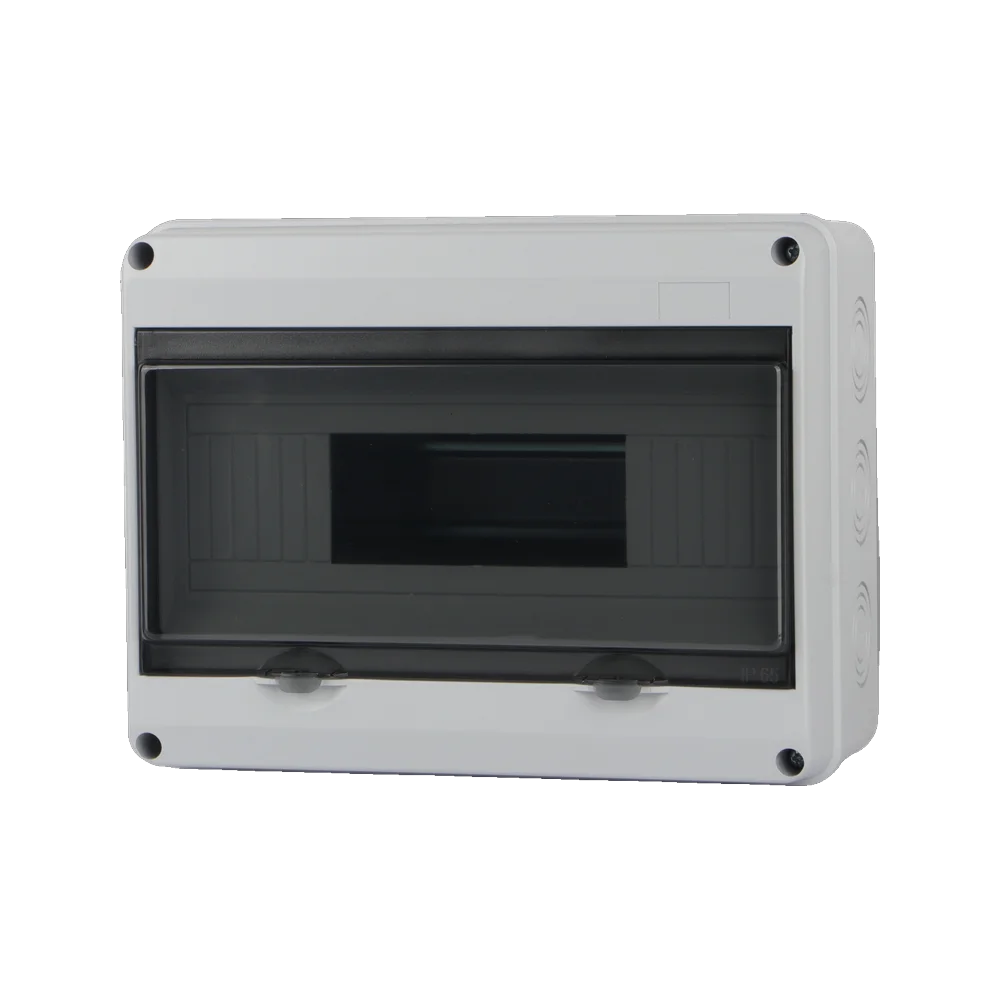
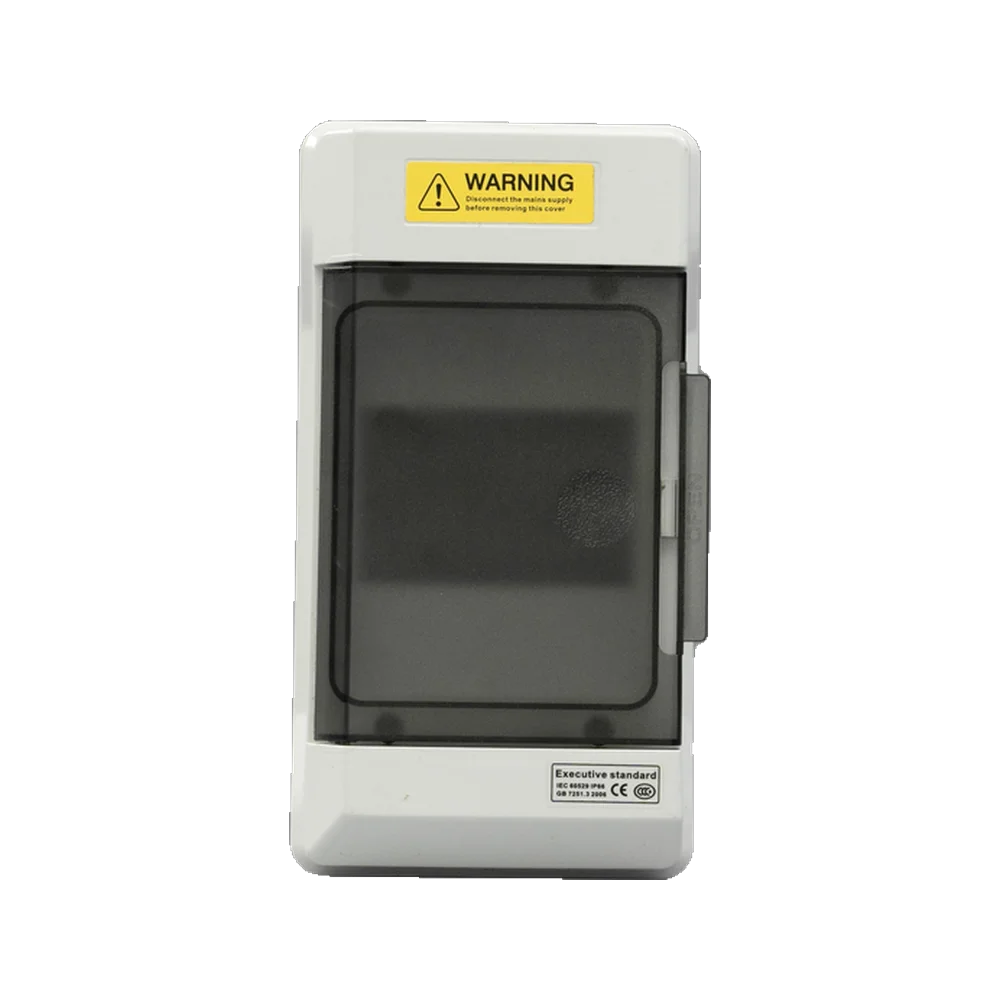
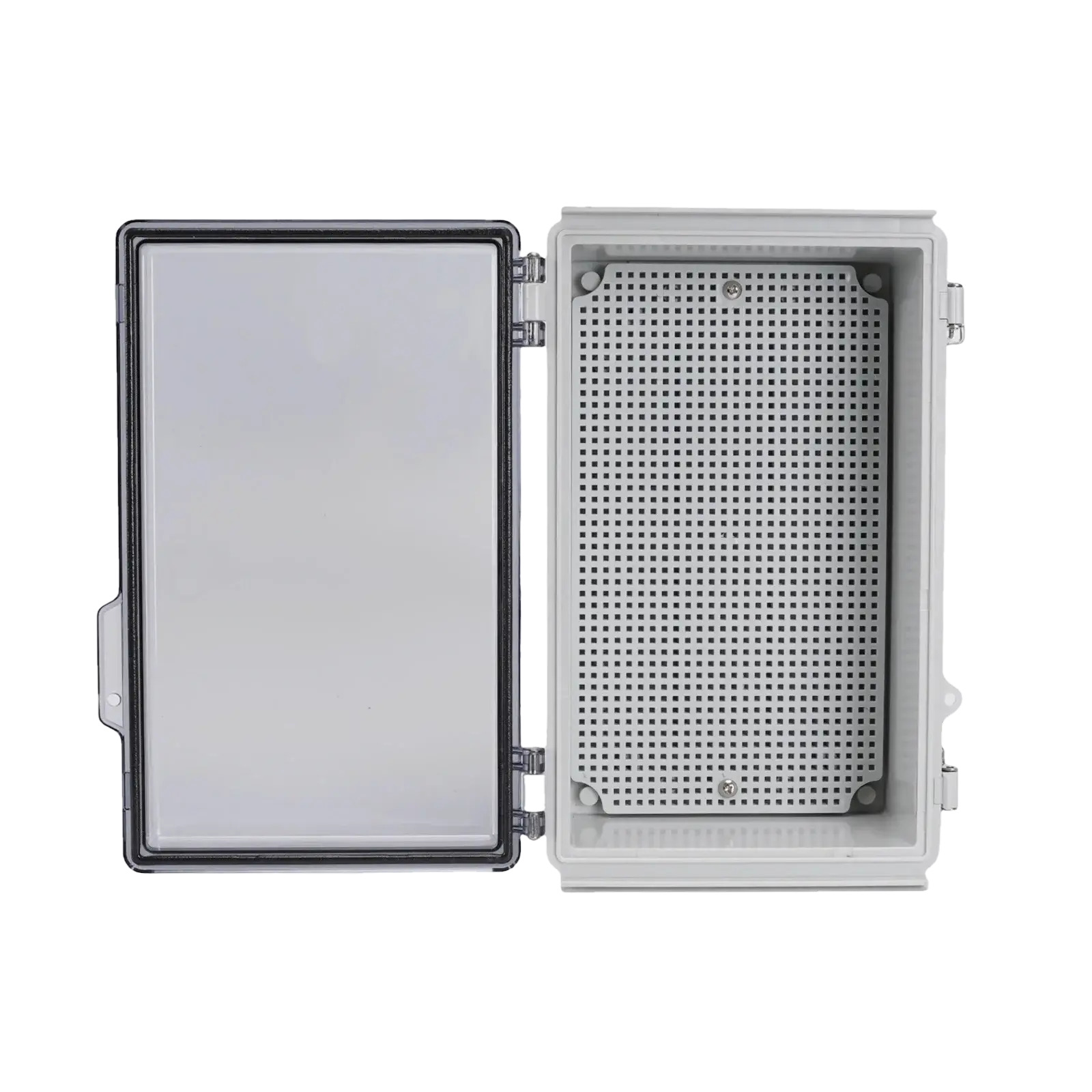
The most important thing to remember about plastic containers is the rating assigned to them; if you have one that has an IP66 rating with a suitable cable entry assembly, then you are purchasing a very robust box; for example, the LYC5 IP66 full plastic electrical box was designed specifically to be a box used in outdoor conditions; these boxes provide moisture and dust protection; the cover closure works just like the gasket of a metal container does, but weighs less than half as much.
There are two major limitations that must be plainly stated. First, plastic does not conduct heat; therefore all electrical terminations in a box full of dimmers, drivers, etc. must work harder than when supporting the same loads in a steel container. Second, plastic does not provide an earth path for current flowing through a container; therefore, should a fault develop inside the box, the current would flow only through the earth grounding conductor and through the individual device connections; it cannot share the current through the metal container.
Where the Code Pushes You One Way or the Other
You can go wherever you want or wherever the code leads you with regards to your installation.
You should know some important things about hazardous location products before even beginning to write your specification.
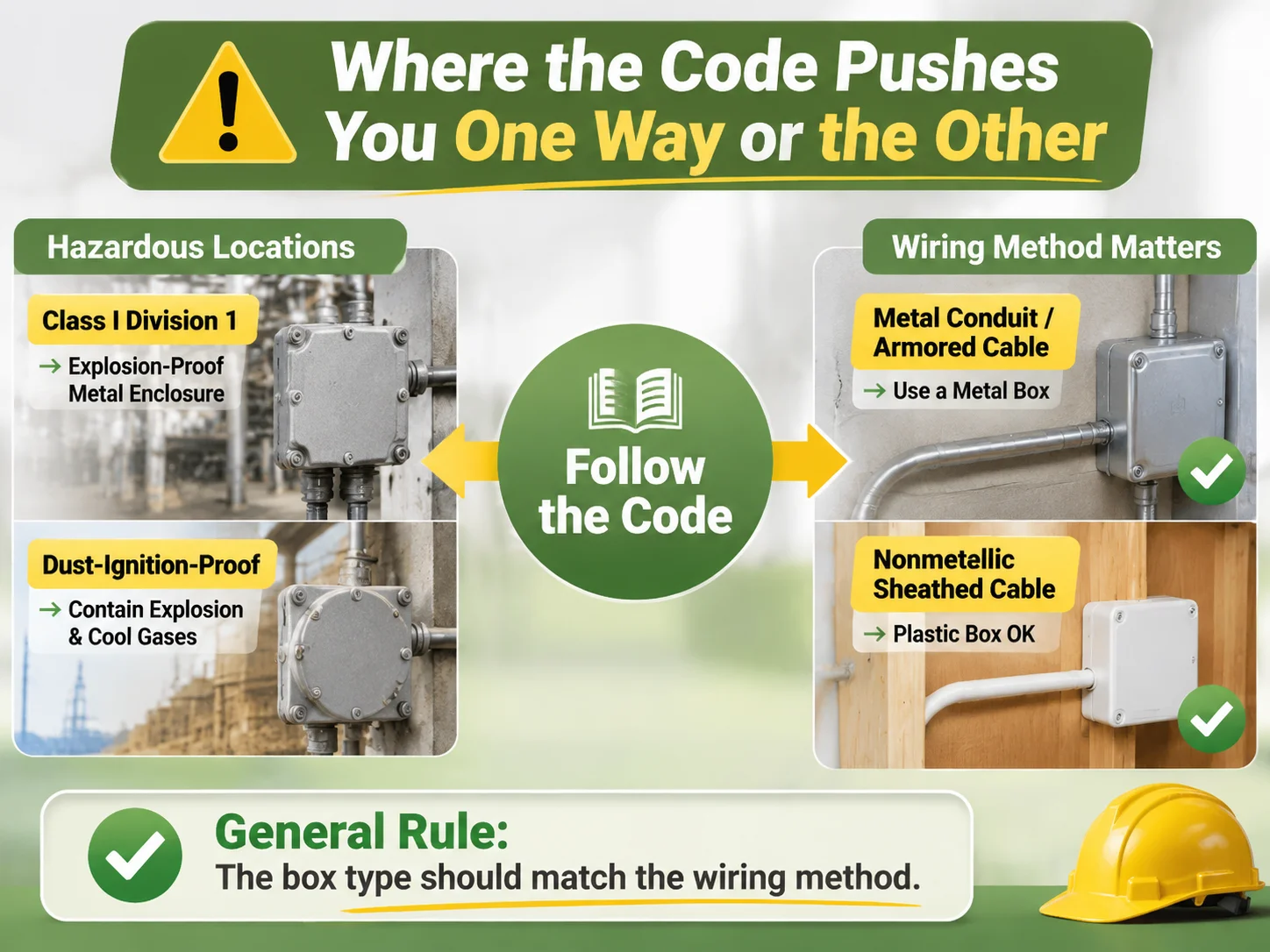
Some hazardous locations will dictate your choice of product right away. For example, if a Class I Division 1 location exists, then an explosion-proof enclosure is required. The only explosion-proof enclosures that are available are made of cast metal and have threaded joint systems. There are no plastic boxes listed for use in this type of hazardous location. Dust-ignition-proof locations are similar; a dust-ignition-proof enclosure must maintain the explosion within the enclosure and allow for the gases from the explosion to be cooled by the flame path through which they escape the enclosure.
The use of metal-framed construction tends to push toward metal enclosure products because of this type of wiring method. If a metallic conduit or armored cable is used as the method of wiring, then the box must be part of the grounding circuit and a plastic box is not acceptable. If a plastic box is used as part of the number of conduits that are run, it will break the continuity of the grounding circuit unless an additional bonding jumper were to be run between the box and the metallic conduit/armored cable. This constitutes a design error that will pass a visual inspection, but fail a continuity test.
On the other hand, a plastic box fits naturally with a nonmetallic sheathed cable installation in a timber stud wall. The code does not require a metal box for the installation of nonmetallic sheathed cable in that wall. If a metal box has been used in the installation, then an additional bonding jumper will be required, causing an increased installation time without any additional electrical benefit. Therefore, the general rule is that the box type will follow the wiring method used to install it; it will not be reversed.
Damp, Outdoor and Washdown Locations
The outdoors, washdown areas, and damp locations are the areas that will lead to a difference of opinion between metal versus plastic enclosures, and whether they meet the proper rating and the correct amount of resistance to corrosion within the environment. An example of this would be if a galvanized steel box were mounted on an exterior wall; The steel will rust from within due to condensation being formed on the cold surface of the steel, which has no atmospheric place to exit.
The gasketed and threaded cast aluminium box will survive in both coastal and food plant environments while the stainless version will last longer. The 304 stainless steel is typically used for food , beverage and pharmaceutical products, while 316 stainless steel should be used when chlorides are present. When the product is enclosed, it should have a smooth finish and no cavities or crevices for the product to stick to. The JXFS stainless steel distribution box has the performance of a stainless steel enclosure in this environment, unlike painted steel boxes with a stainless label.
Generally, plastic boxes with an IP65 or IP66 rating will provide the best value for outdoor markets, assuming the cable entries are sealed with the appropriate cable entry glands instead of silicone seals. A plastic enclosure’s waterproofness will be determined by the weakest point of entry, which is most often where water enters.
Fire Performance, and the Screw People Leave Out
The performance of an enclosure during a fire is determined by the material it is made from and the screws securing the cover. A metal box without cover screws should not be considered watertight, and if it is placed in a ceiling, the risk is compounded by the potential for insulation, dust, and rodents to contact energized terminals.
Plastic boxes with snap-on lids experience the same failure mode as other plastic boxes, and the cover that has been forcibly removed from the box and subsequently re-attached to the box is no longer considered a true cover of the box.
An additional point regarding plastic boxes is that all unused knockouts must be closed at all times. An unused knockout from a plastic box that has been removed and left open creates a continued failure to maintain the integrity of the fire separation wall in addition to allowing for the enclosure to burn. The code requires that all unused knockouts in an enclosure be closed before passing inspection, and this is the most common code violation associated with a plastic box.
Cost: The Gap Is Smaller Than Buyers Think
The gap between what buyers perceive the installed price of plastic boxes to be versus the installed price of metal boxes (specifically, steel boxes) is smaller than buyers believe.
Plastic boxes are less expensive to install than most metal boxes. However, when a buyer includes the additional costs associated with bonding jumpers, earth terminals and the additional labour required to install each box (a minimum of 5-15 minutes), the difference in cost between plastic boxes and steel boxes becomes very narrow. For example, in a residential application where a typical residential installation includes 60 boxes, the additional cost to install and connect each steel box would equal one full day of labour. For that reason, many residential electrical contractors choose to standardise on plastic, while many commercial electrical contractors choose to standardise on steel.
Electrical boxes can be made from a variety of materials. Some of the most common types of boxes are made from PVC (polyvinyl chloride), steel (galvanized), aluminium (cast), and stainless steel (304 grade). Although PVC is the most inexpensive option, it is generally used in dry interiors, whereas galvanized steel is typically used indoors. Both types of electrical boxes have a service life of at least 30 years.
Electrical boxes are typically installed with bonding jumpers for galvanized steel and fan-rated fixation for cast aluminium boxes installed on wall studs. Cast aluminium boxes are also used in outdoor locations.
The table below lists typical prices (including additional installation costs), expected lifetimes, and typical use locations for the most common types of electrical boxes.
Typical Price Range (per unit), Additional Installation Cost, Expected Lifetime and Typical Use Location for common types of Electrical Boxes
| Box type | Typical unit price | Extra installation | Service life, typical location |
|---|---|---|---|
| PVC 4 inch square, 2-1/8 deep | $1.20 to $3.50 | None | 30 years plus, dry interior |
| Steel 4 inch square, galvanised | $1.50 to $4.50 | Bonding jumper, 3 to 5 minutes | 30 years plus, dry interior |
| Steel octagon, ceiling fan rated | $2.00 to $6.00 | Bonding, fan-rated fixing | 30 years plus |
| Cast aluminium, NEMA 4X | $10 to $25 | Glands, sealing washers | 15 to 25 years outdoors |
| 304 stainless, IP66 | $30 to $80 | Glands, correct grade fixings | 20 to 30 years, washdown |
| Moulded IP66 ABS enclosure | $8 to $30 | Glands, terminal block | 10 to 20 years, sheltered outdoor |
The stainless steel electrical box is more expensive than a galvanized steel electrical box. However, this is a more appropriate comparison if both boxes were to be used in dairy facilities, because if a galvanized box were to require replacement, the installation cost of re-terminating all of the wiring inside it would be much higher than the price difference of the two boxes.
Choosing by Location
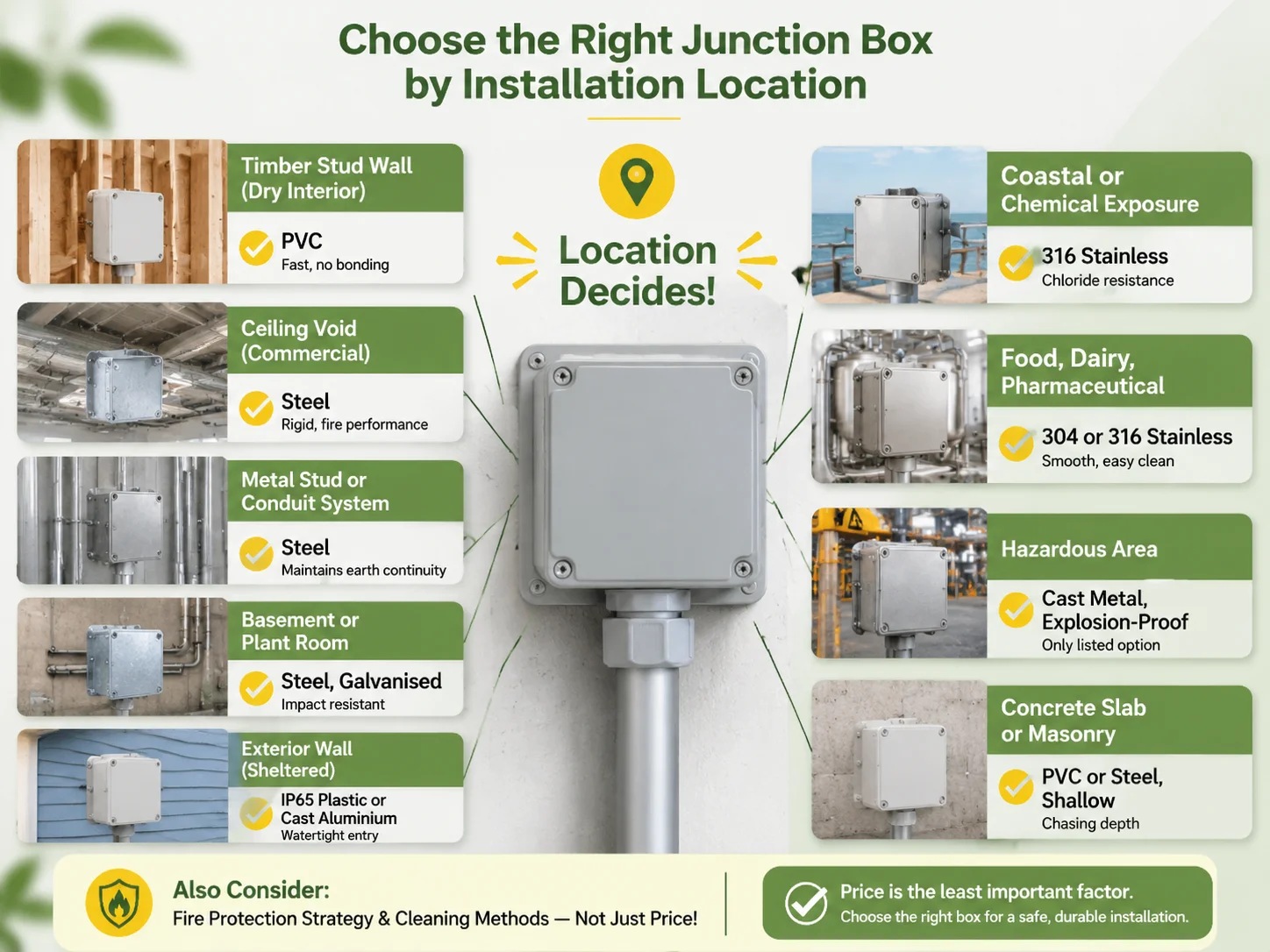
The most common decision made by buyers is made based on the location of the electrical box, not on the material the box is made of. When more than one box is listed as a compliant product for a given installation site, buyers are free to make their choices based on their individual preferences.
| Location | Preferred | Reason |
|---|---|---|
| Timber stud wall, dry interior | PVC | Fast, no bonding, no corrosion risk |
| Ceiling void, commercial | Steel | Rigid, fire performance, supports fixture |
| Metal stud or conduit system | Steel | Maintains earth continuity |
| Basement or plant room | Steel, galvanised | Impact resistance, moderate damp |
| Exterior wall, sheltered | IP65 plastic or cast aluminium | Watertight entry is the deciding factor |
| Coastal or chemical exposure | 316 stainless | Chloride resistance |
| Food, dairy, pharmaceutical | 304 or 316 stainless | Washdown, smooth surfaces, no crevices |
| Hazardous area | Cast metal, explosion-proof | Only listed option |
| Concrete slab or masonry | PVC or steel, shallow | Chasing depth decides the size |
In general, the table shows that installation of wiring needs to consider what type of fire protection is in place based on the fire strategy and what cleaning methods are planned. Ultimately, price is the least important consideration. Start with price, and you tend to get a mixed or completed installation no one can explain after two years. We have gathered the frequently asked questions regarding ratings, such as which IP number for sheltered versus exposed walls, onto our FAQ page for enclosure specifications.
Sizes, Knockouts and Box Fill
Calculating box fill catches most people by surprise; however, it is a straightforward formula based on the volume of conductors, with the volume allowance for each pair of devices included. Each conductive item is assigned a volume, and the value for the devices used within the enclosure must also be included for an accurate box fill.
Box fill can be calculated: Assign a cubic inch value to each conductor and an additional for each device; therefore:
4″ x 4″ x 2-1/8″ = 30.3 cu. in. (Approx.) = 9 conductors (12 AWG)
Usually, if you have three cables entering a box with a receptacle, the box has exceeded the volume.
The second consideration is knockouts in a box. Using the incorrect knockout pattern will require step drilling on the job site, decreasing productivity and creating internal swarf in the enclosure. Purchasing an enclosure with too few entries creates a scenario where two cables need to be passed through a single knockout, which violates electrical codes and leaves outdoor applications vulnerable to water entry/sealing failure. Therefore, when placing an order, it is important to specify the entry pattern and not just the dimensions of the box.
The depth of a box is the third consideration. When a box is shallow and located within a 100mm wall space, there is inadequate room for either a dimmer switch module or USB outlet; thus, the only fix for this scenario is to opt for a deeper box than the wall can support. If an organization has predetermined the depth of its walls, box depth is a design issue, not a purchasing issue.
Our product offering is limited to those products used for enclosures but does not include single-gang boxes, therefore, we view all boxes supplied for projects as being for intermediate or terminal enclosures not wall boxes.
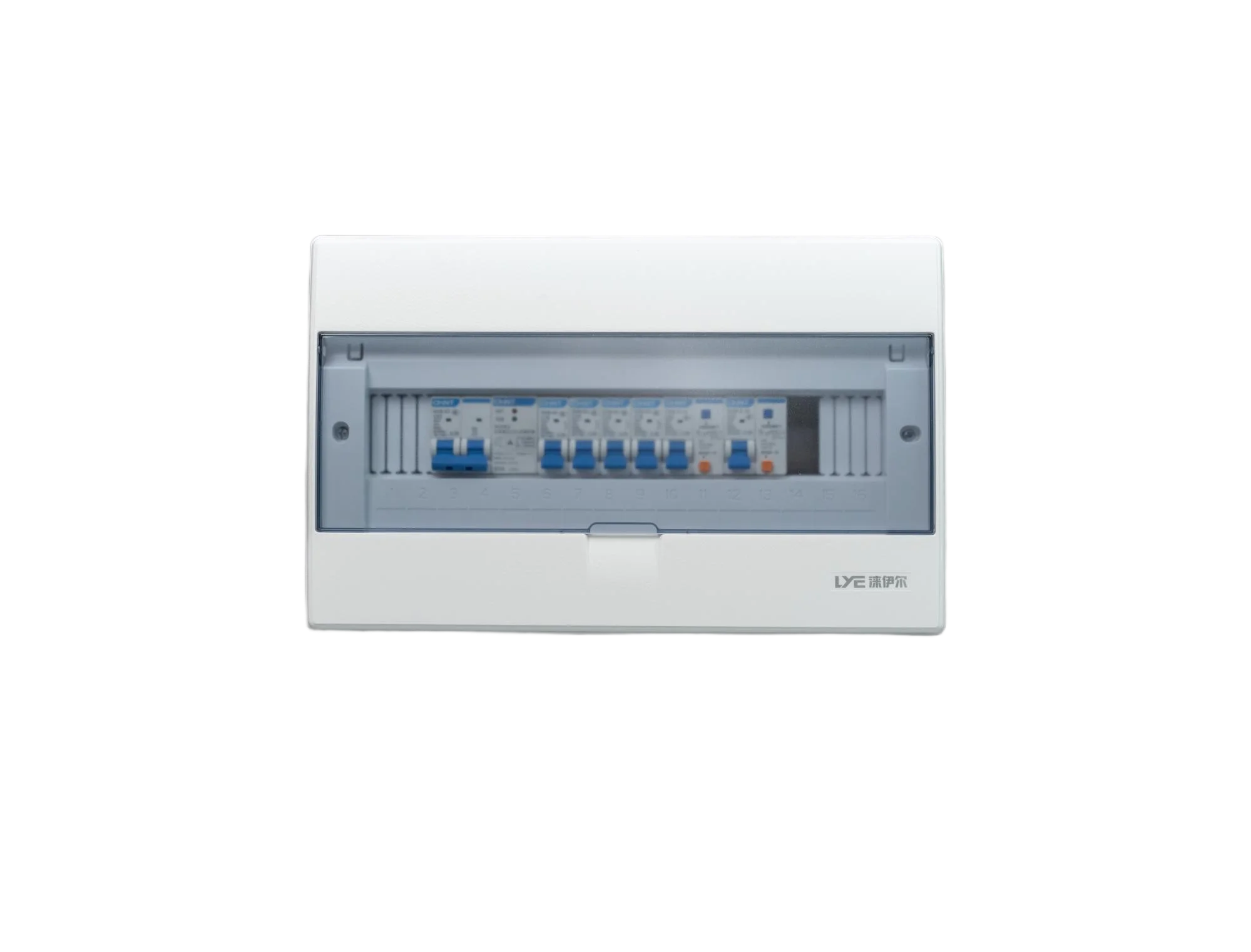
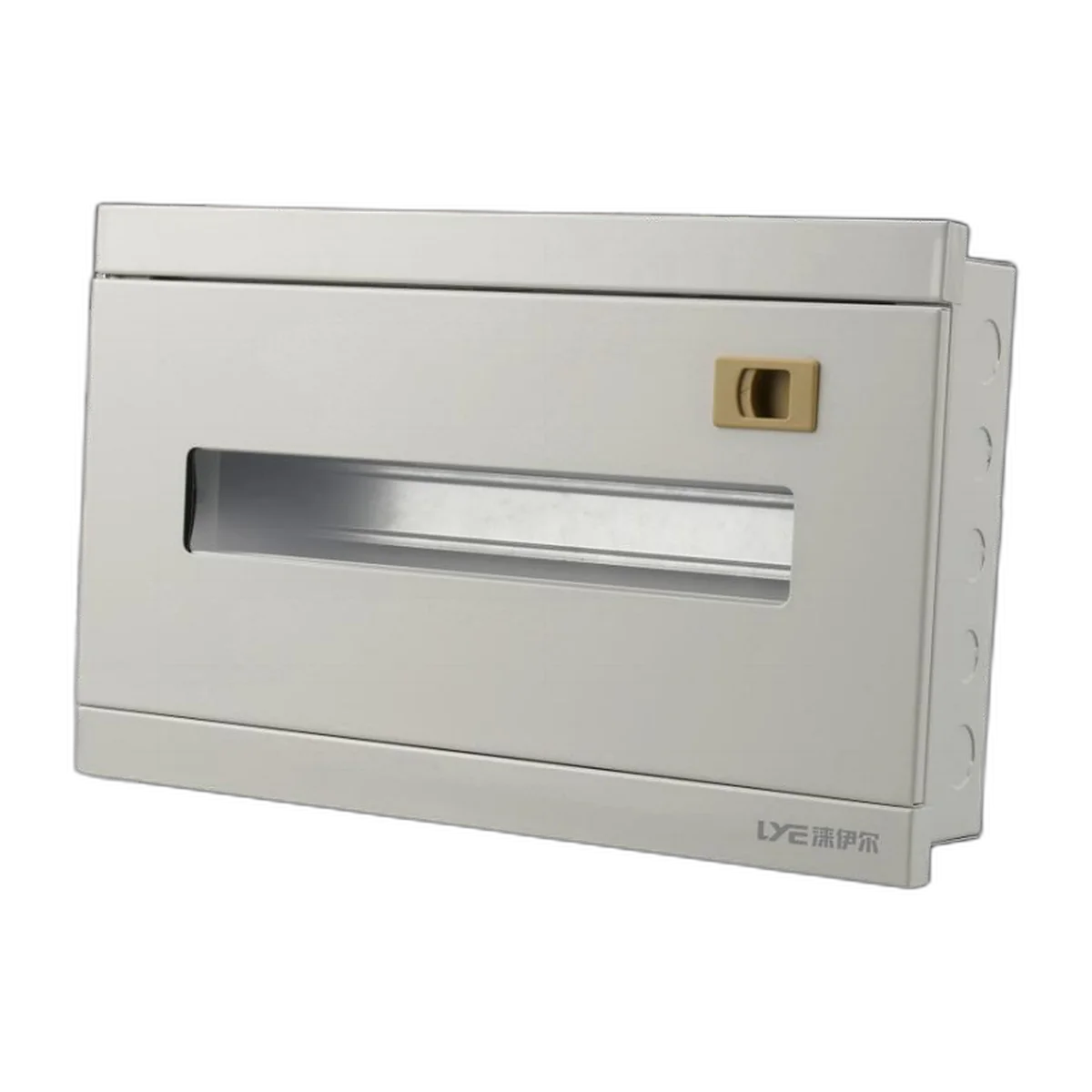
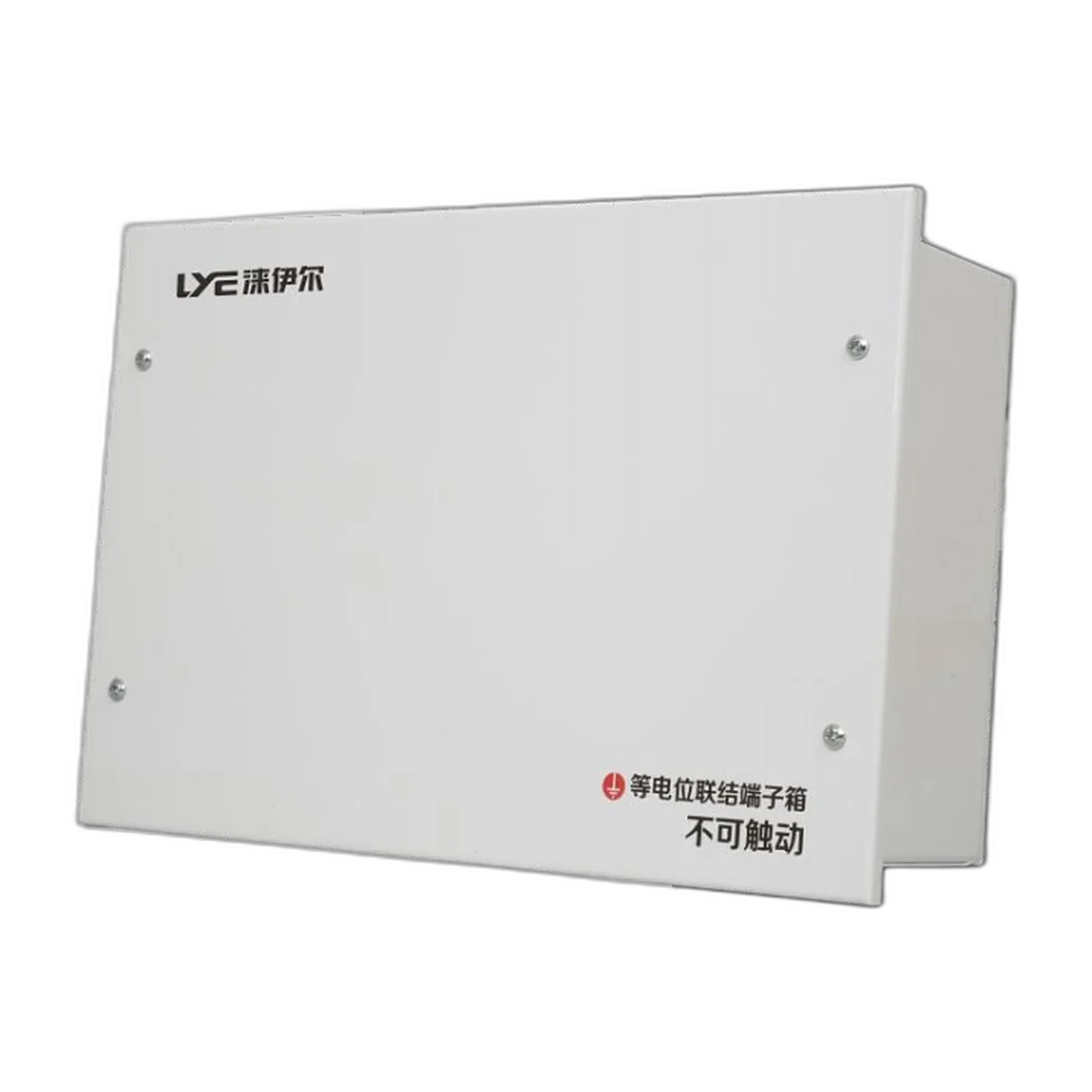
LYC series are moulded plastic enclosures rated IP65/IP66, while LYB/LYD series are made of powder coated steel and include removable doors. Finally, JXF series are folded steel enclosures and JXFS series are folded stainless steel ones, designed for outdoor and process use.
What We Build, and How to Specify It
Commercial building manufacturers can group products into the commercial facility enclosure series based on location to enable specification on a room-by-room basis rather than on a product basis.
Three different items are required to be quoted correctly: IP rating, material/finish, and entry layout/cable size. The number of items is sent along with the answers as a price schedule and not a catalog page.
FAQ
Do you need a metal cover for a junction Box?
Yes, you must use whatever cover is specified for that metal junction box and that metal junction box will typically have a metal cover secured with screws. A junction box with a plastic cover will void the cover listing, unless the metal junction box and plastic cover are both listed together. A junction box with an improperly attached cover or a cover that is only partially secured will also void the cover listing.
Are plastic junction boxes safe?
Yes, provided they meet UL 514C or the equivalent for the local codes and are installed as intended based on the ratings. In most cases, plastic junction boxes are the standard for almost all residential electrical applications. For usage of plastic junction boxes, the two conditions which must be met are: (1) the wiring method must not rely upon the junction box for earthing and (2) the junction box must not be in a location where the temperature exceeds the rated limits of the box or the box is subjected to UV rays that exceed the UV rating of the box.
Is it OK to use a plastic junction box?
Yes; if there is no other means by which or through the ground path that the enclosure forms a part of the wiring system, if the area is a classified hazardous area, or if the assembly is required by code to be constructed from a non combustible material, then yes; you would be permitted to use an enclosure constructed from a nonmetallic material for both indoor and outdoor wiring, provided that you have verified the wiring method is used correctly and that the enclosure is constructed from the appropriate material.
Are metal electrical boxes up to code?
Yes; the default materials for use in all types of commercial and industrial wiring, including but not limited to those installations that are outside of the typical applications of wiring, are metal electrical boxes, provided that the box is UL listed, is bonded to the equipment grounding conductor using an included jumper (even when a self grounding device is being utilized), and that all unused openings are sealed closed.
If I am using a connector, do I need to also use a junction box?
Yes; a junction box is necessary whenever a splice or termination has been created. The connector is used to create a physical connection between two cables; however, it does not provide an enclosure for the joint. Therefore, it is a requirement that whatever splices have been created must be inside a listed enclosure with an exposed access cover. It is also a requirement that an inspector is trained to look for any taped connections within the wall cavity that do not have an enclosure.
What outdoor box is the best option, a box made of metal or a box made of plastic?
Neither metal nor plastic can win; however, that is not the only consideration. A plastic enclosure that is gasketed to an IP66 standard and a cast aluminum NEMA 4X enclosure are both perfectly acceptable for outdoor use. However, the only way that either of these enclosures will be effective is if the openings through which Cables enter are sealed. Therefore, the factors that determine the type of enclosure you should purchase for outdoor use would be based purely on which material offers superior corrosion resistance: metal will win in a location close to sea salt or harsh chemicals, while plastic will be preferable for an installation in a sheltered location.
References
- UL Solutions — Outlet Boxes and Fittings Certification
- NEMA — Enclosure Types and Ratings
- Rittal — Enclosure Materials and IP Protection
- Grainger — Electrical Boxes and Enclosure Selection
- Electrical Engineering Portal — Wiring Methods and Box Installation
Conclusion
When deciding between metal or plastic for an electrical box, three questions must first be answered, which do not encompass the price element of either product. Is the wiring method to be used by an enclosure for earthing? Does the location in which the enclosure will be installed require fire performance, impact resistance, and a non-combustible enclosure? And does the environment in which the enclosure will be installed require corrosion resistance, rather than just a painted surface for aesthetic purposes?
Once you have answered these three questions, the material selection becomes obvious. What remains is the planning considerations: box fill arithmetic, knockout pattern, depth to finished surface, and cover with all screws installed. These items represent the largest number of inspection failures, which generally arise from the construction materials of an enclosure.