
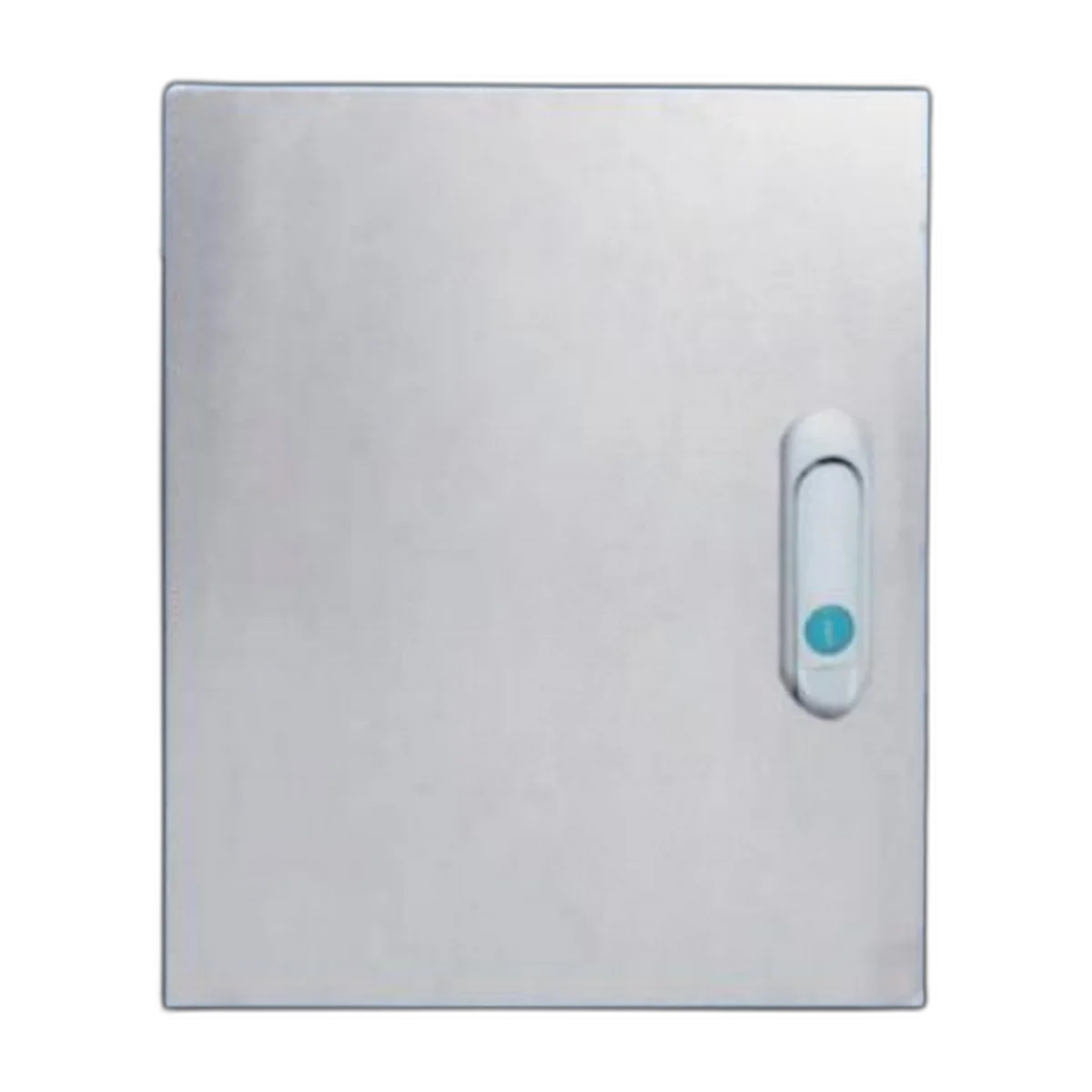
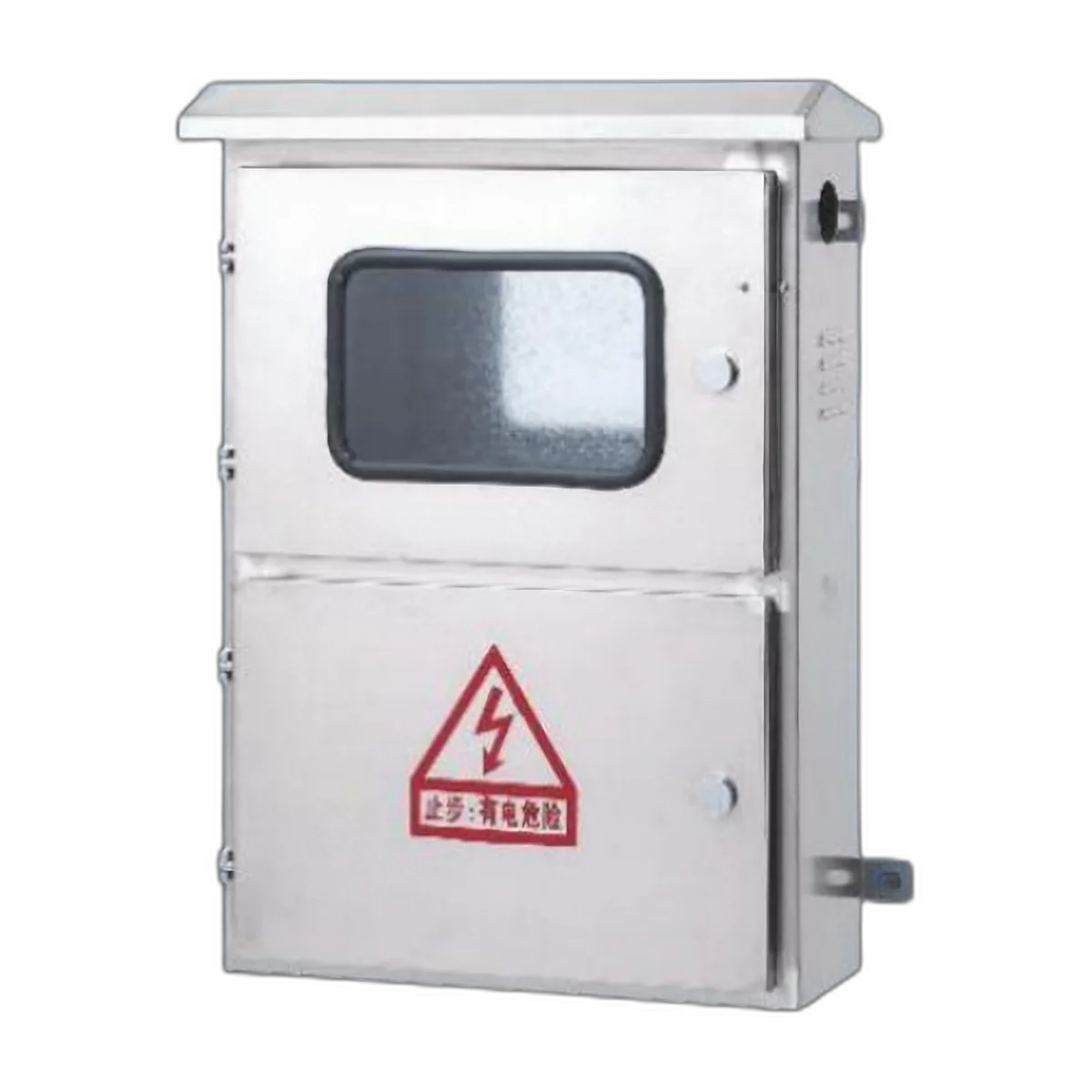
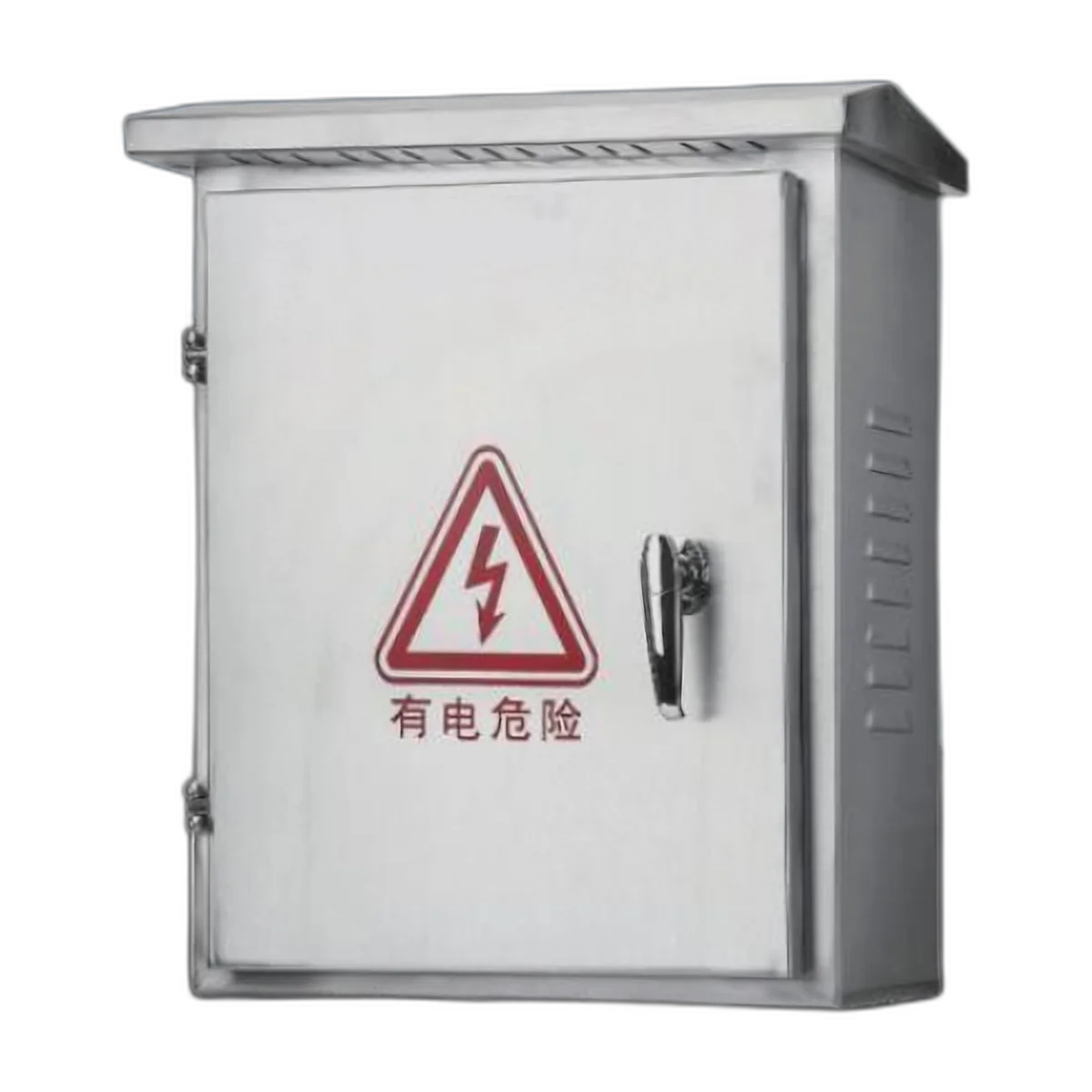
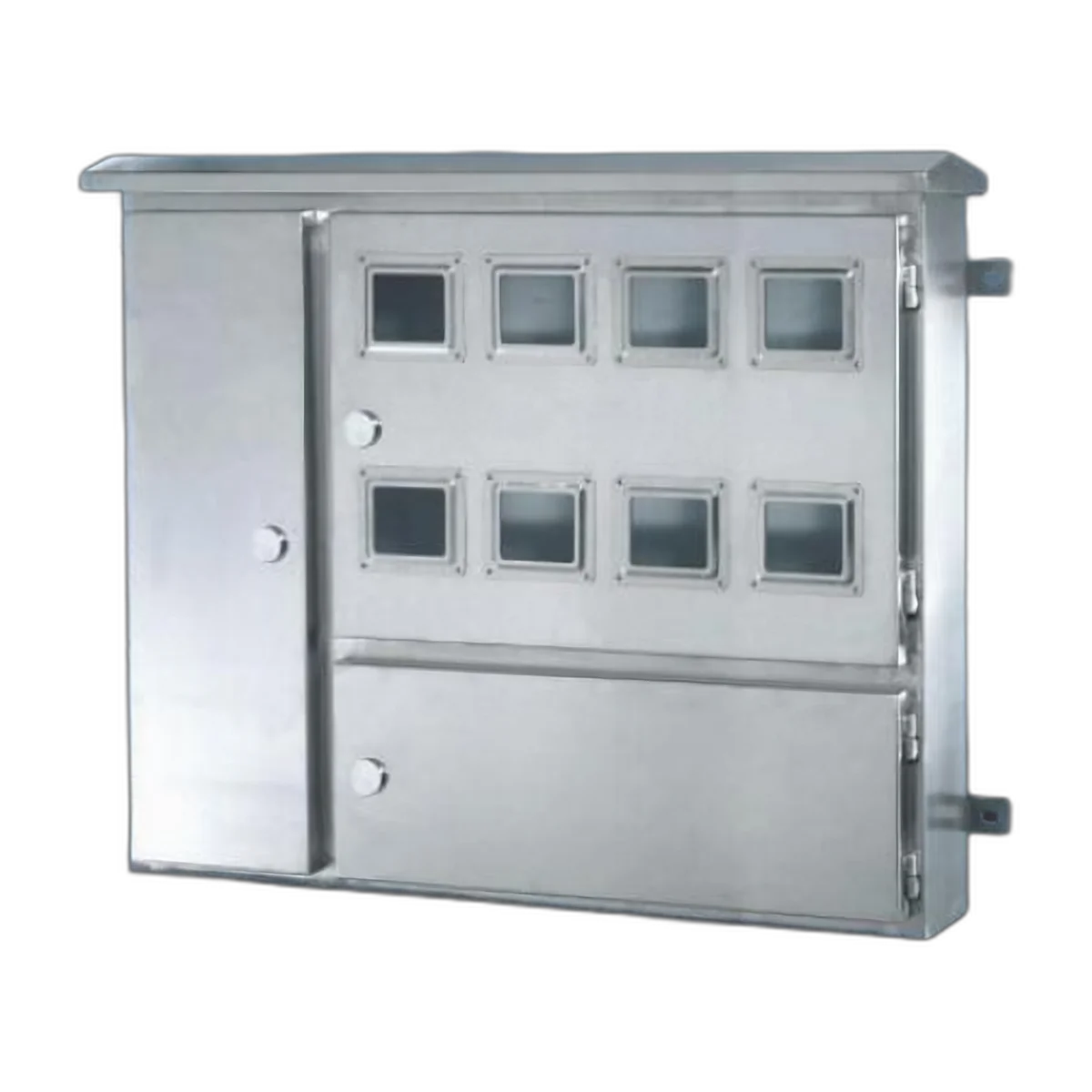
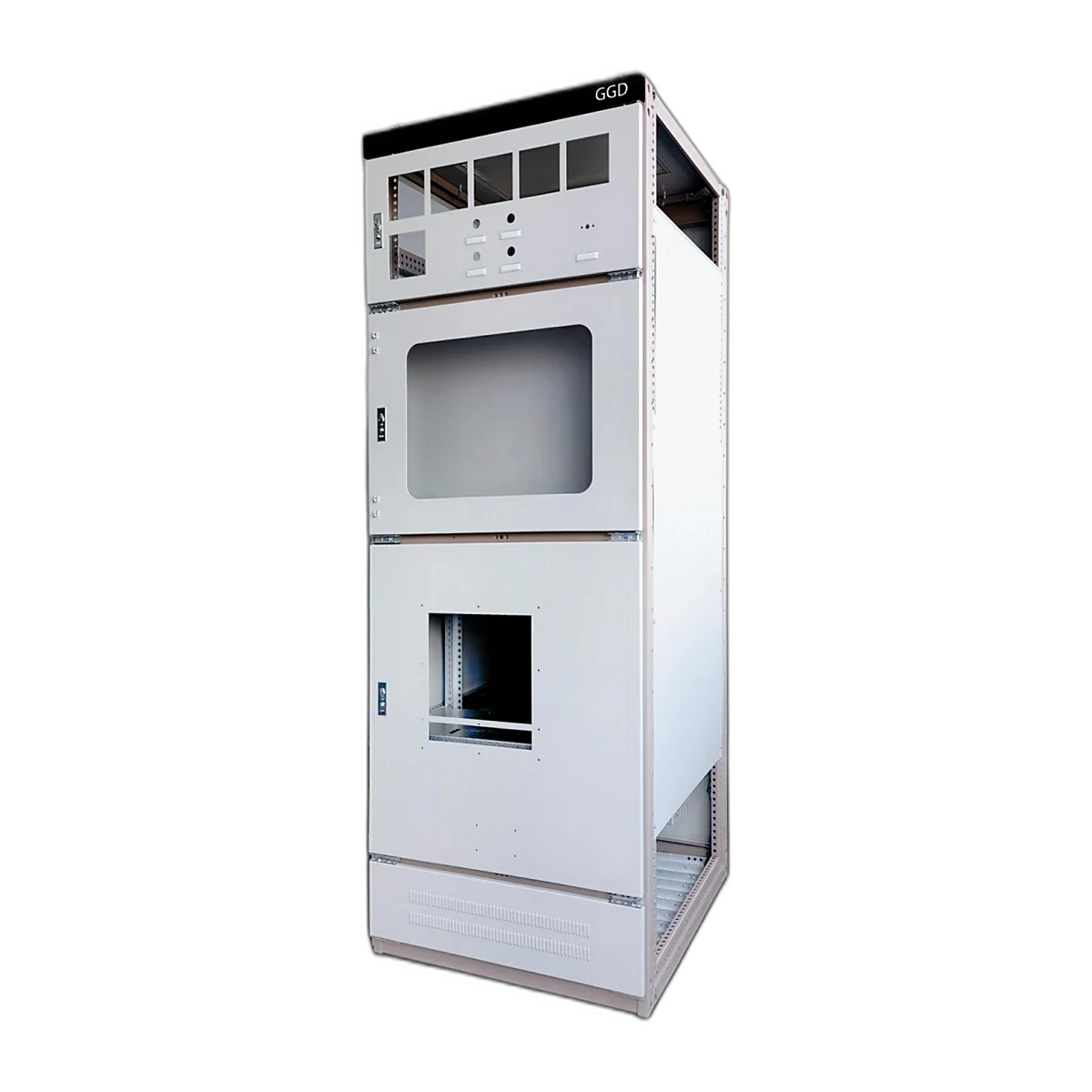
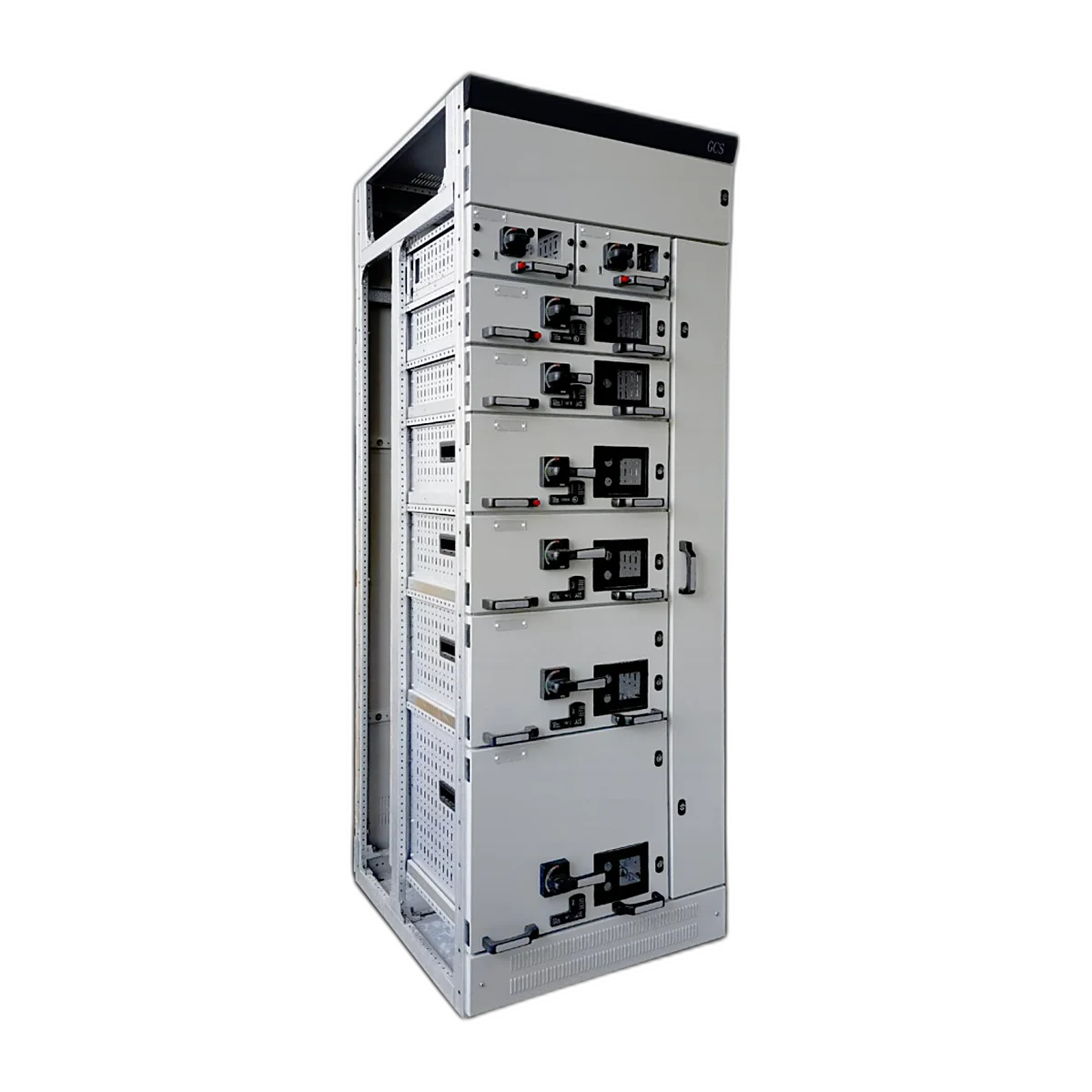
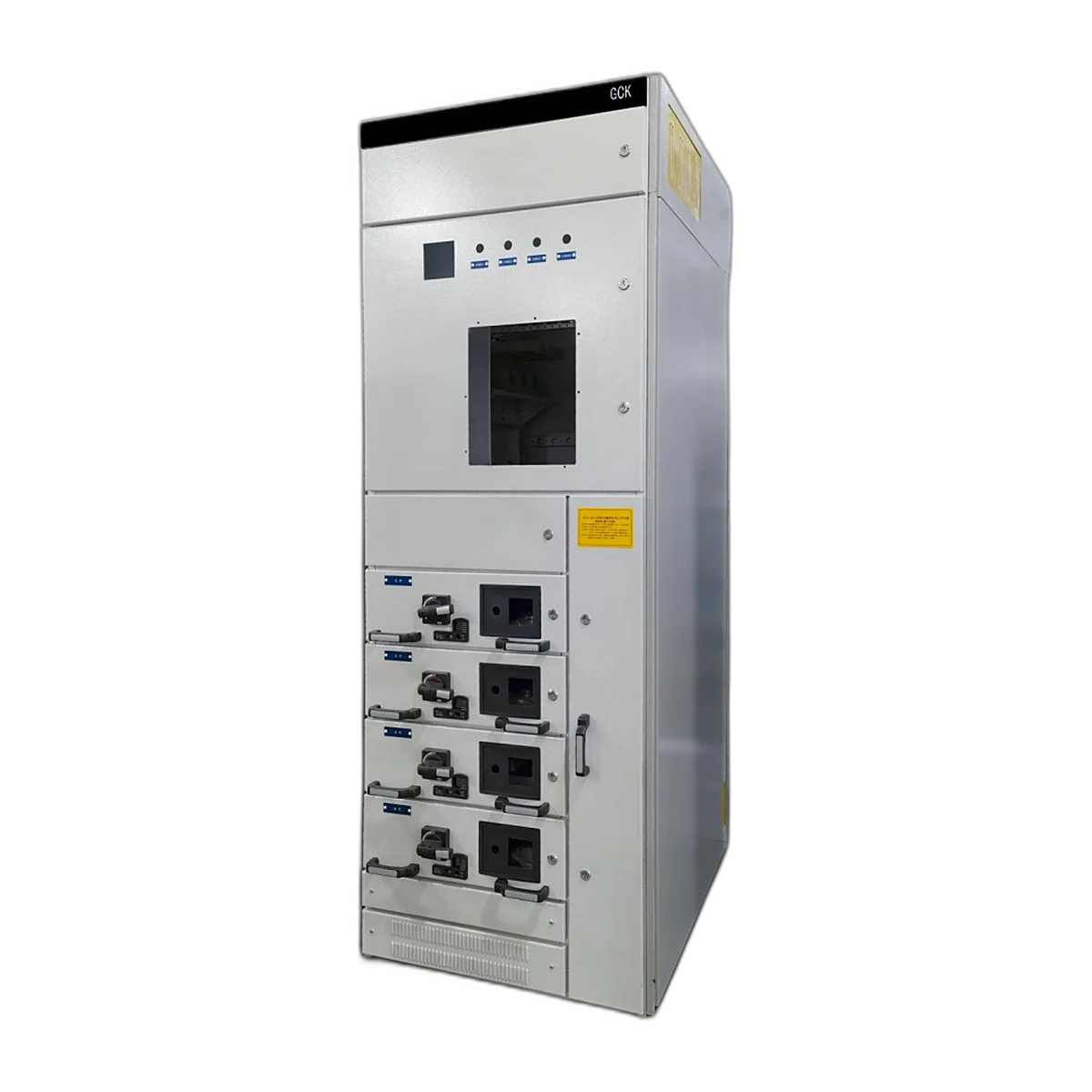
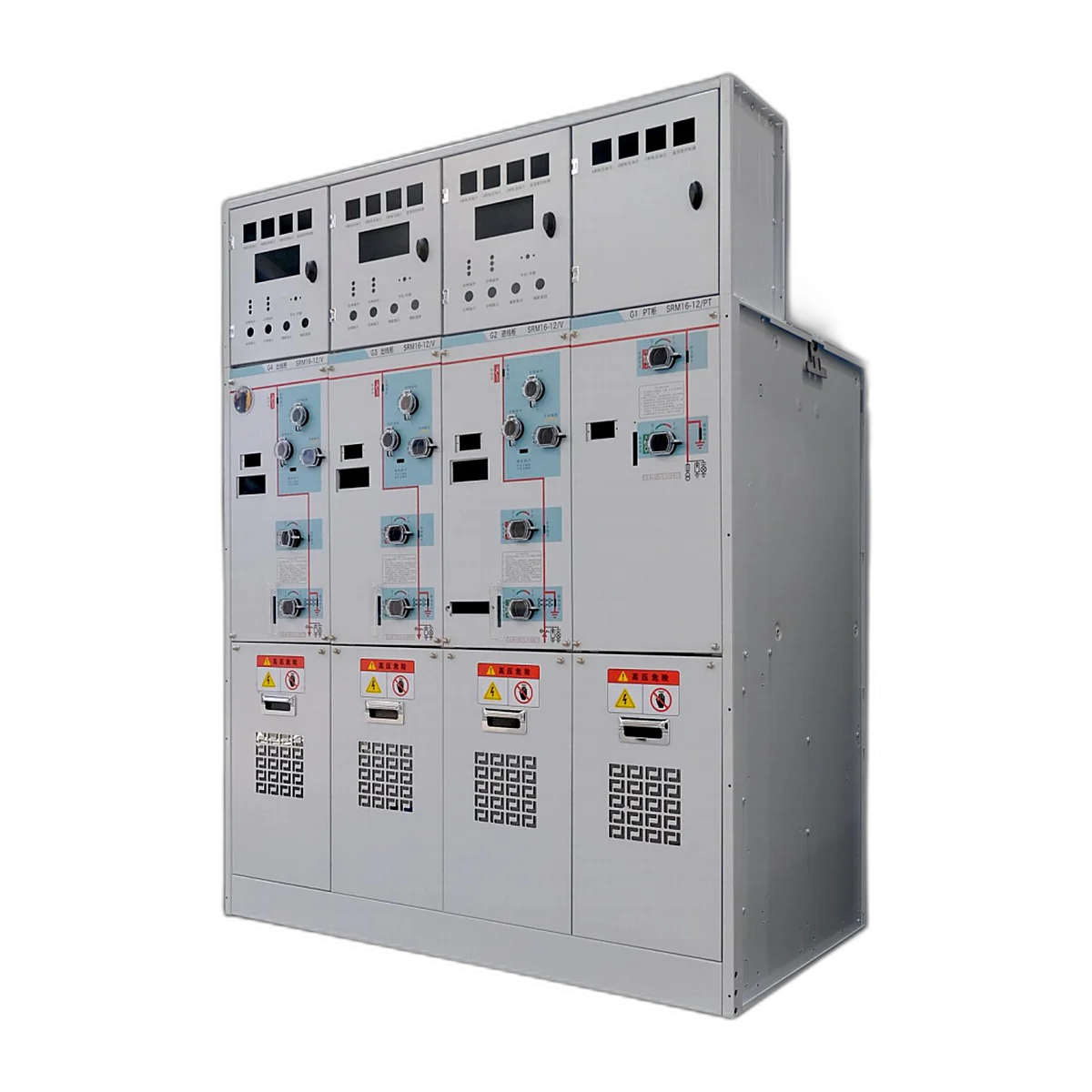
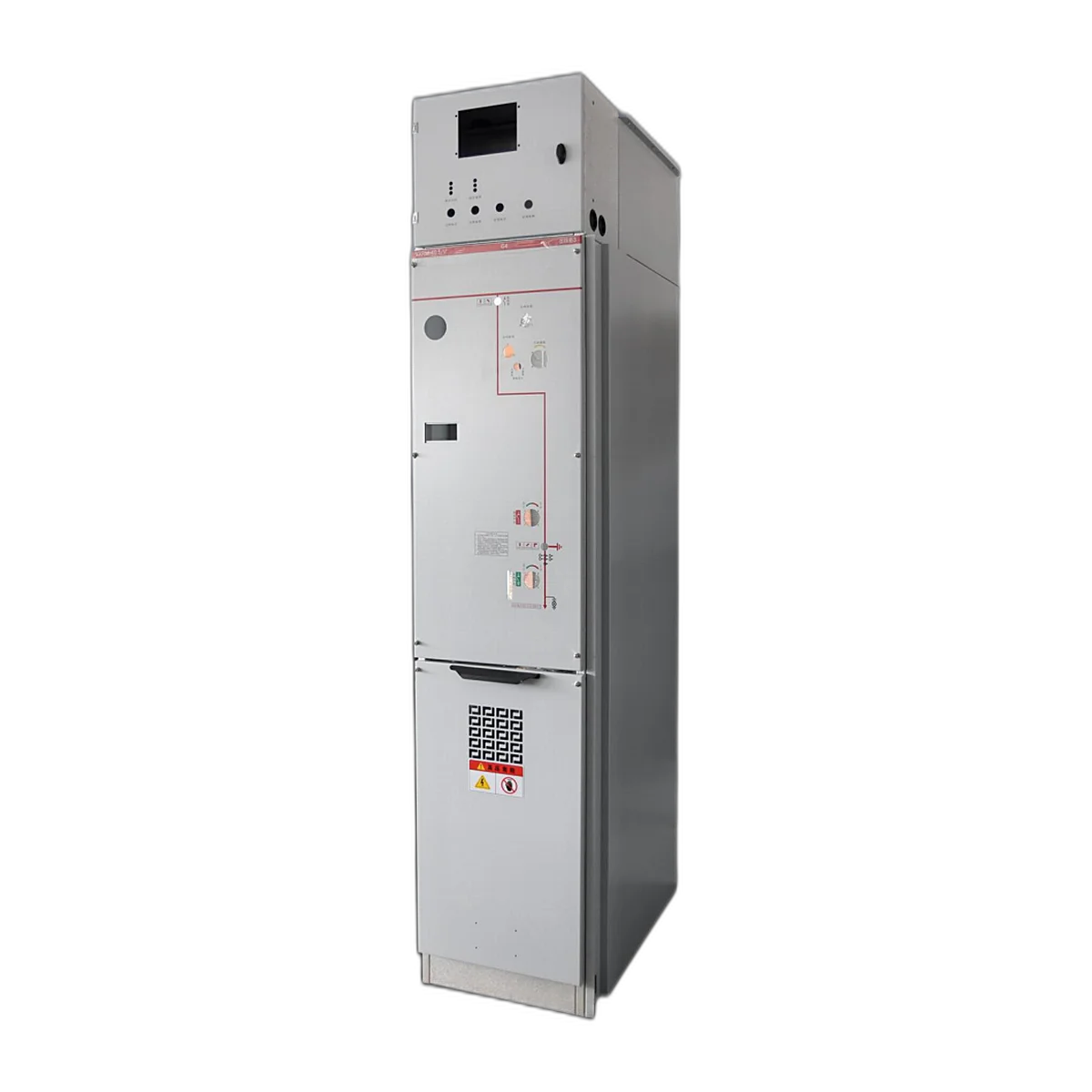
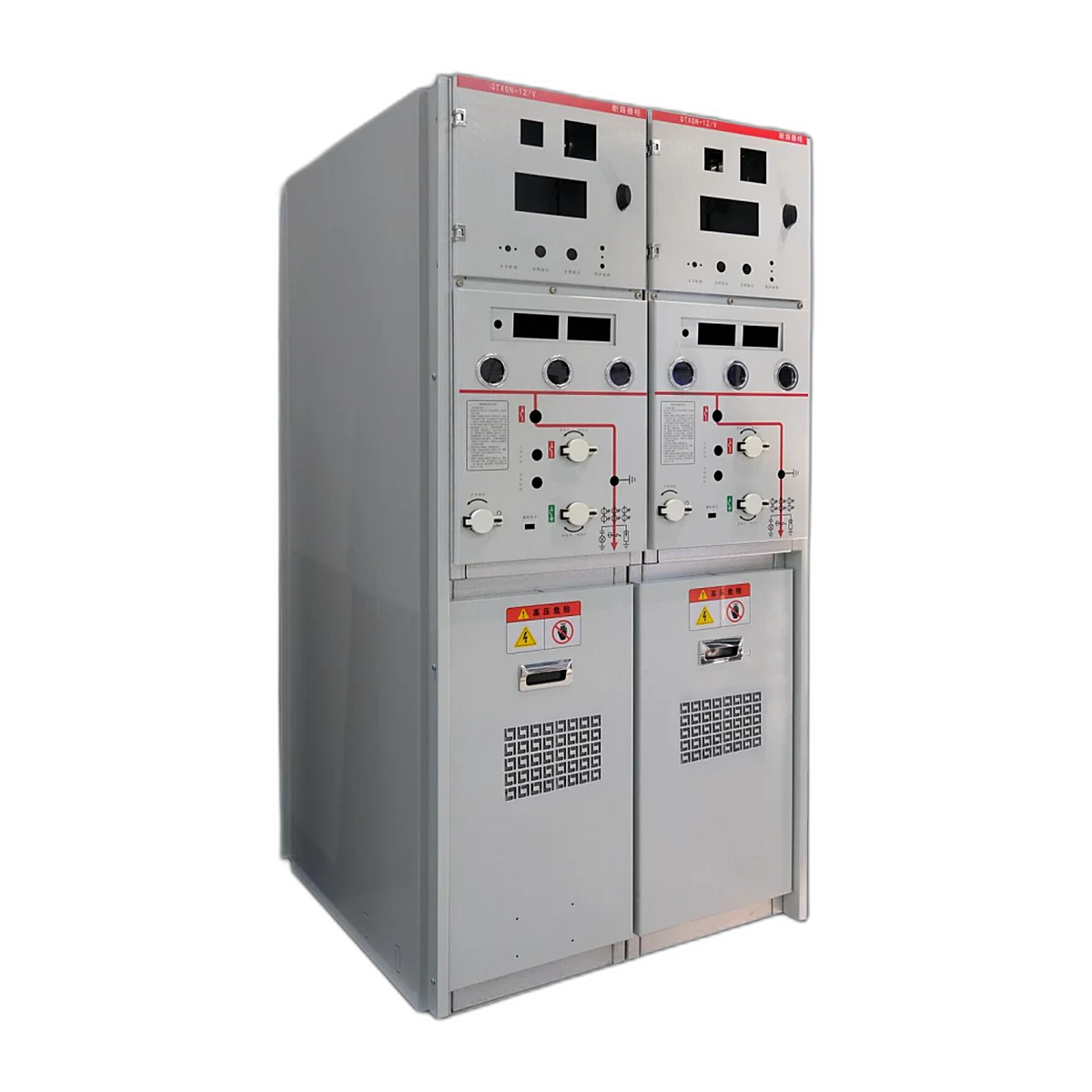
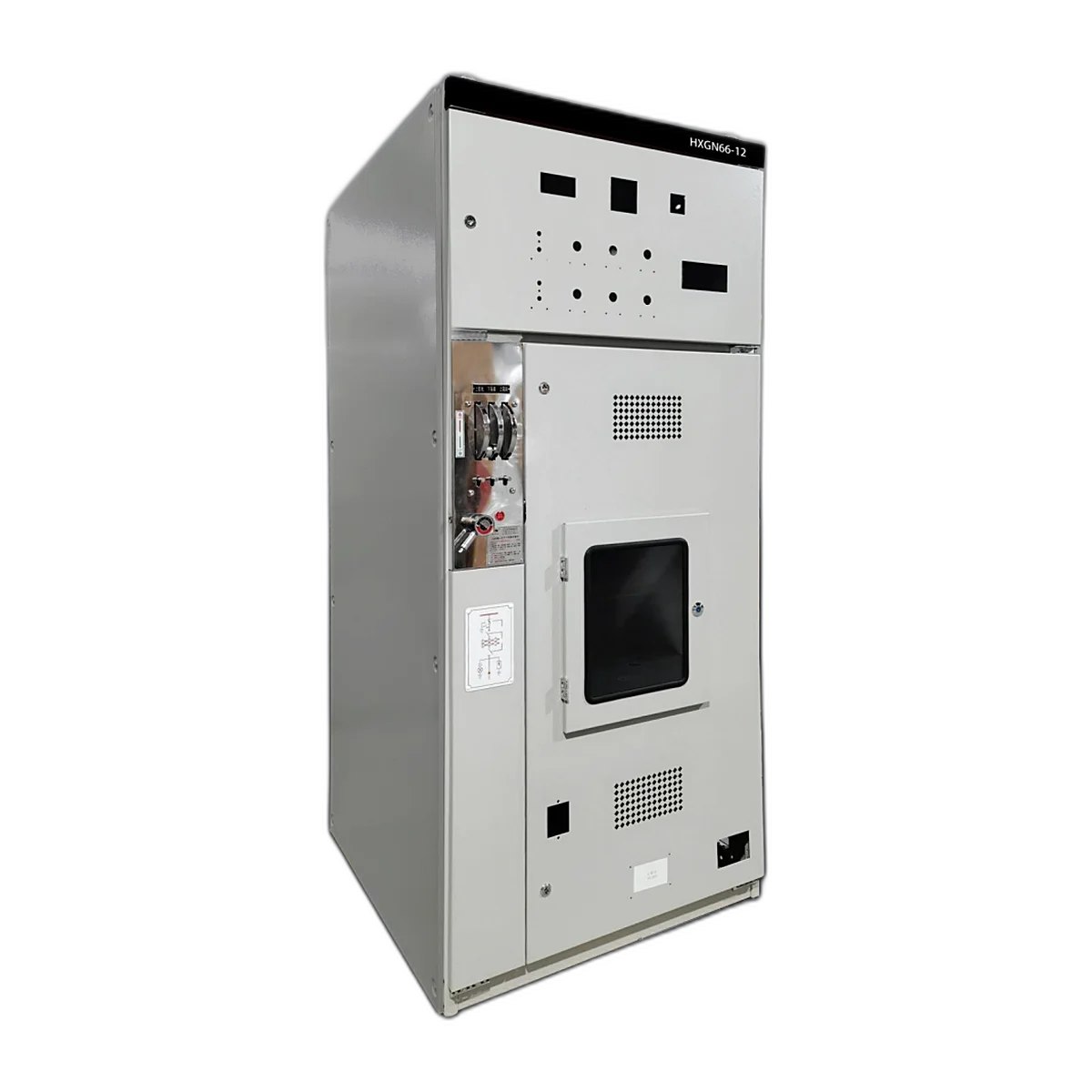
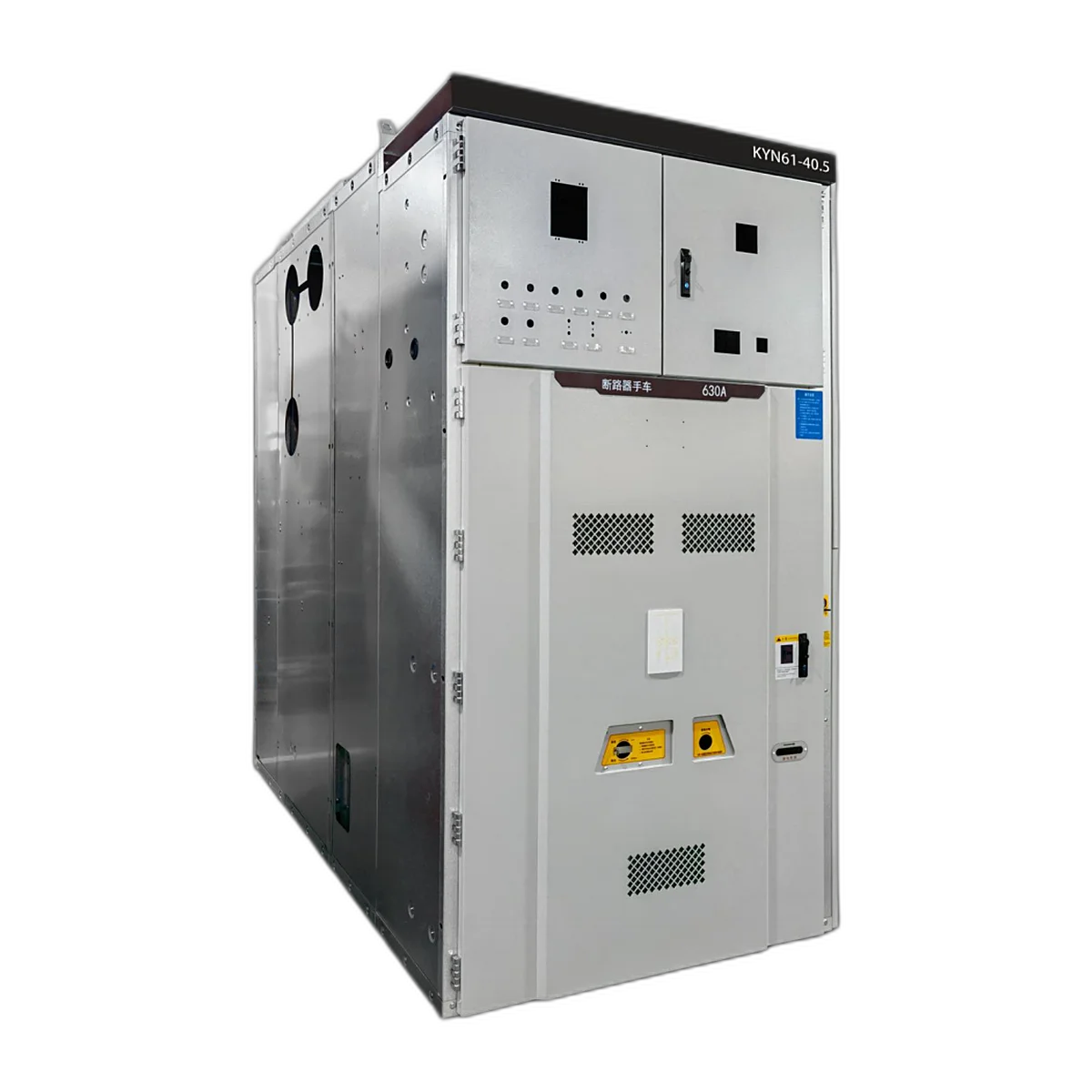
Best Integrated DC Power Platform Outdoor Enclosures
An outdoor integrated DC power platform is a factory assembly that has been tested and packaged together as one unit containing the rectifier(s), control equipment, AC input protection system, and DC distribution system in a cabinet. This provides a more economical option than purchasing the enclosures and modules separately because the reasons for purchasing an integrated system include: the thermal design of the enclosure supports the equipment it contains and therefore there is no additional cost on-site during installation.
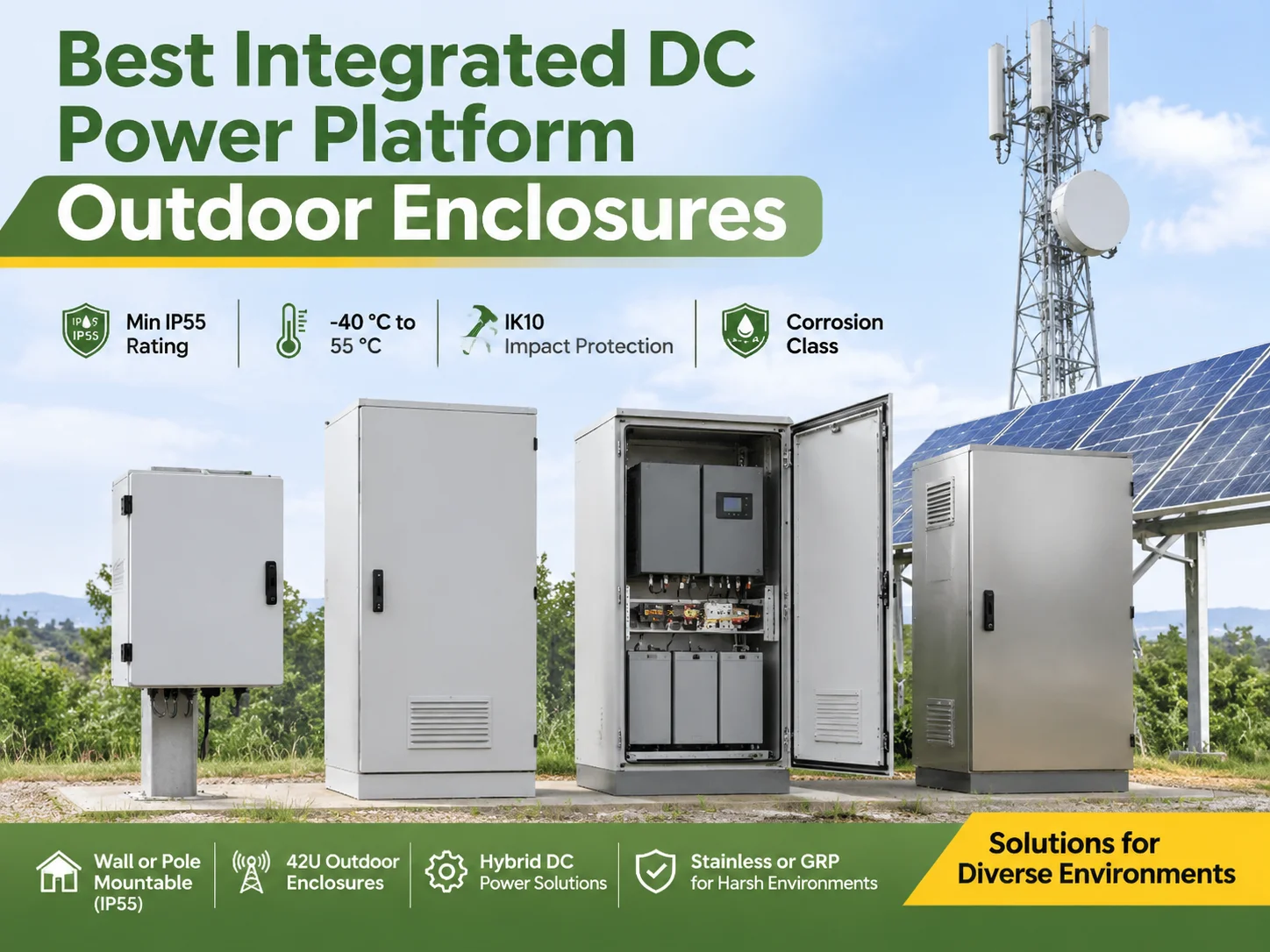
Quick answer: four enclosure families cover the requirement: Wall mountable or pole mountable IP55 enclosures for microsite applications, 42U outdoor enclosures for macro or regional applications, Hybrid combinations of rectifier(s) and MPPT chargers, and Stainless or GRP enclosures to accommodate corrosive coastal or chemical environments. When evaluating the enclosures, the following ratings will influence the final decision: Min IP55 rating, Operating range between -40 °C and 55 °C, IK10 impact protection for exposed sites, and Corrosion class (which is dependent upon the location). Pricing for enclosures varies between $800 (for a 2 kW 48 V DC unit) and $2,500 (for a 24–36 kW hybrid DC power platform).
What “Integrated DC Power Platform” Actually Means
Integrated refers to an enclosure that contains all components of the DC power system including: AC input with surge protection, rectifier shelf, controller, DC power distribution with breakers, battery breakers, and battery space. In contrast, a distributed design places rectifiers in a rack located indoors, and the battery is housed in a separate enclosure connected via DC cable.
Outdoor: the design must allow for operation without an additional building, thus requiring a temperature heating/cooling and sealing requirement before considering electrical components. This is the main reason an existing indoor cabinet cannot be used in a harsh environment; the designs are specific to differing temperature environment and sealing requirements.
Platform means it must capture a broader family of applications rather than being a single application solution. A Family of Products such as a 2 kW micro site location and a 36 kW Macro location can utilise the same door hardware, the thermal module family, and the same mounting pattern to allow the network to expand without needing to change the spare parts.
The Four Enclosure Families That Fit the Requirement
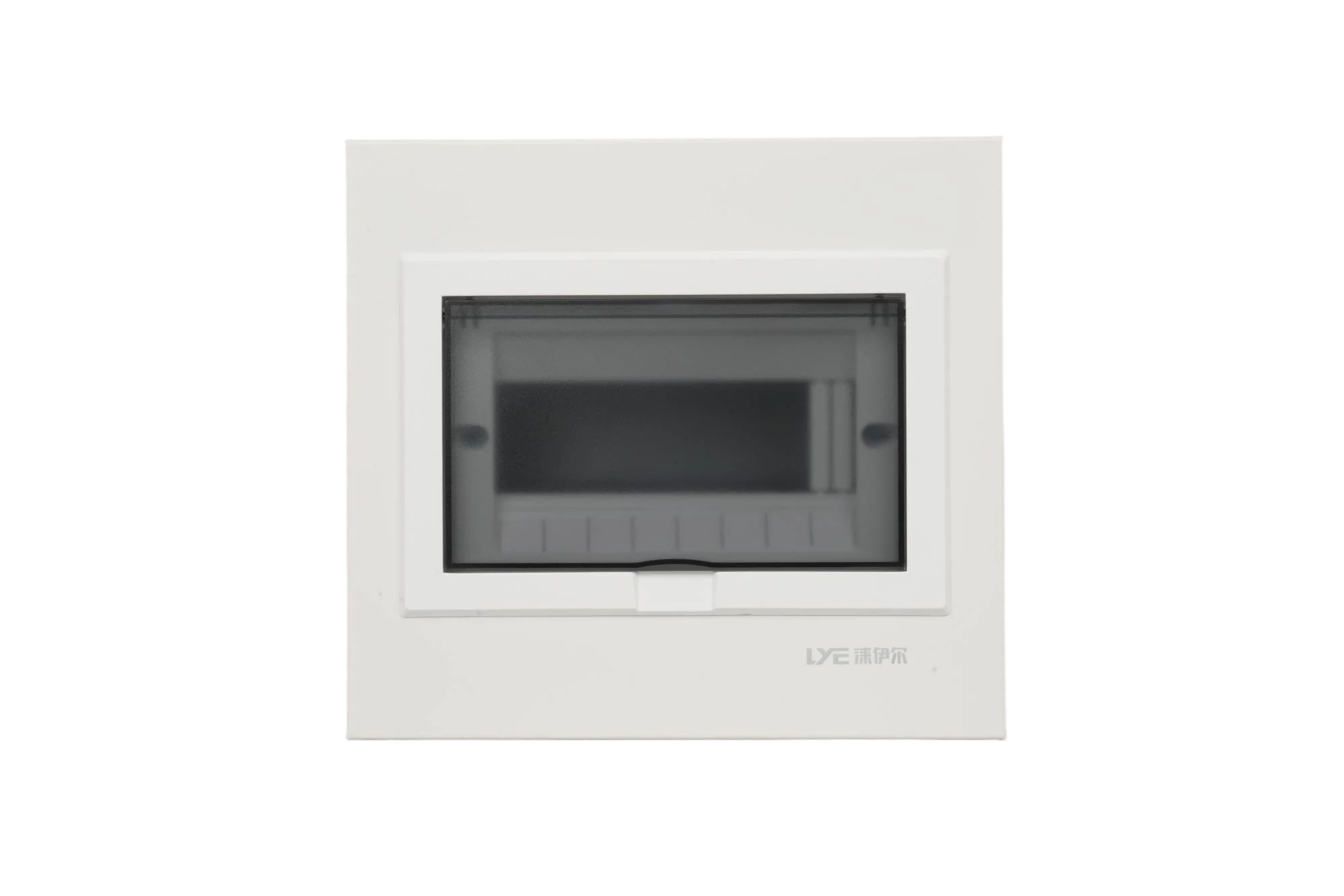
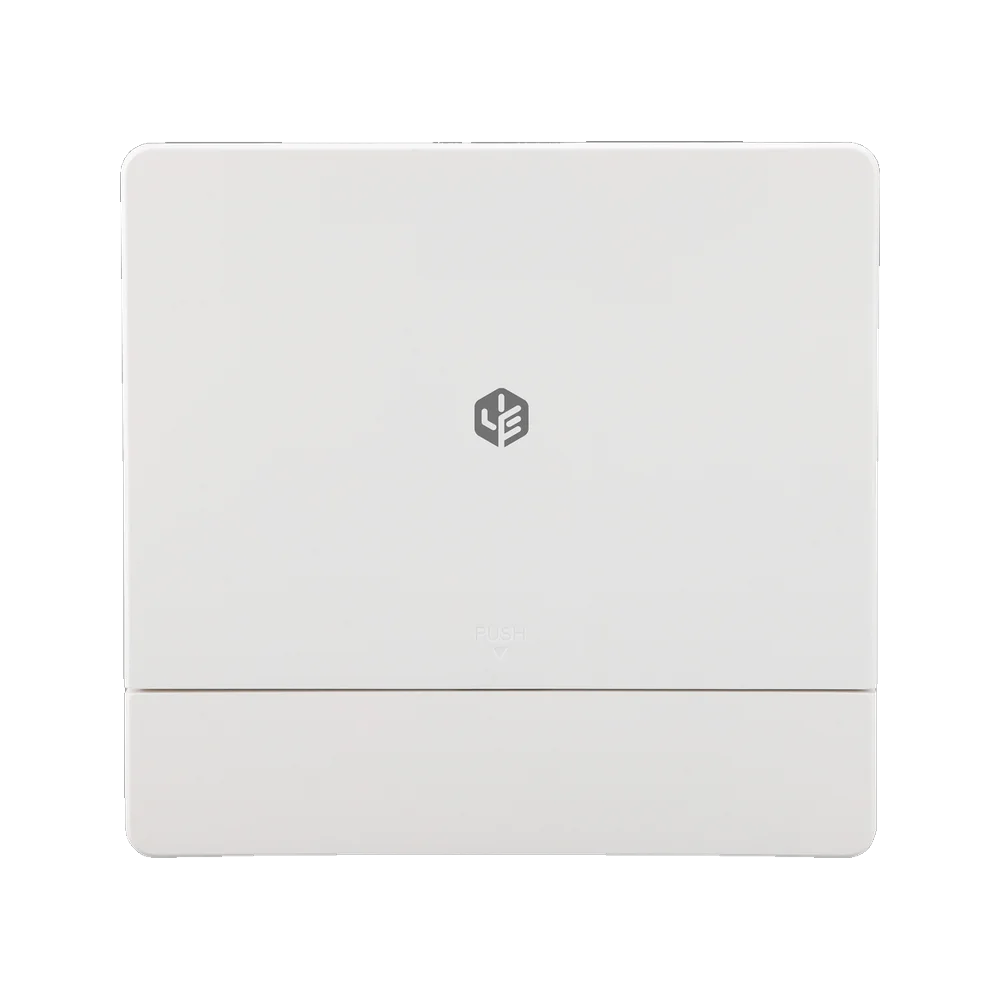
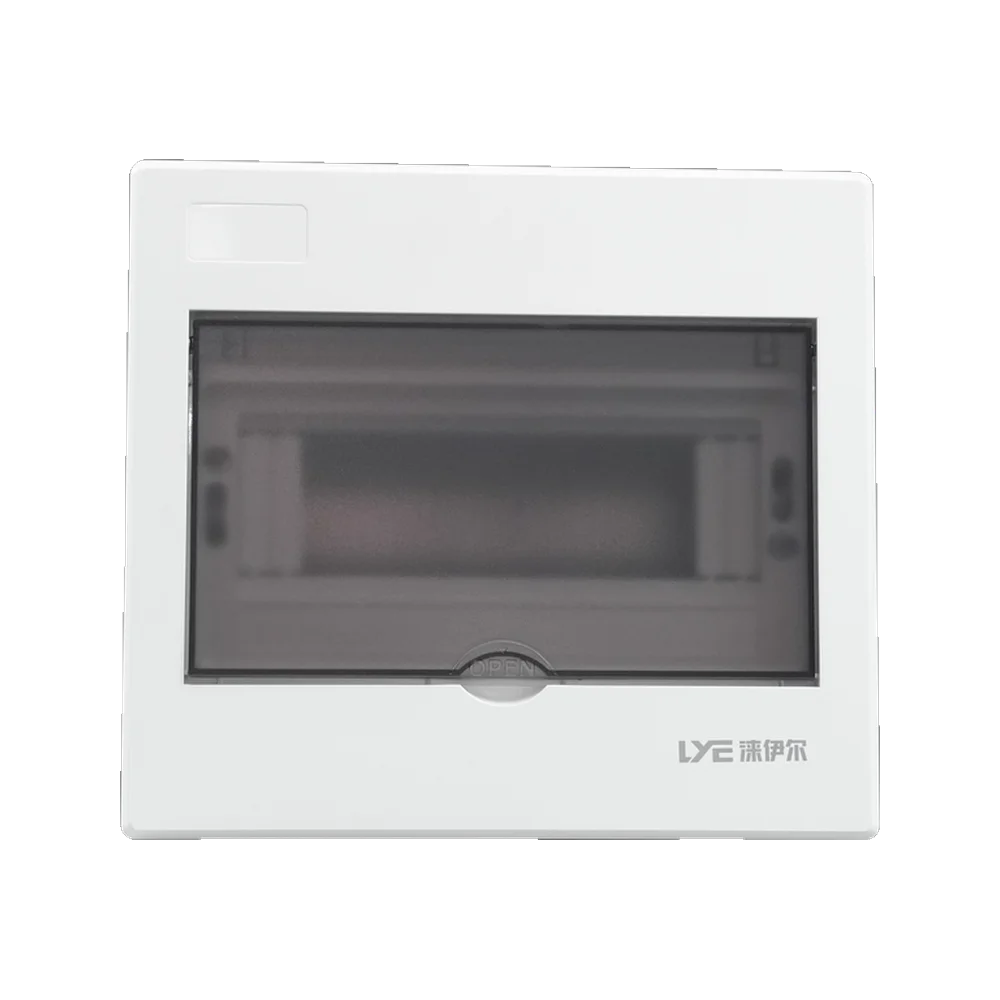
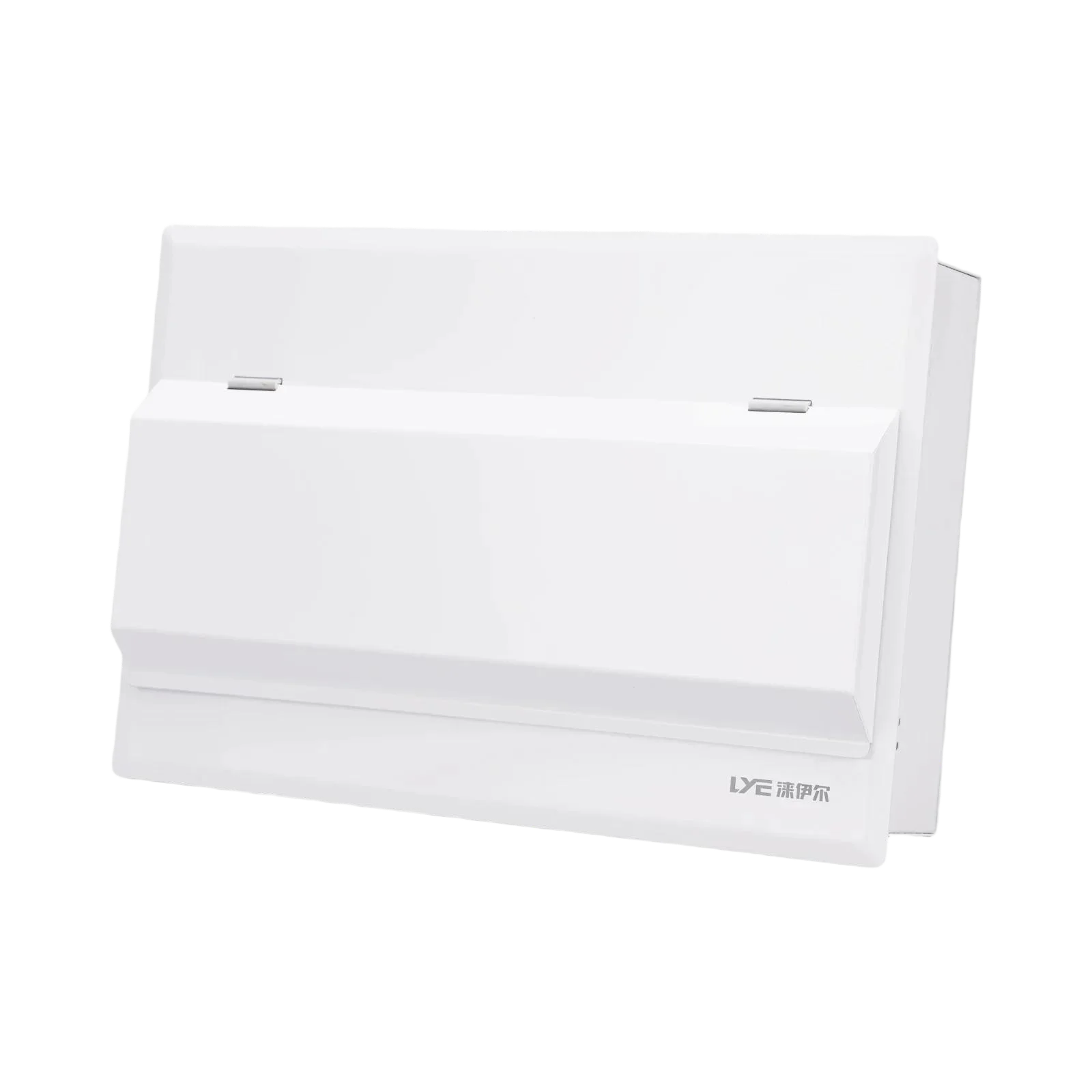
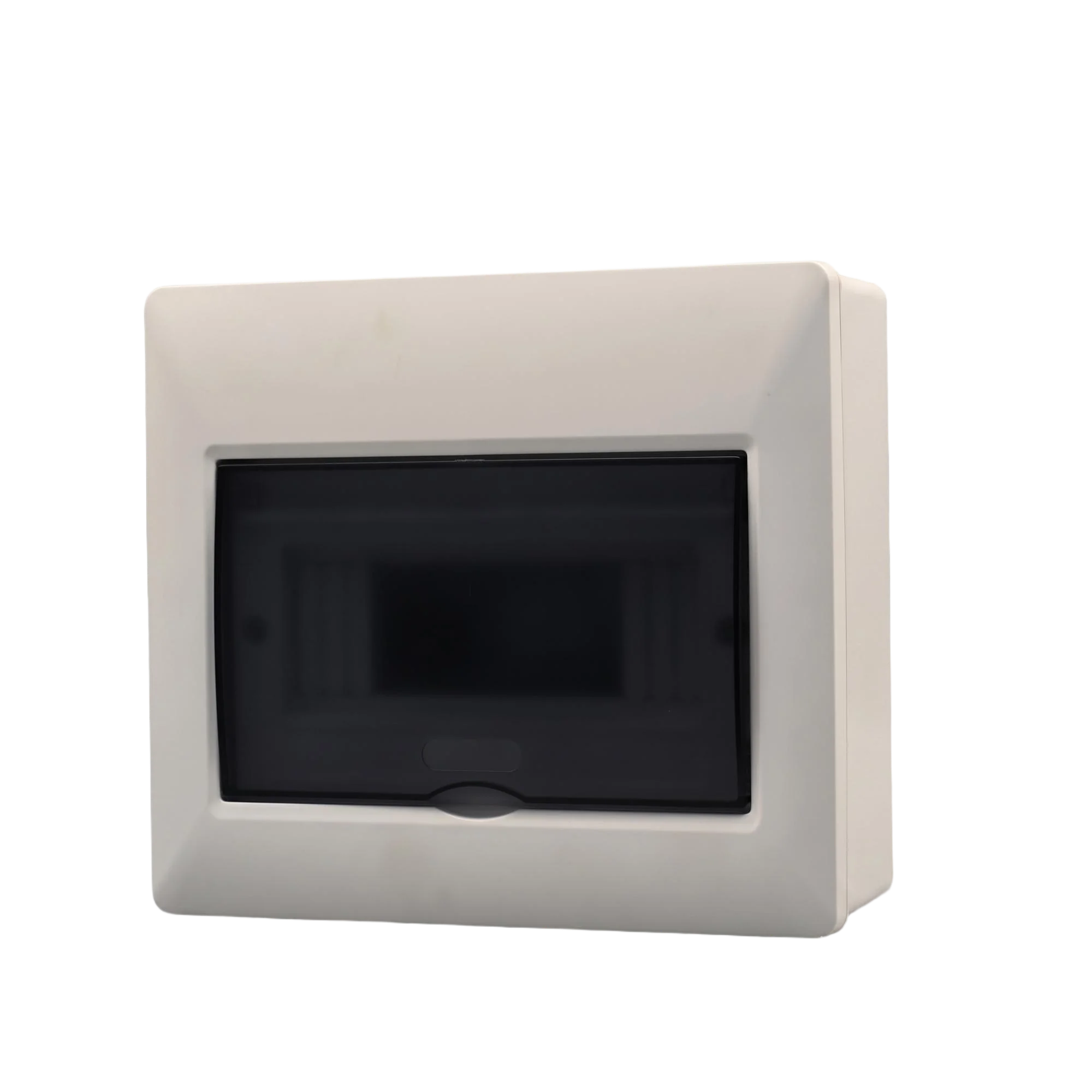
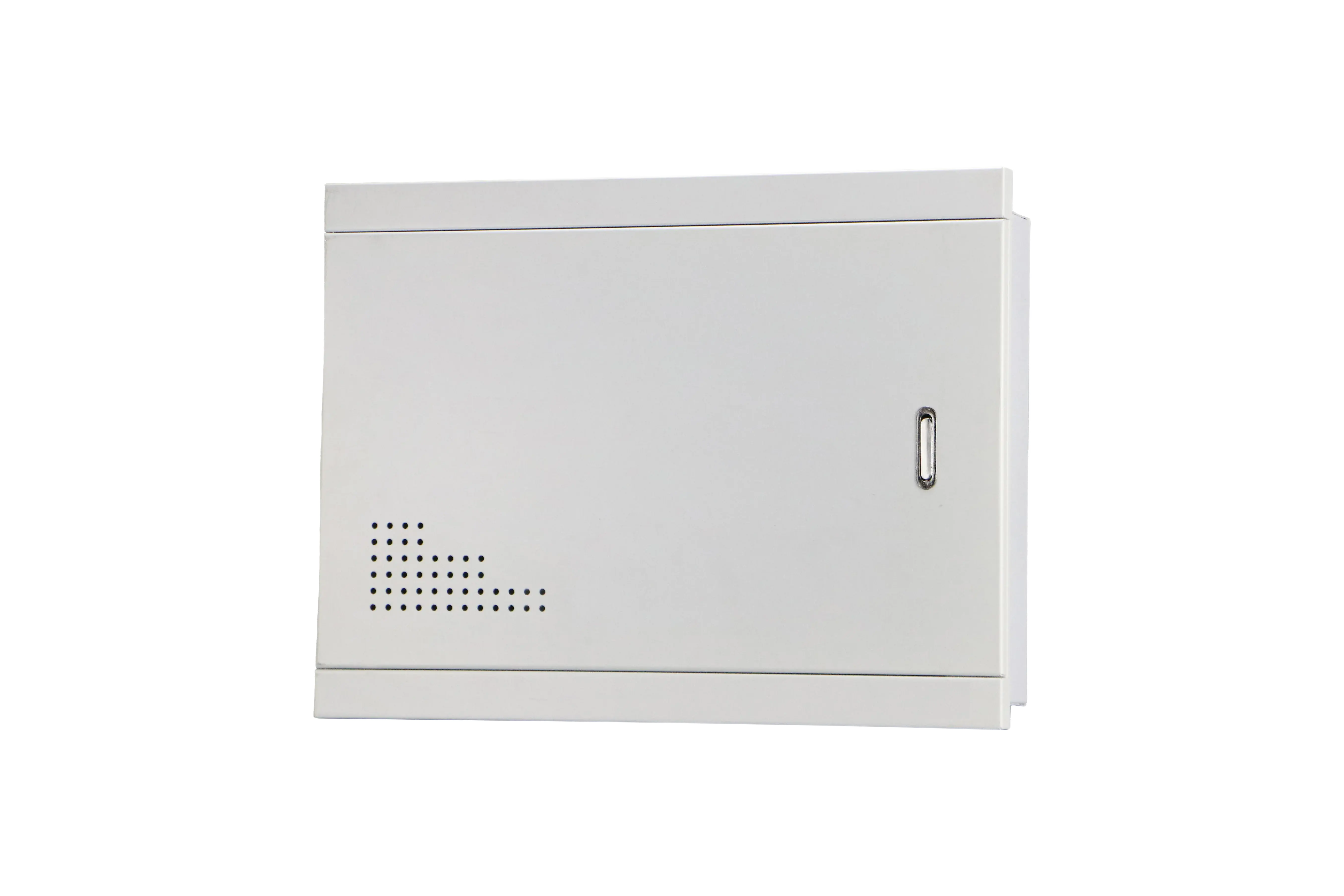
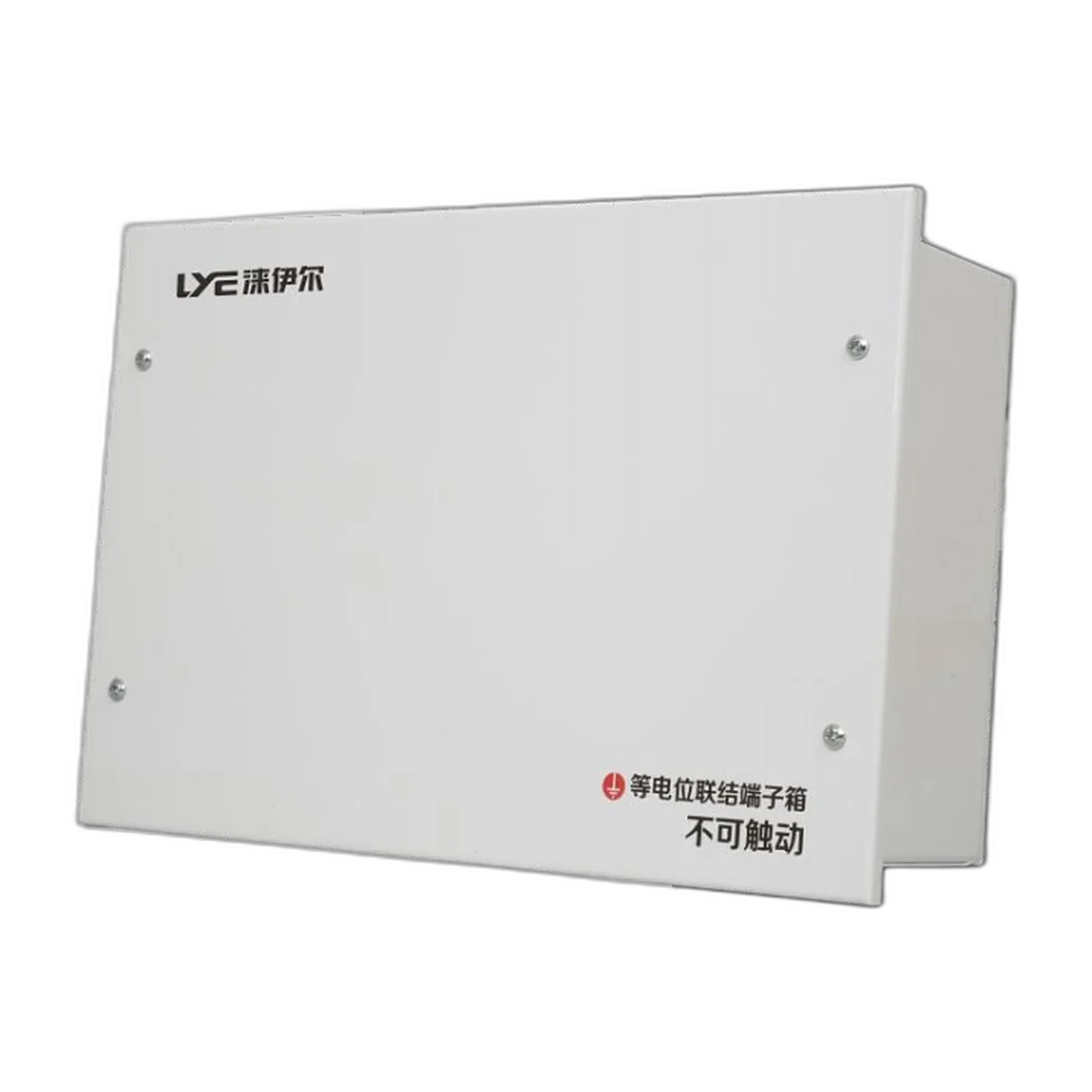
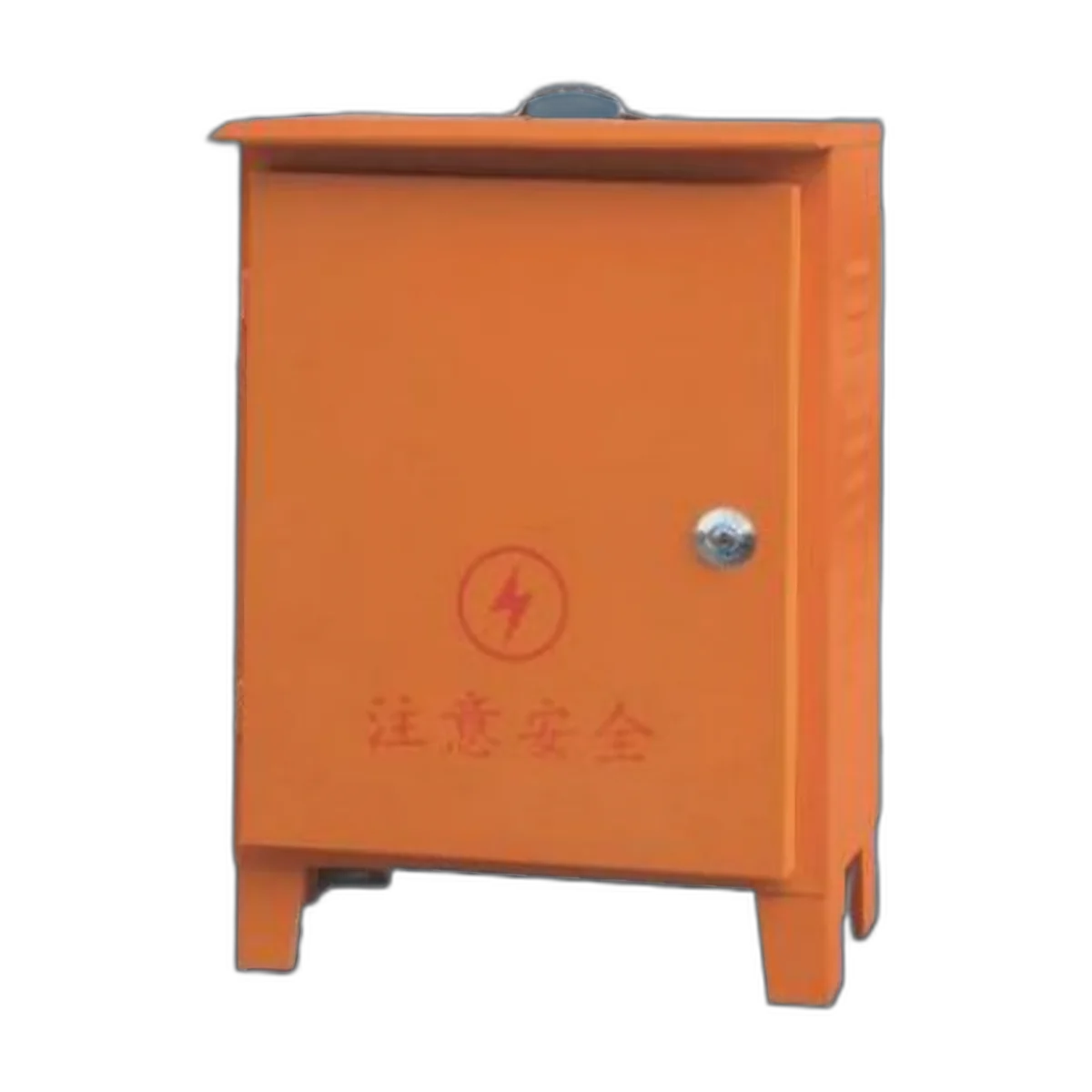
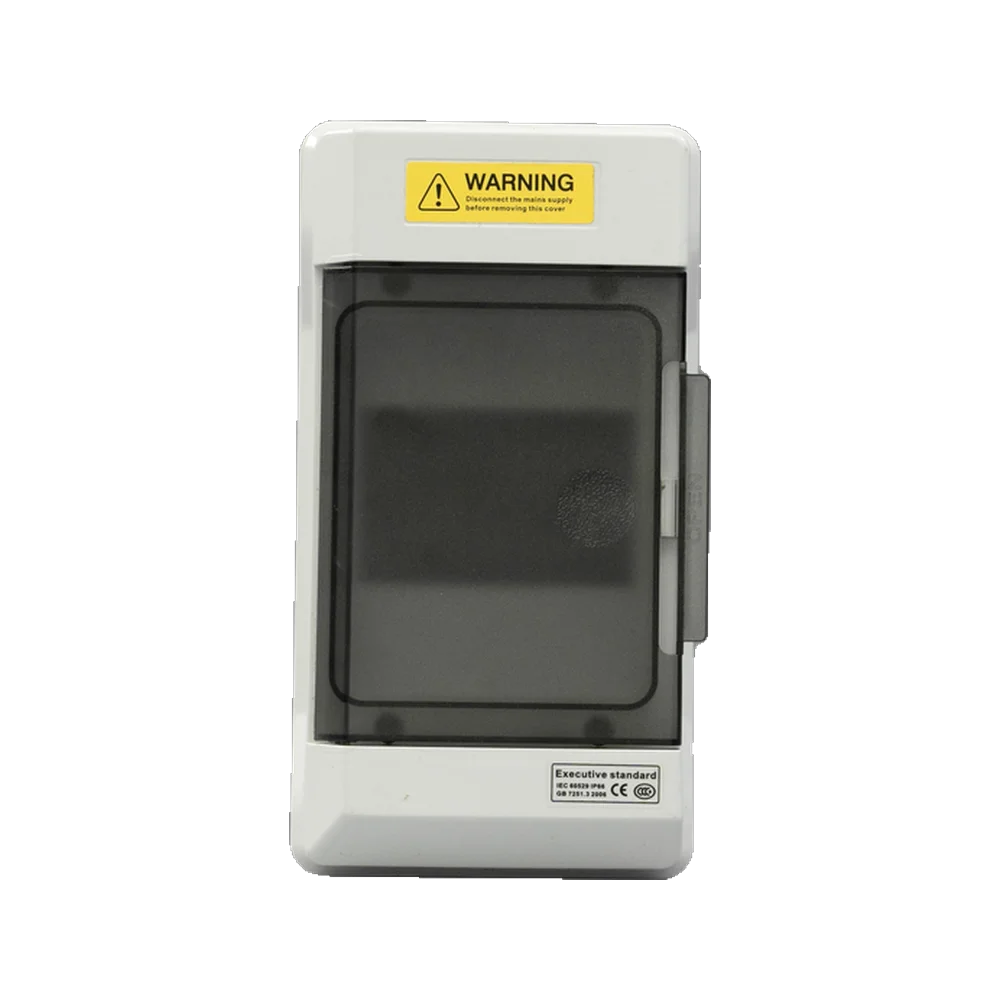
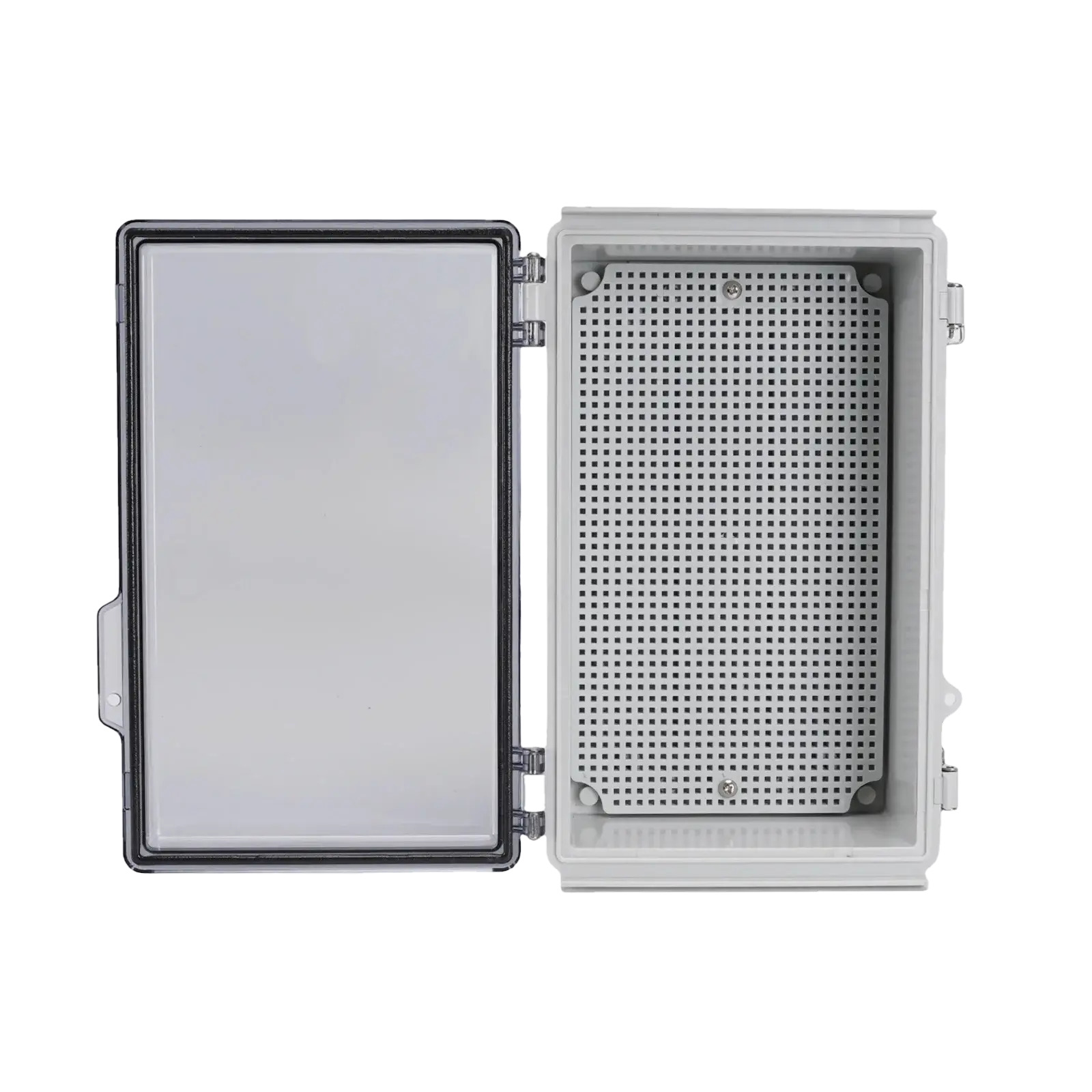
Microsites and Small-Site Applications: Small wall or pole-mounted enclosures typically have a footprint of 700 mm wide x 610 mm deep x 250 mm tall, and weigh approximately 33 kg while supporting two (2) Rectifier Modules, Controller, AC and DC Distribution, and a 40Ah battery block utilising 4U of vertical mounting space. The mounting method of these units is on a wall, pole or plinth, and generally is specified when the load is a single radio unit.
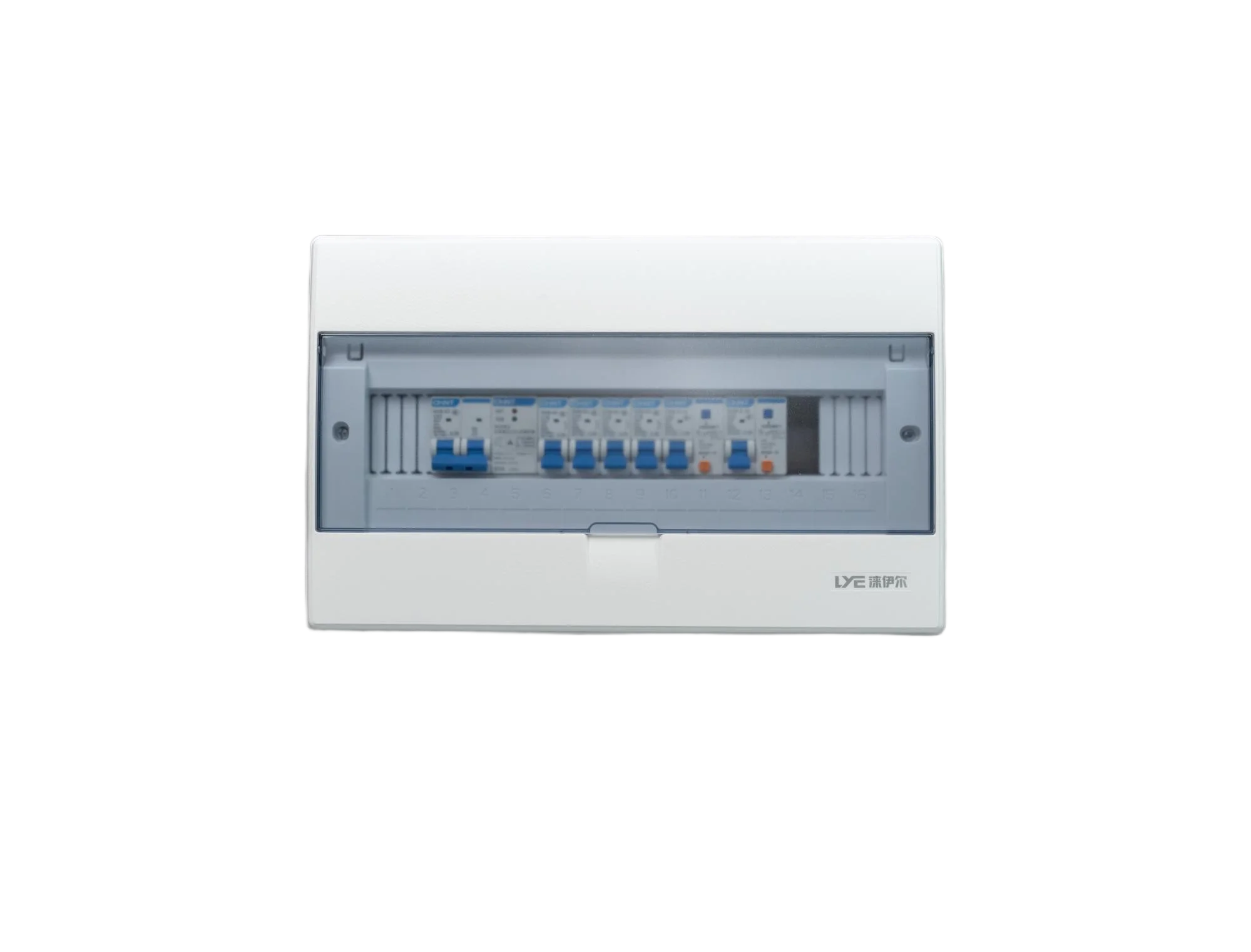
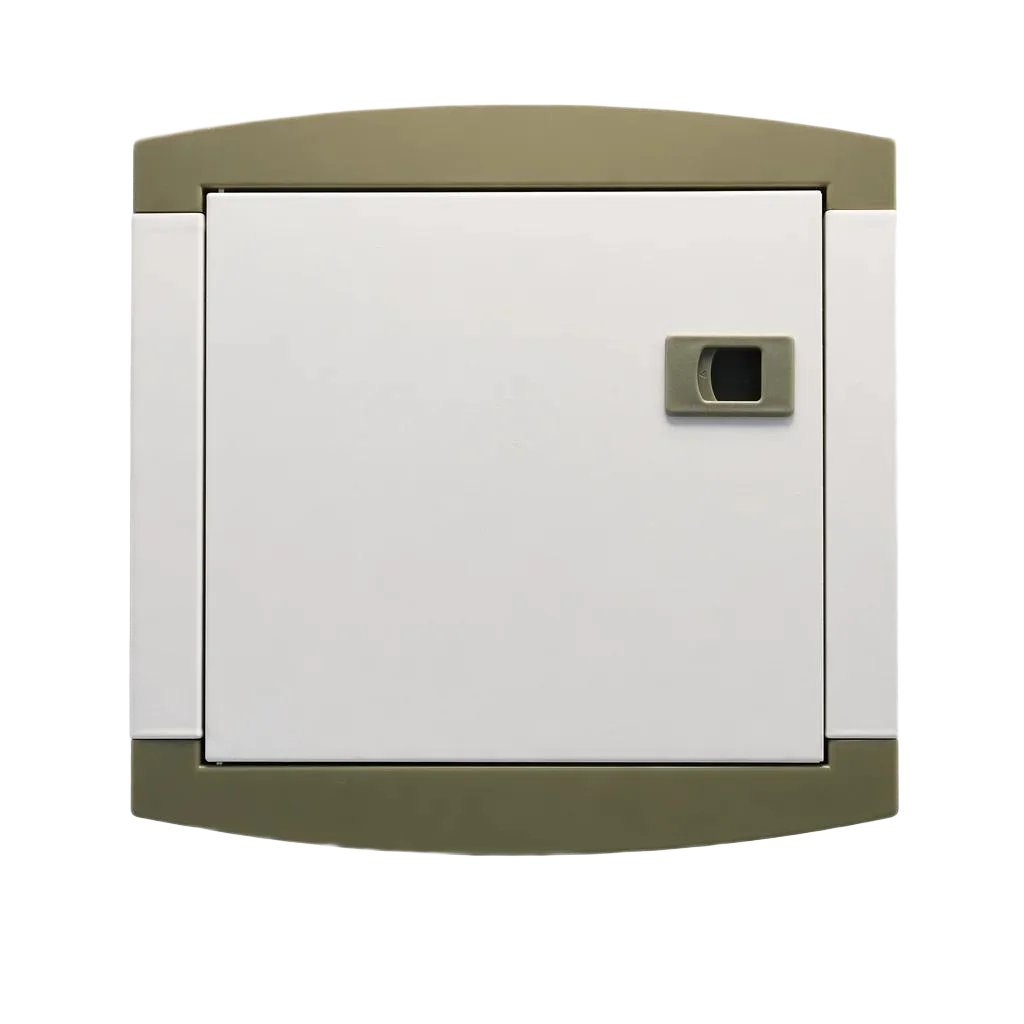
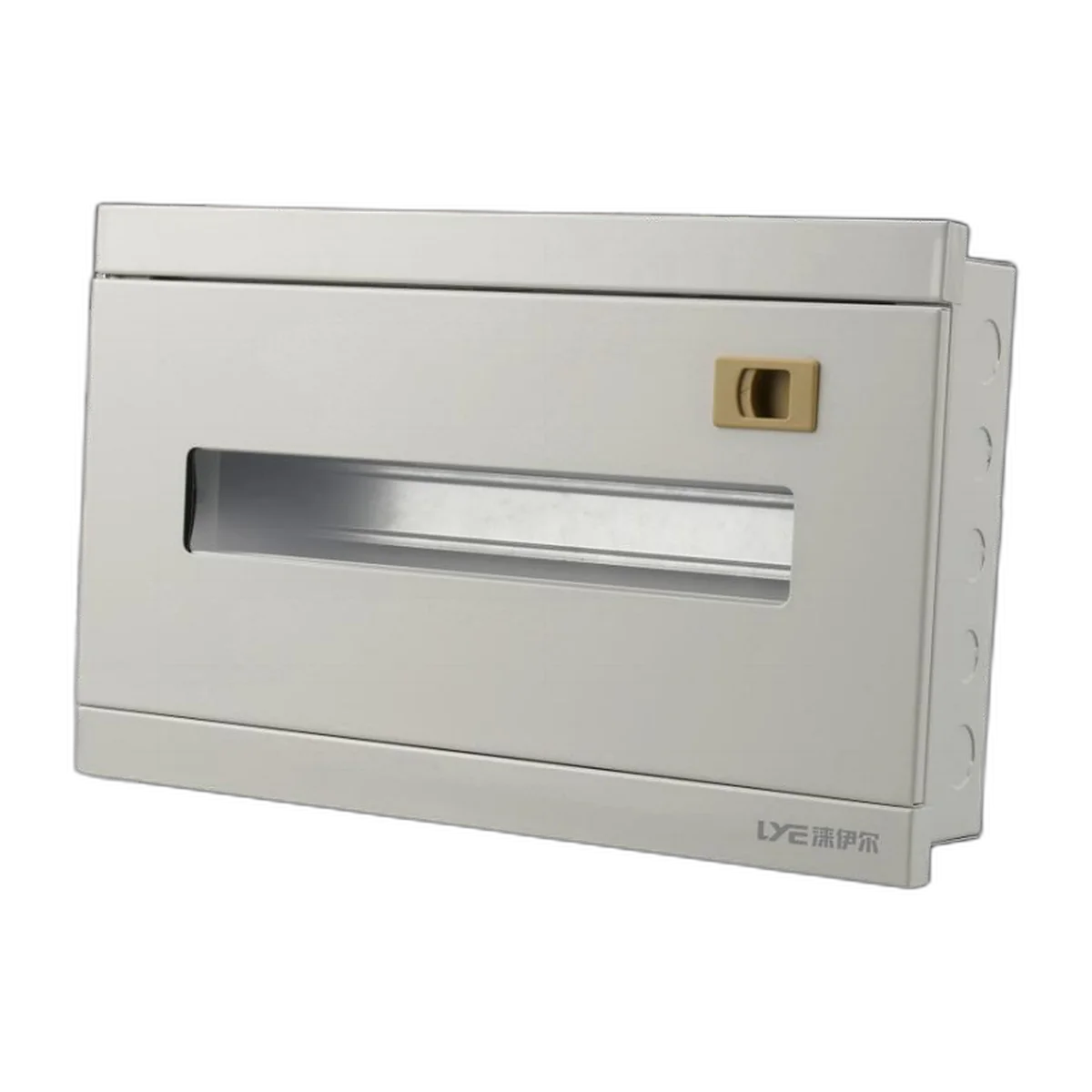
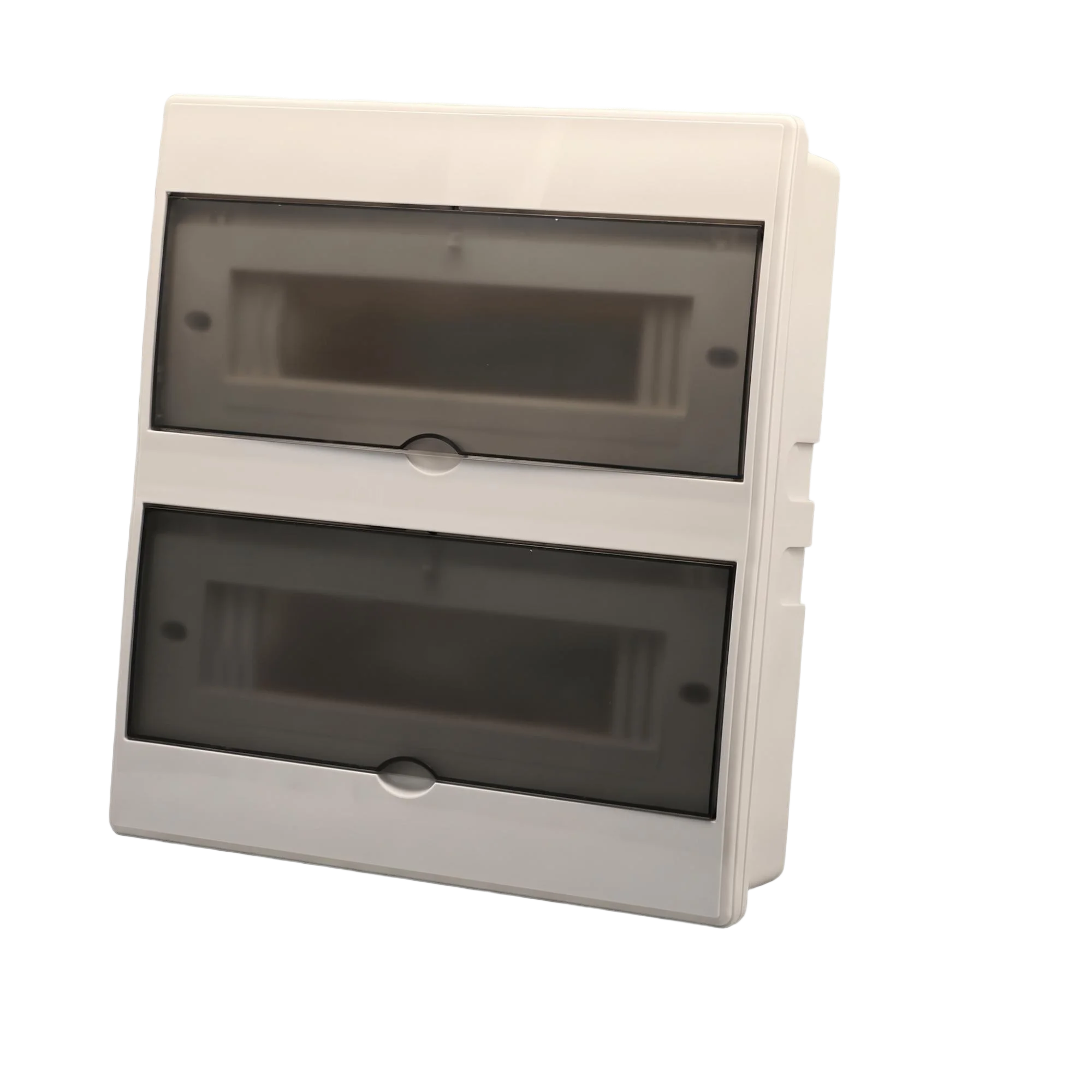
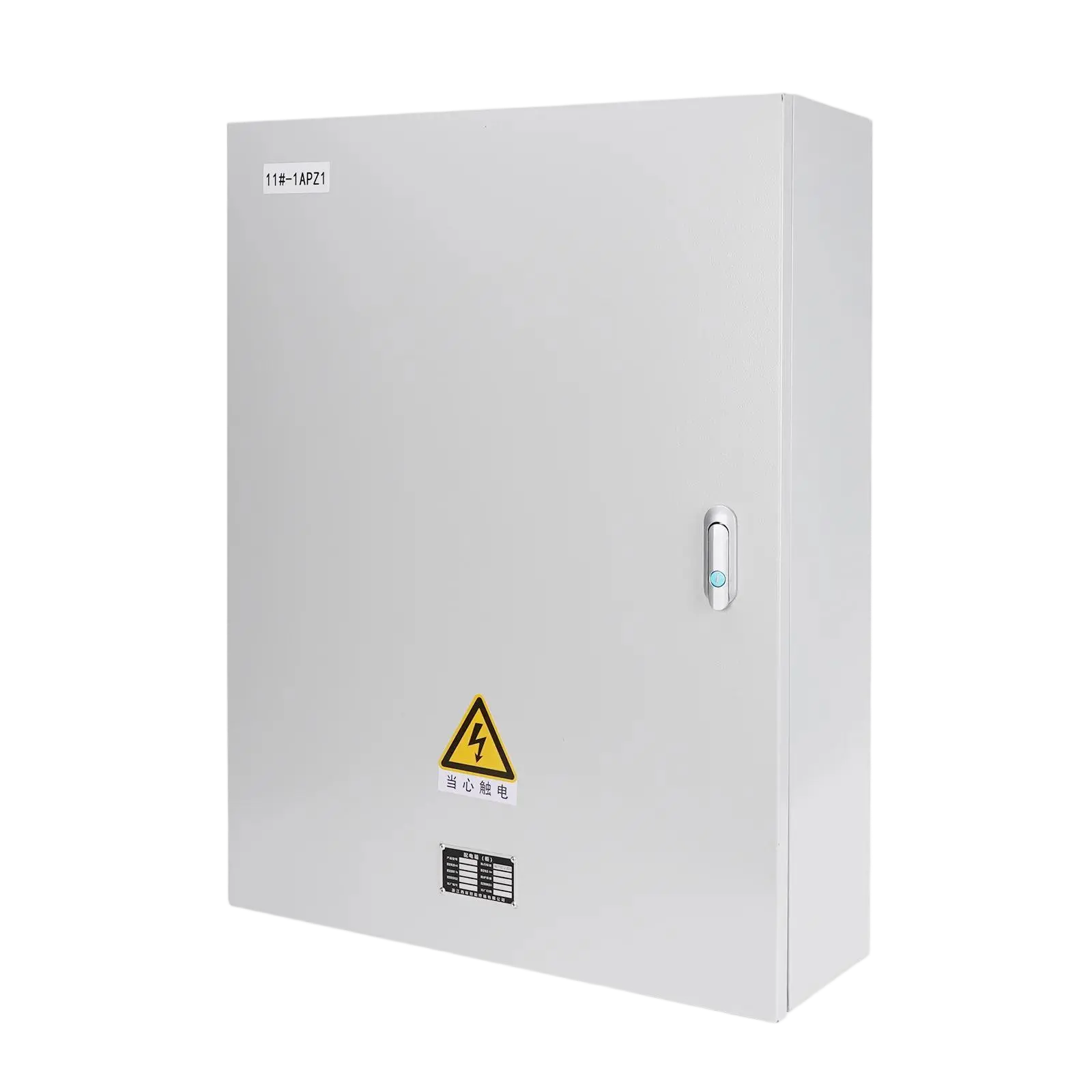
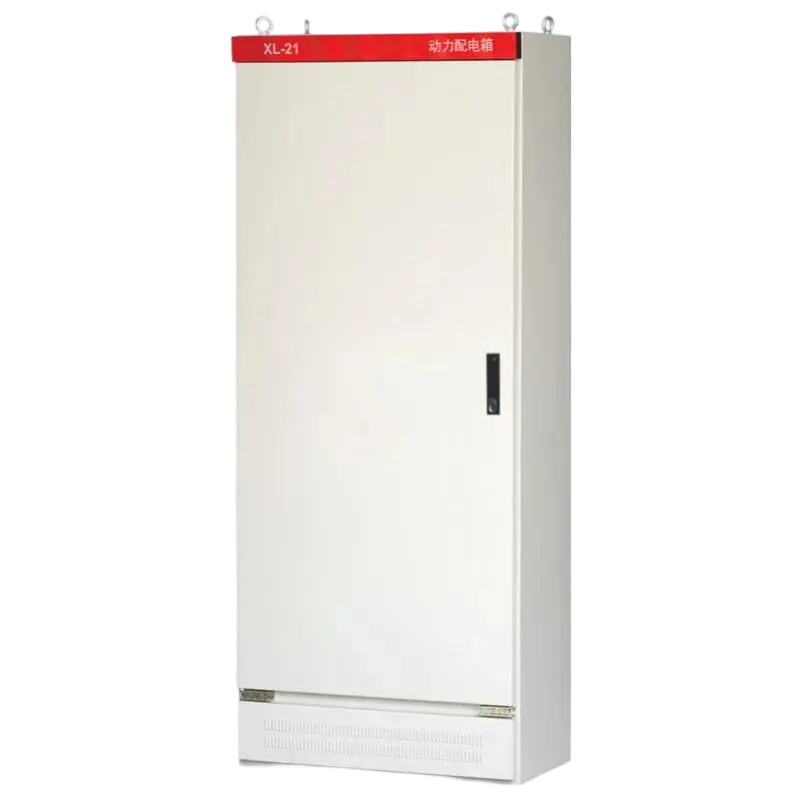
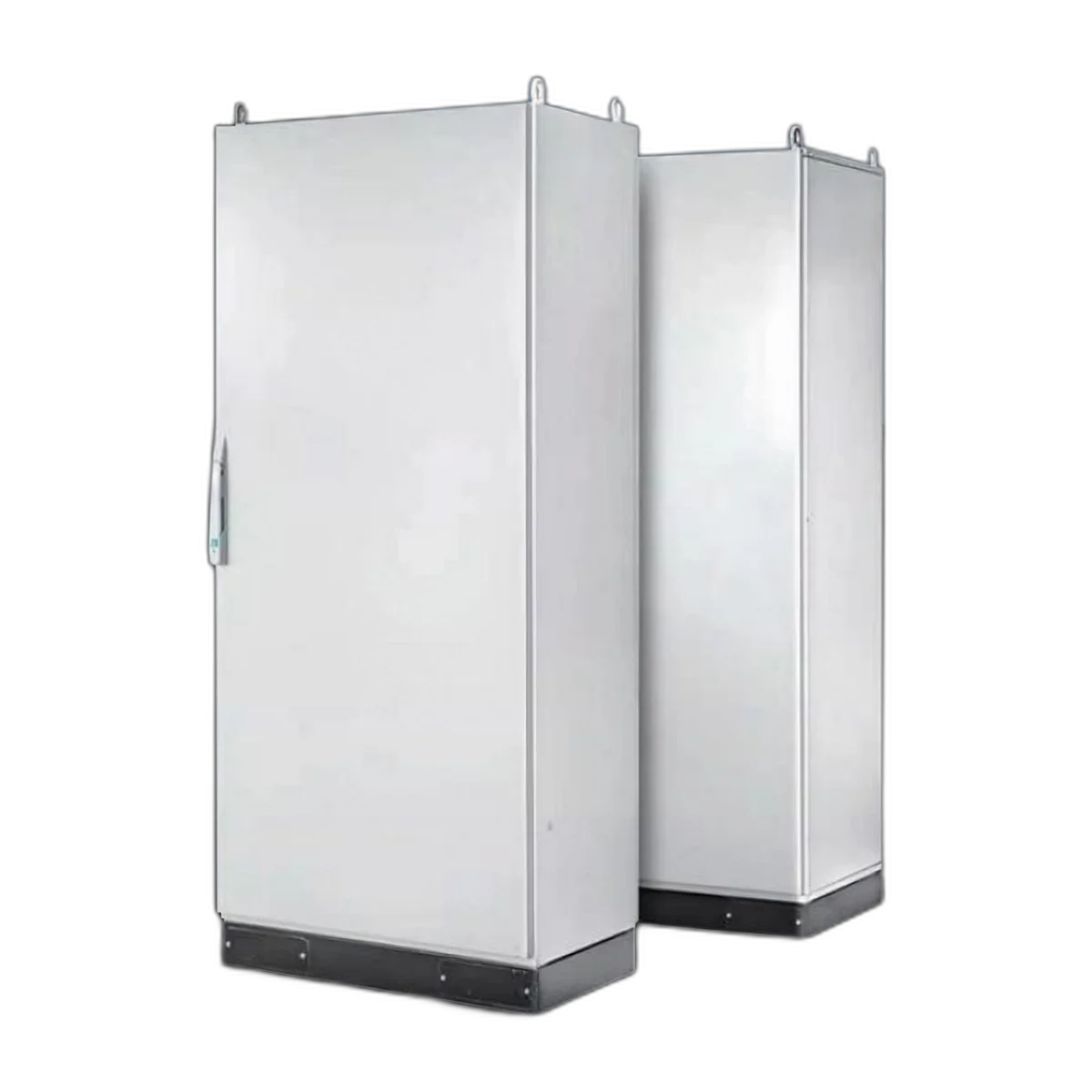
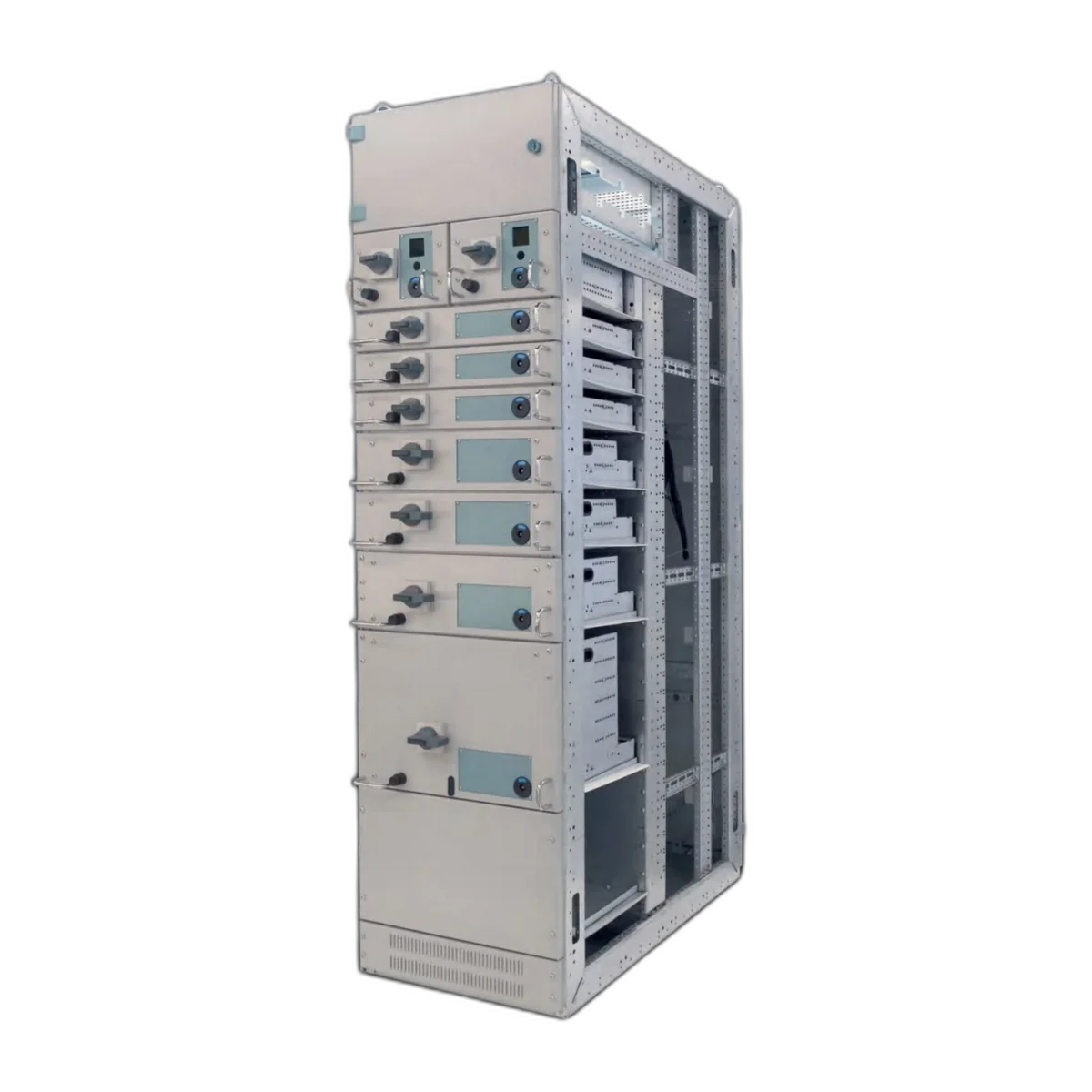
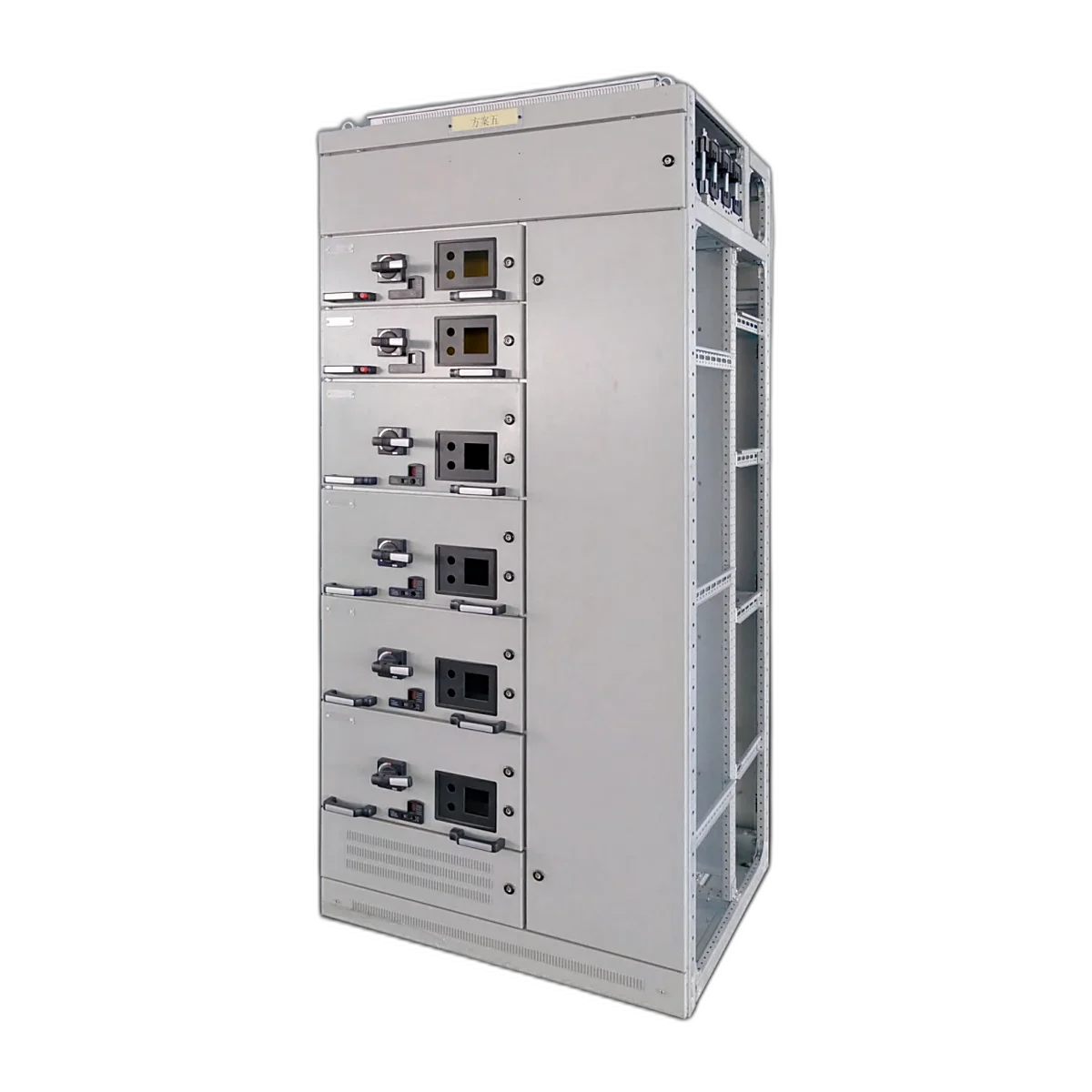
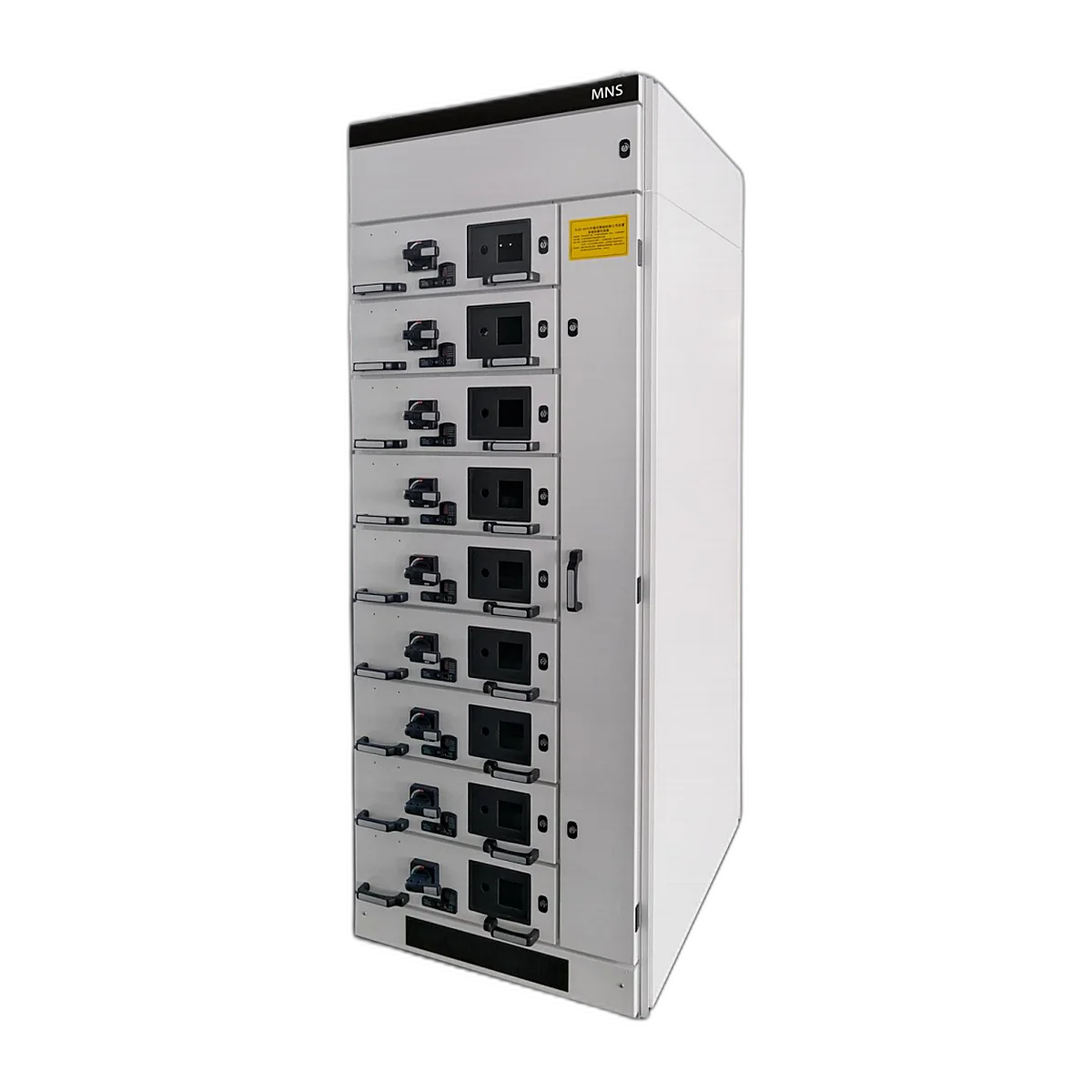
MACRO Site Applications: 42U Outdoor Enclosures generally represent the macro-slice location. The Classic Telecom Outdoor Cabinet is approximately 2,000 mm x 700 mm x 1,050 mm, holds a maximum load of 36 kW on the rectifier shelf and contains power distribution, battery strings, and space for transmission.
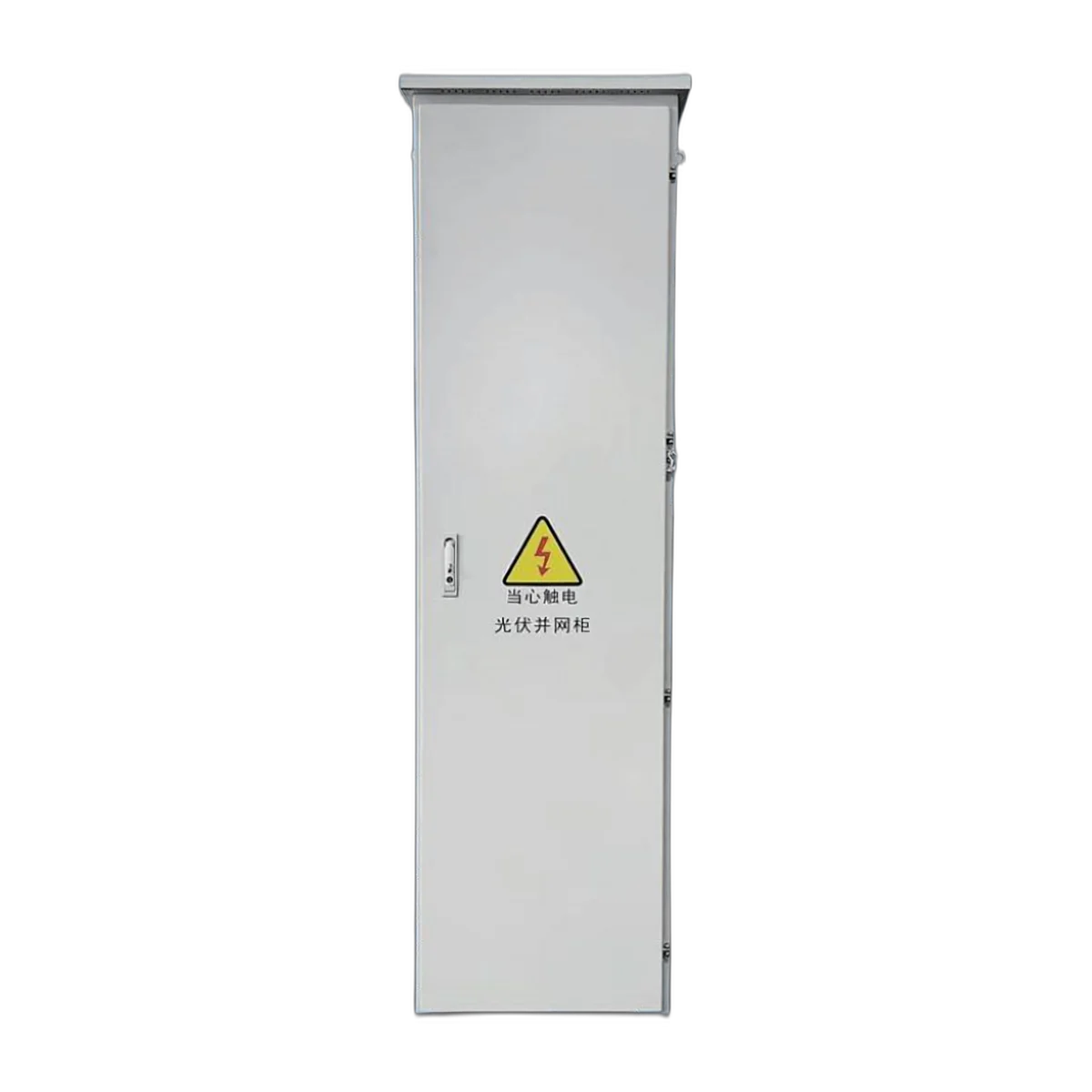
Hybrid cabinets include a solar MPPT charge controller, allowing the site to be powered by photovoltaic panels with grid or diesel as backup. This creates increased thermal challenges because solar power controllers generate excess heat, requiring the solar power controller to interface with the rectifiers.
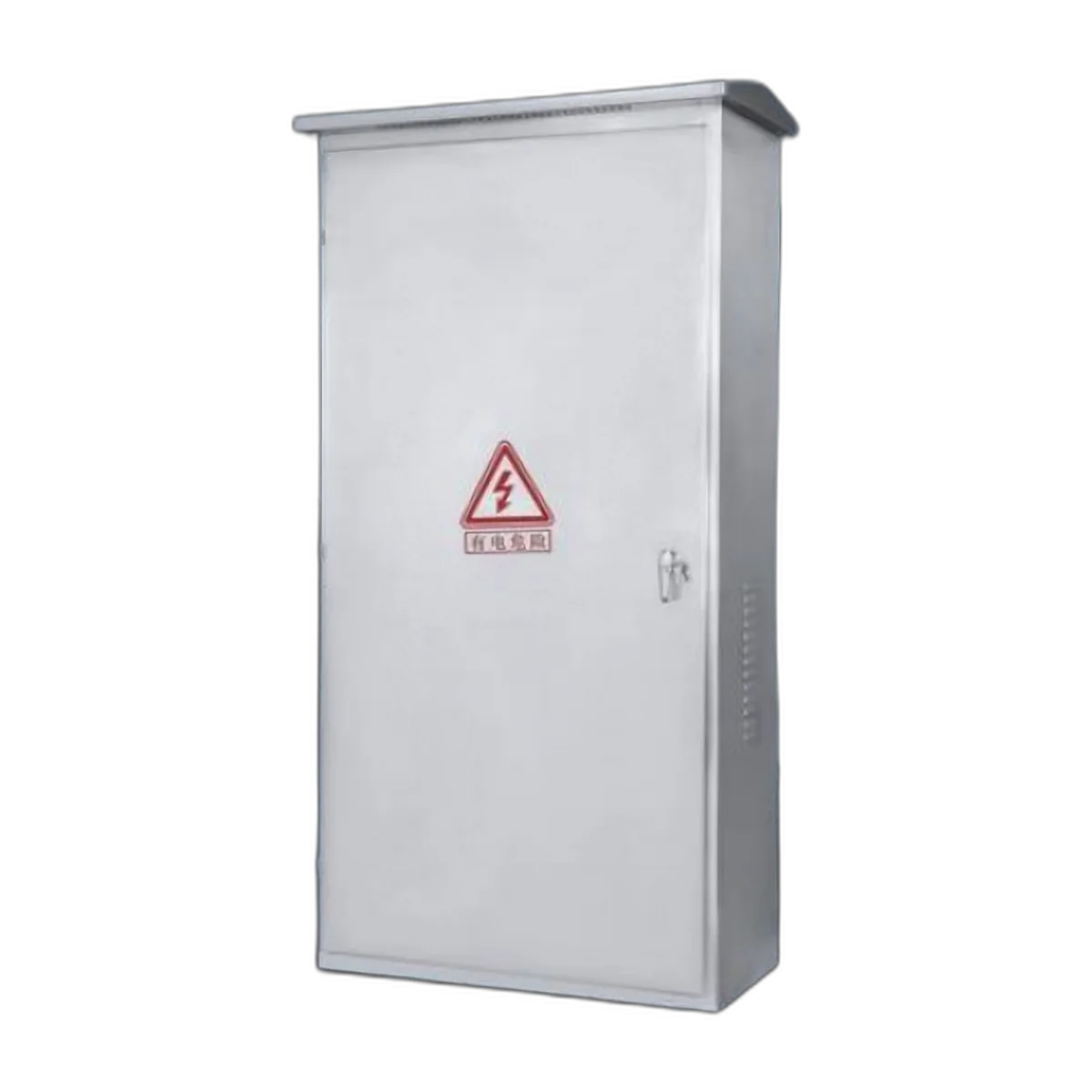
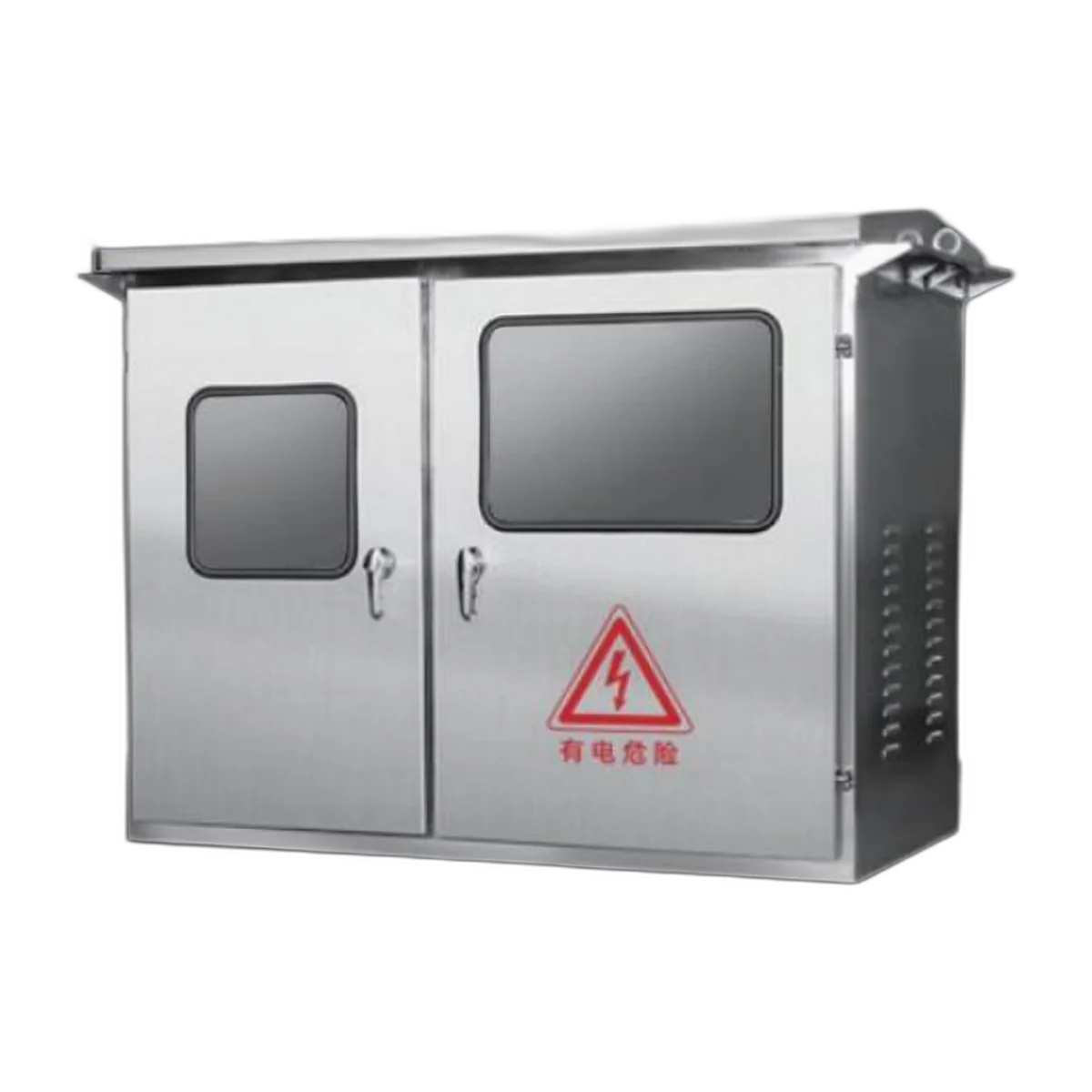
Corrosive environments include coastal and offshore areas, chemical and wastewater treatment plants. Therefore, stainless steel (316 grade) cabinets are usually specified for these environments, with the exception of down-sized solutions that have GRP constructions used for weight concerns.
The fourth family is where stainless steel outdoor power cabinets are located in double-wall assemblies with removable entry plates, allowing for terminals to be changed out without replacing the cabinet.
What a DC Platform Cabinet Must Do Thermally
Heat dissipation is the key specification that differentiates between an operating cabinet and those that are under warranty. Heat losses are calculated from the operating temperature of the cabinet rather than from ambient air.
Rectifier modules operate at around 96% efficiency, resulting in approximately 120 watts of heat generation for a 3 kW rectifier module. For every 12 modules, at least 1.4 kW heat energy must be dissipated before adding thermal losses for the controller, fuses, and batteries, and float charge on a battery contributes some additional heat on a continuous basis.
A sealed enclosure rated IP55 without thermal paths will hold the heat created within it. Therefore, allowing the internal ambient temperature to increase 20–30 K over that of the surrounding area will occur within approximately 1 hour of operating the equipment at full load.
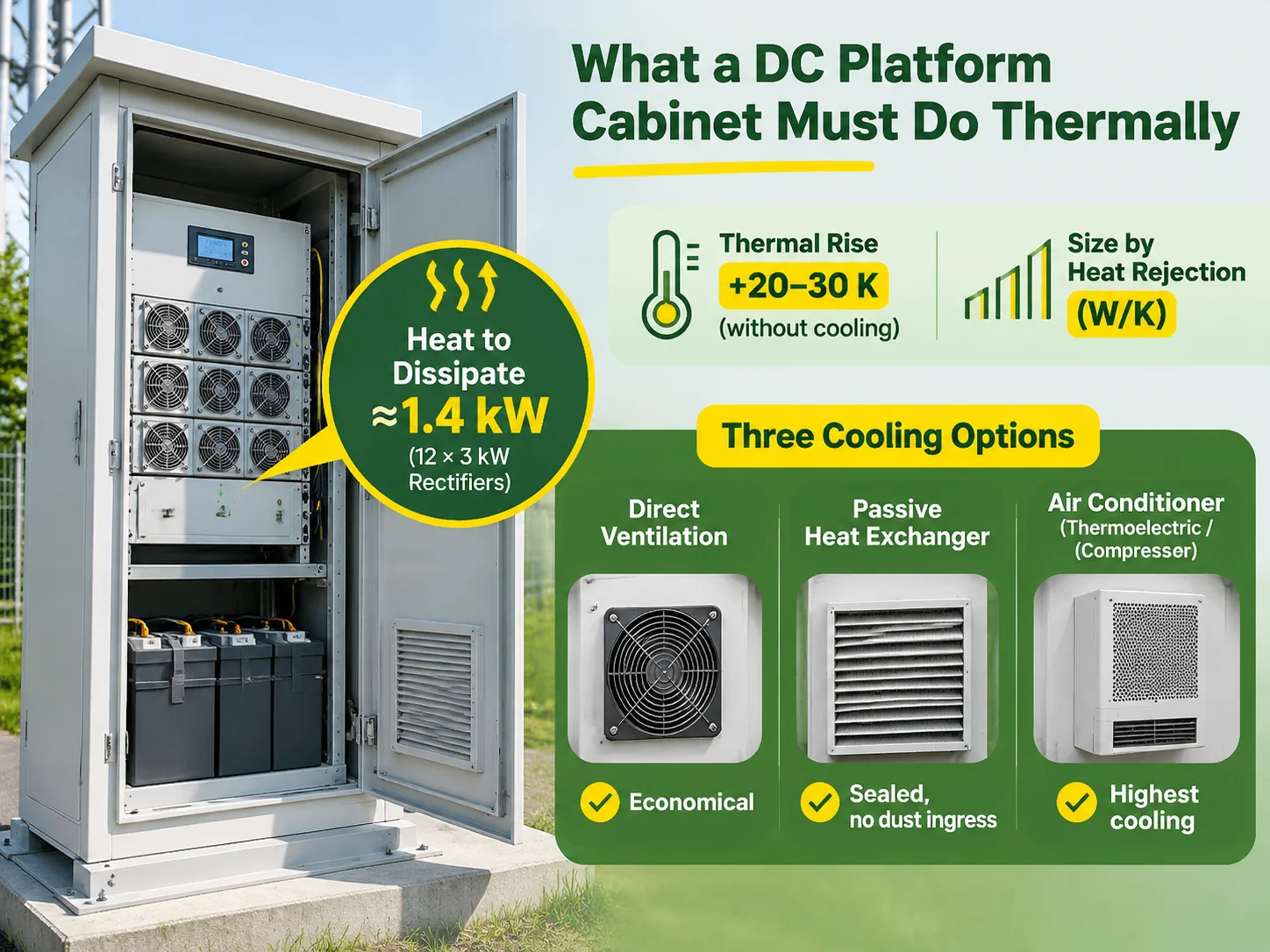
There are three main methods available to cool enclosed equipment:
- Direct Ventilation with fans and filters — this is the most economical, providing the best heat rejection performance; however, due to its design as IP55, it allows dust to flow into the enclosure.
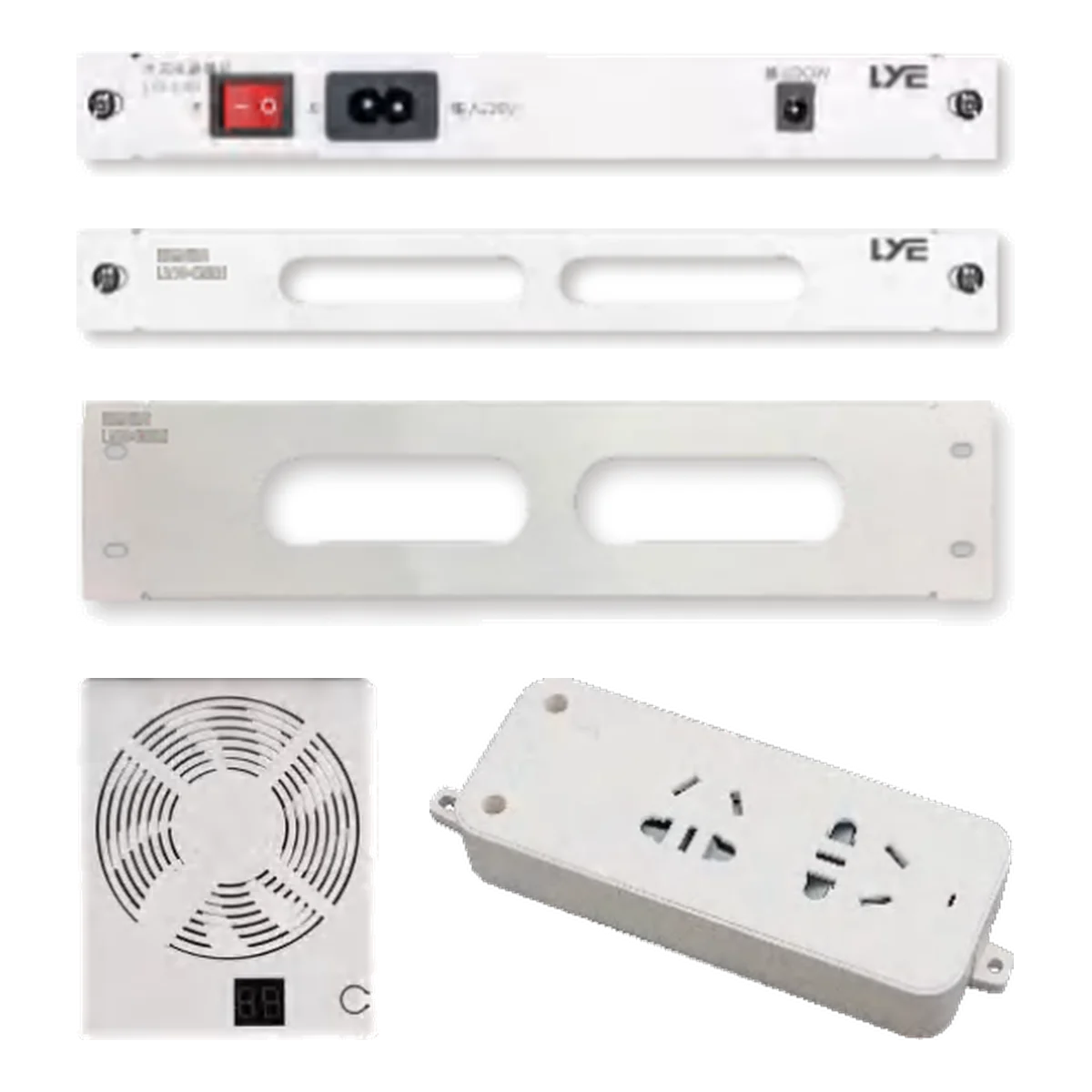
- Passive Heat Exchanger — uses a design where two airflow paths travel through a sealed enclosure, which separates the airflow and acts as an insulator against contaminants; this method can remove/breathe 30–60 W for every K of temperature difference, but it requires approximately 100-200 W of fan energy.
- Thermoelectric or compressor-type Air Conditioners — these options are the most effective and provide the greatest amount of heat rejection; however, they are only effective at ambient temperatures greater than 45 degrees C and have three to five times the purchase price as compared to the first two options and require regular maintenance.
When obtaining the cooling performance of an enclosure cabinet at a specified ambient temperature, the correct unit to reference is the amount of heat energy dissipated in W/k (watts per degree Kelvin), as opposed to referencing the electrical cooling capability of the cooling equipment itself. For example, a 300 W air conditioning unit operating at an ambient temperature of 55 degrees Celsius does not have a 300 W cooling capability.
Ratings That Decide the Sale
The first step is to determine what type of applications you will be using the enclosure for. This will help you narrow down your search.
| Parameter | Typical specification | Comment |
|---|---|---|
| Ingress protection rating | IP55 | The very basic requirement |
| Temperature range | -40 °C to +55 °C | Most people use an average of what could happen |
| Impact resistance | IK08 | Should be the most common |
| Corrosion rating | C3 | The average of most locations |
| Material | Galvanized steel | Most of them will have this type |
| Earthquake and wind load | Site specific | As said above |
For the temperatures and impacts, the rating of your enclosure falls under the following:
The first thing you notice, with an IP55 rating, is that all of the doors and gaskets are IP55 rated (the rating applies to the door and to the enclosure itself). As for the temperature, the rating is usually cited as an ambient average with no consideration for solar gain, i.e. -40 C to +55 C; however, there can be a significant difference between the temperatures at the top and bottom of the enclosure (the top of the enclosure will be exposed to the sun and the bottom will not). An enclosure in direct sunlight in a hot climate can see a temperature differential of up to 20 K on the southern face of the enclosure, therefore, a temperature rating of +55 C for a hot climate really means that the maximum operating temperature of that enclosure is +35 to +40 C unless you install a sun shield.
Both IP55 and IP65 are protection ratings against dust ingress that may impact safety and against water ingress from non-hazardous sources. The main consideration when selecting an enclosure with an IP rating is the likelihood of damage or corrosion from the environment or water jets, but also how frequently the enclosure is subject to these elements.
Earthquake and wind load are determined by the site conditions and the type of anchor that is used to attach the freestanding enclosure to the substrate. If you live in an area with a known risk of earthquakes, then you should select an enclosure that has been certified as compliant with the local seismic code.
Typical Configurations and What They Cost
Typical price ranges for power modules:
| Configuration | DC output | Rectifier capacity | Footprint | Indicative price |
|---|---|---|---|---|
| Microsite wall mount cabinet | 48 V DC, 60–100 A | 2 x 2 kW | 700 x 610 x 250 mm | $800 to $2,500 |
| Small outdoor cabinet with battery | 48 V DC, 100–200 A | 3 x 3 kW | 1,200 x 700 x 700 mm | $2,500 to $5,000 |
| 42U macro cabinet | 48 V DC, 400–600 A | 12 x 3 kW (36 kW) | 2,000 x 700 x 1,050 mm | $8,000 to $18,000 |
| Hybrid PV with rectifier | 48 V DC, 400–600 A | 2 x 12 kW | 2,000 x 800 x 1,050 mm | $12,000 to $25,000 |
| Enclosure only | Not applicable | Customer supplied | Per drawings | $600 to $4,000 |
Rectification of power from AC to DC by a rectifier. Installation on your property typically follows the purchase order process and payment upon delivery of your equipment. The Rectification process will usually be completed within a few hours of installation.
The prices for cabinets vary based on the three components that affect price: Rectifier size, Thermal Module size, and material type. A cabinet with a Rectifier capacity of 36 kW will typically cost twice as much as a cabinet with a Rectifier capacity of 3 kW if made of Stainless Steel rather than Galvanised Steel using a Heat Exchanger.
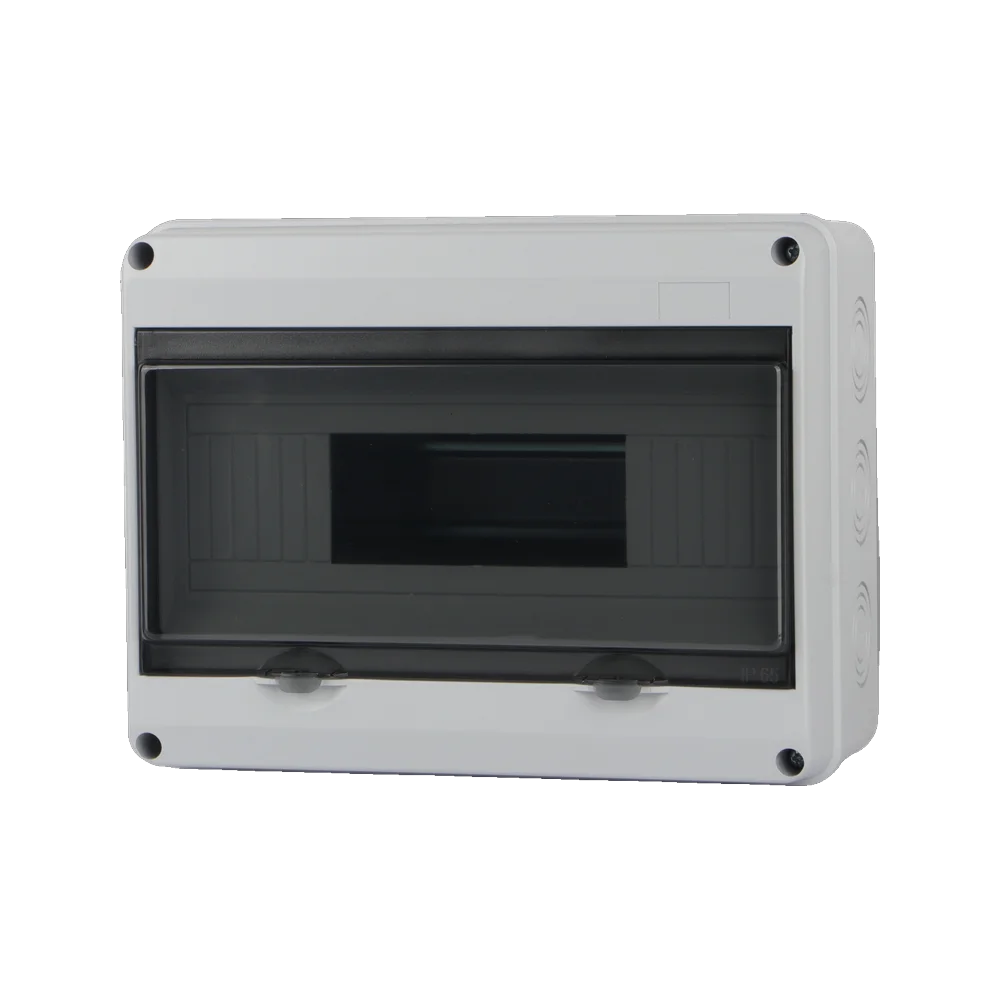
In some cases where the Budget is limited, and the site is considered benign, an enclosure-only purchase may be a cost-effective approach. An enclosure typically has a 1,200 mm outdoor cabinet with IP65 rating. A 1,200 mm outdoor Distribution Box typically includes a DP Connector, Rigid Copper connections to the Distribution Centre, and IP65 Waterproofing. The purchaser of the enclosure is free to purchase and control their own brand of Rectifier Shelf and distribution connections. The buyer’s responsibility lies in the thermal calculation for the equipment. More often than not this aspect causes trouble for installers and owners.
Where These Platforms Are Used
Telecom micro and macro sites comprise a significant portion of the total volume. The needs/wants of these applications are drastically different.
48 Volt DC with high levels of availability, along with remote monitoring capabilities and batteries that will sustain 4–8 hrs of downtime due to a grid outage, is critical to the success of these builds. Small cells, where the size/footprint must be minimal, and the visible profile must be low, and most need some form of pole mounting.
CCTV and traffic monitor applications also require either a 48 V or 24 V DC source and will use sealed cabinets. The load accumulated will be small, but continuous. For SCADA and pipeline monitoring the majority of the electrical load will be low power, operate over a wide temperature range, and be solar powered. Railway and signalling applications require the highest levels of availability and a clear failure mode specified. Solar and wind farms have begun to use the hybrid power design of having auxiliary sources at each inverter and turbine.
The commonality between all six applications is that they currently employ unmanned cabinets. When the cabinet of a platform requires a person to reset a circuit breaker during a hot day, it will be serviced far more often than anticipated.
The Power Module Side: Rectifiers, Controllers and Distribution
The electrical elements inside the cabinets are essentially standardised across all suppliers, which is where the cabinets become a differentiator.
A rectifier shelf utilises 3 kW hot-swappable modules in either a 1U or 2U format and is typically designed with N+1 redundancy. The controller can manage the battery charger, disconnect/load control and support for remote monitoring through SNMP or Modbus.
The shelf provides a low voltage disconnect with a distribution panel and battery plus a load breaker of 6 A to 63 A with surge suppression for the A.C. Input and the D.C. Output.
The features defined by a working specification: For class A.C., 63 A, 2 pole, 36 kW, the A.C. surge protection is 20 kA nominal, 40 kA maximum; the D.C. surge protection is 10 kA nominal, 15 kA maximum; the battery breakers are 100 A per stage; the load breaker ranges from 6 to 63 A (up to 18 ways for a 42U cabinet).
The efficiency of a system is where the operational expenses exist. There is a 2% difference in load between a 96% module and a 98% module; for a 20 kW site that is 400 W continuous or approximately 3,500 kWh annually. This will be the consideration when evaluating any two platforms priced within a 10% variance.
The Battery Enclosure Is the Part That Fails First
The battery is the most sensitive item in terms of temperature, and as such a cabinet that passes factory testing at 25 degrees C can still fail in service.
A valve-regulated lead-acid battery loses about one-half of its intended life for every 10 K above 25 degrees C. By the time a cabinet reaches an internal temperature of 35 degrees C the lifespan of the battery has been reduced by 50% prior to the first maintenance visit and will manifest as short run time in the event of power failure rather than as a dead battery.
Thus, leading manufacturers separate batteries from the main chamber by placing them in another enclosure with its own thermal path. This dual-chamber design allows batteries to be maintained at 25–30 degrees Celsius while allowing electronics to operate at much higher temperatures. The cost of manufacturing this type of design is approximately 10–20% more than that of single-chamber designs.
When batteries are located in the main compartment, ambient temperature must be stated based on the designed ambient temperature rather than the actual ambient temperature. A cabinet rated for a maximum ambient temperature of 55 degrees Celsius and an internal temperature rise of 20K, means that the battery will be at 75 degrees Celsius, which will require discussion regarding warranty in the first year of use. A dedicated battery enclosure, for example, a rated IP65 outdoor distribution box with a filtered vent and thermal pathways, is an example of a method of separating the two components; however, it will add to the design complexity through increased DC cable runs and the resultant increase in voltage drop.
Manufacturers Worth Comparing
Three (3) groups of manufacturers exist, and depending on the type of equipment being purchased, one (1) group or another will be appropriate.
Telecom Power OEMs provide a complete solutions platform; Vertiv and EMC sell the complete cabinet solution; Delta and Eltek offer the Flatpack2 and T3 cabinets, respectively; and Huawei and ZTE provide integrated solutions. The benefits of these systems are that they have all been tested as complete solutions with a single warranty for all parts; however, one disadvantage is the fact that if a customer has chosen to utilise one (1) brand of telecom equipment, they cannot easily mix different brands of cabinets and modules.
Enclosure Manufacturers supply only the enclosures and thermal modules. A range of box types from Rittal, nVent, Fibox and Hensel, including small polycarbonate junction boxes, medium sized polycarbonate junction boxes and larger enclosed cabinets as manufactured in stainless steel. Each of the published manufacturers produces equipment with stated heat rejection capacities and the equipment has been tested for IP rating (Ingress Protection) in accordance with recognised
The major disadvantage of this manufacturer compared to the other two is that each manufacturer provides the buyer with the option to select one or more of their products; however, for buyers this can create a barrier as it means that the buyer must perform Integration Testing and Testing of the selected product.
The unique aspect of Factory Made Products (FMP) is that they fulfill a role between those of the three other manufacturers, and it is for this reason that LYE (see below for full explanation of this acronym) supports the Factory Made Products as part of their OEM and ODM enclosure service. The Factory will manufacture and create the complete enclosure, thermal configuration and gland plate, based on drawings provided and fit in or provide the manufacturer’s selected rectifier/distribution and/or the entire configured assembly based on a bill of materials provided. Family Support (SMP) Services provide FMP Services for those organisations that do not provide FMP Services based on their offering of product; for example, if you need a 42U cabinet but do not want to support or place the cabinet on a plinth, or cable route, or local approval.
When purchasing a cabinet, the buyer should never be provided with a thermal claim unless it has been backed up with a thermal calculation. If you receive a datasheet that lists the IP55 box, operating temperature range, etc., but does not list how much heat you can reject into the ambient environment, this indicates a significant lack of credibility if the buyer has not received the thermal calculations.
How to Specify One in a Single Page
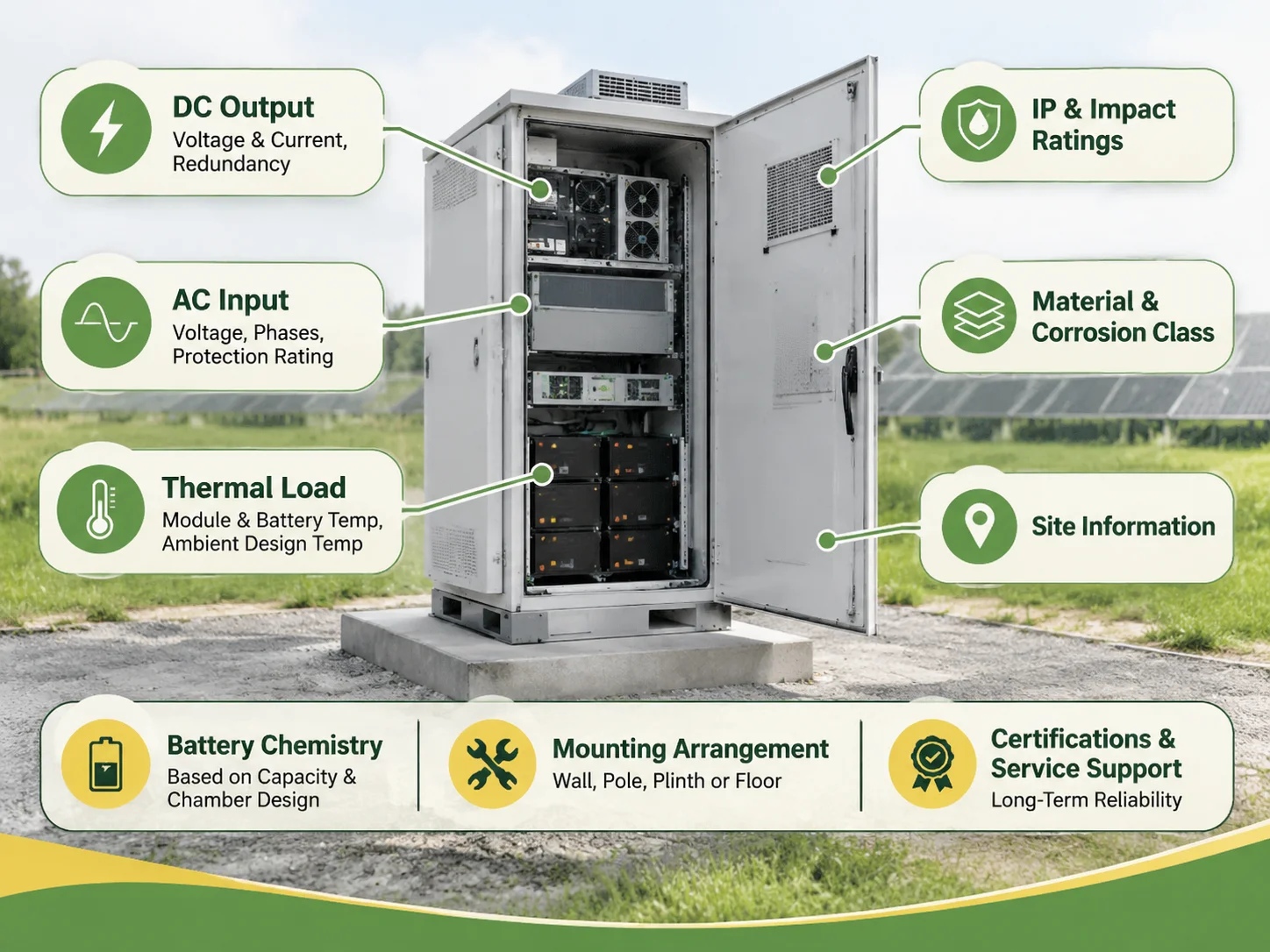
There are seven lines on one page of information to provide for each supplier. A supplier should be able to quote based on this information without requiring any additional meetings.
These lines are as follows; DC Voltage and Current, Redundancy Required; AC Voltage Input, no. of Phases and Protection Rating; Thermal Load (Watts) — Temperature of Modules and Batteries plus Ambient Design Temperature including Solar Gain; IP & Impact Ratings; Material, Corrosion Class, Site Information.
The battery chemistry will depend on the capacity of the battery and whether the battery is in a separate chamber from the battery cabinet. The mounting arrangement will depend on whether the unit is mounted to a wall, pole, plinth or floor, as well as the way the mounting hardware anchors the unit to the corresponding surface.
The local certification requirements of the cabinet and all the documentation required for the cabinet to ship must be part of the quotation in order to make it verifiable. Without the thermal loading, each supplier will provide the least cost cooling solution in their quotation; the variance in cost will surface as a service issue when decentralized modules are deployed.
The service and support arrangement is important enough to cover on its own line. An outdoor cabinet is a 20-year piece of equipment in a location that will be difficult to reach for maintenance purposes; therefore, the ultimate cost will be based on who replaces a failed fan, whether the thermal module is field replaceable and whether the door locking mechanism is a stocked part, and thus the decision-making for a long-term placement solution cannot be solely based on the initial price of the unit.
Delivery, Certification and What Ships With the Cabinet
An outdoor DC platform must contain four documents, and if a supplier cannot provide these, then that supplier should be passed over.
The first document is an IP Test Report of the enclosure as it has been configured, as opposed to the base box. The second must be the Thermal Calculation for the specified ambient temperatures with the associated module loads entered. The third must be the Documented Electrical Testing of the assembled platform; this will detail requirements such as insulation resistance, polarity of connections, Distribution Breakers Schedule, and Controller Configuration. The fourth document required is a Material Certificate indicating the material type of the enclosure (i.e. Steel or stainless steel), which is a requirement of inspectors for coastal projects.
Typically, we’re looking at lead times of between 6 to 10 weeks if we’re shipping a base cabinet from stock tooling, 10 to 16 weeks if we’re shipping a configured platform that uses modules, and even longer if we’re dealing with an enclosure that has a new drawing. In the case of Hybrid Cabinets that include a solar controller, at the long end of the spectrum, leads times are generally longer due to the controller configuration and factory test requirement.
The position of the certification is market driven rather than product driven, with the CE and EMC standard in the telecom equipment space as the base for all of the European markets. UL and CSA standard in the North American market, while most of the export markets will accept a CE declaration accompanied by a third-party test report as the basis for their certification. The one that is not negotiable is that the declaration must cover the configuration, NOT just the empty box.
FAQ
What is an integrated DC power platform?
An integrated DC power platform consists of a cabinet that contains the entire DC chain within a single package. This includes AC input protection, rectifier modules, a controller, DC distribution, a battery breaker, and battery space. Rather than test individual components and then install them on site, the integrated DC power platform is tested as a complete unit; thus providing the thermal design and IP rating with meaning.
Is IP55 sufficient for an outdoor DC cabinet?
Yes, for the majority of outdoor locations, IP55 is sufficient. IP55 protects against dust in harmful amounts and protects against water jets coming from all directions, which are typically the requirements during rain or wash down conditions.
Why do you favour IP65 over IP66 ratings in regards to rain?
Both are irrelevant unless overcrowding exists on the cabinet top where a hose will be used on a regular basis anyway. In addition, the rating becomes useless at the gland plate and door gaskets, which will cause a massive drop in performance before reaching the actual cabinet itself.
Why do outdoor environmental cabinets use a heat exchanger instead of a fan?
We use heat exchangers rather than filtered fans because filtered fans bring moisture and dust into the electronics with each circulation of air. The filter media will also require periodic maintenance. A heat exchanger separates the two air paths through a metal core between the environmental air path and the electronics chamber. The benefit is that the heat is exchanged out while keeping contaminants from entering the electronics. This design also costs more, has less heat rejection per Kelvin coverage and therefore, needs careful consideration when calculating the design requirements.
How long will batteries last in a cabinet outdoors?
In short, the lifetime of the batteries is related to the temperature inside the cabinet. A valve-regulated lead-acid battery loses approximately 50% of its expected lifetime for every 10 K that it operates above 25 C. Therefore, a cabinet that has an internal temperature of 35 C has already lost approximately 50% of its expected lifetime before the first service call. Using a dual chamber design to keep the battery approximately at 25 C is the best way to ensure that the batteries will reach their maximum design lifespan.
References
- Vertiv — NetSure EPC4860 Outdoor Enclosure Series
- Rittal — Outdoor Enclosures and Climate Control
- Fibox — Polycarbonate and GRP Outdoor Enclosures
- Hensel — Outdoor Junction and Metering Enclosures
- UL Solutions — UL 50E Enclosure and UL 1741 Power Conversion Standards
Conclusion
When you purchase an integrated DC Power Platform you receive 4 piece enclosure numbers and 1 calculation. The enclosure numbers are IP rating, temperature range, impact resistance and corrosion resistance; and the calculation is thermal load at design ambient, which is frequently omitted from quotations as it is deemed to be of no value to your estimate.