

Electrical Fuse Box vs Circuit Breaker
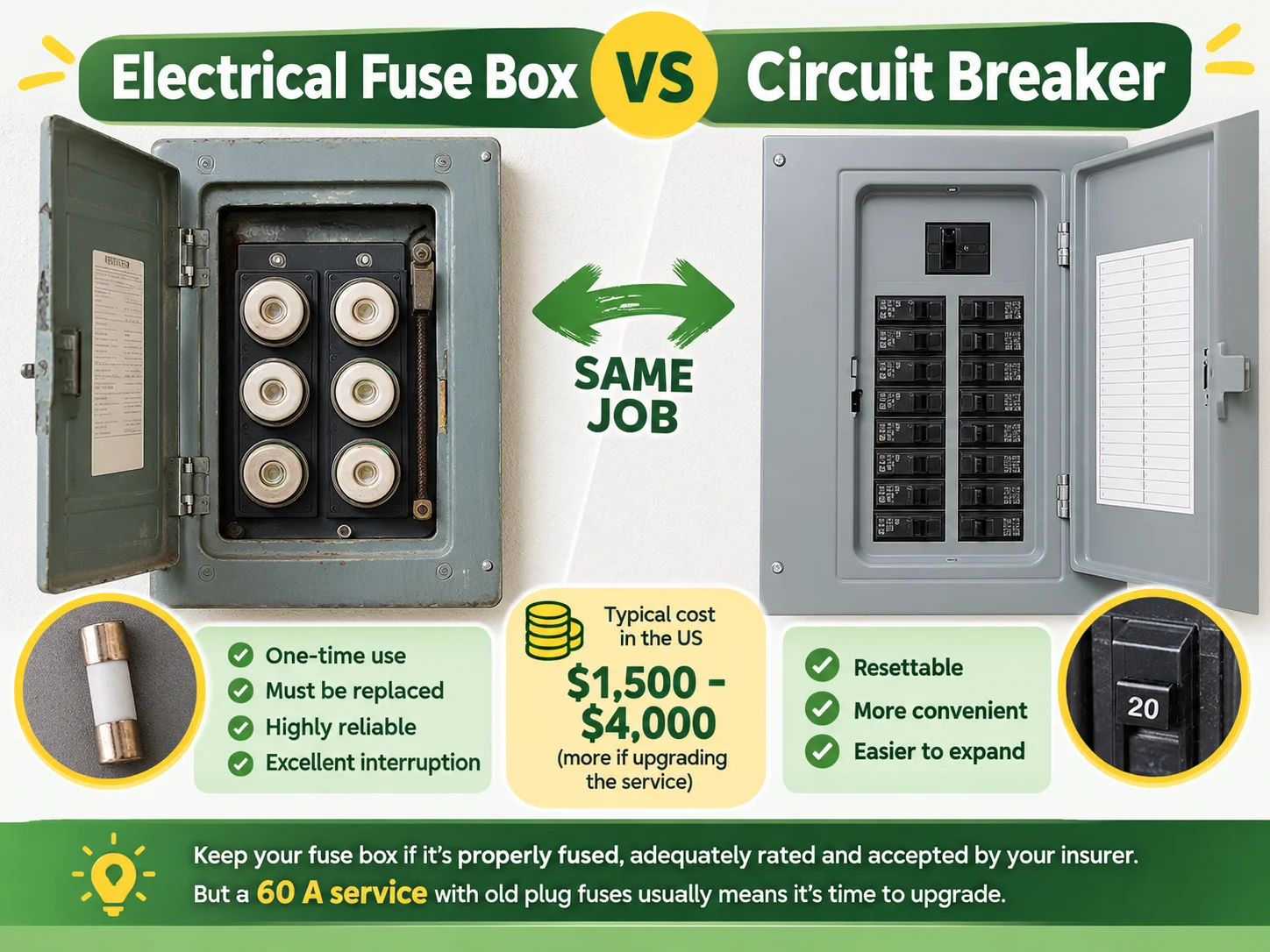
Electric circuit safety devices have been created to protect the circuit wires against getting excessive current. Both fuses and circuit breakers serve this purpose, but they differ significantly in how they respond when activated. When a fuse is tripped, it burns out completely and must be replaced to get the circuit working again. In contrast, when a circuit breaker is tripped, it does not burn out. All that needs to be done in this case is to reset the circuit breaker to restore the circuit.The contrast between the two safety devices influences their various characteristics such as convenience, price, insurance treatment, reselling price, and professional recommendations of electricians when switching from fuse to a circuit breaker or vice versa.
Summary: While the functions of the fuse box and the circuit breaker are the same, their operations are quite different. Fuses only operate once and must be replaced when the fuse wire blows. A circuit breaker can be reset. The fuse box has its advantages, as it is capable of switching off the power supply, while the circuit breaker can be switched on and off more easily and is more versatile as compared to the fuse box. The average total cost of replacing the old fuse box with a circuit breaker panel in the USA is between $1200 and $2000, although it would be more expensive if the service is upgraded from the previous 60 amps. However, it is worth noting that if the fuse box is working well, there is no need to switch to a circuit breaker.
How Each One Actually Works
It is quite easy to understand the physics behind fuses, beakers and circuit breakers.
- A fuse consists of a precisely calibrated wire which is designed to conduct the current for the time it is needed and to melt when the current exceeds the limit. Fast-blow fuses are quick to react and work well with sensitive electronics, whereas time-delay fuses are meant to handle short spikes in current so that a motor does not malfunction when starting. As soon as the wire melts, the circuit is broken and the fuse is no longer usable.
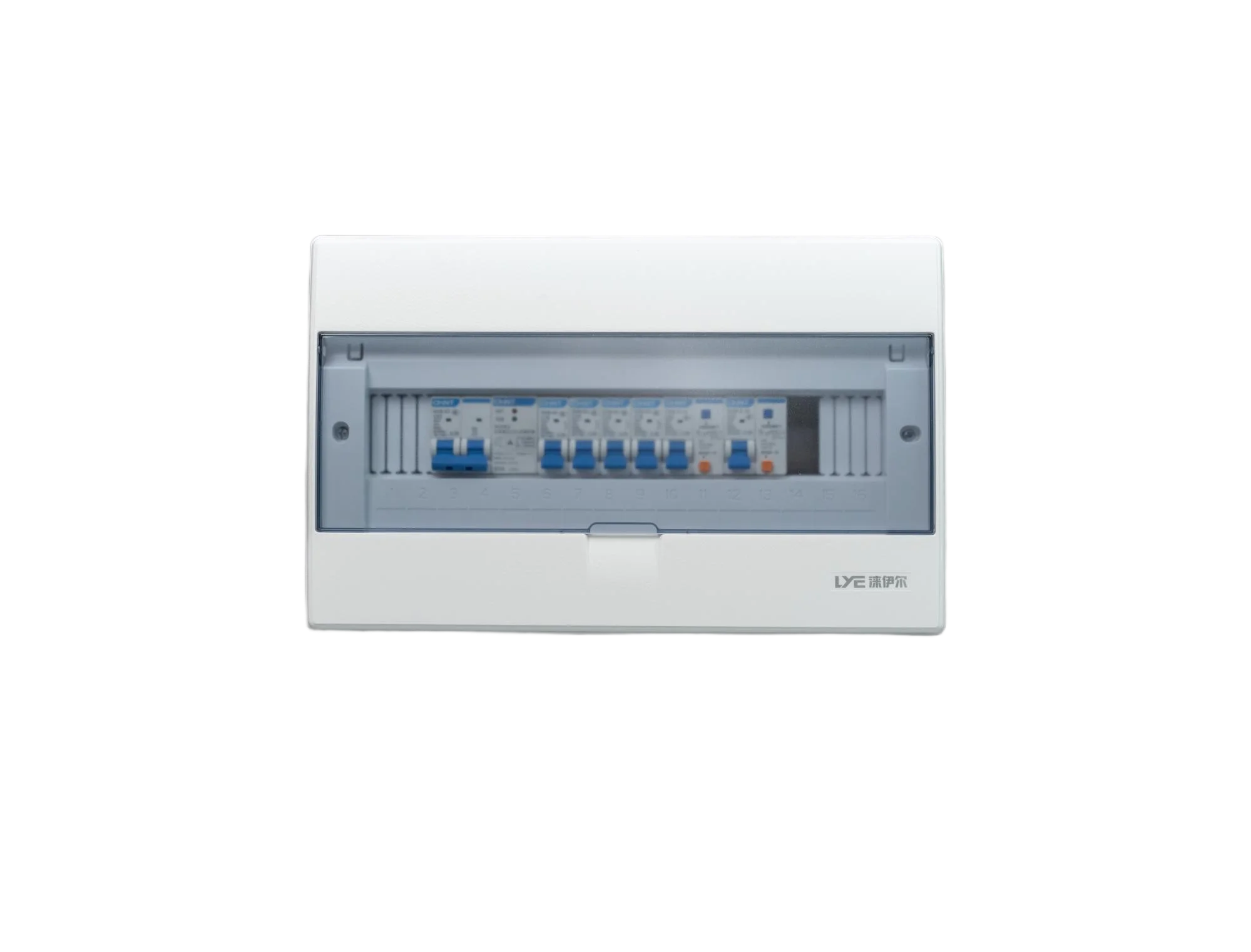
- A circuit breaker has two mechanisms in one shell. It has a thermal mechanism, usually a bimetallic wire, which reacts to prolonged over-current in seconds, and a magnetic mechanism which reacts immediately to short-circuiting. After it has reacted, all the person has to do is push a lever and reset it.
This is where the fuse wins – breaking capacity. It can be made to interrupt short-circuit currents which would destroy a small circuit breaker, that’s why fuses are still the preferred protection in industrial works for systems which are prone to short circuiting – a 100 kA fuse can do it where a 25 kA breaker can be dangerous. This plays against the fuse – there are no electric devices which can be reset.
That’s the main danger of old fuse boxes. A 20A fuse in a circuit with a 15A limit is a common scenario which is impossible to detect.
Safety, Insurance and Resale
Fuse boxes are not necessarily improper, and we must be clear on this because the internet is not.
- Just because a fuse box exists does not mean that it is not compliant. Equipment that met code at the time it was installed is generally still eligible for use, as long as it has not been modified and is maintained. What brings in the requirement of the current code is the new installation — any service changes, circuits being added, renovations, etc.
The real issue becomes the service and fusing. There are plenty of old fuse panels that have a 60 Amp service with 4 to 8 circuits, which is not adequate for an ordinary modern home in terms of an air conditioner, heat pumps, dishwashers, EV chargers, and so on. And the idea of a 60 Amp service does not question the issues with capacity until the moment something new is added to it. - Insurers create a live variable in this regard. Therefore, some companies refuse to accept homes with old fuse boxes, while some are willing to do so as long as the fuses have been transformed into tamper-resistant Type S adapters. This is an inexpensive approach that many homeowners have taken advantage of, therefore it is reasonable to ask insurers rather than simply assume.
- Selling becomes an issue, and that is where fuse boxes usually see the light of day. A fuse box on a 60 Amp service is a common point in negotiation.
- Finance also plays its part because buyers account for it as a future expense in their calculations.
The questions that people usually ask and that relate to fuse distribution equipment mostly are not questions about the fuse itself — the device is fine, and the installation is what creates the issue. The questions buyers ask most about distribution equipment are a fair summary of where the real concerns sit.
What the Upgrade Involves
Converting from fuses to breakers means replacing the panel, which is the same as replacing the panel for any other reason.
- Load calculation must be done. Before you can determine the type of panel needed, you must find out what actual load is. This information will help whether you need a new panel of the same size (i.e. whether you can simply replace the existing panel of 60 or 100 amp service with another 60 or 100 amp one), or perhaps it can be solved by using a load management device without having to change anything electrical.
- The equipment needed must be determined. Equipment needed includes the panel, main breaker or circuit breakers, which will be matched with the branch wiring. These kind of things account for about the half of costs.
- If the technician replaces the equipment, they will also identify the circuits. Usually old fuse panels have wiring traces of circuits that are nowhere to be found.
- Grounding and bonding must be checked, no matter which technology is used to replace the panel.
- It is crucial to acquire all the permits, including utility disconnect and re-connect.
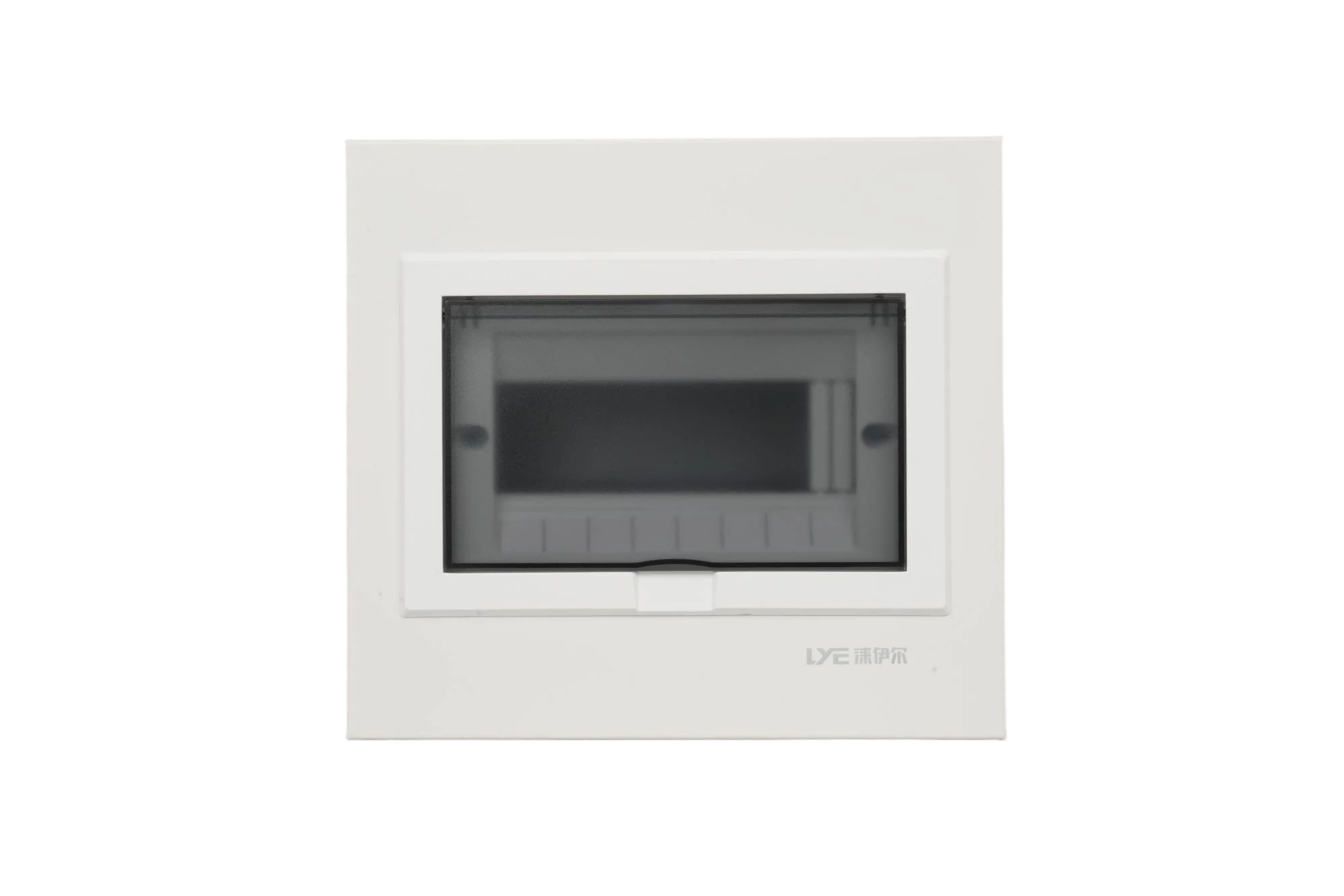
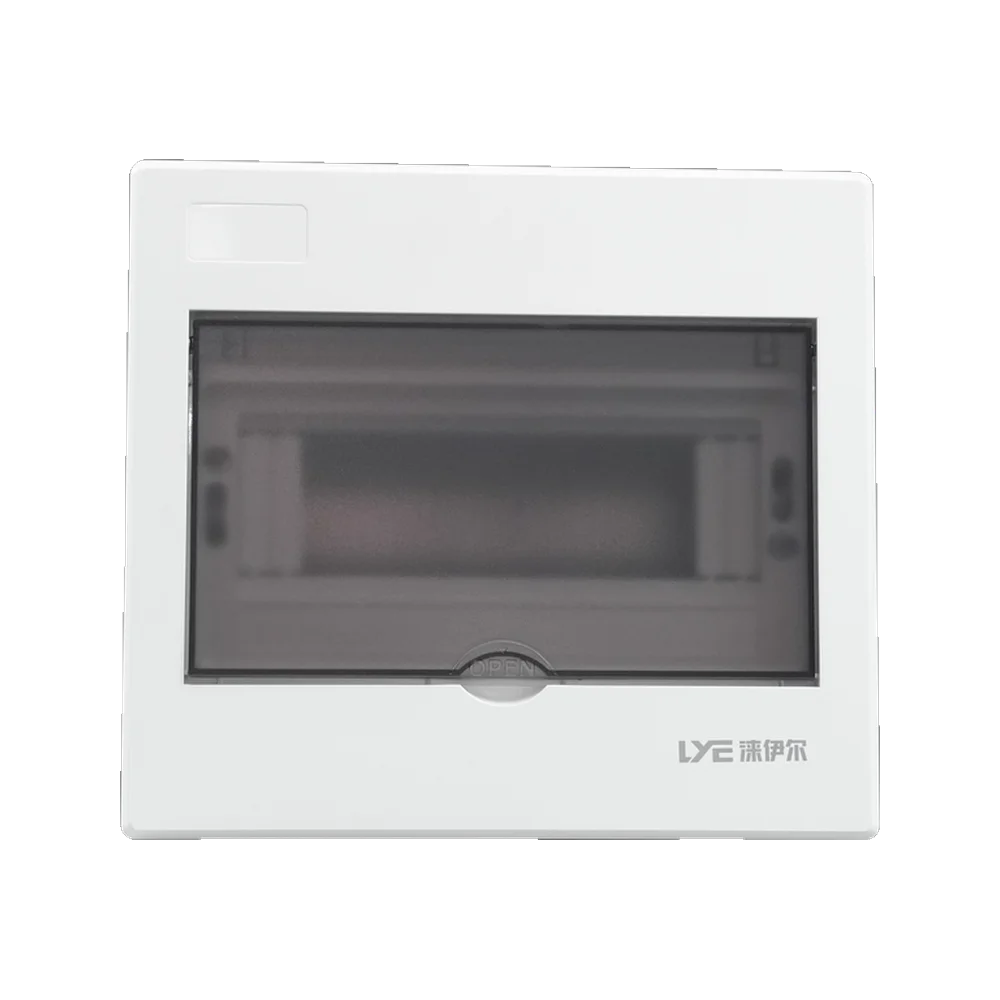
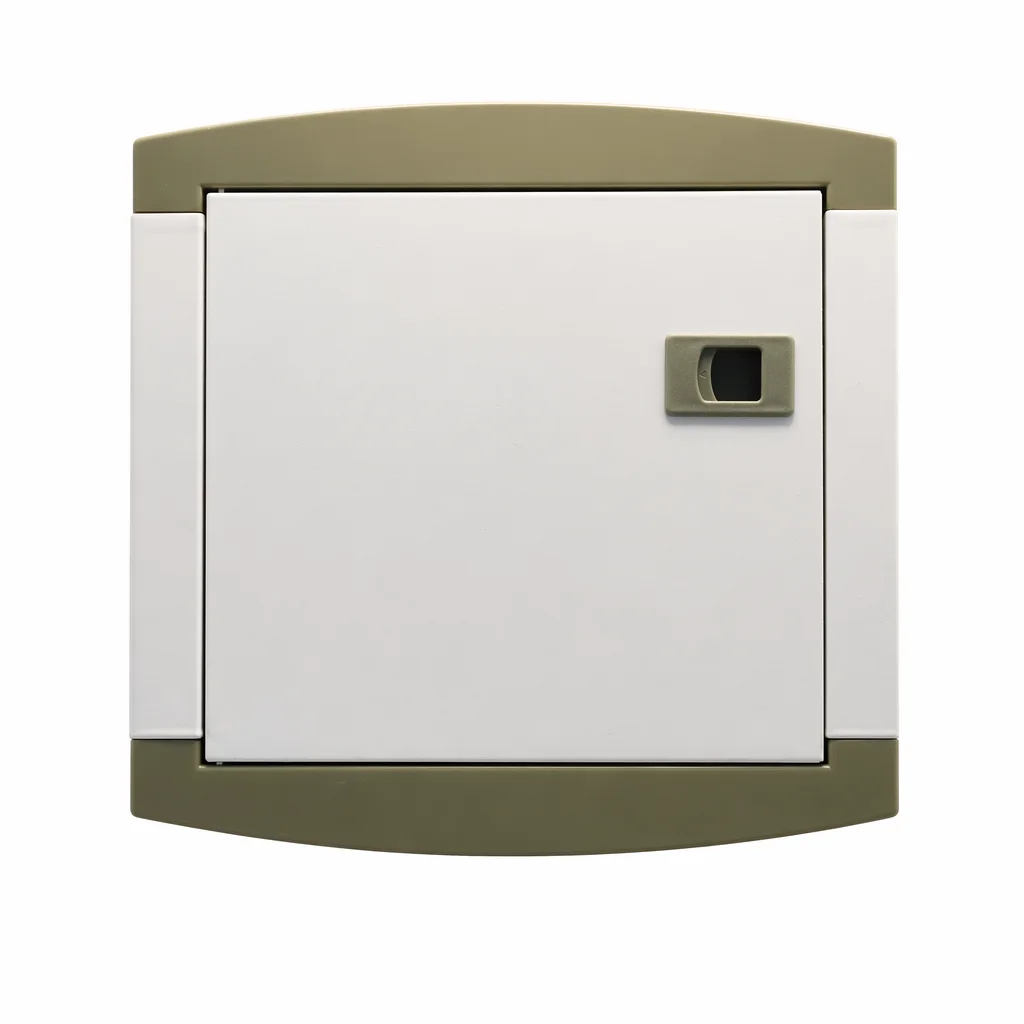
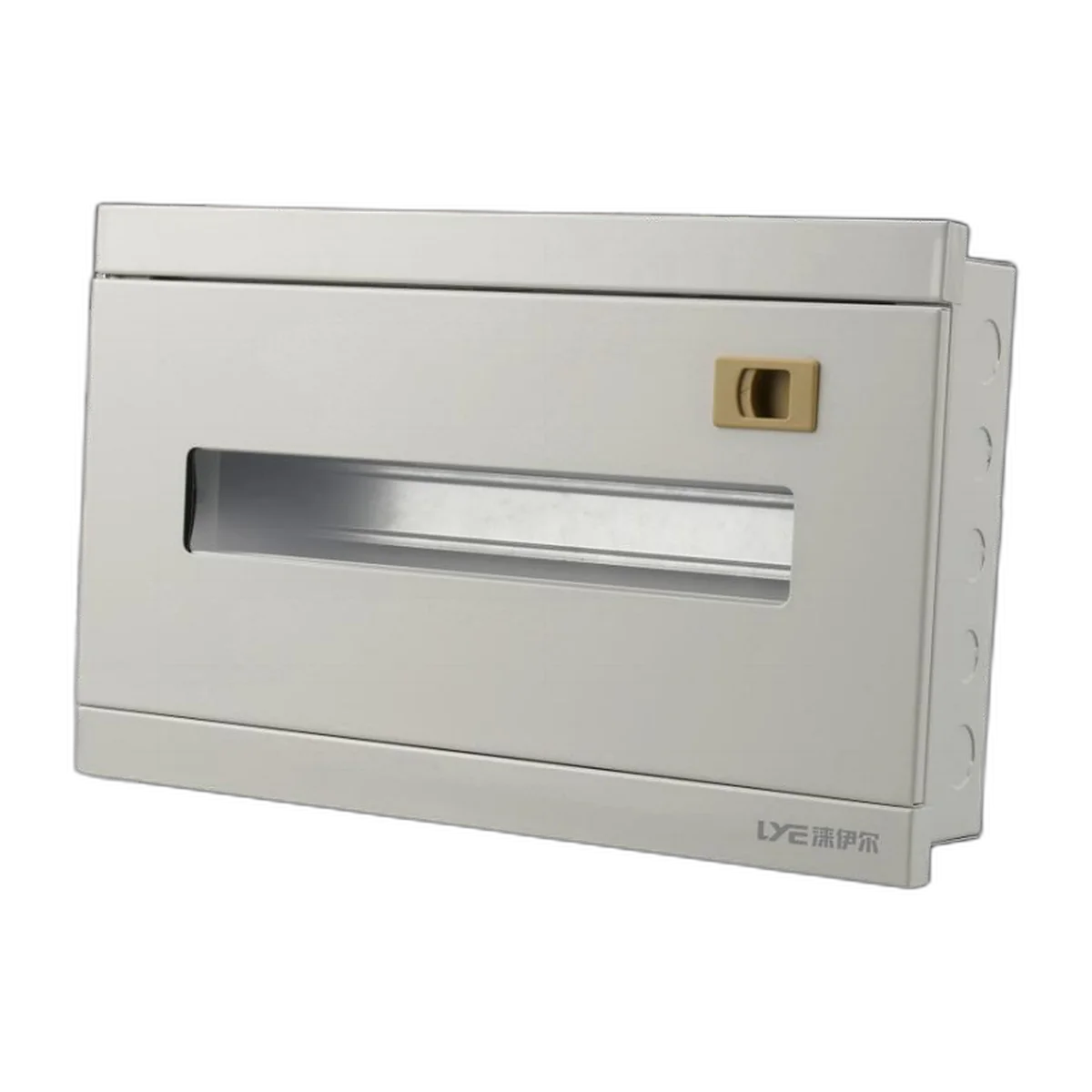
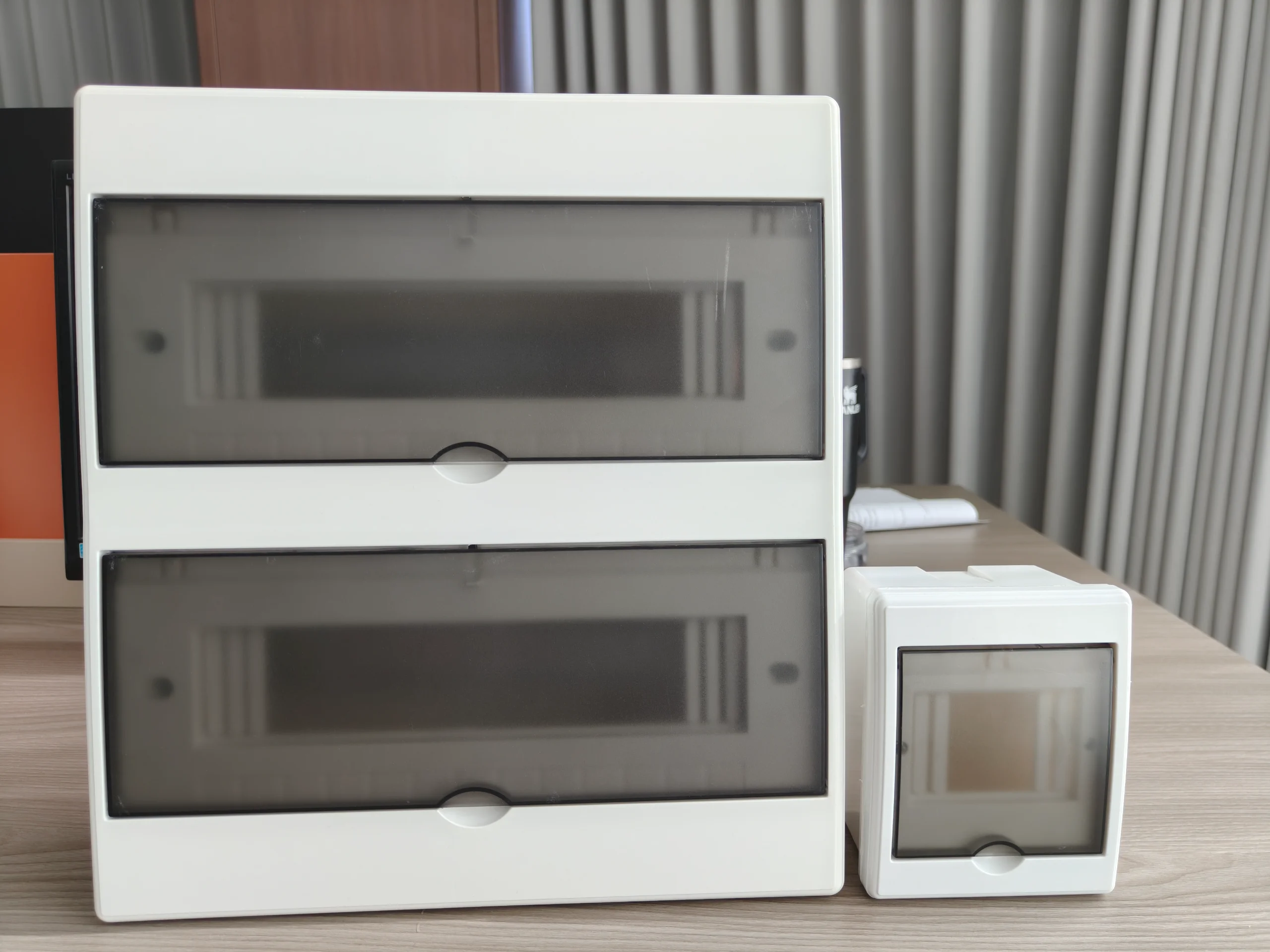
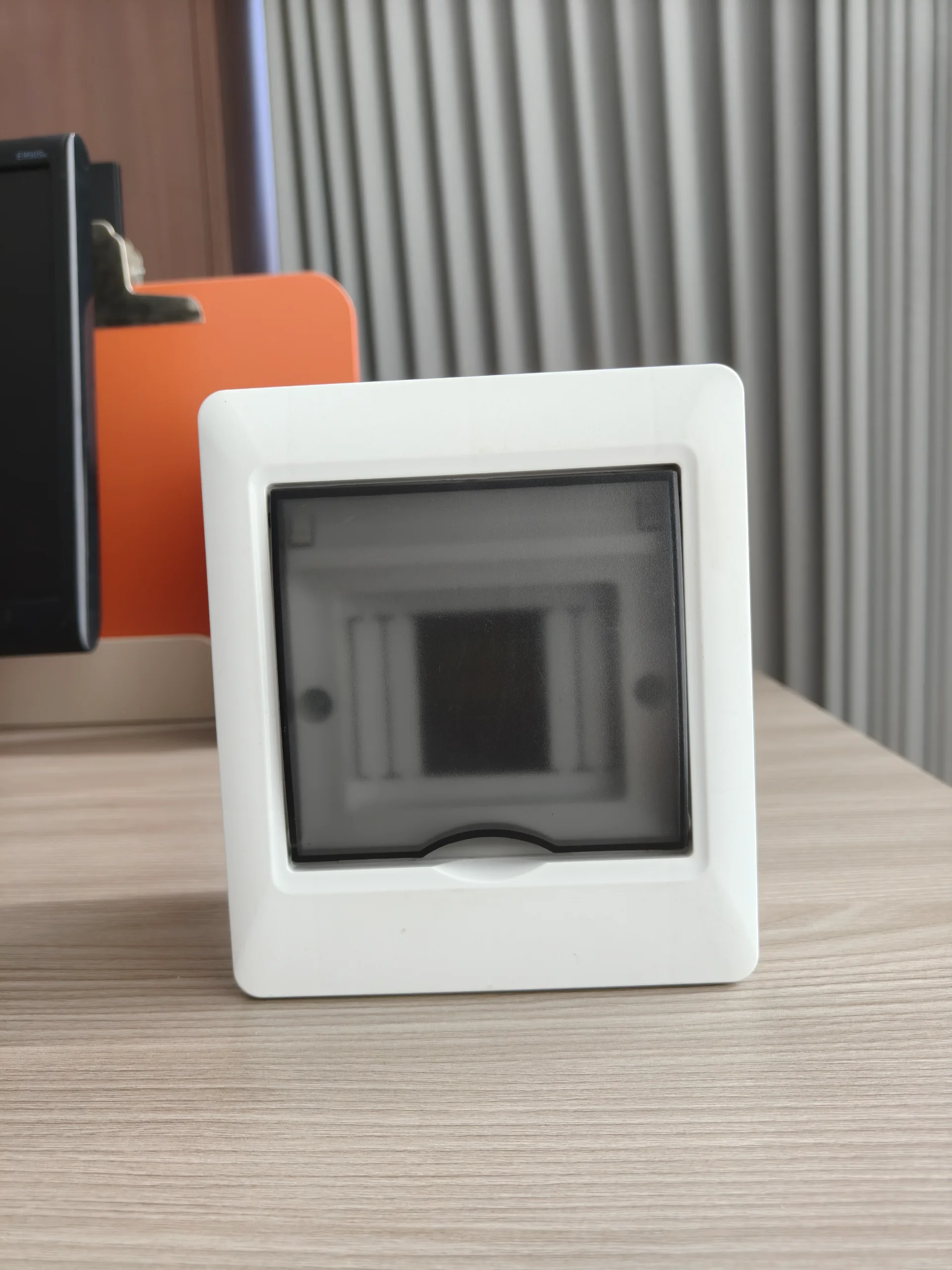
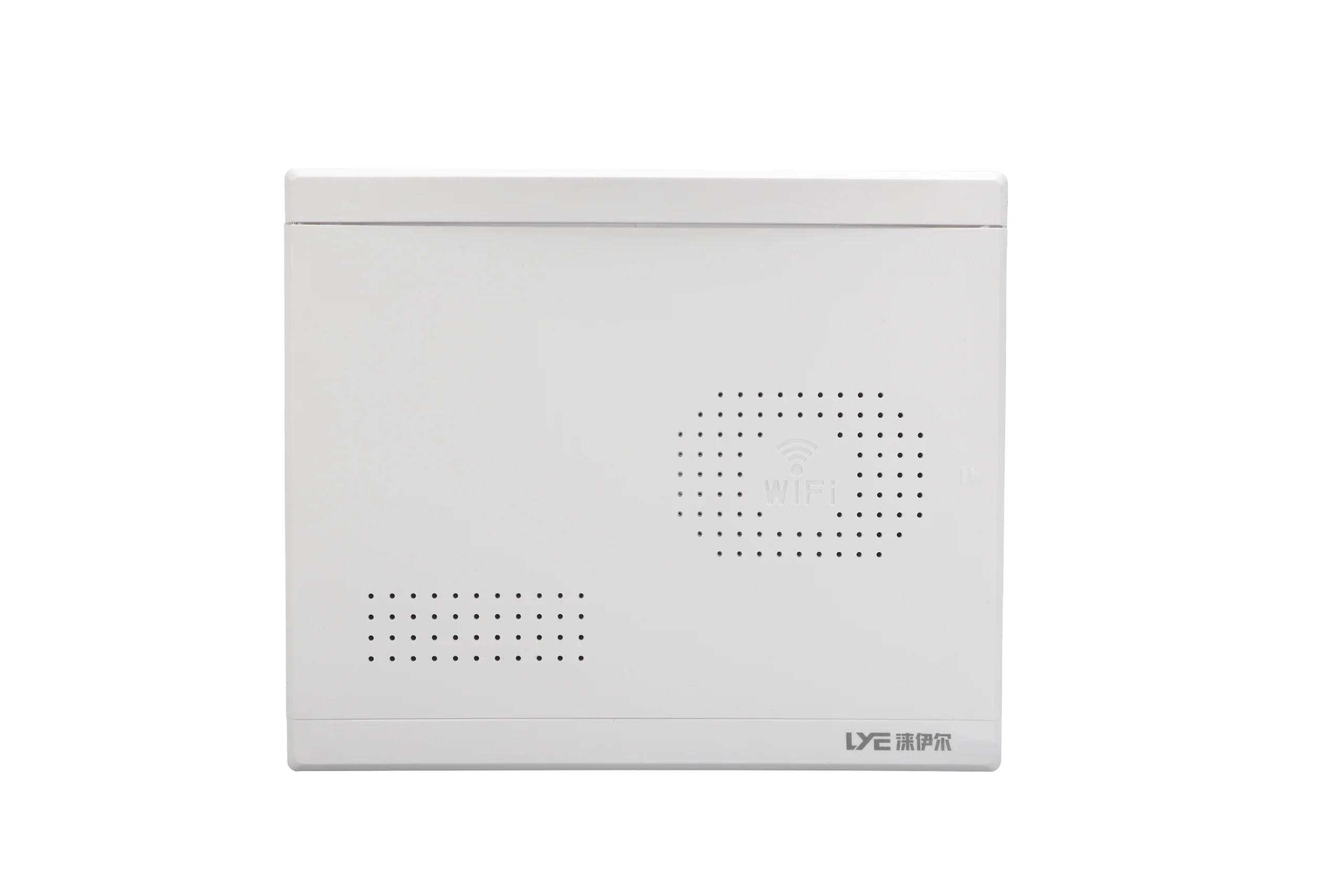
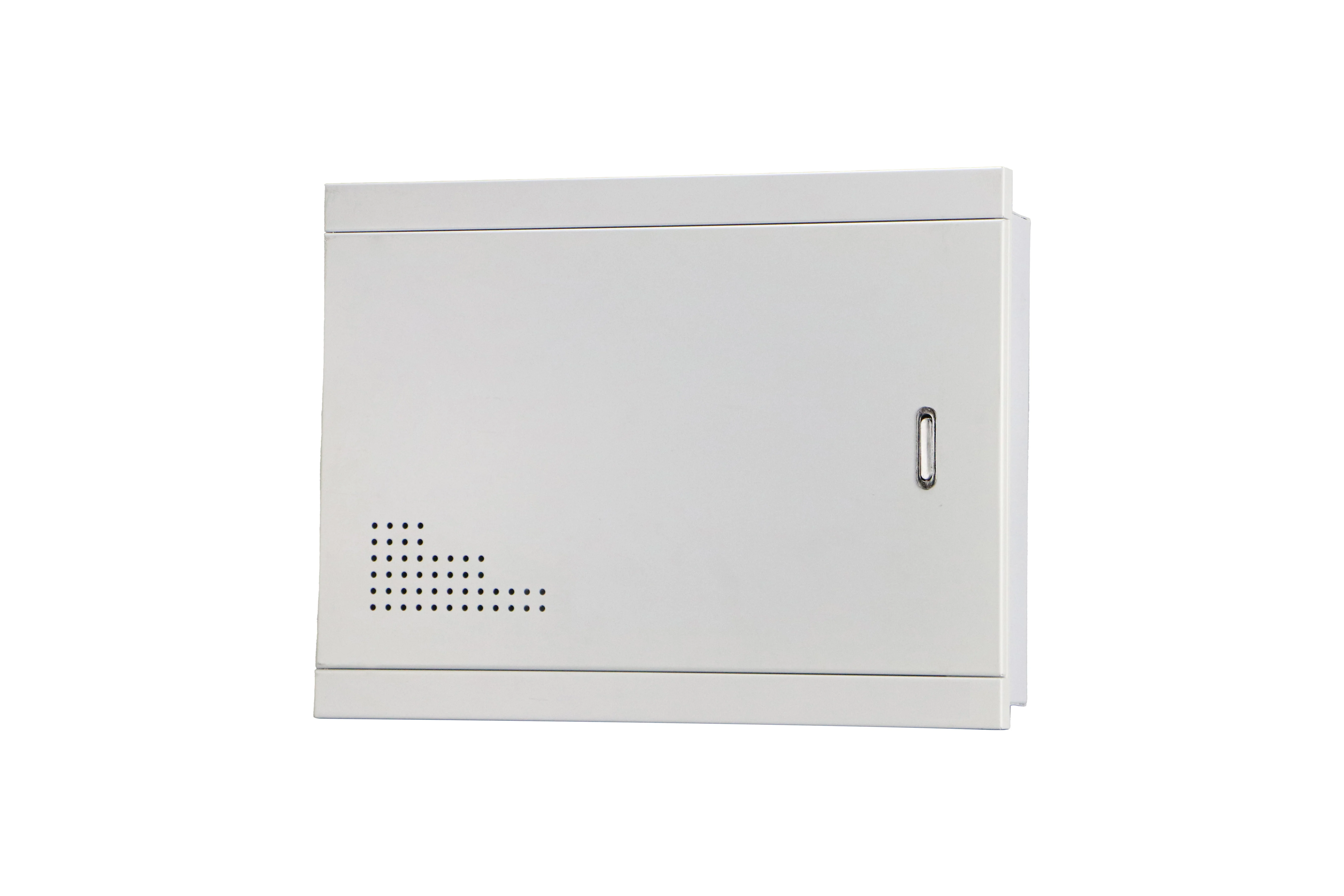
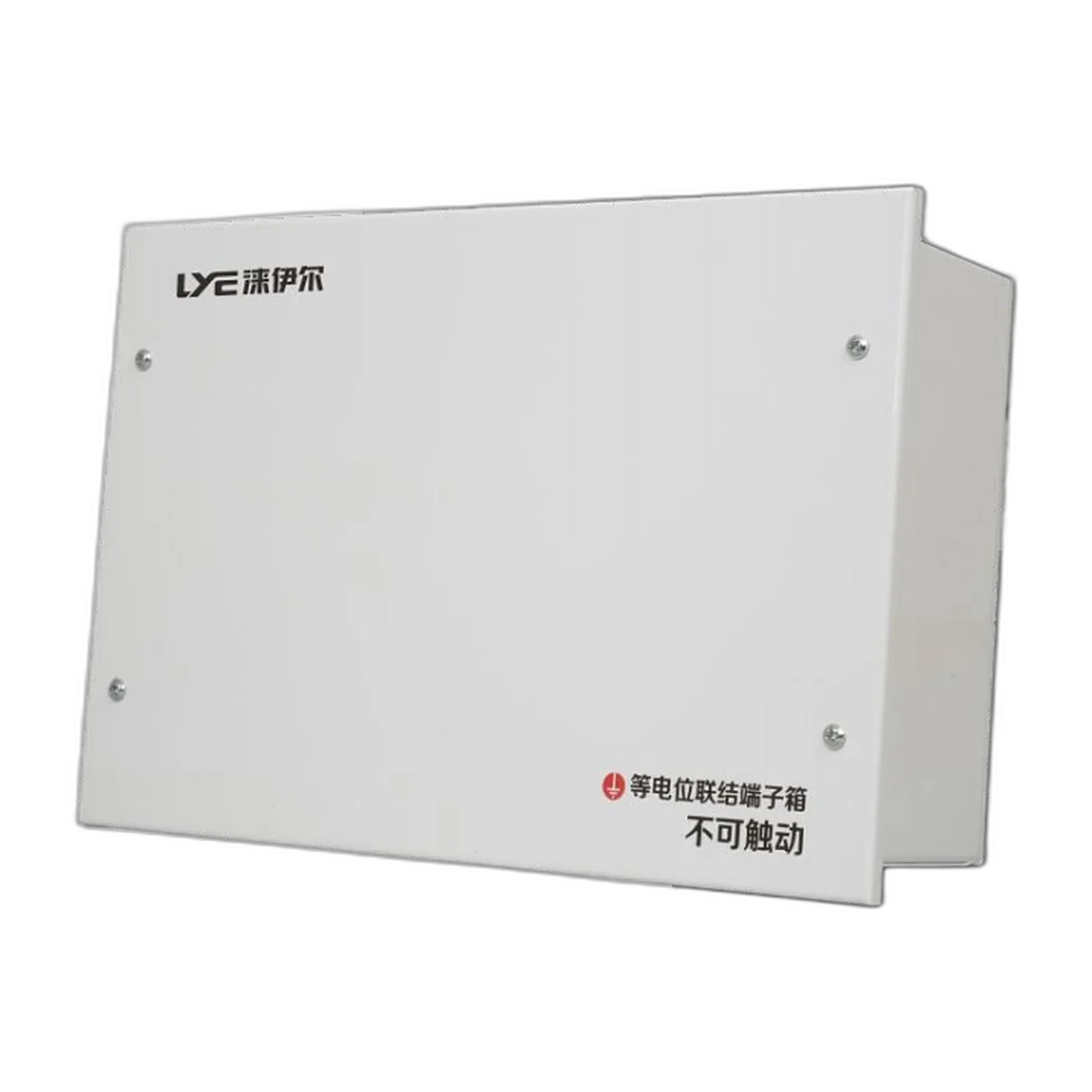
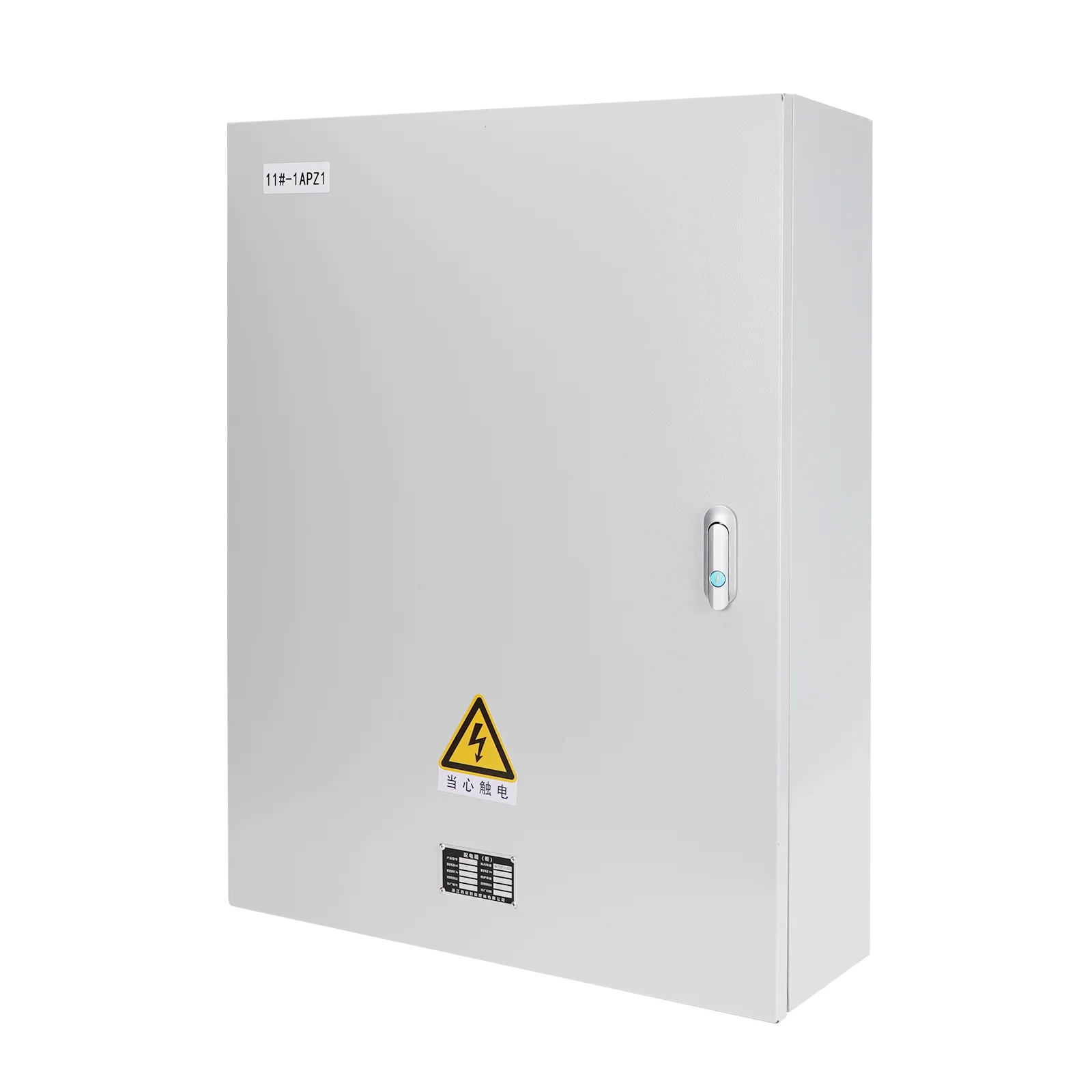
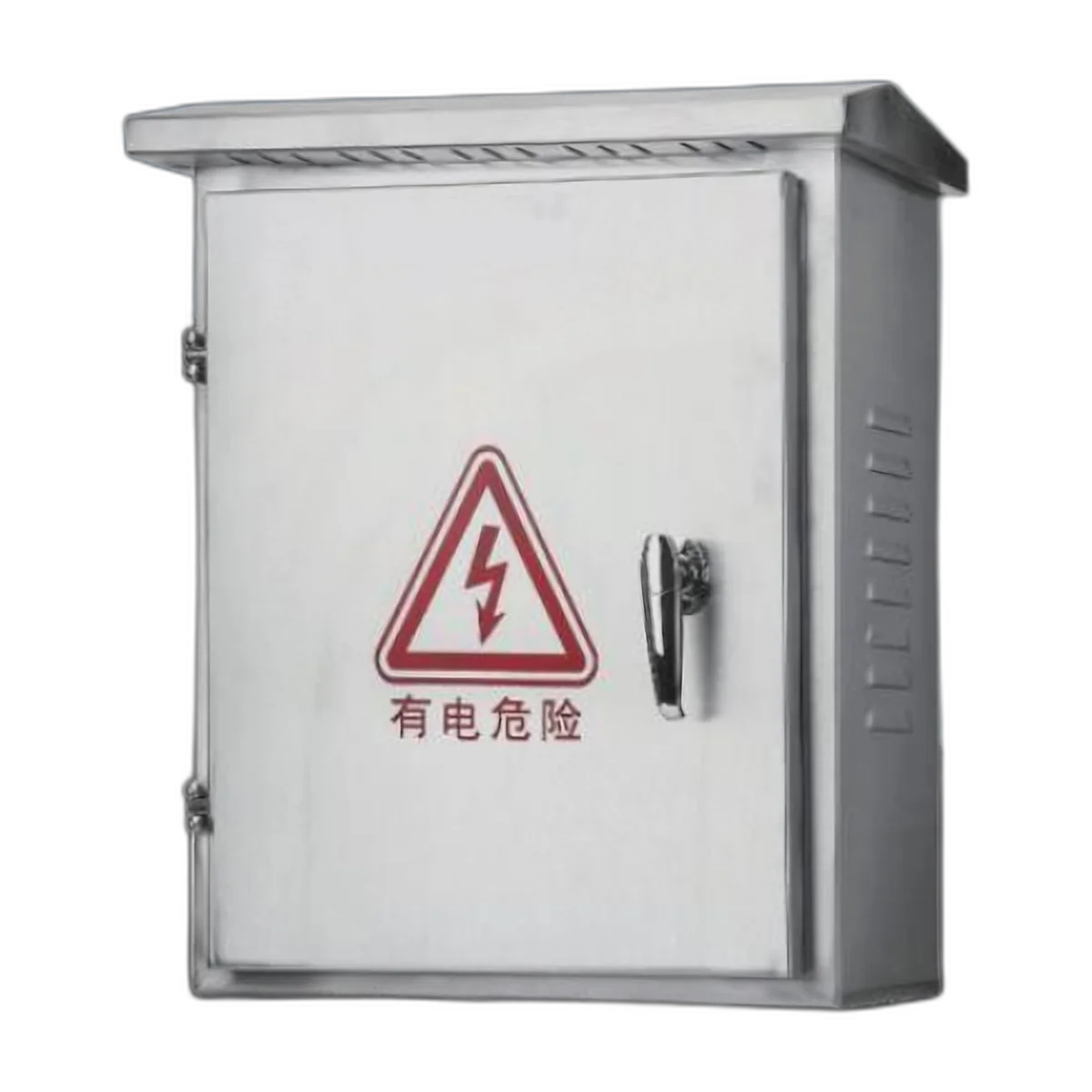
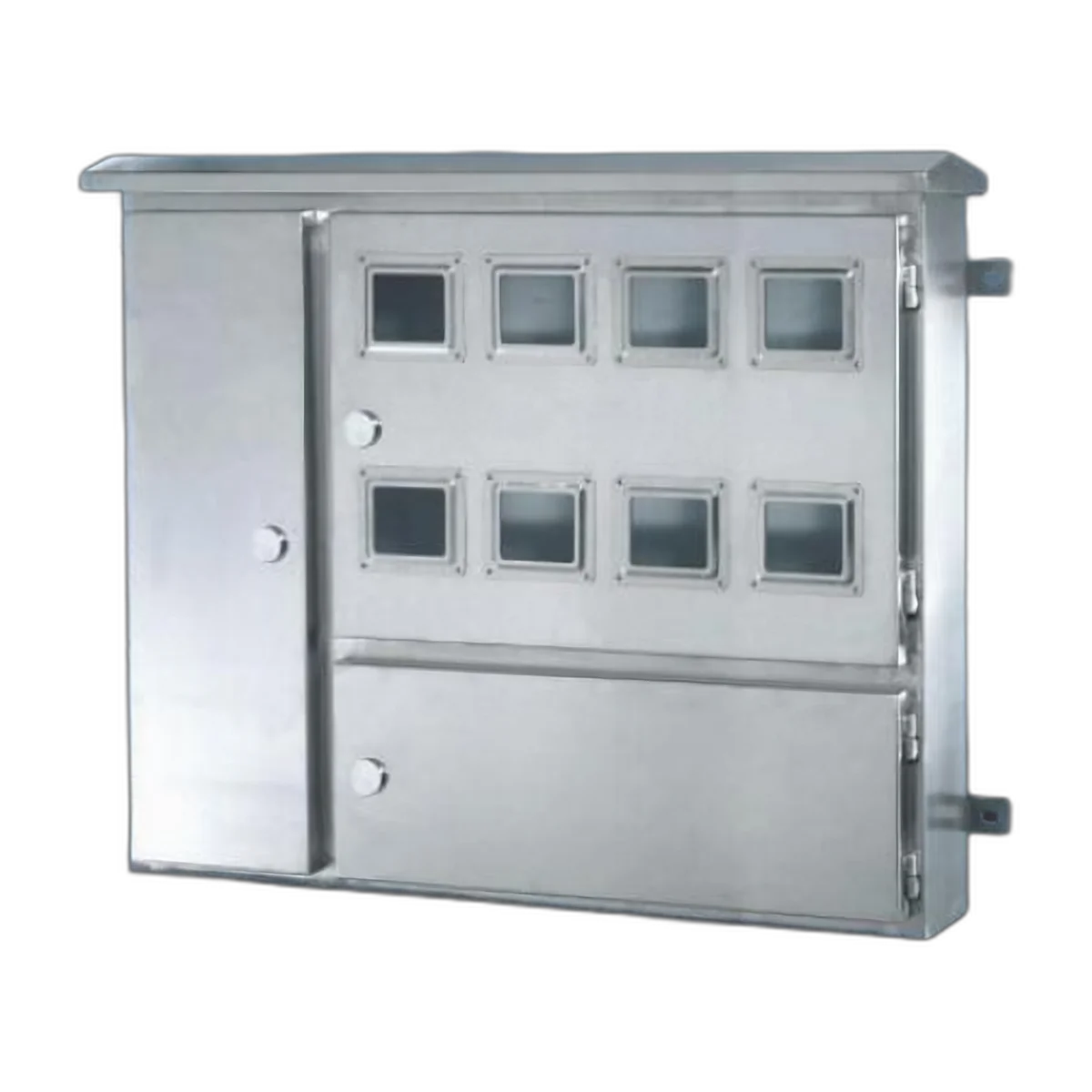
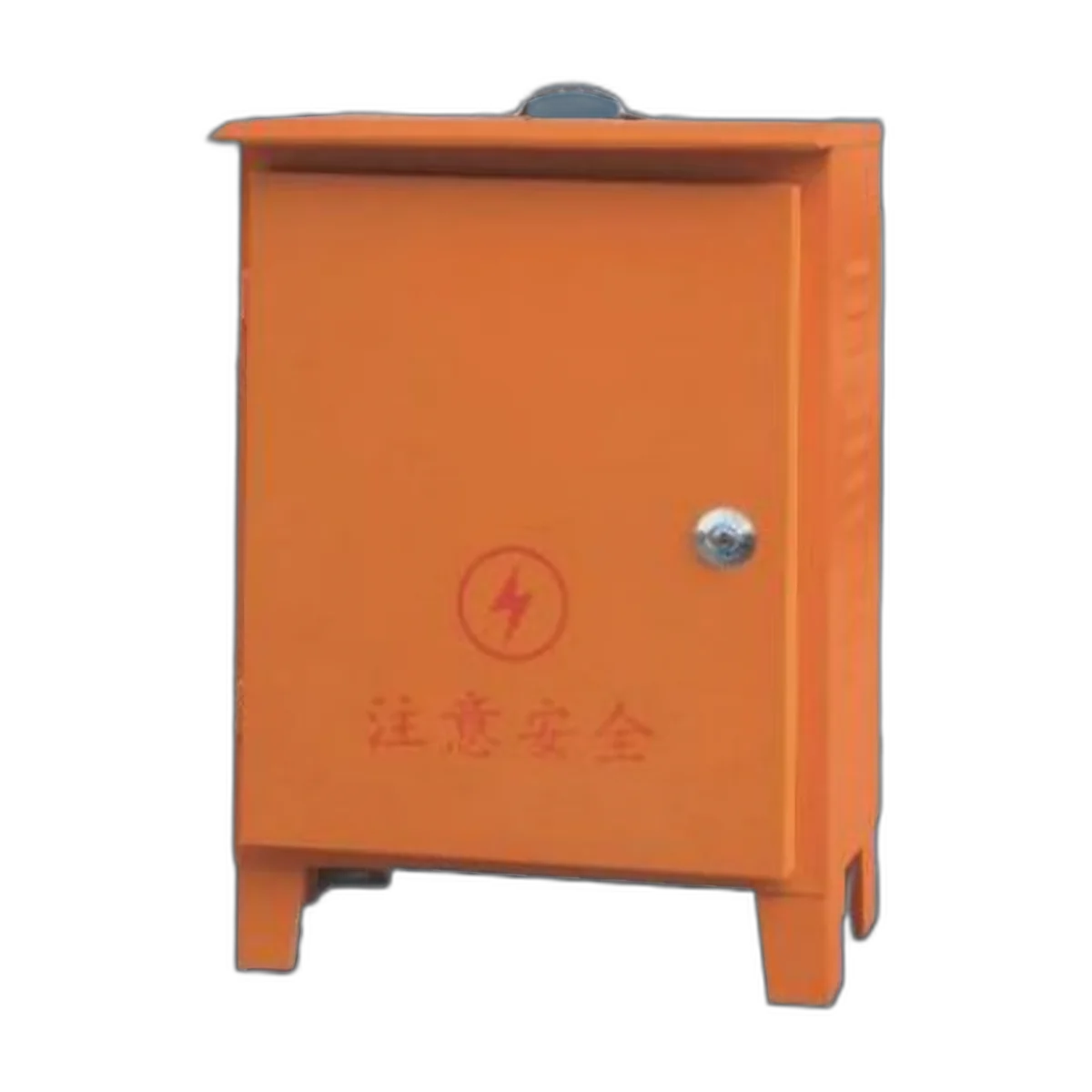
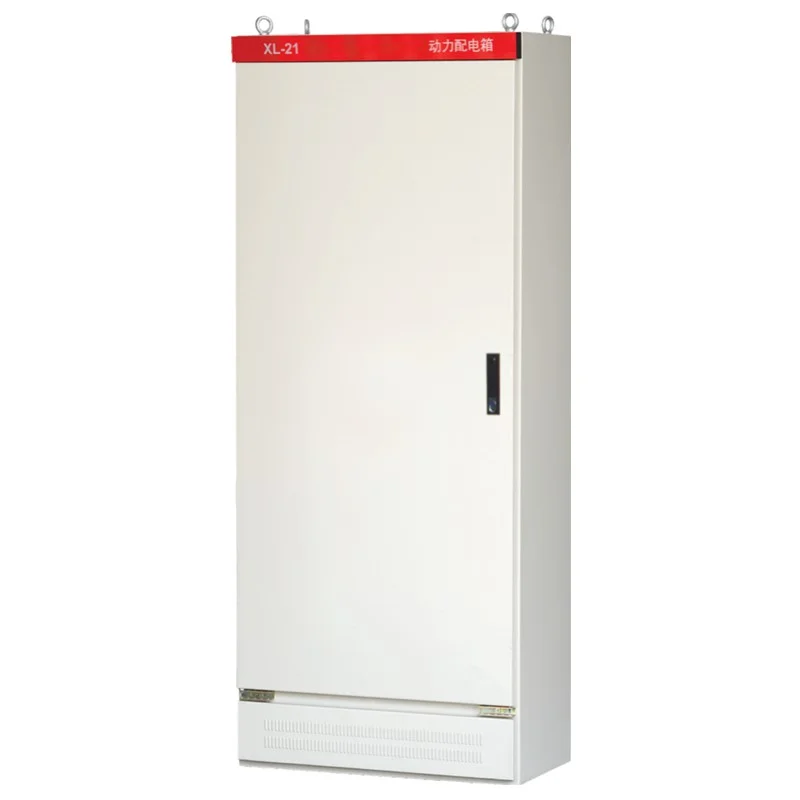
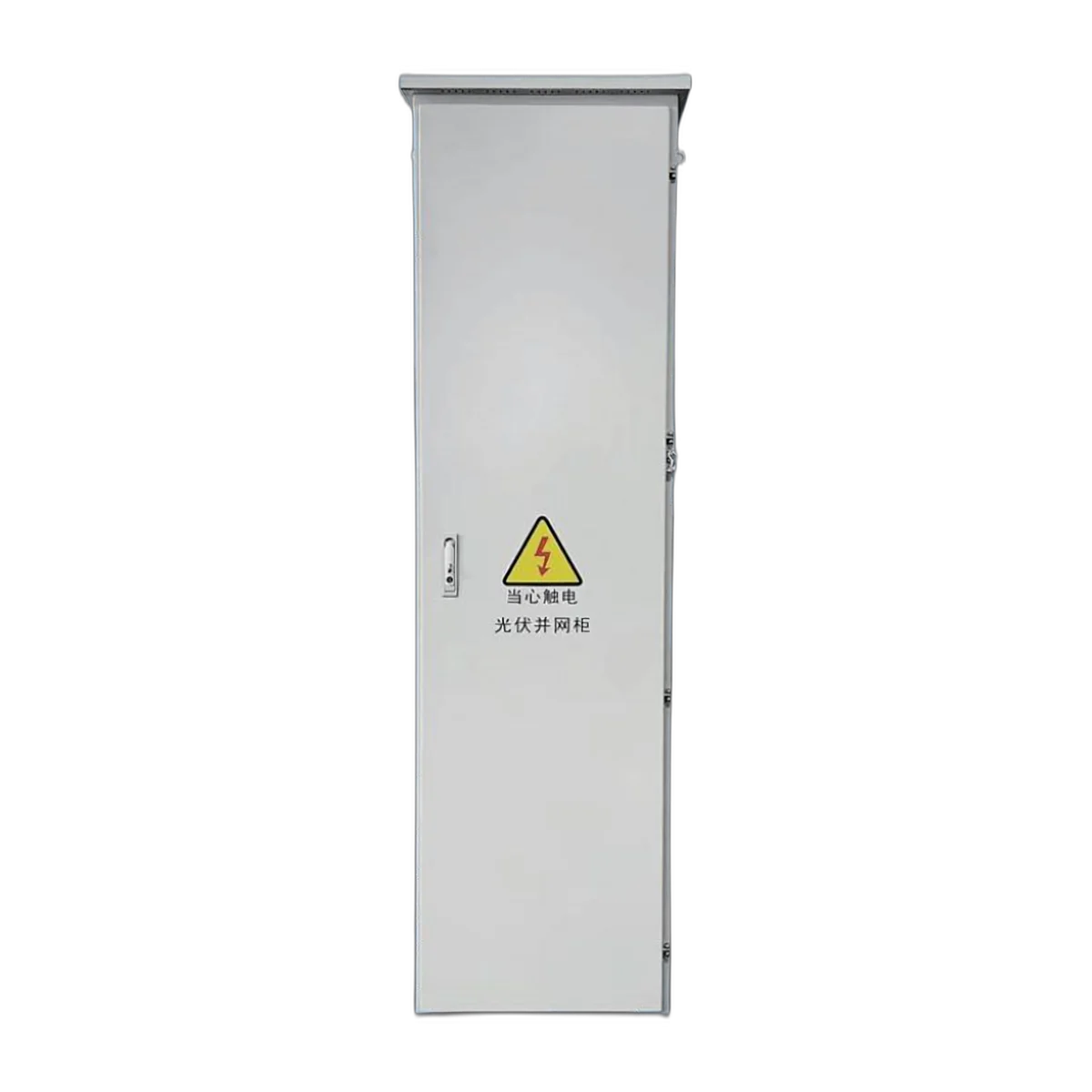
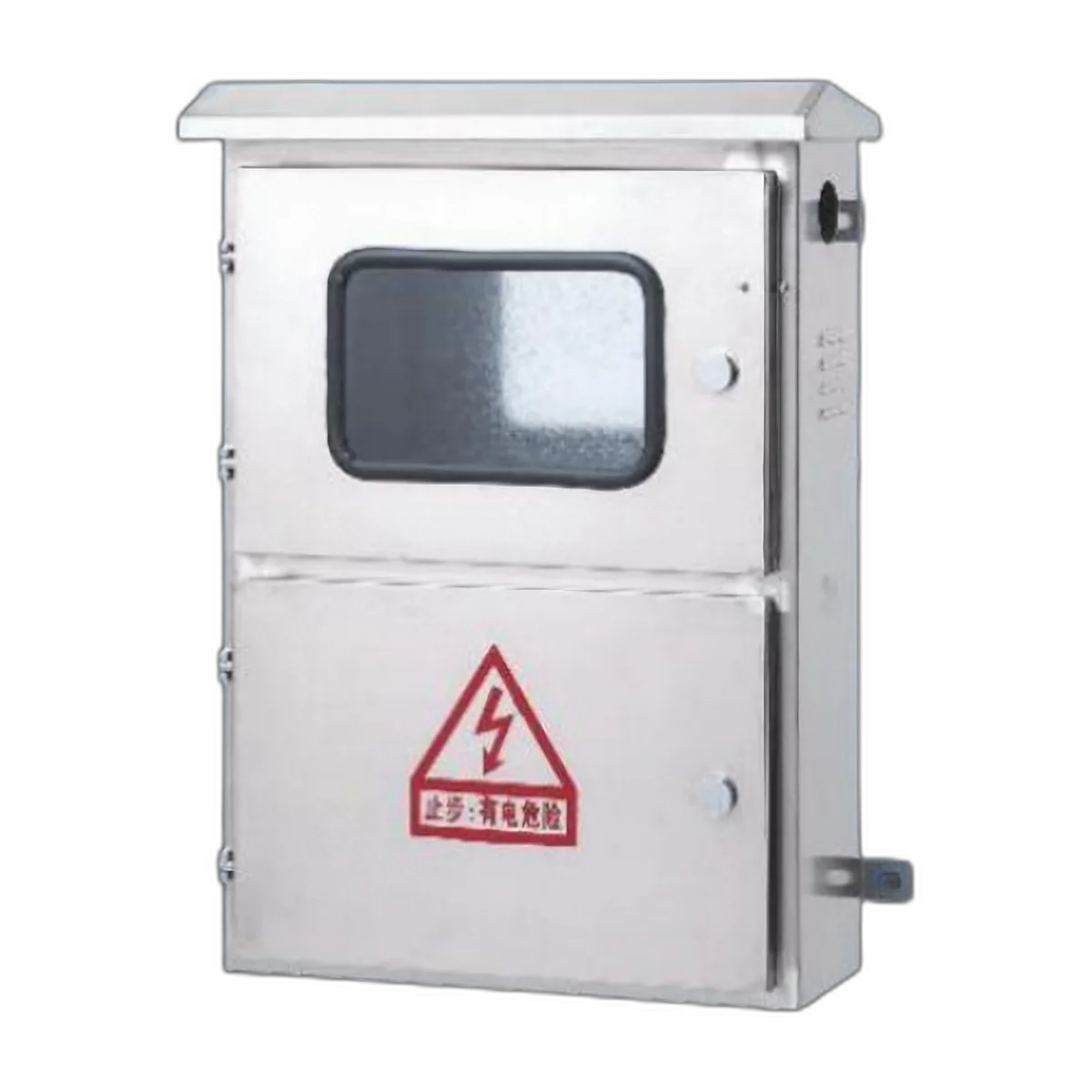
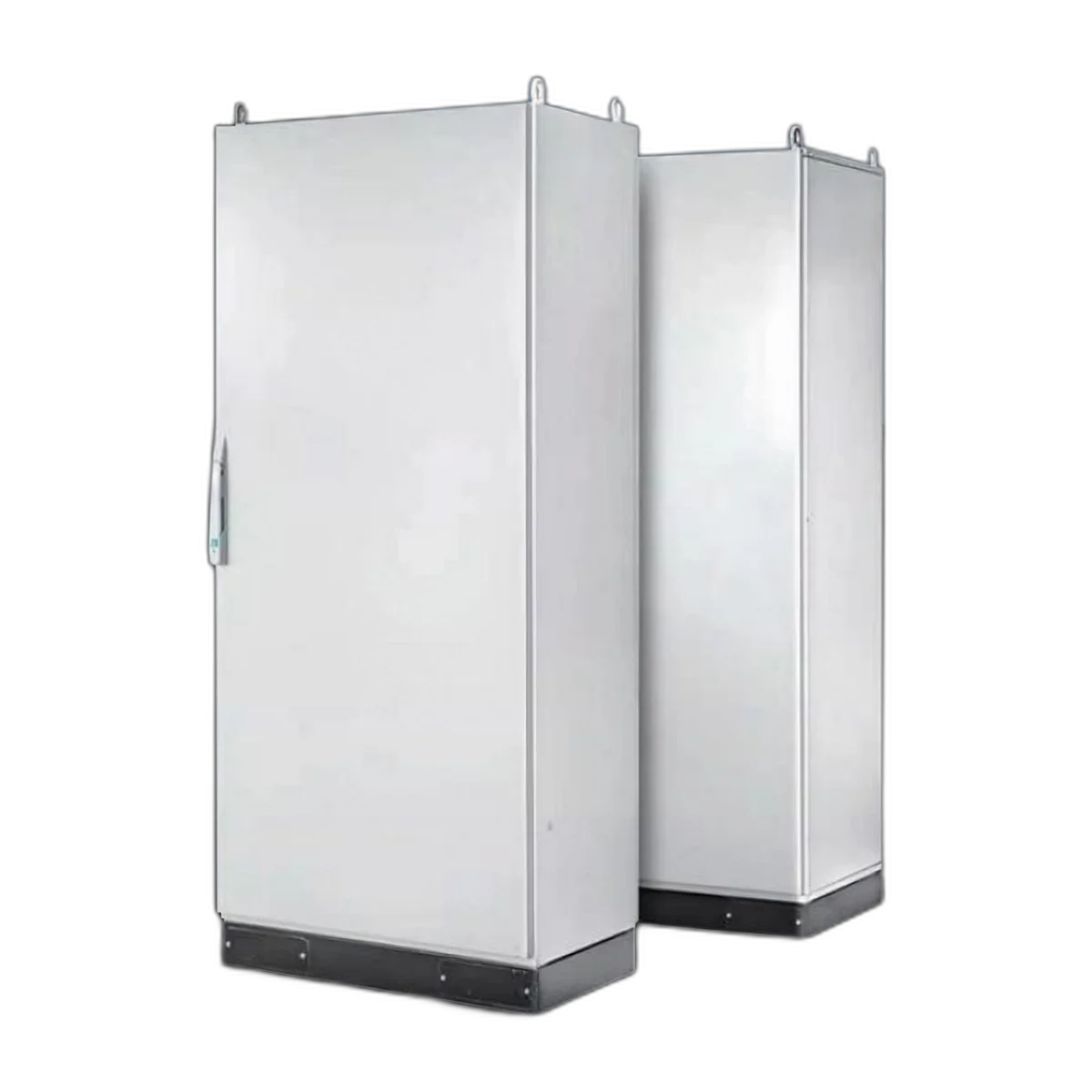
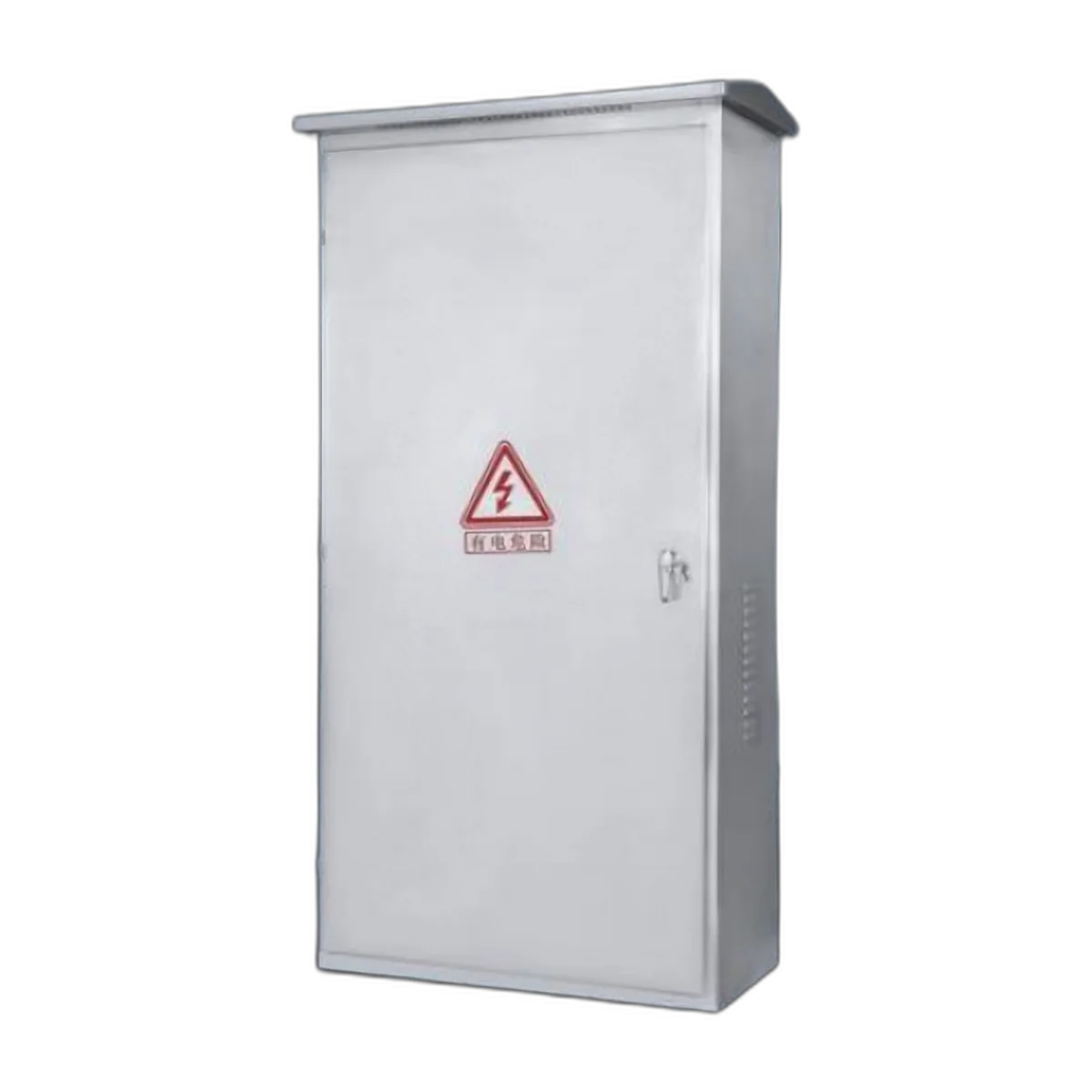
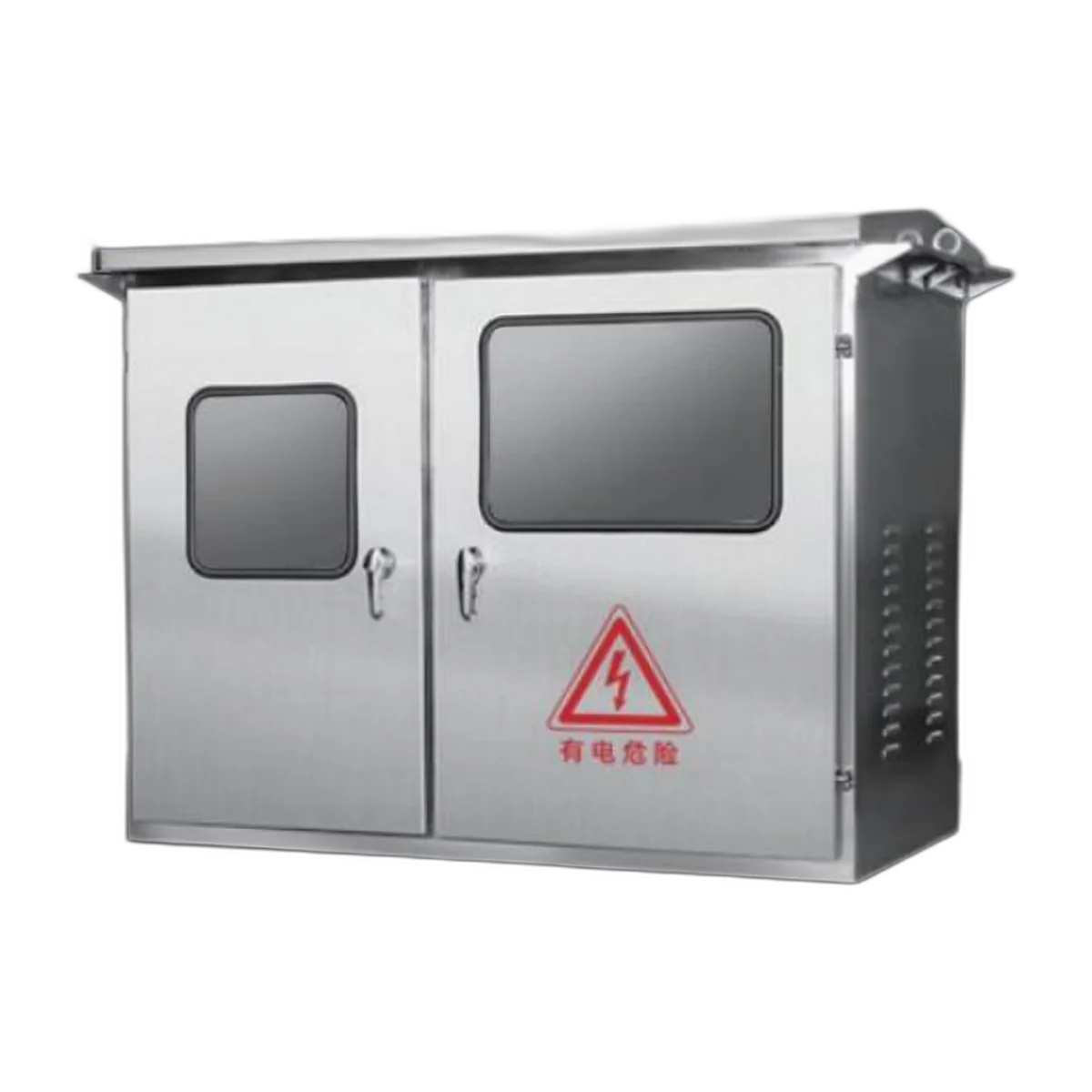
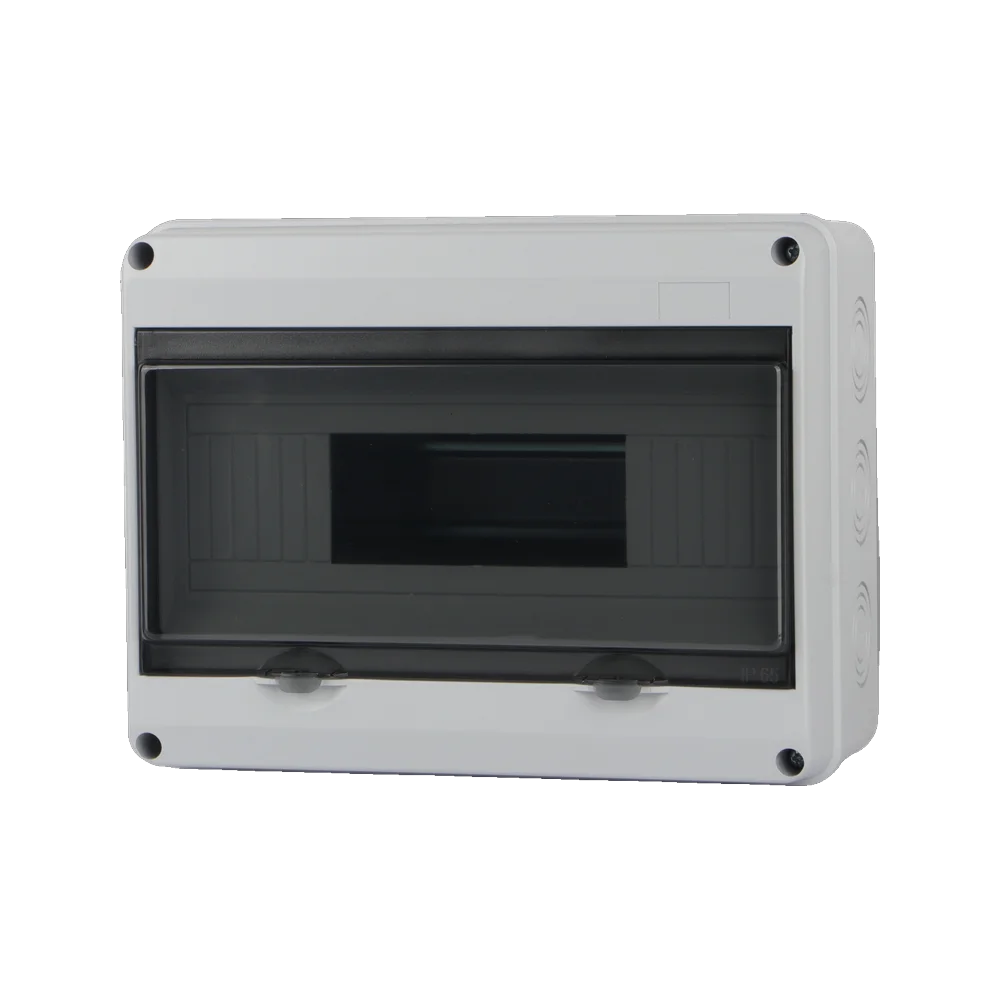
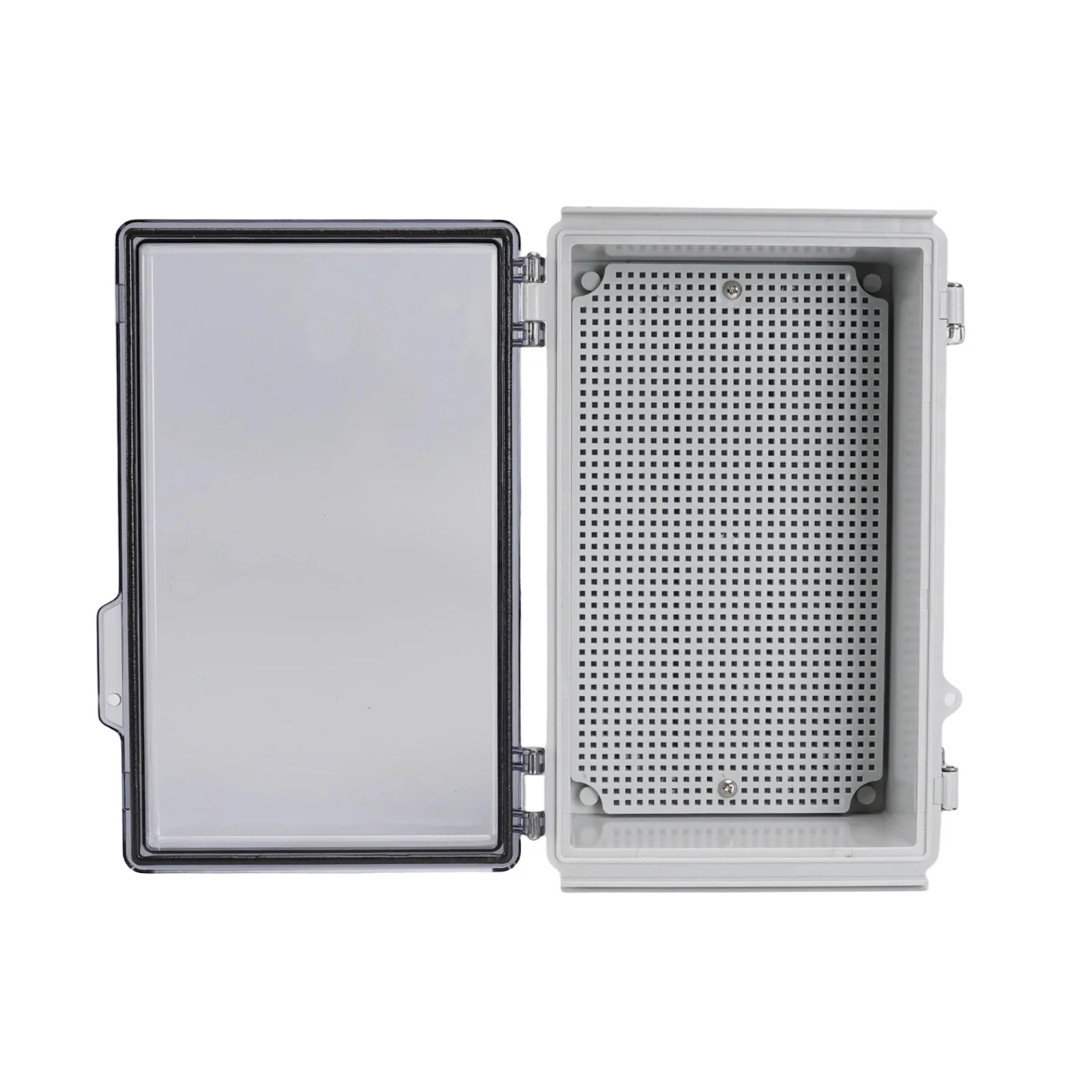
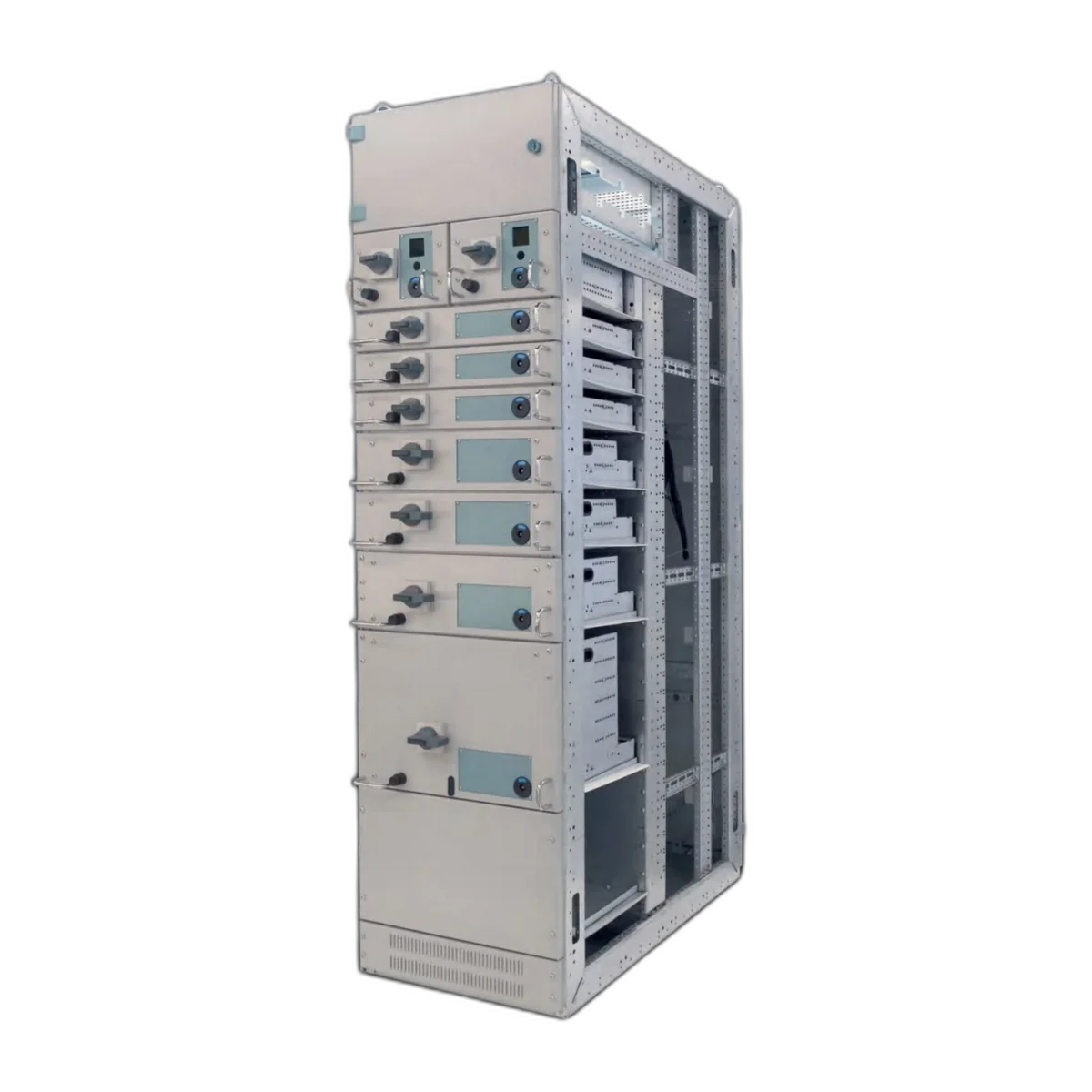
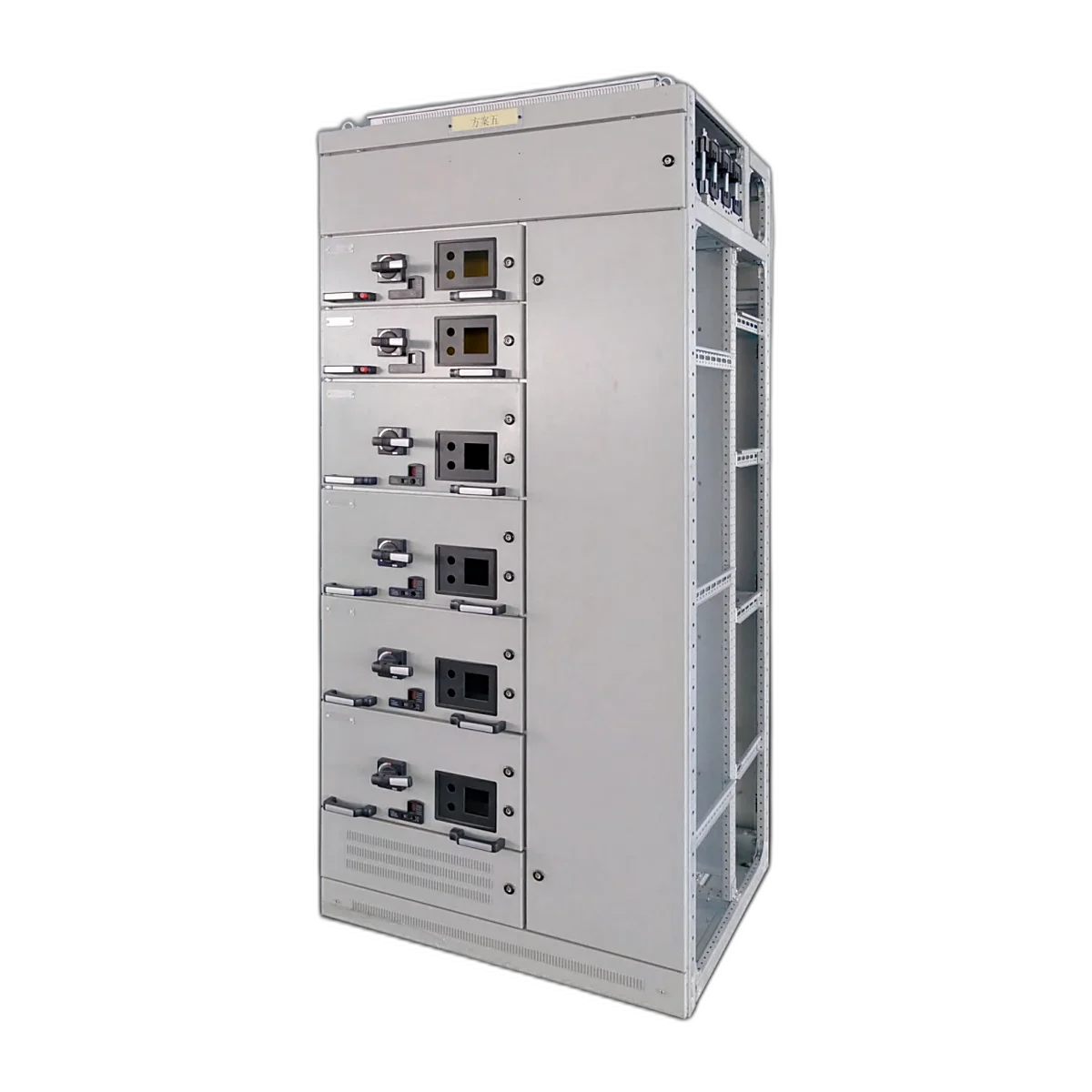
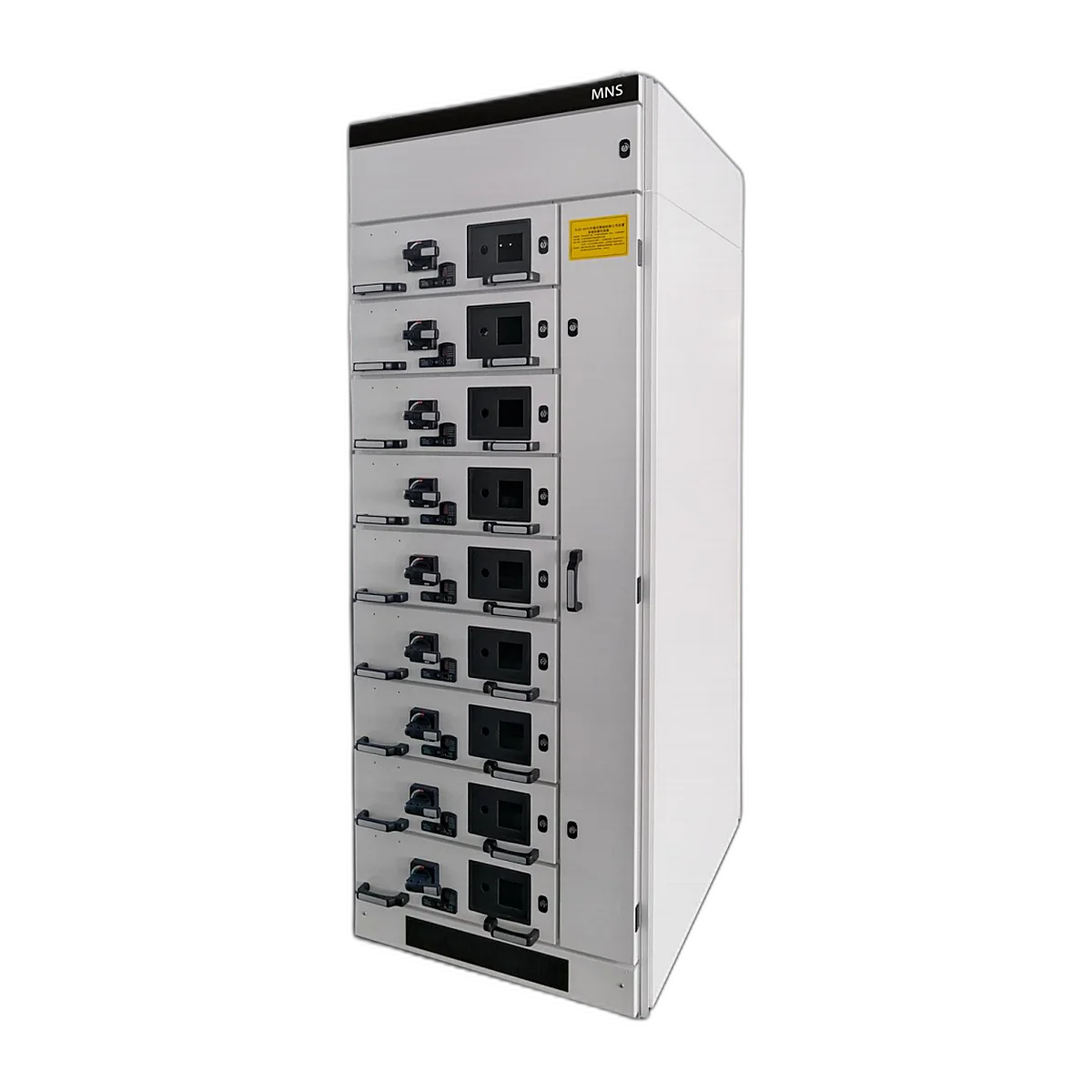
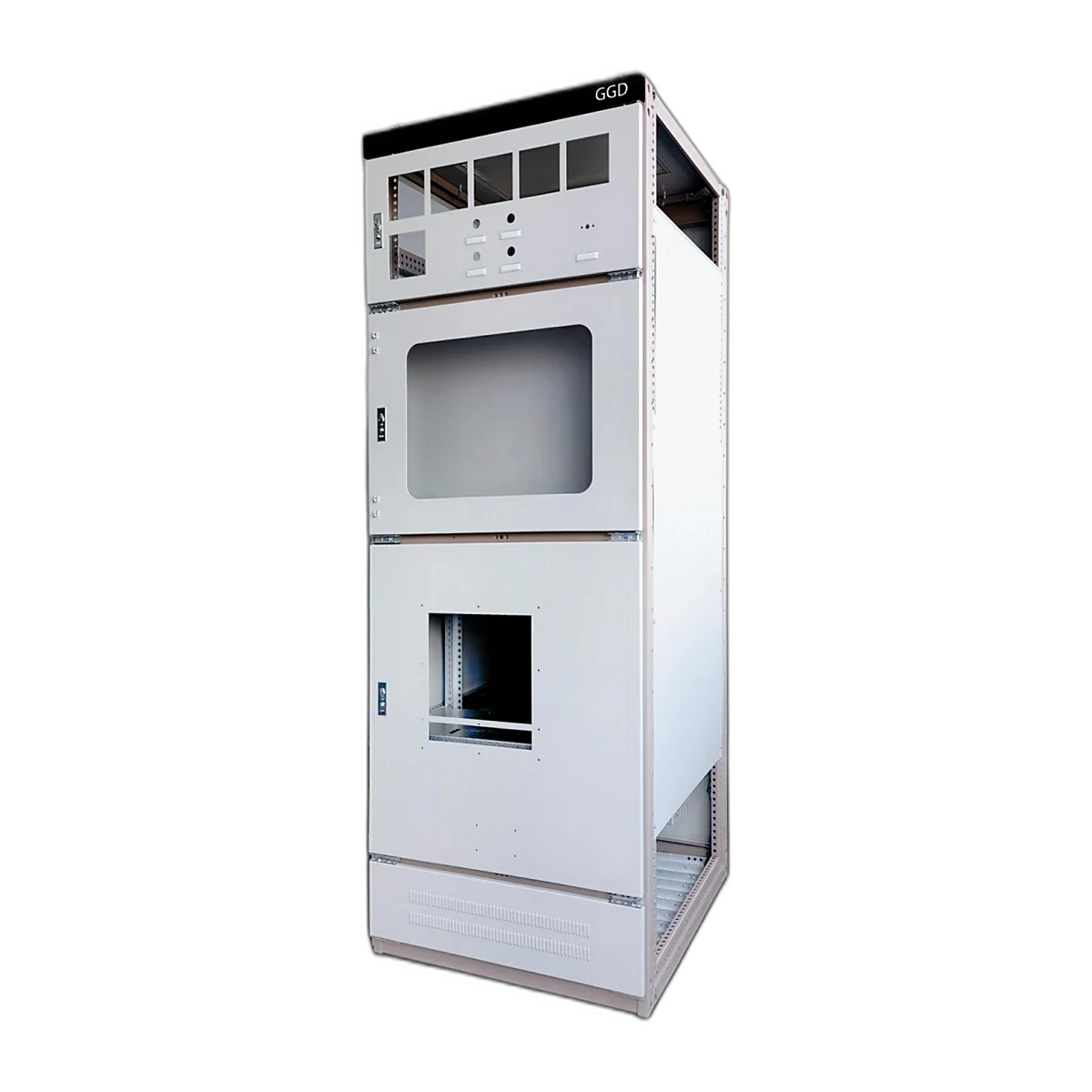
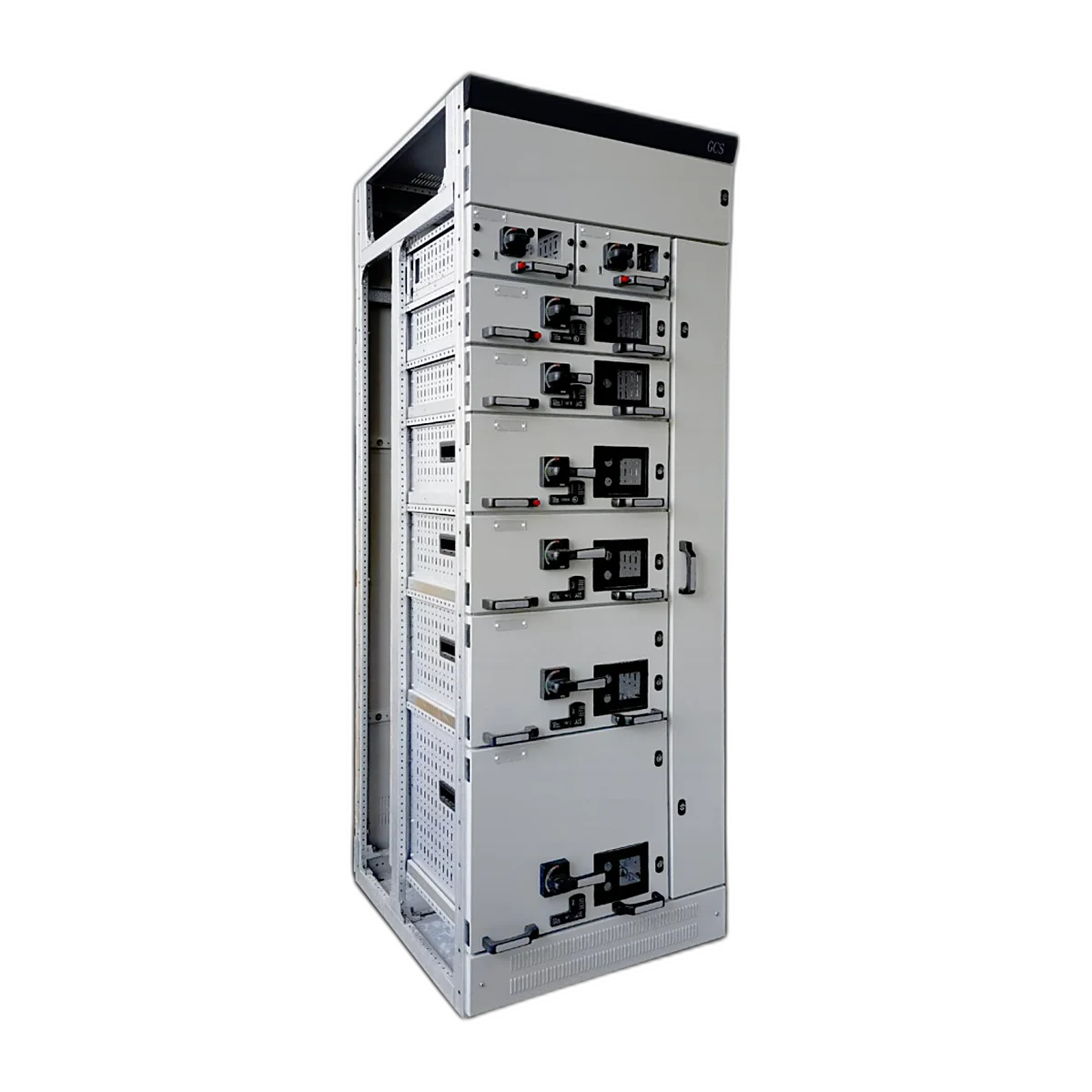
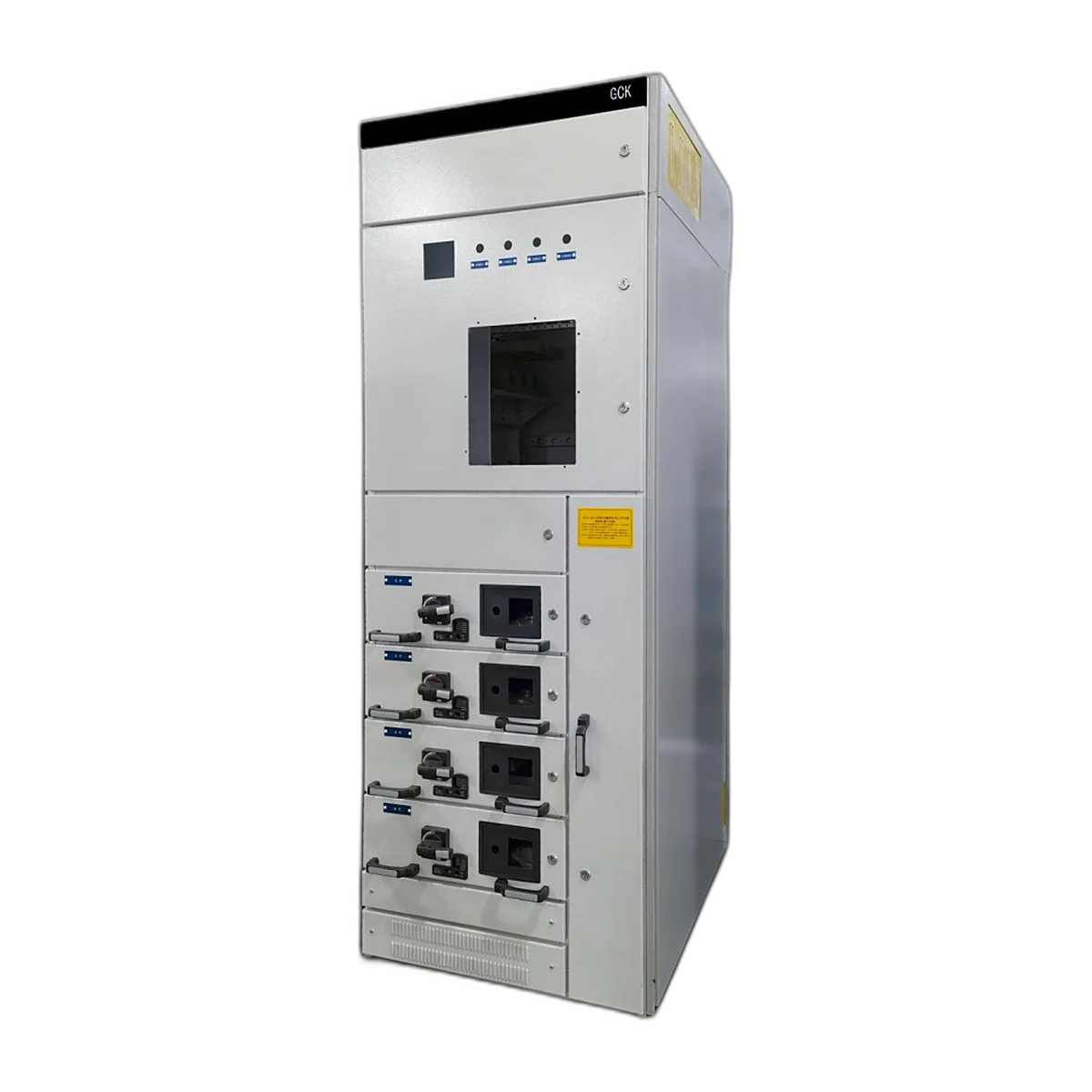
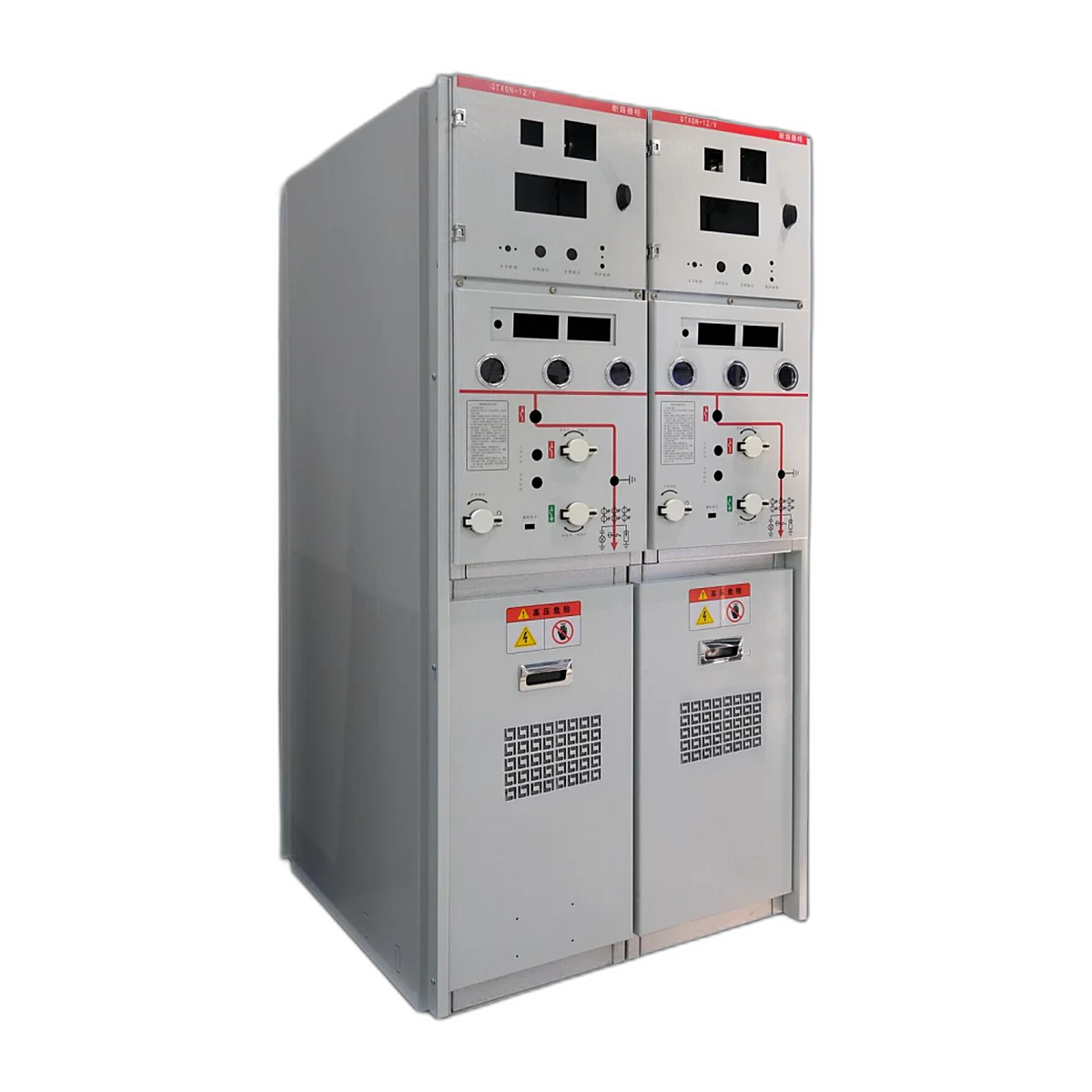
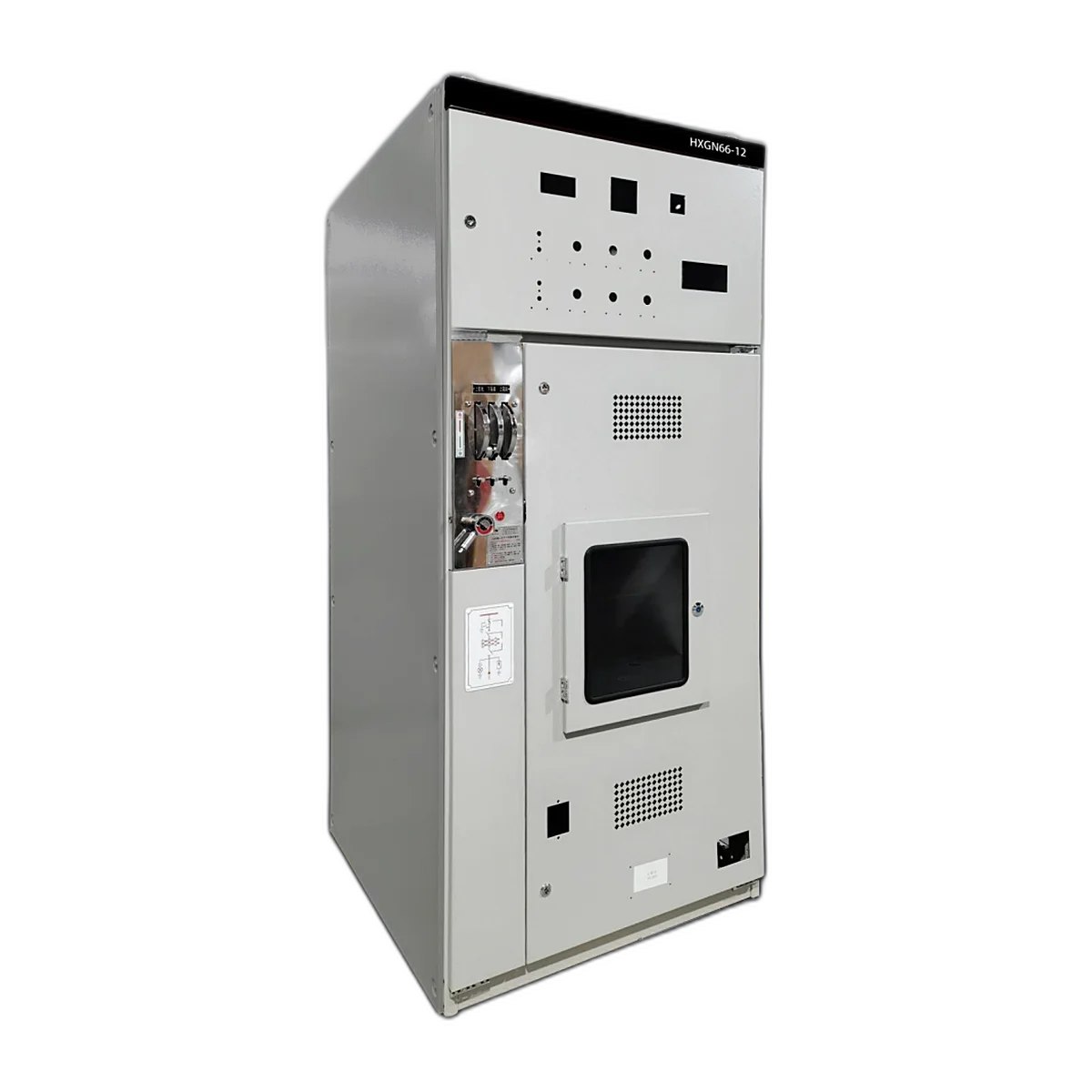
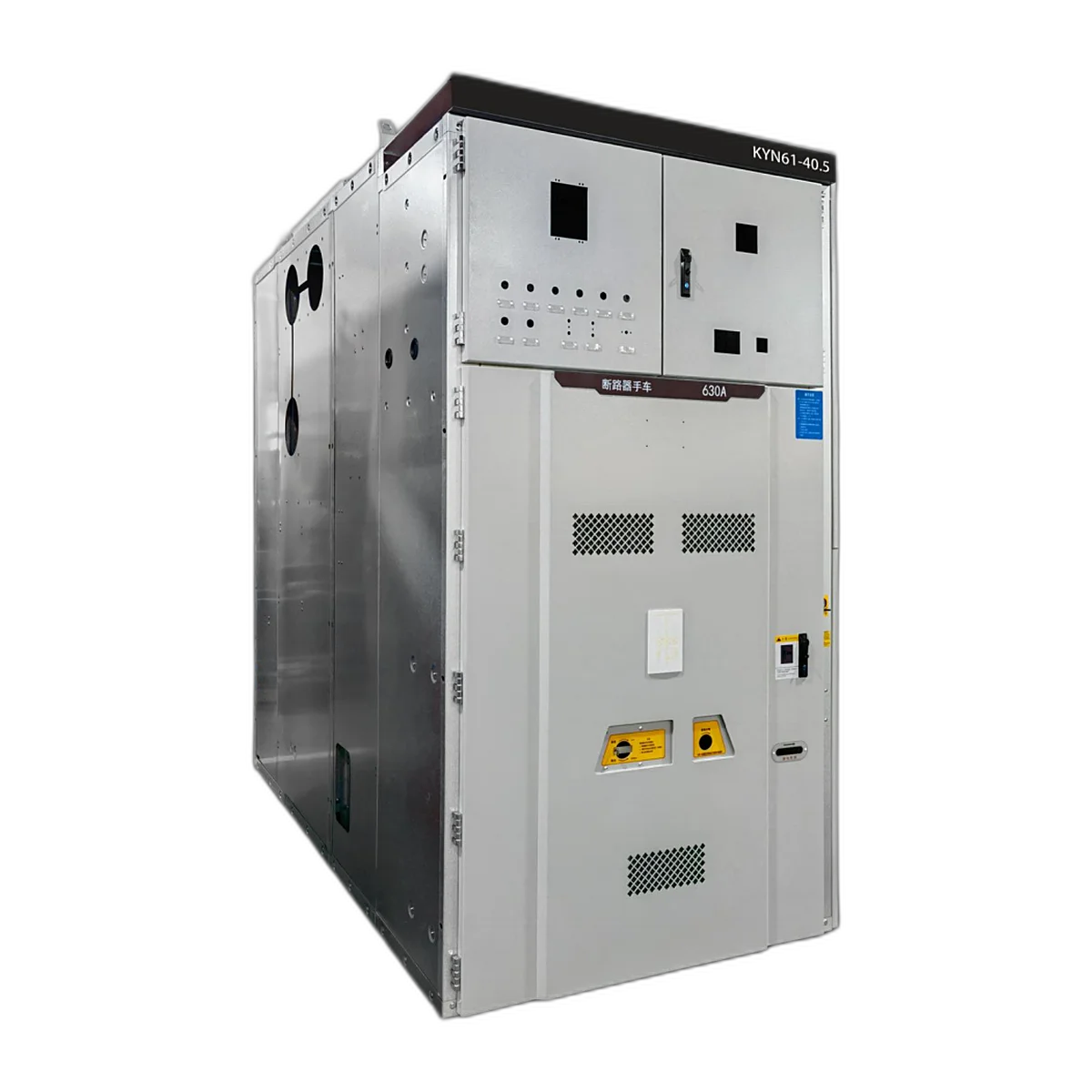
When it comes to the equipment decision, modern equipment can be acquired without any complications since today there are many different modern panel types available on the market with different amount of circuit spaces. Where the panel lands on an exterior wall, a shop or a well house, the enclosure rating matters more than the brand: a metal distribution enclosure built for a full range of circuit configurations is the normal starting point indoors, and an outdoor position needs sealed hardware and a gasketed door rather than the same box with a coat of paint.
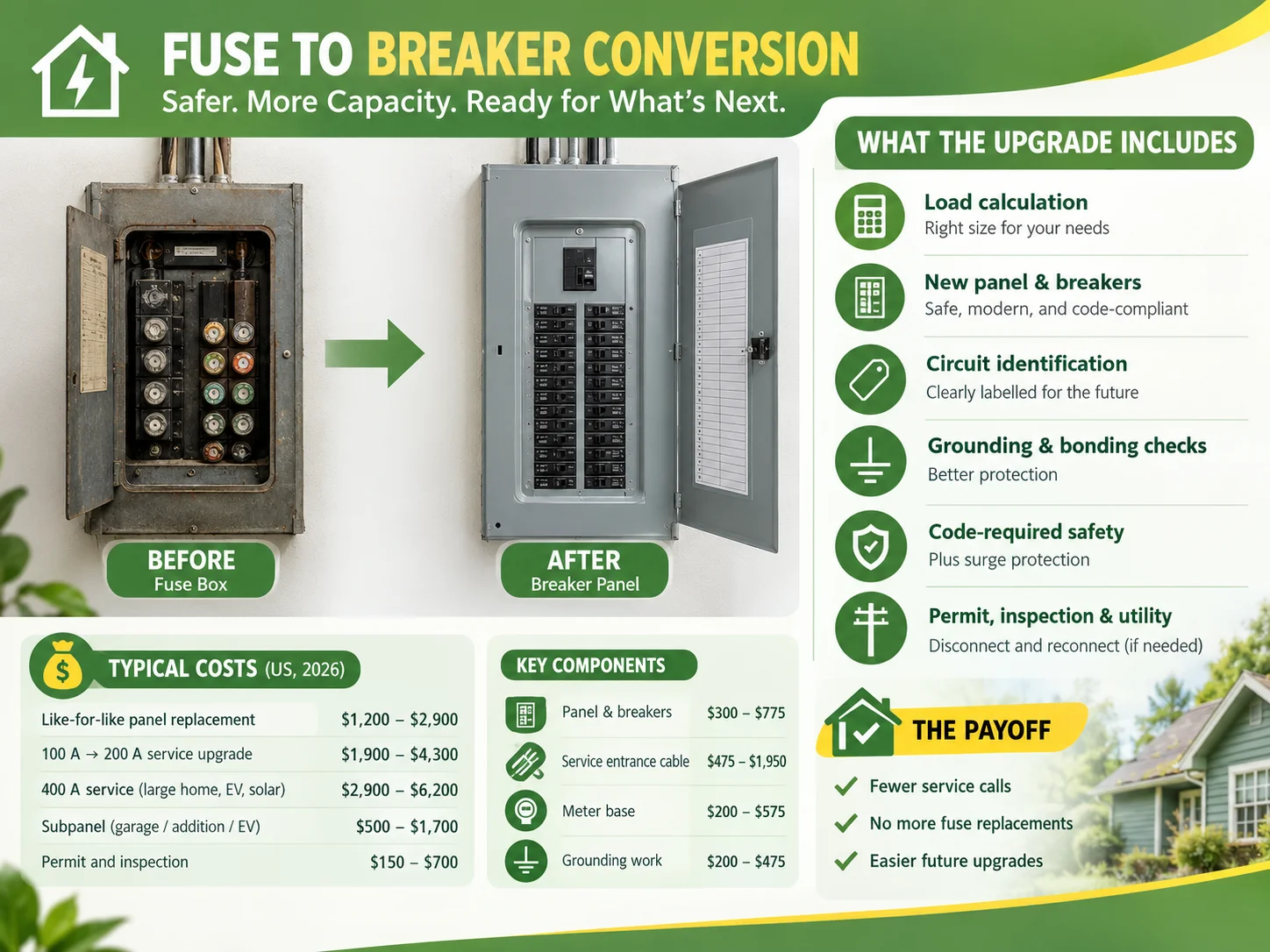
What It Costs
US pricing for 2026 sits in these bands, with regional variation of around 15 percent either side.
| Scope | Typical installed cost |
|---|---|
| Like-for-like panel replacement, same service size | $1,200 – $2,900 |
| Fuse box to breaker panel with a 100 A → 200 A service upgrade | $1,900 – $4,300 |
| 400 A service (large home, EV charging, heat pumps, solar) | $2,900 – $6,200 |
| Subpanel for a garage, addition or EV circuit | $500 – $1,700 |
| Permit and inspection | $150 – $700 |
What distinguishes two seemingly similar estimates from each other is the level of detail in them. The cost of panels and breakers falls between $300 and $775; an upgrade for service entrance cables costs between $475 and $1,950; a new meter base installation ranges from $200 to $575; and grounding work costs between $200 and $475. An estimate that comes out way lower than others typically excludes the cost of a meter base installation, grounding work, or utility fees.
There’s no reason not to plainly state the economics of the conversion. Besides the fact that the upfront cost of breakers is higher but the cost of owning them for installation over the long term is lower (since no new fuses will be needed and no diagnosis will be necessary), what is probably more important to mention is the fact that there will be no minor inconveniences that may arise, as well as the fact that any future circuit additions will only take fifteen minutes instead of requiring the use of an entire fuse box. For a property you intend to keep, the arithmetic is usually comfortable, and the whole-home picture from service equipment through to branch circuits is set out in the residential building distribution solution.
When You Can Reasonably Keep the Fuse Box
There are valid cases for leaving it as is.
- Outdated panel capacity. If the panel is supplied by a 100 AMP source and the calculation confirms that the service can handle the total load, there is no problem.
- Fuses turned into Type S. Tamper-proof adapters eliminate the risk of incorrect rating and are the cheapest improvement out there. If your insurance company is objecting due to incorrect fuse use, the issue is often resolved.
- No future additions are planned. No EV, no heat pump, no workshops—therefore, it is a matter of convenience rather than necessity.
- Nothing else makes any issue. If the wires are in order and the inspection is fine, then the fuse box can remain in place until the next inspecting of electrical work.
On the contrary, you shouldn’t ignore anything like a 60 A service with several circuits, a panel that has signs of overheating, a fuse that blows for unknown reasons, or a panel that has been marked by your insurance company. In this case, the choice is obligatory, not up to you.
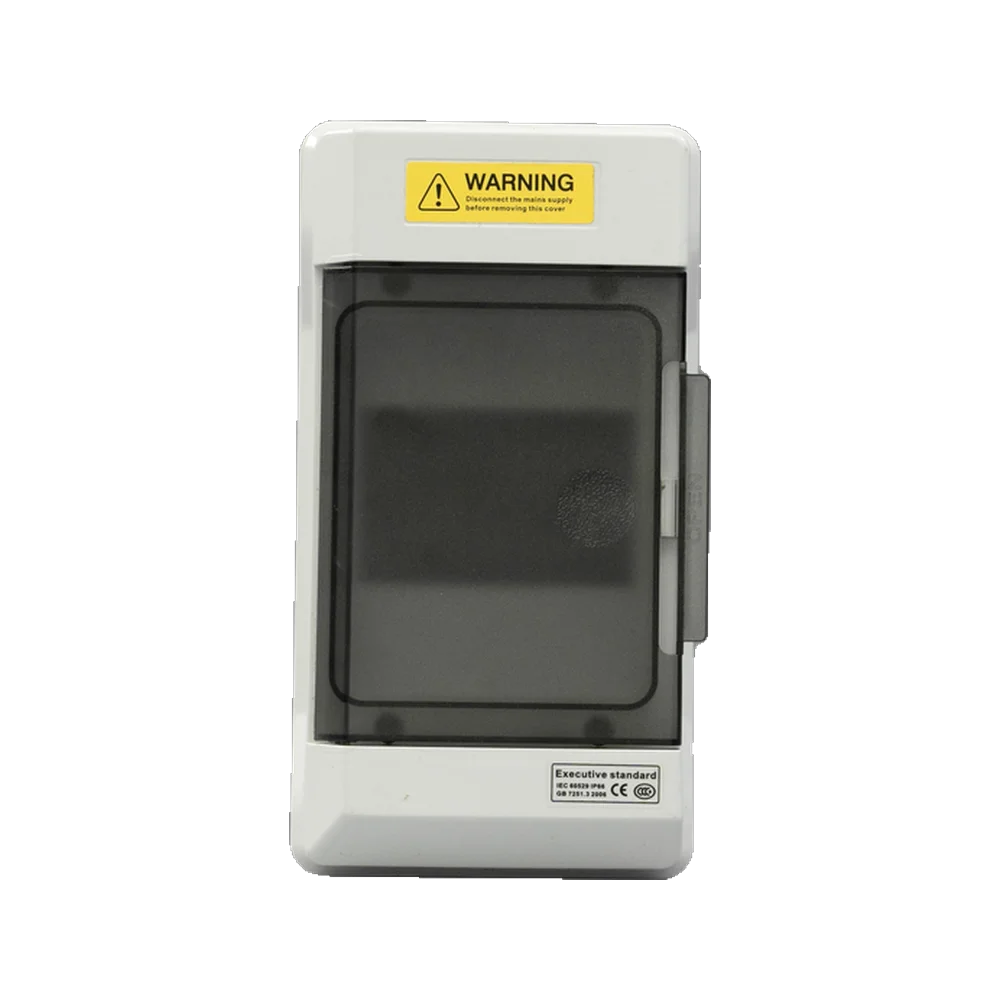
In case you decide to replace it without using any complicated installation, the only thing you will need is a listed domestic unit with the right ampere capacity and certificates of testing.The point of the specification is certification that can be shown to an inspector or an insurer rather than taken on trust, which is exactly what a certified residential distribution box exists to provide — on a conversion the paperwork is half the value.
Choosing the Replacement Panel
There are five criteria that determine whether the new panel is a good choice or whether the visit is just a repeat one.
- The amp rating should be based on actual load calculations rather than what is on the truck. 200A is a reasonable default for a modern single-family residence, and 400A is only justifiable when the real loads have determined that it is necessary.
- The number of circuit spaces available today and two future additions. The panel filled on day one represents the most widespread use of false economy in this industry.
- The fault-current rating should be correct for the available fault current at the service, not inferred from the amperage marked on the cover.
- The rating of the enclosure must consider the environment: indoor, damp, or fully exposed.
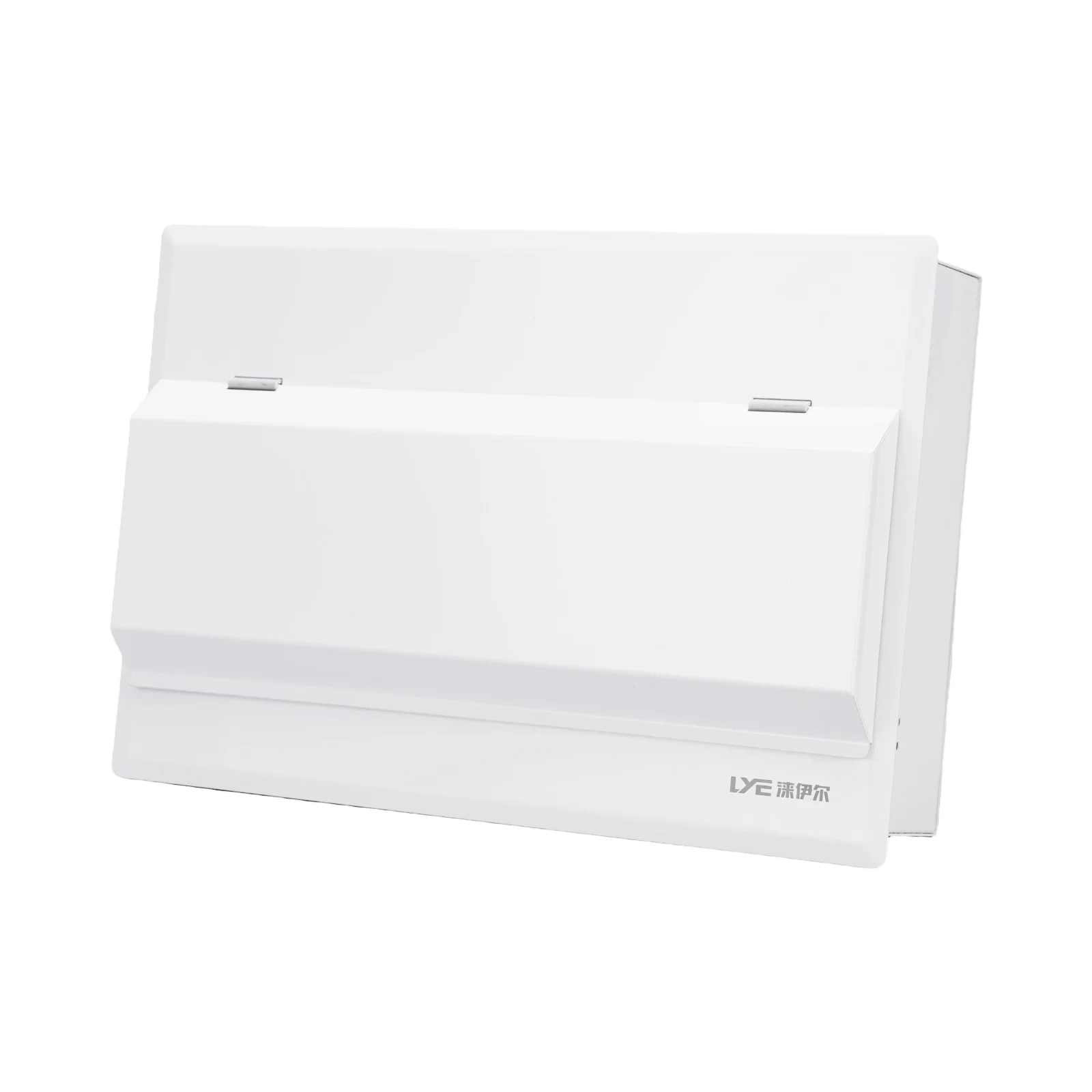
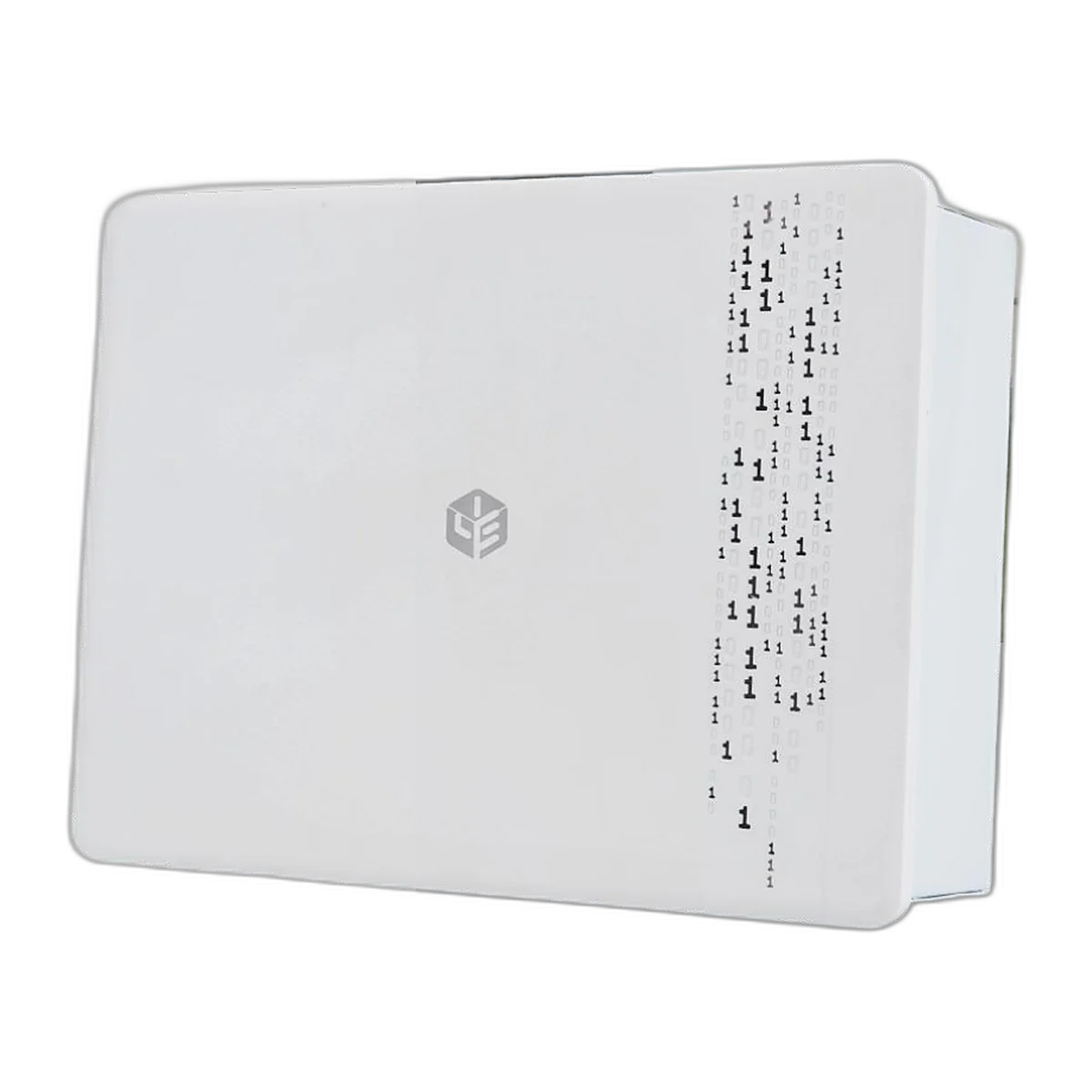
- Documentation and availability of breakers in the long-term. Once the specification is correct, the enclosure becomes mainly a commodity, and one has mainly to deal with issues of availability, fit, and paperwork. A residential enclosure range such as this lightweight residential distribution box illustrates the point: the electrical content is unremarkable, and the value is in the listing and the test records.
Frequently Asked Questions
Should I replace my fuse box with a circuit breaker?
It is recommended to upgrade the panel whenever possible if it is 60 A while loads like electric vehicle chargers or heat pumps are being added. In case there are any issues raised by the insurance company or plans to sell the property, upgrading as soon as possible is the best option due to the lower cost of upgrading concurrently with electrical work as opposed to upgrading later. However, if the panel is rated at 100 A or above and the fuses are converted to tamper-resistant Type S and everything else is done properly, the decision may be defensible. It is advisable to measure the load otherwise while upgrading the panel, because it can result in a number of unplanned expenses.
Is a circuit breaker and a fuse box the same thing?
This is incorrect. Both devices perform the same protective duty — to cut off a given circuit as soon as the current exceeds the safe level — but they are different devices working in different ways. A fuse is a conventional device with a melting element which is replaced after it has operated. A circuit breaker is a switch which can be reset and which employs thermal and magnetic devices. Fuses tend to have greater interruption capacity, but circuit breakers are a better option because they are easier to use and maintain and expand.
How much does it cost to change out a fuse box to a breaker box?
On average, American residential property owners spend about $1,500 to $4,000 to switch panel systems, and if the upgrade in a circuit breaker rating is performed from 100 A to 200 A, it would come to $1,900 to $4,300. A direct like-for-like panel replacement will cost between $1,200 and $2,900. Permit and inspection fees will be $150 to $700 with extra charges for utility-side work such as changing the meter base and the installation of a new service drop. Estimates and price quotes on the same service from different suppliers can differ in price from 20 to 40 percent of the total bill, and therefore it is important to collect at least three different bids with all costs listed and compared.
Can homes use fuse boxes instead of breakers?
Yes, provided that the installation was carried out as required by the safety regulations applicable at the time, the installation will remain permitted provided that the fuse box is kept in good working order. Older systems may continue to operate as before, and the application of current regulations will only be triggered by a change in an installation or a piece of work. The limits in practice are connected with the maximum current that can be supplied, insulation issue and insurance compliance. For example, quite a few of old types of fuse boxes utilize 60 A electricity supply that cannot sustain the current electrical loads and thus the installation of a wrong fuse rating is possible and imperceptible, which is the reason why tamper-resistant Type S switches should be installed here regardless if a person decides to keep his fuse box.
References
- Angi — circuit breaker vs fuse box comparison and panel replacement cost data
- Electrical Safety Foundation International — home electrical safety and protective device guidance
- International Association of Electrical Inspectors — inspection and code interpretation resources
- National Electrical Manufacturers Association — low-voltage distribution equipment standards
- U.S. Energy Information Administration — residential electricity consumption data
Conclusion
Fuses or circuit breakers are useful based on the accessibility and usage of your installation. Efficient in use, fuses may nevertheless fail in the case of poor installation practices resulting in potential hazards that are not readily visible to inspectors. Replacement of the panel in case your service is inadequate, if you install new appliances or if your insurance company wants you to change it is important.