




Electrical Panel Replacement in Tyler, TX
If you are looking for an electrical panel replacement in Tyler, then you may be facing a panel that has tripped twice this month, or you may have heard from an electrical contractor, an insurance provider, or from an inspector that it must be replaced. Either way the same practical questions arise: who can do the work in Texas, what cots are involved in Smith County, how long the power will be off for, and what you need to specify so that you do not go through it again in ten years.
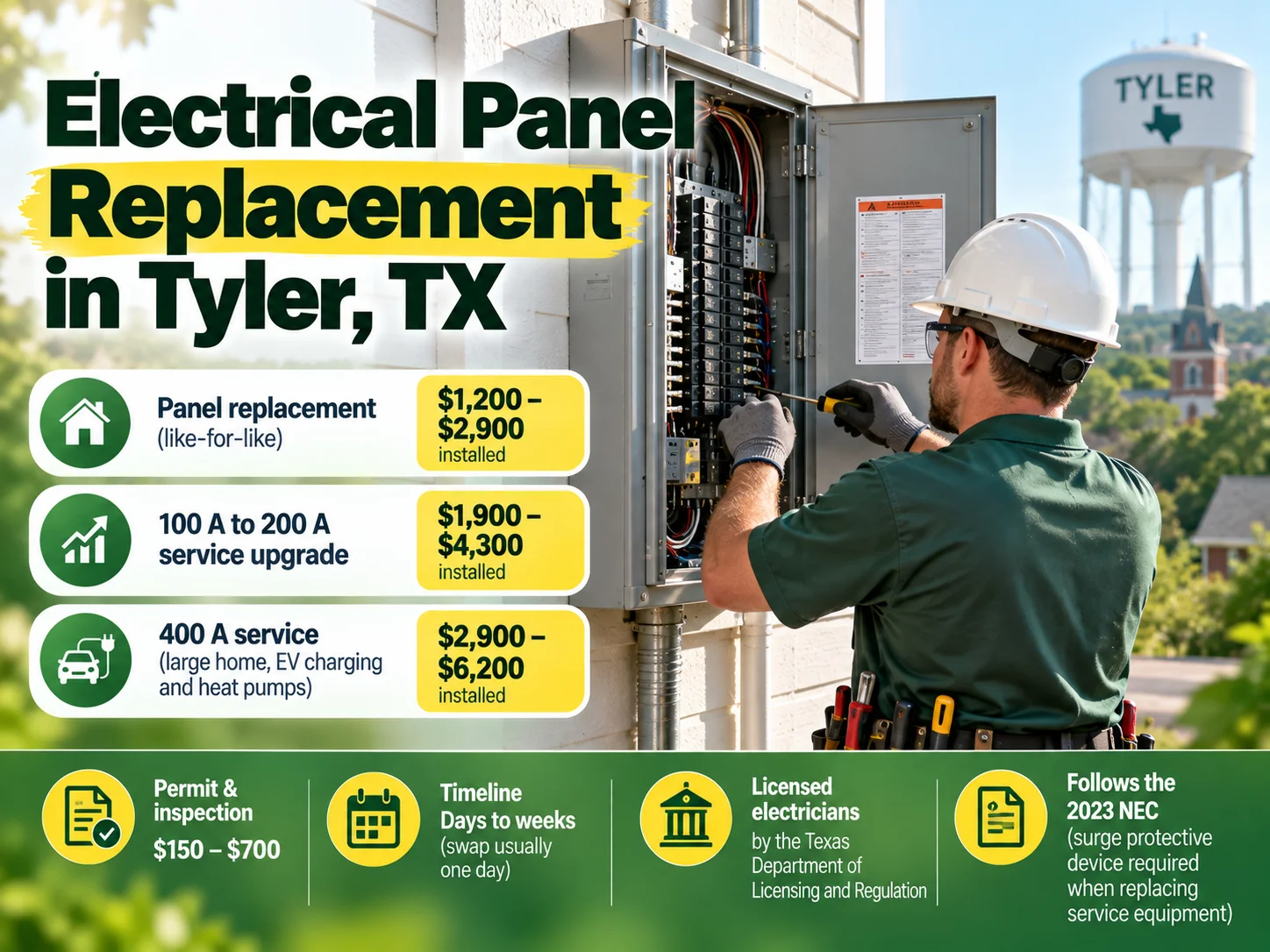
An approximate cost of a like-for-like panel replacement would be $1,200-$2,900 for installation; a service upgrade from 100 A to 200 A would be $1,900-$4,300; and a service upgrade from 200 A to 400 A, capable of powering a large house with an electric vehicle charging station and heat pumps, would cost between $2,900-$6,200. The cost of a permit and inspection should be added cost that runs during $150-$700 and the project completion takes a time that ranges from a couple of days to several weeks, although the procedure itself takes only about a day. Electricians in the State of Texas are licensed by the Texas Department of Licensing and Regulations; permits for the electrical work are issued by municipality; finally, Texas uses the 2023 version of the National Electrical Code, which requires that in case of replacement of the service equipment surge protective device must also be installed.
Why Panels Get Replaced in Tyler
Tyler is a location where the activities can be anticipated. The protracted cooling periods indicate that the air conditioning must run at full capacity, and every house has had installed at least one oversized system or heat pump. The same can be said about addition of an electric vehicle charger, a hot tub, or a workshop, because the 1985 paid panel that used to be considered spacious and enough is used to its fullest during the hot periods.
There are five object causes that undermine people’s chances of getting their system replaced.
- Age. When a panel is over 30 years old, it needs to change since the amount of electricity running through the program will make its switches inefficient even if no crash has been recorded.
- Brands with a documented track record of safe functioning. Some brands have a history of not being able to do their work properly even during failures. Thus, if an insurance company or inspector spots one of these panels, they do not exaggerate and take necessary precautions since failure of any system destroys people’s trust,
- Capacity. There are various signs which inform customers about capacity problems.
- Physical situation. It is seen by the way covers look, at times smelling of burnt rubber, indicating an urgent service.
- Changes in law and insurances. service change, major renovations and changes related to insurance companies necessitate people change their service.
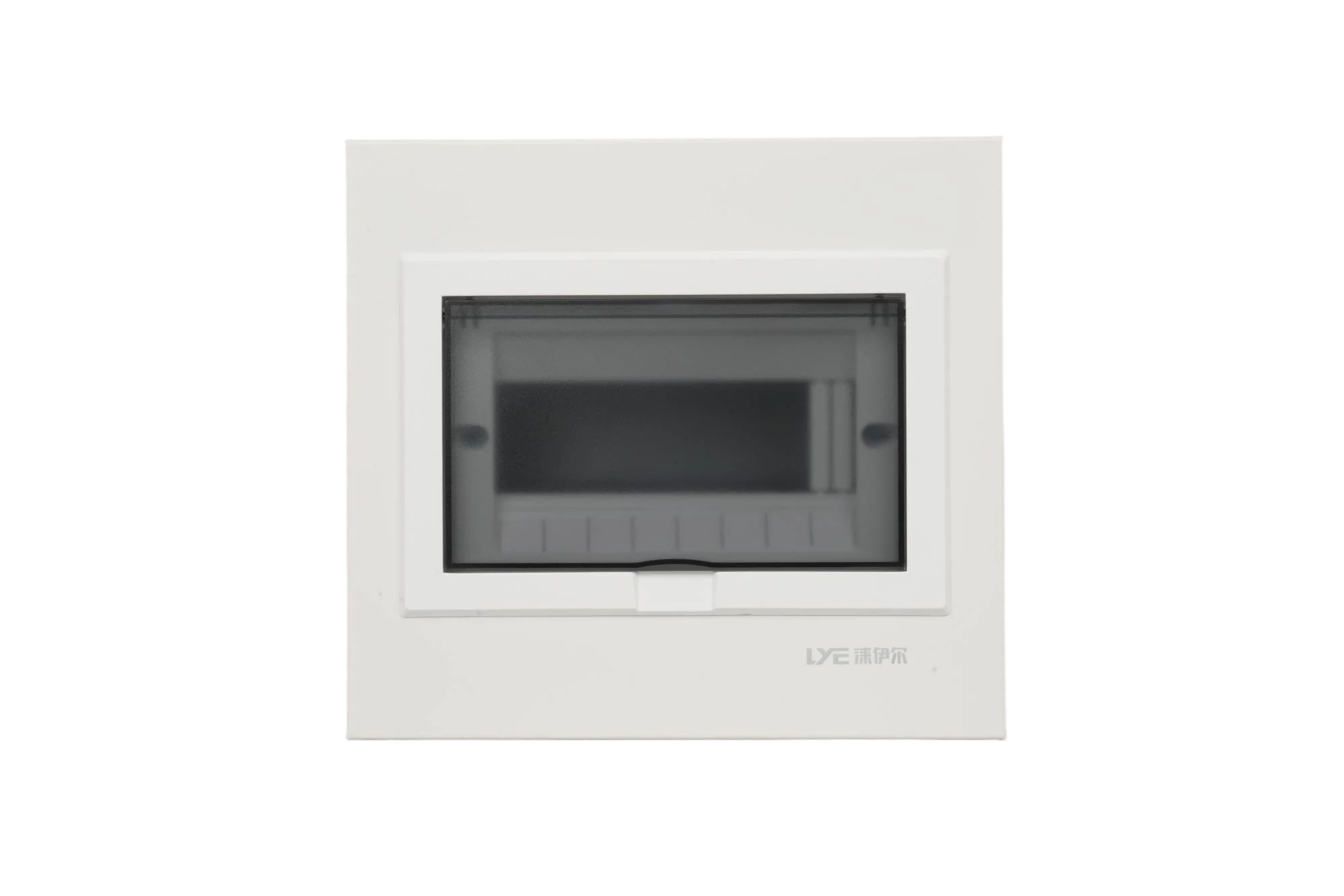
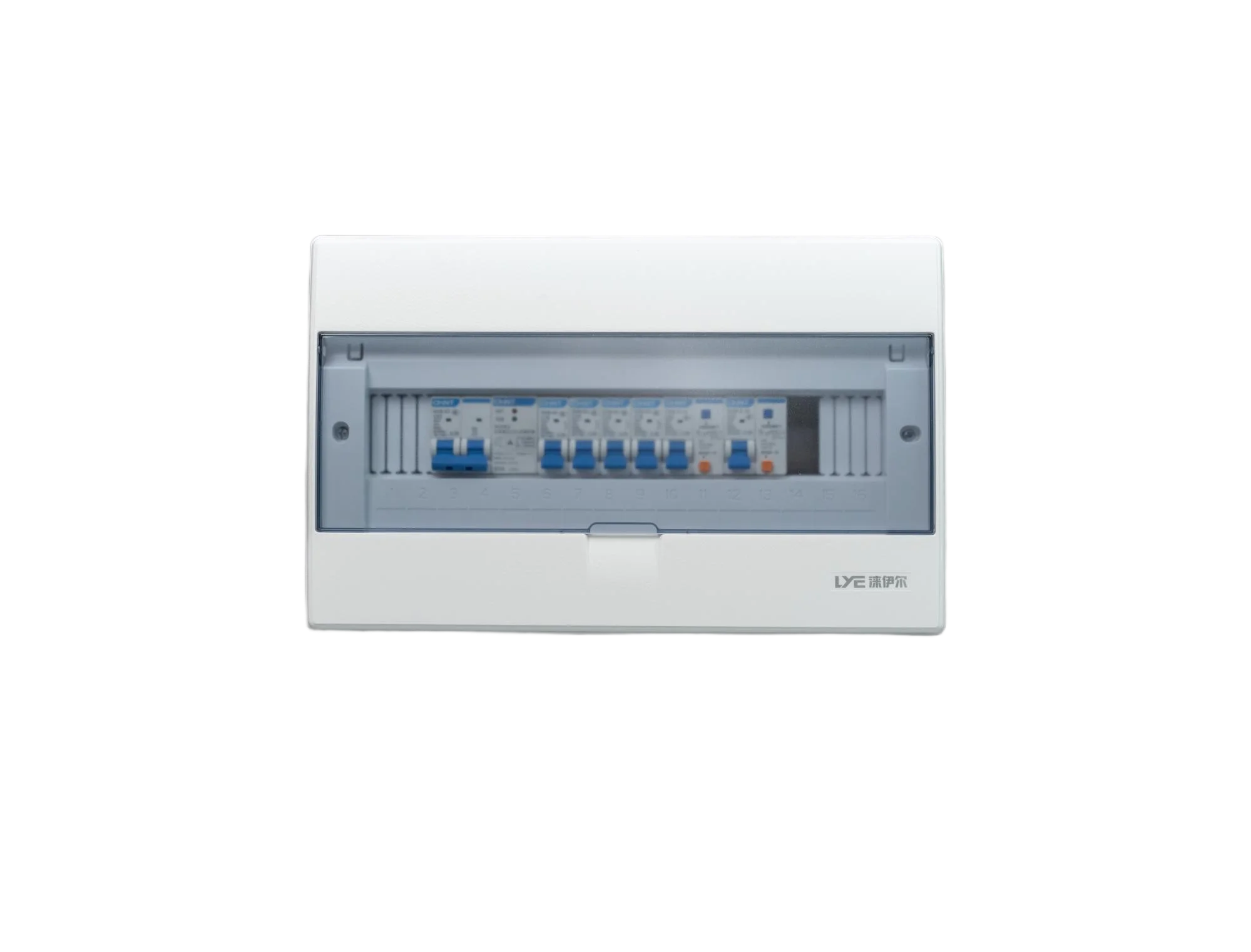
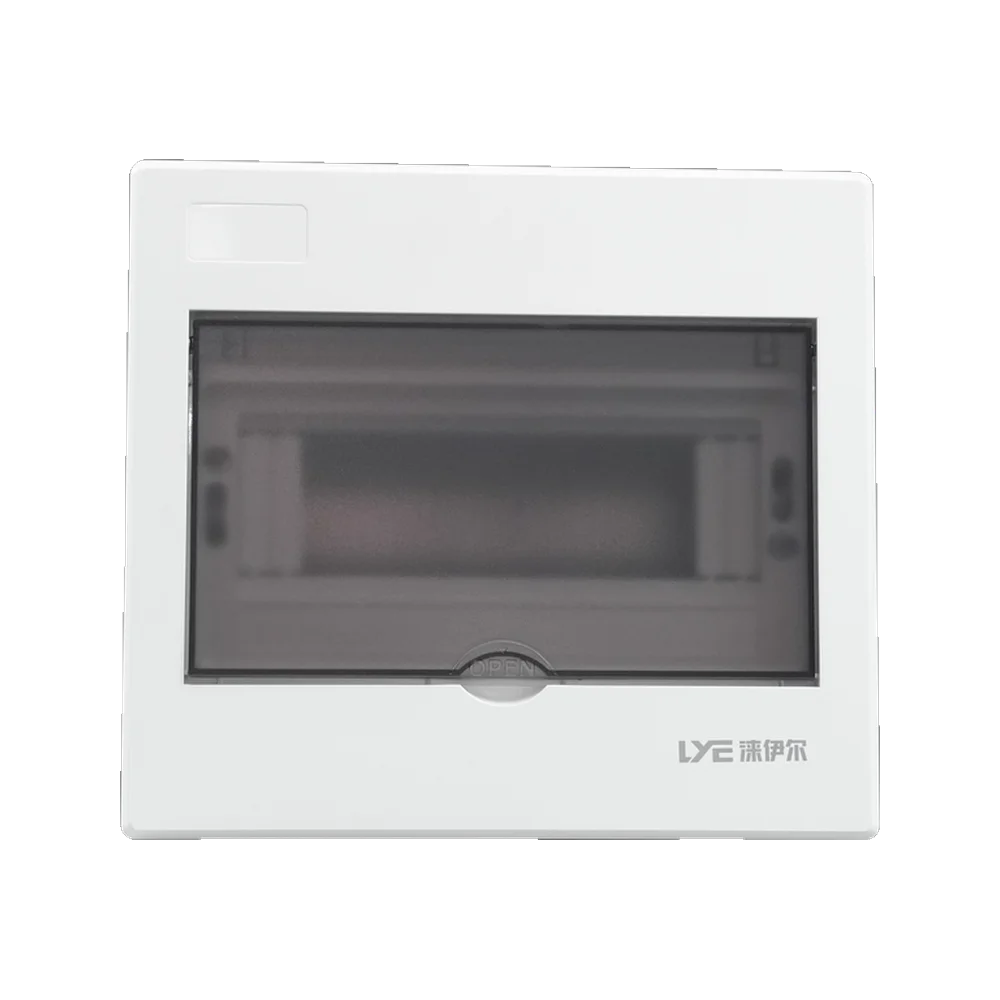
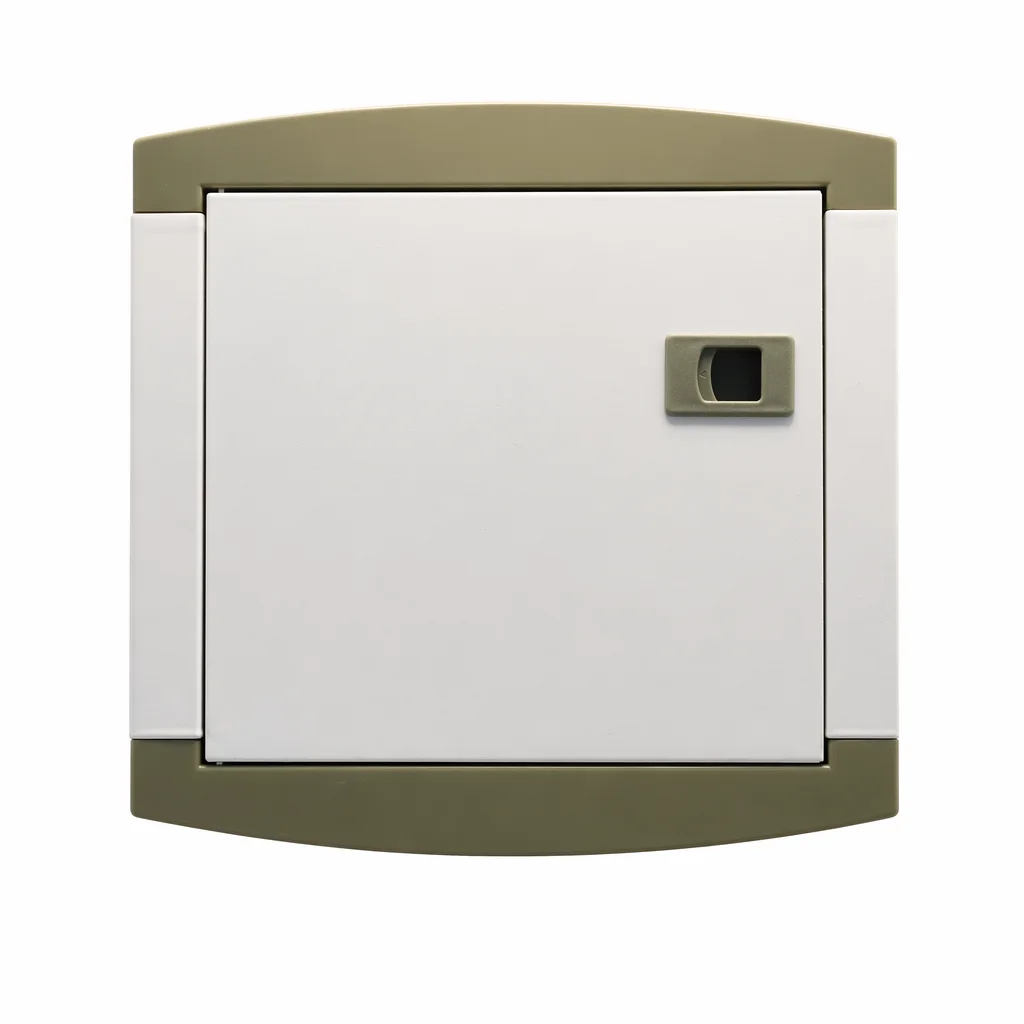
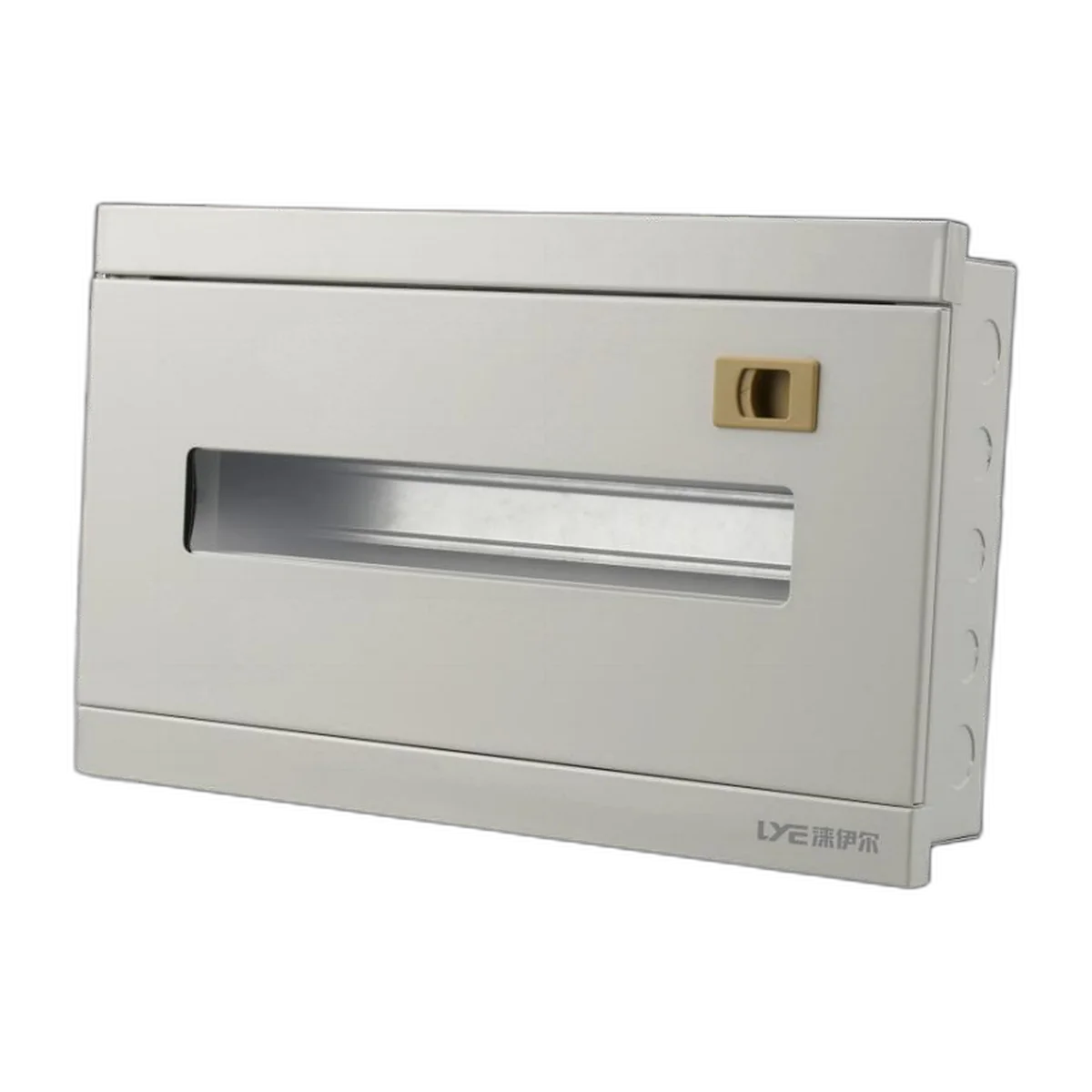
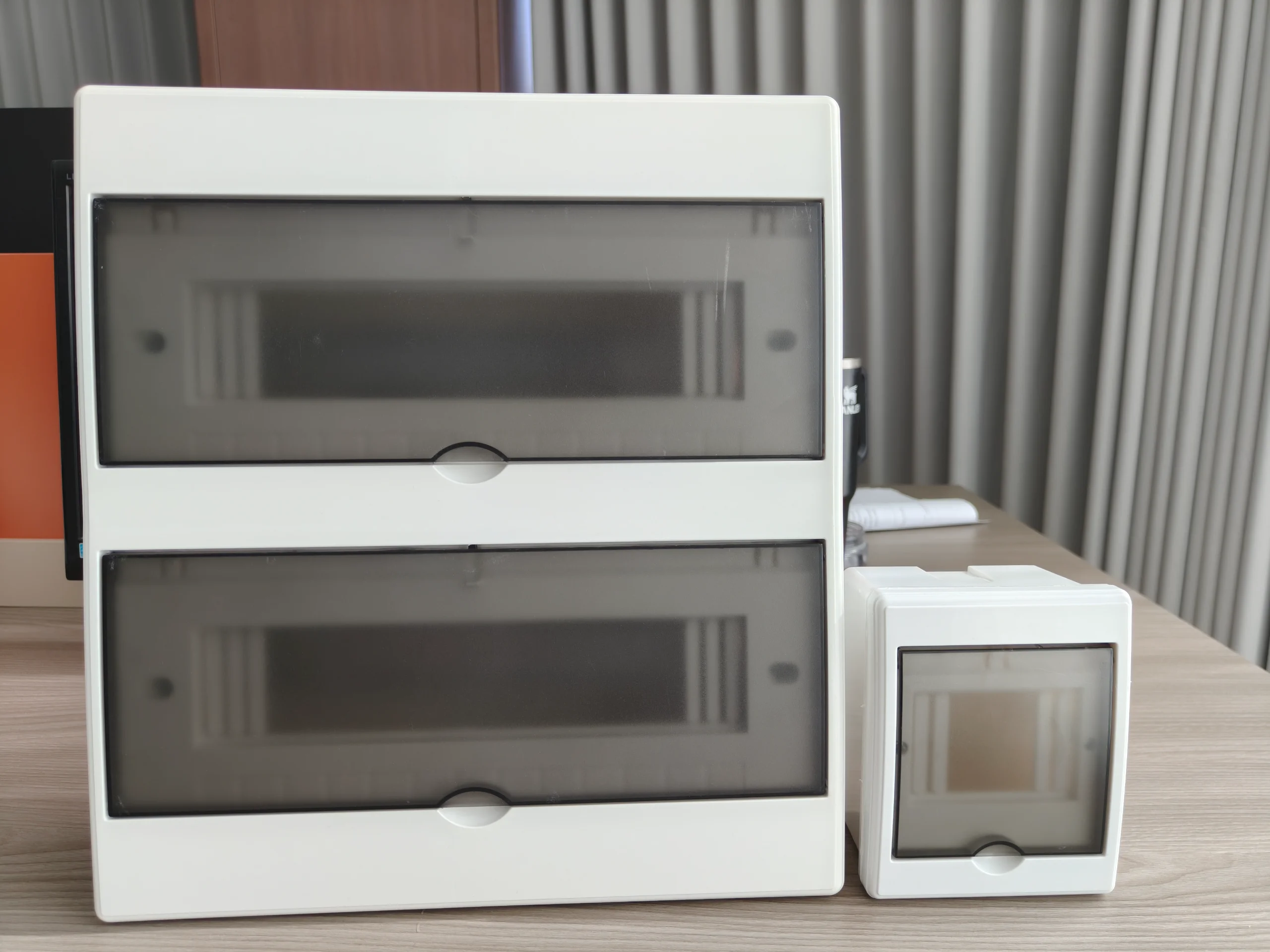
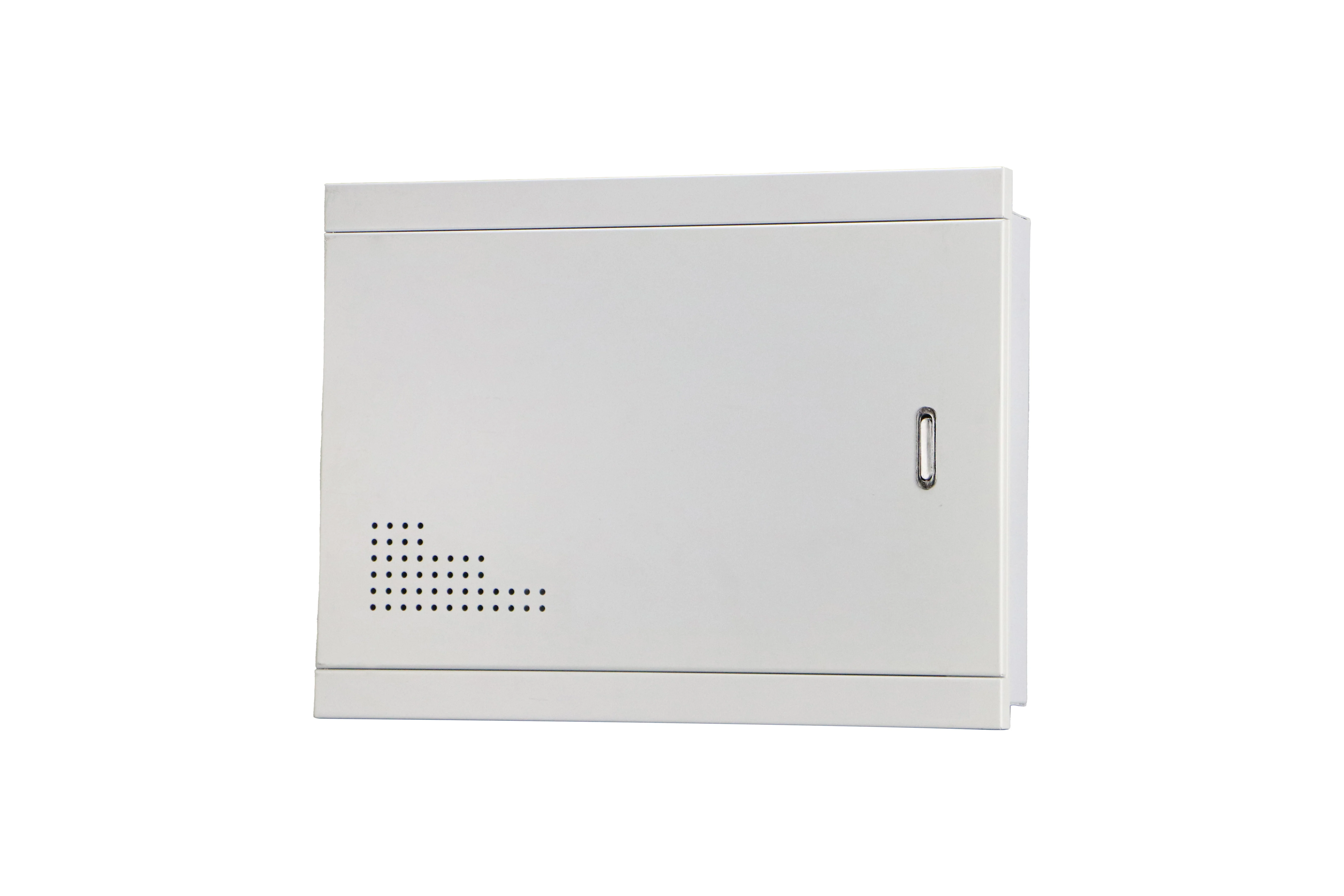
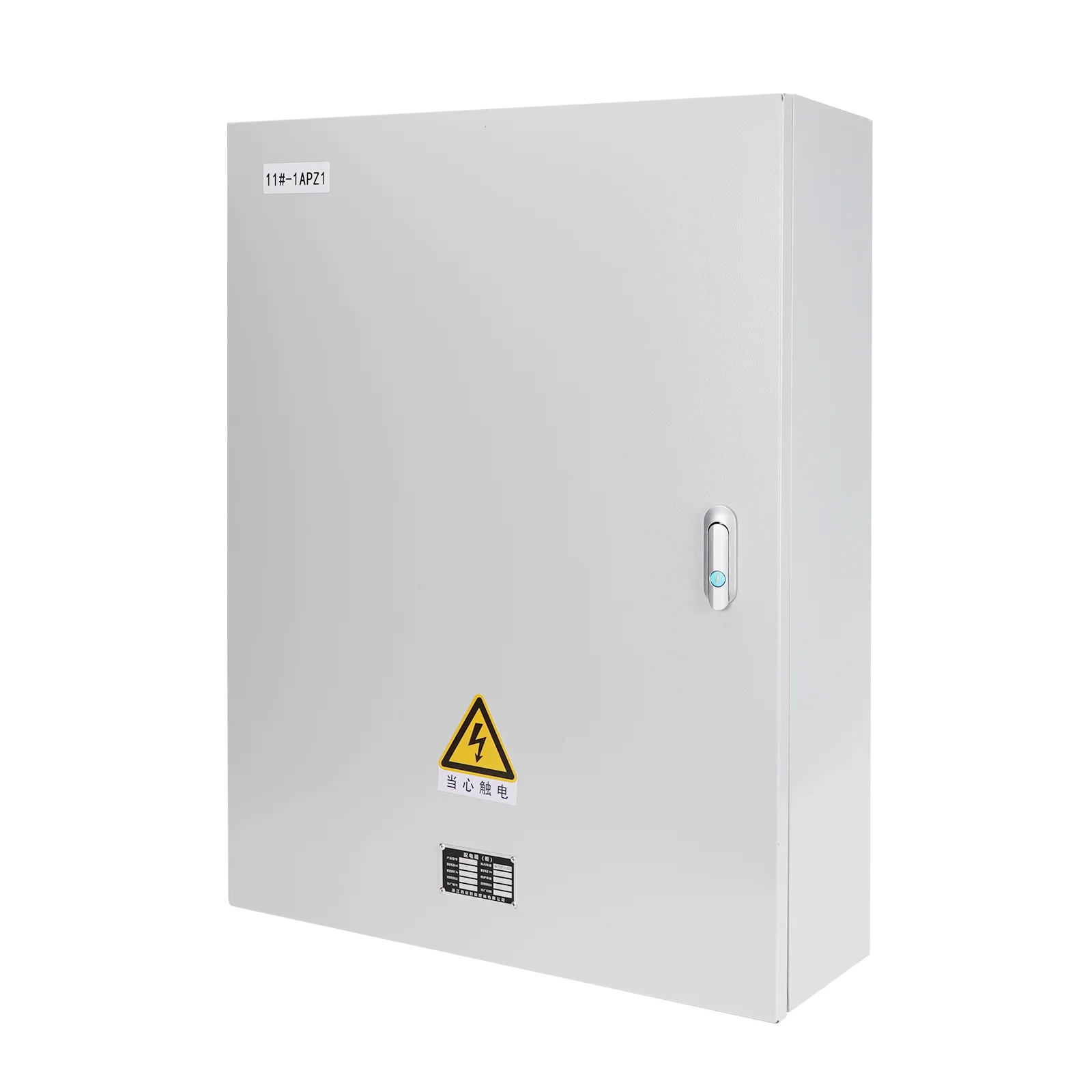
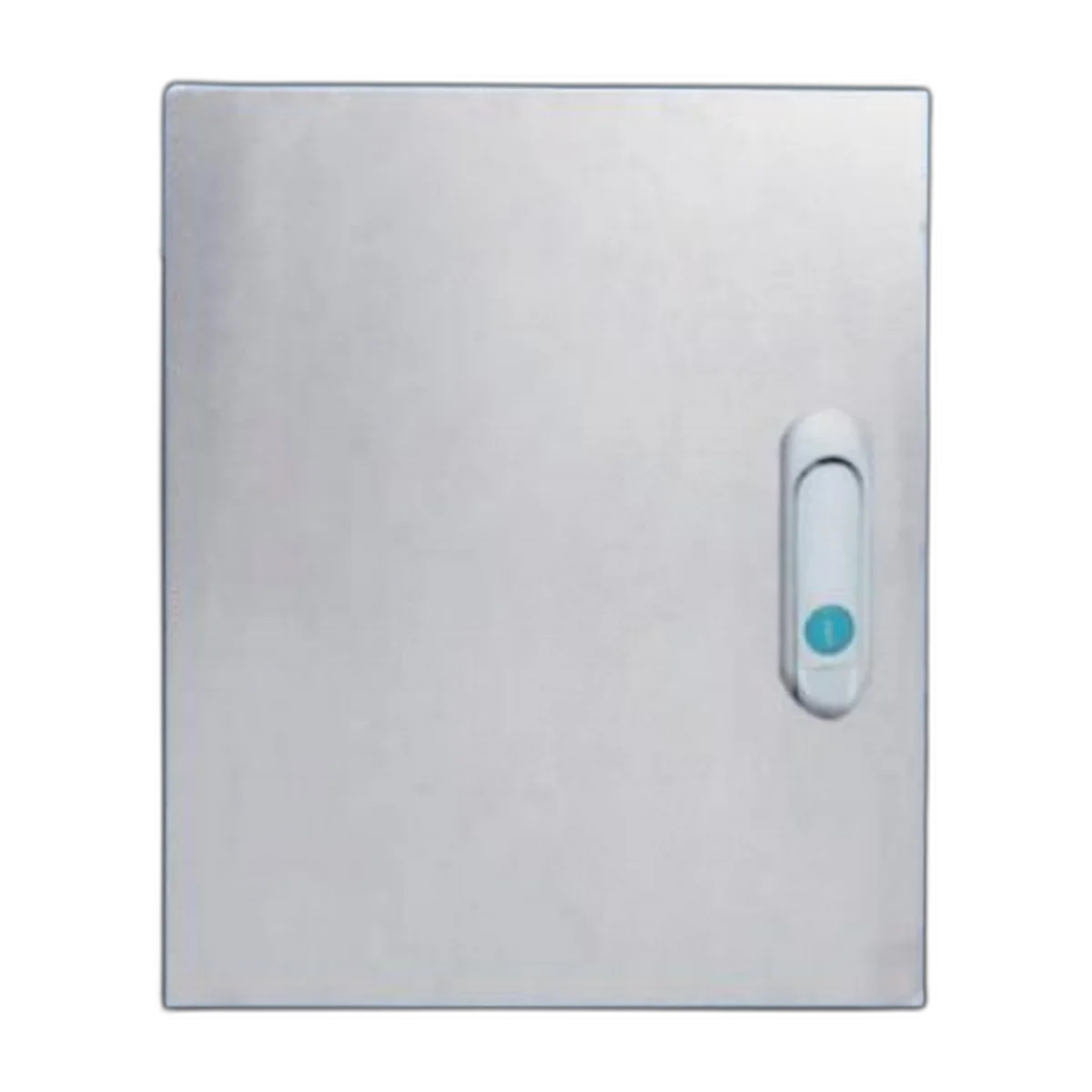
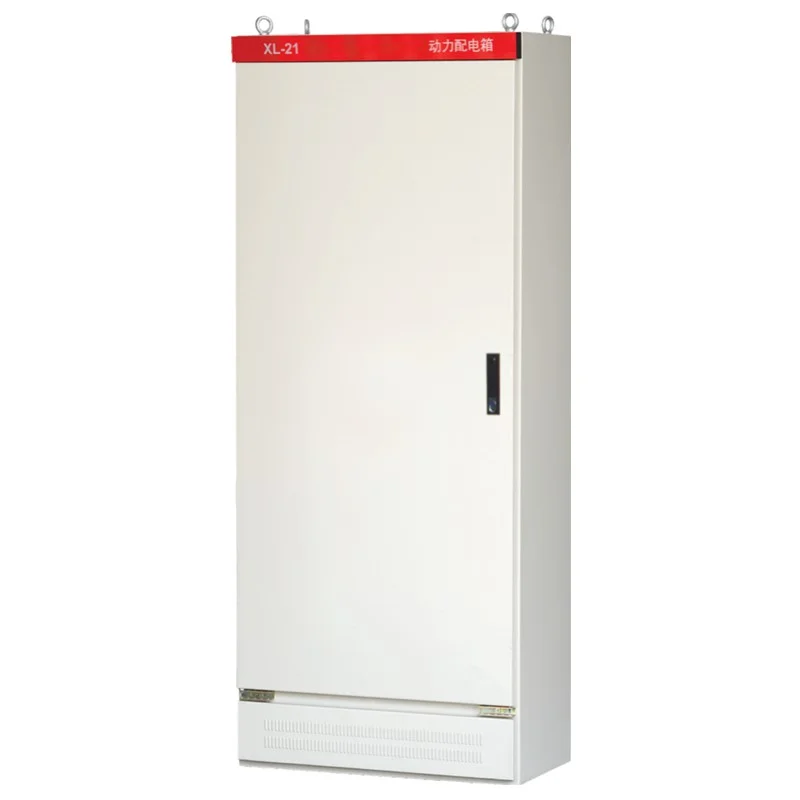
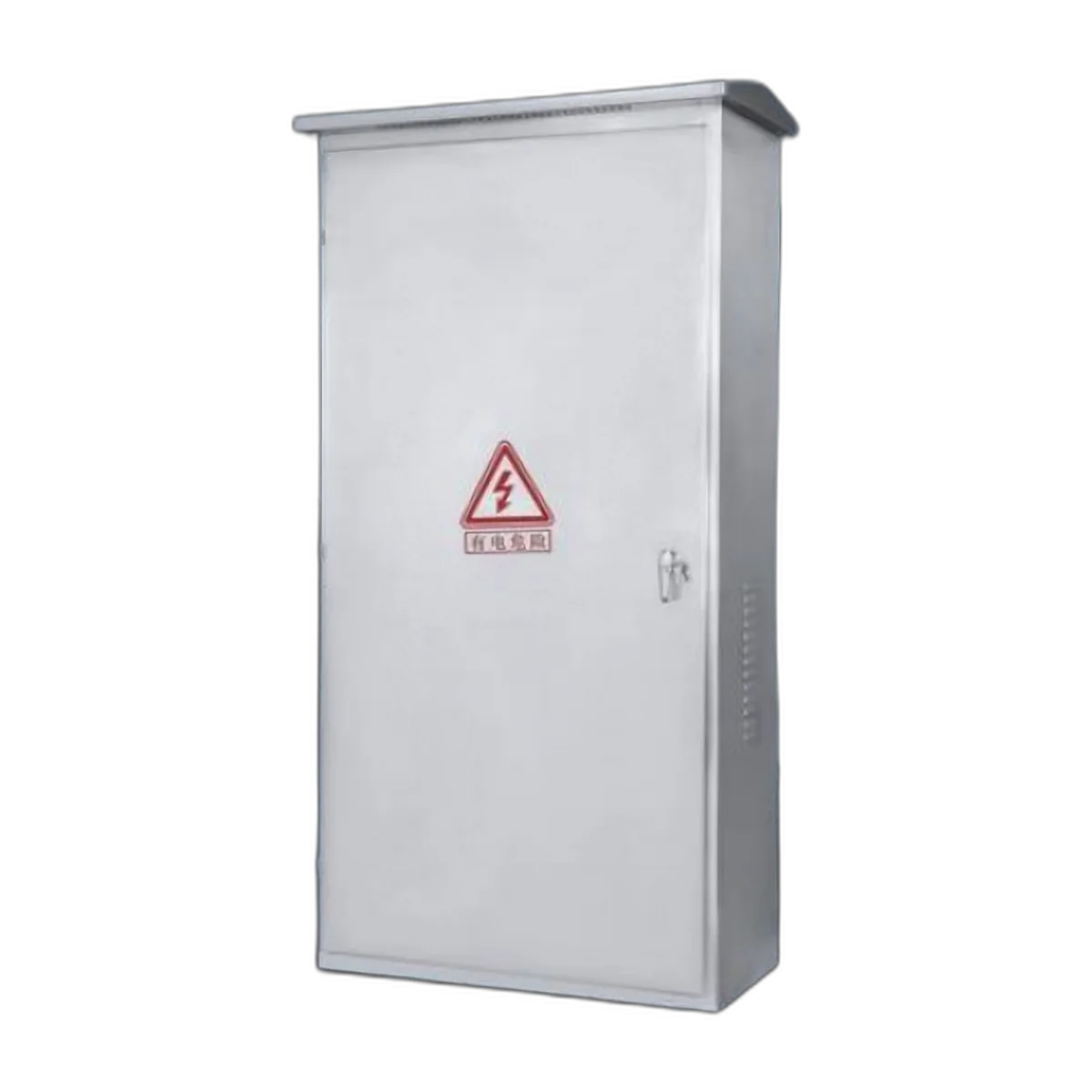
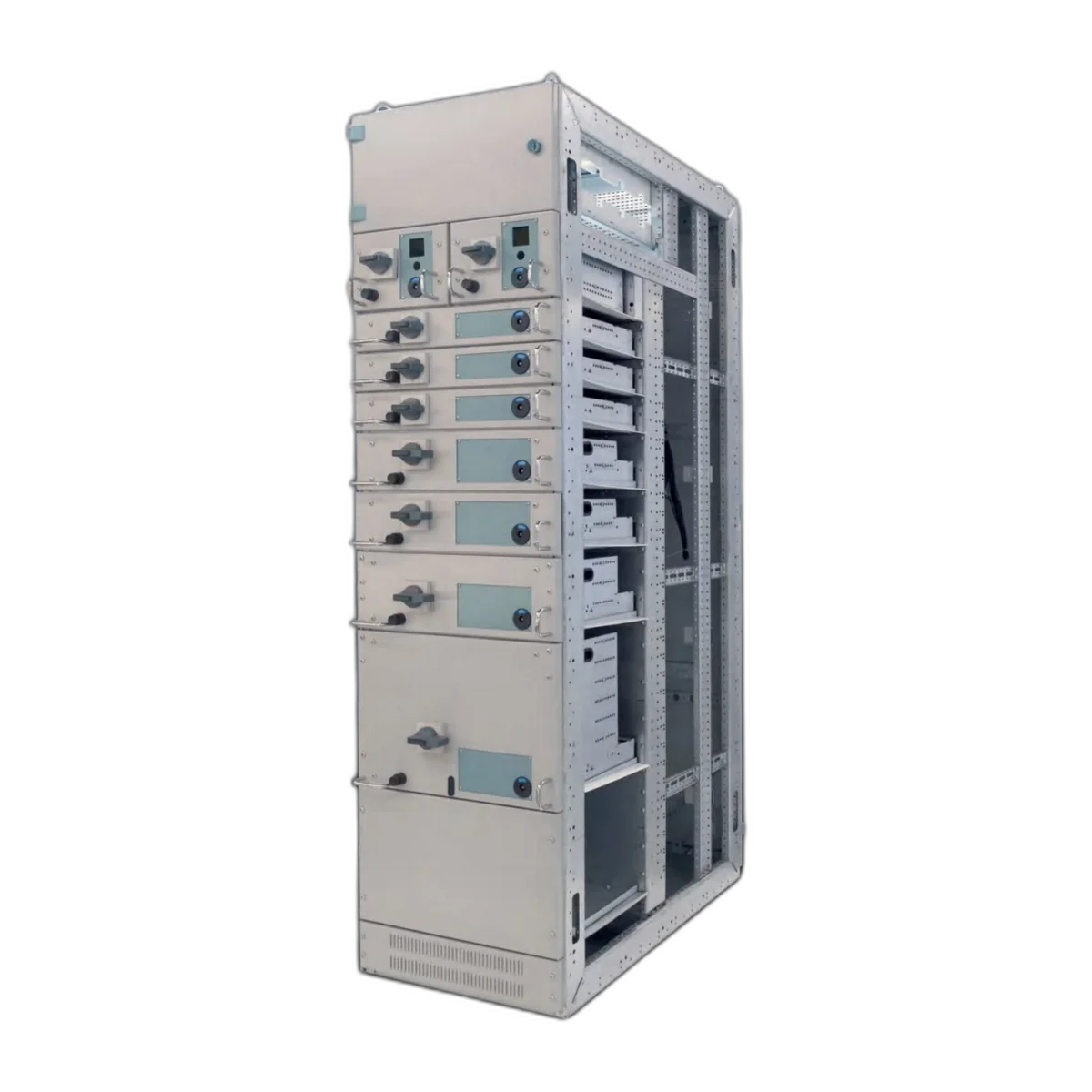
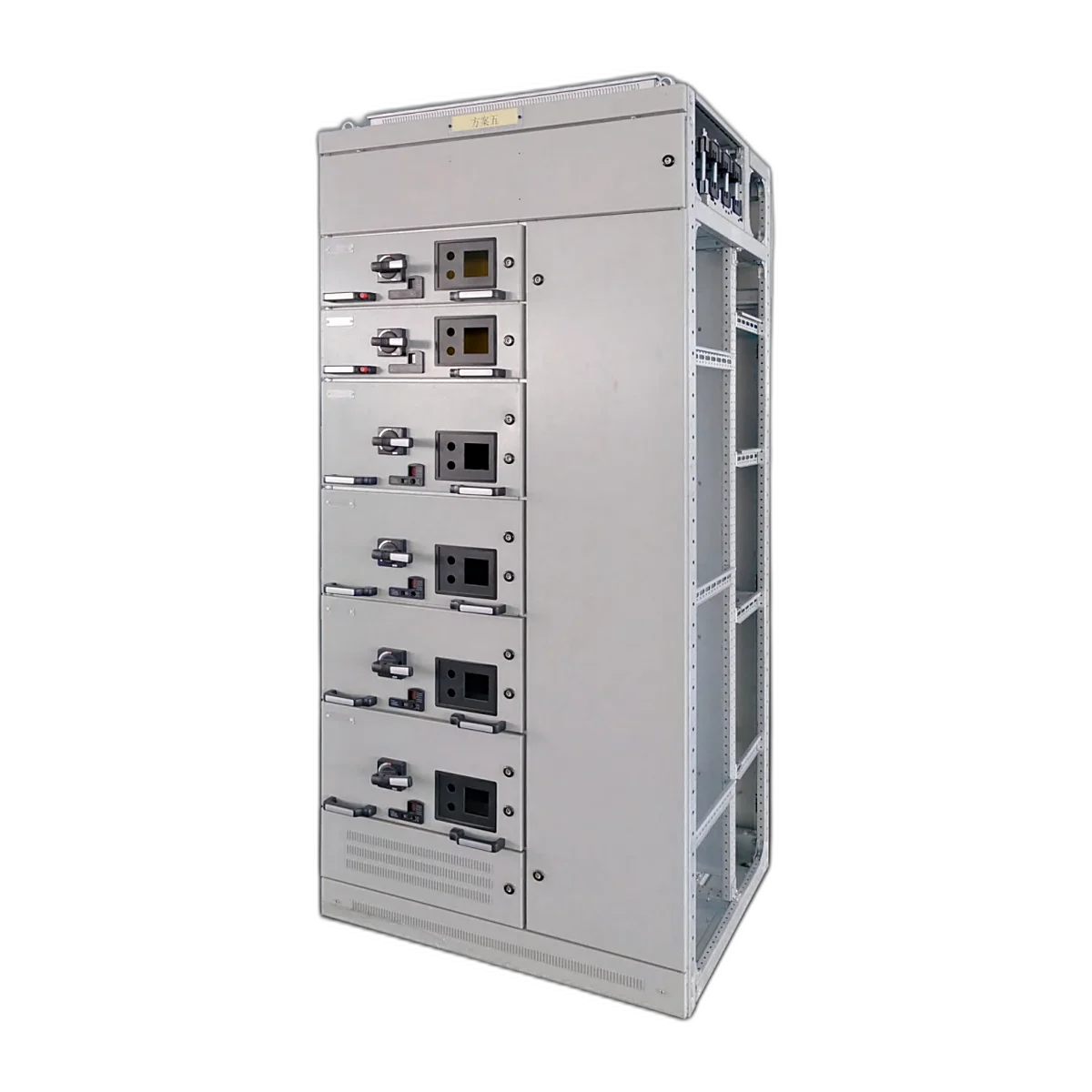
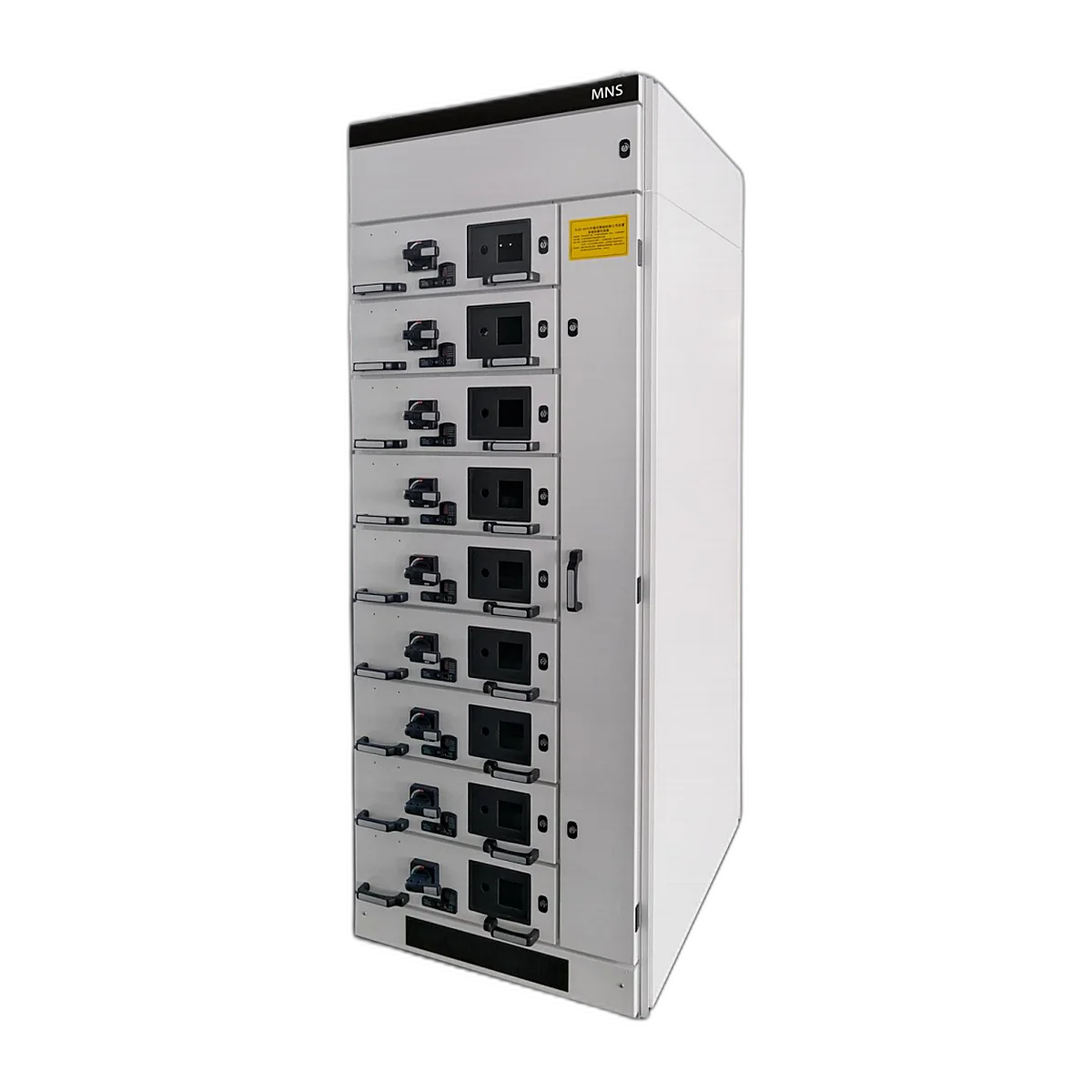
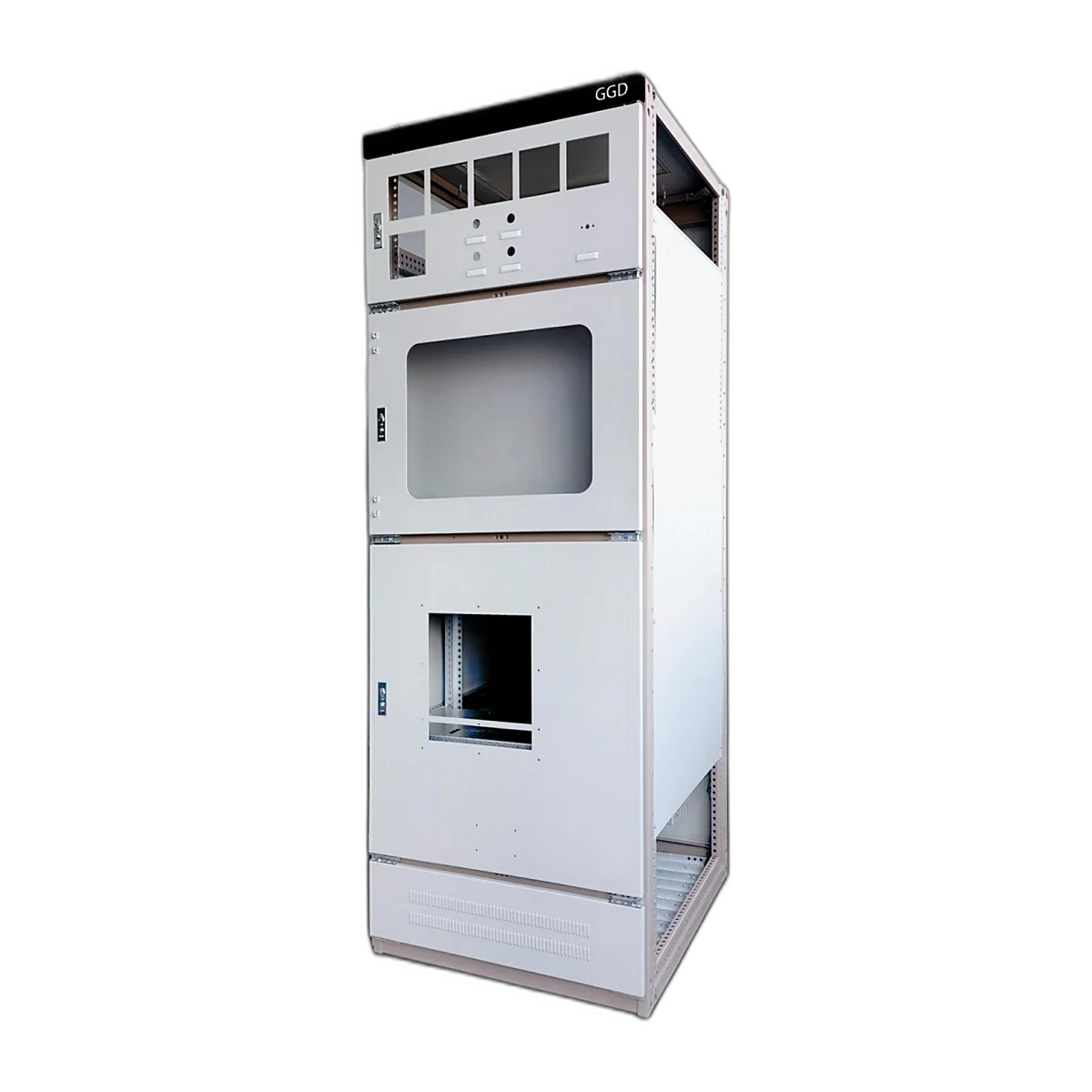
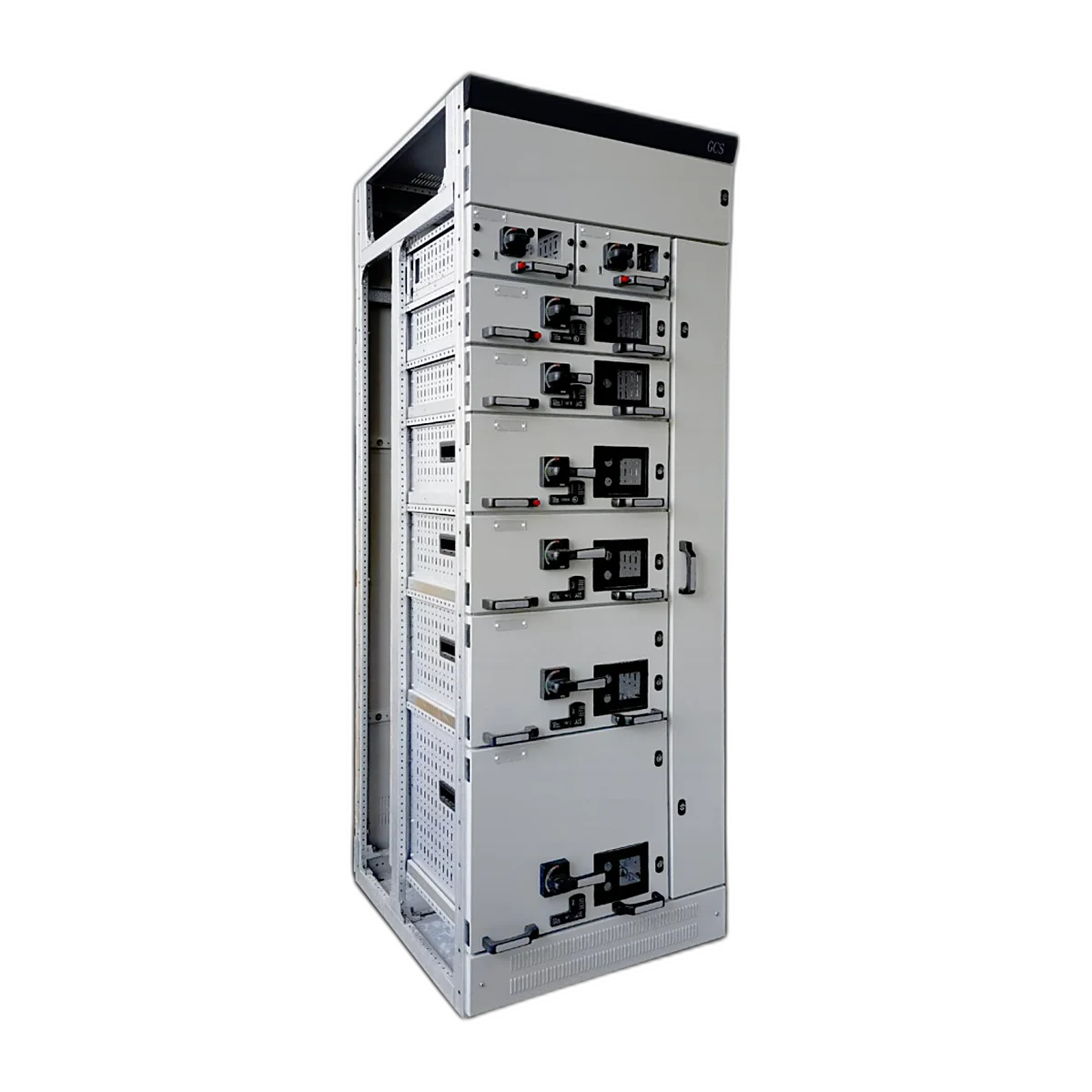
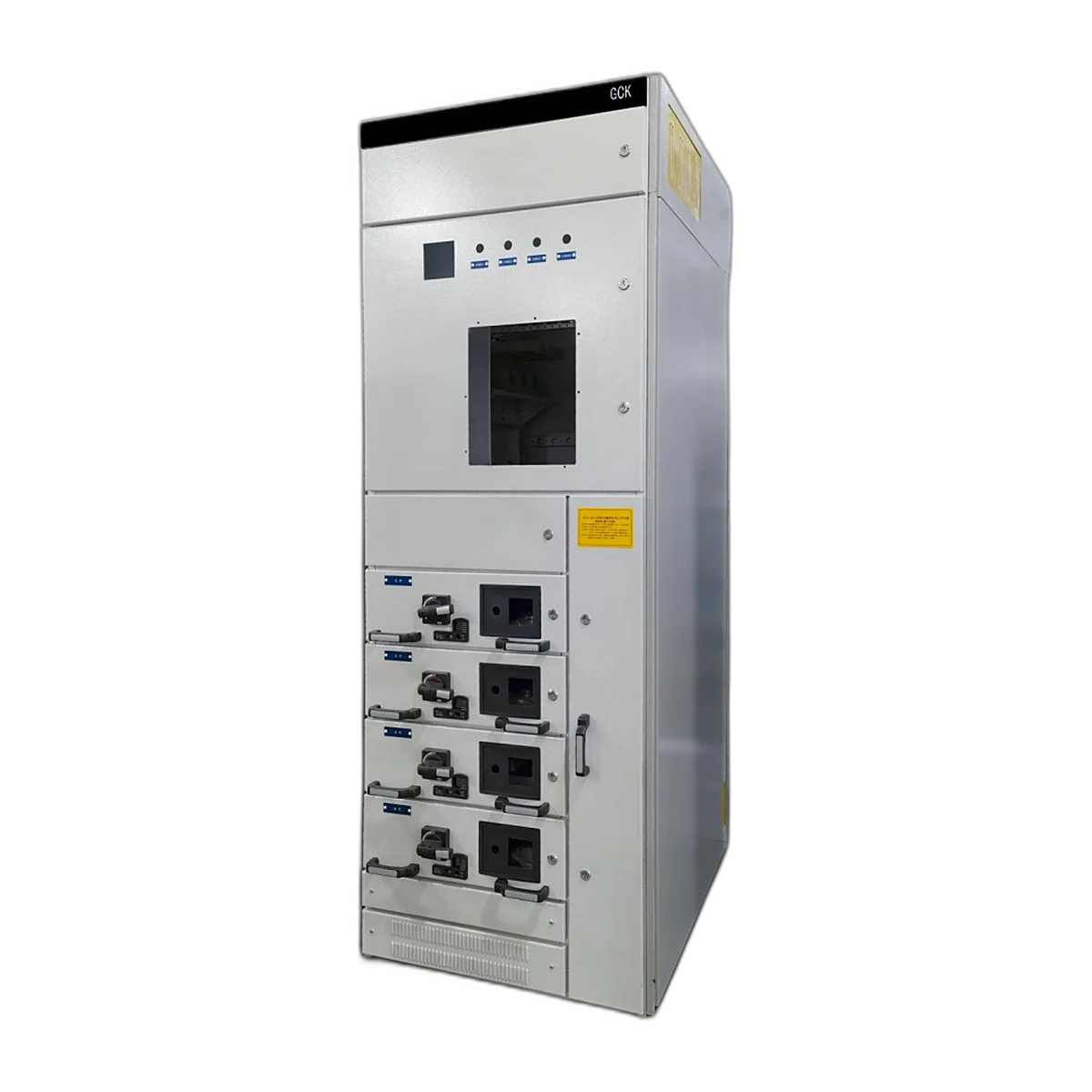
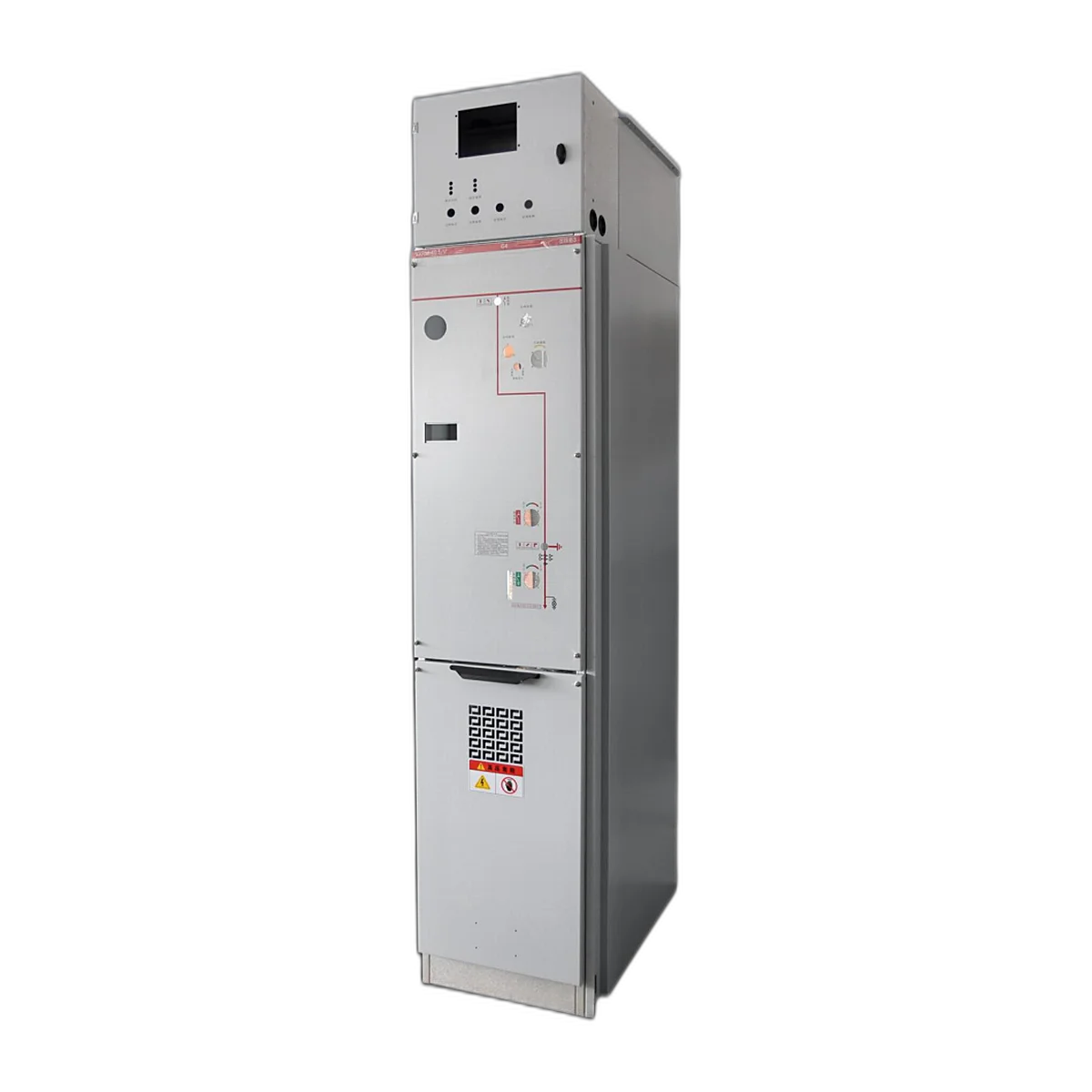
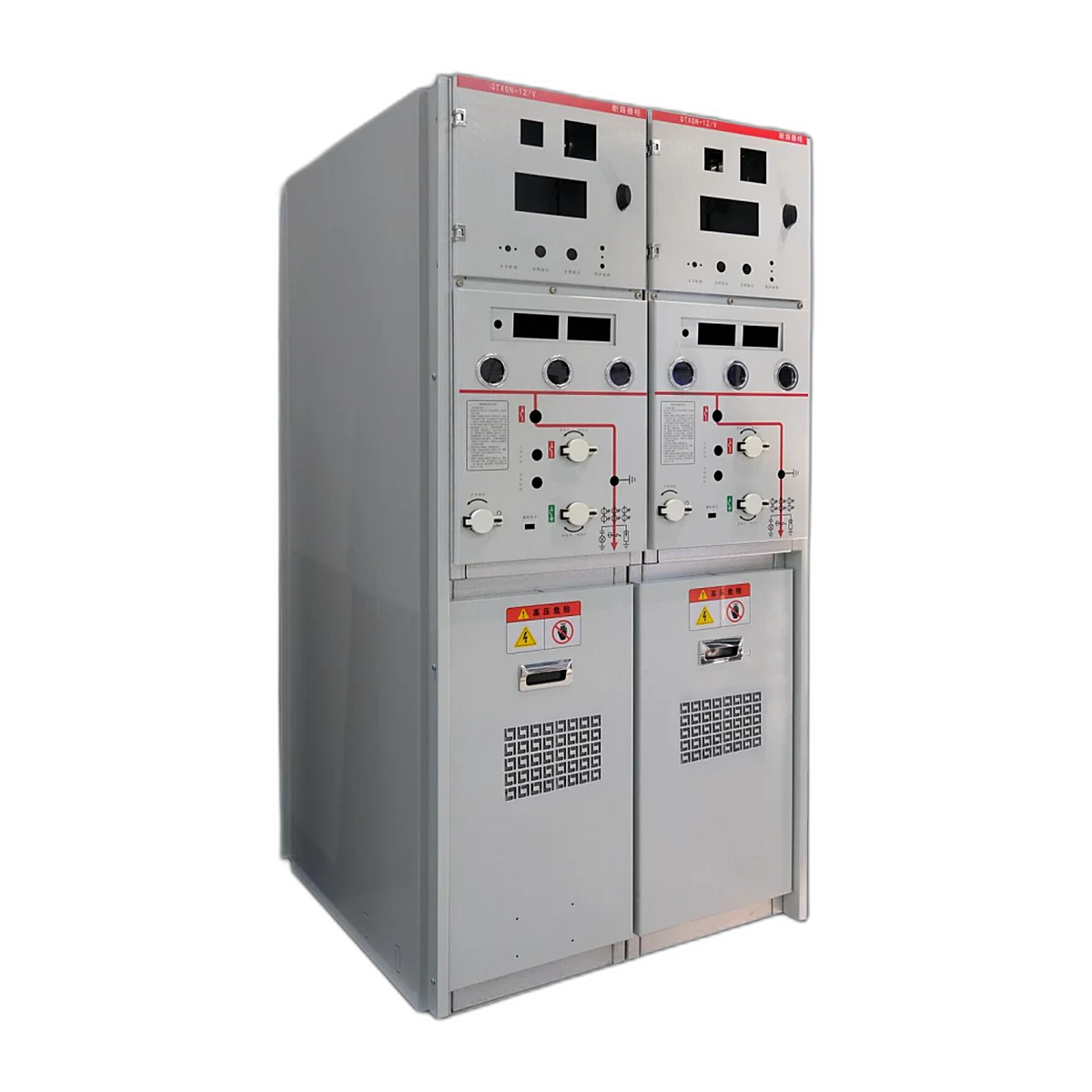
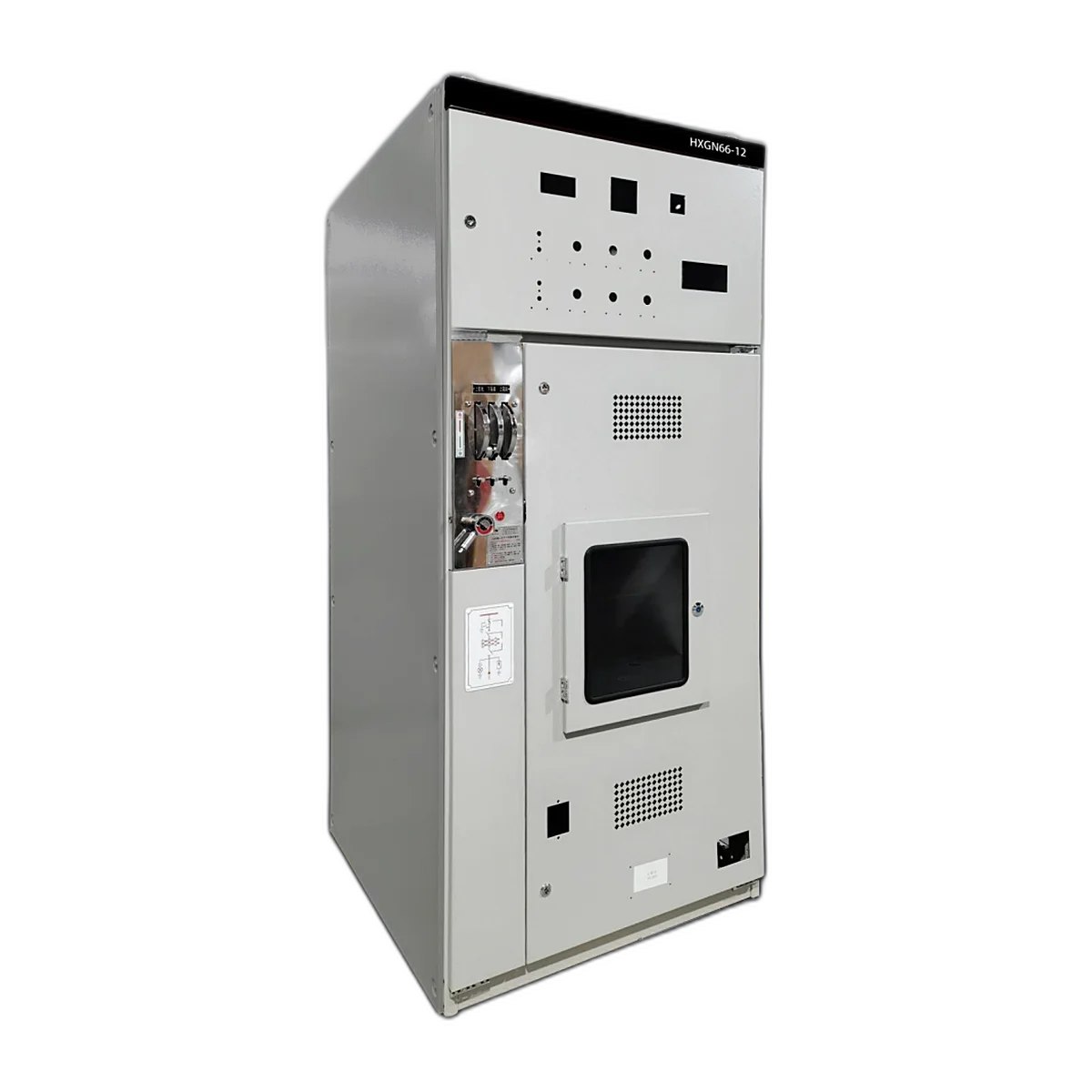
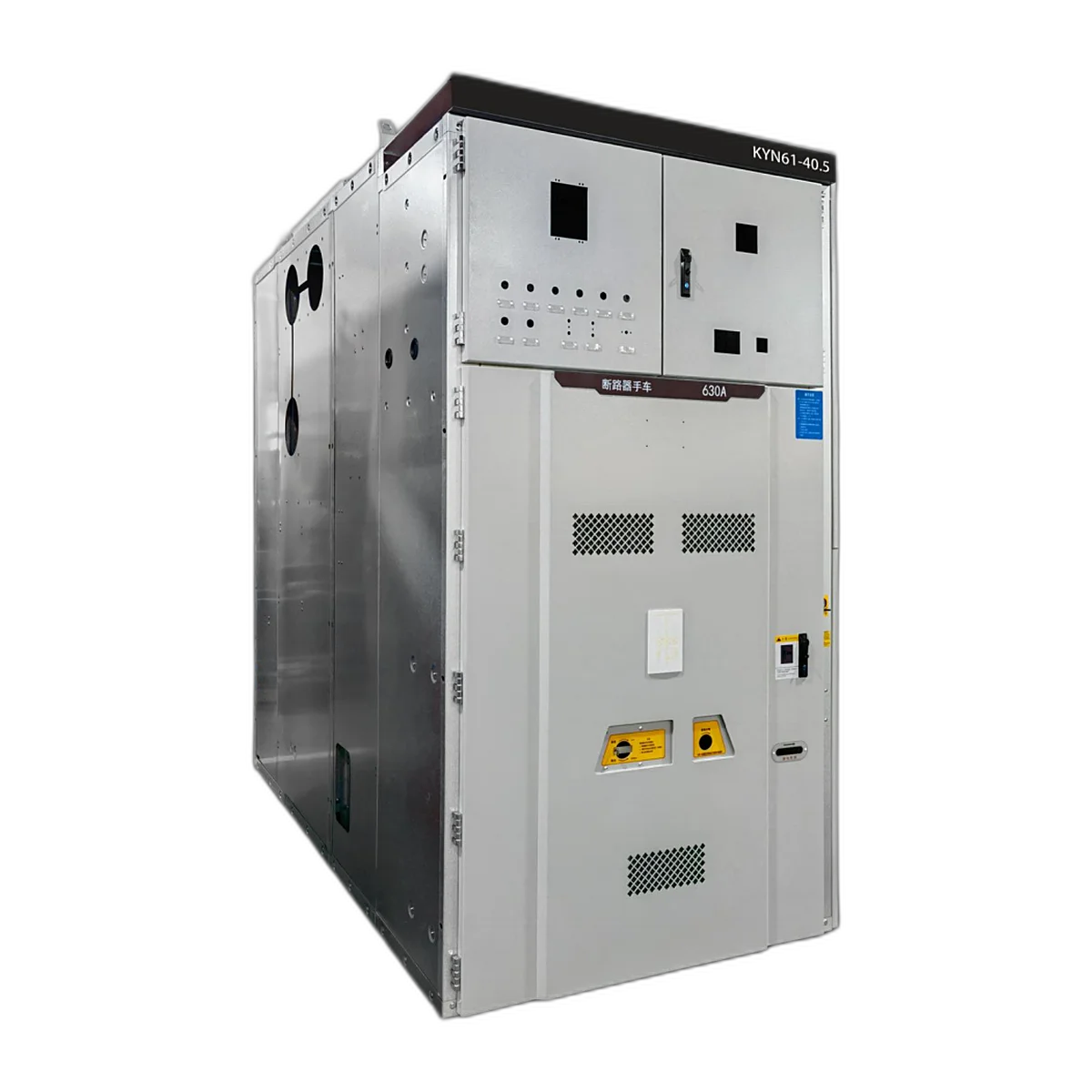
In a simple residential service of this nature, everything about the equipment is known already, in contrast to a modern 200 A system, which has sundry gadgets, a main switch as well as grounding hardware, since it all depends on the case and makes all the difference between an ordinary offering and high-quality service. A metal distribution box built to take a full range of circuit configurations is the type of enclosure this work lands on in most homes; the specification detail that matters is that it is rated for the fault current available at your service, not just the amperage on the label.
What the Job Actually Involves
The actual swap is rather quick. A professional team takes out the existing panel, positions the new box, brings in the electrical conductors, re-wires the different circuits, fits the circuit breakers, handles electrical grounding and bonding work and documents everything in the schedule.
The remaining timeline involves the following processes:
- Load calculation. An electrician has to determine the actual load in order not to jump to conclusion that 200 or 400 Amps would be needed. Many homeowners who install the EV charger nowadays do not need to upgrade their service if they use a load-management tool.
- Permit application. It is upon the contractor to get the permit. The contractor must obtain the permits on their own in most cities of Texas. If a contractor asks the homeowner to do this, keep searching.
- Coordination with the utility. The utility disconnects and reconnects the service however this part usually takes longer than all the rest of the work done.
- Utility-related work. The utility charges to change the meter base, install the new service drop or do the trenching. This item very often remains unaccounted in the quest.
- Inspections. The inspection takes place before the job is completed.
There are two things worth asking before the work begins, since retrofitting will be too costly later. The first thing is whether the current branch wiring can be replaced. Old conductors may require attention while the panel is open. The second consideration is whether the replacement meets requirements of arc-fault and ground-fault protection.
Finally, it is important to note that according to the National Electrical Code standards the installation should also have surge protective systems. Although it would be rather inexpensive to install the systems while the panel is still open, adding the systems later will be quite painful and costly.
What It Costs in Northeast Texas
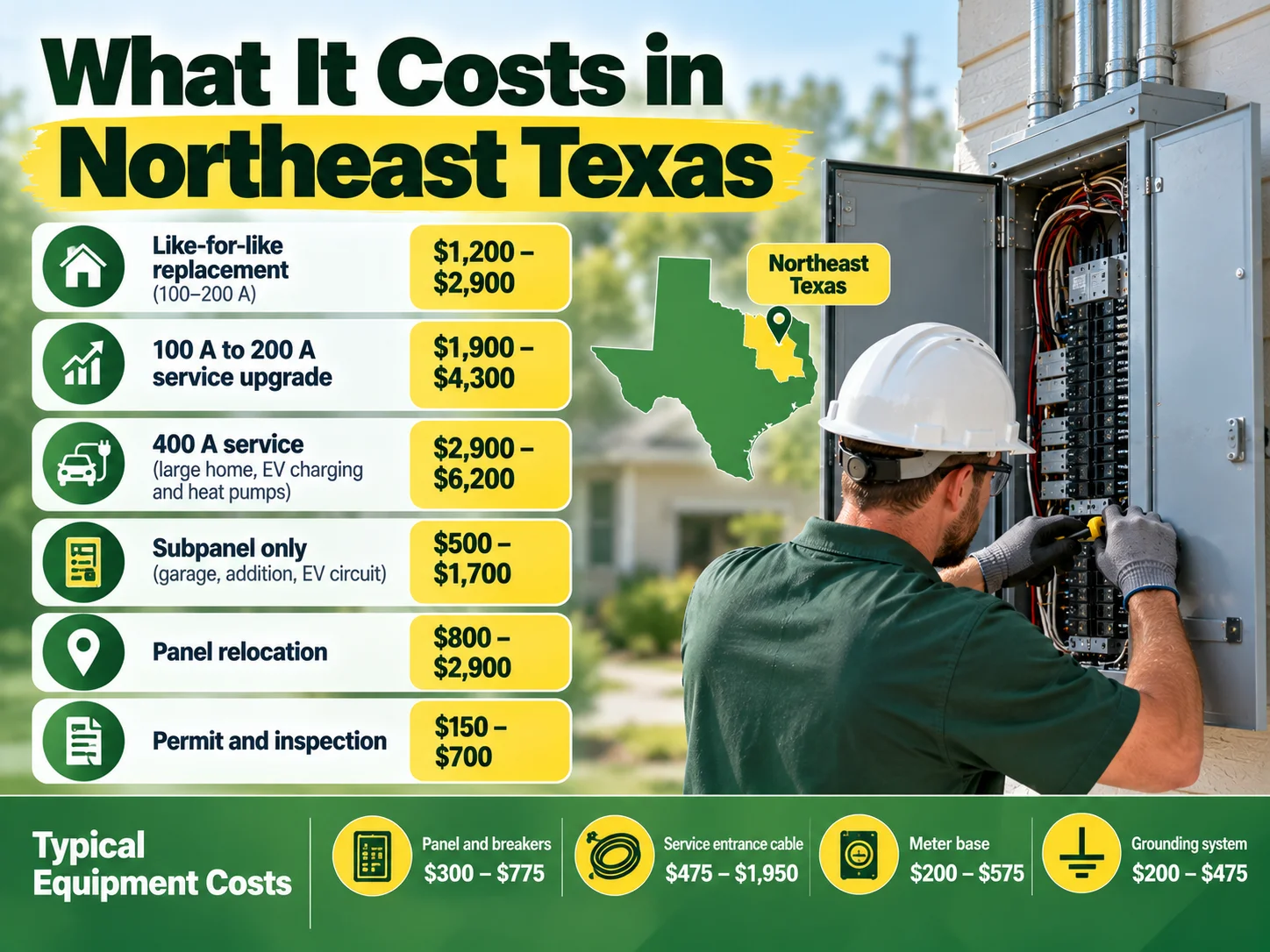
The Texas price for 2026 is just below the national average — about 3-8 percent below it — but the biggest number is the difference between the cost estimates given for the same house. Texas ranges are as follows:
| Scope | Typical installed cost |
|---|---|
| Like-for-like replacement, same amperage (100–200 A) | $1,200 – $2,900 |
| Service upgrade, 100 A → 200 A (panel, meter base, service entrance) | $1,900 – $4,300 |
| 400 A service (large home, EV charging, heat pumps, solar) | $2,900 – $6,200 |
| Subpanel only (garage, addition, EV circuit) | $500 – $1,700 |
| Panel relocation | $800 – $2,900 |
| Permit and inspection | $150 – $700 |
Breaking down the items is useful when comparing estimates because the different ranges mentioned earlier conceal actual differences. Equipment is priced between 300-775 dollars for the panel and breakers, upgrade of service entrance cable costs 475-1,950 dollars, the cost of meter base is 200-575 dollars, while the installation of grounding system is between 200-475 dollars. A quote that is 1,500 dollars less than the rest usually does not include the cost of a meter base or grounding work.
There are two rules of thumb to be considered in the conversation. The most efficient levers of comparing quotes are that the installation price is about 15 percent higher compared to the average cost of a different quote. And if the repair quote is over 50 of replacement cost of the panel in case it is mid-life already, the replacement is definitely the preferred option.
Two Things Worth Doing While the Panel Is Open
The process of replacing the panels exposes the entire servicing area. It involves two elements that cost much less at that moment and considerably more later.
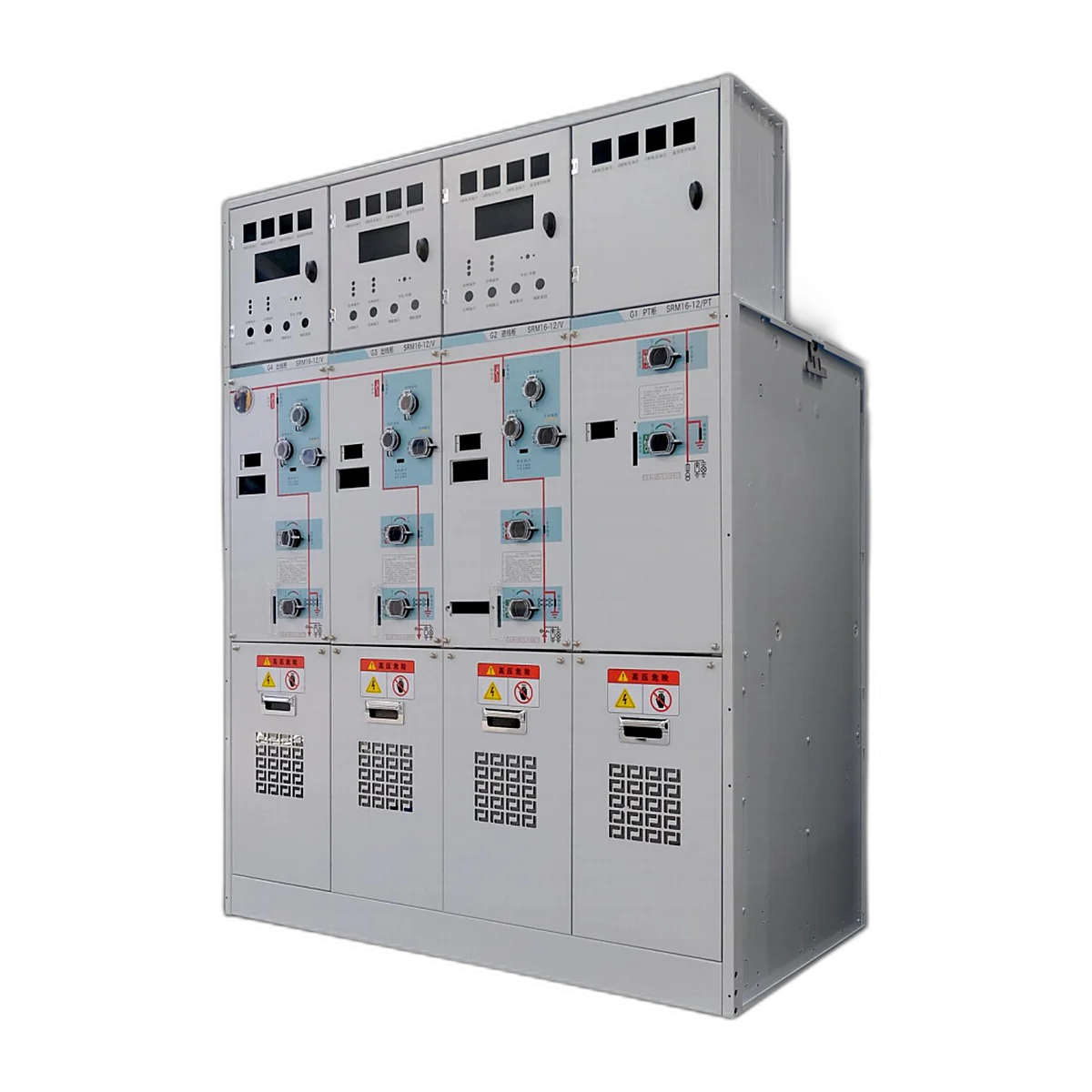
The first one is the surge protector required by the code for the replaced service tools. It should be the Type 1 or Type 2 one with at least a nominal discharge of 10 kA. The second element to consider is the layout. Where the panel is located? What route will the branch circuits take? Will it allow the installation of additional circuits that should eventually be installed? The panel installed in a non-designated area will incur more costs than the panel itself.The whole-home picture — service position, distribution, protection and the circuits that hang off it — is set out in the residential building distribution solution, which is a useful reference for a homeowner planning ahead as well as for a contractor scoping the job.
Licensing, Permits and Inspections in Texas
In Texas, effective verification is essential, since all licenses vary even within trades.
- The state licenses the electrical trade. The Texas Department of Licensing & Regulation issues licenses to electricians and electrical contractors. Make sure to ask for the license number so that you may verify it: this simple action may protect your interests in case of any unforeseen events.
- Permits are issued at the local level. Each city has its own requirements concerning permits. Tyler and many other cities require obtaining an electrical permit and passing inspections. The only thing that may depend on where the installation takes place is whether your contractor knows these rules on which permits and stipulations apply.
- Code version. It’s good to know that Texas follows the 2023 National Electrical Code. This will affect your project in three ways: you will be required to install circuits with AFCI protection, GFCI requirements will need to be met, and surge protection must be installed.
- Insurance and resale. When a permit is issued and the inspection is passed, the value of your project is going to be defined. This means that the potential buyer will have all the valuable information on the done work by means of that documentation, no matter whether they buy the property in two years or in twenty.
Beware of scope creep backwards — don’t accept a quote that doesn’t include the permit fee, load calculation, grounding update, or disposal of refuse. Be sure to ask for a detailed quote that will include the work done related to the panel, breakers, meter-based service conductors, grounding process, permit, and disposal of refuse.
Indoor or Outdoor Panel, and What to Specify
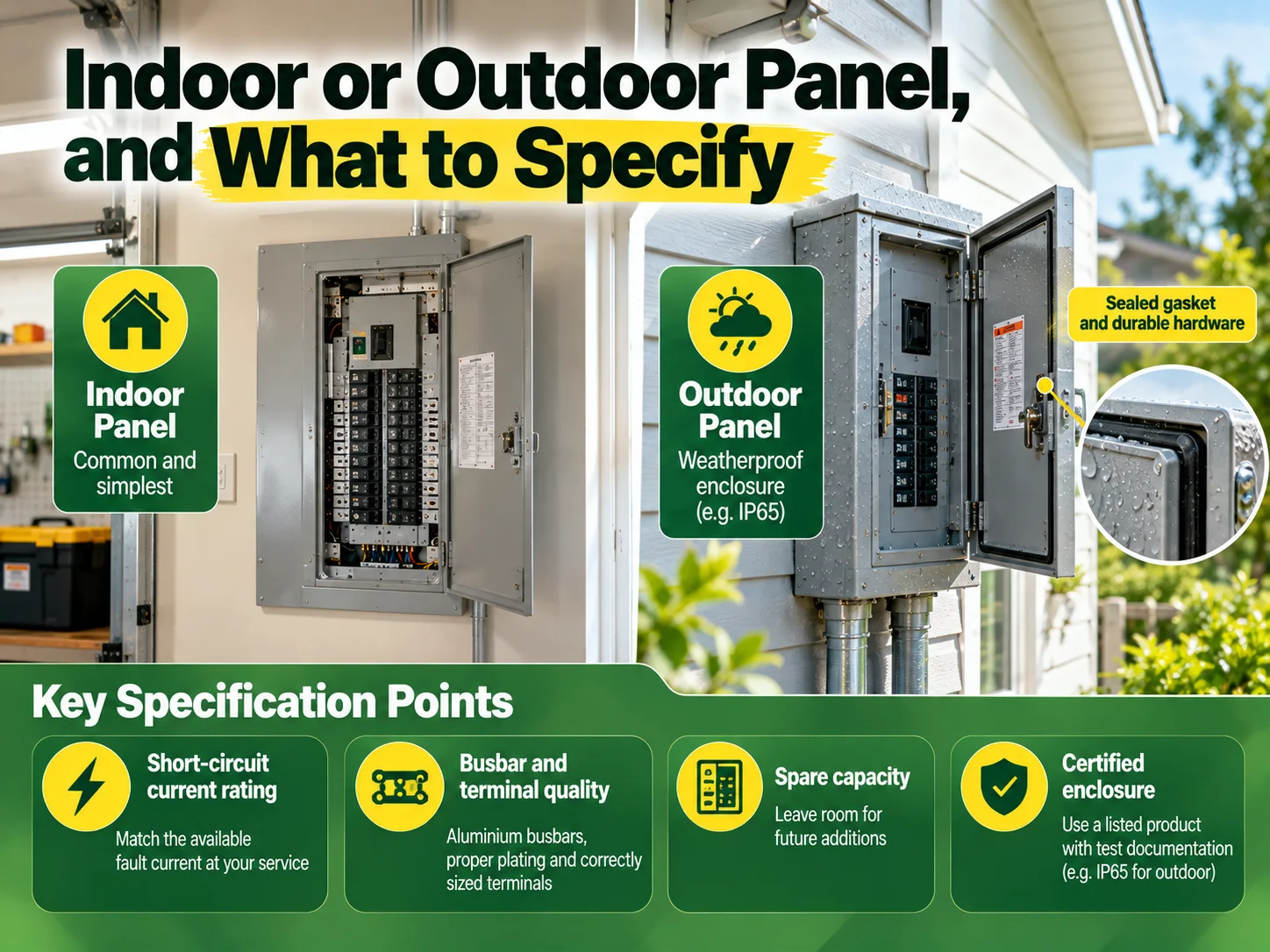
Installation location inside or outside, i.e. in a garage or utility closet or on an outside wall dictates the enclosure requirements and not only the labour cost.
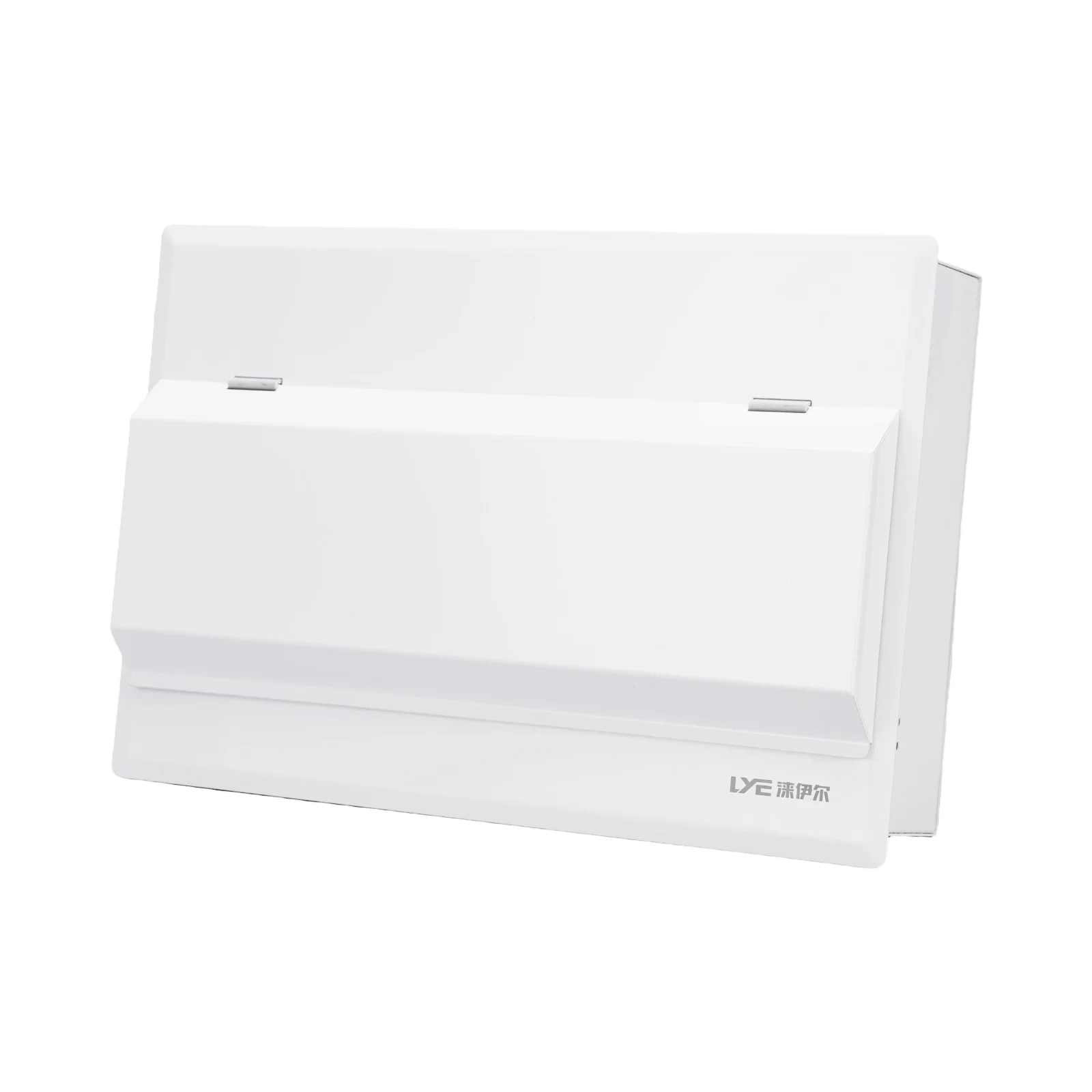
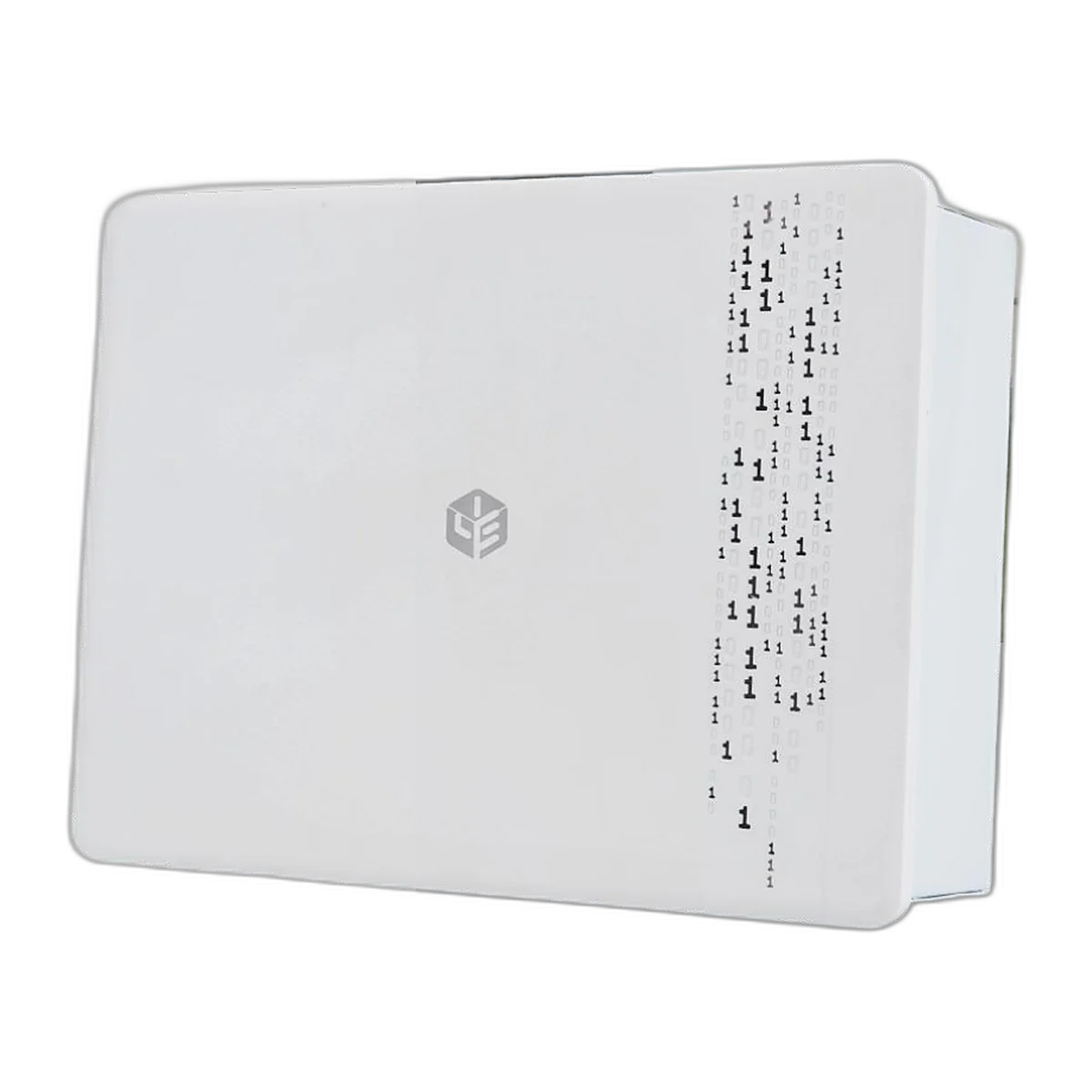
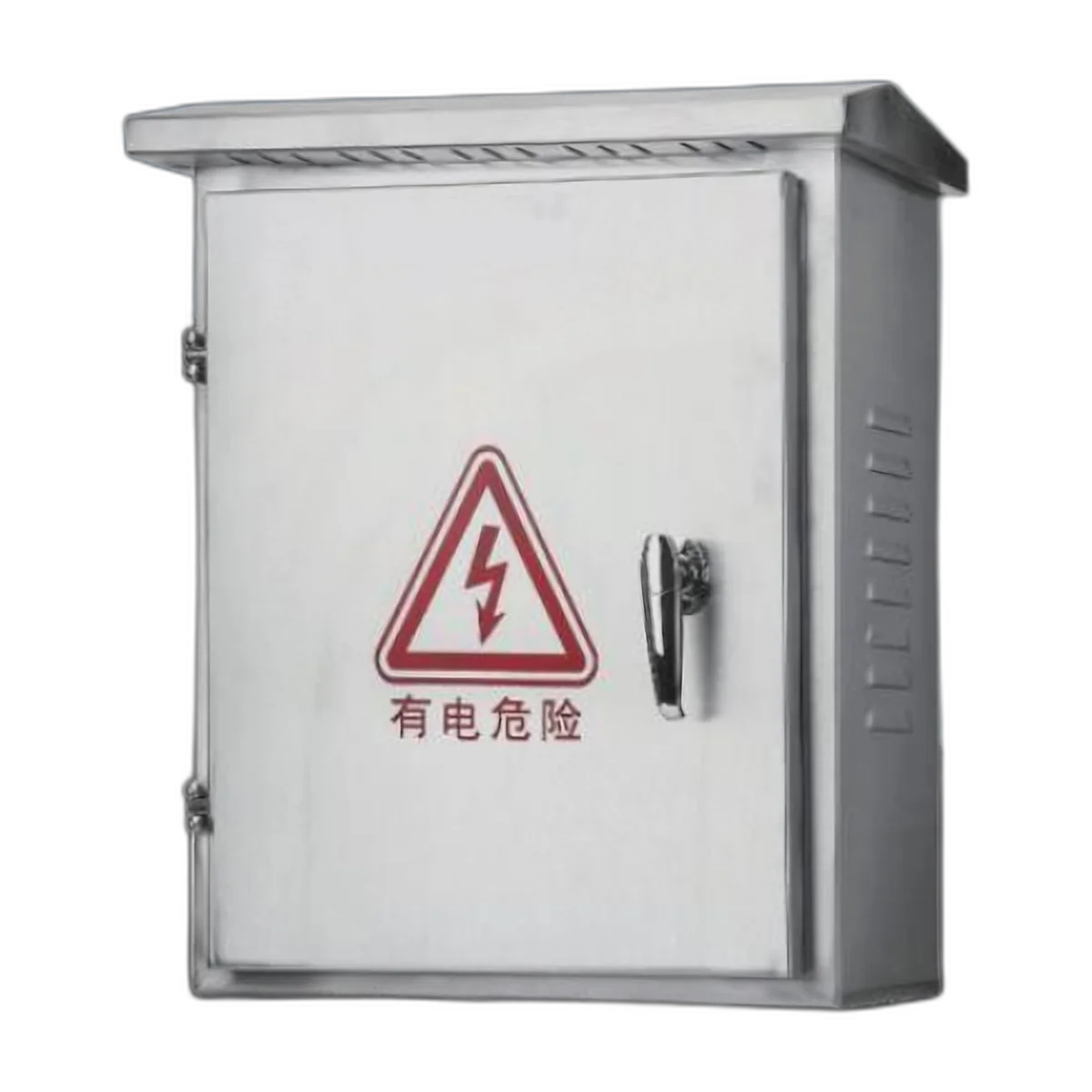
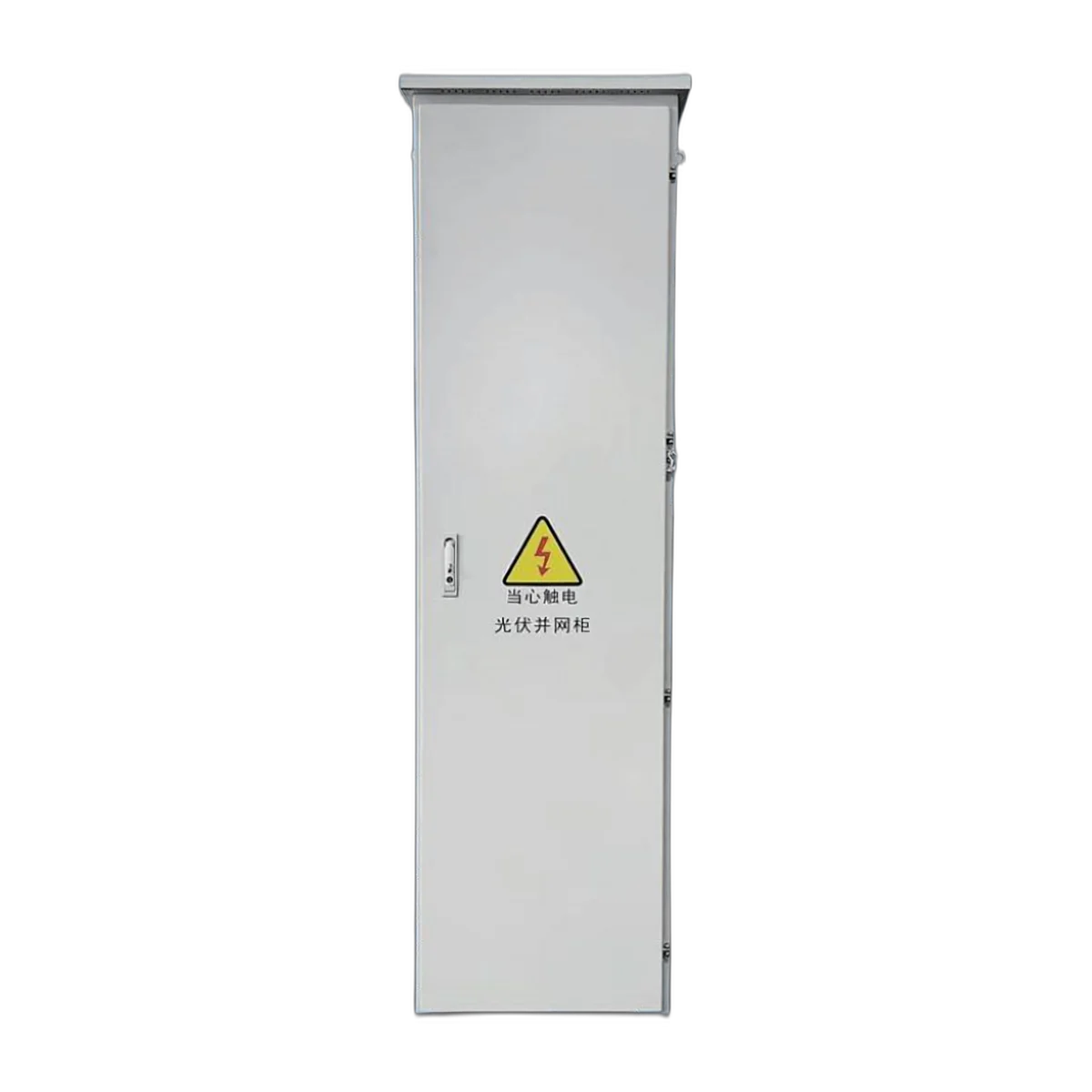
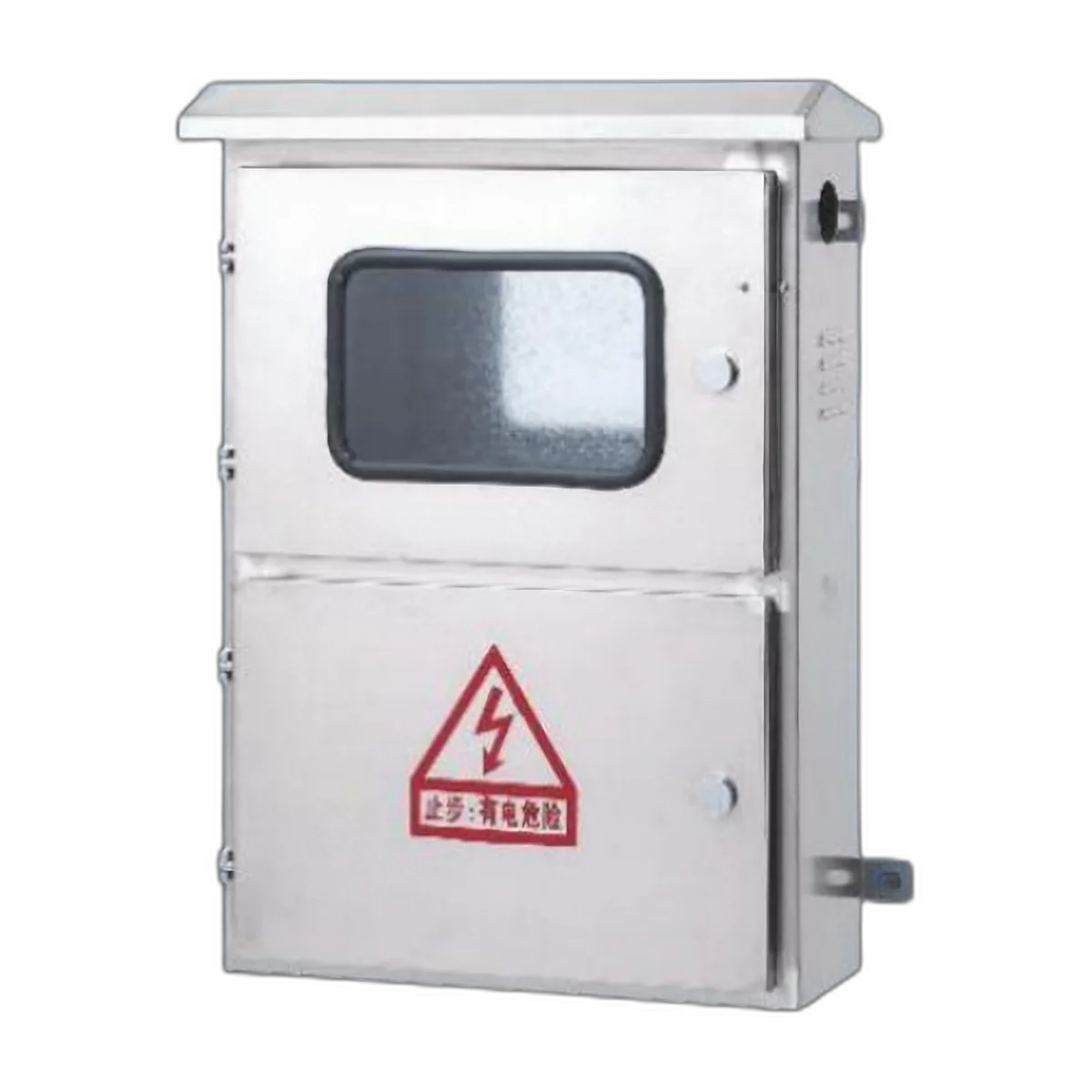
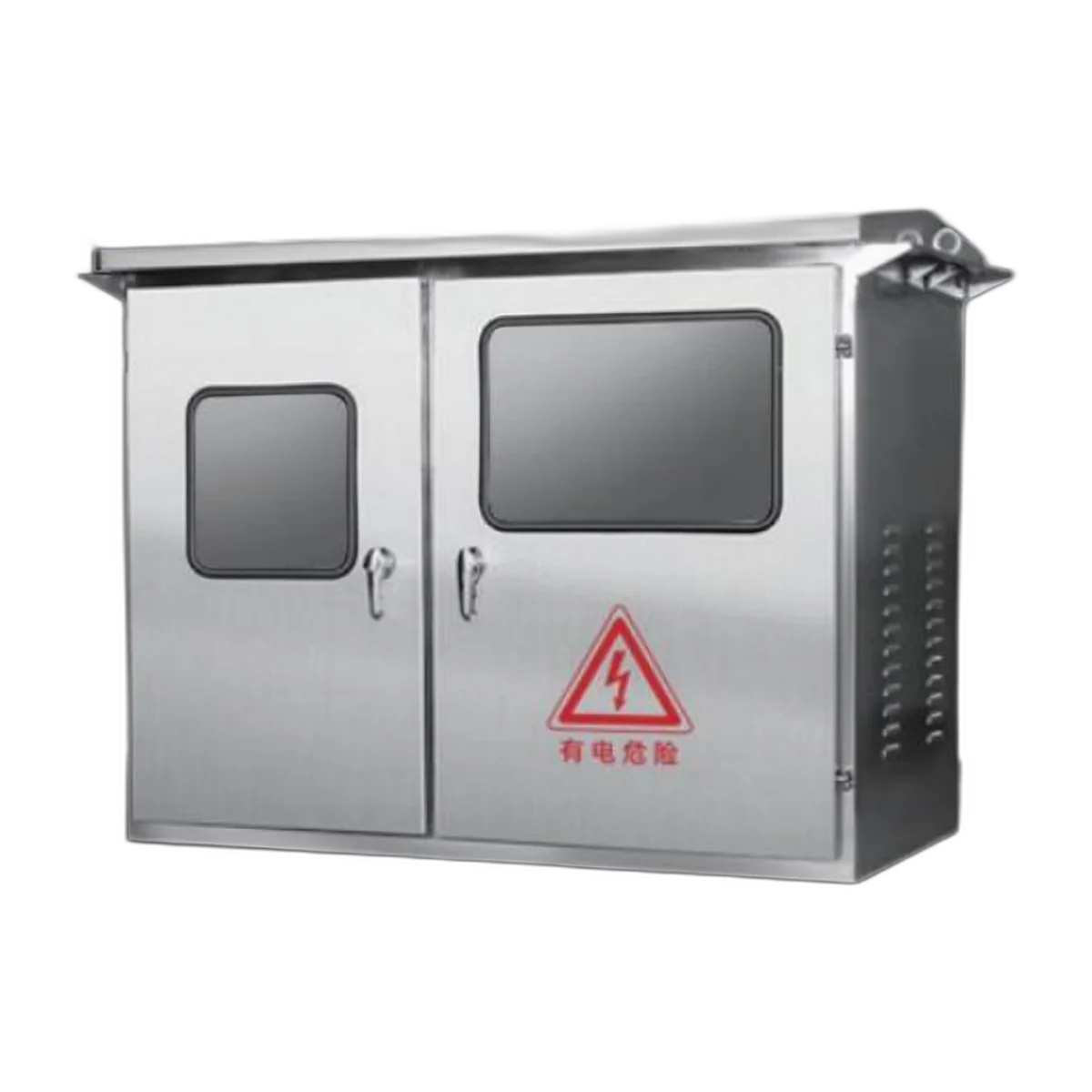
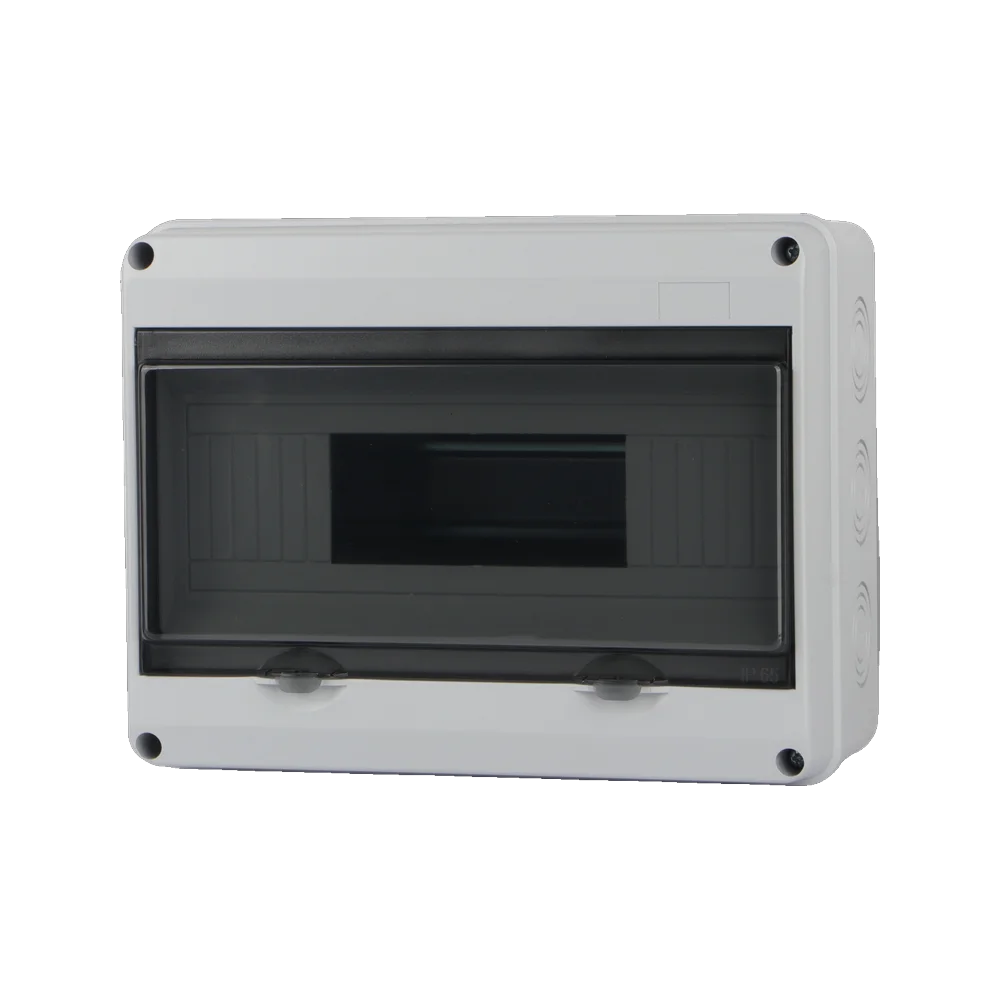
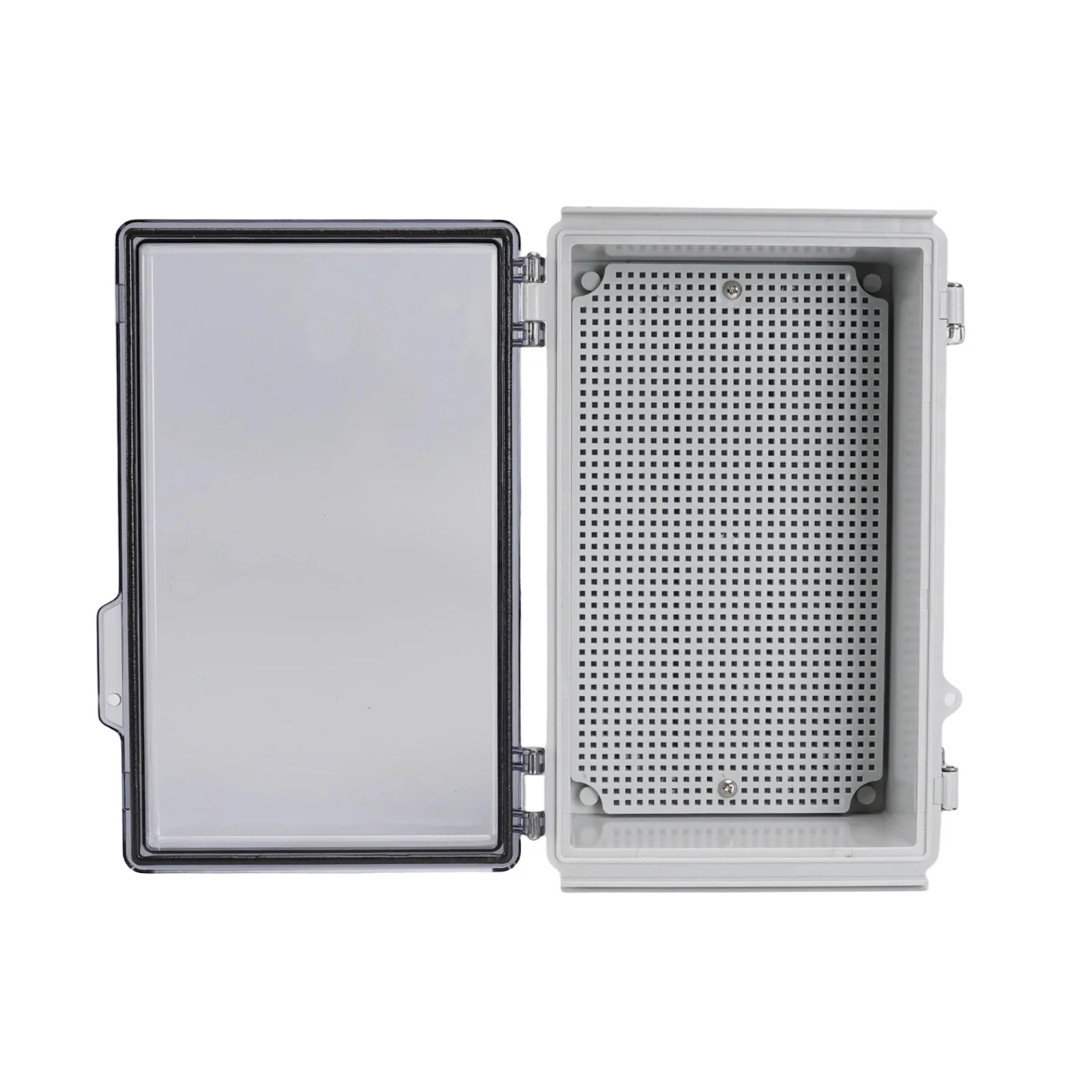
Most common case is the indoor installation as it is quite simple. The installations outside or somewhere in between such as an installation on the side wall of the building, for example, in the garden shed or next to the swimming pool or the detached garage require the enclosure designed for installation outdoors with the corresponding gasket of the door, hinges and latch. In such weather conditions in northeast Texas where the summer heat and humidity as well as rainstorm can be encountered, the enclosure with the water-splash category will pay its price as compared to installation with no blind. An outdoor distribution box rated IP65 is the reference point for that class: sealed against dust and protected against water jets, which is a different specification from a box that is merely painted.
The Specification Points That Actually Matter
There are three components that should be included in the specification because they are not mentioned in the quotations:
- Short-circuit current rating. The panels and breakers should be rated in line with the available fault current in the location of service. This is a safety feature and can’t be deduced from the amps indicated on the label.
- Quality of terminal and busbar. Use aluminum busbars that have the correct plating, have the right size ground and neutral bus bars, and have connectors for cables actually used in the building.
- Extra space. Buy the panel with the capacity to accommodate the next two additions, not just the current needs. This costs little at installation, but it costs a lot later on.
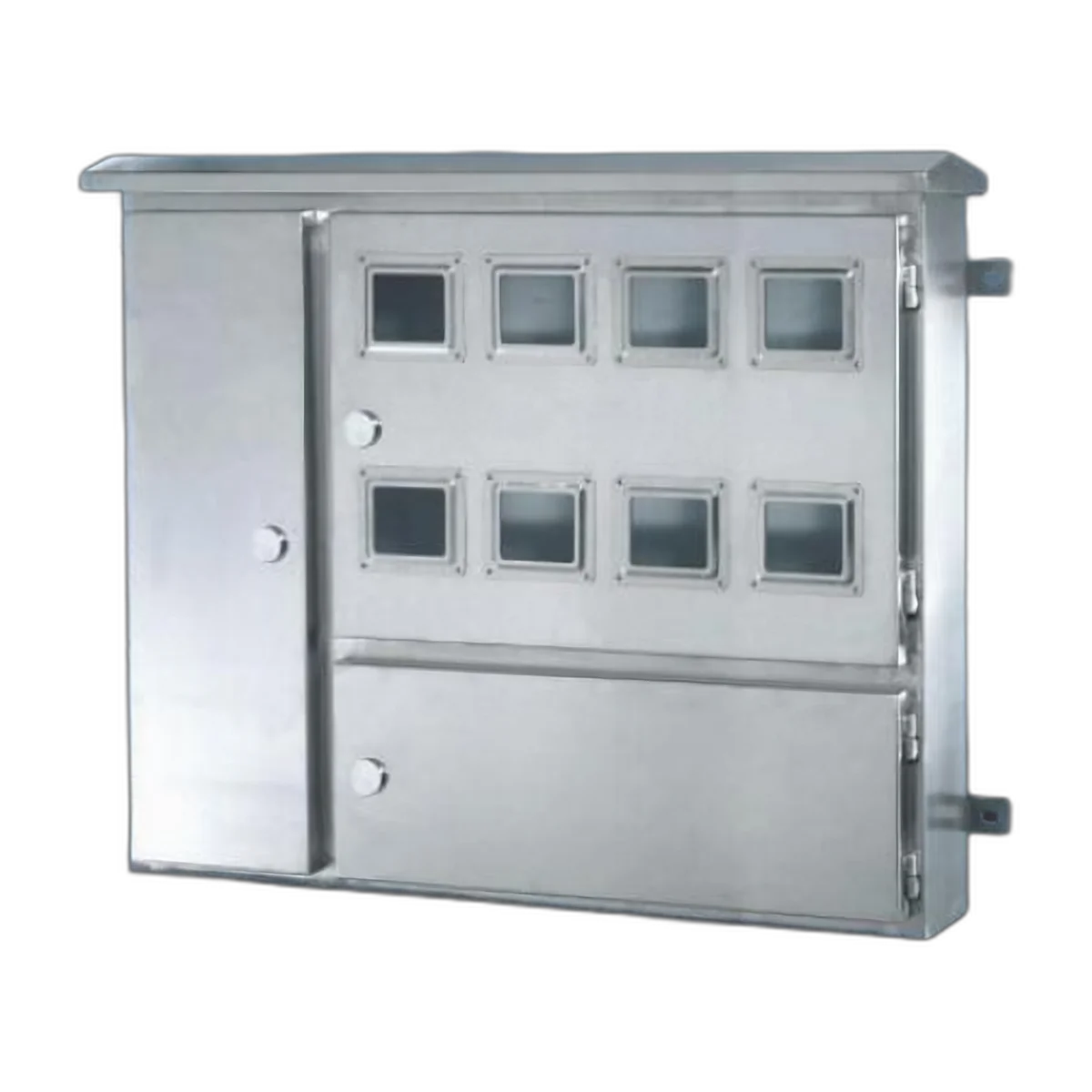
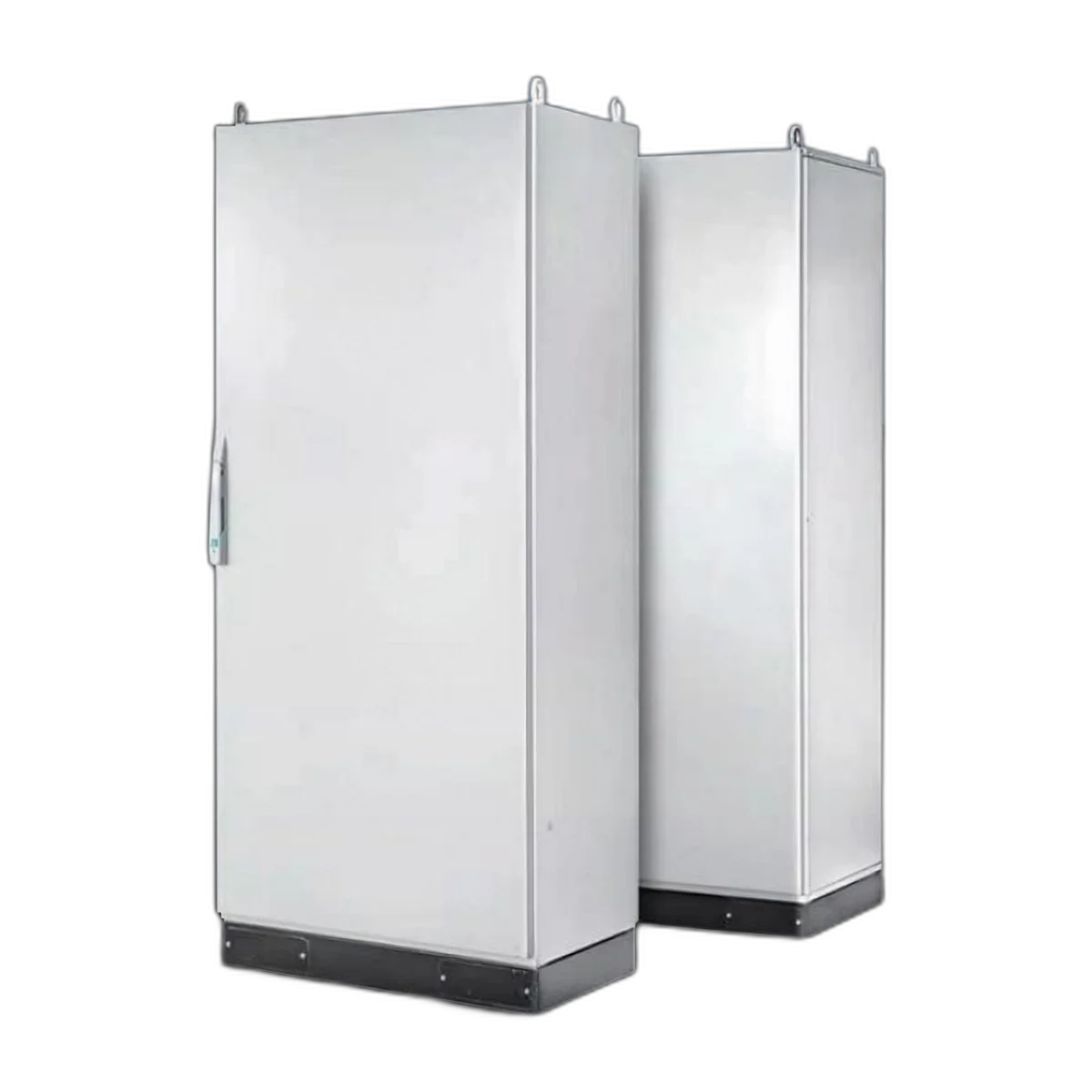
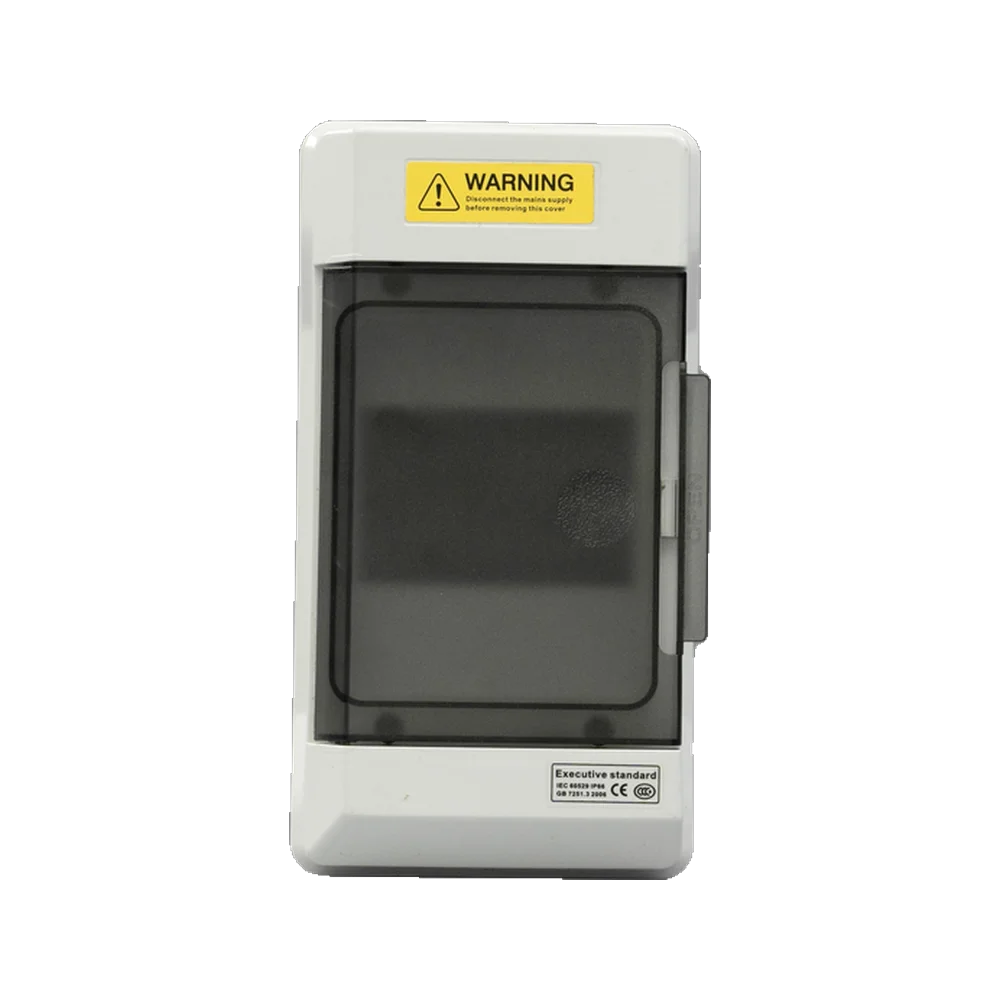
You should never accept a generic enclosure that lacks any listing details, any fault current rating or test records. This is the type of product that will be offered at below-average prices to the customers. A certified residential distribution box with the test documentation behind it is the baseline for a dwelling, and it is worth asking to see the certificate rather than taking a brand name on trust.
Choosing a Contractor in Tyler
Six questions make the difference between an acceptable bid and a cheap one.
- Is the license number verified and does it match TDLR records and the name listed on the contract?
- Who is pulling the permit? It must be the contractor!
- Is there a load calculation? If they go straight to “you need 200 A”, then they are just guessing. Inquire about the actual calculated demand.
- What is the fault current? A contractor who can provide accurate information knows what he is doing.
- What is excluded? Meter base, utility fees, grounding upgrade, repair of drywall, disposal. Make sure to get everything confirmed in writing.
- What is the warranty? Length of labor warranty and whether the equipment warranty is registered on your name.
Obtain three itemized quotes and make sure they cover the same scope of work. Be very suspicious of any quote that is too low. Usually, it results in a scaling back of services.
If You Are a Contractor or Distributor Sourcing Panels
In Tyler jobs, labor, permitting, and utility coordination constitute the largest portion of the installed price, whereas the hardware represents the minor portion. That is also the area where contractors can work on improving margins the most, as long as the equipment meets the listing specifications.
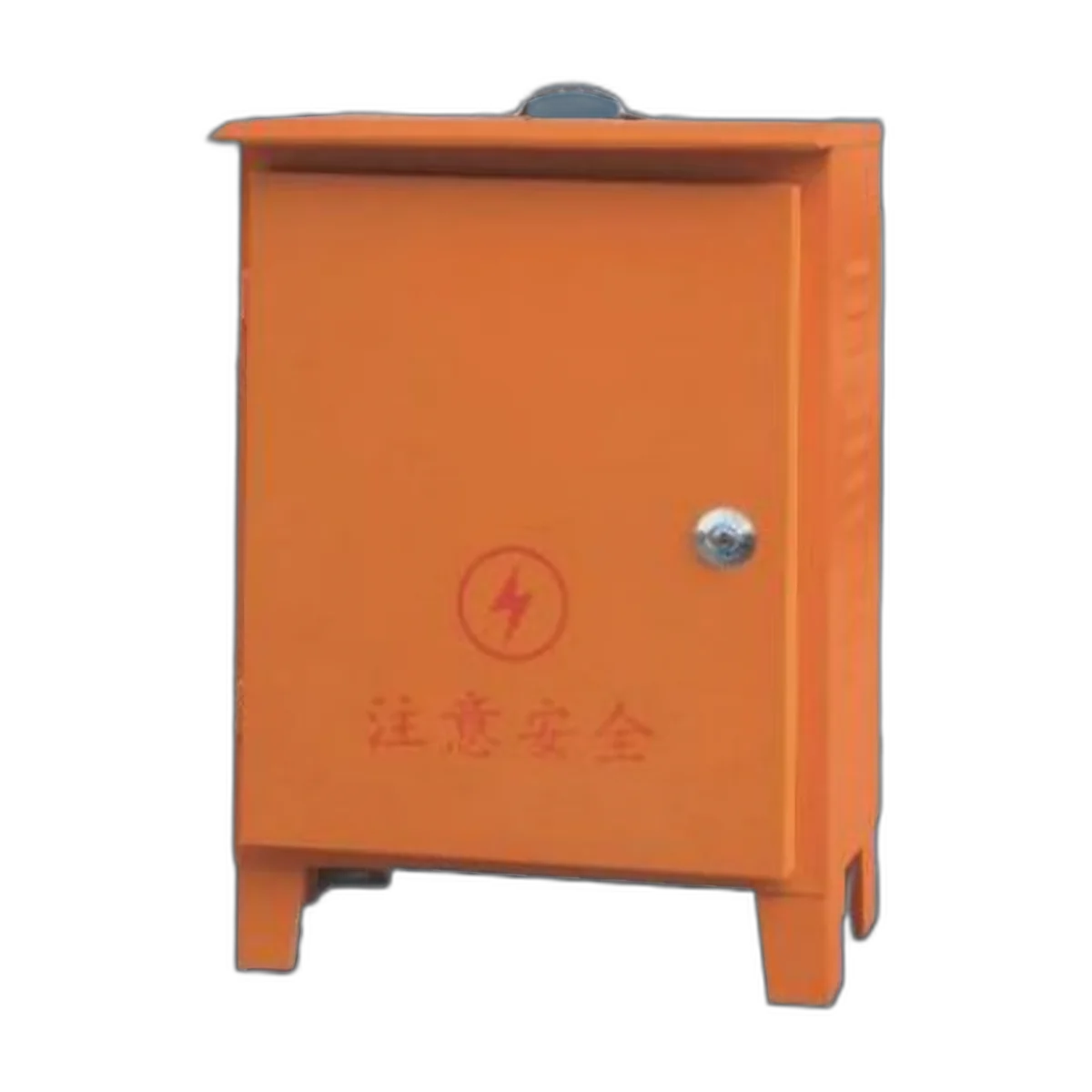
The best thing contractors, distributors, and property managers can do is to standardize one enclosure across the inventory instead of purchasing whatever is available at that point of time. This means agreeing on the amp rating ladder, number of circuits, enclosure configuration, label, and packaging, and getting it manufactured in line with these requirements.Enclosure manufacturers that run OEM and private-label programmes do exactly this, from OEM and ODM service for branded distribution equipment through to documentation and packaging. The practical benefit is a repeatable bill of materials instead of a re-specification every job.
A piece of advice for anyone purchasing equipment instead of executing its installation: request type test and routine test records accompanying the shipment. A distributor unable to issue such records is transferring a risk that will fall on the contractor’s licence.
Frequently Asked Questions
How much does electrical panel replacement cost in Tyler, TX?
To change out a service of equal amperage, costs for the whole job would be between about $1,200 and $2,900. When upgrading from a 100-amp service to a 200-amp service, costs would be between about $1,900 and $4,300. Upgrading to a 400-amp service for a large house that is using electric vehicles or multiple heat pumps would cost between about $2,900 and $6,200. The cost of getting permits and inspections would be about $150–$700, depending on the municipality. In Texas, prices tend to be slightly below the national average, but estimates on the same house in the same ZIP code can vary by 20%–40%, so seeking three detailed quotes is more beneficial than simply looking for the lowest hourly labor rate.
Do I need a permit to replace my electrical panel in Texas?
In most towns in Texas the answer is yes; work involving panels and service requires an electrical permit and also an inspection, and the permit must also be pulled by the licensed electrician who does the job. The needs are fixed locally instead of being uniform in the state, and in some unincorporated areas permits may not be necessary. It is your contractor’s obligation to tell which rule applies to your specific location and to obtain the permit. If your contractor asks you to obtain the permit yourself as the owner, this is a warning sign about how the rest of the work will be done.
How long does a panel replacement take?
Usually, the conversion takes place in one day with the power cut off anywhere from four to eight hours. However, the full project duration is extended to accommodate the scheduling of the permit approval, inspections and utility cut offs and reconnects. In essence, the work itself should be the quick part but the timetable needs to be prepared beforehand for this assignment.
Does replacing my panel require a surge protector?
The National Electrical Code regulations adopted in Texas demand that all service equipment installations must include the installation of a surge protective device in case of replacement—specifically it should be a Type 1 or Type 2 SPD having a nominal discharge current equal to a minimum of 10 kA. This is a cost that will appear small as the panel would already be opened but it can become a significant headache if forgotten because the cost of adding it later can be considerable hence make sure it is included in the scope of the work before it begins. Additionally, it is also one of the most cost-effective forms of protection that you can buy for the electronics of the house in which a new service has been installed.
References
- Texas Department of Licensing and Regulation (TDLR) — electrician and electrical contractor licensing
- Oncor Electric Delivery — service connection and meter work in the Tyler area
- Angi — electrical panel replacement cost data and contractor guidance
- U.S. Energy Information Administration — residential electricity consumption and appliance load data
- National Electrical Manufacturers Association — enclosure and distribution equipment standards
Conclusion
The physical work involved in Tyler is quite simple; the work process incorporates license checking, paperwork processing, load calculation, and utility instruction. It is expected to budget about $1,200-$2,900 for a simple substitution and $1,900-$4,300 if moving from 100A to 200A, as well as the cost of utility work, and to require a detailed quote in order to be sure of the fact that the job is given three times. It is necessary to describe the enclosure accurately because this is the item in the bill that ensures that you will not return here in 15 years.