

Emergency Procurement of an R77 Traffic Signal Cabinet Inside 90 Days
It turned out that R77 requests are often used inefficiently as planning tools. This is in spite of the fact that an R77 request only has to be filed if the signal cabinet of size 77 inches (part of the NEMA TS-2 controller system) is in urgent need due to its being downed at a certain intersection as a result of the weather or timing problems or because of the condition of the R77 request having to be fulfilled before the expiration date of such a request. Hence, the normal completion period of such requests usually amounts to 90 days.
The R77 Traffic Box belongs to the standard NEMA boxes which are described by the height of 77 inches, the ability to store different gear for the traffic control and video detection, and the history of being used as a substitute for outdated traffic equipment. Normally, customized traffic boxes are manufactured within 12-20 weeks; thus, having 90 days to address the problem means using either standard boxes or semi-custom traffic boxes with a pre-order of some of the boxes and justification with the help of emergency procurement procedures. To investigate the market for the solution, one ought to check: 1) whether the relevant standards for the intersection such as NEMA TS-2, ATC, and Caltrans 170/2070 are met; 2) whether the federal content requirements should be fulfilled; and 3) who is the responsible person for approval of the urgent project.
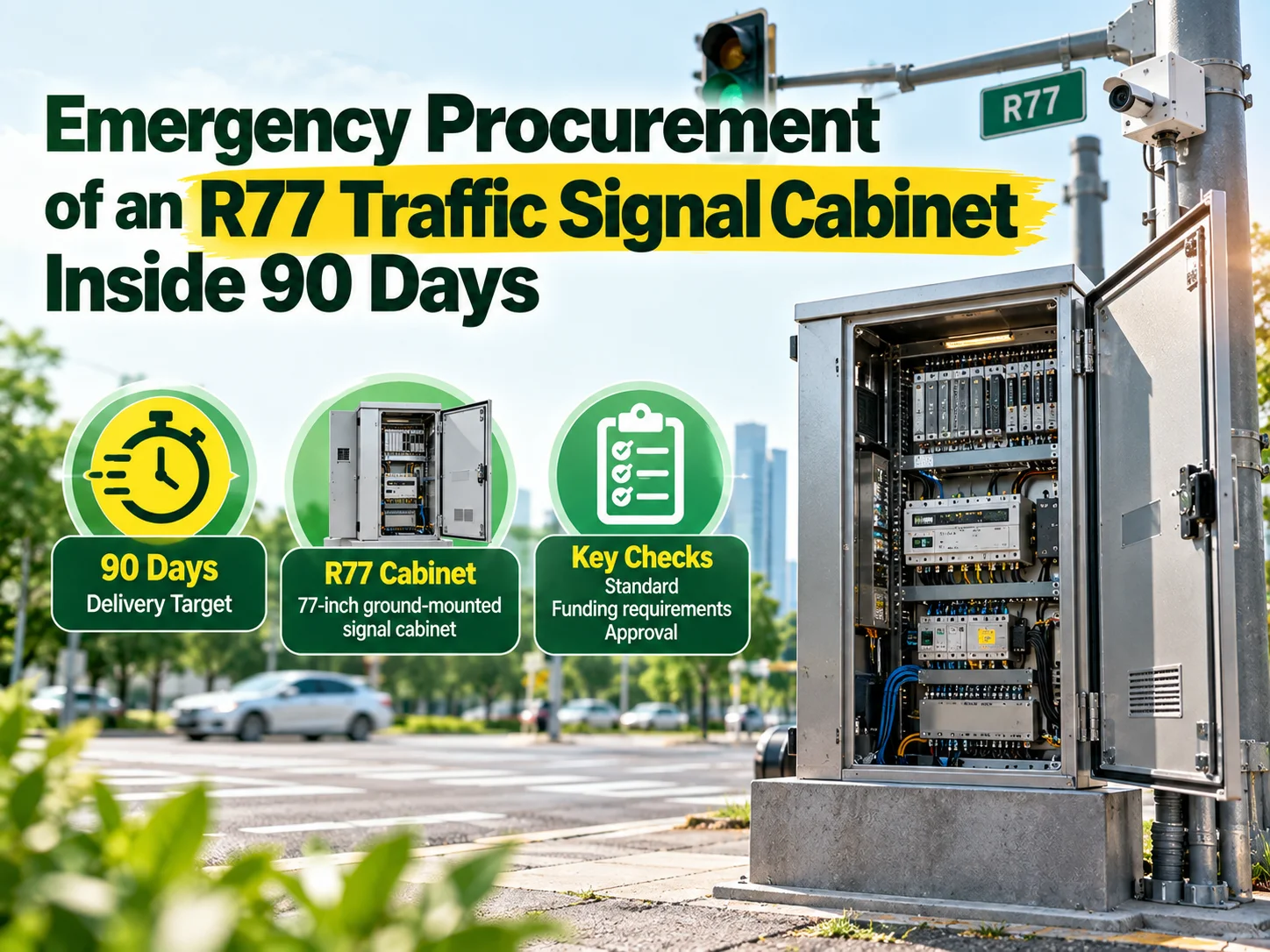
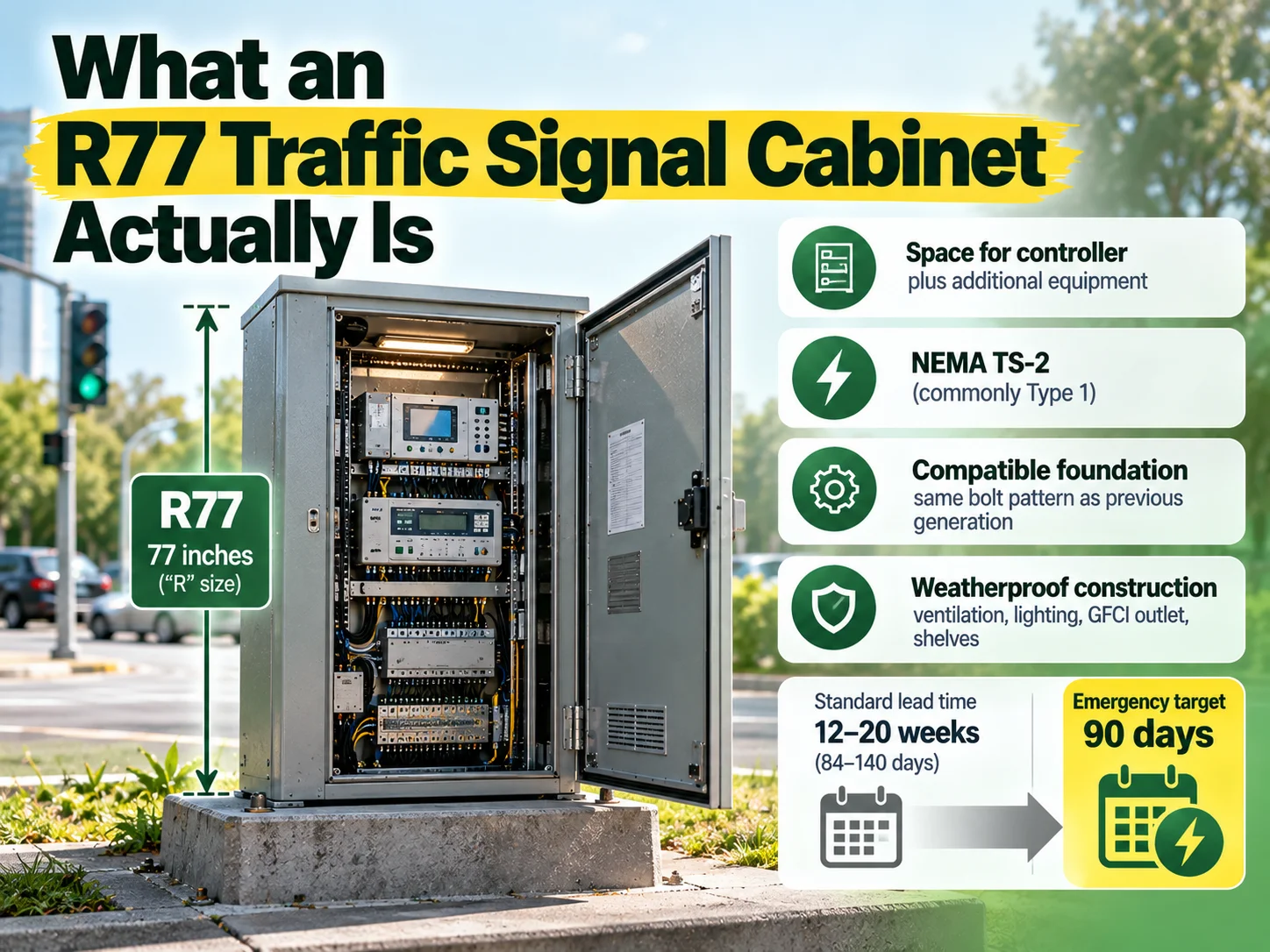
What an R77 Cabinet Actually Is
The letter-and-number designation is a size code from the NEMA cabinet family that dates back to history, and the reason why it is important to know is that it is what creates complications in expert procurement.
- The “R” cabinet has a height of 77 inches, which relates to state transport documentation and the “P” cabinet of 60 inches that has enough space for basic control equipment and is suitable for the downtown and commercial parts of the city.
- Both cabinets have the same bolt pattern as older models, which is critical for replacement and modernization of storm cabinets because the R size cabinet can be without difficulty mounted to an existing foundation and pad.
- The standard on which this model generation was based is NEMA TS-2, which is still considered to be one of the most popular in North America because it dates back to 1992, and TS-2 Type 1 is the typical designation of the assembly.
- New standards might be applicable. For instance, ATC 5.2b is the cutting-edge open architecture version which is becoming more commonly used for modern installations, while Caltrans 170/2070 is completely different and is applied to California highways construction projects.
According to reference “R77”, it specifies the cabinet’s generation and size; however, it does not provide any information about the model of the intersection cabinet, which is critical if one needs to purchase it quickly. That is because if an unsuitable electrical connector reaches you, there is going to be a lot of irregularities with what you have.
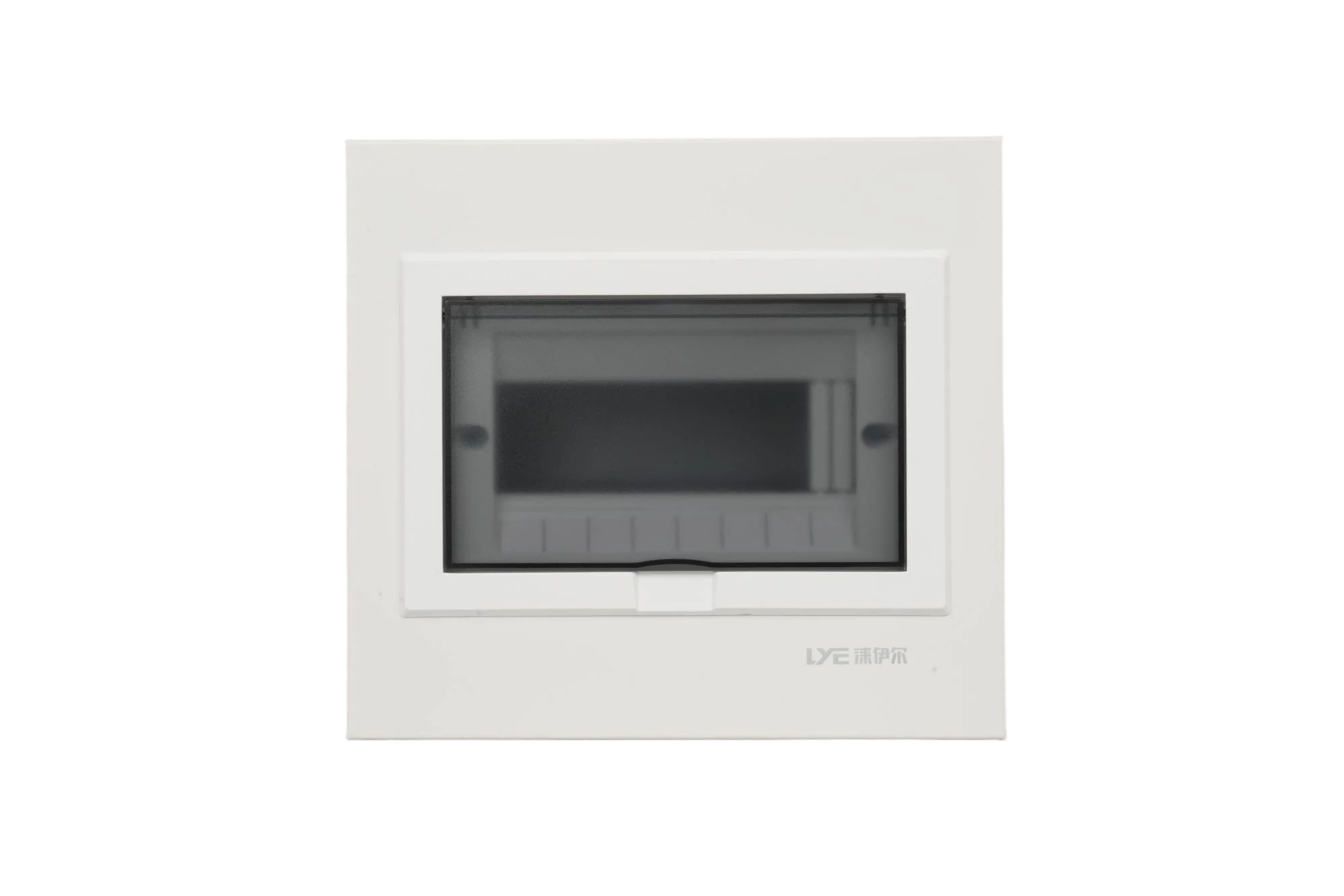
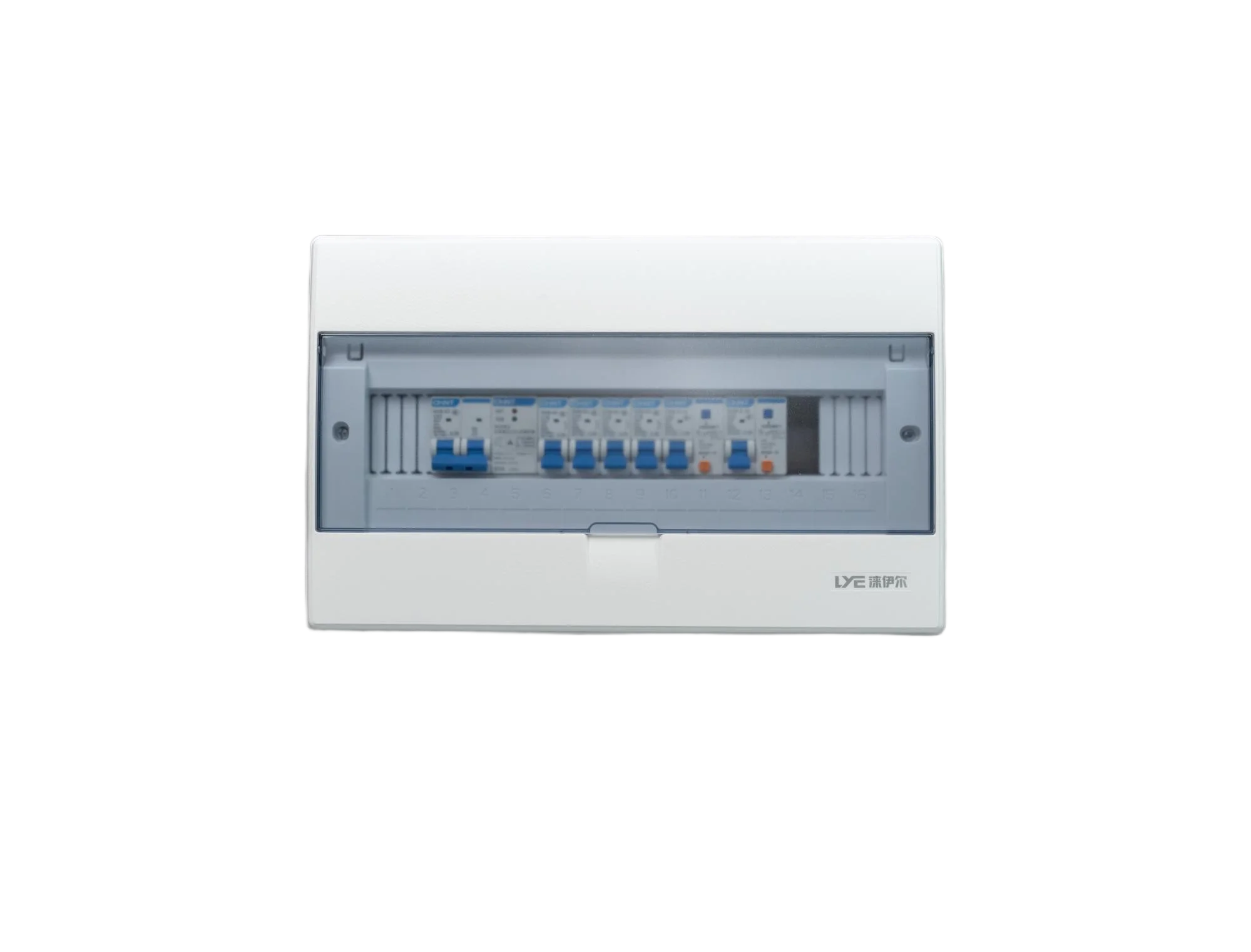
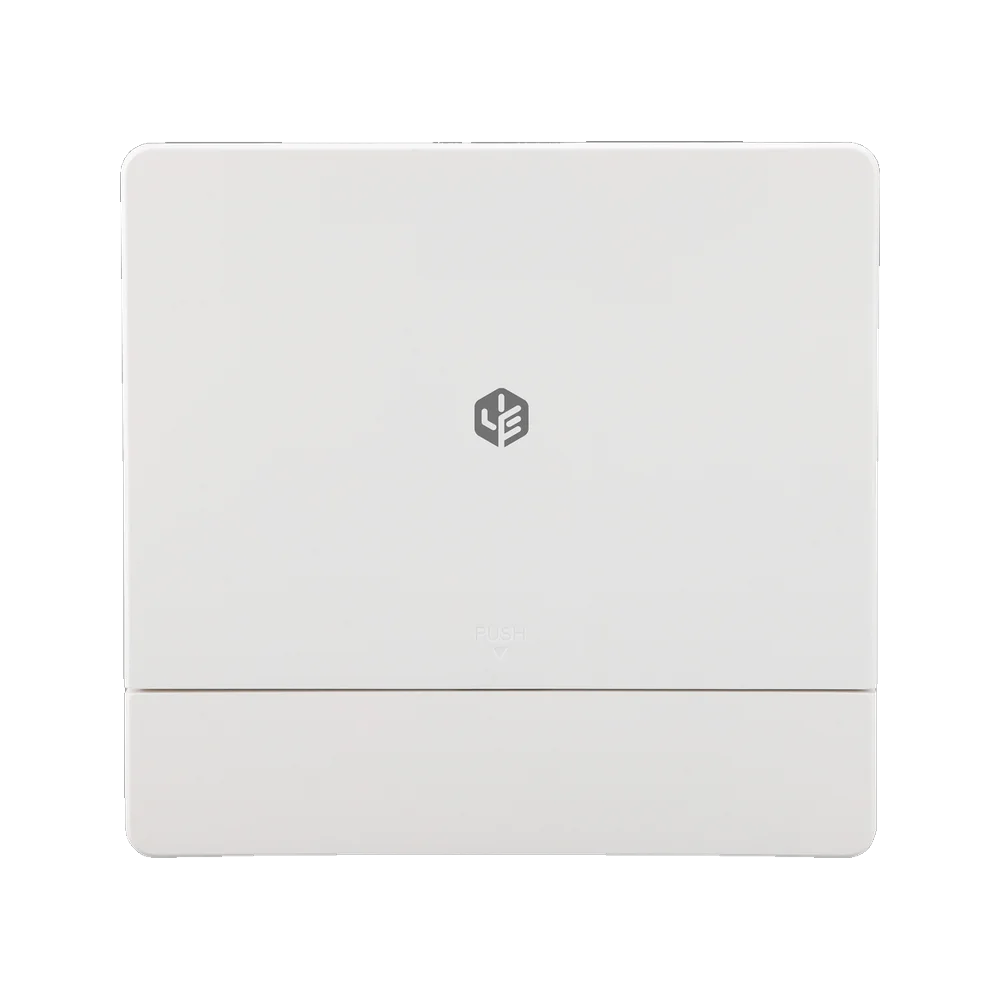
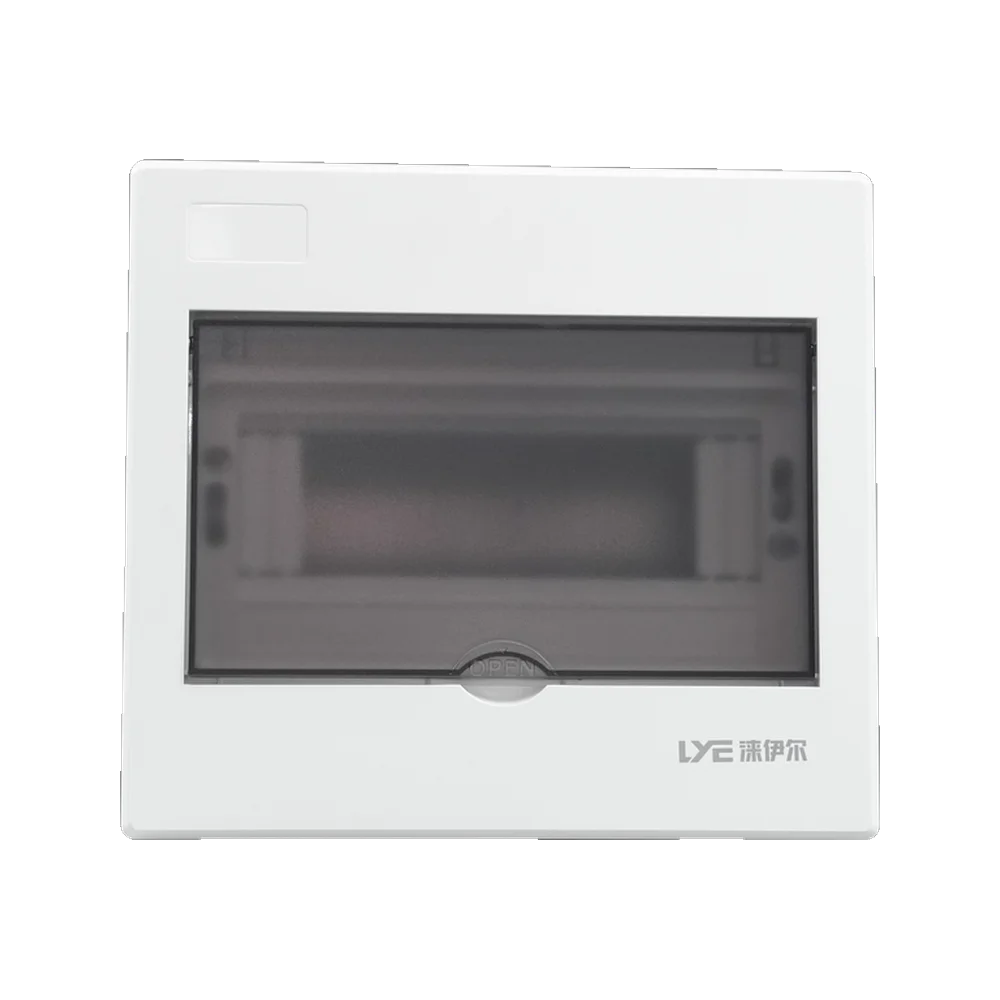
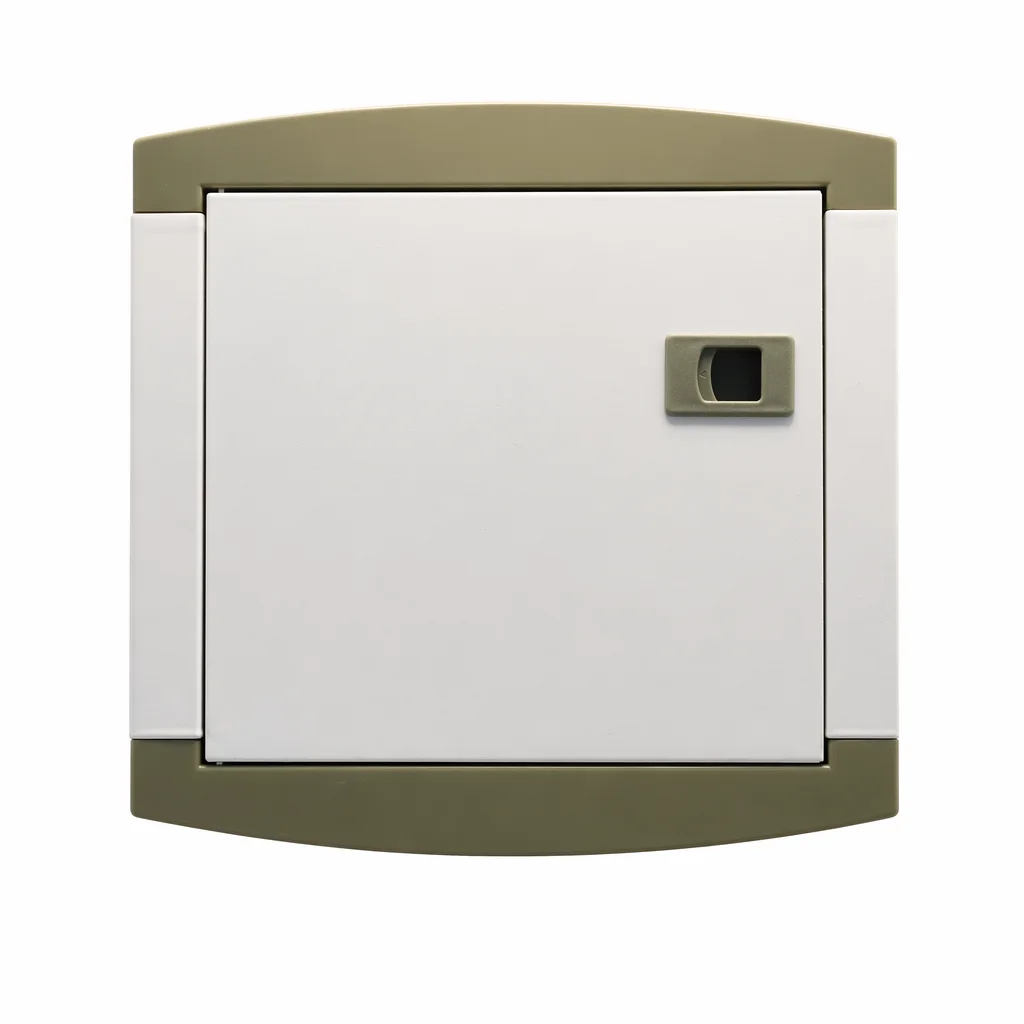
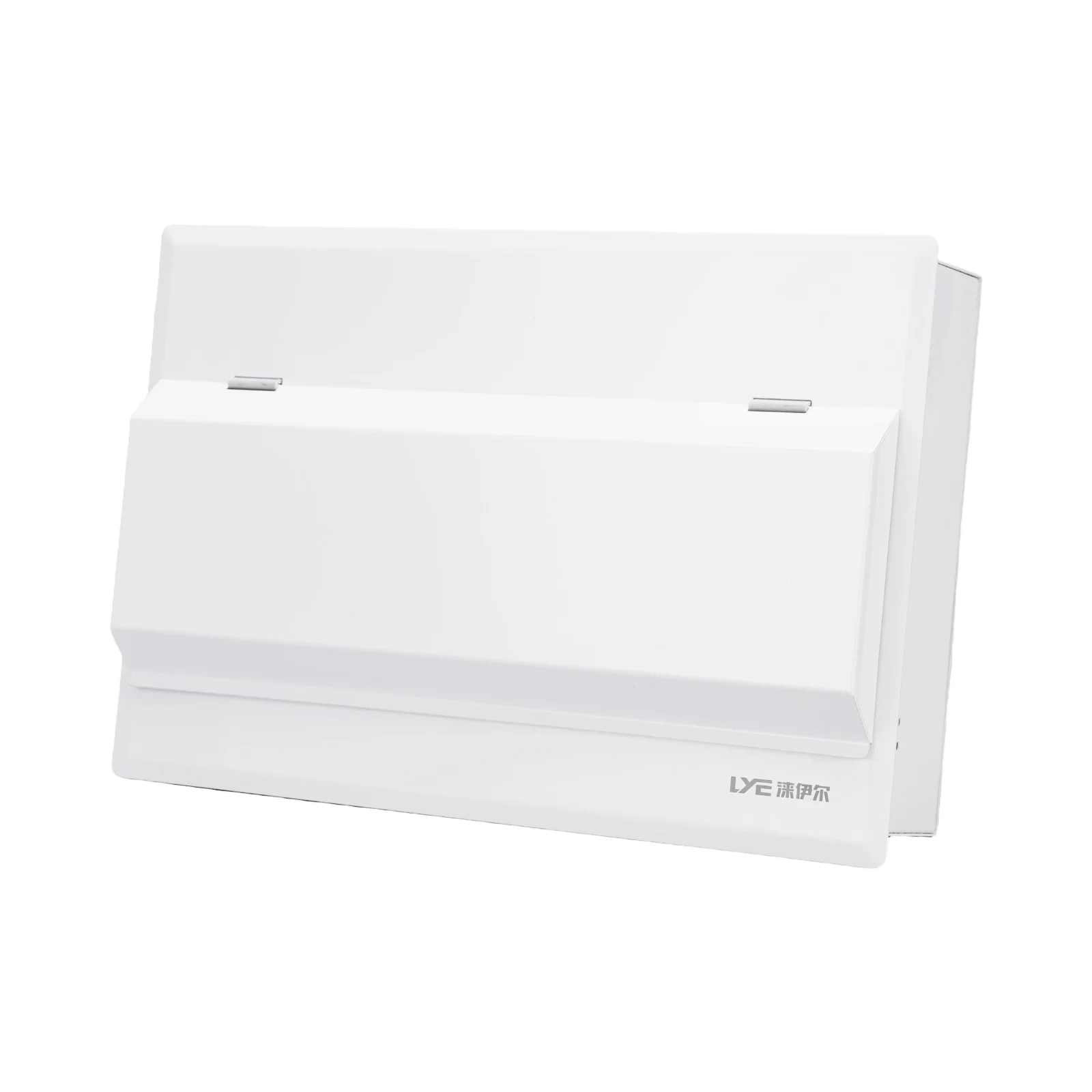
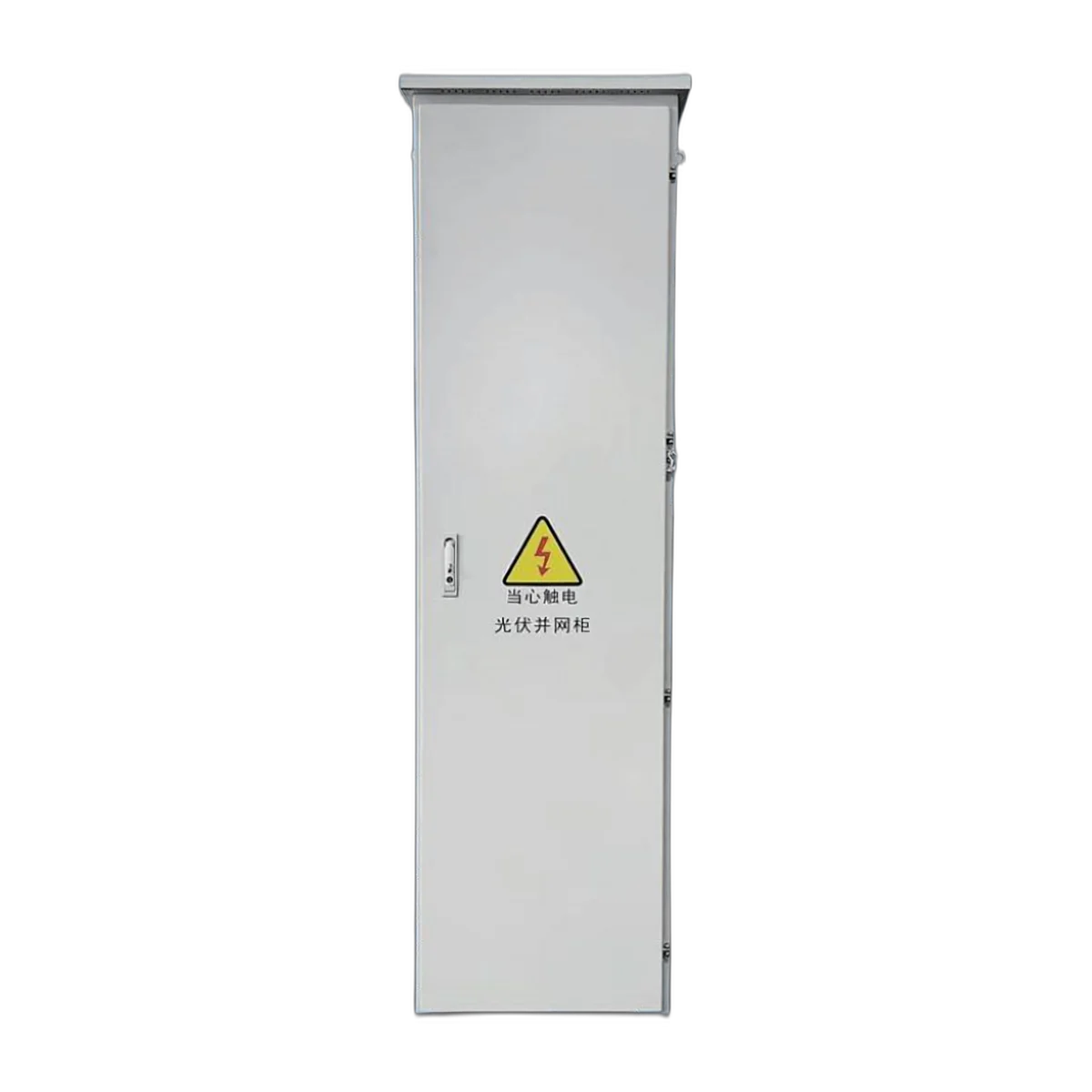
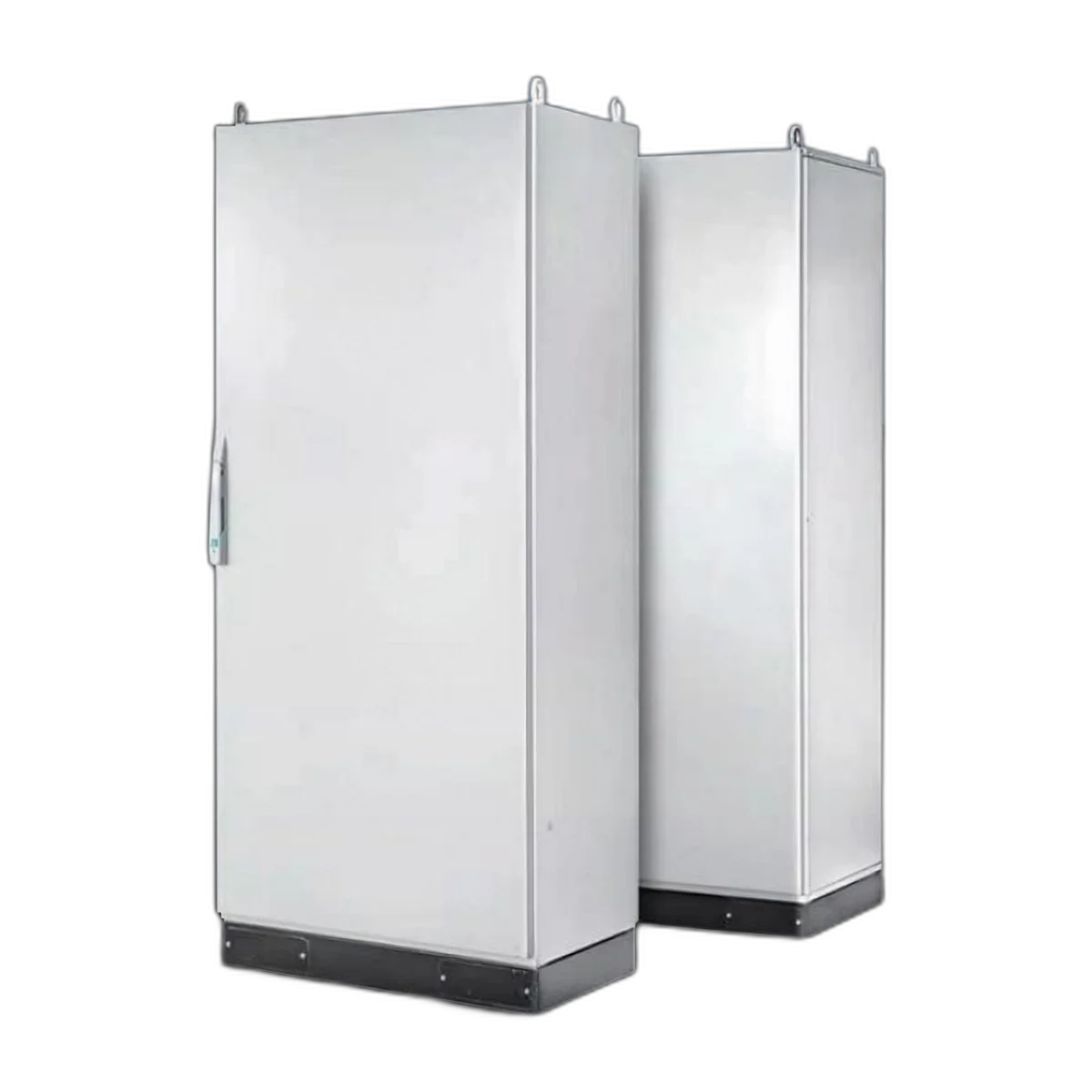
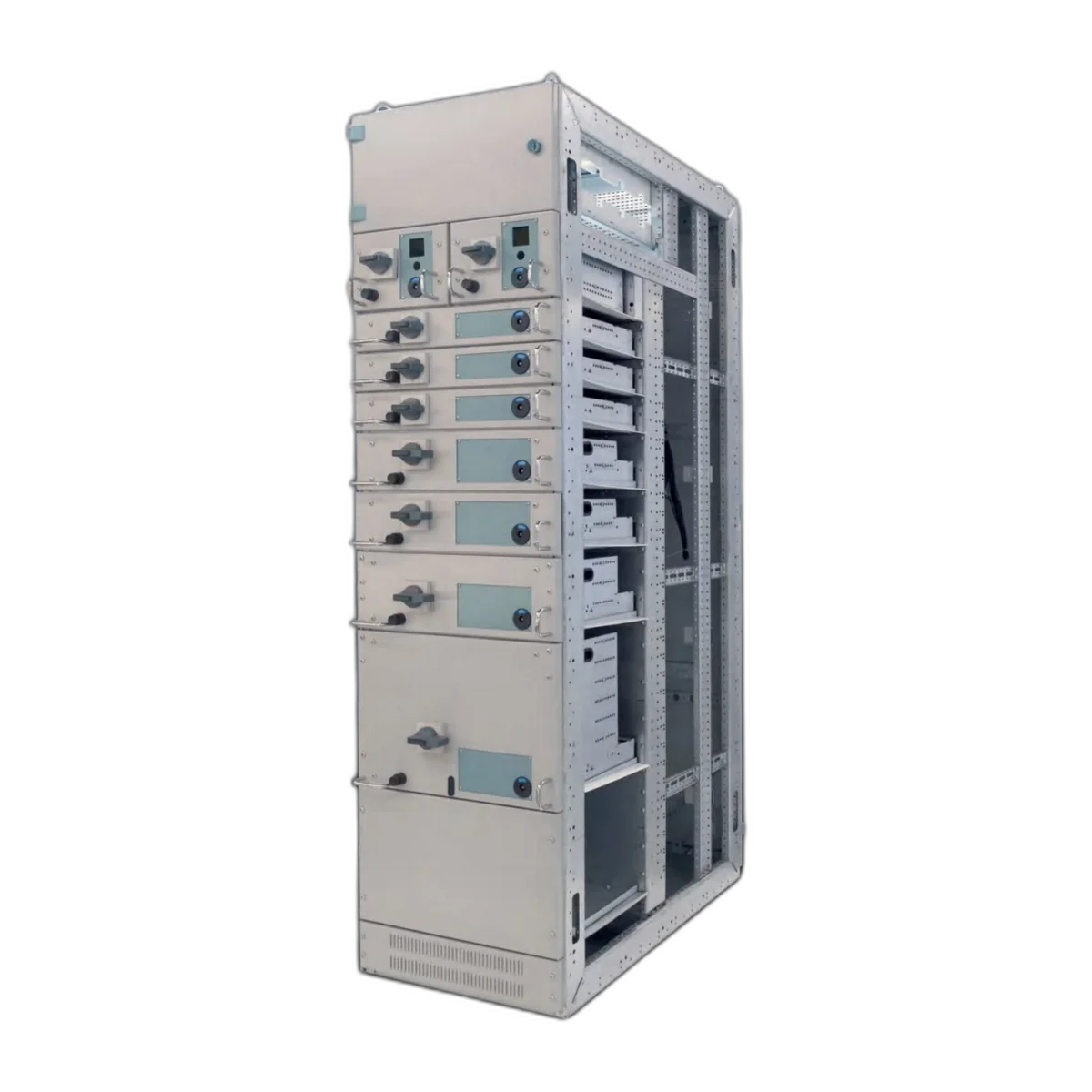
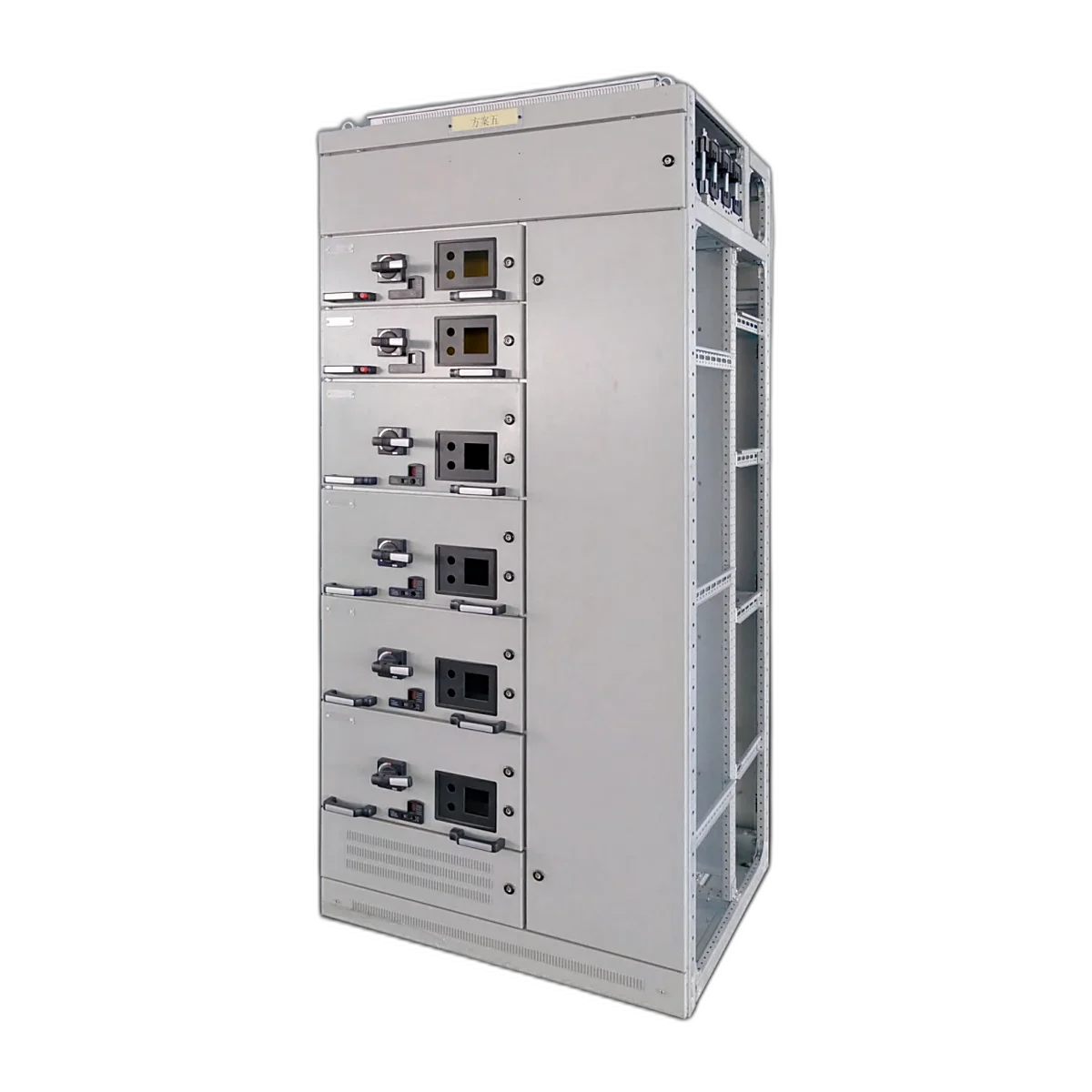
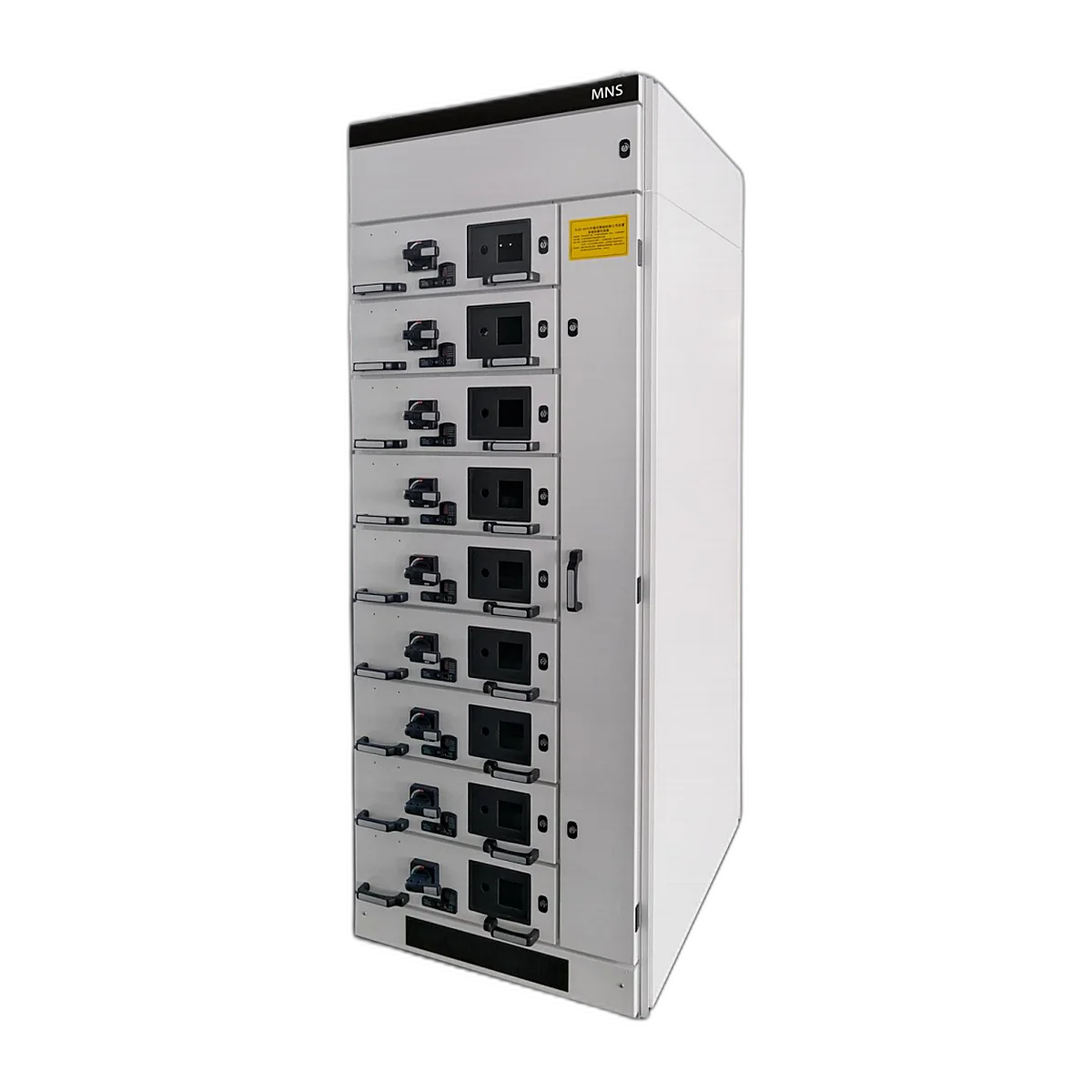
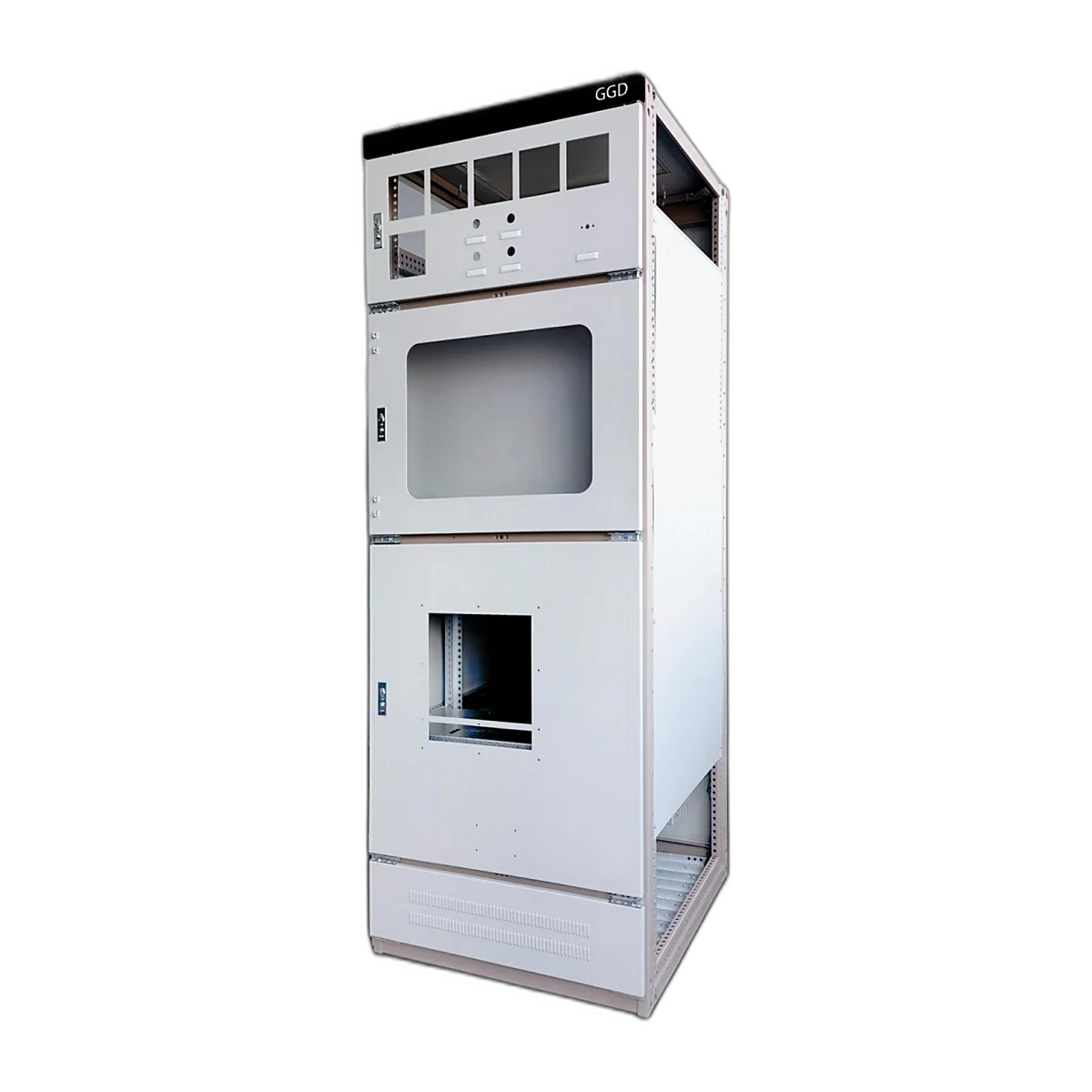
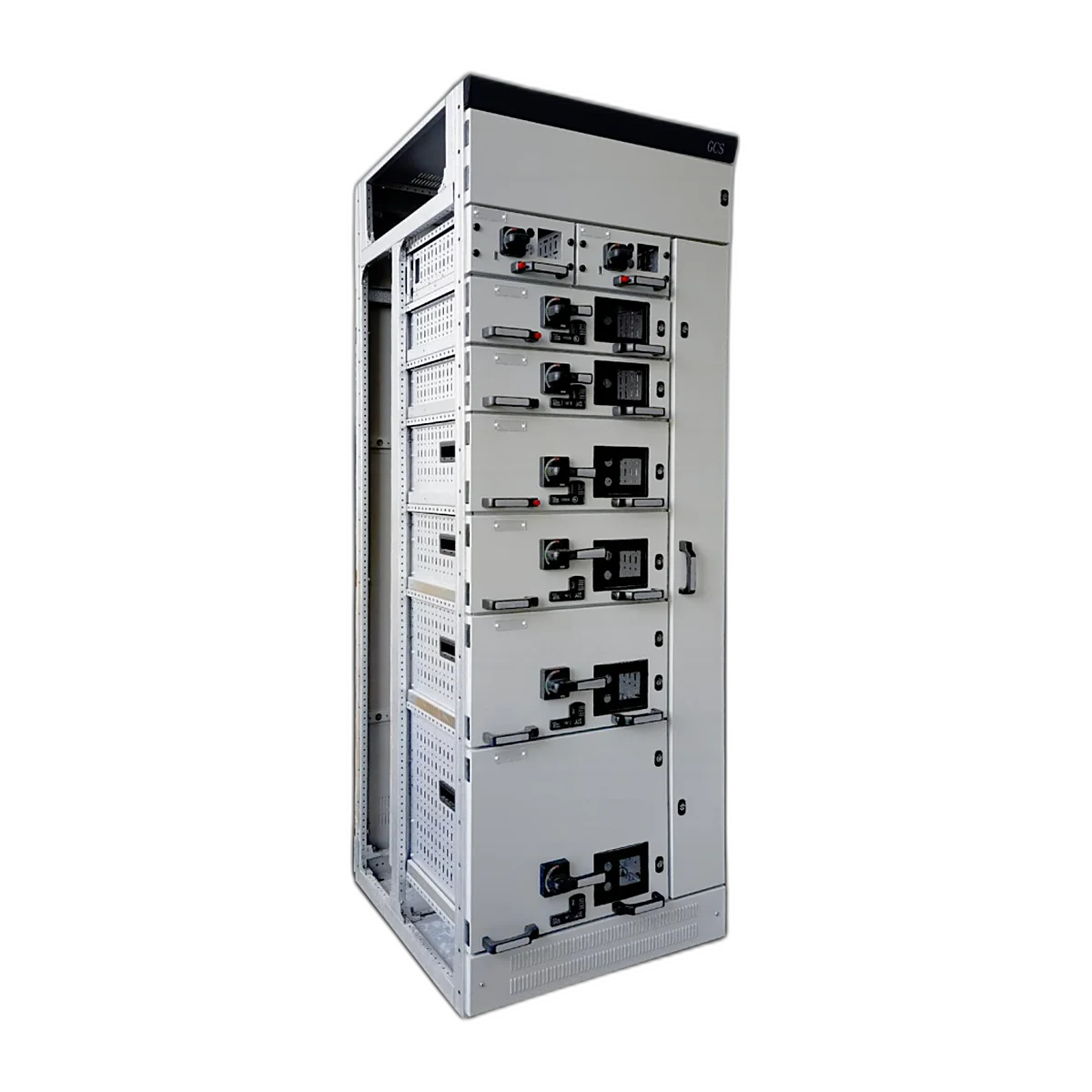
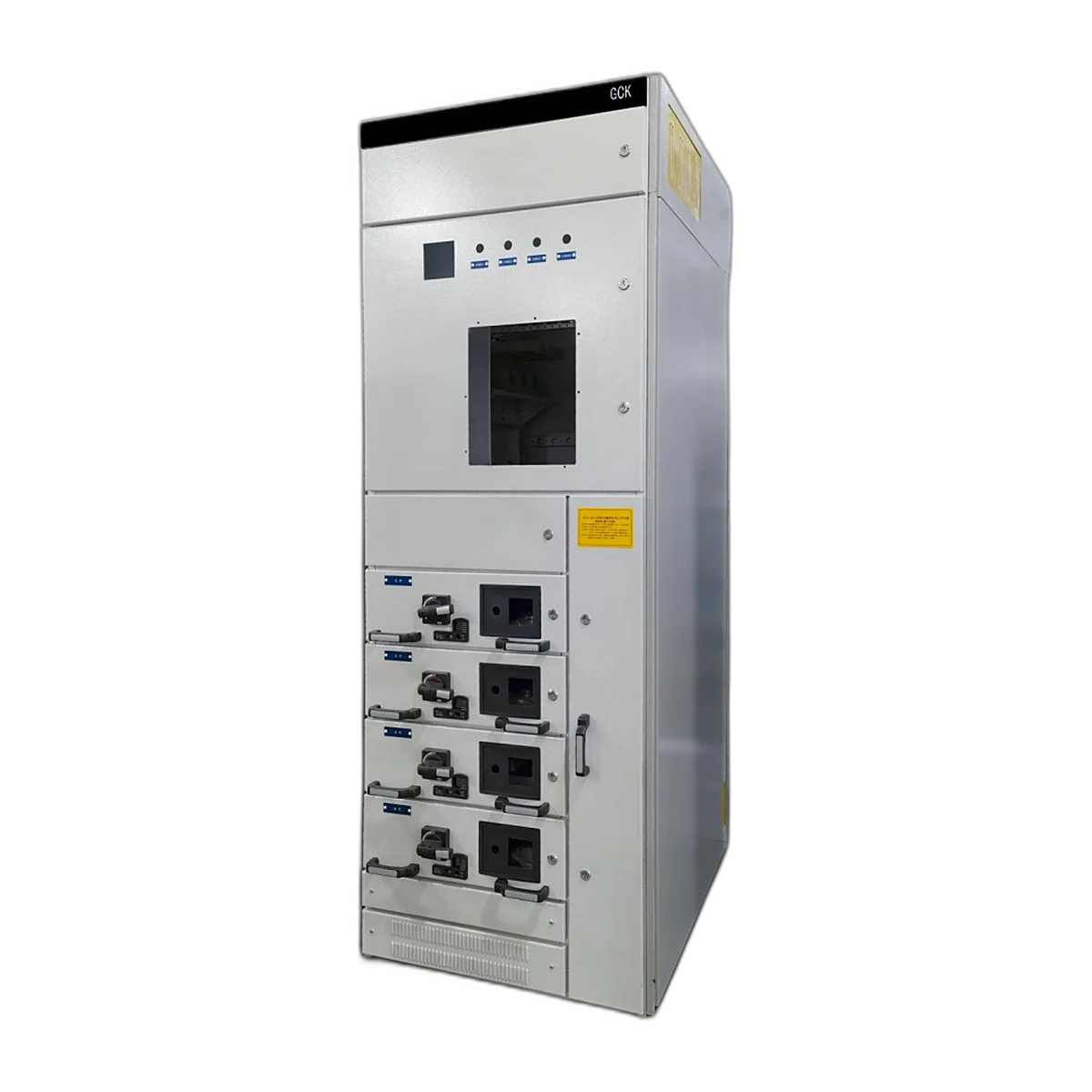
The specifications for the cabinet involve the knowledge of how to build an enclosure, so it is important to understand which side of the supply chain can help you with what. The roadside cabinets and utility enclosures, communication and metering cabinets, as well as outdoor distribution positions are constructed from the same types of corrosion-resistant material. However, in order for the project to be successful, the specifications for the enclosure need to be agreed on before the electronic equipment is ordered. Enclosure solutions for infrastructure projects are scoped that way — one protection specification applied across the roadside estate, rather than a different box specified at every site.
The enclosure requirements that surround the cabinet are also very clear, and these are what a supplier has to meet: a fully welded external seam, a weatherproof structure with ventilation in place, a lift mechanism, a standard utility lock, illumination inside the enclosure, a convenience power outlet with GFCI compliance, plus shelves and fittings necessary for the enclosure and its operations. Moreover, work performed within the public right of way usually requires an installer certified to Level II for traffic signals, which is a staffing issue for the timeline.
Why 90 Days Is the Real Constraint
The existence of this request at all can be attributed to standard lead times. The lead time for a custom TS-2 cabinet is anywhere from 12 to 20 weeks (or 84 to 140 days) depending on complexity and the backlog, before the duration of shipping, installation and commissioning is factored in. This requires that, at least in theory, a 90-day requirement is in line with the lead time rather than outside of it itself and nothing can shorten it to 8 weeks through expediting.
What in reality shortens the timeline is purchasing something that does not have to be custom made from scratch.
- Standard cabinet sizes that are already in manufacturing.
- Semicustom capabilities offered by the manufacturers to public agencies that require fast deployments, where the difference is usually associated with internal equipment, not the enclosure itself.
- Ready-to-ship cabinets that large contractors and agencies store for quick response and in this case, quickest options for getting the R77 after a regional event are other regions’ inventories rather than send orders to manufacturing facilities.
- Enclosure-only solutions where the controller and equipment remain intact and the only issue is finding a replacement for the destroyed enclosure which can be done separately from electronics.
There are two other constraints which are commonly present for longer than the cabinet itself and should be tackled at once. Foundation and slab which should be investigated in case the demolition slab needs to be disposed of as well. And labor force, since IMSA Level II certified traffic signal workers are only available immediately after any regional disaster and will be booked shortly after that.
The third element of interest is the relationship with suppliers. When everything goes according to schedule, nothing influences the date, since the question is going to be administrative: who is going to pick up the phone on Friday evenings, whether the drawings and submissions are sent back the very next day or much later, whether the order contains delivery time and basis, and what happens in case of shipment delay. Is the timeframe discussed in the order? Those are service commitments rather than manufacturing capability, and on a 90-day clock they matter as much as capacity does — which is why what a supplier commits to after the order is placed is worth establishing before you place it, not after.
How Emergency Procurement Actually Works
In case the funding is being done by the government, then it can be concluded that the purchasing regulations and the 90-day time period do have a big impact on the works, and that is why, at times, the projects get halted due to completely different reasons than manufacturing.
- The flexibilities in emergency procurement exist and are established in regulations. Federal procurement gives a set of flexibilities for emergency purchases that include some non-competitive methods, which can be used for cases of urgent nature, as well as the local preference rule for cases of emergencies, which works through the Stafford Act as soon as the necessary declaration is made. The essence of the matter is that some flexibilities are always accessible, while others can be implemented only when the state of emergency is declared.
- The fact that rebating depends on the documentation and paperwork, rather than the speed of the processes is worth mentioning. Thus, federal money spent on the search to combat hurricanes reaches the millions of dollars (618 million after Hurricane Ida, 814 million after hurricane Michael), but the important factor that should be taken into consideration is that the purchase has to be made following all the necessary regulations related to emergency procurement in order for the buyer to get the rebate. Thus, doing the purchases fast does not work if the documents are not filed properly.
- Domestic content rules may deprive the fastest supplier from the project. Under the BABA product regulation, the required share of domestic content is equal to 55 percent and it can be noted that some equipment, such as cameras, controllers and cabinets are there in the list of those goods that are not available domestically. Thus, AASHTO officially turned to FHWA to ask them to postpone the implementation of BABA till the situation with waivers clears out in September 2025 since cabinets and controllers have been mentioned as one of the groups of products.
- Approved product lists are not all about the price. Quite a lot of states have the traffic- authorised lists of products that are updated four times a year, which means that the equipment has to be reapproved every year. Thus, if your cabinet can be acquired only from the approved list, you cannot include the product till the quotation is received and processed.
As an illustration, the Lee County Board of Florida made a contract for putting down the intersection’s signal, wiring, electrical service, controller assembly, signal heads, and video detection after Hurricane Ian by placing the lowest bid — $332,366 and receiving the money from FEMA.
What Can Realistically Be Delivered in 90 Days
The honest answer depends on what is being bought, so it helps to split the package.
| Item | Typical lead time | What compresses it |
|---|---|---|
| Custom NEMA TS-2 cabinet assembly | 12–20 weeks | Standard size instead of custom; semi-custom fit-out |
| Standard / stock cabinet assembly | Days to a few weeks | Existing inventory; another region’s surplus |
| Enclosure only, no electronics | Weeks, not months | Standard size; supplier with sheet-metal capacity |
| Foundation or pad | Weeks | Reuse the existing pad and bolt pattern |
| Installation crew (IMSA Level II) | Booking-dependent | Reserve before the equipment is ordered |
In a 90-day time frame, it is reasonable to expect a cabinetry solution with an assembly or semi-custom assembly of standard dimensions, an existing or recyclable base, and an already-laid crew. However, an there is no way of getting furniture with the unique internal design, a new base in soaked ground, and an unscheduled crew in the above-mentioned period.
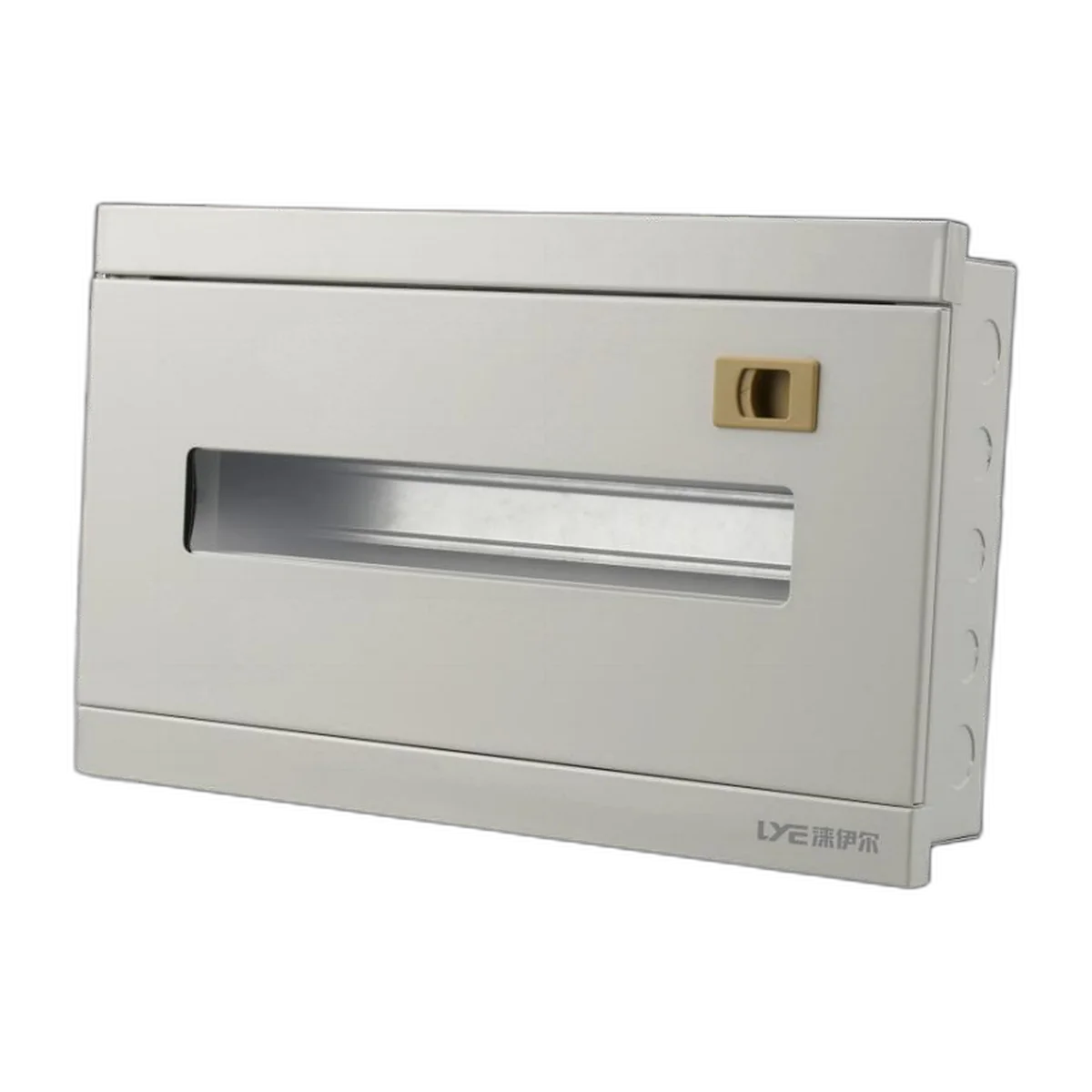
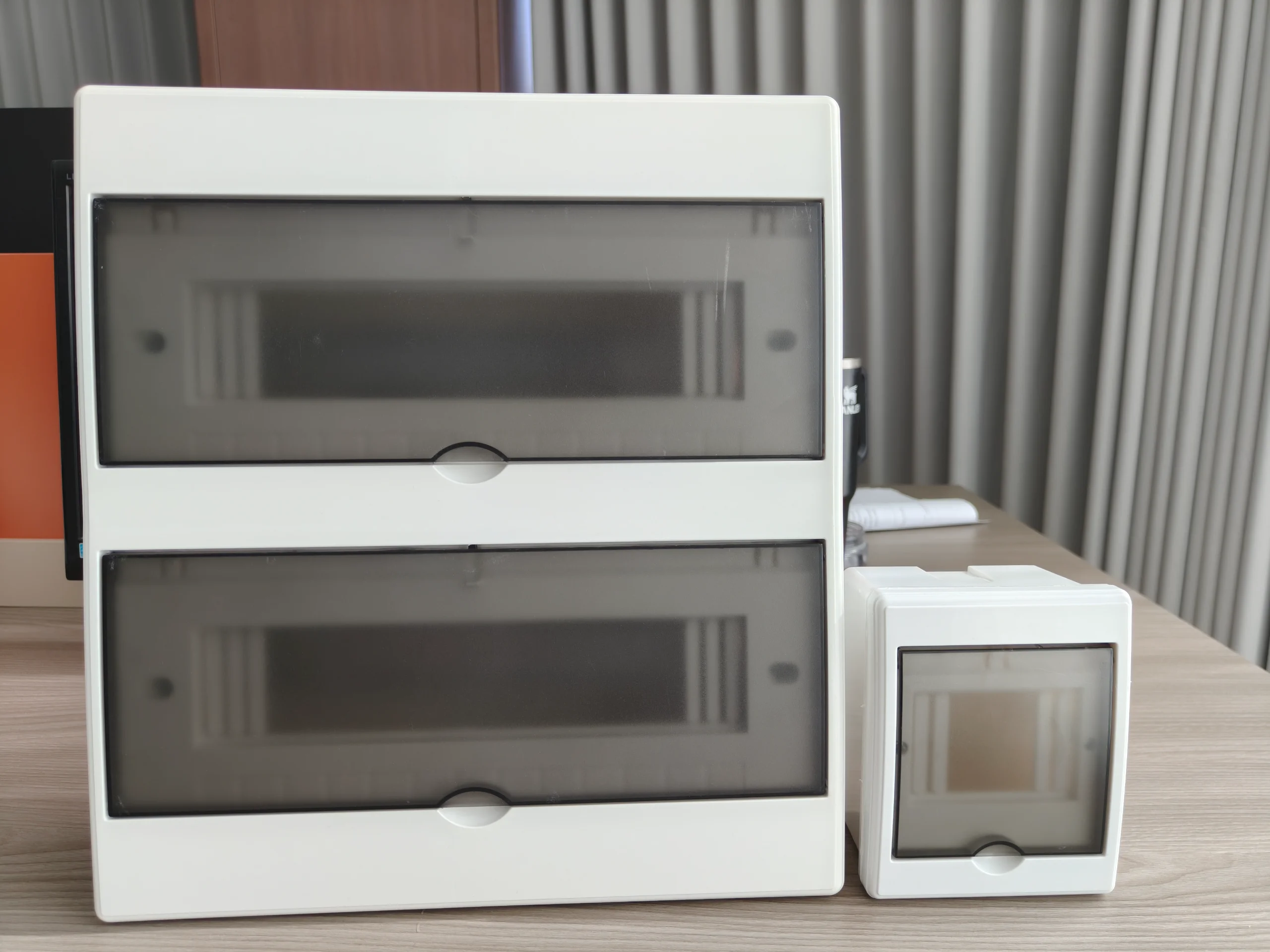
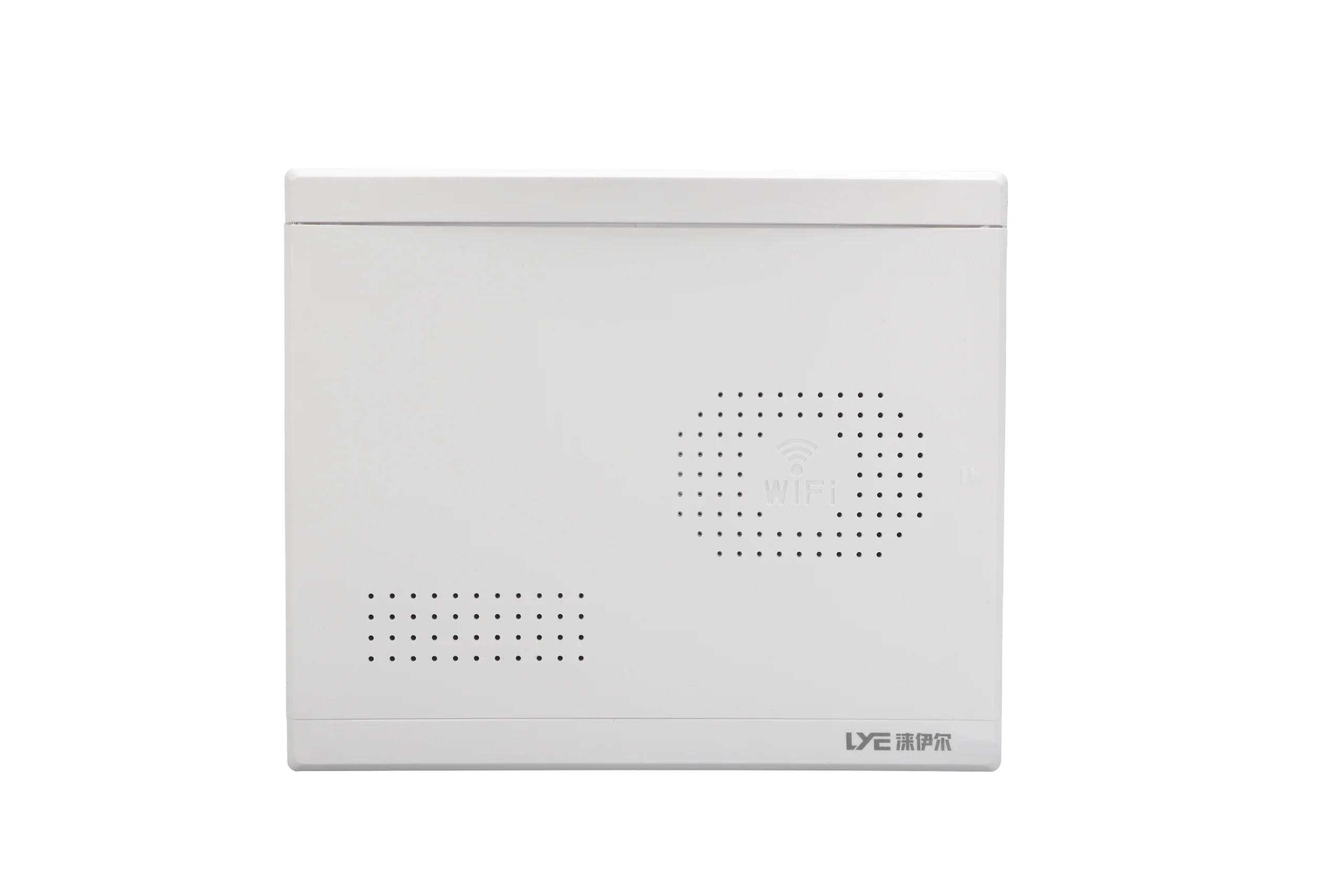
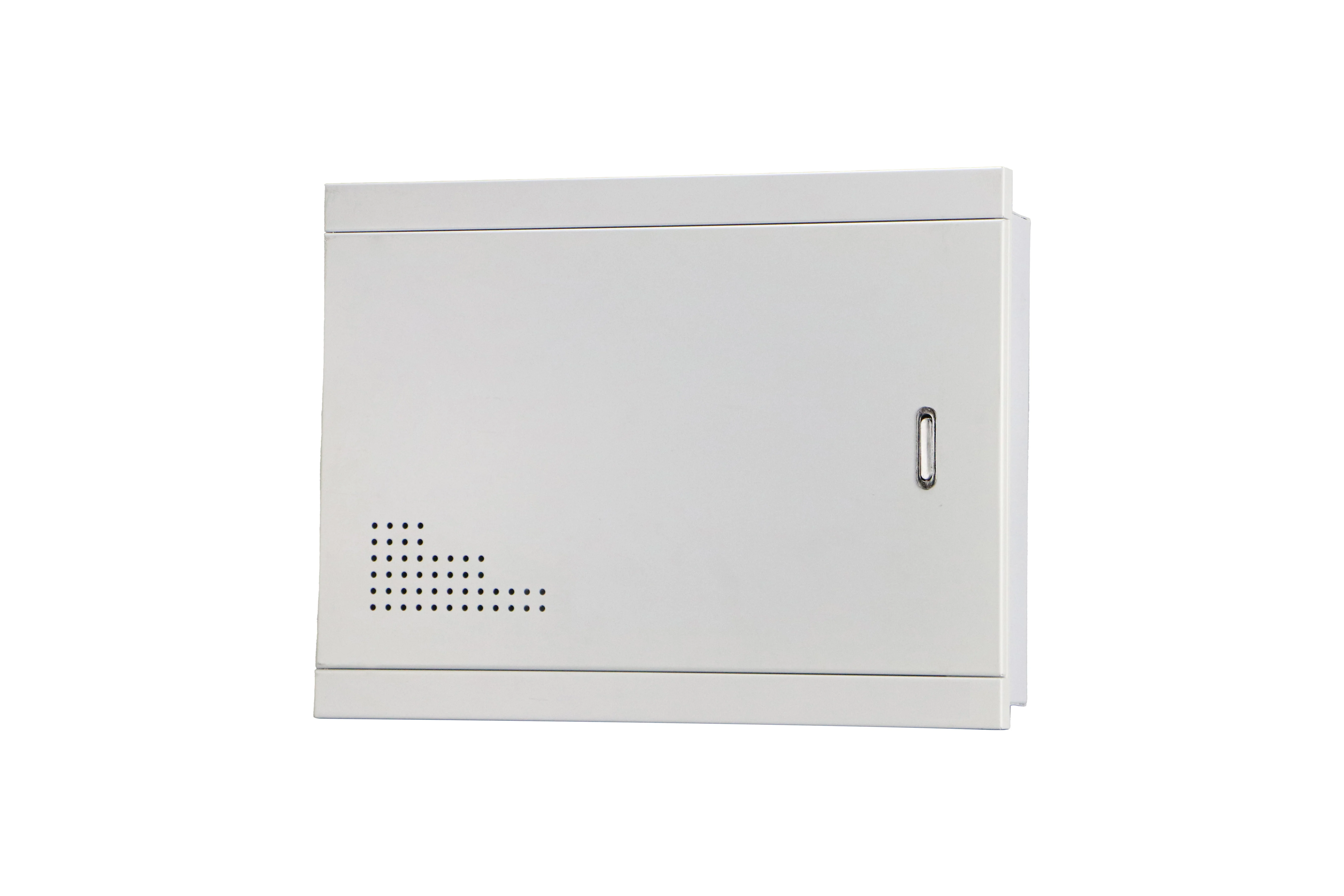
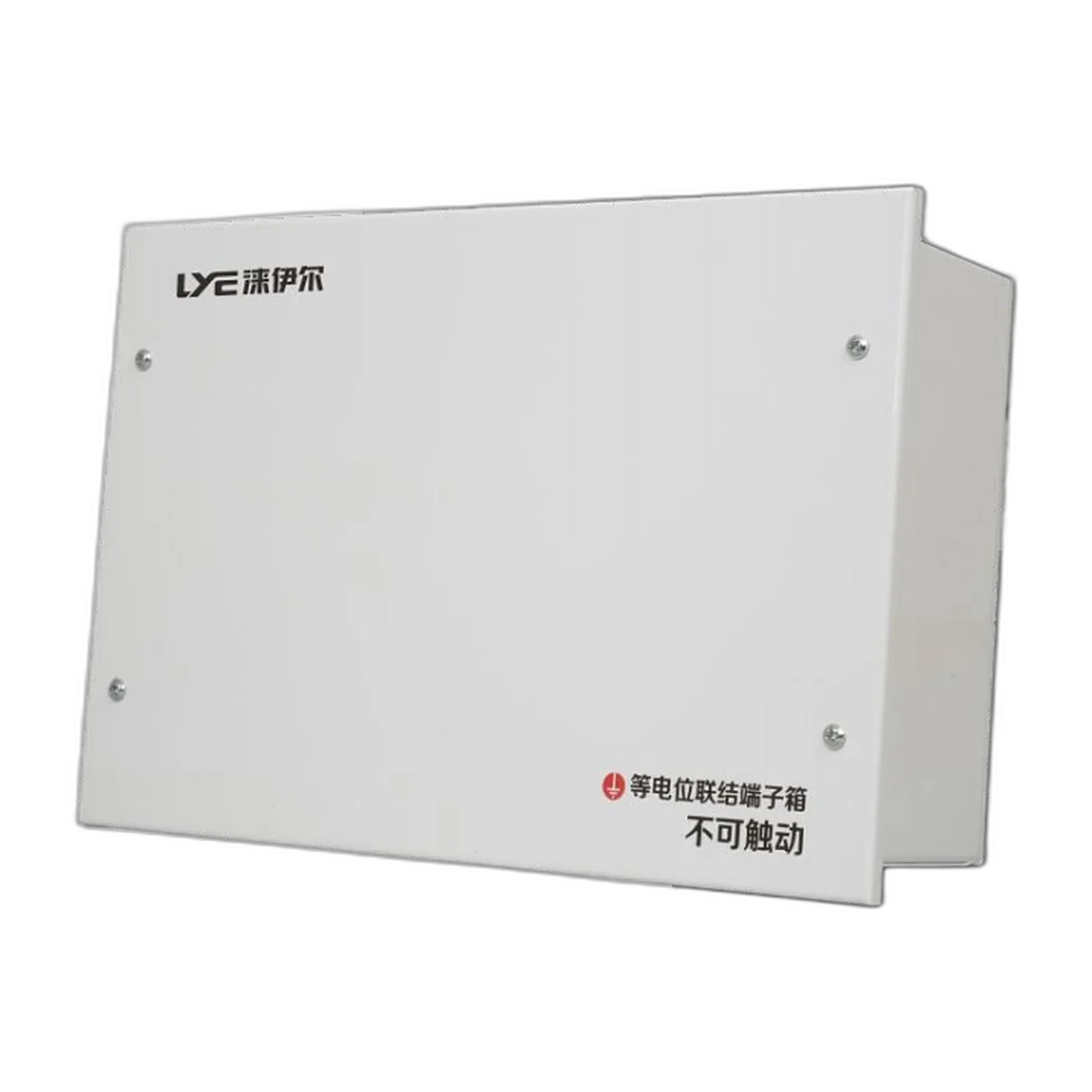
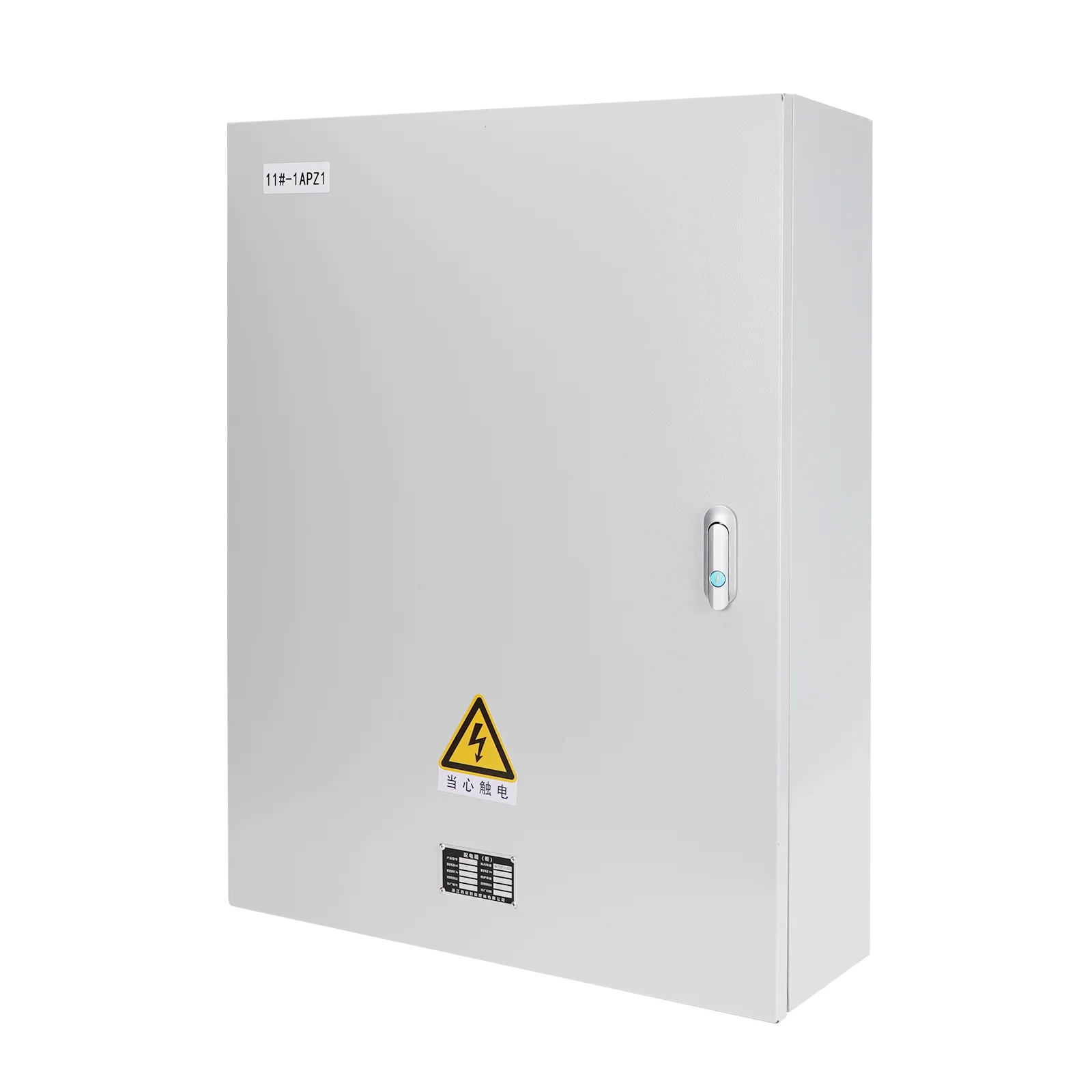
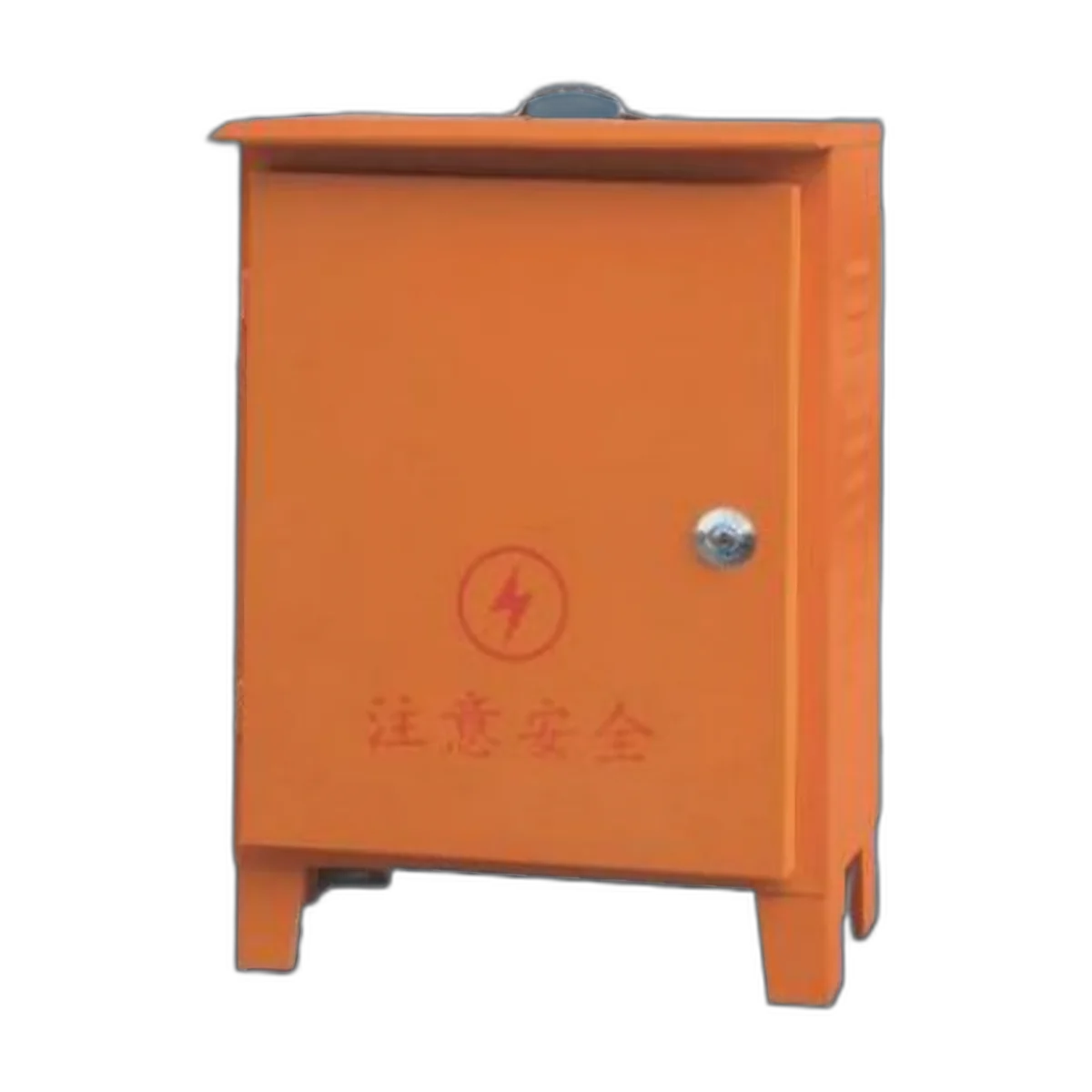
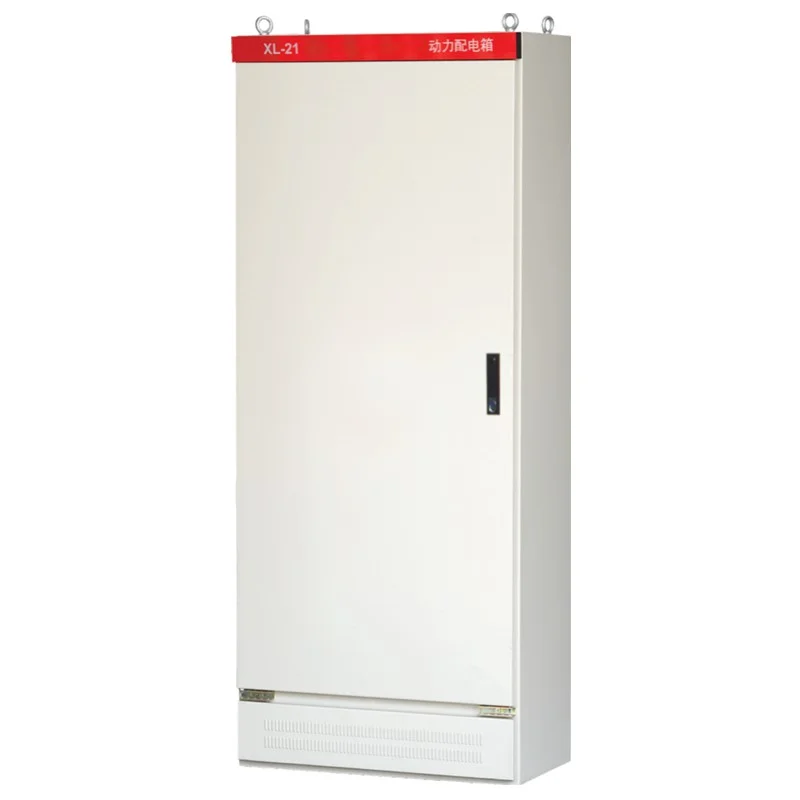
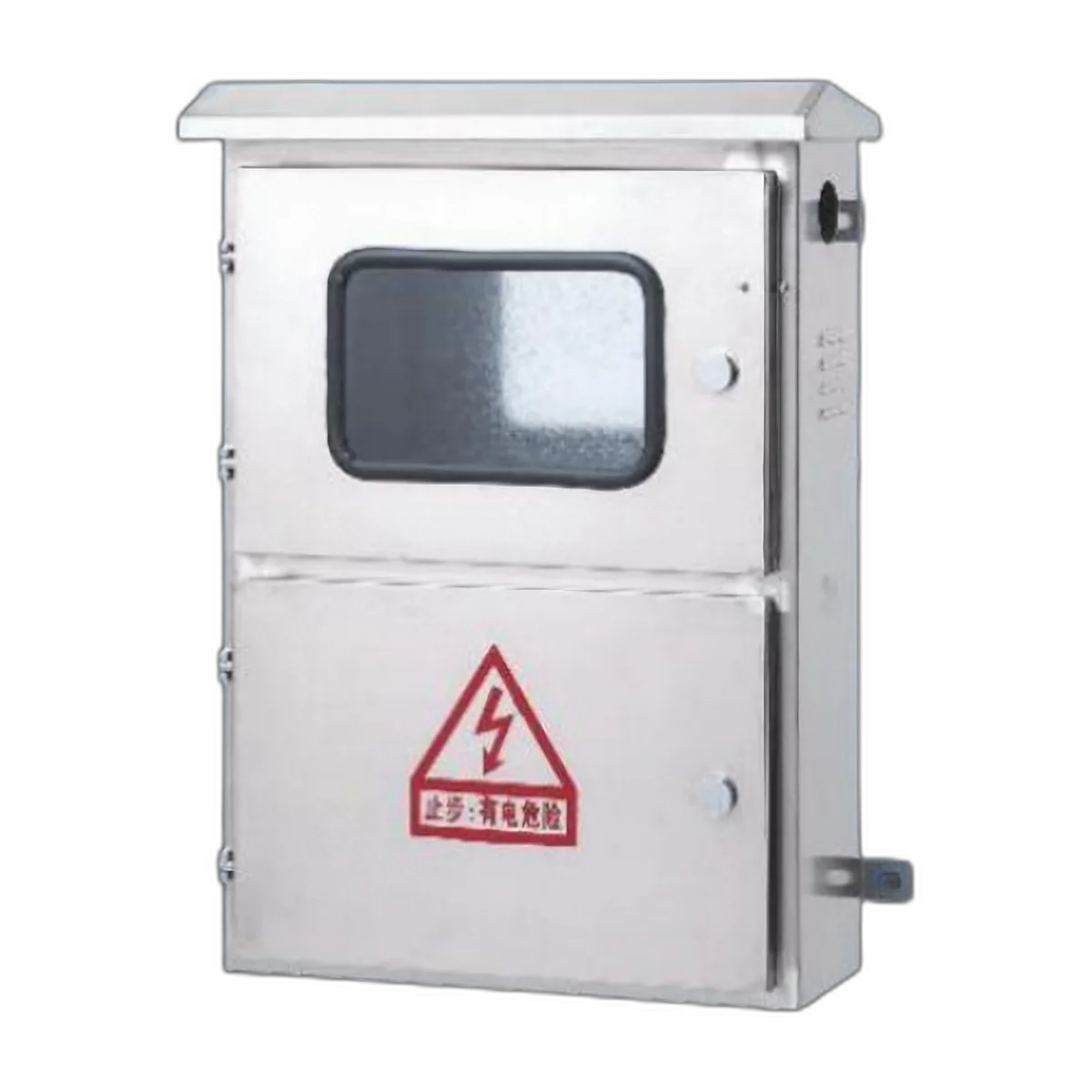
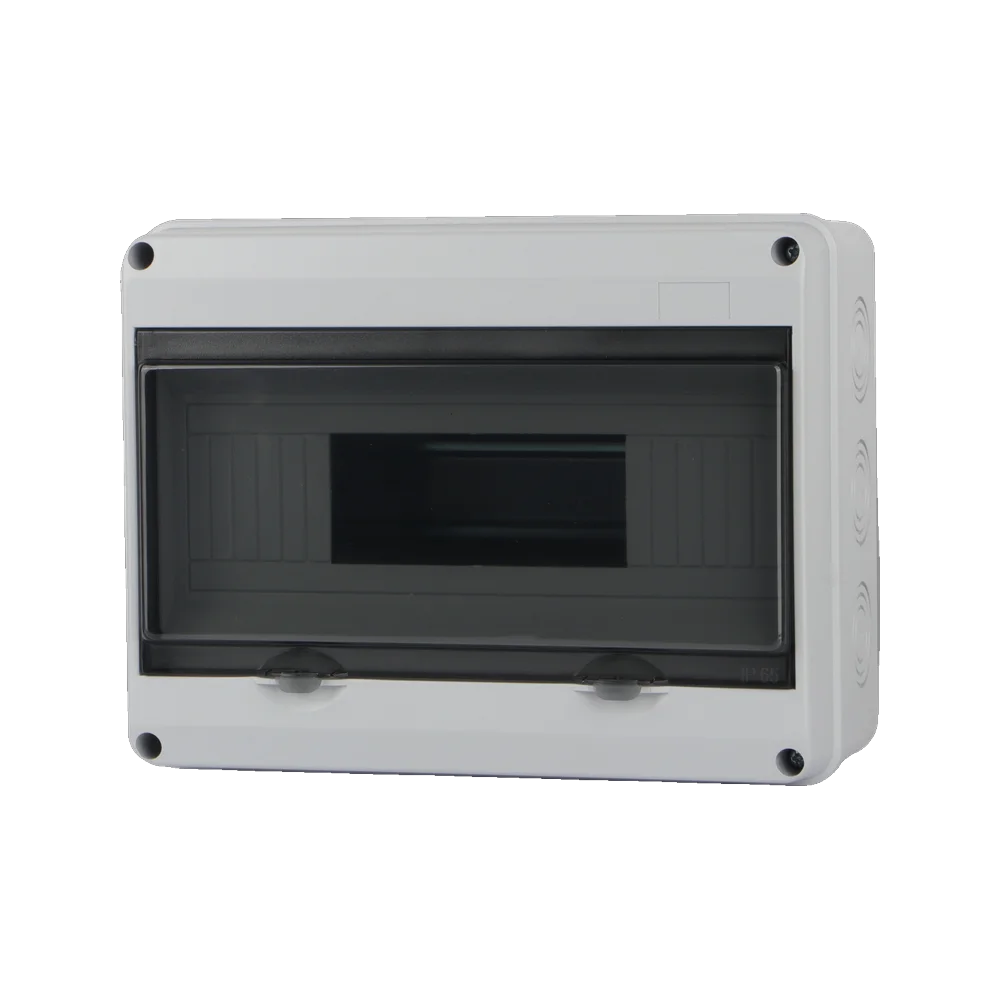
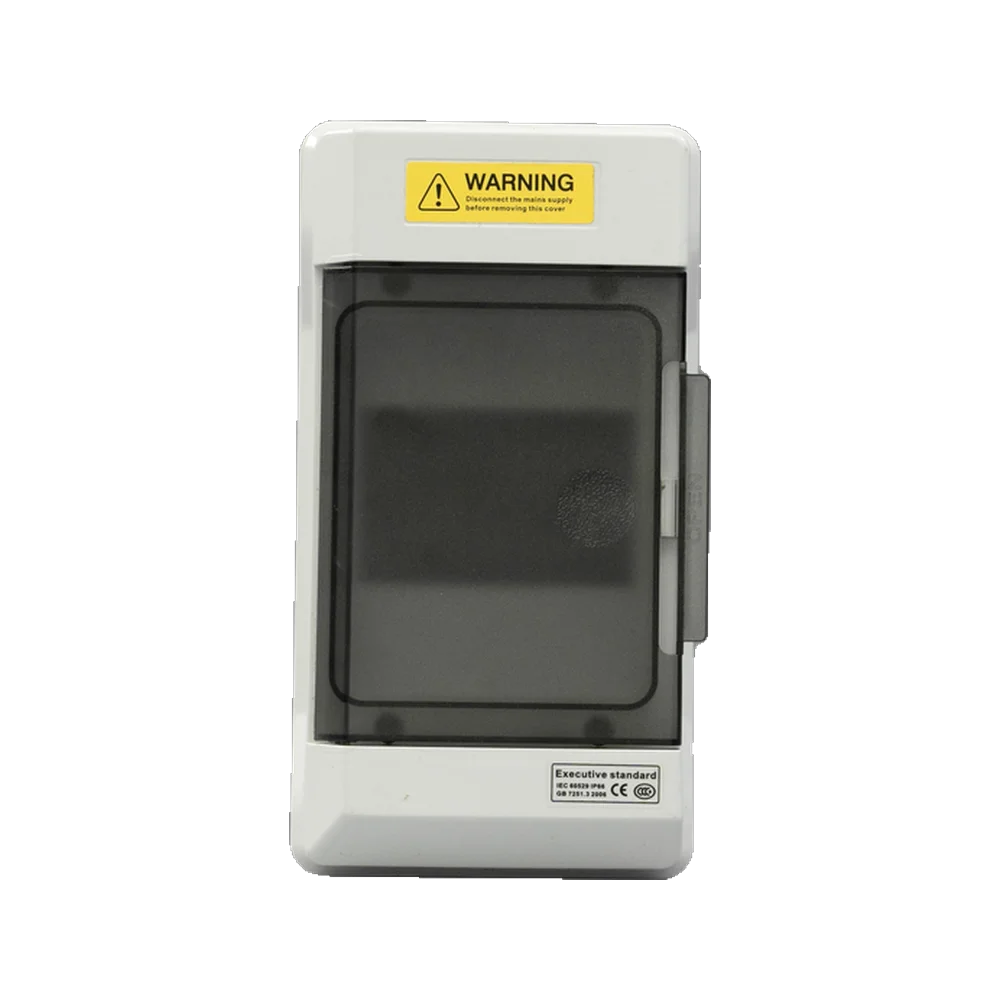
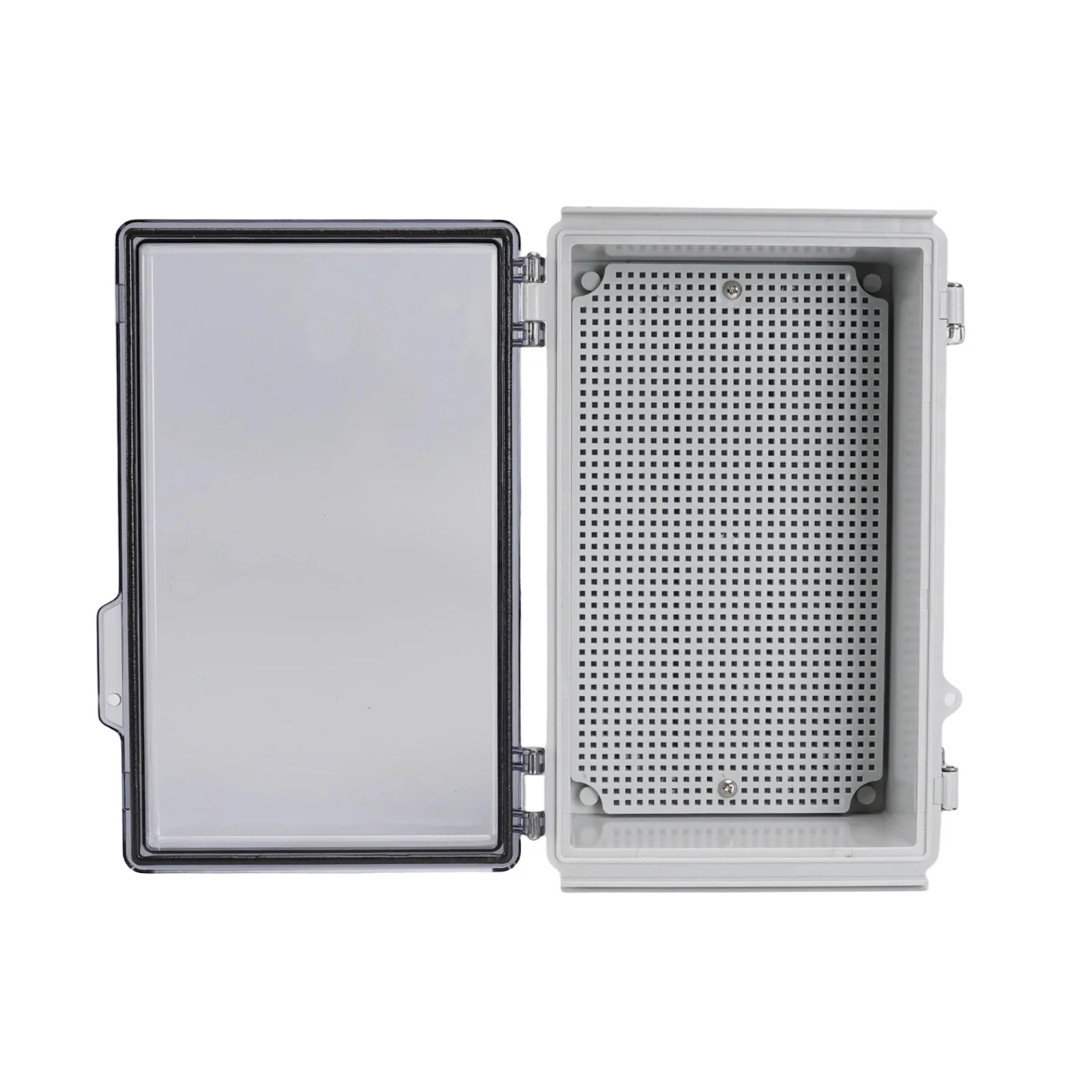
In situations when the cabinetry is damaged but electronics can be salvaged, the time frame essentially changes to simply an outdoor enclosure production, with an entirely different supply chain allowing quicker delivery and better pricing conditions. An sealed IP65 outdoor distribution enclosure is the class of product that lives in that supply chain: sheet-metal or moulded construction, gasketed door, ventilation provision, and documented ingress protection.Although it cannot be classified as a NEMA TS-2 traffic cabinet, it can be regarded as solving the same procurement problem of utility, communications and power-distribution cabinets, only in a shorter time.
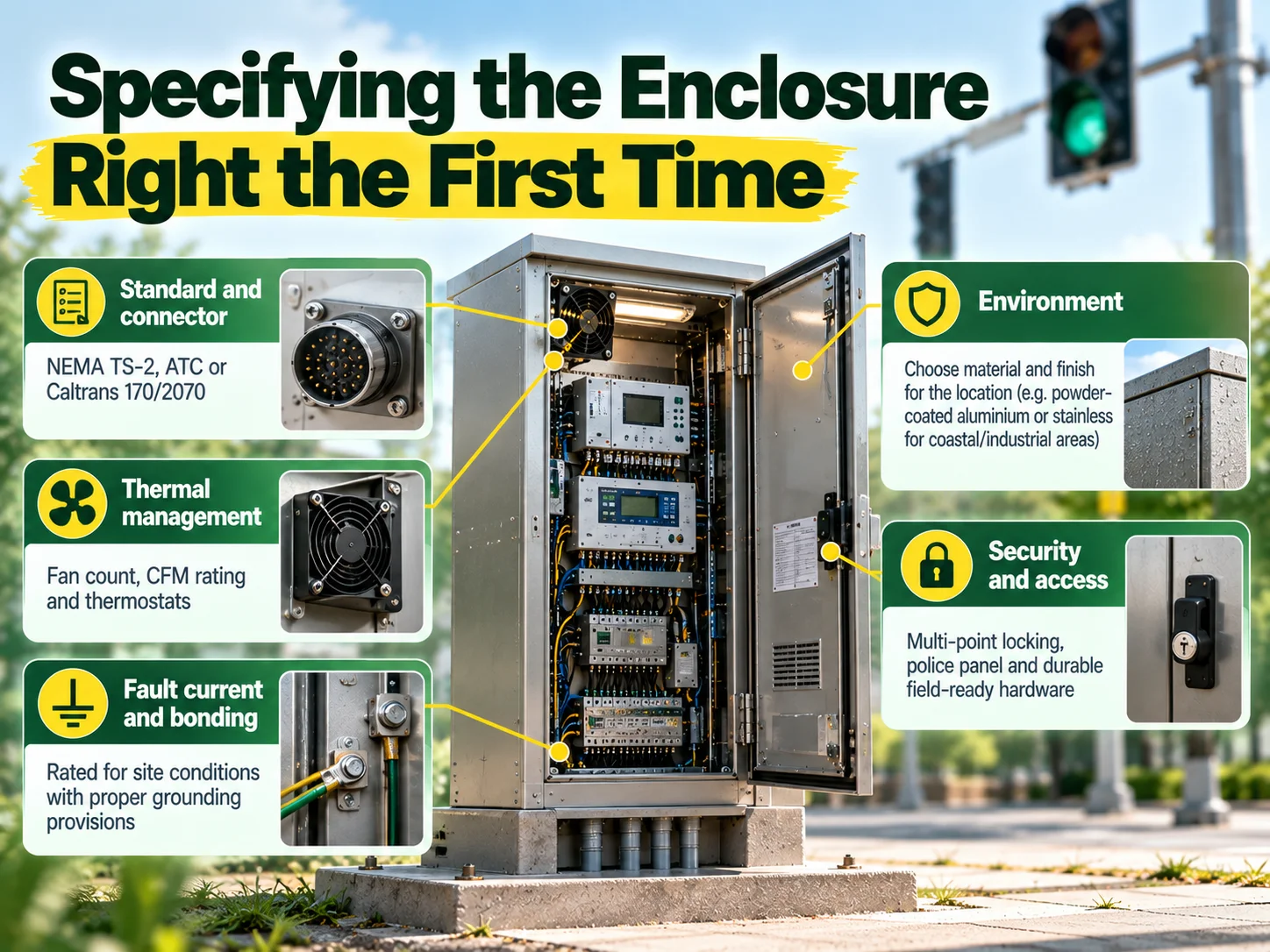
Specifying the Enclosure Right the First Time
The failure of a cabinet to meet the necessary inspection or commissioning means that it has wasted any time the fast order had previously saved. Items most often missed in the specifications include:
- Standard and connector. Always check NEMA TS-2 against ATC or Caltrans 170/2070 and put it on the purchase order, together with the number of phases, load bay capacity and detector rack configuration.
- The environment. Coastal salt spray, industrial atmosphere and places with high UV influence lead to different specifications — powder coated aluminum is the standard, stainless steel is specified in the case of heavy corrosion, and the details in the finish (coating type and film thickness) is even more important than the color.
- Thermal management. Number of fans, CFM and independent thermostats. So, a cabinet that “cooks” its own controller in July effectively created another failure instead of just one.
- Security and access. Multi-point locks, special police panel for switching from the regular indication mode to flasher, and the door hardware that a technician can use in a dark, rainy night.
- Fault currents and grounding. There must be the correct cabinet for the available fault current on that pad, and bonding and grounding must be specified as part of the assembly, not as an afterthought.
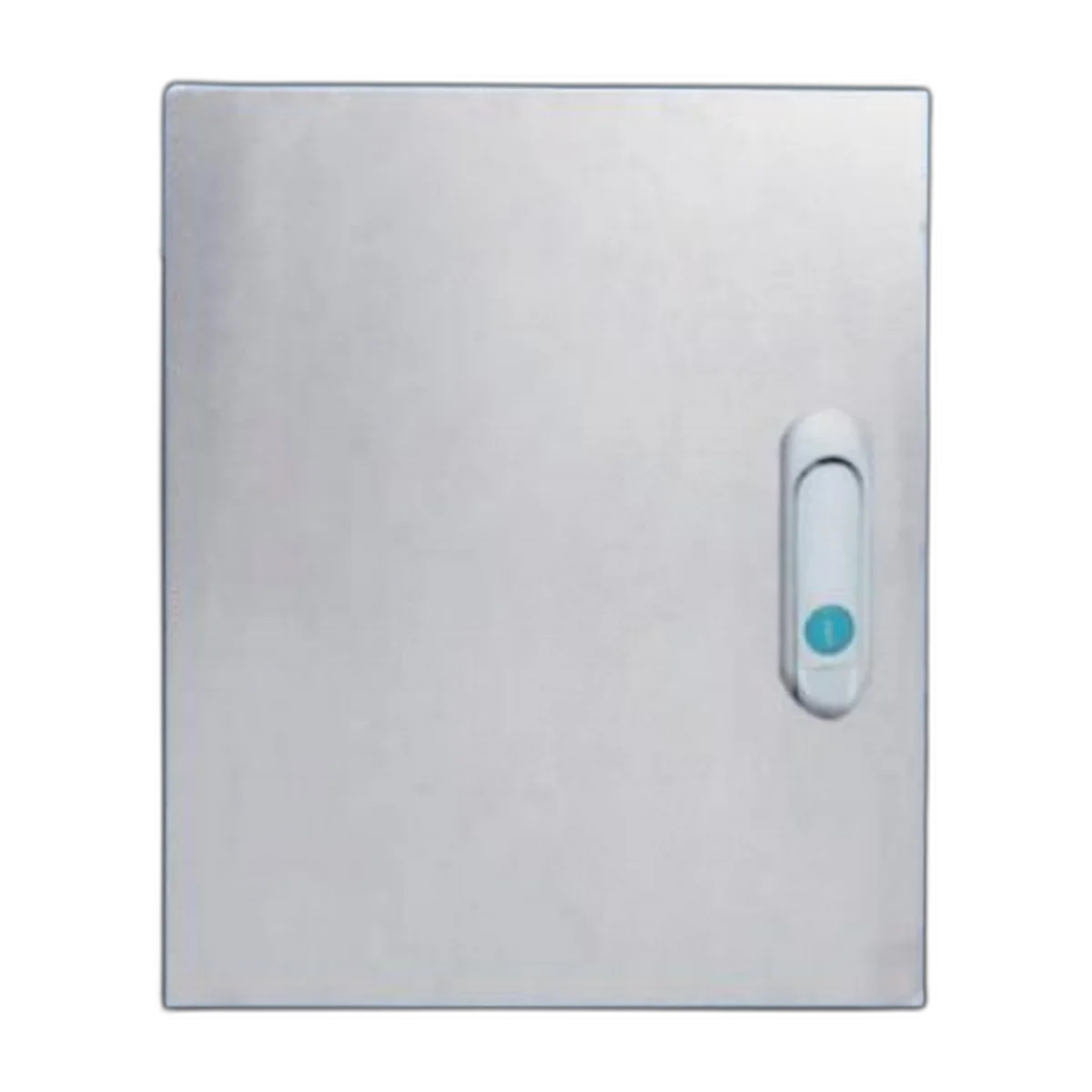
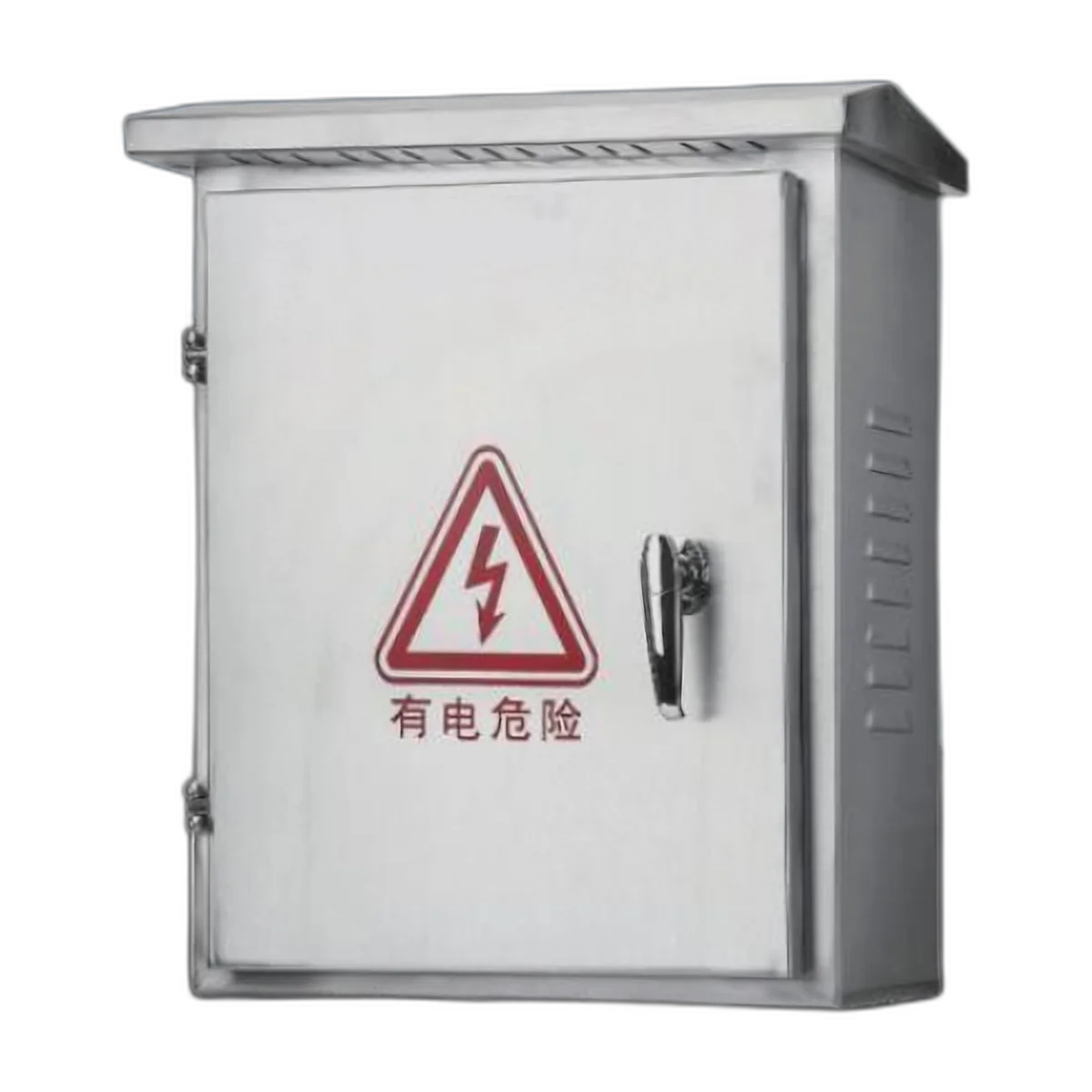
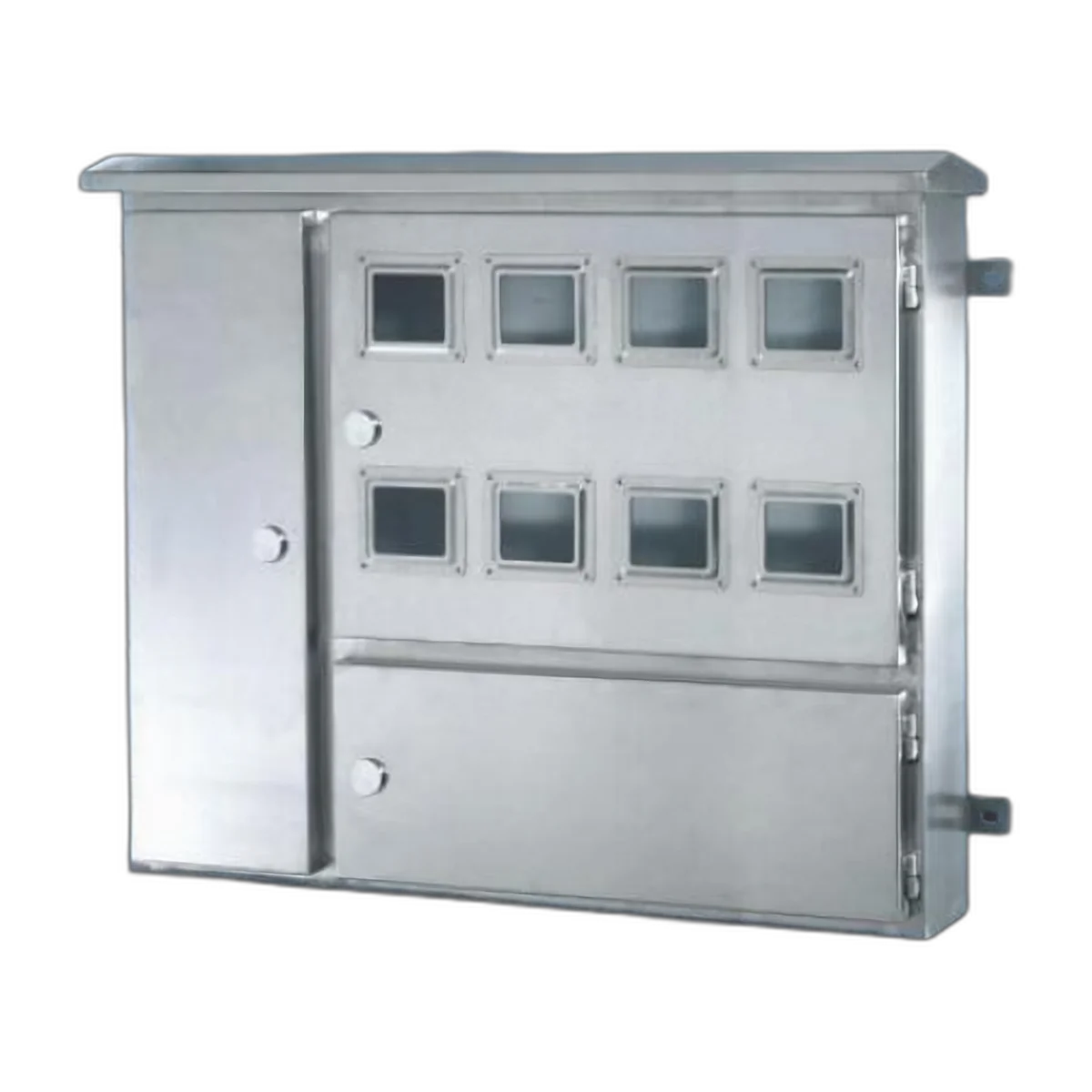
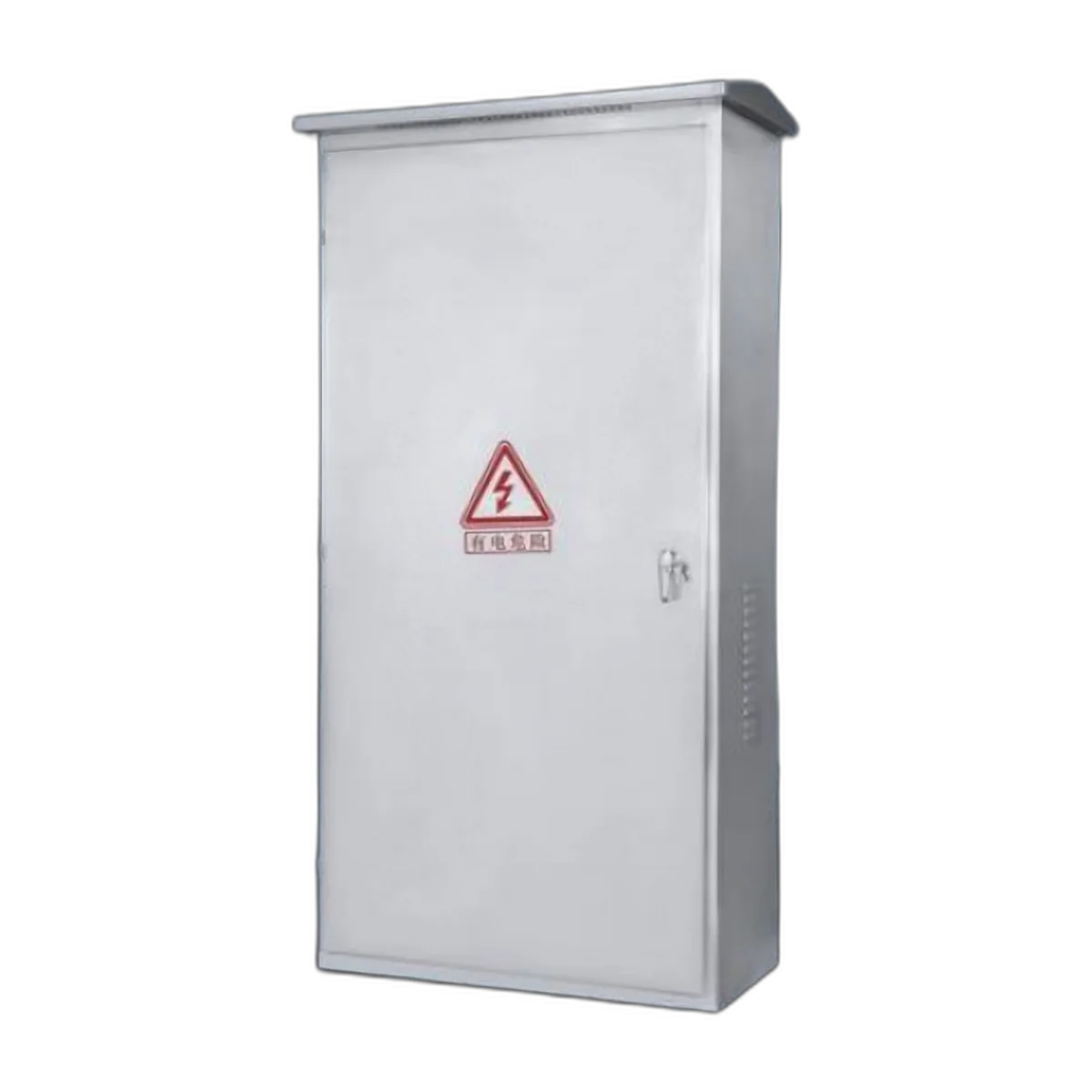
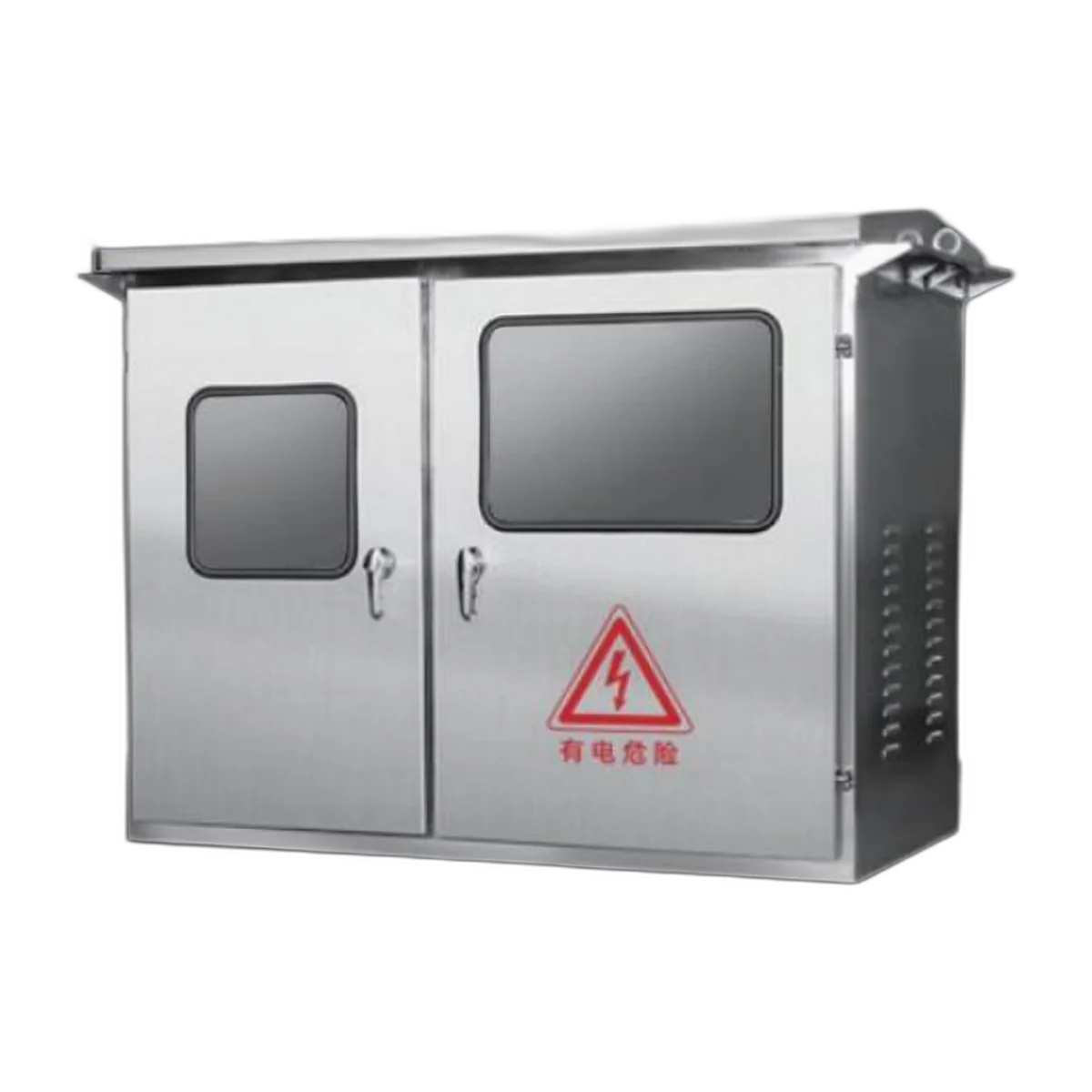
Enclosures used in external site work including roadside cabinets, utility boxes, communication cabinets, and measuring cabinets are considered to be mostly an off-the-shelf product with a tailored finish. Choosing this type of enclosure is more about matching features and environment than designing something absolutely new.A stainless steel outdoor power cabinet sits at the corrosion-resistant end of that range, which is where coastal and industrial pad locations land.
Getting a Quote That Can Actually Be Met
If a supplier says that the delivery will take 90 days without having asked any of the above questions, they are making a speculative claim.
- The required number of items and delivery venue – emergency planning and costing cannot account for the difference between one cabinets and twelve cabinets being delivered to a specific site or to an empty yard.
- The standard, dimensions, and internal configuration (including any approved-product list numbers)
- The required documentation for performance qualifications and testing, and whether submittals are needed prior to shipment
- The funding source and any domestic-content requirements
- Whether the existing foundation can be reused, and who bears the responsibility for the preparation of the pad
The quickest route of realizing most of projects is not through the factory. It is the supplier who can configure the standard unit from available stock or build an enclosure on a short notice and ensure the delivery time in the contract instead of providing a verbal assurance. For production plans based on repeated orders made by one client (such as restocking of the agency after the flood or service contractor with the storage of spare parts) it is possible to make the unit according to own plan.That is a standard OEM and ODM arrangement for custom enclosure production, and it is the only way to have cabinets waiting when the next event arrives rather than ordering them after it.
Frequently Asked Questions
What is an R77 traffic signal cabinet?
R77 refers to the 77-inch “R” size cabinet from the legacy NEMA traffic signal cabinet family — the larger of the two common ground-mounted sizes, the other being the 60-inch “P” cabinet. The R size has enough internal volume for a controller plus additional equipment such as video detection and emergency vehicle preemption, and it shares a bolt pattern with the previous generation, which is why it remains a common replacement specification. Modern equivalents typically appear as NEMA TS-2 Type 1 assemblies, with ATC 5.2b increasingly specified for new installations.
How long does it take to get a traffic signal cabinet?
Custom TS-2 cabinets usually take 12 to 20 weeks from start to finish depending on how complex the order is, in addition to shipping, installation and commissioning. Standard sizes and semi-custom configurations take significantly less time. Units that are in stock or surplus can also be obtained within days. If you want the solution within 90 days, you may assume that not enough time exists for a custom solution unless the supplier is already working on it, and plan for the standard size, previously constructed base and required crew working on the project.
Can you buy a traffic signal cabinet on an emergency basis?
Certainly, and it may be assumed that the mechanism is familiar, however, it is actually a procurement method rather than a shortcut for buying things. Federal acquisition allows for emergency options such as no-tender processes for unusual and justifiable emergencies, as well as local contract preferences after an emergency is declared — according to the Stafford Act. But the actual situation is that things that will decide the outcome include reimbursement documentation, applicable domestic content regulation, and whether the goods are listed by the state.
What does Buy America mean for traffic cabinet procurement?
The manufactured products rule under Build America, Buy America has a domestic content requirement of 55 percent. Several items in the area of traffic signal technology, such as traffic signals, traffic cameras, traffic controllers, and traffic cabinets, are identified by the industry as being not so easy to procure domestically. AASHTO kindly requested to delay the enforcement of this rule until October 2025, in order to enable a sufficient agreement on the waiver procedures. Therefore, at the project level it is important to confirm which rule and waiver to apply, as well as what exact information should be provided by the supplier. A supplier failing to provide the precise answer to this question will not be considered compliant with the regulation, despite fast delivery.
References
- Minnesota Department of Transportation — Signals 101 manual, cabinet sizes and standard configurations
- SWARCO McCain — NEMA TS-2 traffic signal cabinet specifications and dimensions
- Econolite — Blue Series NEMA TS-2 Type 1 cabinet documentation
- AASHTO — comments to FHWA on the Build America, Buy America manufactured products rule
- U.S. DOT Intelligent Transportation Systems Joint Program Office — deployment resources
Conclusion
If you want to earn an R77 in three months, be ready to handle three different projects rather than one business. First, you need to have enough information about how the equipment works, its specifications, and its dimensions; otherwise, you’ll lose your work completely. Second, you need to have access to the right equipment if you want to make everything work properly; it would be much better to use standard or semi-custom equipment and avoid the need for having any equipment built specifically for your needs. Third, you will need both a crew to install the equipment as well as the right foundations for installation; thus, make sure that your working plan is ready before you continue making preparations in other areas of the project. Finally, don’t forget to file documents needed for setting up emergency approvals and financial terms before placing your order as well; otherwise, the completion of your project will take not three months, but much longer – even a year!