
2 Hour Fire Rated Junction Box: What Actually Meets the Rating
A junction box that can boast of having a two-hour fire rating is nonexistent. A junction box that, along with an appropriate fire rating system, has been tested as a part of a wall or flooring assembly that still works for two hours, although it’s got an opening in it is what exists. That’s the crux of all this — and this is exactly where most specification mistakes take place in this regard.
In simple terms: Fire ratings relate to walls and floors not boxes. An electrical box made of metal which is put in a two-hour rated wall is considered to be a that penetrated the membrane and should be protected in such a way as to maintain its rating. The insert could be a listed intumescent box insert such as the SpecSeal EP Powershield or a mouldable putty pad such as 3M MPP+. Such solutions are provided with standing of UL wall opening protective systems (Category CLIV) and have been tested to UL 263 / ASTM E119. Protection is generally required when junction boxes are less than 610 mm (24 in) apart on opposite faces, when one box exceeds around 103 cm² (16 in²) or when the openings are more than approximately 645 cm² per 9.3 m² of wall. The fact that regular junction boxes are not rated means that the rating belongs to the assembly where they are installed.
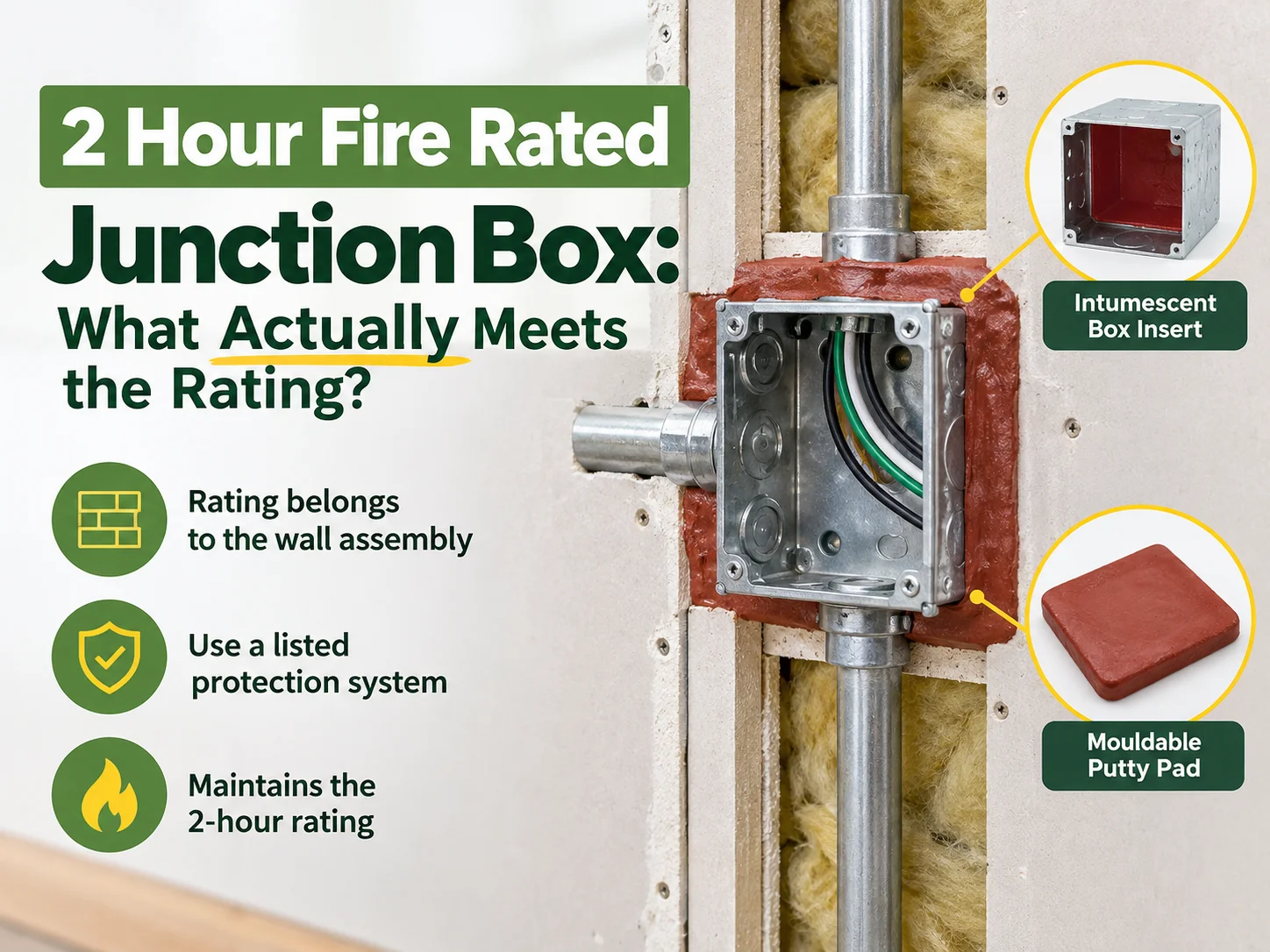
What a Two-Hour Rating Actually Means
The rating a means of the tested combined assembly say some combination of studs, panels, insulating material, accessories which is called penetration protection if applicable.
- Testing. Fire resistance test is performed by subjecting the drafted assembly to a standard timing pattern according to ASTM E119 or UL263 and equivalent standards, such as NFPA 251, ULC S101, EN 1363. For example, if the assembly is rated 2 hours, it means that its load-bearing capacity, integrity and heat insulation are preserved throughout the testing period lasting for 120 minutes.
- The design is fragile. It was tested together with the related materials which had a definitive number of layers, a specific type of board, a schedule of fasteners application and treatment of joints. However, deviation from its configuration will make this design unrecognizable due to some budget variation affecting the usage of the words “we used the same type of material” and “we used the same assembly as tested.”
- Any box is a kind of penetration. If a box is inserted into a wall and does not reach the opposite side, it makes a “whole” on the wall of the assembly that provides fire resistance of it. If it is not protected, the integrity of the assembly will suffer and the tested characteristics will be lost.
This is a reason why it is wrong to ask “what box is fire rated” instead of “what is the appropriate system that is proved to protect this box in the given assembly”. The answer to such question is not too complicated; still, it requires a lot more time if an error is made because somebody does the final check when the wall has been finished.
The Products That Deliver It
The marketplace for two-hour membrane penetration protection is limited and very focused. There are three distinct types of products.
- Intumescent box fillers. Comprised of one part and fixed inside the box against the back wall. In case of fire, it expands to seal the gap. The product in question is SpecSeal EP Powershield electrical box filler. It has been shown to expand at least 24 times its size when subjected to high temperature and fire. Installation is fairly simple and does not require additional tools. It is certified UL-listed product (Category CLIV) for up to two hours in compliance with UL 263 / ASTM E119 standards. It was made to fit standard boxes for switches and receptacles. Installation may proceed either before or after wall covering application is completed.
- Moldable putty pads. The third approach consists of soft intumescent material moldable by hand around the box and/or the opening. 3M Fire Barrier Moldable Putty Pads MPP+ are tested compliant with ASTM E119 (UL 263) and are required to be installed according to UL wall opening protective listing. In addition to that, they meet ASTM E814 (UL 1479) specifications relating to penetrable structures (up to four hours). Their rating STC 52 indicates that they can be used together with every steel or plastic box. They do not dry out or crumble so they may be reused which is convenient when it is necessary to open the box afterwards. Rectorseal’s Metacaulk putty pads are in the same category with almost the same logic of use so they also comply with the requirements assuming the applicant possesses the correct listing.
- Fire resistant box structures for certain devices. Instead of protecting a conventional electrical box, this alternative approach uses a special fireproof box which has been tested as a whole unit. For instance, a metal box, containing an intumescent component inside, which has been certified to ASTM E119 standard and designed to be used with recessed lights. They have been created to fit framing structures, spaced by 16” or 24”. It may be considered as a single purpose product, which is used to solve another problem entirely.
Two adjacent product types are often confused with that category, which is not right. Poke through structures intended for fireproof floor designs are UL-approved systems used for building installations due to their different nature. Firestop sealants and collars involved with through penetrations of cables and pipes are also regulated by UL 1479 / ASTM E814 standards, which means that the wall opening protective listings do not apply here. Depending on the option which is chosen, the type of materials will be defined.
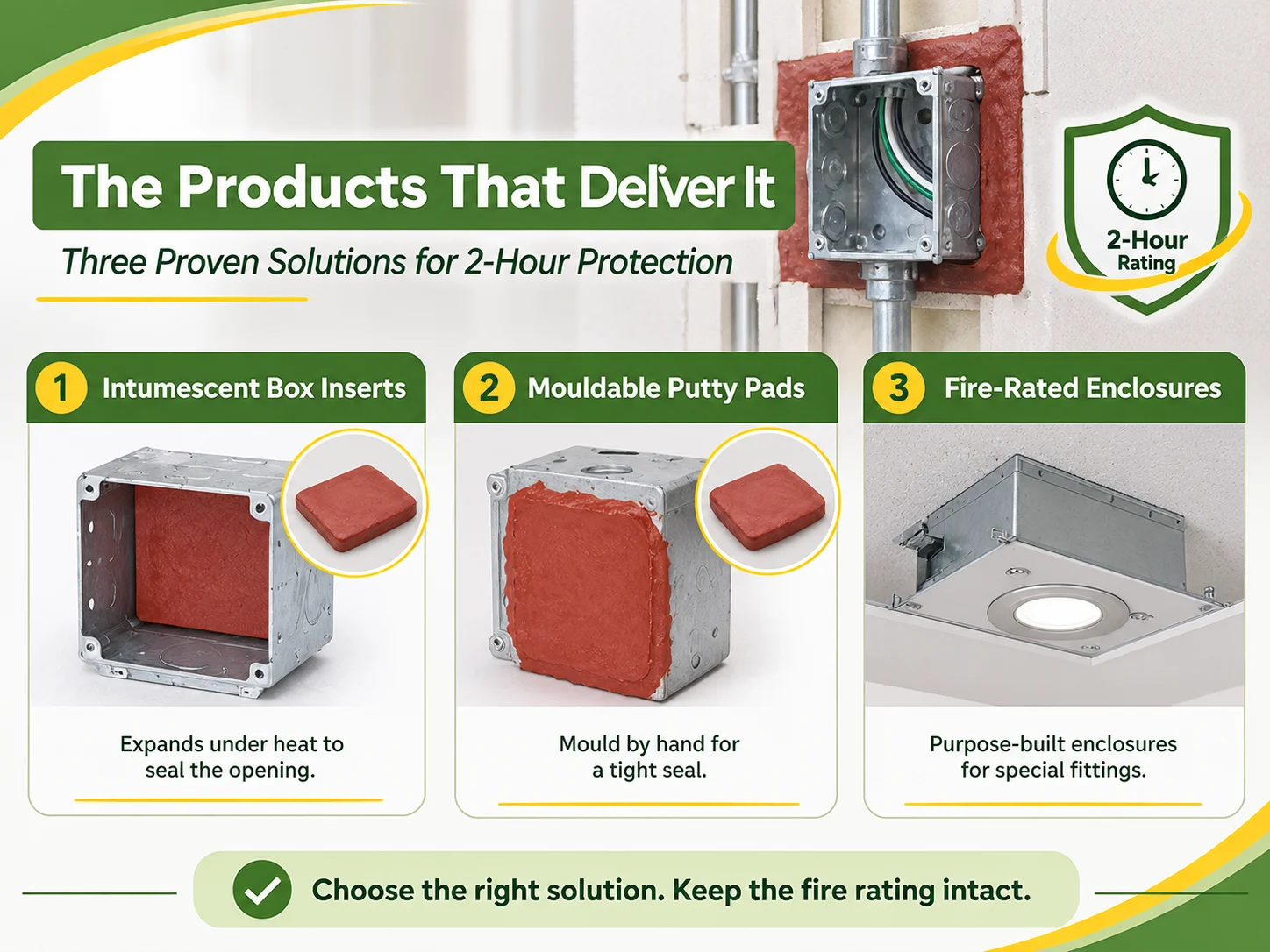
Fire-Rated Protection Versus an Ordinary Junction Box
Comparing the two side by side makes clear why the box itself is not the variable.
| Feature | Ordinary junction box | Box in a rated assembly with protection |
|---|---|---|
| Fire rating | None as a product | Rating belongs to the assembly, maintained by the listed system |
| Governing product standard | Enclosure standards for box construction and listing | Assembly test standard (UL 263 / ASTM E119) plus wall-opening protective listing |
| Material | Steel, aluminium, plastic — as the installation requires | Same box; the protection is added inside or around it |
| What makes it compliant | Suitable construction and rating for the environment | Correct box, correct insert or pad, correct spacing, installed per the listed system |
| Typical additional cost | — | A few dollars per box for an insert or pad |
| Inspection evidence | Product listing | System reference, product certification and installation record |
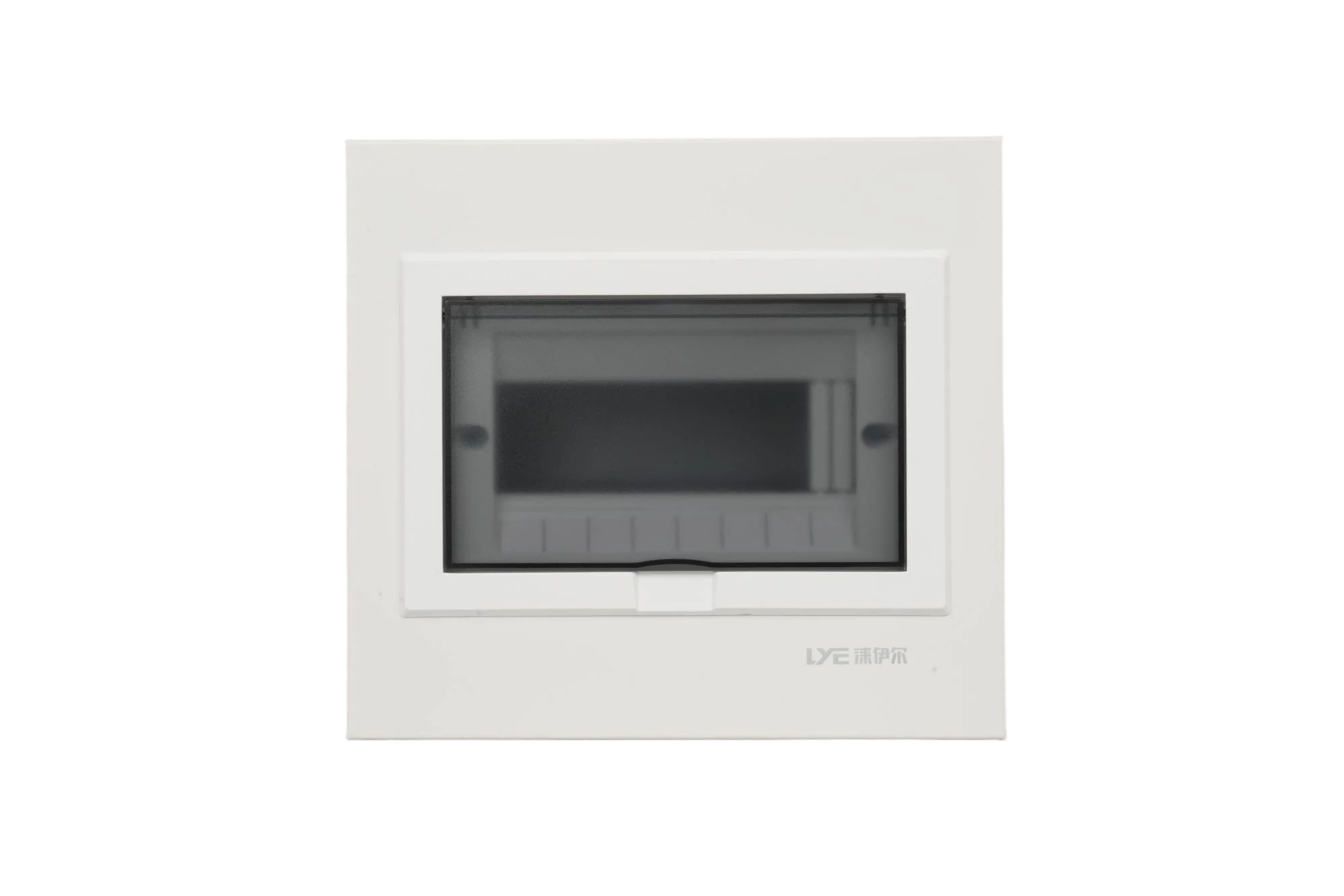
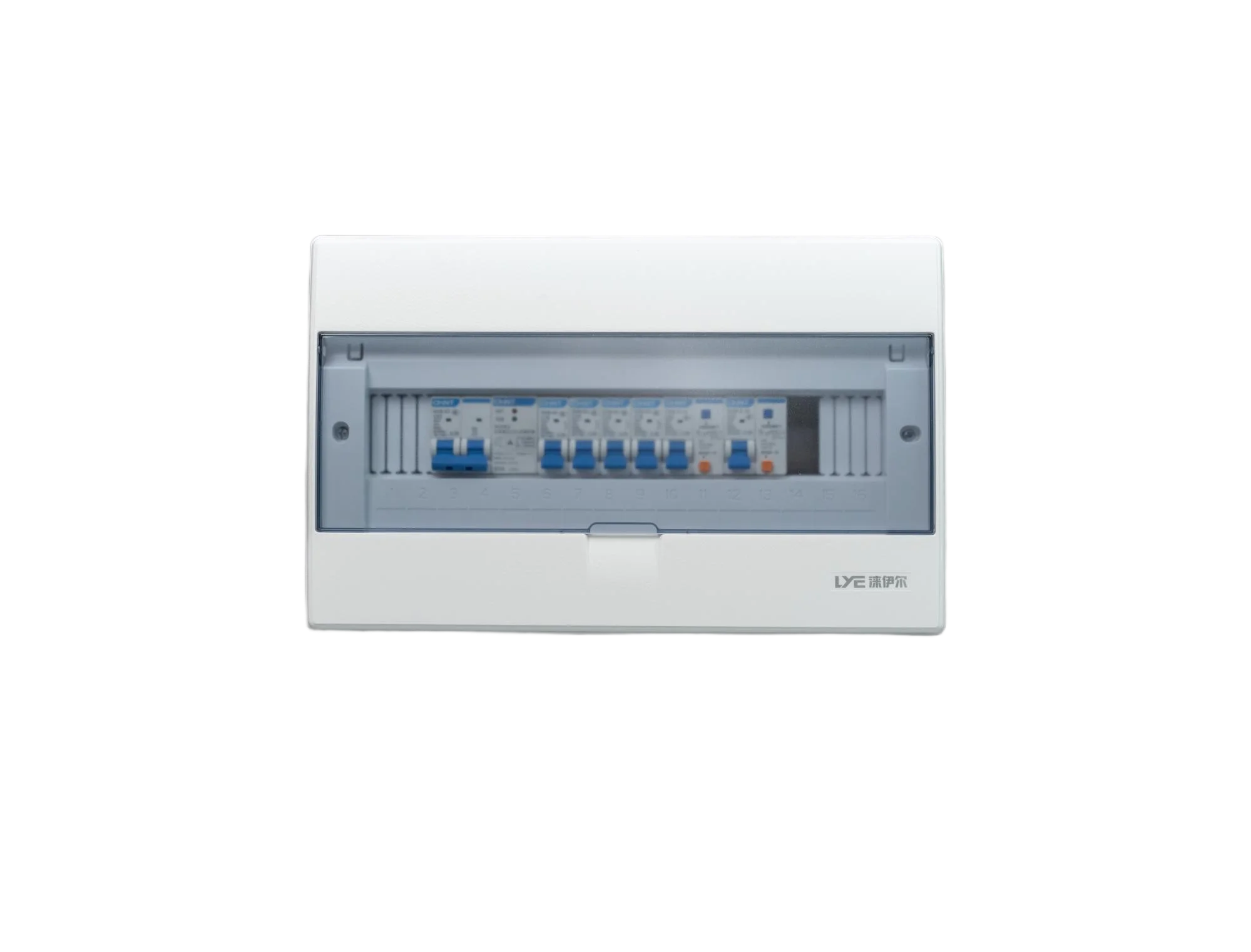
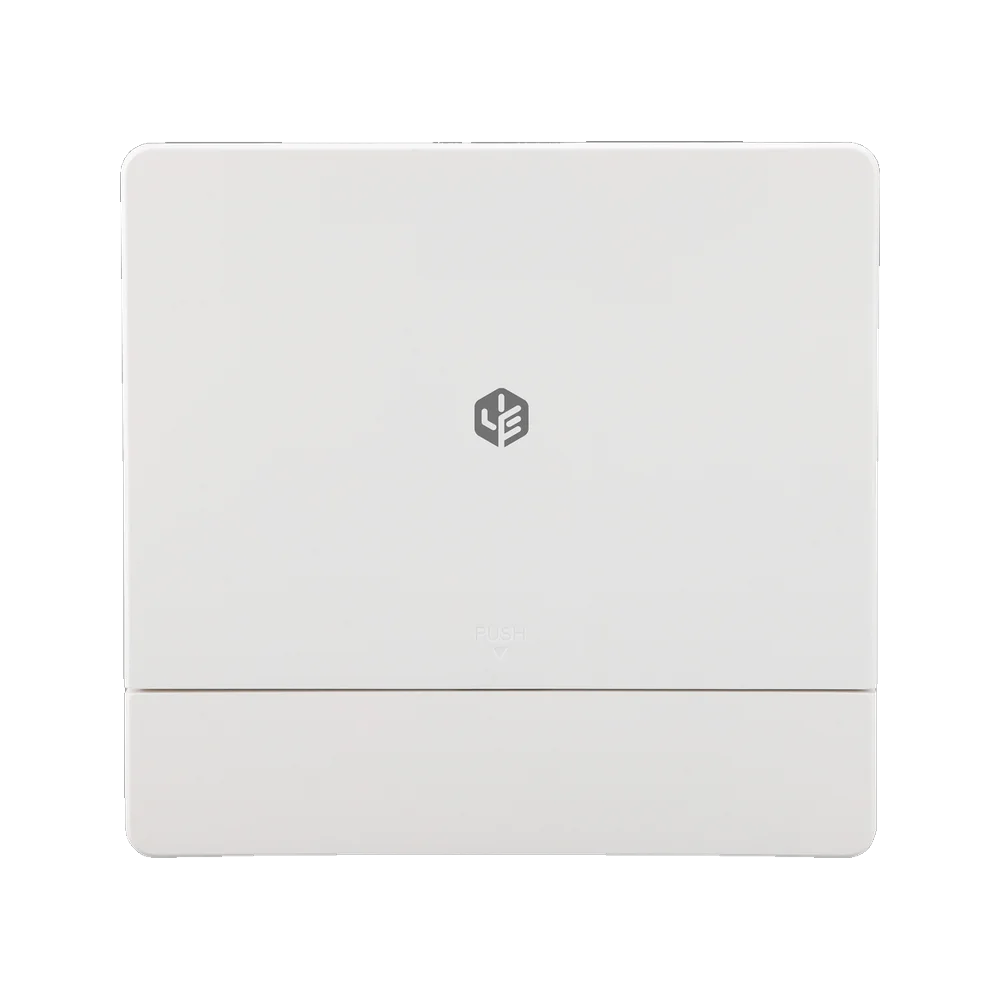
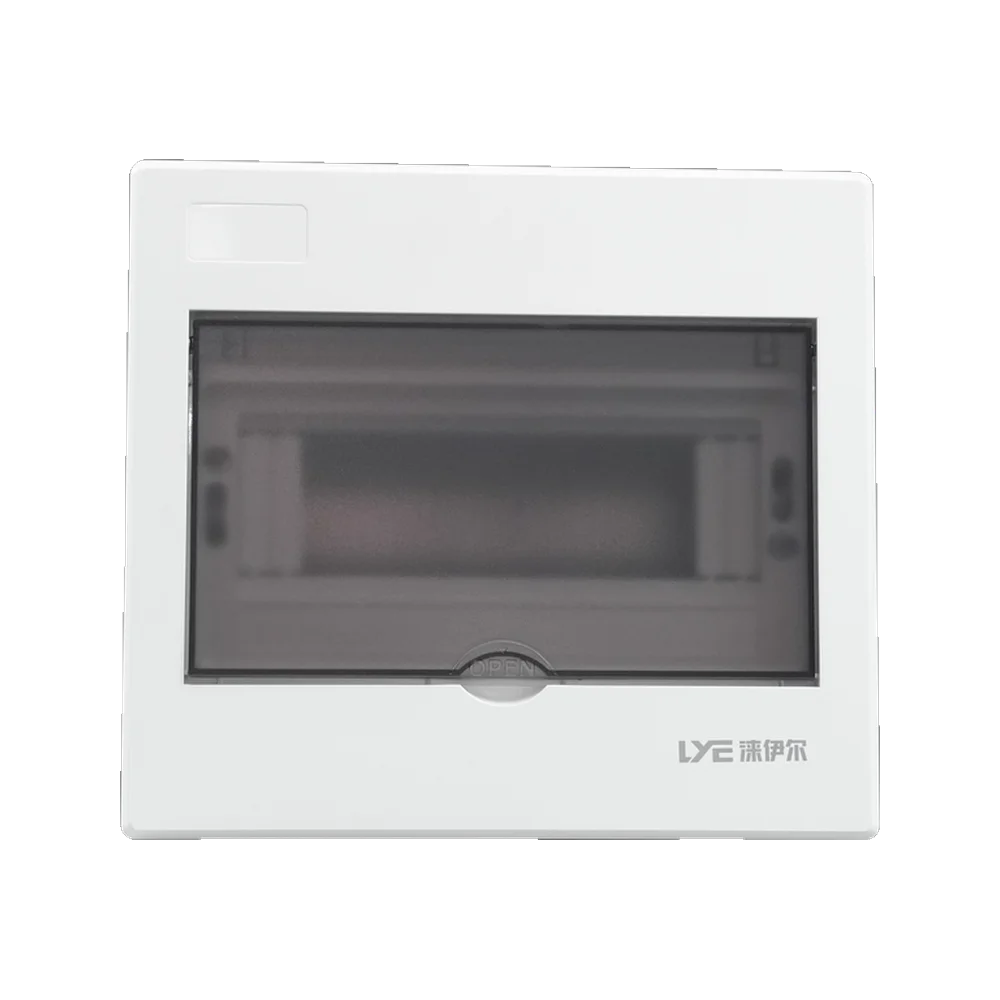
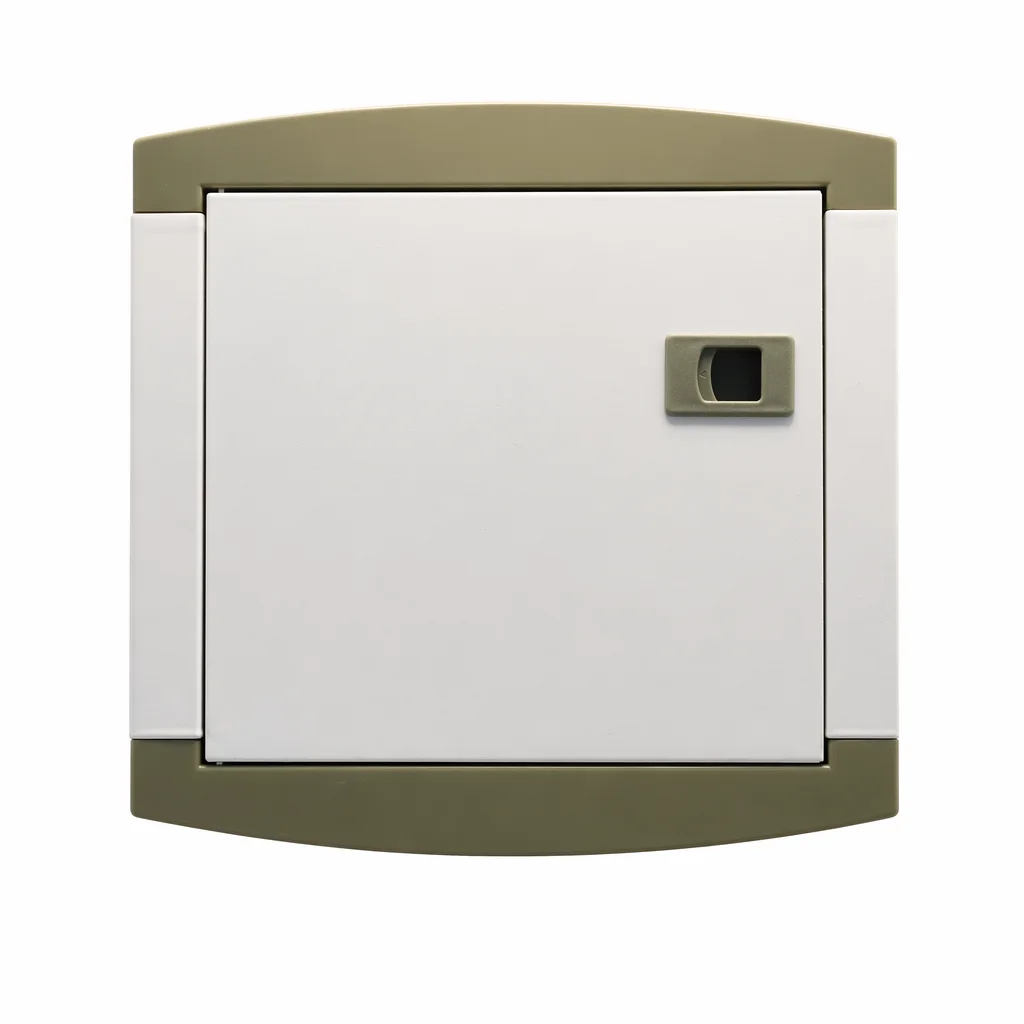
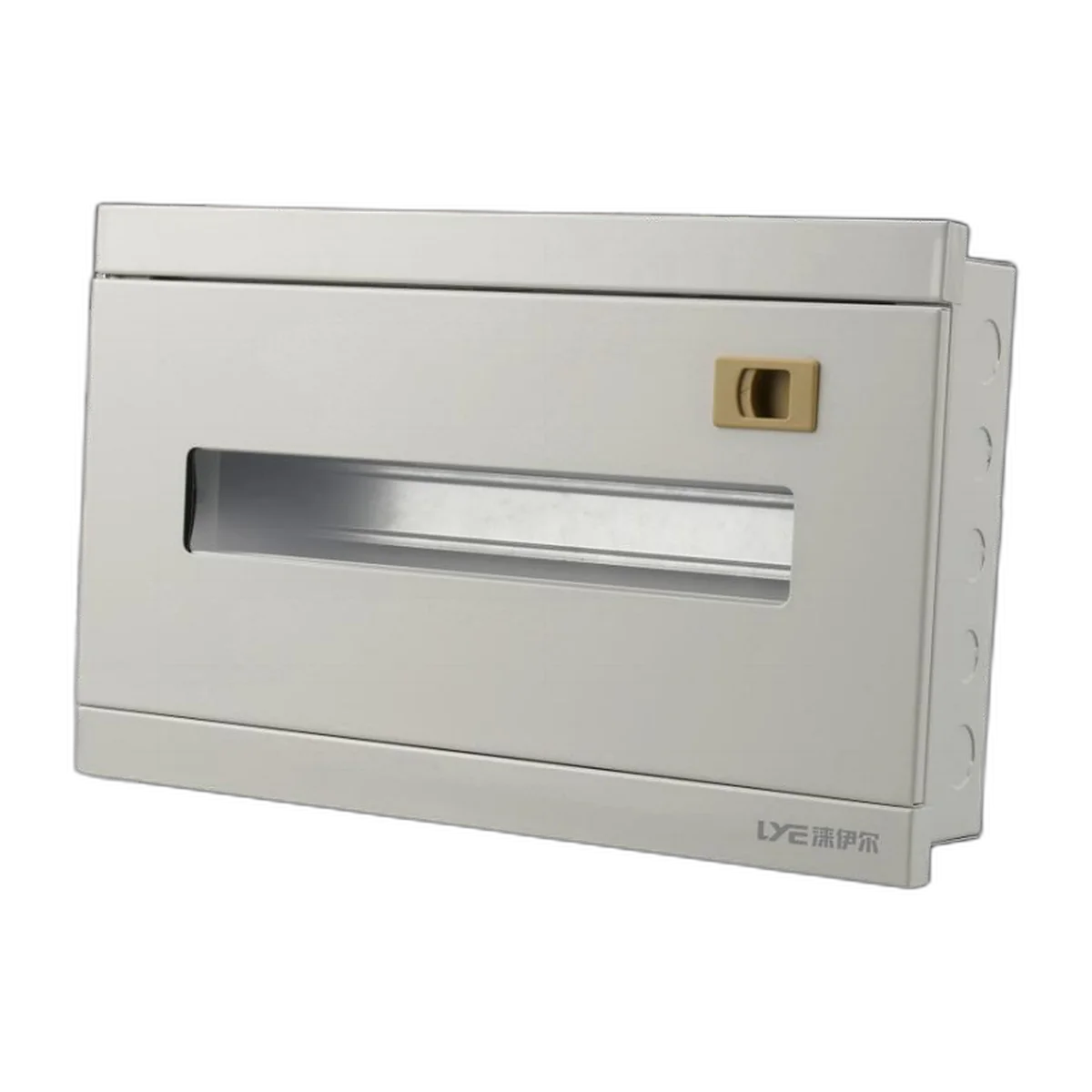
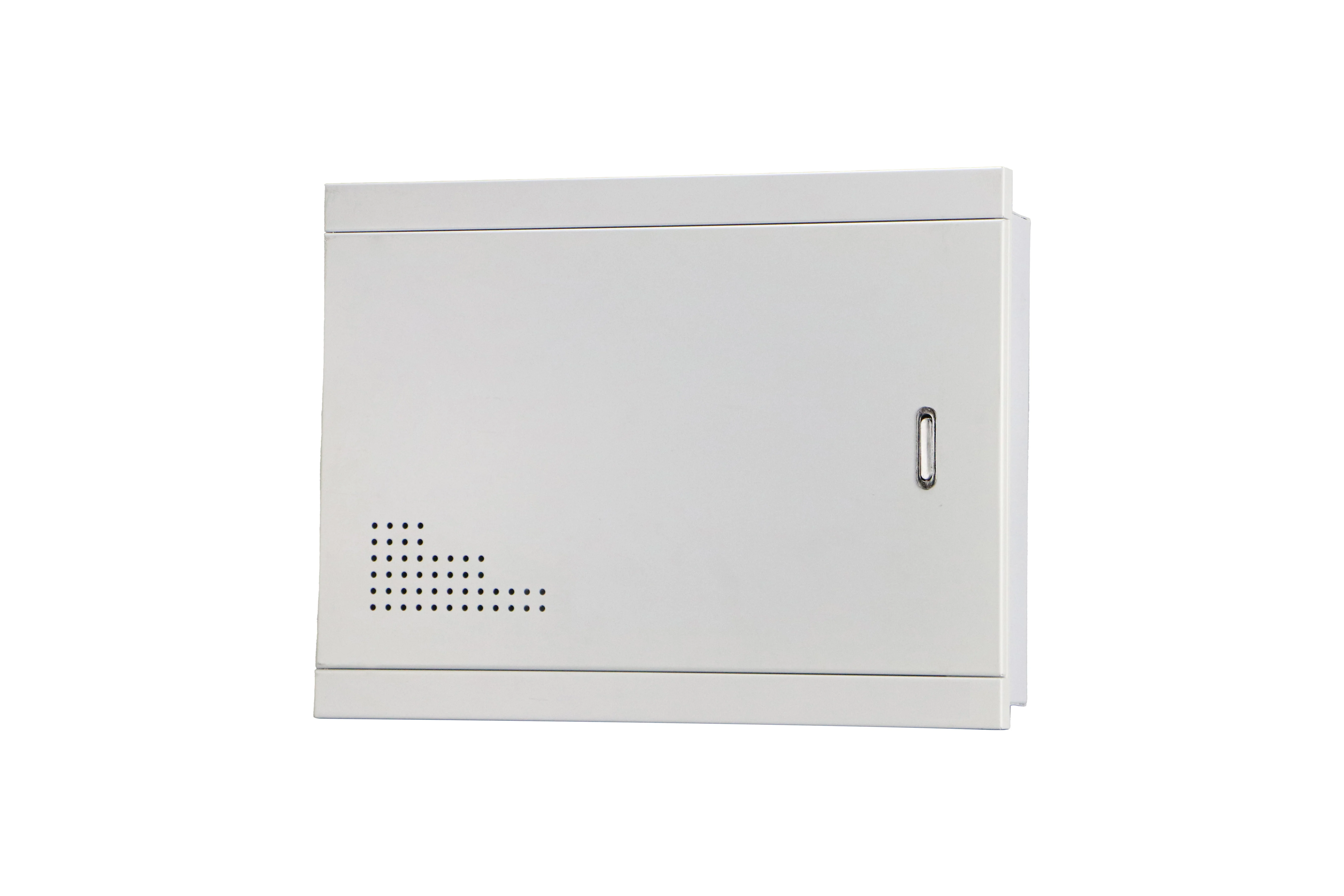
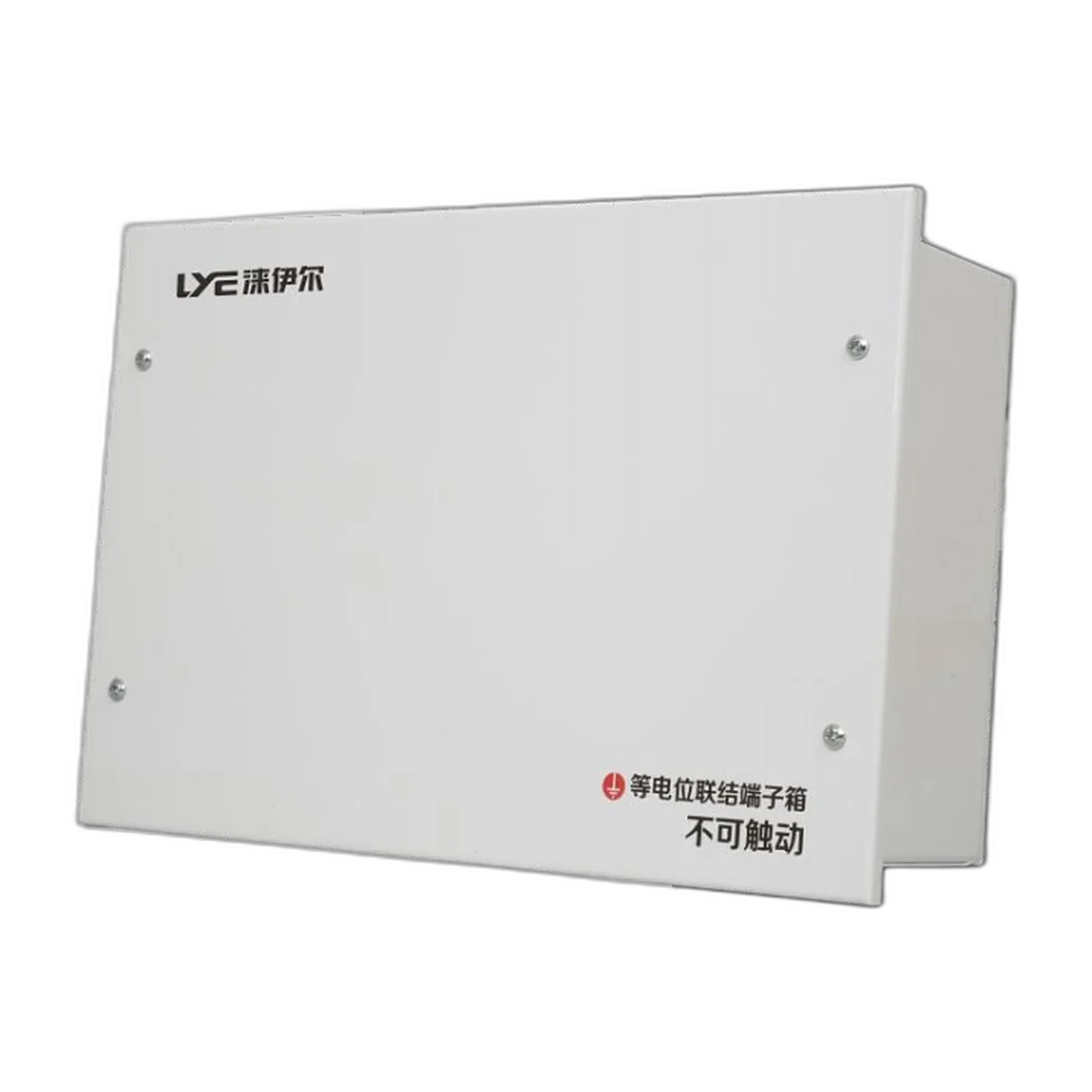
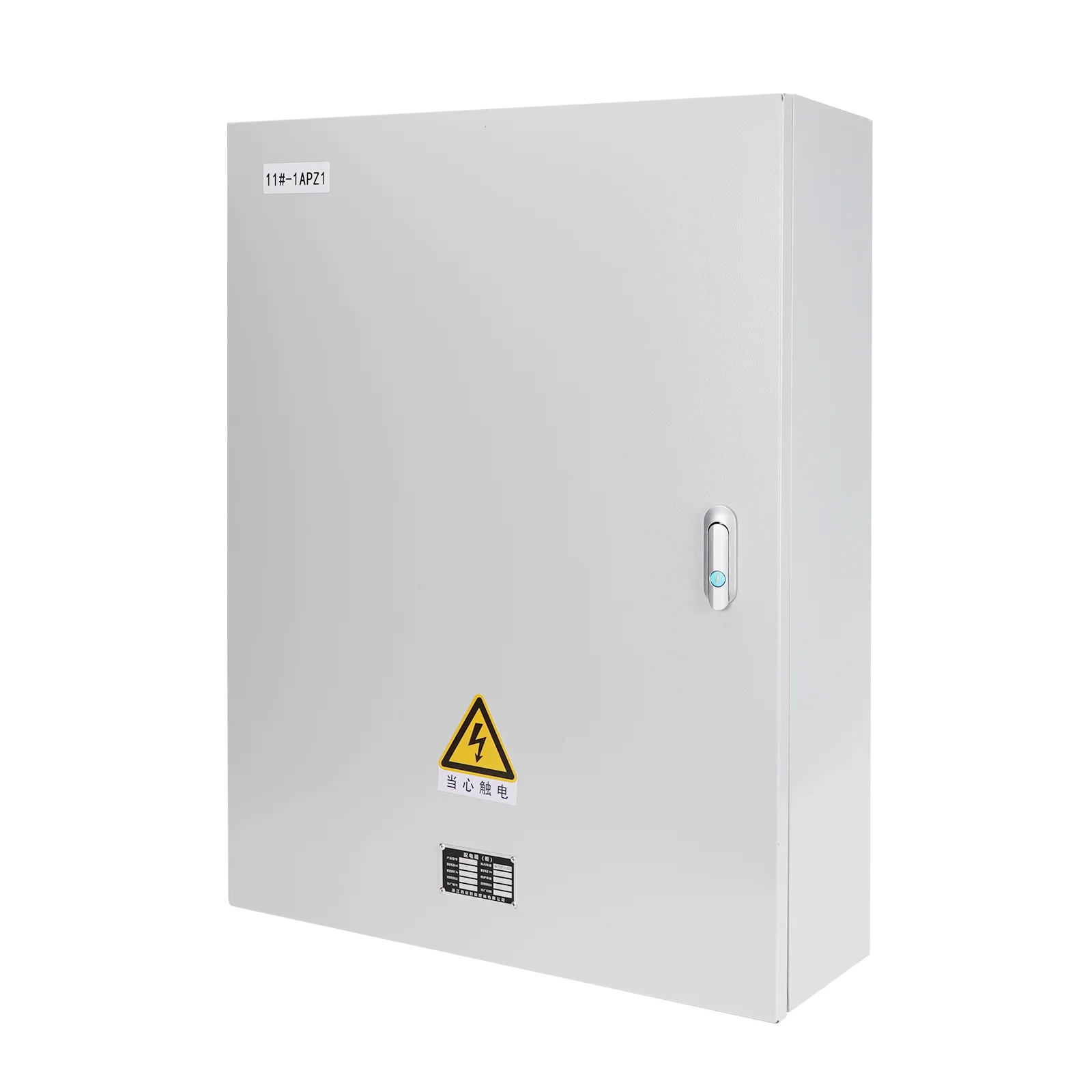
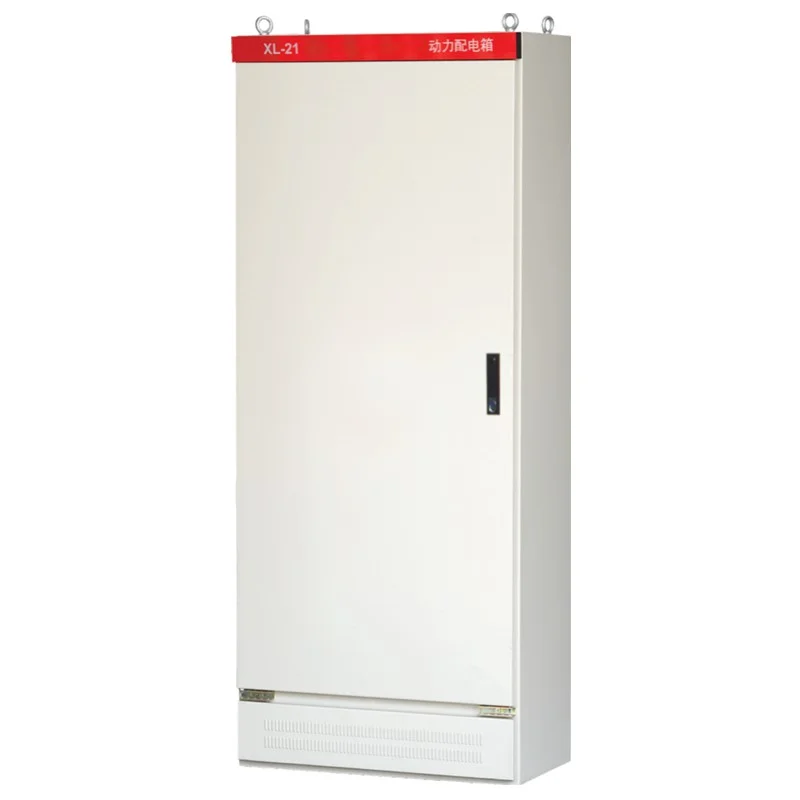
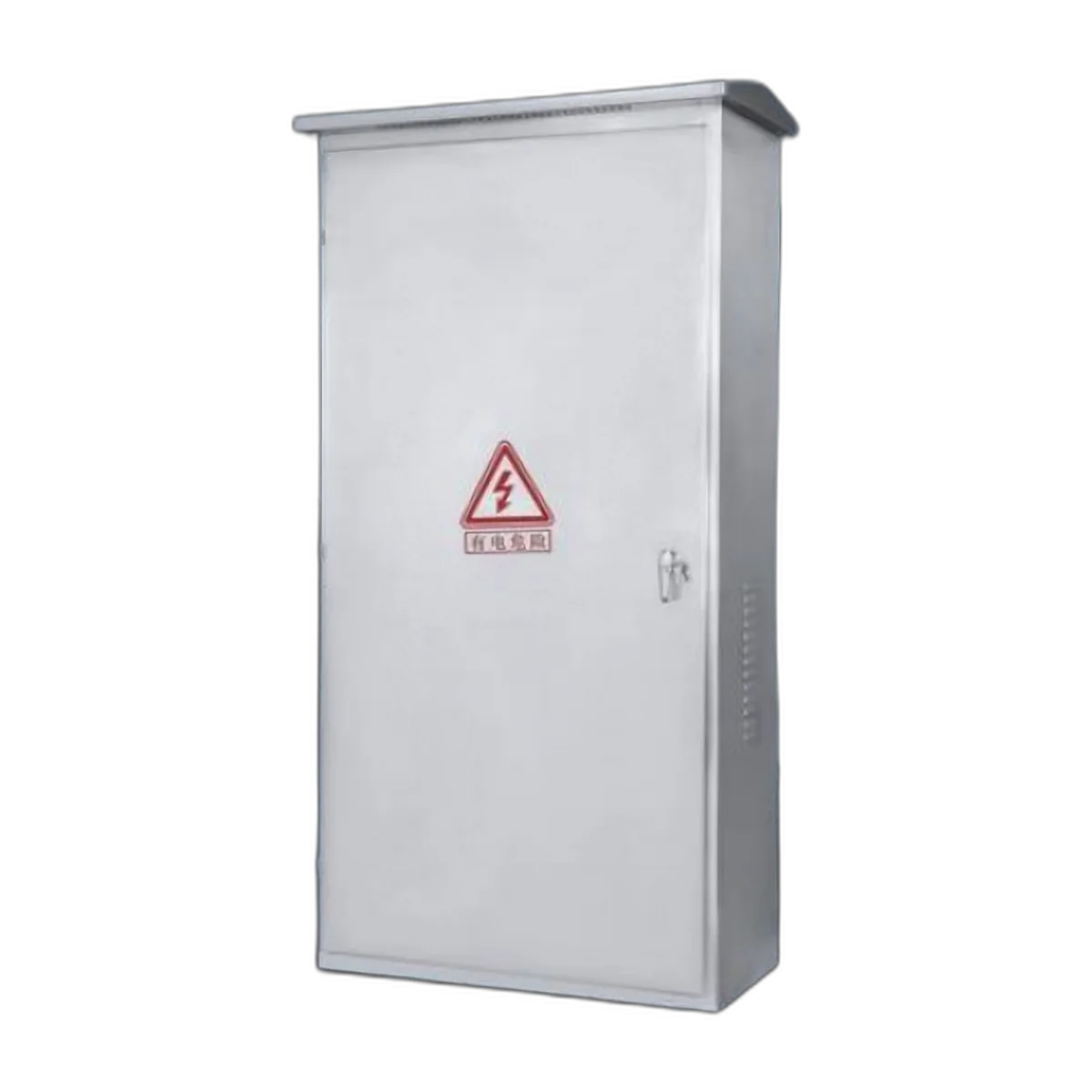
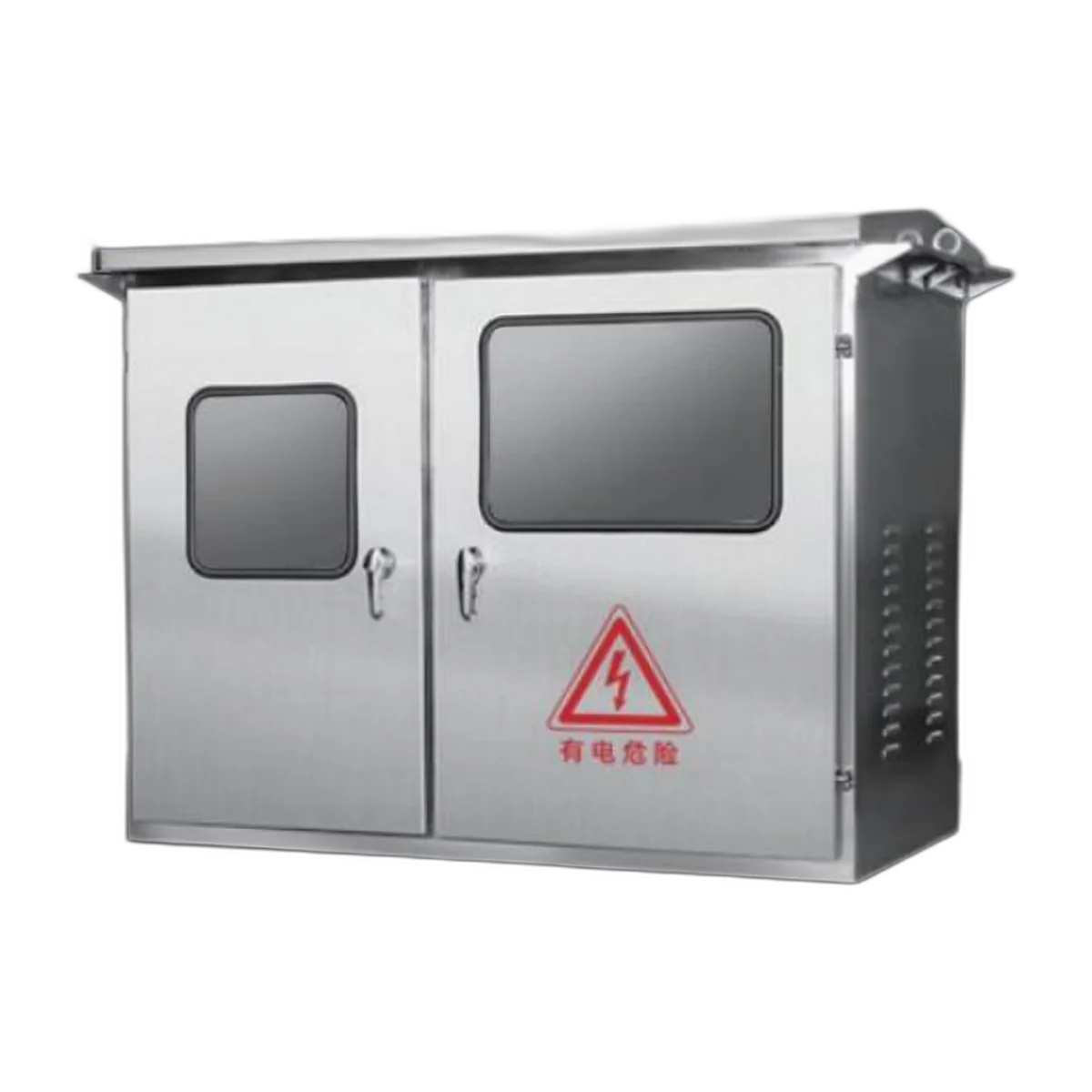
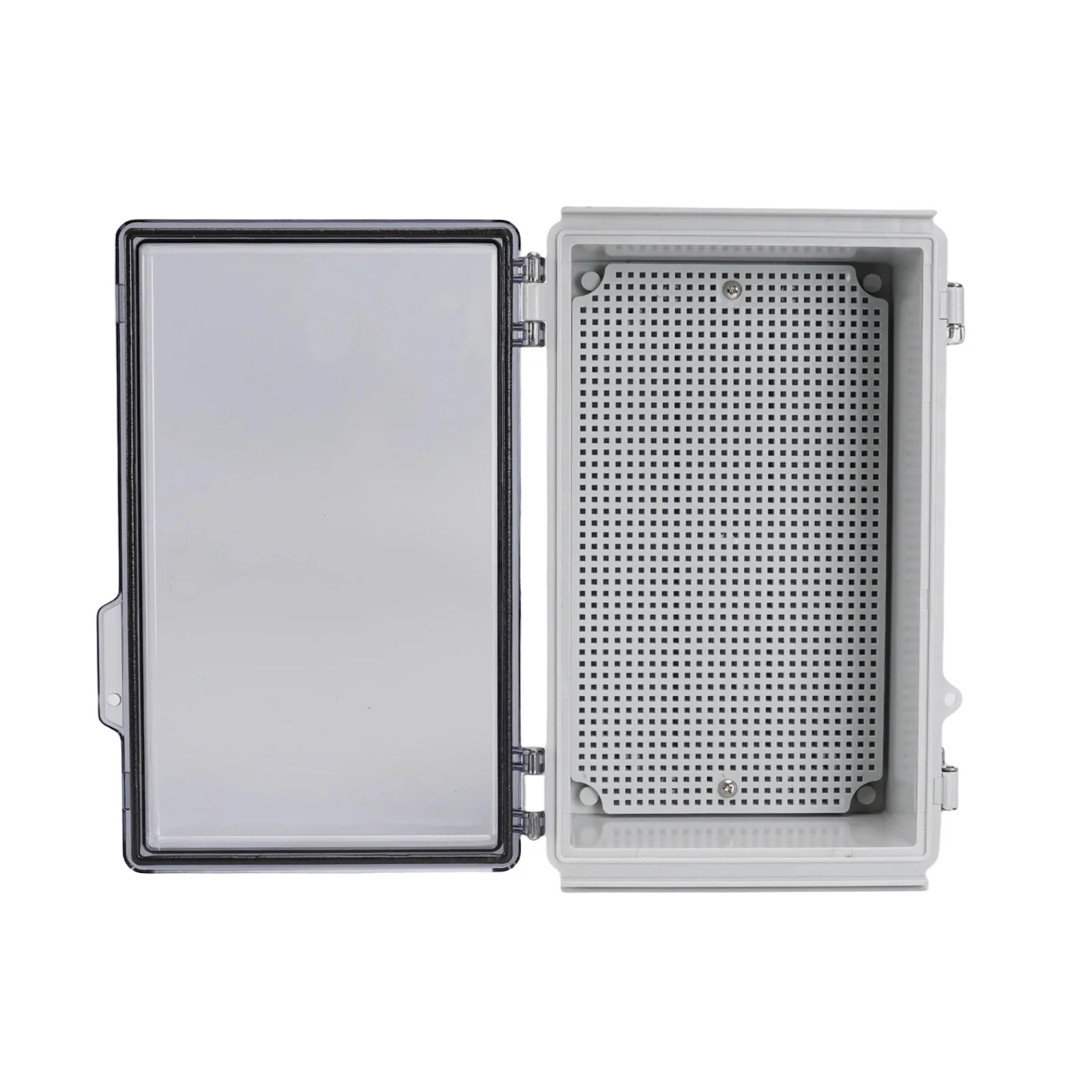
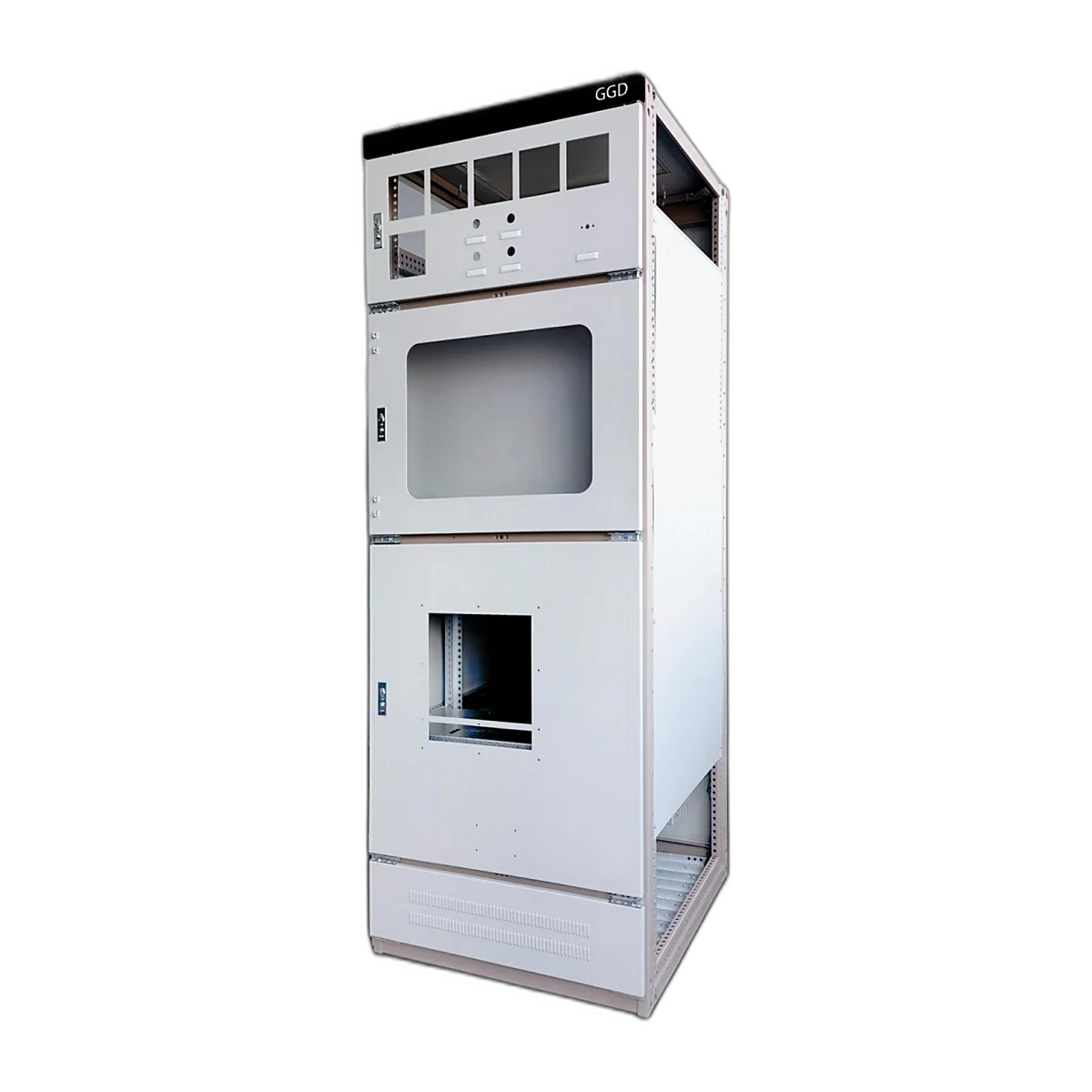
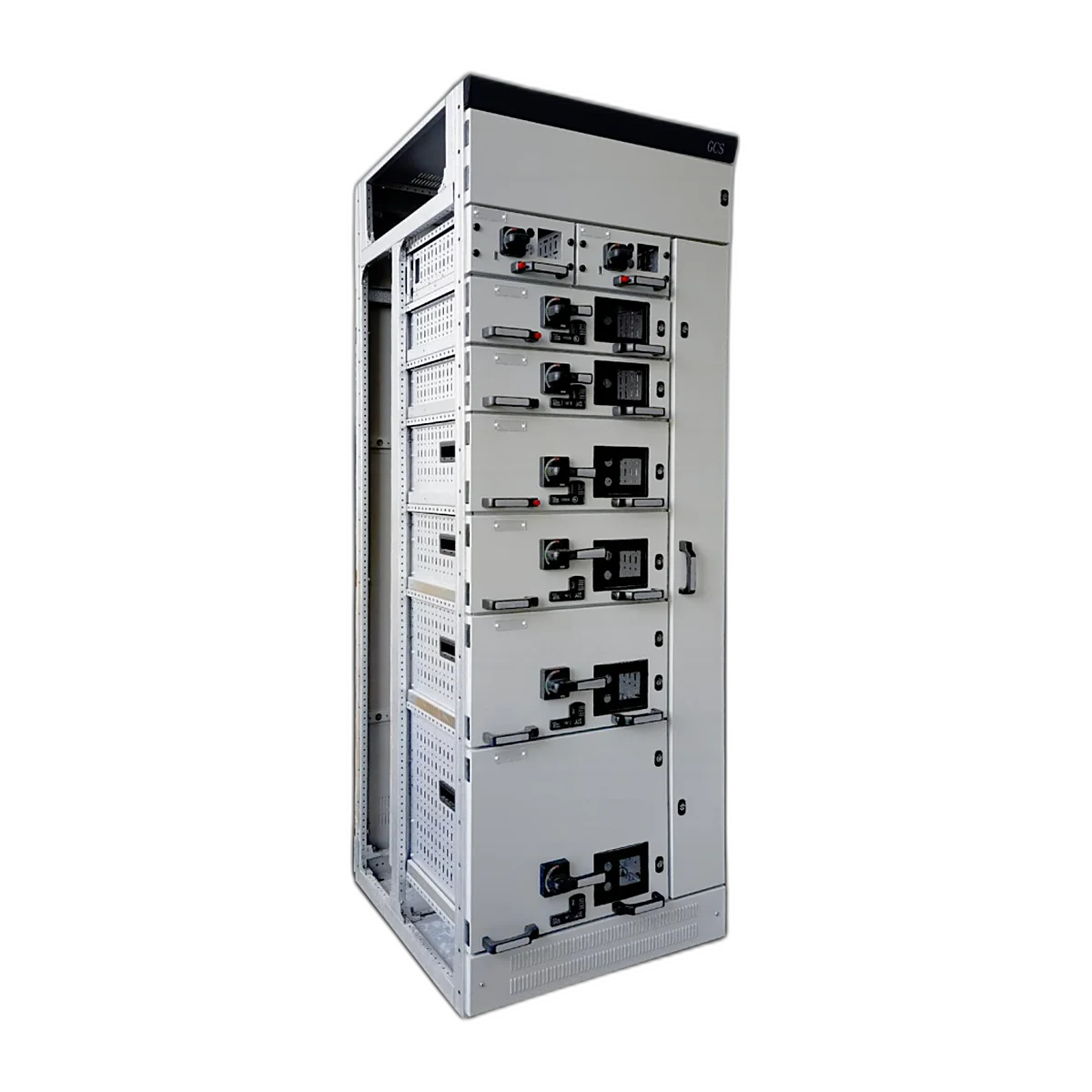
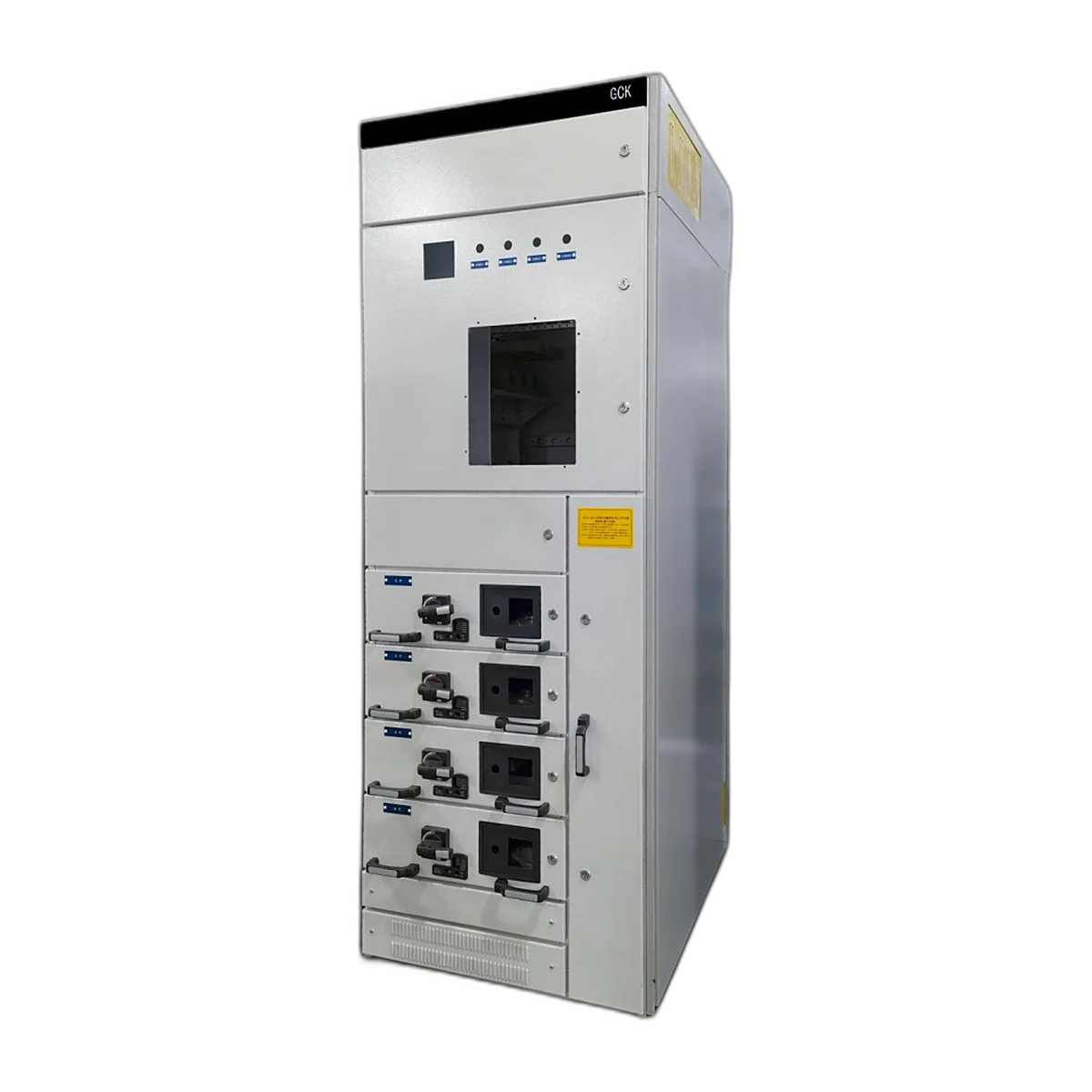
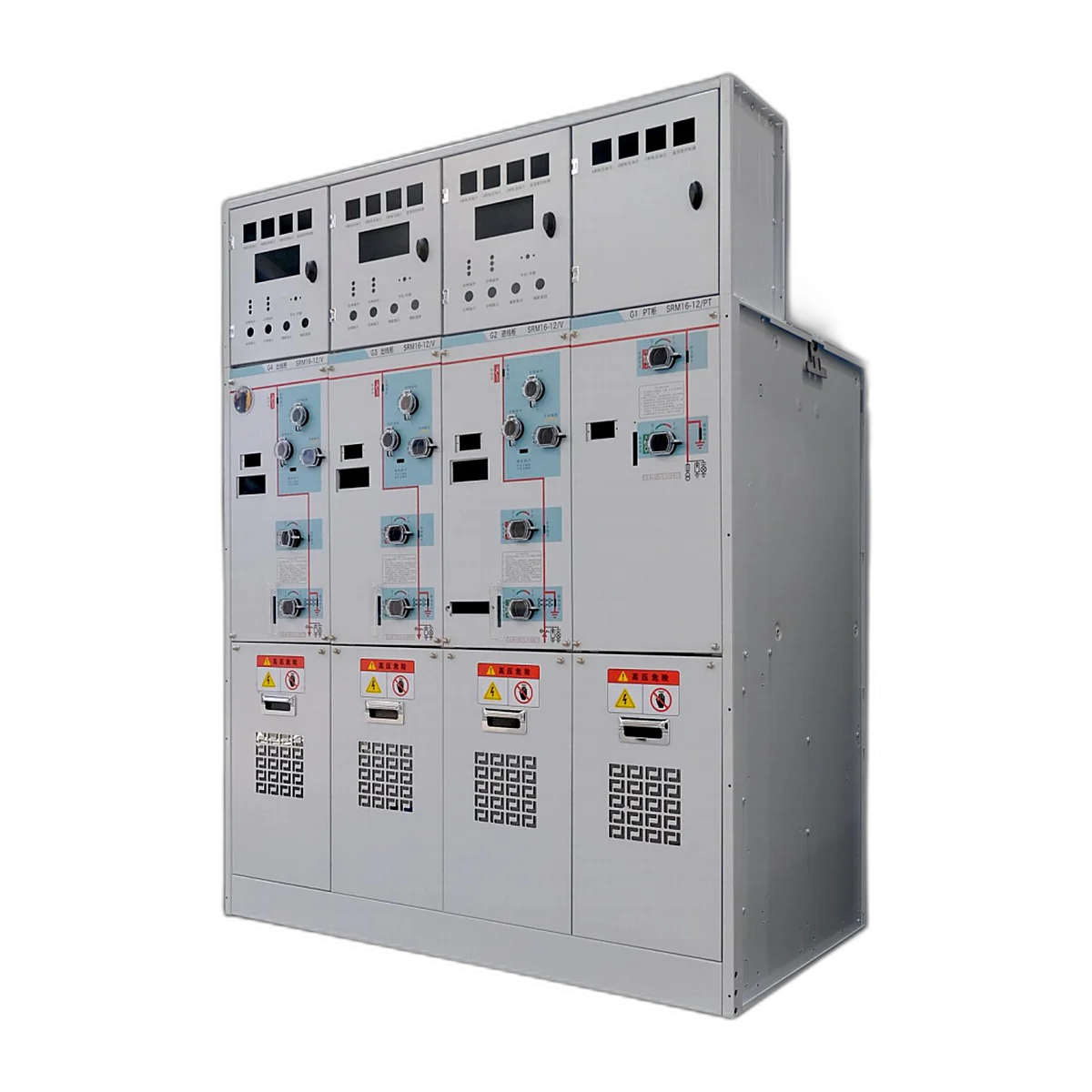
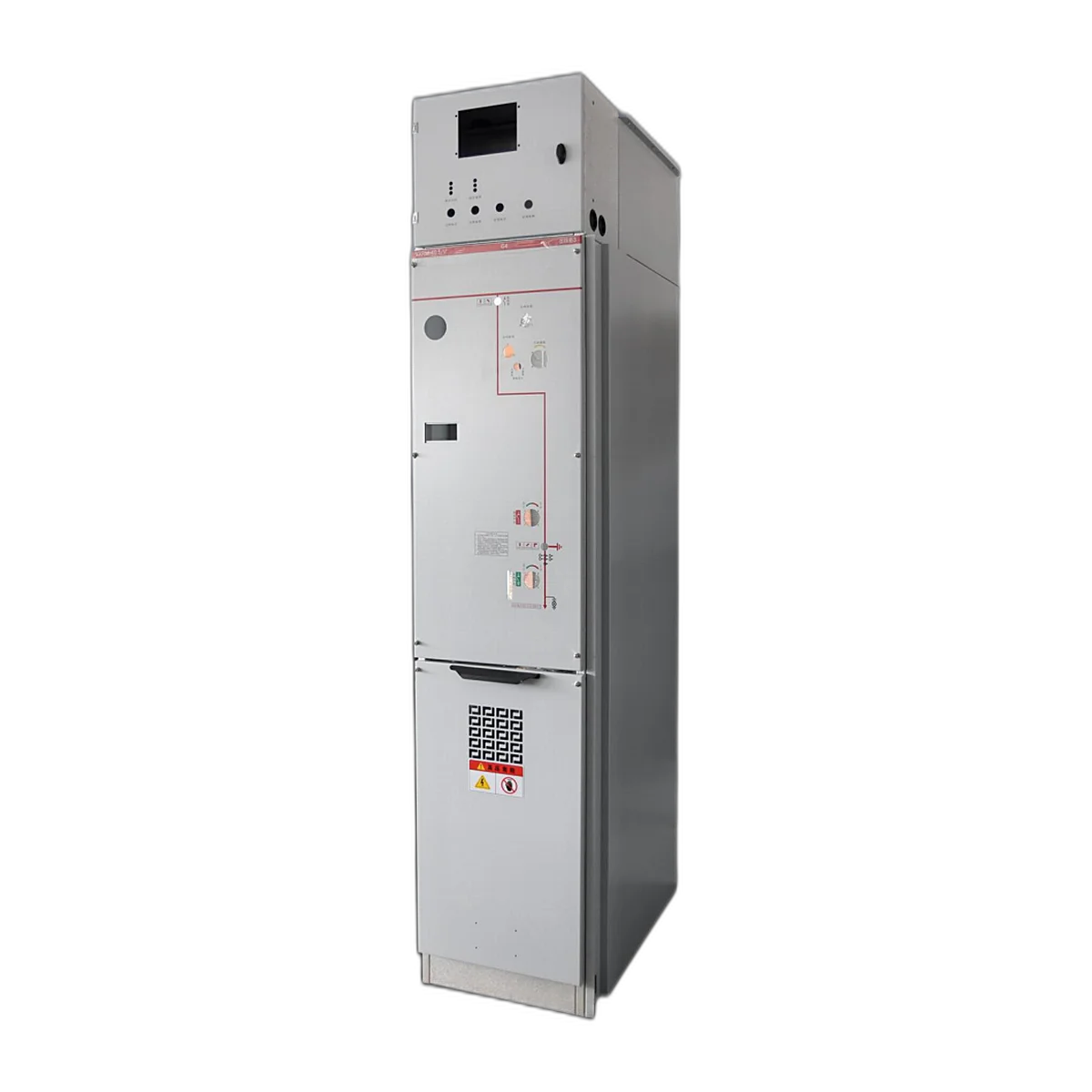
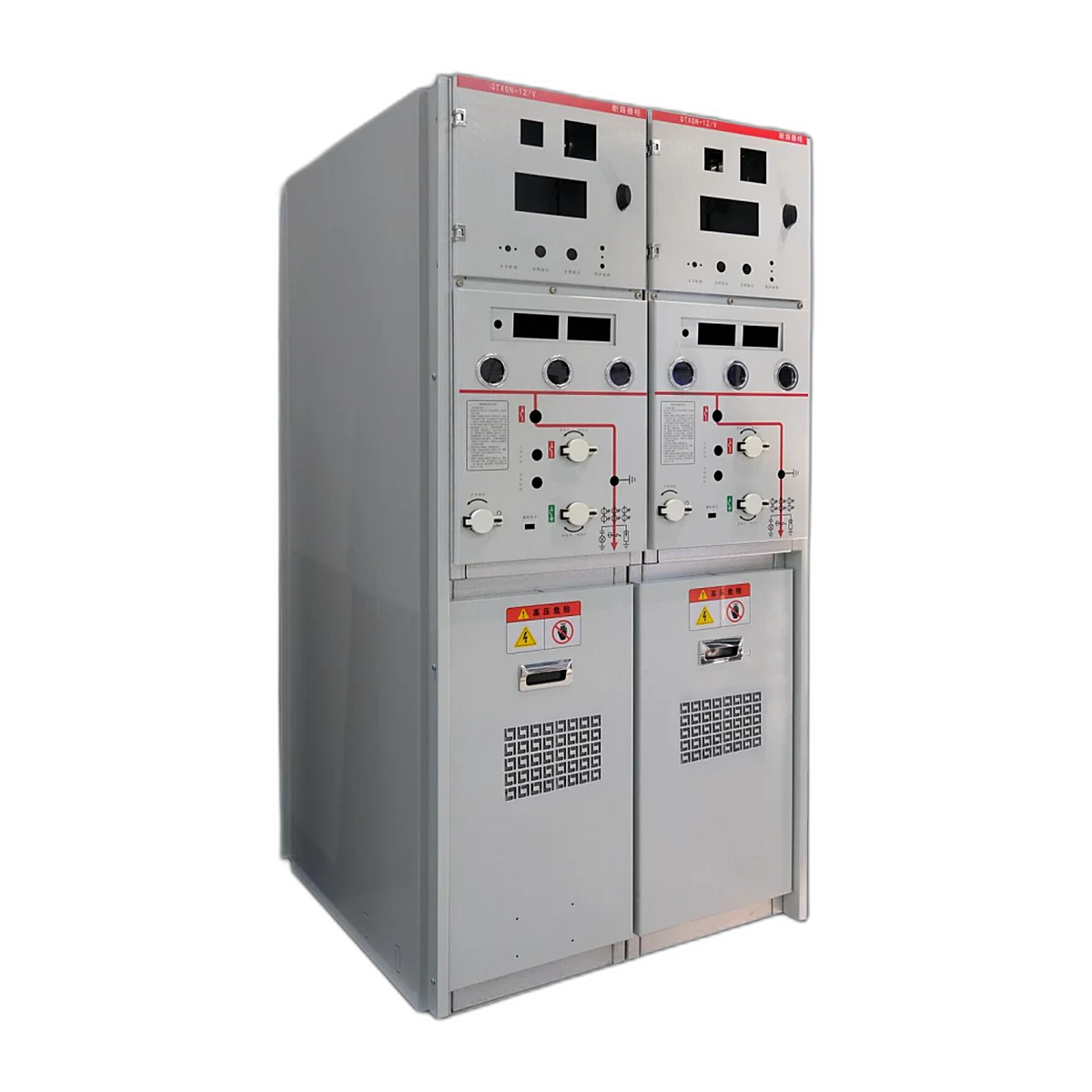
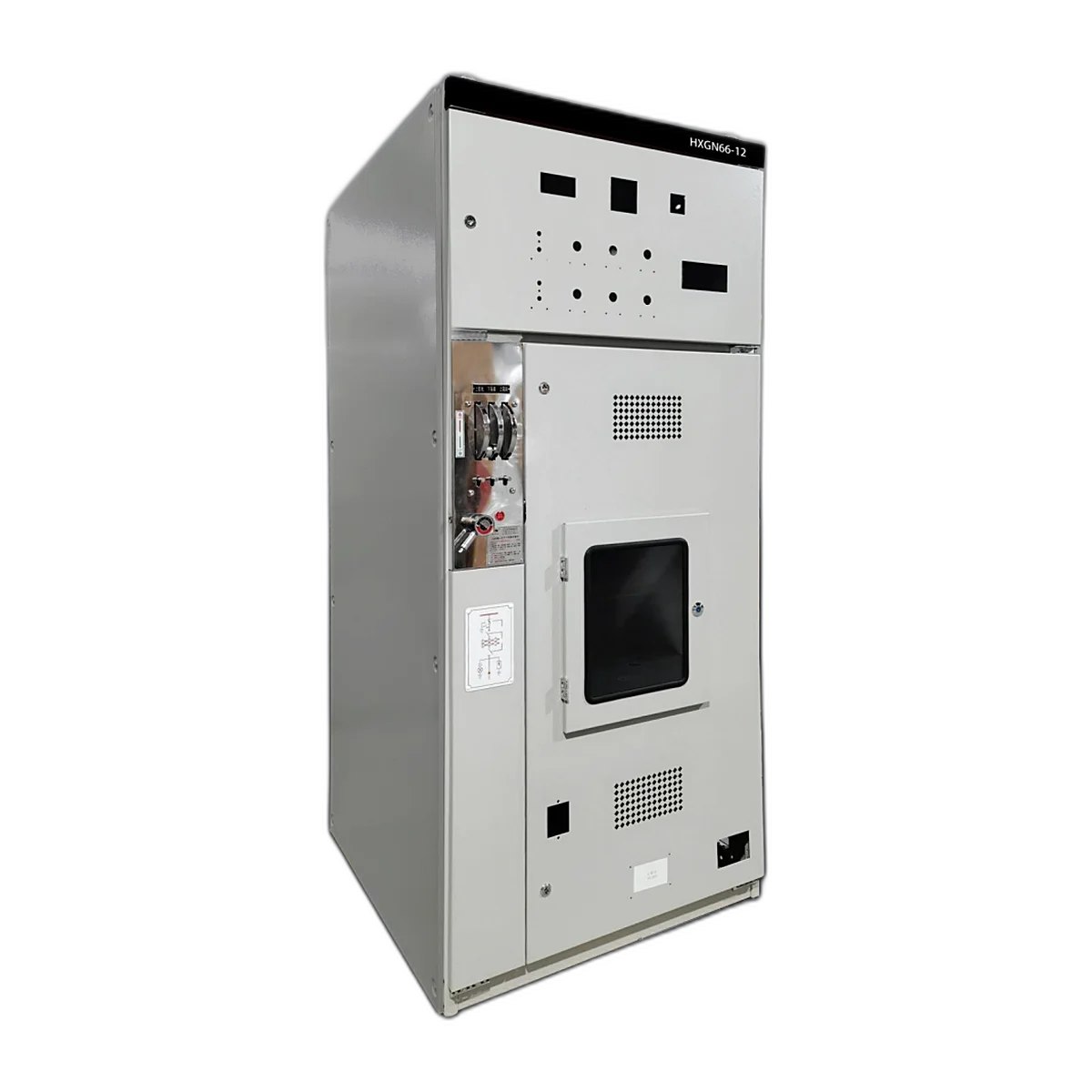
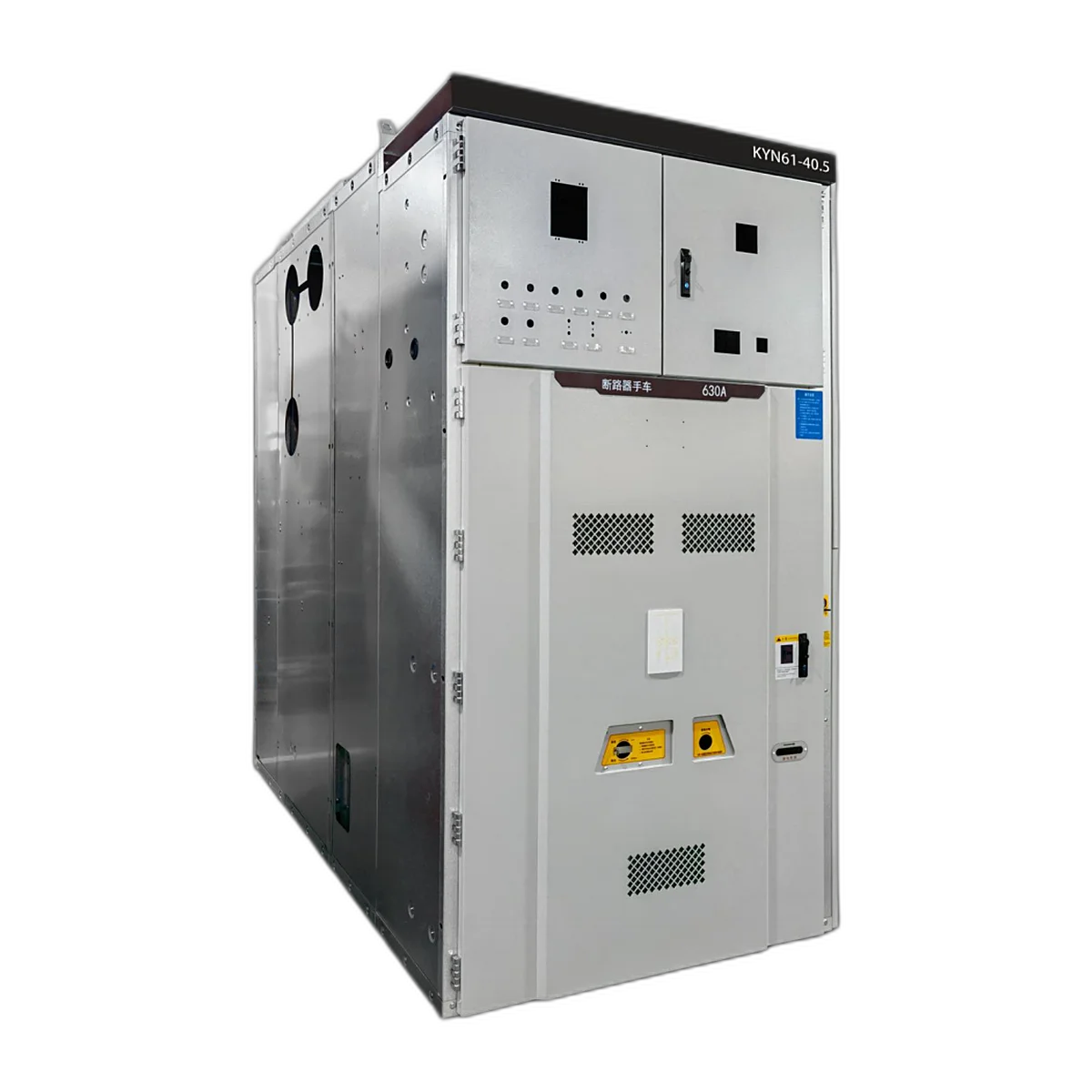
In actual practice, projects that need to be protected for two hours buy the same boxes. As a general rule, the same standard steel boxes are acquired, which happens to be the type of boxes that are most tested for intumescent inserts or putty pads in general. The selection of a box in this case comes down to application aspects such as material, dimensions, installation features, and environment rating. A foundation distribution box or a standard steel box selected on those grounds is the correct starting point, and the fire protection is layered on top of it rather than substituted for it.
The situation where the box is altered is when a significant opening has to be added which means there has to be a recessed light, speaker, or some other large installation. The tested product in this case is a complete system that is built to accommodate the size of the opening, and is sold as such rather it being put together from the box and a separate part.
The Box Still Has to Be Right for Its Environment
Taking the fire rating question out of the box means that the specification work is still required. The box still has to be right for its place, which can differ widely in the same job depending on where it is located.
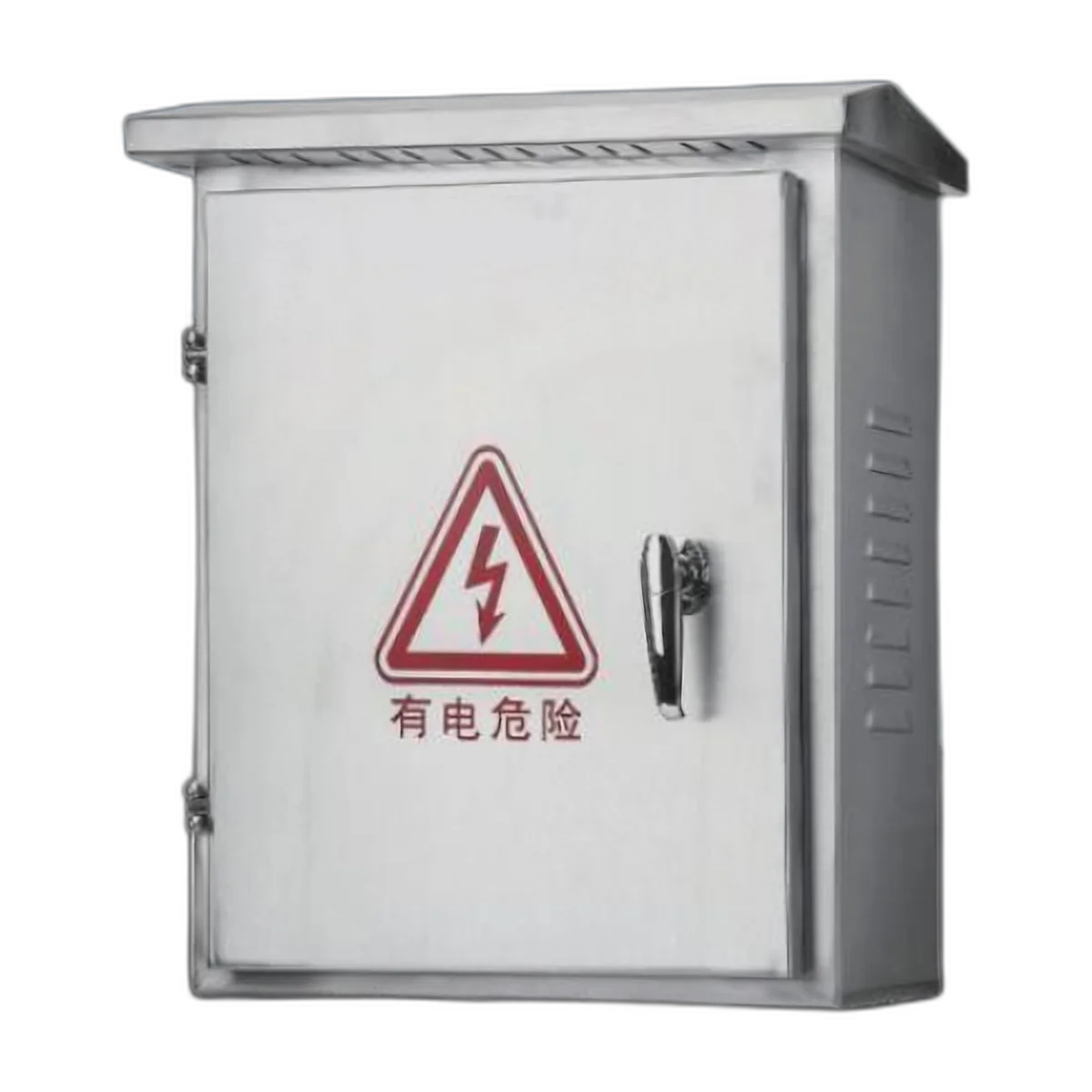
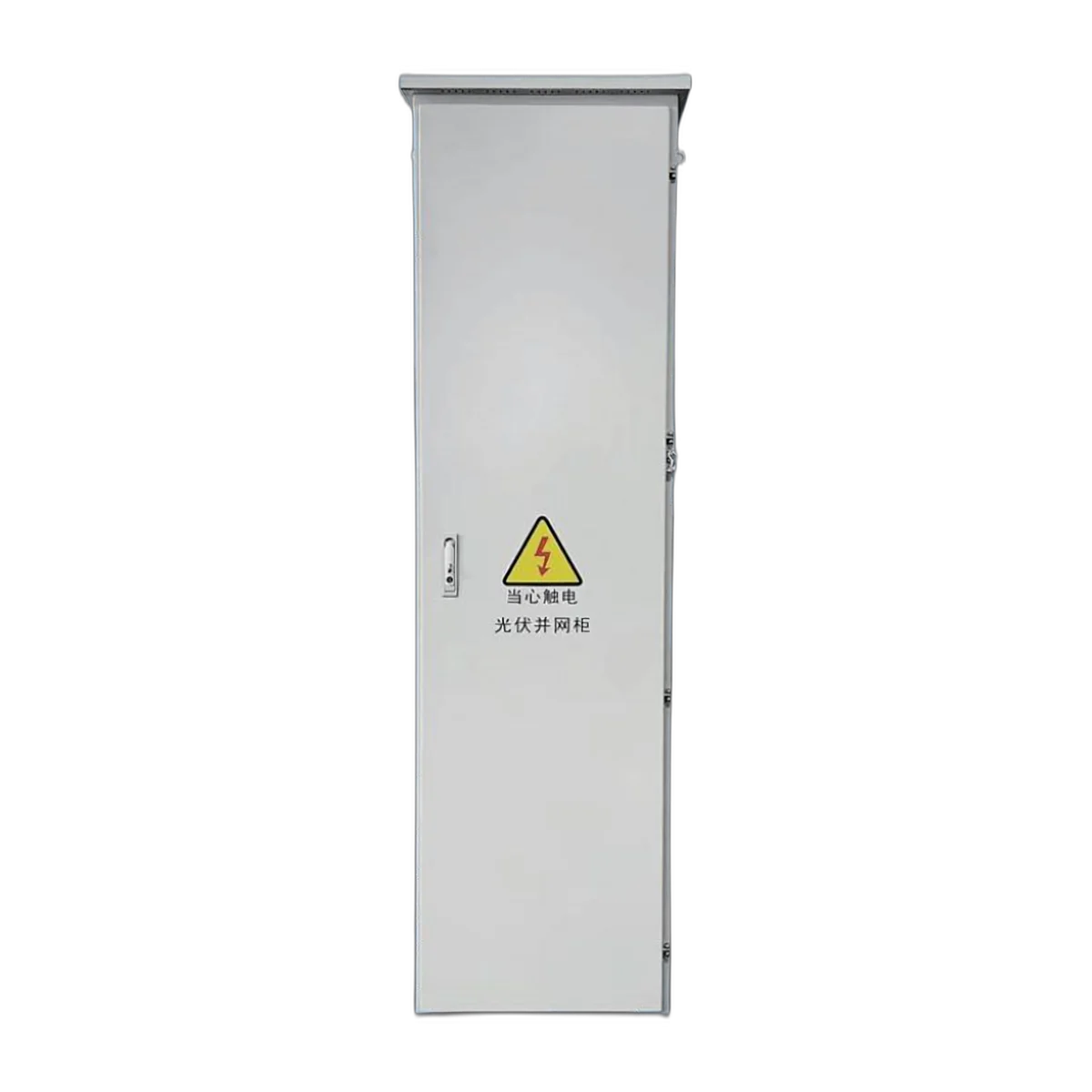
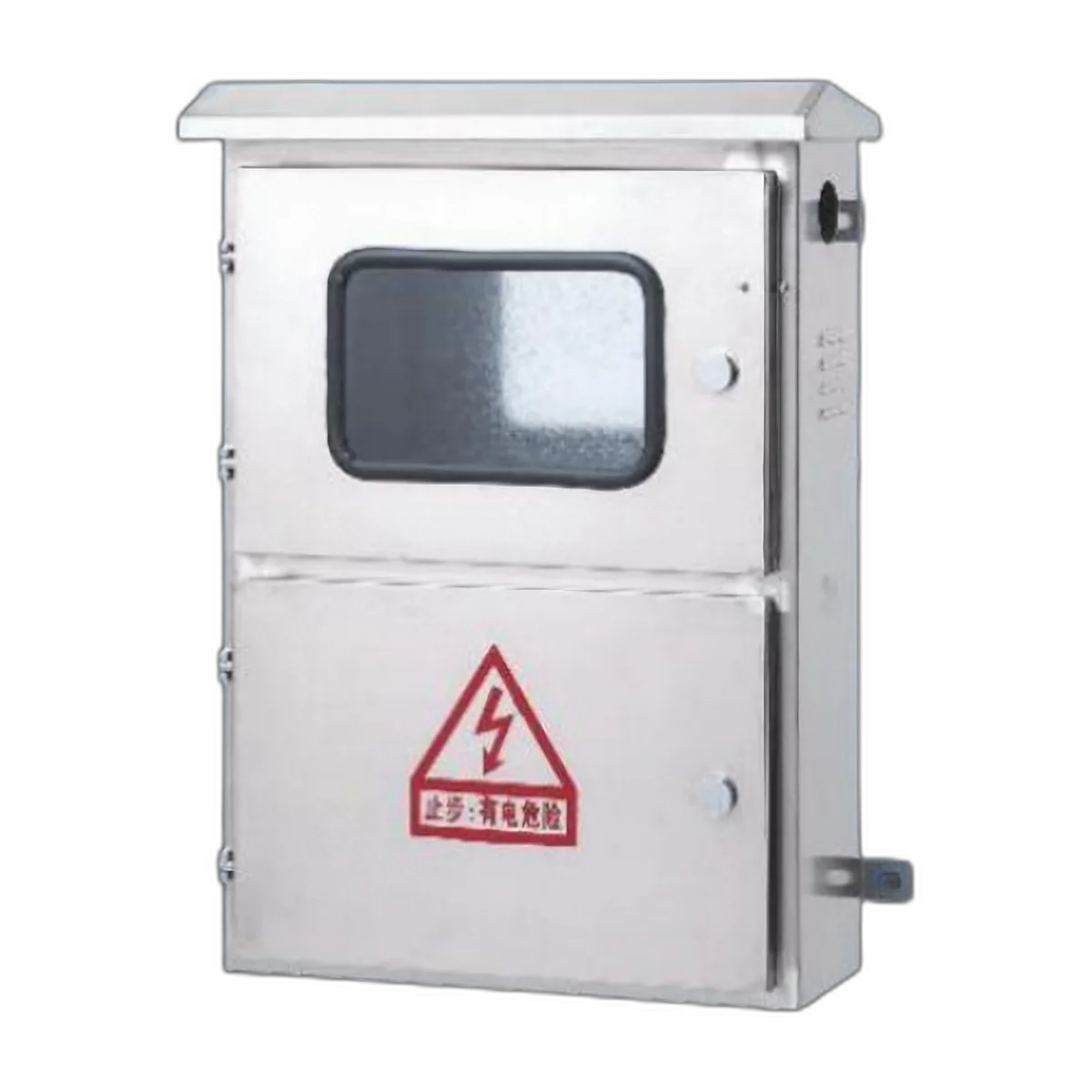
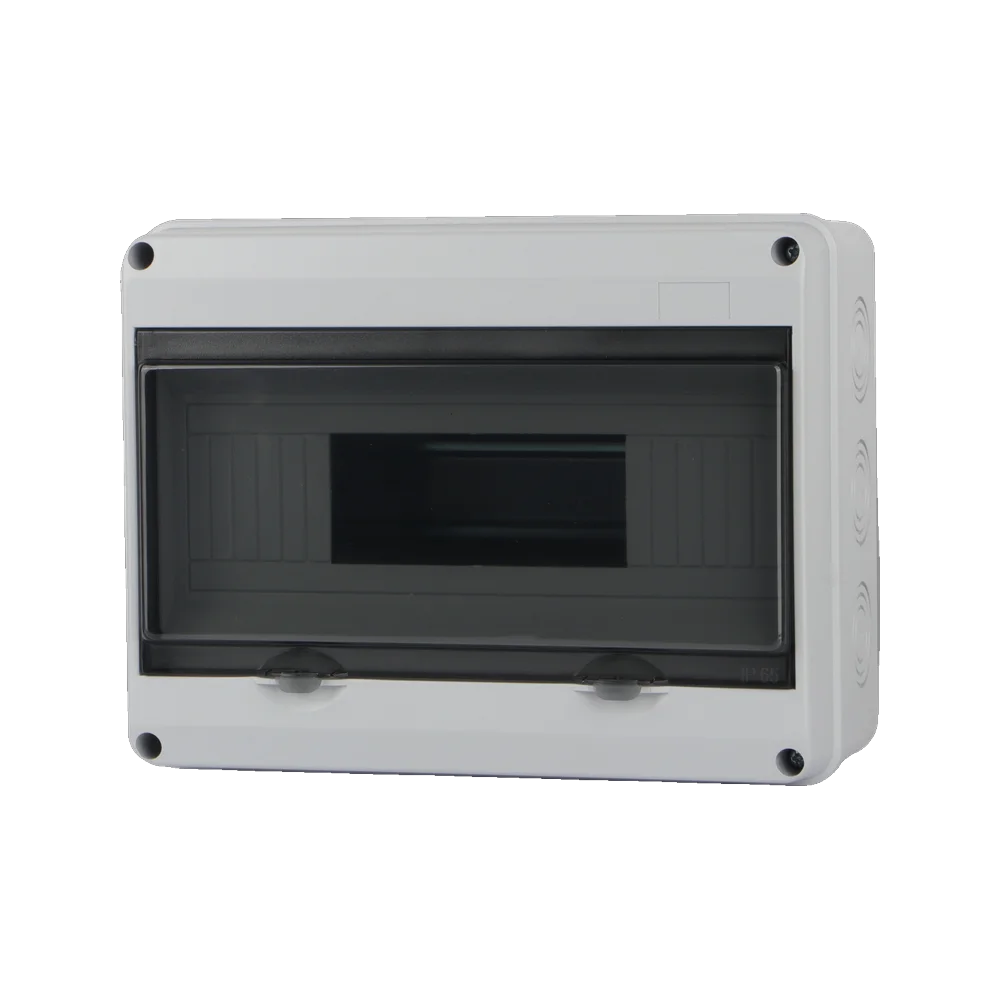
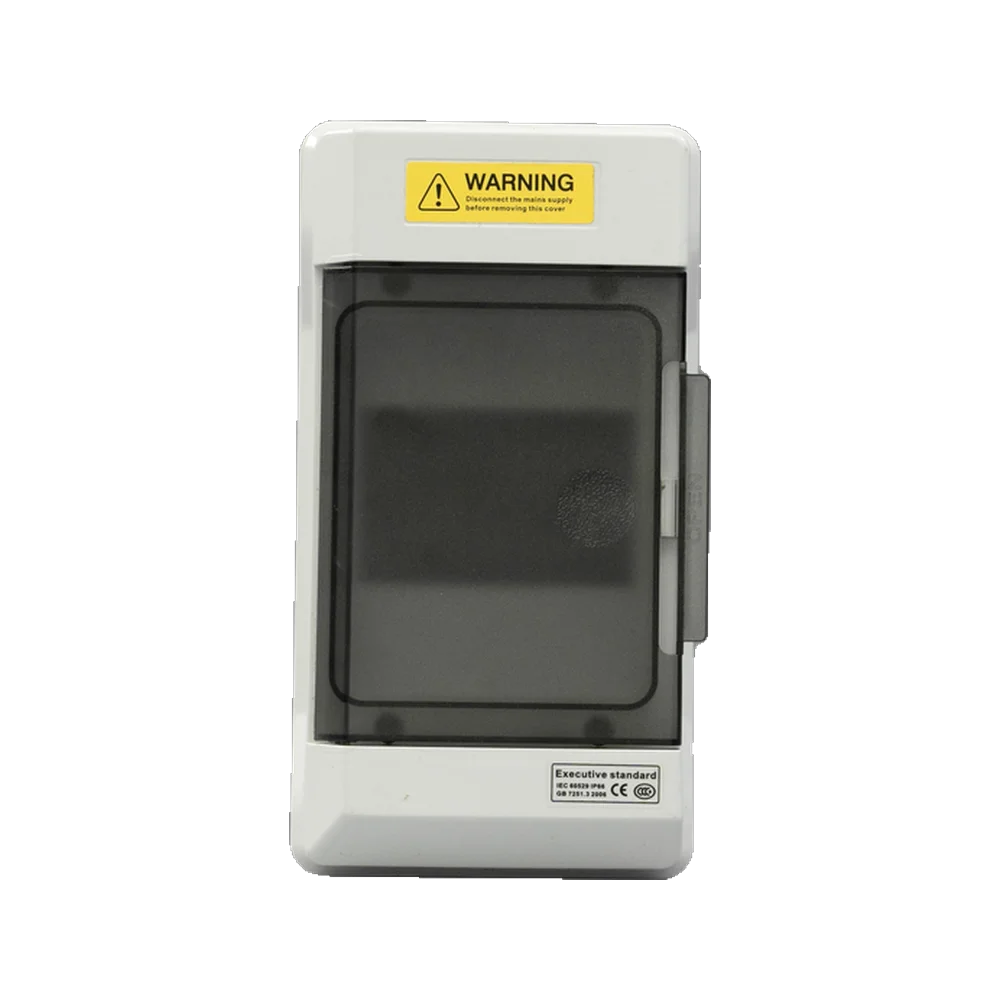
- Environmental issues. A box in a plant room, basement, car park soffit or outside wall must deal with moisture, dirt or weather elements. Where the position is wet or exposed, the enclosure needs a proper ingress rating rather than a general-purpose box — a waterproof outdoor distribution box rated IP65 is the kind of specification that position demands, and the fire protection is added separately on top of it.
- Construction and installation. Most of the wall openings’ protection systems have been tested with steel boxes, while a terminal or junction box with an appropriate internal volume makes the placement of the wiring and the insert convenient.
- Access. Boxes which will be opened during servicing should be installed so it is possible to restore the protection system afterwards. In those cases, a putty pad which is able to be reopened is recommended.
- Internal space for the insert. An intumescent insert takes up space in the depth of the box. This in the case of narrow box with big conductors might really cause problems, which is better to pay attention to while choosing the box, not on the construction site.
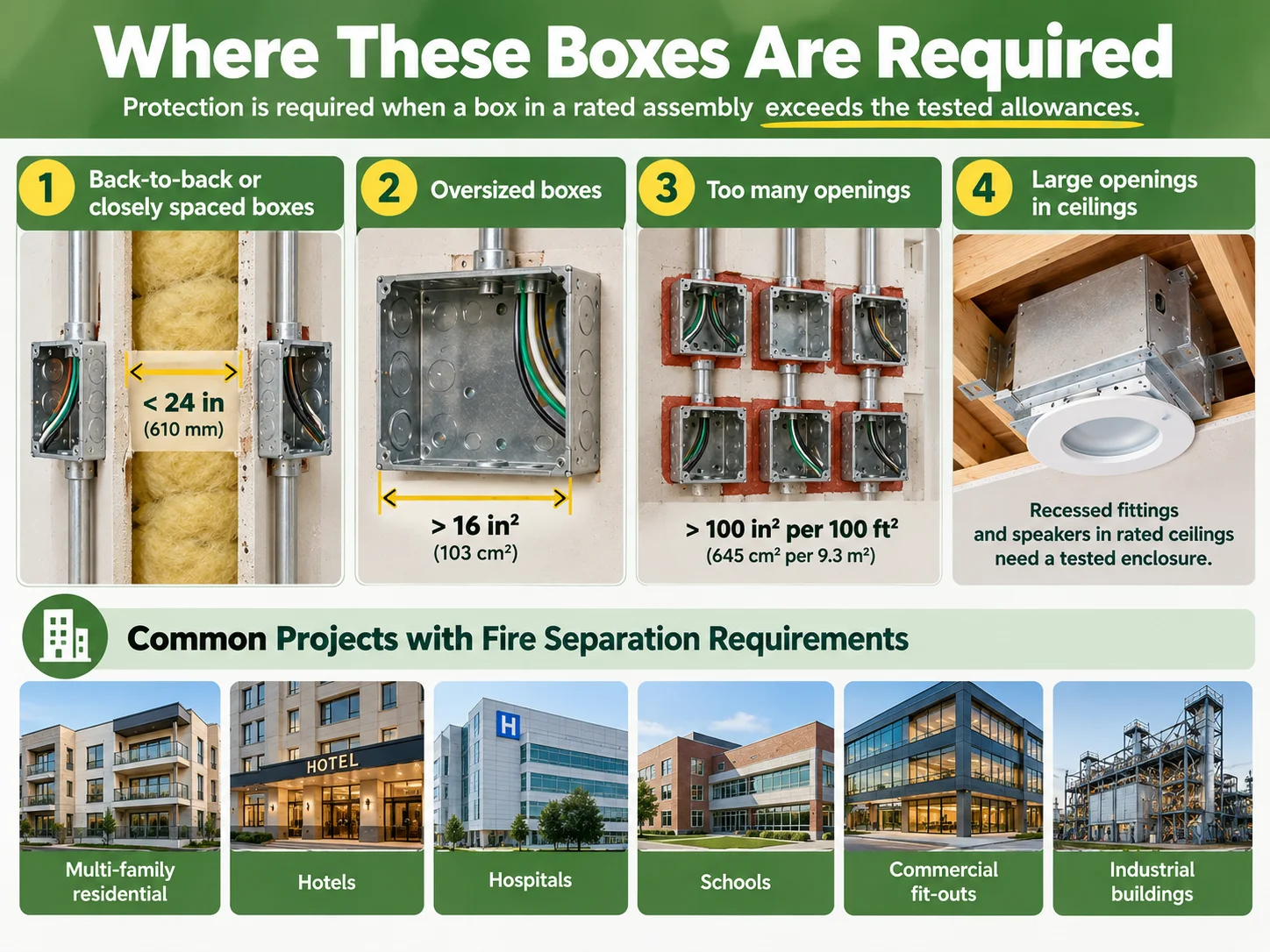
Where These Boxes Are Required
The requirement appears when a box is part of a rated floating assembly and it is positioned or sized in an incompatible way. The specific criteria are as follows:
- Back-to-back or closely positioned boxes. Wherever there is a distance less than610 mm between metallic boxes placed on either side of a wall, the protection should be provided.
- Oversized boxes. Whenever the area of a single box amounts to over 103 cm².
- Too many openings. Whenever the total opening size exceeds approximately 645 cm² per 9.3 m² of the wall surface area in question.
- Large openings in ceilings. The recessed devices in rated ceilings should surely be in adequate tested enclosures to maintain the ceiling rating.
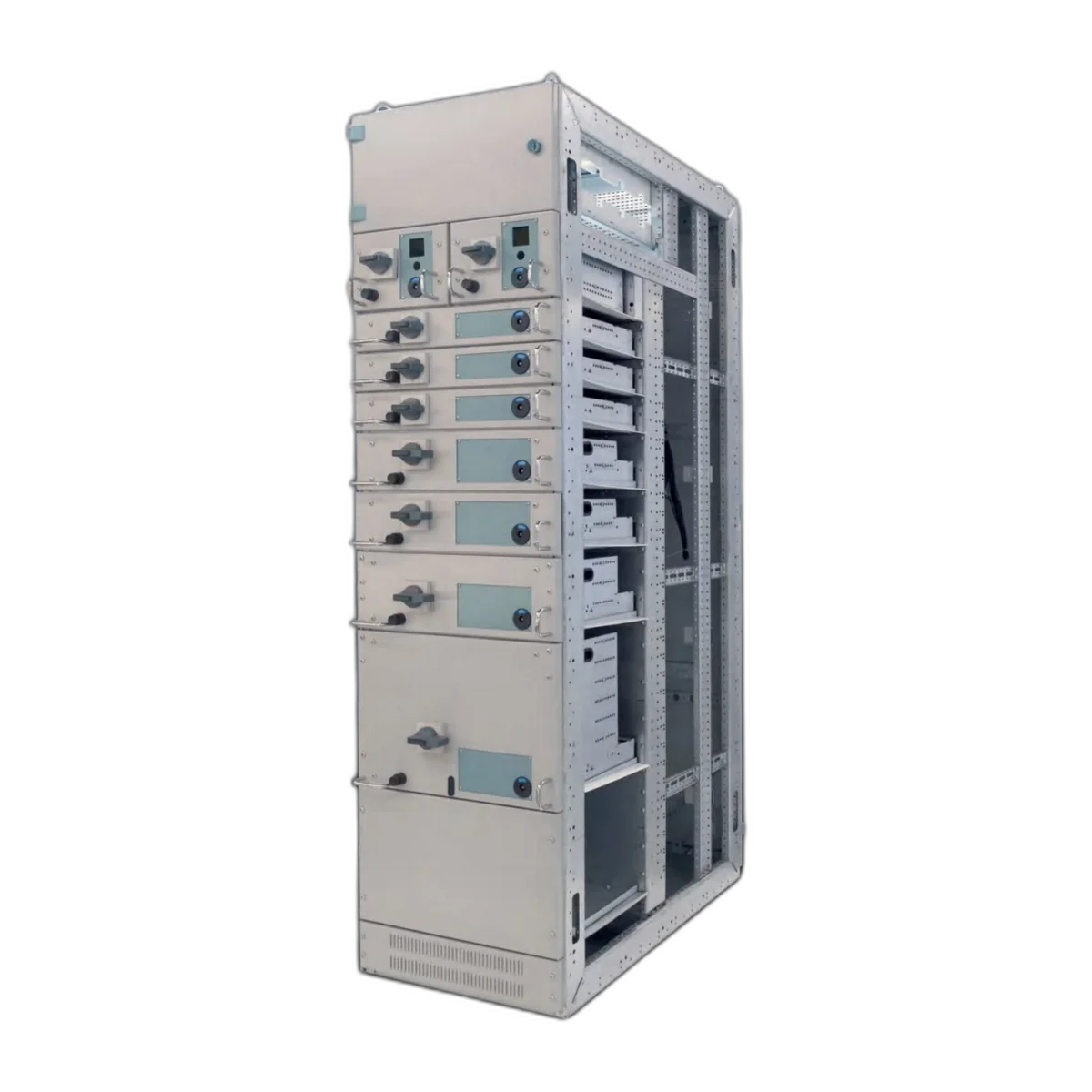
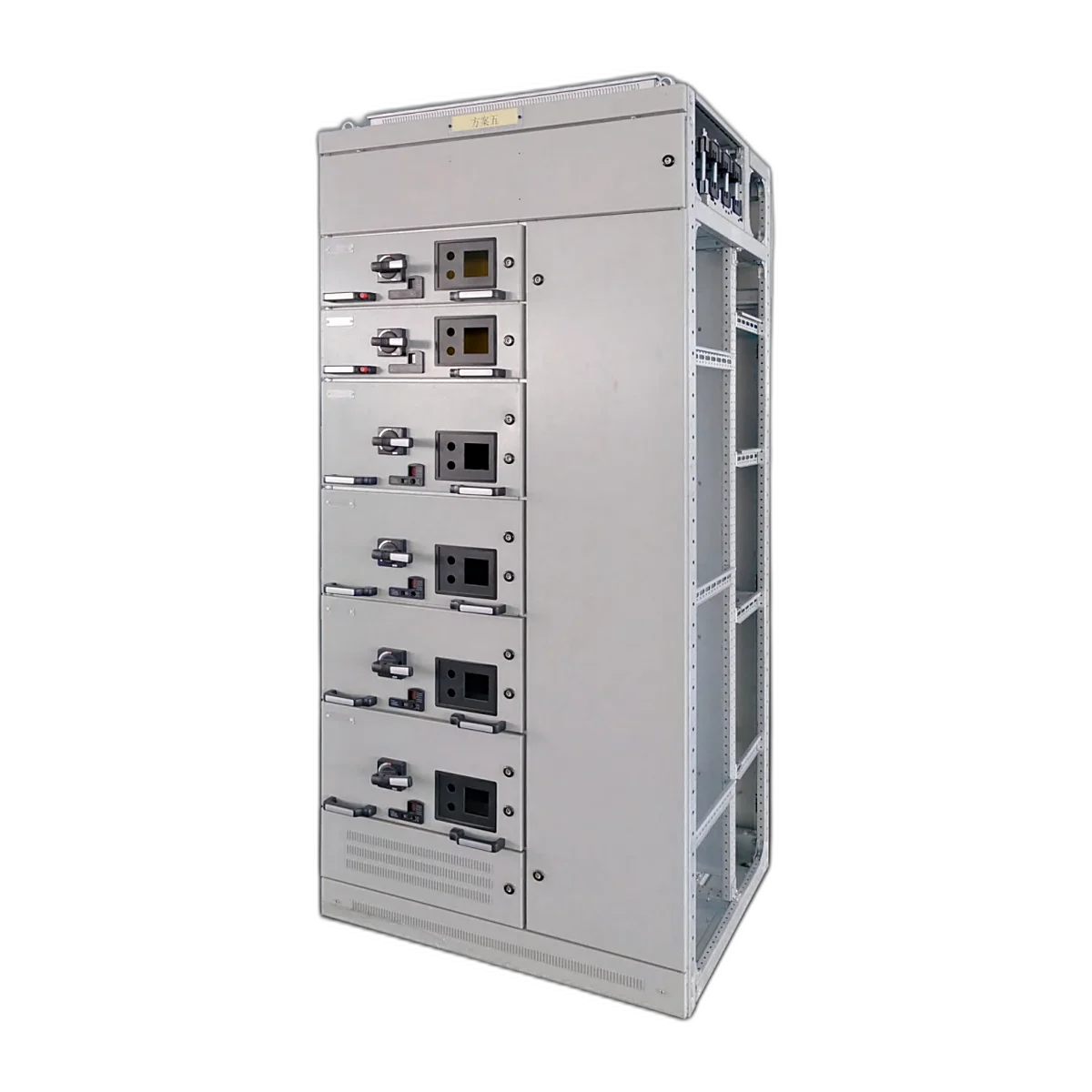
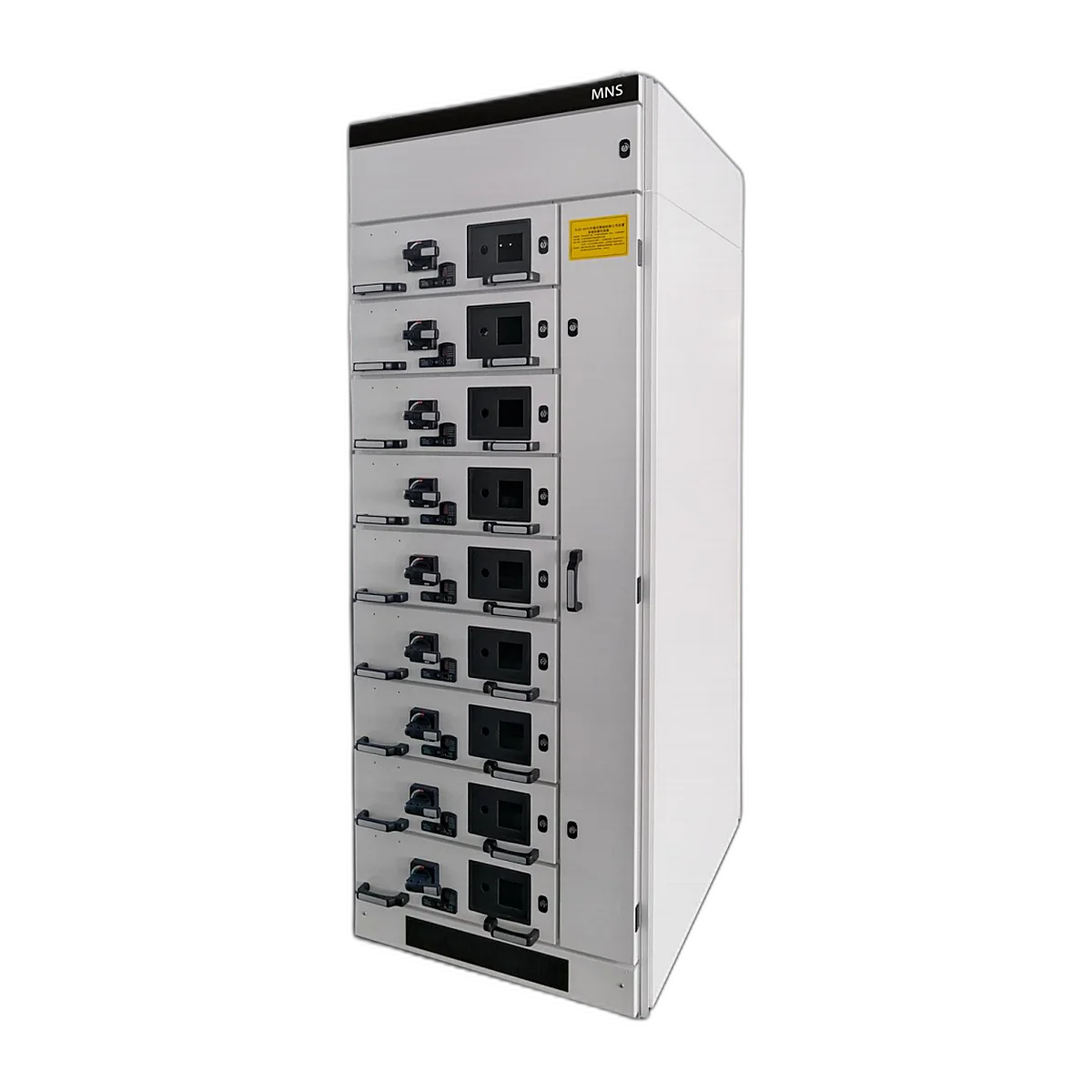
Thereby, the types of buildings to which this can be applied include all fire-stopping areas: multiple residential buildings, hotels, hospitals, schools, commercial fit-outs with fire-rated corridors and dividing walls, and industrial buildings. Moreover, in this case, the documentation becomes very important. That is the environment in which a project is specified as a system rather than a list of parts, which is what enclosure solutions for commercial facilities look like when rated assemblies are involved.
There are two practical considerations for specifying a large project. For one, the term “box” refers not only to the boxes that are being constructed in a new building but also to the boxes that are added at a later date — a retrofitted box in the wall of a rated corridor will need the same kind of protection as a new box, so retrofitting kits are available for boxes that have already been installed in finished walls. For two, coordination is key; if the electrical contractor and the drywall contractor do not coordinate their efforts, there will be instances of boxes that should be installed a distance apart being installed right next to each other, requiring the use of a protection product rather than a design fix.
Choosing a Supplier
Five questions, all of a documentary nature.
- Is the product provided by the manufacturer with the capability of being used as a wall opening protective material for 2 hours? That’s not a fire test report but the fact that the product has been tested as a wall opening protective material that fits this particular product and tested boxes.
- Which boxes and assemblies is it approved for? Whether it is for metallic boxes or non-metallic, and which wall types it is applicable for? A product that has been tested together with the steel boxes should never be used together with plastic boxes.
- Is it applicable with the boxes and contents? Is it non-corrosive for metals, safe for the synthetic insulation of cables, and non-conductive, i.e. it can rest inside the box with wires inside?
- Can this protect it be used in retrospect? The ability to apply it for existing buildings after the issue of the defective products is important.
- What will be enclosed with delivery? Reference for the system, proof of certification and instruction on installation that the contractor might present to the inspector.
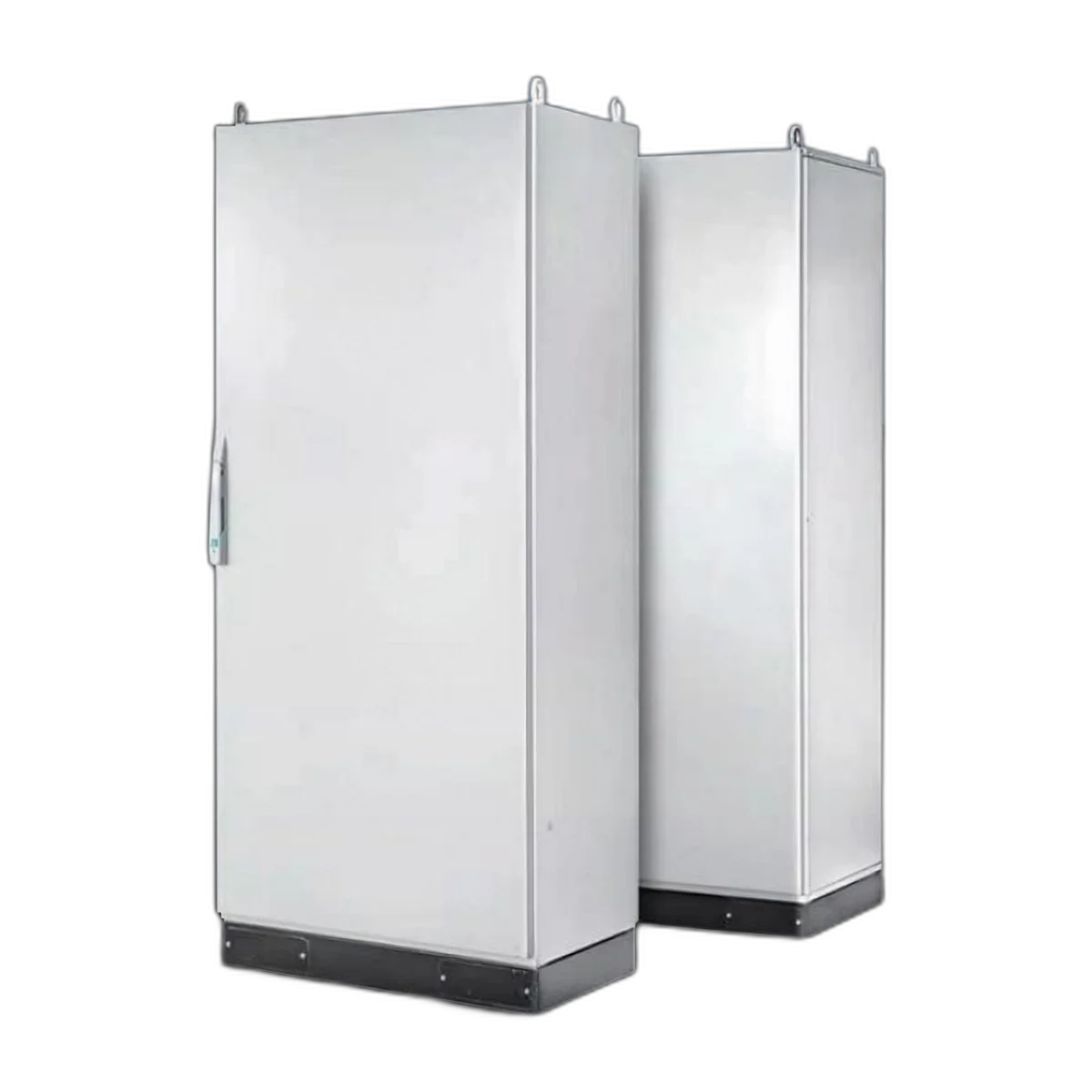
For the large programme consisting of many units, e.g. hotel building, residential apartments’ tower, wing of a hospital, there is nothing better than standardisation: use just one protection product, one box specification, one installation detail, and one package of documents covering them all.Where the boxes are being sourced to a specific drawing or brand, that same standardisation logic applies on the manufacturing side, and an OEM enclosure programme built to your own specification is how projects keep box sizes, knockouts and labelling consistent across a multi-phase build rather than re-specifying each floor.
Installation, Inspection and Documentation
The installation depends on four points.
- Right product in the correct context. For example, installing an insert in the box for a wall penetration; a putty pad where NEC calls for it; and a rated enclosure, if a large hole is required in the roof. This is the most likely problem here.
- Installation that is in accordance with the listing. For instance, the insert should be against the back wall of the box, after the adhesive strip has been used. Generally, the installation is forgiving about the way it has been done, but not forgiving about the mistakes made during the installation.
- Site checking. Both sides of the wall must be examined before the installation of the board. Once the board is in place, it becomes difficult to fix errors in the installation.
- Keeping a record of the activity. A record of the product being used is crucial for the next updates and confirms that the previous phases have been correctly conducted.
It must be said that the installation of an insert rarely takes time that could lead to barriers in the process. However, problems often arise out of getting the wrong product that is required in the immediate area. How a supplier handles submittals, documentation and delivery scheduling is the substance of what service commitments should cover on a project of this type.
Frequently Asked Questions
Is there an electrical junction box that is two hour fire rated?
Not as an independent product. Fire ratings pertain to wall and floor systems that have been tested. An electrical box serves as a penetration of the membrane, not a rated item. It is either a metallic or non-metallic box fitted with a protective device such as a listed system that normally includes an intumescent device that is placed inside the box e.g. SpecSeal EP Powershield or a pad such as 3M MPP+ that has been certified not to last more than two hours per ASTM E119 /UL 263 standards. There are some kits that are offered as completed fireproofing systems for large openings; however, these are special fittings and cannot be used in applications for junction boxes.
How much drywall does a two-hour fire rating need?
There is no definitive answer, as certification applies to the entire assembly subject to the test. Most common is the North American 2-hour gypsum system which consists of two layers of 5/8″ thick Type X gypsum board on each side of a frame made of steel studs. However, total number of layers, type of board, size and spacing of studs and other particular features must be taken into account in order to successfully achieve the same resistance rating. The proper design combination to be used will be provided for in the UL Fire Resistance Directory. Even though thicker board would allow one to avoid introducing additional layers or even if one substitutes standard board for Type X, the rating will not remain in force as long as total thickness stays the same.
Does EMT conduit have a two-hour fire rating?
EMT is not a fire rated product and a conduit made of galvanized steel does not automatically qualify as a protection for a rated assembly. A conduit that is going through a rated wall or floor is considered as a through-penetration and must be protected with an approved firestop system in accordance with ASTM E814 / UL 1479 standards. The approved firestop may include sealant, collar, wraps or other similar mechanisms, depending on the type of penetrating item and the assembly being used. Some listed designs may utilize a metal conduit that is of a specific size and shape without any additional material, but this knowledge cannot be generalized to every EMT. Check the system listing before using an EMT conduit in your application.
What is the minimum wall thickness for a two-hour fire-rated wall?
The thickness by itself does not determine a fire rating, so using a minimum thickness figure is not the right method. Two-hour assemblies are generally around 100–160 mm in finished thickness for stud walls, but what matters is the tested combination: the board type and number of layers, stud material and spacing, insulation, and joint and penetration treatment. A thinner assembly built exactly to a listed two-hour calculation has the correct performance; a thicker assembly using non-listed materials does not matter how thick it is. Specify by design reference rather than by dimension and regard any change in the way of building — i.e., adding or taking away insulation — as a deviation from the original listing.
References
- Specified Technologies Inc. — SpecSeal EP Powershield electrical box inserts and UL CLIV listings
- Rectorseal — Metacaulk firestop putty pads for electrical box protection
- EZBarrier — two-hour fire rated enclosures certified to ASTM E119
- UL Solutions — fire resistance directory and wall opening protective listings
- Intertek — fire testing and certification for building products
Conclusion
The term “two-hour fire rated junction box” refers to a system, not a product. With this clarification, the entire specification becomes simple and straightforward to implement. Choose the junction box based on your regular selection, since for most fire protection systems, steel junction boxes are used for testing. Then, add an appropriate listed wall-opening device insert or pad, and check the spacing between boxes before sealing the wall. A submittal package should include assembly design, product listing, and details of the installation instructions – and then a possible inspection risk will be eliminated.