
IP54 Electrical Enclosure: A Complete Selection and Buying Guide
An electrical enclosure with IP54 protection is one of the most used and also one of the most inaccurately marketed. The rating signifies that such casing can withstand dust penetration, although the dust is not enough to lead to arising problems; at the same time, it can resist water splashes from any side. It should be mentioned that the enclosure is neither dust-resistant, nor does it withstand water streams in the hose. Besides, this casing is not meant for open-air locations.
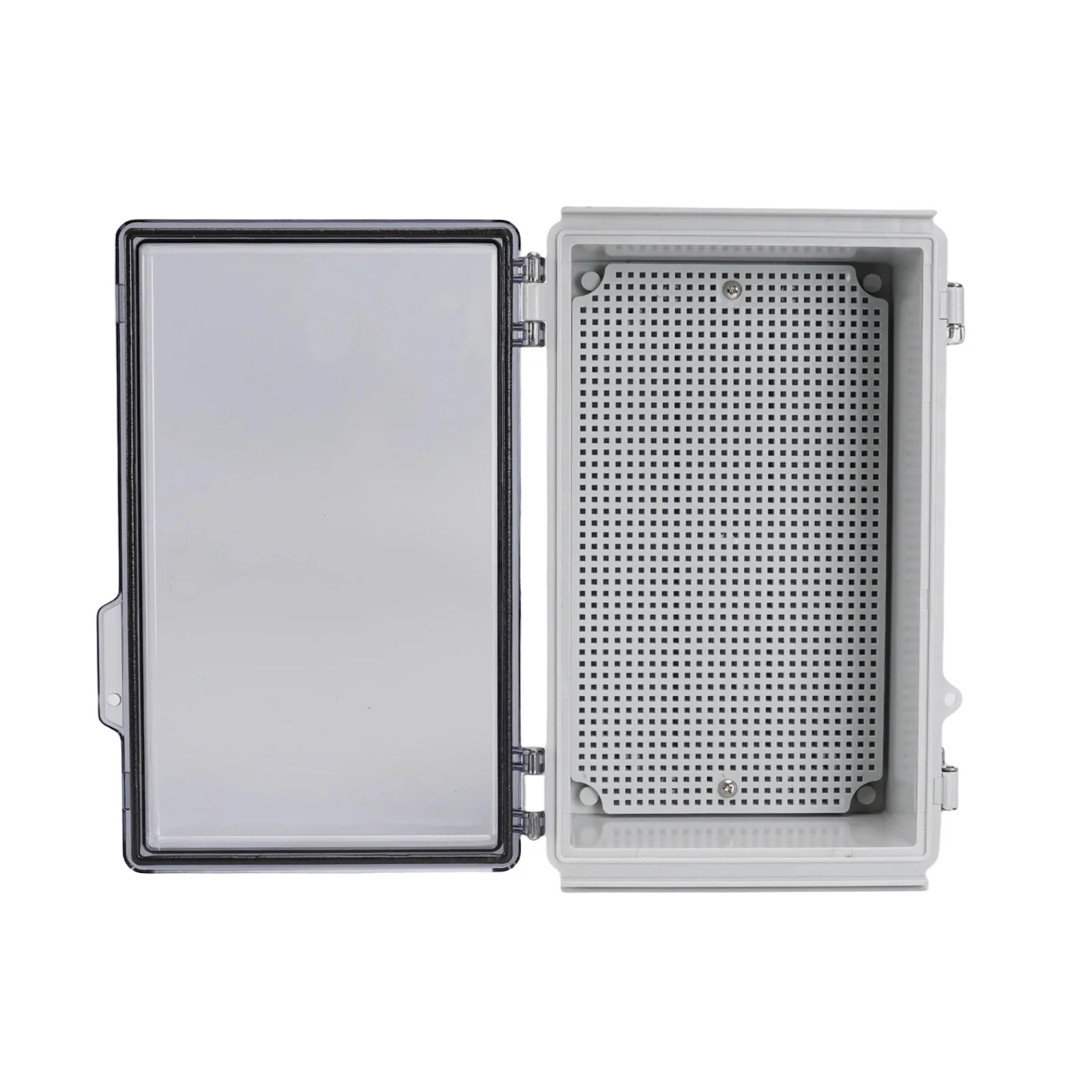
In short, IP54 means the first digit 5 (which indicates that the object is protected against dust) and the second digit 4 (which means that the object is splashproof). Water projected from all directions for up to 10 minutes with a flow rate of approximately 10 l/min is allowed. It is described in the IEC 60529 standard and is more or less equivalent to NEMA 12 or NEMA 13 for indoor applications in industry. Typical cost of equipment approved according to this standard varies from $5 to $40 for small junction boxes made of polycarbonate, $50 to $400 for wall-mounted metal boxes and $300 to $2,500 for floor-standing cabinets. IP54 is good for plant rooms, workshops, sheltered walkways, and sheltered outdoors. If the equipment is used in direct rain or has to be washed down, it is better to use equipment with IP65 marking.
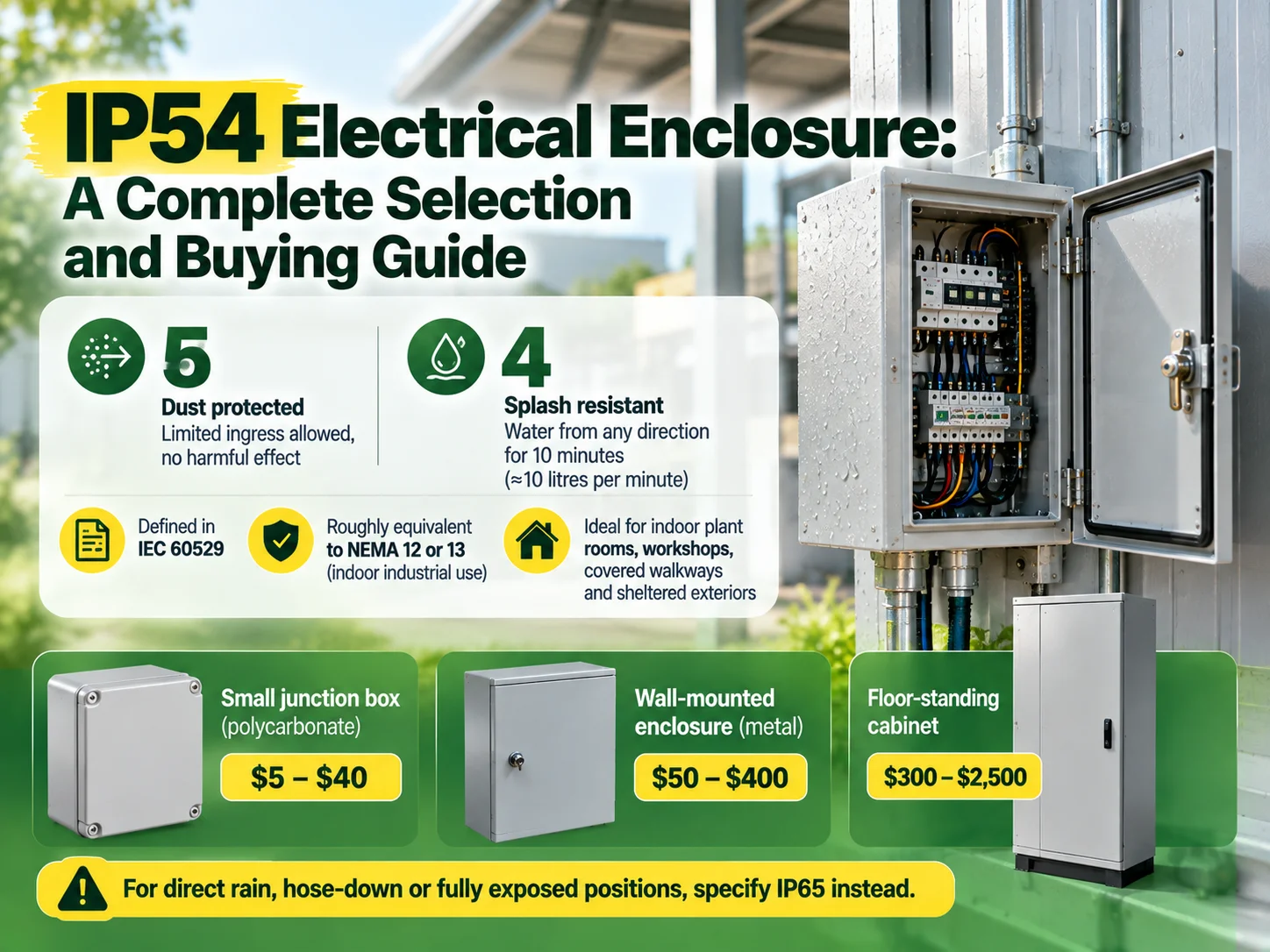
What IP54 Actually Means
Both criteria are important and both have a limit that must be known before you make a purchase.
- 5 means dust protected. The testing process entails putting the device in a dust chamber and the requirements for success are quite lenient; a tiny amount of dust is allowed into the device as long as it doesn’t affect the device’s operation. This means that an IP54 enclosure will need to be cleaned inside if it encounters dust. It does not exclude dust but tolerates it.
- 4 means splash resistant. The testing consists of applying water to the surface of the enclosure from all directions at a rate of 10 liters per minute over 10 minutes. This doesn’t mean holding a hose at the enclosure or using any device to pump high-pressure water on it.
From this, you can draw two conclusions. First of all, IP54 is designed for situations where water may splash but dust is troublesome rather than dangerous. Second, the rating refers to the enclosure itself, which is tested as a whole with all of its washers and cord passing entries. For example, even if IP54 rated enclosure has too large cord entry, it doesn’t mean it will perform IP54.
The next step up is IPX5, meaning that spraying occurs through 6.3 mm nozzle at a rate of 12.5 liters per minute and IPX6 means water at 100 liters per minute through 12.5 mm nozzle; for buyers who didn’t know their IP54 enclosure let water in, the answer to the problem was IP65 which is only slightly more expensive.
Where IP54 Is the Right Answer
The evaluation matches a selective grouping of roles, thus the key is mostly an accurate evaluation of the location.
- Interior plant rooms and switchrooms. The typical instance. Dust is there but no water, except humidity, occasional cleaning with a damp cloth. IP54 will be more than enough and less expensive than the competitors.
- Workshops, manufacturing shops and assembly areas. Dust from the machining process, splashes from coolants or cleaning agents, and there is no washing. Coolants and oil mists indicate that this is NEMA 12 or 13 and not just about resistance to water.
- Covered outdoor locations. At the roof or inside the covered passageway, along a protected wall, under eaves. The rain hits the enclosure at an angle but not as a jet stream.
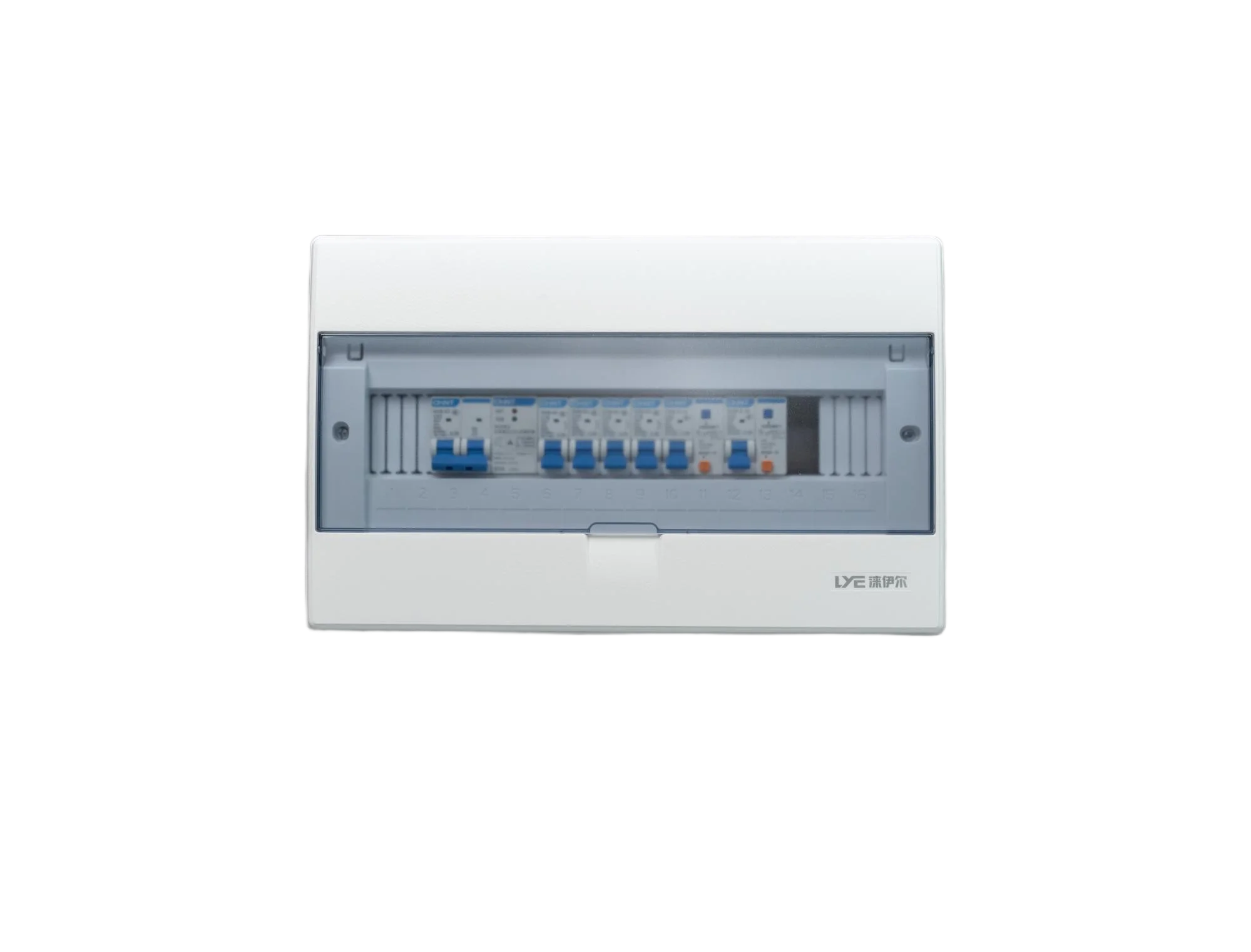
- Distribution boards in buildings. Domestic and commercial boards operate in humid and dry indoor environment. This is why most of the IP54 enclosures are there on the market.
- Semi-industrial spaces like garages, agricultural buildings and utility rooms are exposed to humidity and splashing.
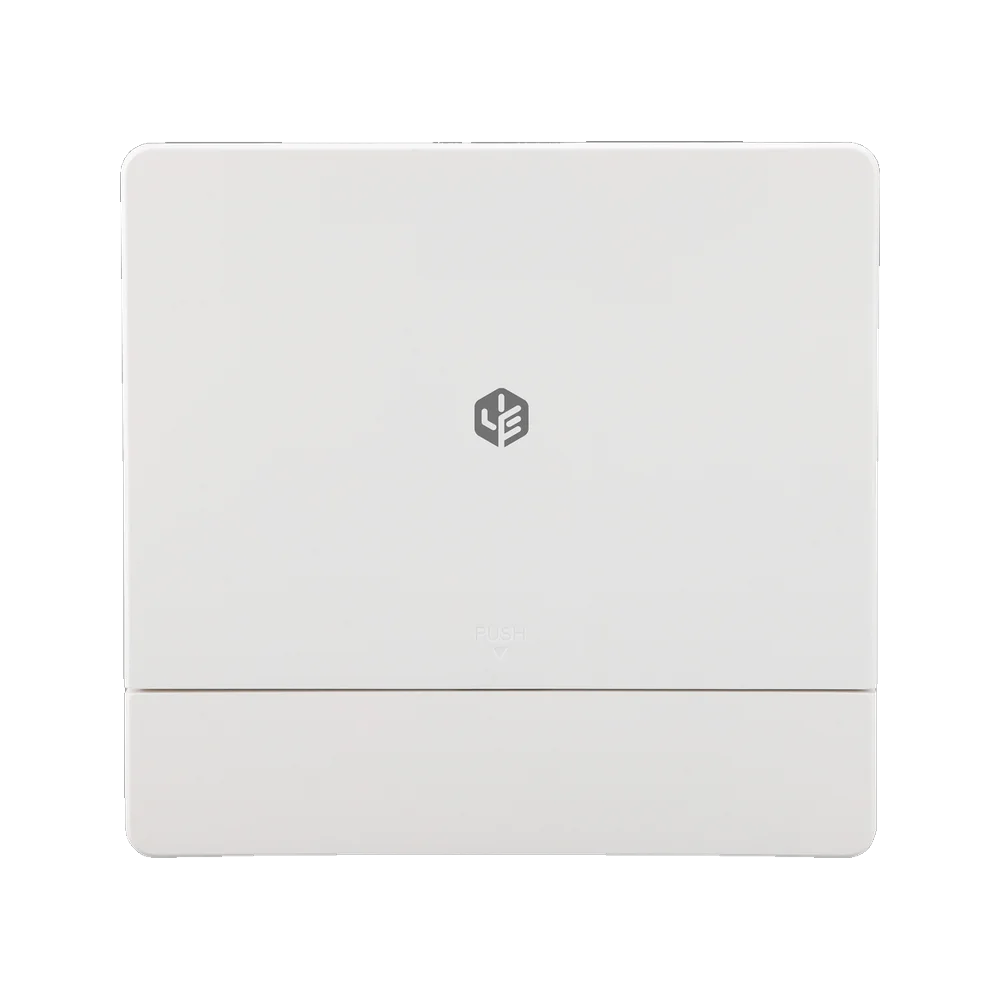
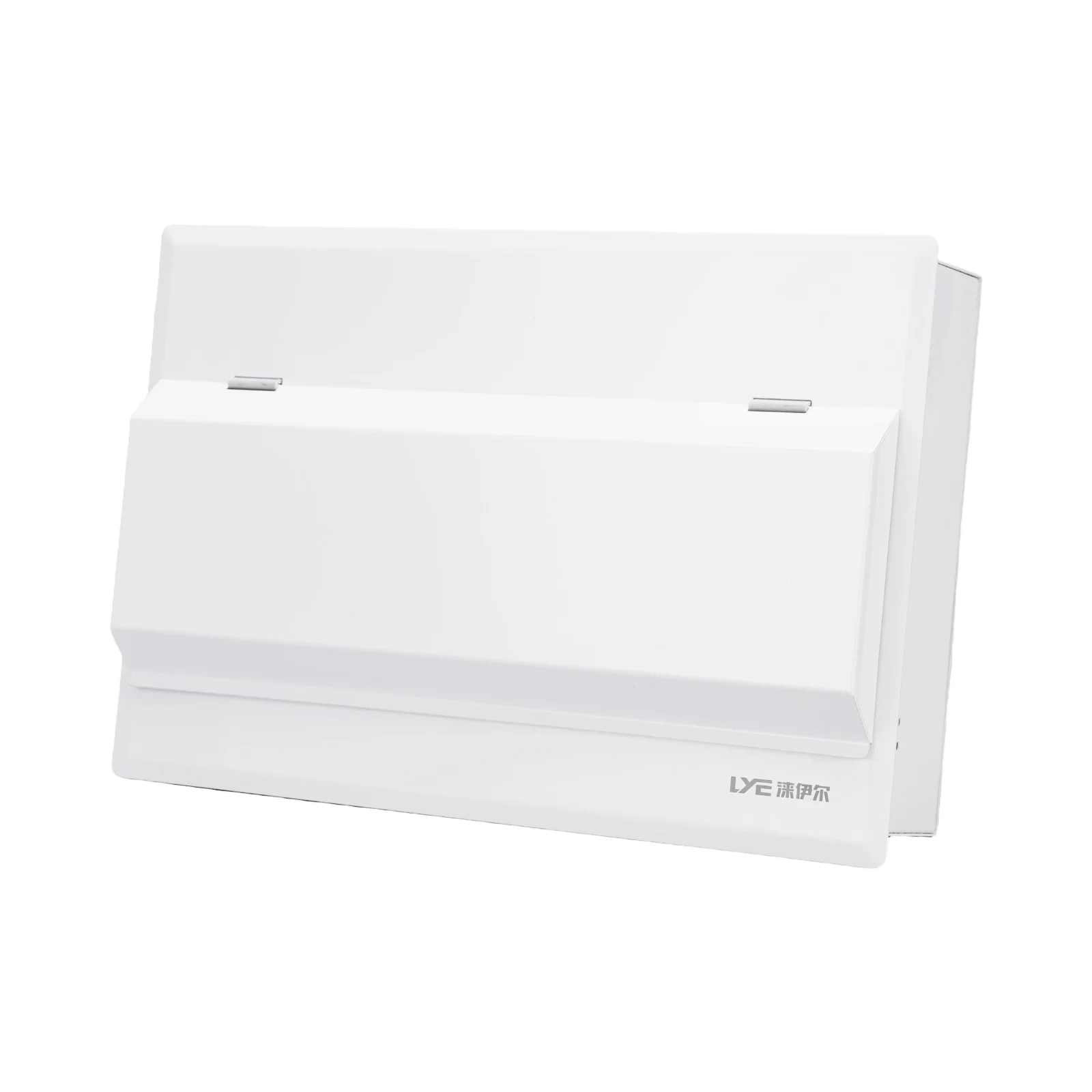
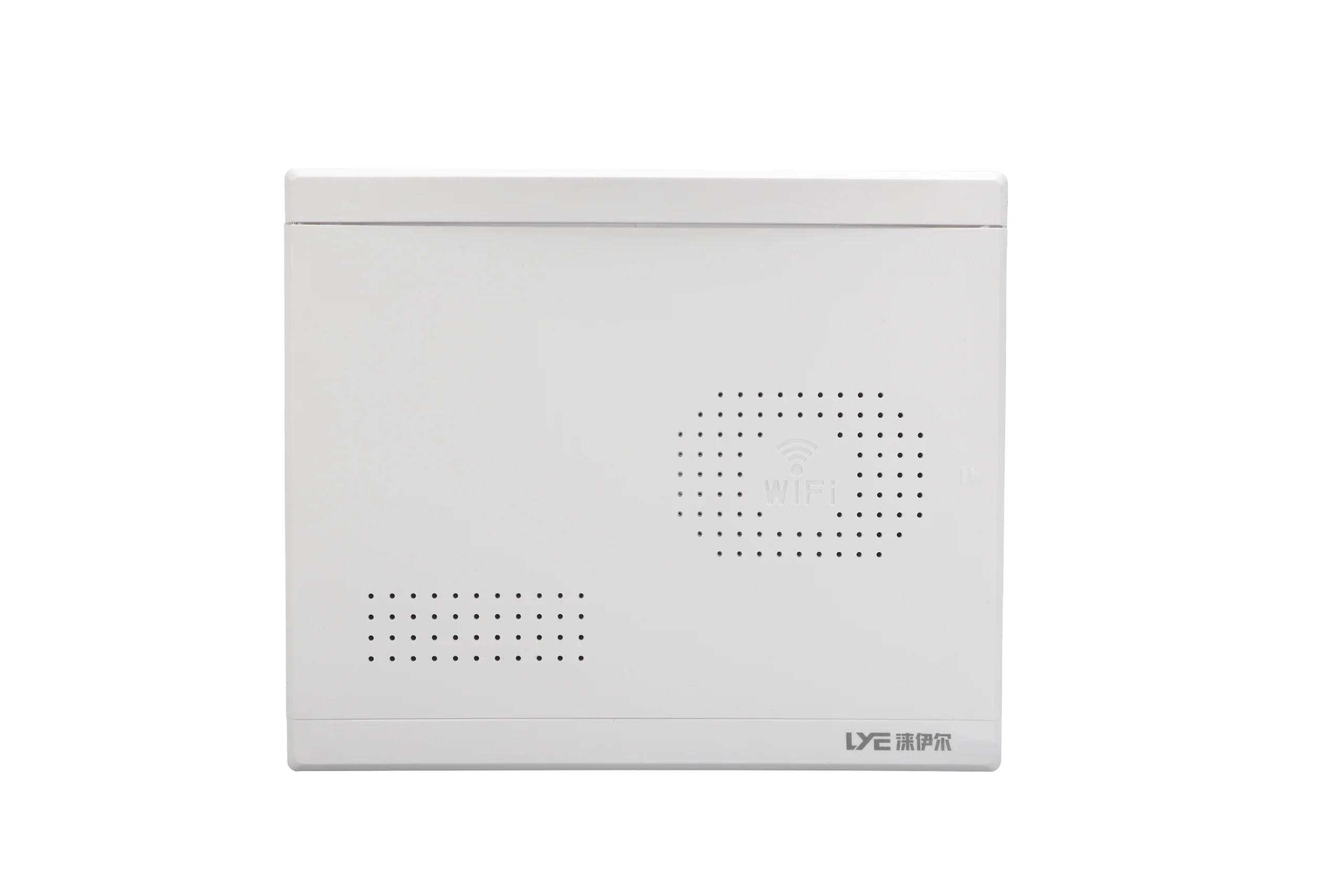
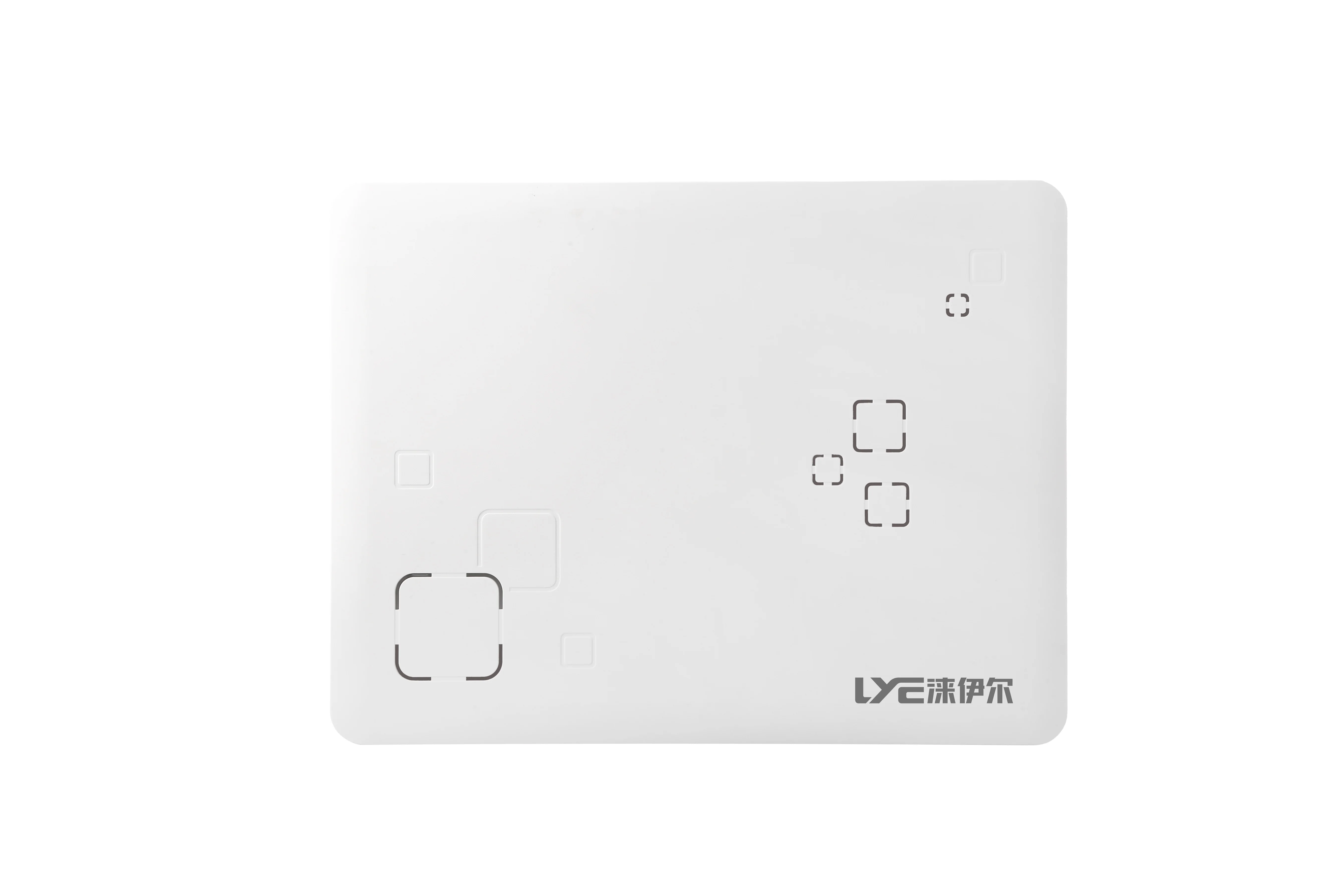
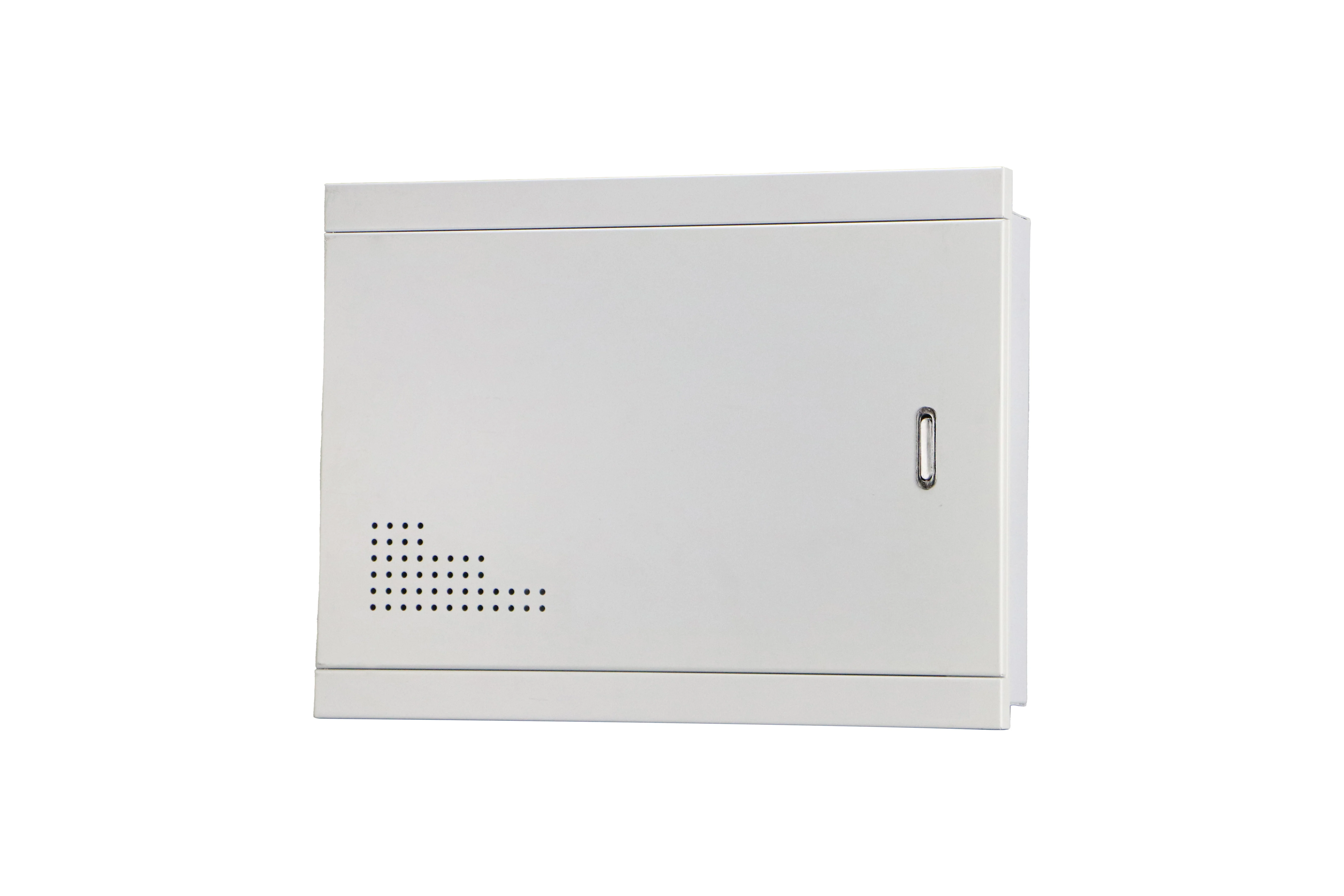
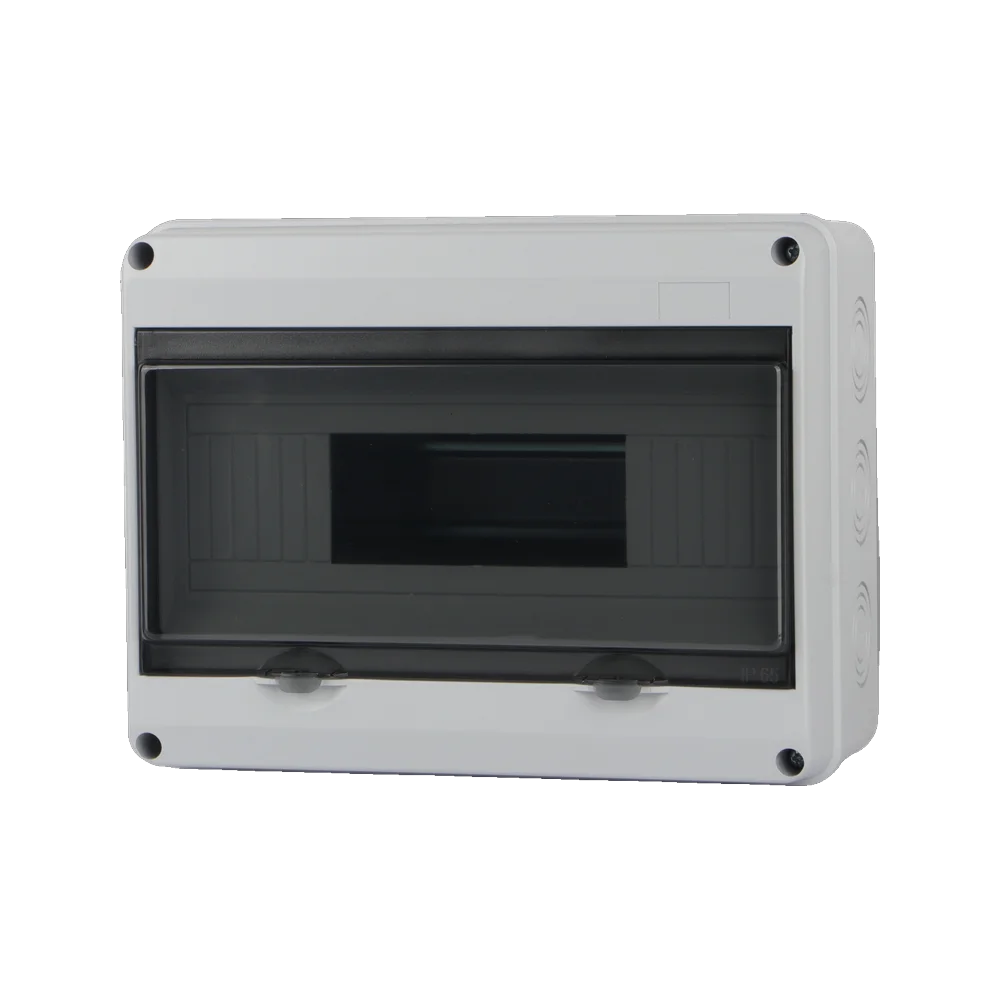
The main question here is what is the definition of the sheltered area versus exposed one. For example, with a wall 300 mm under the eaves, it is called sheltered. However, once wind starts blowing against this wall that gets different status. After five years of horizontal rain on this wall, terminals become rusted and issues start appearing. In case the location is borderline, the price of IP65 is less than a single service call.A general-purpose moulded enclosure for internal and covered positions — the kind of thing a surface-mounted full-plastic distribution box represents — is exactly the product class where IP54 is both sufficient and sensible.
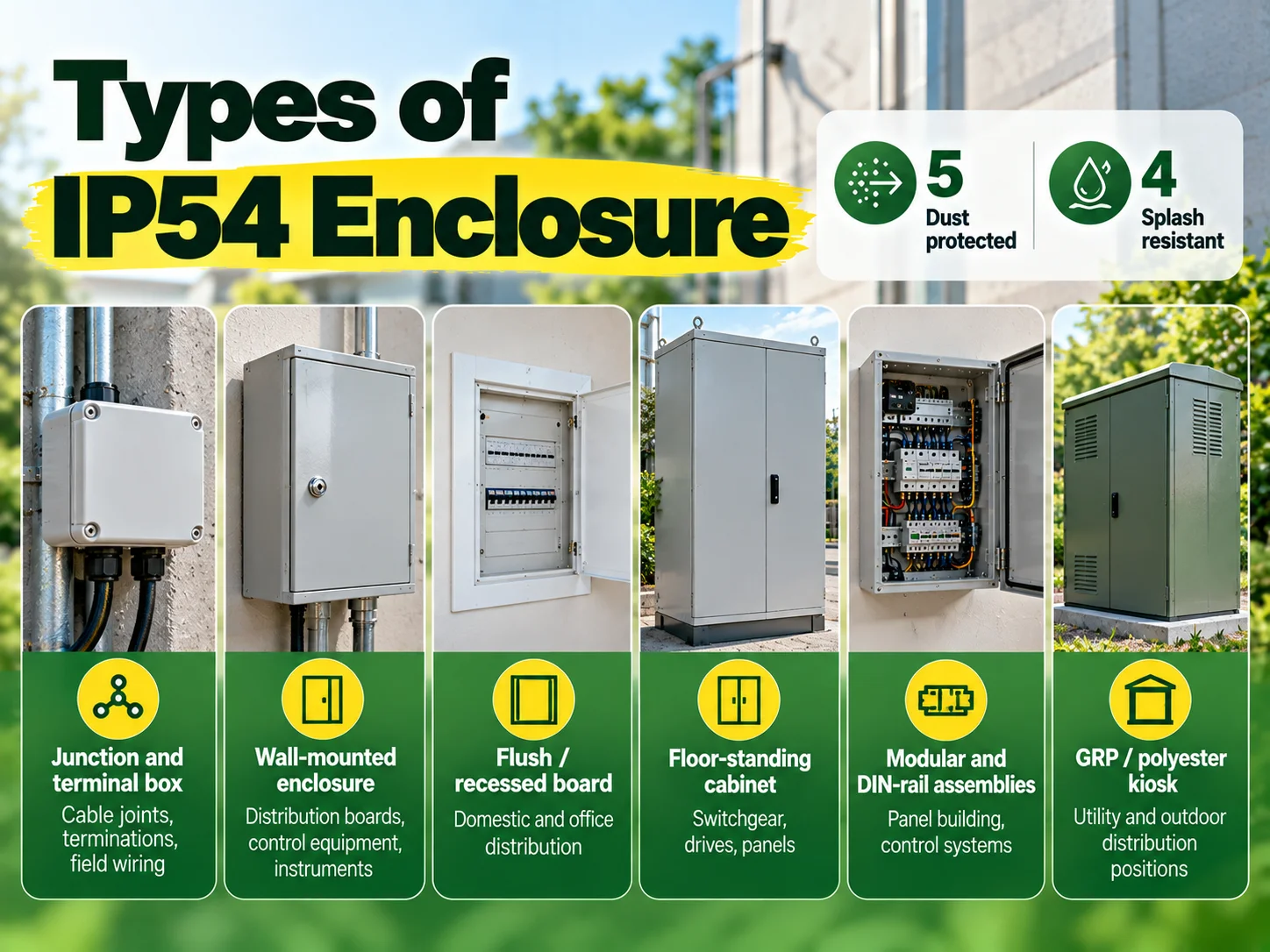
Types of IP54 Enclosure
IP54 is achievable across every enclosure format, and the format is chosen by the installation rather than by the rating.
| Type | Typical use | Notes |
|---|---|---|
| Junction and terminal box | Cable joints, terminations, field wiring | Smallest and cheapest; single gasket or overlapping lid |
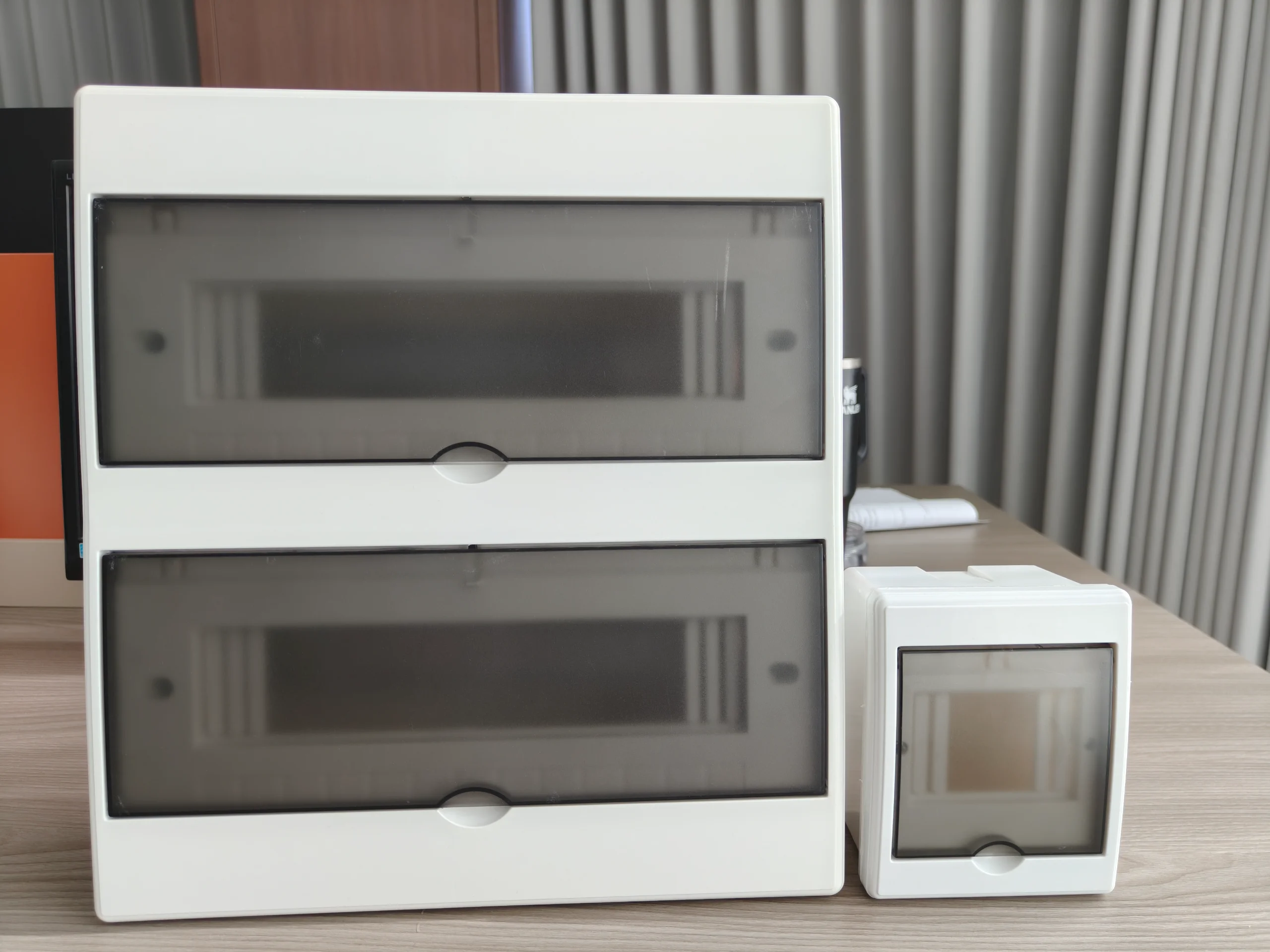
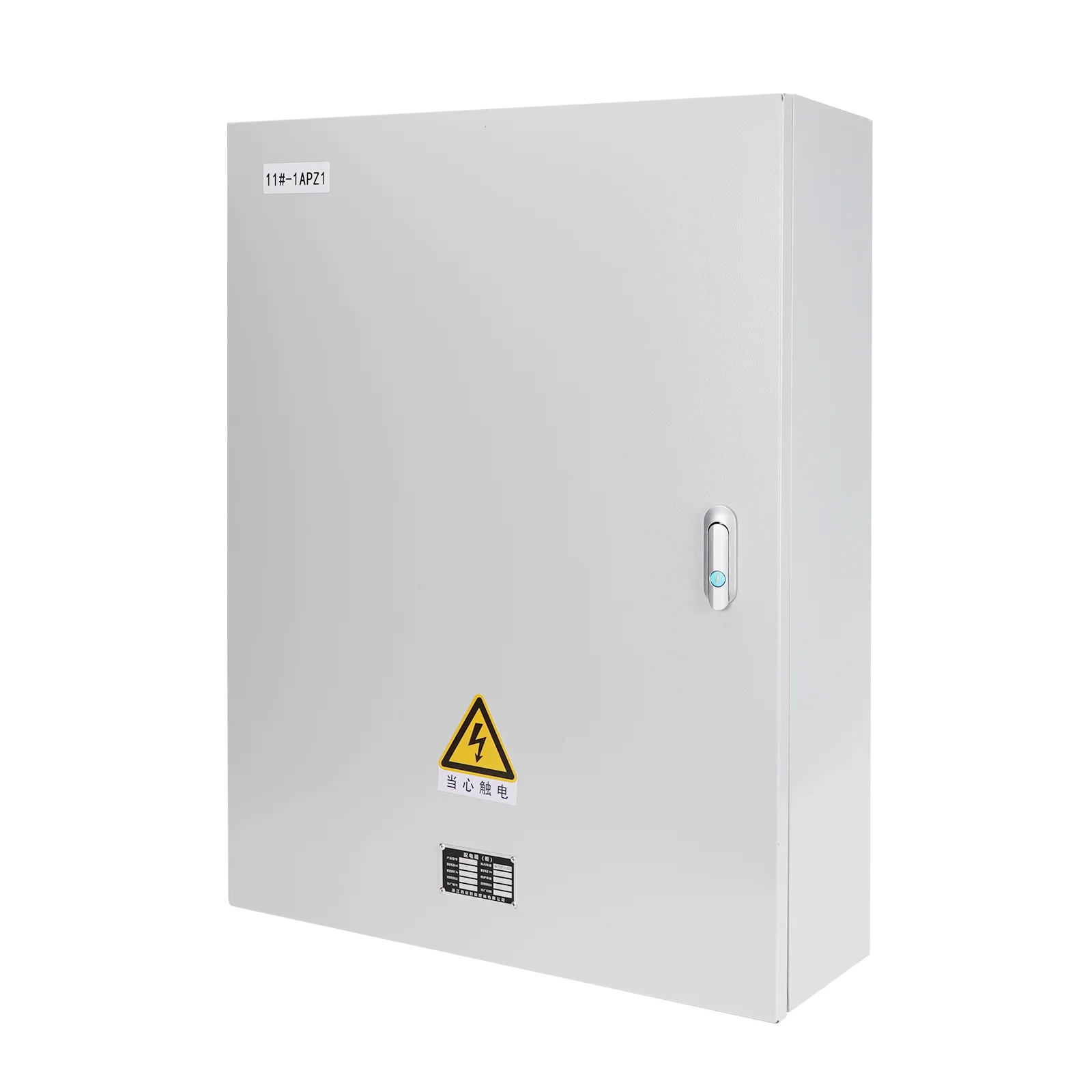
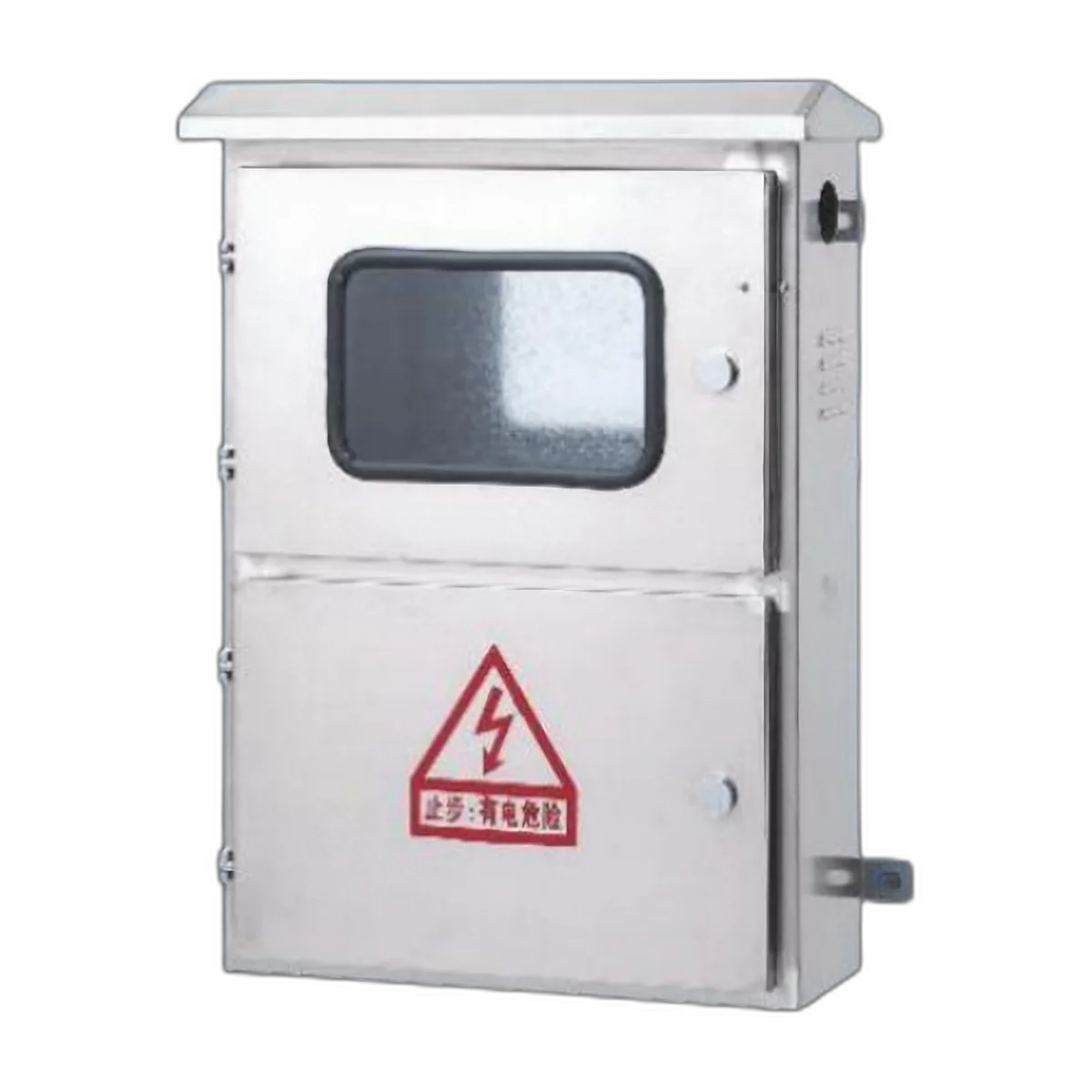
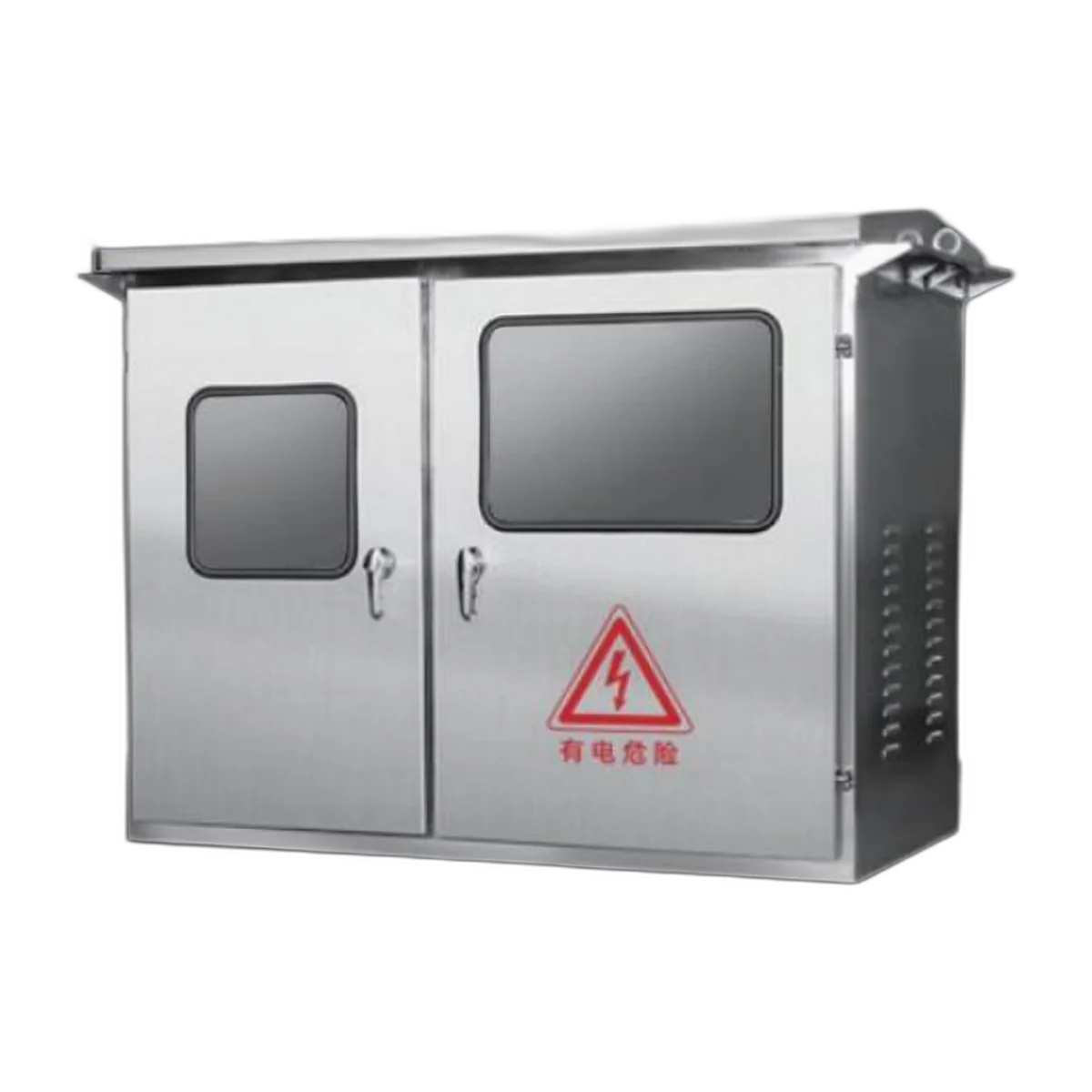
| Wall-mounted enclosure | Distribution boards, control equipment, instruments | Most common format; door gasket or lip seal |
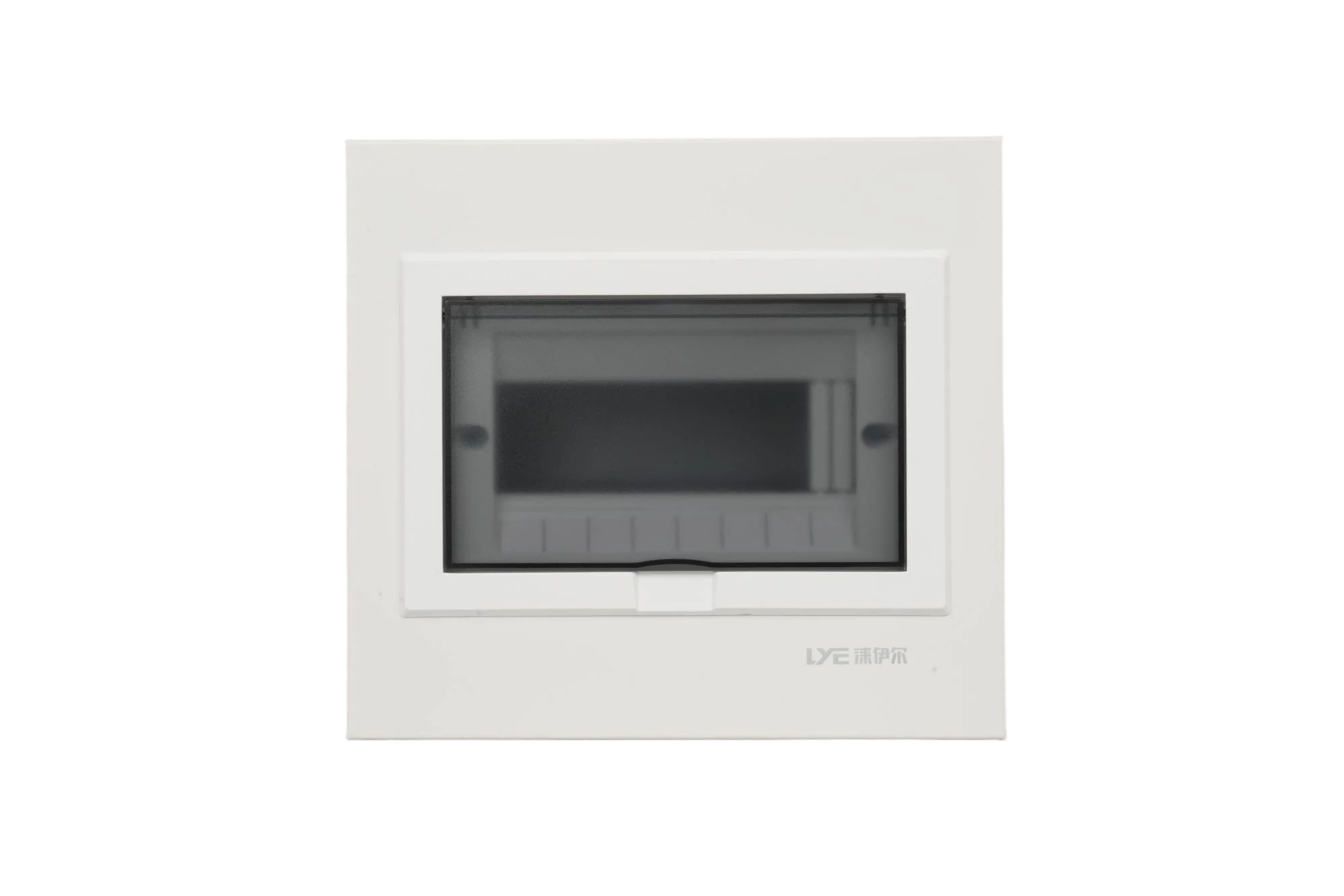
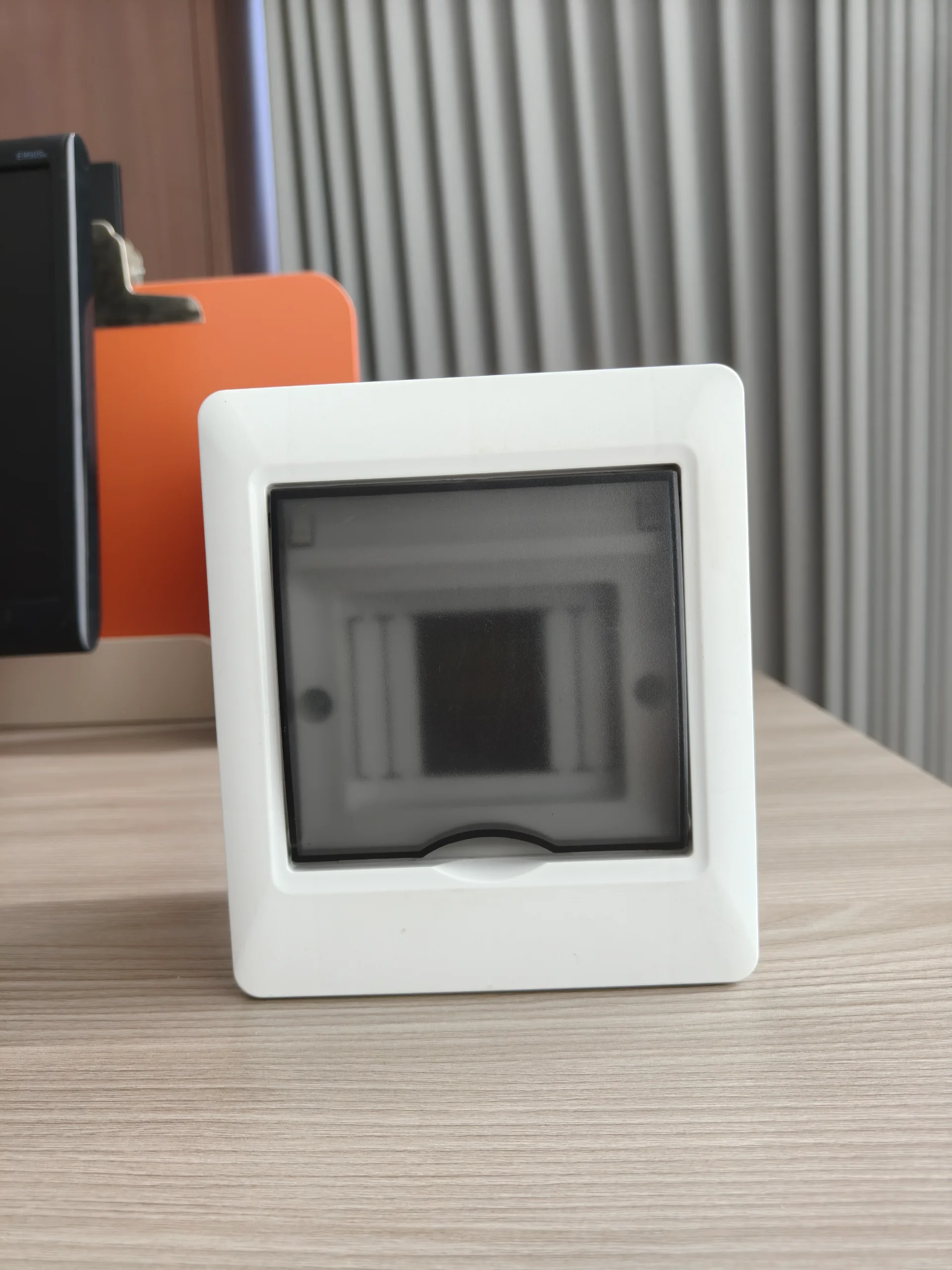
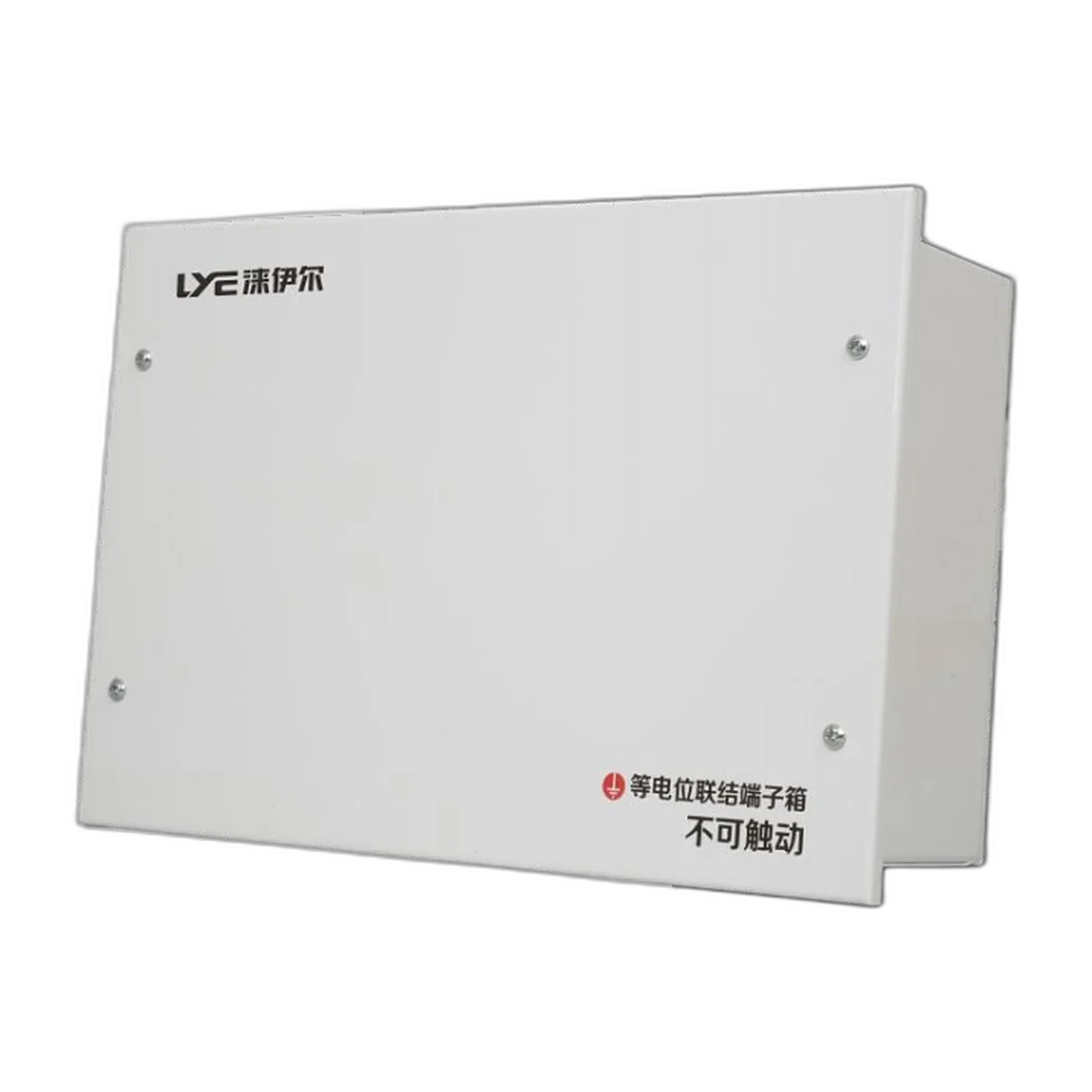
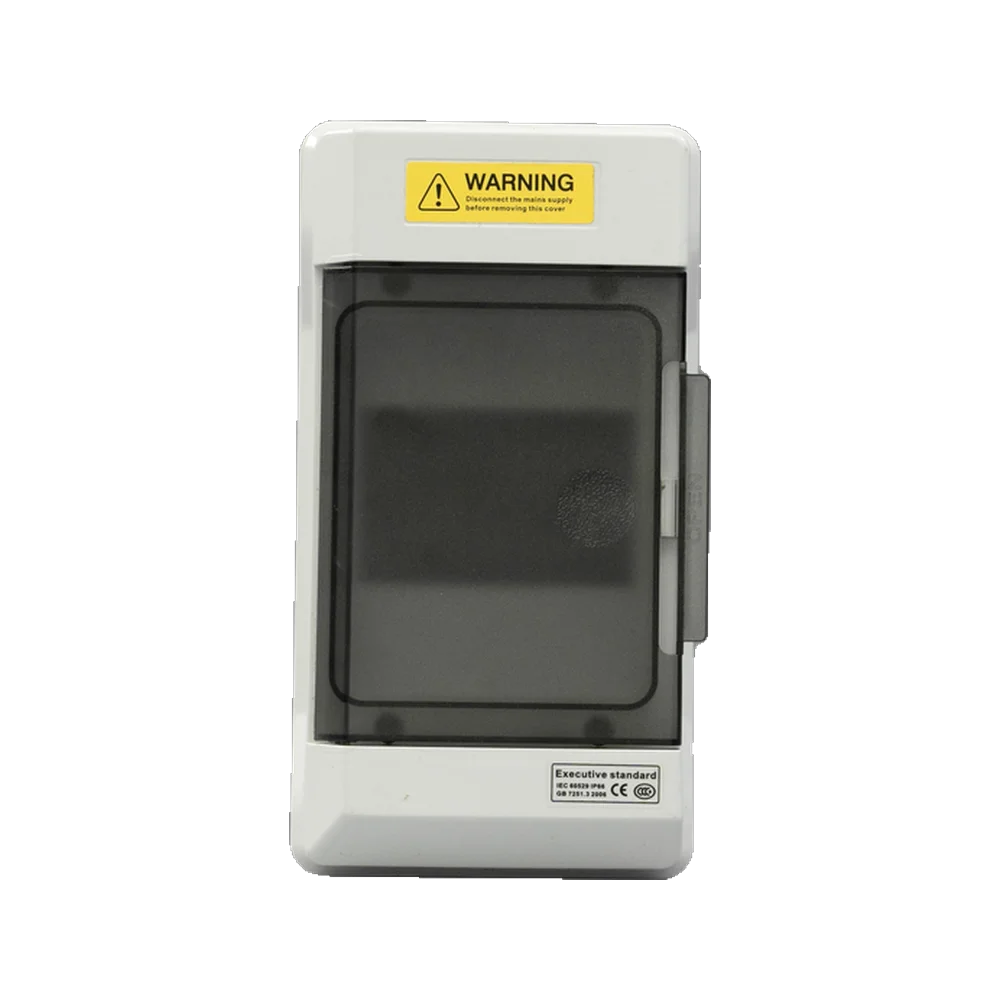
| Flush / recessed board | Domestic and office distribution | Rated on the door and frame assembly |
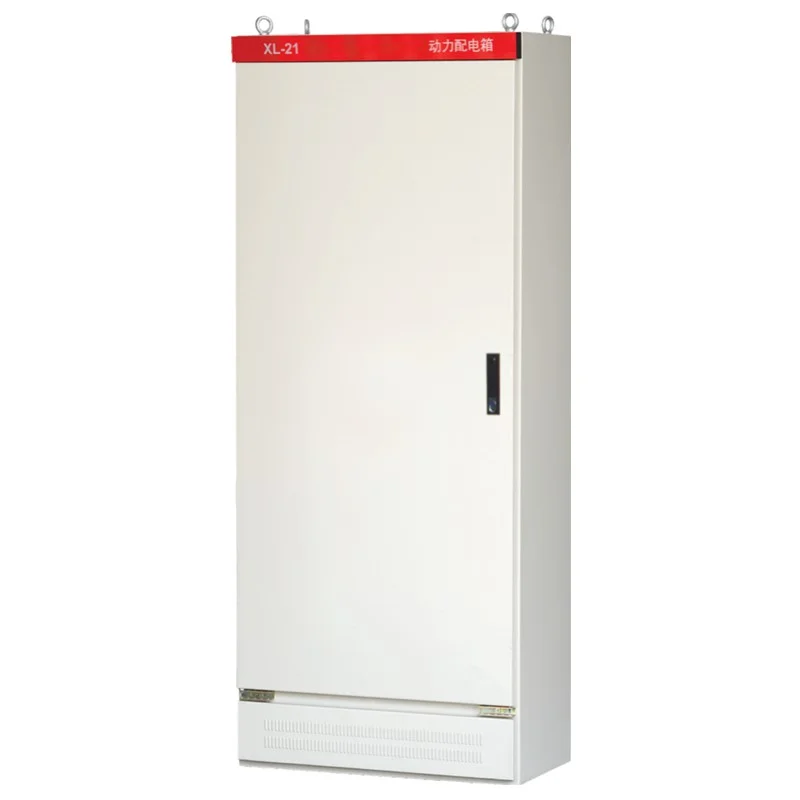
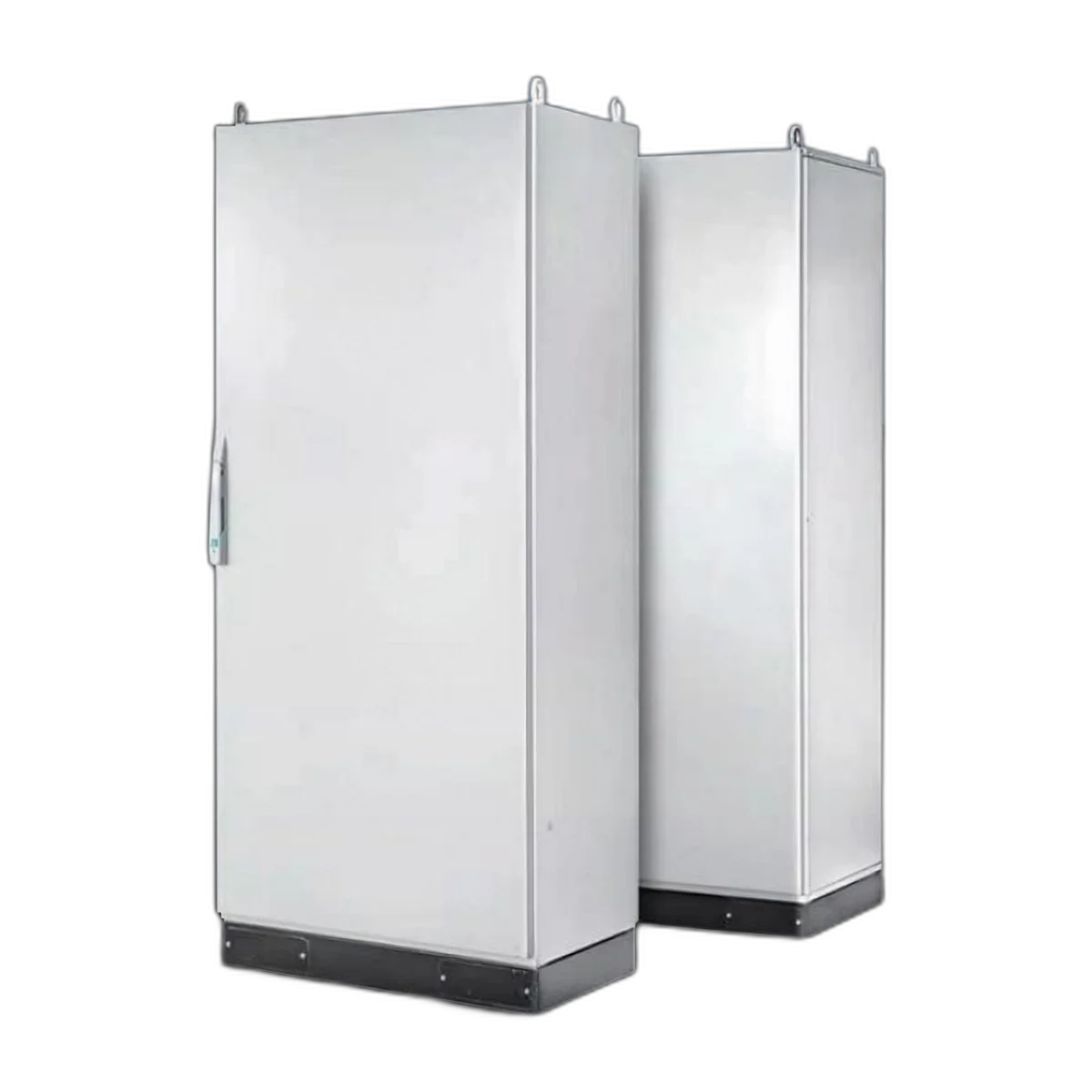
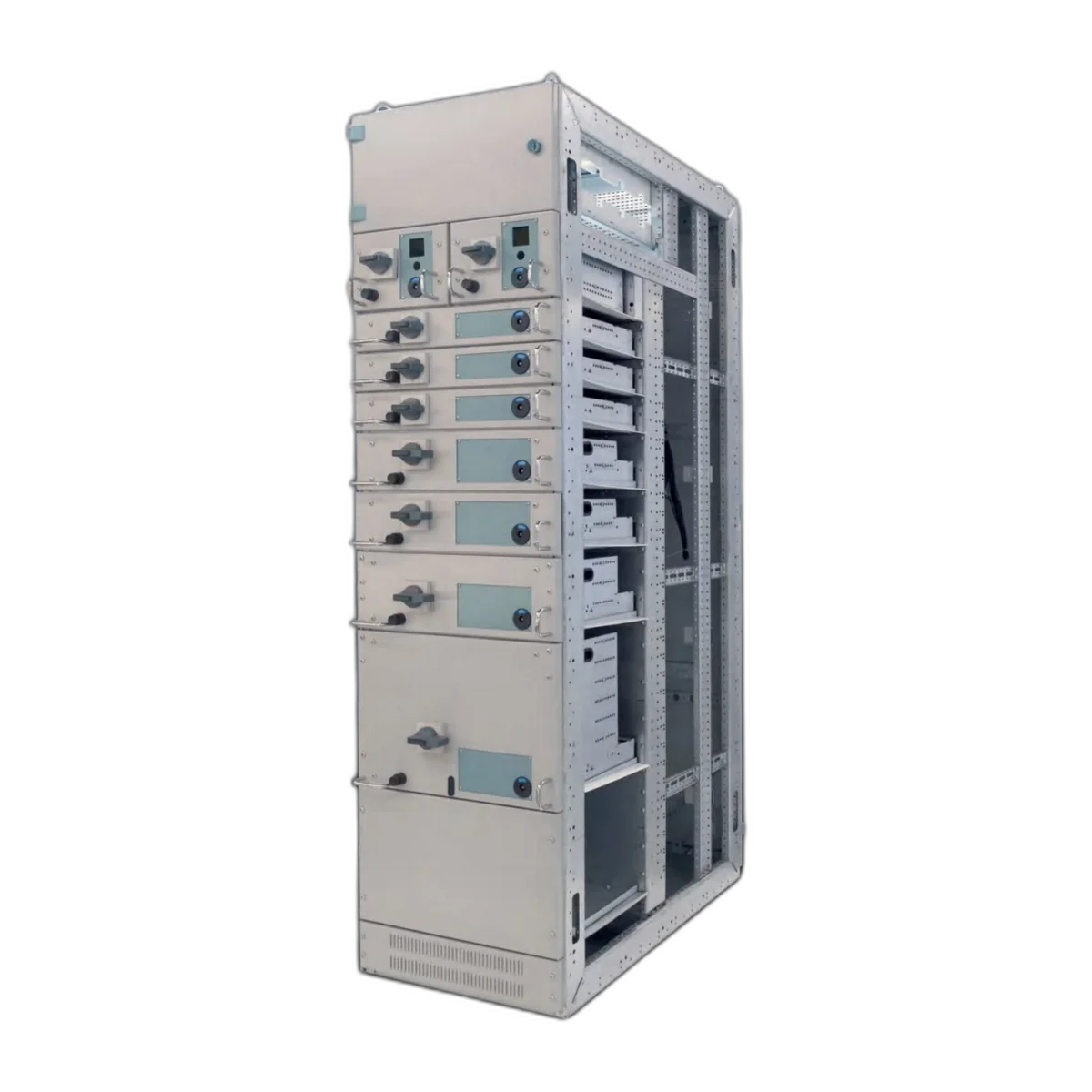
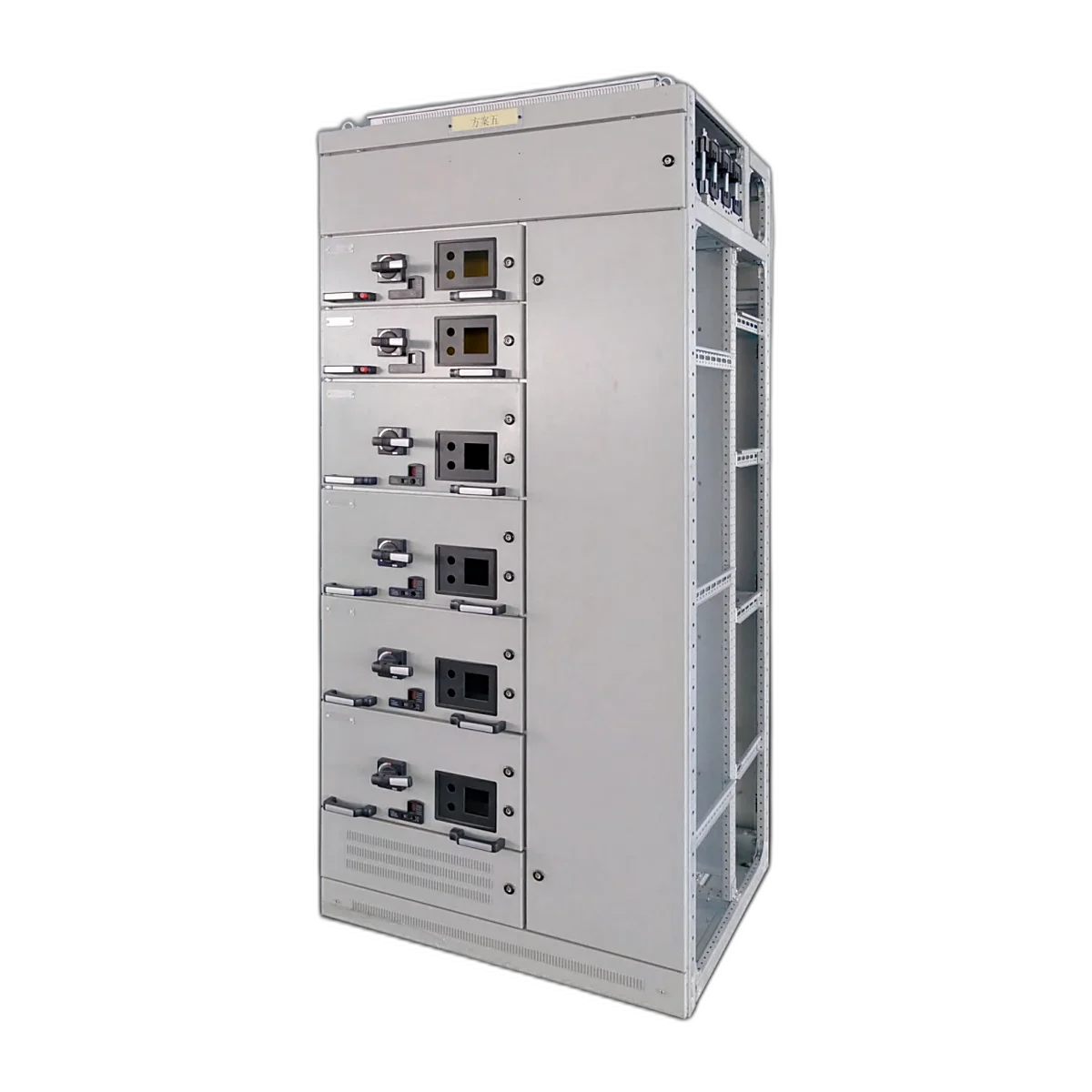
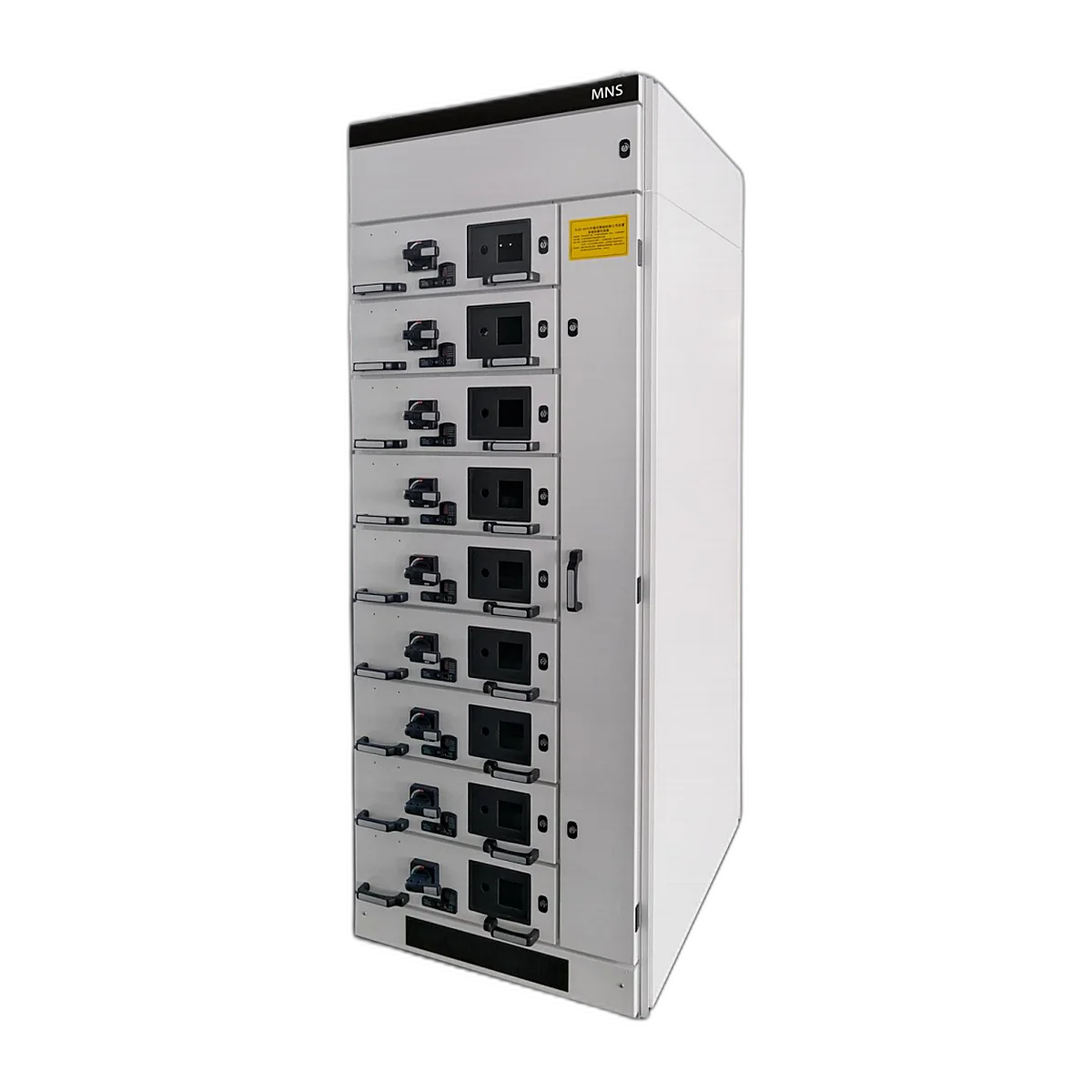
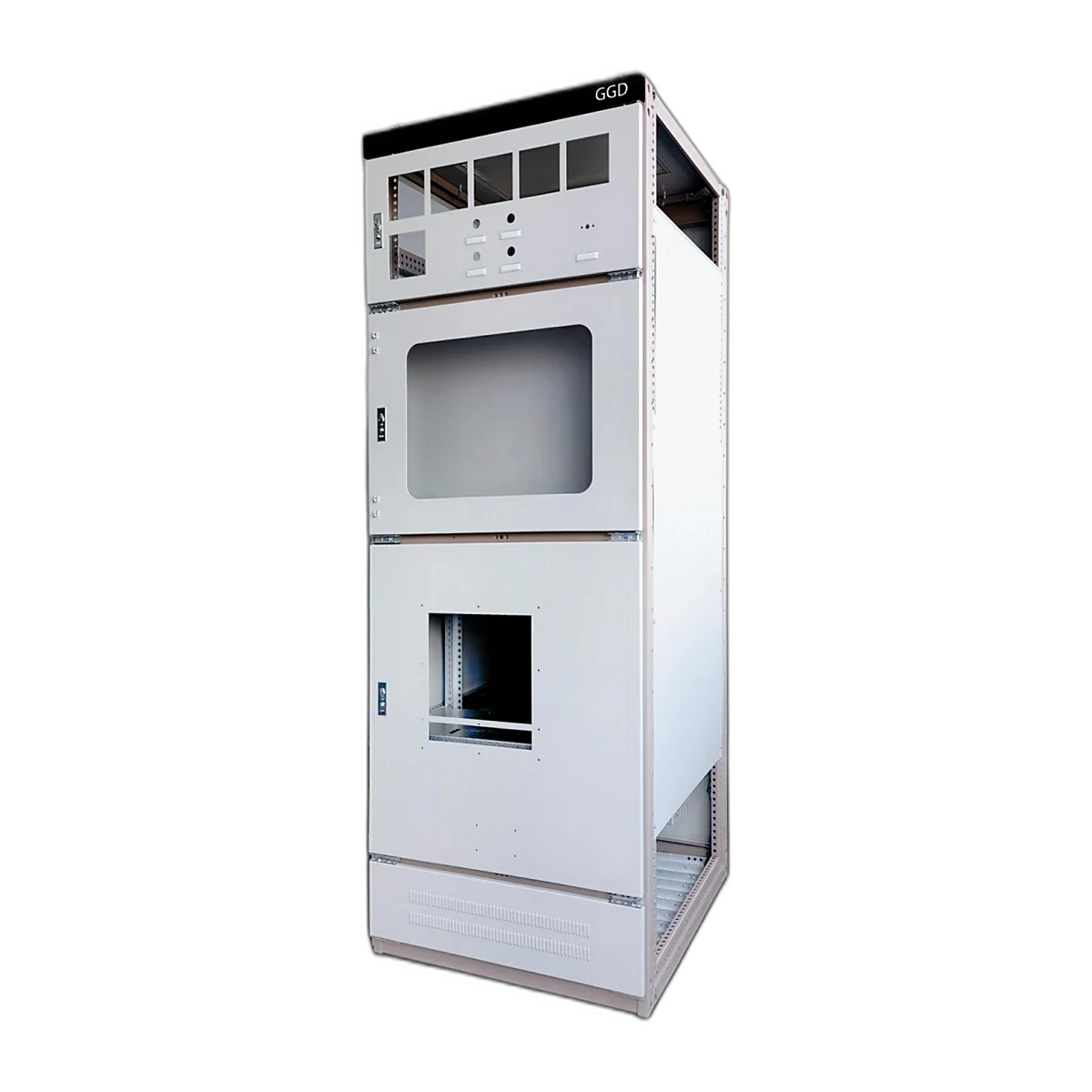
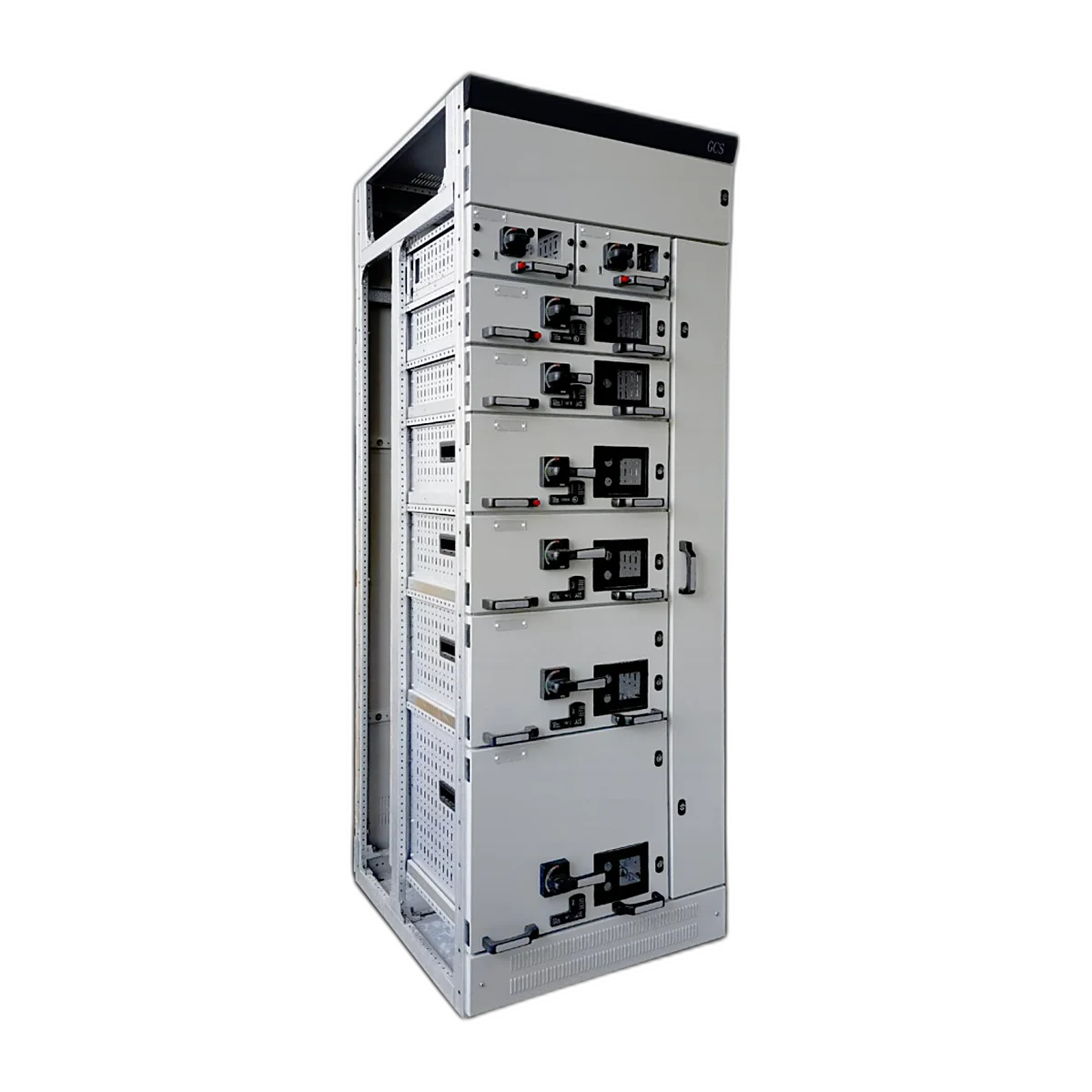
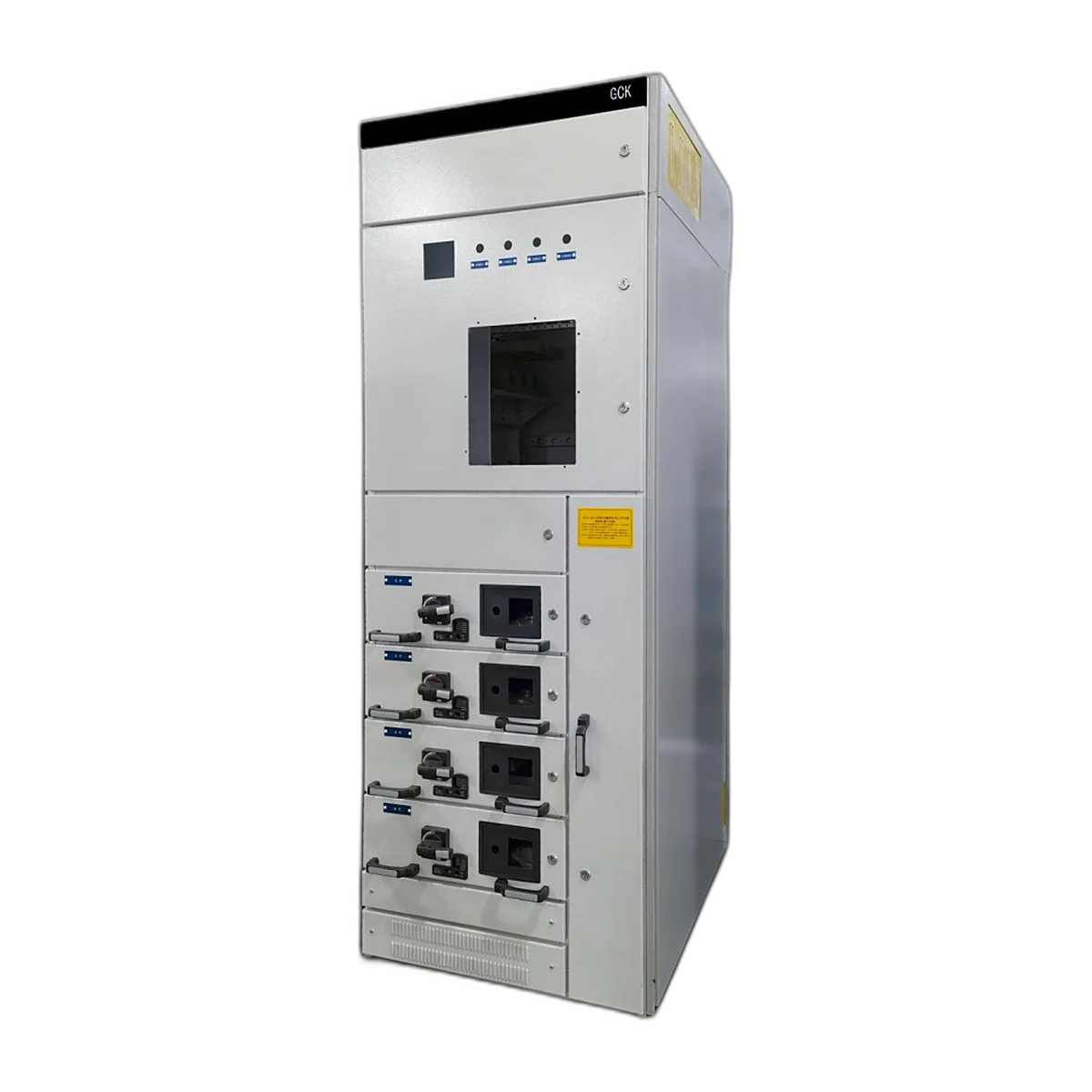
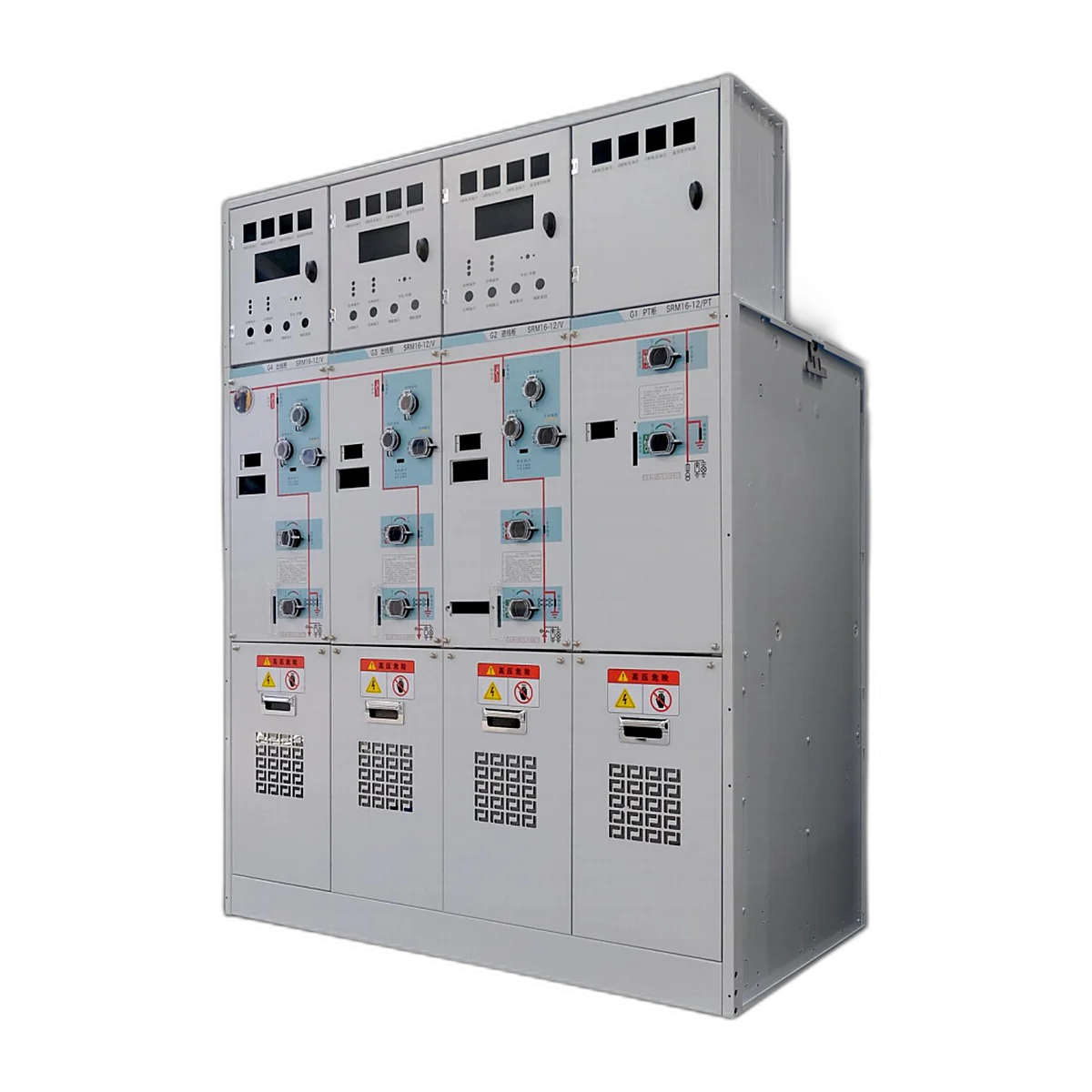
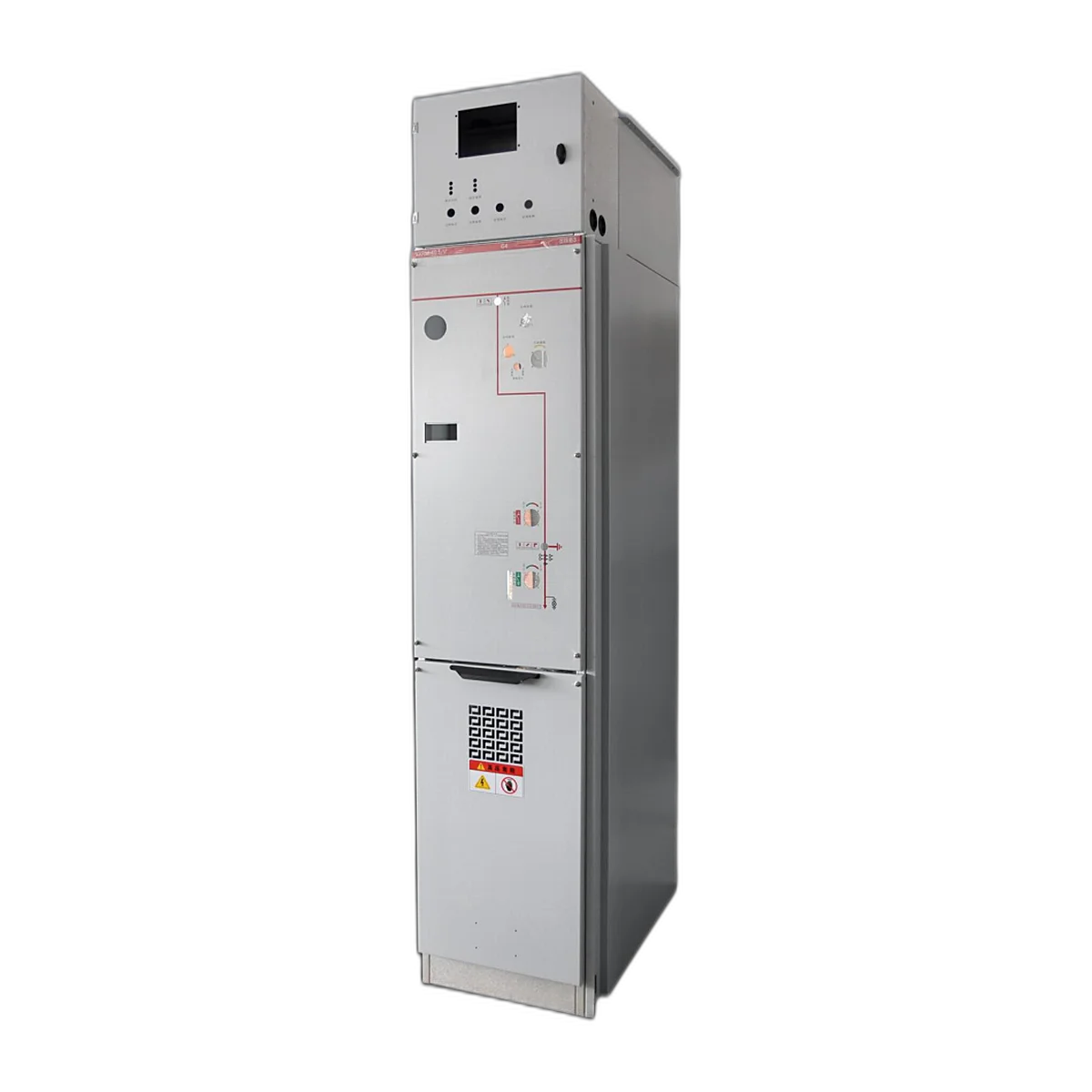
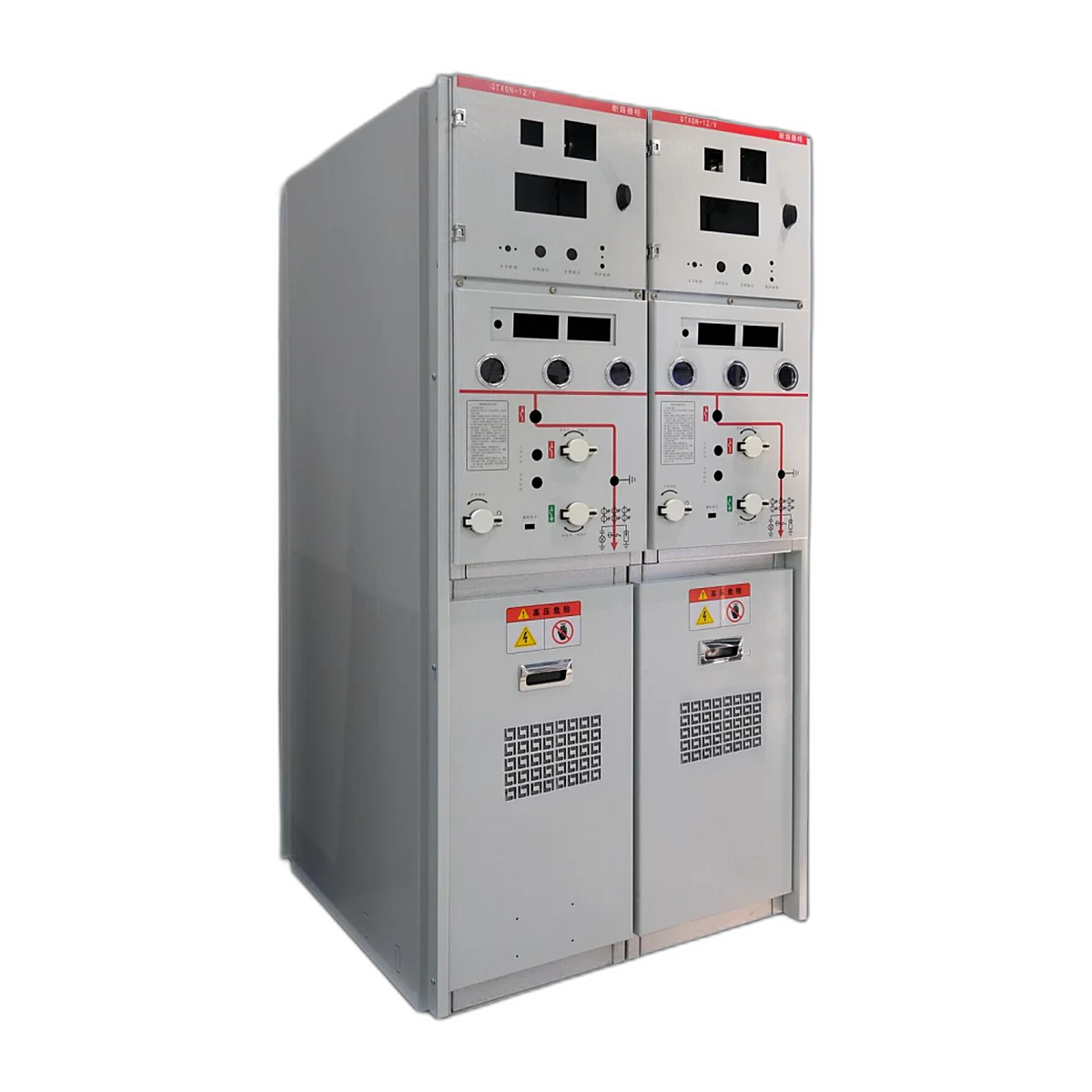
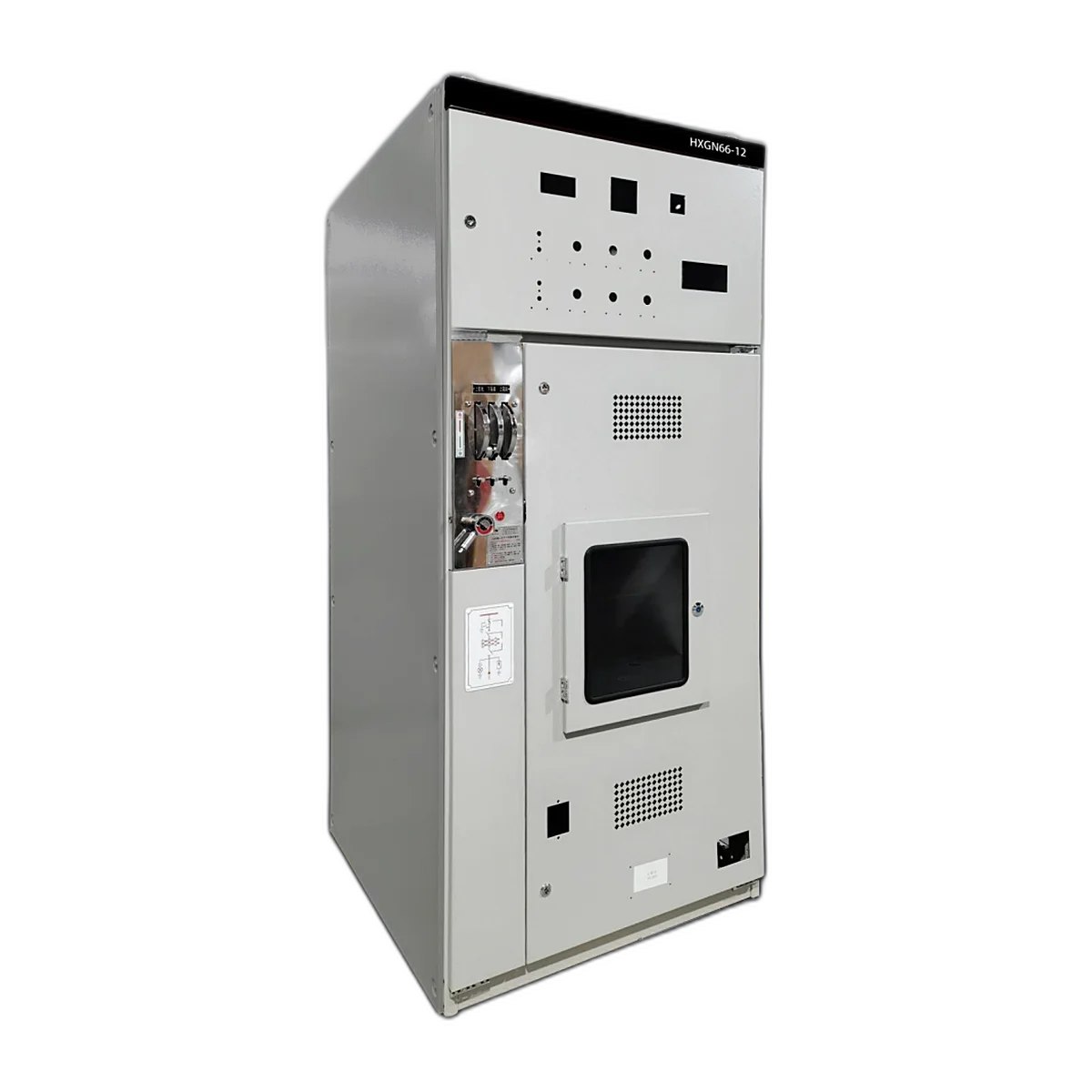
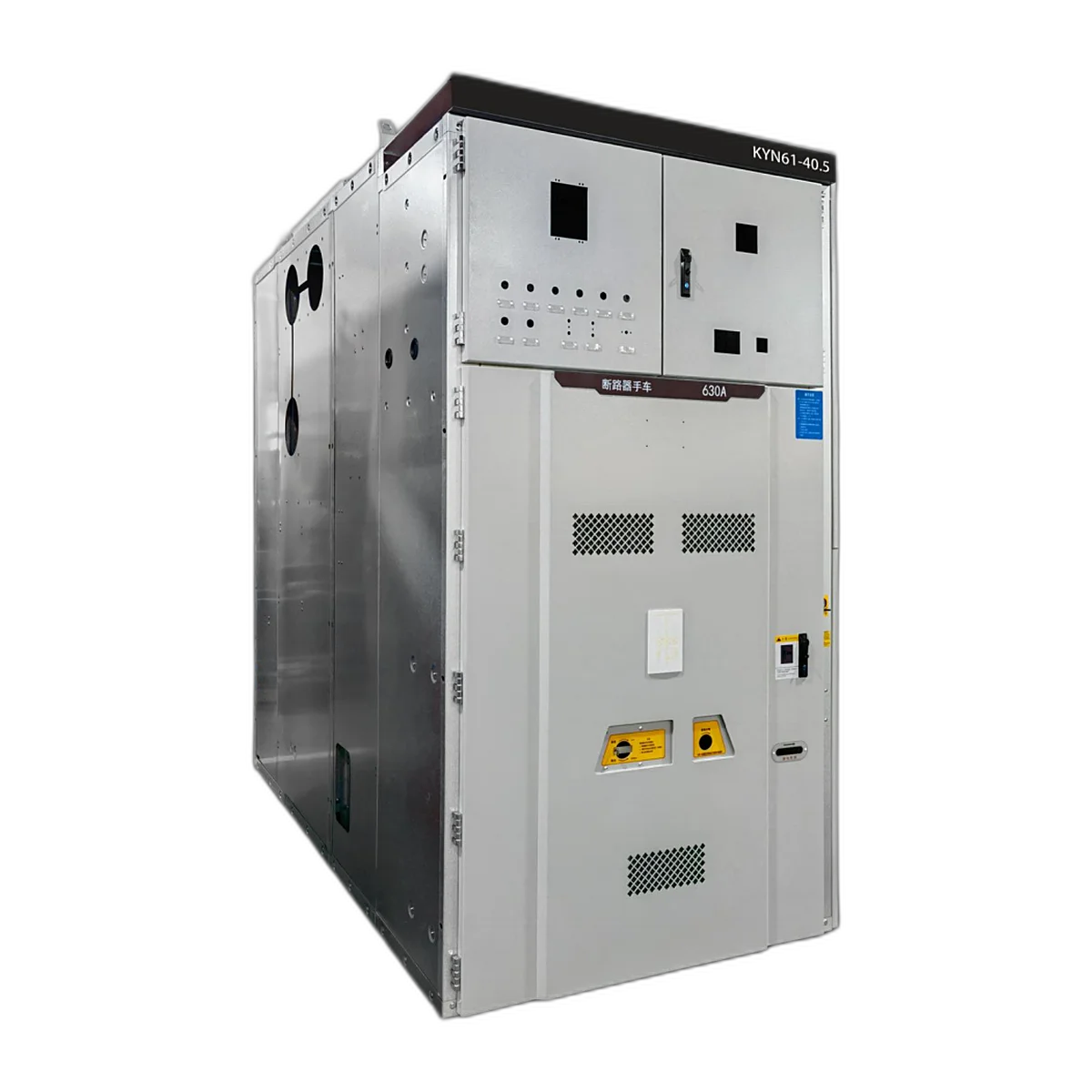
| Floor-standing cabinet | Switchgear, drives, panels | Gasketing on doors and gland plates matters most |
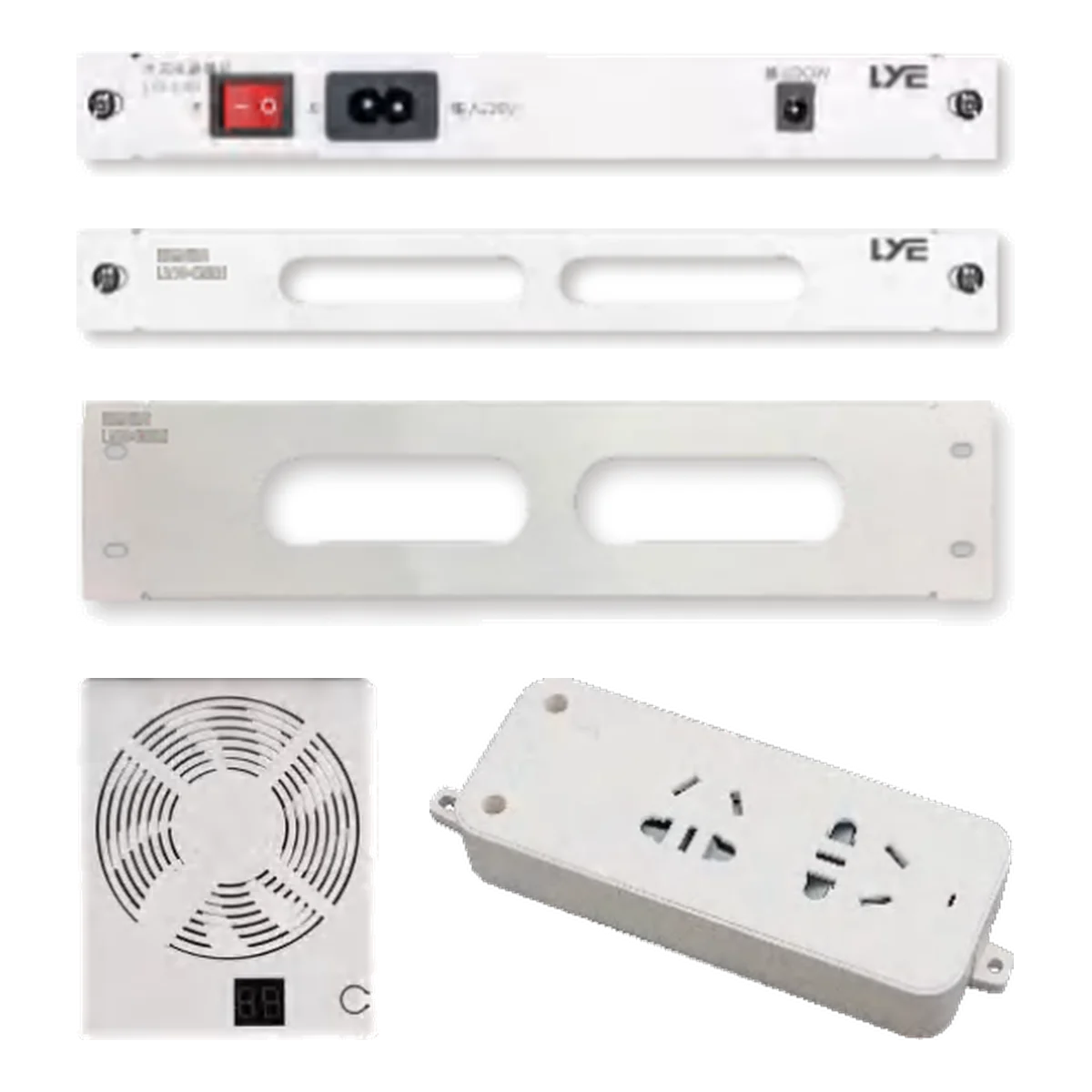
| Modular and DIN-rail assemblies | Panel building, control systems | Rating applies to the assembly, not just the box |
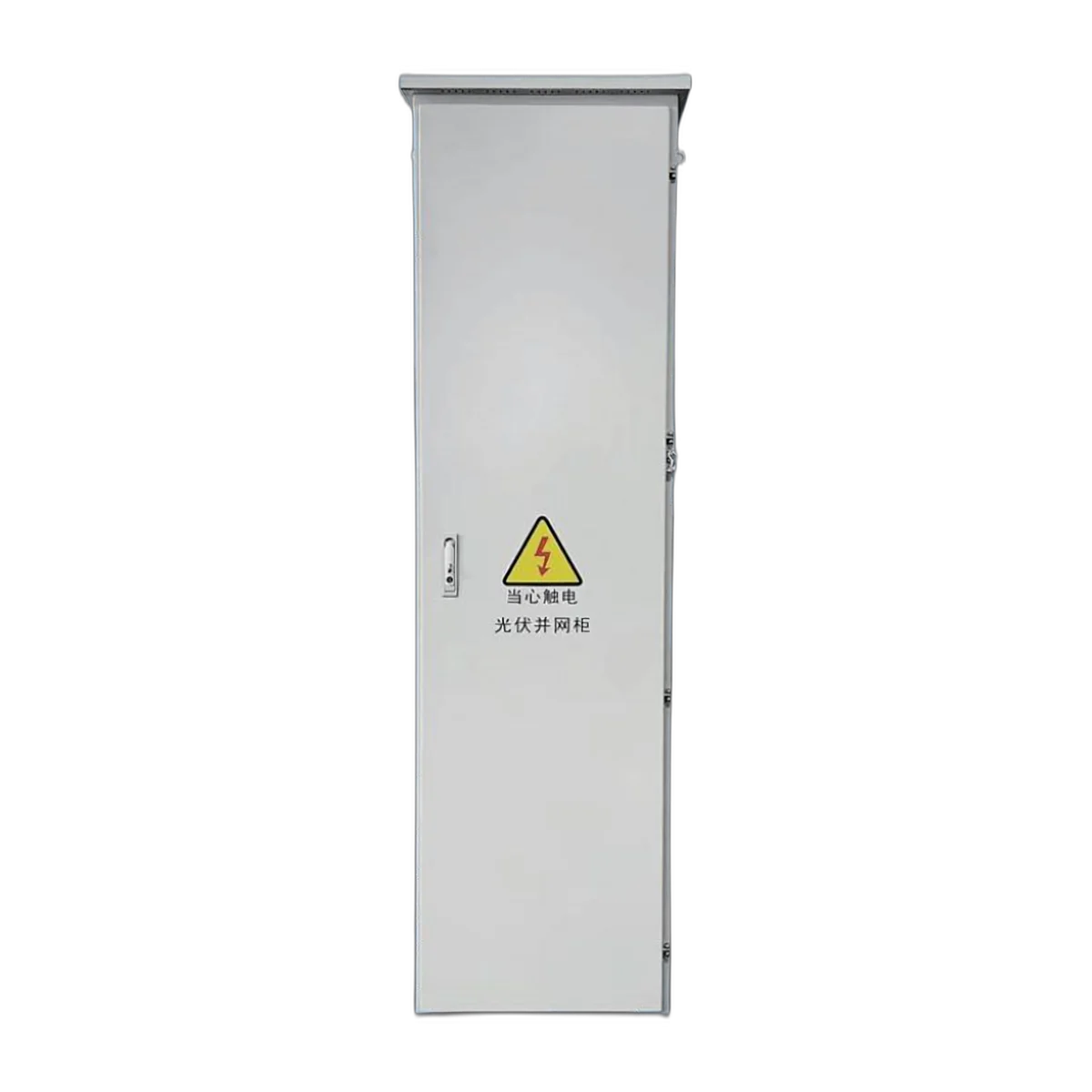
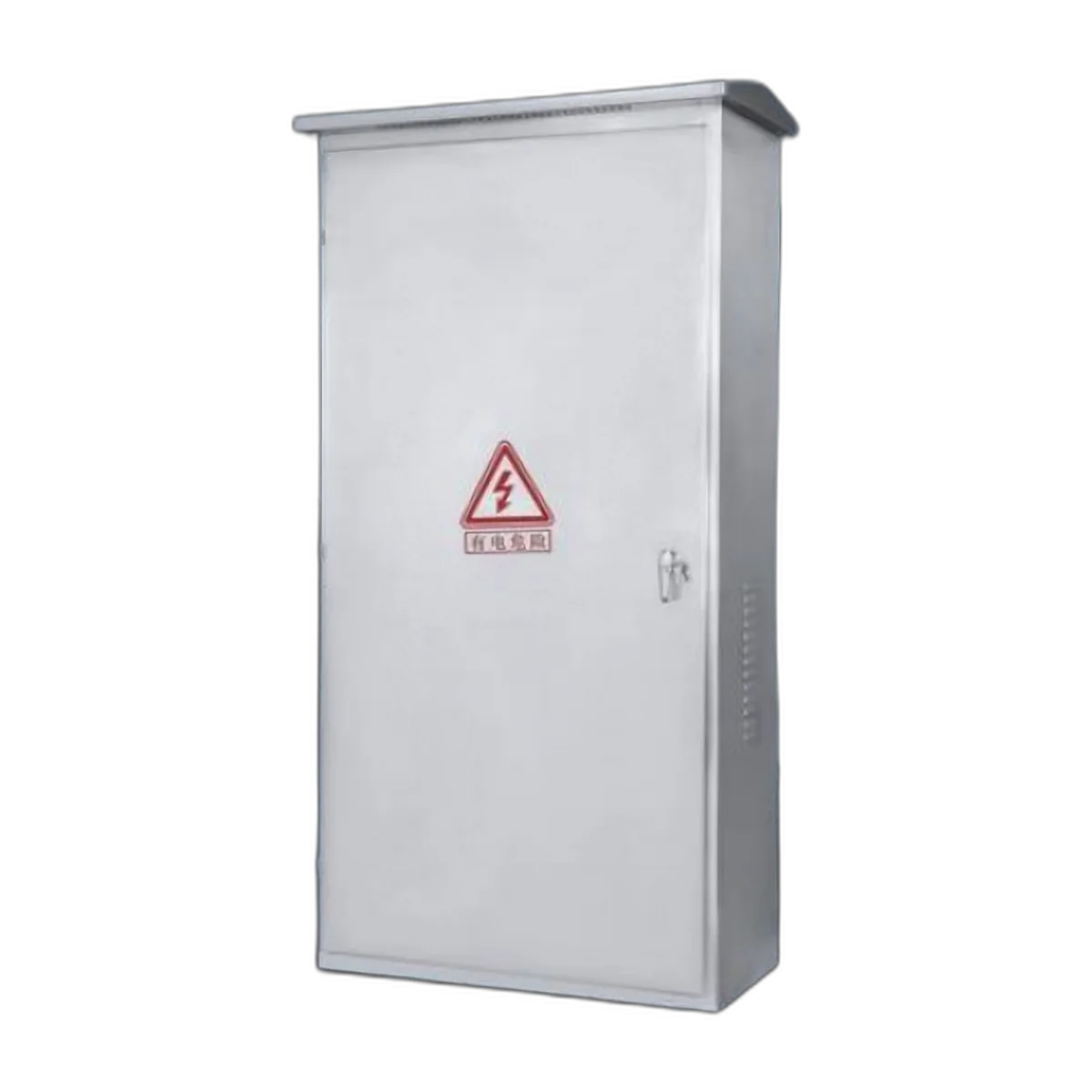
| GRP / polyester kiosk | Utility and outdoor distribution positions | Non-corroding; often dual-rated for shelter and external use |
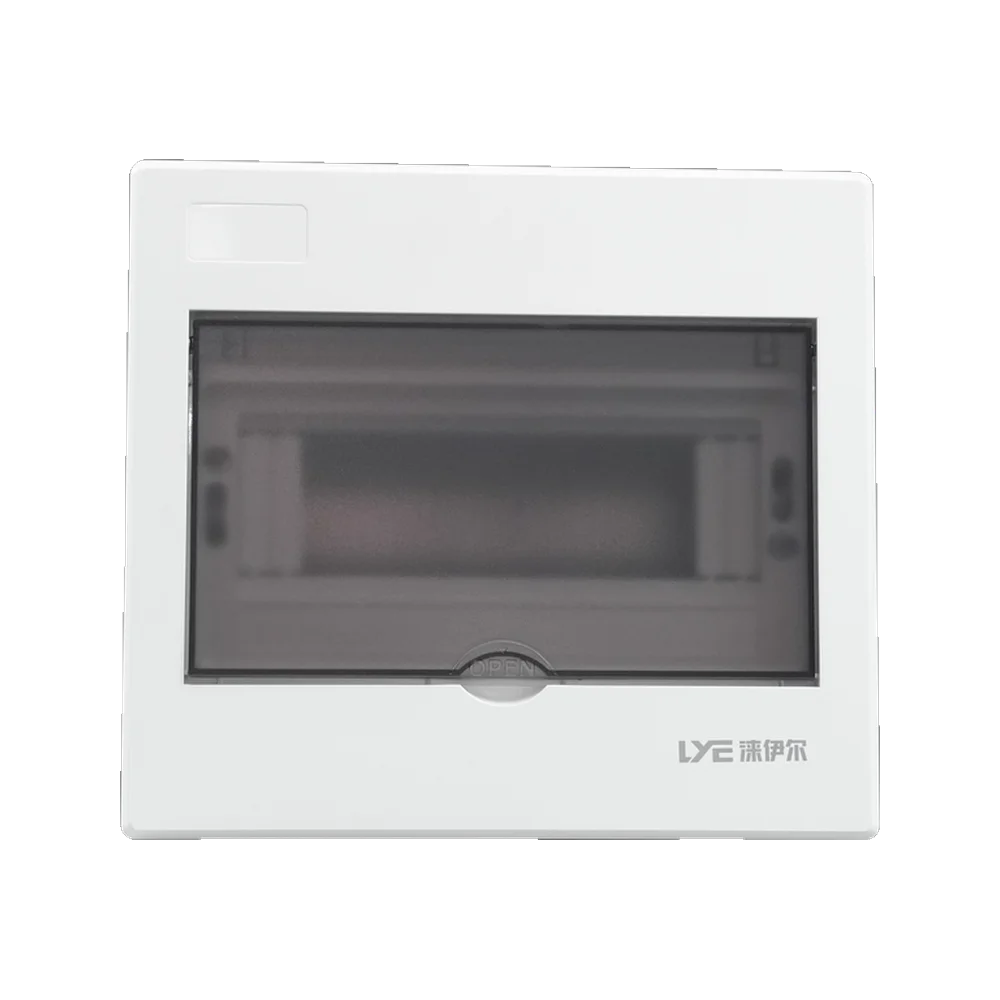
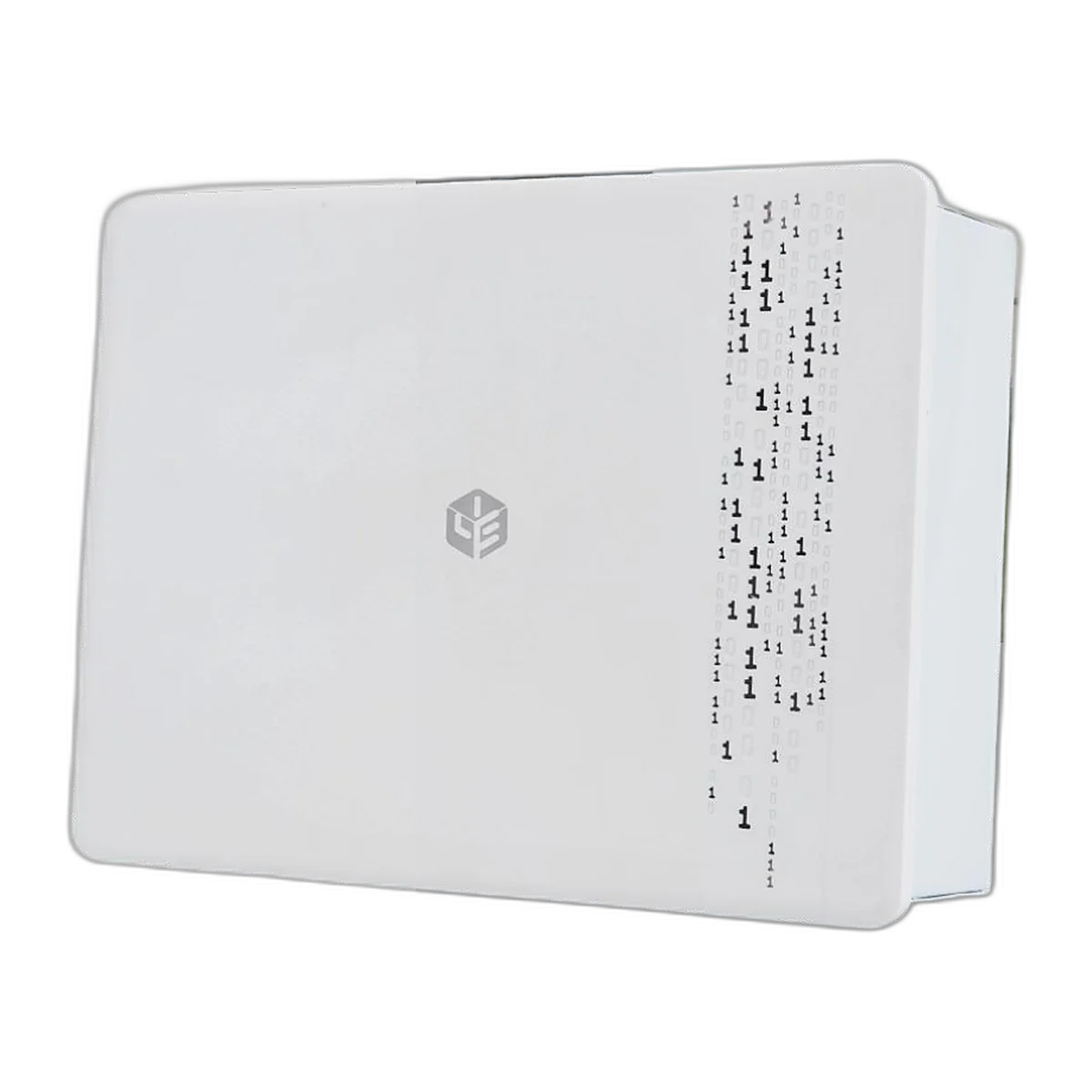
There is one categorization that is more significant than others – if the enclosure is only a ‘box’, or it also should store and protect the live electrical installation as an assembly.A foundation or terminal box protecting a cable joint is specified by its enclosure rating alone, which is where an IP-rated foundation distribution box sits. The assembly regulations also require the assembly of the panel that incorporates the protective devices to be properly rated and measured at the door, gland plate and each entry.
Materials and What They Cost
In choosing a material, one must consider corrosion, weight, and affordability, and IP54 is attainable in all parameters.
- Polycarbonate and ABS. They are inexpensive, light, rust-free, and can be acquired in big quantities. Ideal for junction boxes and small boards. Downsides: UV performance is variable and cheaper variants become brittle under sunlight, so check the claim on outdoor compatibility instead of making the assumption.
- Sheet steel with powder coat. A true workhorse in the industry. Strong, fairly cheap by volume, easy to machine and produce cut outs from the sheet material. Weakness: if there is any damage done to the coating, it can cause corrosion, as the coating is the entire corrosion system.
- Stainless steel. Corrosion-resistant material which is appropriate when washing down and chemicals make it impossible to apply coating on steel. 304 is used for typical industrial conditions, and 316L for coastal areas and in the presence of chlorides.
- GRP/moulded polyester. Rustless, resistant to impacts, and the best candidate for outdoors and utility locations, even though it has high cost compared to steel.
- Aluminum. Lightweight, rusting-free, and possessing excellent thermal properties but at an issue of higher price and galvanic corrosion at fixing points.
Example prices for the IP54 enclosures, which depend primarily on the volume, materials used, and the types of hardware included in the door:
| Category | Typical price |
|---|---|
| Small polycarbonate junction box | $5 – $40 |
| DIN-rail distribution enclosure, domestic | $20 – $80 |
| Wall-mounted sheet steel enclosure | $50 – $400 |
| Stainless wall-mounted enclosure | $150 – $900 |
| GRP outdoor cabinet | $200 – $1,500 |
| Floor-standing cabinet | $300 – $2,500+ |
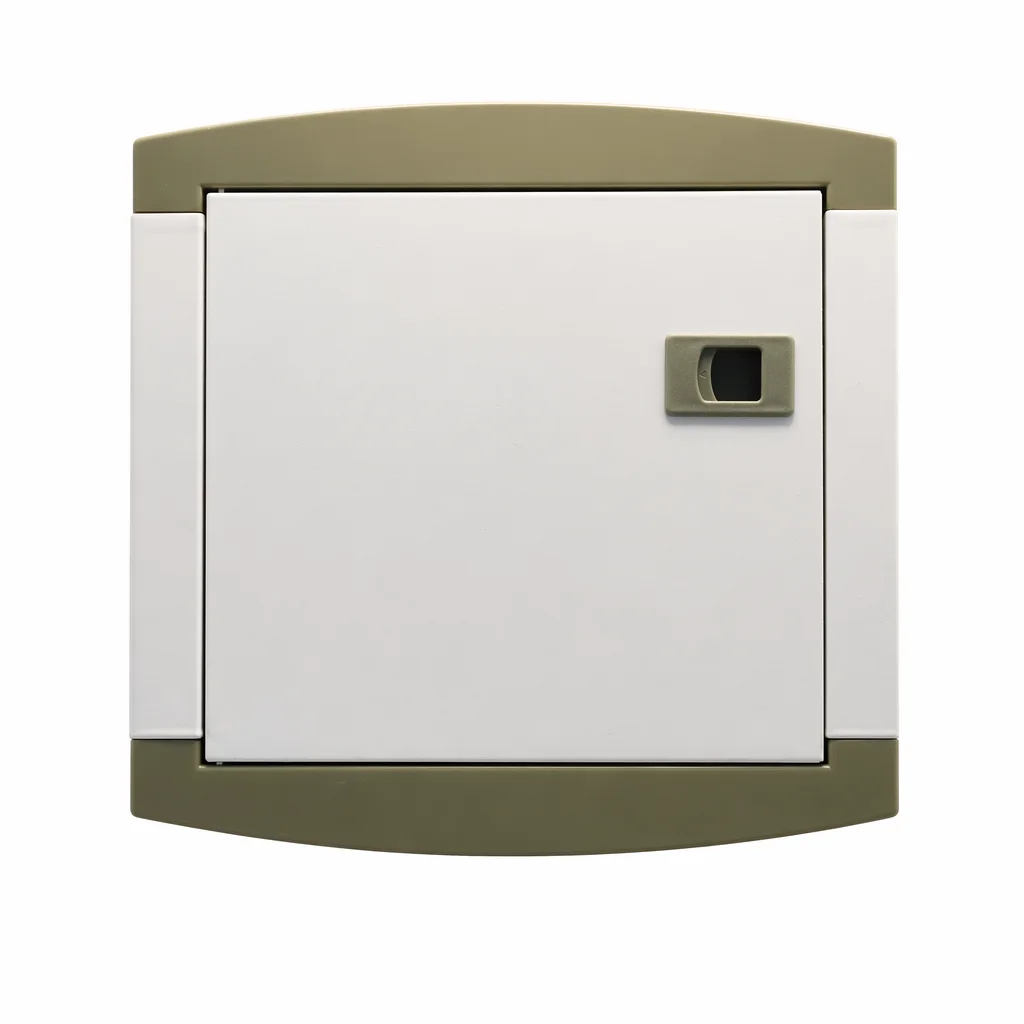
The enclosure is usually the cheap part of the installation, which is why compromising on it is a false economy. A recessed or flush enclosure that has to be fitted neatly into a finished wall, for instance, is chosen for the wall and the door line rather than for a price difference of a few dollars — which is the reasoning behind specifying a recessed full-plastic distribution box where the finish position matters as much as the rating.
Brands and Suppliers
The supplier picture divides in the usual manner. Whether you purchase just one box or a thousand will decide which supplier is right.
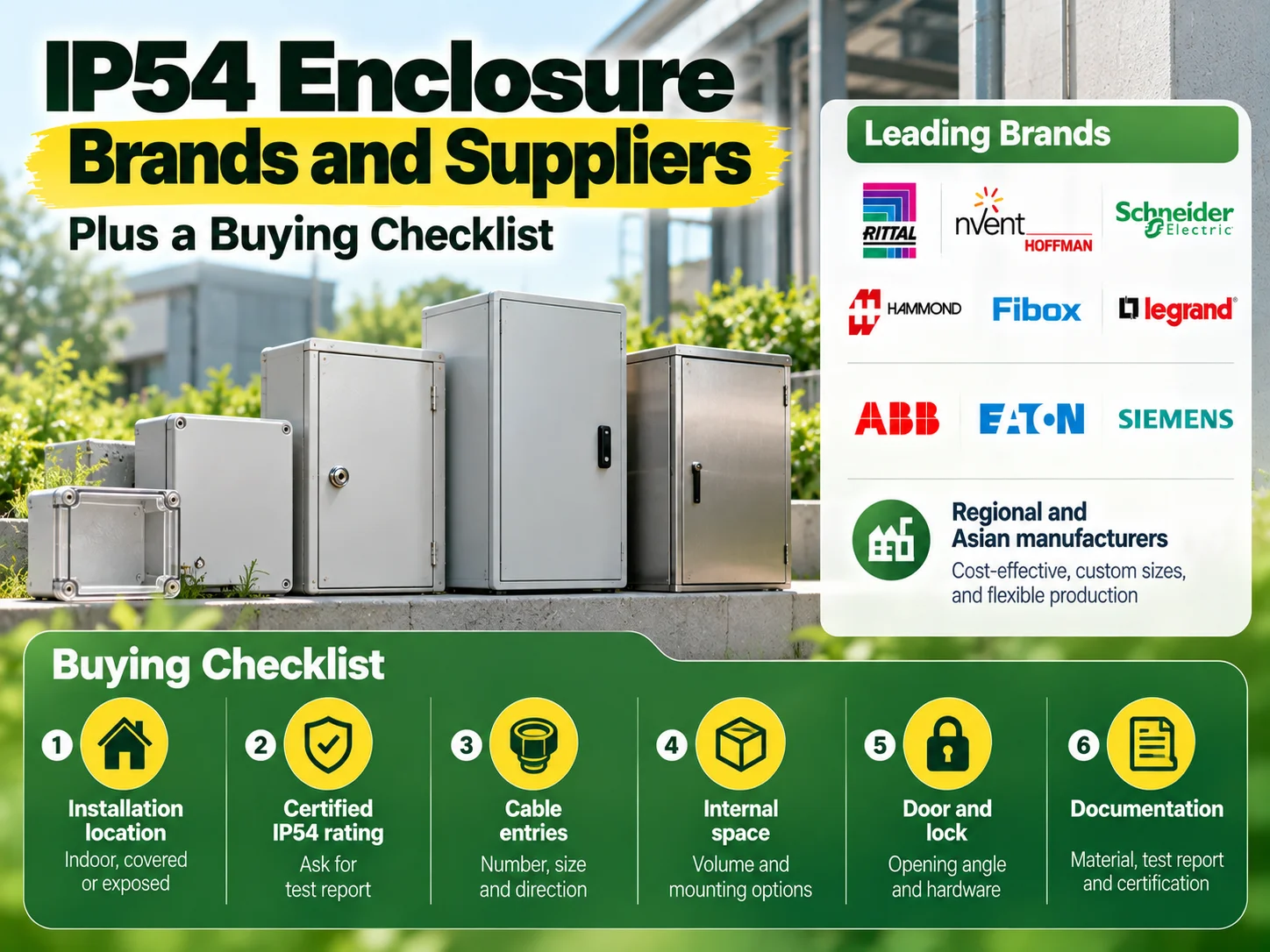
- On the global market of enclosure manufacturers, we see names like Rittal, nVent/Hoffman, Schneider Electric (Thalassa), Hammond, Fibox and Legrand. Their advantage is that their catalogs contain data on dimensions and ratings, ensuring global access, and accessories that fit. Their disadvantage is that their platform is for sale and non-standard is available only from other suppliers.
- On the market of electrical equipment manufacturers like ABB, Eaton, Siemens etc. enclosures. The advantage is that integration of the enclosures is guaranteed with the electrical equipment. The disadvantage is that not many choices are available if the equipment is not from the same supplier.
- On the market of regional and Asian manufacturers, the costs are low and the manufacturer agrees to make custom sizes, as well as to produce the ordered enclosures according to the drawings. So this option is the most economical for the buyer who is searching for distributed product ranges or the ones for OEM programs. The disadvantage is that the documentation and certifications are different so it will be on the buyer to check it.
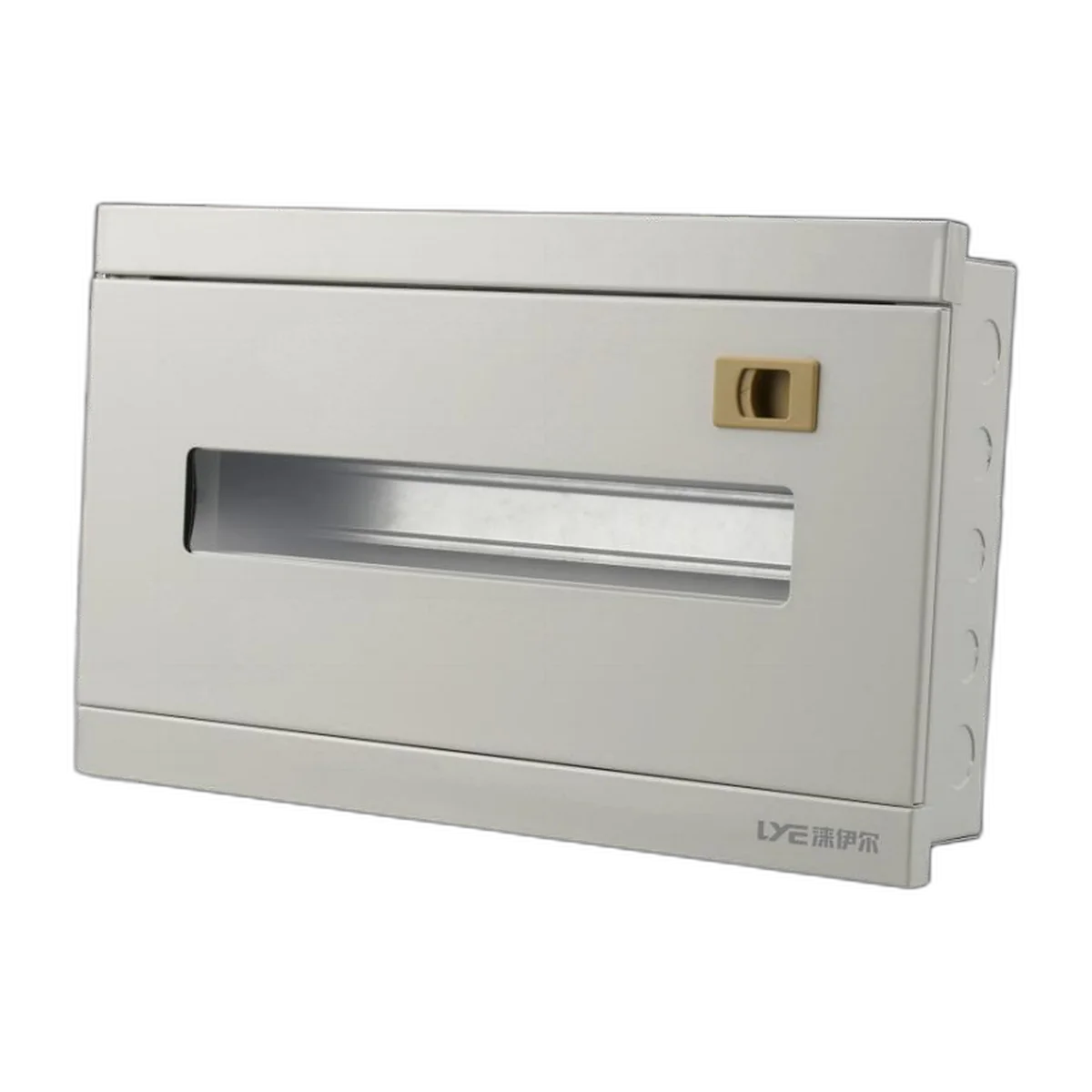
On the side of manufacturing, the question should not be about the lowest catalog box price, instead one should ask oneself who could produce the product with the specification in a repeatable manner and provide the test documentation. The manufacturer having its own cutting, shaping and finishing will have the same design for all batches of products, the clients will be asking to take the manufacturer that would assemble its enclosures from the catalogs of other companies instead of the complete range of boxes from one manufacturer — distribution boxes, outdoor enclosures, meter and information boxes and switchboard cabinets – because it helps to avoid problems with specification, quality documents and terms of delivery.The full enclosure product range is where to check how broad a manufacturer’s platform actually is before assuming they can cover a whole programme.
Buying Checklist
The sequence of questions to be settled is illustrated here below, making it easy for the reader to follow the advice.
- What is the situation in reality? Is the position inside, protected, or in the open? If answered truthfully, the rating will match the situation; if answered optimistically, there will be a need to replace the enclosure.
- Has the IP54 rating been certified? Ensure that a test report is provided. The rating applies to the packaging in its condition when delivered, gasket, and door hardware.
- How many cable entries are there? Size? How long are they? Do grommets need to be used? The majority of leaks occur due to cable entries.
- What is expected to be put inside the package and how much clearance do those items require? The size of the package depends on the internal volume, mounting plate, and DIN-rail.
- Does the door need to be able to open more than 90 degrees and what locking mechanism is planned? Although the details seem to be simple, they can determine whether the installation is adequate.
- What documents are included with the package? Should include material and thickness of the package, rating test report, and, for installations in controlled area, the certificate issued for a specific product instead of the company’s certificate.
Installation and Maintenance
The majority of IP54 failures during operation are related to mistakes during installation than failures in the product.
- Secure all unused fixings. Leaving one fixing unsealed would mean that rather protecting the equipment from dust the very box would become open for dust, insects and even rodents.
- Use correct-rated cable entries. The weakest point in the design of the enclosure lies in the cable entry and thus if the correct-rated equipment is not used in the installation, a so-called ‘drip loop’ must be placed near the equipment in question.
- The gasket has to be checked during installation and also serviced after that. It must be properly installed without damages in its position and compression. If the gasket is broken, it will be infallibly found, and the enclosure will cease to be waterproofed.
- Leave the clearance while mounting the enclosure. Proper temperature control assumes air movement, thus leaving enough space around the enclosure installed on the wall is indispensable.
- The problem of condensation has to be taken into account, as enclosures that warm in sunlight and cool down in nighttime will definitely cause breathing, and thus moisture will gather inside the enclosure. In humid places and high UV areas it is necessary to install – drain or put small heater device for being on the safe side.
- The enclosure must not be modified in the field, meaning that the extra holes, wires, devices that were not included into ‘protection while design was being developed’ list would ruin it.
In case of enclosing the installation into the bigger scheme agree on those points with the supplier at once and then the problems that arise during the installation will be evaded. That is the substance of what a supplier’s service commitments should cover, and on a multi-site programme it is the part of the offer that actually differentiates suppliers, because the enclosure itself is available from many places.
Frequently Asked Questions
What does an IP54 rating mean for an electrical enclosure?
With IP54, the housing has resistance to dust and water. The first digit 5 means limited ingress of dust is allowed as long as it does not affect the operation. The second digit 4 indicates water splashing from any direction is resisted for ten minutes with the rate of about ten litres a minute. The standard is covered in IEC 60529. In terms of use, this type is suitable for indoor industrial locations as well as some sheltered places outdoors.
What is the NEMA equivalent of an IP54 enclosure?
NEMA classification such as NEMA 12 or NEMA 13 applies. The NEMA 12 classification involves indoor enclosures, which guard against dust, dirt, moisture, and dirt particles, while NEMA 13 classification involves protection against oil and coolant leakages, thus both classifications being similar to IP54 in the field of water and dust. The classification of NEMA types is a correlation rather than equality because they also refer to construction, sealing, and anti-corrosion features that function of the IP is not responsible for. Thus, if an enclosure is classified as IP54 and NEMA 3R, it means that the enclosure can be used in outdoor conditions, while if the classification is only IP54 and NEMA 12, it indicates that the enclosure is an indoor one.
Is an IP54 enclosure suitable for outdoor use?
Only in a sheltered position. The IP54 classification can withstand rain falling at an angle, dripping water, or condensation on a roofed terrace, under a roof, or inside a covered promenade, which corresponds to the conditions of the water test. However, the device will not be able to survive continuous water barrage in an upper position, washing with a hose or with a pressure washer as well as tolerate standing water at all. Therefore, when installing the device in completely exposed areas, one should use IP65 at least. It is also suggested to install IP66 in locations where the device can be blasted with water. The cost of the enclosure change is small so the engineer will decide to upgrade it to a sealed version in case of uncertainty whether the location is sheltered or not.
What is the difference between IP54 and IP55?
The second numeral is the only one to change with the addition of a simple step on the water scale. The IP54 standard protects against rain coming from any angle at 10 liters per minute for 10 minutes, while IP55 protects against water jets from a 6.3 mm nozzle at 12.5 liters per minute for 3 minutes. Both have the same degree of dust protection — digit 5, which indicates good dust protection. In real life, IP55 is used for places where you can point a hose at a cabinet, but not where there is direct exposure to weather, and IP65 is the standard specification when there is a need for dust protection in the first digit to be 6.
References
- Fibox — polycarbonate and GRP enclosure selection and IP ratings
- Rittal — enclosure protection categories and application guidance
- NEMA Supply — enclosure types, IP ratings and cross-reference data
- Schneider Electric (Thalassa) — industrial enclosure ranges and specifications
- National Electrical Manufacturers Association — enclosure type designations and standards
Conclusion
IP54 is an excellent rating when it is used appropriately and a dangerous one when it is applied incorrectly, and the main consideration in such cases would be the environment of the application. Inside and well protected, you are being offered the most economical and actually protective solution which is enough and saves you the costs. Outside, wet or washed off, you are using inappropriate rating and should have ordered IP65 instead. If you get the selection right, you need to worry about the components that will determine whether the rating can remain functional — closed knockouts, proper gasket layout, matching glands and gasket checked.