Independent Electrical Contractors in Utah
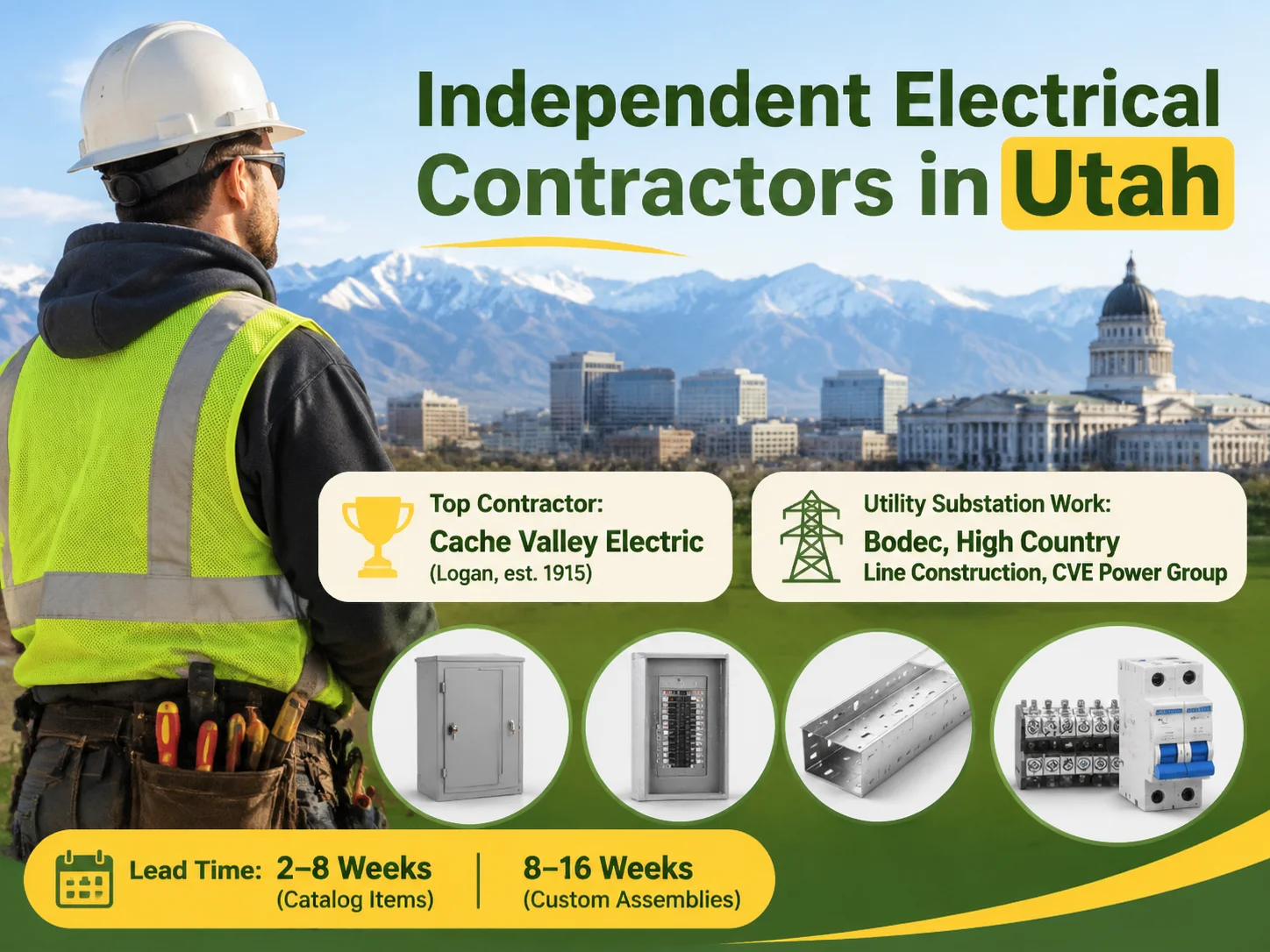
For its population base, the number of independent electrical contractors operating in Utah is disproportionately high relative to other states across the U.S. Currently, Utah has an overwhelming number of companies owned by one family that was established in 1915 – Cache Valley Electric based in Logan – that employs a greater number of individuals than the next five leading independent contractors combined, and that structure determines how a buyer acquires project services and where sub-contracting applies.
Quick answer: The dominant electrical contracting company in Utah is Cache Valley Electric (Logan, established in 1915) – one of the largest electrical contractors in the western United States, followed by Hunt Electric, and several smaller independent contractors (e.g., Rydalch, K2, Eagle, Butler, and Black Diamond). At the same time, however, utility substation work is heavily concentrated in the hands of those specialized electrical contractor companies such as Bodec, High Country Line Construction, as well as CVE Power Group. What most of the independent contractors purchase consists mostly of standard electrical products (such as enclosures, distribution boards, wireways, terminations, devices) having between 2-8 weeks lead time on catalogue items or 8-16 weeks lead time on custom assemblies.
Following sections describe the definition of “independent”, the notable electrical contractors in Utah, the types of electrical work each electrical contractor does, an overview of the products purchased, sources of product supply, lead times for products, tiers of product pricing, selection of projects by type, and what questions to ask prior to signing a contract, how production fits into the contractor’s production model, and the licensing/inspection framework that governs electrical contract work in Utah.
What “Independent” Means in the Utah Market
The term “Independent” in the Utah electrical contracting market refers to contractors that are privately owned and are not affiliated with any national electrical contracting association. In Utah, the only notable exception to this description of independent contractors is MYR Group’s High Country Line Construction and utility companies that do not compete with private contractors.
In Utah, being considered an independent contractor does not necessarily mean being a small contractor; Cache Valley Electric is a large family-owned electrical contracting company that has been around since 1915 and currently has nearly 2,500 employees and ten offices in Utah, all run by the same family for three generations. Cache Valley Electric is consistently ranked among the top electrical contractors in the United States.
The market structure of the Utah electrical contracting industry presents a clear challenge to electrical supply companies. Electrical supply companies that wish to target the commercial and industrial marketplace should be aware that approximately 80% of the commercial and industrial volume is accounted for by a handful of general electrical contracting firms. Electrical supply firms that are not on the approved vendor list of a major general contractor must be prepared to sell to the long-tail of the general contracting market. Selling to this market will generate smaller orders and shorter payment terms, whereas selling to the major general contractors will produce larger and longer payment terms.
The Contractors Worth Knowing
The table below lists the contractors that a supplier or buyer in Utah should be starting with. Employee counts are based on both trade rankings and company statements; in some instances, the ranking of a contractor and the company’s employee count, as reported in trade publications, vary considerably (by a factor of two or more).
| Firm | Base | Founded | Size | Strength |
|---|---|---|---|---|
| Cache Valley Electric | Logan | 1915 | 2,400 plus | Heavy industrial, substations, teledata, national reach |
| Hunt Electric | Salt Lake City | 1986 | 350 to 550 | Commercial design-build, technology integration |
| Rydalch Electric | Salt Lake City | 1994 | Around 100 | Commercial and institutional |
| K2 Electric | Lehi | 2003 | Around 25 | Commercial and industrial, Utah County |
| Eagle Electric | Midvale | 1987 | Around 25 | Commercial service and tenant improvement |
| Butler Electric | Sandy | 1995 | Small | Residential and light commercial |
| Black Diamond Electric | Salt Lake City | 2016 | Small | Residential service and repair |
| BODEC | Price | 2007 | Around 45 | Medium and high voltage industrial, EPC, mining and oil |
| High Country Line Construction | Morgan | 2013 | Small, MYR Group | Transmission, distribution, substations |
| Gardner Energy | Ogden | 2004 | Small | Solar and renewable installations |
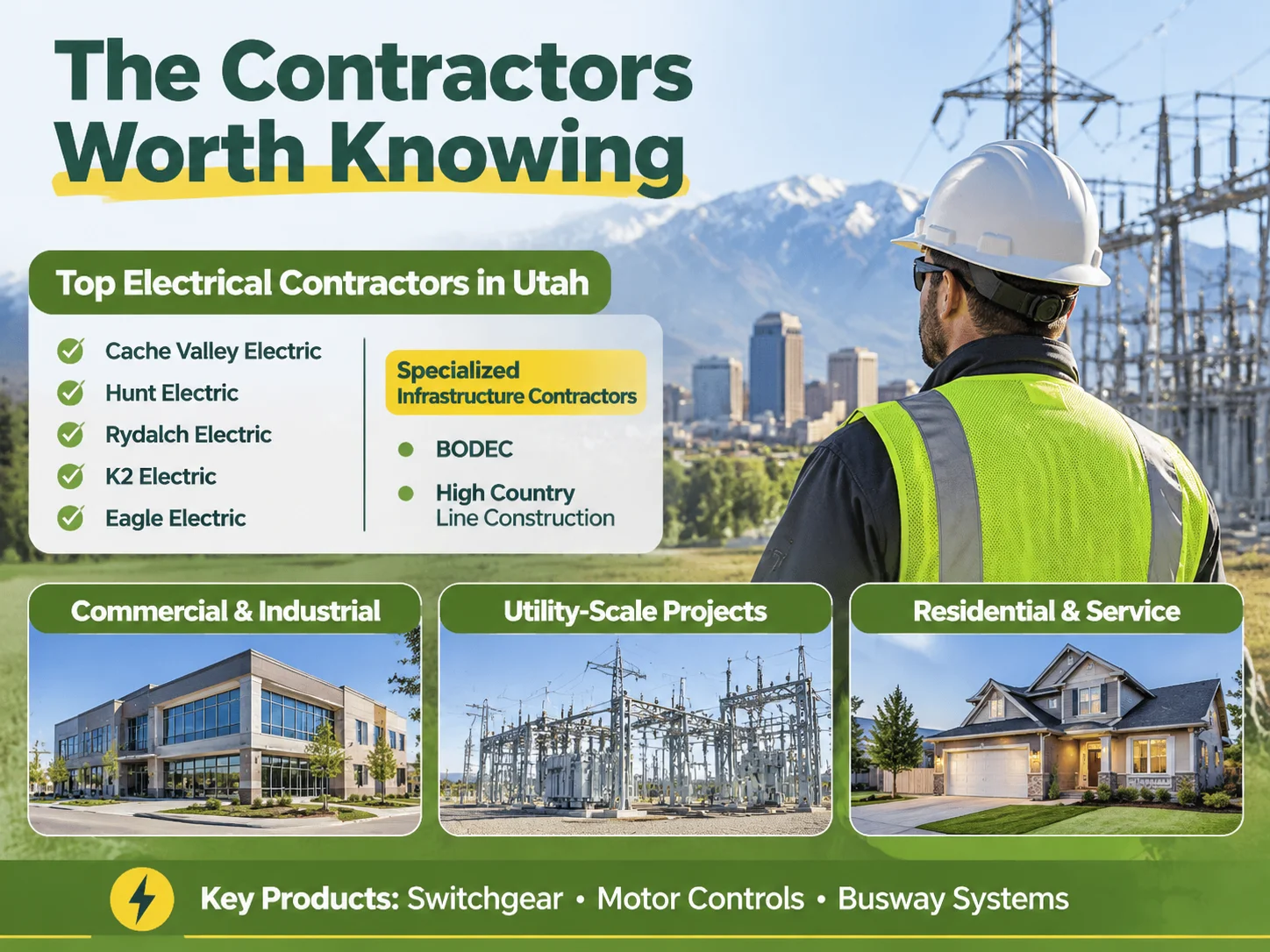
The only two companies in this market sector that don’t fall into the description of a typical general contractor are BODEC and High Country. Both of these organizations have focused their work on utility-scale infrastructure as opposed to building projects and have their own team of engineers who purchase the equipment according to a specification they create rather than through a catalogue. The sales process with supply houses is very different from that of traditional commercial contracting.
Electric utility, industrial and commercial work are completed by Cache Valley Electric and Rydalch Electric, while both BODEC and High Country complete utility-scale project work based on engineering specifications created by engineers, have extended lead times due to large orders, and typically work on only a few sizable projects throughout a year. For example, when a contractor purchases equipment for a substation project, they typically purchase switchgear, protective relays, cable and support structures according to the specifications of the utility rather than selecting them themselves.
The biggest overlap between industrial electrical contractors, commercial electrical contractors and residential and service contractors is in the industrial sector that encompasses manufacturing facilities, food processing facilities, data centers and mining operations. Purchasing patterns across these industries are heavily weighted toward switchgear, motor controls, busway systems and process wiring, and the engineer within the electrical contractor usually takes responsibility for overseeing the contractor’s overall purchasing activity by reviewing vendor submissions prior to their purchases.
What These Firms Actually Buy
Commercial electrical contractors purchase more enclosures, distribution boards and related devices than any other segment, primarily due to the fact that commercial buildings have hundreds of smaller circuits plus a relatively small number of larger circuits. In commercial sectors, it is generally the estimator for the contractor that decides which products to purchase; in contrast, it is usually the contractor’s engineer that makes this decision in the industrial sectors. Residential electrical contractors purchase most of the devices, panels and small enclosures required for their operations, and the majority of this buying is done over the counter at supply houses rather than through tendering.
Most of an electrical contractor’s total expenditure for material is accounted for by the four major product families referenced above. Enclosures are the easiest product family to make an incorrect purchasing decision on, given that they cover such a wide range of uses and types in different applications.
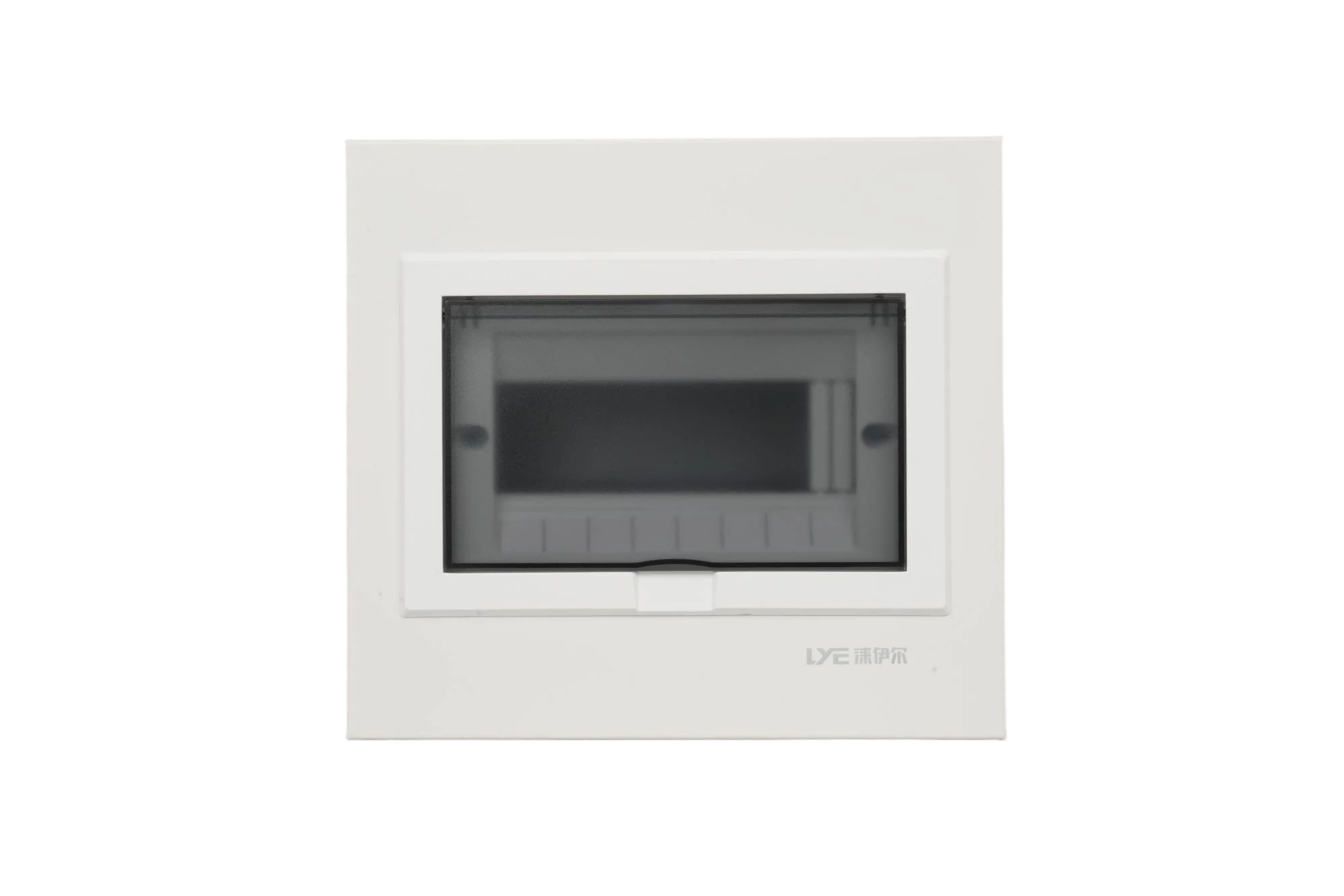
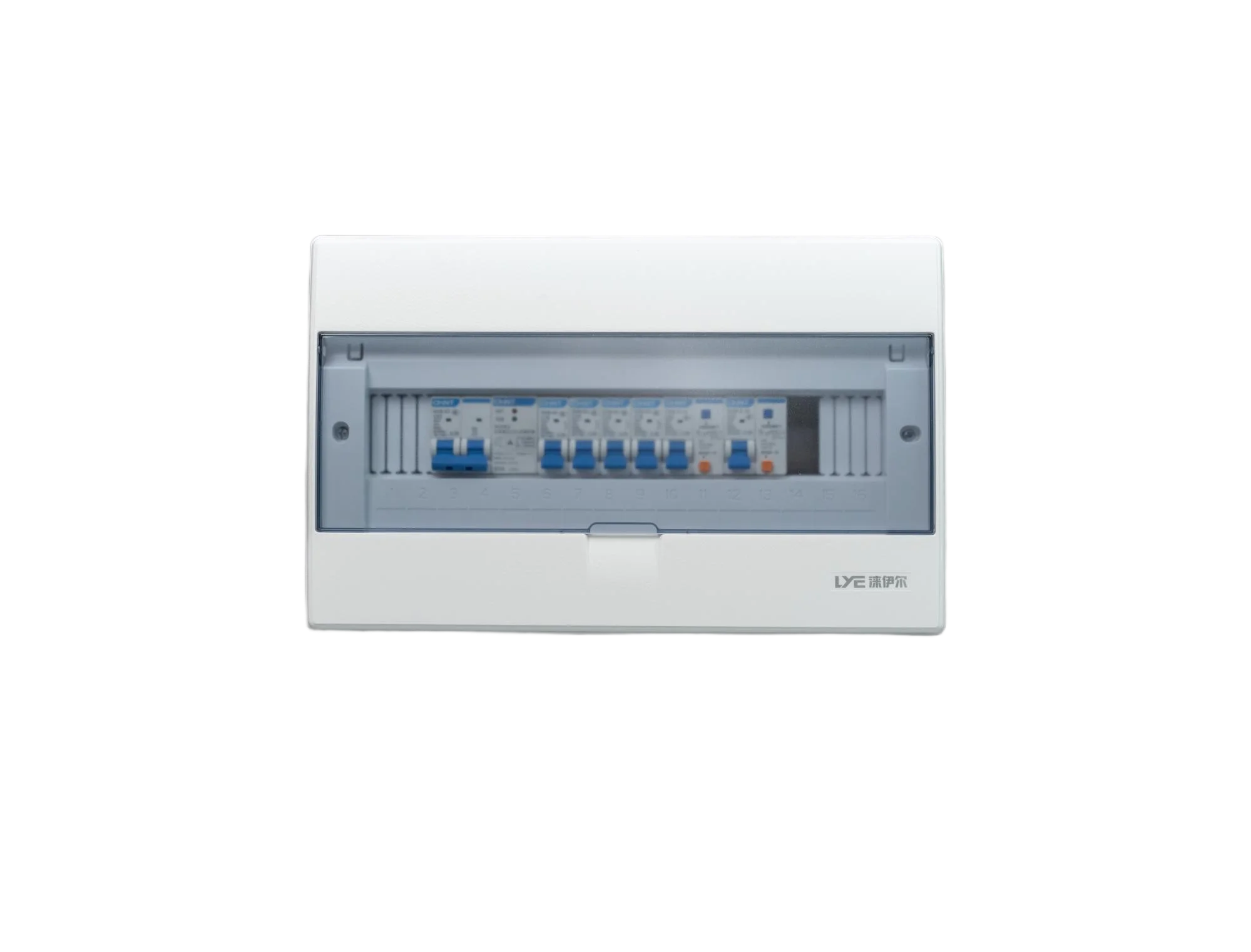
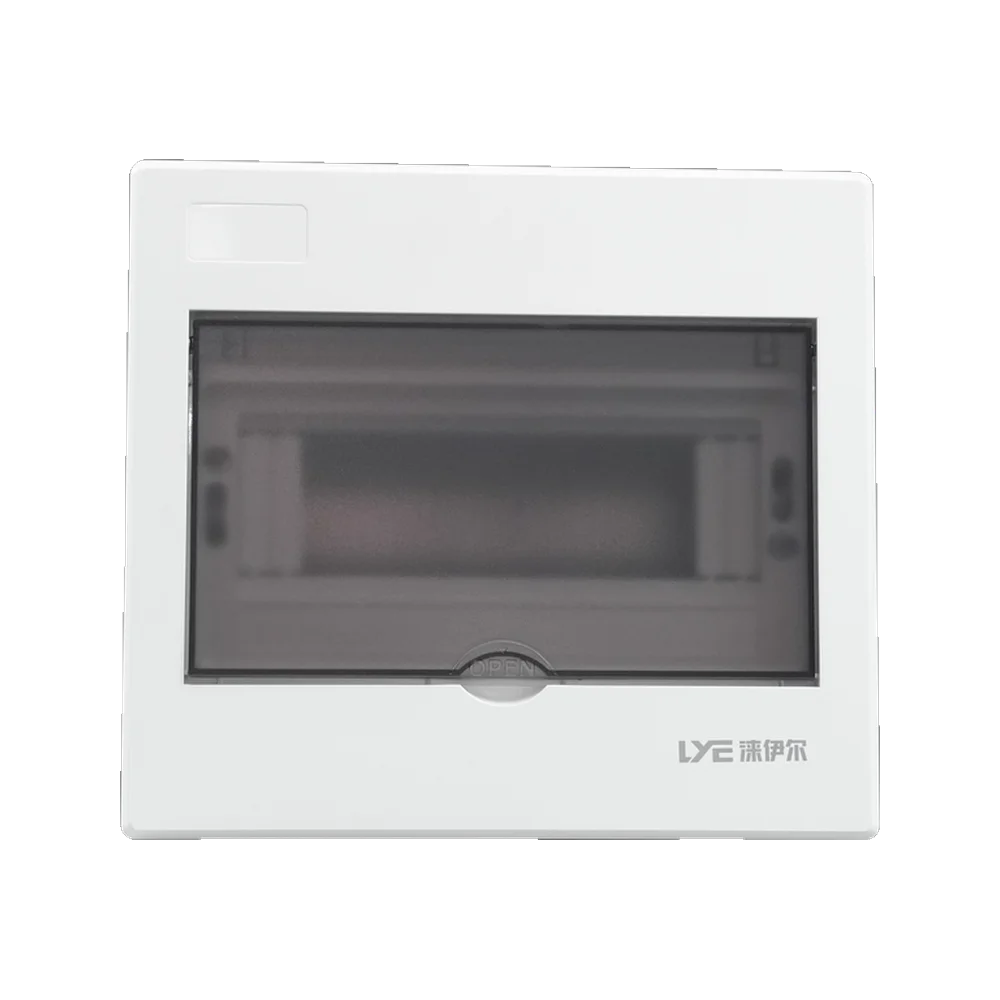
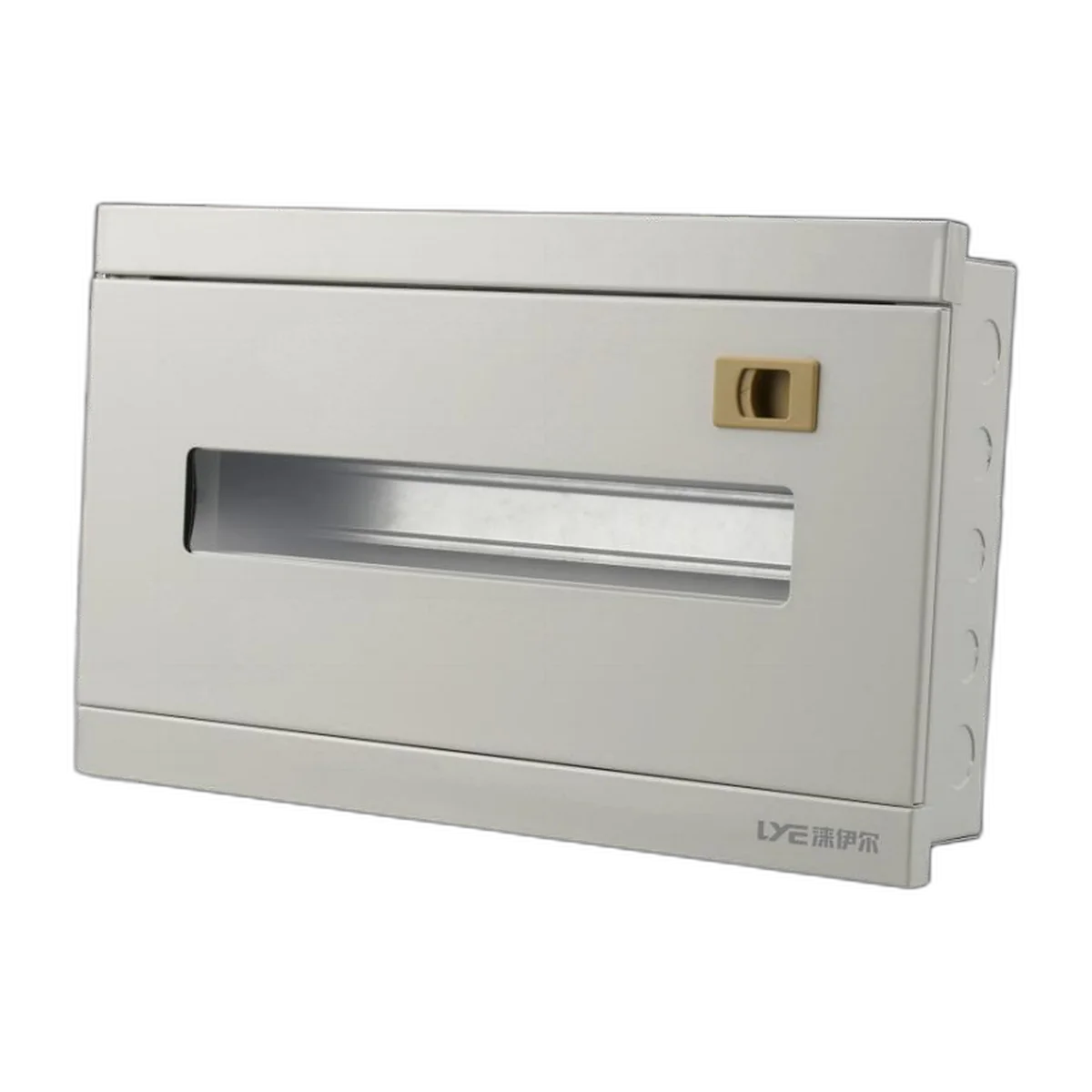
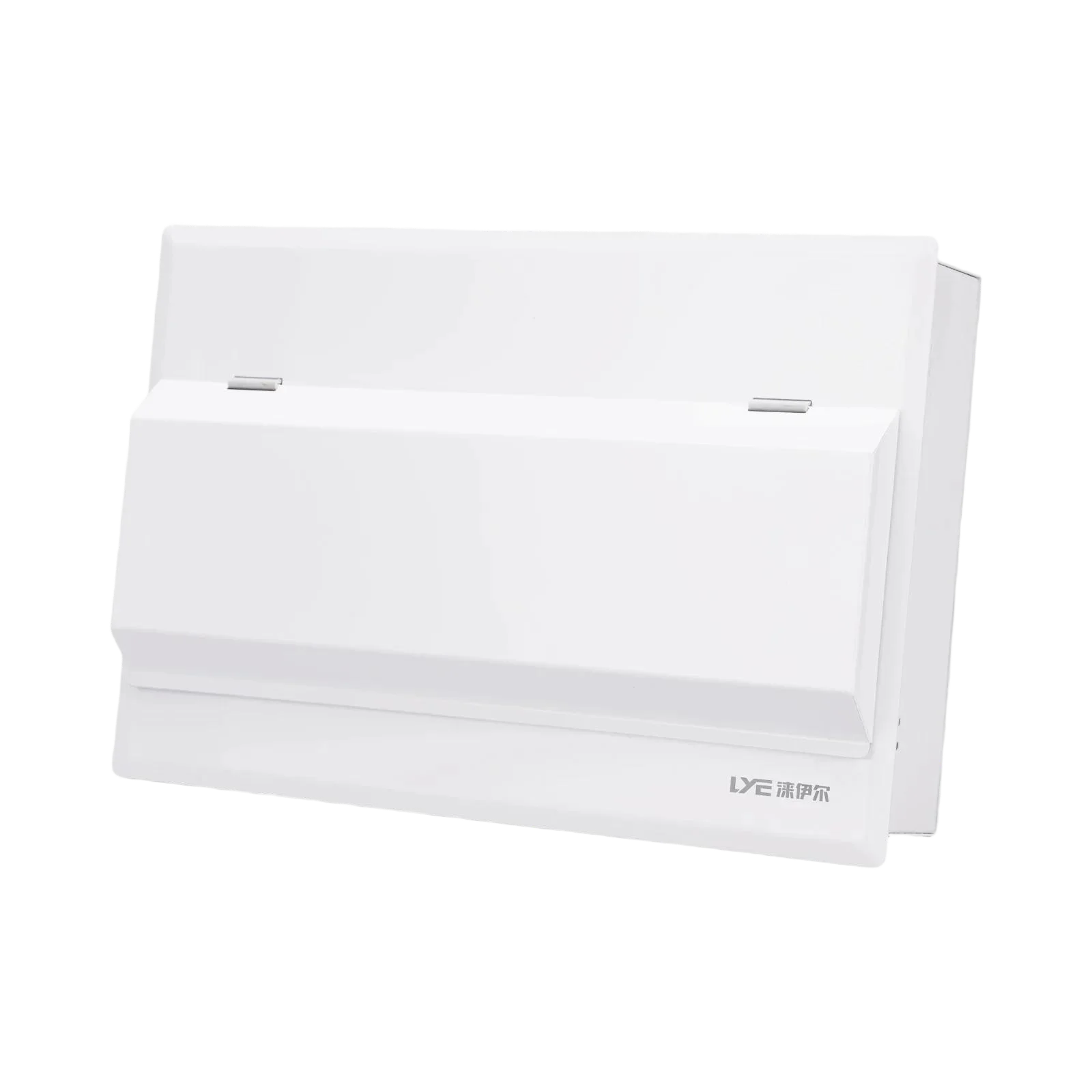
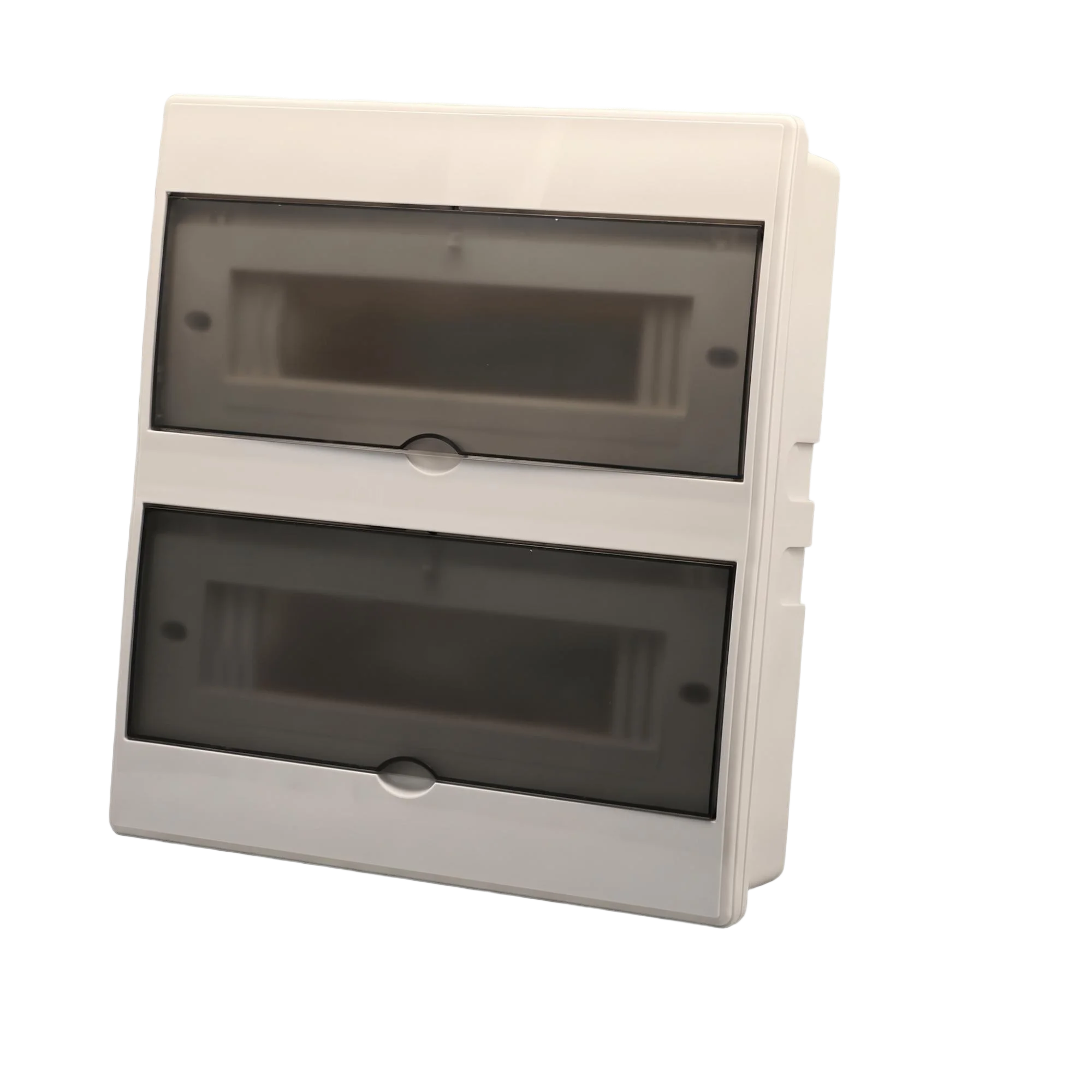
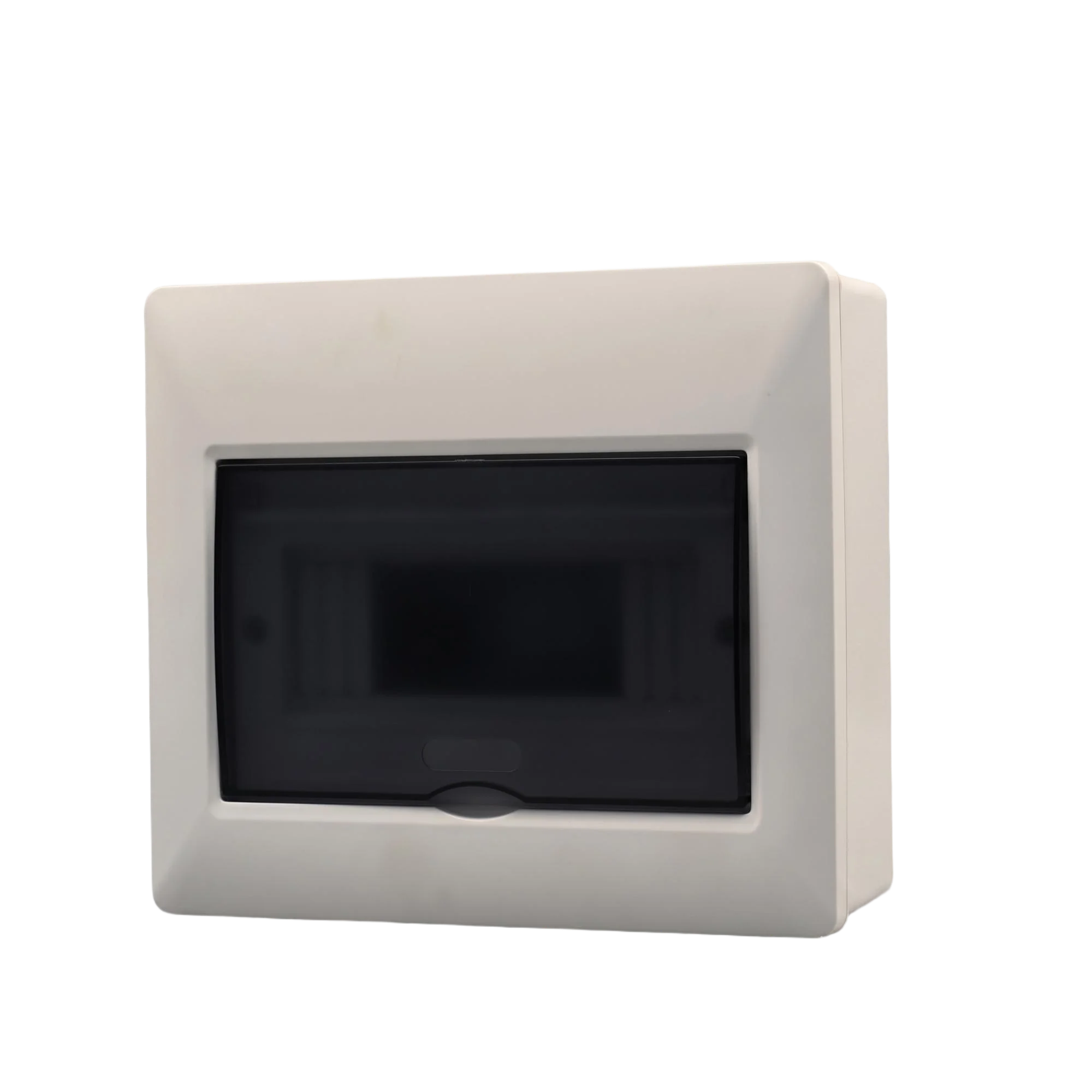
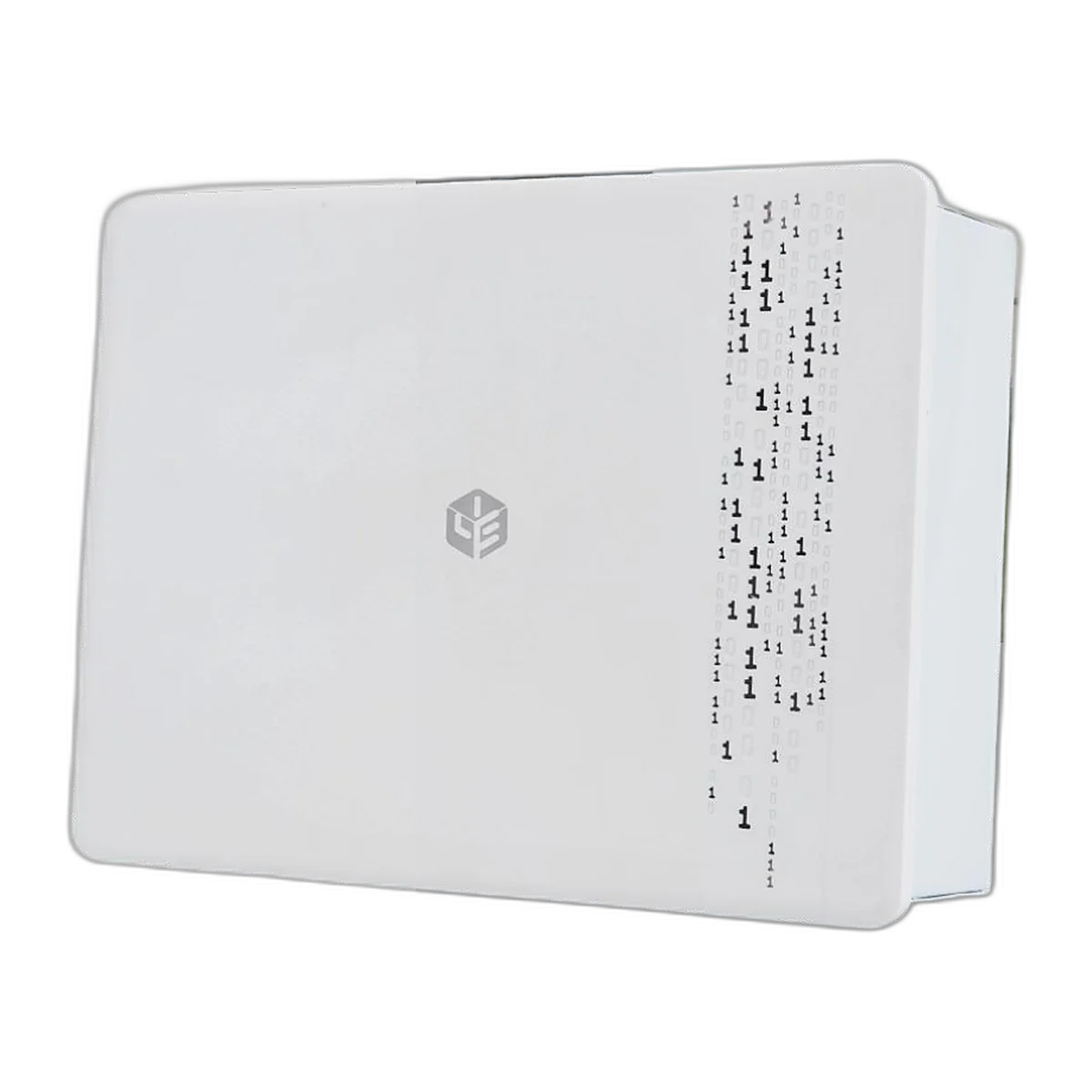
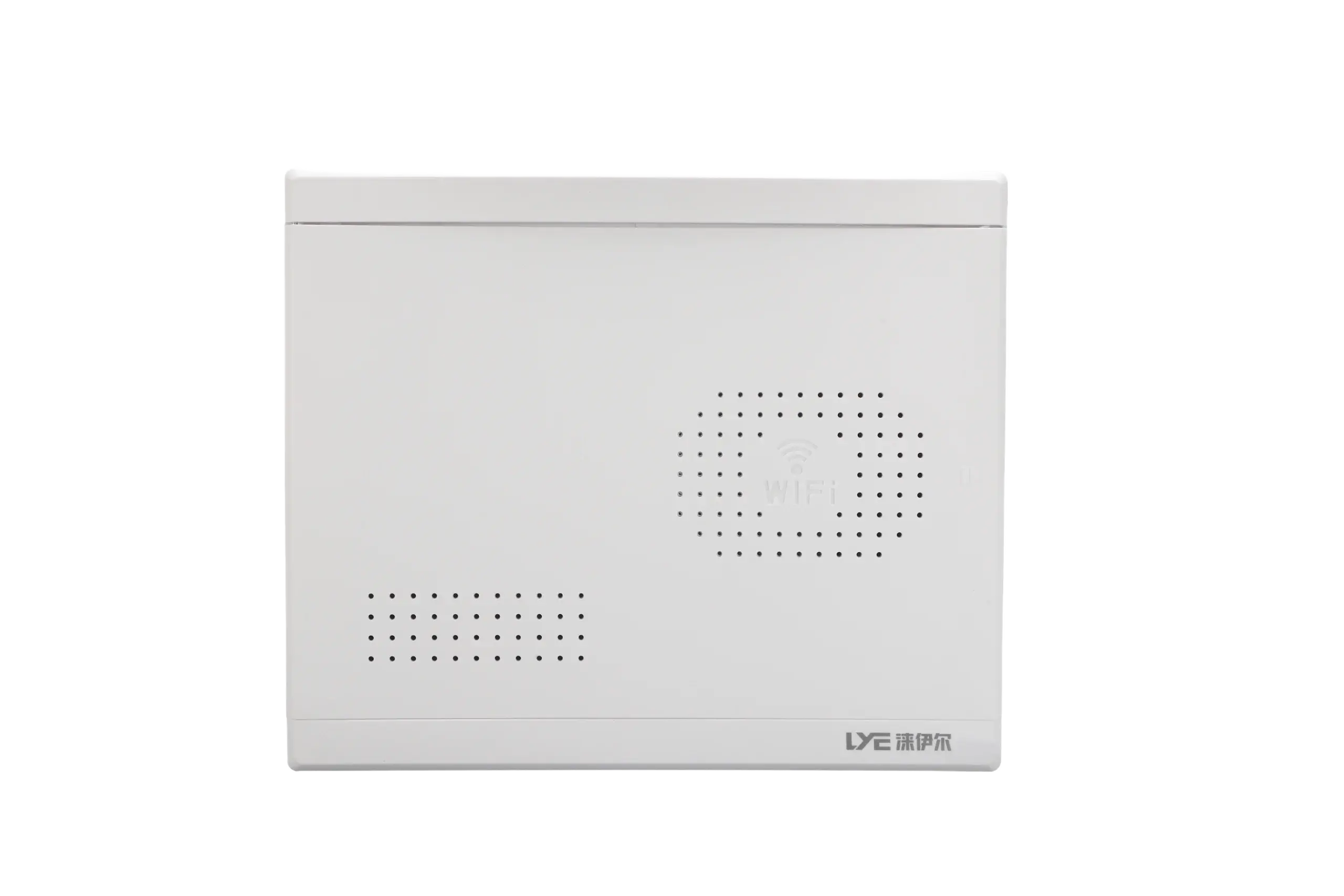
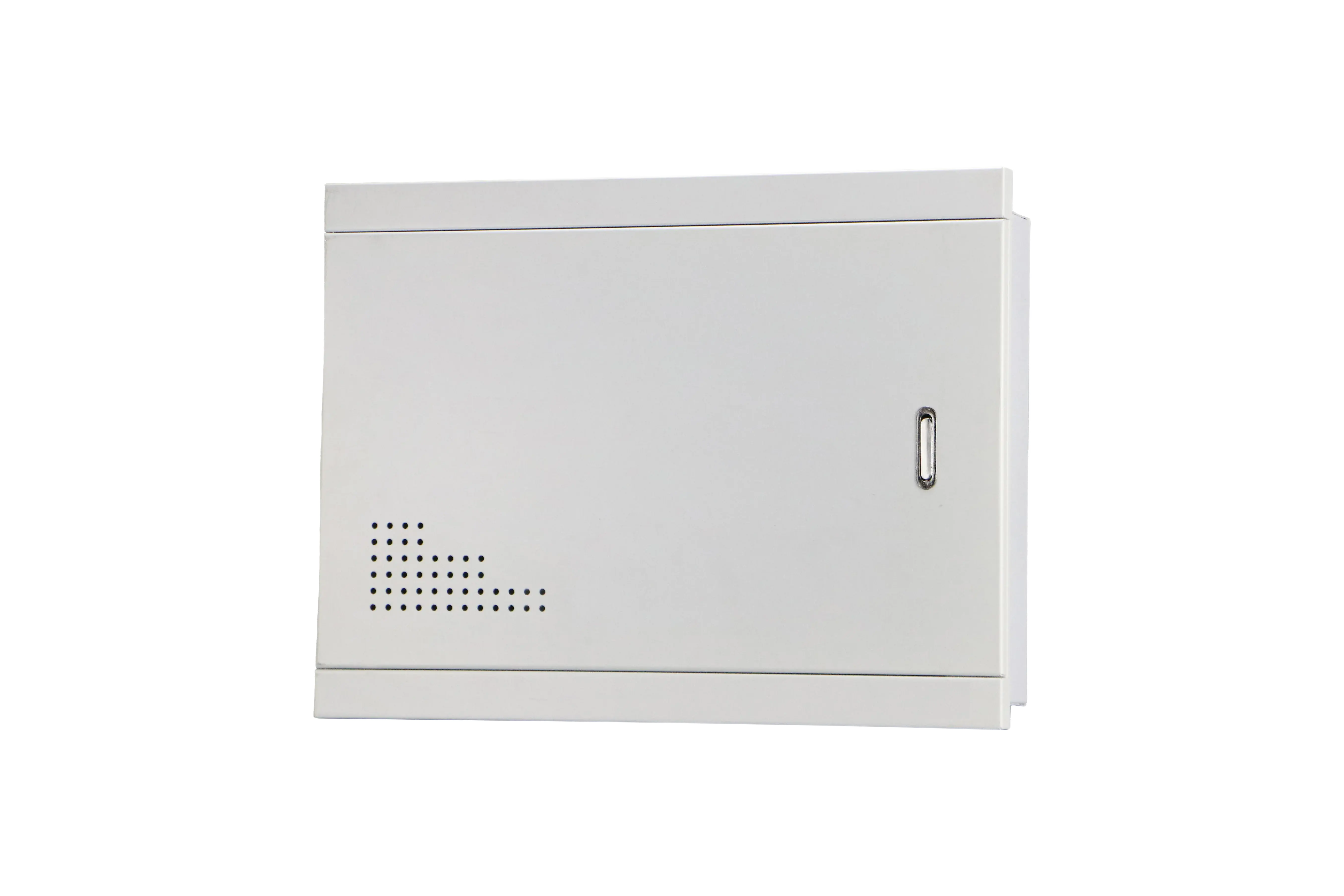
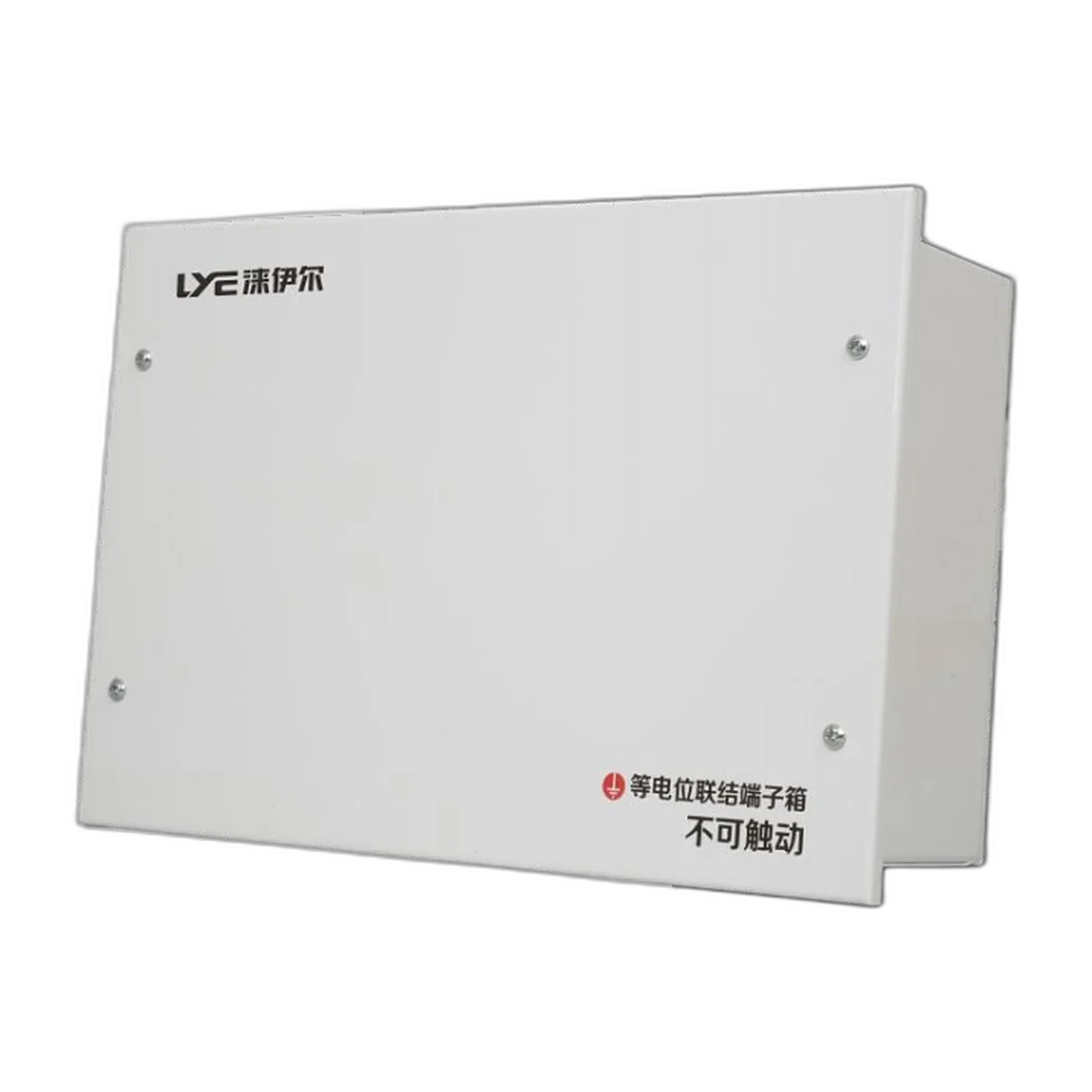
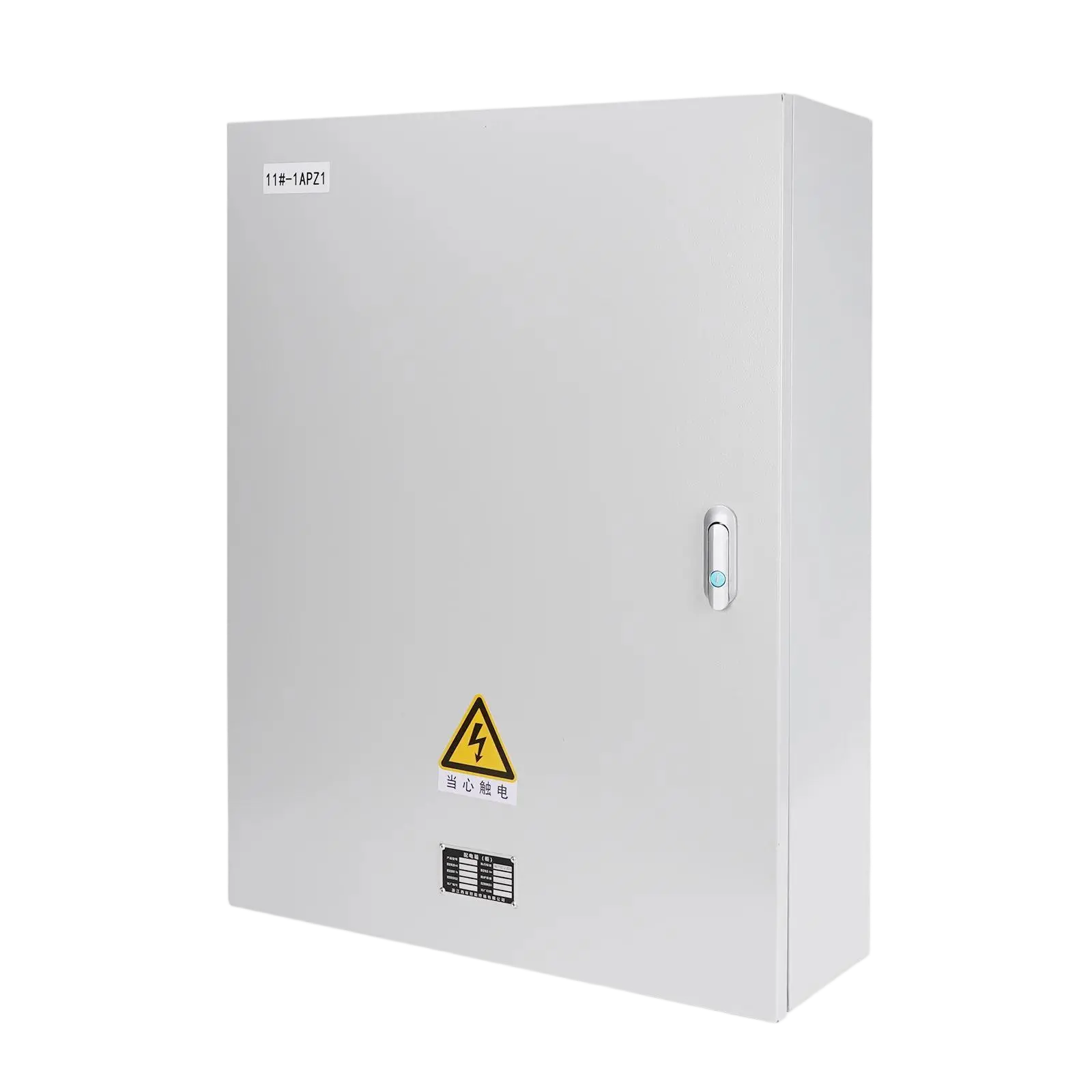
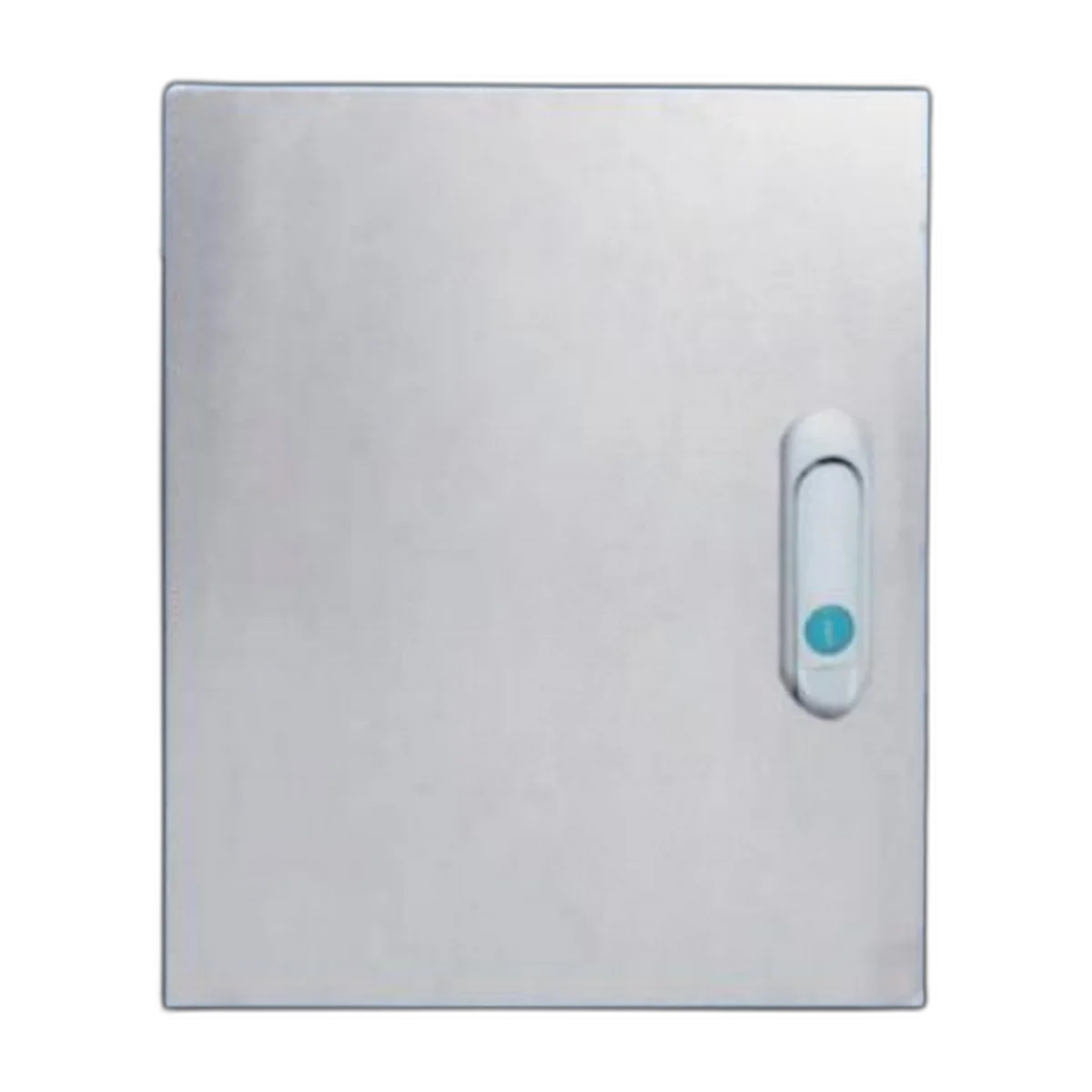
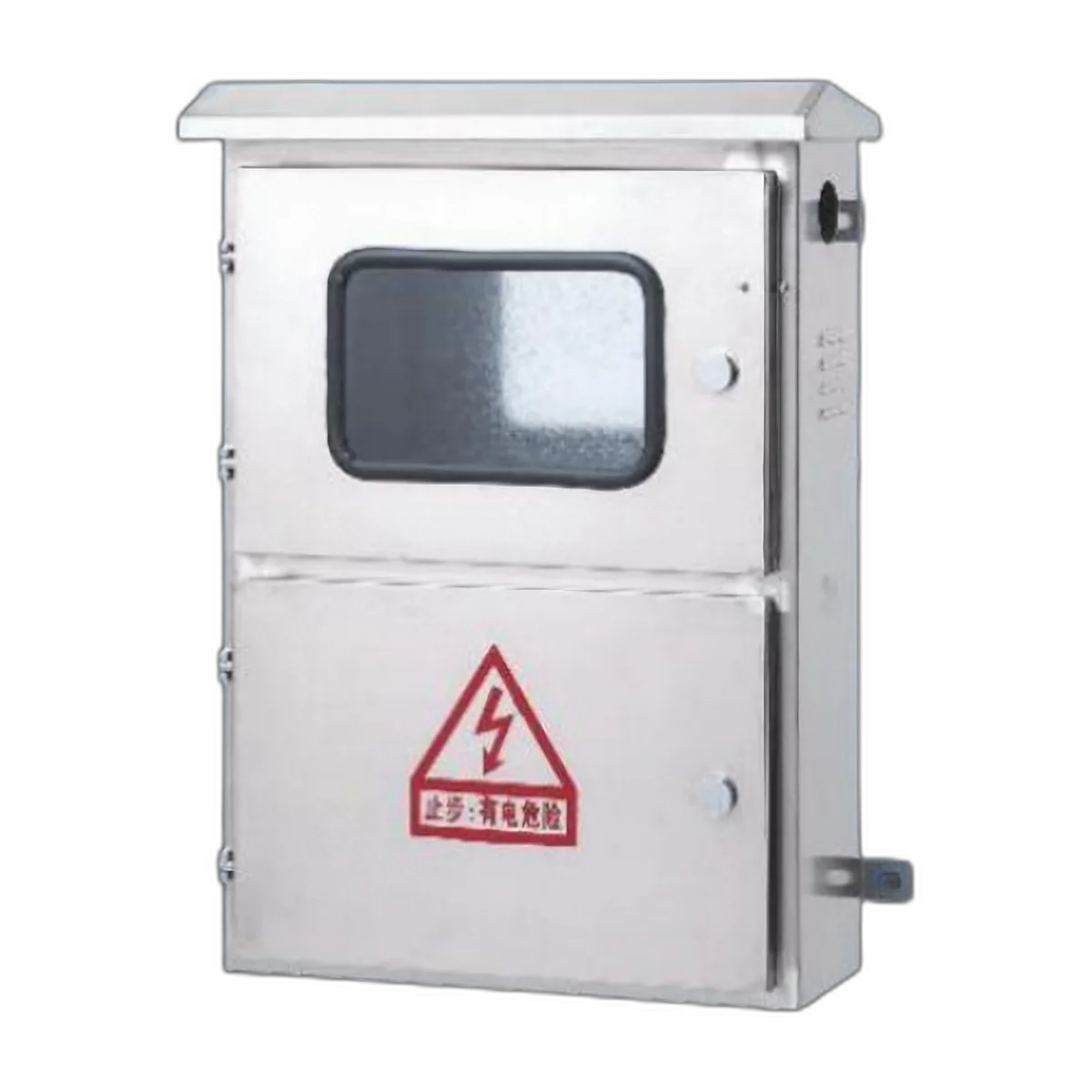
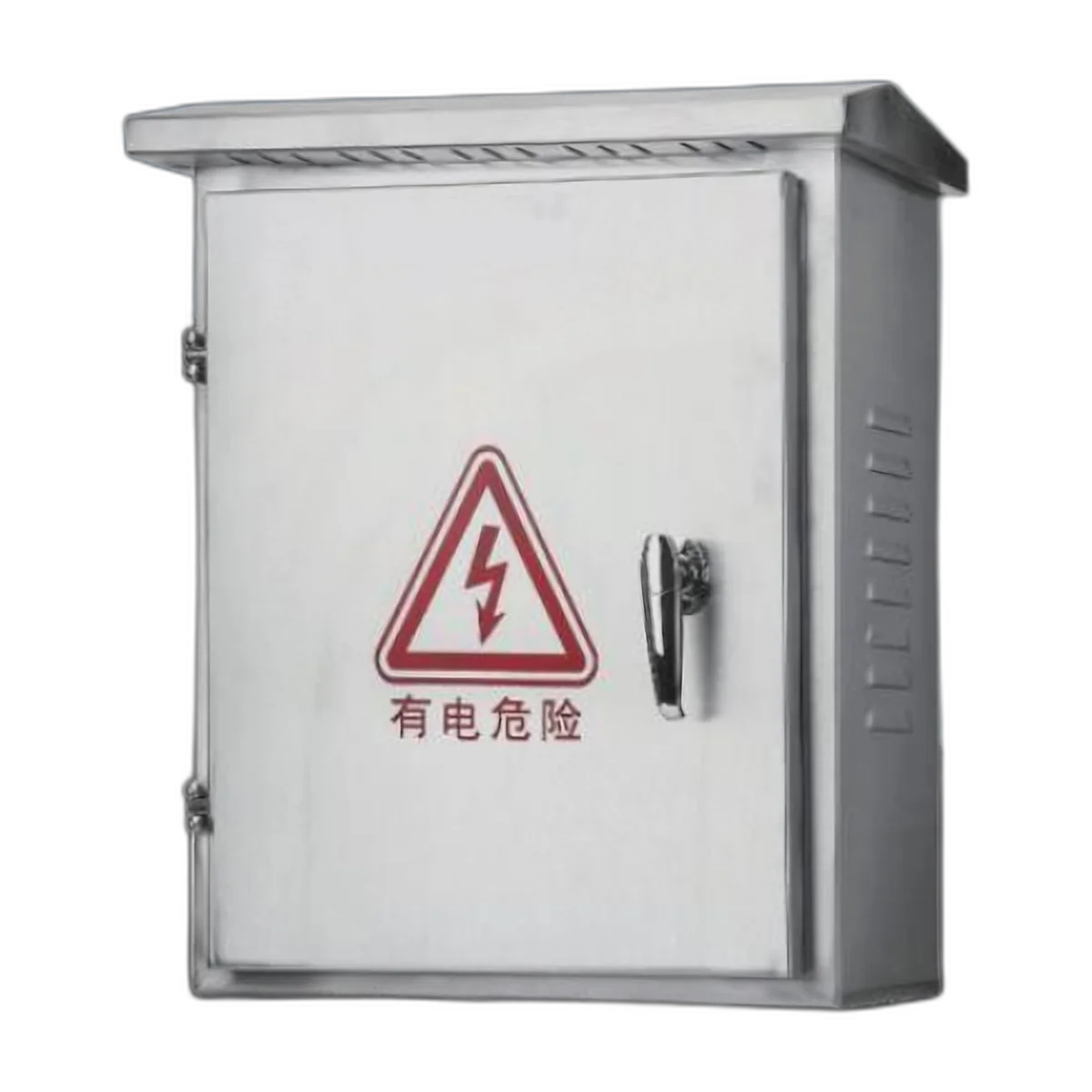
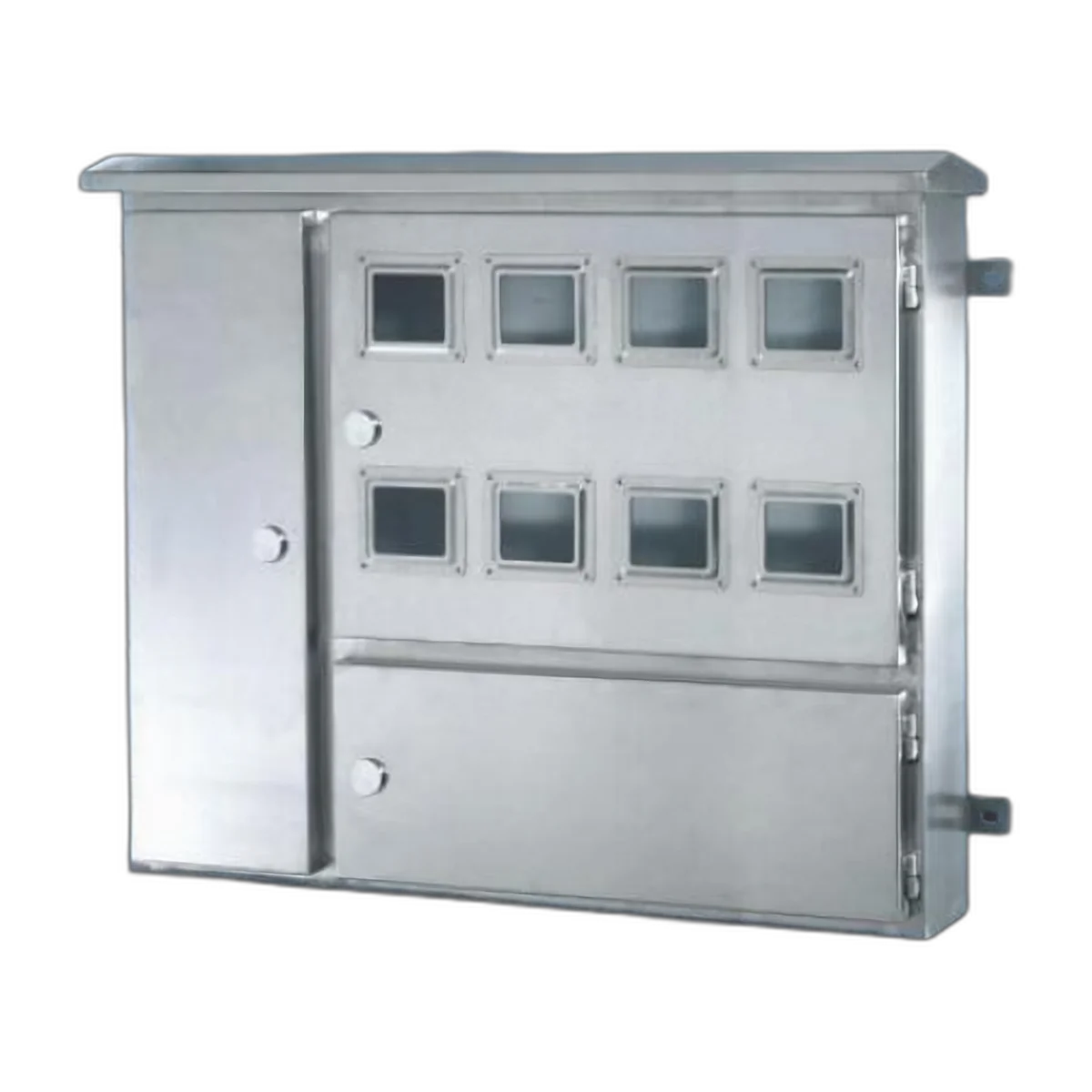
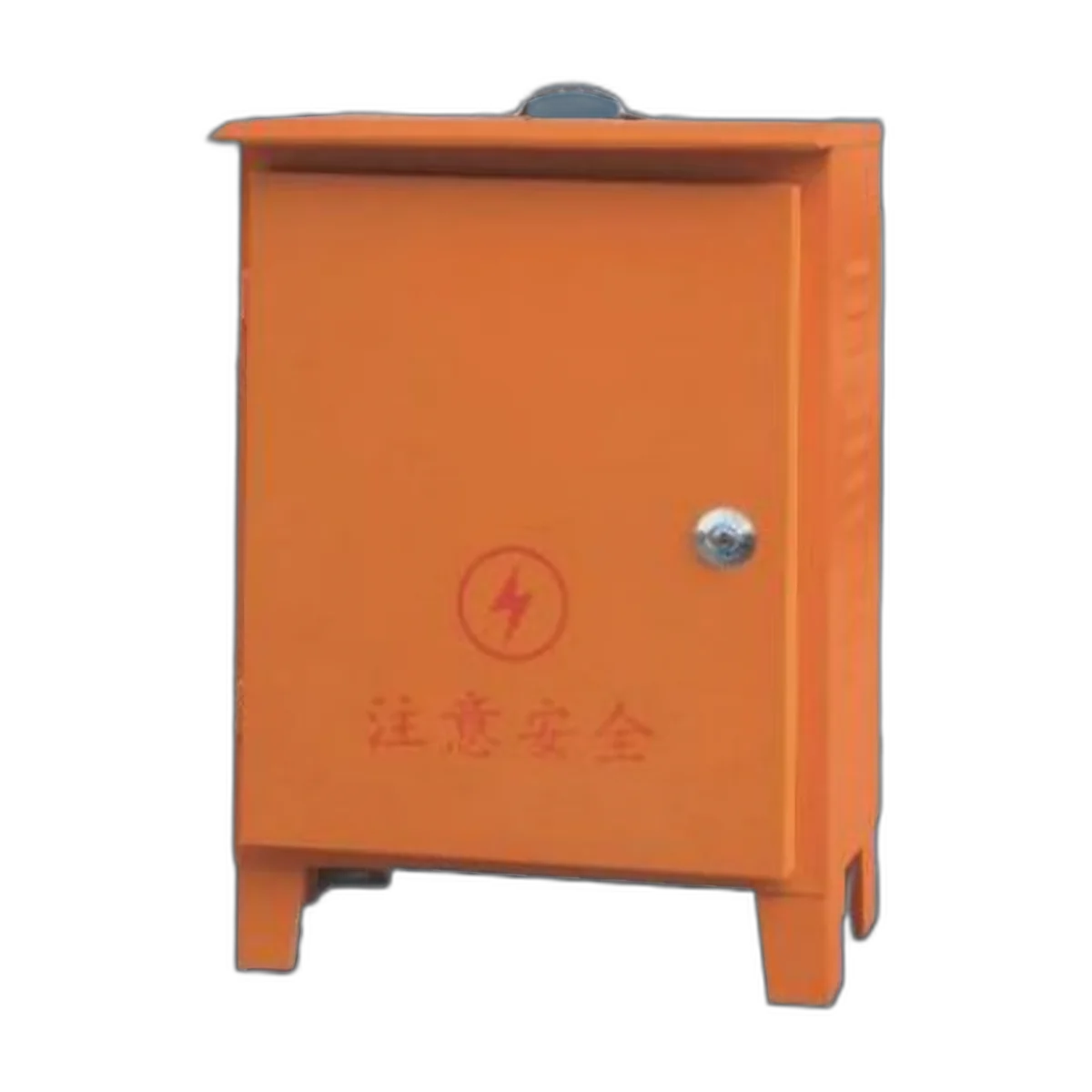
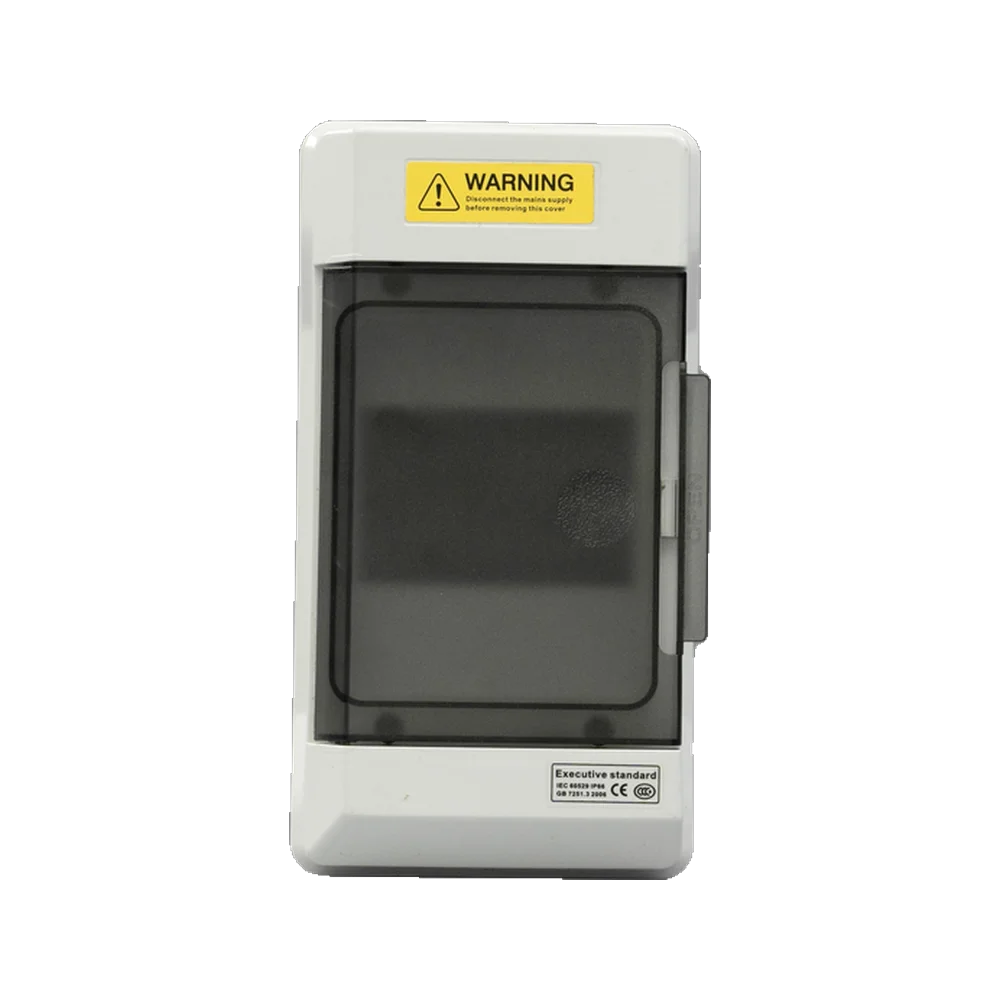
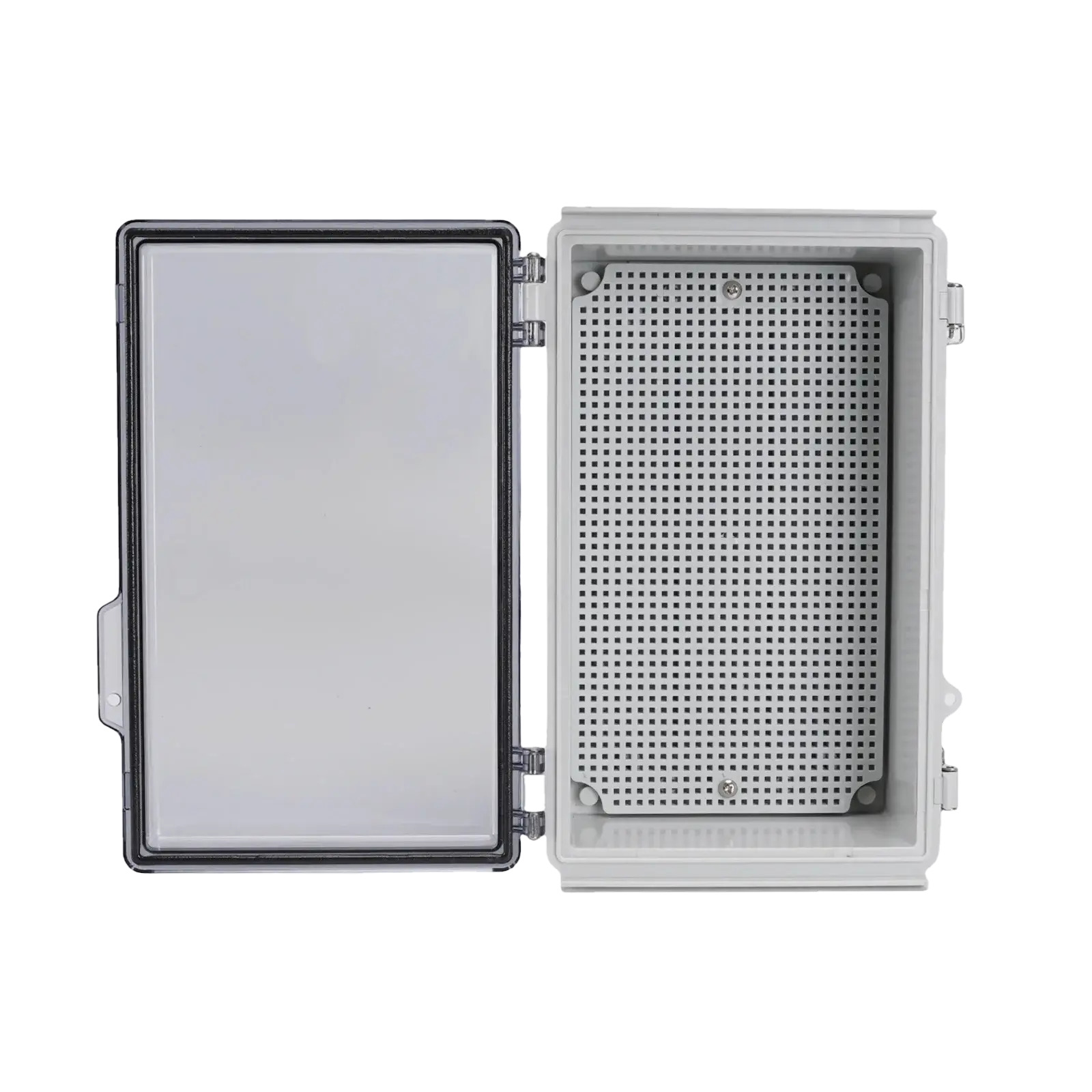
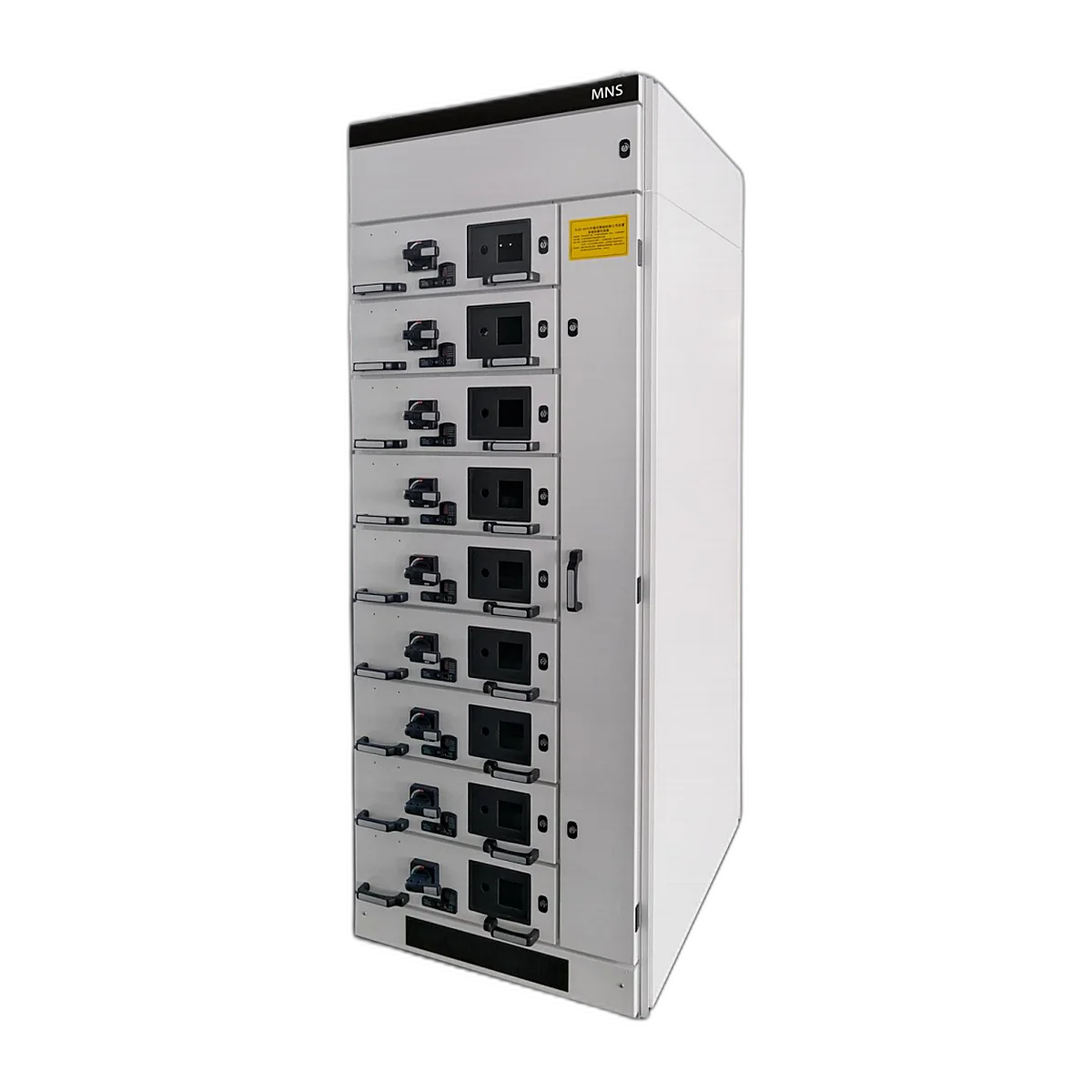
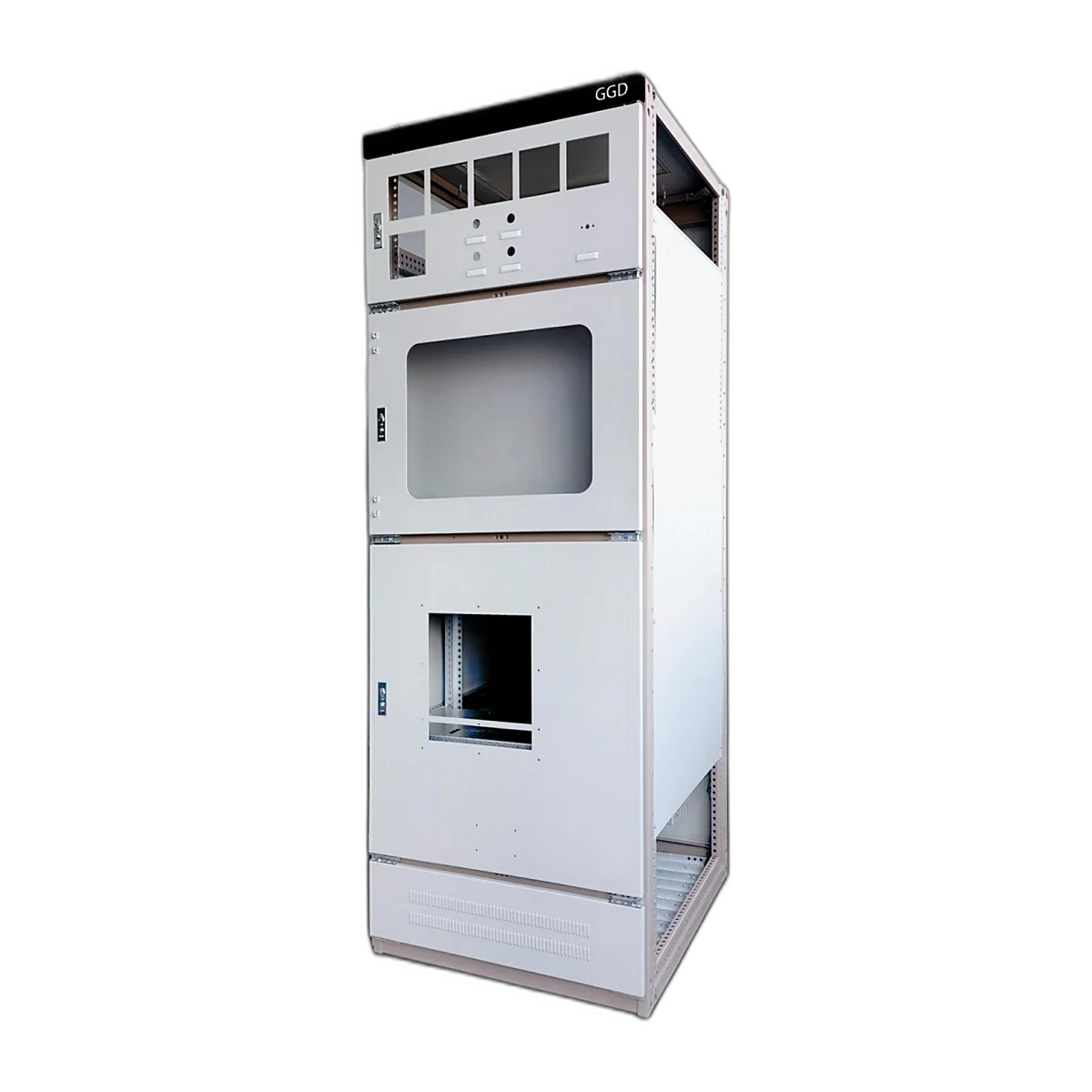
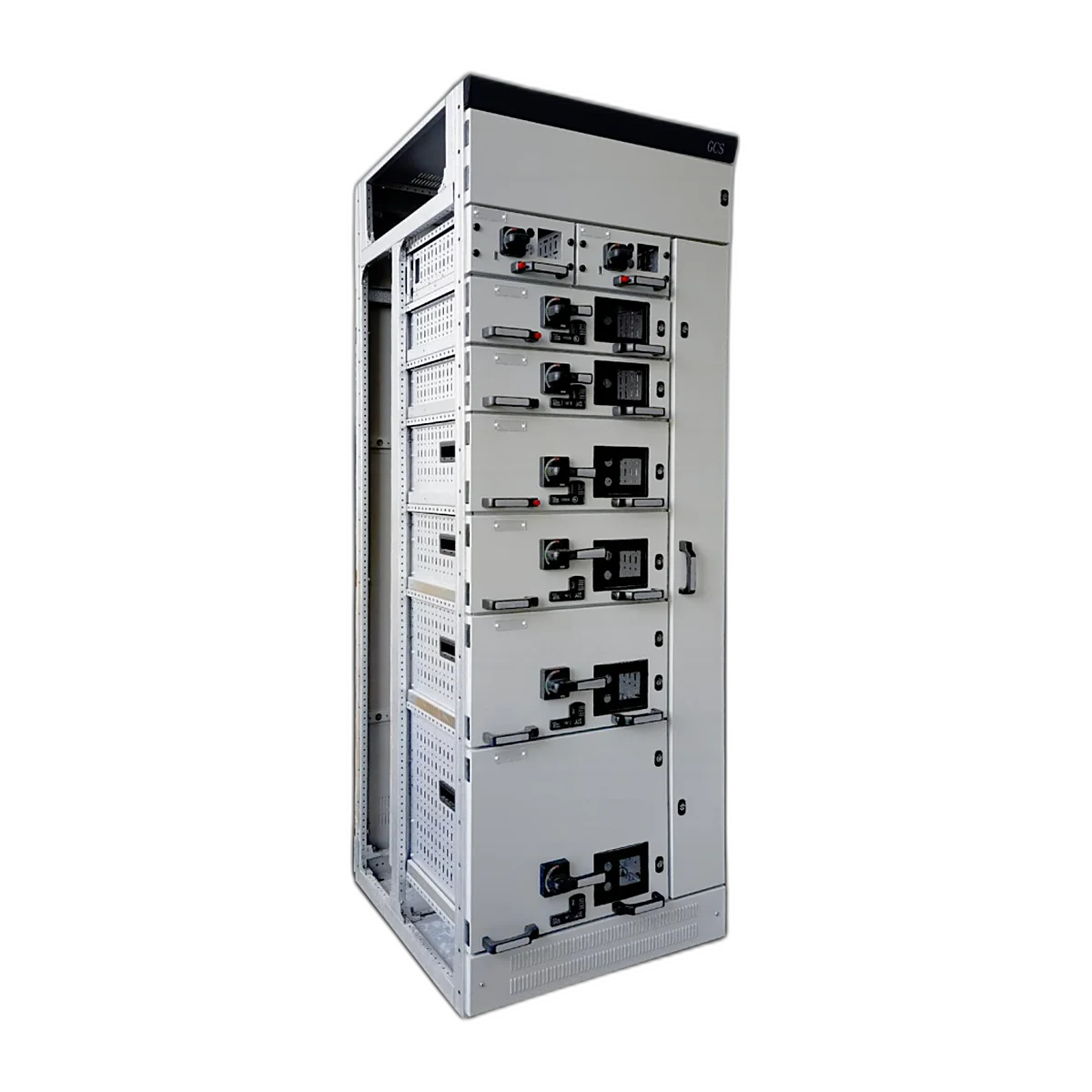
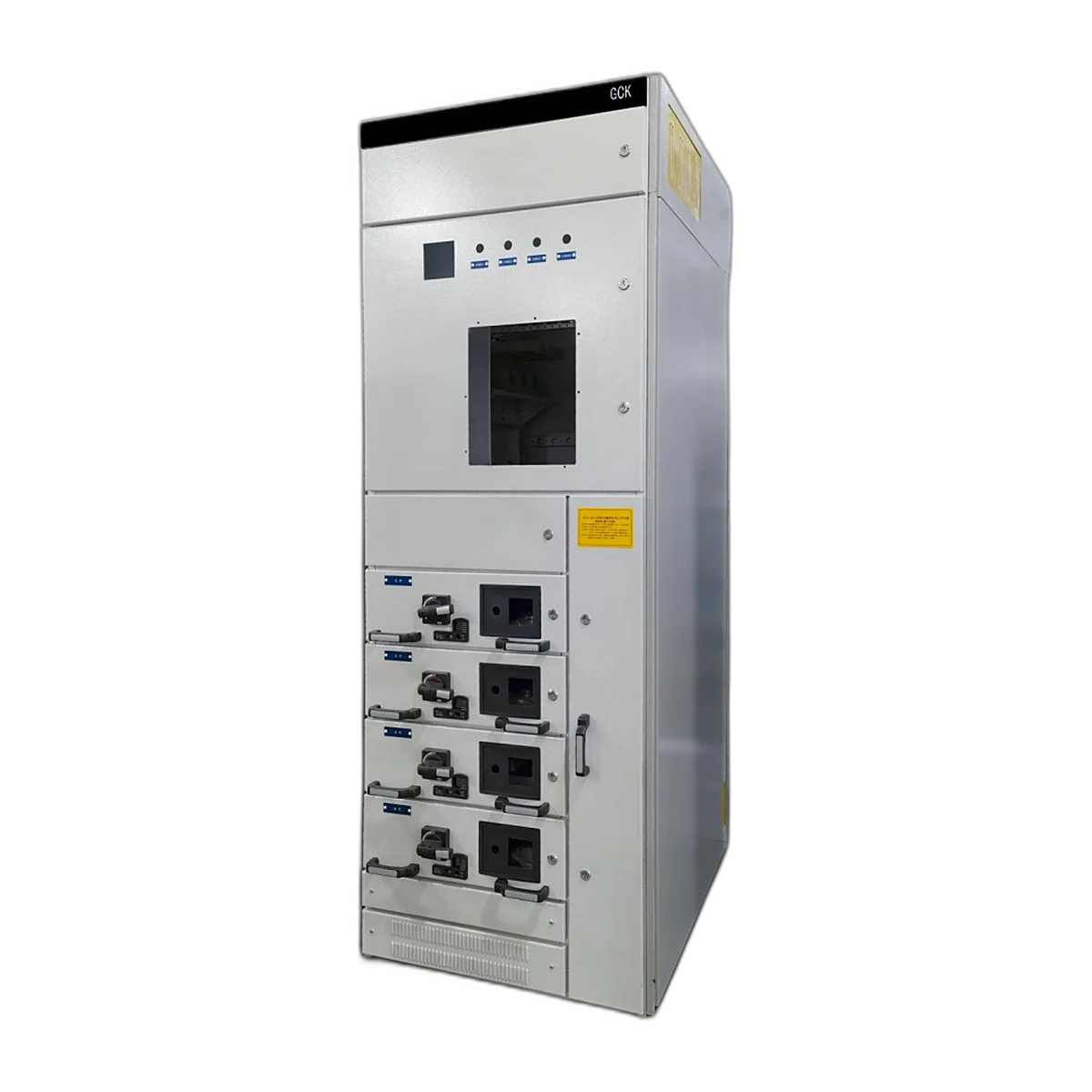
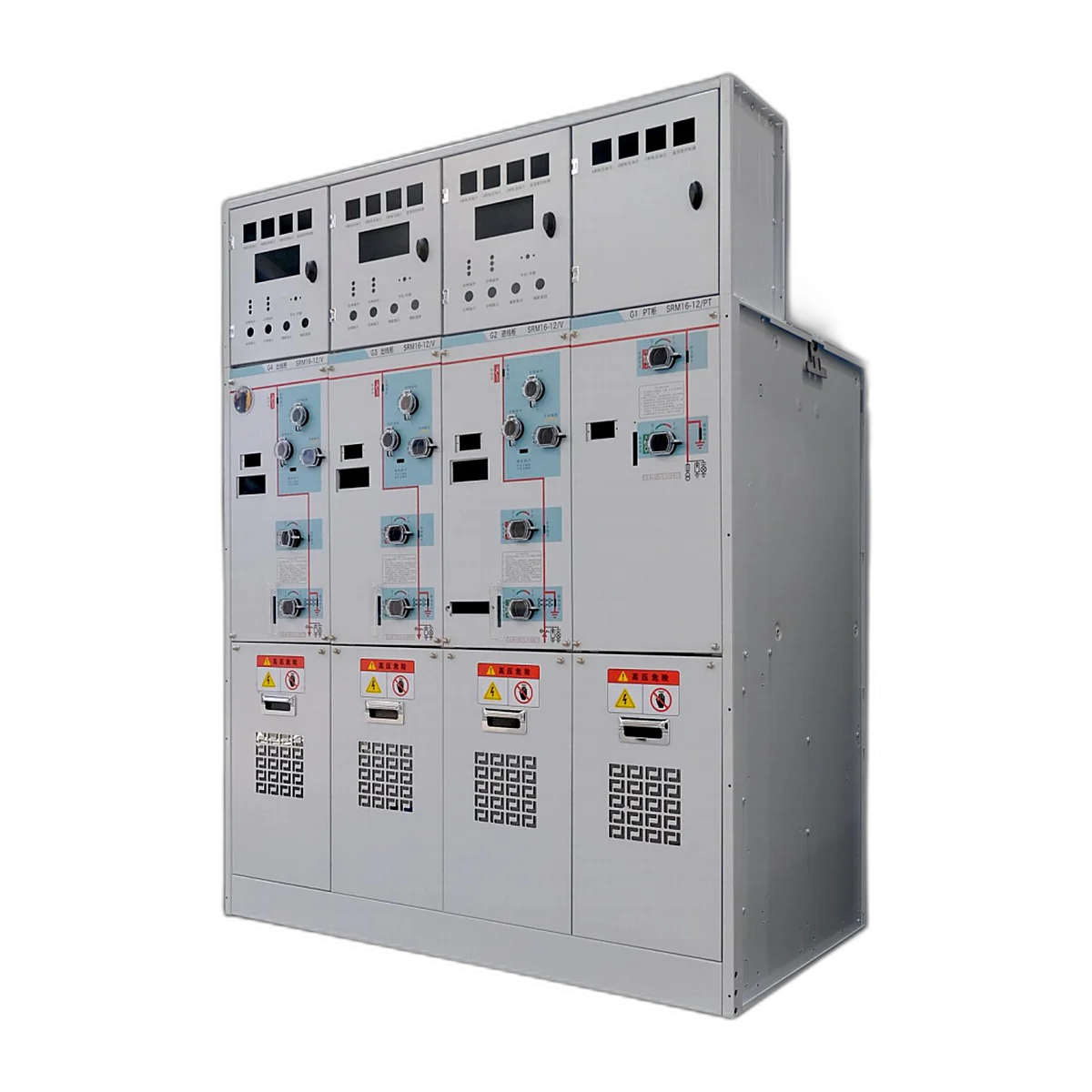
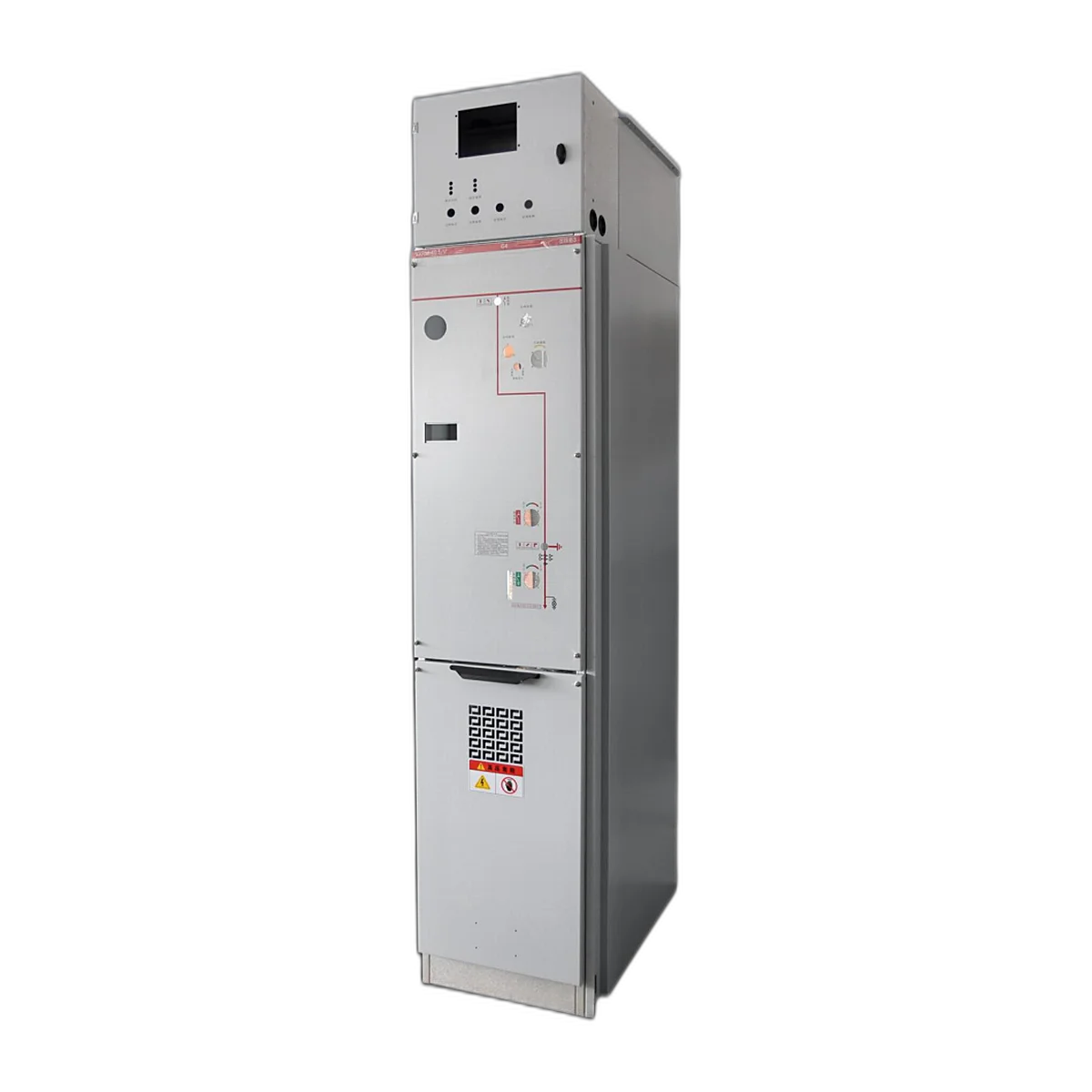
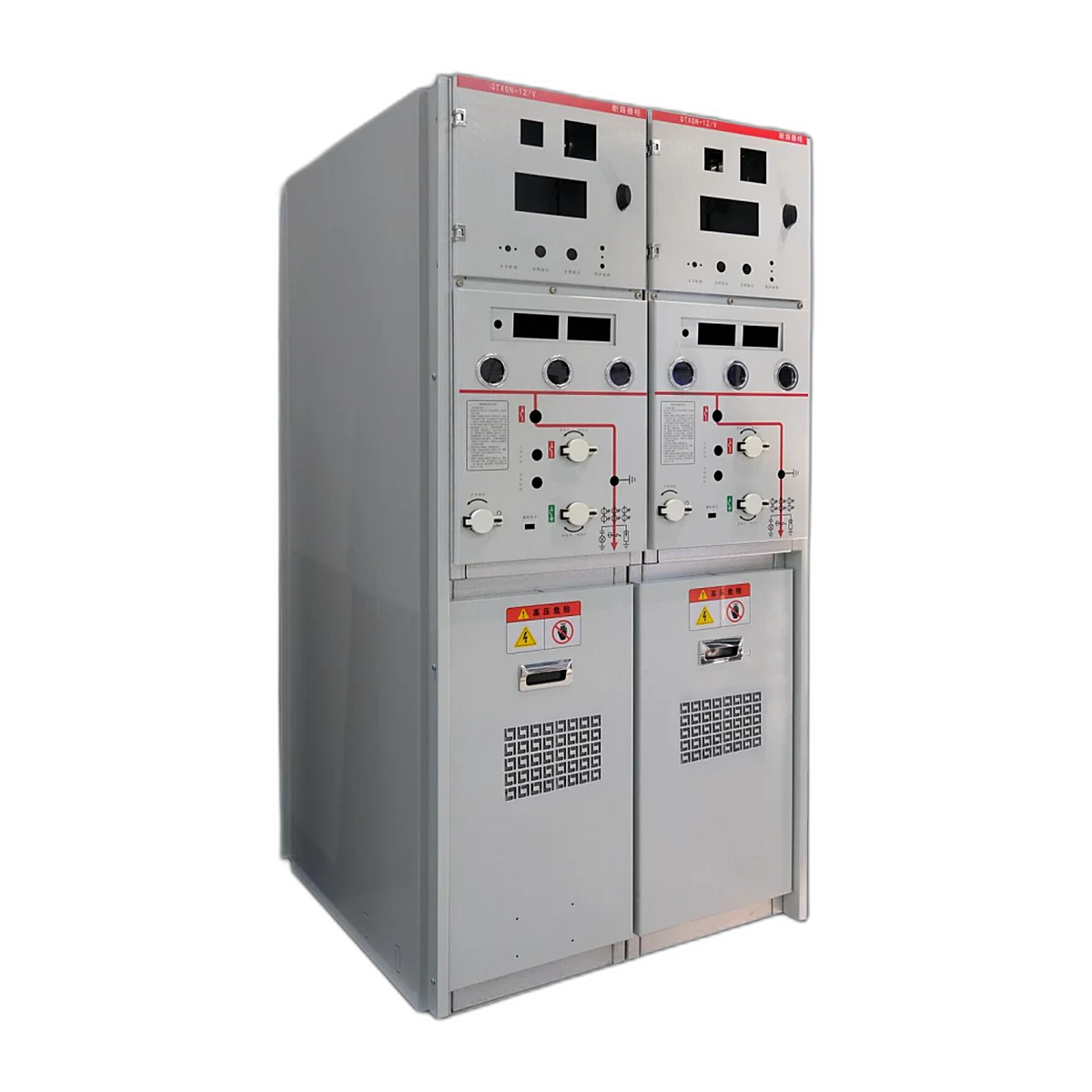
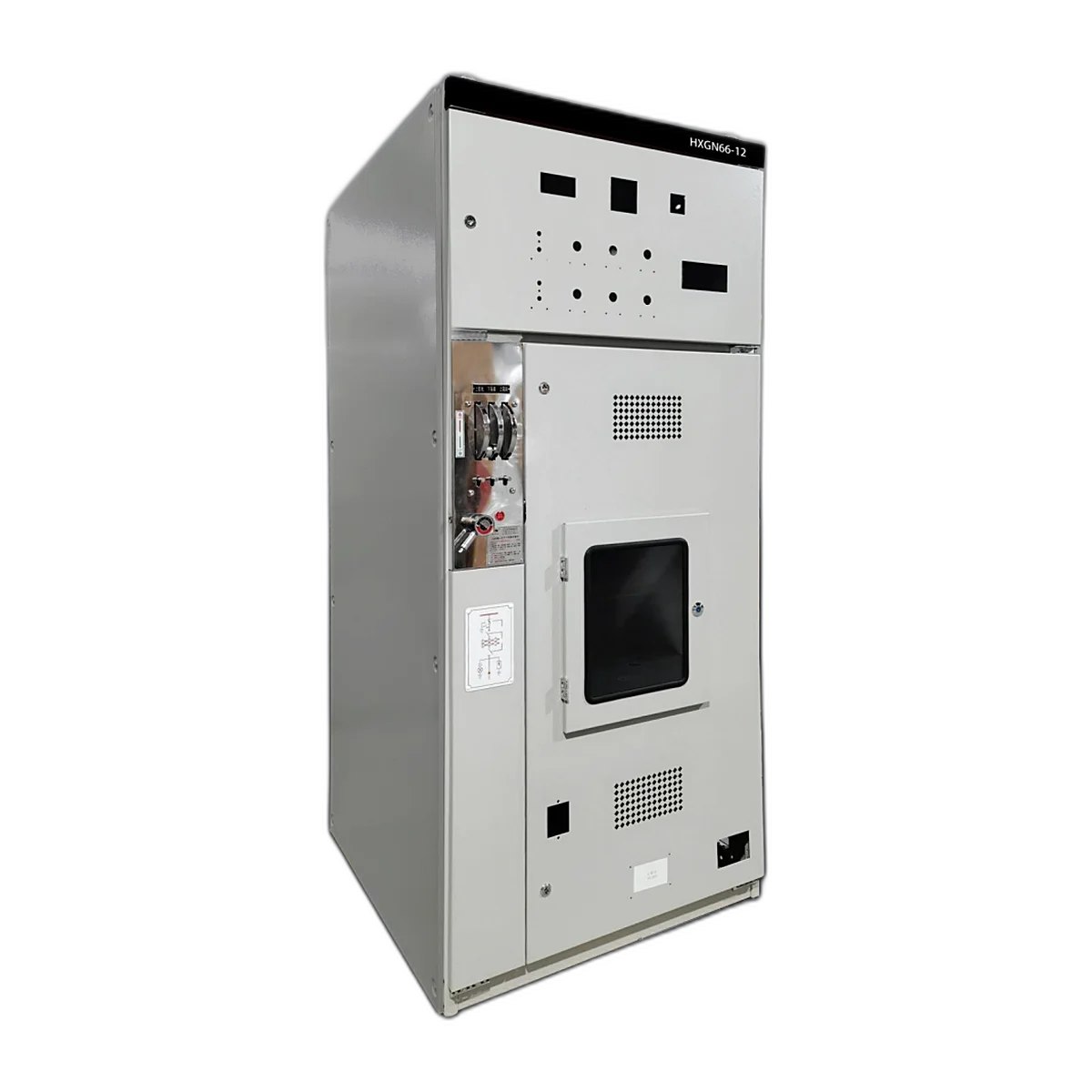
The three main sub-families within the enclosure product family are distribution and panel enclosures, weatherproof and outdoor enclosures and modular or terminal enclosures. Distribution and panel enclosures are the load centers, panel boards and cabinet enclosures that house the circuit breakers; while the weatherproof and outdoor enclosures have an IP rating and a gasketed door to protect against moisture ingress. Modular or terminal boxes are the modularized, DIN rail assembled enclosures used for metering or control purposes. The JXF metal distribution box is one of the most popular enclosures for contractors. It’s a folded steel design, with a removable steel cover that is used for both junction and distribution work on projects requiring an enclosure. Contractors typically purchase these in mixed pallets, or multiple boxes at once rather than single units.
The purchase order for the commercial contractor is tied to the project schedule and, therefore, has a specific date for delivery related to the construction sequence of the project. This means that a supplier who can provide the correct date on delivery can be awarded the work, even if their price is higher than competitors. Conversely, a lower quote with an ambiguous lead time is likely to lose out to other bidders.
Where the Enclosures Come From, and Why It Matters
Most enclosures installed in Utah are manufactured in either the United States or imported from China. This ratio varies according to how the project specs are written. Projects with UL-listed enclosures require that they be made in the U.S. Projects spec’d with performance but allowing imported enclosures typically will cost between 30 and 50 percent less for the same rating as a domestic factory.
While the steel used for both domestic and imported enclosures is similar, the most significant difference between them is the supporting documentation and the time required to get them delivered. Domestic manufacturers provide a UL file number, will typically provide a short lead time and will have a local representative who will go to the job site to check the installation. An import program offers a cheaper price point, but requires the buyer to handle all aspects of managing the specs, certification and freight. Contractors will evaluate the trade-offs differently in each case. Big companies have a department for procurement, so they are able to set up an import program. A business that employs fewer than 25 people cannot do this and has to pay premium prices domestically because if they miss a delivery, it costs them more than the profit margin.
Lead Times and the Utah Construction Calendar
Lead times for catalog enclosures are from 2 to 8 weeks; custom assemblies are from 8 to 16 weeks. These numbers have improved since 2022, but have not recovered to the pre-COVID norm in 2019 of 2 weeks because the steel mills and powder coating facilities are not yet operating at their pre-COVID capacity.
Another special element that the Utah construction calendar has to deal with is that during the winter (December through March), construction of anything that is an external product in the northern valley slows down, and contractors will instead schedule interior fit-outs during this time, and then do their exterior work during the summer. An enclosure that is ordered in July for exterior assembly could sit there unused until next spring, and one that is ordered in December for an interior fit-out is late.
As a practical suggestion to suppliers regarding this point, suppliers should ask what phase of the job the product is for, rather than what date the contractor needs it by as an indication of when it is needed. Typically, when a contractor states “ASAP,” they are in essence telling the supplier that the project has run behind schedule.
Price Bands for the Products They Install
The following chart provides examples of distributor pricing for product families that Utah Contractors typically purchase most frequently. Both custom sizes and stainless steel versions are outside of the price point bands shown.
The table below summarizes examples of electronic boxes and their various uses in construction.
| Product | Price | Lead time | Used as |
|---|---|---|---|
| 4 in × 4 in steel junction box | $2 to $6 | Stock | Every ceiling electrical splice in commercial buildings |
| 300 mm × 400 mm metal distribution box | $25 to $60 | 1 to 3 weeks | Sub-distribution or a small plant room |
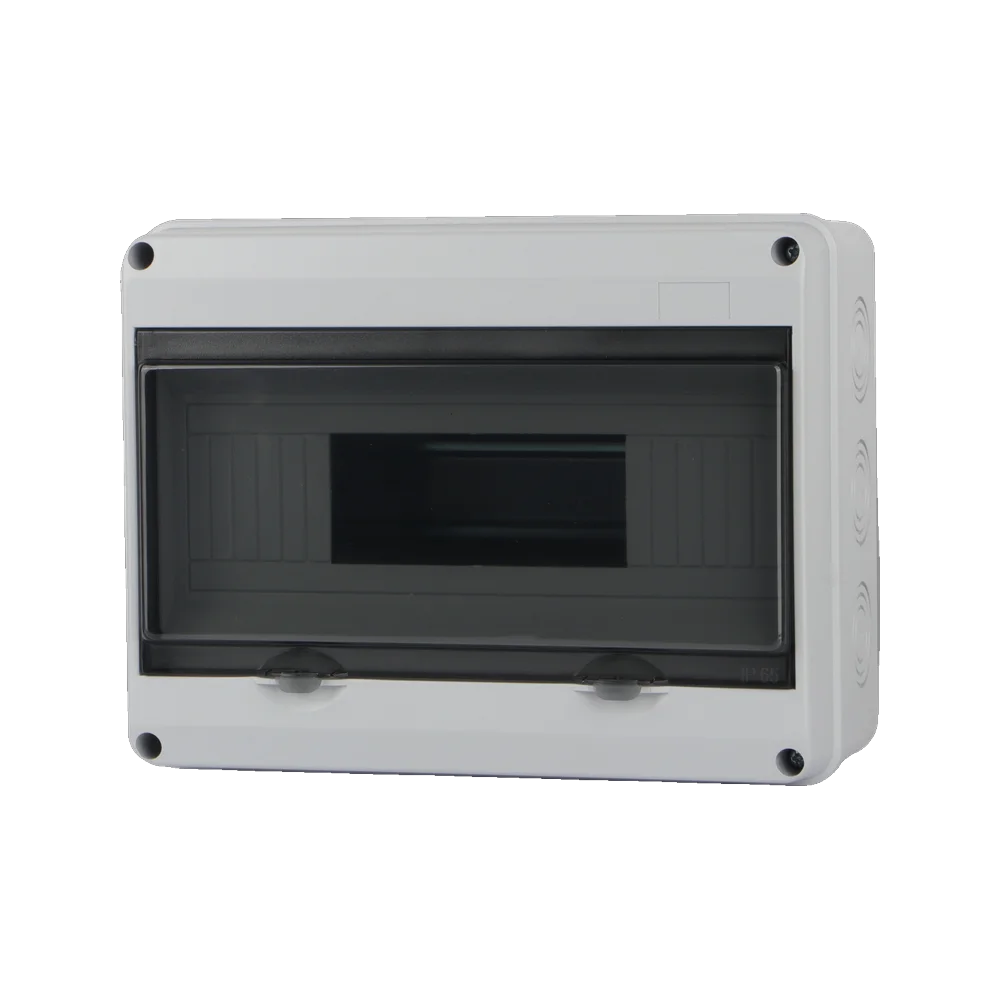
| 12 to 24 module plastic IP65 enclosure | $20 to $55 | 1 to 2 weeks | Wet or dusty environment |
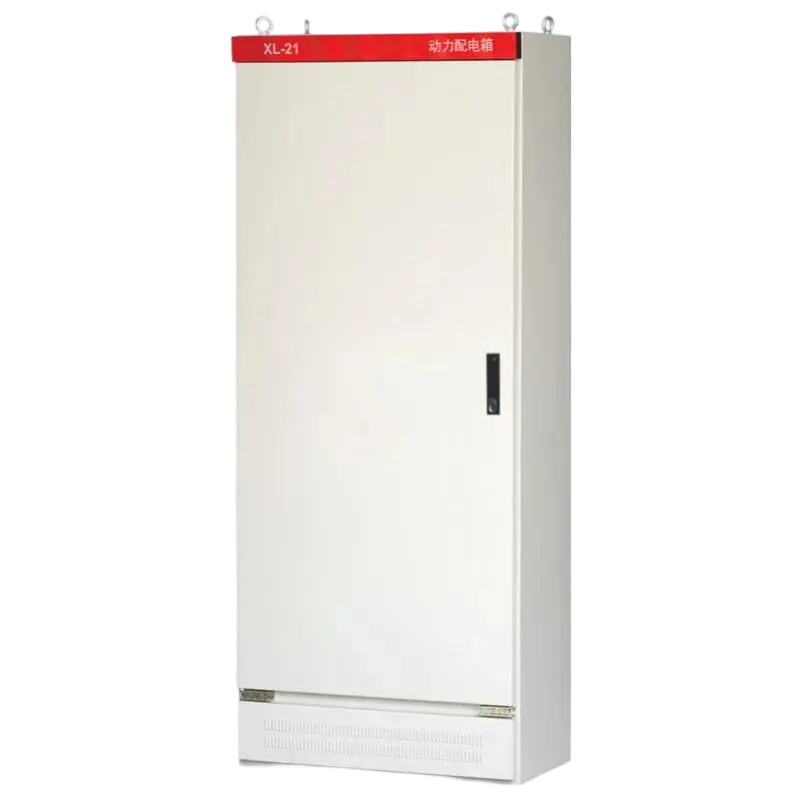
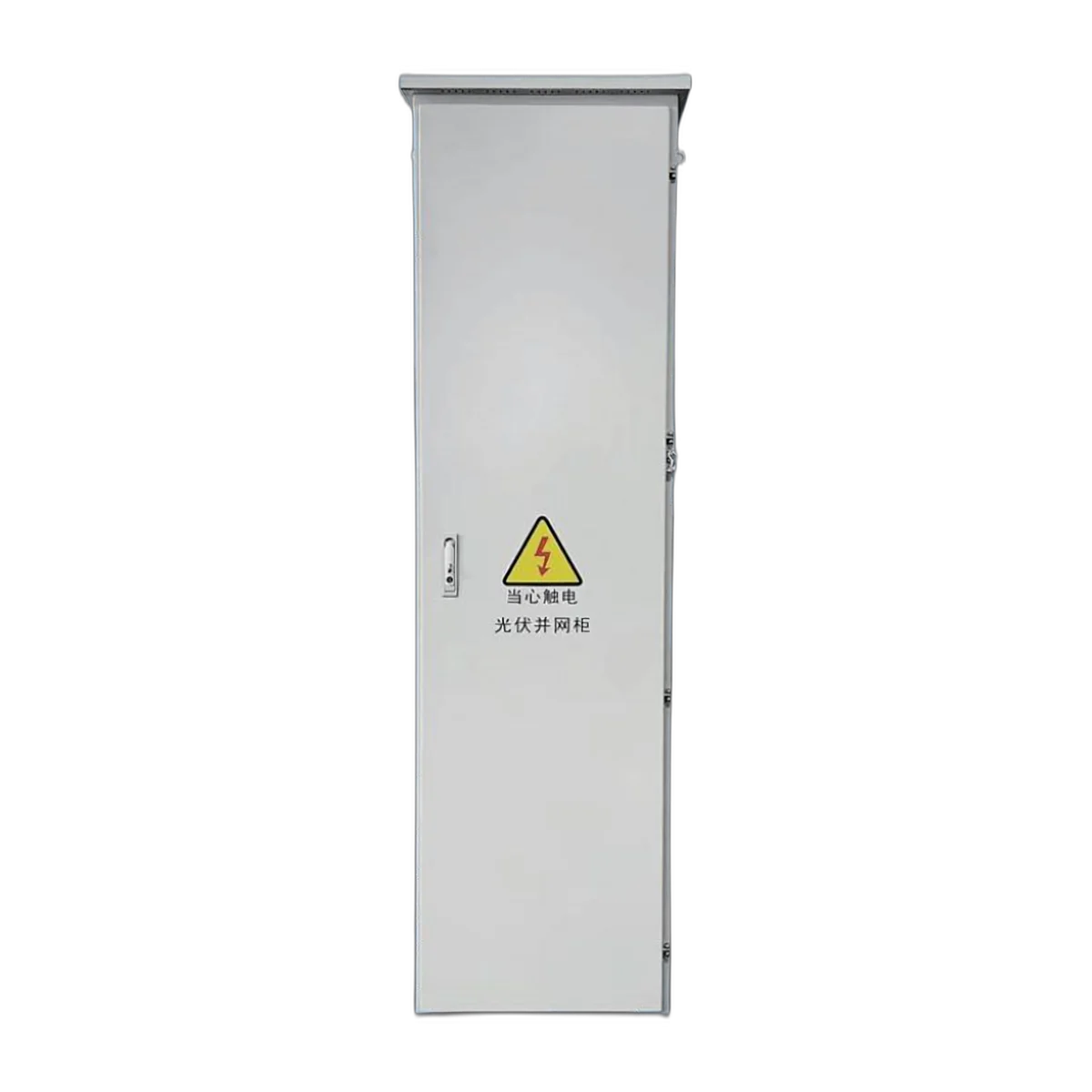
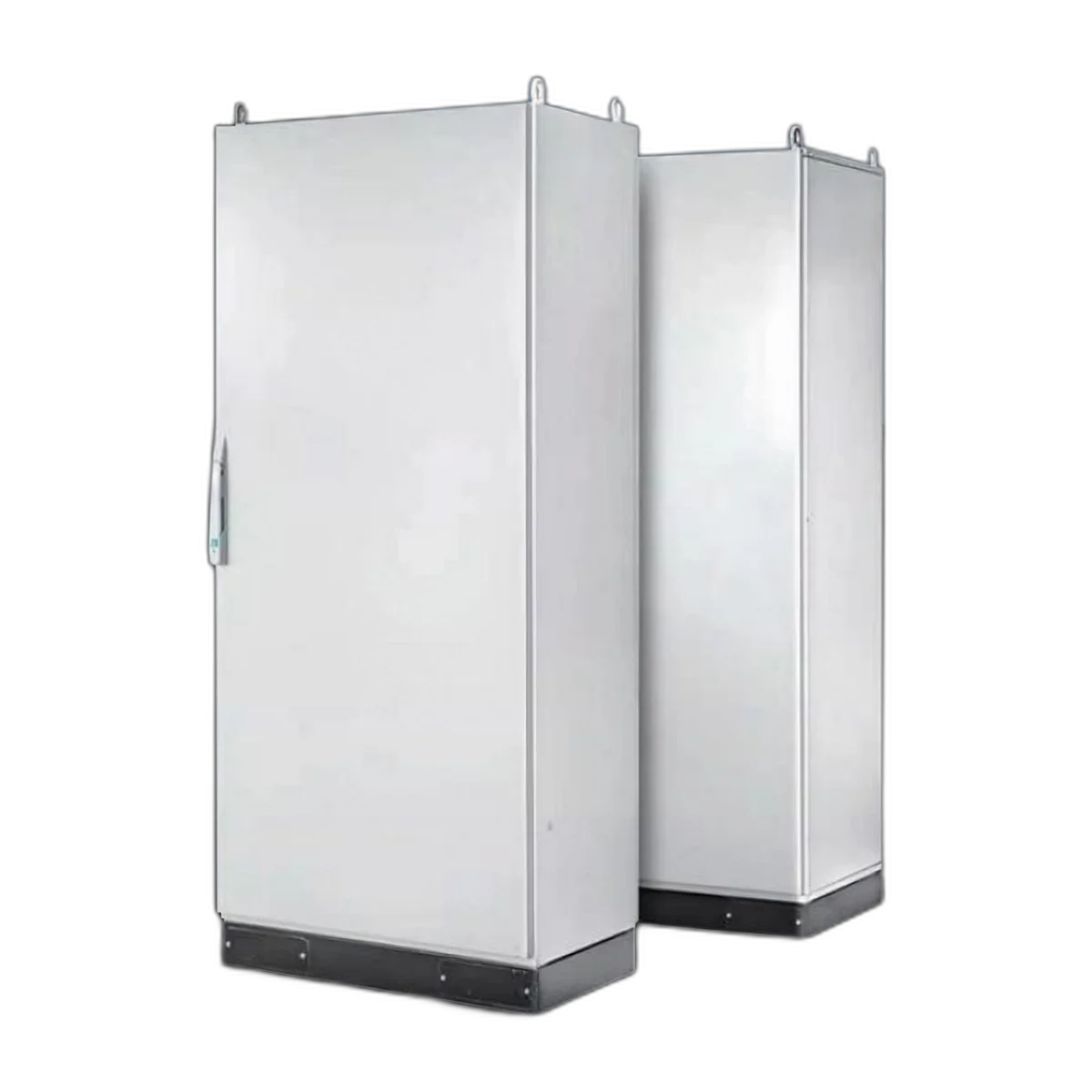
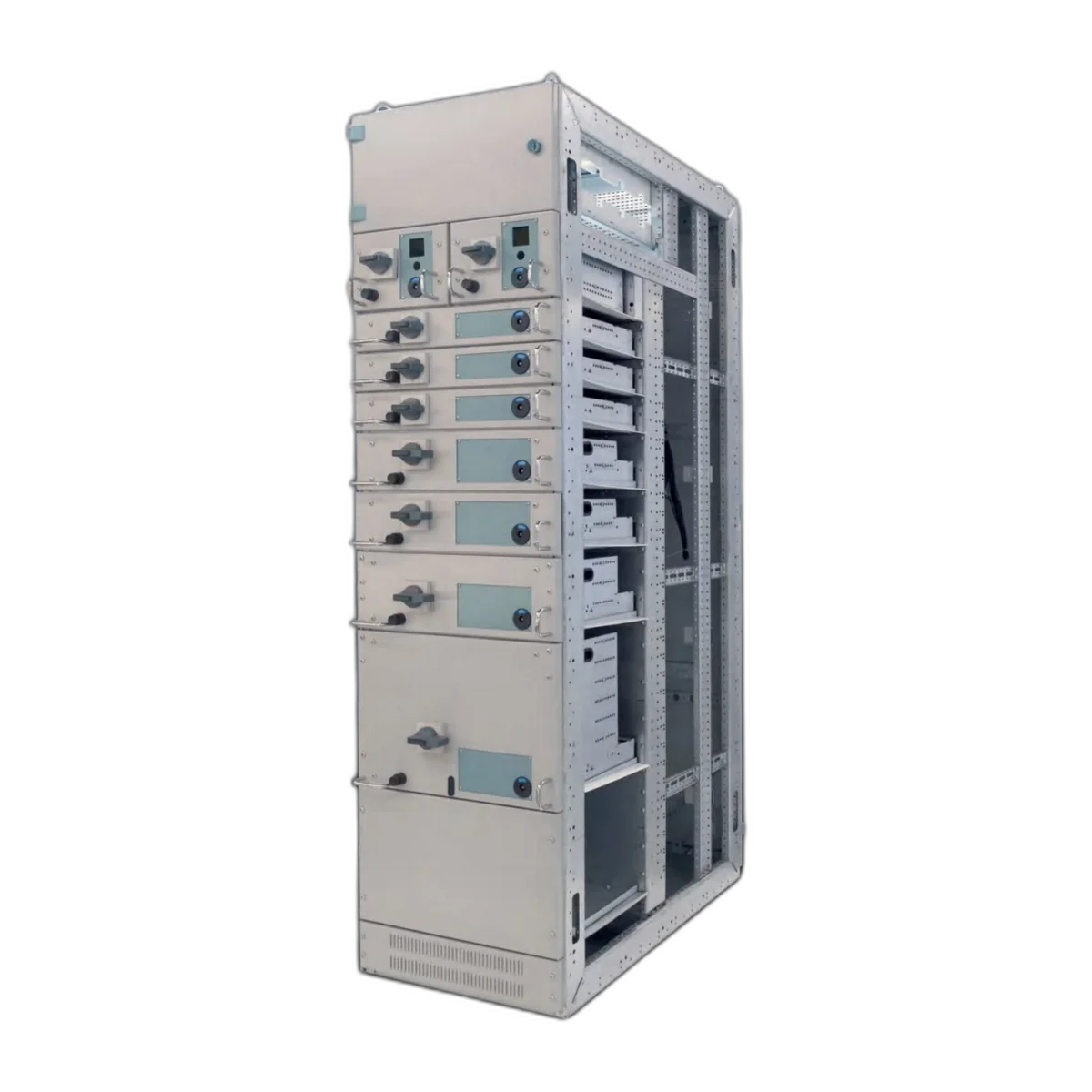
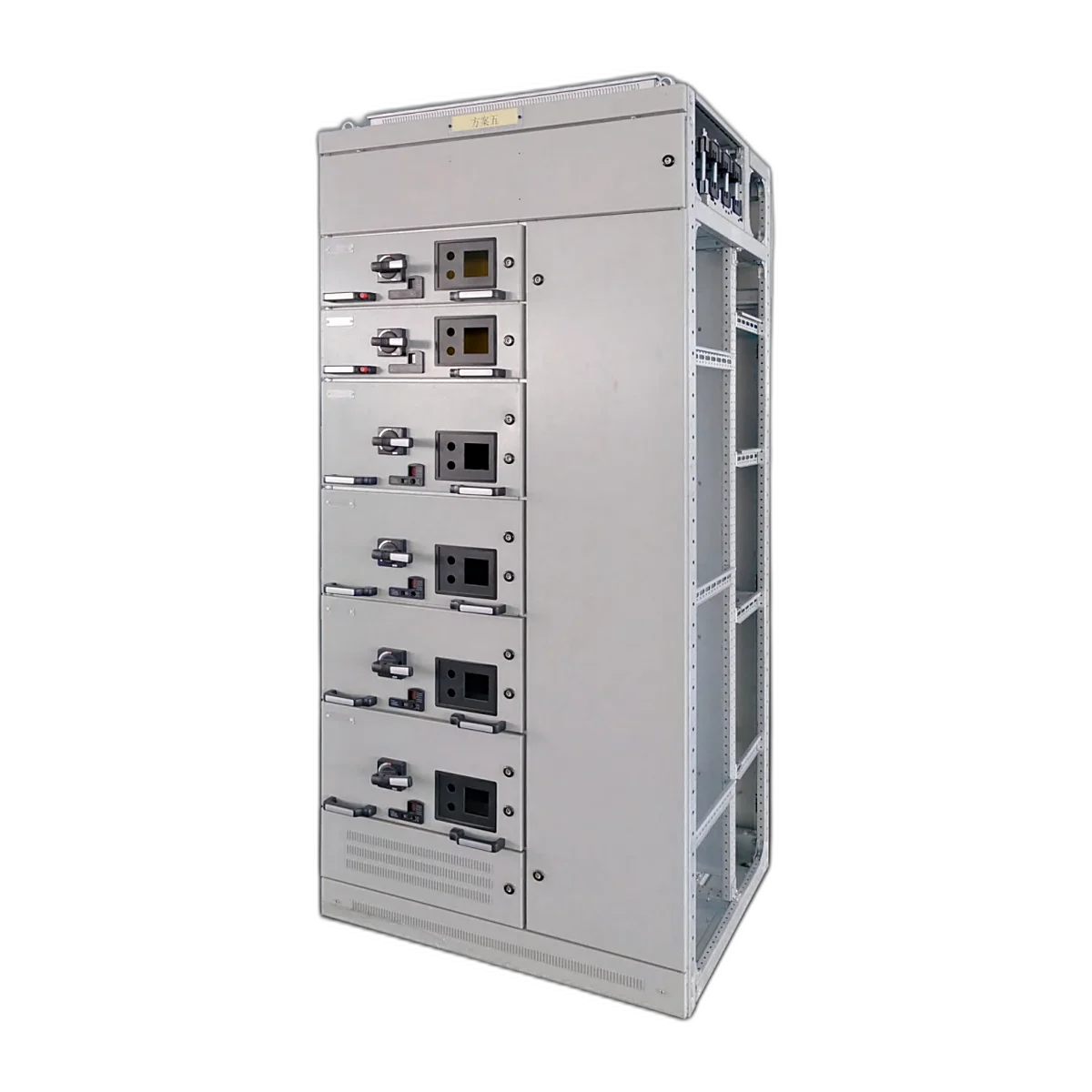
| 1,800 mm floor standing cabinet | $400 to $1,200 | 4 to 8 weeks | Main distribution and MCC room |
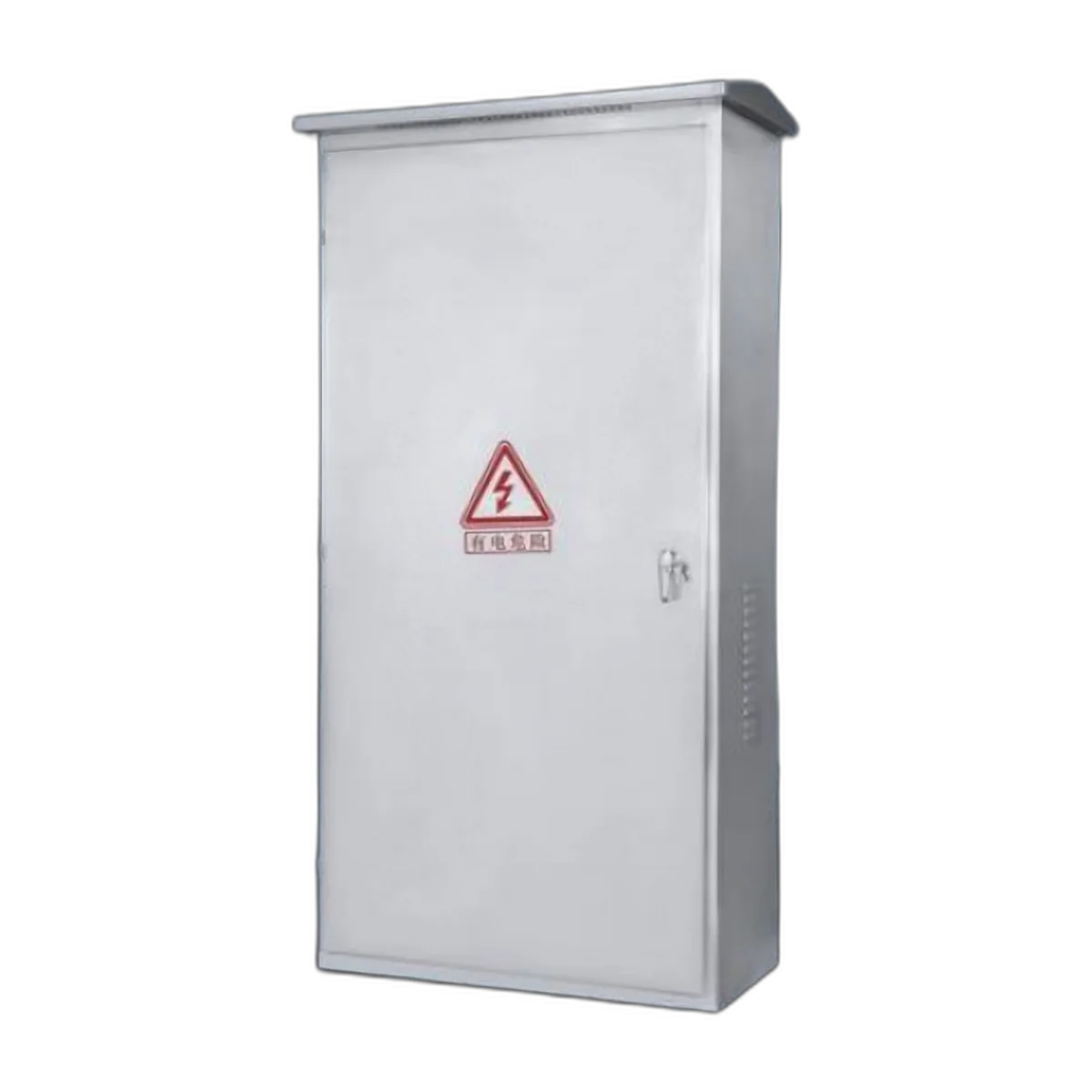
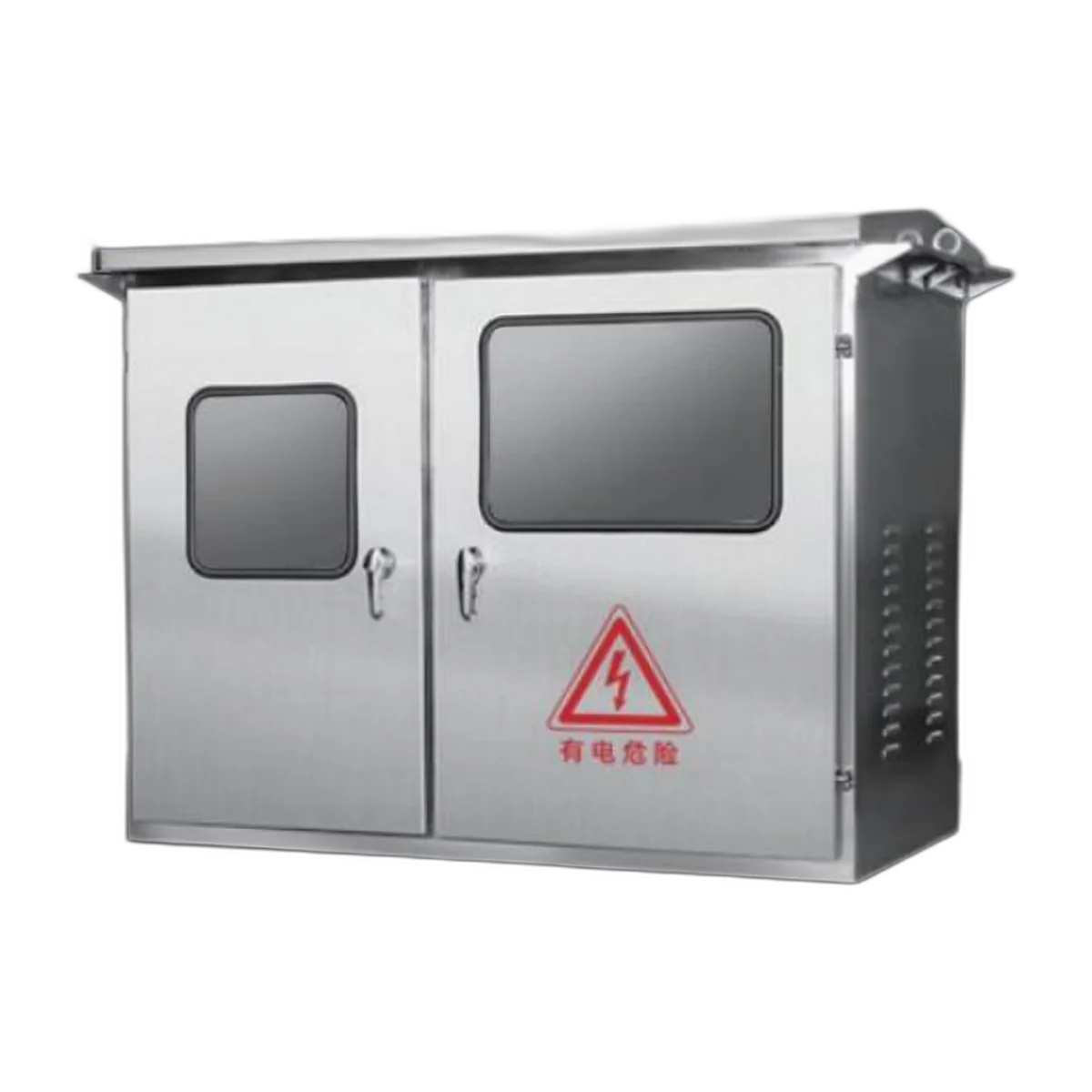
| 304 or 316 stainless steel enclosure | $80 to $400 | 3 to 6 weeks | Food, pharmaceutical or coastal environments |
| Custom assembly with DIN rail and terminals | $150 to $900 | 6 to 12 weeks | Control and metering packages |
The complete plastic electrical box is the recommended enclosure for wet locations (the only example in the above table), and it is the enclosure that contractors most frequently find that the drawings specify a different rating than what is indicated on the enclosure itself.
The following two patterns should be noted. The installed cost of an enclosure is only a small part of its total installed cost, which is why it is rare that the specification allows a 10% savings for the enclosure alone; however, lead time is a large contributor to schedule risk, which is why lead time is often specified.
Choosing a Contractor by Project Type
The following table is a guide for a buyer to identify which type of contractor to hire on a specific type of project.
| Project type | Contractor type(s) | Check item(s) |
|---|---|---|
| Substation or utility interconnection | BODEC, High Country, CVE Power Group | Utility approval history, relay and protection experience |
| Industrial plant fit-out | CVE, Hunt, BODEC | In-house engineering, submittal process, safety record |
| Commercial building | Hunt, Rydalch, K2, Eagle | Design-build ability, Building Information Modeling (BIM), schedule history |
| Data center or mission critical | Hunt, CVE | Redundancy experience, commissioning personnel |
| Healthcare or laboratory | Hunt, Rydalch | Infection control procedures, OSHPD equivalent experience |
| Residential new build | Butler and similar | License, insurance, local inspector relationships |
| Service and repair | Black Diamond and similar | Response time, flat-rate pricing, warranty |
| Solar or storage | Gardner Energy and similar | Interconnection experience, incentive paperwork |
The row regarding healthcare separates companies from each other quickly due to the project type’s need for dust control, infection control risk assessments and the need for the contractor to work in an area occupied by patients. A contractor that does not have this required experience will either turn down the project or will learn through the client’s schedule.
The Enclosure Range for Infrastructure Projects involving multiple types of buildings is set up by type of installation rather than by product. A package is specified at that level, and a contractor prices it at that level.
5 Questions to Ask Before Signing
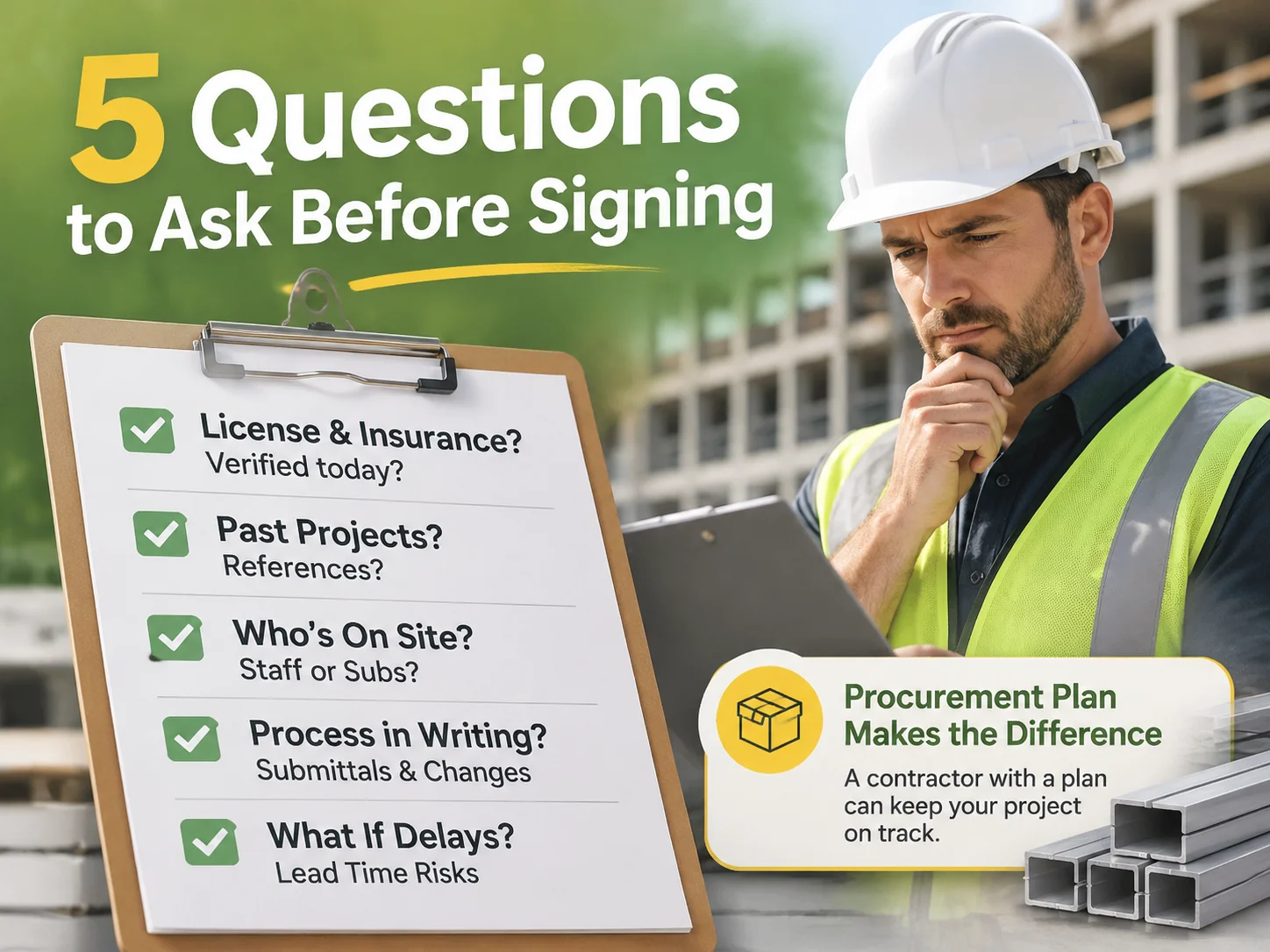
There are five questions you can ask to differentiate between contractors that can deliver from those that are merely bidding so they can stay busy.
- What is your license number and insurance certificate, and can both be verified by the state today?
- In the last three years, how many similar-sized projects have you completed, and can you provide references?
- Who is the PM and the superintendent, and are they staff or contractors?
- What are the submittal and change-order processes, in writing?
- What happens if lead time slips, because in the Utah market it probably will?
The equipment question reveals much about a contractor’s ability to procure the necessary materials to complete a project on time. A contractor with a procurement plan and an alternate supplier will respond in detail. Whereas, a contractor that states “we will manage it” is indicating that he/she has not given this issue adequate thought, so the owner’s project schedule will be put at risk.
Where LYE Fits as a Supplier
LYE has been providing the enclosed metal distribution boxes as well as plastic IP65 and IP66 enclosures, stainless steel enclosures, floor standing cabinets, and modular boxes for DIN rail assemblies to contractors. The contractor actually needs the equipment grouped in this manner by the area of the facility for which he/she is supplying.
What LYE can offer contractors in Utah is a catalogue of enclosures available at factory prices and with a professional specification. The trade-off is that LYE has a manufacturer’s certification for its products and the contractor will need to manage freight. What LYE cannot offer is a local representative to visit the job site, as domestic suppliers are doing along with the sale of their product.
For contractors that have procurement resources, the trade-off is manageable, and the cost savings are significant. For contractors with less than 25 employees, the local supplier is going to be the best option, and it is better for us to acknowledge this fact than to continue with the current sales process.
Electrical contracting licences in Utah are issued by the state’s Division of Occupational and Professional Licensing. Electrical contractors require at least one licensed master electrician to qualify for their electrical contracting licence, and all journeyman and apprentice electricians must be registered with the state. Homeowners have the ability to verify the status of electrical contractors’ licensing through the Division of Occupational and Professional Licensing database and should do so, as any work completed by an unlicensed contractor will create a significant resale and insurance issues.
Licensing and Inspection in Utah
The inspections of electrical work in Utah are handled by the local building departments where the work is being performed; therefore, the local city/county is the authority on the inspections. While most municipalities in Utah adopt the latest National Electrical Code, many have local amendments. These local amendments can cause a major issue for an electrical contractor who works in multiple municipalities.
From the supplier perspective, an enclosure must pass inspection by the local building department, not the contractor. It is important to note that UL listed enclosures are acceptable in every municipality in Utah; non-listed enclosures may pass one inspector and fail another inspector. If a contractor installs a non-listed enclosure, all costs associated with the inspection variance will be absorbed by the contractor.
Many of the most frequently asked questions by contractors are related to size, rating, and accompanying documentation that come with orders. Therefore, these commonly asked questions can be found in the enclosure specification FAQ.
Frequently Asked Questions
Who are some of Utah’s largest electrical contractingcompanies?
The largest, by number of employees and by national ranking in the electrical contracting industry, is Cache Valley Electric located in Logan, UT, while the second largest is Hunt Electric located in Salt Lake City, UT. Below Cache Valley Electric and Hunt Electric exist a number of independent contractors that employ twenty to one hundred electricians each, such as Rydalch Electric, K2 Electrical Services, Eagle Electric Corp., Butler Electric, Black Diamond Electric, utility-based contractors BODEC, and High Country Line Construction.
How can I confirm an electrical contractor’s license in Utah?
To confirm an electrician’s license status in Utah go to the Division of Occupational and Professional Licensing website to confirm the license and to confirm the electrician meets all requirements. When you contract for the work you must ask for both a license number and a copy of the General Liability Insurance Certificate, verify both documents prior to signing the contract instead of after you have contracted for the work.
In the electrical contracting marketplace what is the primary item purchased?
Based upon number of line items purchased; we see devices and small enclosures; Junction Boxes, Receptacles, Switches, Plates and Fittings. Based upon dollar value; Switchgear, Panelboards, Wire, and Large Enclosures. A COR has hundreds of small Circuits and only a small amount of large Circuits; therefore both ends of the product range play a significant role in purchase decisions.
How long does it take for delivery of electrical enclosures?
Deliveries of catalogue electrical enclosures generally take two (2) to eight (8) weeks, and custom enclosures generally take eight to sixteen (8 to 16) weeks to be constructed, being longer for Floor Standing Cabinets and Stainless Steel Enclosures. In the winter months, weather may significantly delay the completion of Electrical Construction Projects in the Northern Valleys therefore, therefore schedule your order delivery date in conjunction with the Construction Phase Schedule and not a wish date.
Is importing electrical enclosures cheaper than purchasing domestic enclosures?
Typically, importing an enclosure will save between 30 % – 50 % compared to domestic pricing for equivalent rated products, and the savings can be significant if the buyer can properly manage the specification, certification and freight of imported products. Companies which do not possess their own Procurement Department often find the domestic premium is less expensive than the management labour required to buy the imported product.
Will UL Listed Enclosures be required for projects in Utah?
Yes; an electrical contractor working on a project within Utah is required to comply with the State Commercial Building Code, and the Commercial Building Code currently states that all equipment used to complete a project in Utah shall be UL Listed. A listed enclosure can be used to satisfy the equipment code in all areas of Utah; however, the equipment code may vary from one inspection authority to another within the state, so the contractor is responsible for any added expense regarding an unlisted product which was initially approved by one inspector but was rejected by another inspector of a different jurisdiction.
References
- Cache Valley Electric — Company Profile and Capabilities
- UL Solutions — Enclosure and Distribution Equipment Certification
- NEMA — Types of Enclosures and Ratings
- Rittal — Enclosure Systems and Protection Categories
- Grainger — Electrical Enclosures and Distribution Equipment
Conclusion
Utah’s electrical contracting market contains one large family-owned business, one major regional electrical contracting company and many independent contractors who know their local marketplace. A buyer chooses a contractor based upon the project type; for a supplier the primary consideration is whether the electrical contractor has a procurement department or handles the orders via account managers.
All electrical contractors will purchase enclosures. The two elements that determine whether to purchase an enclosure are the rated capacity of the enclosure and the delivery date. Pricing is the third element, because enclosures comprise a minor portion of the final installed cost and because they are a significant element of schedule risk.