



ENGINEERING CONTEXT
Application requirements and recommended enclosure scope
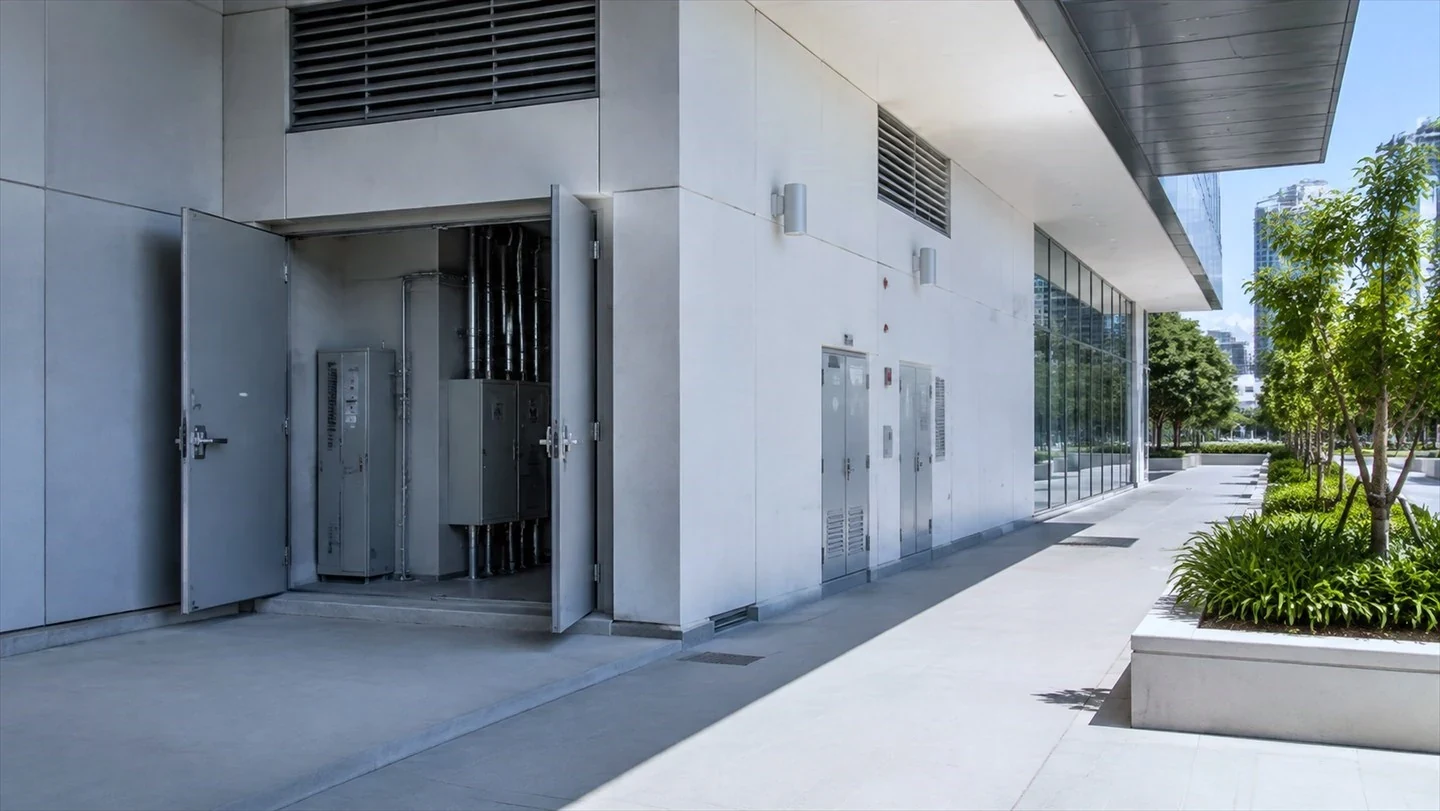
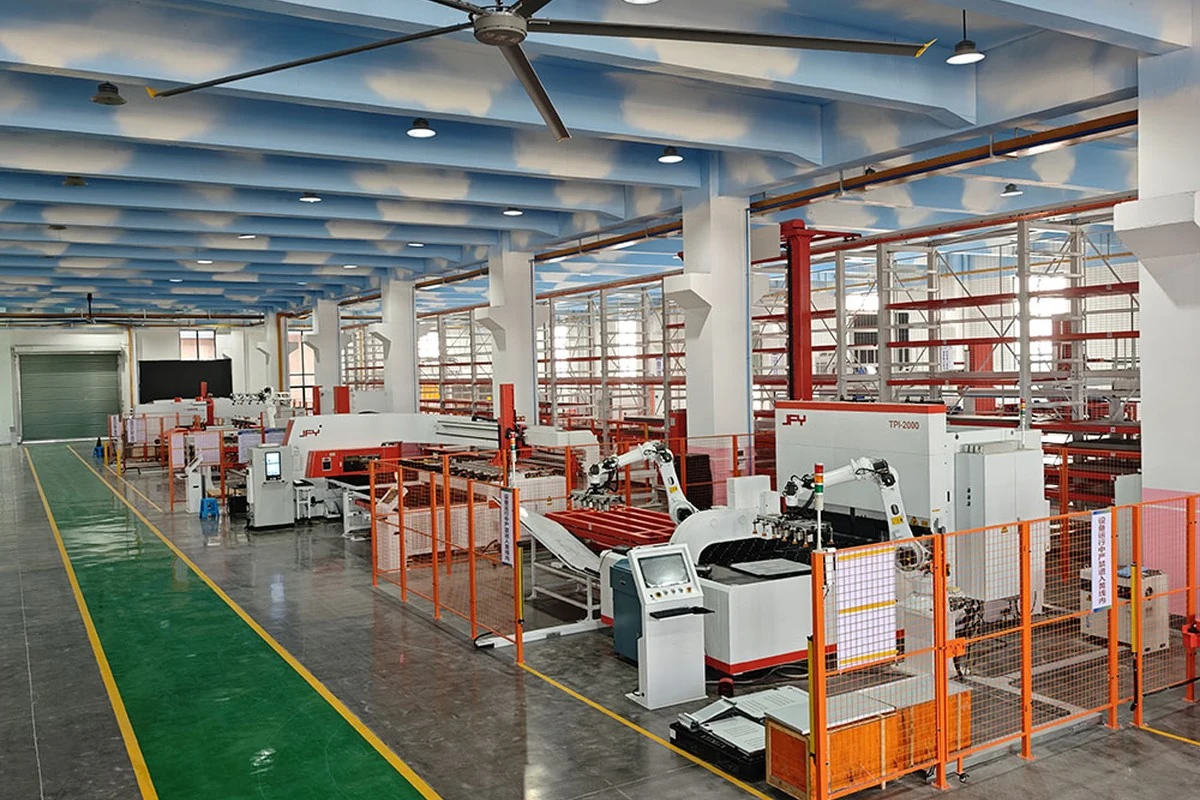
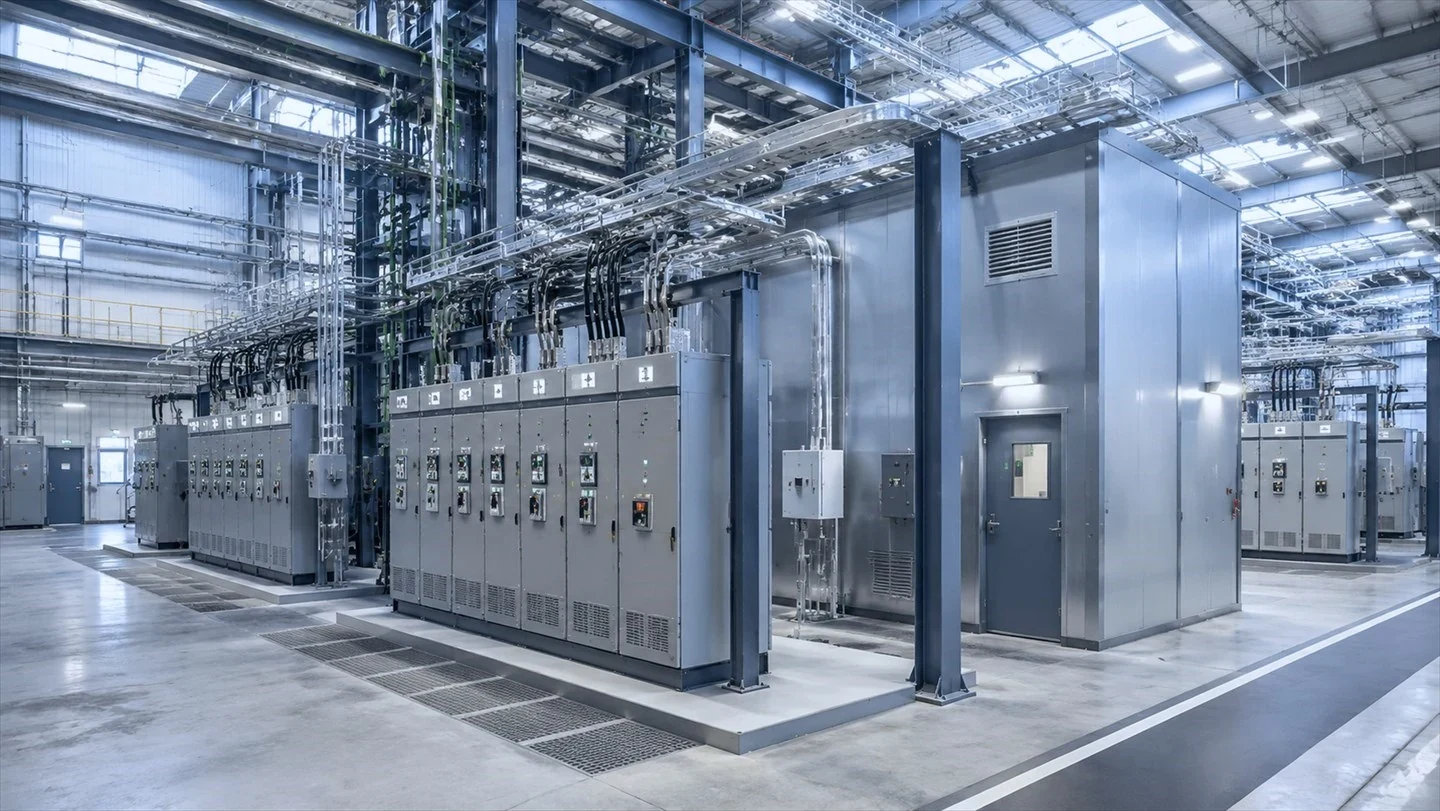
Factories, workshops, machine areas, utility rooms and process facilities where enclosure construction must reflect electrical load, maintenance access and the operating environment.
Application challenges to resolve first
- Accommodating larger cables, busbars, protection devices and heat-producing equipment without restricting service access.
- Controlling dust, moisture, vibration or corrosion exposure at the actual installation point.
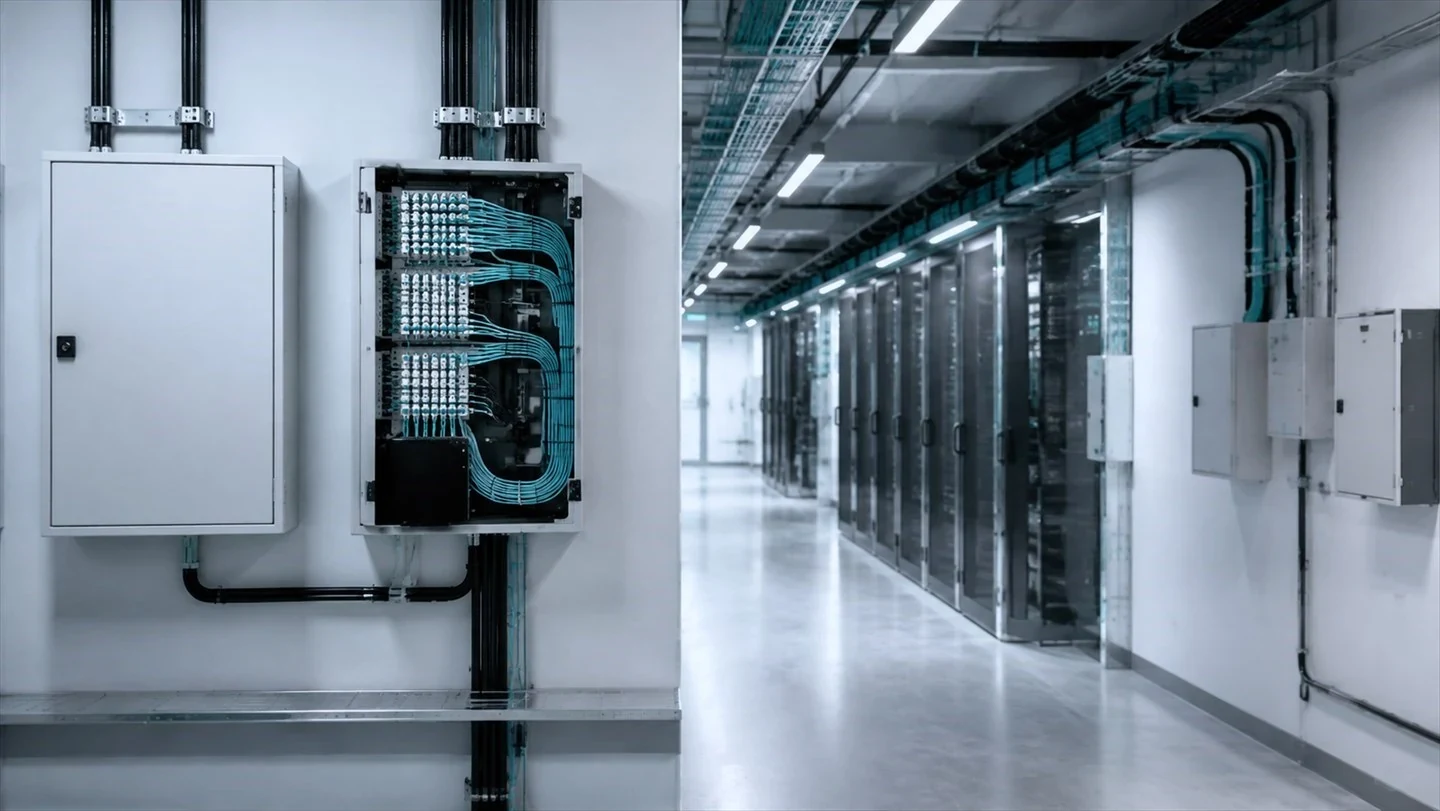
- Separating power, control and communication wiring where the system design requires it.
- Keeping cutouts, gland plates, mounting panels and door-mounted devices consistent with approved drawings.
Recommended enclosure scope
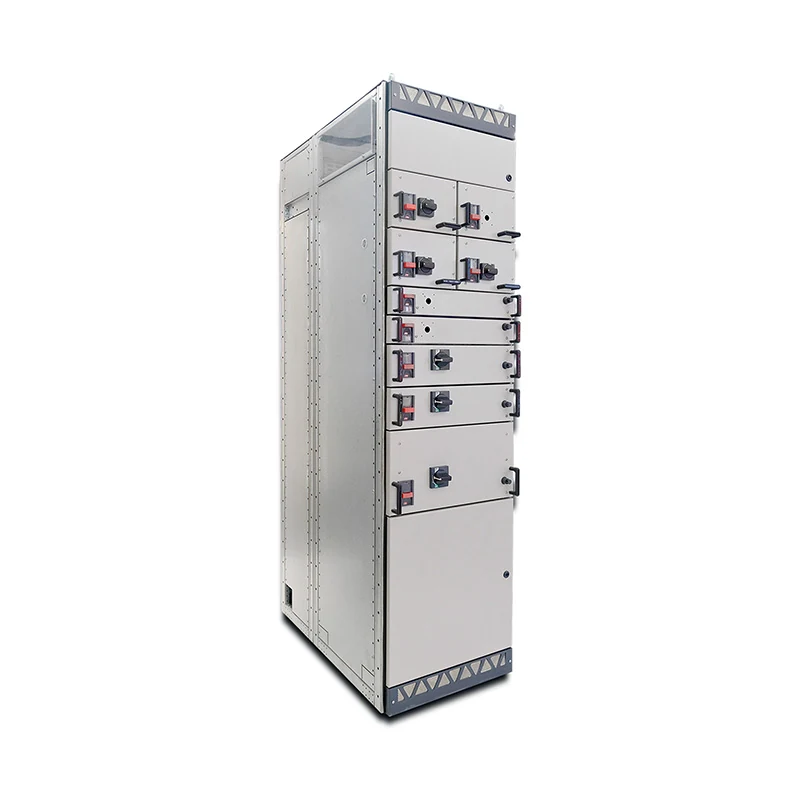
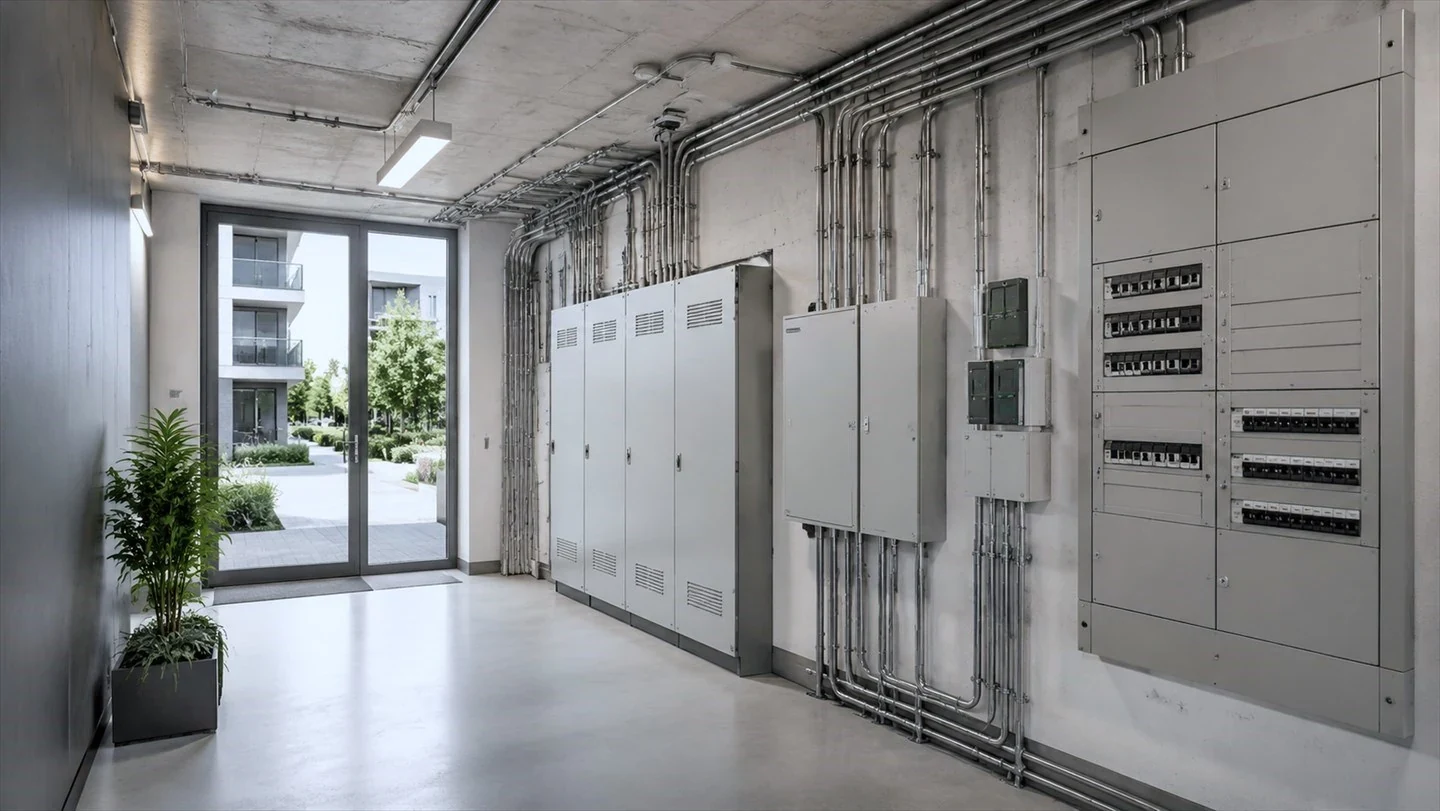
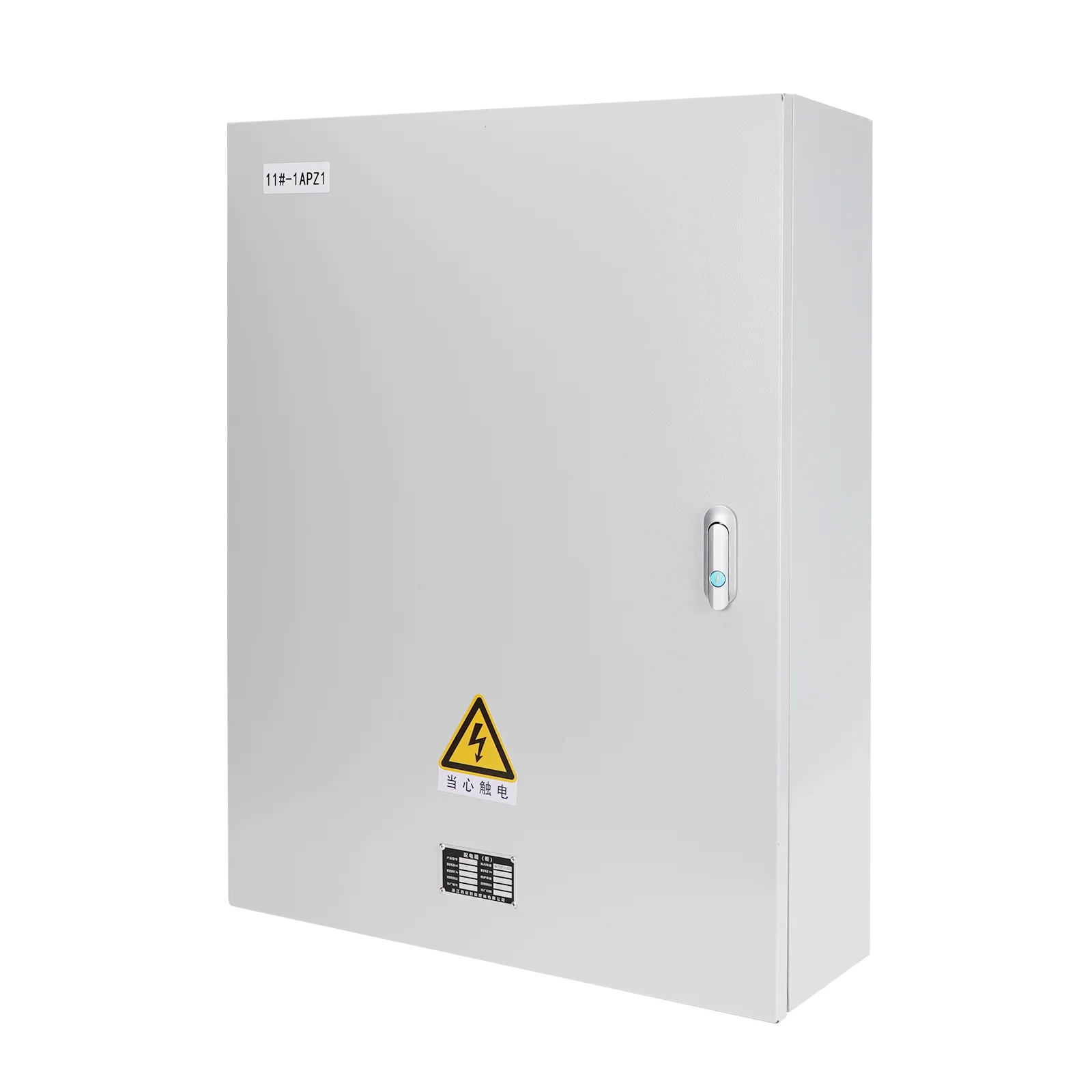
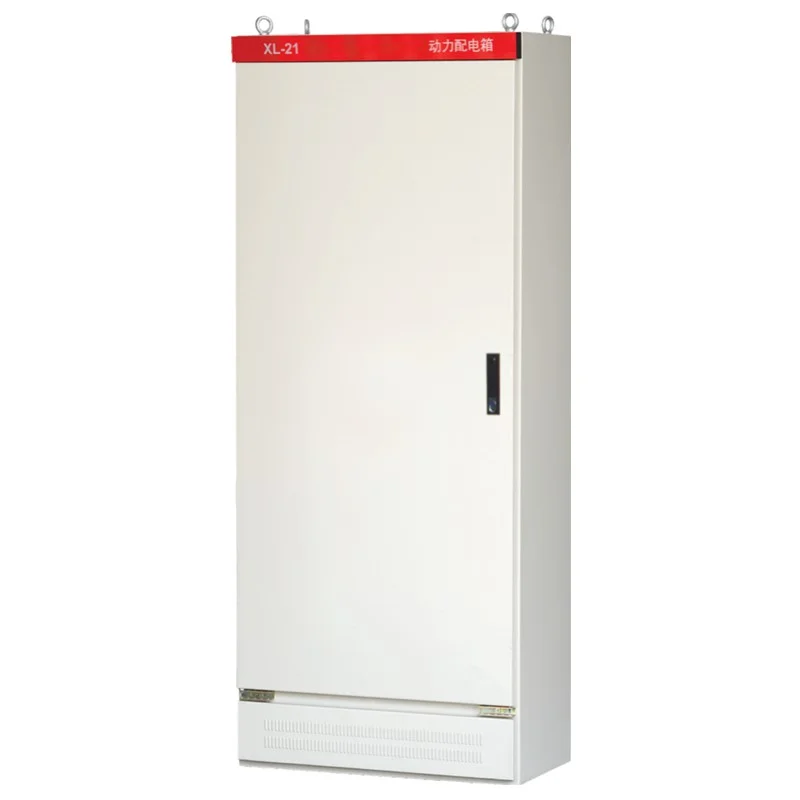
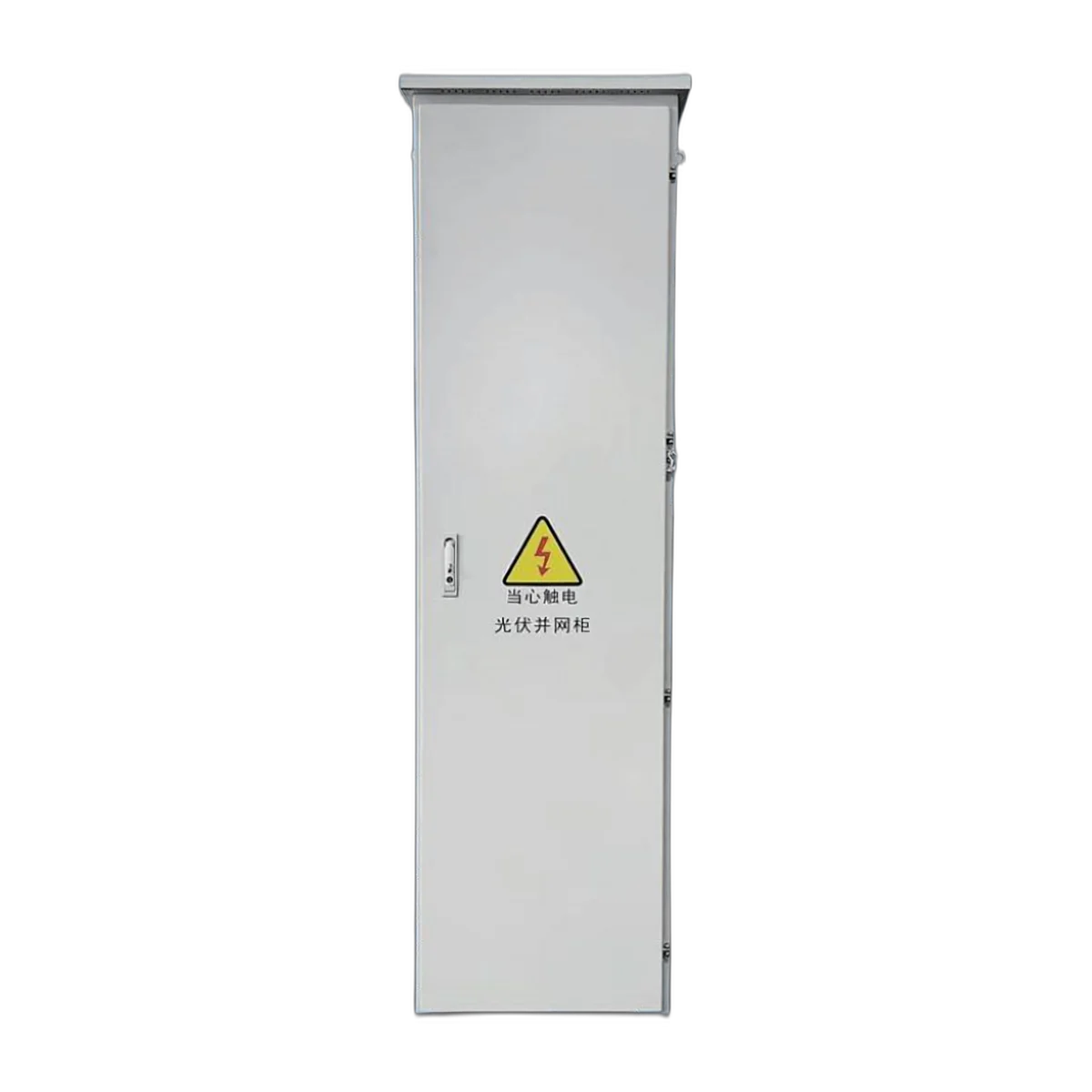
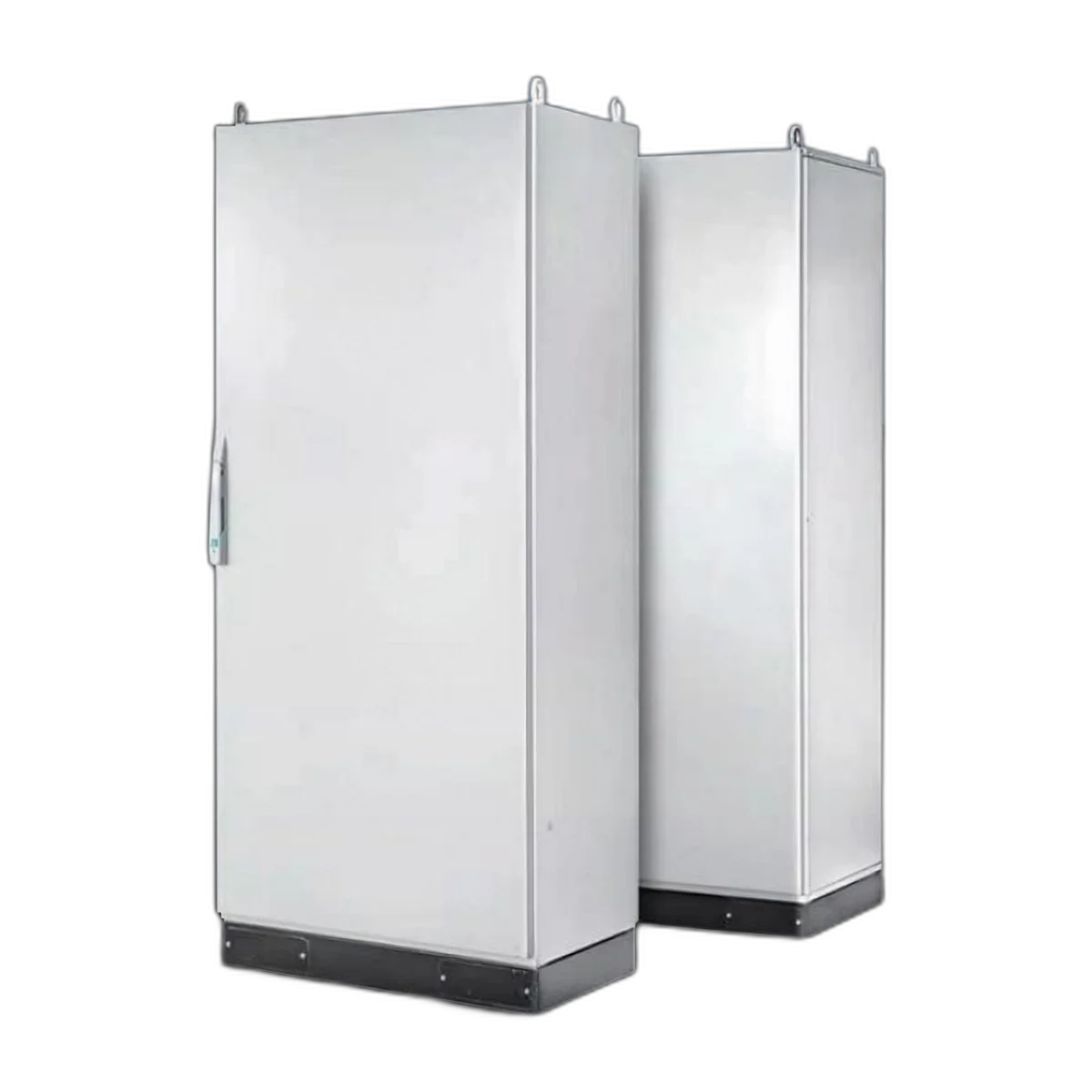
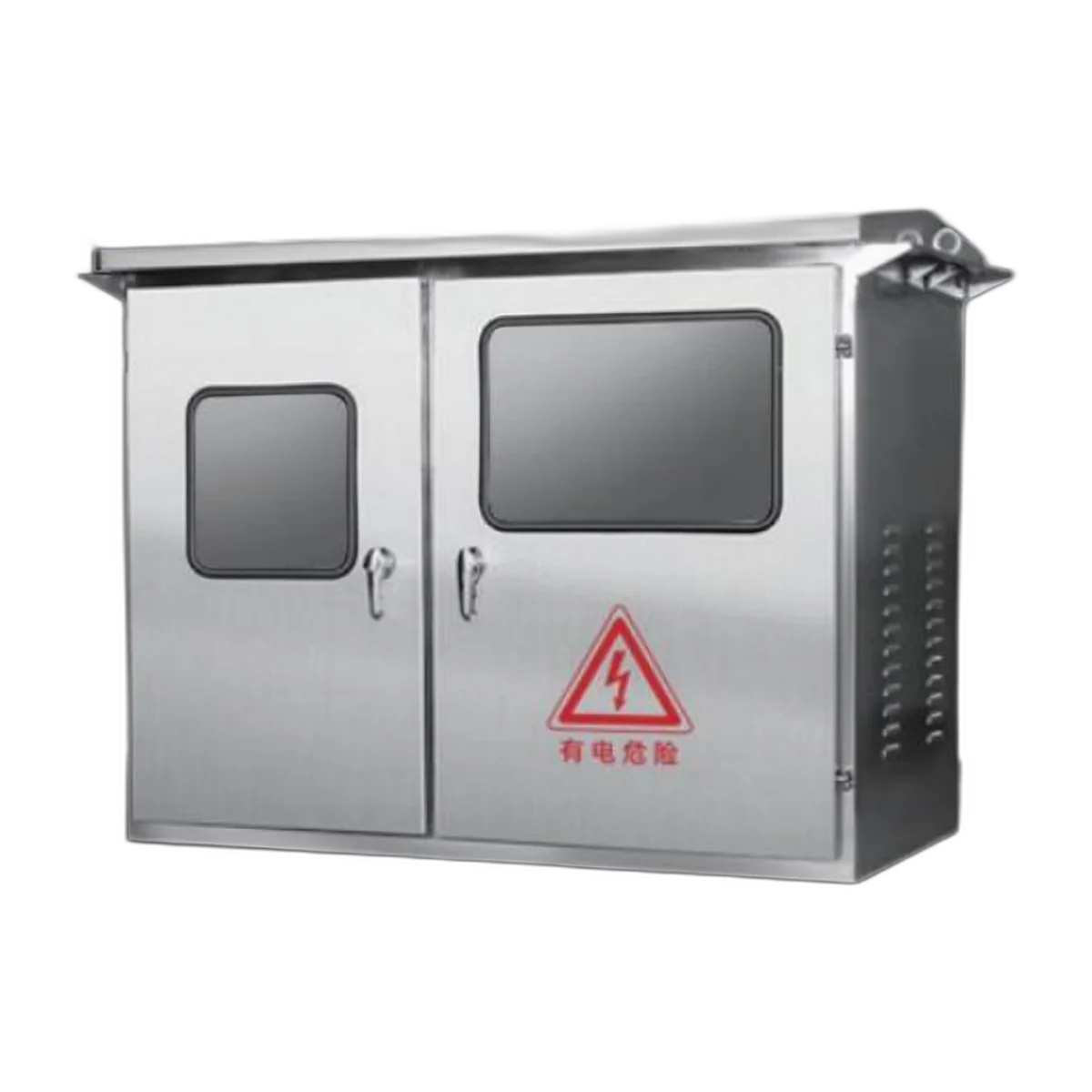
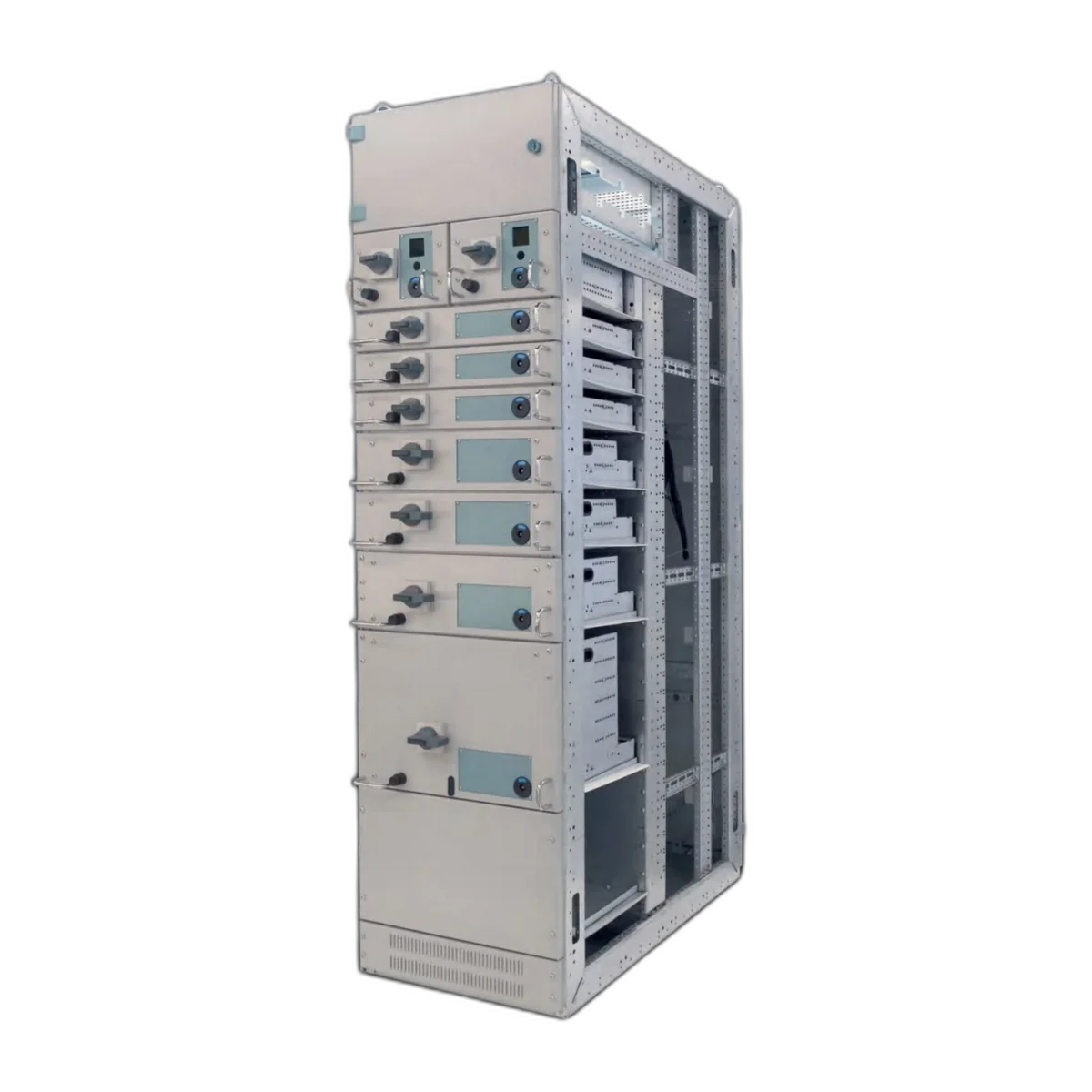
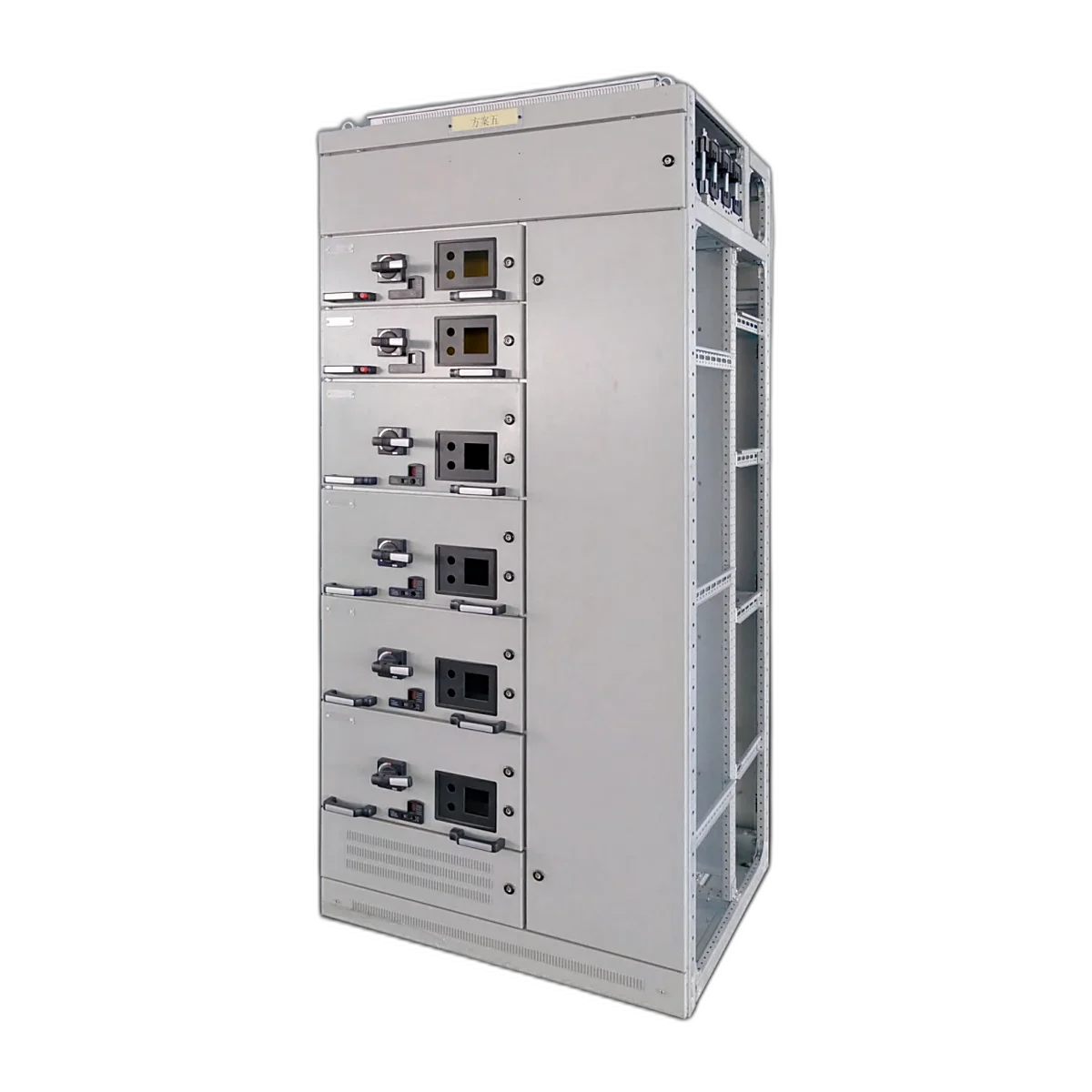
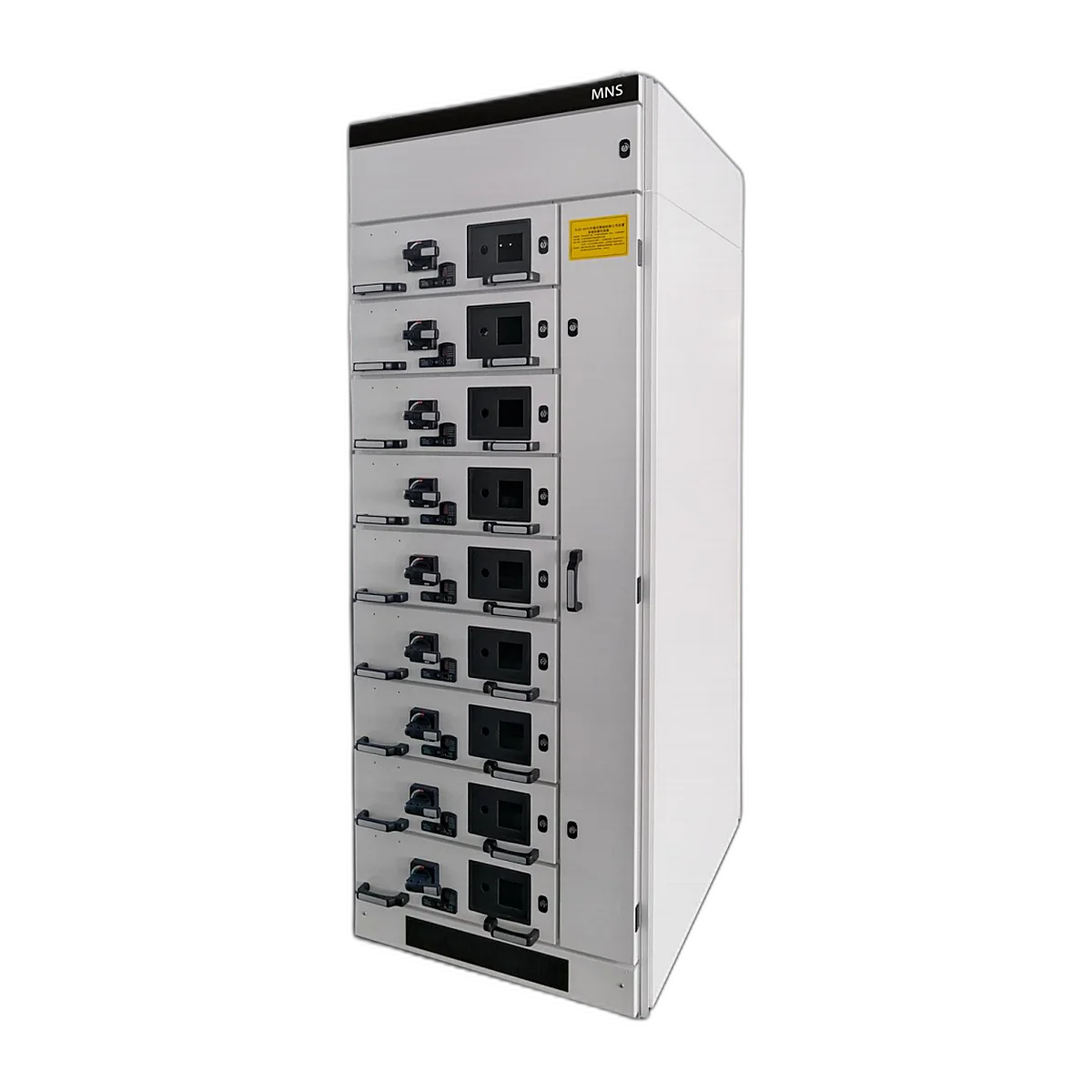
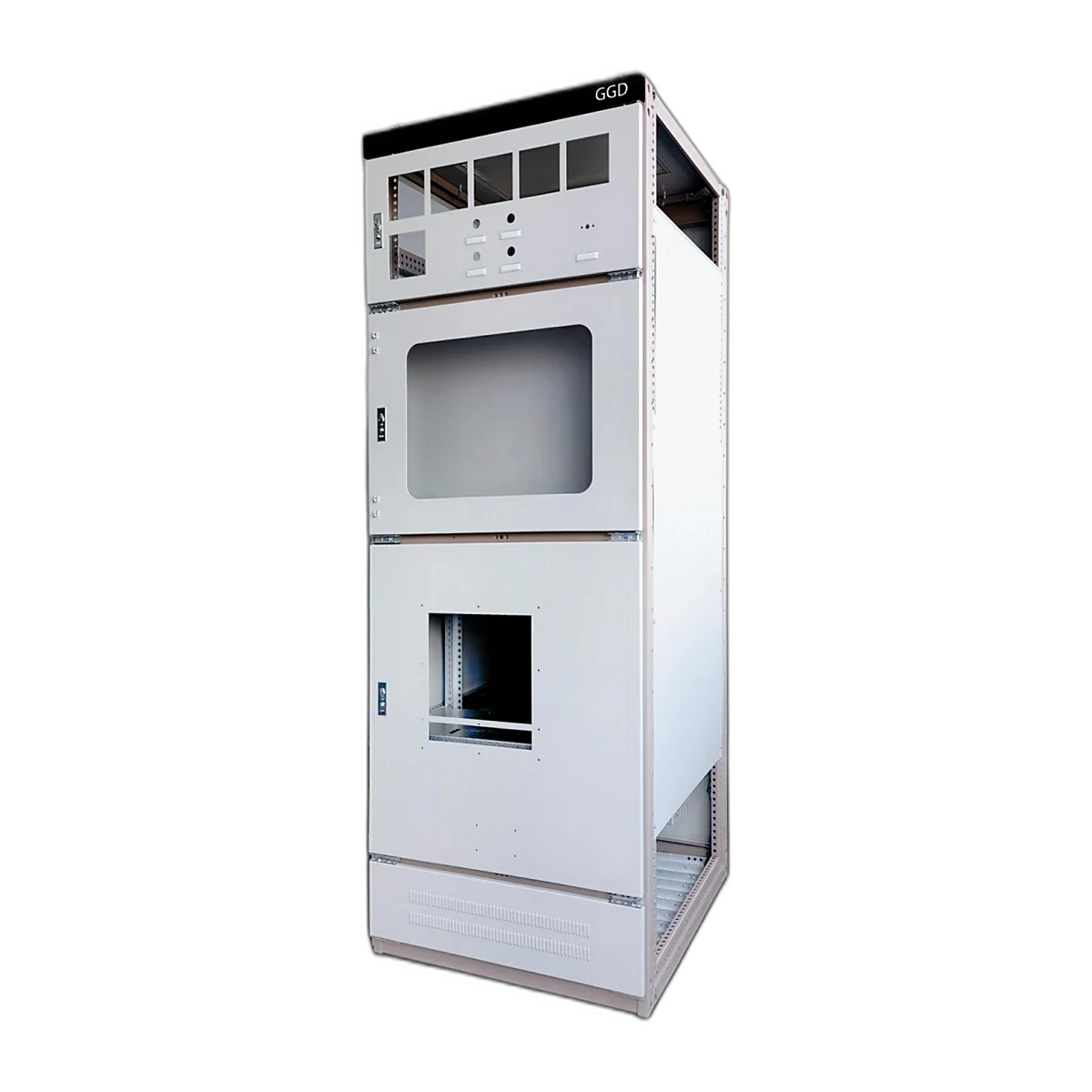
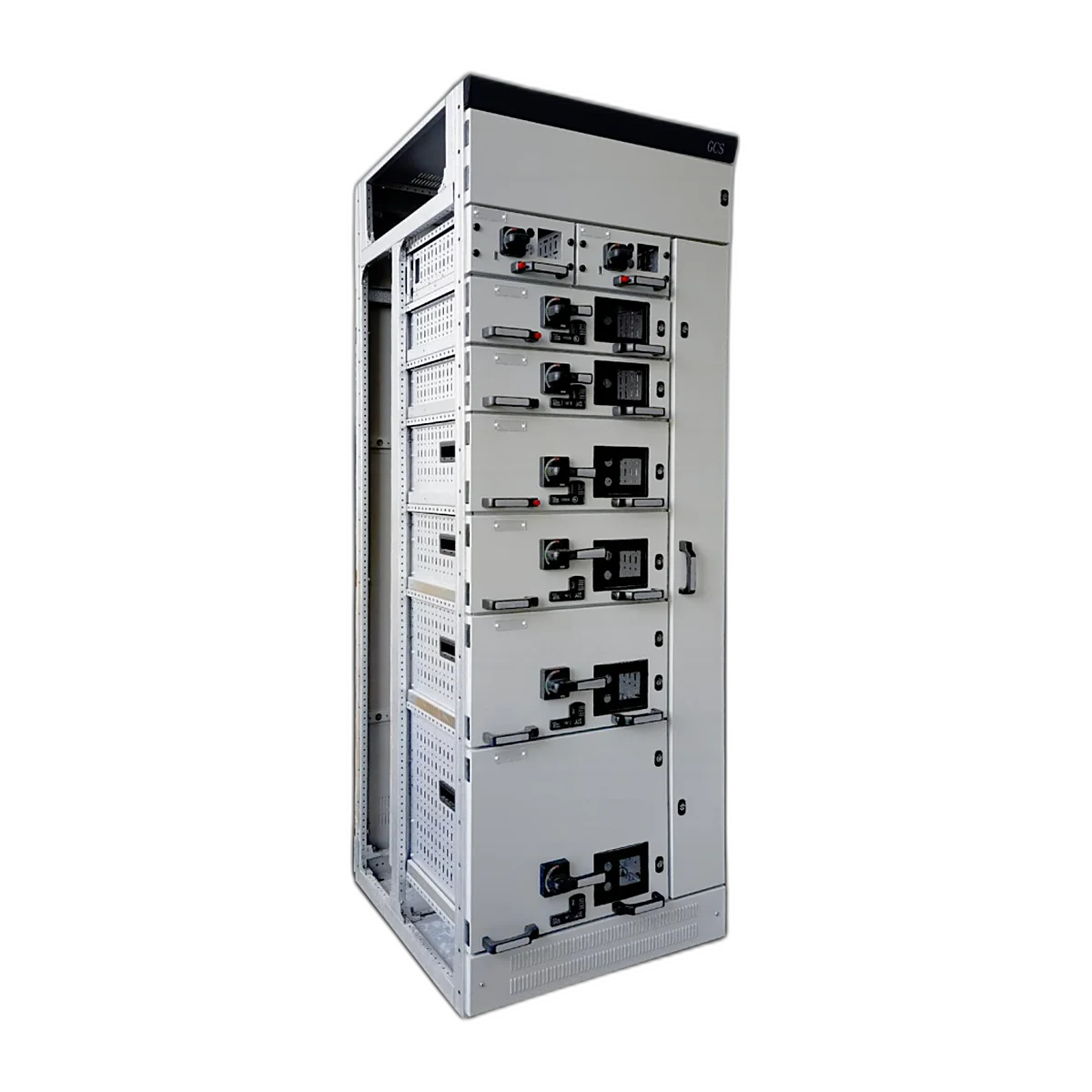
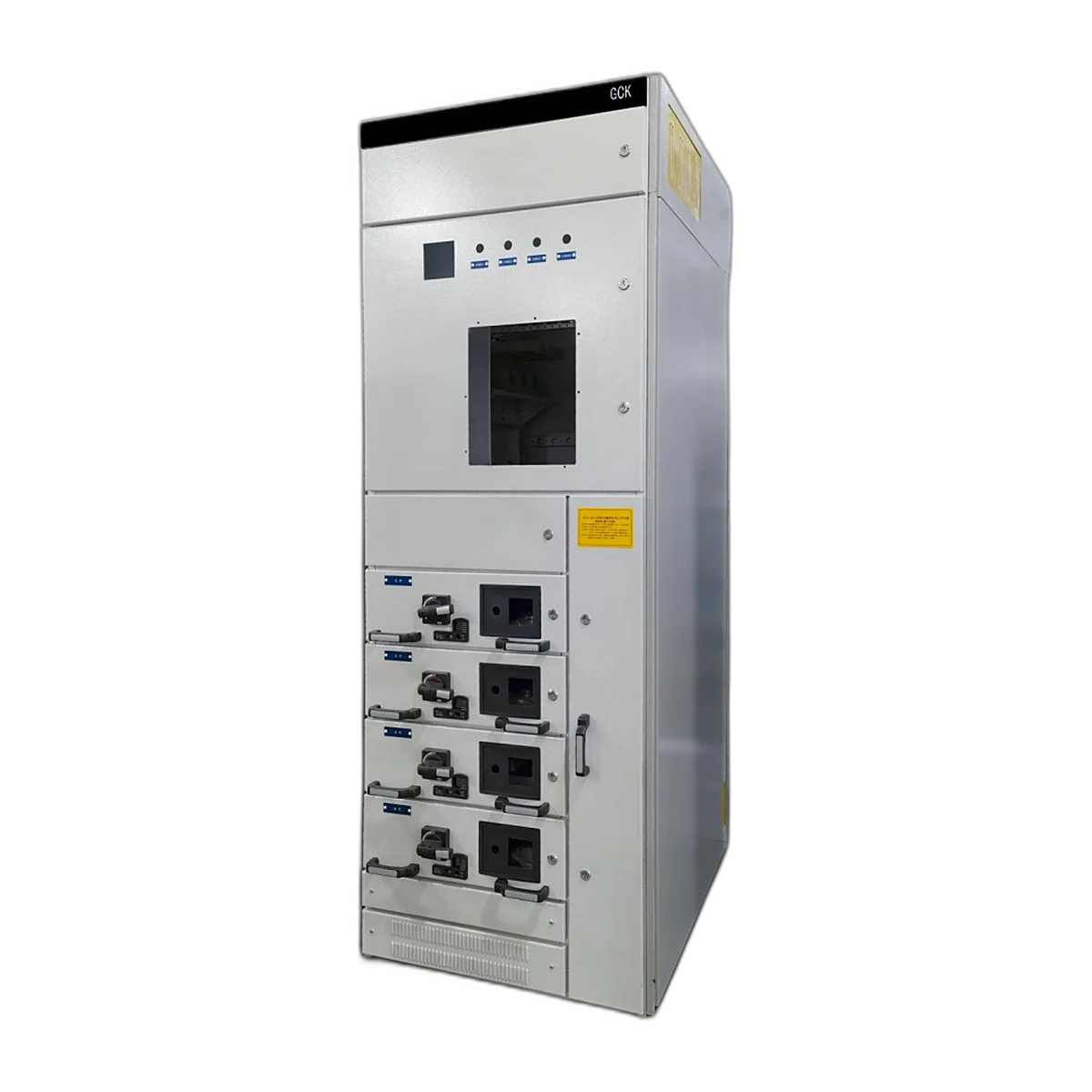
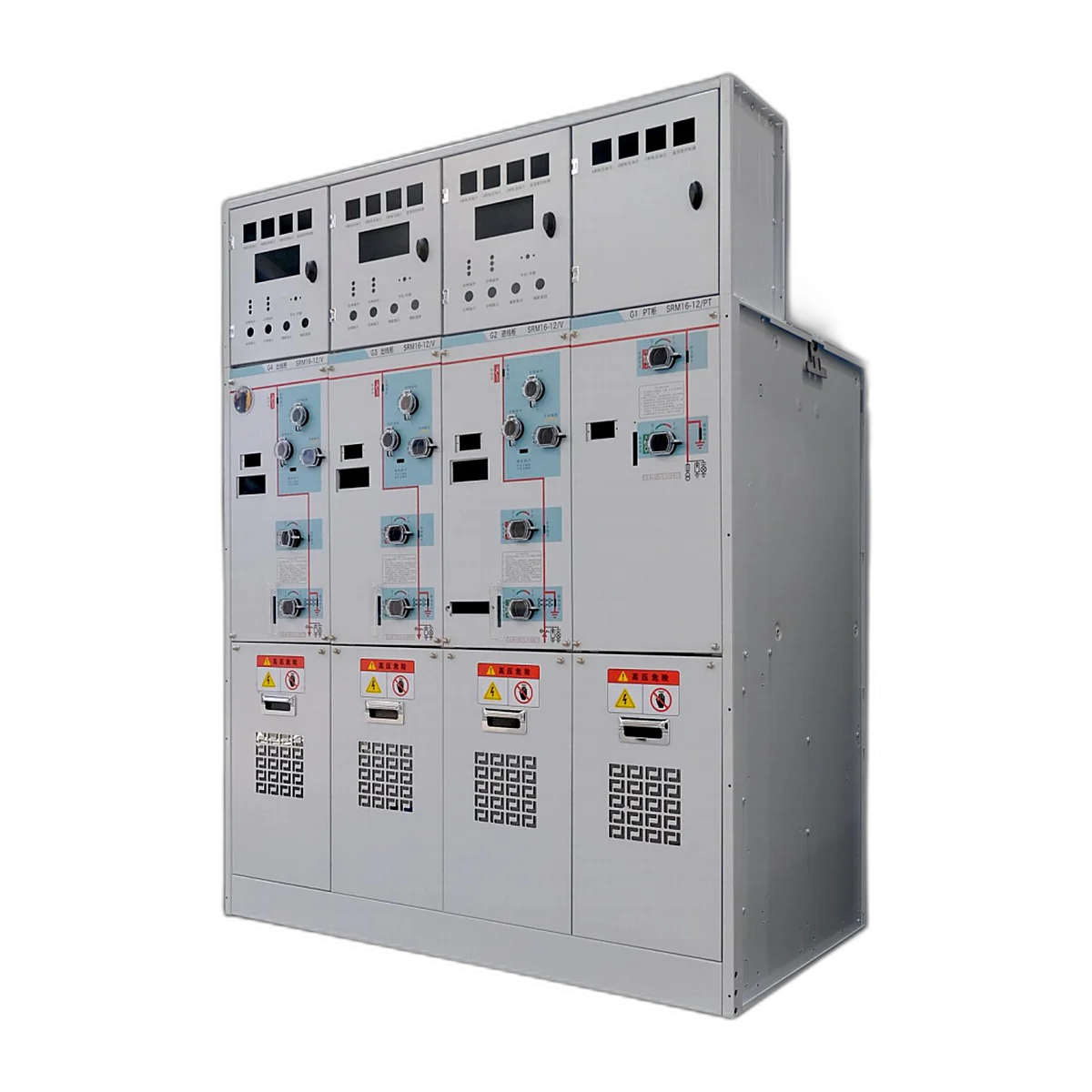
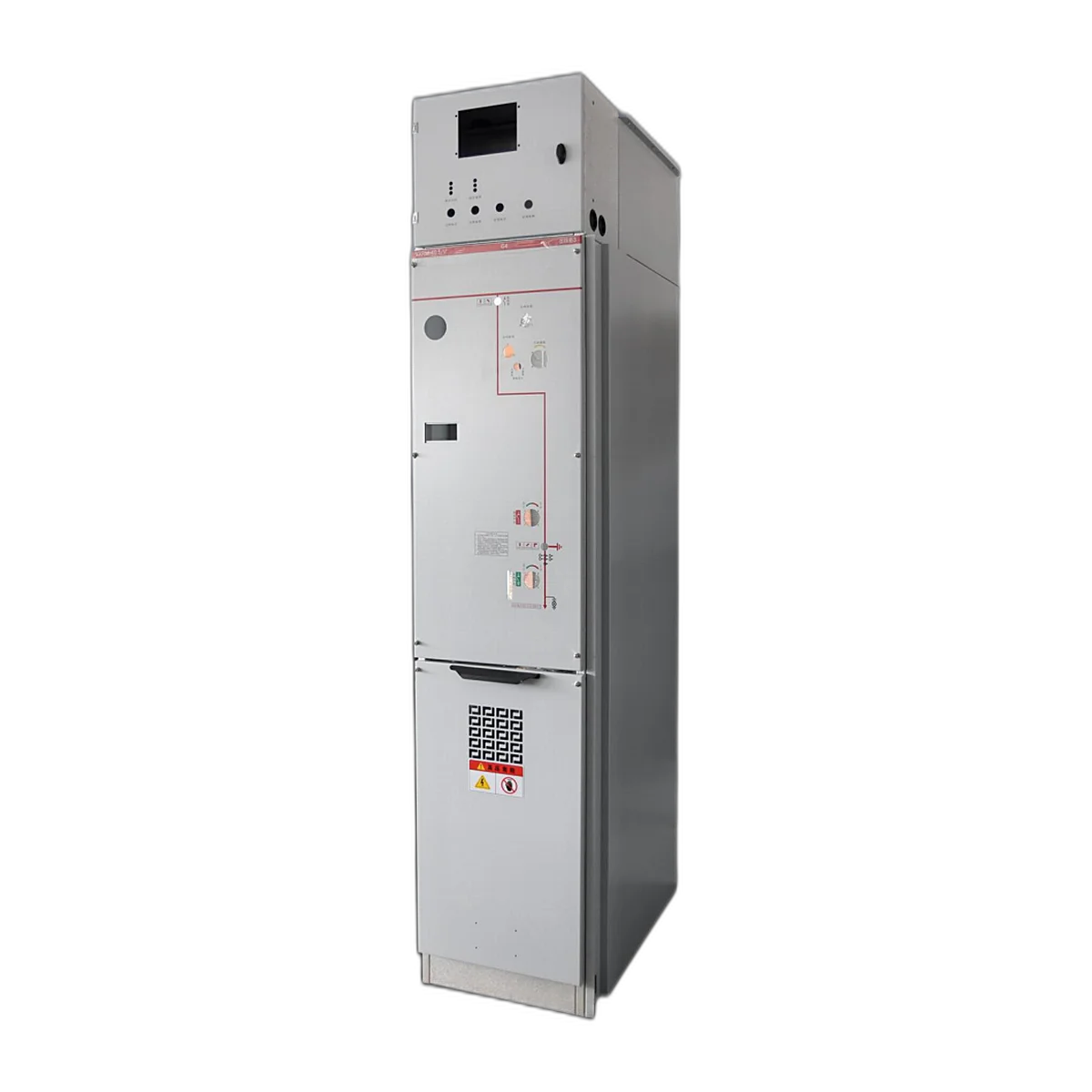
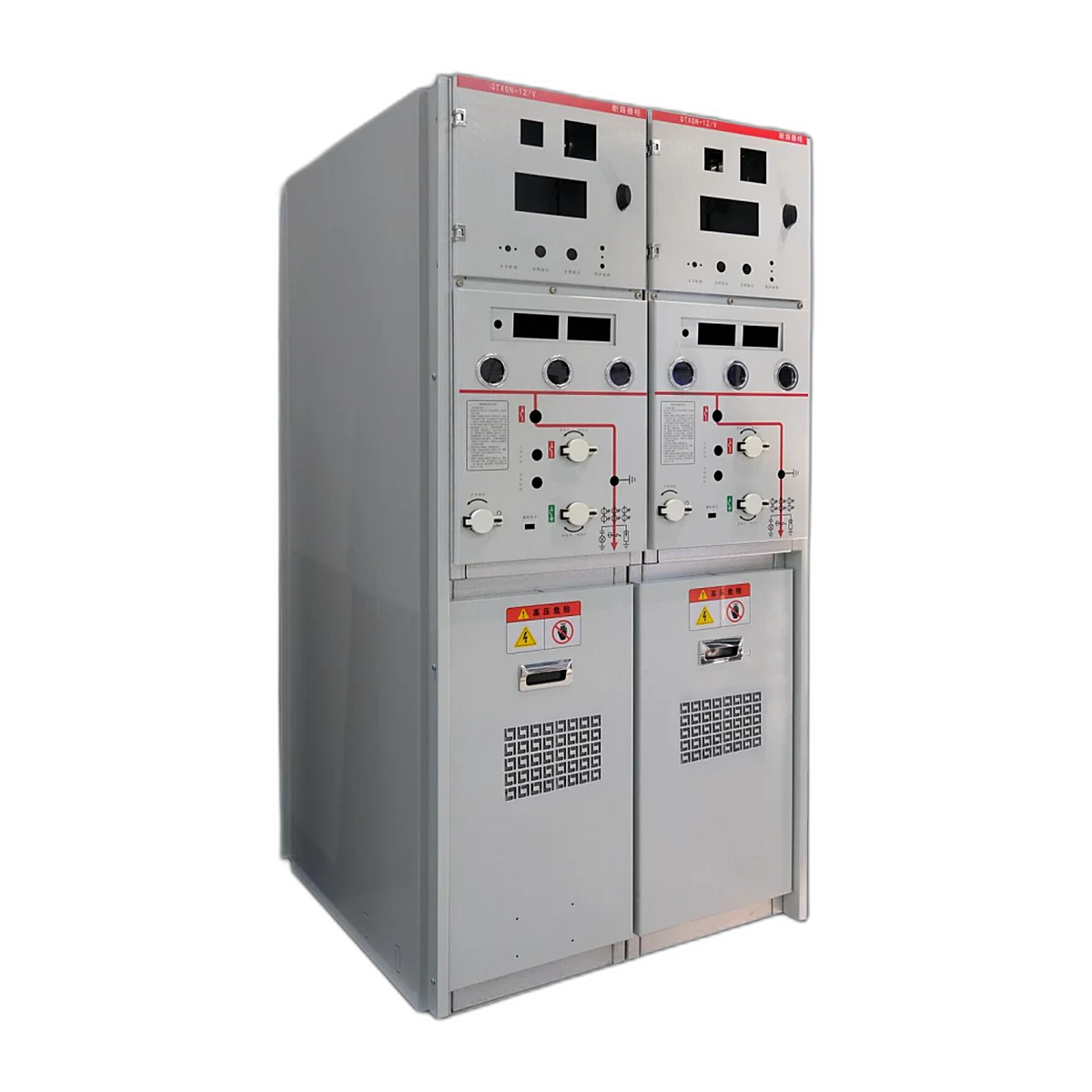
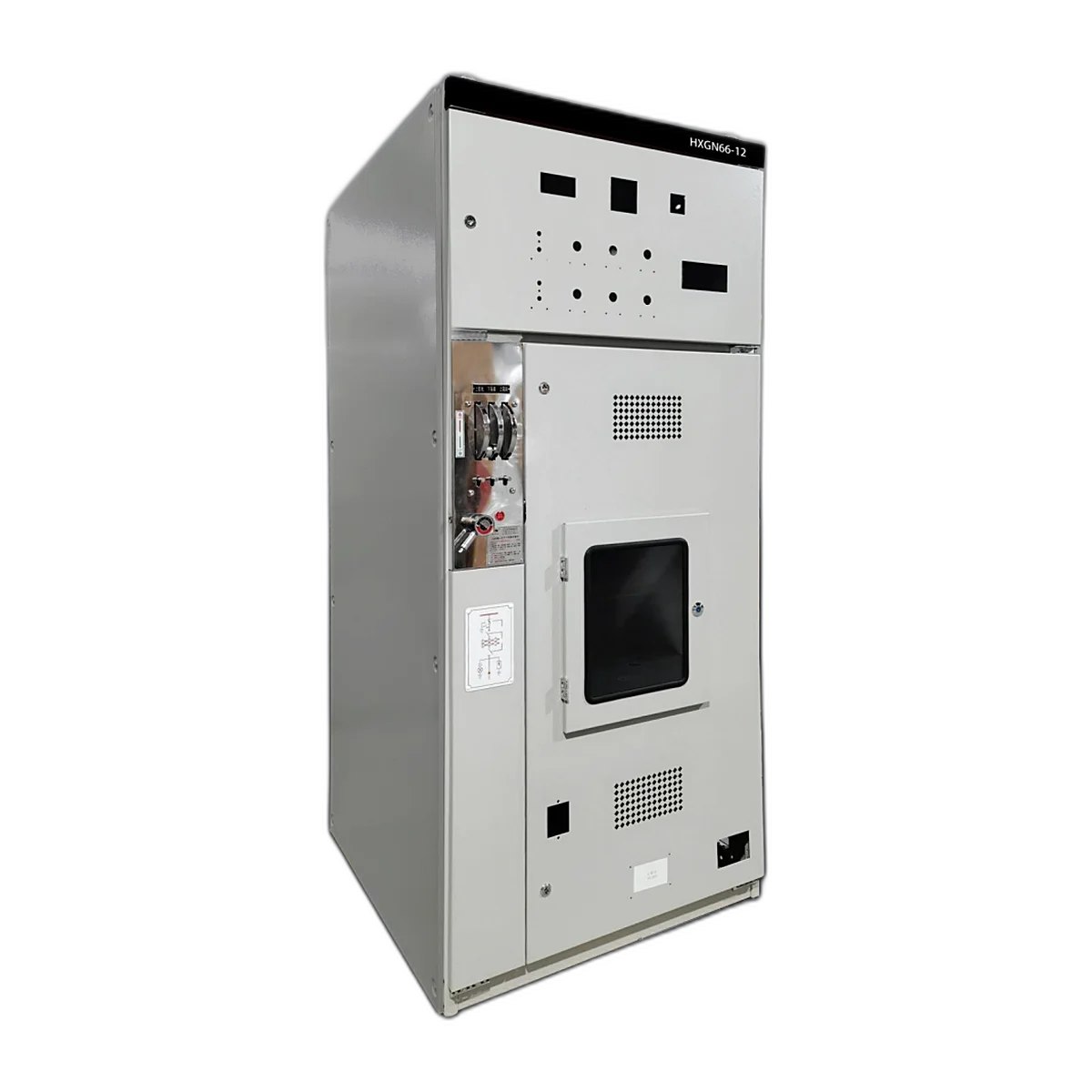
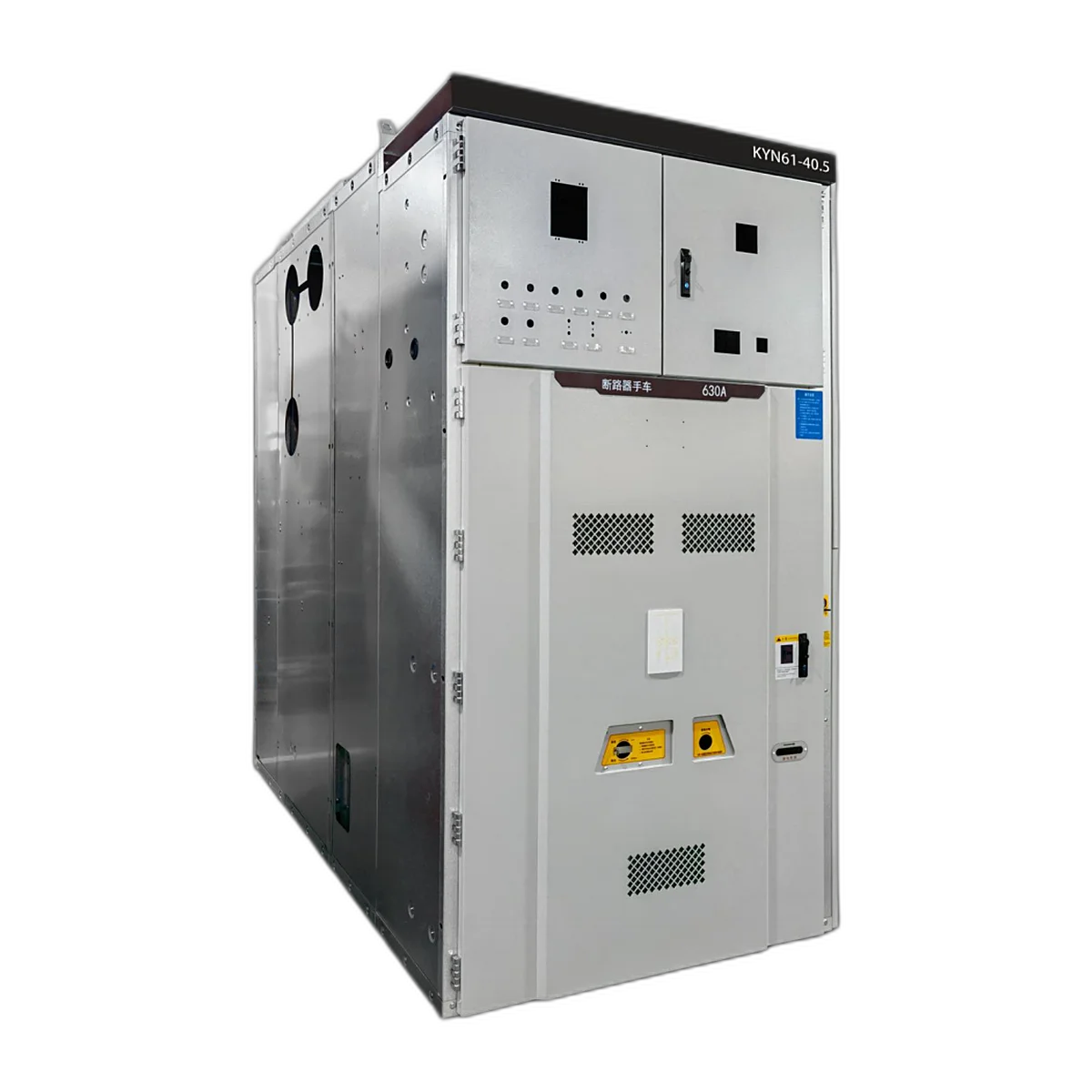
Power distribution cabinets
Cabinet structure and internal mounting space reviewed against the single-line diagram, rated equipment, feeder quantity, cable size and access direction.
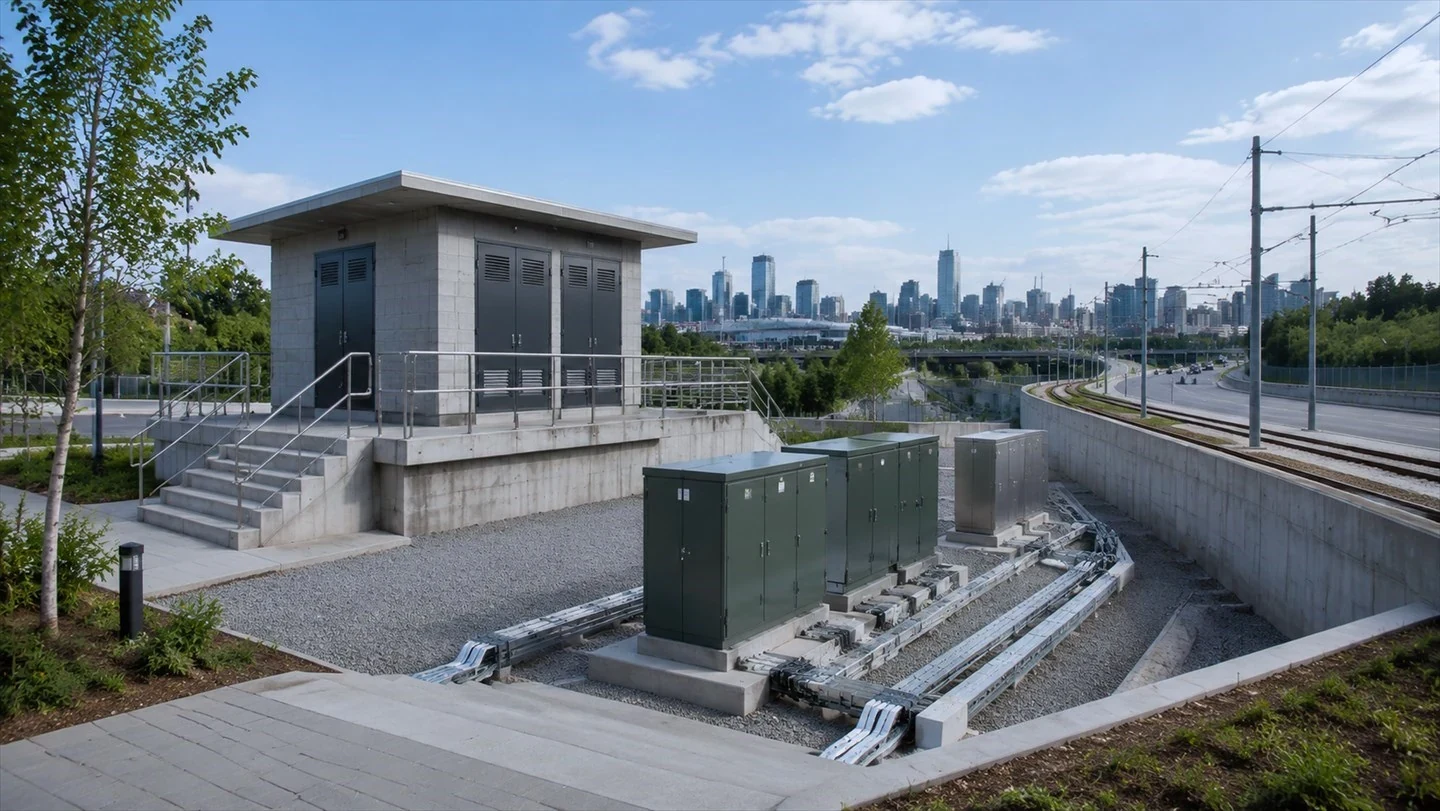
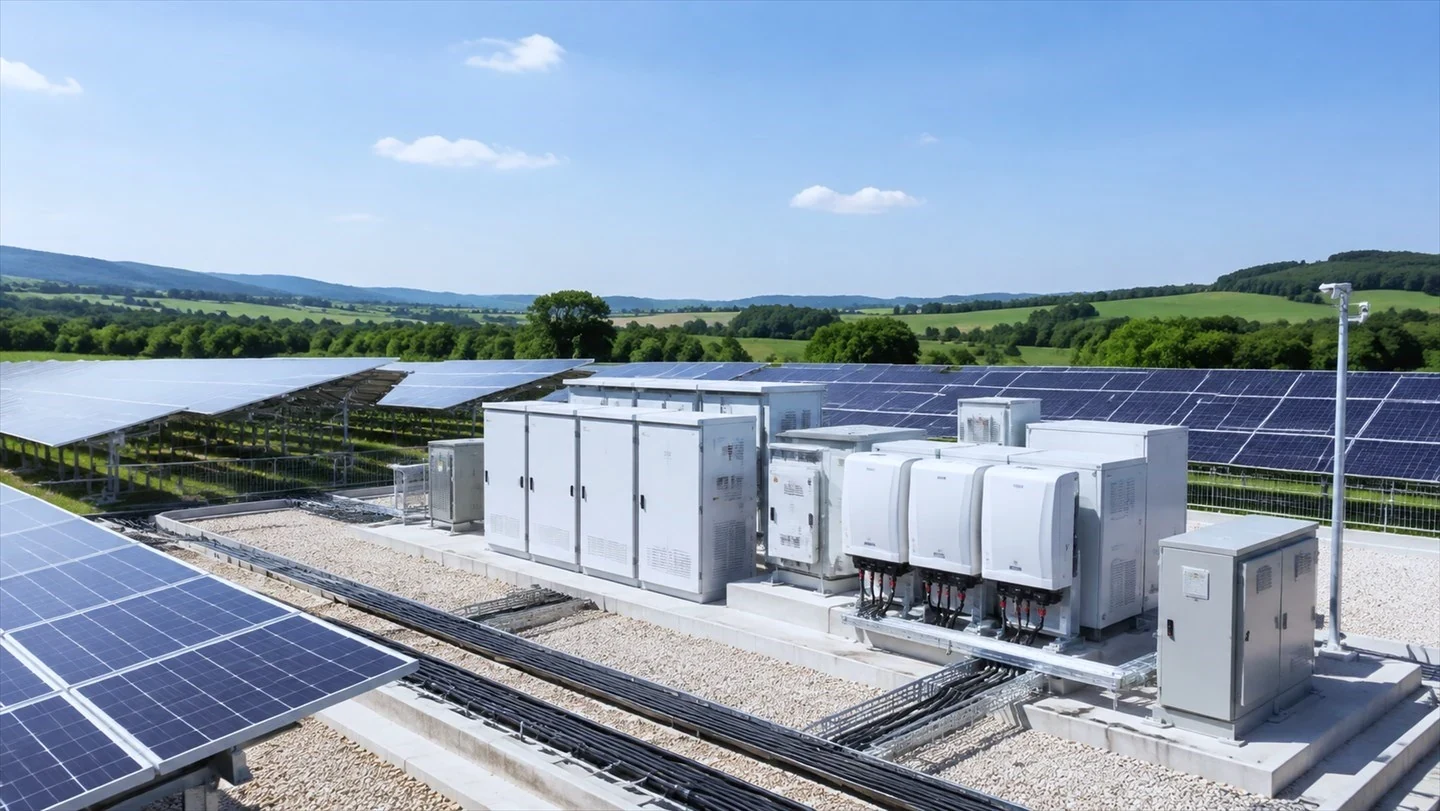
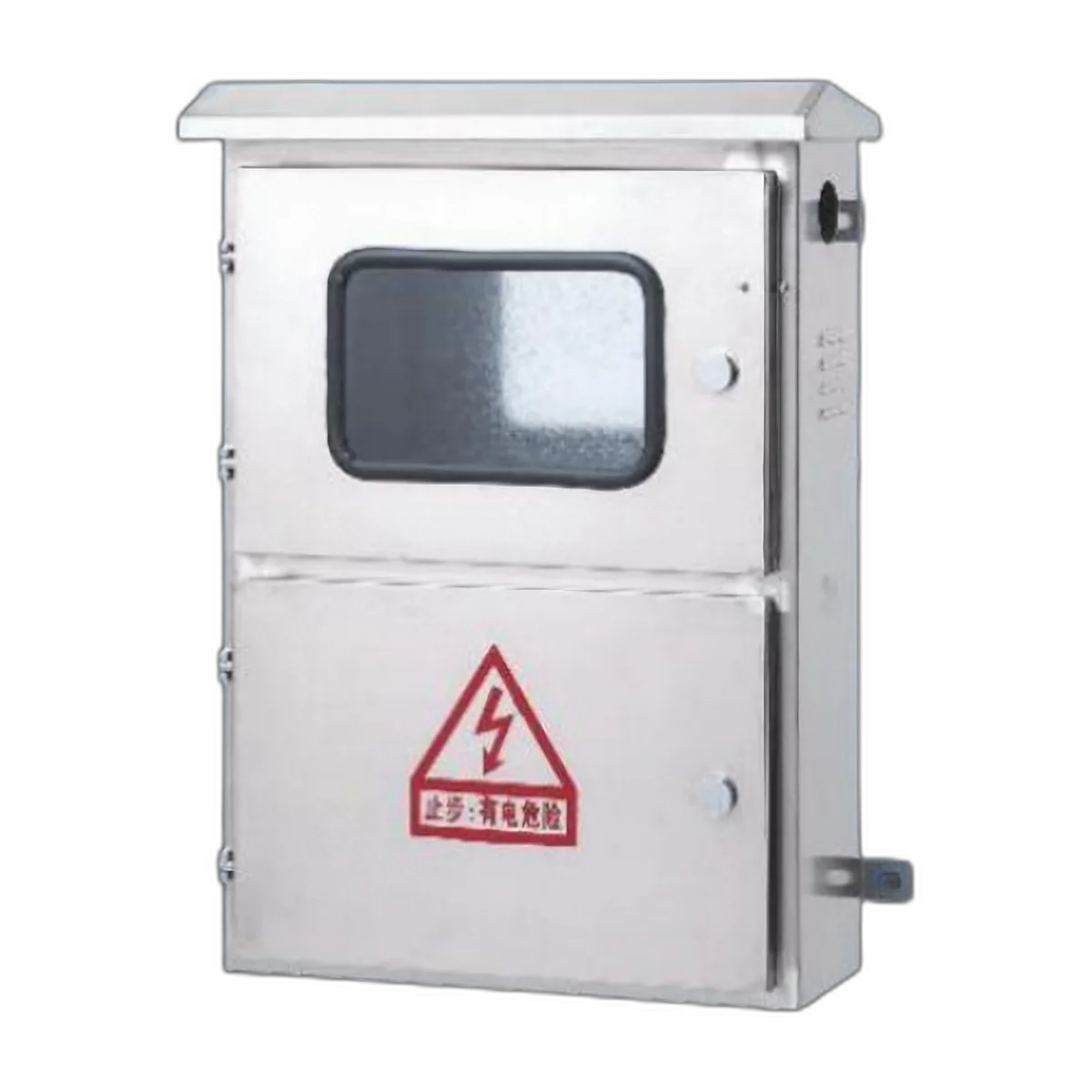
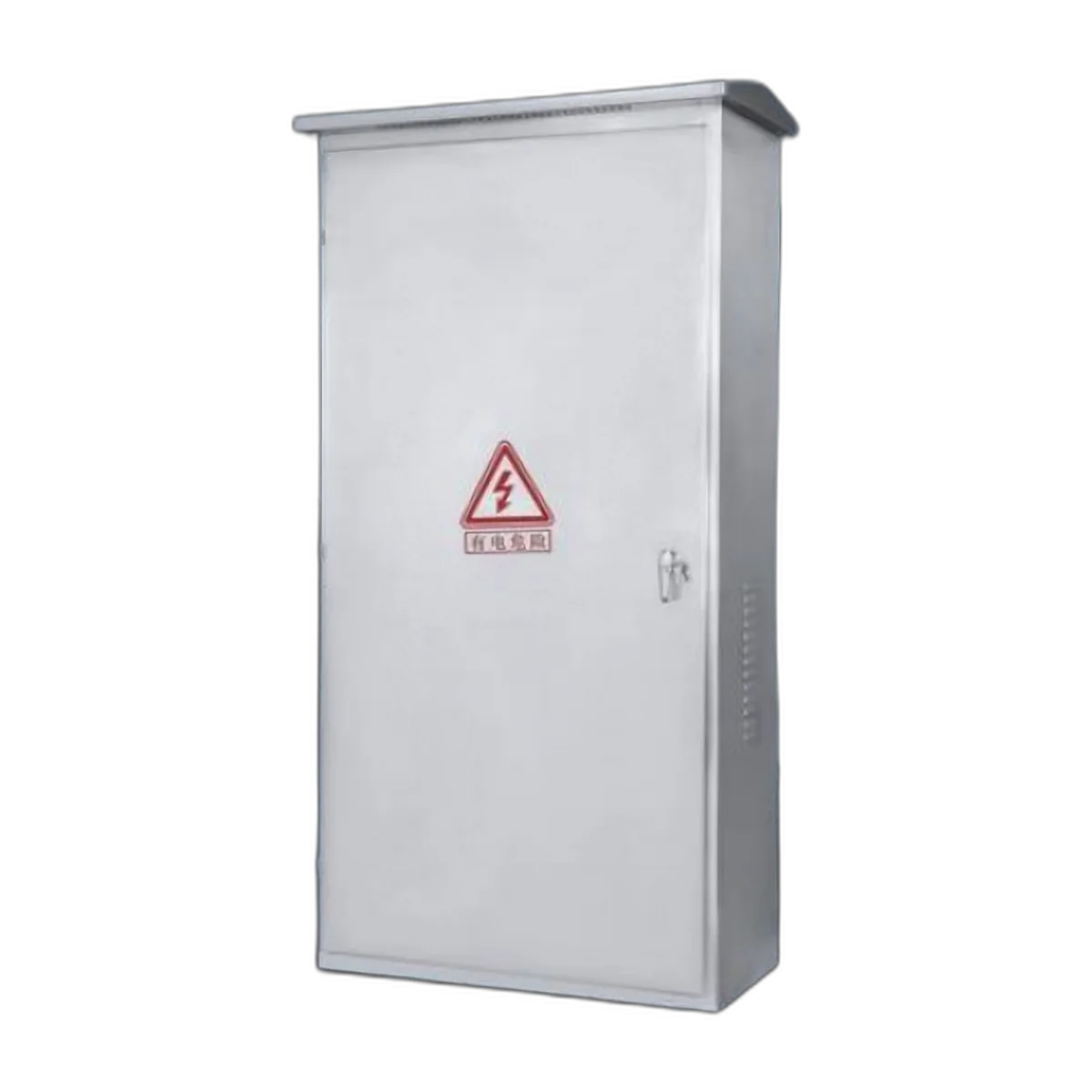
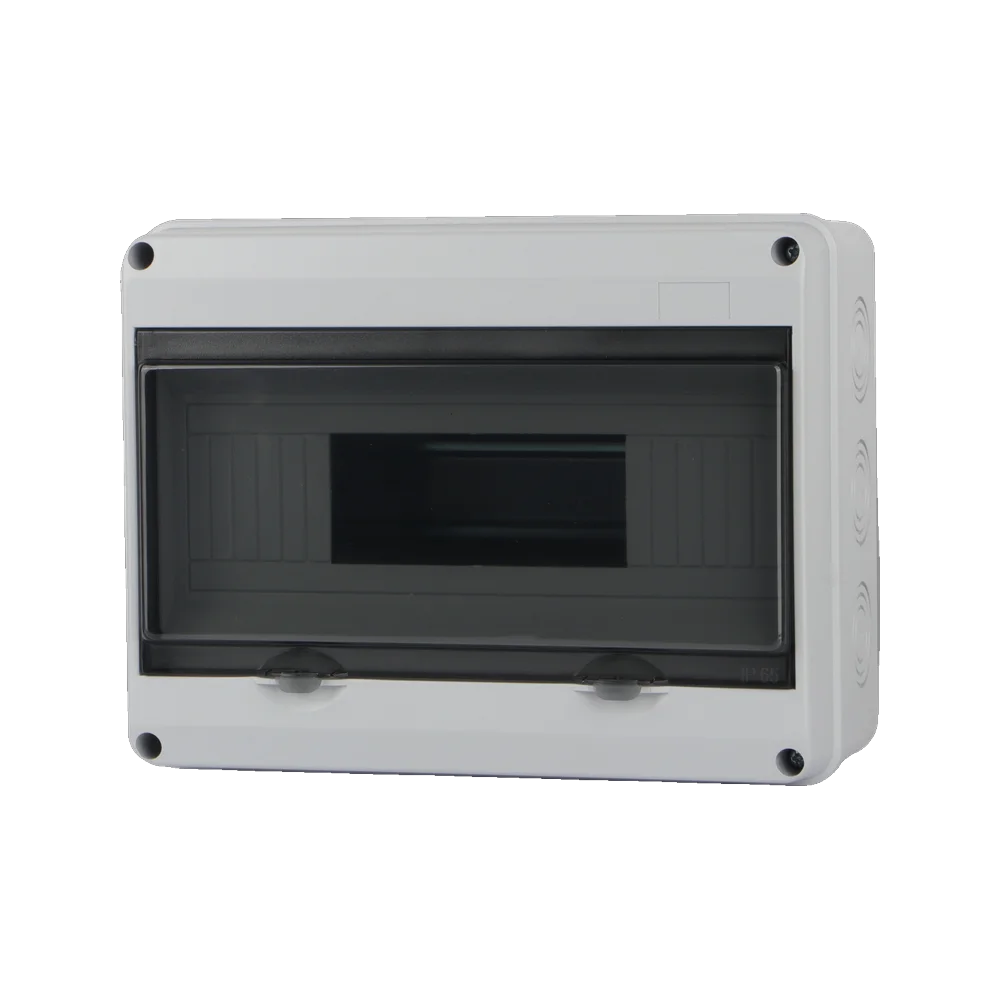
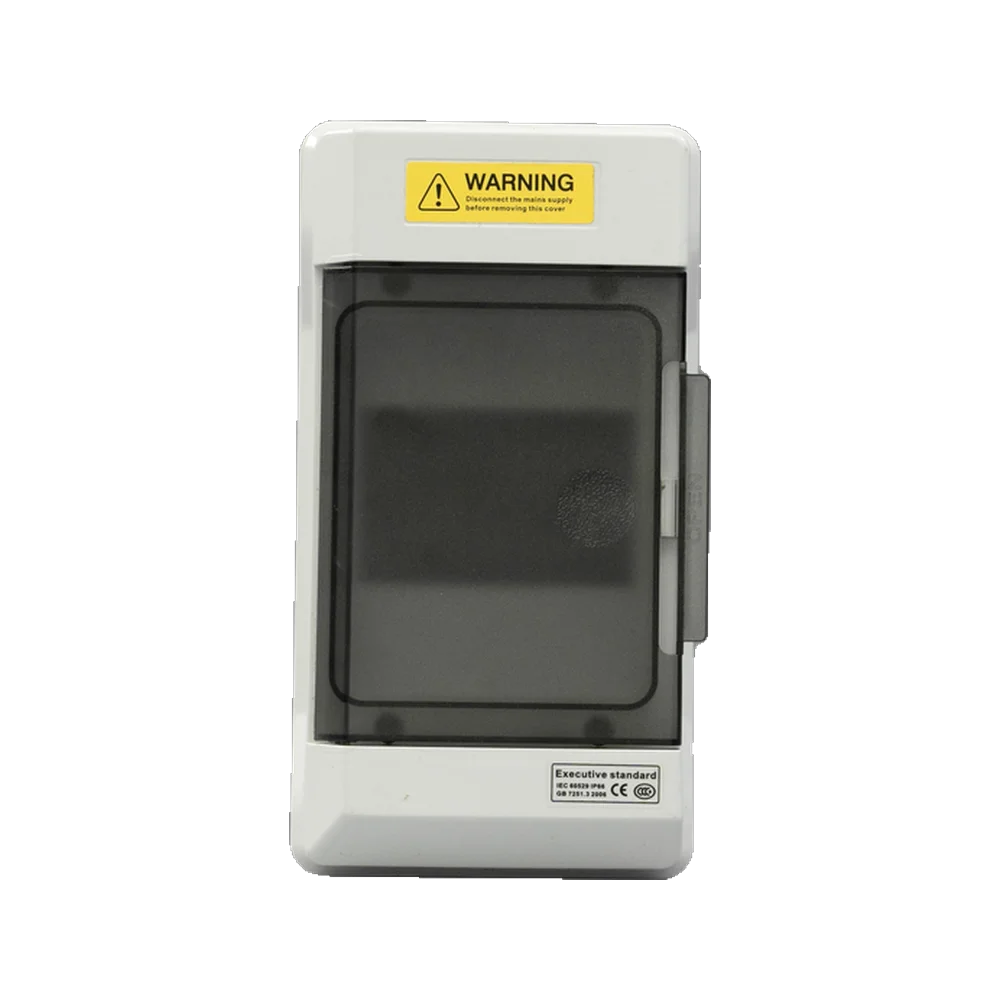
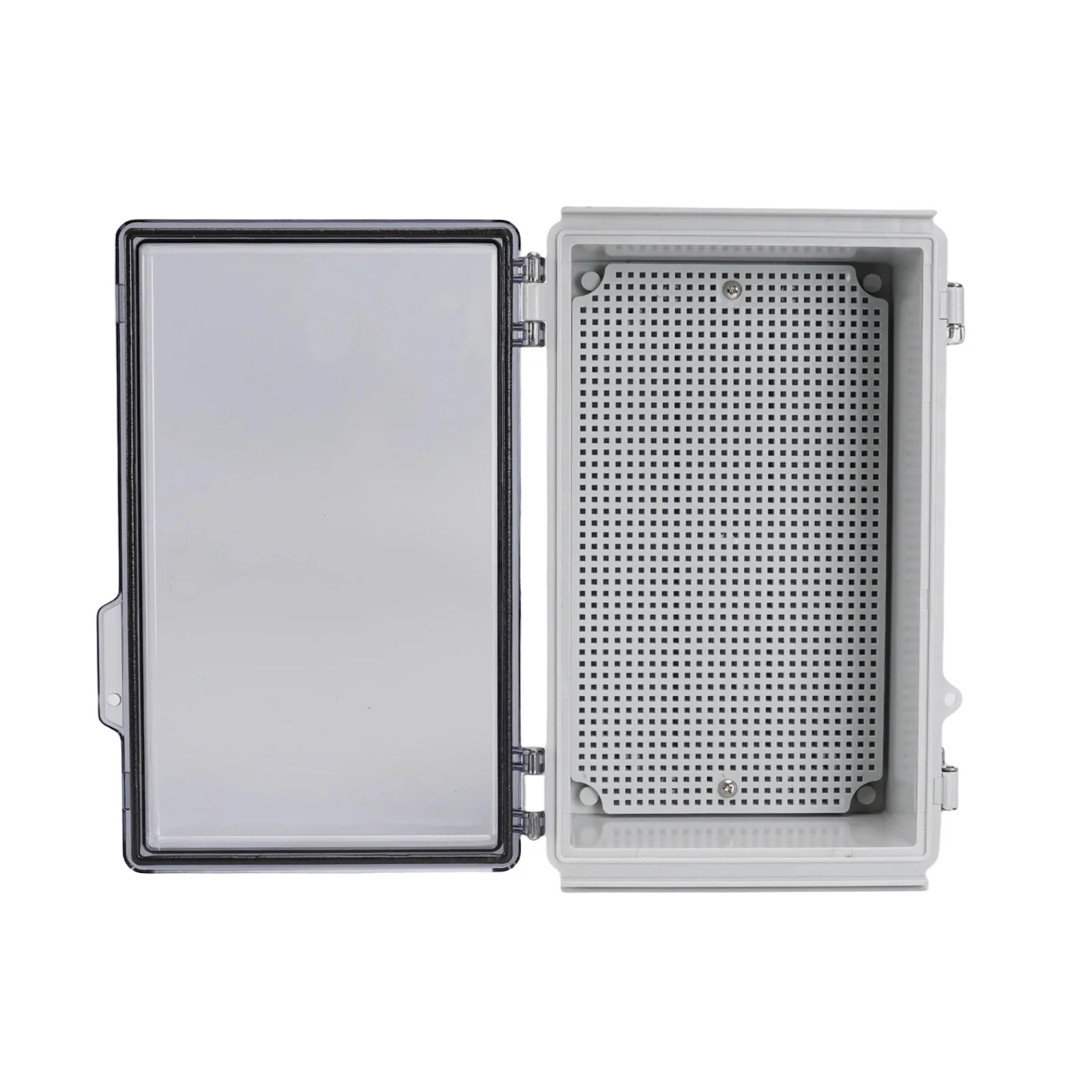
Machine and utility enclosures
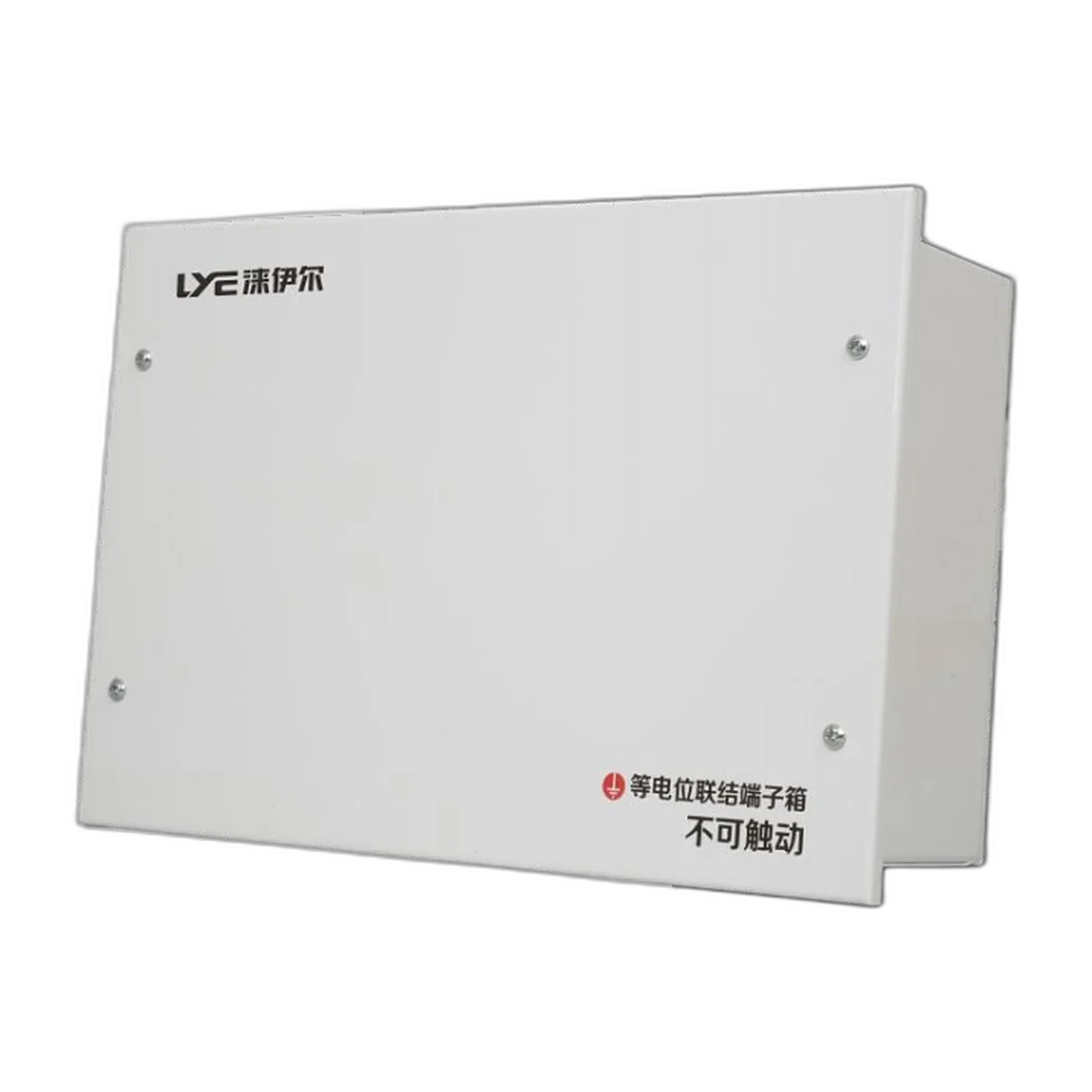
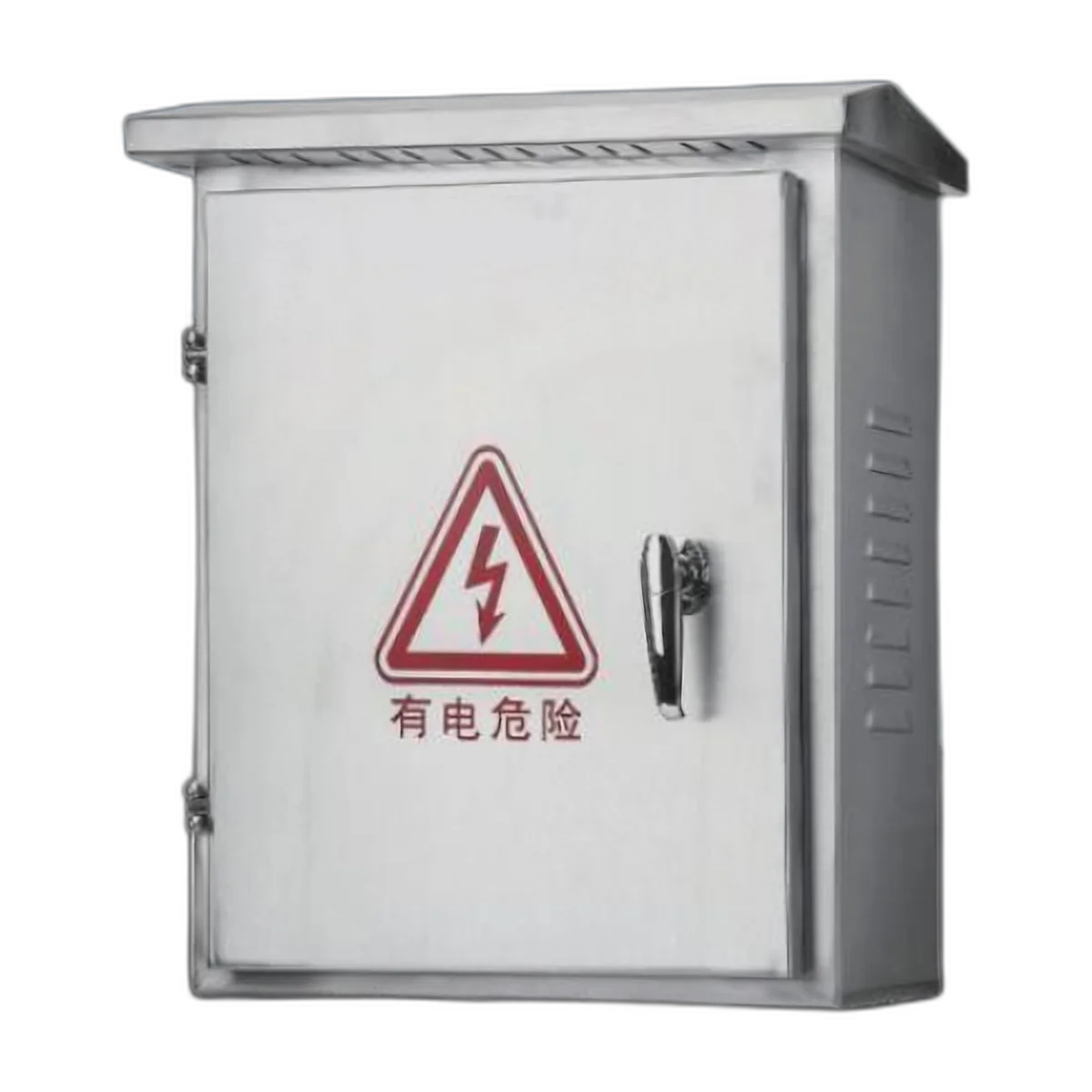
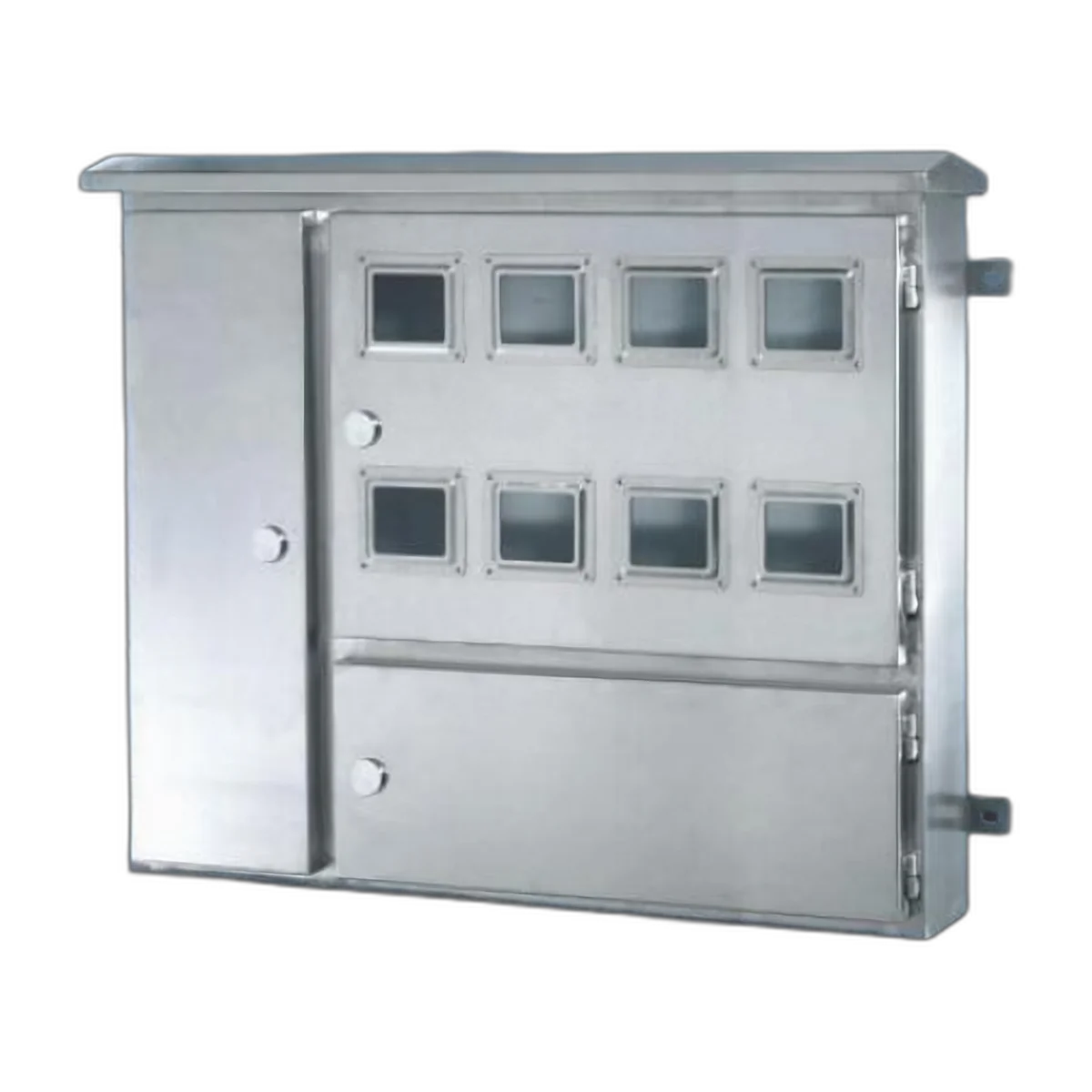
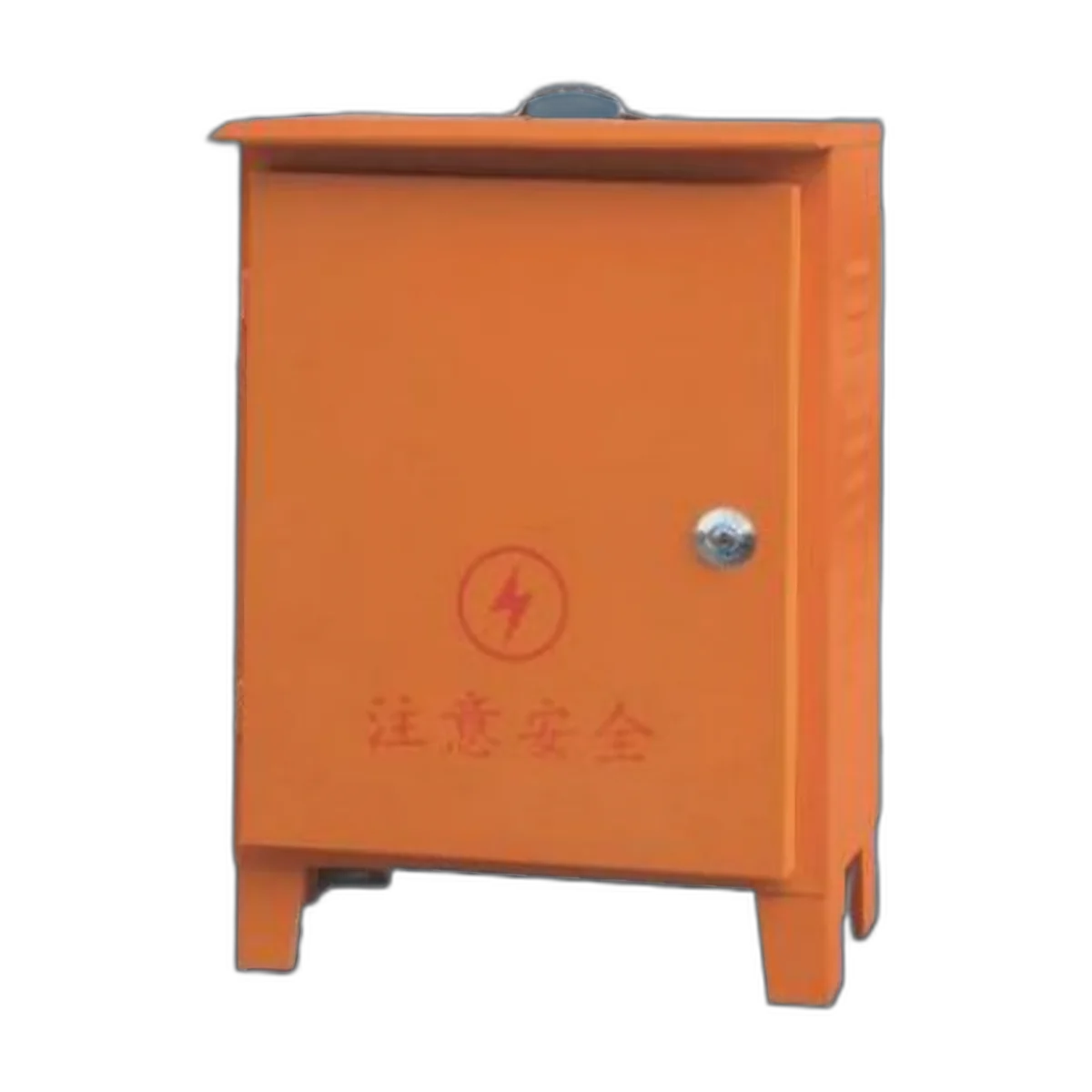
Wall- or floor-mounted sheet-metal enclosures prepared for customer-specified control, protection or plant-service components.
Environmental provisions
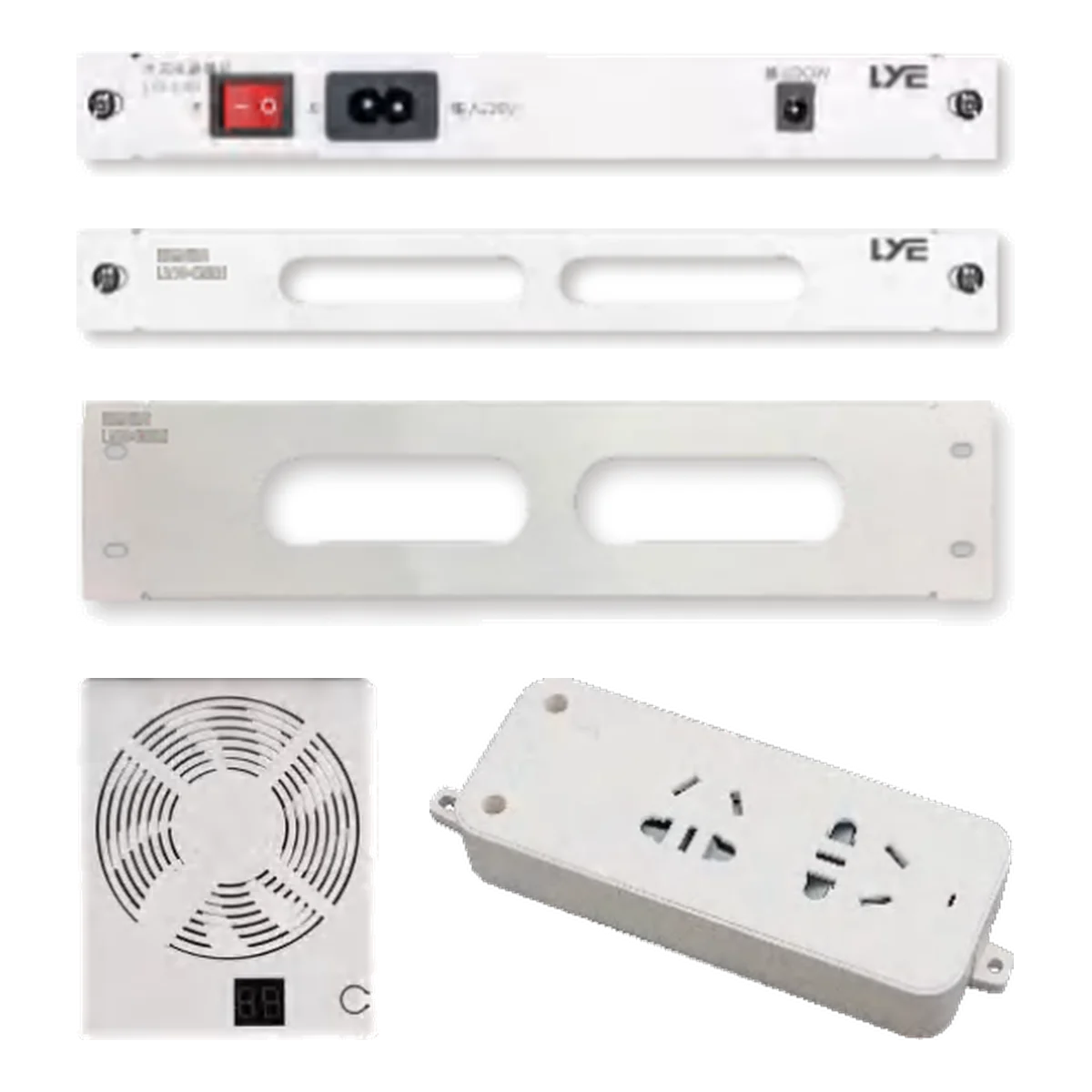
Material, seals, ventilation, filters, heaters, sun shields or corrosion-resistant details considered only where the confirmed site data requires them.
Information required for engineering review
Share the single-line diagram, rated voltage and current, short-circuit data where applicable, component list, heat load, cable sizes, entry direction, installation environment, access clearances, material and finish.
Approval and delivery basis
LYE reviews fabrication drawings and component interfaces before production, then checks agreed dimensions, openings, hardware, finish, labels and packing against the released order information.
Common project questions
Does the enclosure supplier select all electrical components?
Only when component selection is explicitly included in the agreed scope. Otherwise the customer or system designer remains responsible for ratings, coordination and the approved bill of materials.
How is ventilation decided?
Ventilation depends on total heat loss, ambient temperature, dust or water exposure and the allowable internal temperature. These inputs must be reviewed together.