
B2B Supplier Directory Mesh Lockers and Industrial Storage
There are basically two entirely separate types of products to be noted when searching for suppliers of mesh lockers. The first type of mesh locker refers to a type of personal mesh locker, which means that they are units that are meant mainly to be used specially for placing people’s belongings, that may be used by employees at their workplace and may be used in changing rooms, assembly shops, and places of work. The second type of mesh lockers refers to a wire cage that is much bigger than a personal mesh locker and it may be used for storing other materials and items. The majority of people who search for mesh lockers usually need one of the two locker types.
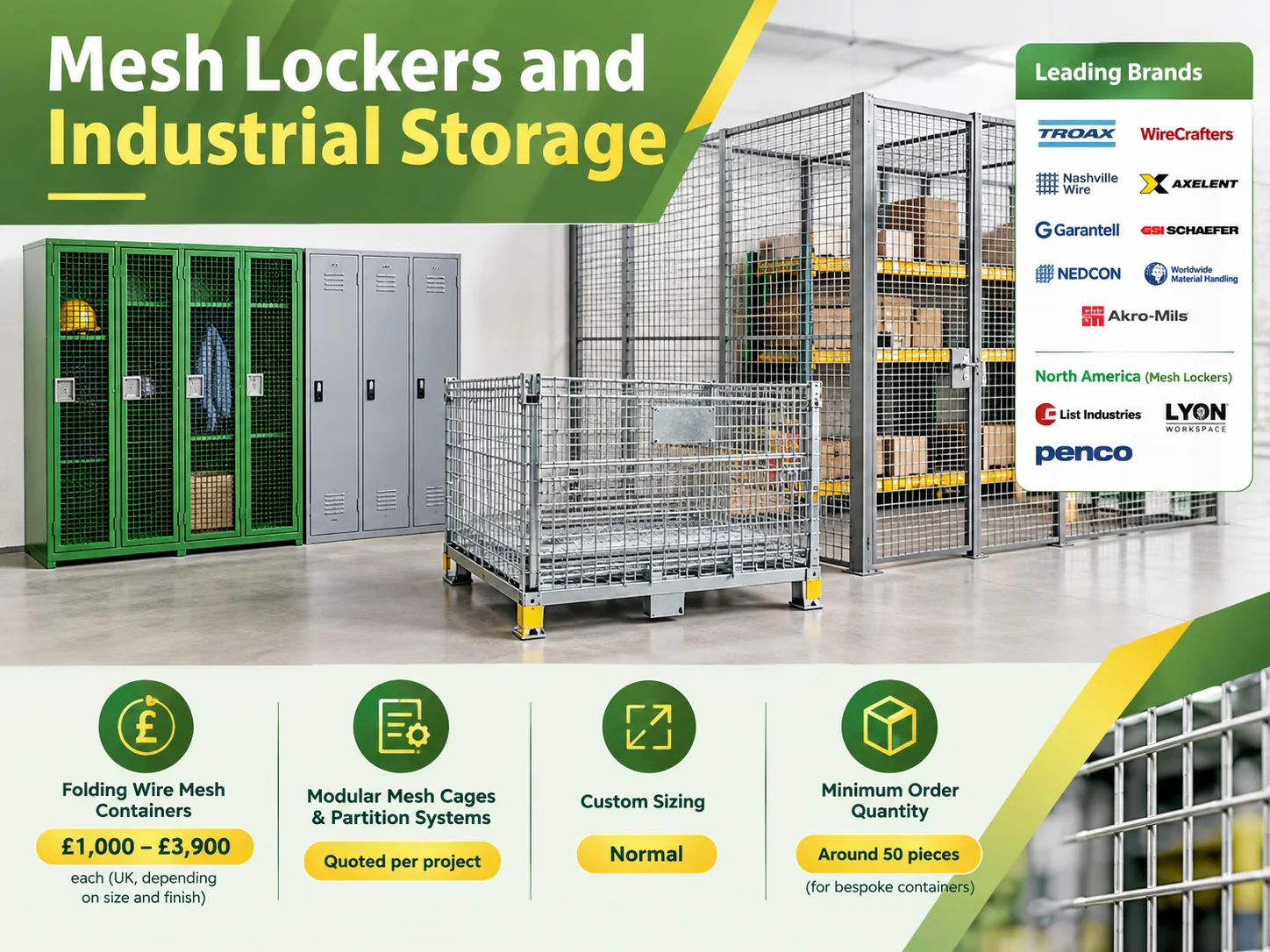
The leading brands in B2B wire mesh partitioning and storage are Troax from Sweden, WireCrafters and Nashville Wire from the USA, SSI Schaefer and Nedcon from Germany and the Netherlands, Axelent and Garantell from Sweden and the Netherlands, and Worldwide Material Handling and Akro-Mils from the USA. Competition among Chinese manufacturers of folding containers is based on price and individualization. List Industries, Lyon Workspace, and Penco are manufacturers of personal wire mesh lockers and plain steel lockers in North America. The prices of folding wire mesh containers range from £1,000 to £3,900, in the UK, depending on the dimensions and finishes. The prices of modular mesh cages and partitioning systems depend on the project. Custom sizes are available, but the minimum quantity required for custom containers is 50 units.
What Buyers Mean by “Mesh Locker”
Correctly identifying the right category will help you save a whole week of unnecessary exchanges in obtaining quotes.
- Wire mesh lockers. These are narrow profiles made from steel. They are usually about 300 mm wide and reach about 1,800 mm high. The lockers are made in numbers of three, four, six or nine compartments. Their top component is that they come with mesh doors that allow visibility of the content inside. These lockers are widely used in sports changing rooms, industrial washing facilities, workshops, hospitals and construction storage sites. The points of their appeal include securing with a padlock or a cam lock, light weight and ventilated design which facilitates inspections.
- Wire mesh containers and cages. These units range in size from about 1200X1200 mm in form of cells to sizes of about 6000 mm in length in order to be used or stored with certain loads. The foldable designs can be shipped back after use. Notably, the design of the units varies from supplier to supplier.
- Wire mesh screen partitions. Modular panel systems to separate storing areas within a warehouse from each other. These are easy and fast installable options to protect offices, separate high-value inventory or secure other restricted areas. The offer on the market is made in form of a modular system, which means several installation projects are available with full list of units being included in them.
The research indicates that all three belong to the same market. Wire mesh partition market for warehouses was estimated at approximately $2.6 billion USD in 2020 and in the five-years’ period of its development it is regarded to increase to about $3.3 billion USD. The share of the global market is increasing by about 3.5% annually due to the principles of space usage and increasing number of workplace safety regulations.
The B2B Suppliers Worth Shortlisting
The following companies are present in the sector, and their competitive advantages include the area of their expertise.
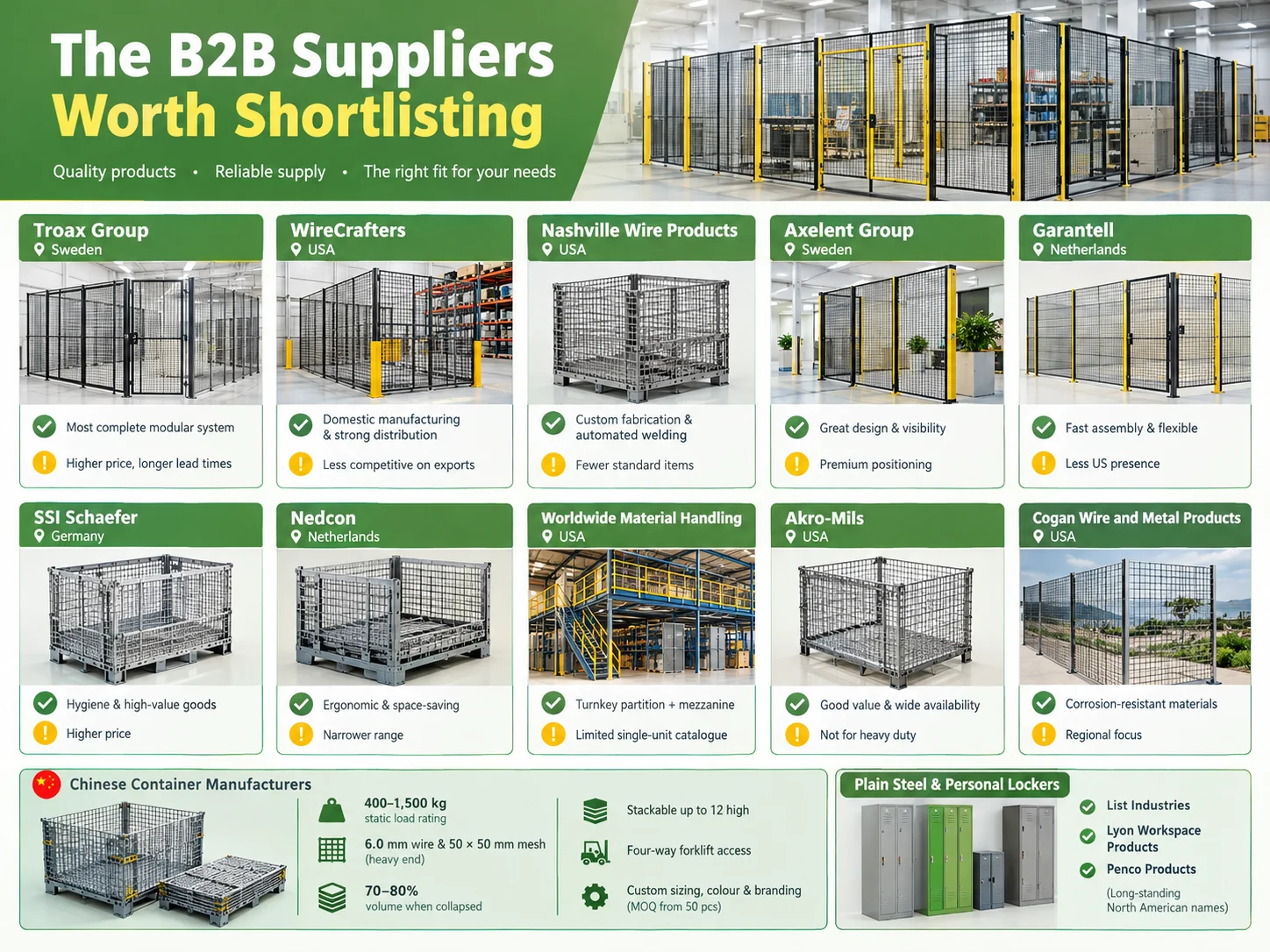
- Troax Group. The worldwide leader in mesh panel solutions for machine guarding, partitioning and property protection, and also manufacturers of mesh cages and lockers. The average size of Troax panels is 2200 mm height, with widths from 1200 mm to 6000 mm and depths from 1200 to 2400 mm (mesh size: 50×50 mm, tubes: 30 mm x 20 mm, wire: 3 mm x 3.75 mm), doors can be opened 270 degrees wide, the colors available include grey RAL 7037 for indoor use and hot-dip galvanizing for outdoor use. Troax is represented in more than 40 countries using its local distributors. Advantages: the most comprehensive modular solutions on the market and the possibility to provide 3D drawings before placing an order. Disadvantages: high prices and lead time can be different in each country.
- WireCrafters. Another player in the USA, WireCrafters involves in production of wire mesh partitions and lockers. They have patented folding system and offer standard sizes which can be used with pallet racking. Advantages: local manufacturing and wide network of distributors. Disadvantages: low competitiveness when it comes to exporting capacity.
- Nashville Wire Products. Well known company in the USA with extensive wire forming and welding capabilities, as well as ability to undertake large custom projects.Advantages: heavy-duty custom fabrication and automated welding for mass production. Disadvantage: fewer products in the standard catalogue.
- Axelent Group.Machine guards, partition walls, and racks adhere to a principle of design-oriented development of their methods to be installed swiftly. Strength: beauty and ventilation, where safety is no less important than visibility. Weakness: high pricing. Garantell (Nieuwegein, the Netherlands) is a well-known provider of industrial mesh panels aimed at fencing and barrier purposes, which are pre-manufactured and simple to install. Their Strength: speed of assembling and setting up of their systems. Weakness: limited exposure in the United States.
- SSI Schaefer (Germany): engineering of mesh pallet cages with potential lining in panels and coatings suitable for food processing. Strength: applications in food and pharmaceutical industries. Weakness: pricing resulting from engineering work.
- Nedcon (Netherlands): folding containers with ergonomic design and ease of use principles. Strength: frequent uses in retail and electronic business. Weakness: limited use in different types of containers or shelving.
- Worldwide Material Handling (South Holland, Illinois, USA): partition walls and mezzanine floors provided in the form of finished projects. Strength: delivery of a finished unit combining both types. Weakness: limited product range for smaller orders.
- Akro-Mils (USA): cheap materials and products for livery distances. Strength: high availability for small purchasers. Weakness: low strength of materials.
- Cogan Wire and Metal Products (Kapolei, Hawaii, USA): wire mesh and partitions that can withstand severe operating conditions. Strength: corrosion-resistant materials for severe weather conditions. Weakness: too local experience.
- Chinese producers, Kinsto is one of them: folded containers made from wire mesh that is capable of carrying up to 1000 kg of weight, with wires measuring 6mm in diameter and width of the mesh at the heavy end being 50mm, collapsible and taking 70-percent less room in storage, also easily handled with forks. Strength: low price and ability to customize materials. Weakness: you are buying at a distance and managing everything yourself.
ListIndustries, Lyon Workspace Products and Penco Products are recognized names in North America.
Prices: What Mesh Storage Actually Costs
Published UK list pricing for modular mesh cages gives a concrete anchor for the size-to-price relationship.
| Unit size (H × W × D, mm) | Grey, indoor | Galvanised |
|---|---|---|
| 2,230 × 1,200 × 1,200 | £1,058.90 | £1,339.50 |
| 2,230 × 2,200 × 1,200 | £1,239.36 | £1,584.19 |
| 2,230 × 2,200 × 2,400 | £1,644.23 | £2,142.40 |
| 2,230 × 2,200 × 3,600 | £2,136.51 | £2,788.03 |
| 2,230 × 2,200 × 4,800 | £2,541.39 | £3,346.25 |
| 2,230 × 2,200 × 6,000 | £2,946.25 | £3,904.45 |
Those are ex-VAT selling prices of ordinary types, and the trend is helpful: depth contributes to the price much more than height or width, and there is an addition of about 25-30% for galvanized types for outdoor use.
- Folding types of wire containers (1200×1000 mm type): around $300-$1200 for each, depending on load capacity, wire thickness and finish with volume discounts starting from 50 hundred pieces.
- Mesh lockers for personal use (3-6 compartments ): about $150-$600 each depending on the number of compartments and door hardware and whether they are stand-alone or installed in one piece.
- Modular wire partition and cage structures: prices upon demand – expect a low number for a single cage, and a high price for a broad wire zoning across the warehouse.
- Transportation, base and installation money involved – these costs are usually at zero when it comes to bolt-down cages and partitions since installation can cost from 15 to 30% of the total cost.
The only real number that should be negotiated well is not the unit price, but the product itself – panels, posts, brackets and other accessories. Suppliers are likely to make a small profit on the price of the finished product, at the same time increasing the prices of accessories, so one has to assess the price of the whole product, not just separate units.
Where a Mesh Locker Is the Wrong Answer
The use of mesh is beneficial for a high-turnover kind of storage that is visible and ventilated. However, it is not a good option in 4 different situations.
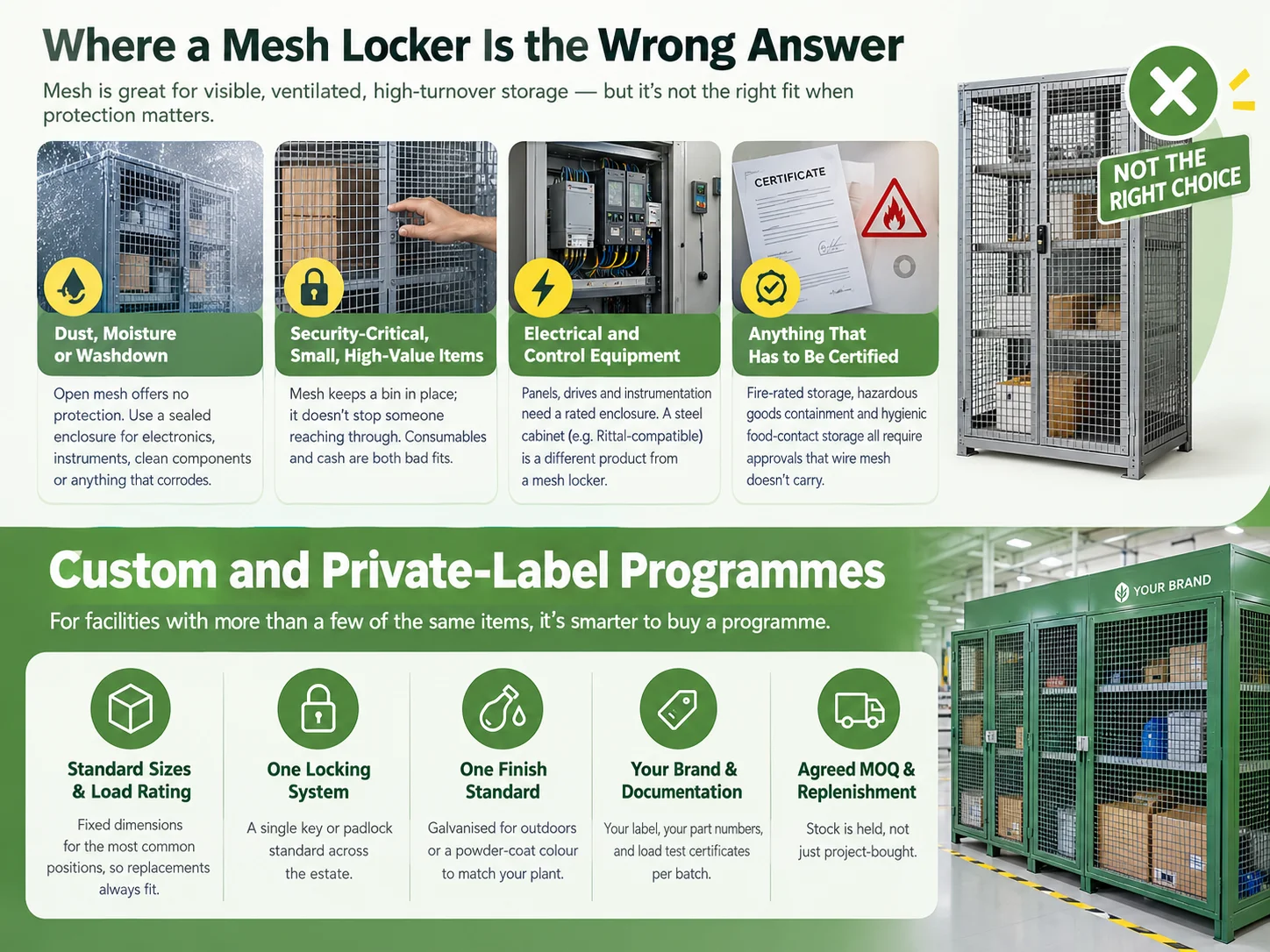
- Dust, dampness, and washdown. The mesh is not suitable for any situation when dust, moisture, and washdown are present. If you need to store electronic devices, instruments, clean components, or anything else that can corrode, you must use a sealed enclosure instead of a mesh cage.
- Security-critical quantities of valuable items. With the help of mesh, one can keep a bin in place, but such materials allow people to reach into the bin’s contents with a hook or hand. The use of a cage is not suitable for cash and for consumables storage.
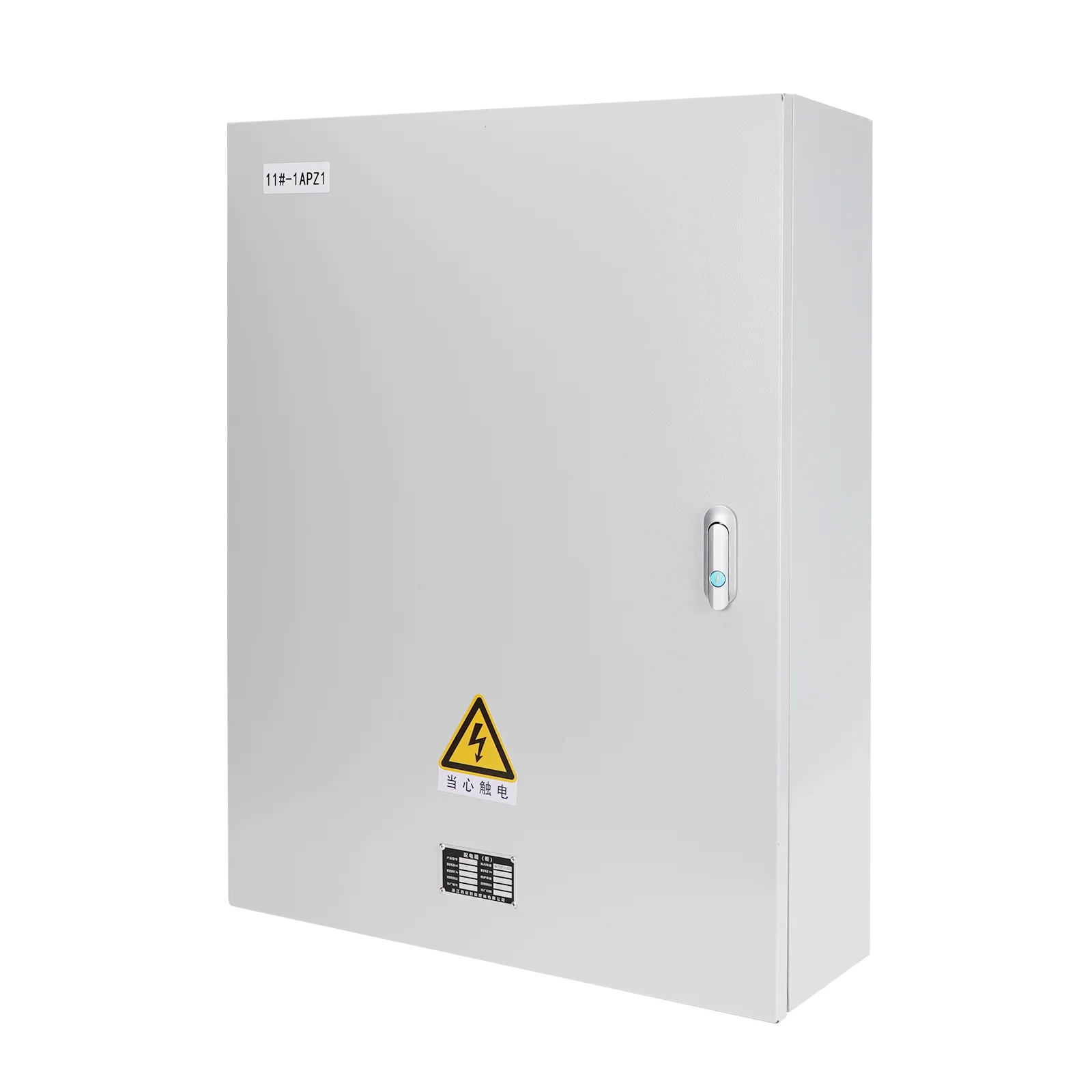
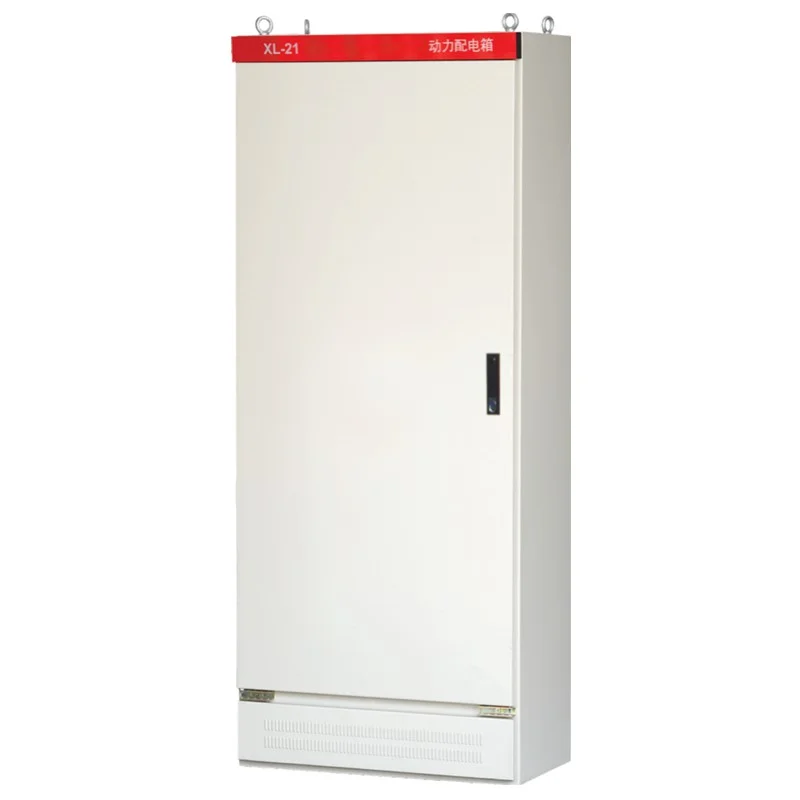
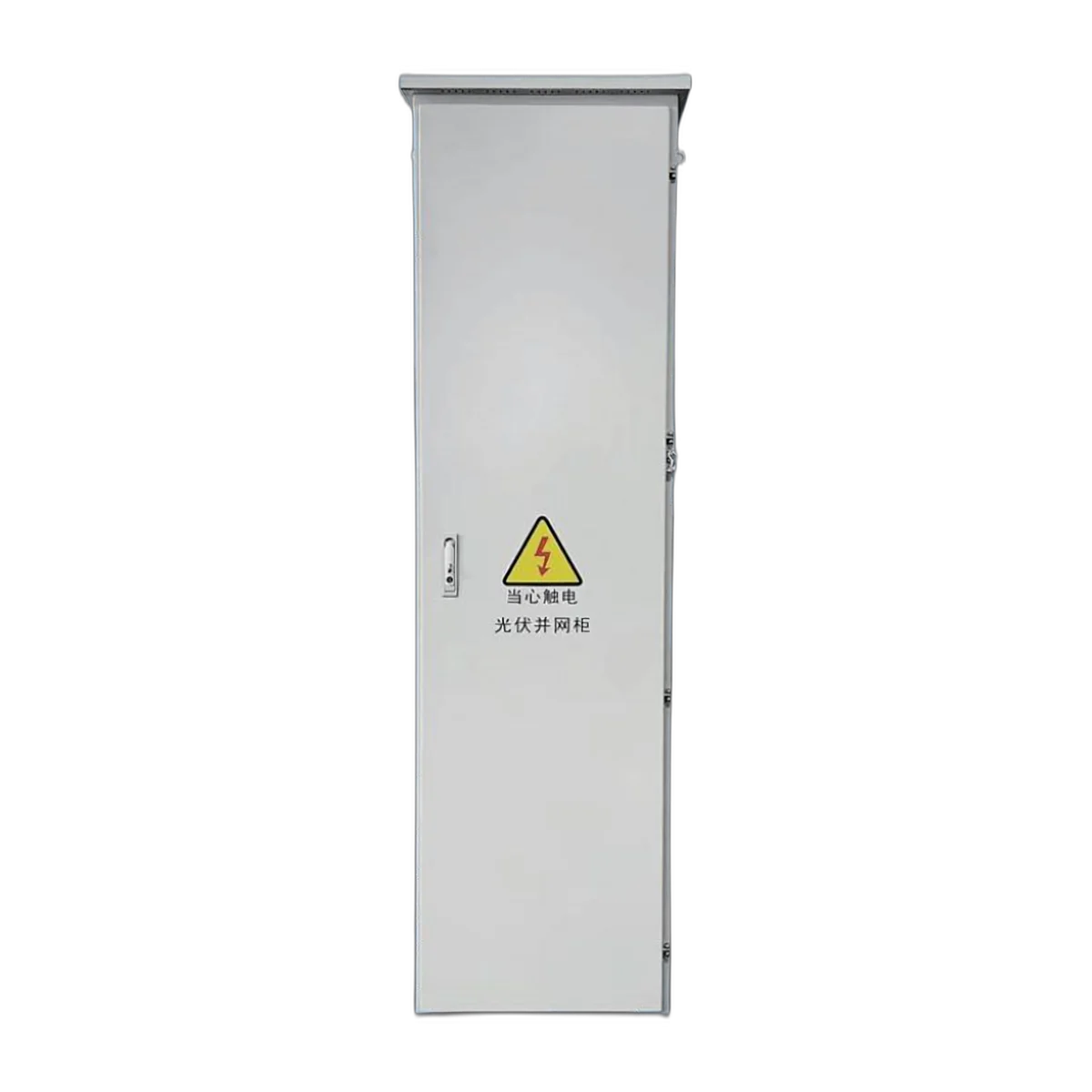
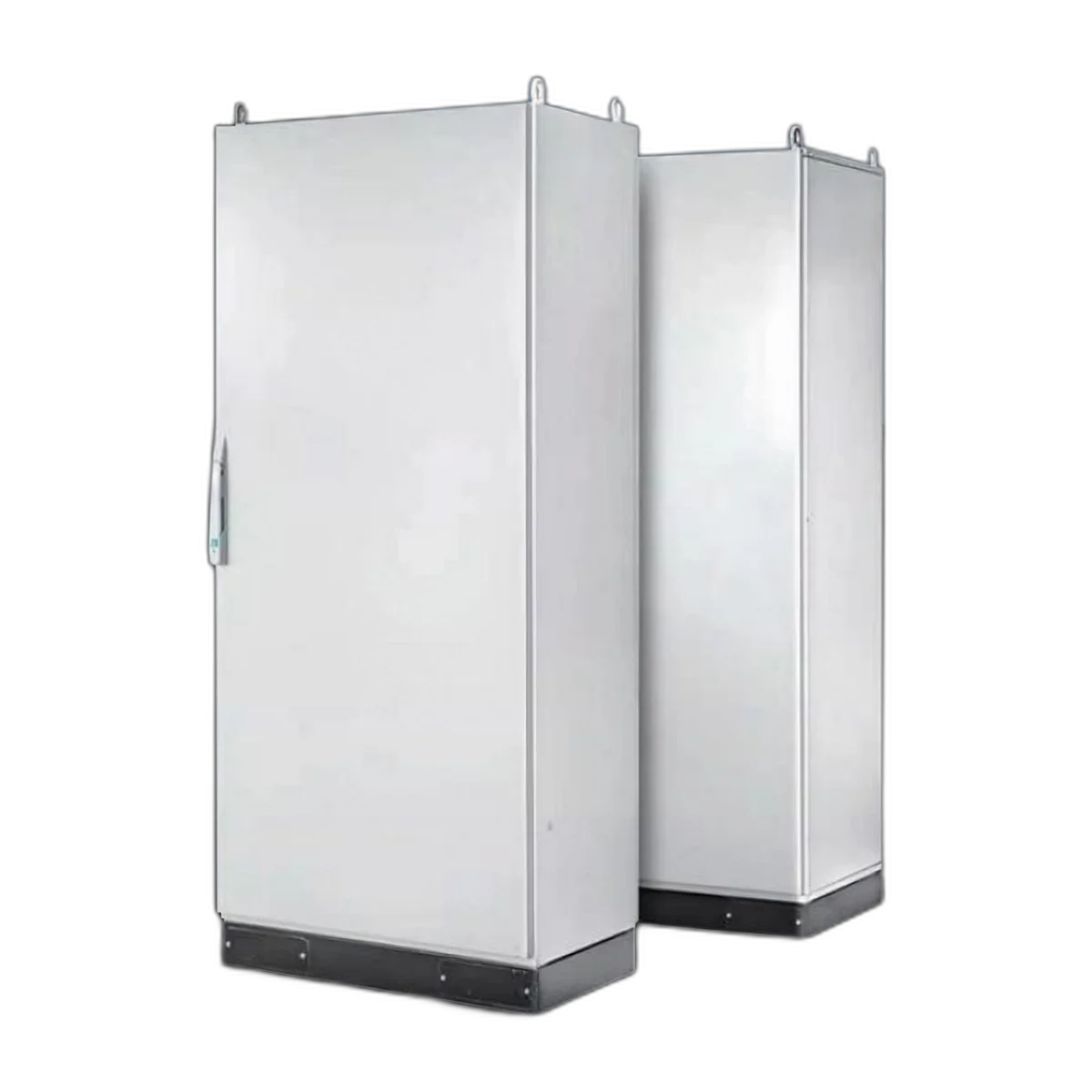
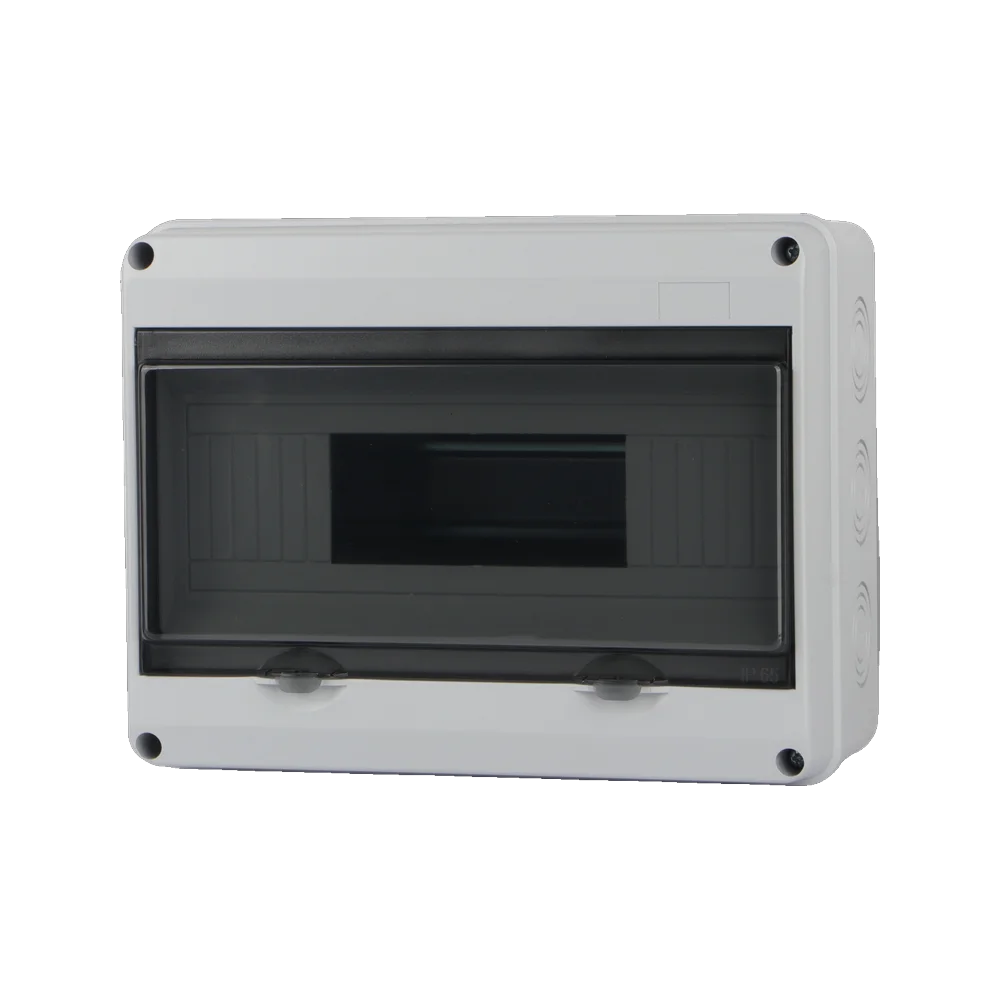
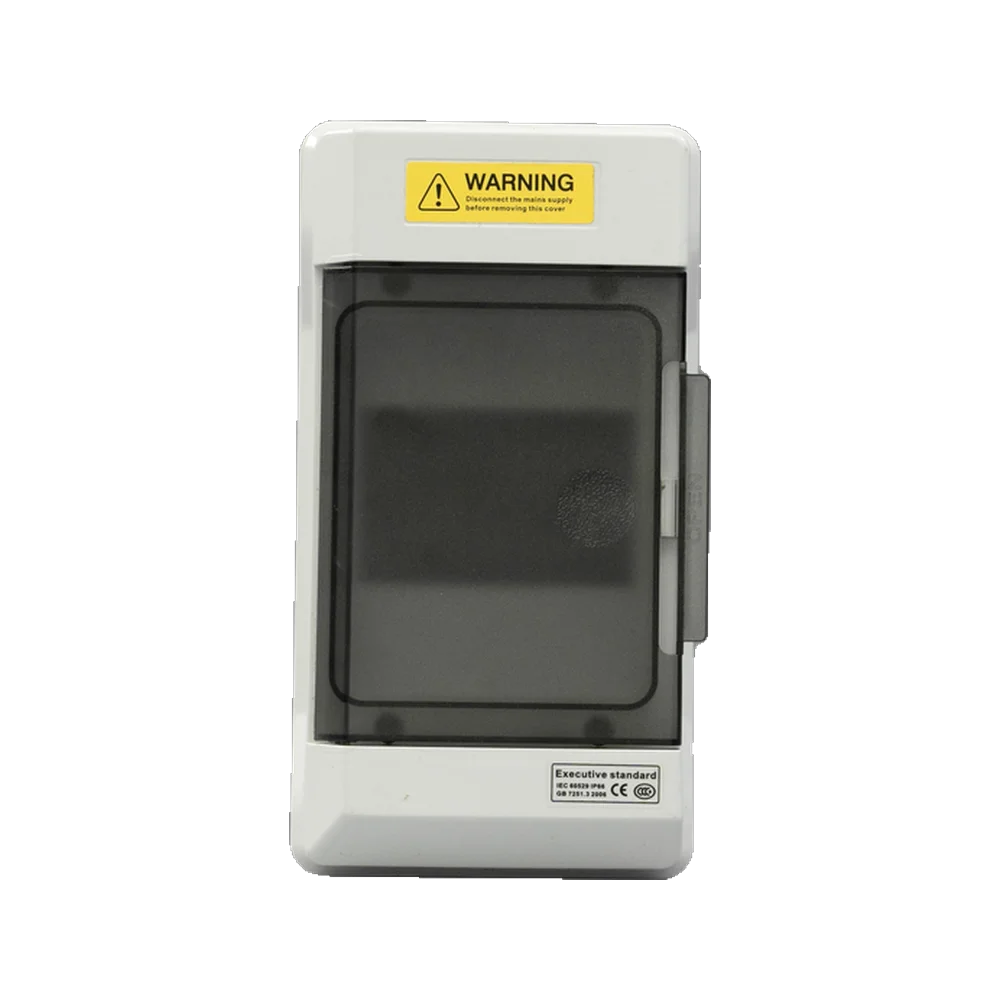
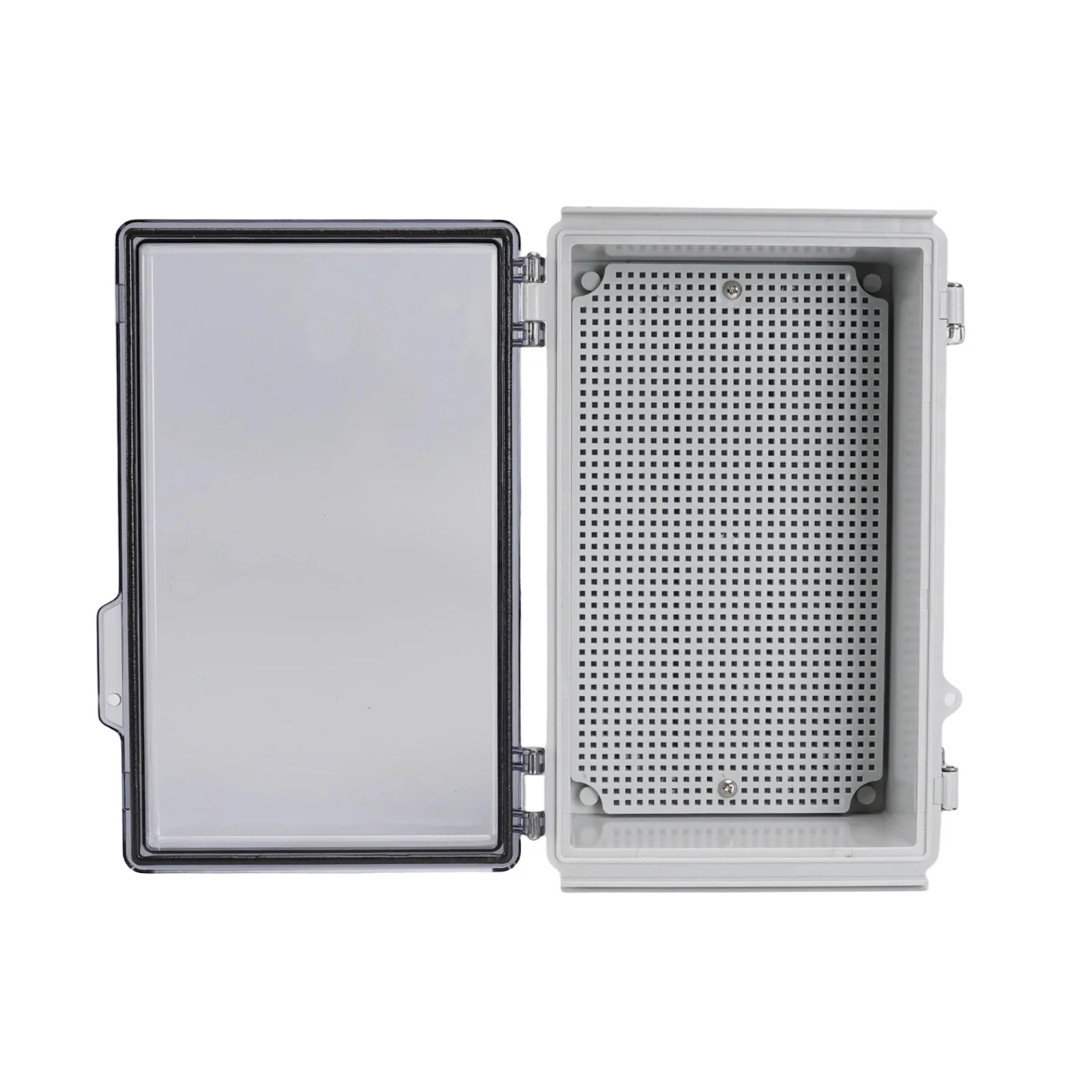
- Electrical and control gear. Any enclosure for a control panel, drive, or measuring device is specified by the electrical and environmental standards applicable to such equipment, so it cannot be replaced with mesh, even if the size seems to be similar. In some cases, you may need a cabinet instead of a mesh cage.
- Any certification-requiring items. For example, when dealing with fire-resistant storage, storage of hazardous materials, or hygienic food storage, one must understand that mesh does not have any credentials to confirm safety.
The main question is that of needing visibility as opposed to ensuring protection. If you need to be offered visibility but less protection, a mesh cage is the best choice. If you need protection rather than visibility, a mesh cage is the wrong option and it will not help, no matter how well it has been specified.
Custom and Private-Label Programmes
When a facility accumulates a number of assets, the viewpoint towards the source of supply turns from buying merchandise to buying a plan.
Value-based concept of the private labeling:
- Fixed dimensions and load rating that can cover at least two or three possible sizes, which guarantees the replacement compatibility.
- The unified lock system for the whole estate allowing the staff to use only one lock.
- The one finish standard either galvanised for outdoor application or powder-coating that matches the branding of the entire company.
- Branding and documentation, such as the label, part numbers and load test certificates for each batch.
- Minimum orders, as well as the defined frequency for deliveries, which means that stock will be produced on a regular basis instead of being produced whenever necessary.
It is the practice regarded by enclosure manufacturers running OEM programmes, rather than being relevant only to the steel storage or electrical enclosure domain.The manufacturers set up for OEM and ODM production of industrial enclosures — agreed drawings, agreed finishes, agreed documentation — are the ones worth talking to about it, because the value is in repeatability rather than in any single unit.
Adjacent Categories You’ll Usually Order Together
A storage and security venture will never be complete with the use of cages only. Cutting down on the suppliers should bring down shipping and administration costs.
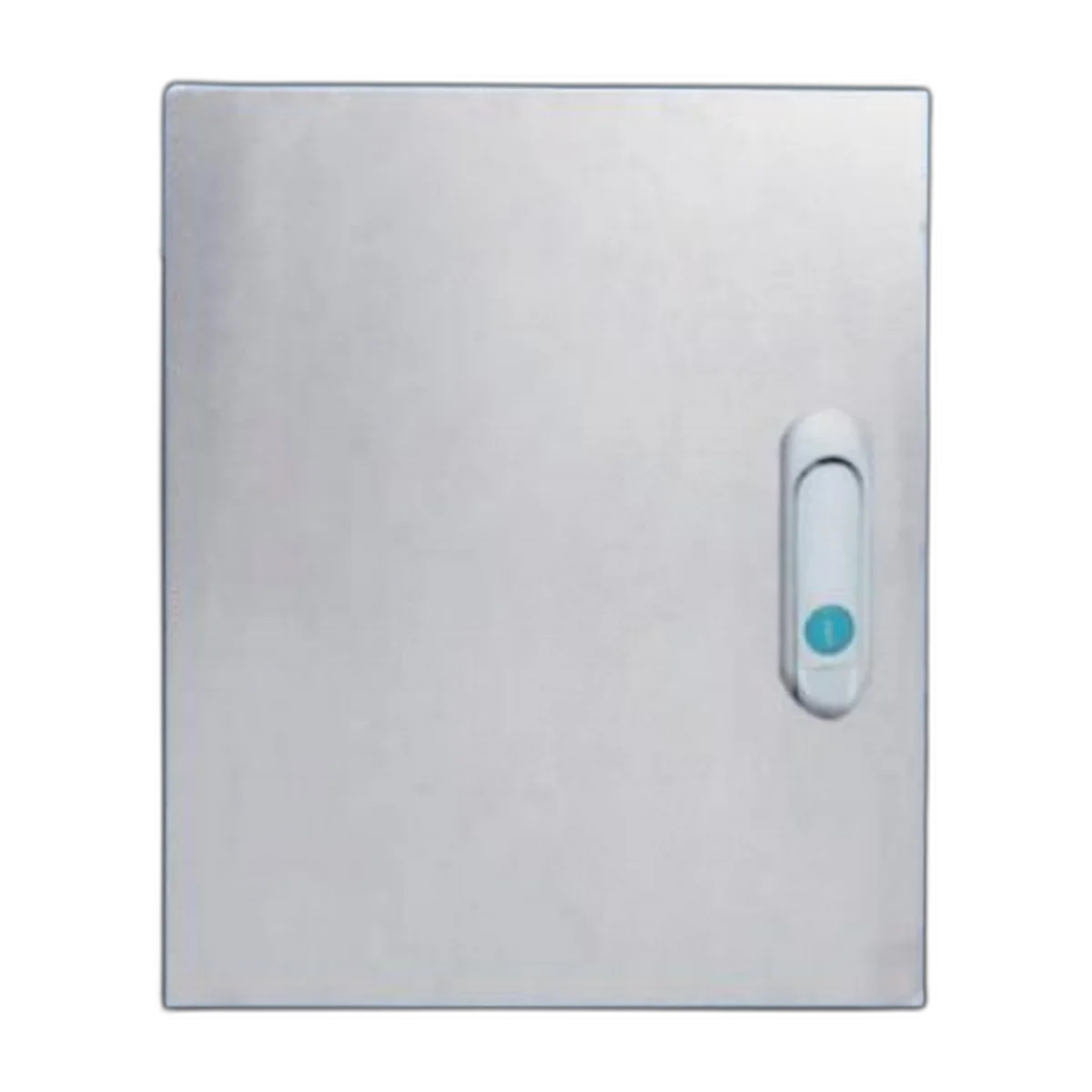
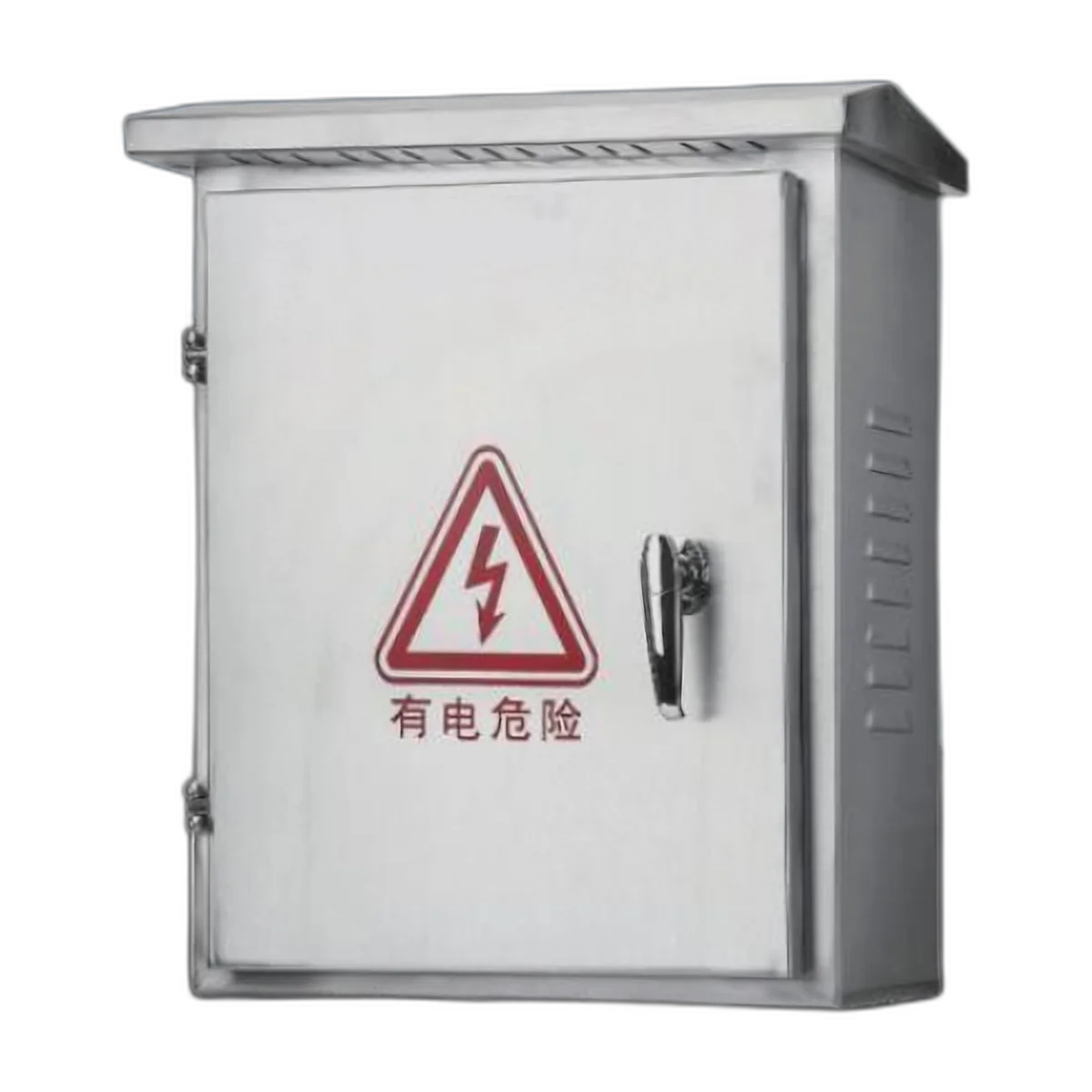
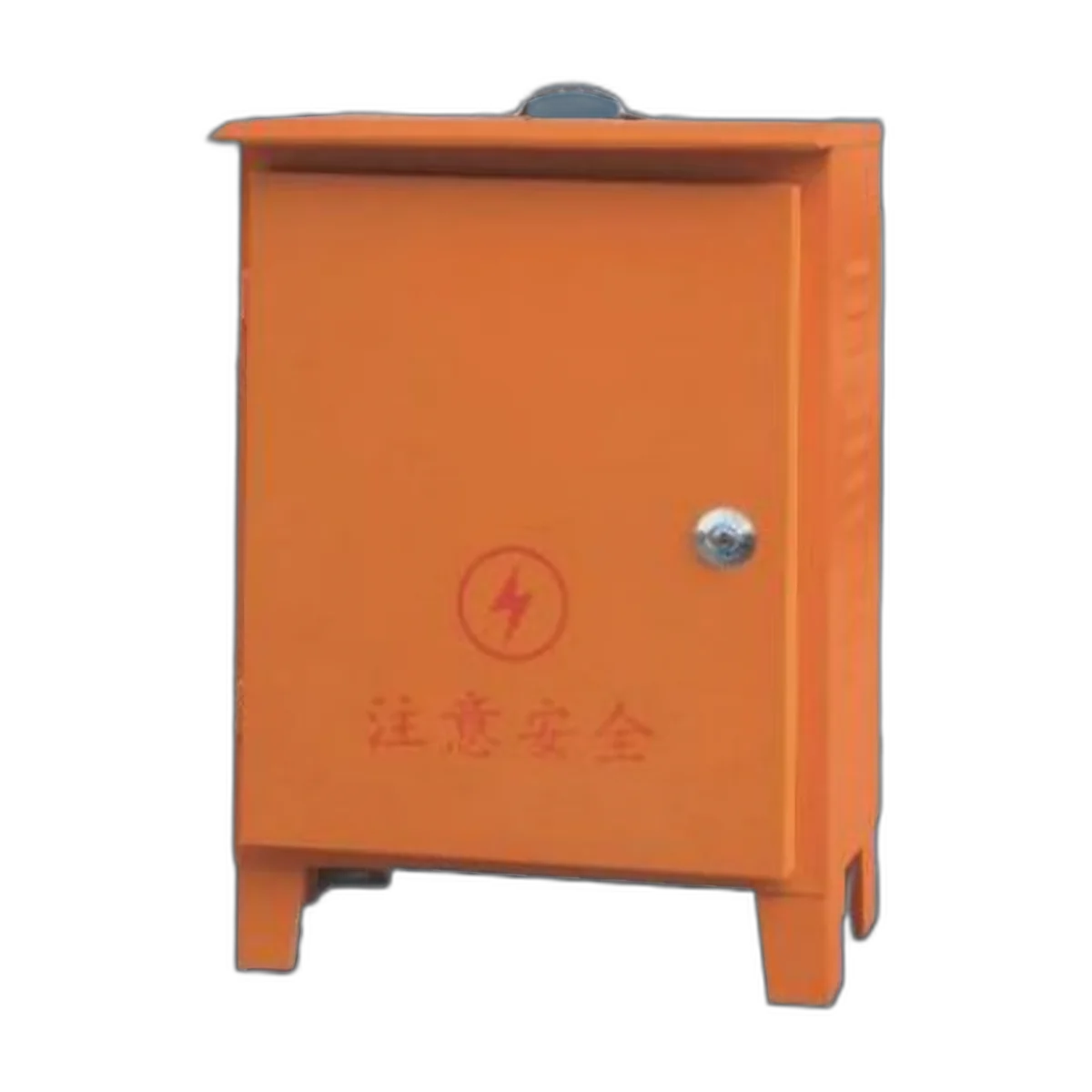
- Equipment, spare parts and consumables in a steel box with no mesh cages as shown below.
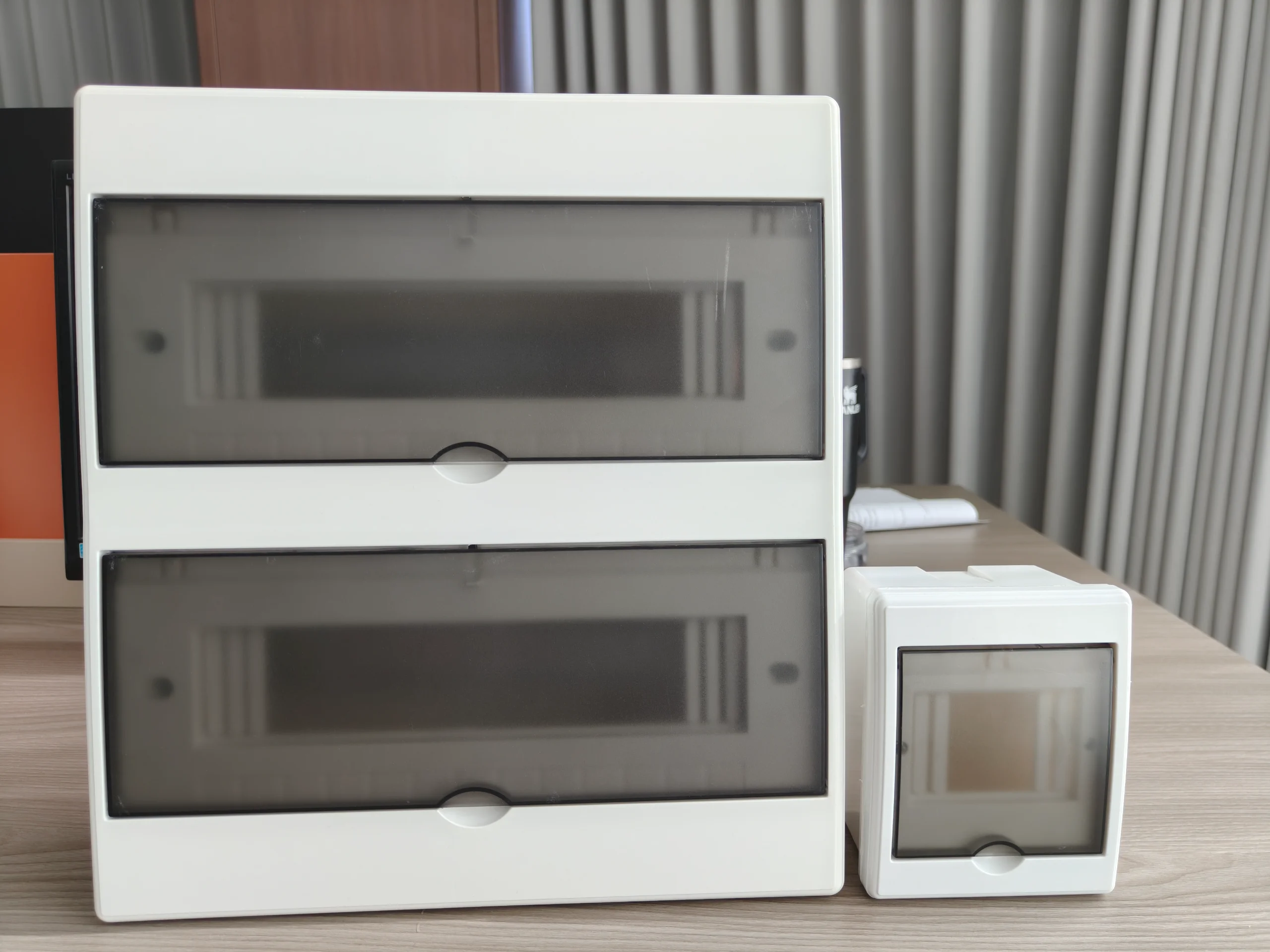
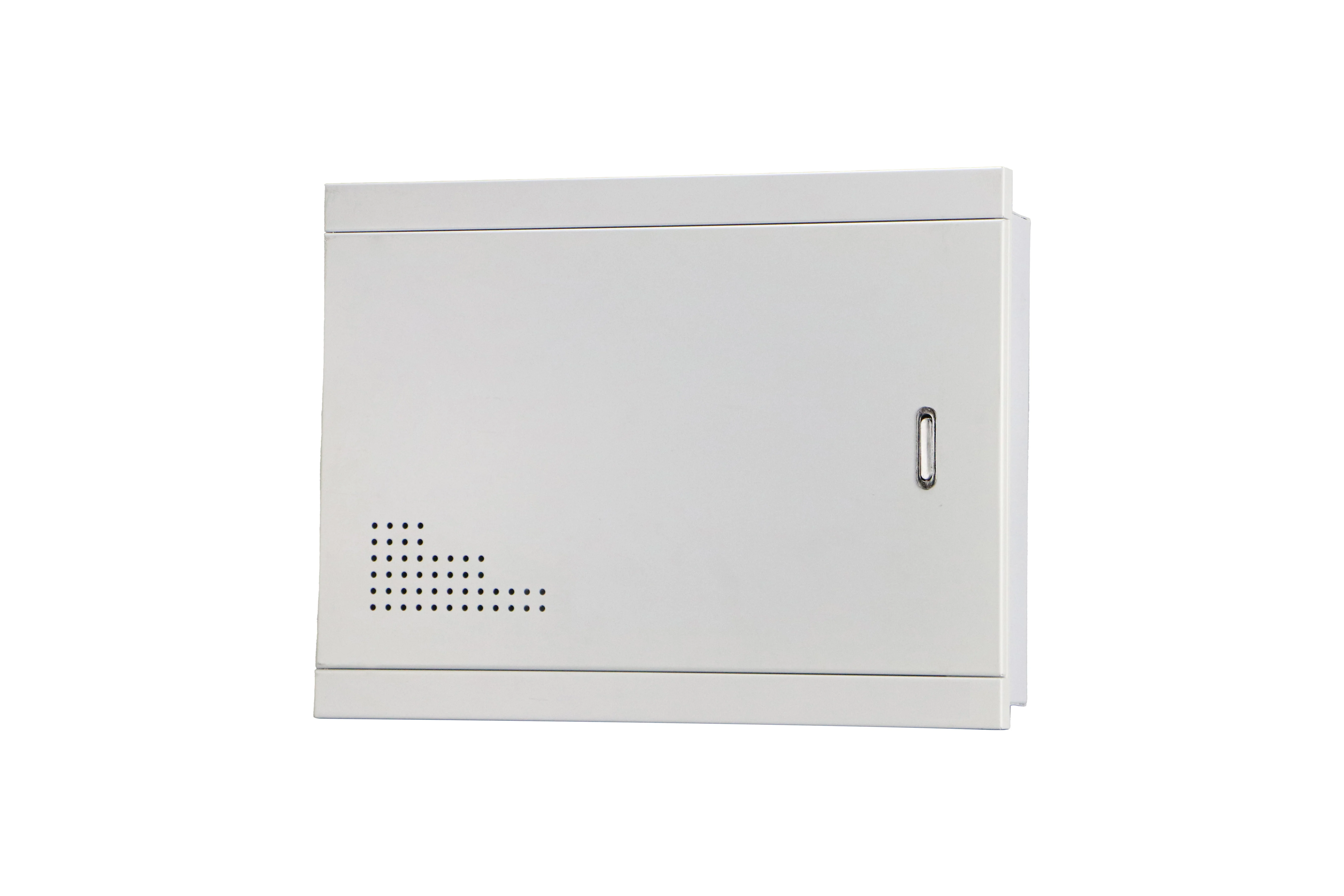
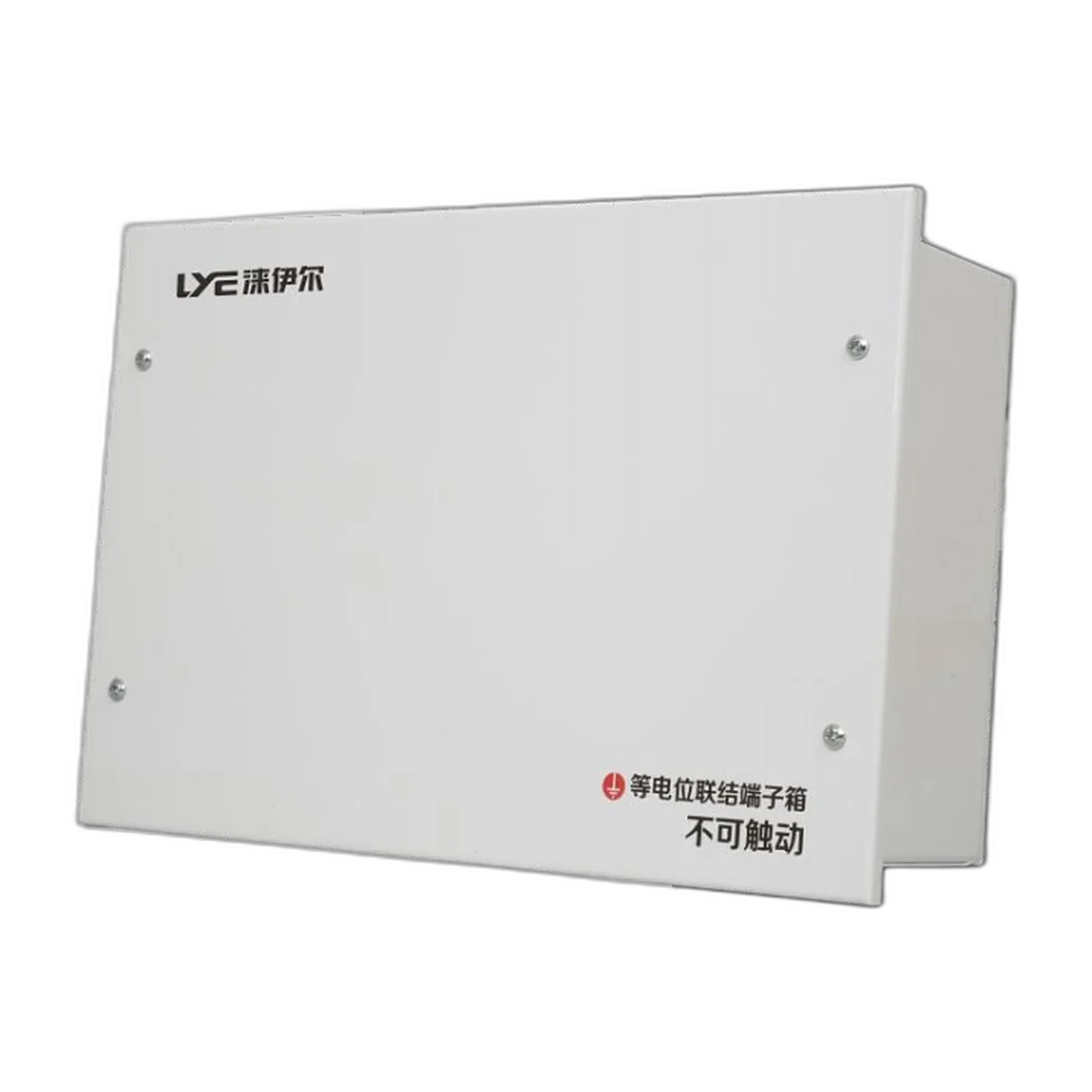
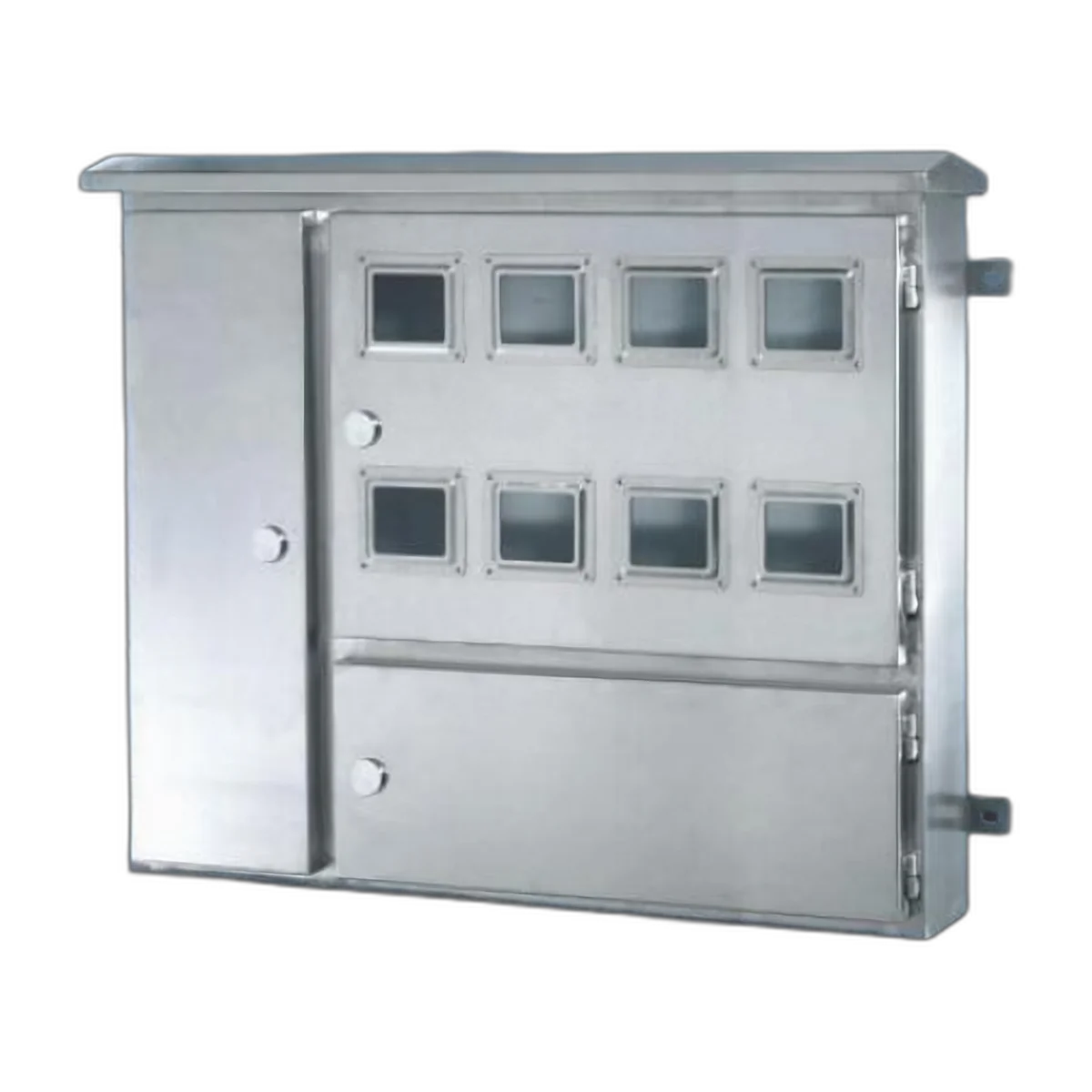
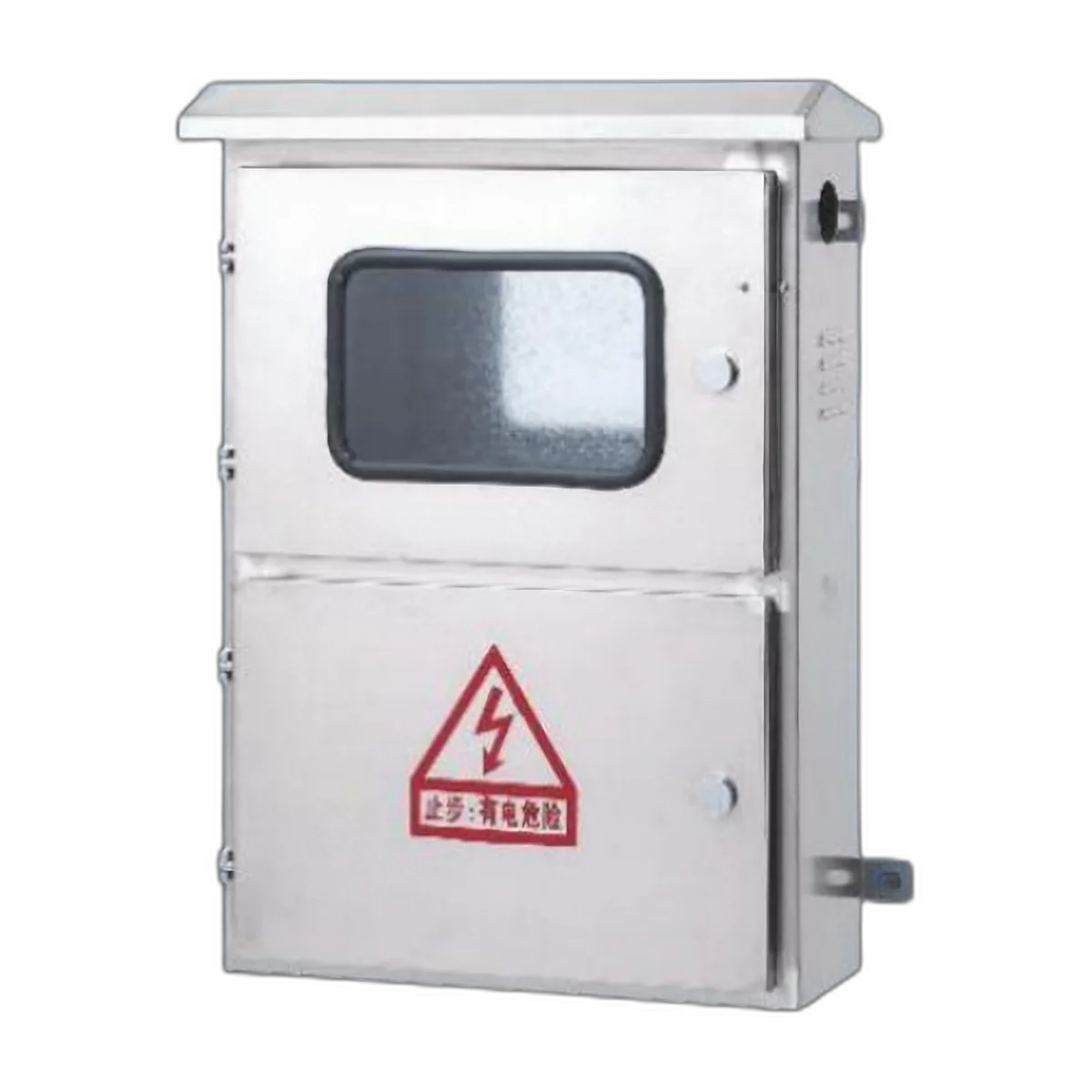
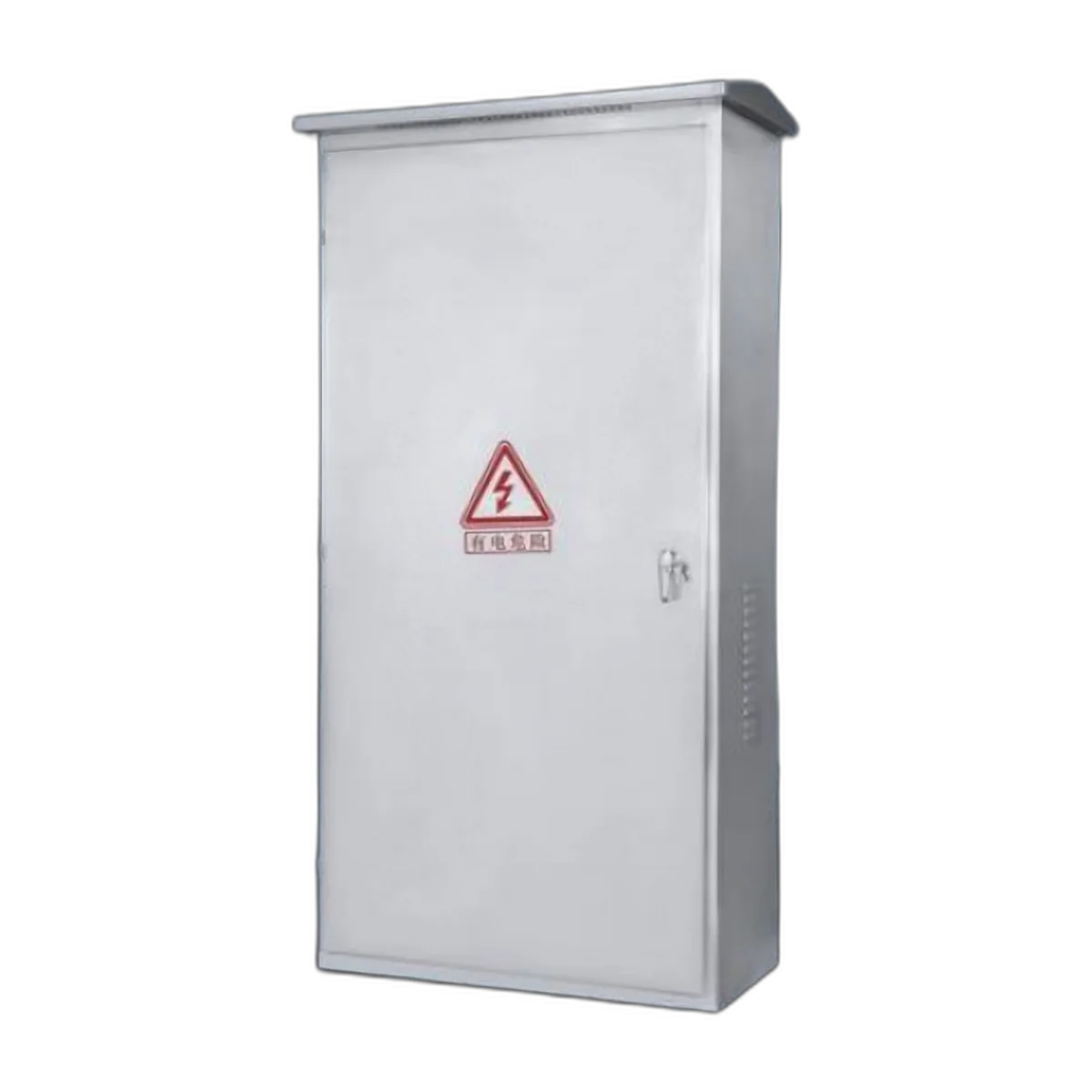
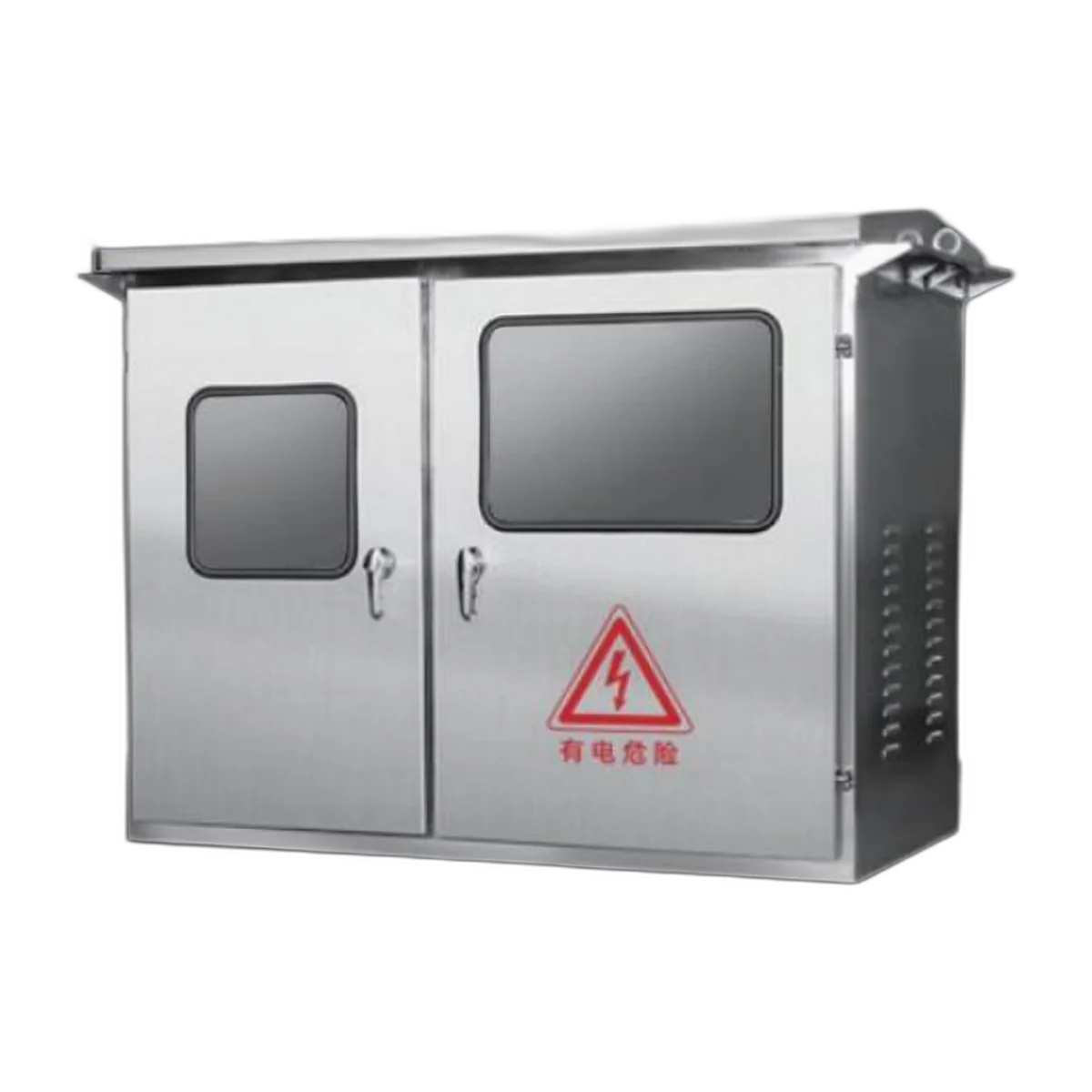
- Meter box and utility enclosures are a standard item no matter in what area or factory you are. They are regularly bought together with the storage equipment.A stainless steel three-door electric meter cabinet is a typical example of the category: outdoor-rated, serviceable from the front, and specified by the number of meter positions it has to accommodate.
- Pallet racks and shelving should be made compatible dimensionally with cages and crates.
- Machine guards and perimeter fencing from the same supplier as the mesh cages.
You may not be able to order storage, equipment boxes and utility cabinets from one manufacturer, but it is advisable to check before you fill the order. The savings in paperwork may exceed any price difference of the preferred and the second option.
How to Run the Selection
The six questions will help you in the selection of the supplier.
- Which of the three products are you buying? Personal lockers, receptacles, and partitions have different suppliers and cost structures. Mixing them in a single inquiry will give incomparable quotes.
- What load rating do you need and in what way will it be handled? Static load, dynamic load, and stacking height determine how the container is constructed.
- Will it be installed indoors or outdoors? This will determine whether galvanization or stainless steel will be used and will have a cost of 25-30% of the unit price.
- What is the total quantity needed and will it change in a year? Modular systems have their premium justified from the time the layout is changed that is usually the year after.
- What kind of service the supplier provides you? It would include not only drawing plans but also delivering and installing the goods.
- What documentation accompanies the product? During the audit, the compliance of the goods with industry standards will be checked. What a supplier’s service and support commitments look like in practice is a reasonable proxy for how the relationship will go in year three.
Where LYE Fits in This Category
Just a point to keep in mind for buyers who have a combined storage and electrical order, because they typically come on the same order.
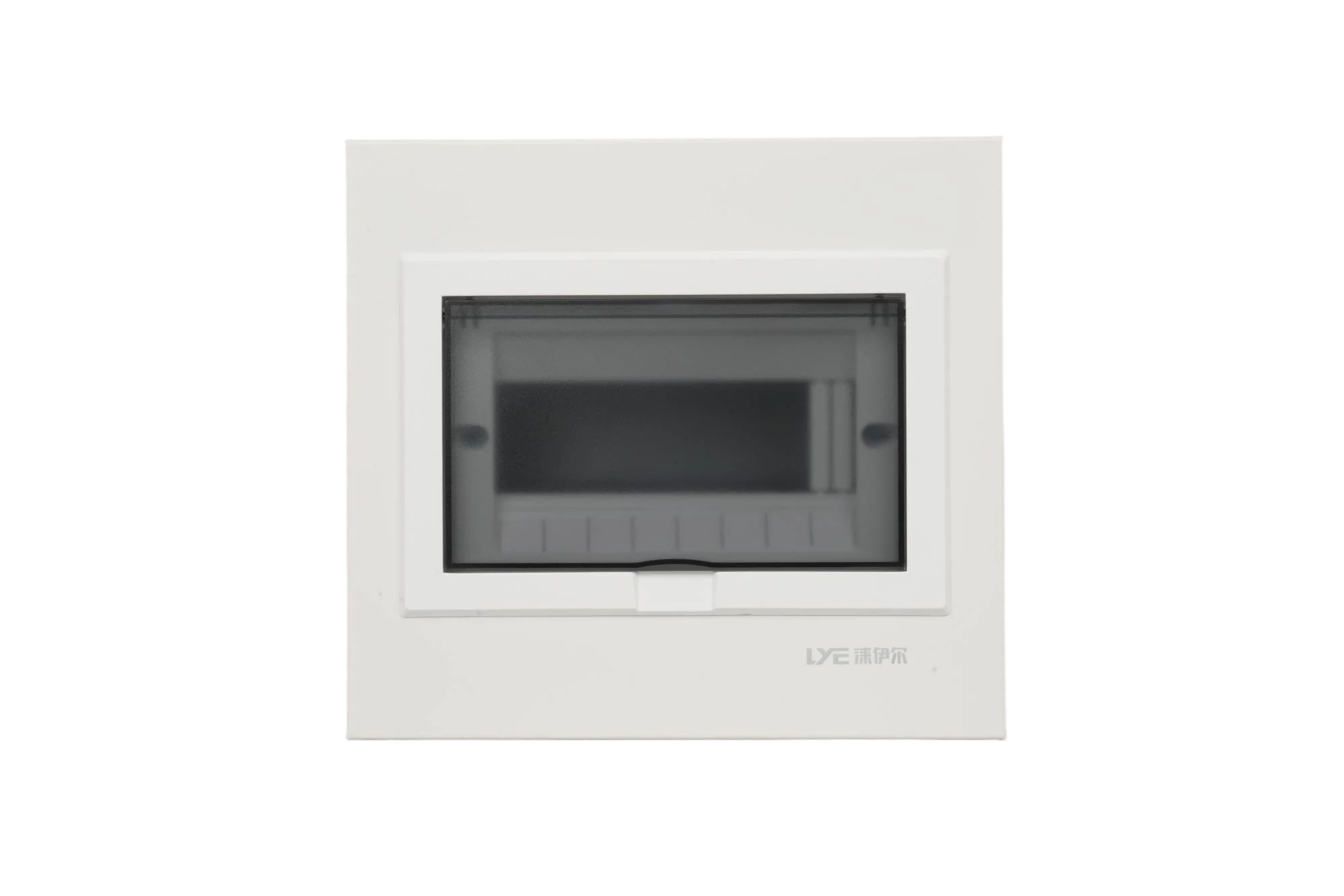
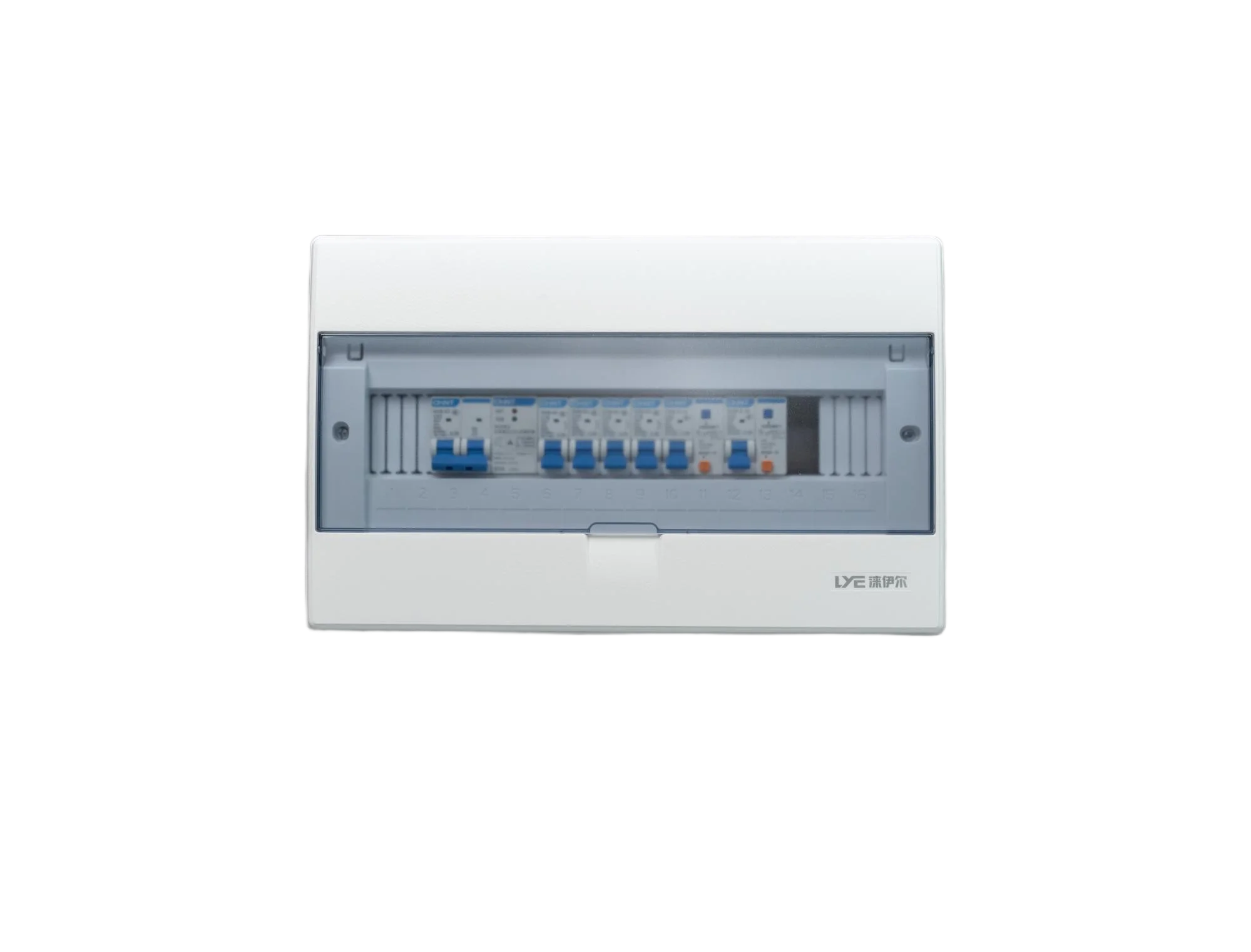
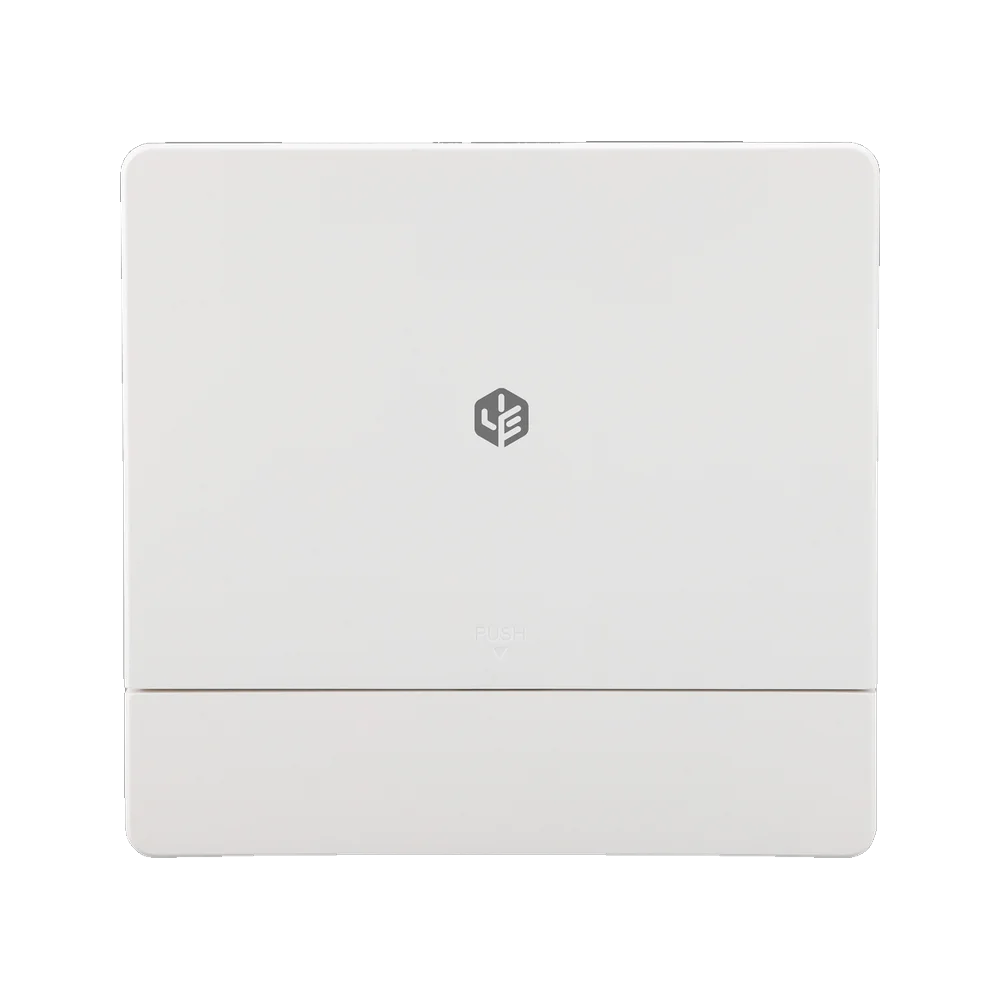
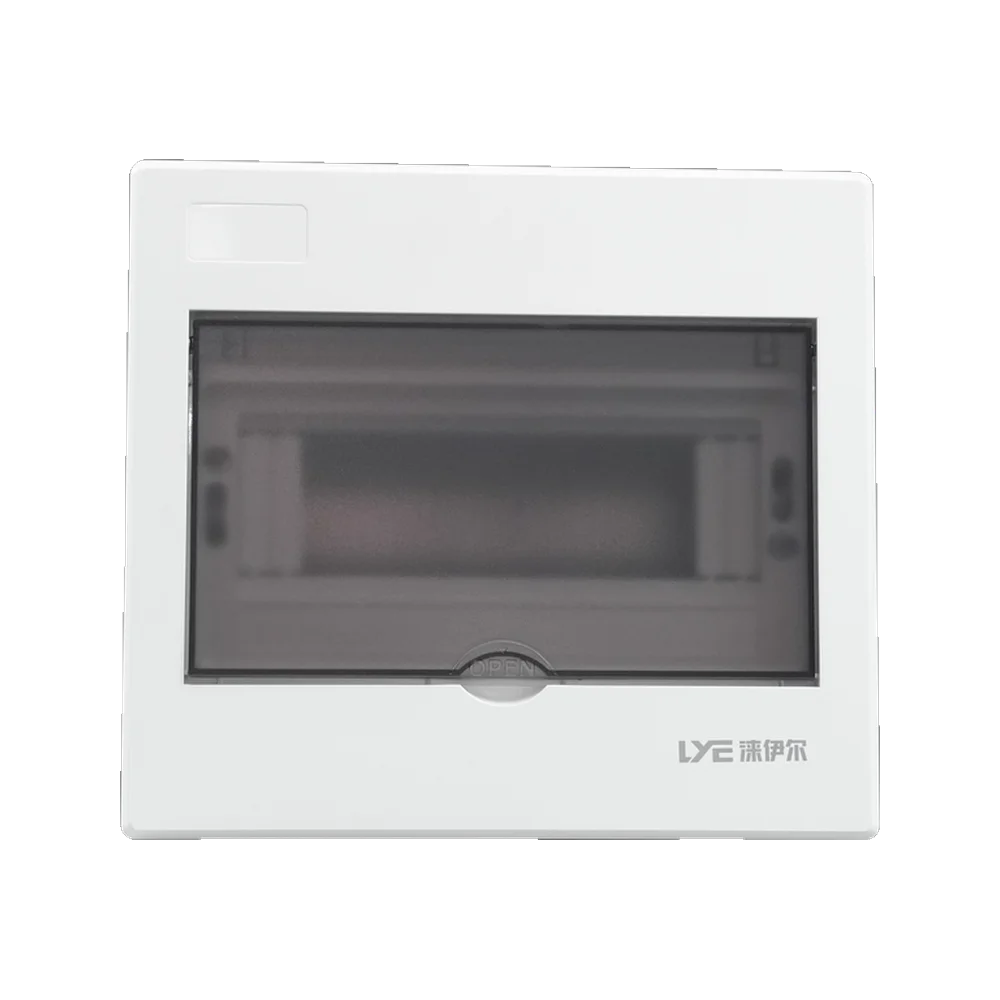
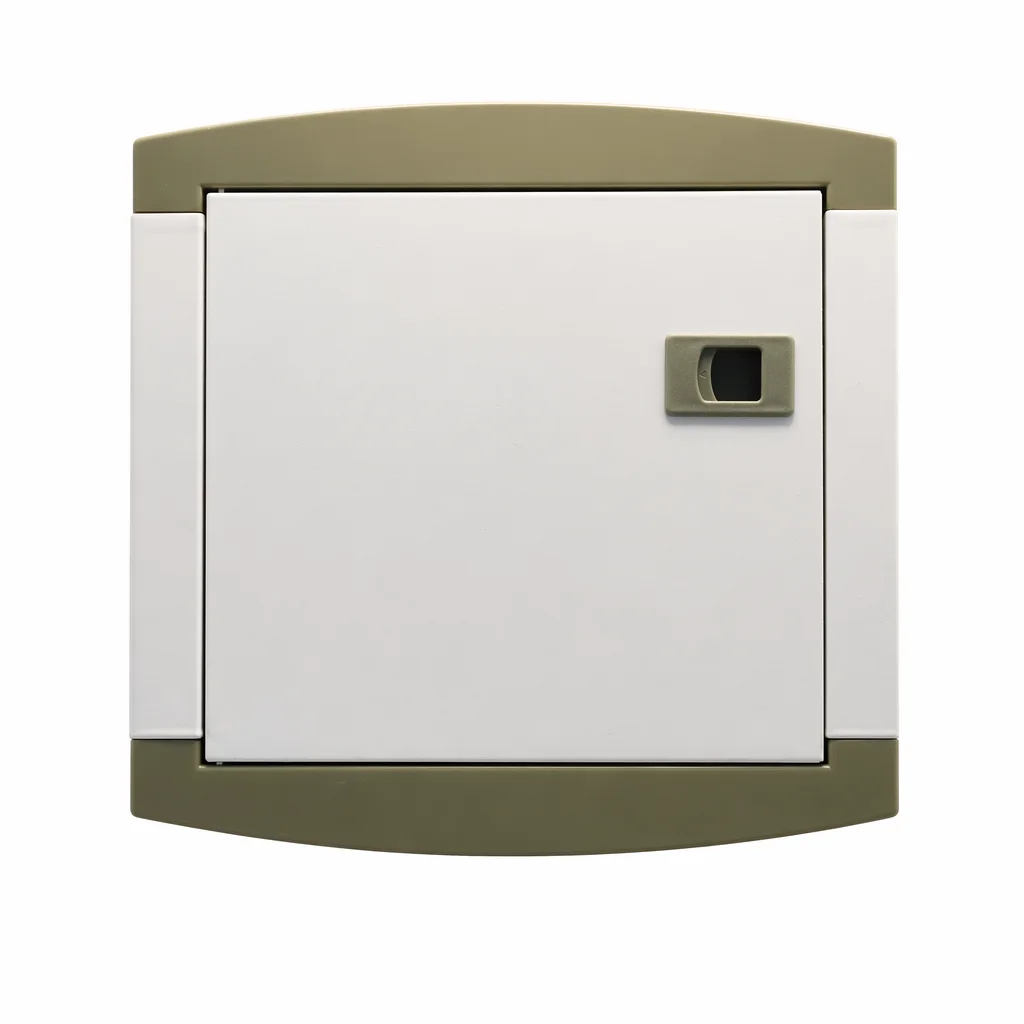
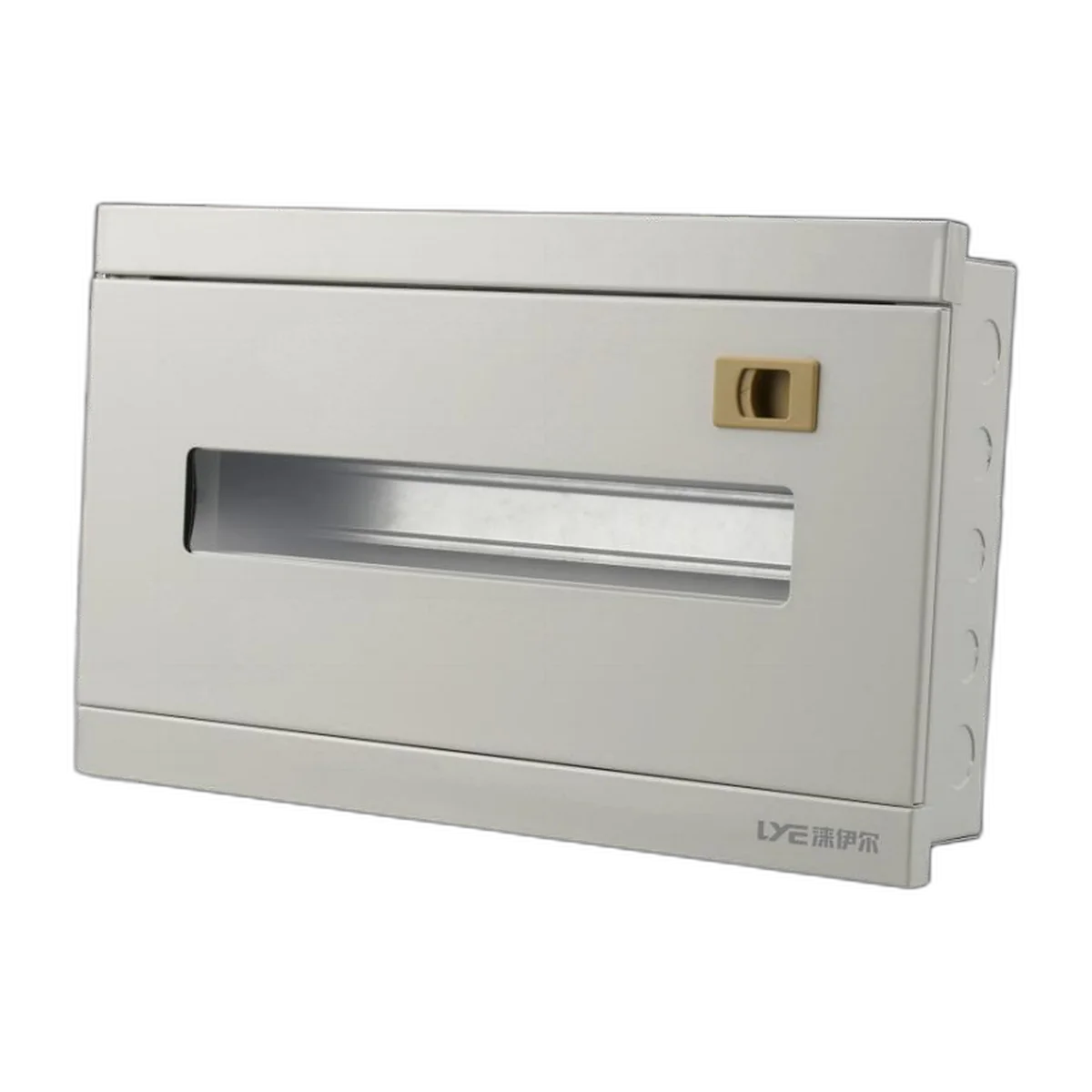
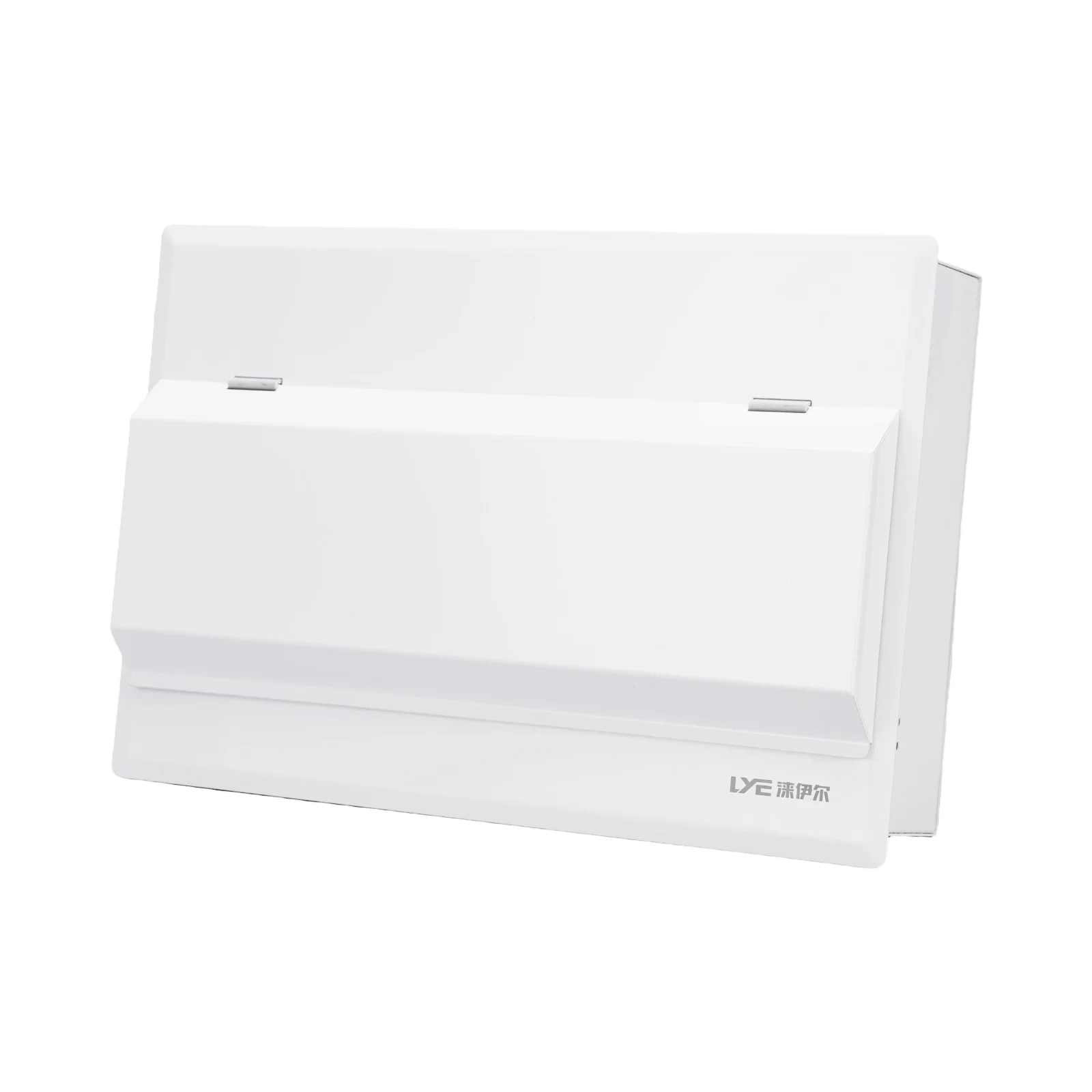
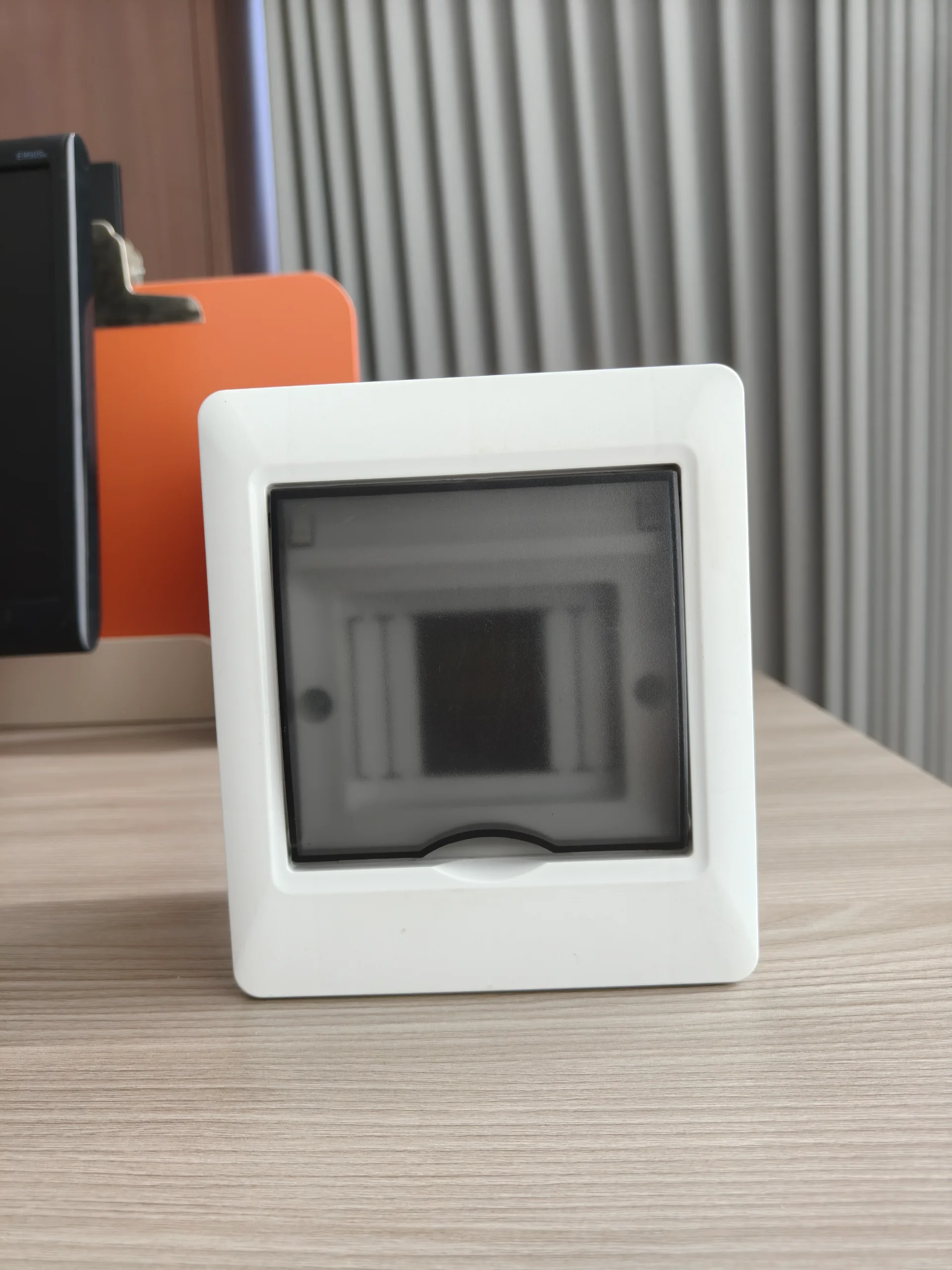
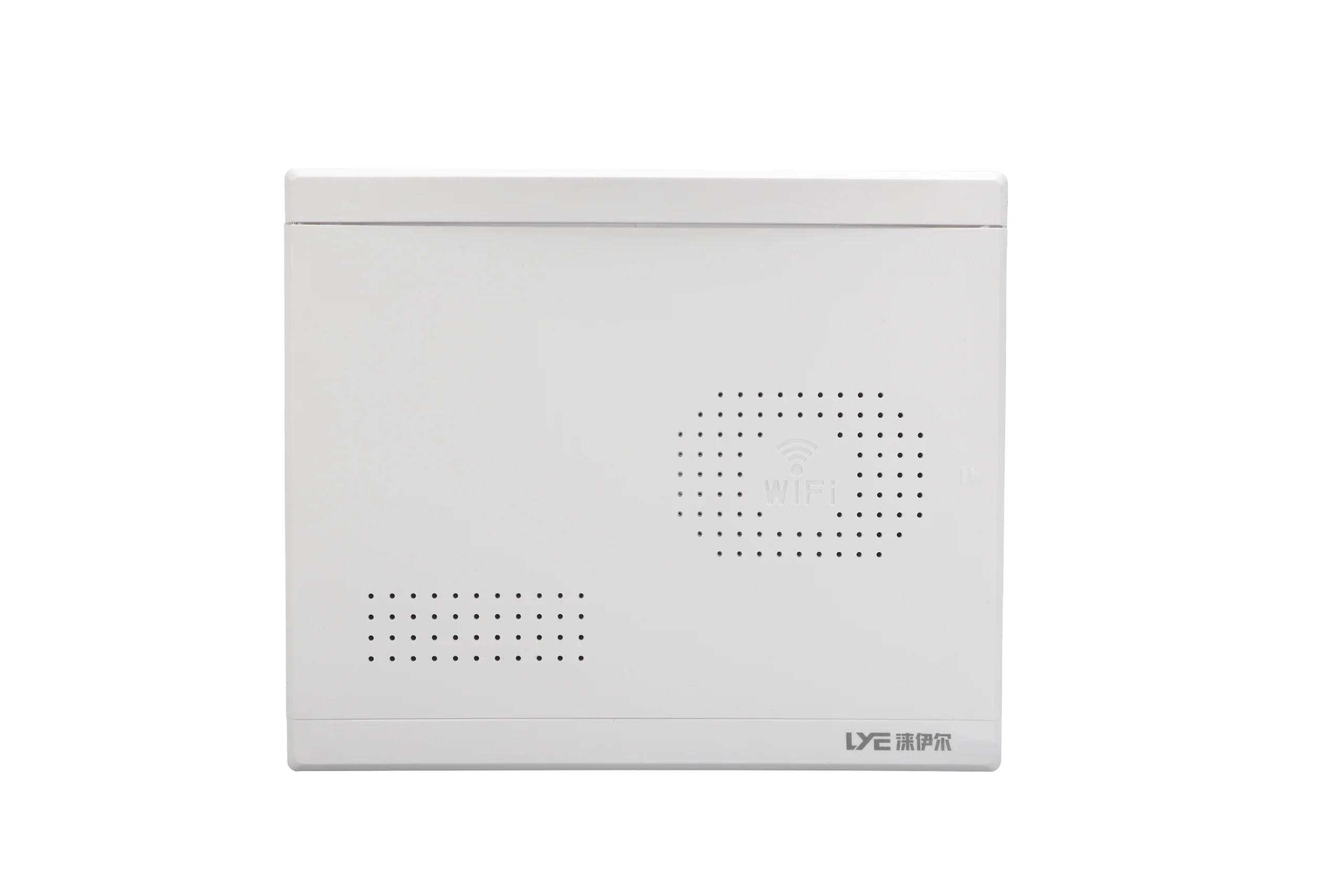
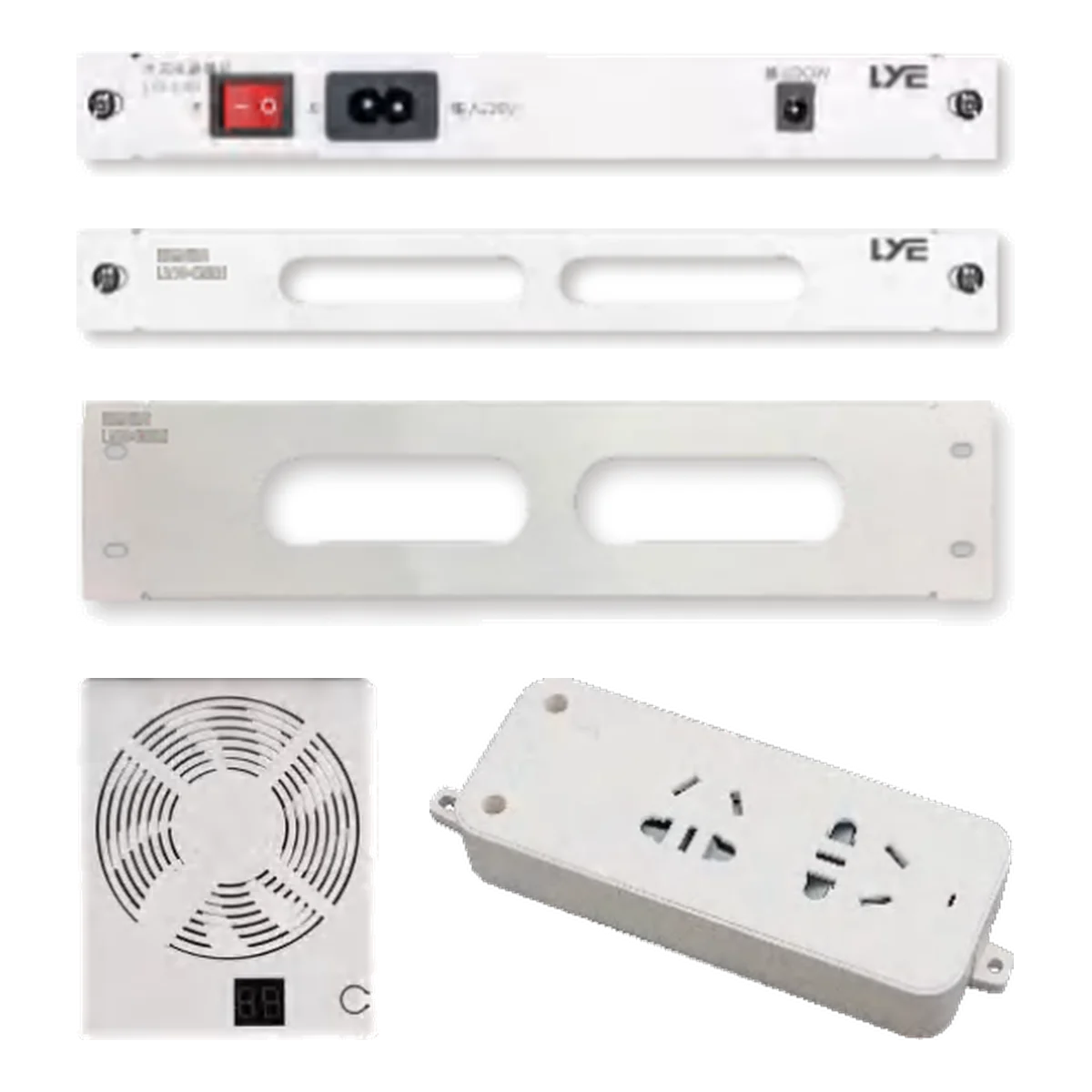
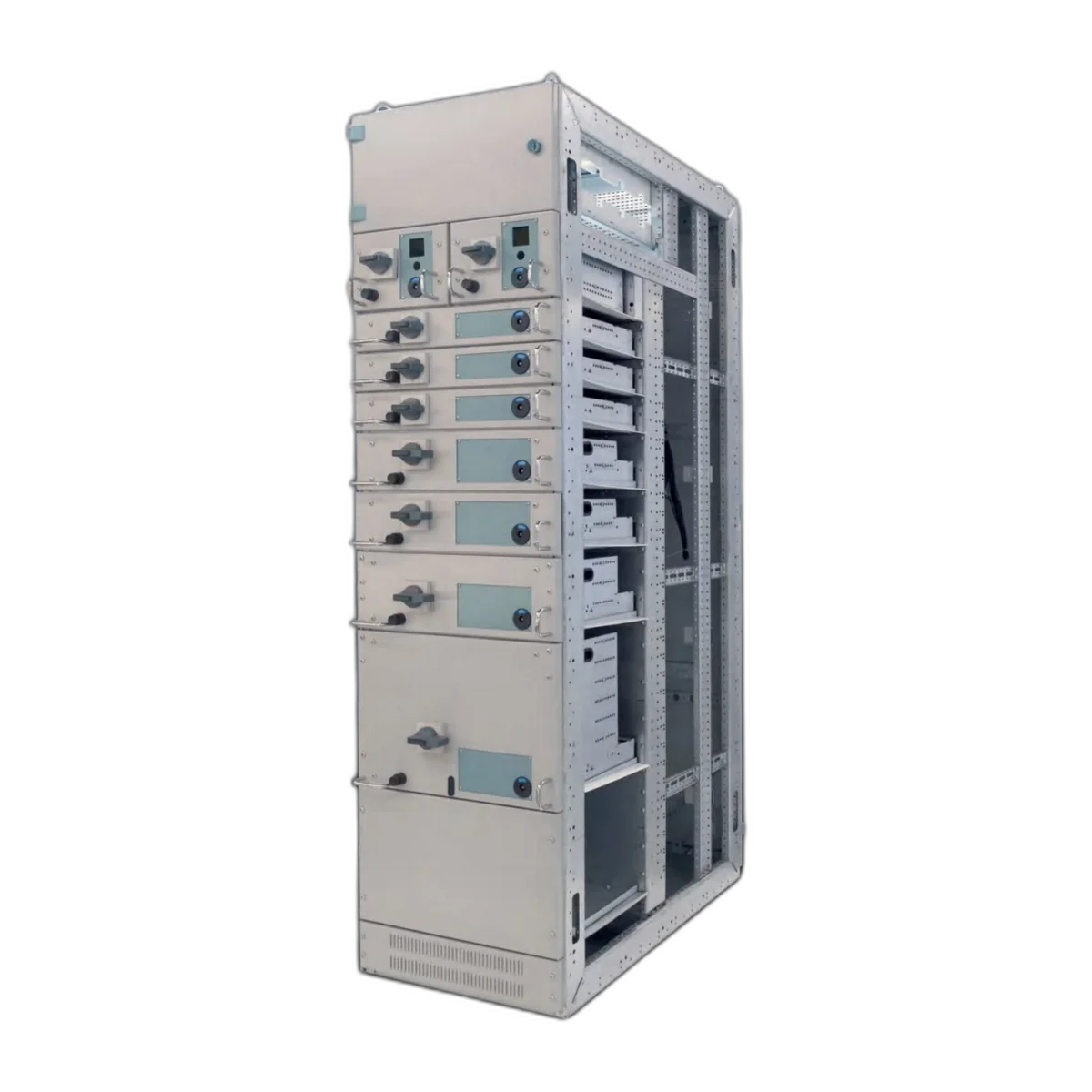
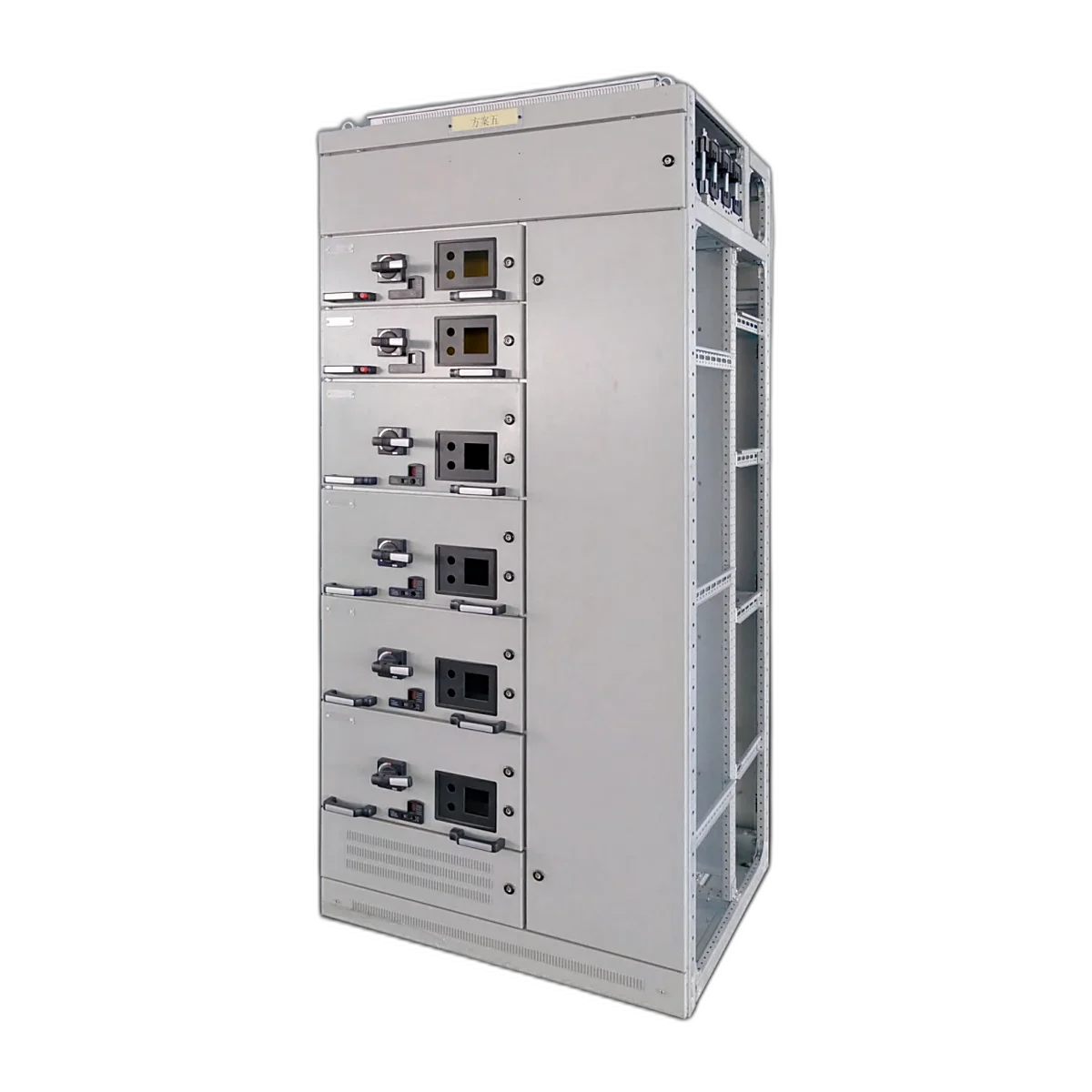
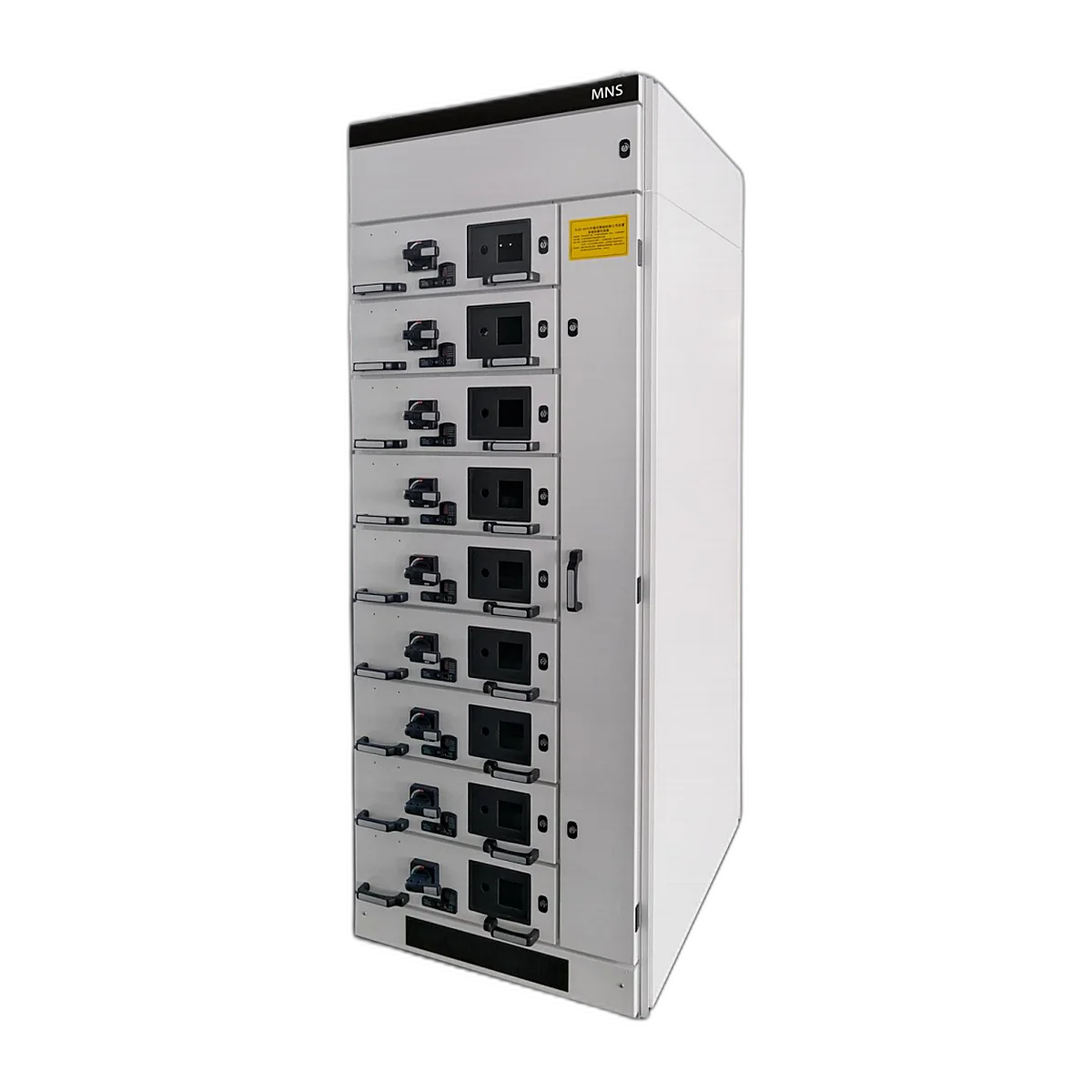
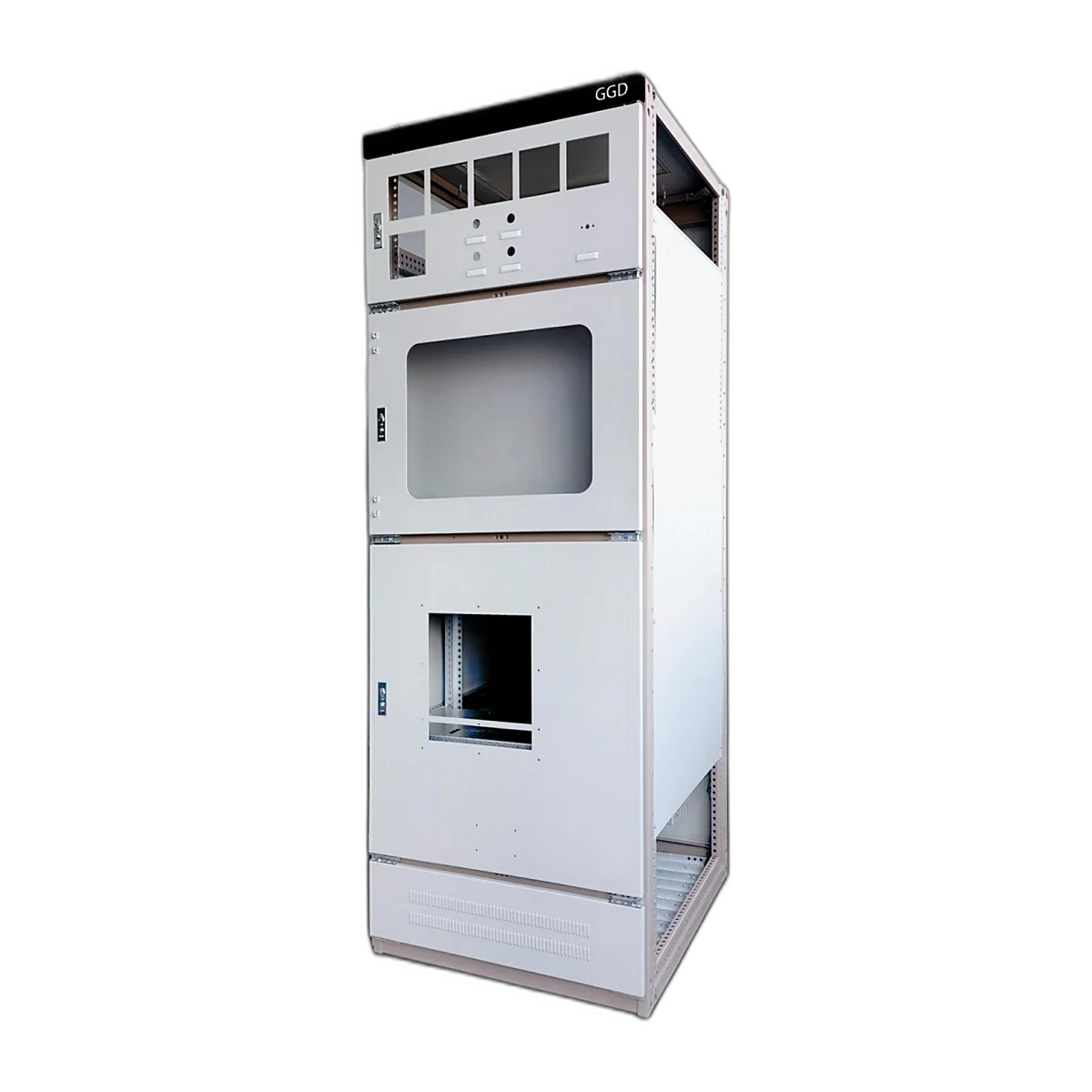
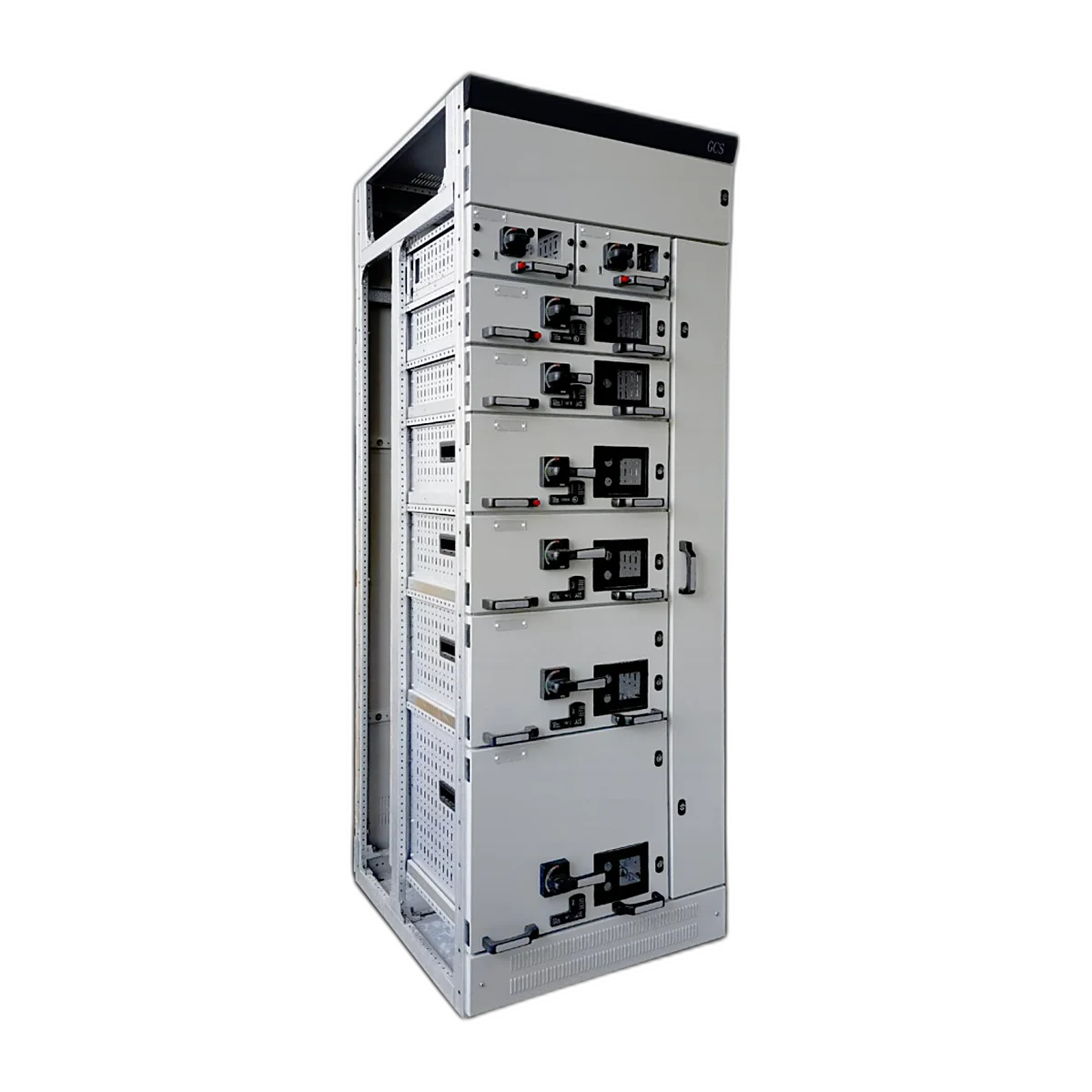
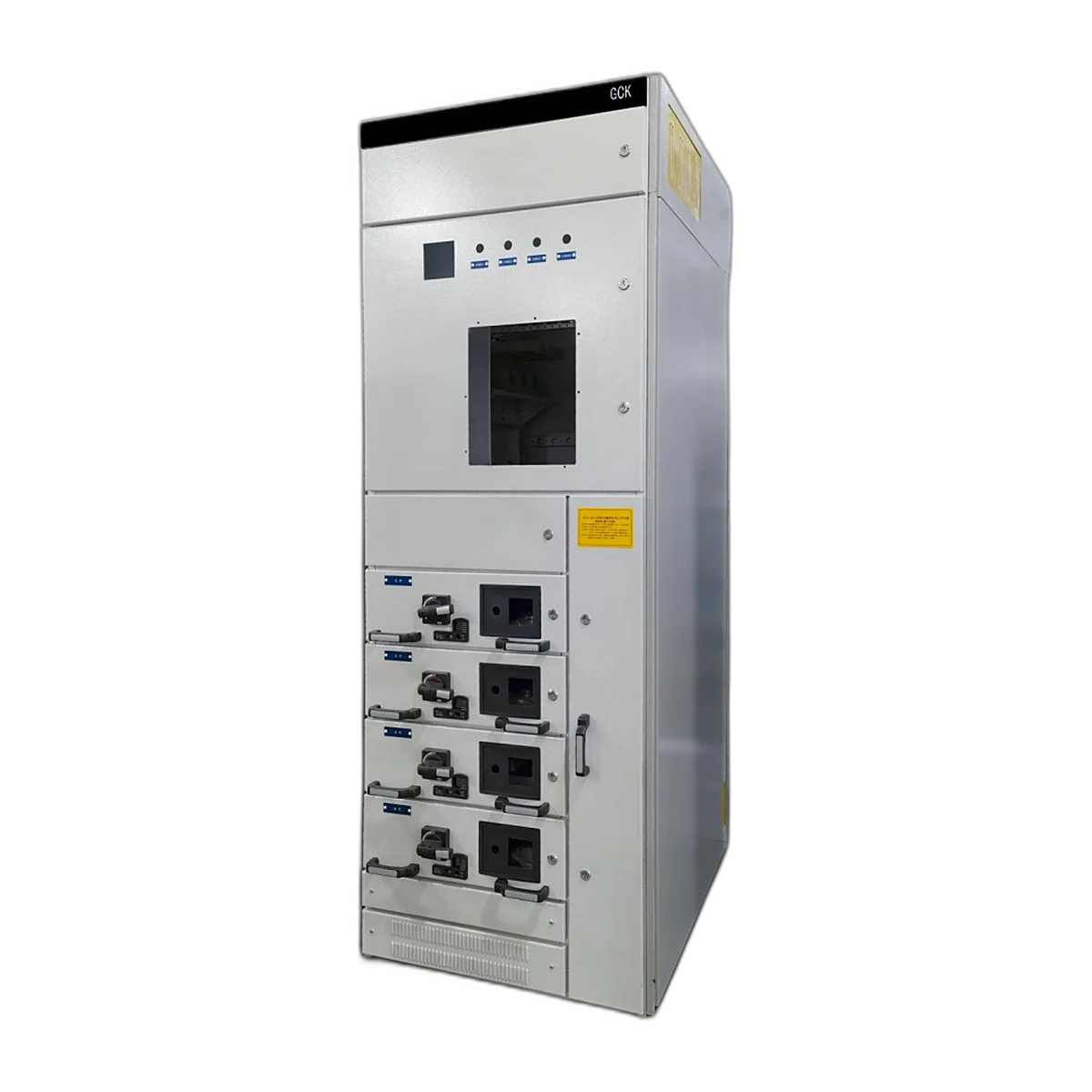
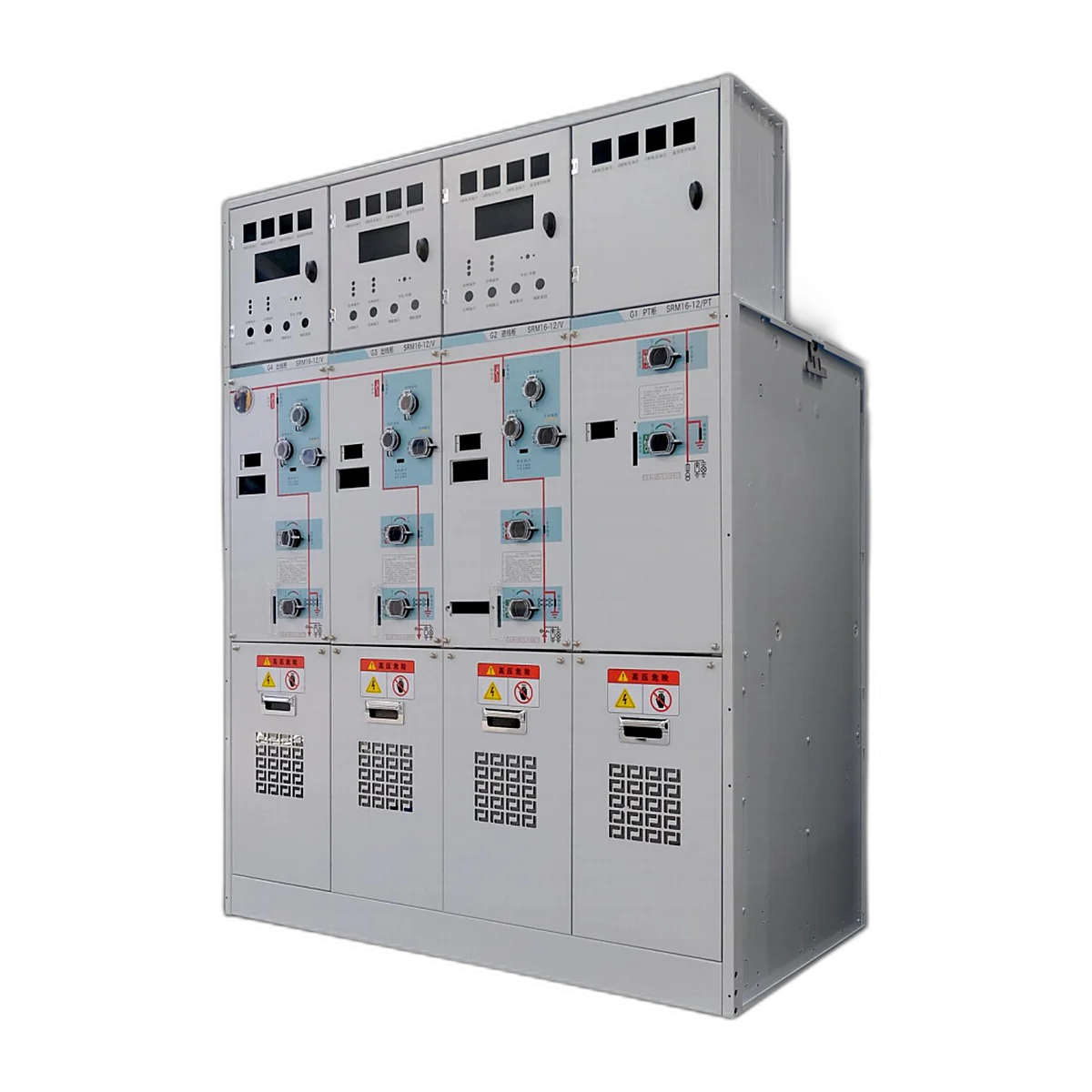
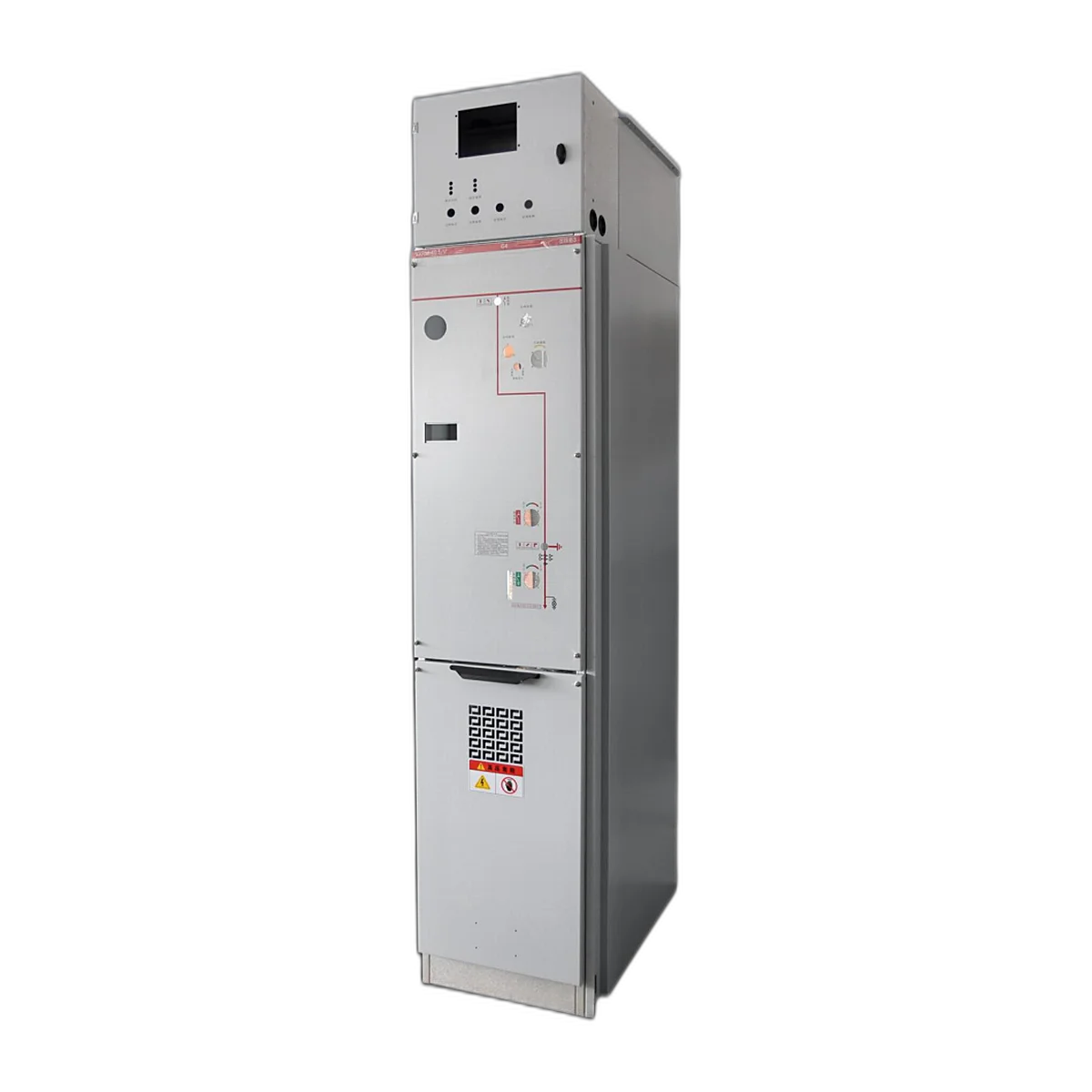
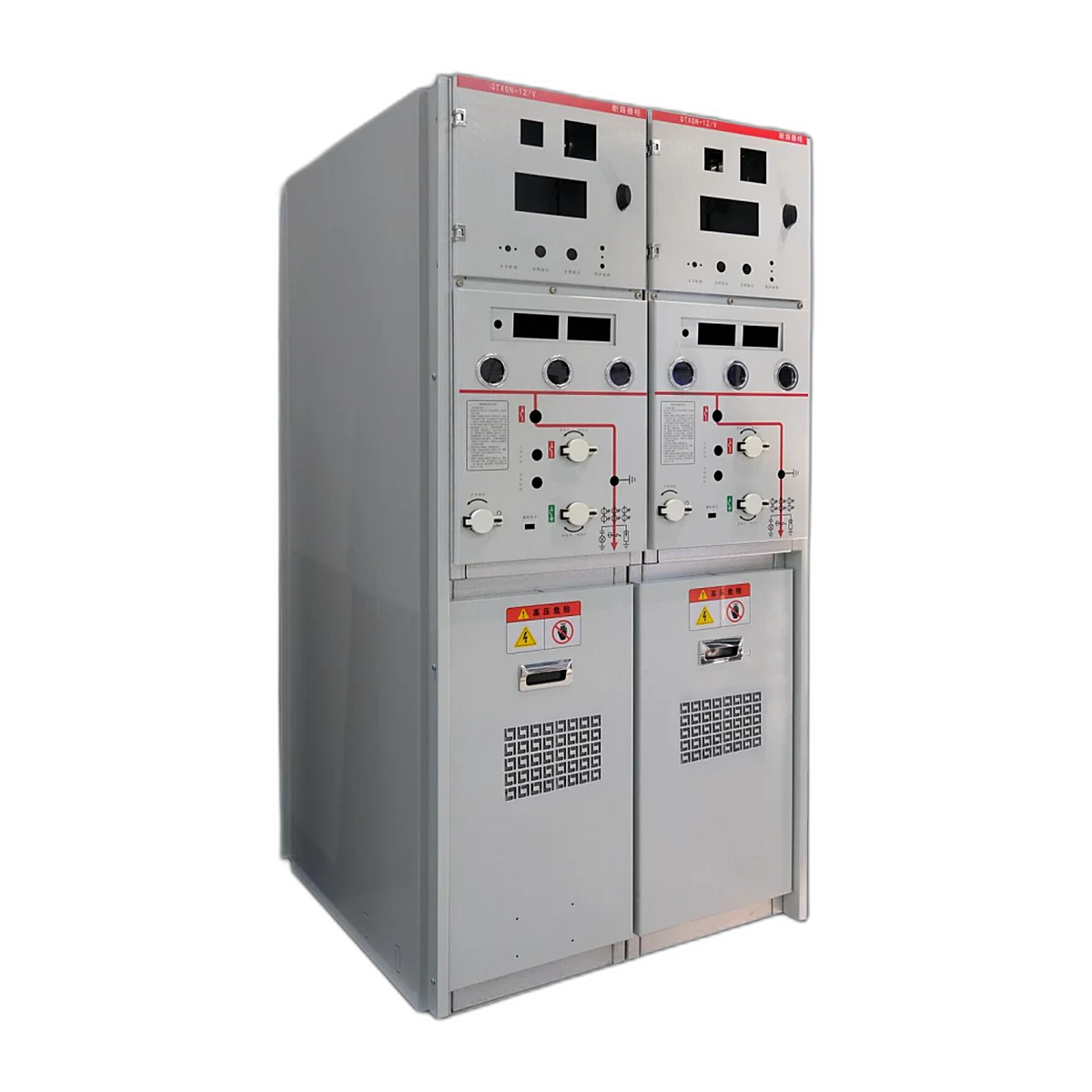
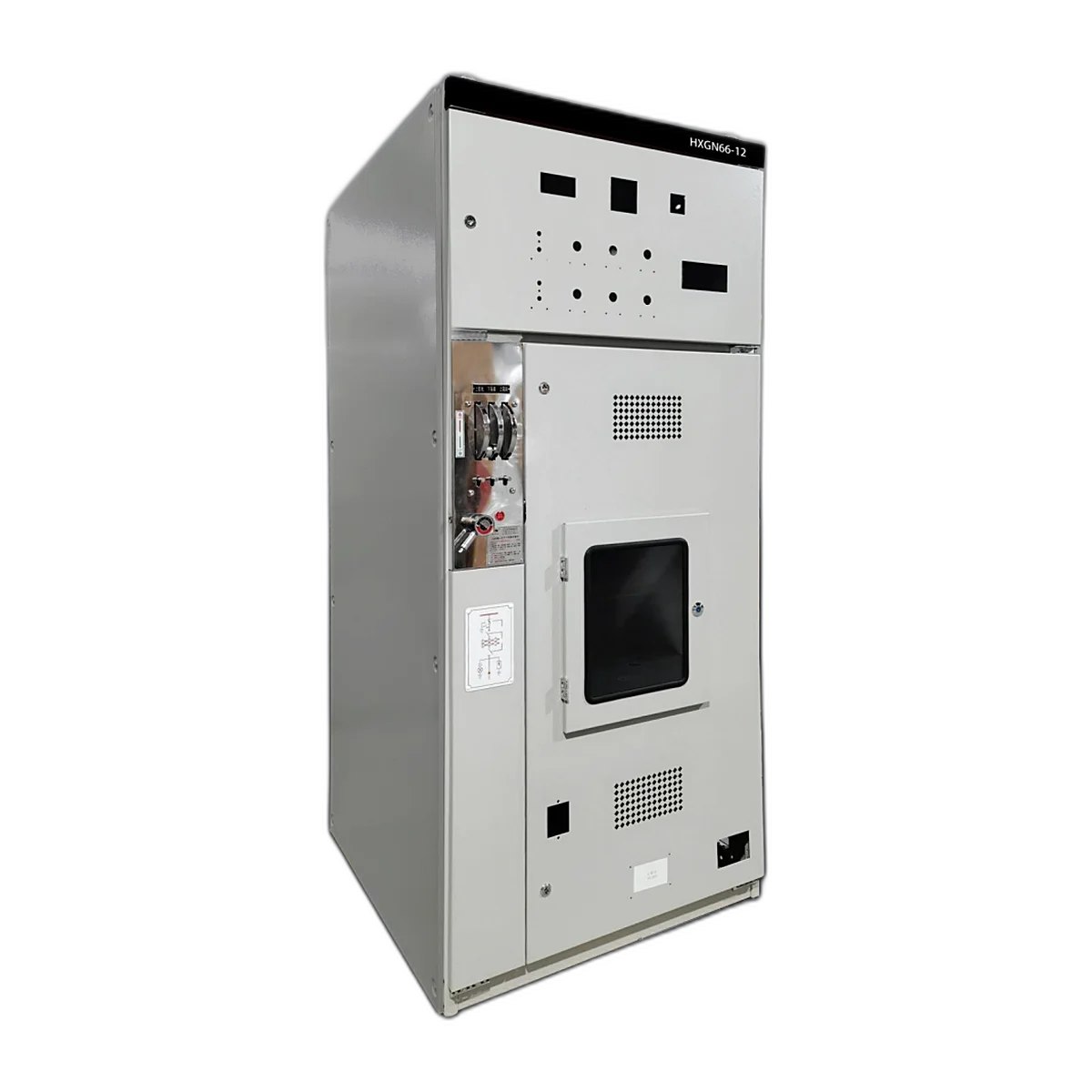
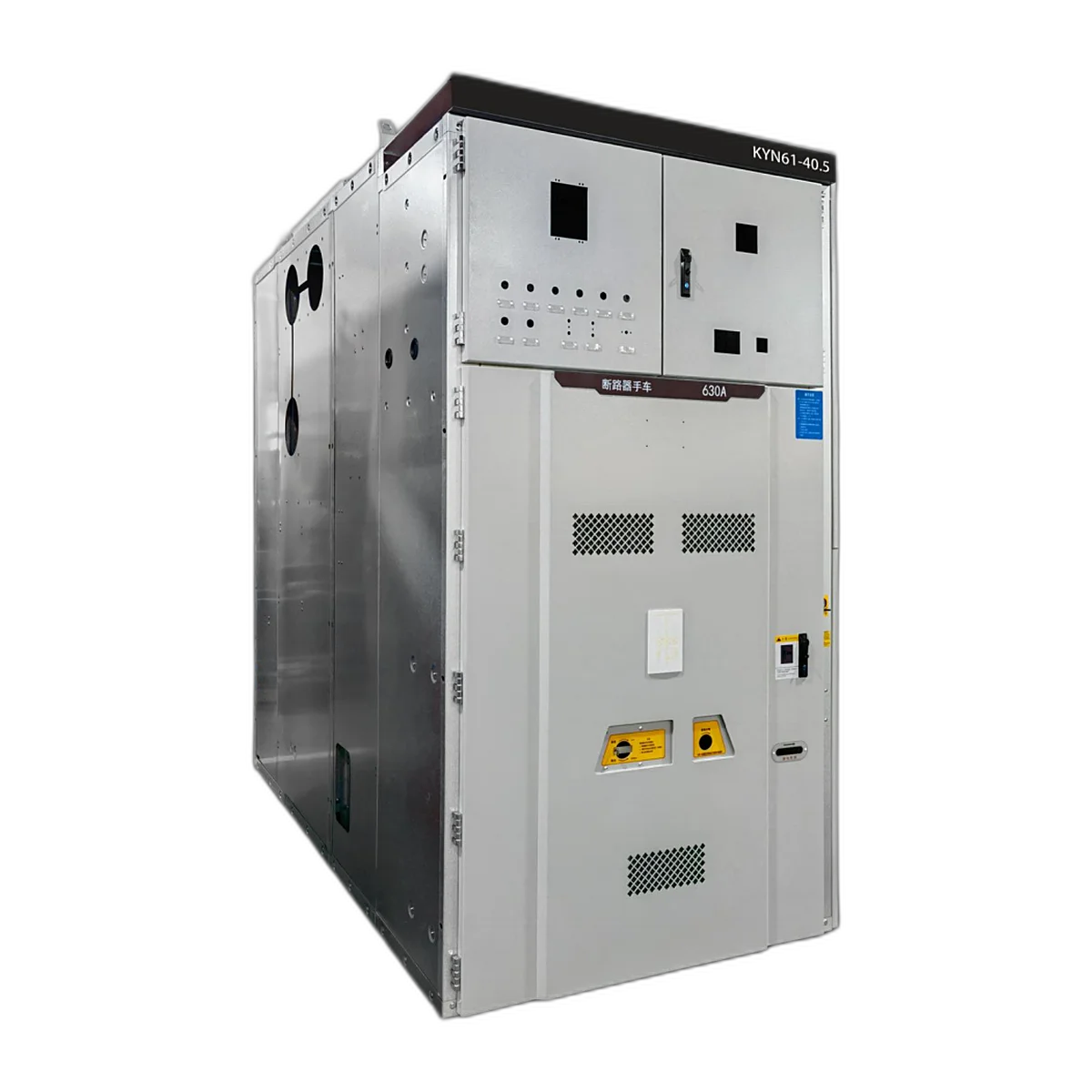
LYE Technology is a low-voltage distribution and enclosure manufacturer based in Zhejiang and not a wire mesh locker manufacturer – it has residential and industrial distribution boxes, IP-rated outdoor enclosures, meters and information boxes, stainless steel cabinets and low-voltage switchgear. Therefore, it is suitable for the equipment and enclosure part of an industrial facility, not for staff lockers or storage cages, which is important to know so that the enquiry reaches the right firm.The company profile and manufacturing scope set out exactly what is produced in-house, which is the useful thing to check before adding a manufacturer to a shortlist for a facility programme.
Frequently Asked Questions
What is a mesh locker used for?
A mesh locker can be described as an air-ventilated steel locker having a mesh rather than an airtight door. Mesh lockers are mostly provided in sets of three, four, six, or nine compartments used for securely storing the employee’s belongings in the washrooms, workshop, hospitals, schools, and construction sites. Mesh allows seeing the contents of the compartment, thus enabling the supervisor to know whether the shelf is occupied, logged out, or abandoned. Thanks to mesh, lockers are lightweight and well-ventilated, thus ensuring the drying of the wet working outfits. Security can be ensured only with the help of a padlock or cam-lock installed on the compartment doors, but not thanks to mesh itself. That’s why mesh lockers should always be placed in monitored and supervised places, rather than in VIP storage rooms.
What is the difference between a mesh locker and a wire mesh container?
They are divergent merchandise found in distinct distribution networks. A mesh locker is defined as a slim individual storage space for individuals. A wire mesh container is a sizeable storage unit designed to be lifted by a forklift. The measurements of a wire mesh container can vary between 1200 millimetres square to 6000 millimetres long. Furthermore, wire mesh containers are calculated by their static load. On the other hand, personal lockers are normally procured from a manufacturer of steel furniture or lockers while containers and cages belong to a supplier of handling materials and wire mesh products. Sourcing from the incorrect supplier is a major error committed during the search for “mesh lockers”.
How much does a wire mesh storage cage cost?
According to published pricing, a standard modular mesh cage in the UK would cost approximately £1,060 for a unit measuring 1,200 × 1,200 mm in grey indoor finish, with prices increasing to between £3,900 for a 2,200 × 6,000 mm unit in galvanised finish. The galvanised finish costs approximately a further 25–30% over the powder-coated grey unit and is suitable for outdoor use or areas subject to washdown process. A folding wire mesh container in 1,200 × 1,000 mm size will cost between $300 and $1,200, though volume discounts may be available for quantities of about 50. The price excludes the costs of delivery, installation, and associated accessories.
Are mesh lockers suitable for outdoor use?
Only with the proper coating. The standard powder-coated gray finish is suitable for indoor applications, and while it will last in a covered patio for some time, once exposed to moisture, ultraviolet rays will damage the coating and rust will take hold at the welds. If the modules are used outdoors or in an unheated environment, hot-dip galvanization should be chosen — this is exactly what the modular cage systems use finishes for. Even then mesh does not protect the interior components against the outside world — whatever cannot be exposed to the moisture must go to a sealed box, not to a cage.
References
- SSI Schaefer — wire mesh pallet cages and industrial storage systems
- WireCrafters — wire mesh partitions, lockers and security enclosures
- List Industries — steel and mesh lockers for commercial and industrial use
- Lyon Workspace Products — industrial lockers, shelving and storage
- Mordor Intelligence — warehouse partitioning and industrial storage market analysis
Conclusion
Start by determining which of the three categories you are buying from since personal lockers, wire cages, and partition systems come from various suppliers, and each has its own method of pricing and documentation. Compare the total cost of installation instead of only the price of a particular piece, compare buying methods based on their contribution to the environment instead of their cost, and ask about what to do when the door or unit breaks three years later; this question solves more projects in this category than the price of the item. Detect the equipment to be used separately from the storage part and refer each inquiry to the manufacturer providing what you need.