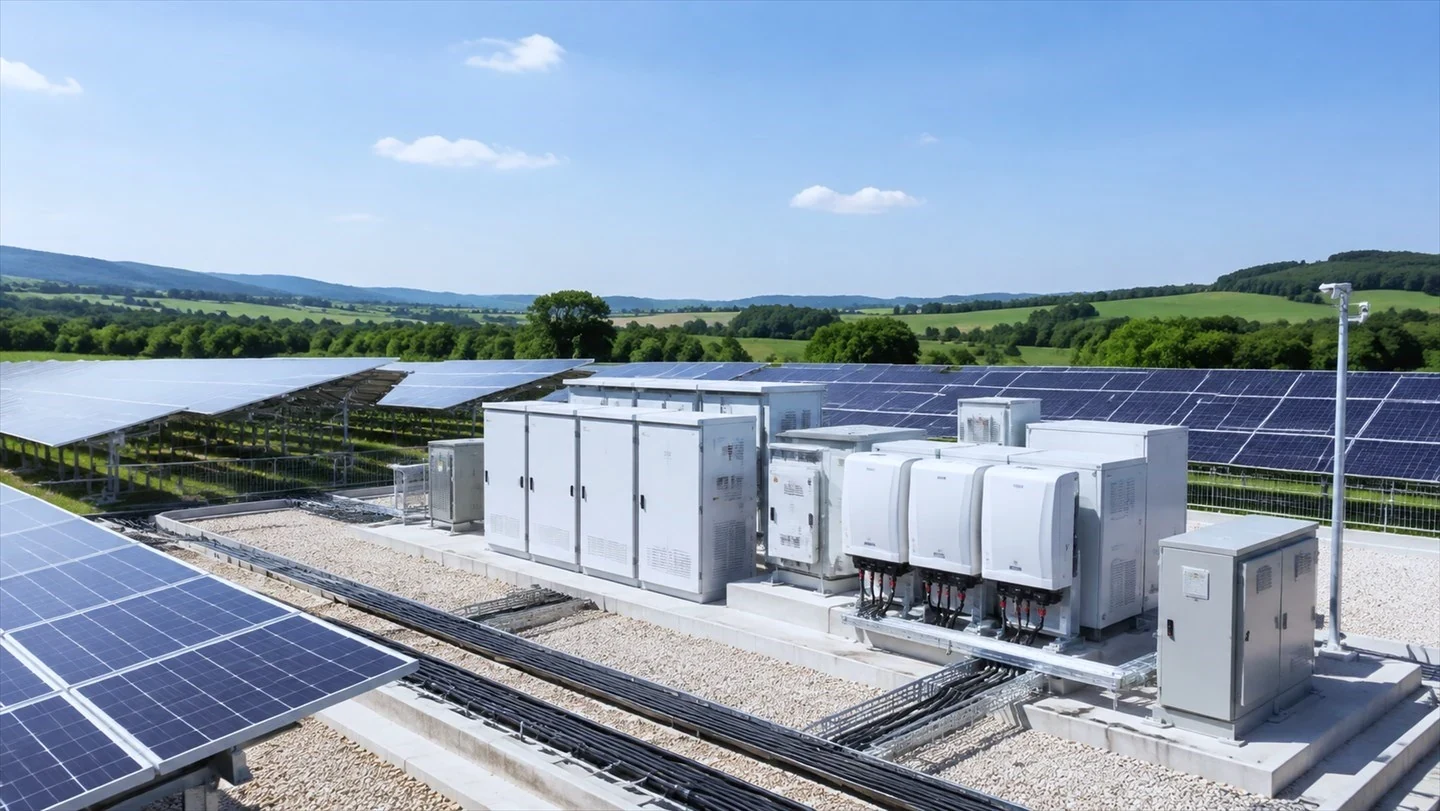
ENGINEERING CONTEXT
Application requirements and recommended enclosure scope
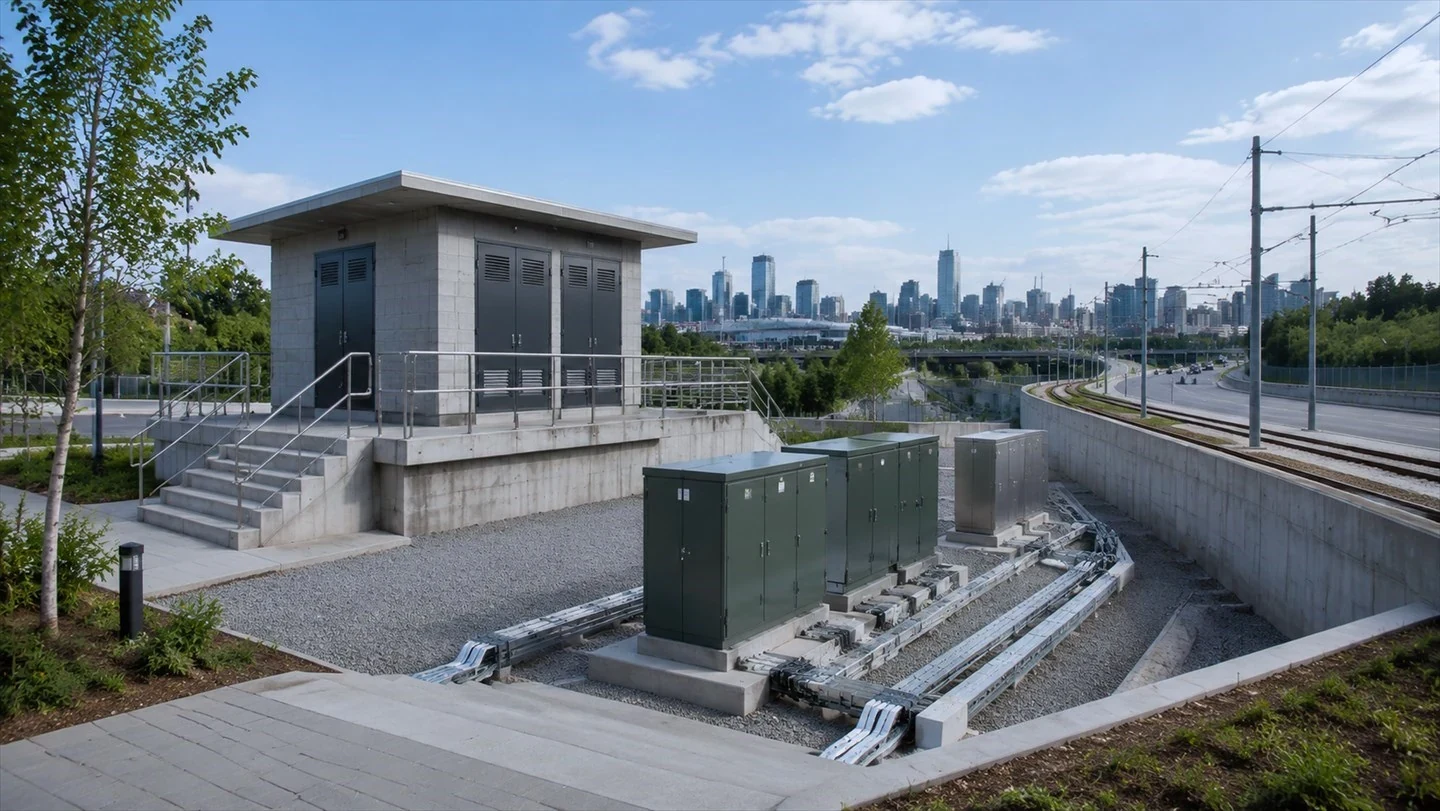
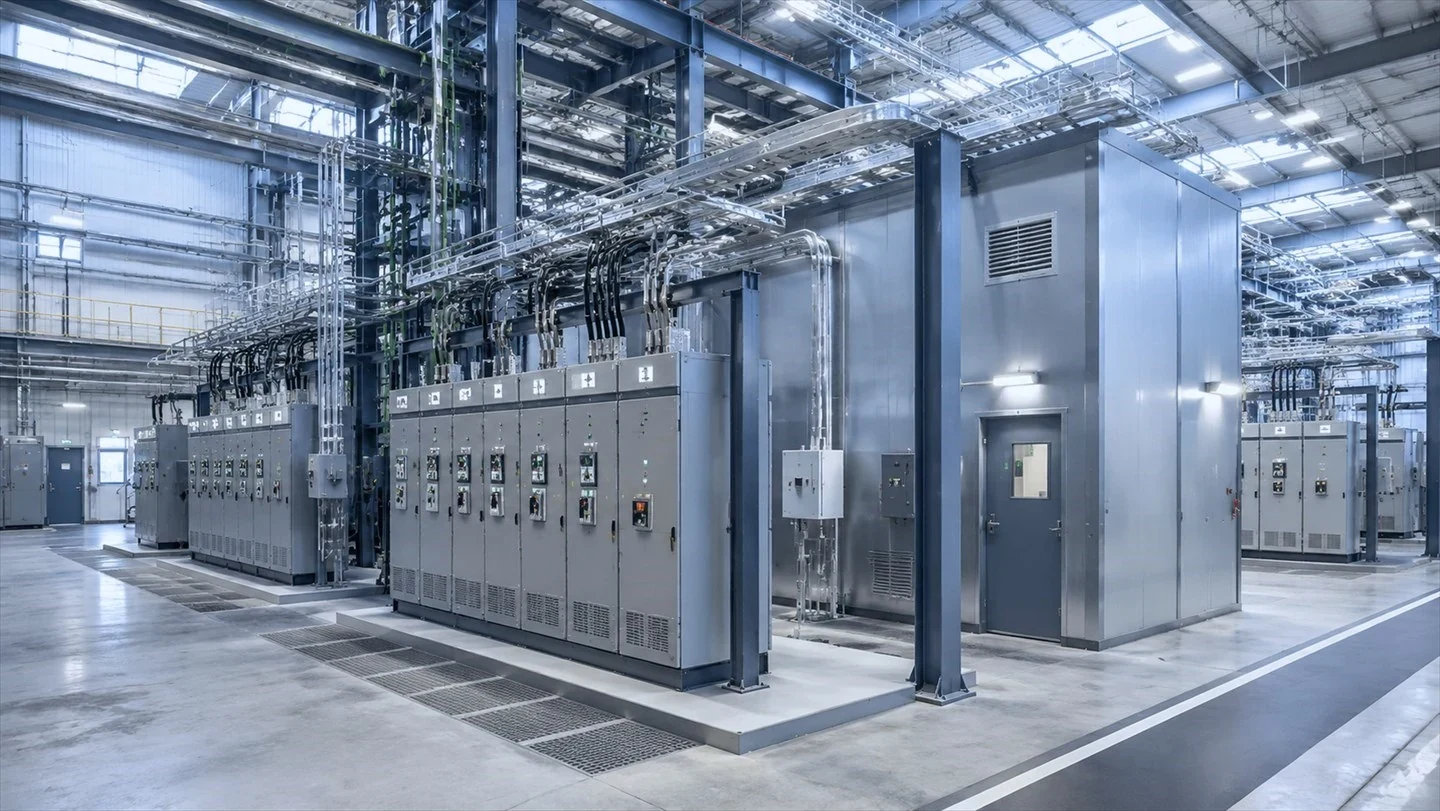
Rooftop and ground-mounted photovoltaic projects, energy-service points and auxiliary distribution locations requiring a confirmed interface between equipment and enclosure.
Application challenges to resolve first
- Matching protection, isolation and metering arrangements to the approved electrical design and utility interface.
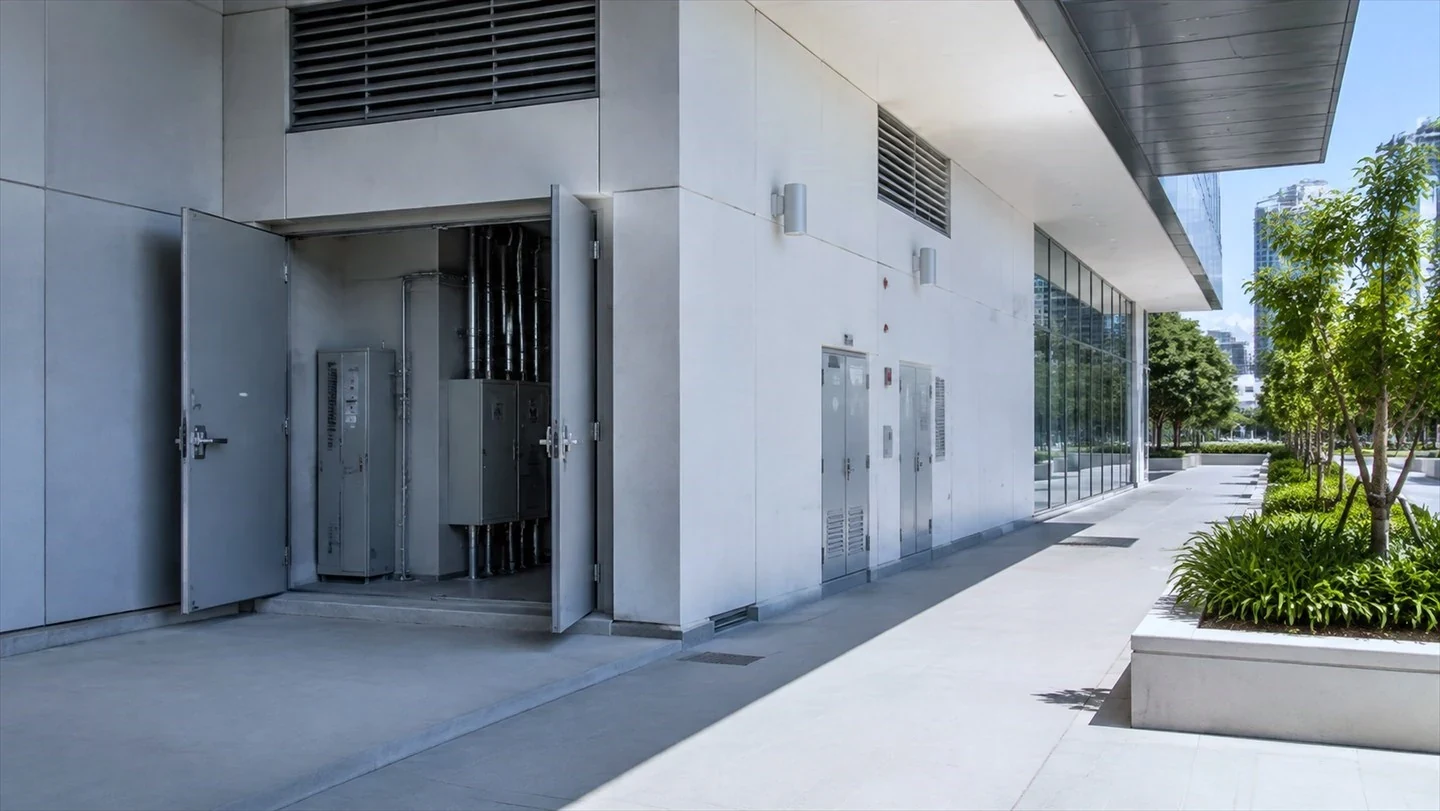
- Managing solar exposure, ambient temperature, rain, dust and cable sealing at outdoor locations.
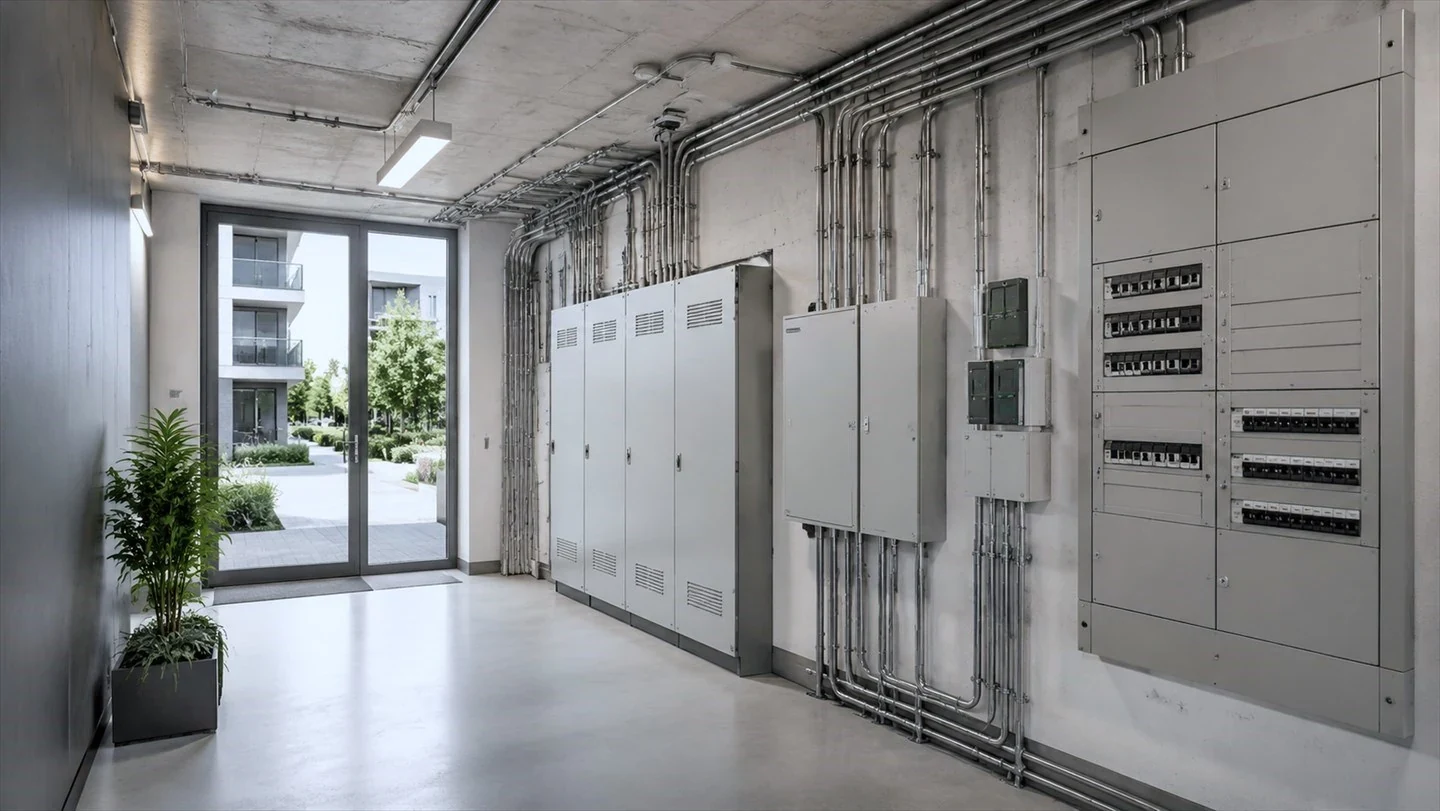
- Providing safe cable bending space for incoming and outgoing conductors with clear maintenance access.
- Coordinating component heat loss and enclosure protection without treating ventilation as an afterthought.
Recommended enclosure scope
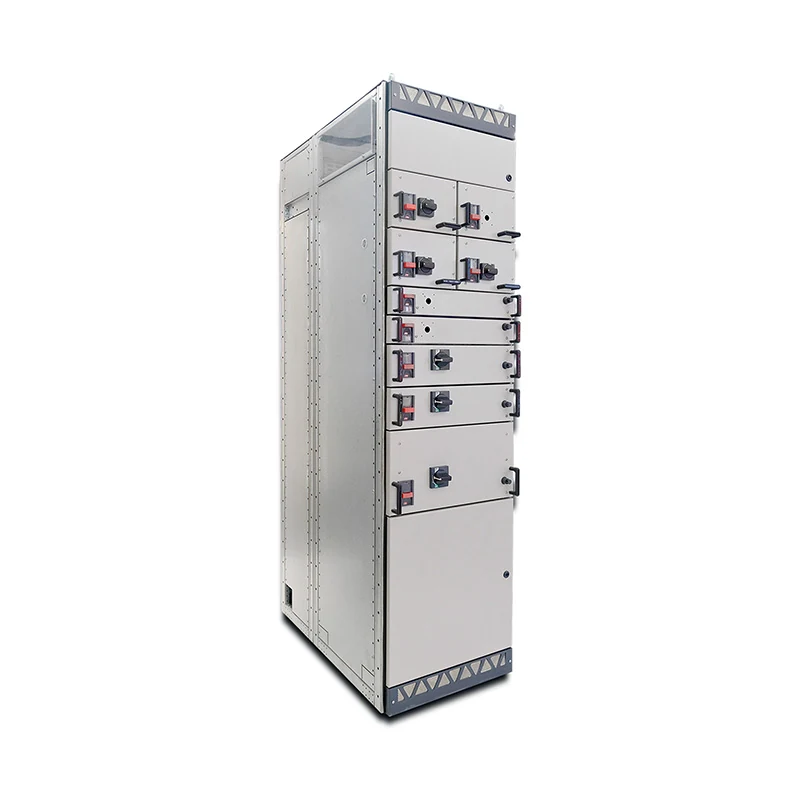
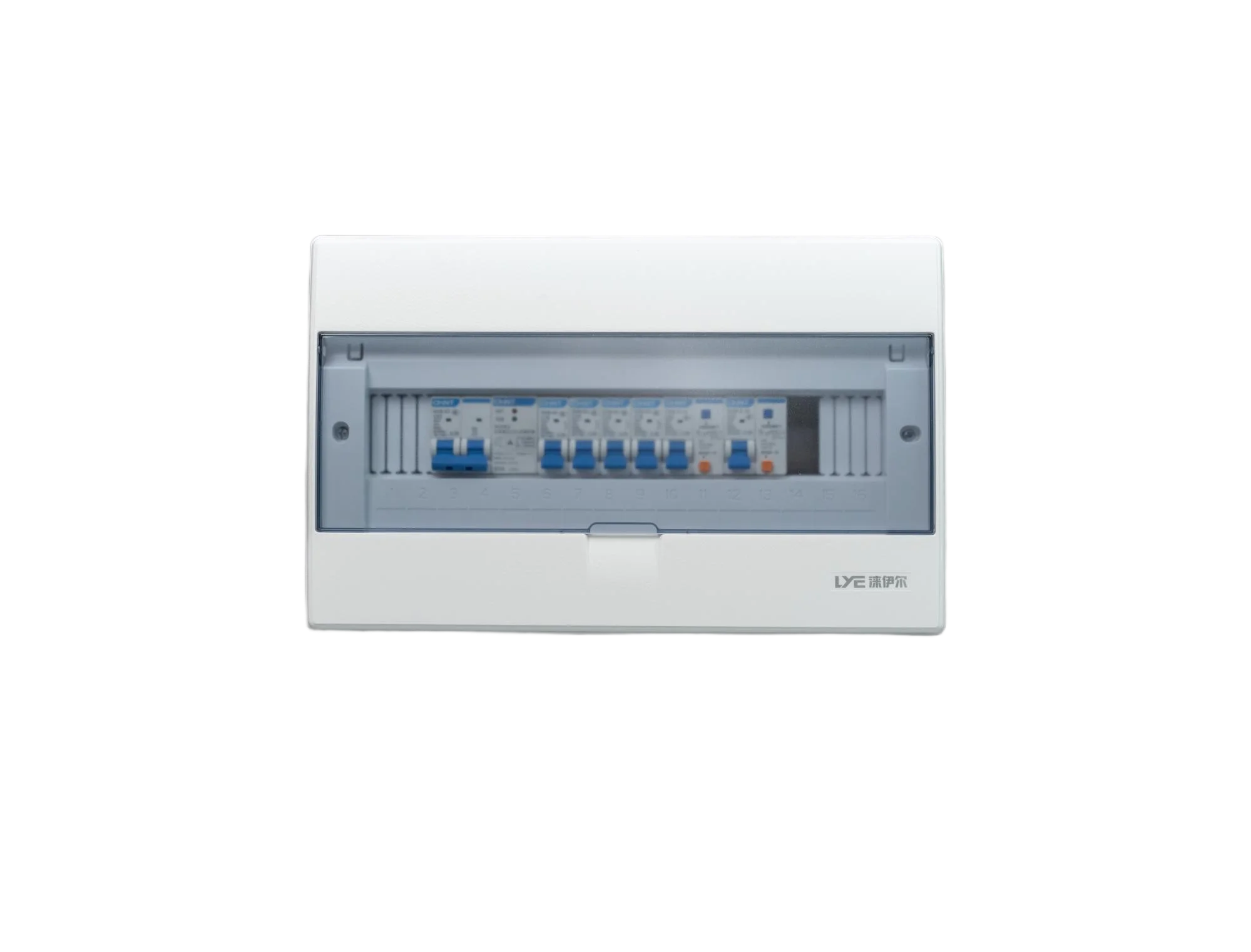
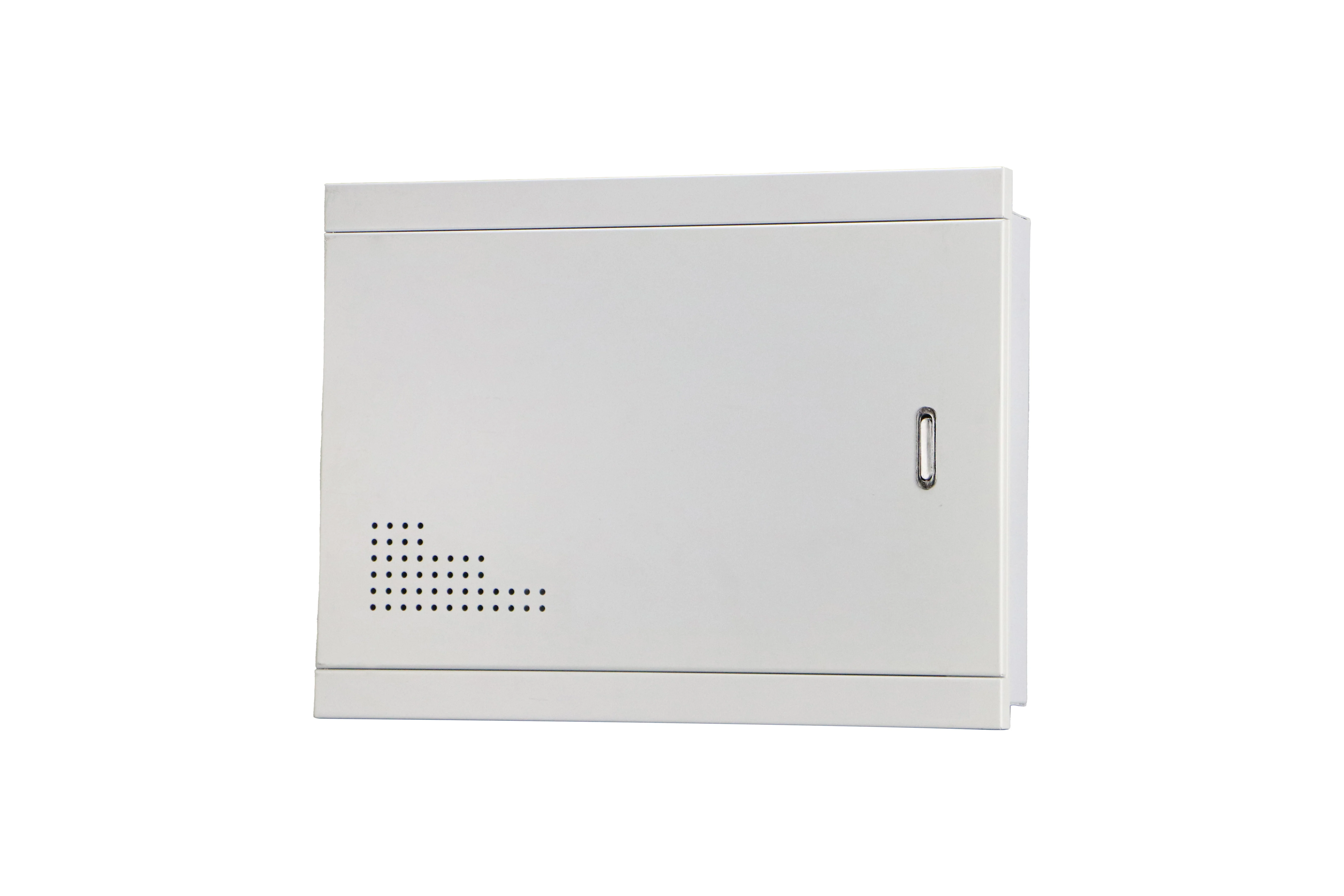
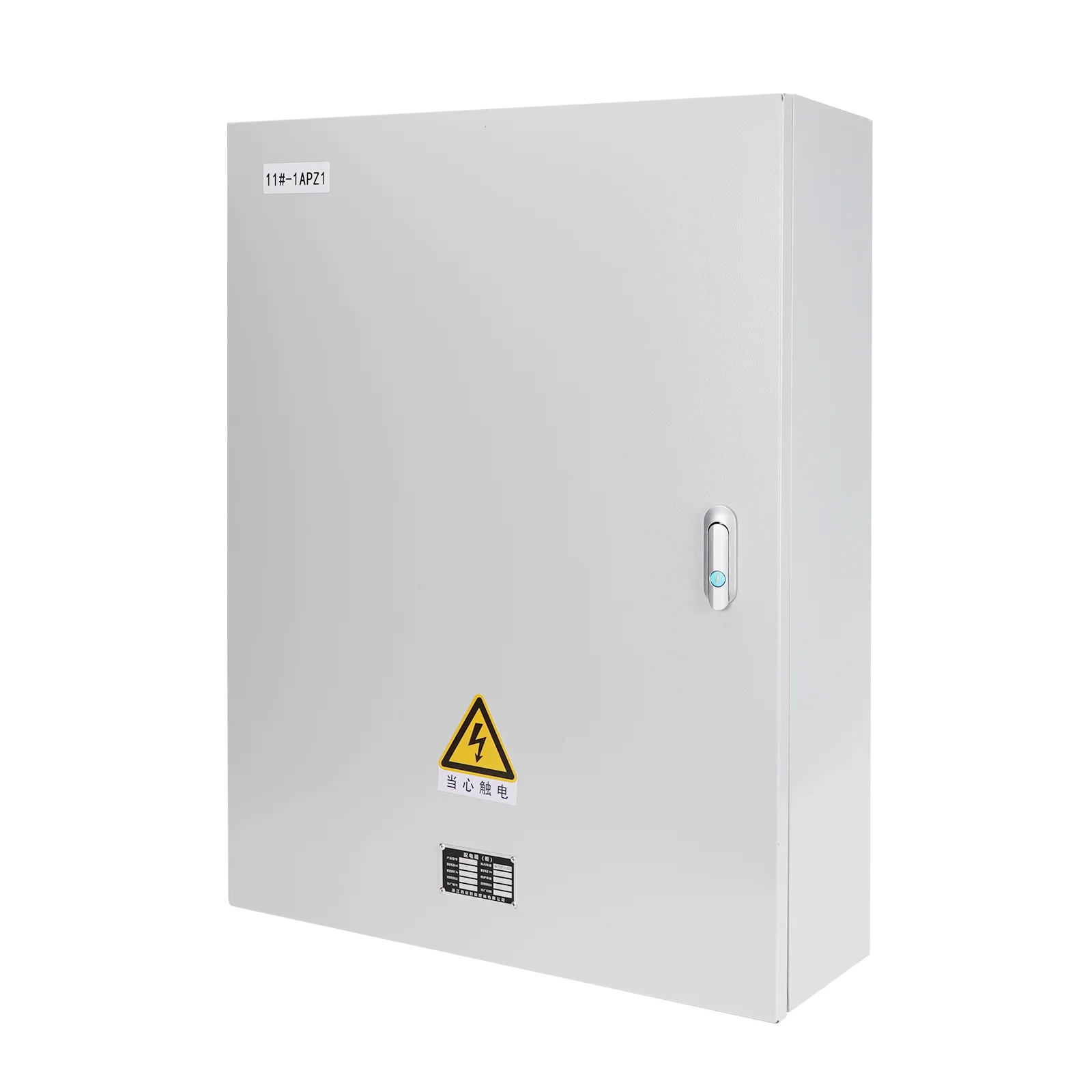
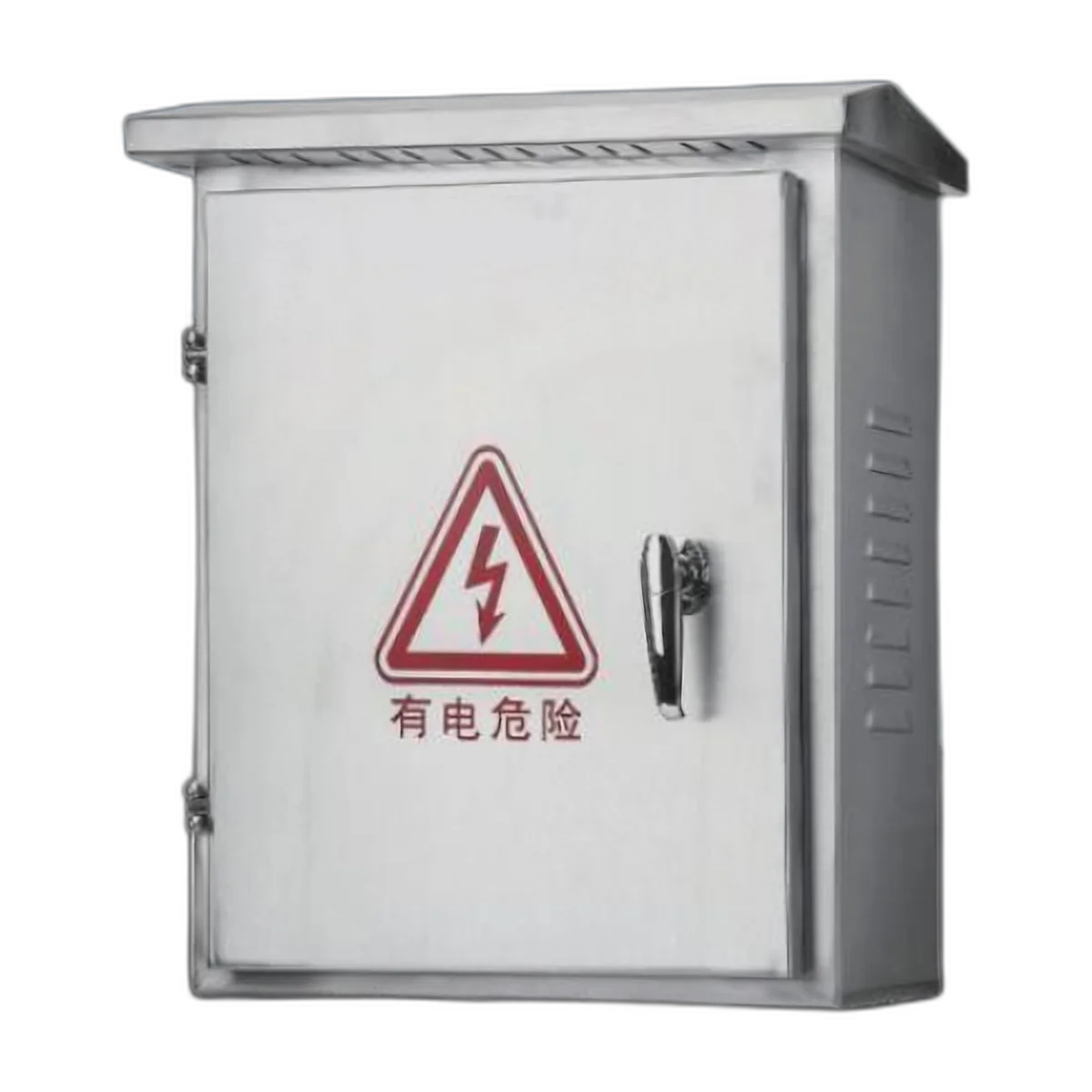
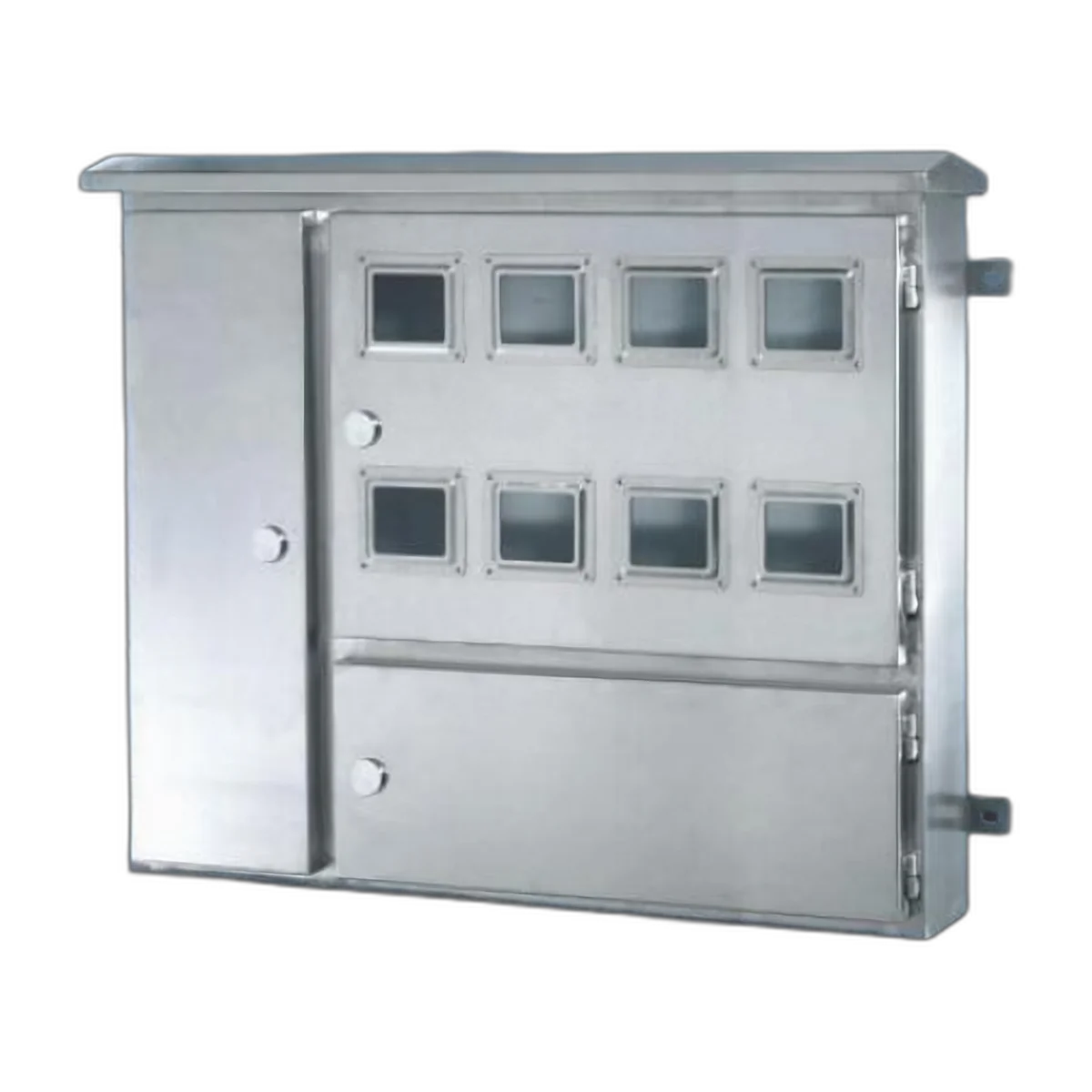
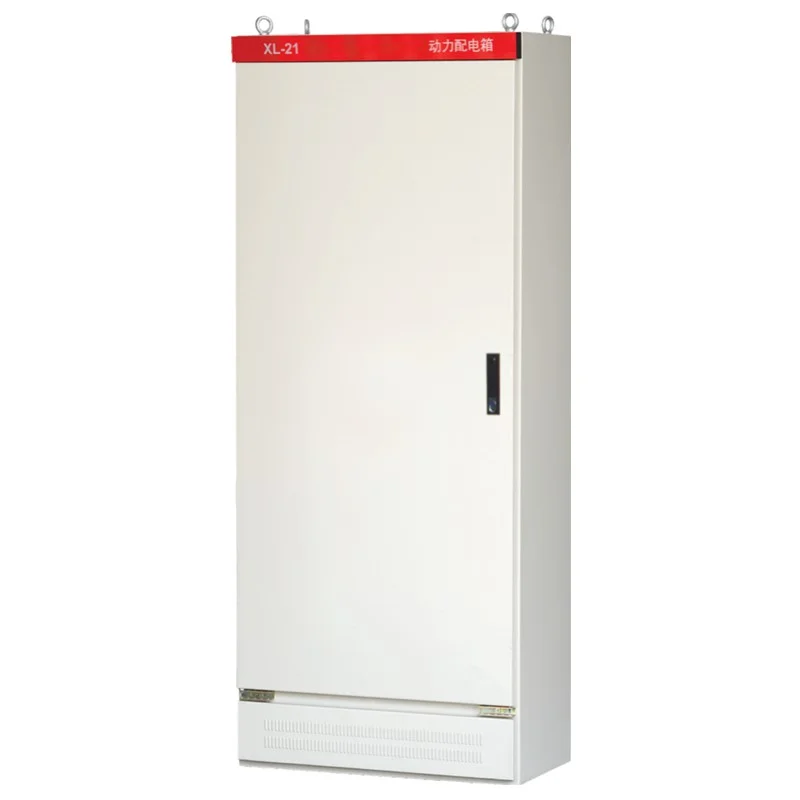
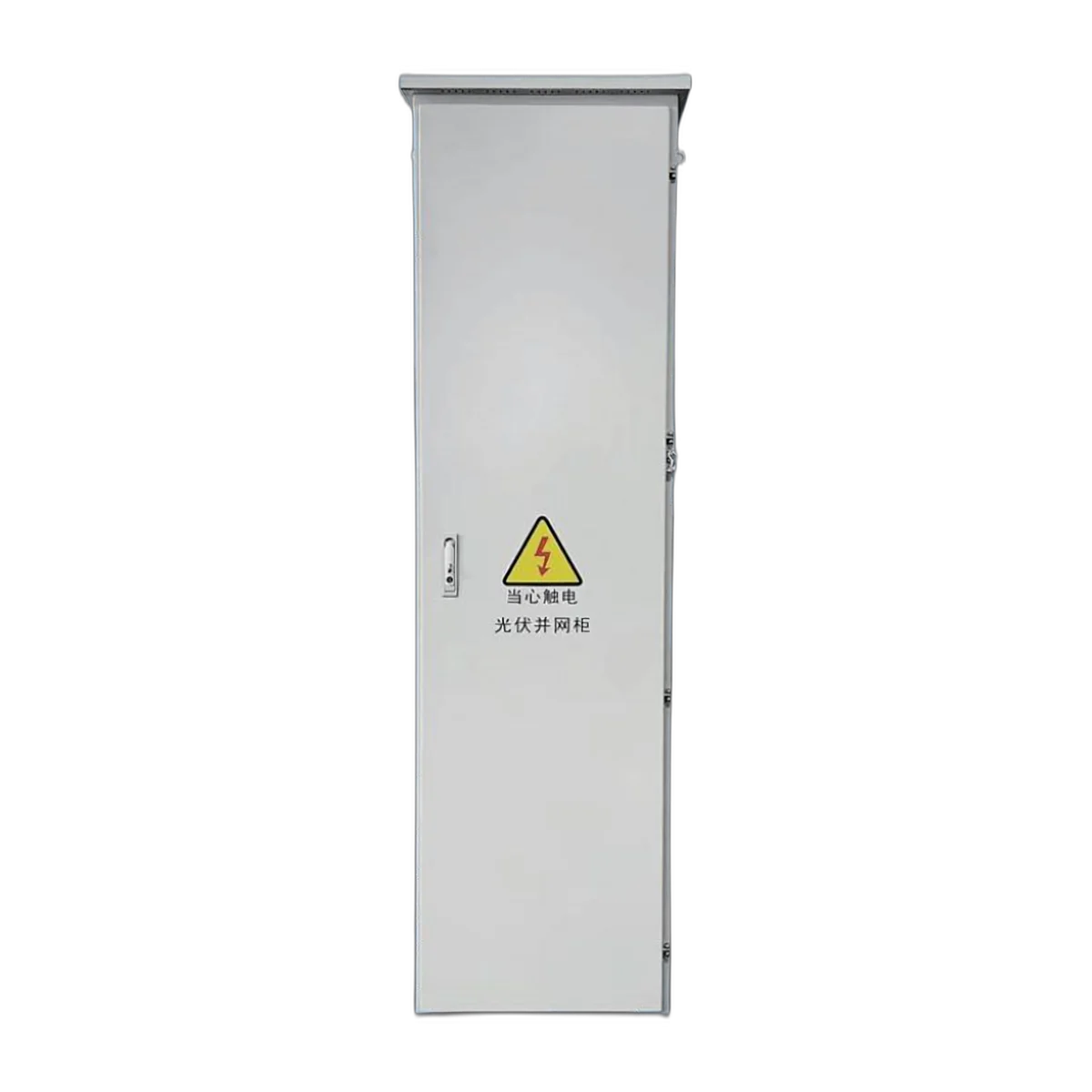
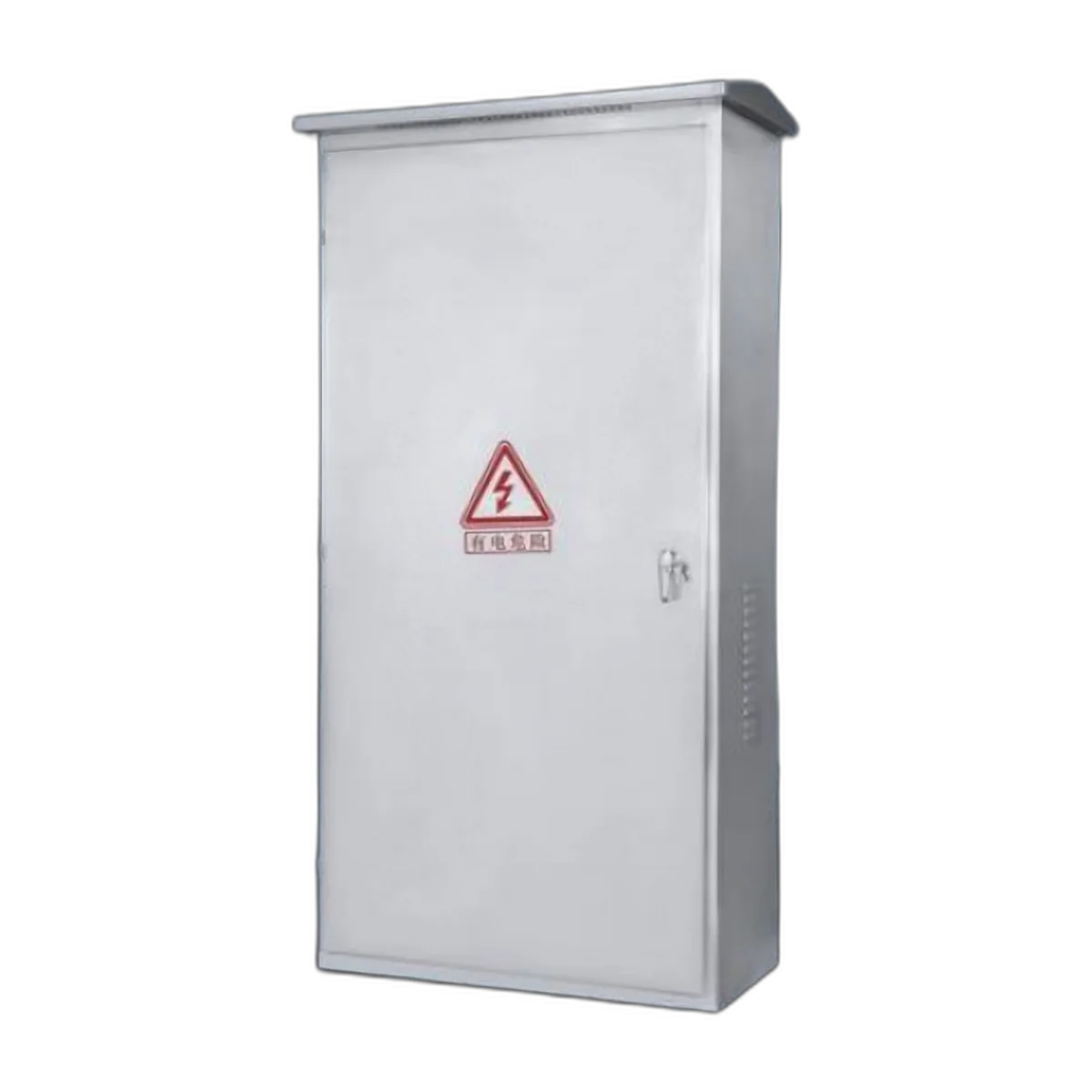
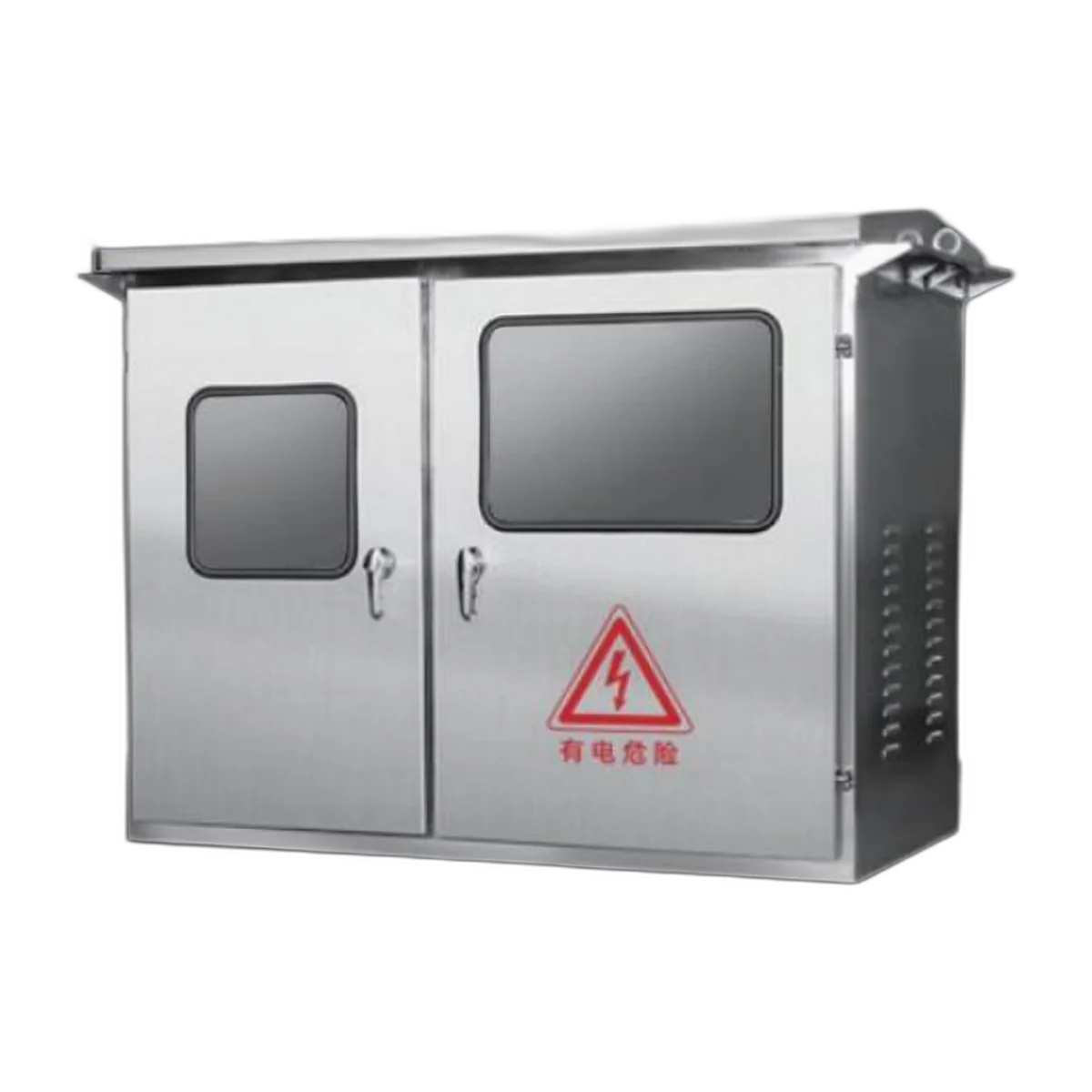
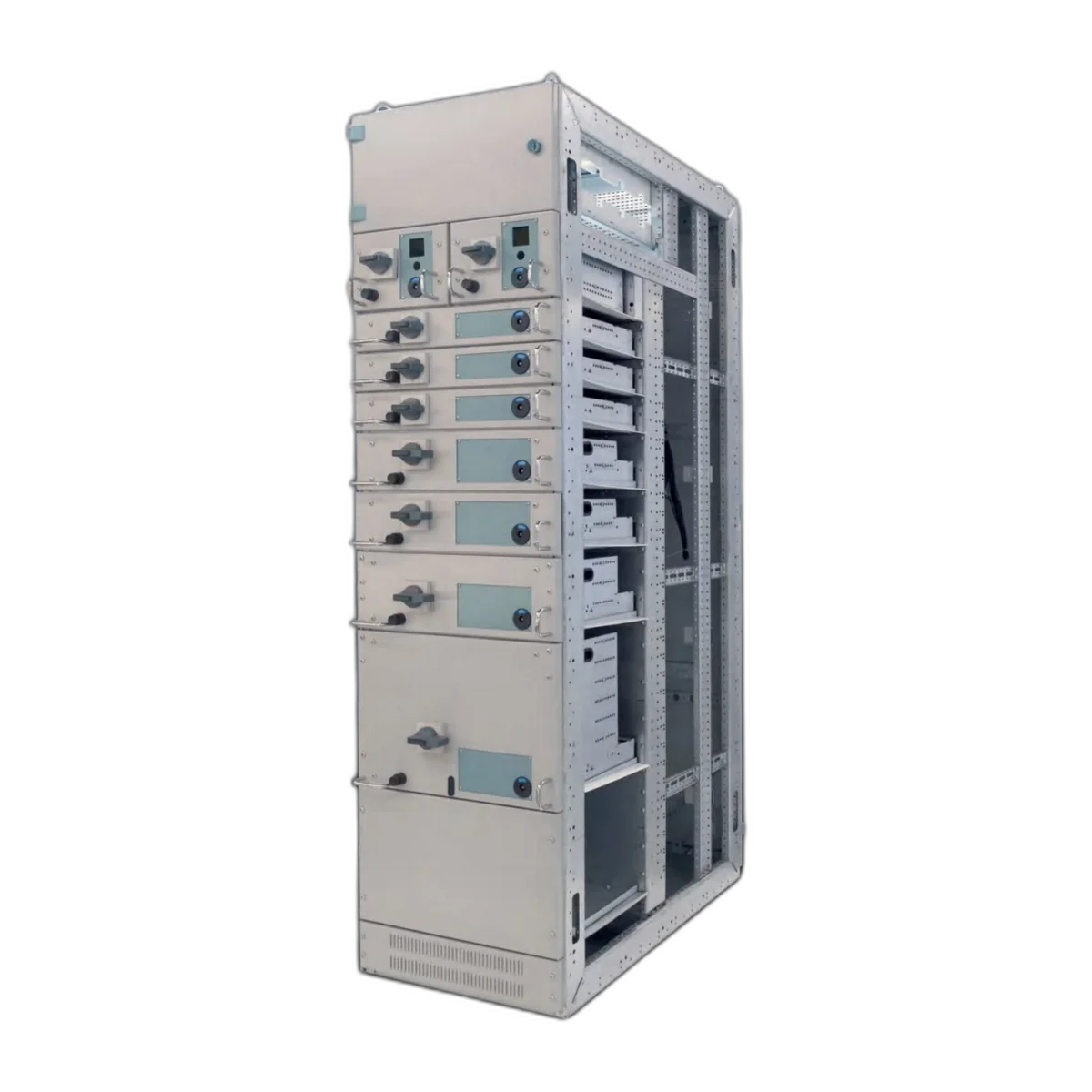
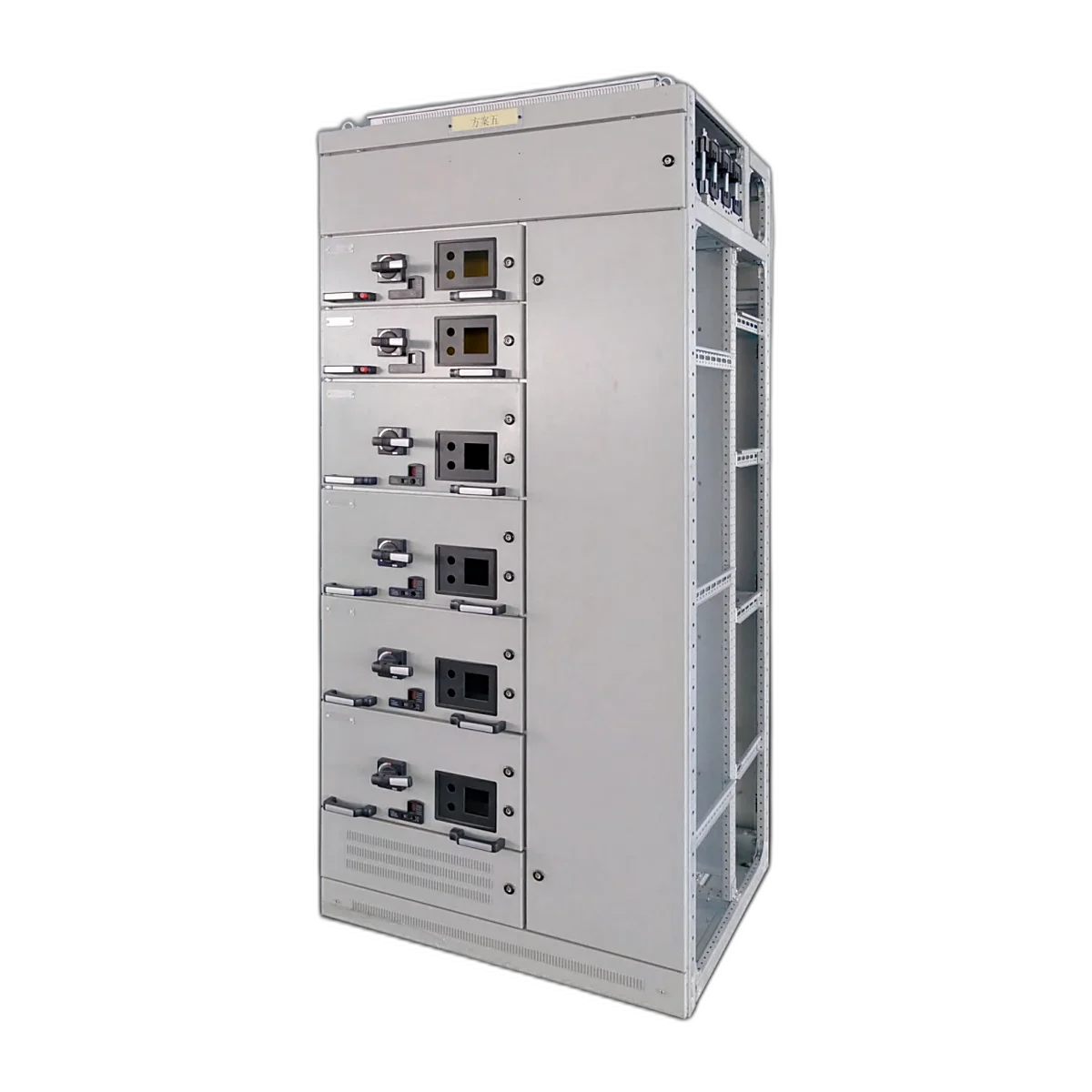
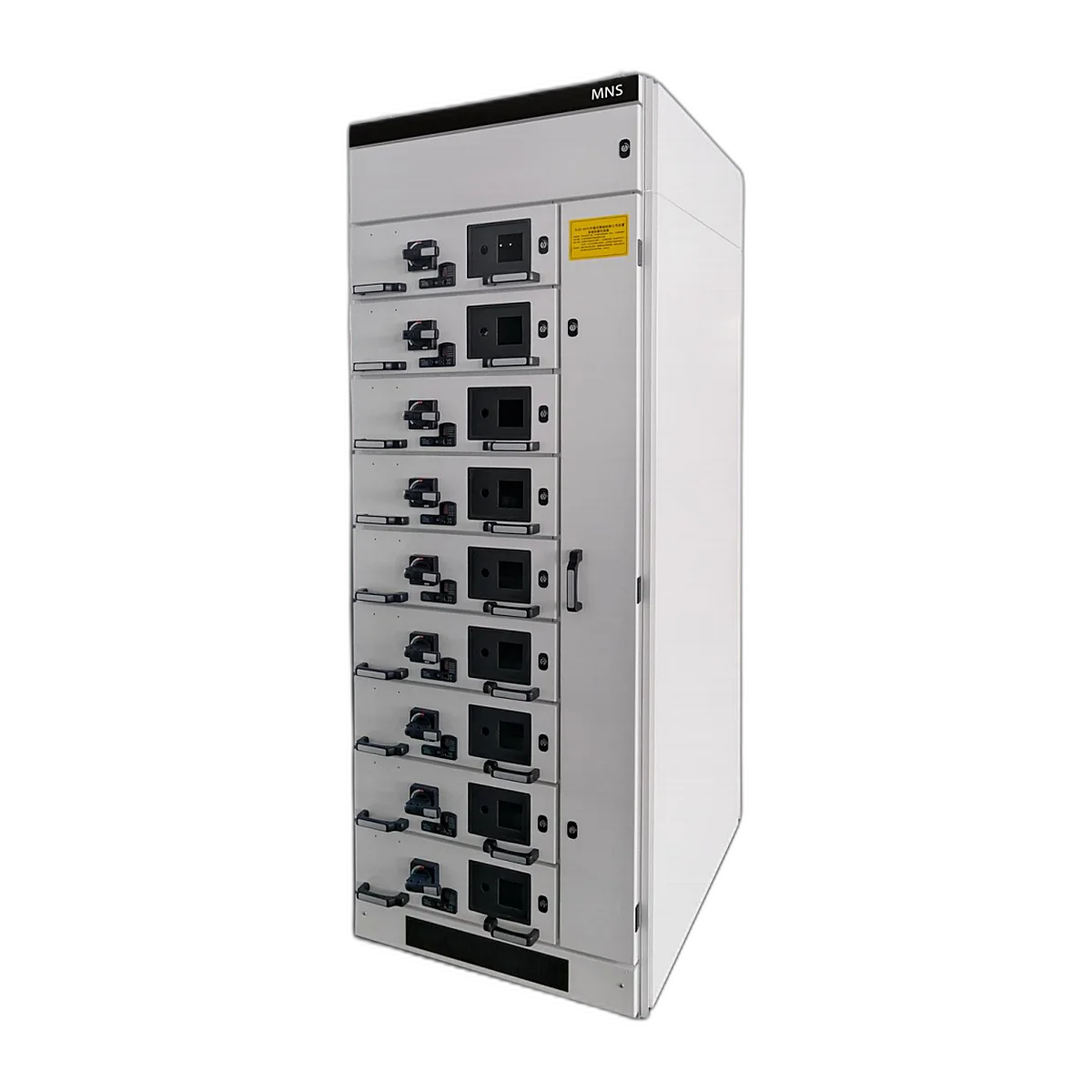
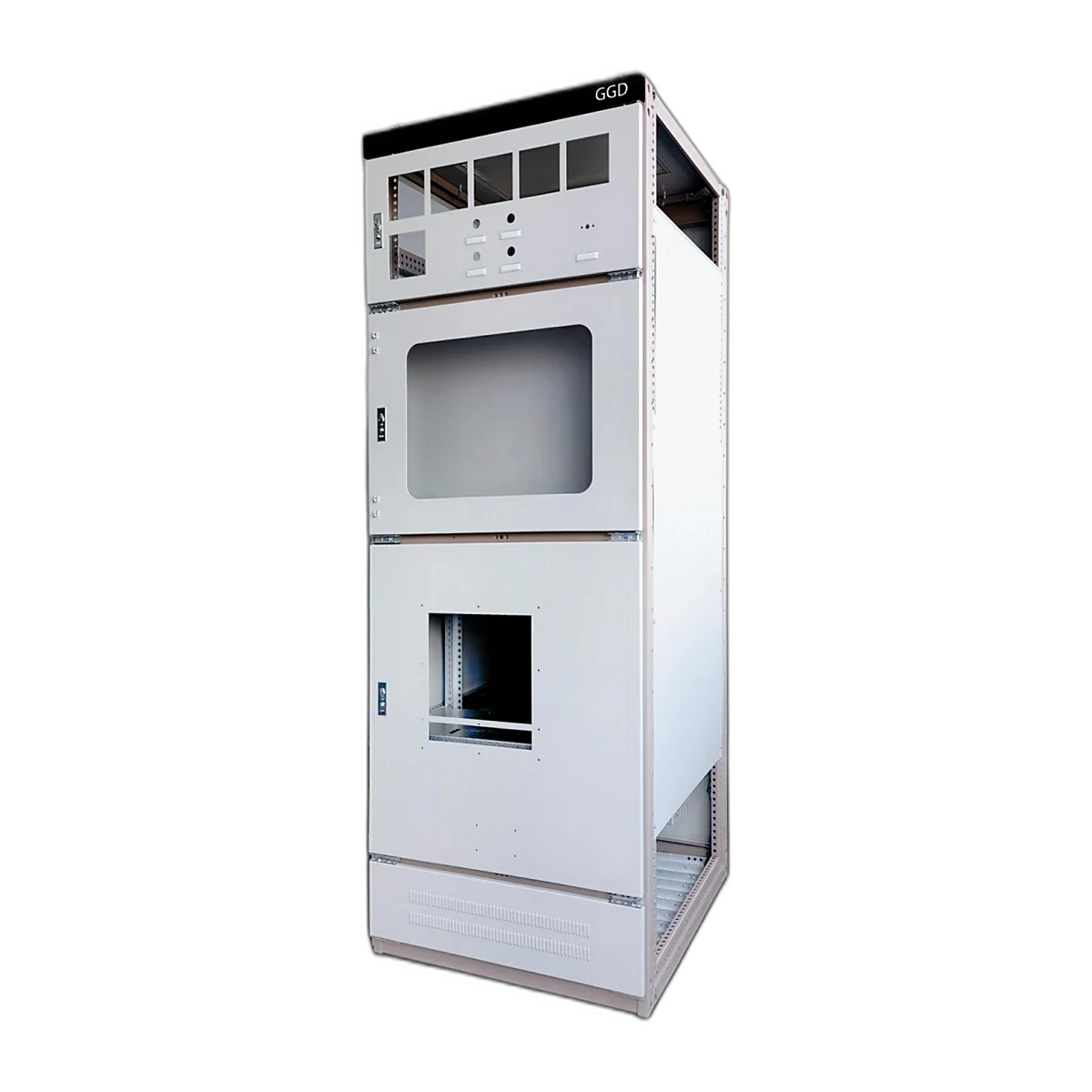
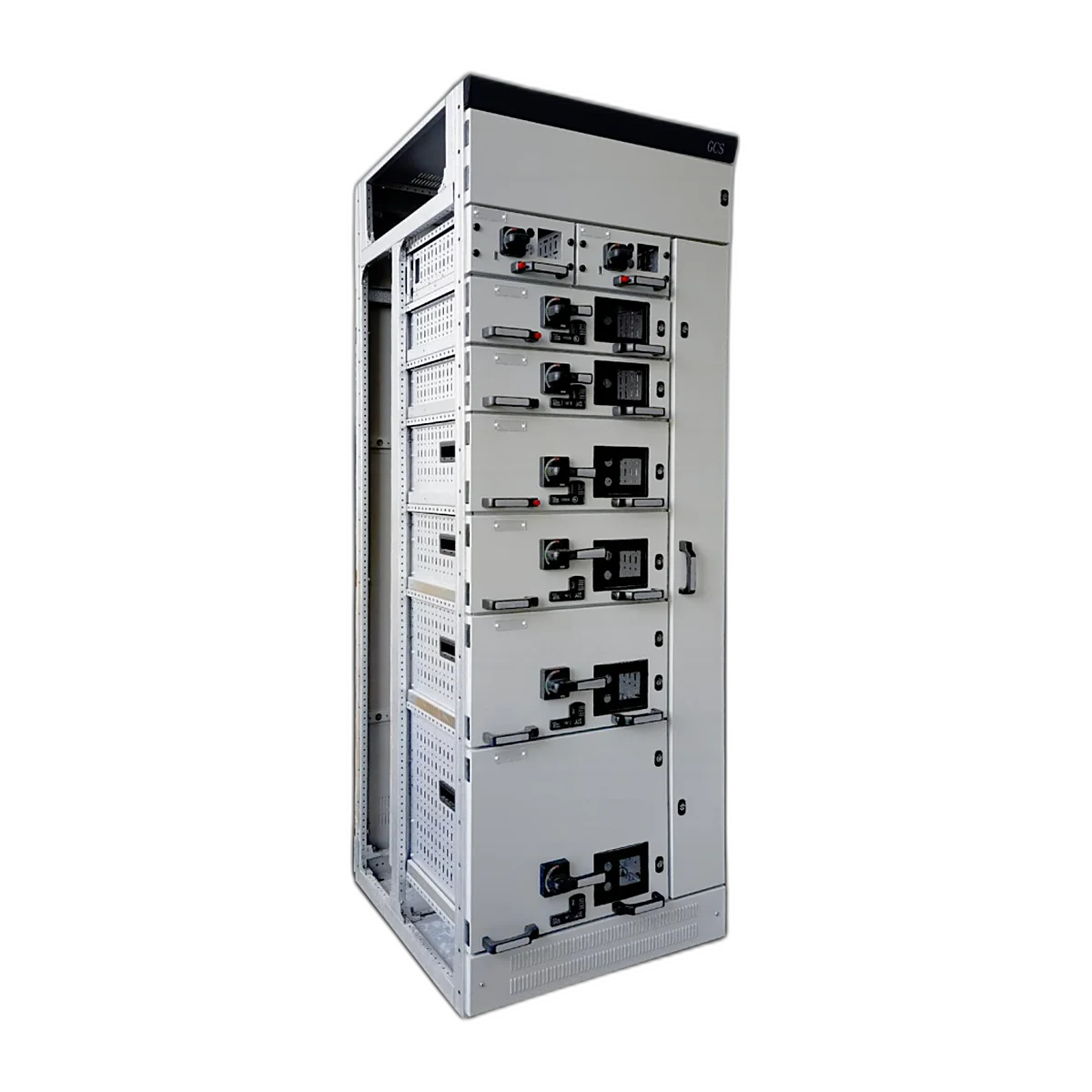
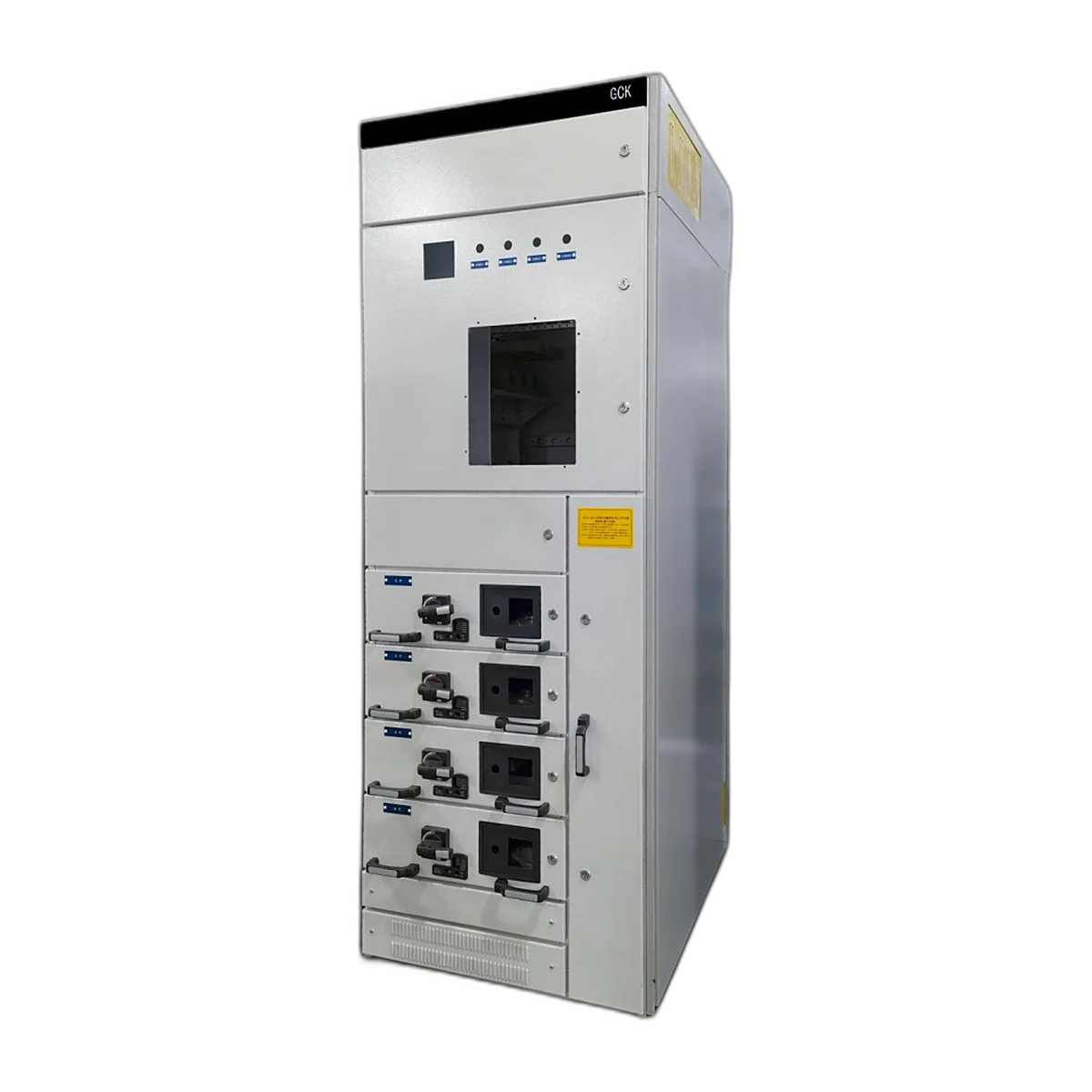
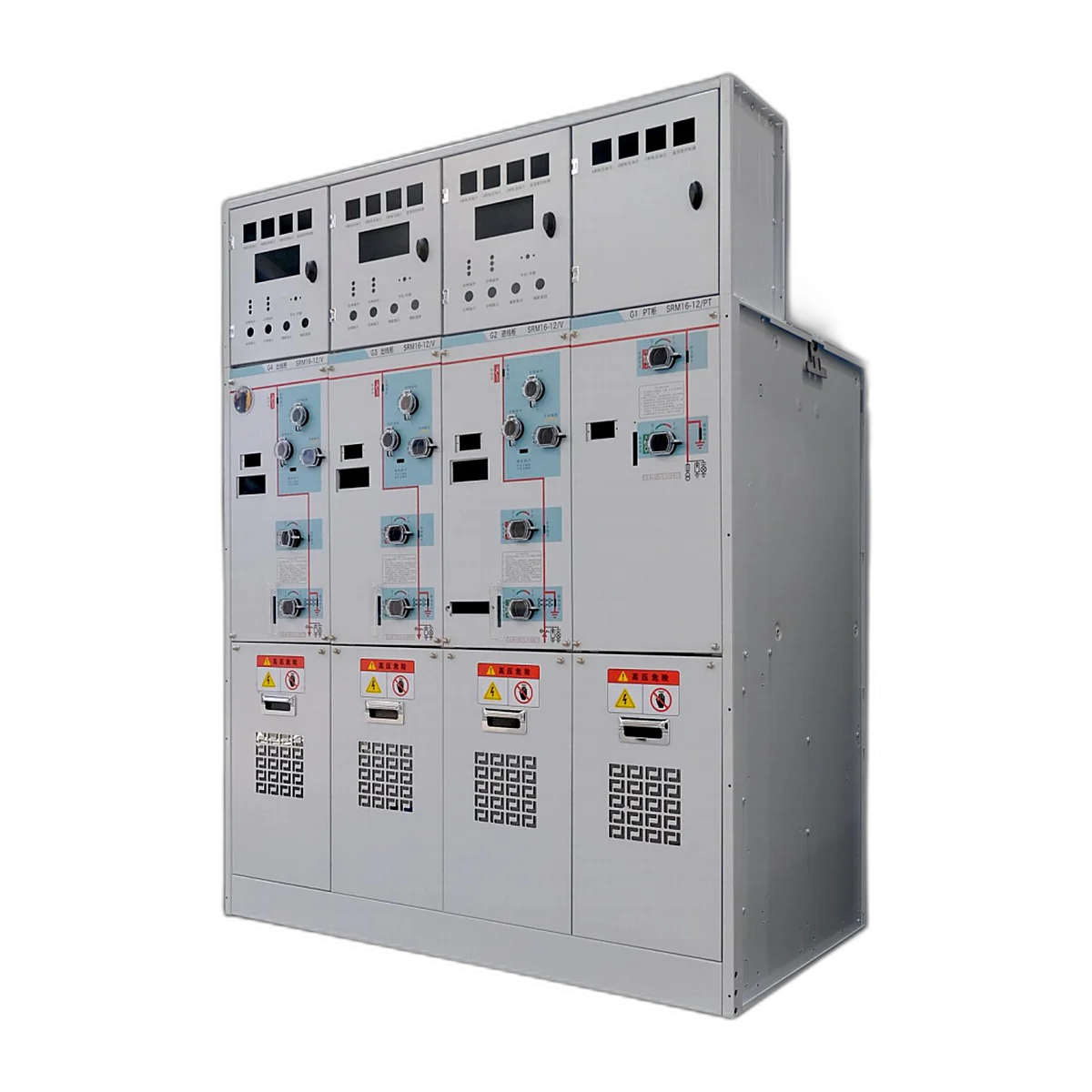
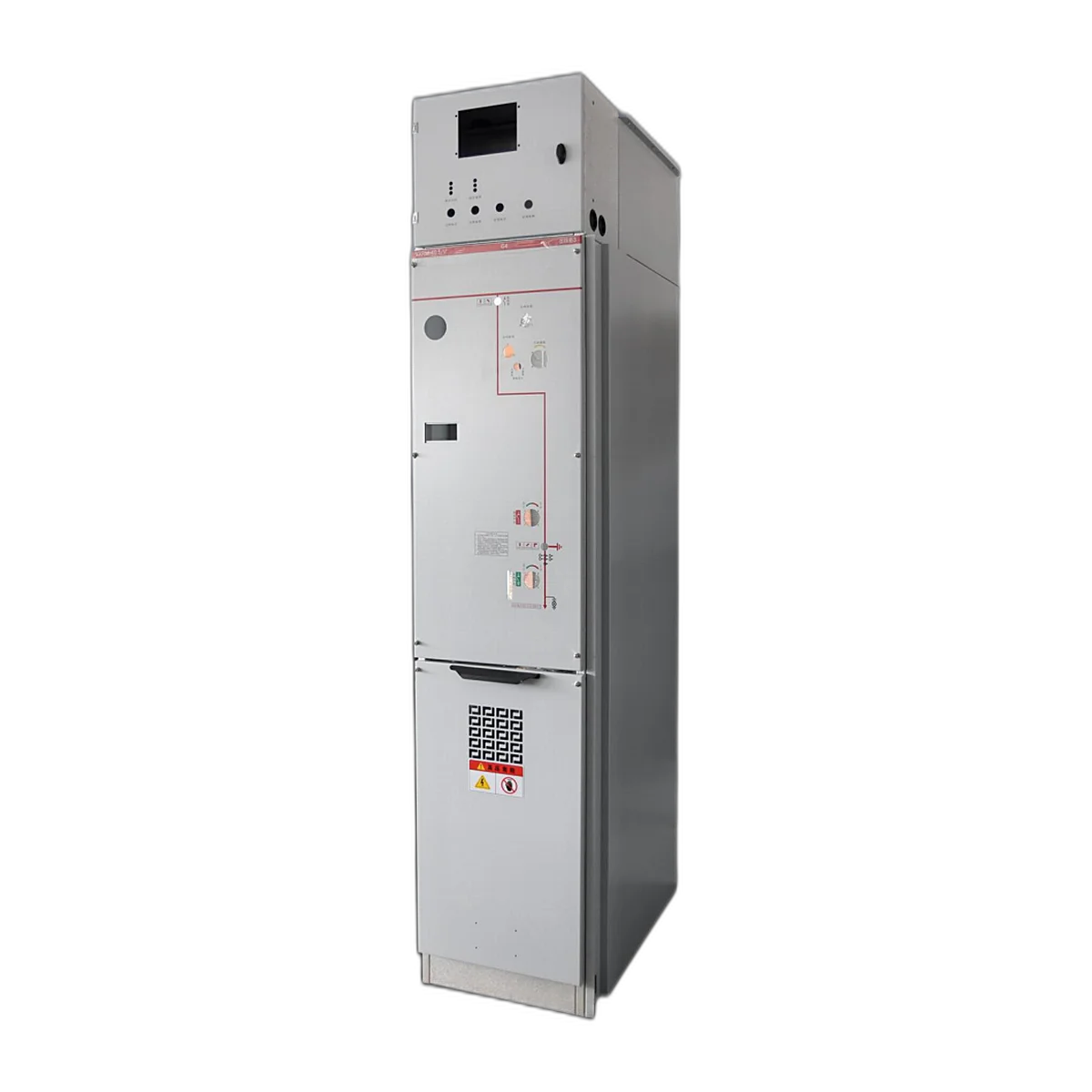
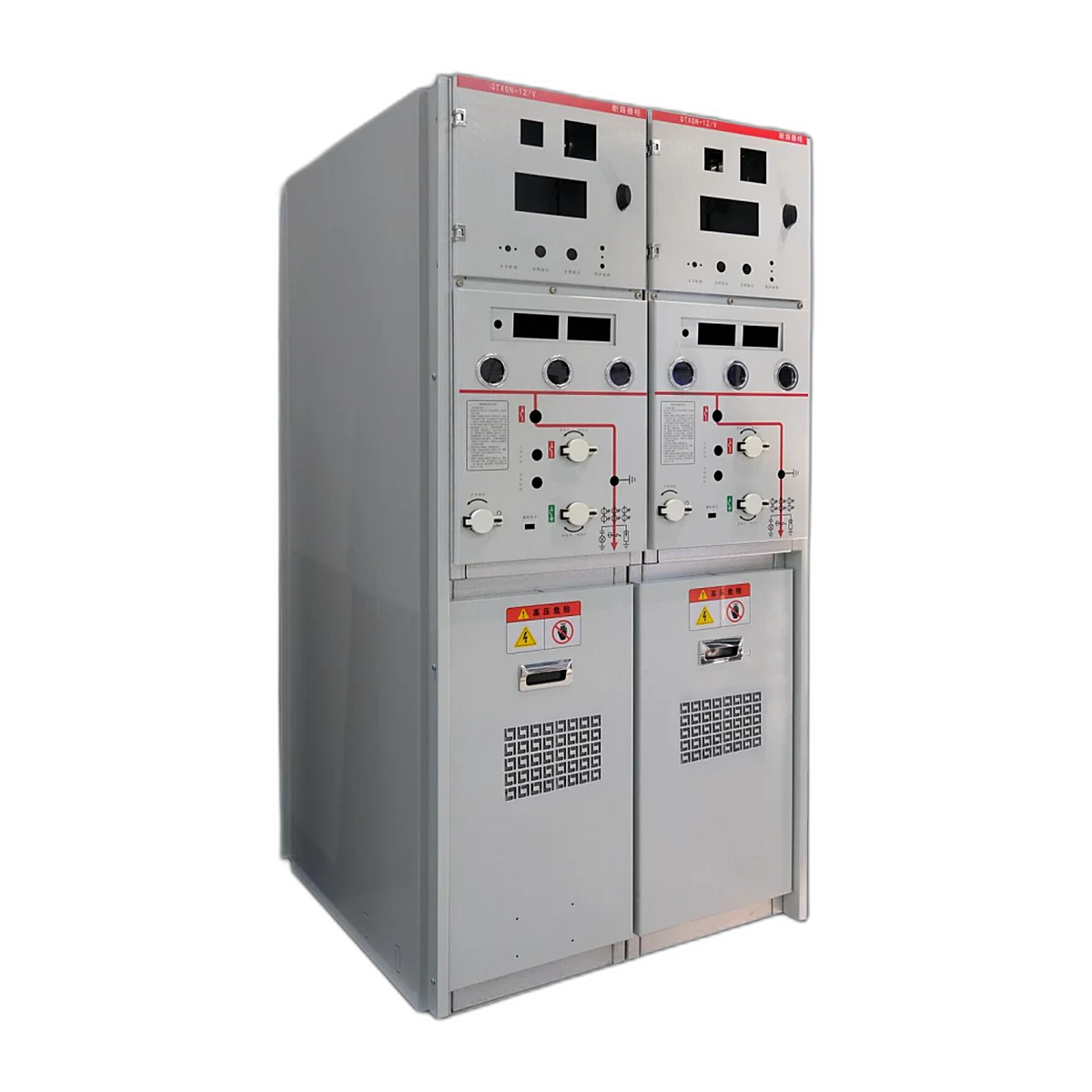
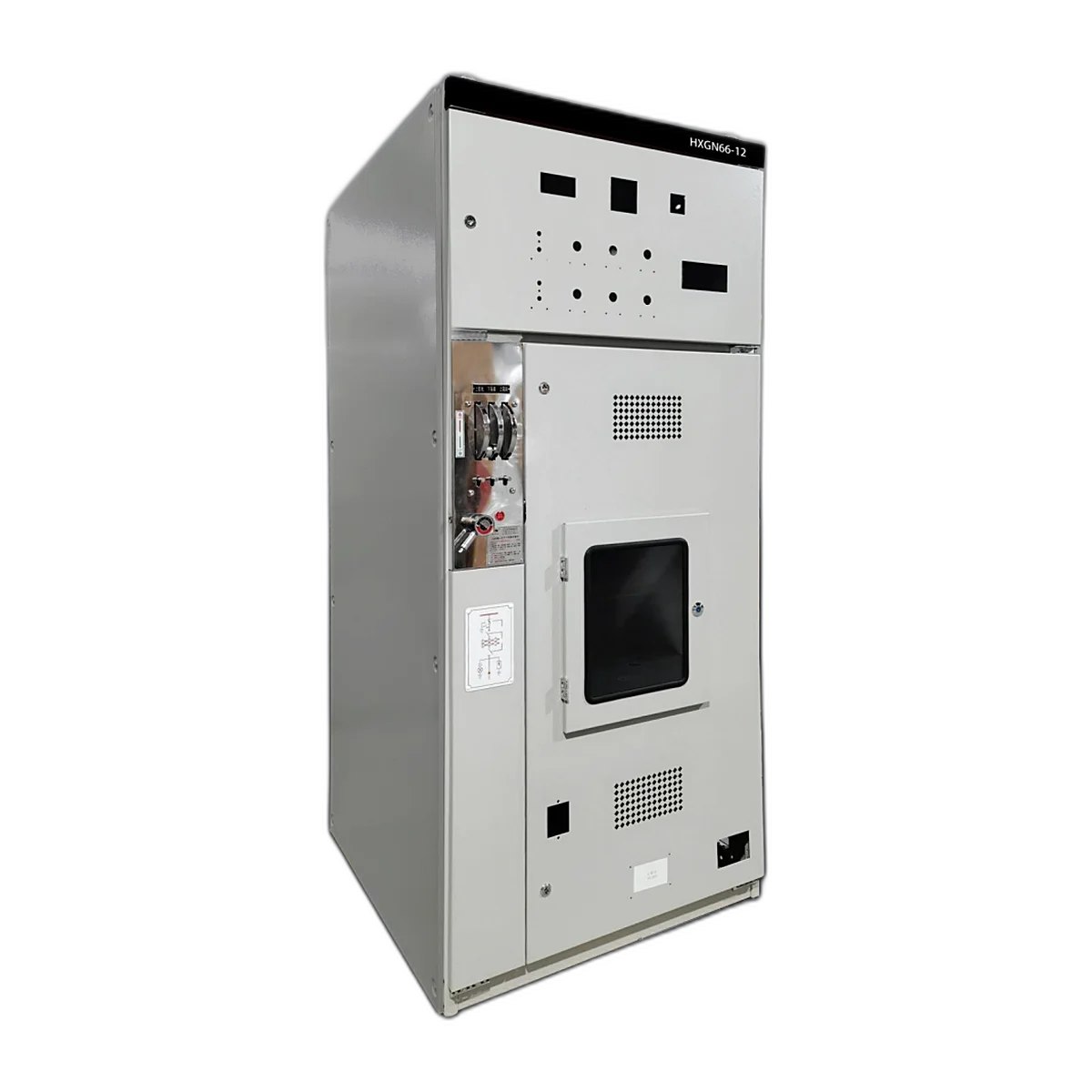
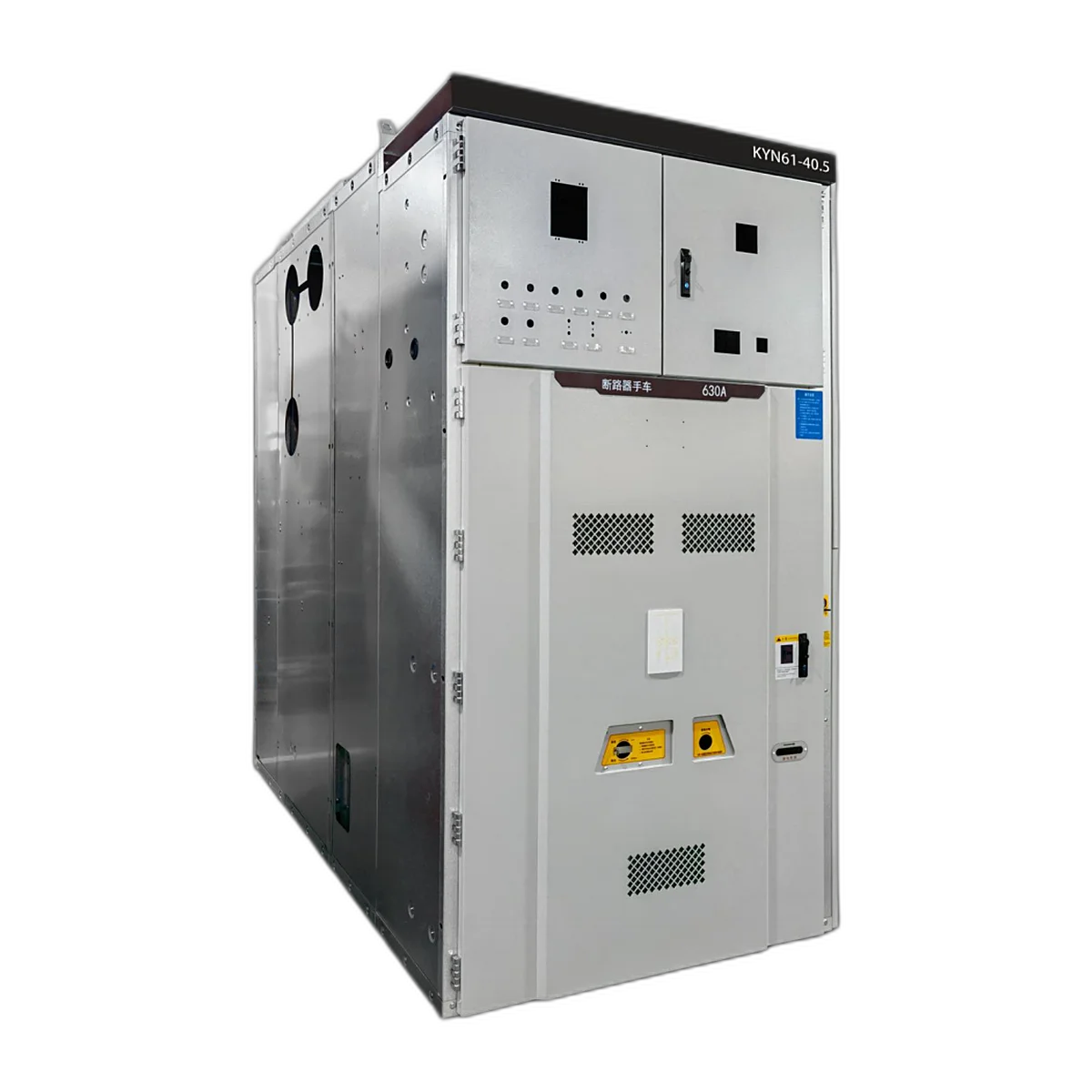
Grid-connection cabinets
Cabinet space and internal interfaces reviewed against the approved single-line diagram, rated equipment, metering and isolation requirements.
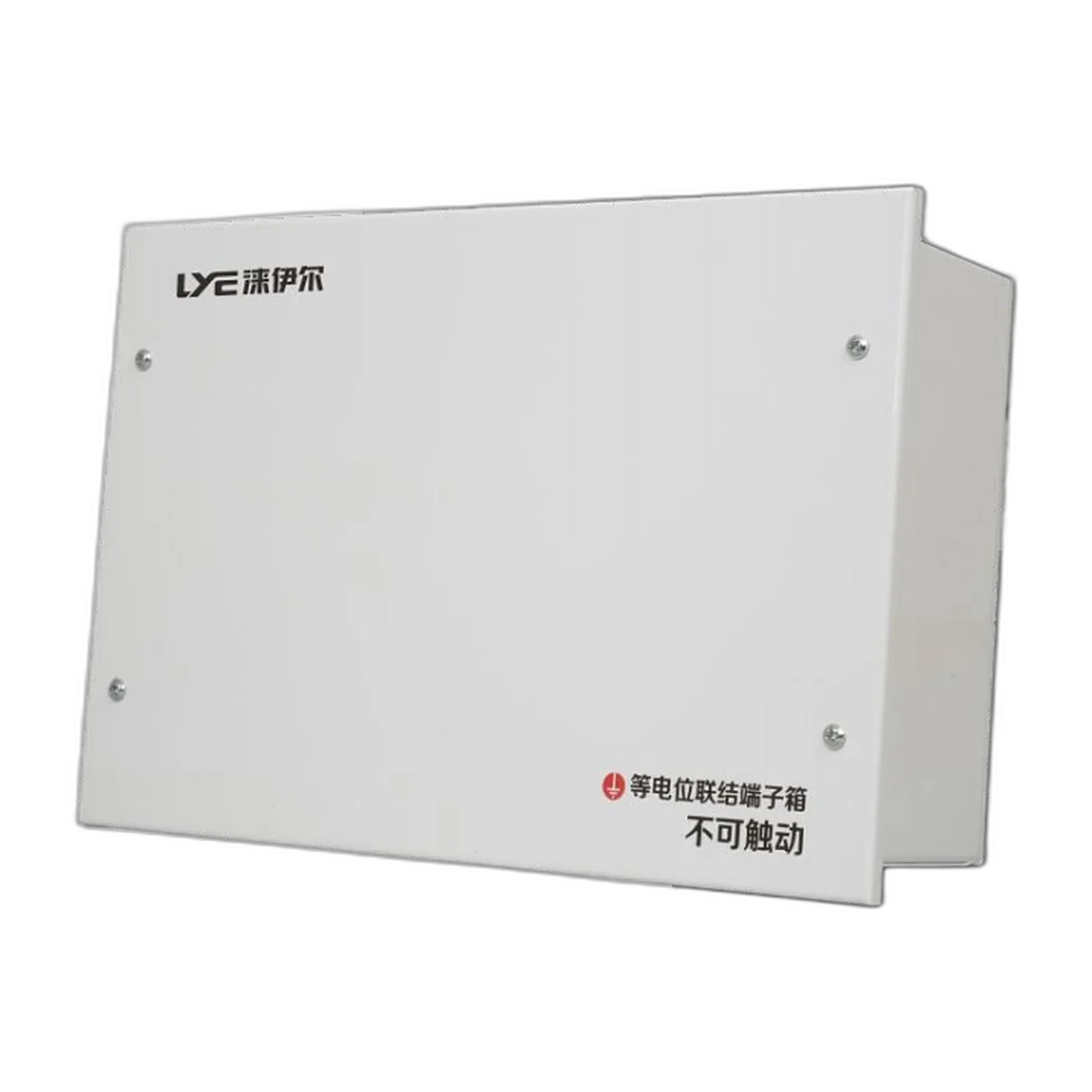
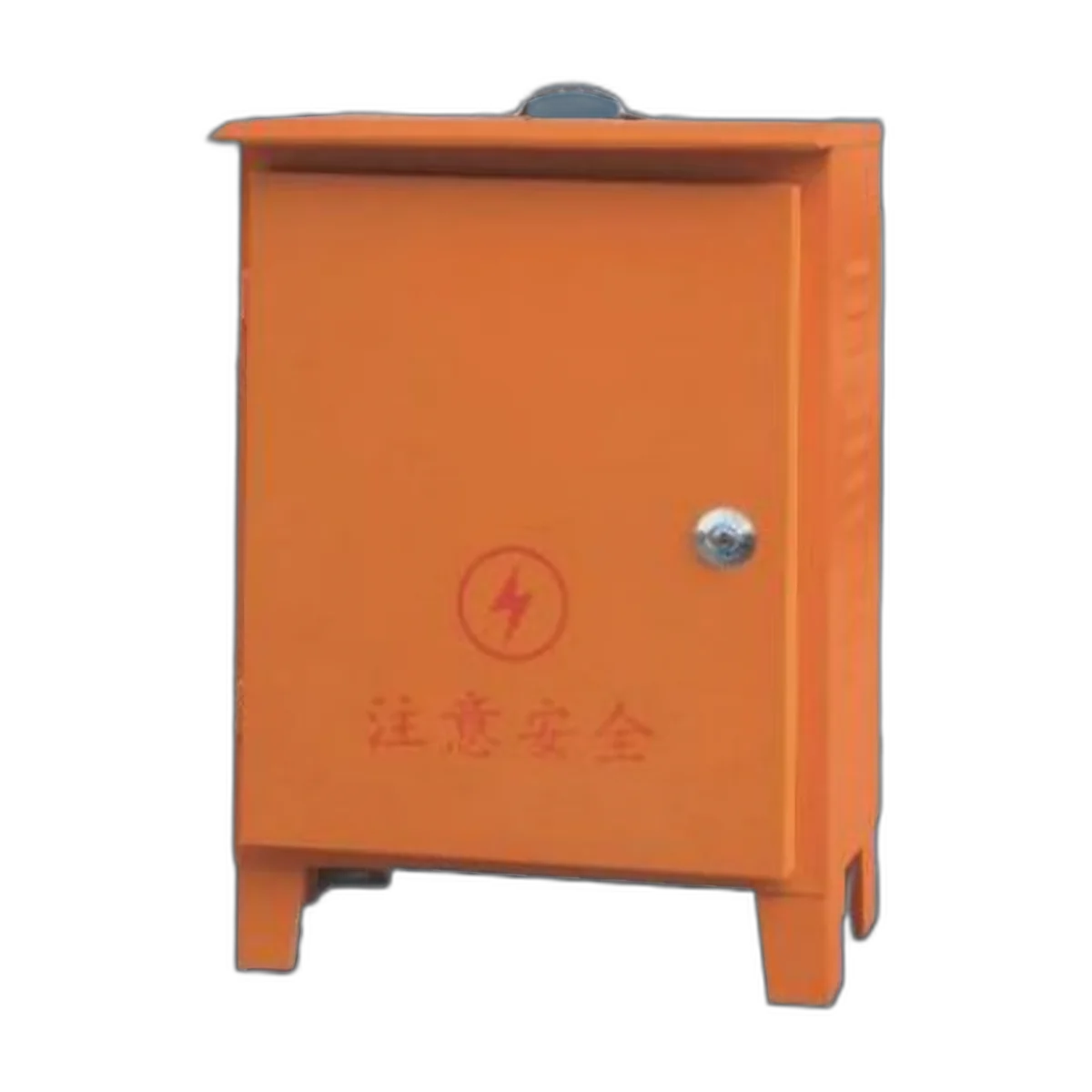
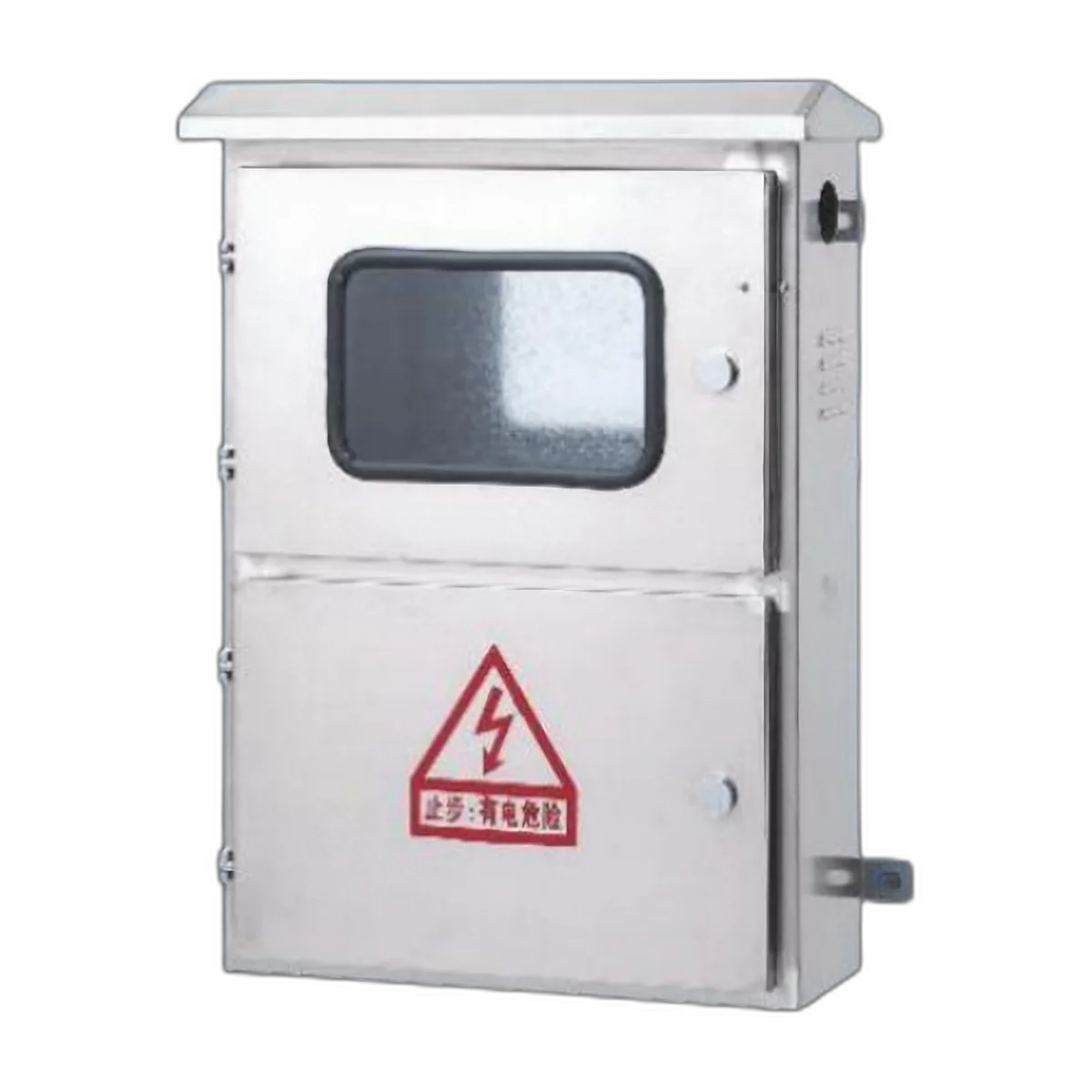
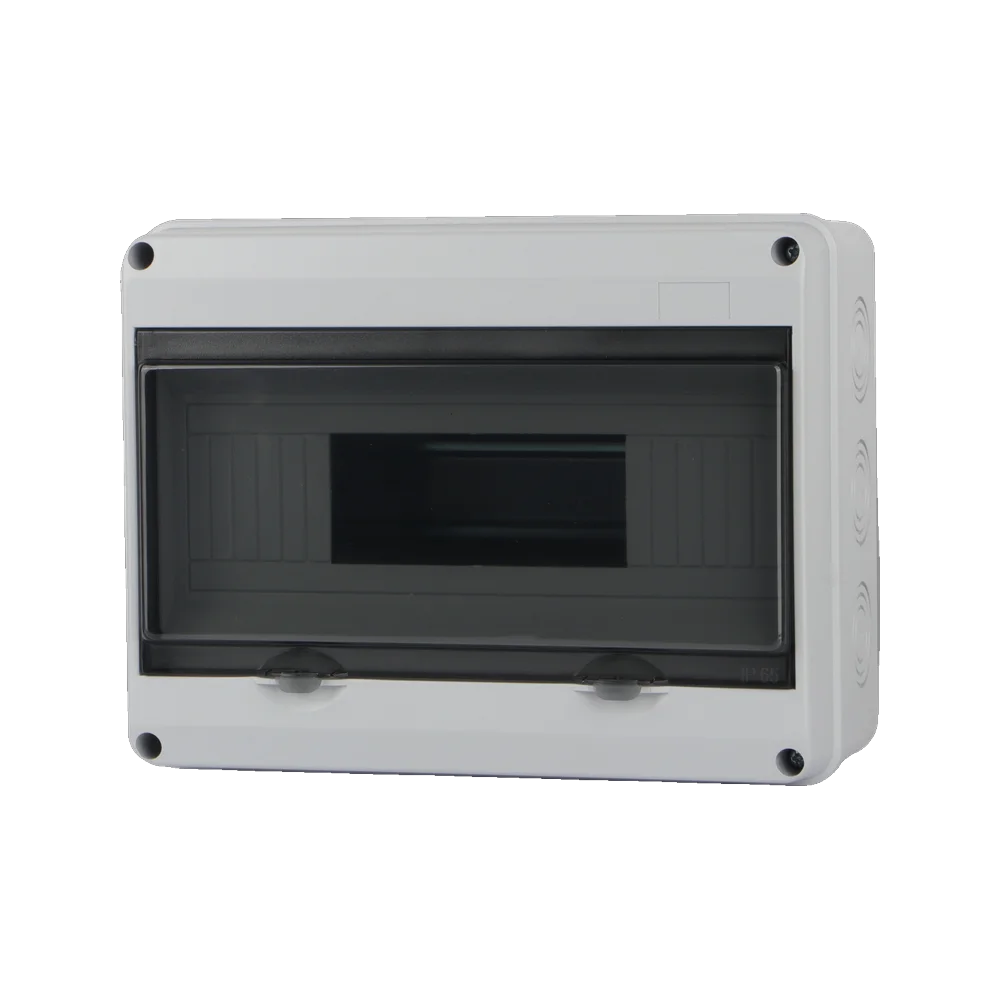
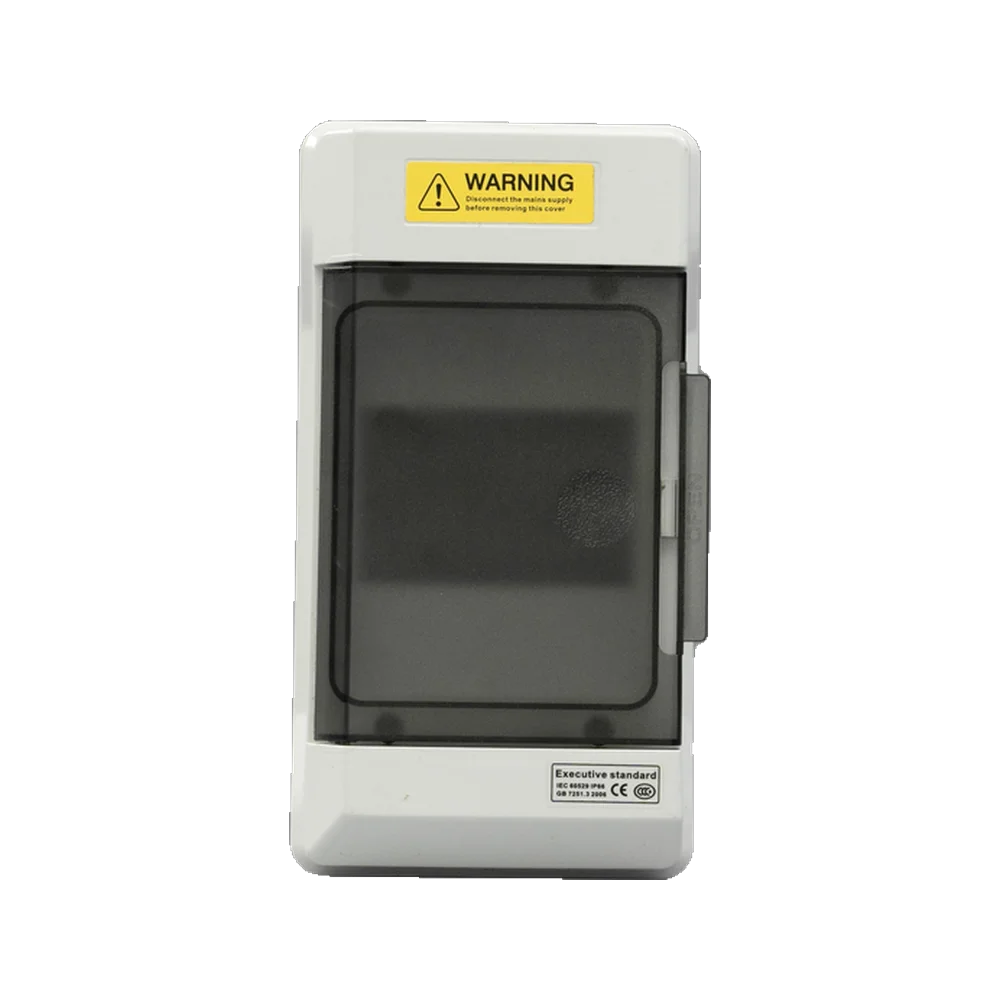
Array and auxiliary boxes
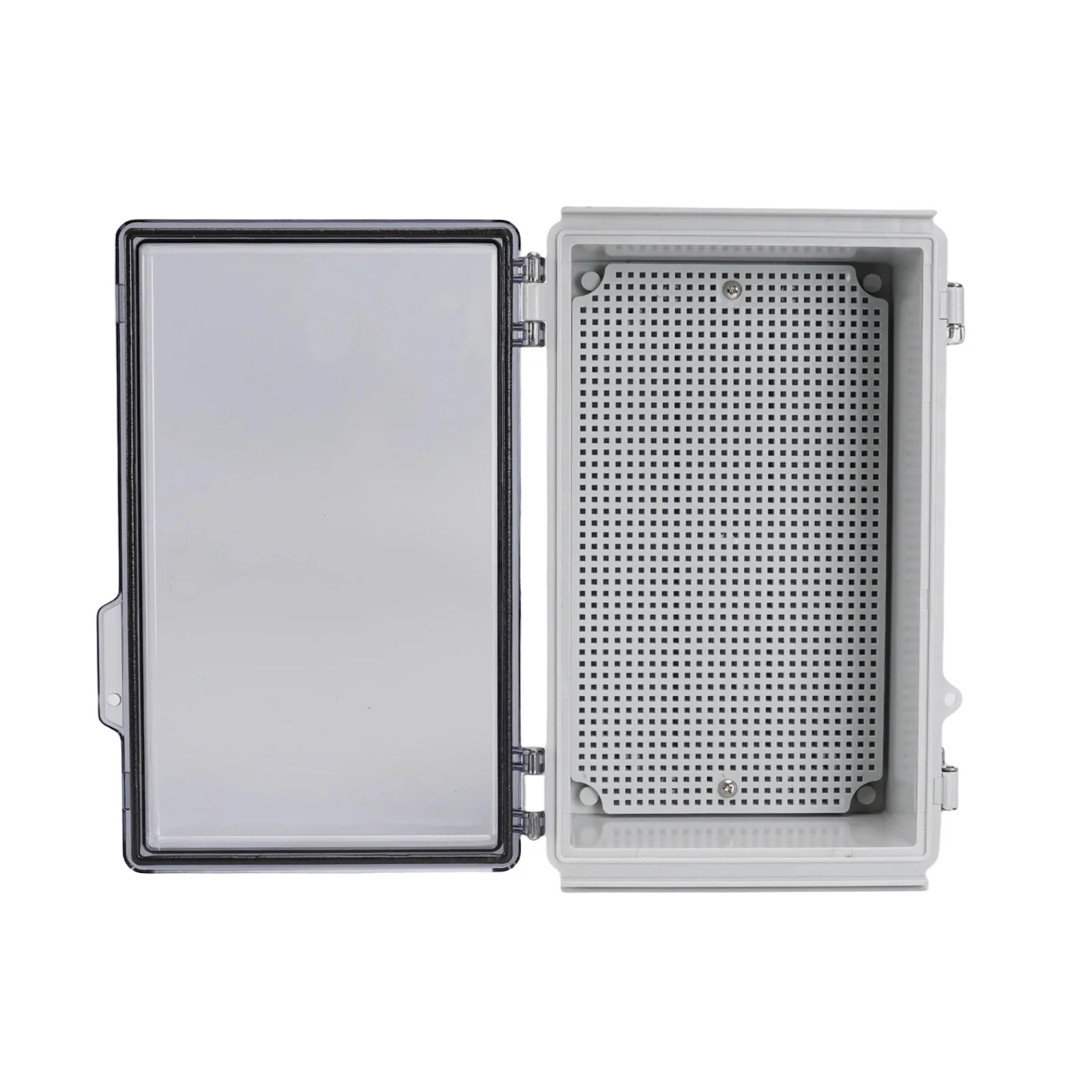
Outdoor or service enclosures prepared for the specified protection, terminals, monitoring or auxiliary devices.
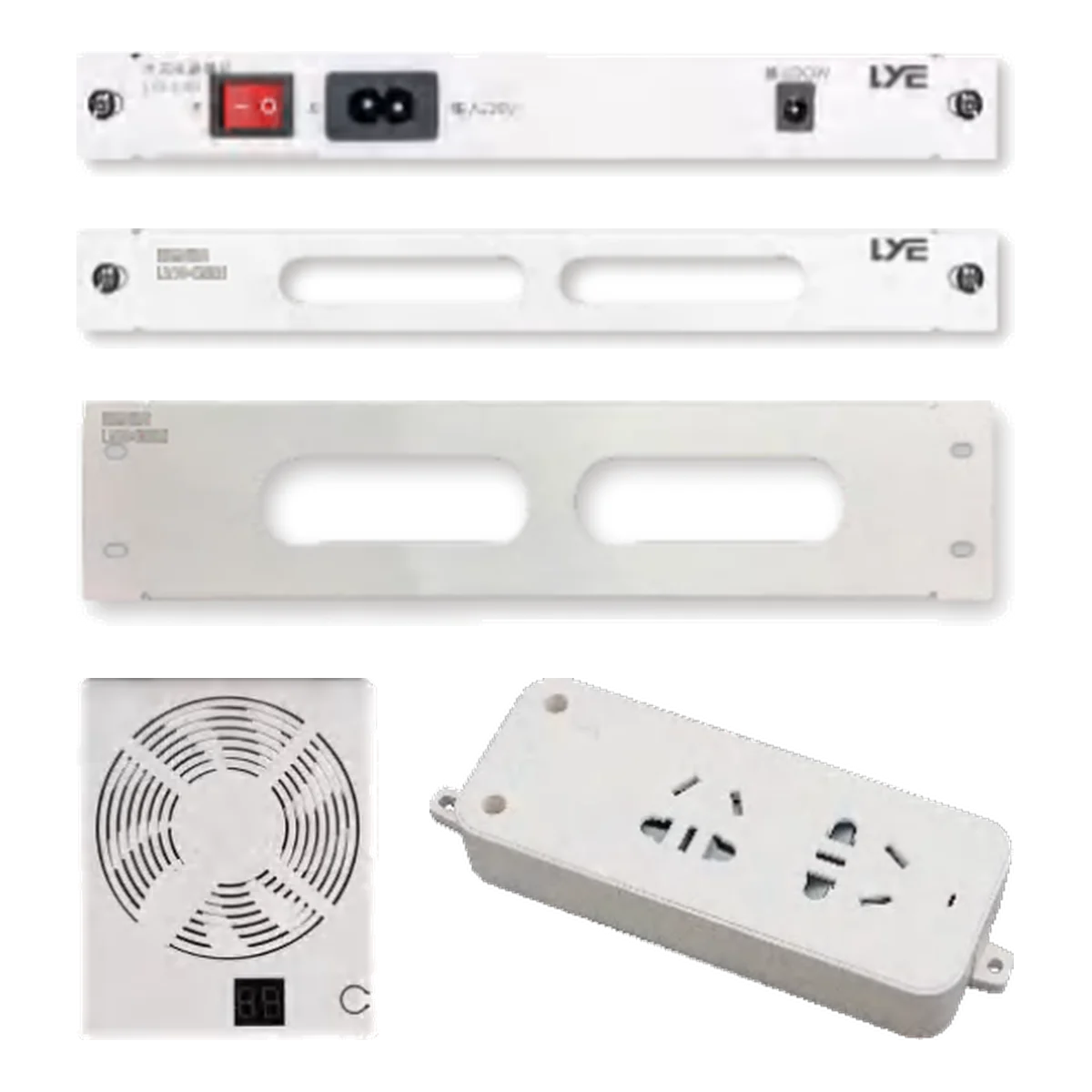
Weather and thermal provisions
Material, finish, seals, cable glands, sun protection, ventilation or condensation measures considered from the actual site data.
Information required for engineering review
Send the approved single-line diagram, DC or AC system boundary, rated voltage and current, component list, cable data, heat loss, protection target, ambient range, solar exposure, mounting method and destination.
Approval and delivery basis
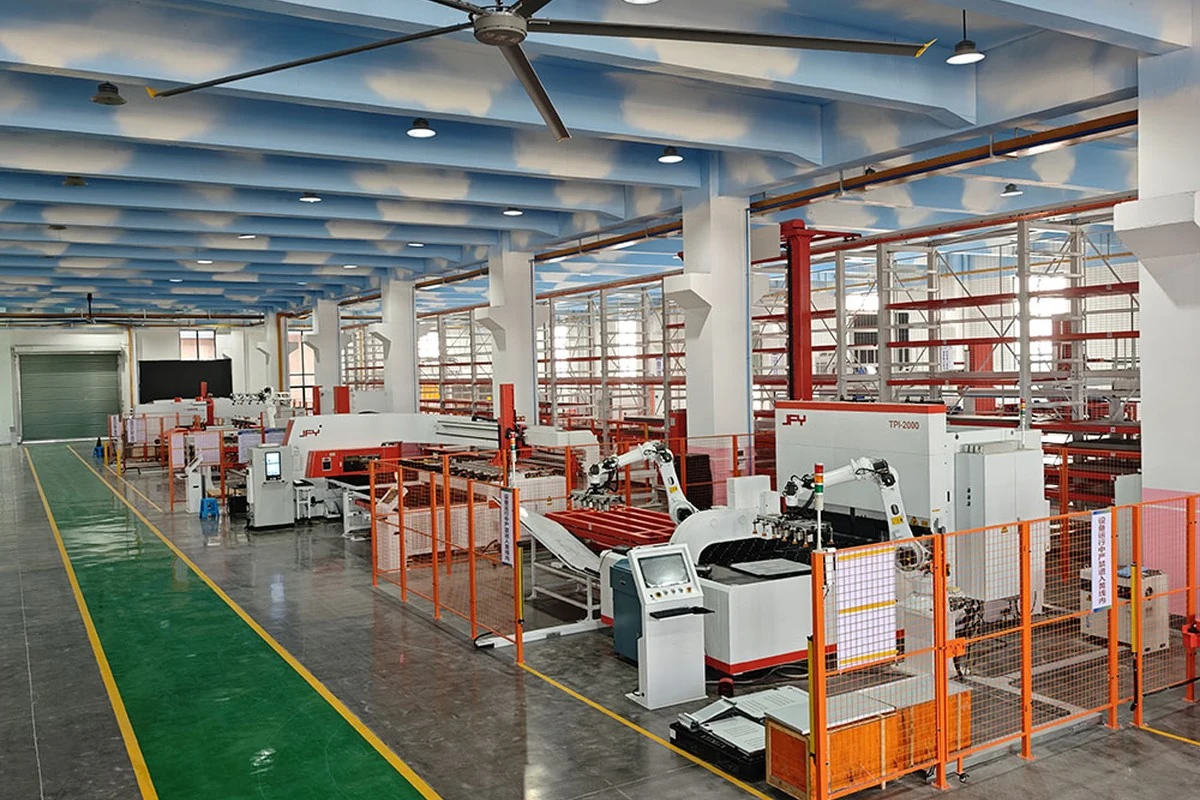
Ratings and electrical coordination remain subject to the project designer and approved components. LYE controls the agreed enclosure construction, interfaces, labels, inspection items and packing within the confirmed manufacturing scope.
Common project questions
Is a higher IP rating always better outdoors?
Not automatically. Sealing, heat dissipation, condensation and cable entries must be considered together; an inappropriate enclosure can trap heat or moisture.
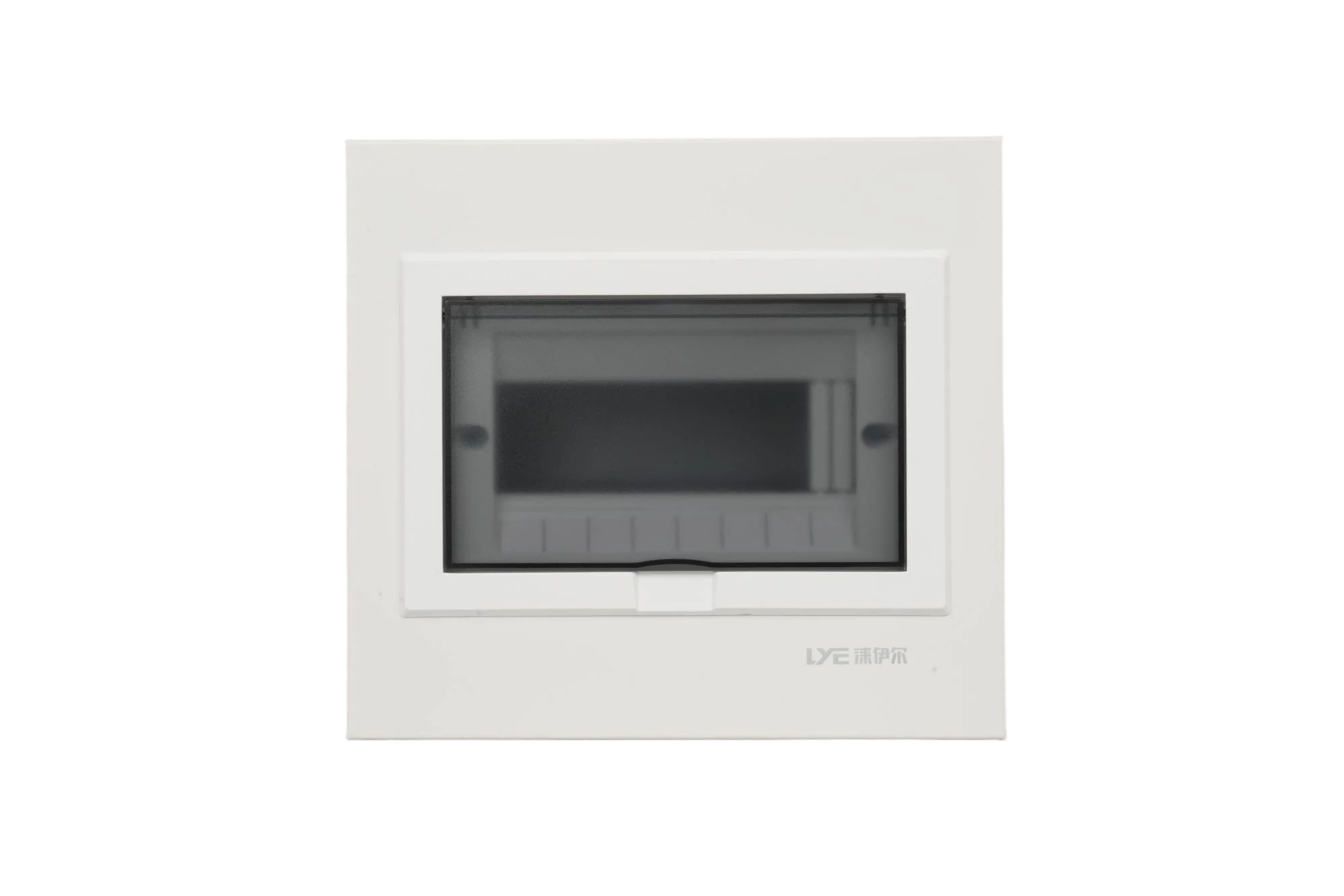
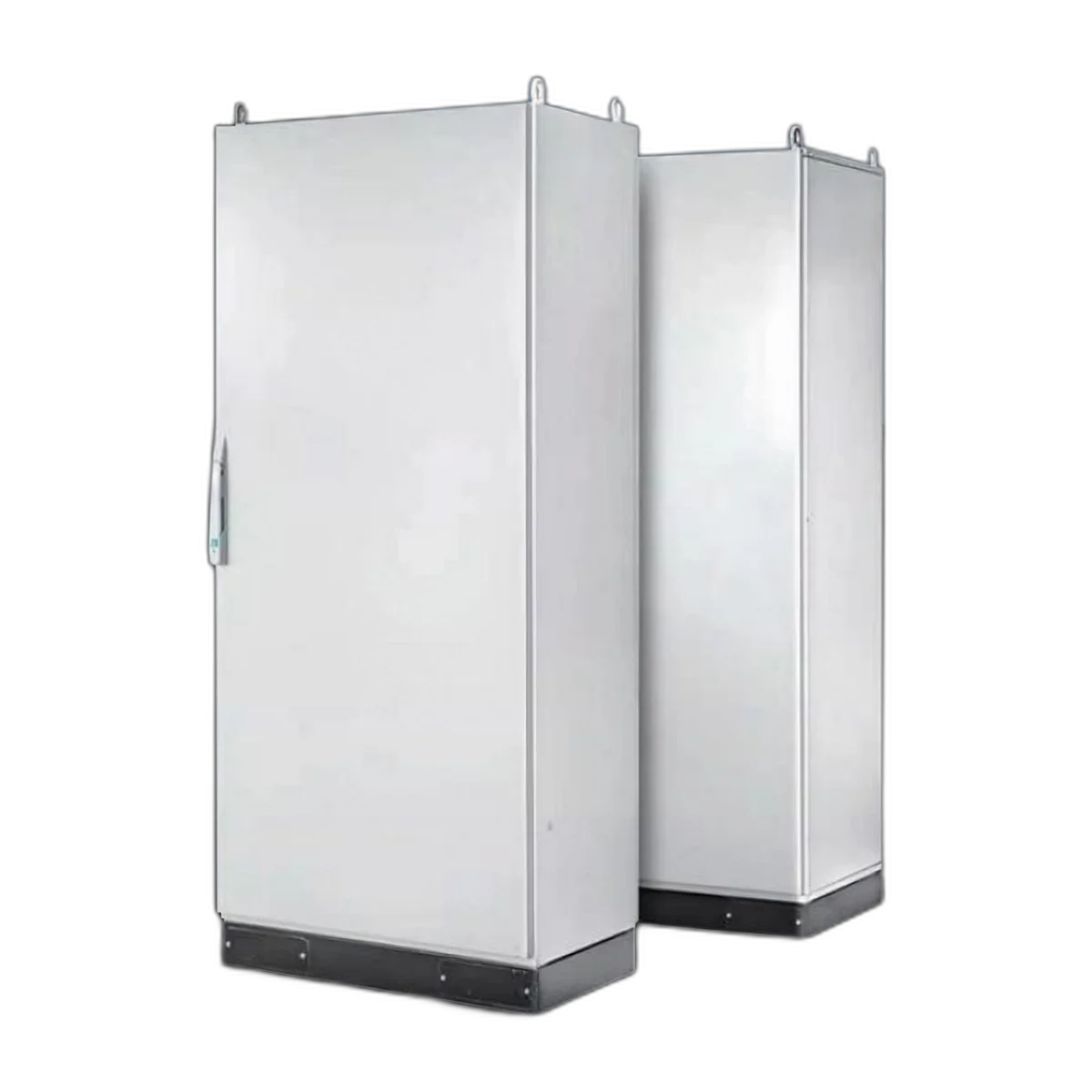
Can the cabinet be supplied without internal components?
Yes, if the scope is an empty or prepared enclosure. Mounting holes, plates and cutouts must still be confirmed from the final component information.