
ENGINEERING CONTEXT
Application requirements and recommended enclosure scope
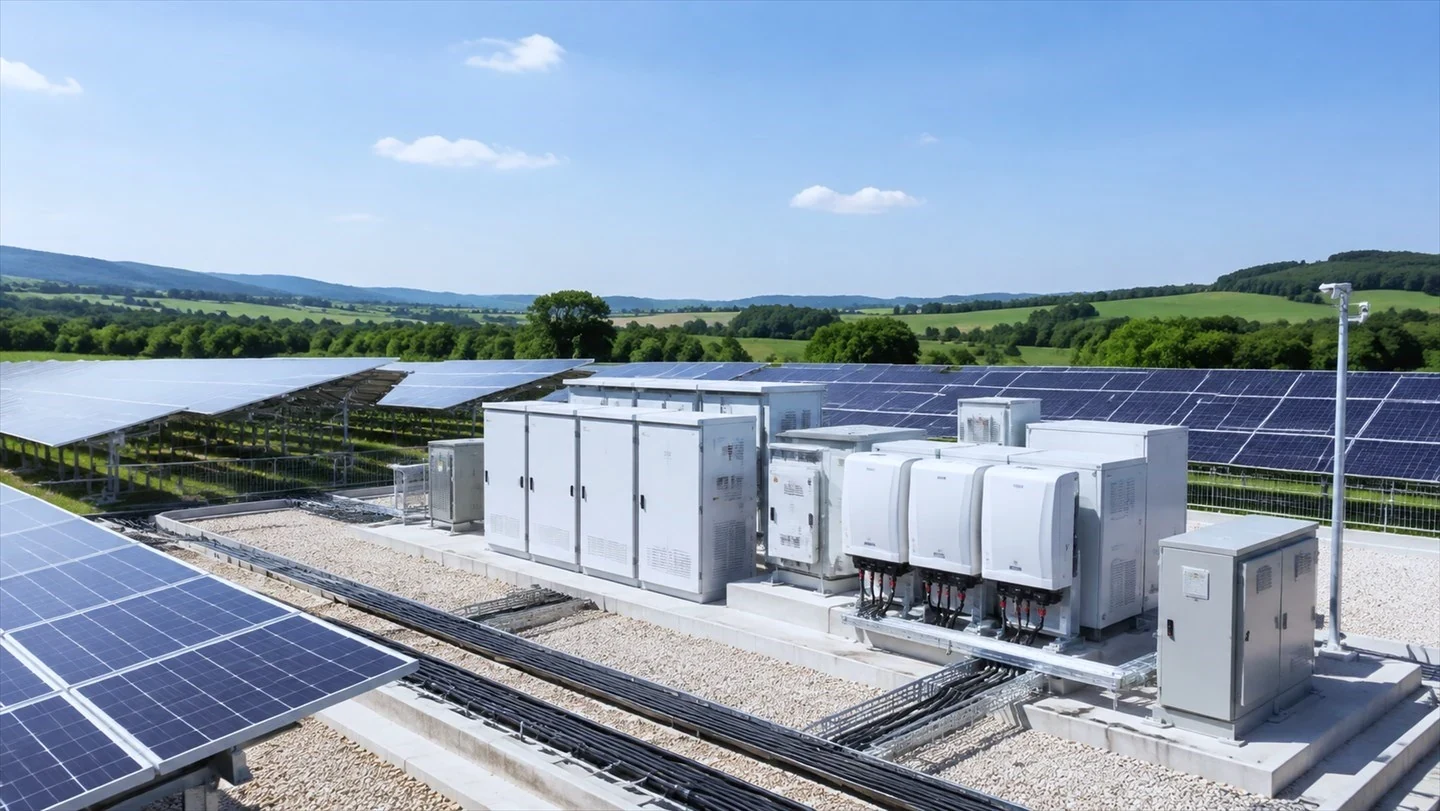
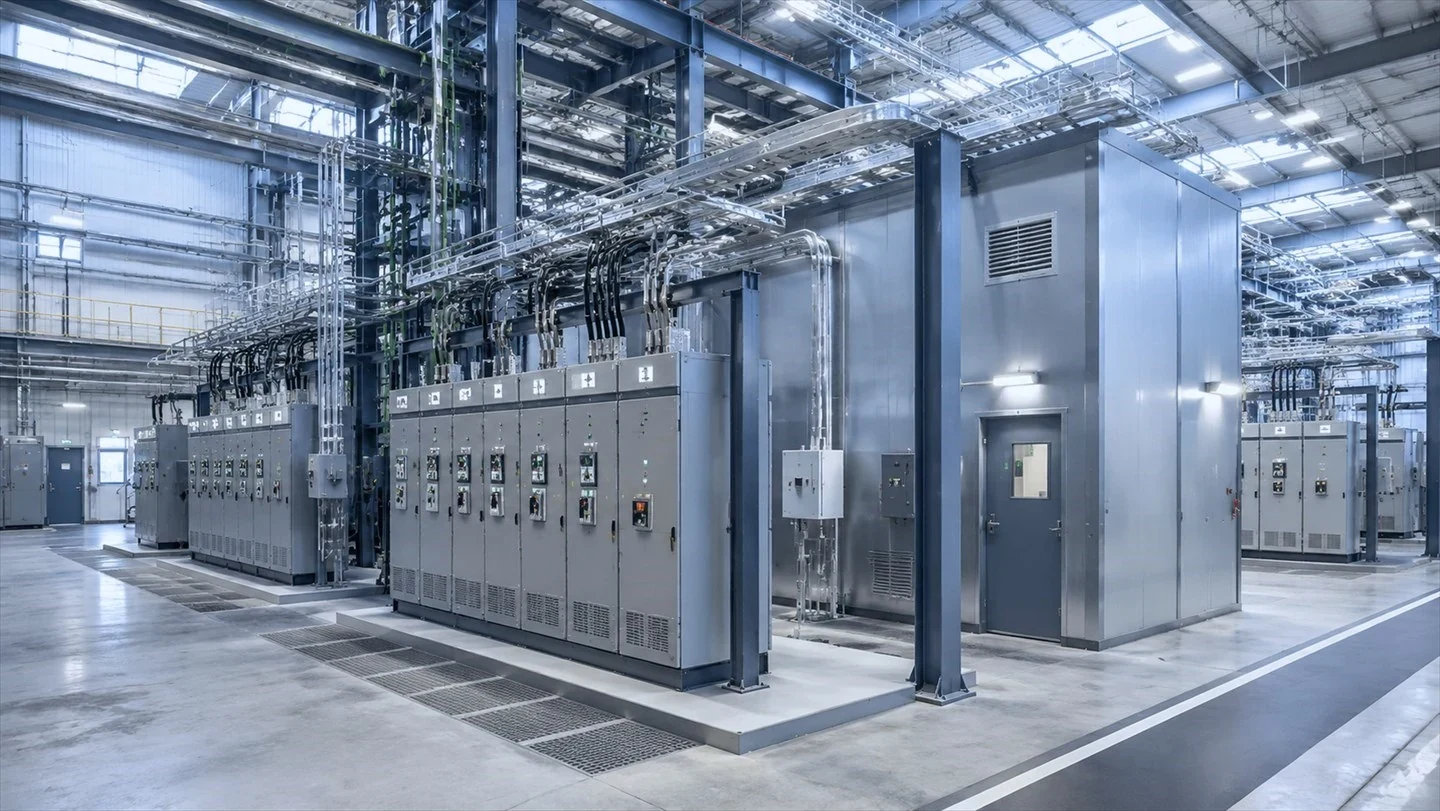
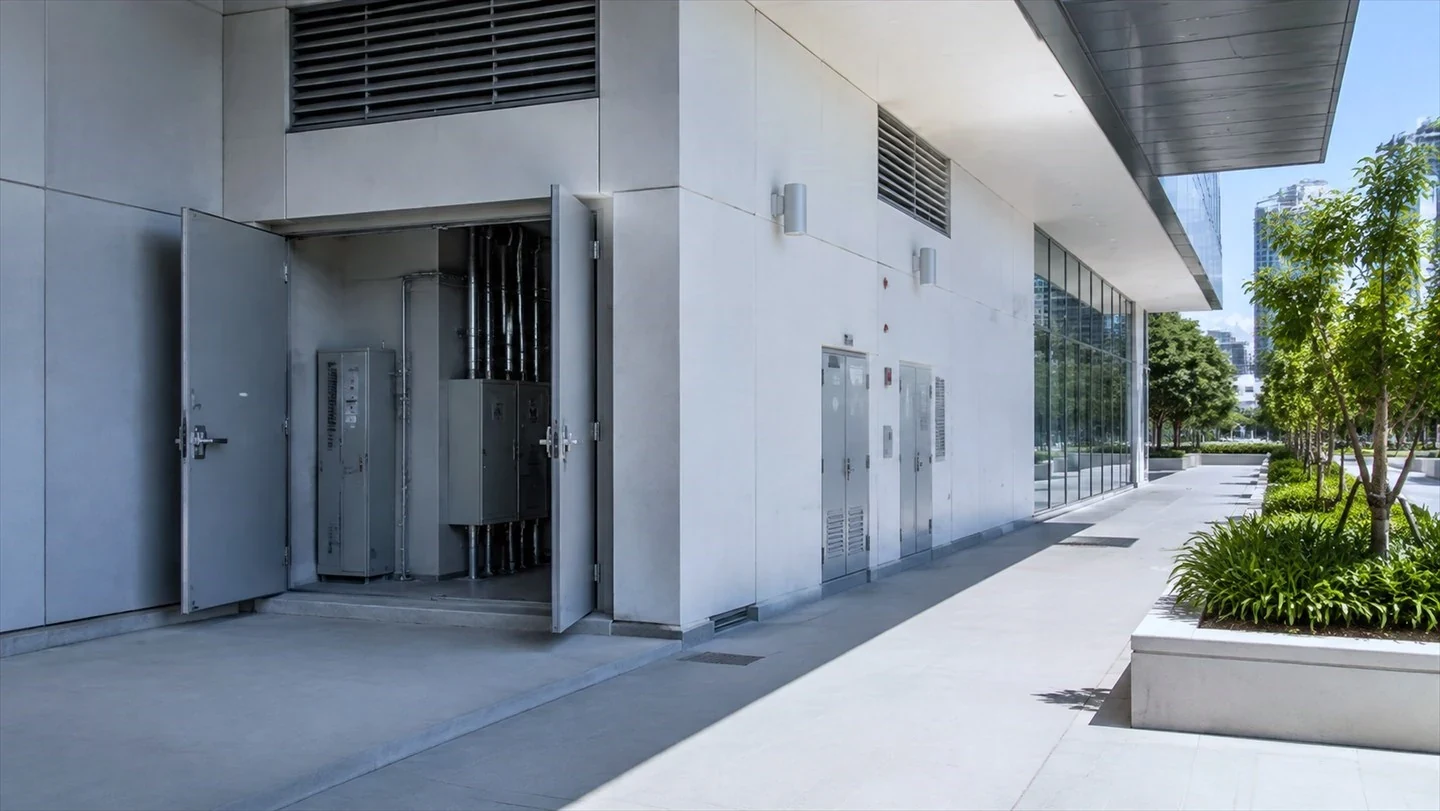
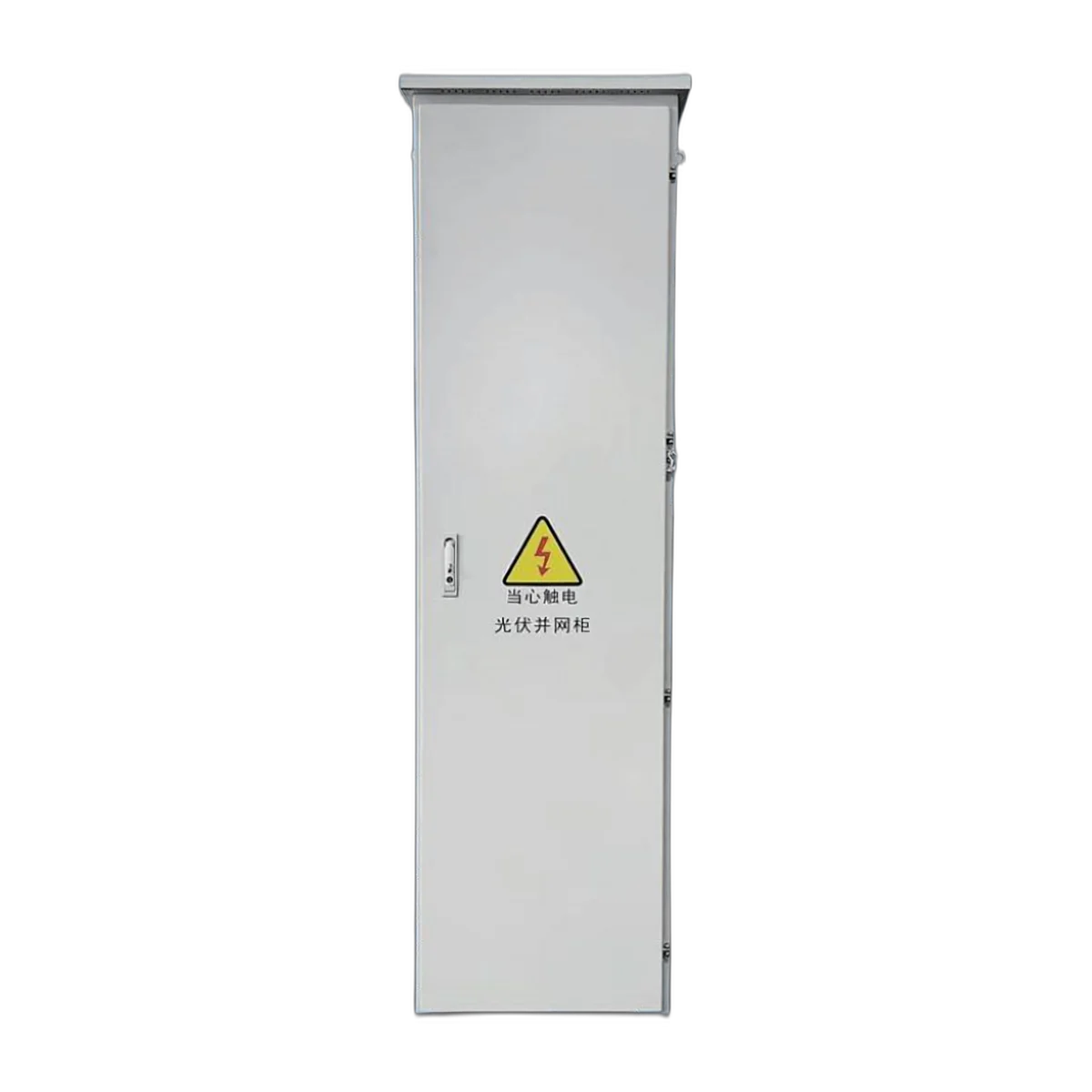
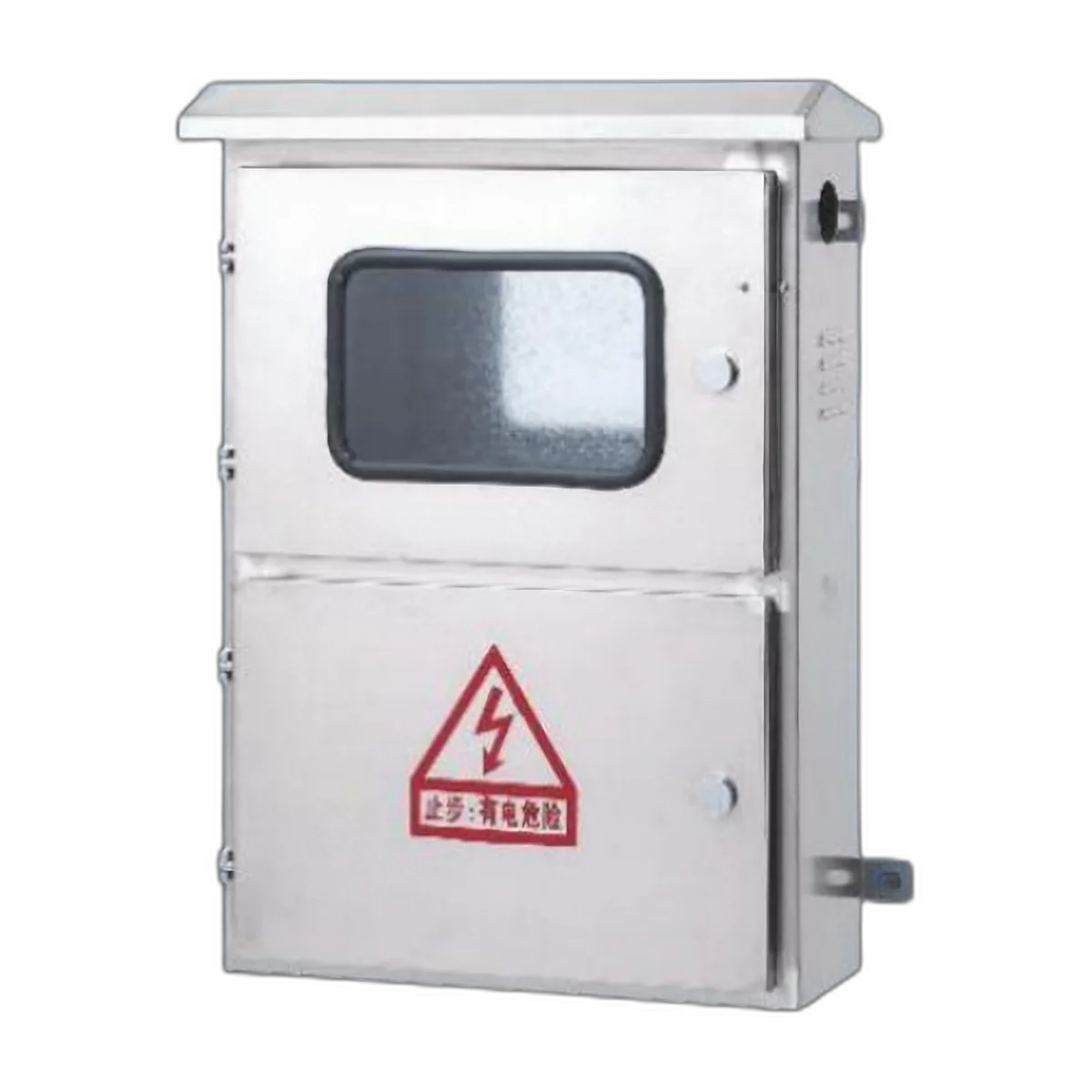
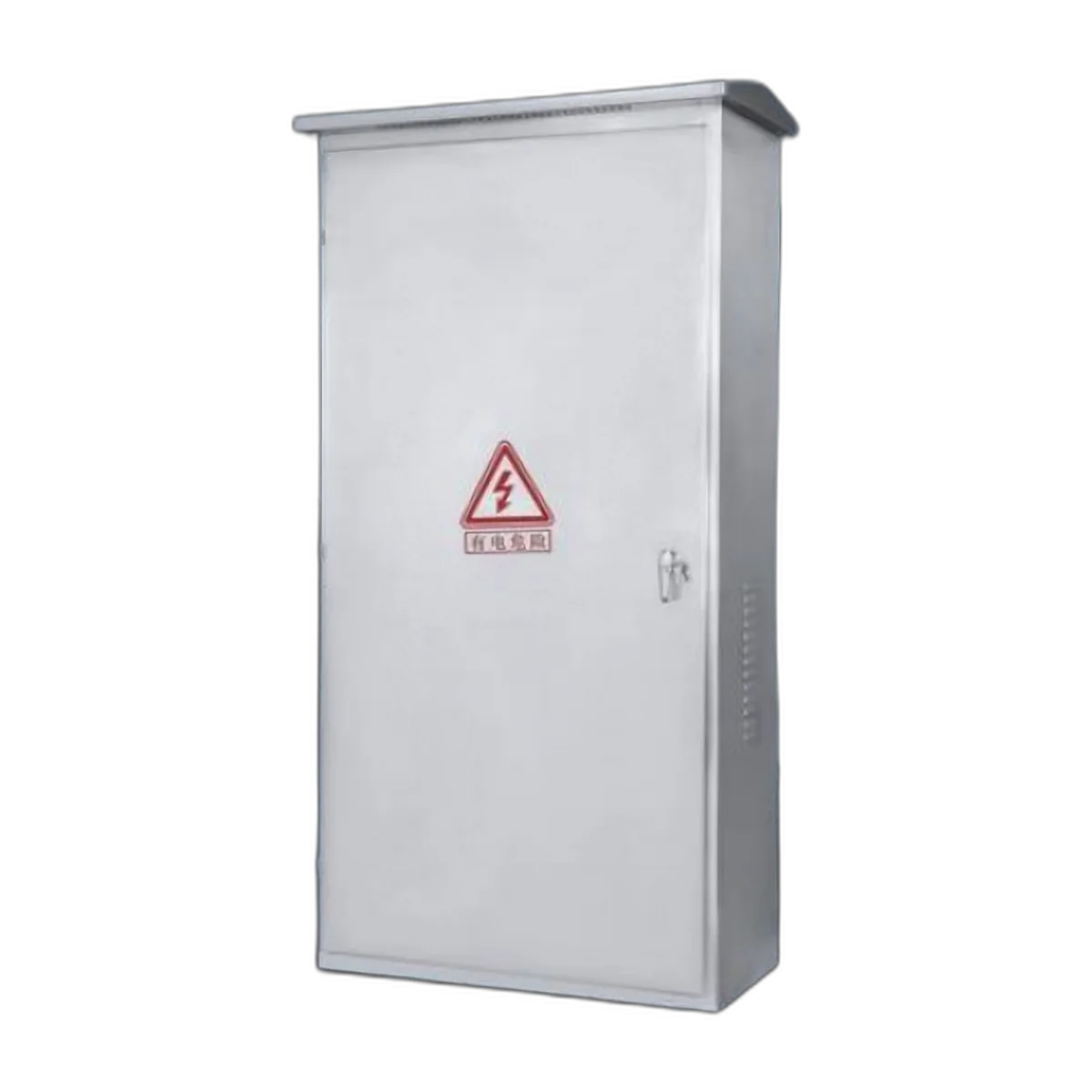
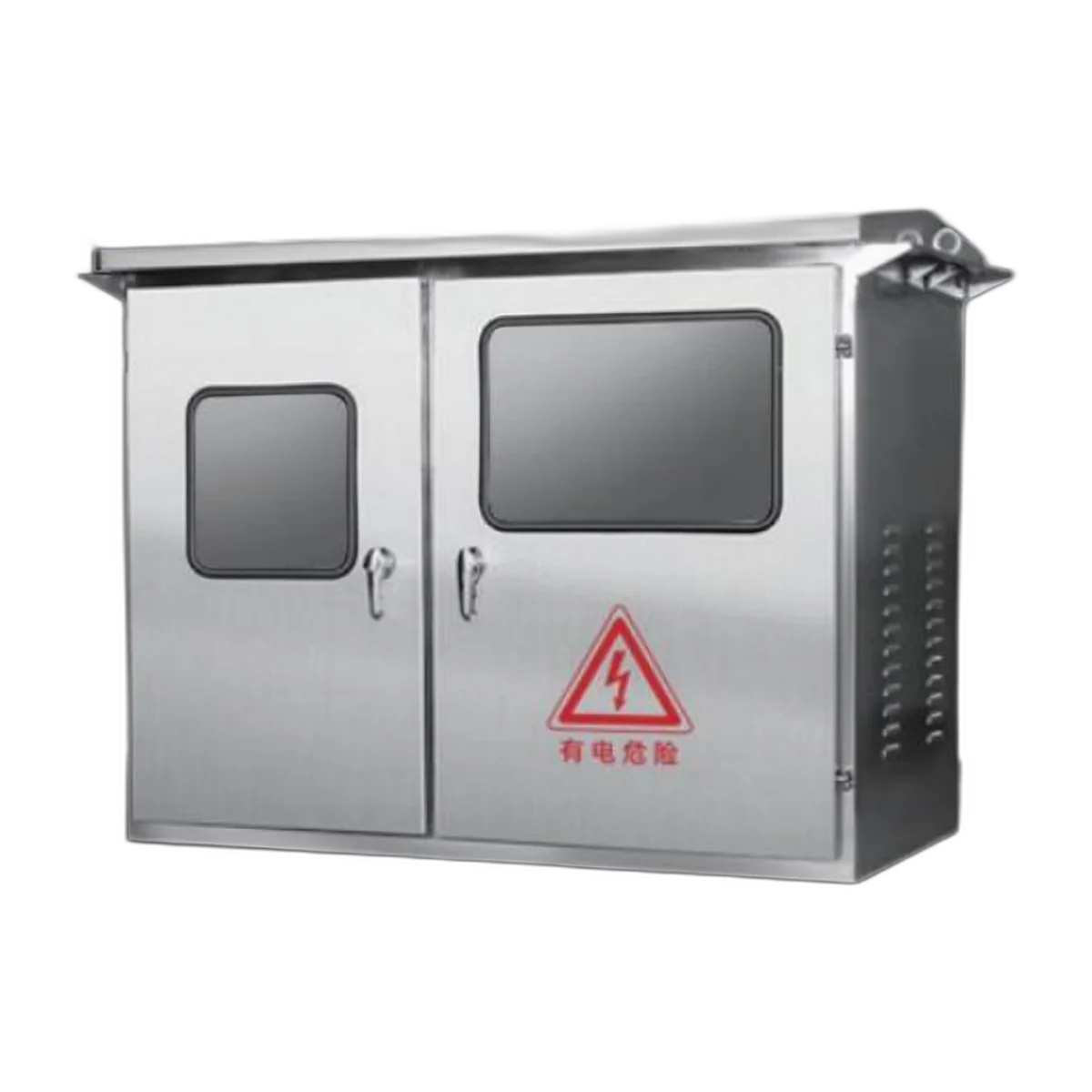
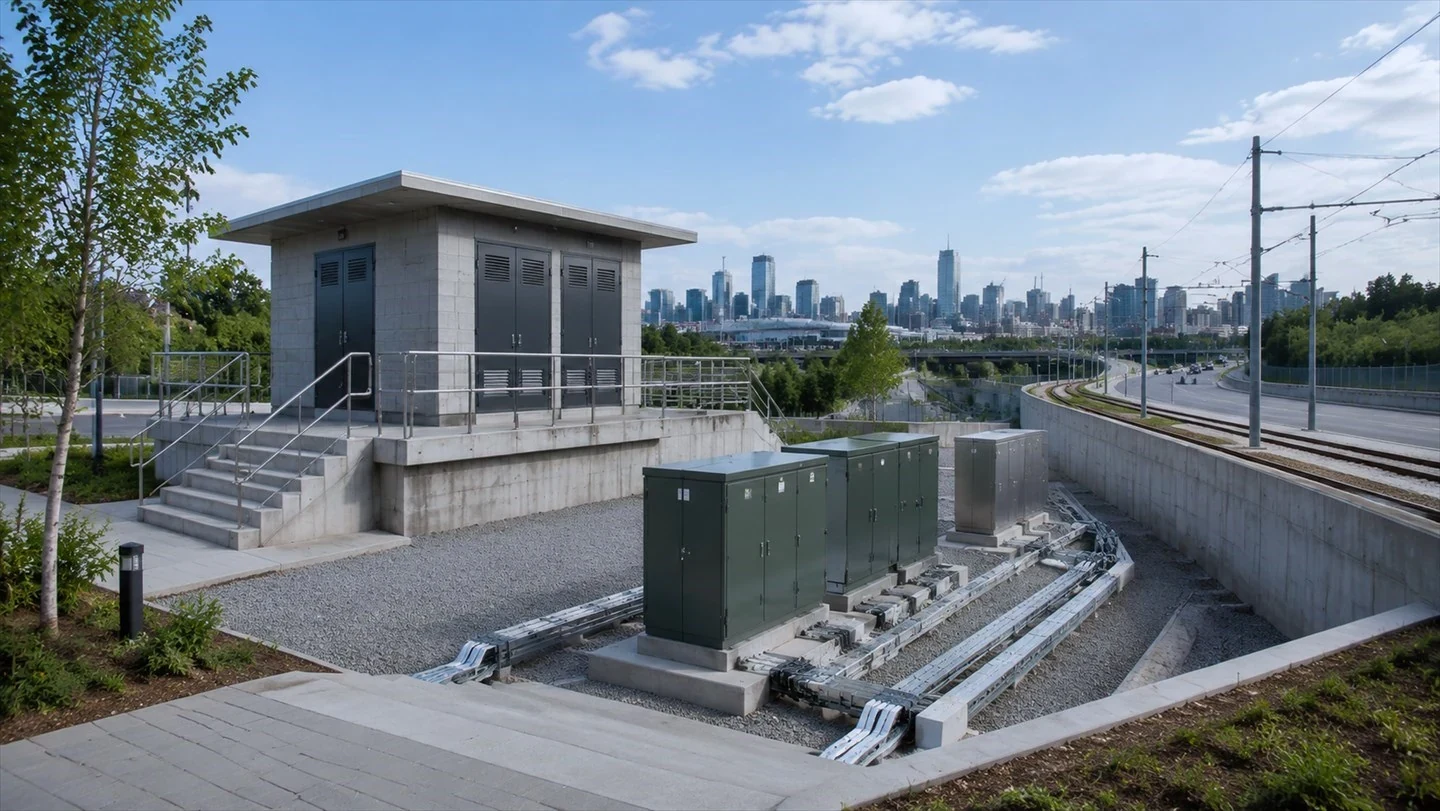
Municipal utilities, transport facilities, water-service sites, public engineering and outdoor service points where the enclosure must fit a defined civil and electrical interface.
Application challenges to resolve first
- Coordinating enclosure bases, wall openings, conduits and cable routes with civil works completed by other contractors.
- Addressing rain, dust, humidity, public access, corrosion and maintenance conditions at exposed locations.
- Maintaining clear equipment and location identification across multiple sites or project phases.
- Aligning packing, delivery sequence and documentation with site-by-site installation schedules.
Recommended enclosure scope
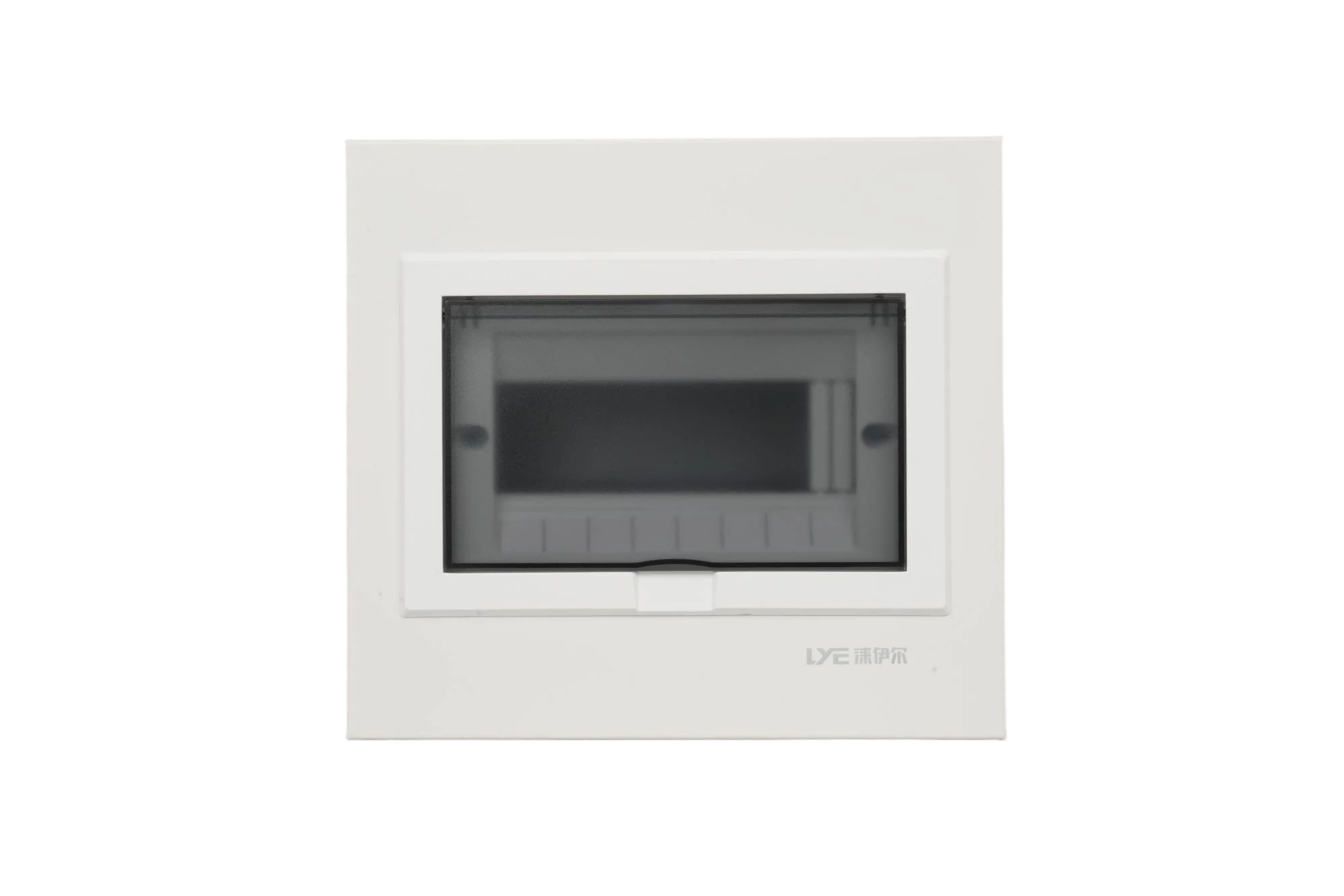
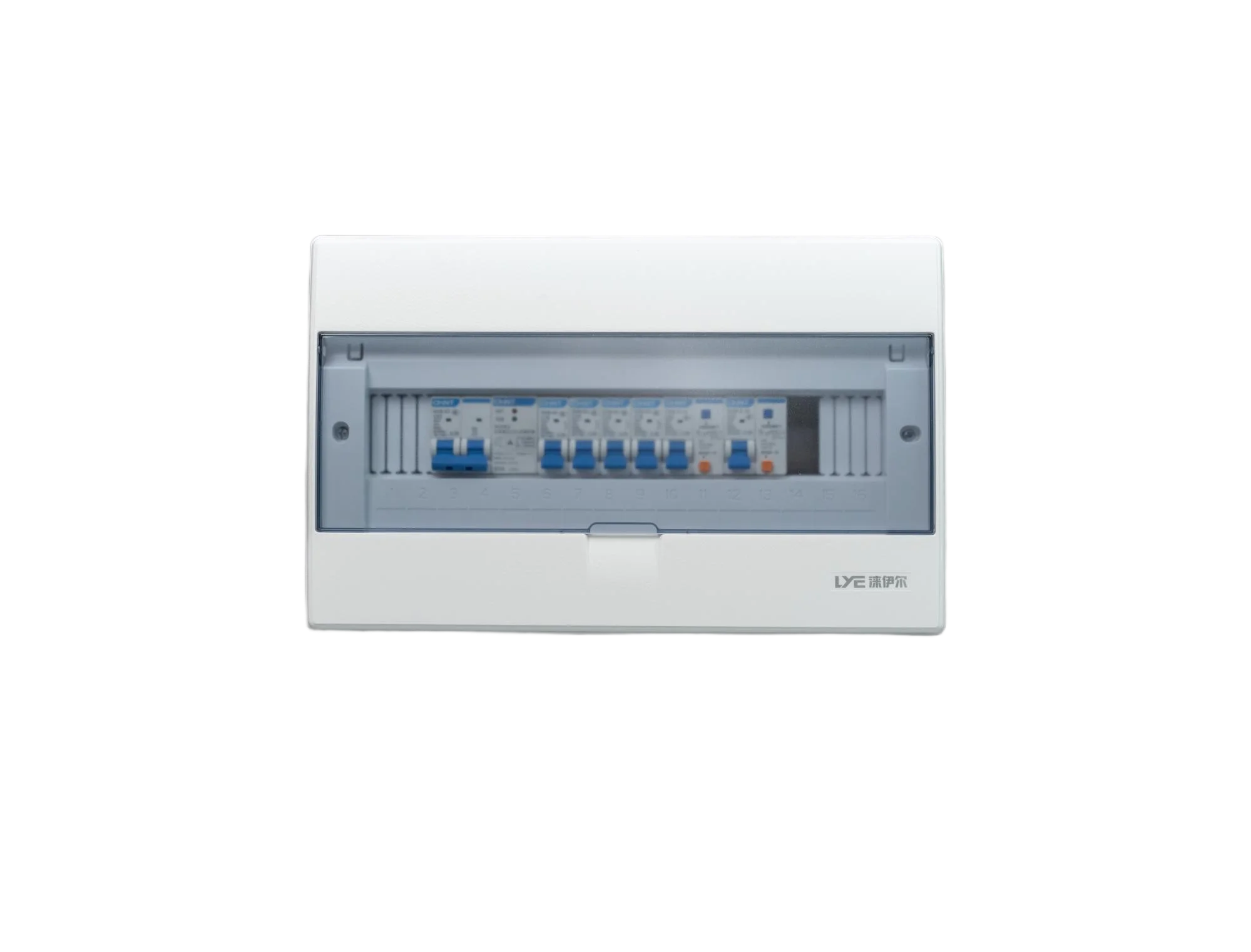
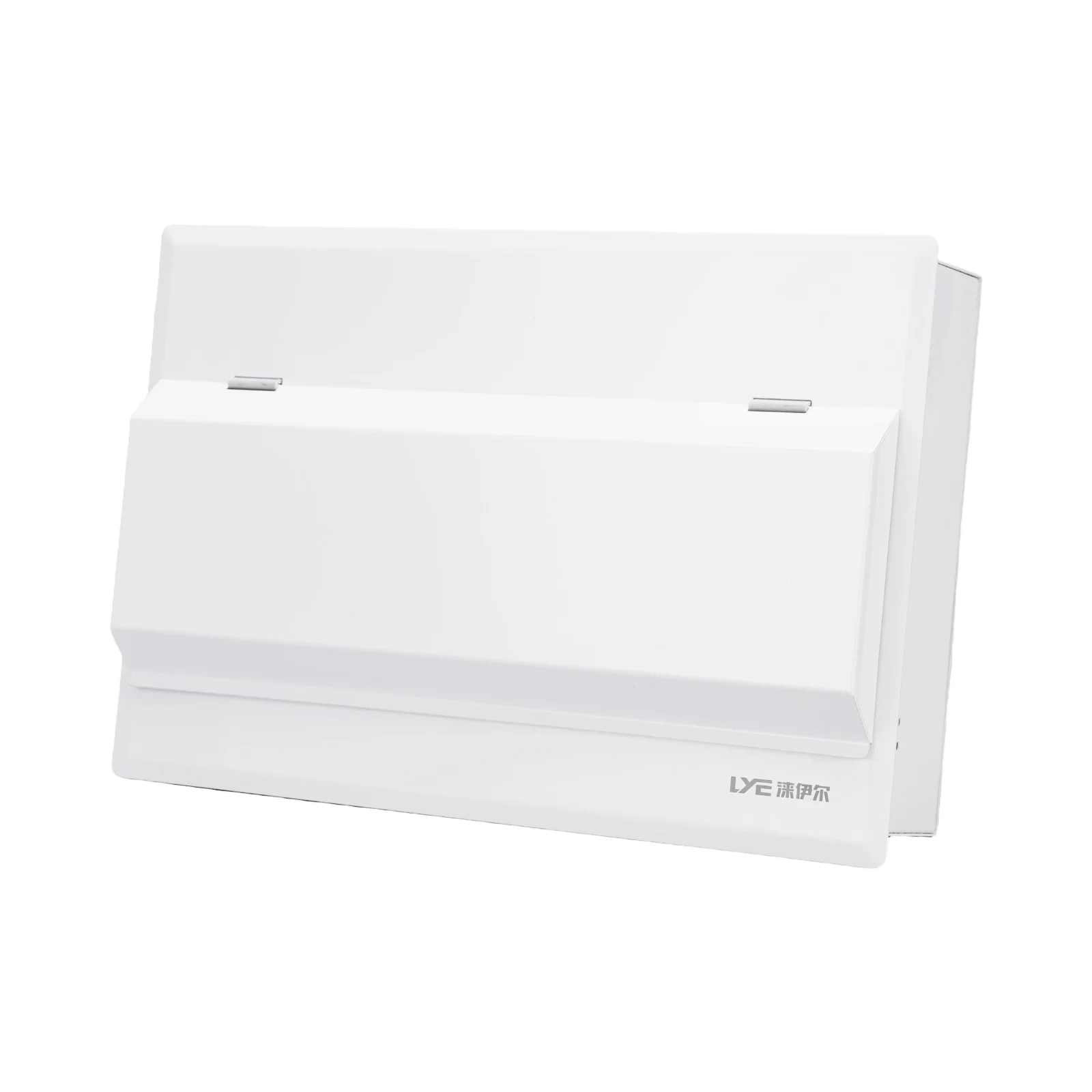
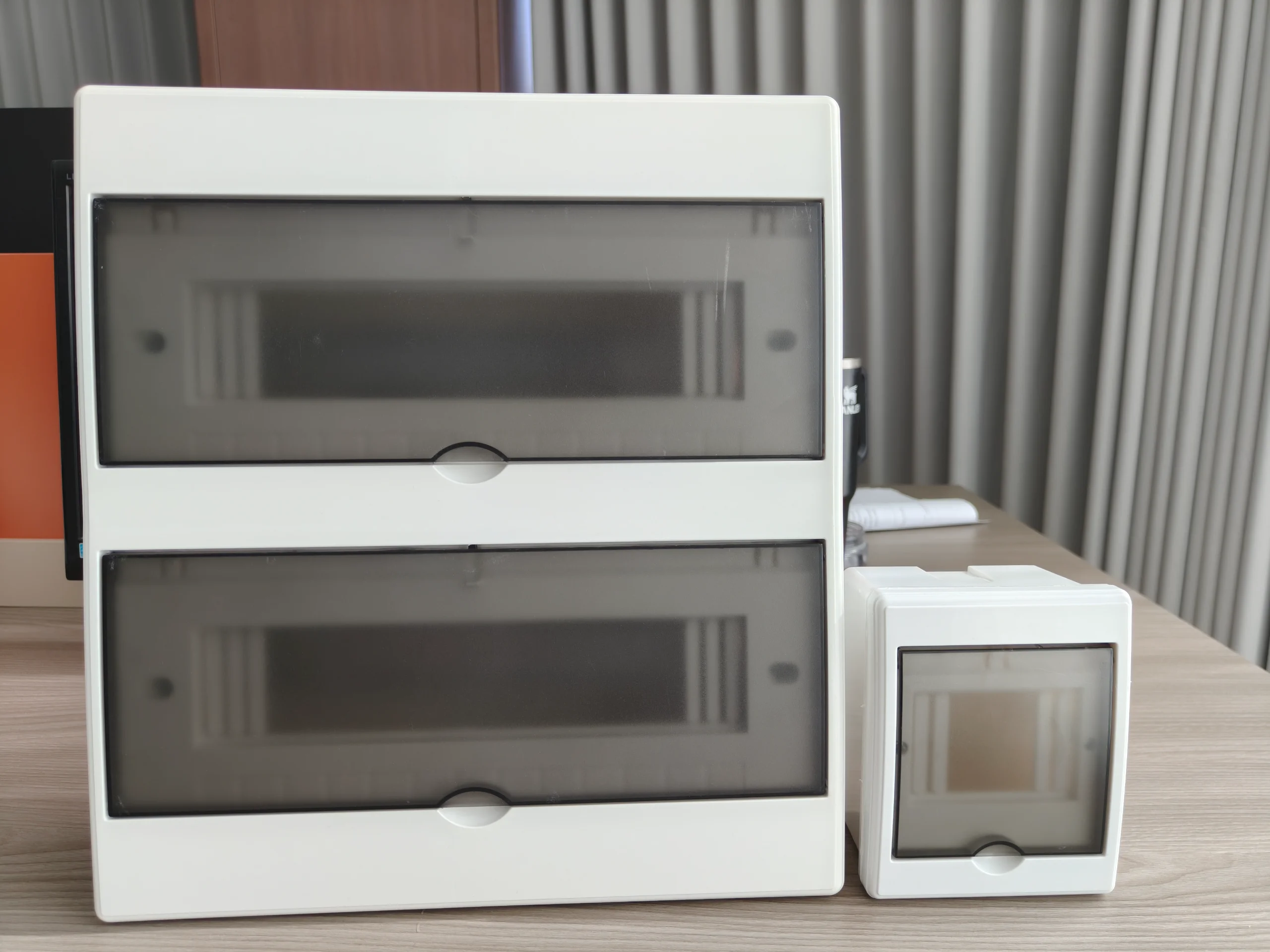
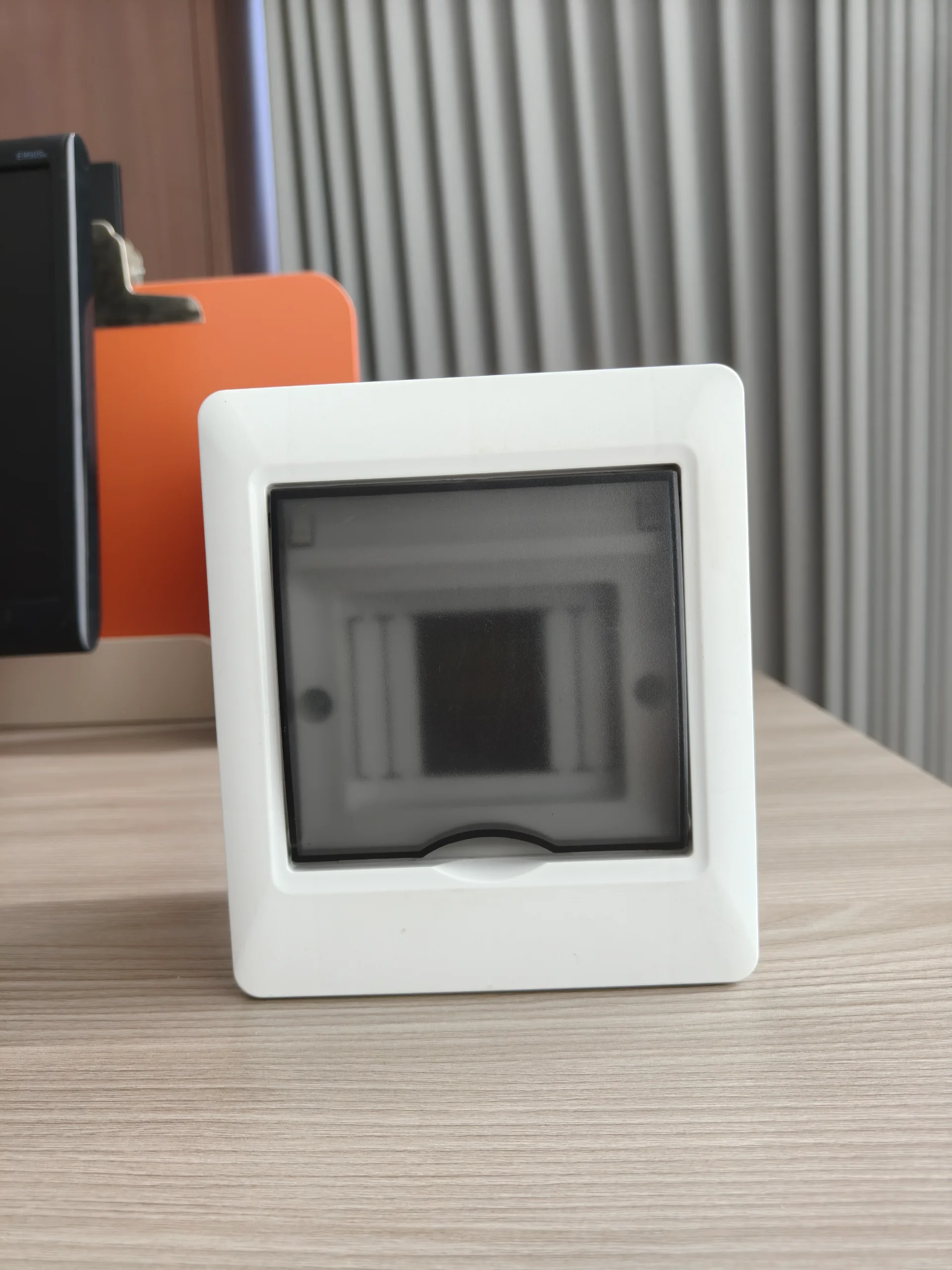
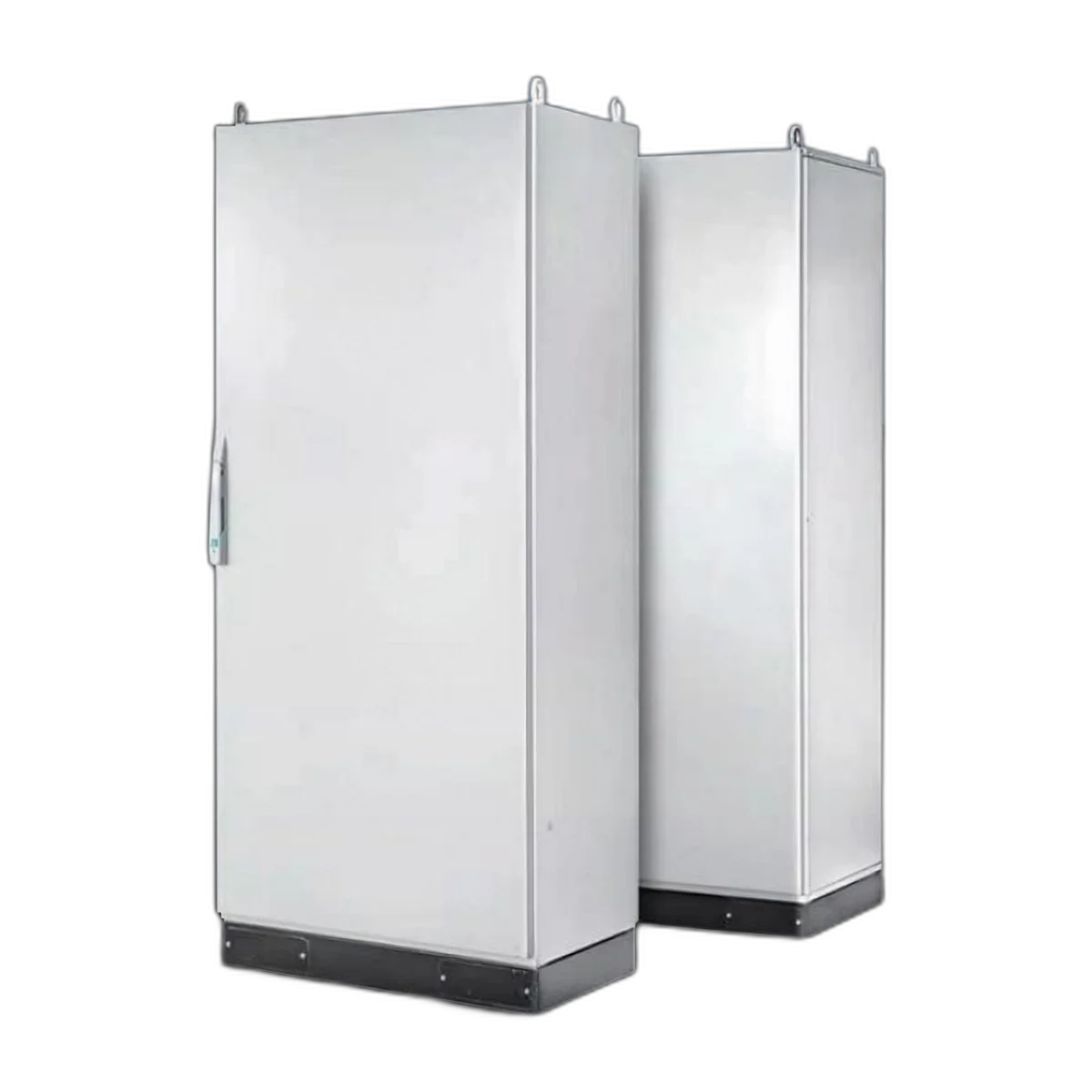
Utility and service enclosures
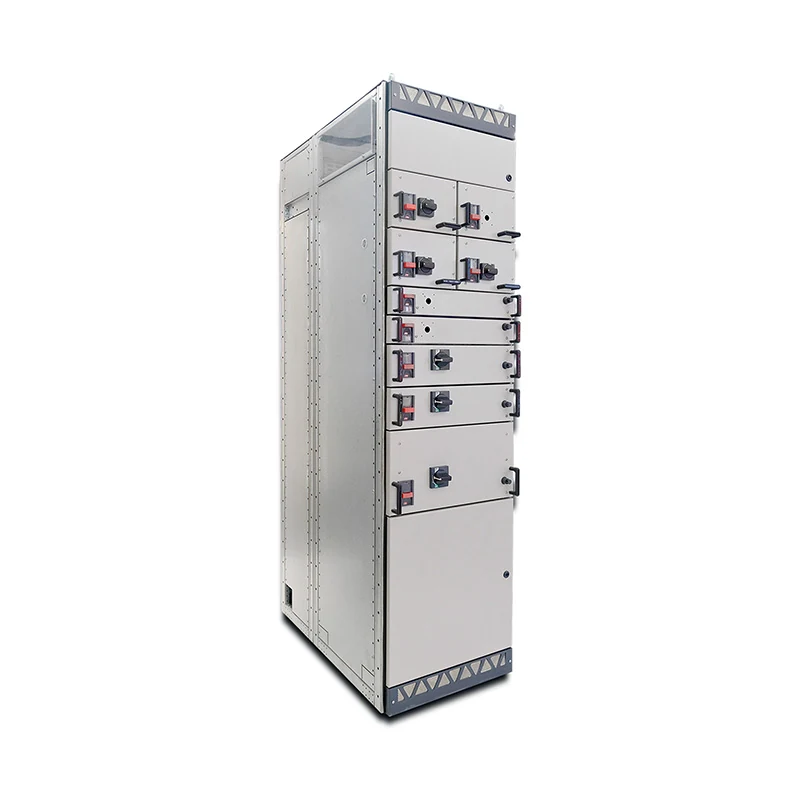
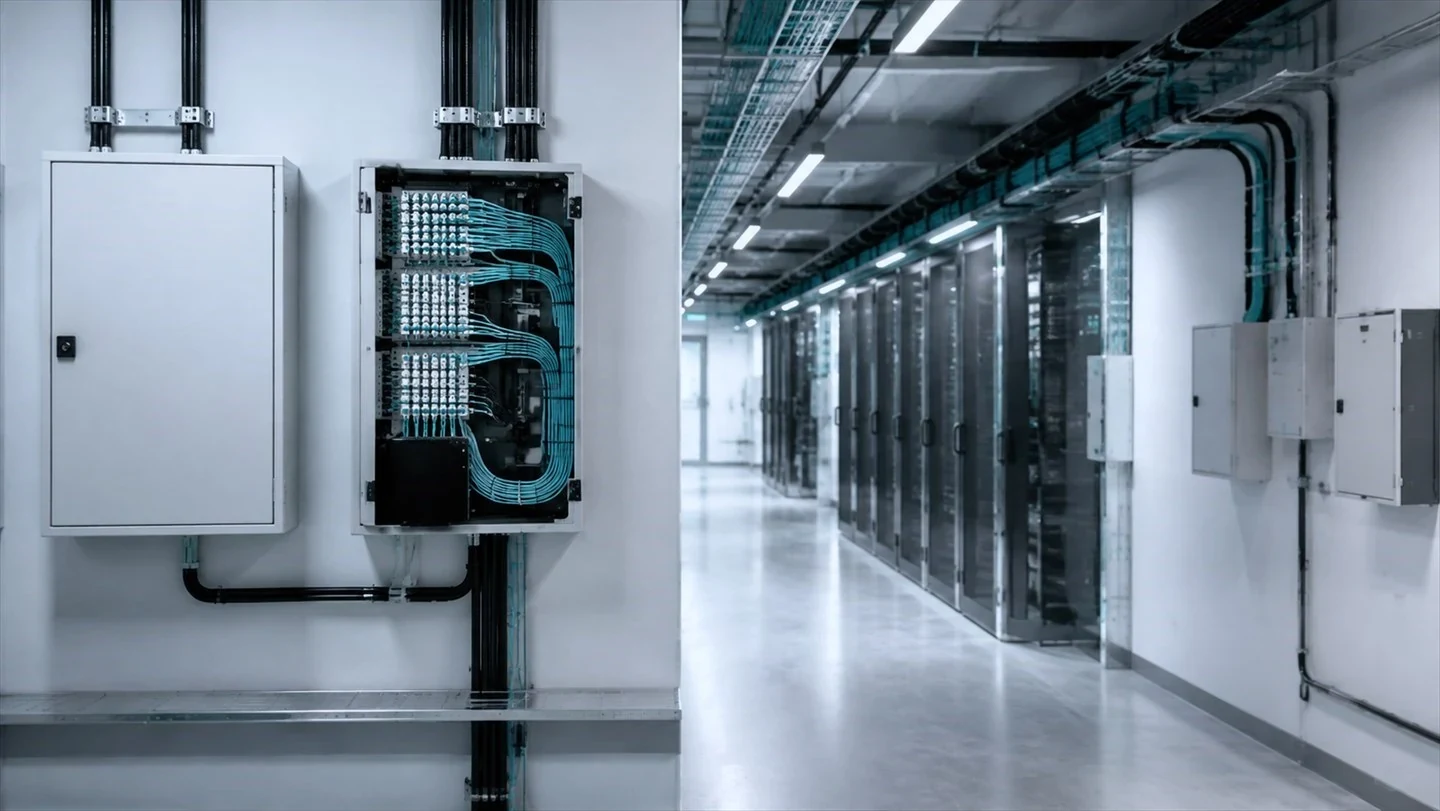
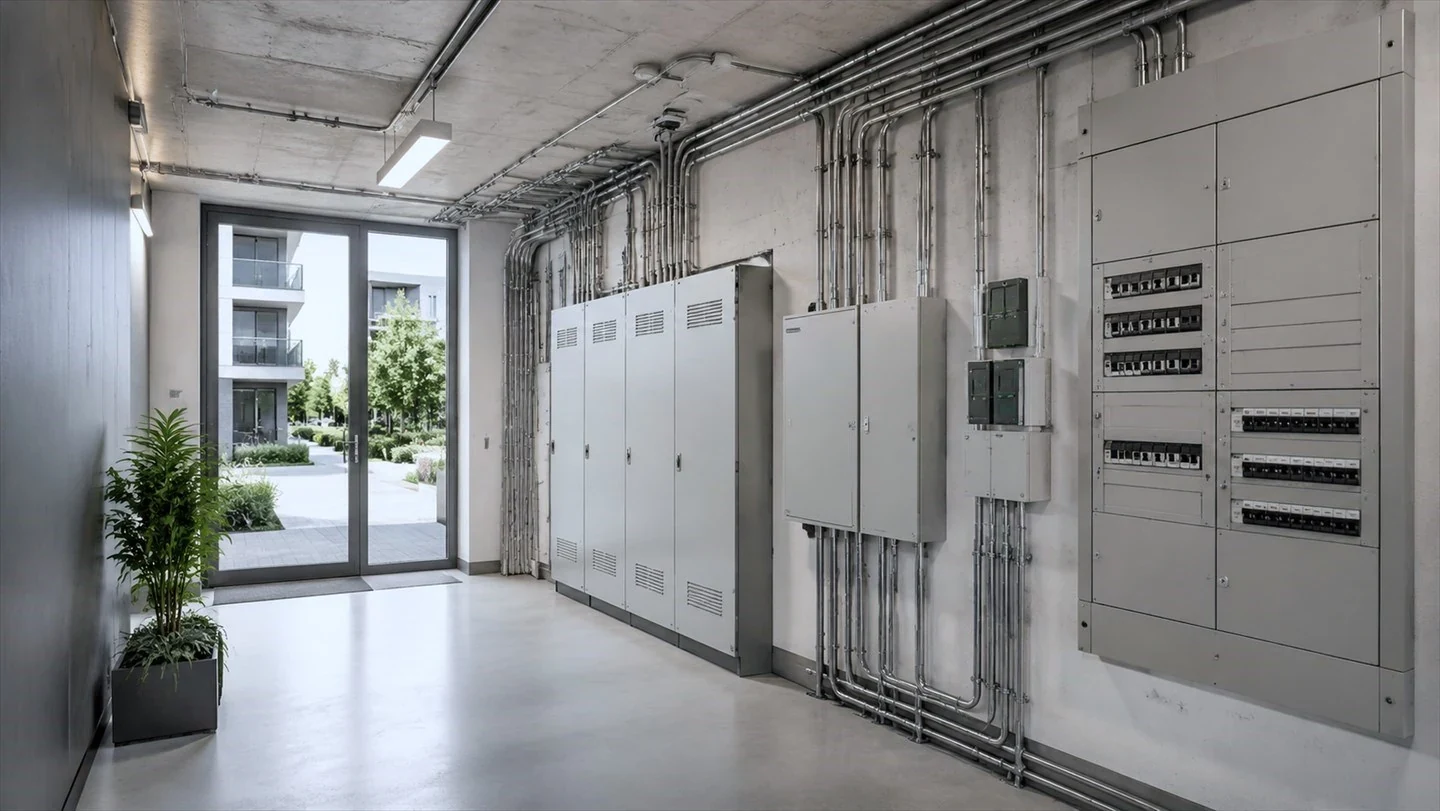
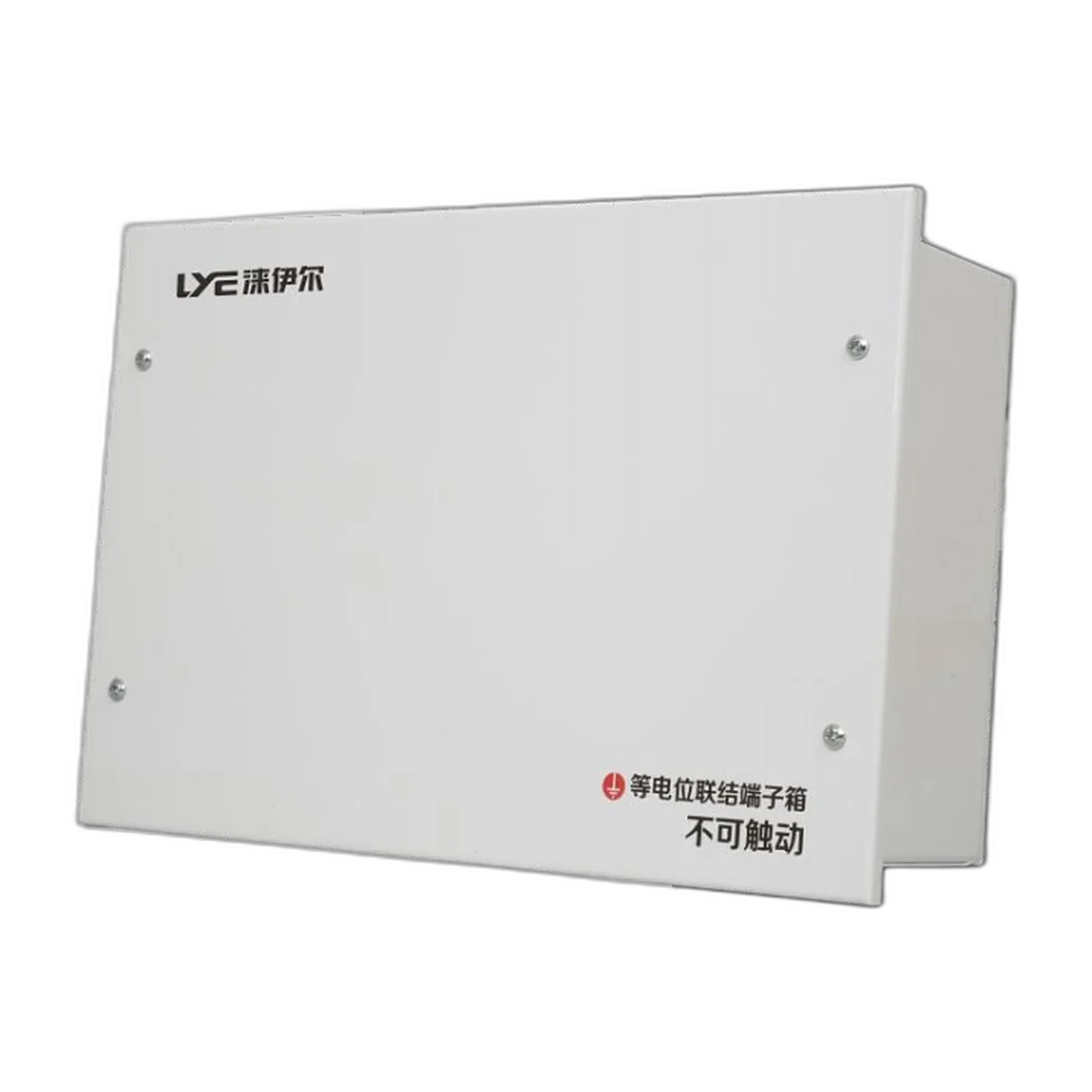
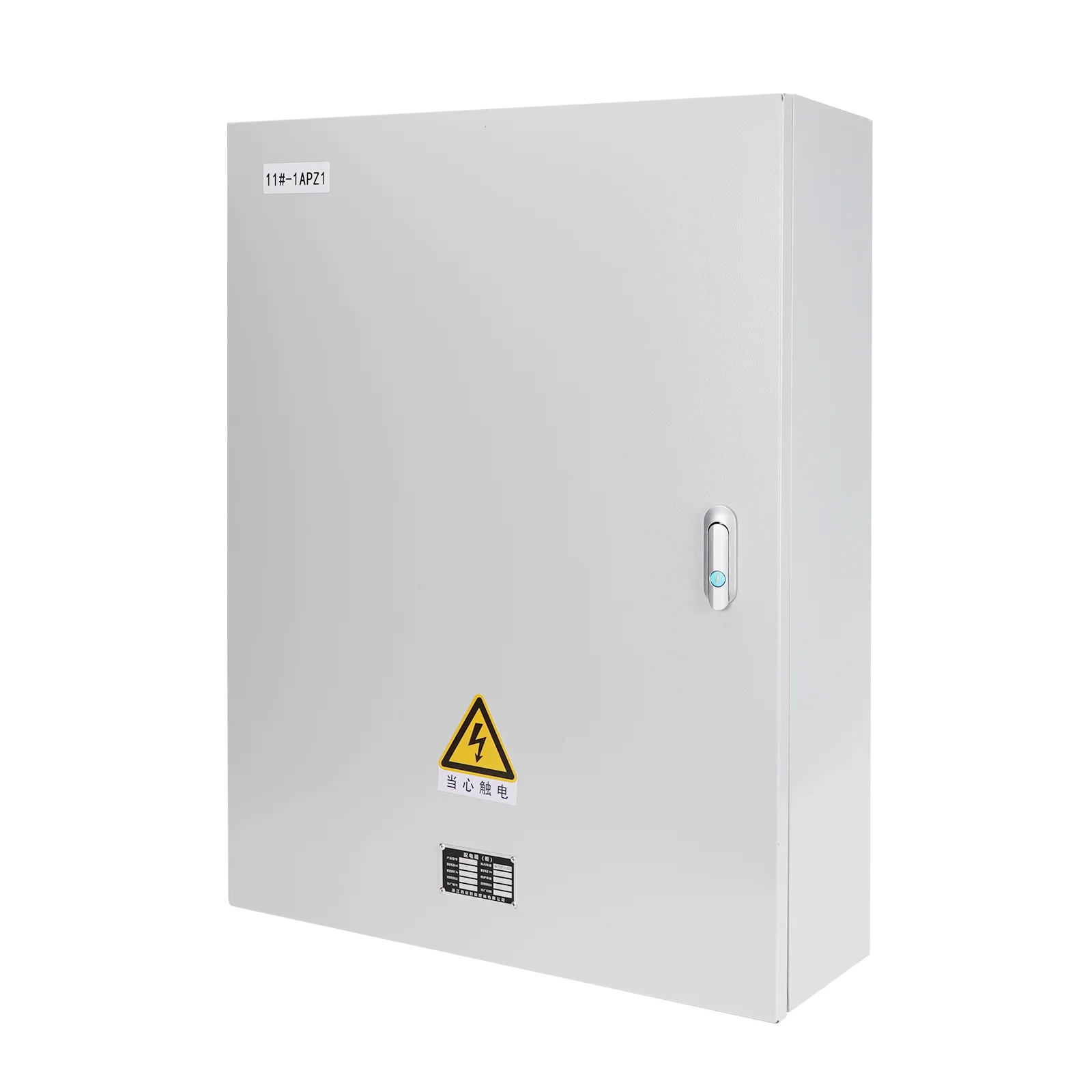
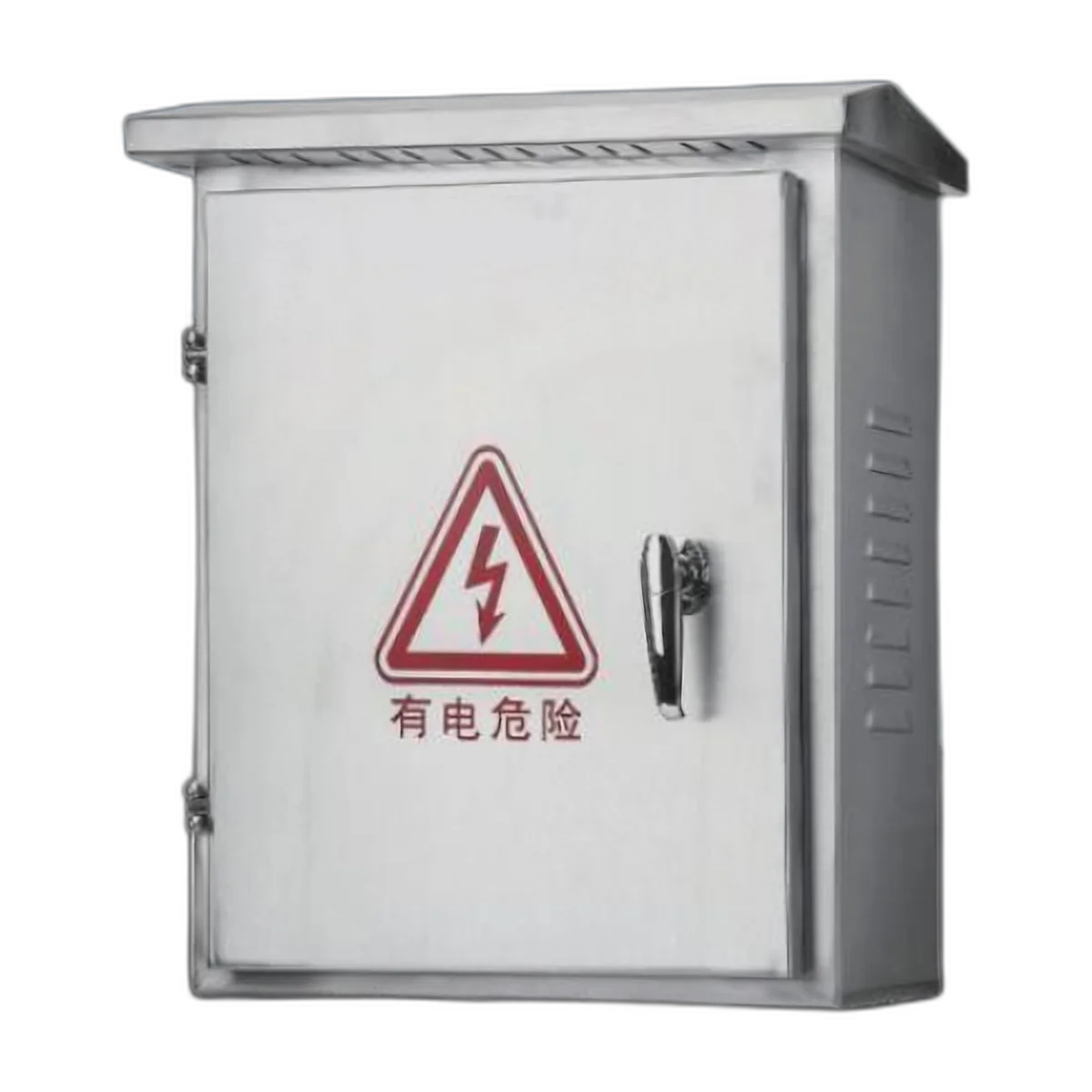
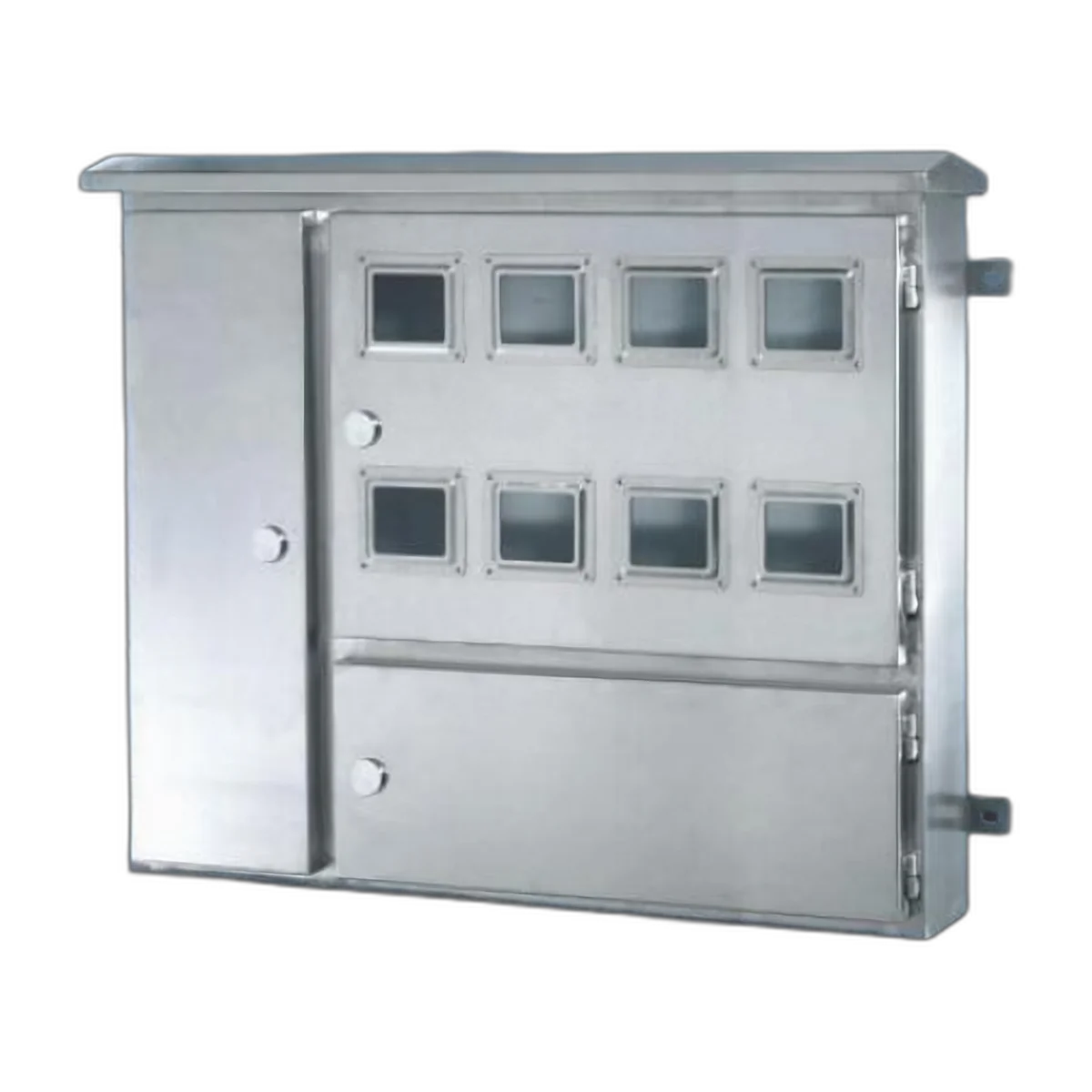
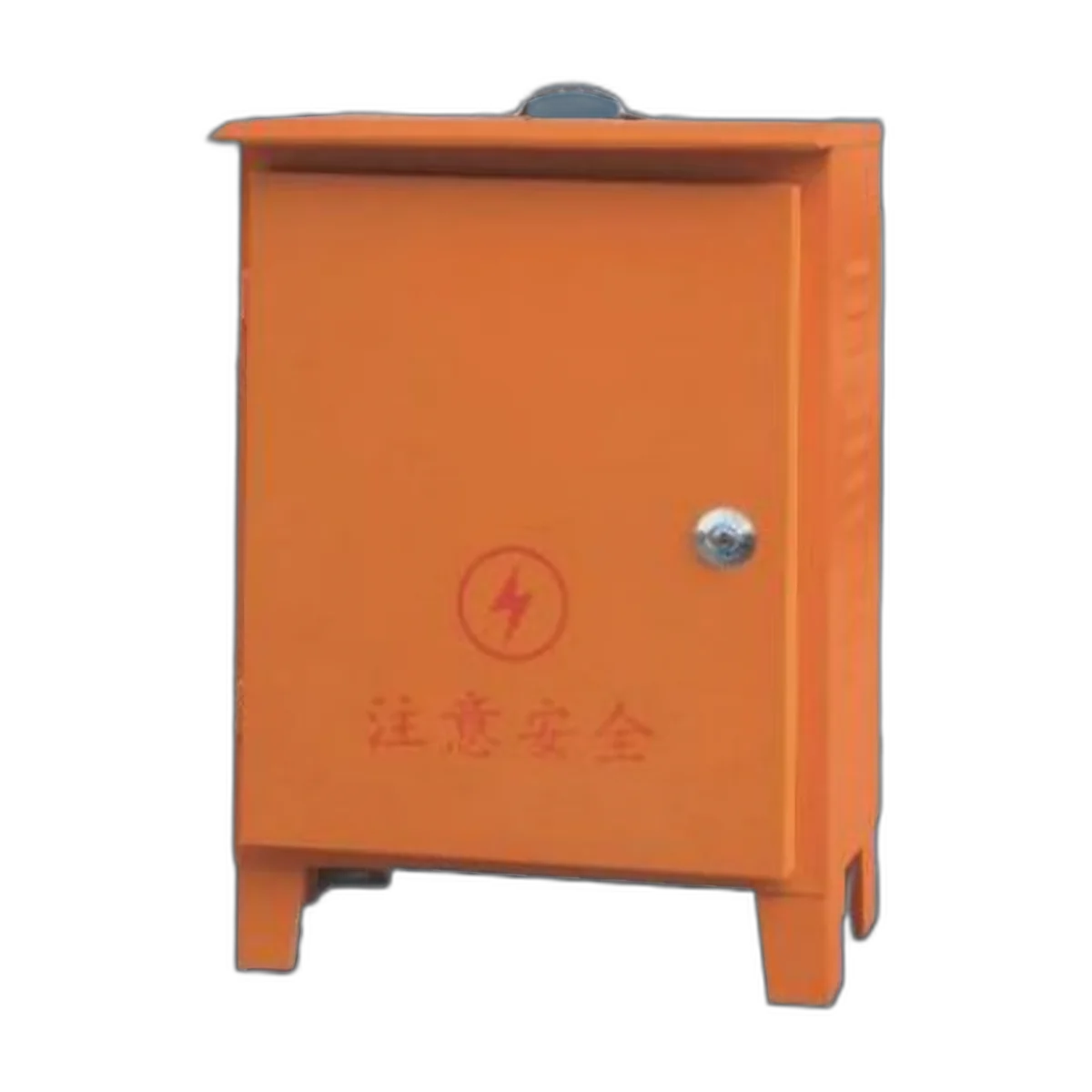
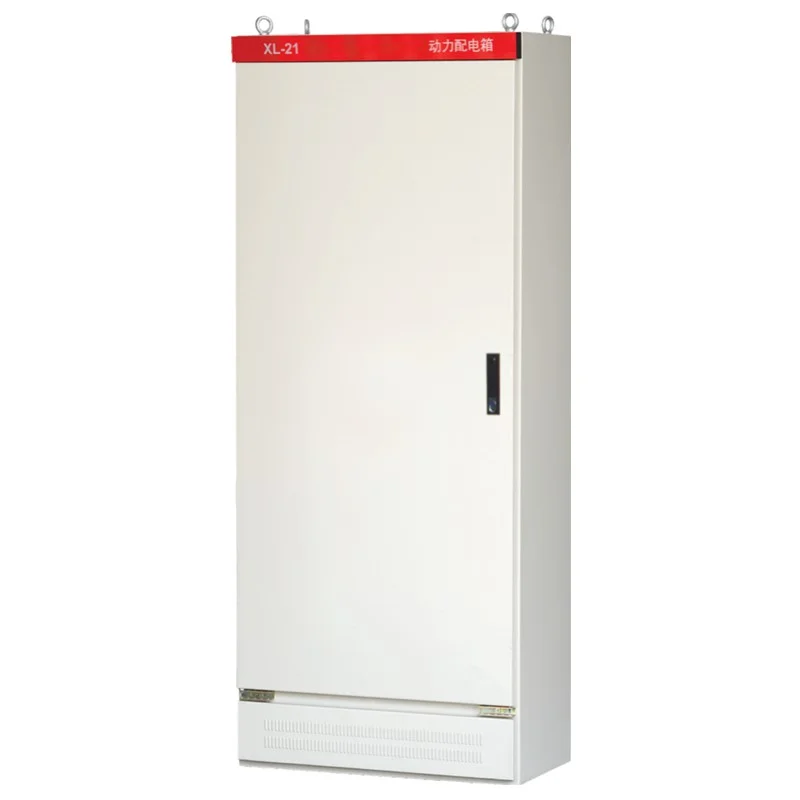
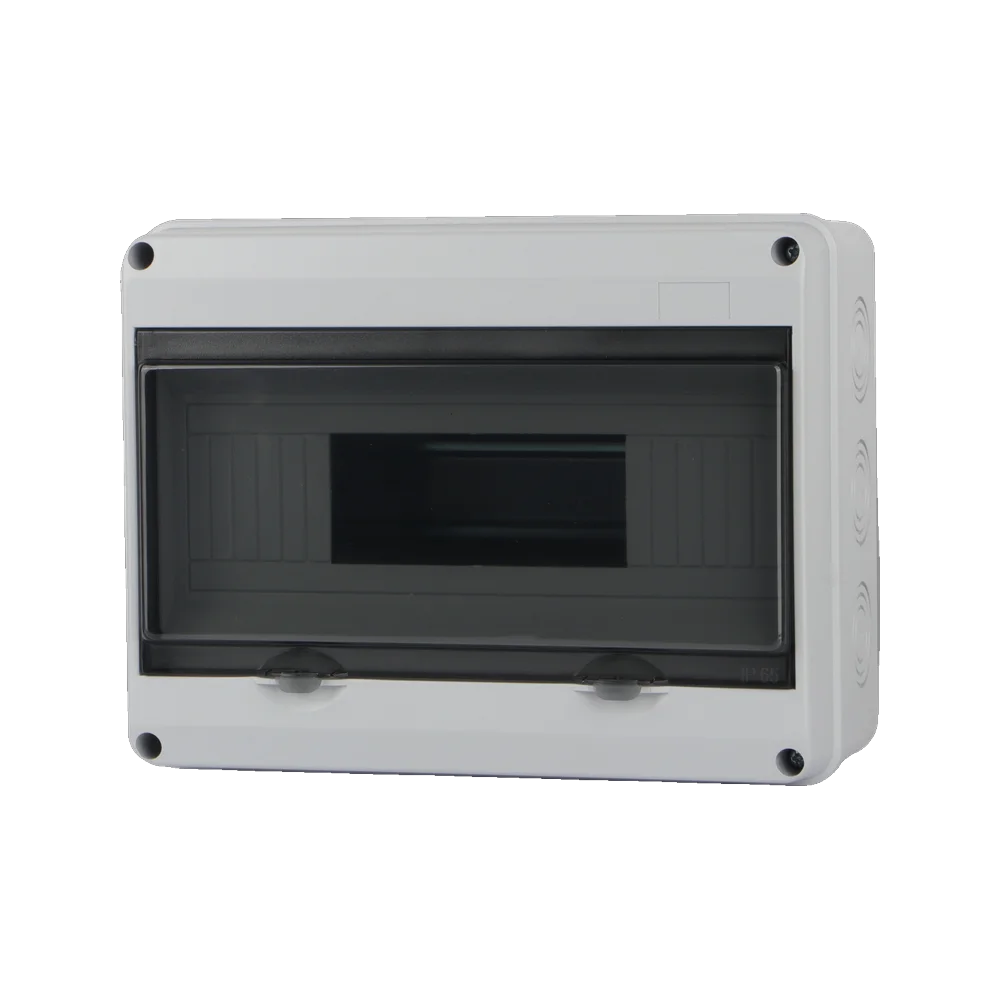
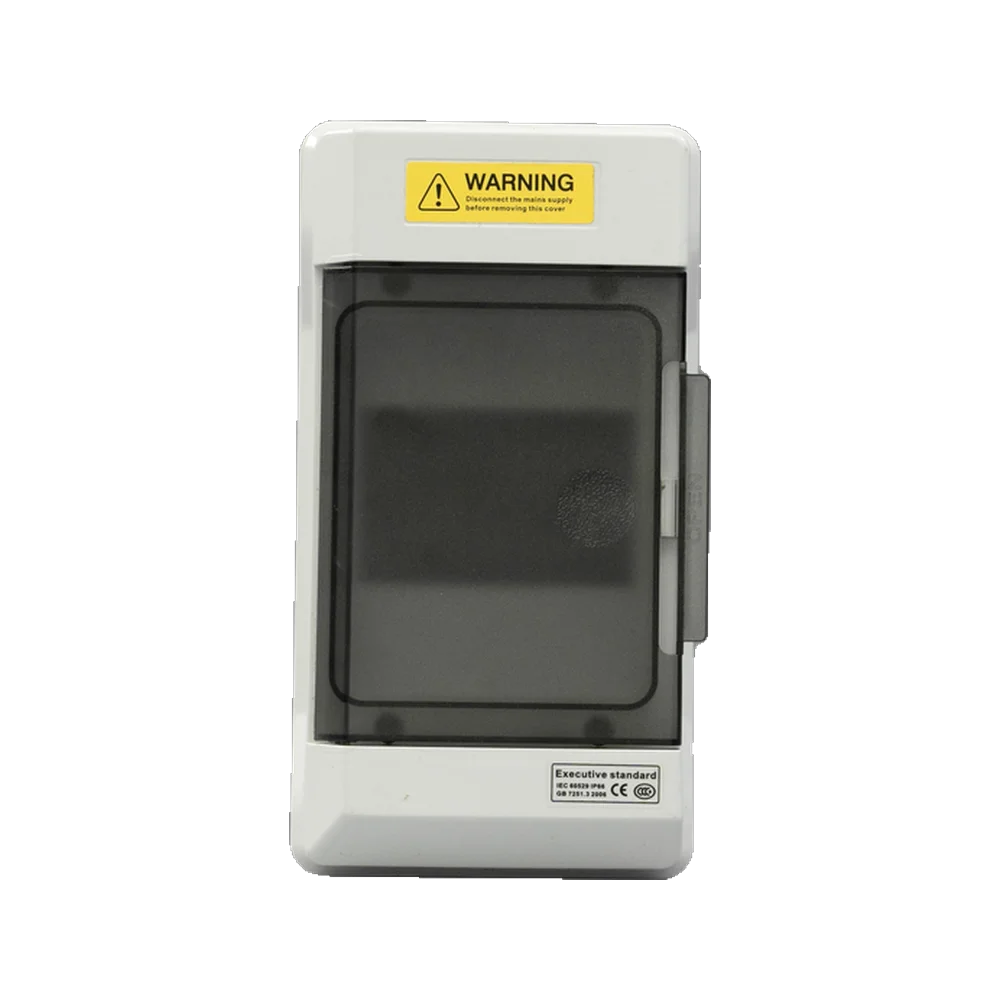
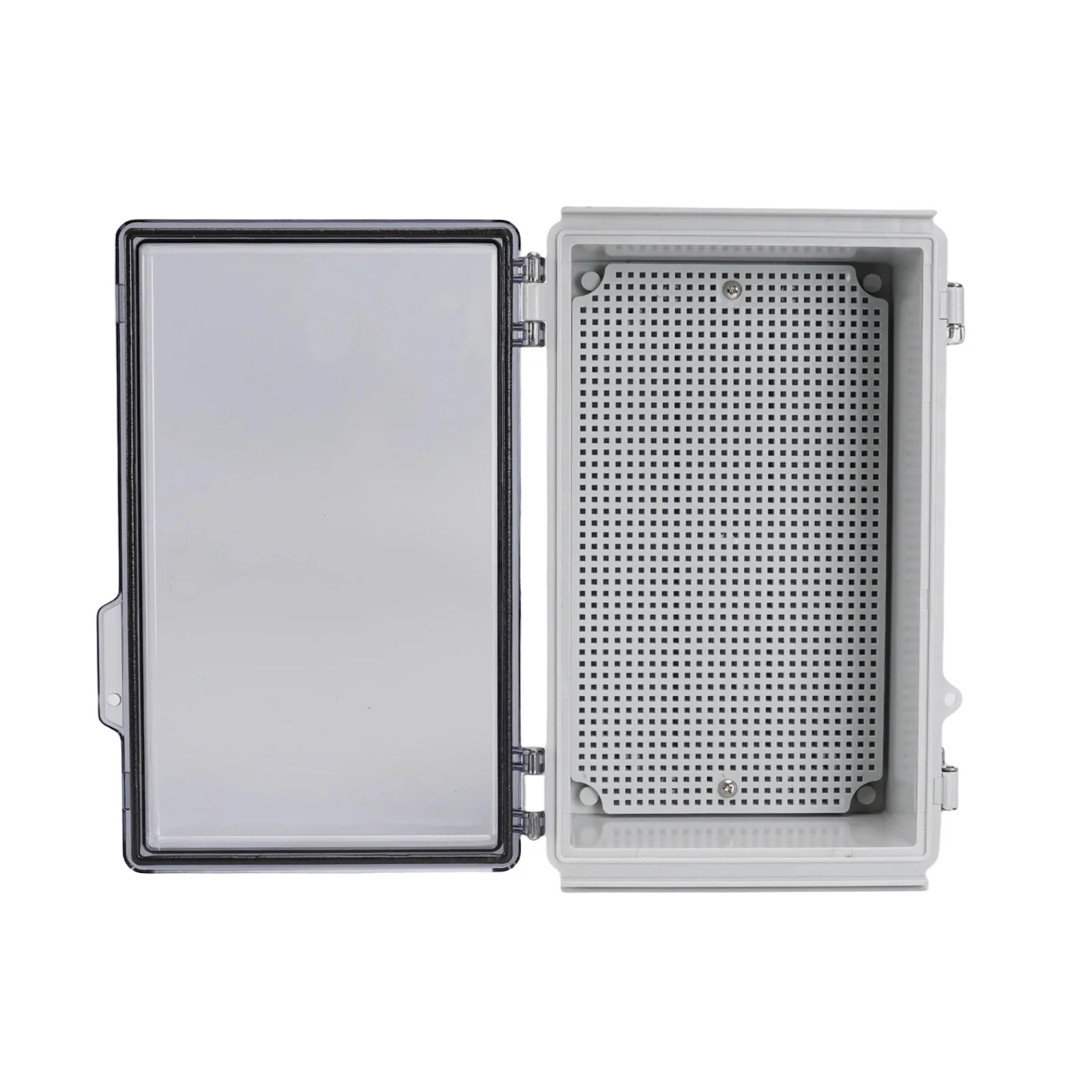
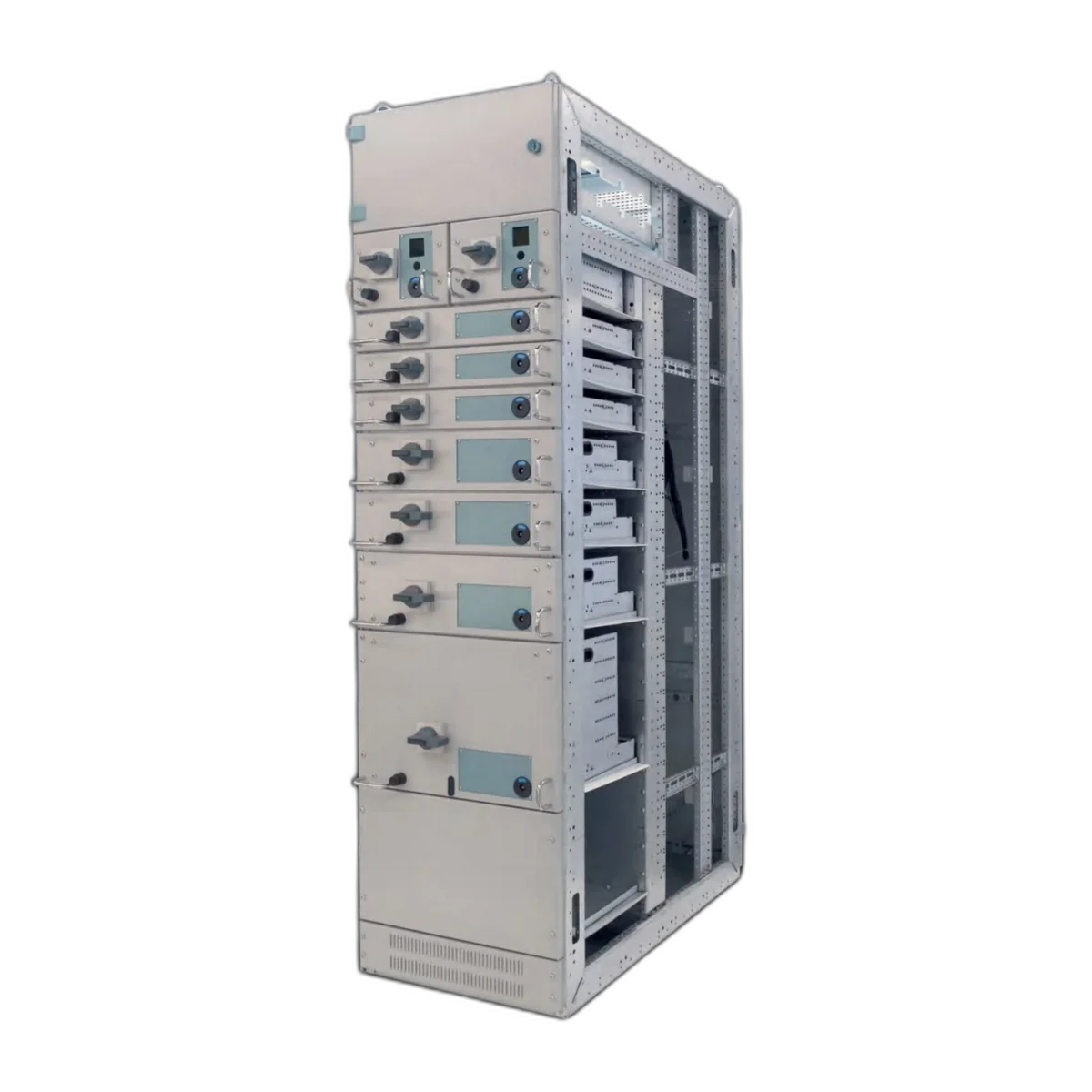
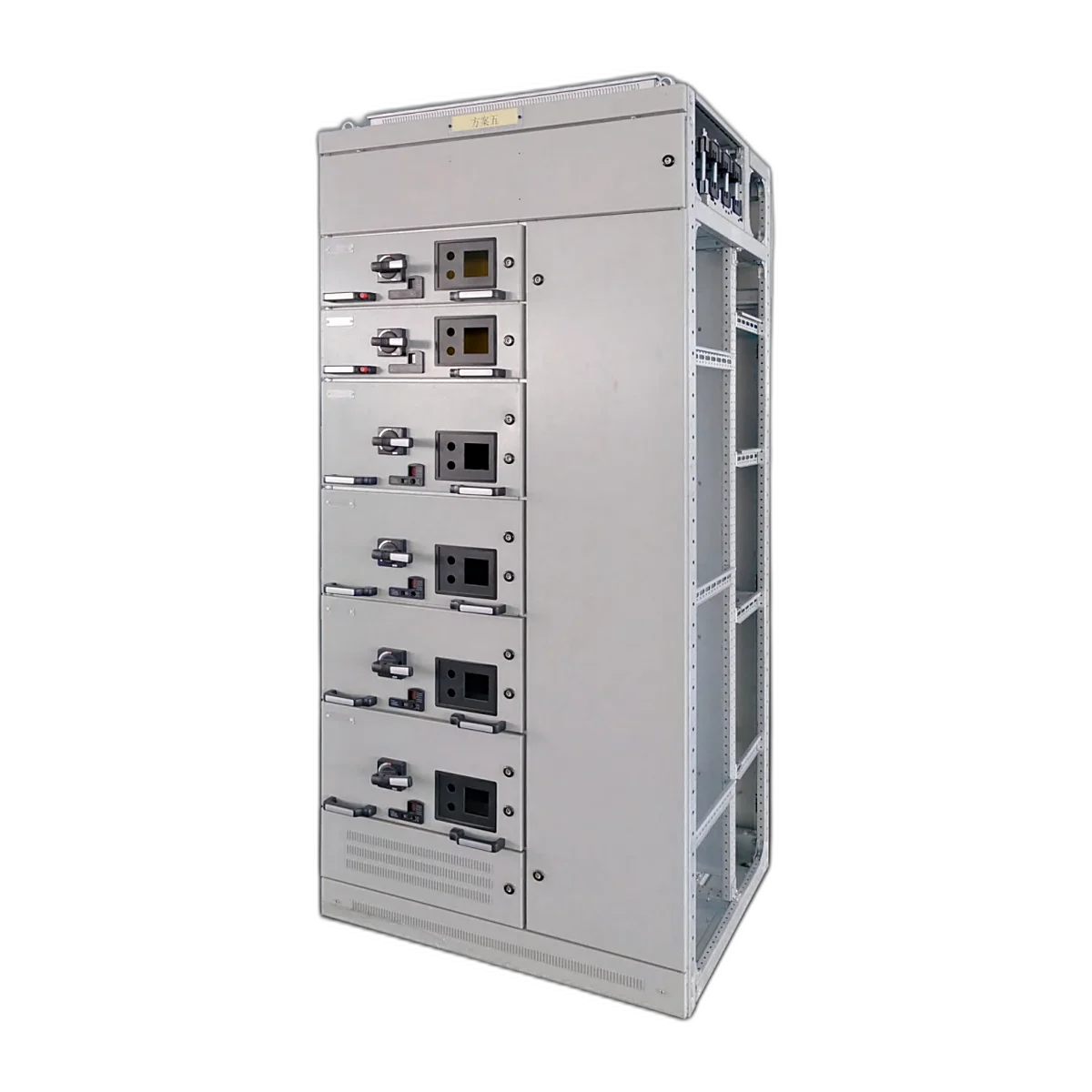
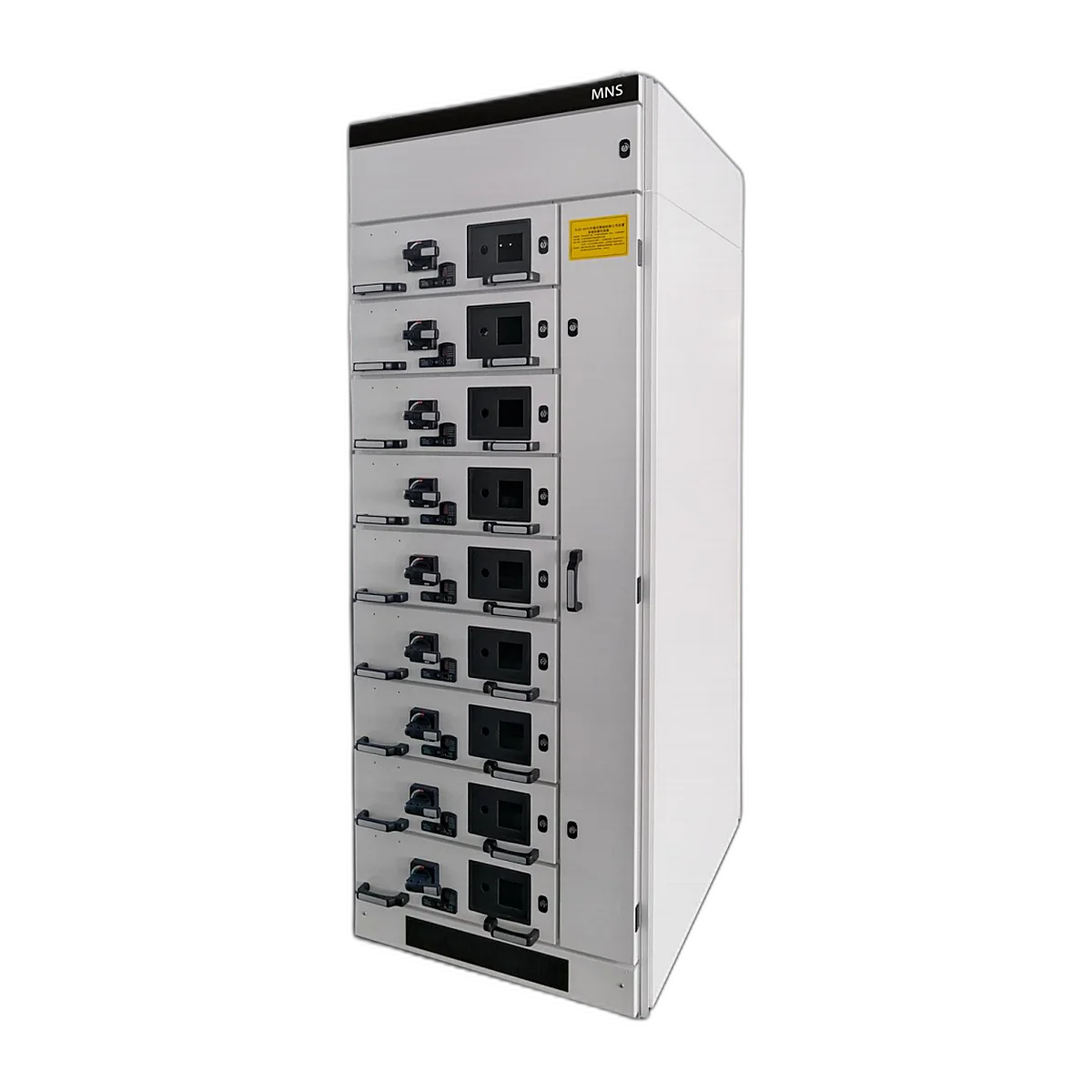
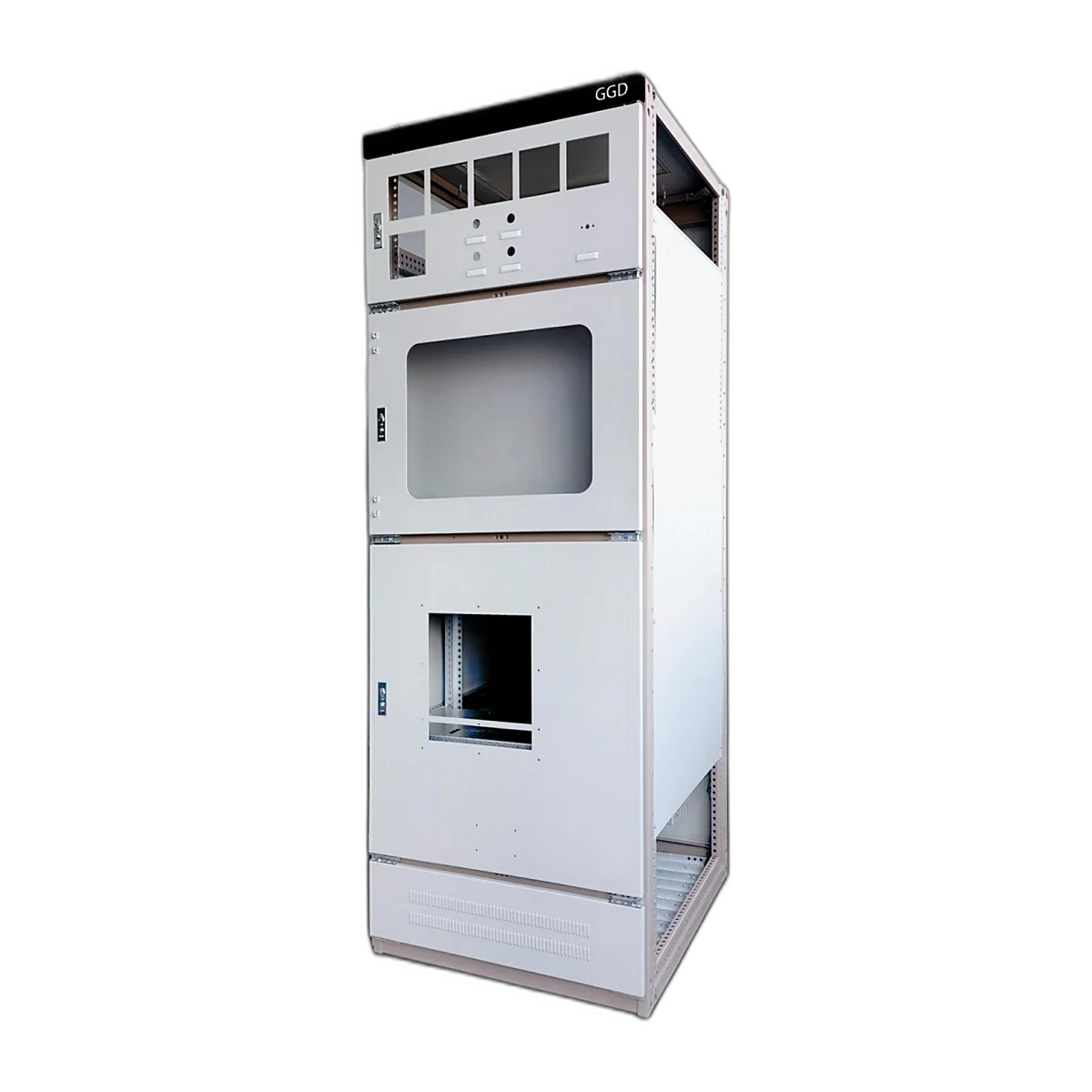
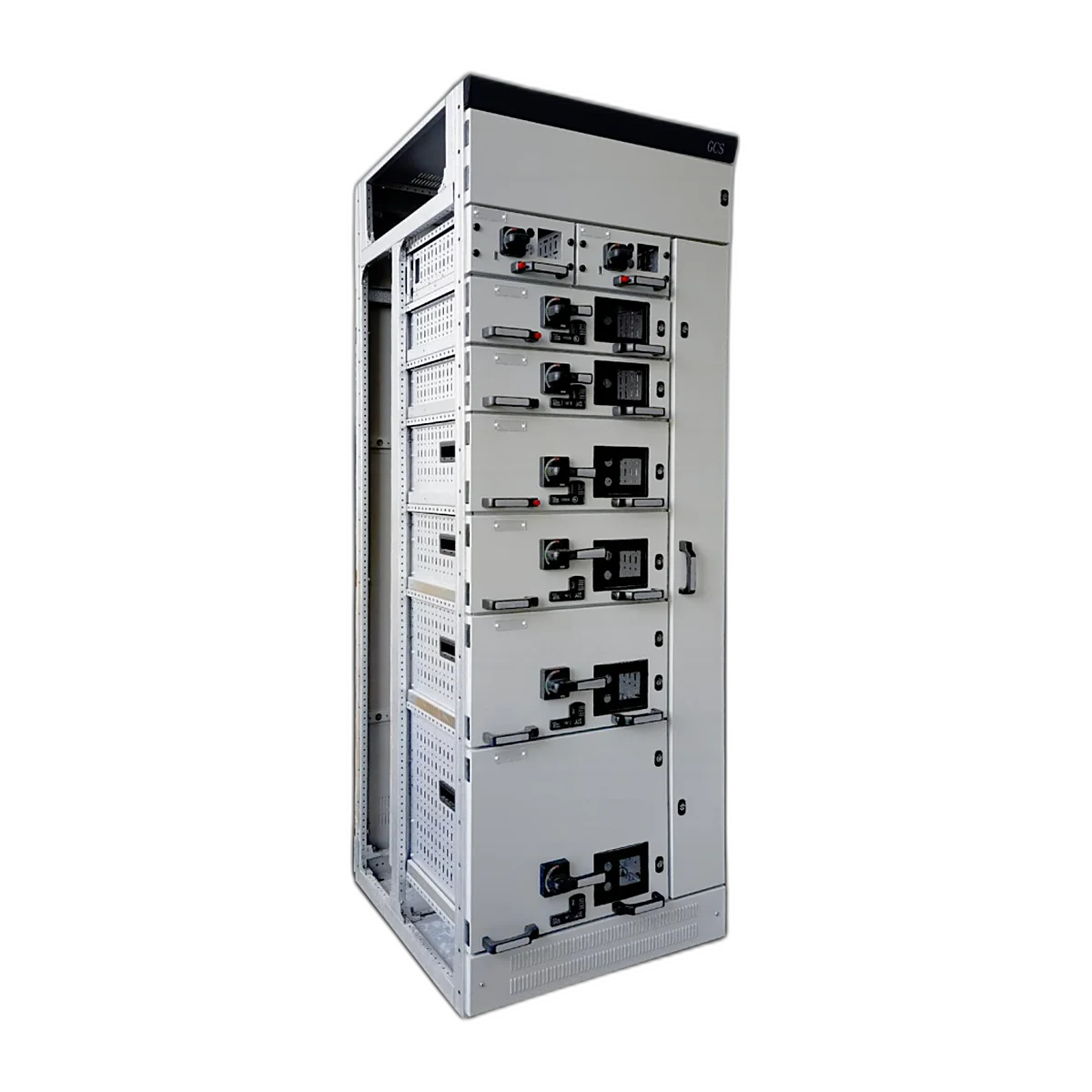
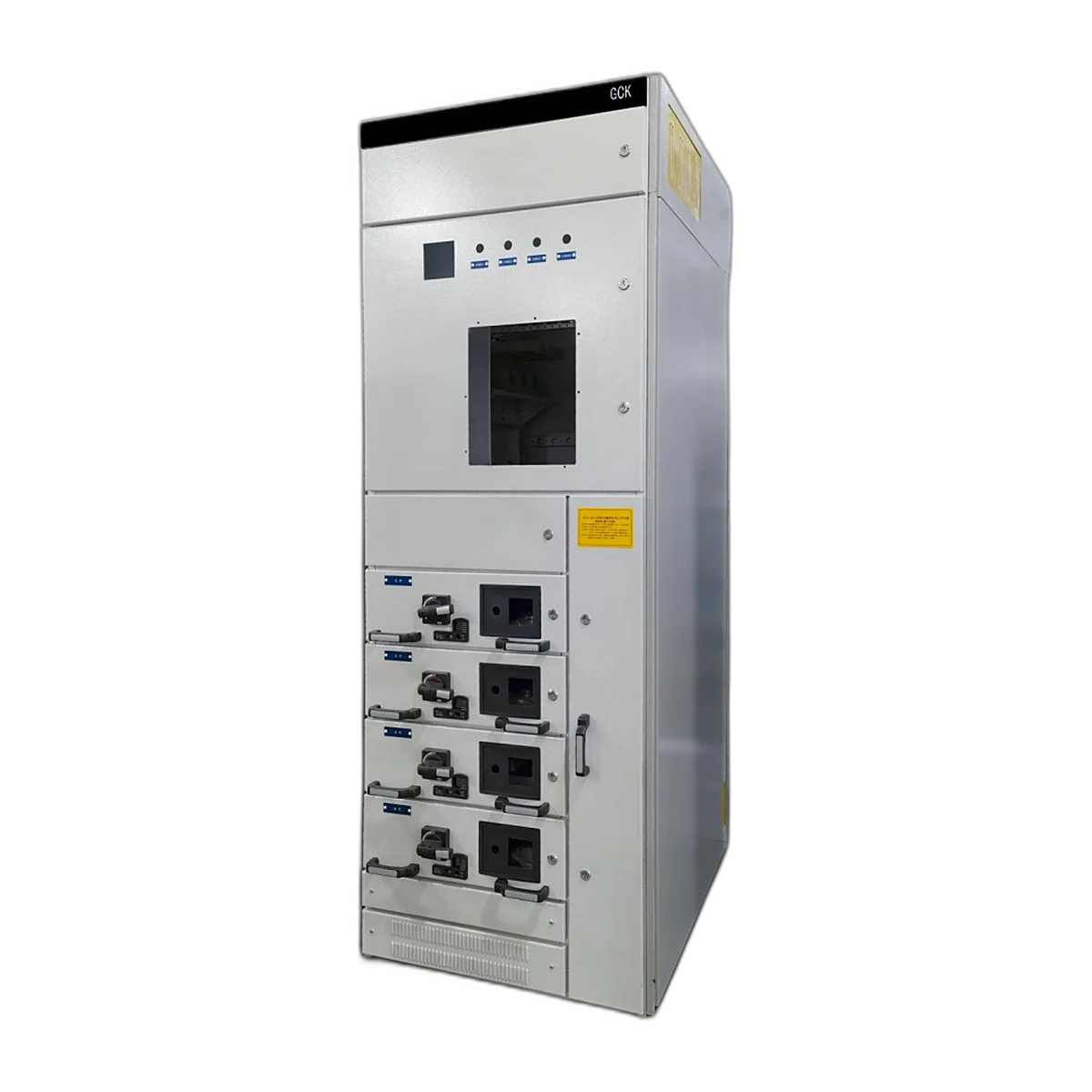
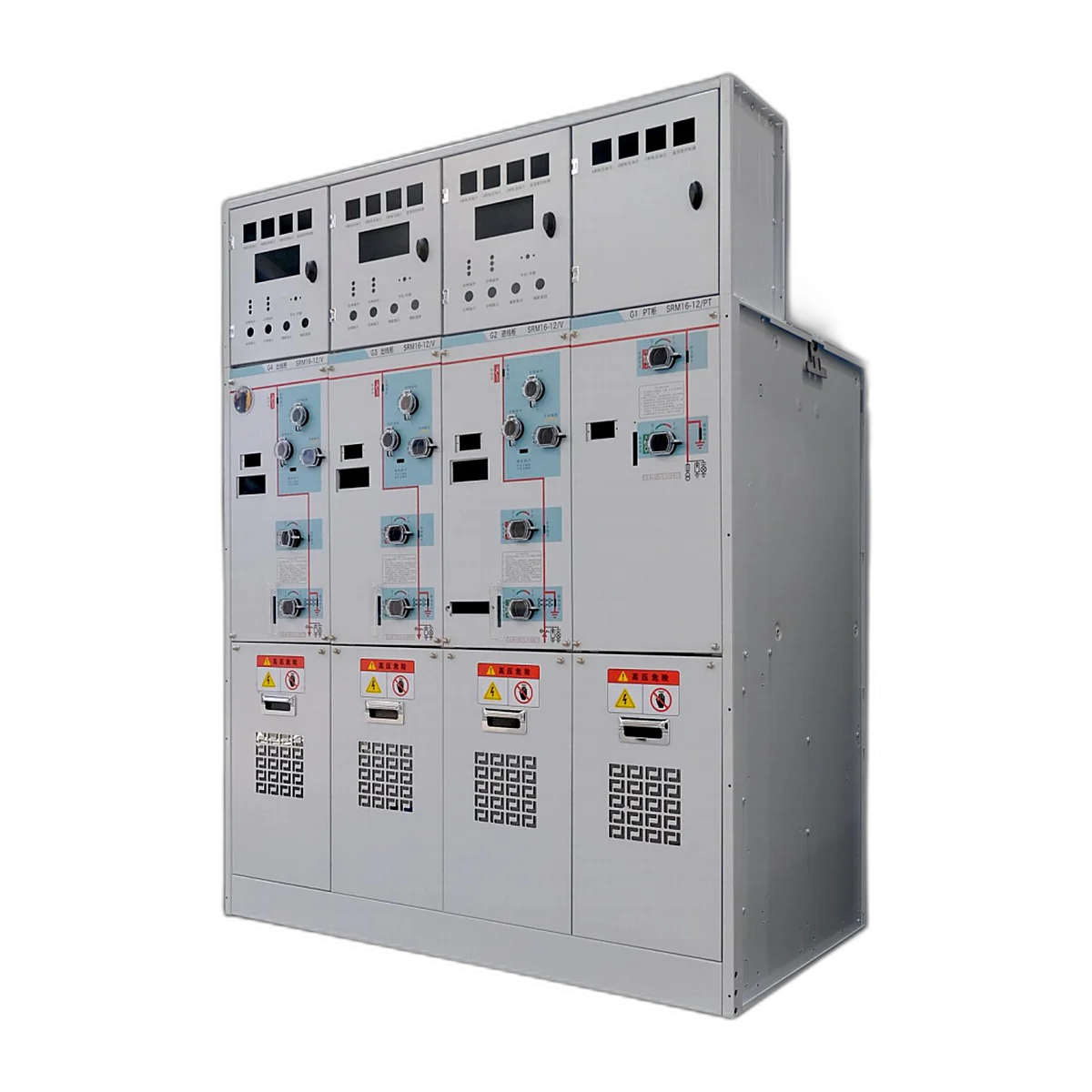
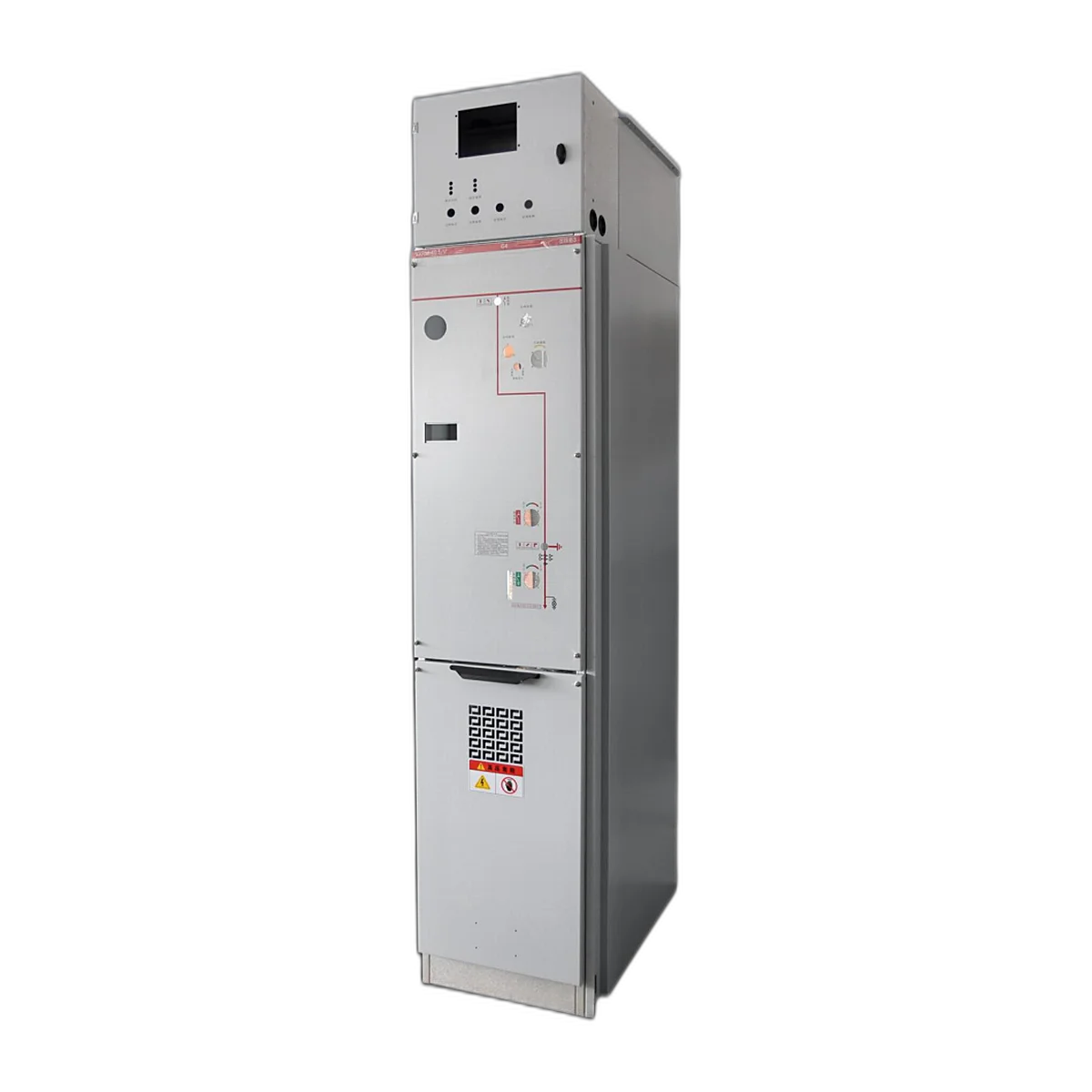
Wall-, pole- or floor-mounted boxes configured around the approved electrical function, component space and access requirement.
Civil interfaces
Base dimensions, anchor points, cable openings, gland plates, lifting or handling details and maintenance clearance confirmed before fabrication.
Site identification
Nameplates, warning labels, project codes, keys and packing marks organized by location when included in the agreed order scope.
Information required for engineering review
Provide the site type, electrical function, drawings, installation method, civil interface, cable route, environmental exposure, public-access control, material, finish, quantity by location and delivery sequence.
Approval and delivery basis
For multi-location projects, LYE can align model references, approved revisions, inspection records and packing marks with the project schedule, subject to a confirmed site list and release plan.
Common project questions
What should be confirmed before civil work is released?
Overall dimensions, base or wall fixing, cable-entry zones, door swing and maintenance clearance should be frozen before openings or foundations are completed.
How are exposed-site materials selected?
Selection starts with moisture, salt, chemicals, UV, dust and expected maintenance. The material grade and coating system should then be confirmed for that environment and service life expectation.