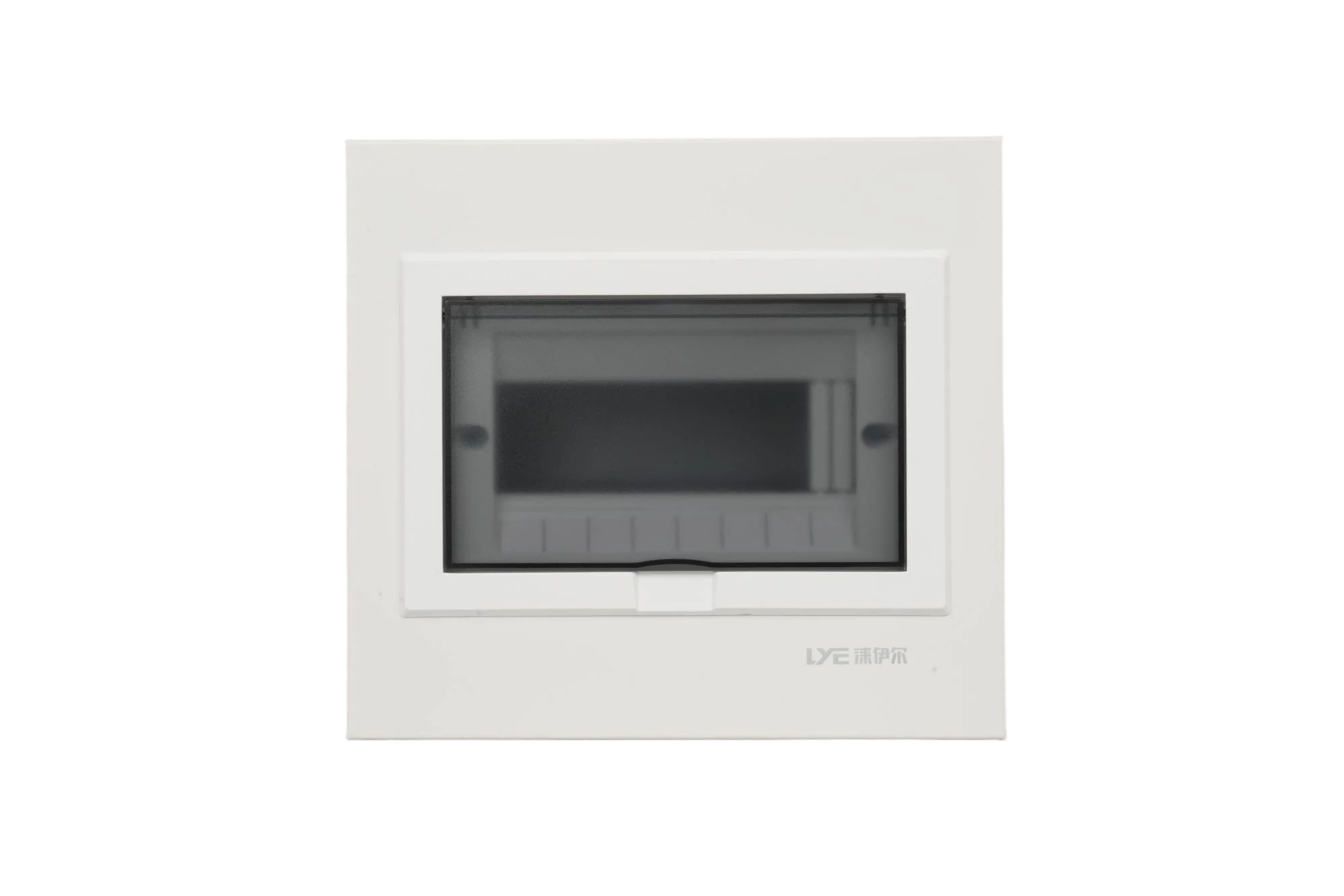
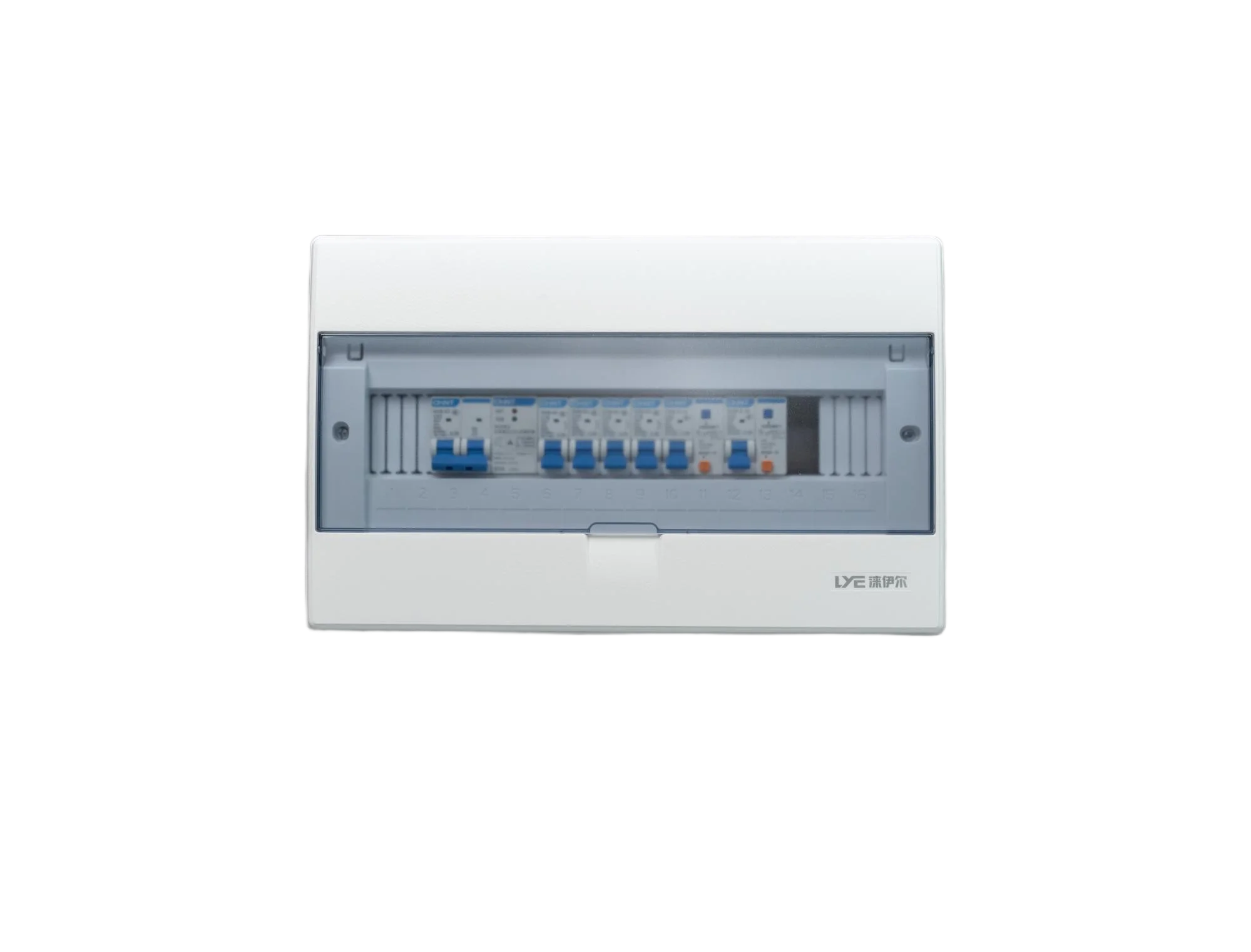
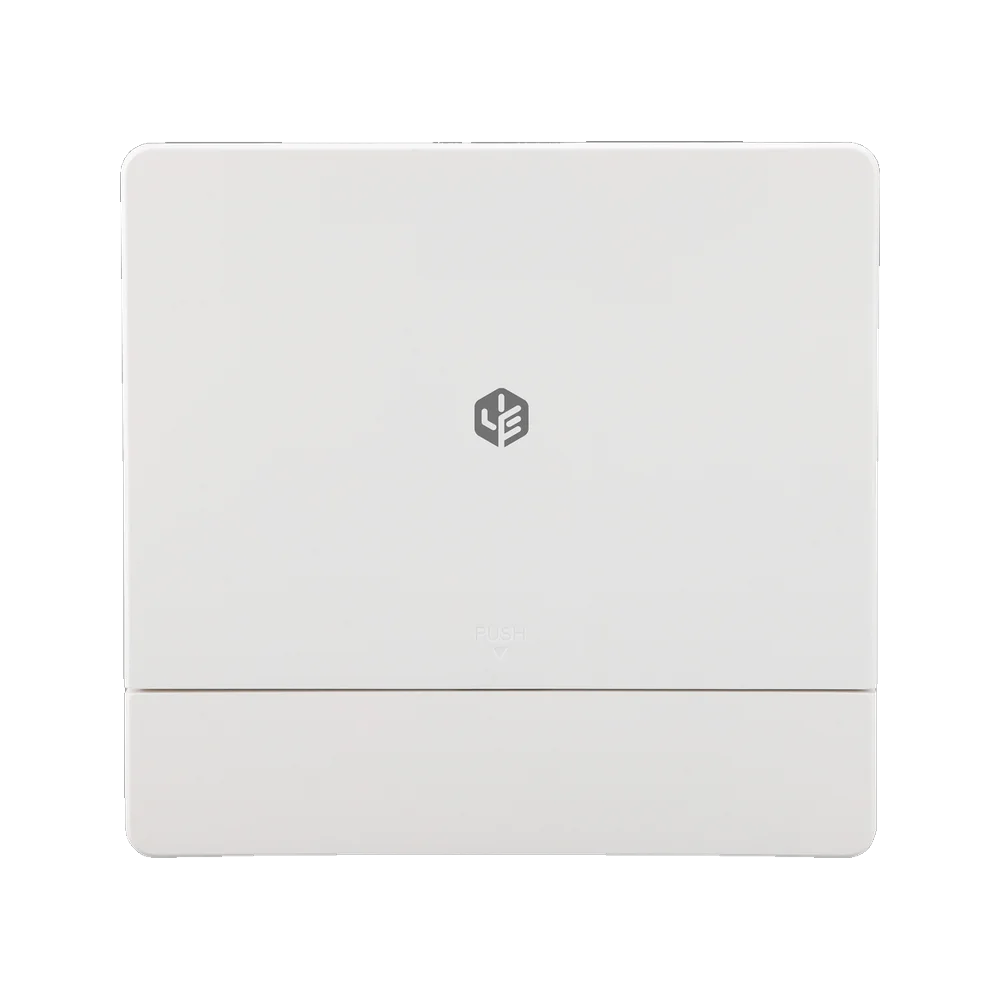
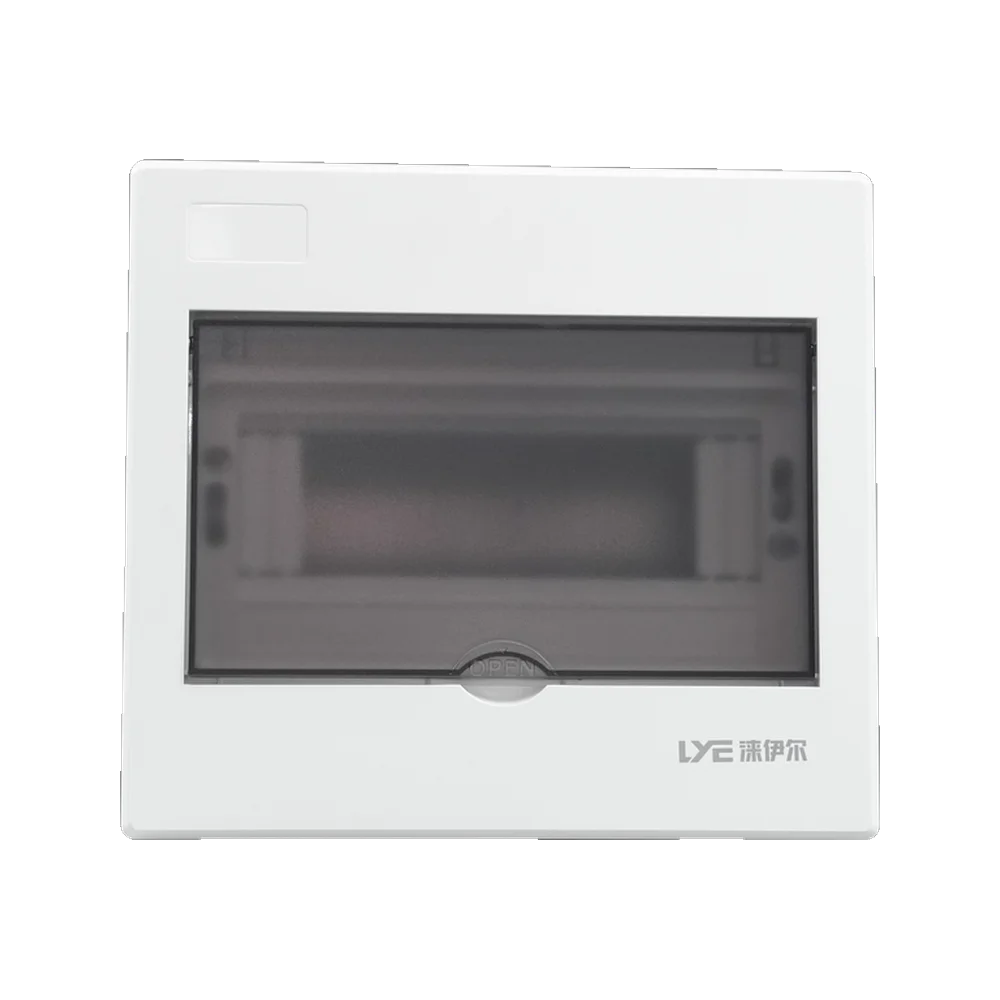

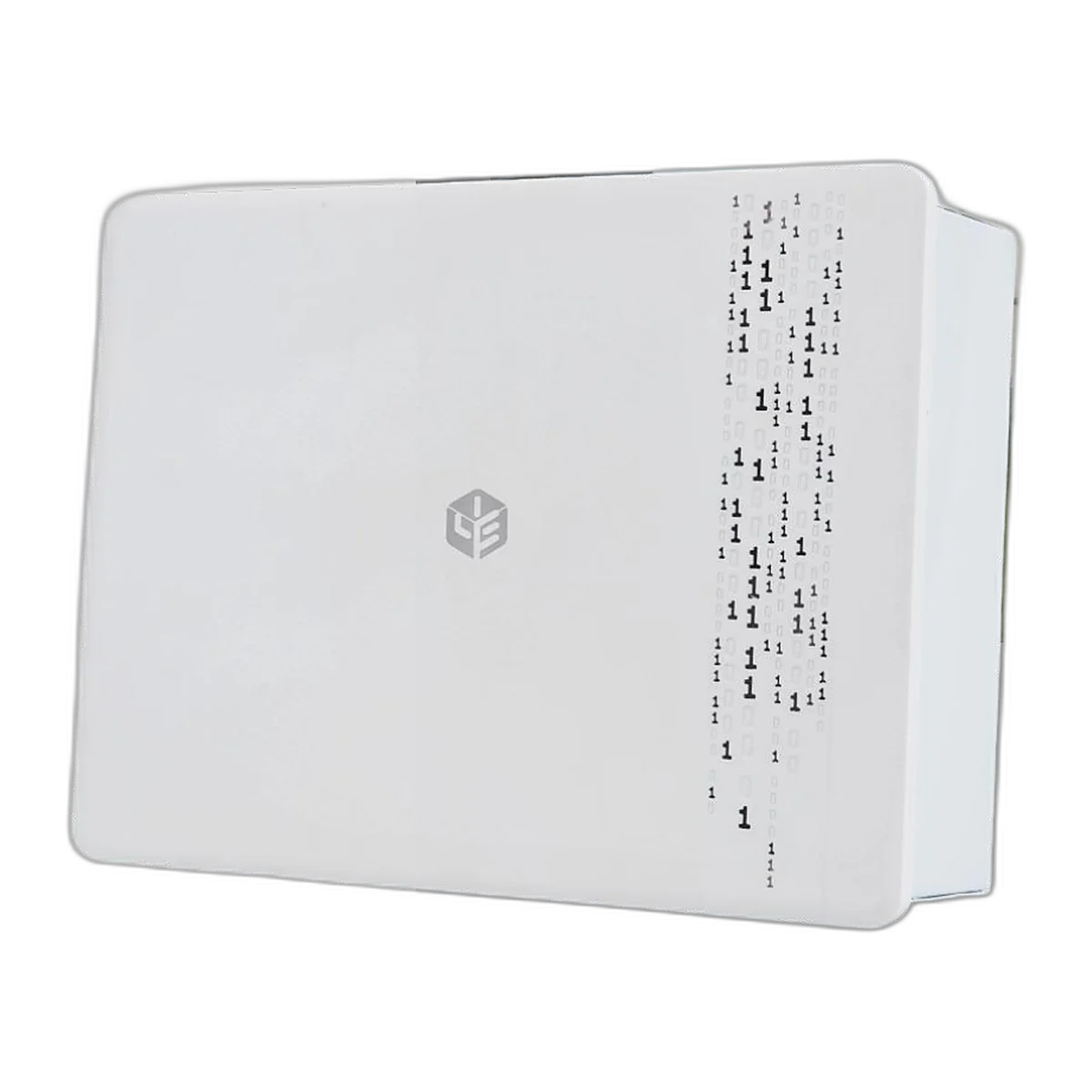
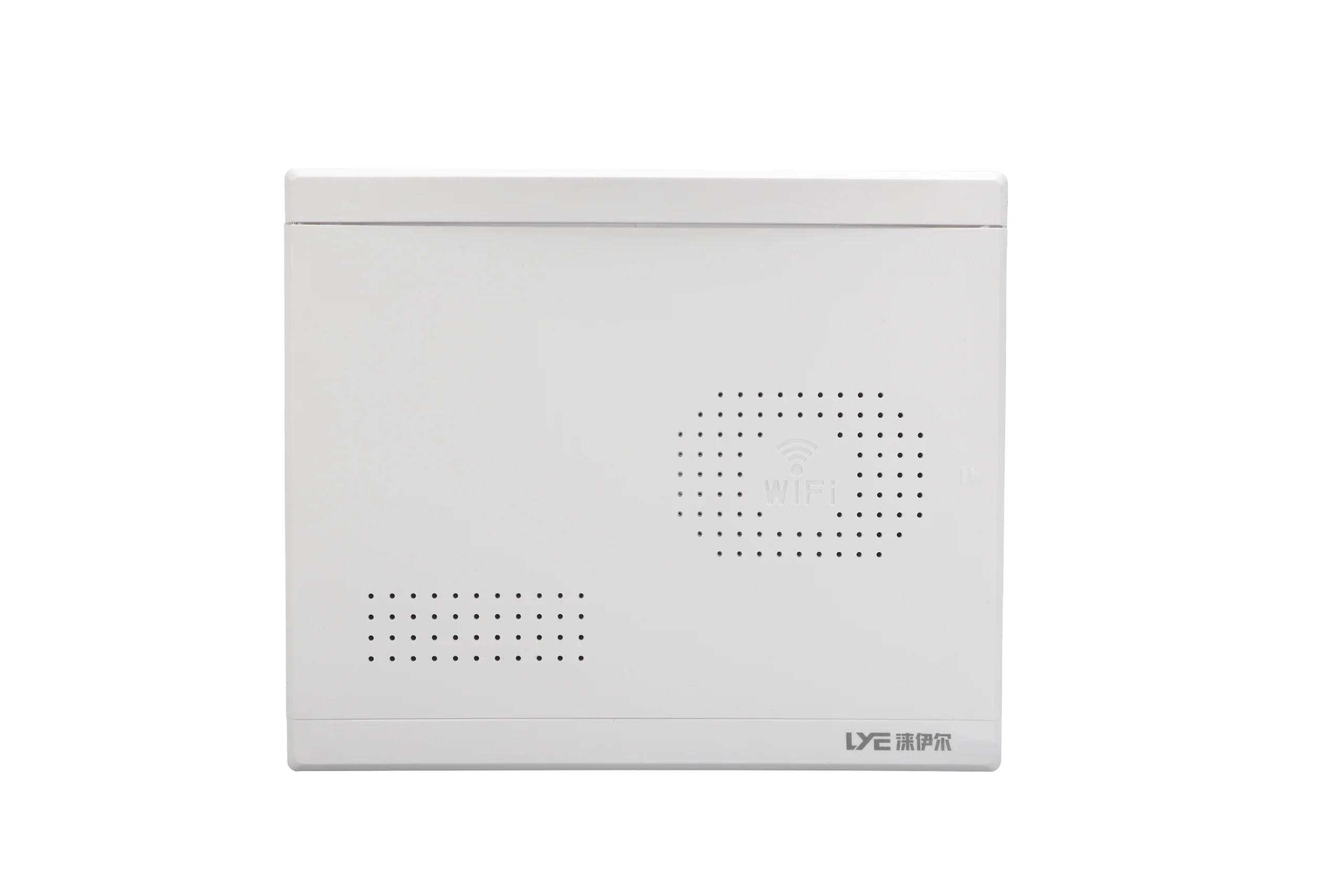
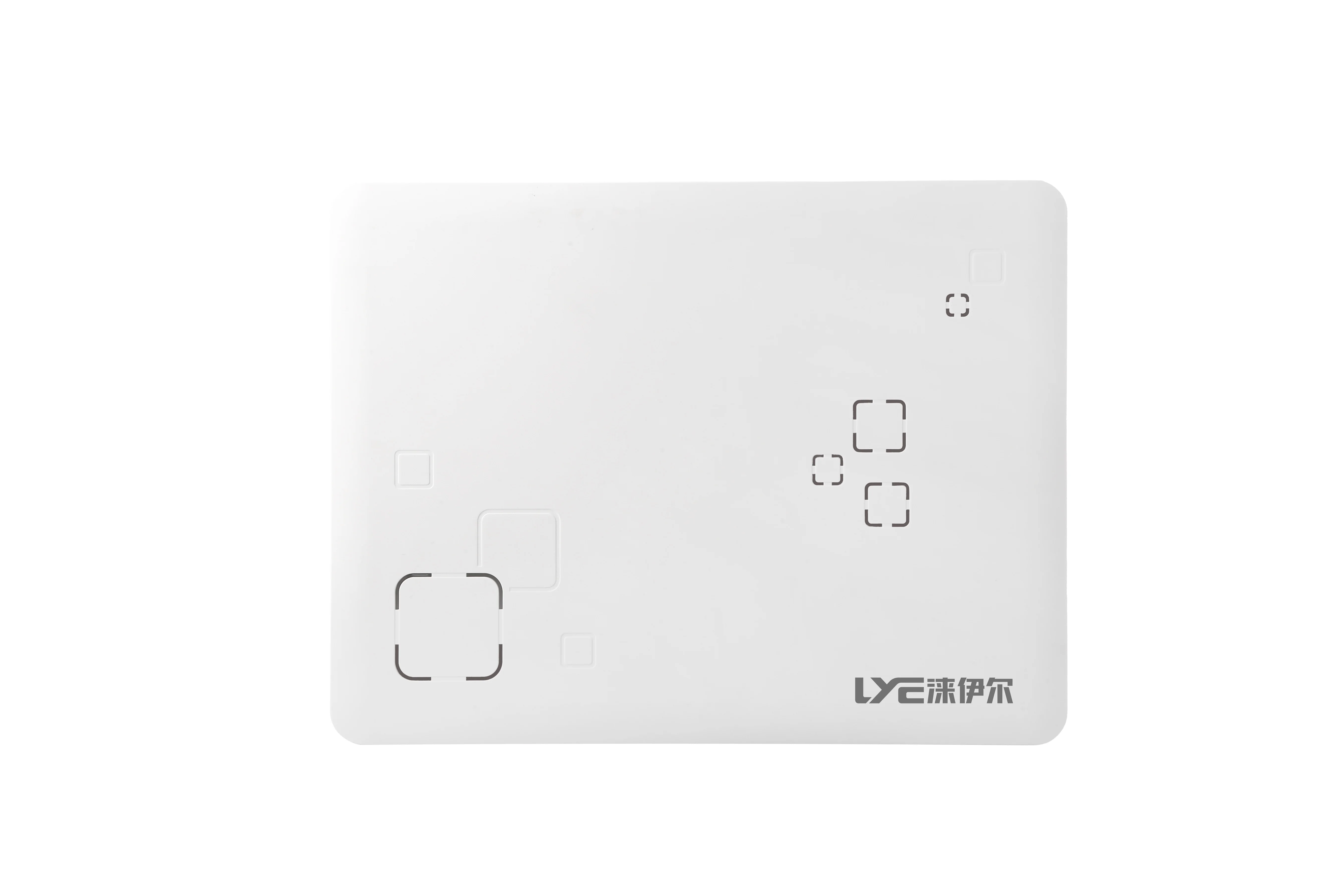
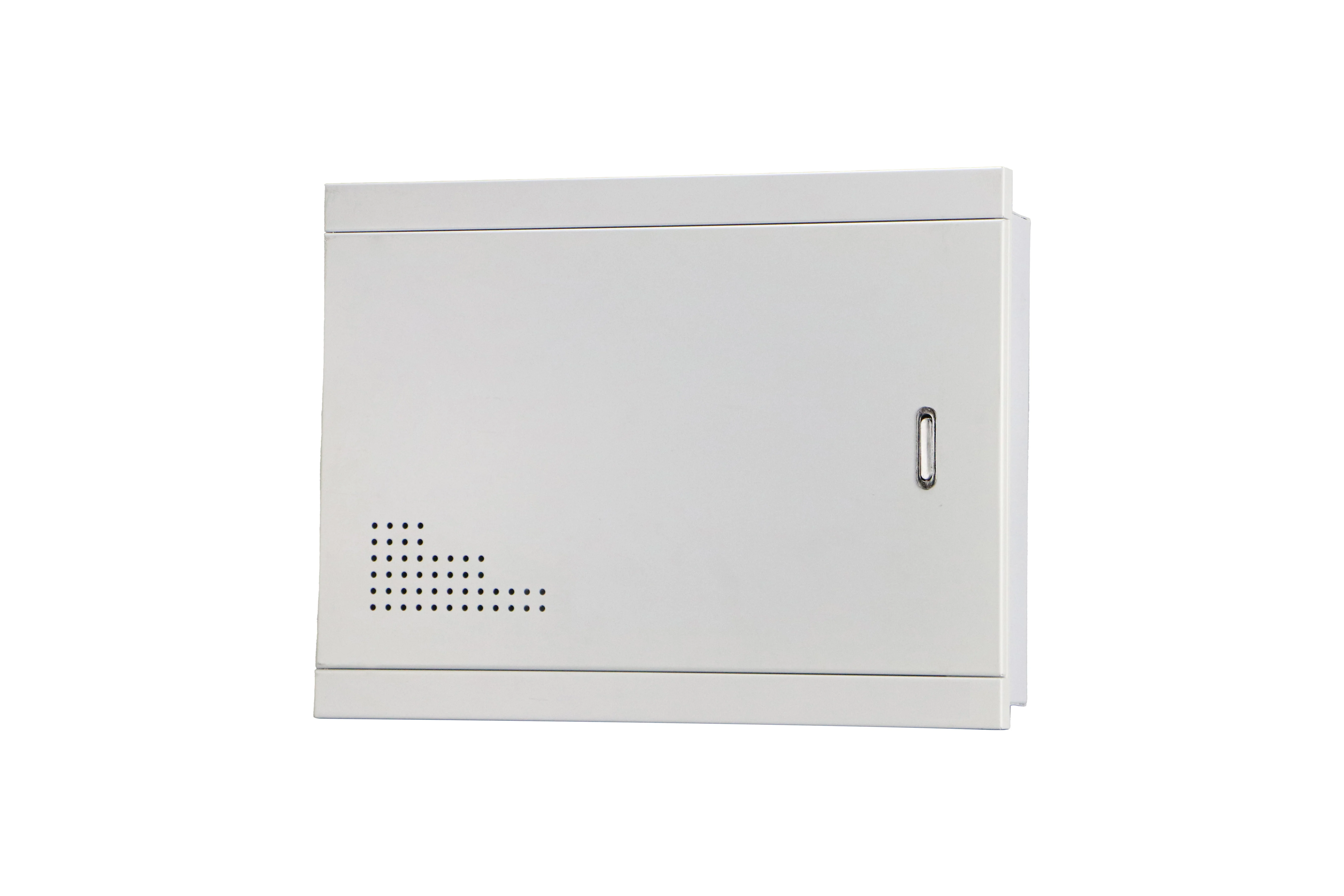
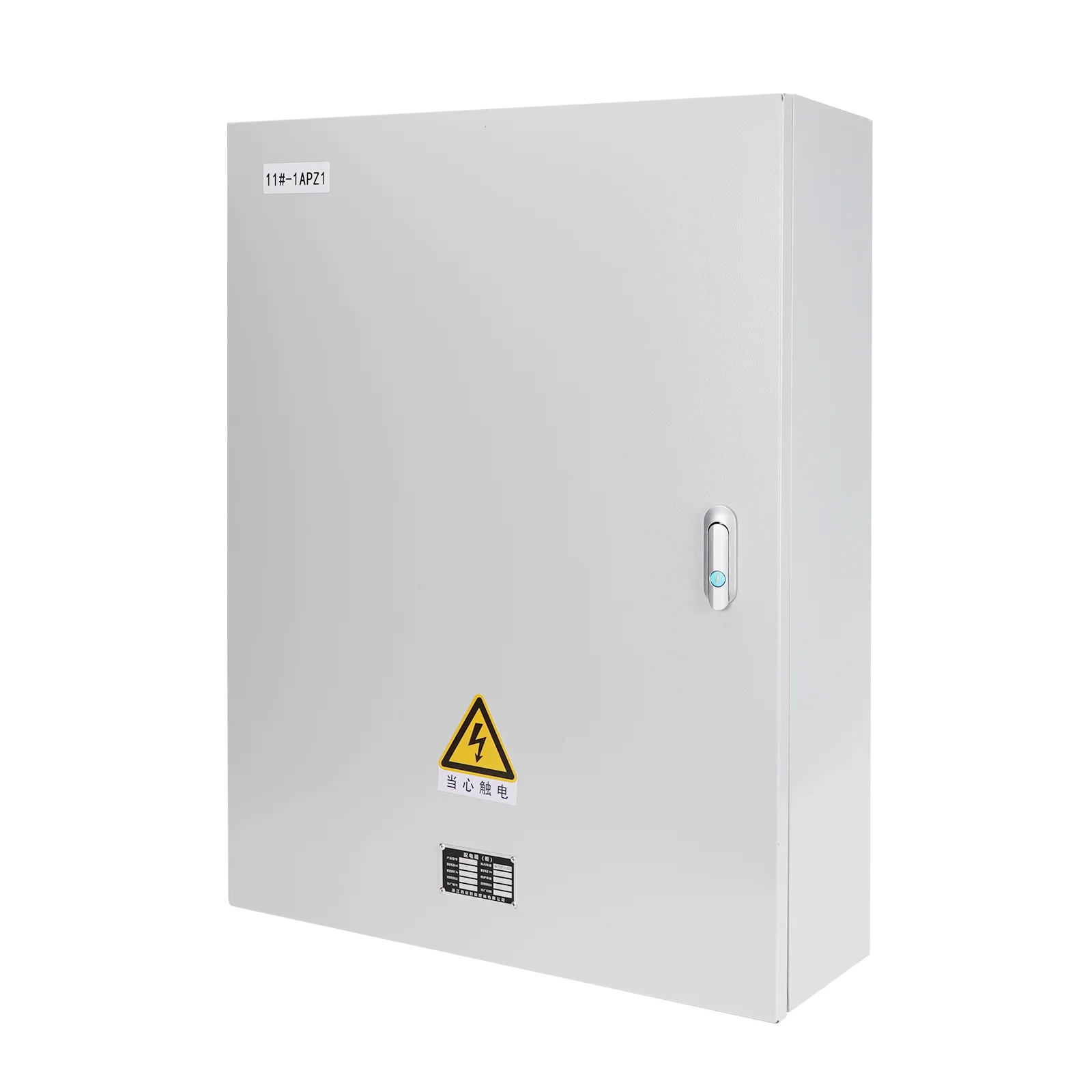
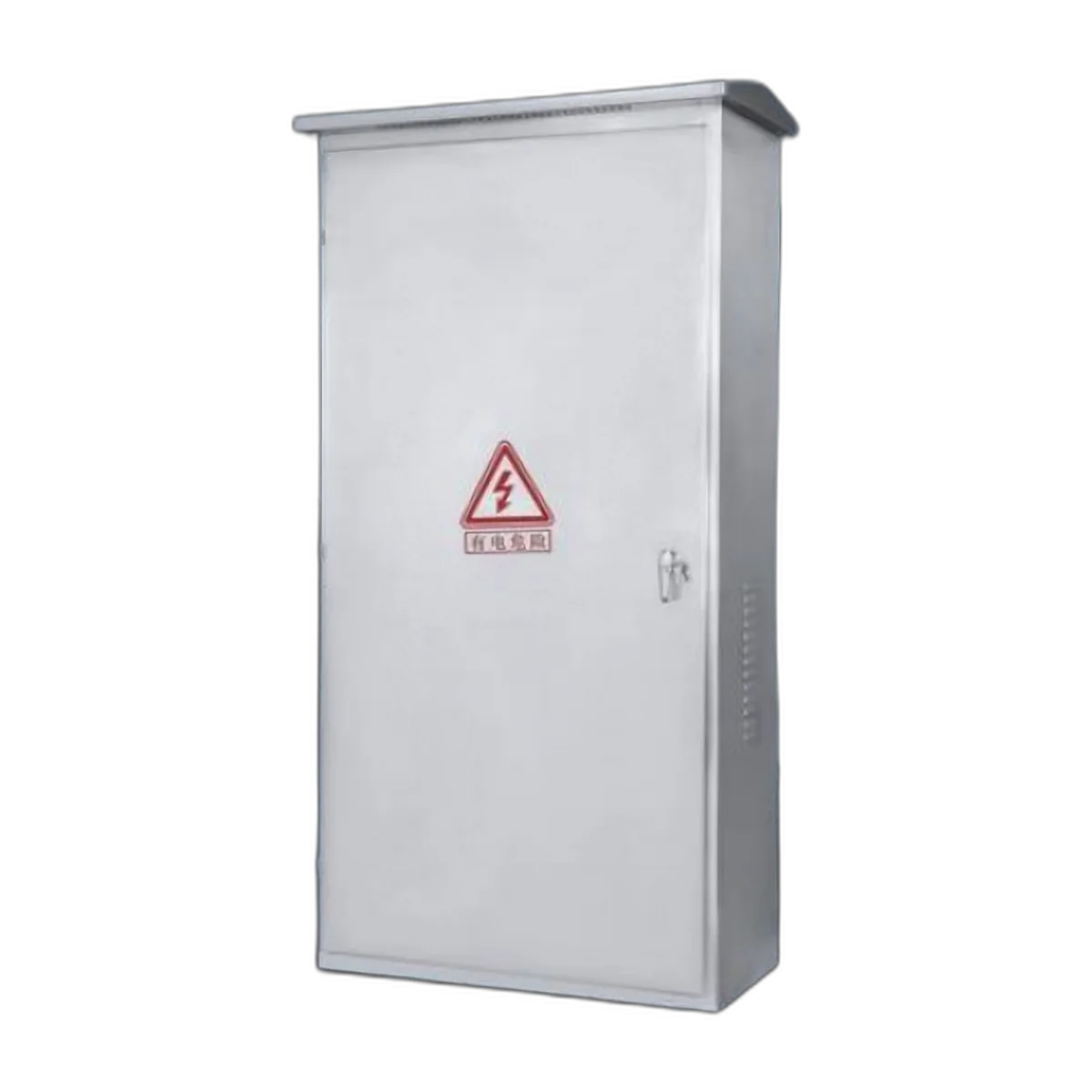
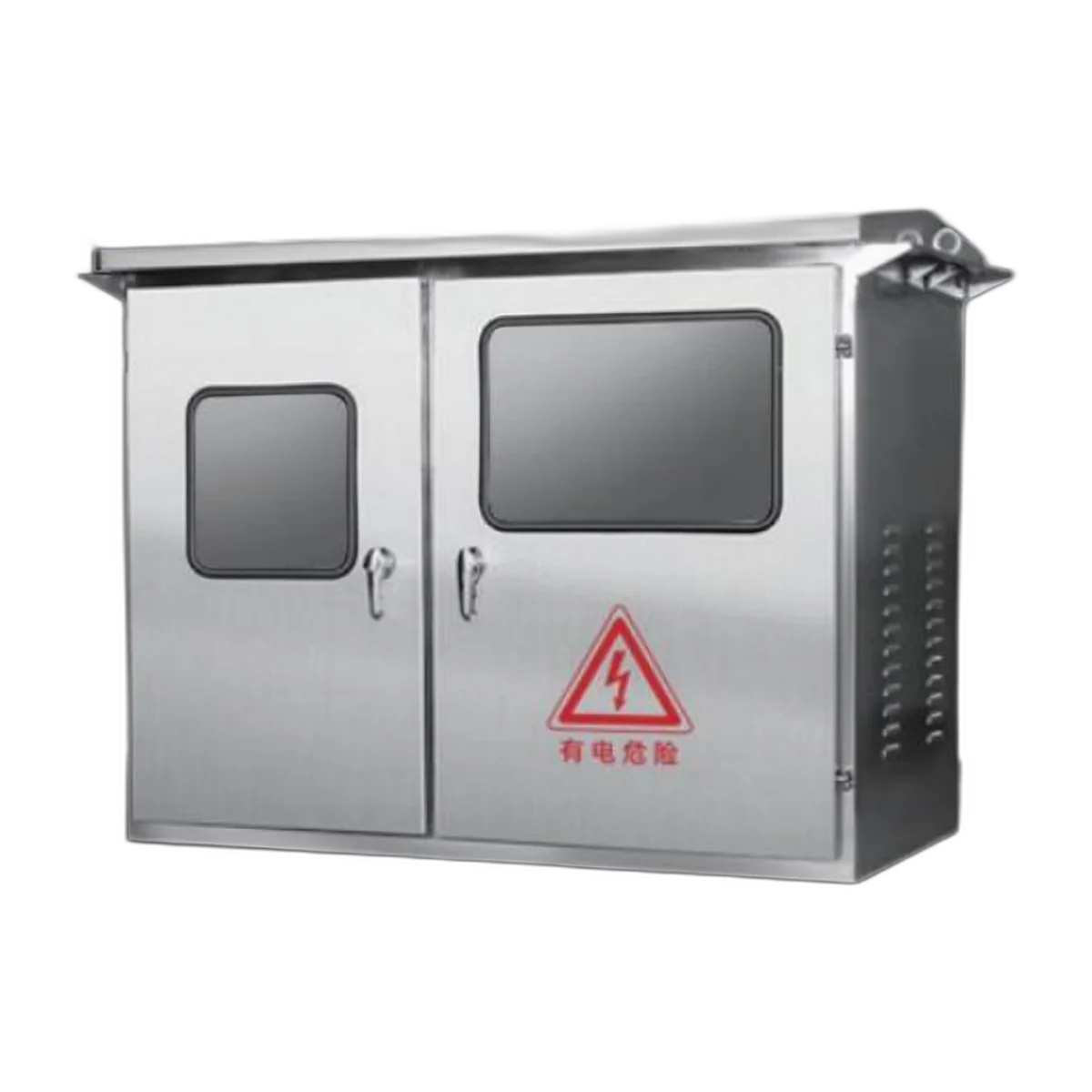
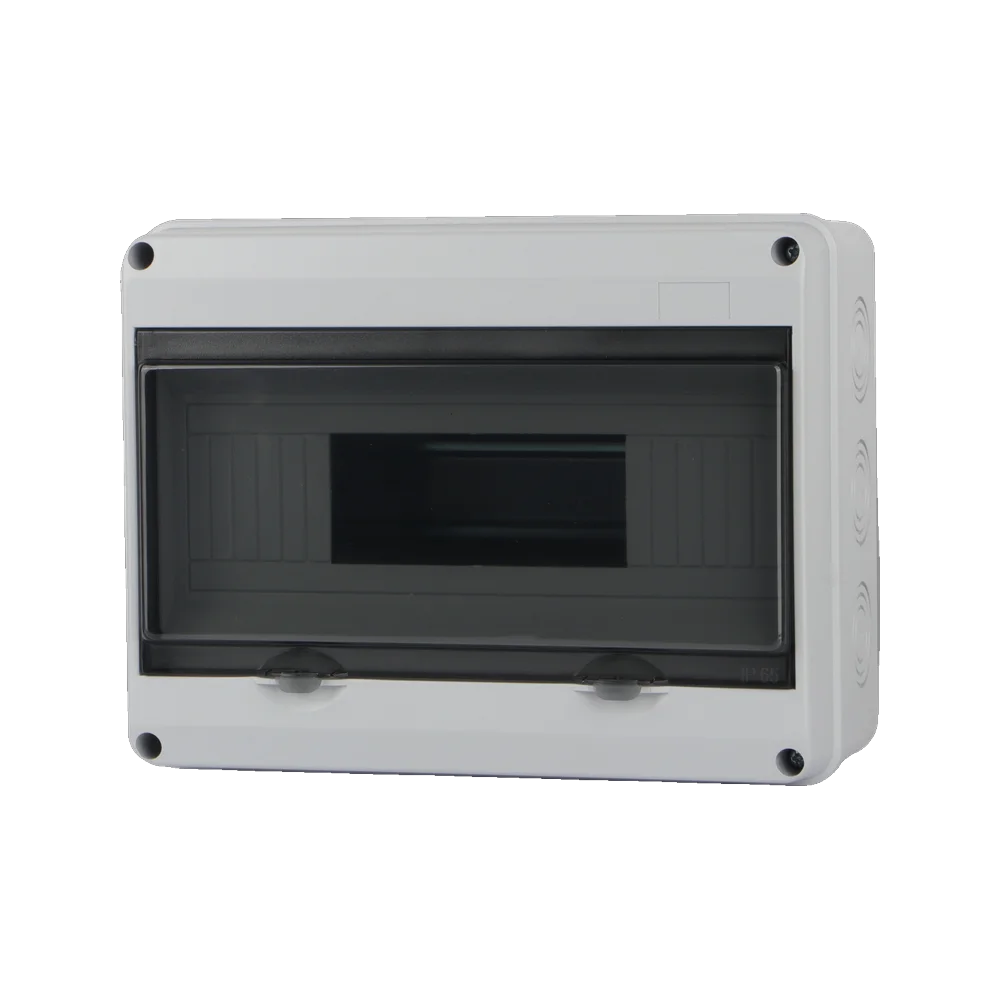
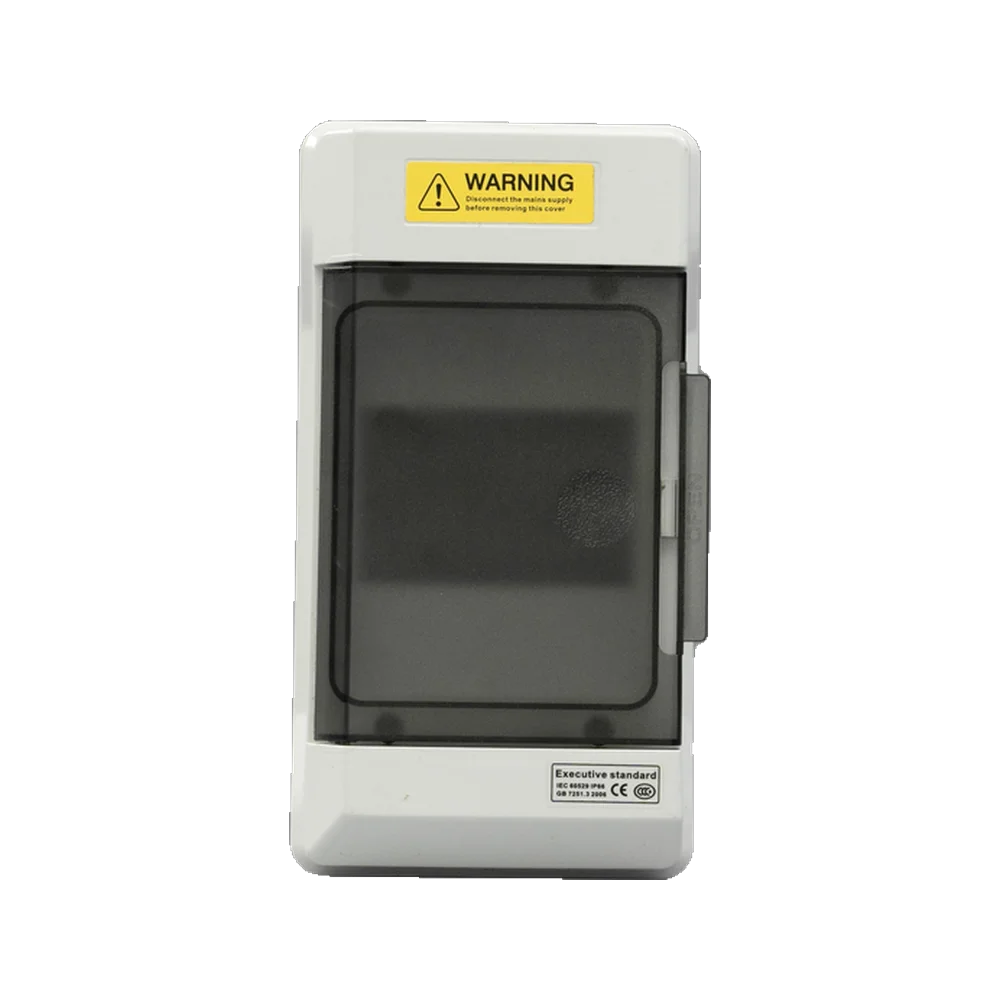
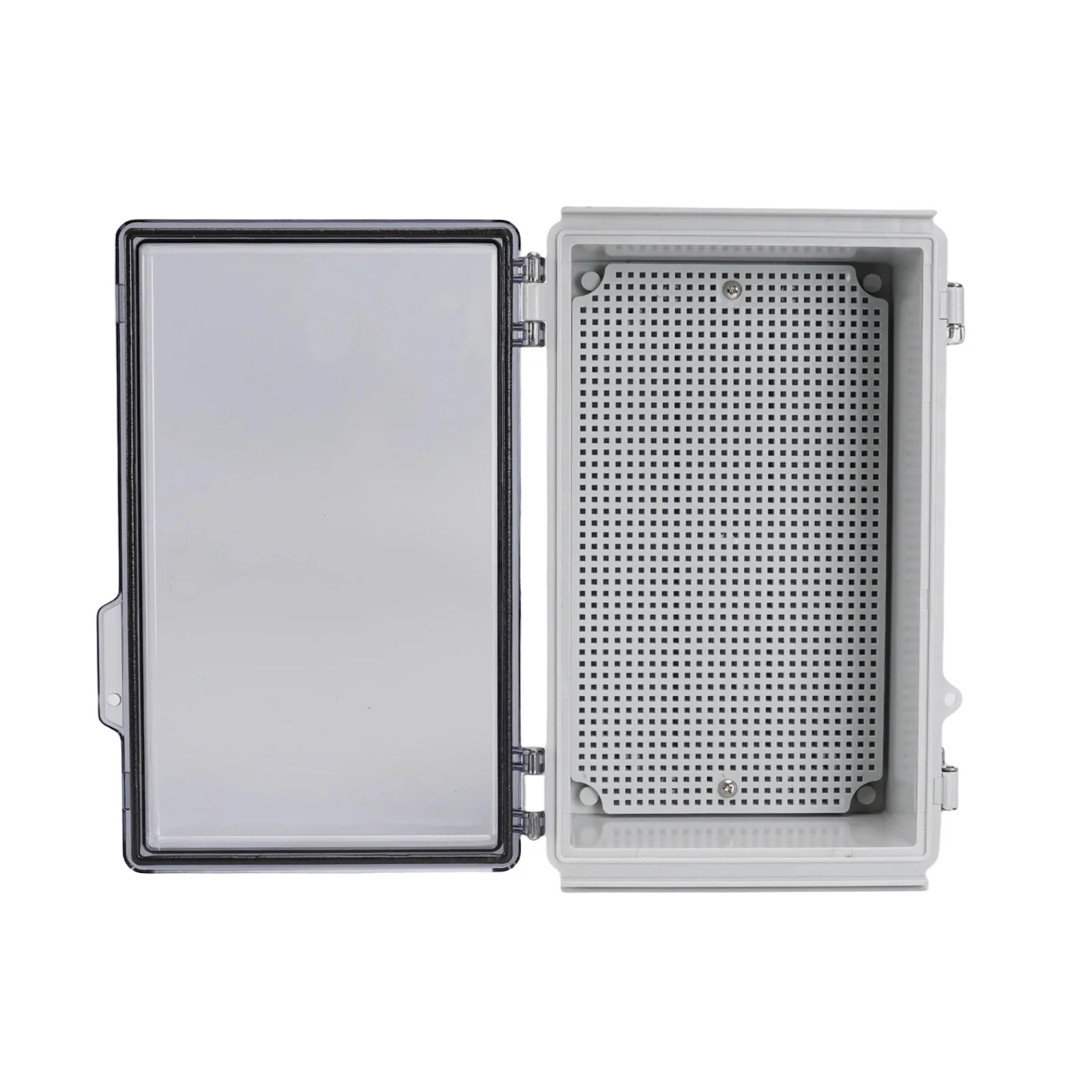
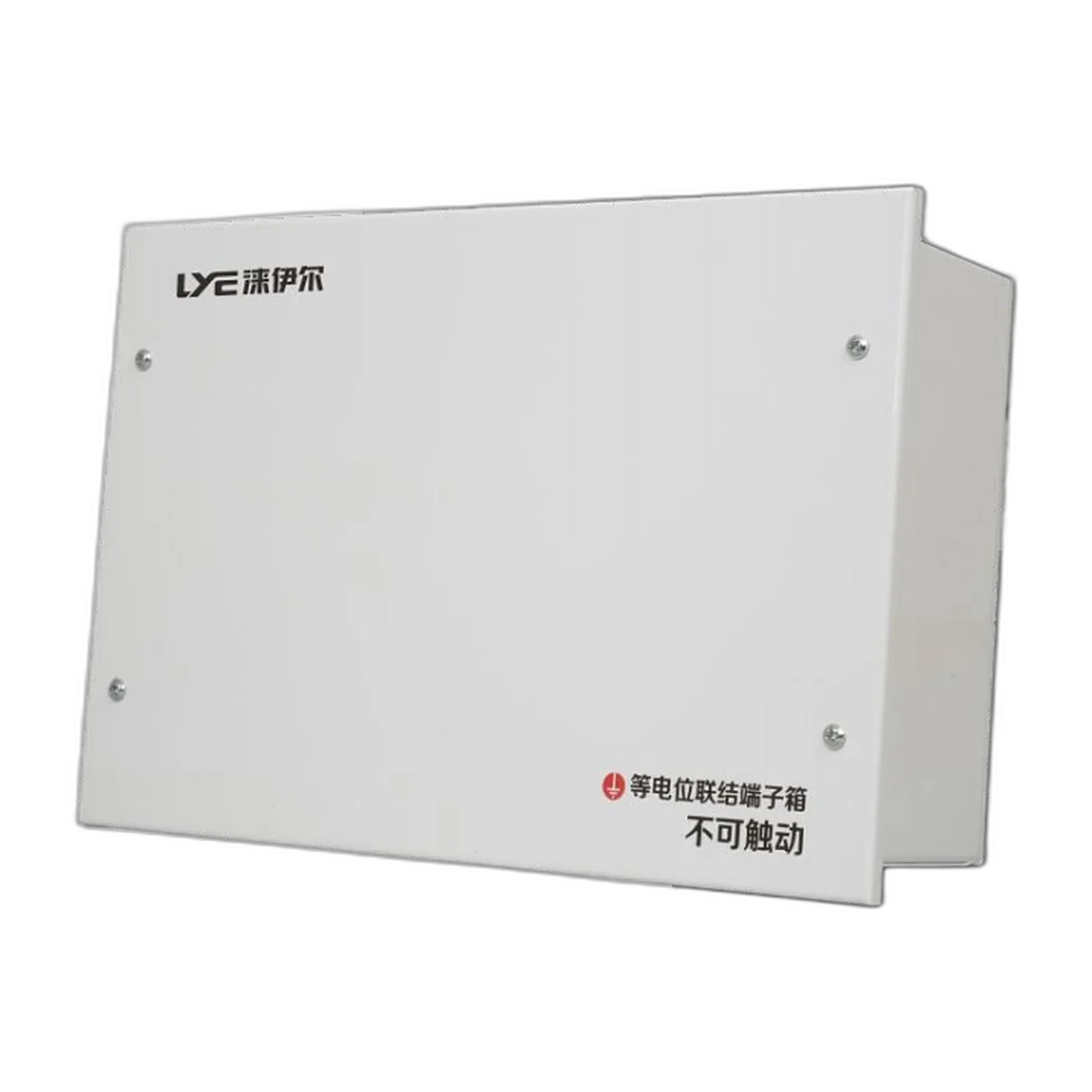
TD28 Equipotential Bonding Box
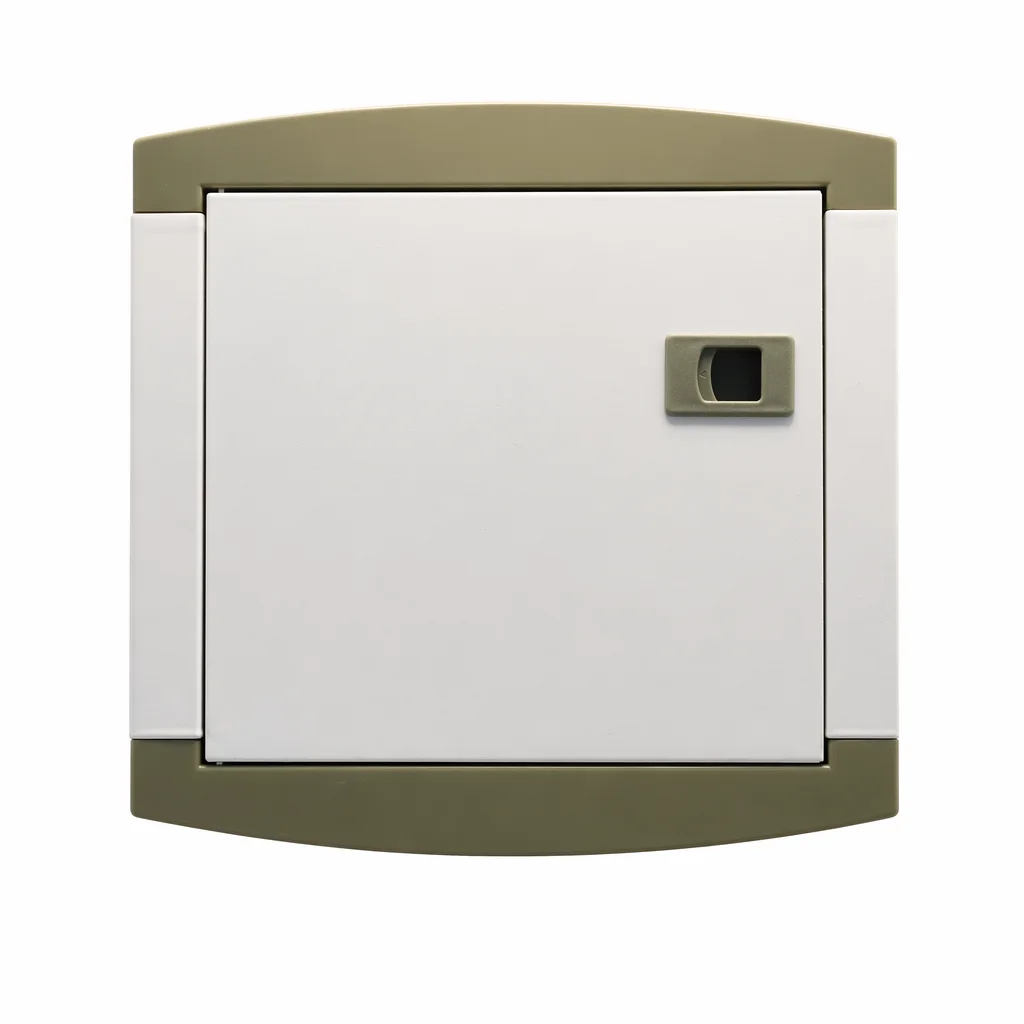
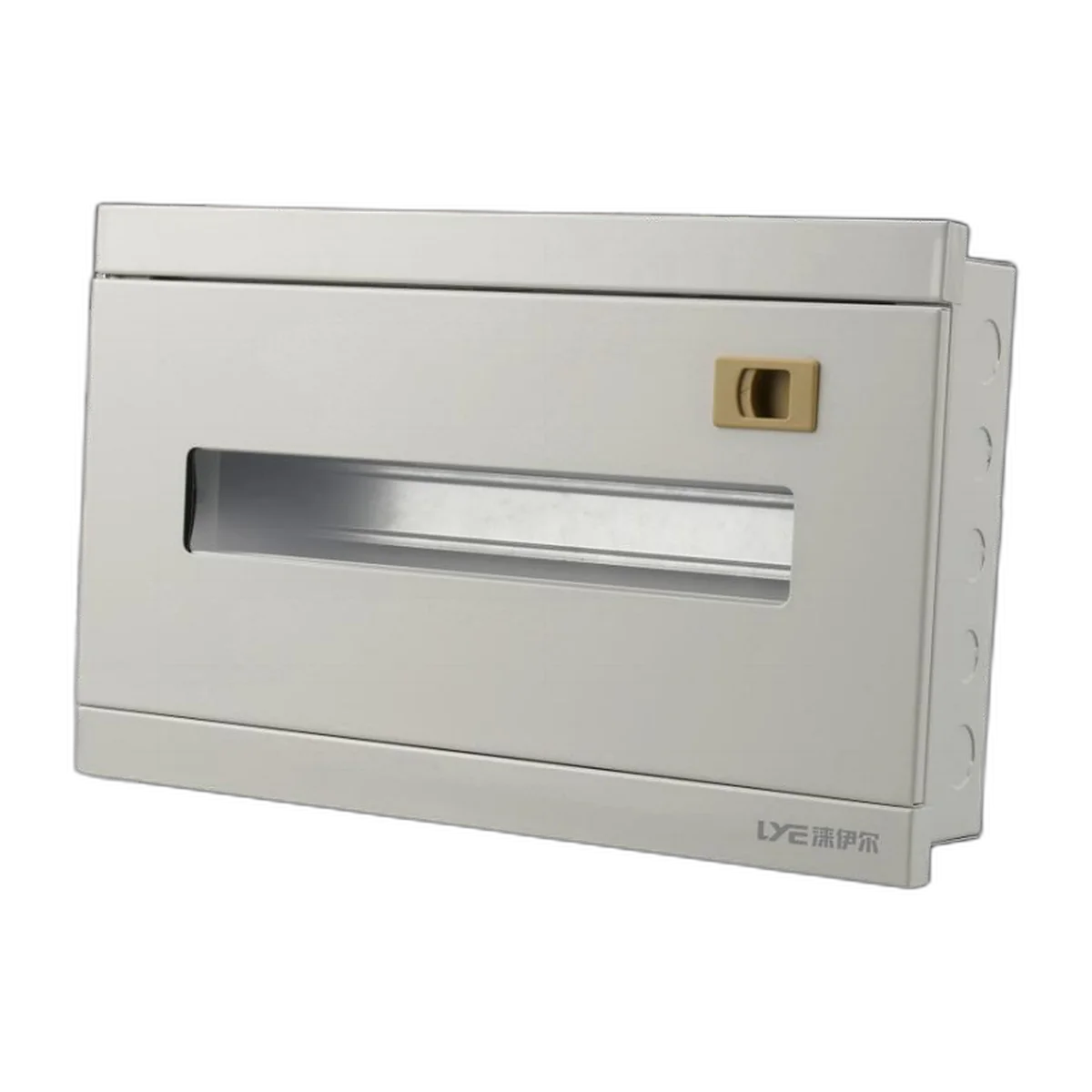
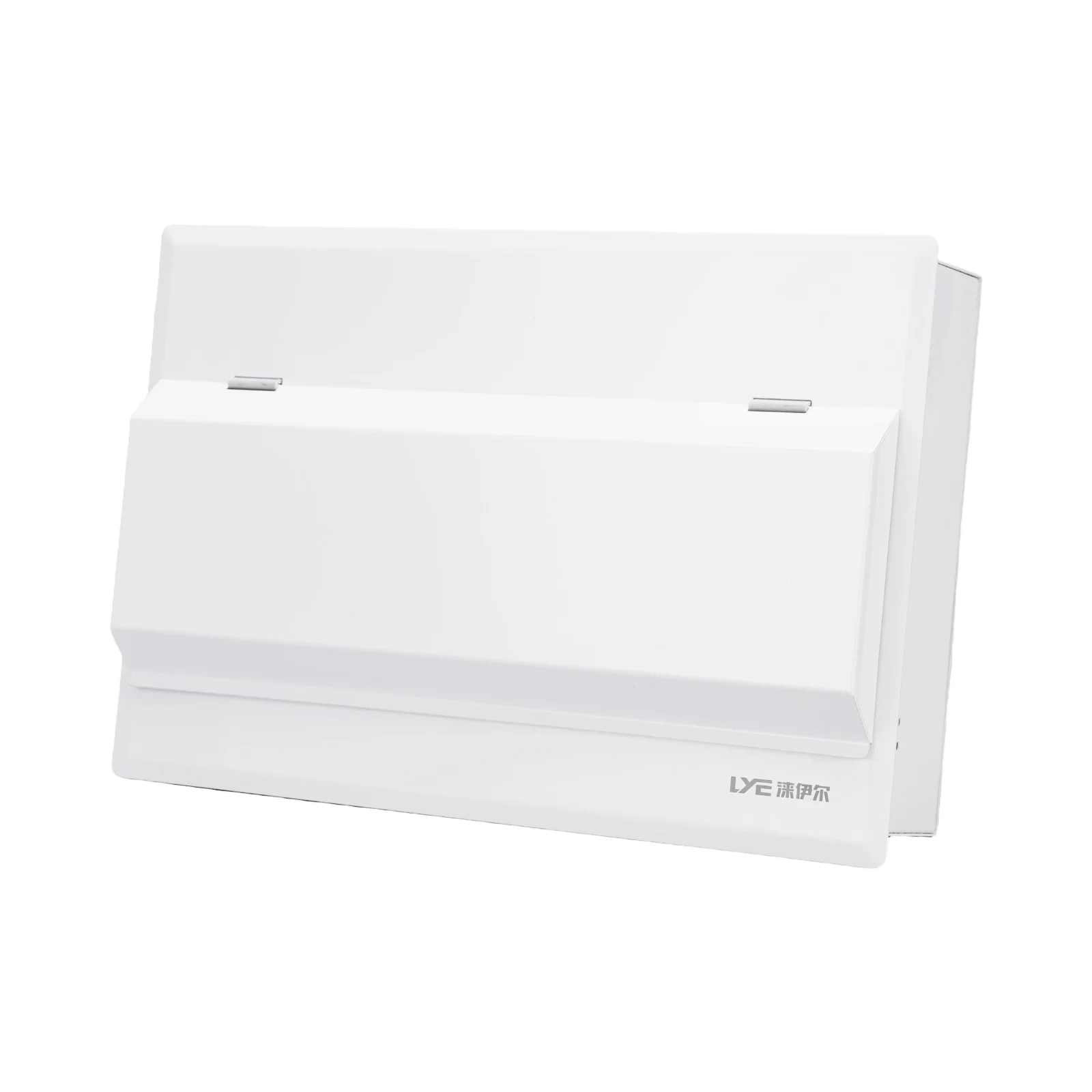
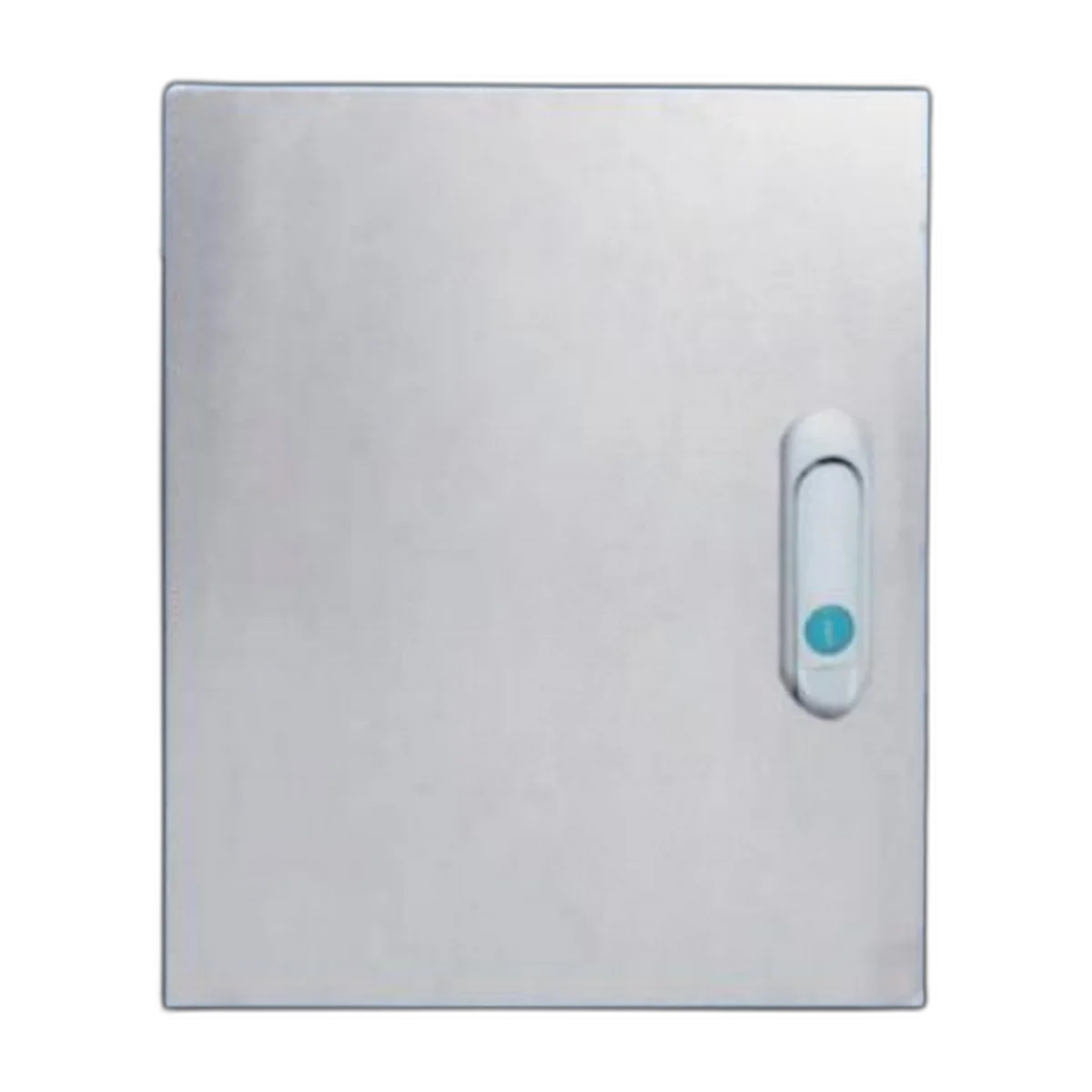
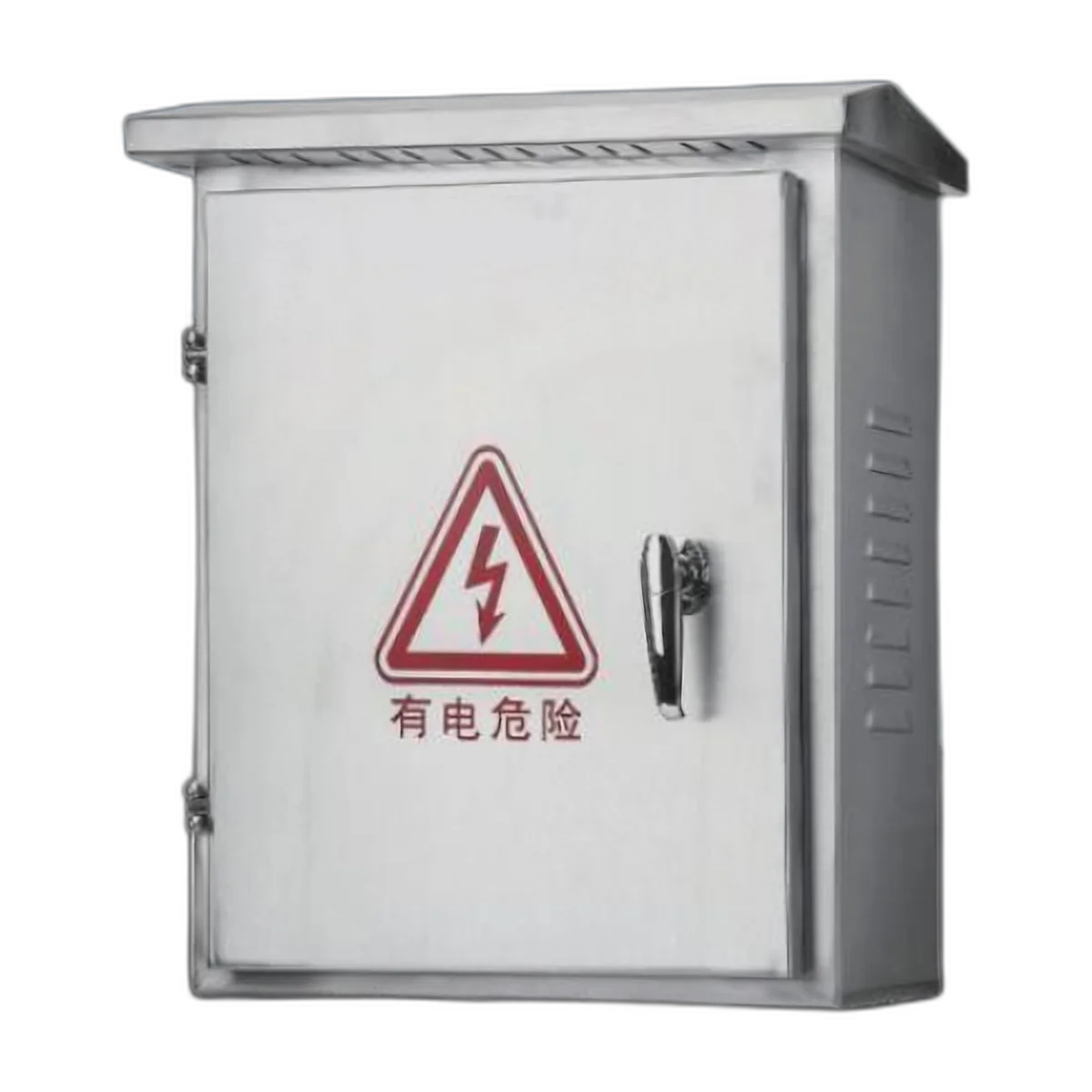
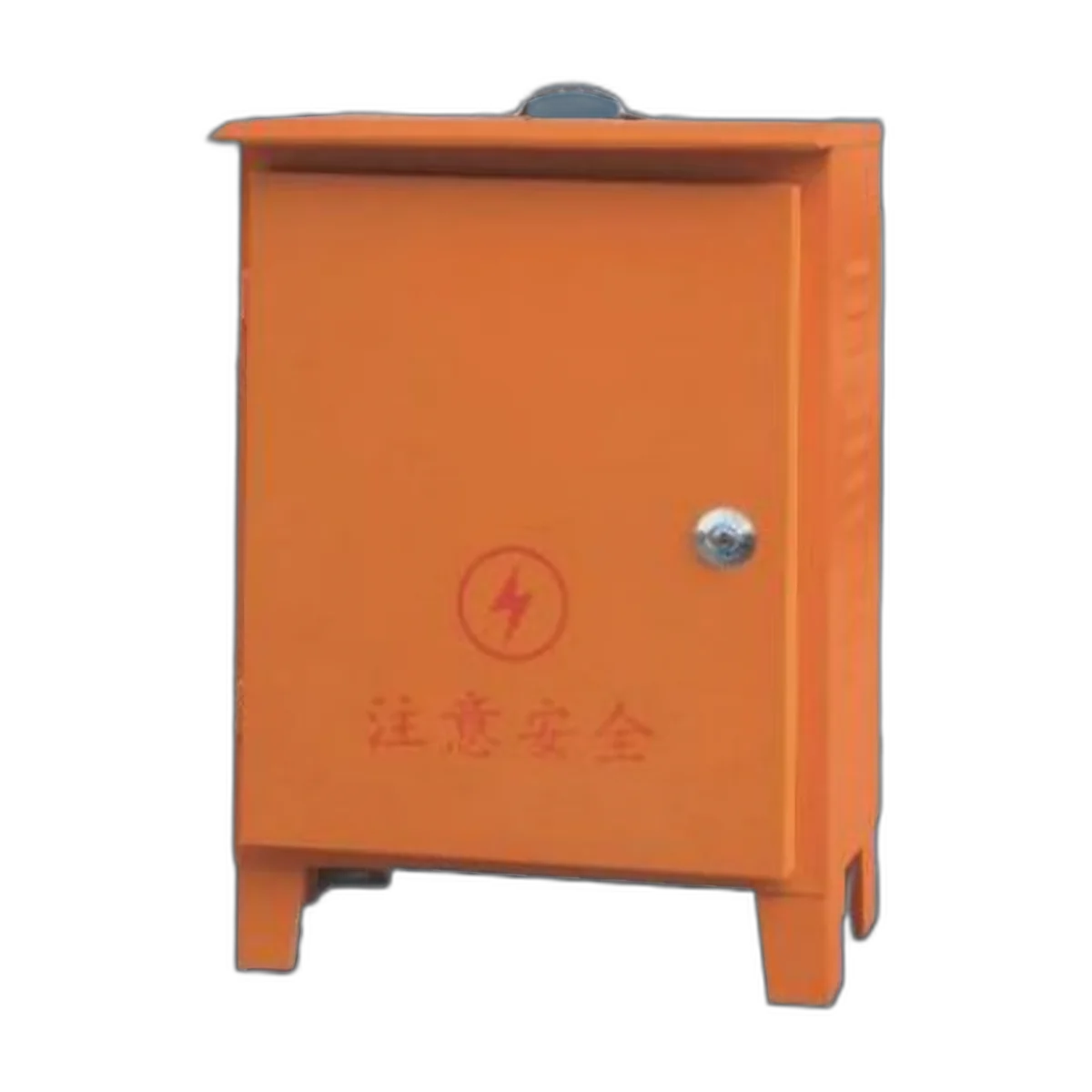
The TD28 equipotential bonding box is manufactured by LYE Technology from thick cold-rolled steel plate with a built-in brass current guide bar, spray-painted for rust and corrosion resistance. Recessed and surface versions in small and large sizes suit bathrooms, swimming pools and industrial equipotential systems.
- Function: Equipotential bonding of protective conductors
- Enclosure: Painted cold-rolled steel, thick plate material
- Conductor bar: Built-in brass current guide bar
- Small model: LYTD28-S: 180 x 95 x 51 mm recessed, 165 x 80 x 51 mm surface
- Large model: LYTD28-L: 320 x 220 x 101 mm recessed, 305 x 204 x 101 mm surface
Equipotential Bonding Box: Key Features & Typical Use
Bonding That Removes the Hazard at Source
Equipotential bonding works by holding every exposed conductive part at the same potential, so a person touching two metal items during a fault cannot become part of a circuit. The TD28 provides a defined, permanent point where those conductors are gathered and connected, which is what turns the theory into something an inspector can verify.Brass Guide Bar for Low Resistance
A built-in brass current guide bar is used rather than a coated steel terminal strip, because the bonding connection has to hold a genuinely low resistance and stay that way. Brass resists corrosion in damp rooms, which is exactly where bonding boxes are installed, and it accepts the conductor sizes used in bathroom and pool bonding.Thick Plate, Rigid Cabinet
The cabinet is fabricated from thick cold-rolled steel plate, giving a rigid enclosure that keeps its shape and protects the bonding connections from being disturbed. The spray-painting process adds rust and corrosion resistance, which matters in the humid conditions found in bathrooms, pool plant rooms and wash-down industrial areas.S and L Sizes, Recessed or Surface
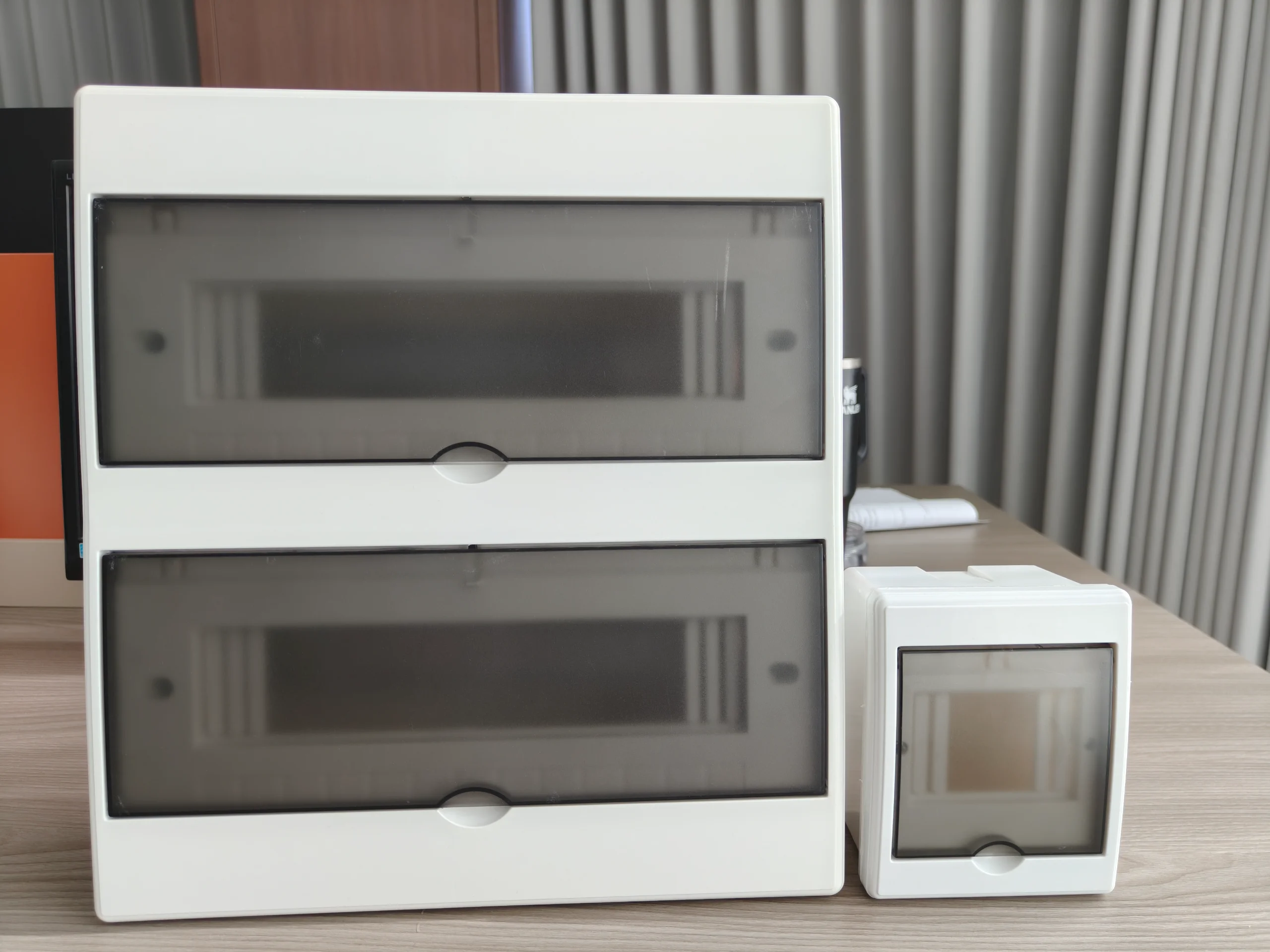
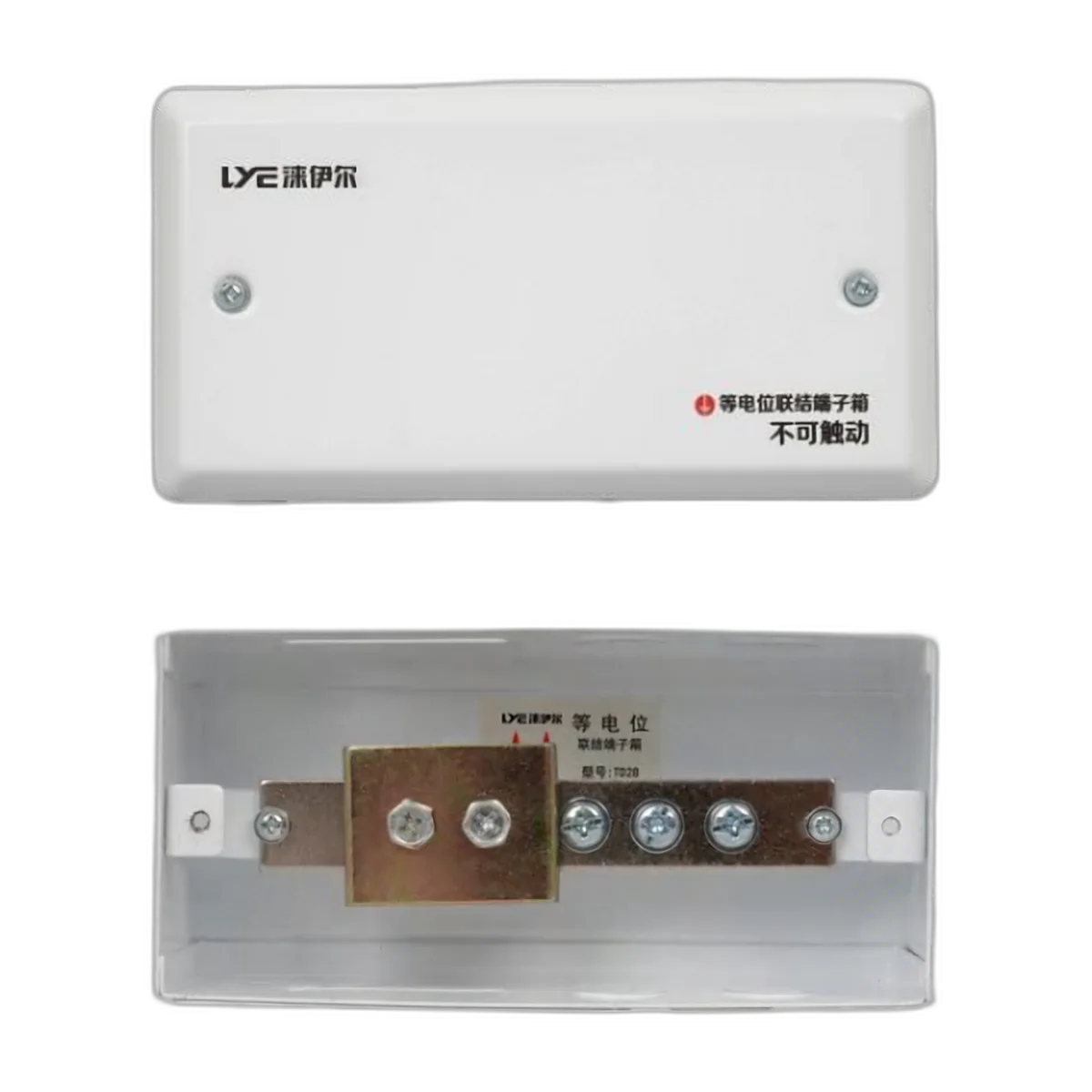
Two sizes are offered in both recessed and surface-mounted versions. The small unit measures 180 x 95 x 51 mm recessed and 165 x 80 x 51 mm surface, and the large unit 320 x 220 x 101 mm recessed and 305 x 204 x 101 mm surface. That covers a single bathroom and a large pool or plant room installation from one product family.Equipotential Bonding Box Specifications & Technical Data
| Parameter | Details |
|---|---|
| Series | TD28 metal enclosure equipotential bonding box |
| Function | Equipotential bonding of protective conductors |
| Enclosure material | Painted cold-rolled steel, thick plate material |
| Internal conductor | Built-in brass current guide bar |
| Surface treatment | Spray-painted for rust and corrosion resistance |
| Small model | LYTD28-S |
| Small size, recessed | 180 x 95 x 51 mm |
| Small size, surface | 165 x 80 x 51 mm |
| Small bottom box | 160 x 75 x 50 mm |
| Large model | LYTD28-L |
| Large size, recessed | 320 x 220 x 101 mm |
| Large size, surface | 305 x 204 x 101 mm |
| Large bottom box | 300 x 200 x 100 mm |
| Mounting versions | Recessed and surface mounted |
| Application | Bathrooms, swimming pools and industrial equipotential installations |
TD28 — Equipotential Bonding Box with a Brass Guide Bar
Equipotential bonding is one of the few electrical measures that protects people by removing a hazard rather than by interrupting a fault. The TD28 provides the dedicated point where protective conductors are gathered and connected, with a built-in brass current guide bar that holds the low resistance the installation depends on.This equipment is also described as an earthing terminal box, a bonding bar enclosure or a main earth bar box, and it is compared with simple earthing terminals and with larger equipotential bars. Bonding works by holding every exposed conductive part at the same potential, so the questions worth asking a manufacturer are the conductor material, the bar length available and whether the enclosure is rigid enough to protect the connections after commissioning.The cabinet is made from thick cold-rolled steel plate and spray-painted for rust and corrosion resistance, which suits the humid rooms where bonding is required: bathrooms, swimming pools and pool plant rooms, and industrial areas subject to wash-down. A rigid thick-plate body also protects the bonding connections from being disturbed after commissioning.Two sizes are available in recessed and surface-mounted versions: the small unit at 180 x 95 x 51 mm recessed or 165 x 80 x 51 mm surface, and the large unit at 320 x 220 x 101 mm recessed or 305 x 204 x 101 mm surface. That covers a single bathroom through to a large pool or industrial equipotential system from one product family.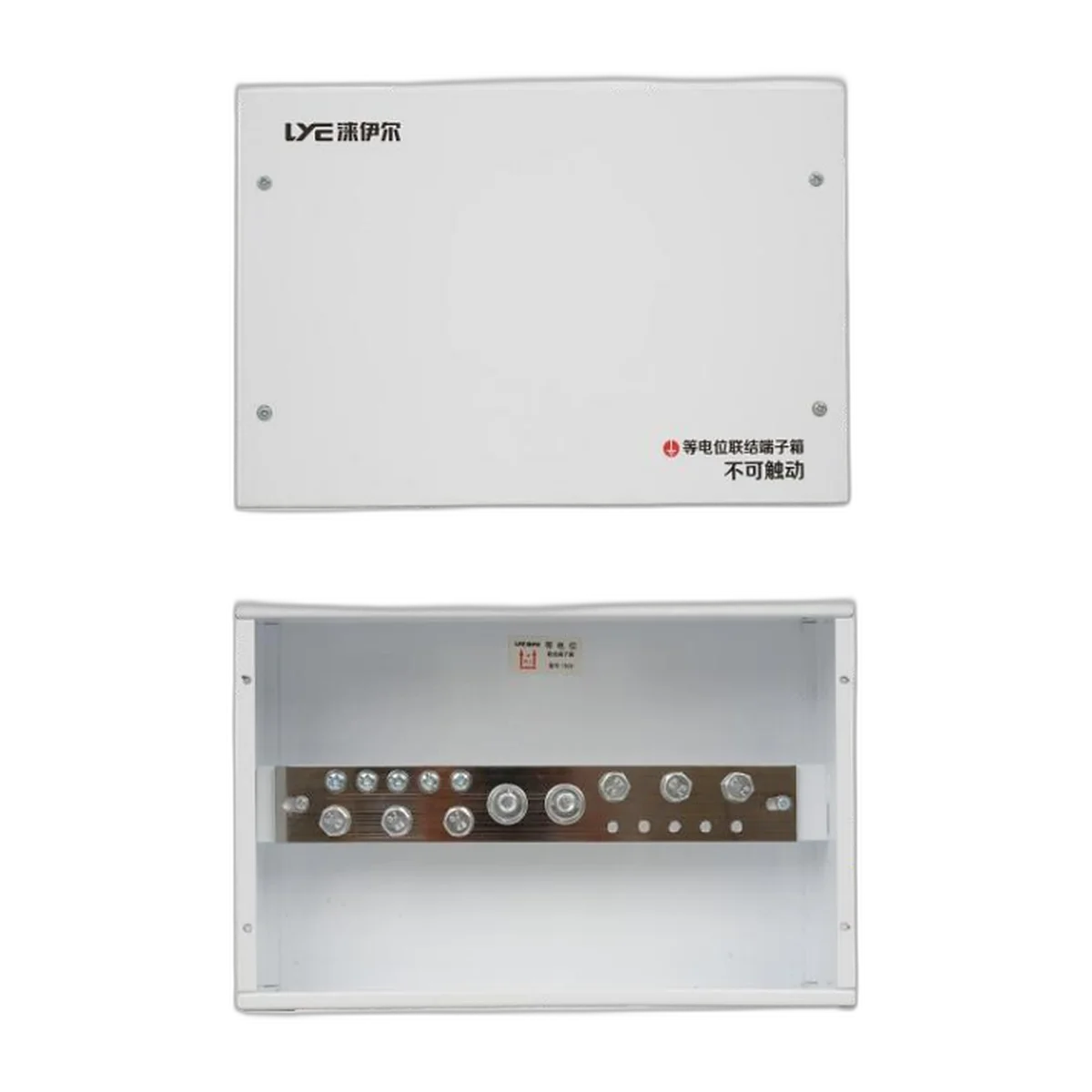
Factory-Direct Equipotential Bonding Box Manufacturer & OEM / ODM
We Manufacture, You Brand
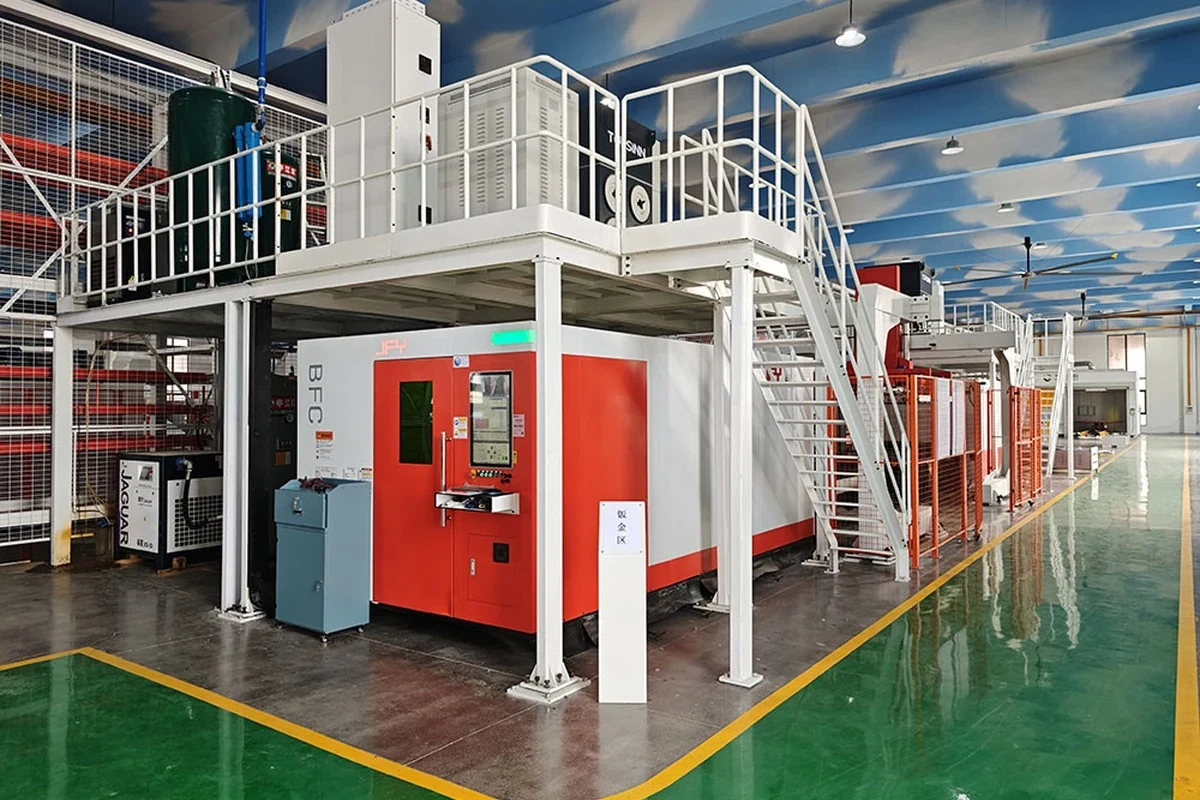
LYE Technology (Zhejiang) Co., Ltd. is a national high-tech enterprise and manufacturer in Wenzhou, China: sheet-metal fabrication, welding, powder coating, busbar machining and final assembly run on our own factory lines, and every unit is function-tested before it leaves the works. A TD28 Equipotential Bonding Box that reaches your site carries the routine test behind it, not just the rating on the nameplate.We are one of the Top 10 Brands of China's small power distribution boxes and a drafter of national standards in this category, and we hold ISO9001, ISO14001, ISO45001, CCC, CE and TUV certification. Because we are the manufacturer rather than a trading company, our sales engineers quote from your drawing in factory-direct terms, and OEM or ODM work is produced on the same lines as our standard products.For the TD28 we fabricate and paint the steel cabinet and fit the brass guide bar in our own works, so the bar length and terminal positions can be matched to your bonding layout.- OEM branding — custom colours, laser marking and your own project or retail packaging, applied at the factory.
- ODM options — ratings, configurations and internal layouts built around your drawings or single-line diagram.
- Certification — ISO9001, ISO14001, ISO45001, CCC, CE and TUV, with test documents supplied per project.
- MOQ — flexible quantities for a project or a trial order, with mixed types welcome in one shipment.
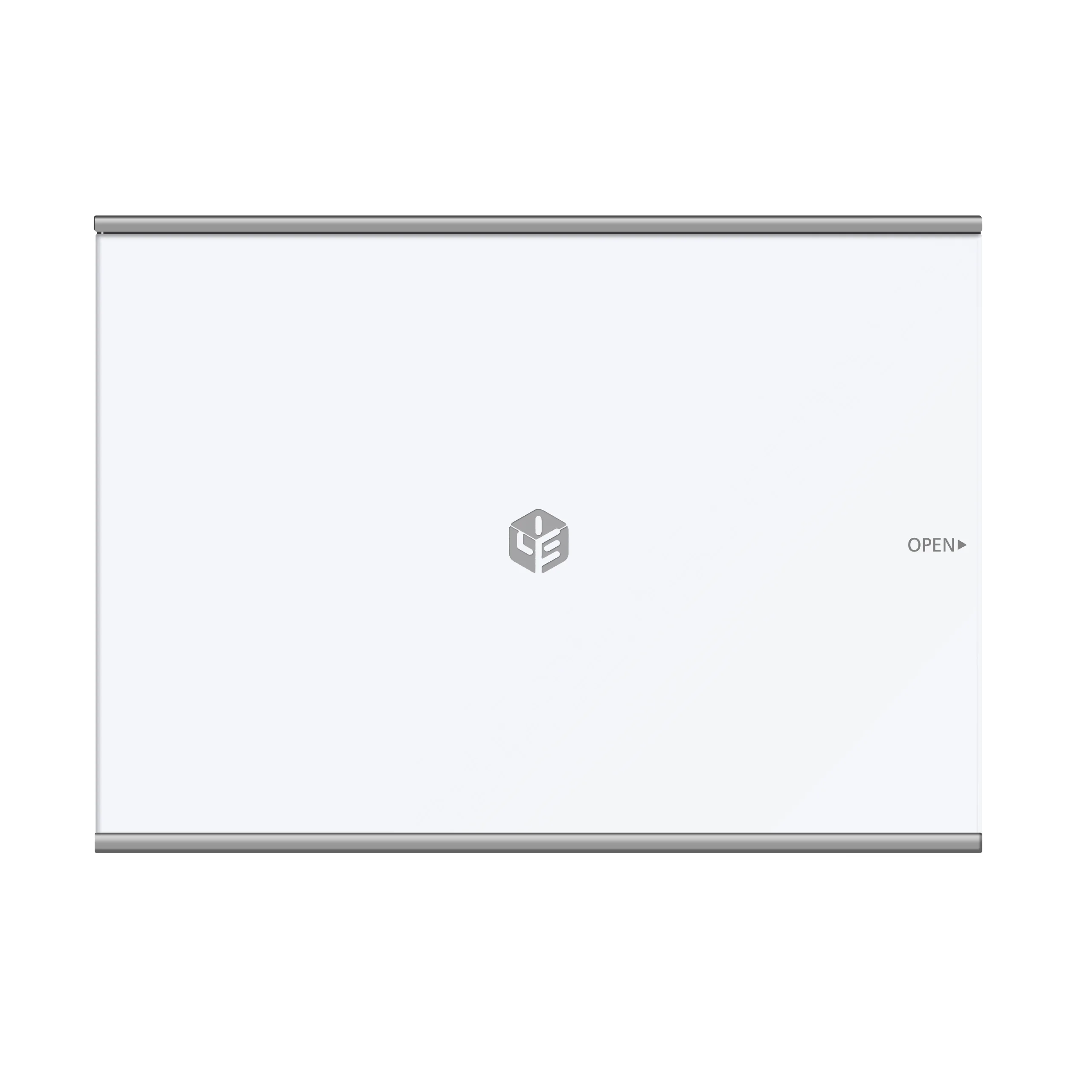
TD28 brass current guide bar inside the steel cabinet
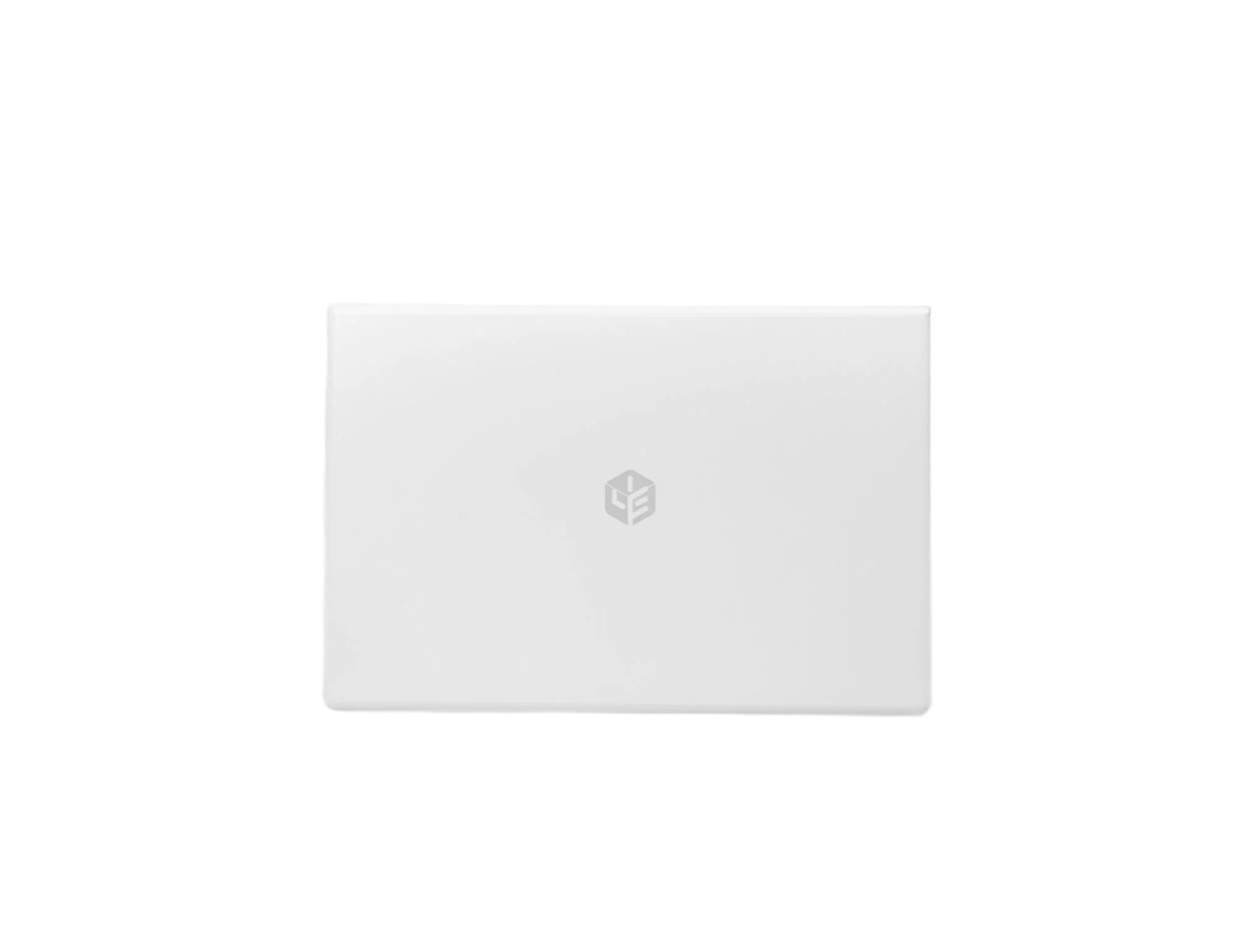
Large LYTD28-L surface-mounted bonding box
Equipotential Bonding Box Buying Guide from the Manufacturer
Bonding boxes are ordered against the size of the installation and the mounting construction. These are the points we confirm.
- Confirm the number of bonding conductors and whether the small S or large L size is required.
- Confirm whether the box is recessed or surface mounted at each position.
- Confirm the conductor sizes so the guide bar terminations can be checked against them.
- Confirm the location, since wet rooms and wash-down areas affect the finish requirement.
- Send the bonding layout, room construction detail and inspection requirements.
- Approve the drawing, then production and dispatch.
Manufacturer & Sales Support for Wholesale Buyers

OEM / ODM
Learn more →Factory colours · Logo marking · Custom layout
Wholesale
Learn more →Factory pricing · Flexible MOQ · Global shipping
Distributor Support
Learn more →Account manager · Drawing support · Priority lead times
Specifying Equipotential Bonding for a Project?
OEM/ODM, wholesale pricing and distributor support straight from the manufacturer — one enquiry gets you a factory-direct quotation for the TD28 Equipotential Bonding Box, sized to your bonding layout, conductor sizes and whether each box will be recessed or surface mounted, with type-test documentation under the applicable national requirements for equipotential bonding installations. Our sales team replies with a specification and an indicative price, so send your drawings and quantity.Contact Our Sales TeamEquipotential Bonding Box — Frequently Asked Questions
What is an equipotential bonding box?
It is the enclosure where protective conductors from different metal parts of an installation are gathered and connected together, so all exposed conductive parts are held at the same potential during a fault. The TD28 uses a thick cold-rolled steel cabinet with a built-in brass current guide bar, in small and large sizes in both recessed and surface-mounted versions.Why is equipotential bonding important?
Because it removes the shock hazard at its source. If every exposed conductive part sits at the same potential, a person touching two metal items during a fault cannot become part of a circuit, so no current flows through them. Bonding is required in bathrooms, swimming pools, medical locations and industrial installations precisely because those places put people in contact with several earthed metal parts at once.What is the difference between earthing and equipotential bonding?
Earthing connects the installation to the general mass of earth so fault current can return and protection devices operate. Equipotential bonding connects conductive parts to each other so that no dangerous potential difference can develop between them, whether or not either is separately earthed. The two work together, and a bonding box is where the bonding conductors are gathered.Who manufactures equipotential bonding boxes?
Suppliers include switchgear and earthing equipment manufacturers, and the differences are in the conductor material and the mechanical rigidity of the enclosure. Ask whether the guide bar is brass rather than plated steel, whether the cabinet is thick enough to protect the connections after commissioning, and whether the bar length can be matched to your bonding layout. LYE manufactures the TD28 in Wenzhou and holds ISO9001, ISO14001, ISO45001, CCC, CE and TUV certification.How much does an equipotential bonding box cost?
Indicative factory-direct pricing is roughly US$8 to US$120 per unit, depending on the size, the conductor bar arrangement, the mounting version and the quantity ordered. Because bonding boxes are specified per room or per installation rather than per project, customers normally order a mix of sizes, and the cabinet is a small part of the overall earthing and bonding cost.
Download PDF
Electrical Cabinet Product Catalog
Mini Distribution Box Product Catalog
Distribution Box Product Manual
Fiber Optic Box Product Manual
Fan Module Manual
Use a distribution box for final circuits and compact branch protection; use a cabinet when the project needs larger incoming capacity, more feeder groups, metering, busbars or greater internal separation. The final choice should be checked against the single-line diagram, device list, available installation space and local project rules.
Provide the device schedule, circuit quantity, component dimensions, cable-entry direction, mounting method and required spare capacity. LYE also reviews door clearance, bending radius, heat-producing devices and the usable depth behind the mounting plate before confirming an enclosure size.
Start with the actual exposure to dust, rain, cleaning water and accidental contact rather than choosing the highest number by default. Cable entries, ventilation, door seals and installation workmanship affect the finished assembly, so the target rating and verification basis must be confirmed for the specific product and project.
Coated or galvanized steel is commonly considered for general indoor service, stainless steel for humid or corrosive locations, and engineering plastic for lightweight non-metallic applications. Material grade, thickness, UV exposure, chemical contact and earthing requirements must be confirmed against the installation environment.
Share the component heat load, ambient temperature, solar exposure, duty cycle and allowable internal temperature. LYE can then review enclosure volume, spacing, ventilation or fan provisions, sun shields, heaters or drainage details; the final thermal design remains tied to the installed equipment and site conditions.
Yes. A dimensioned drawing is preferred, but a physical sample and clear reference photographs can also start the review. Material, thickness, openings, hardware, finish, labels, inspection points and packing are recorded before sampling or repeat production.
PDF and common 2D CAD drawings are suitable for most enclosure enquiries, while 3D files can help with complex assemblies. Include a revision number, units, tolerances and component references; file compatibility and any missing production information will be confirmed during review.
A sample or first article can be arranged for a new or customized product. The approval plan should identify dimensions, openings, fit, appearance, hardware, labels and packaging, together with the sample cost and timing agreed for the actual order.
Available documents may include approved drawings, packing lists, dimensional or appearance inspection records, product data and certificates applicable to the confirmed model. Destination-specific declarations or third-party testing must be requested before order placement so availability and scope can be verified.
Lead time is confirmed after the product scope, quantity, sample requirement and finish are known. Packing is reviewed against product weight, surface protection, destination and shipping method; if an issue is found after delivery, send the order reference, label, photographs and quantity affected so it can be traced and reviewed.
Related Products
Send Inquiry
FROM PRODUCT TO PROJECT
Review the installation context before quotation
Use the related solutions to check typical installation inputs, then send drawings, dimensions and quantities for a manufacturability review.
Relevant Solutions
All Solutions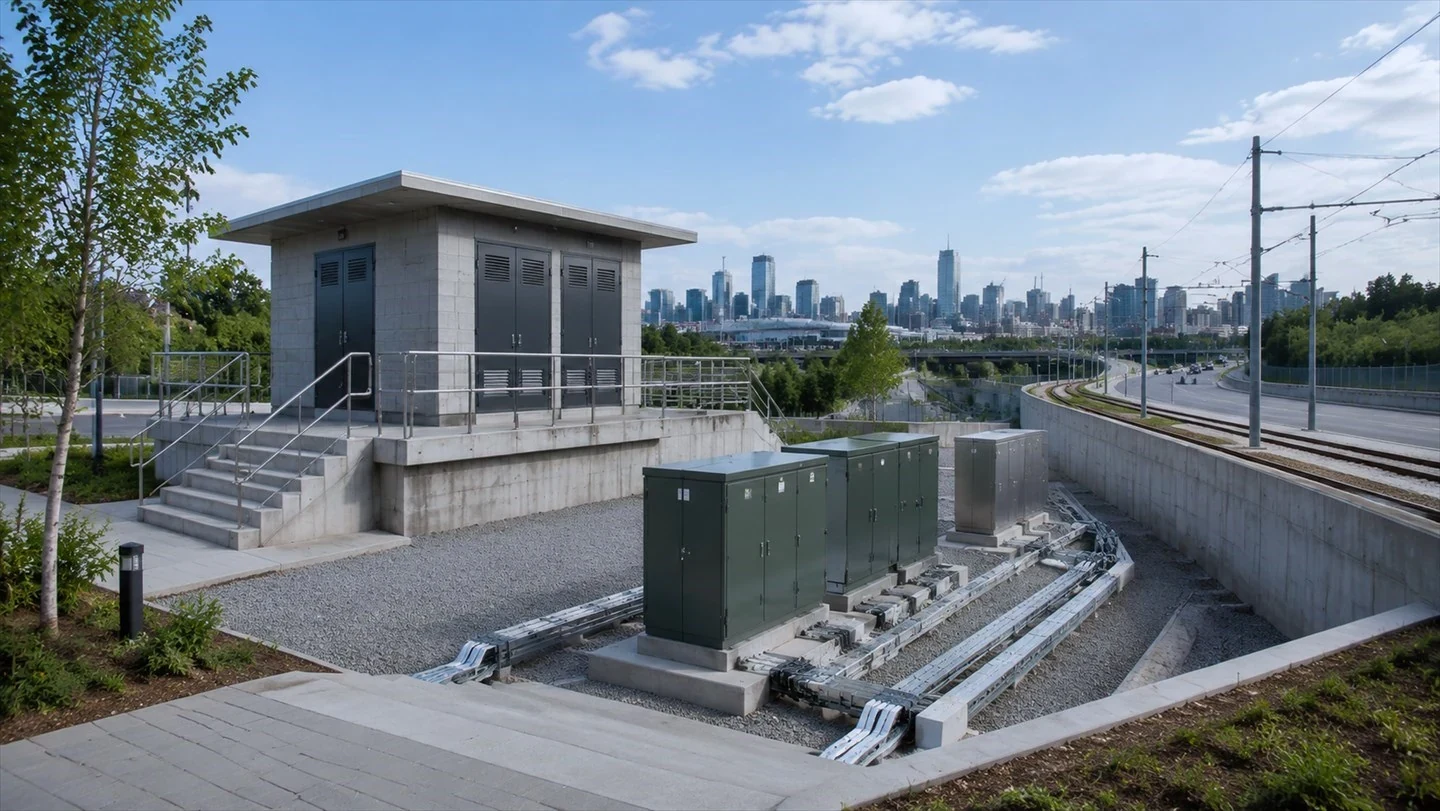
ENGINEERED SOLUTION
Infrastructure Project Enclosure Solution
Customized electrical enclosures for municipal utilities, transport facilities, public engineering and outdoor service points, reviewed around site exposure, access and delivery documentation.
View Solution 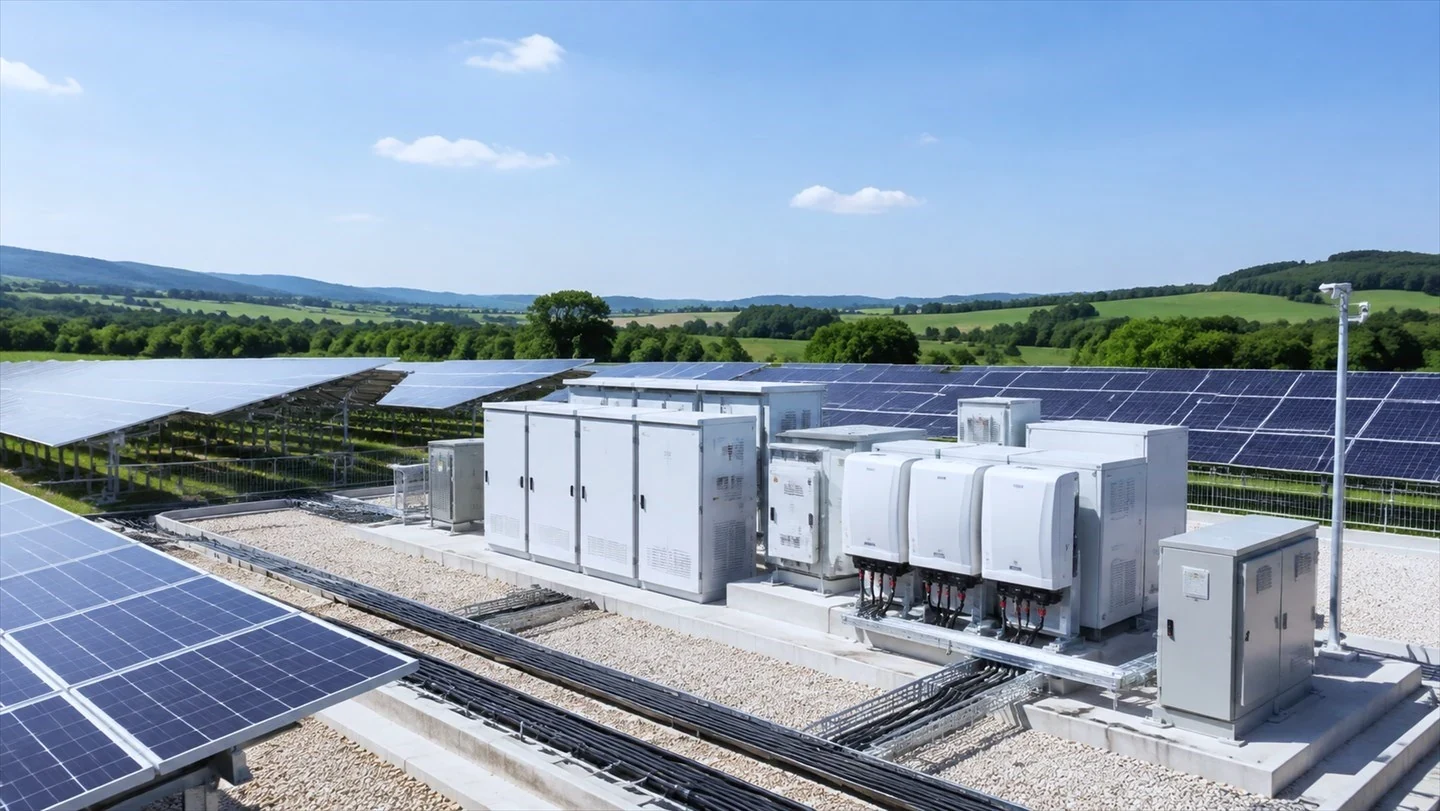
ENGINEERED SOLUTION
Renewable Energy Distribution Solution
PV grid-connection cabinets and outdoor distribution enclosures coordinated around protection, isolation, metering, cable interfaces and the actual installation environment.
View Solution