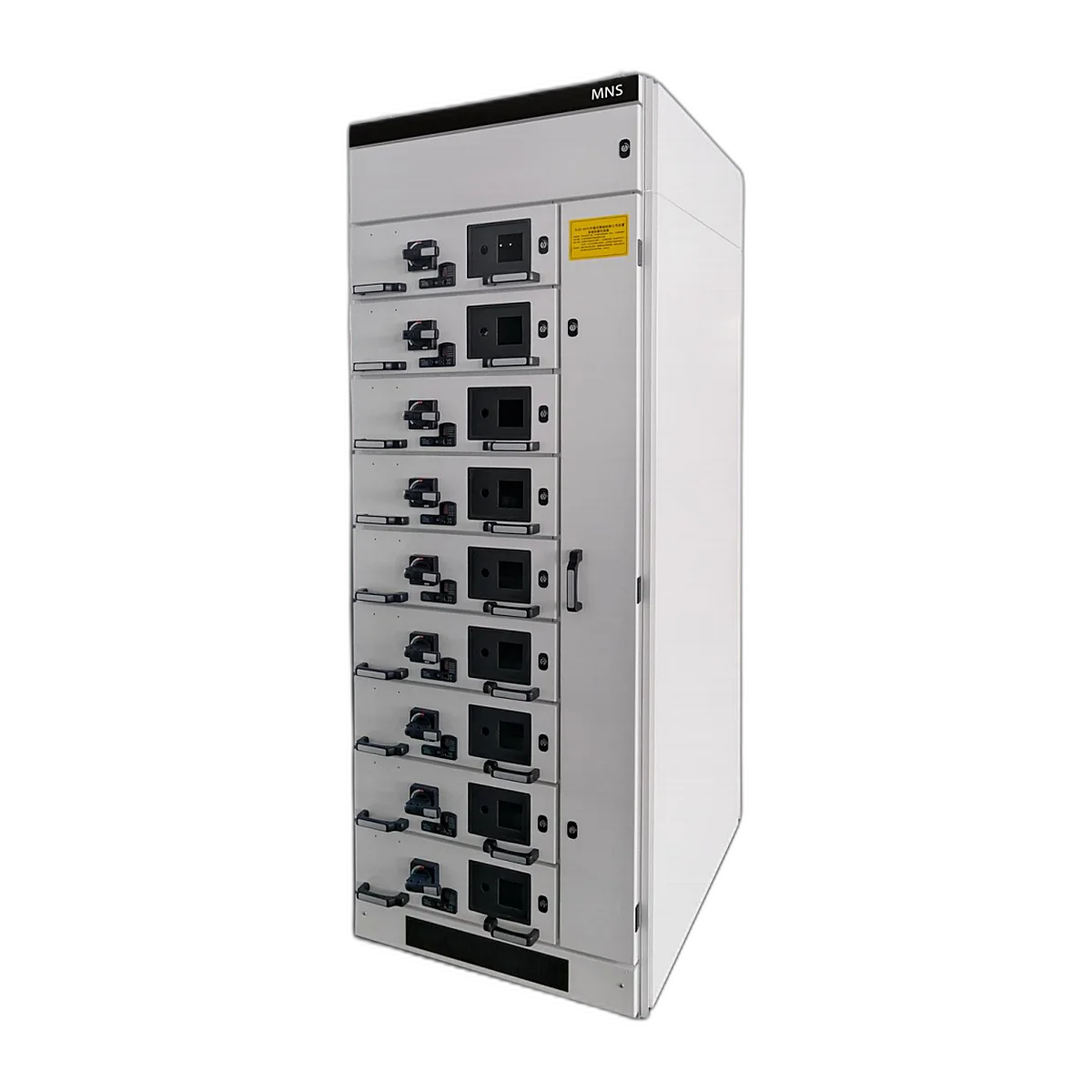
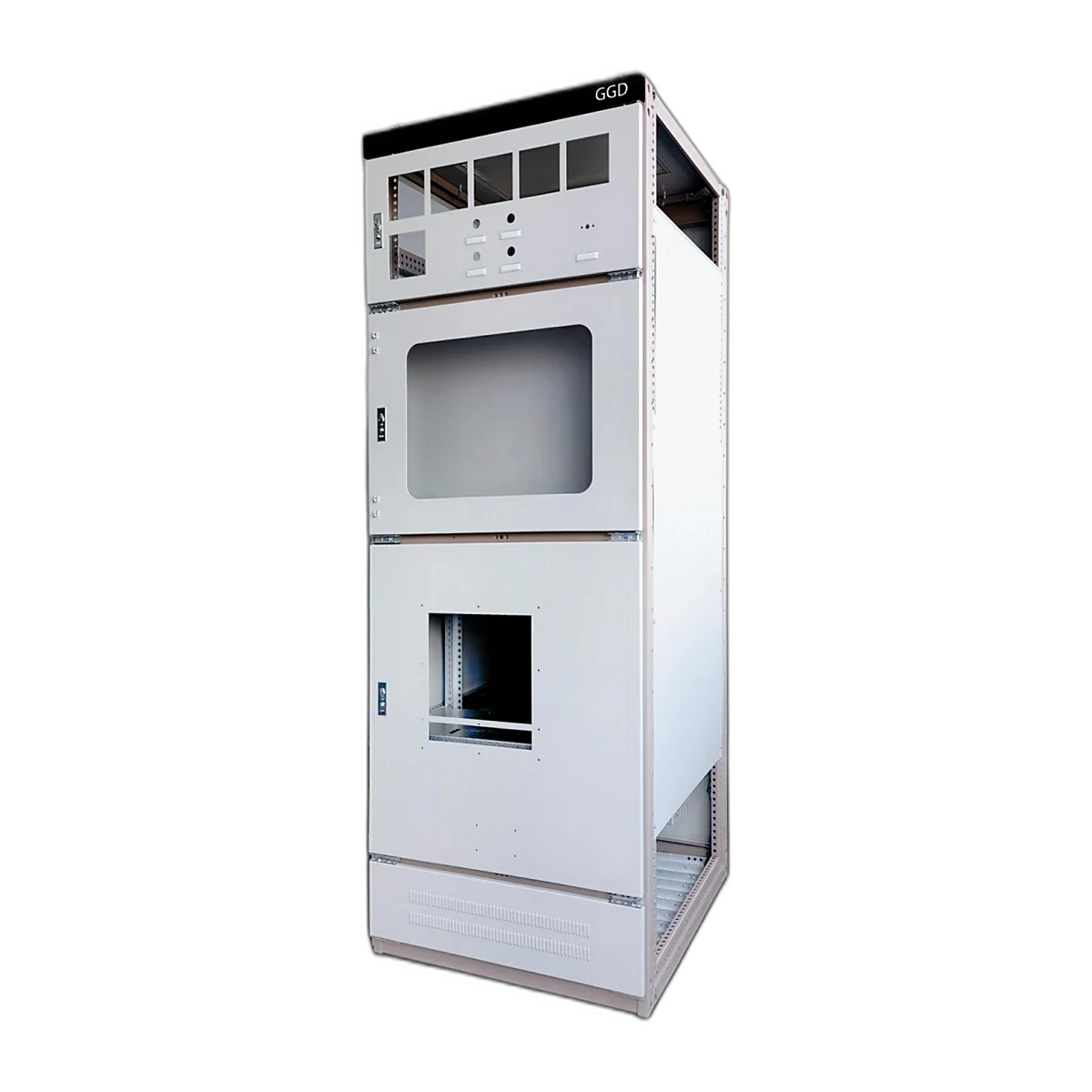
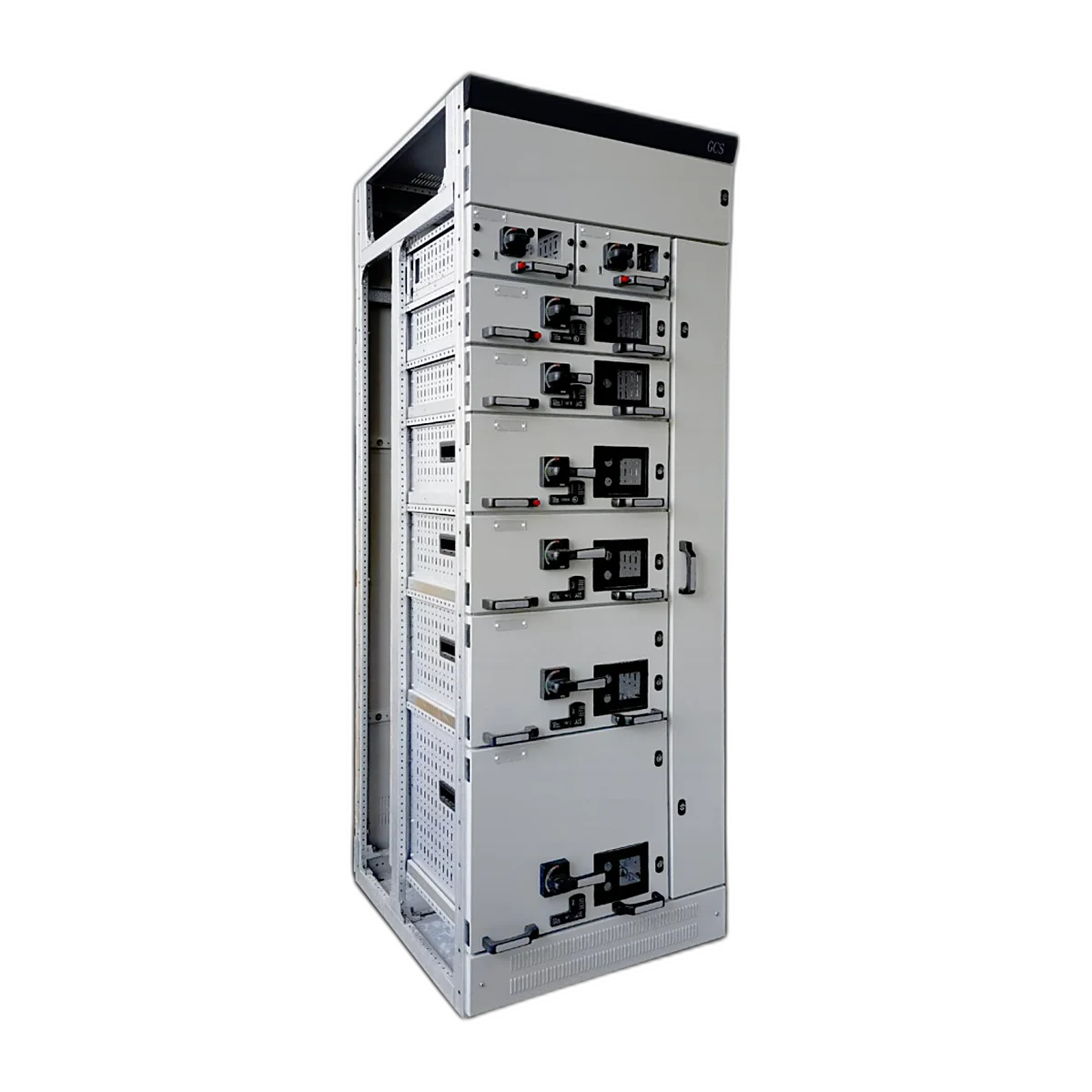
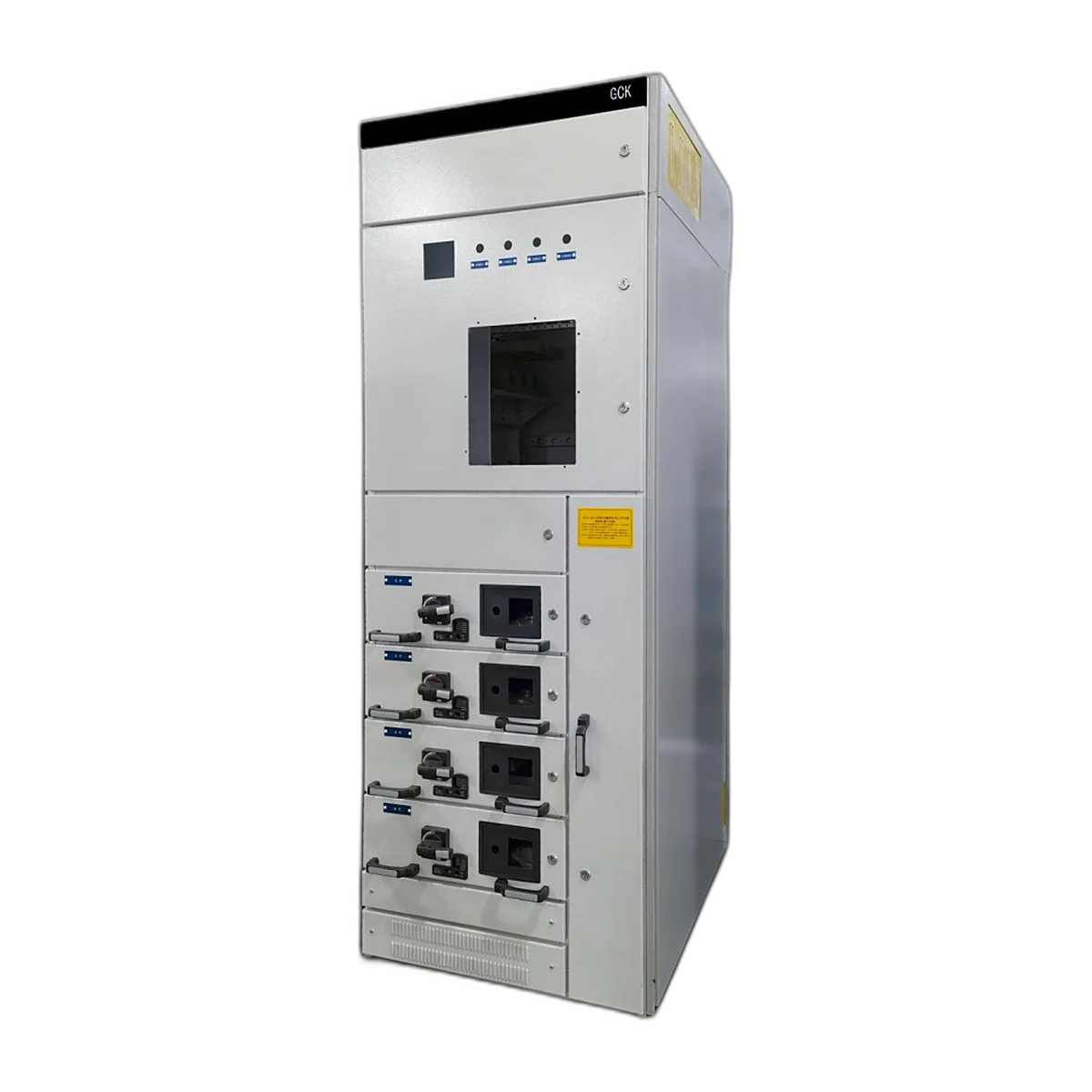
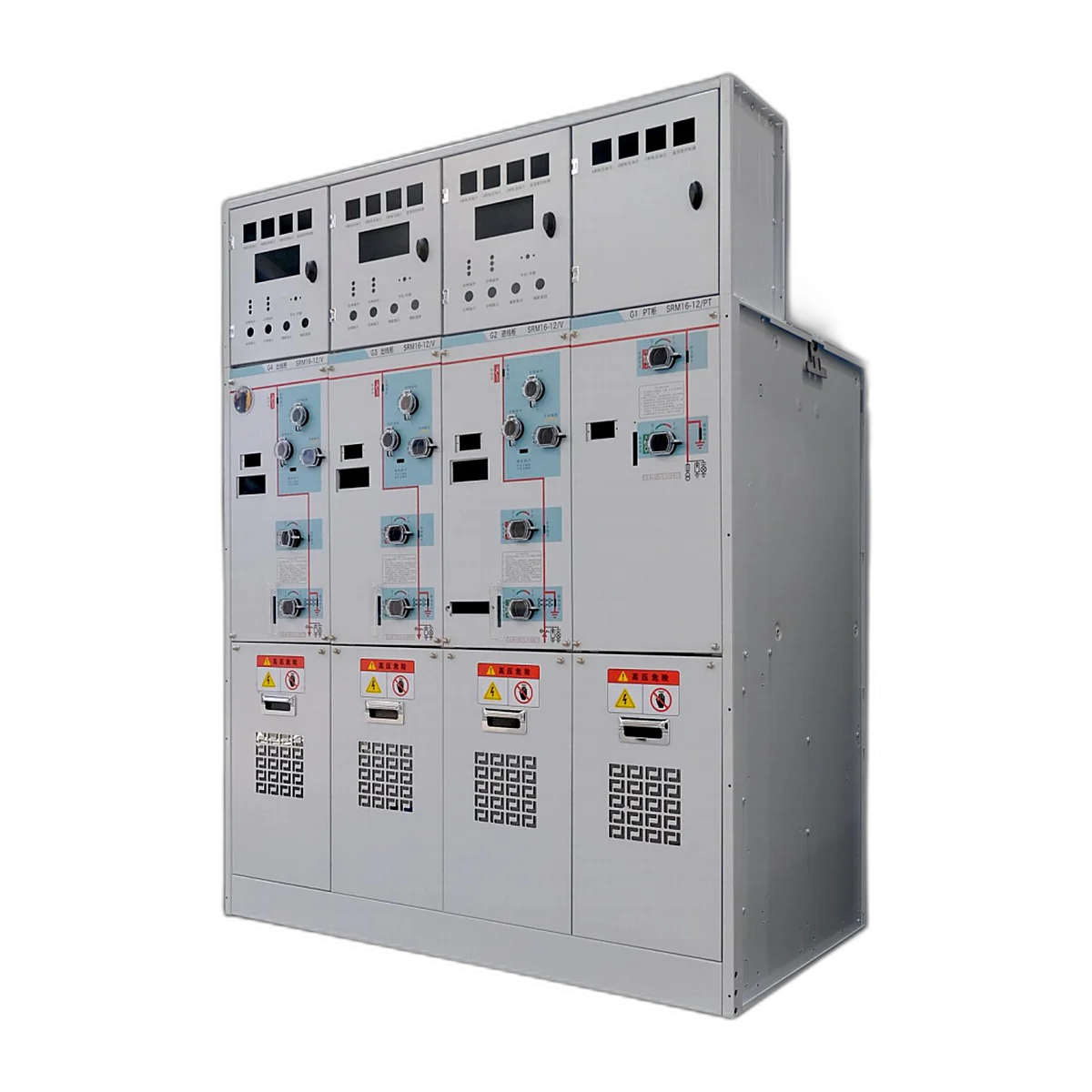
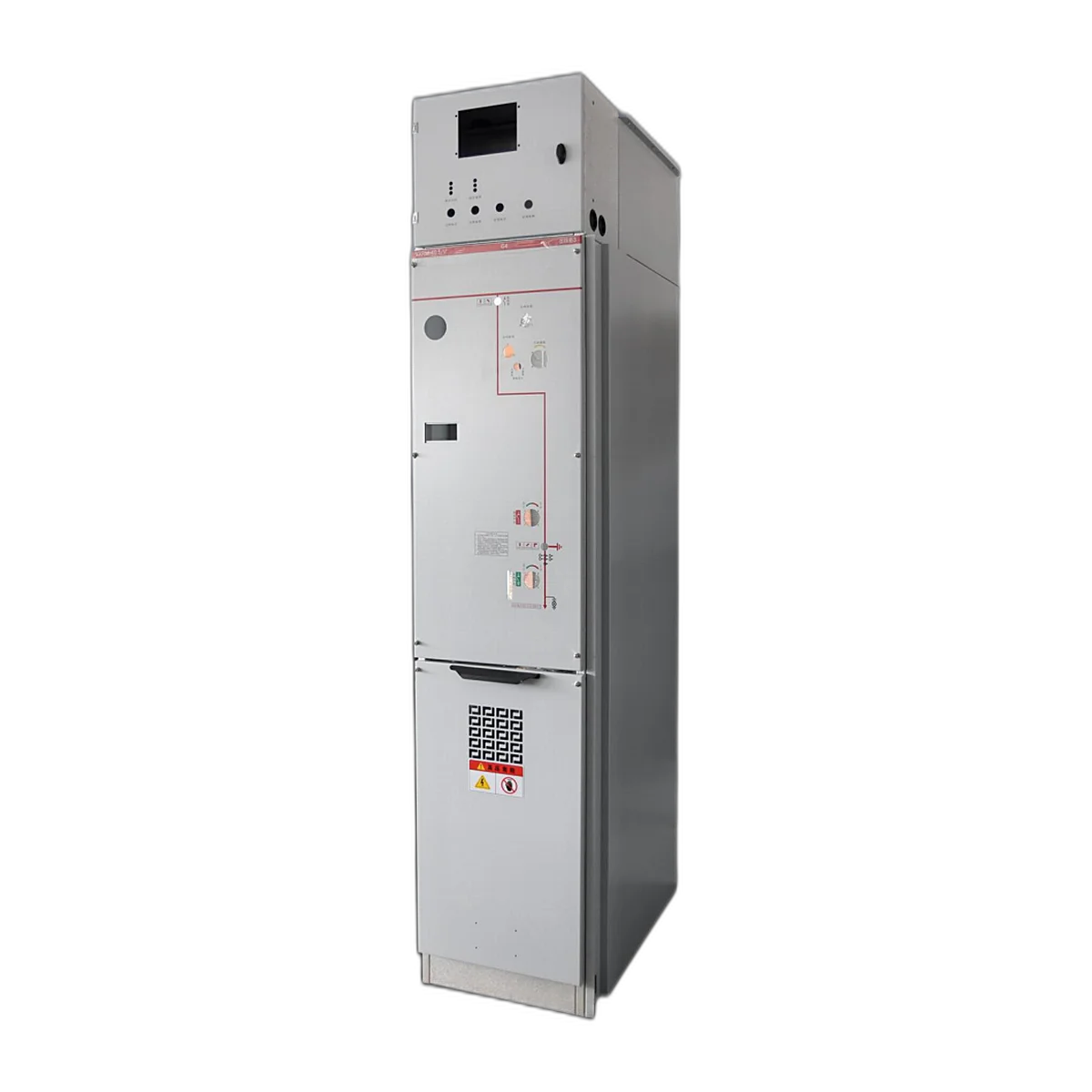
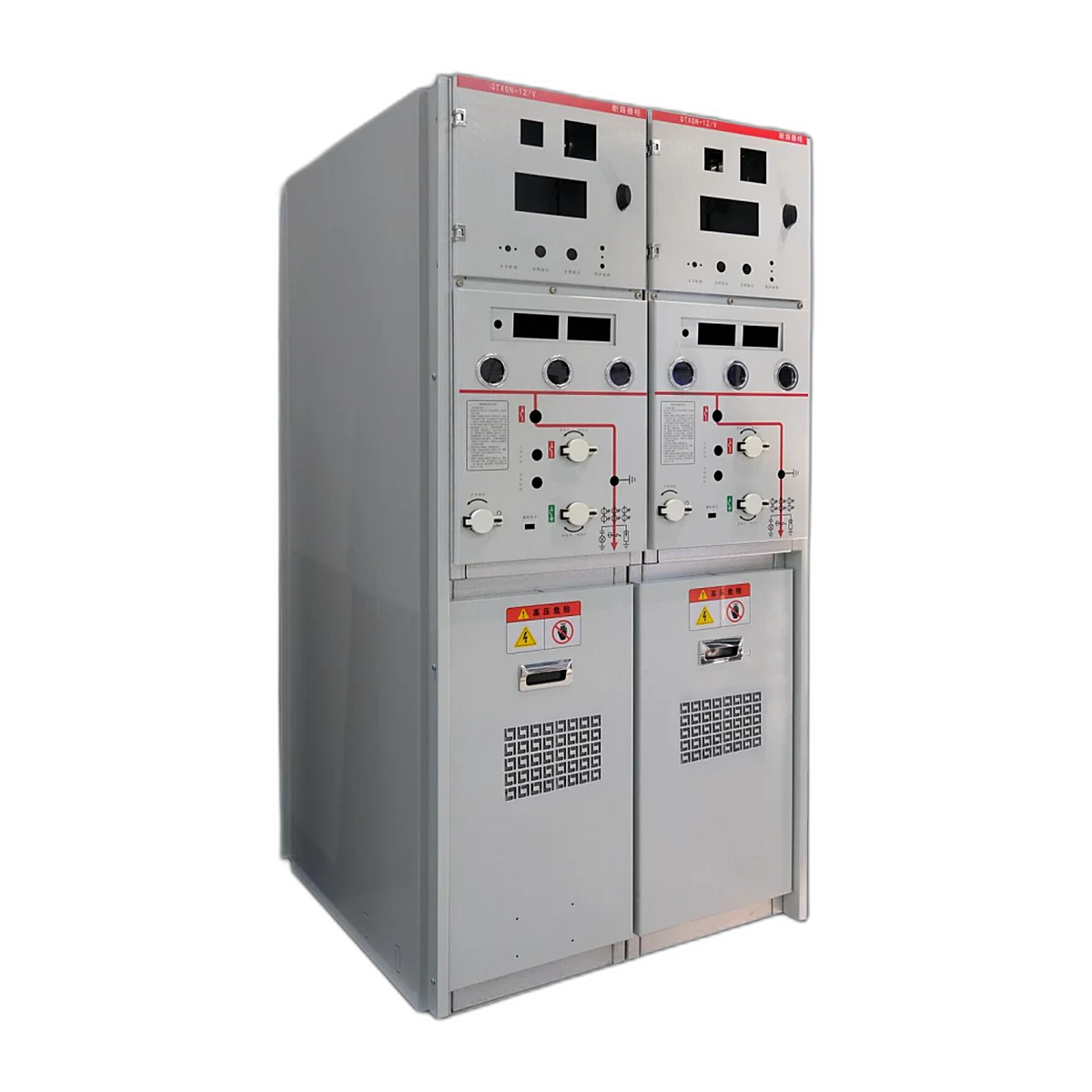
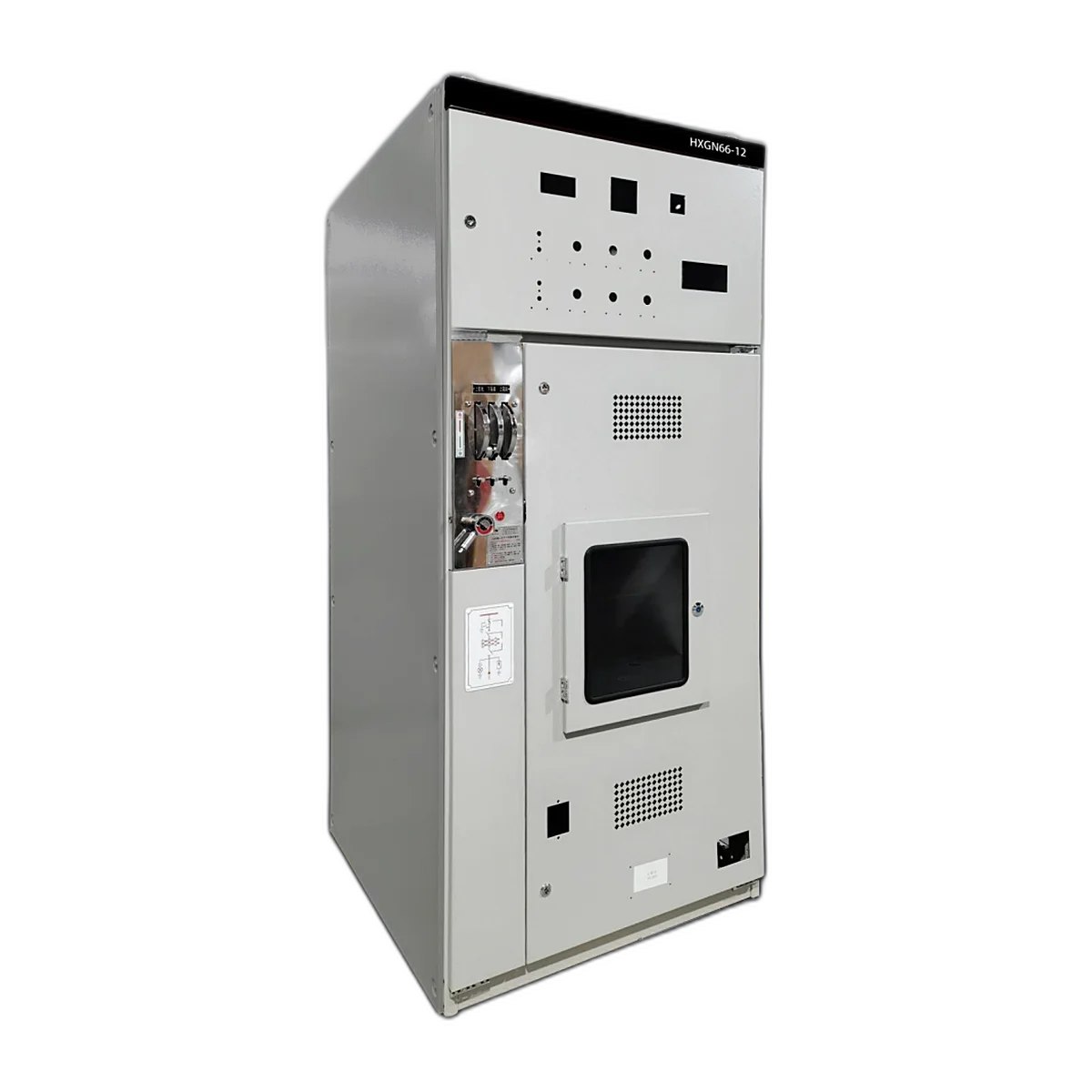
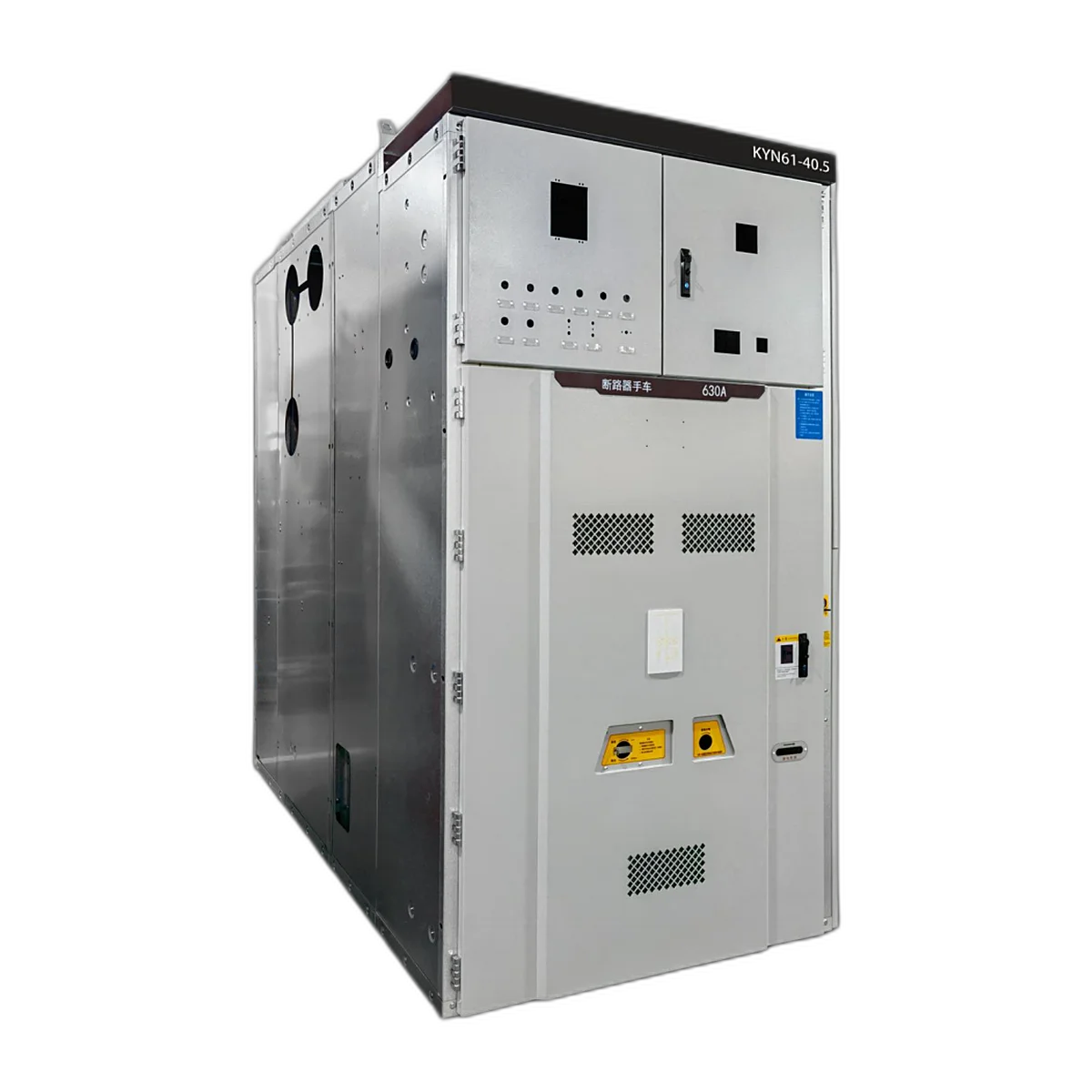
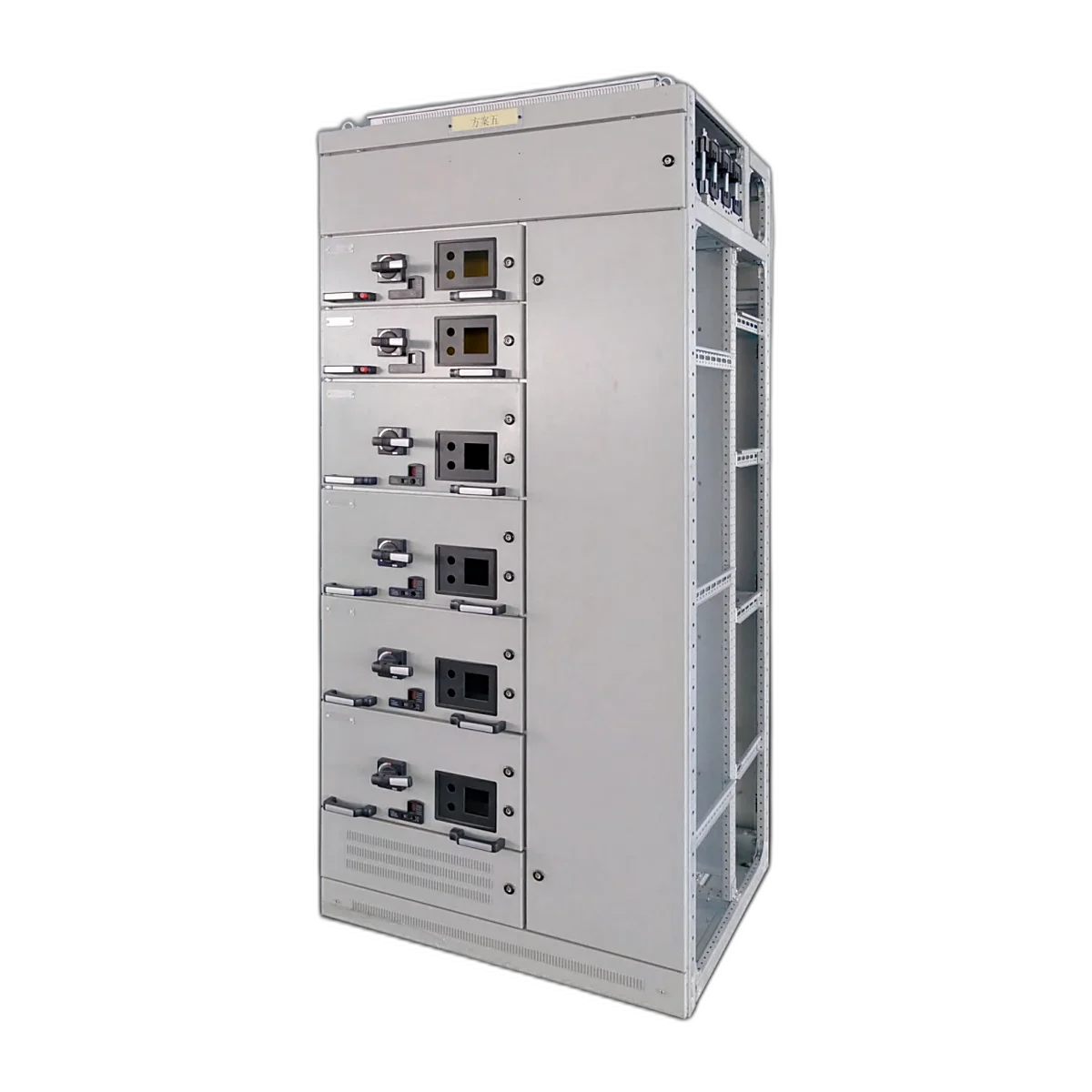
SLVA Standardized Low-Voltage Switch Cabinet
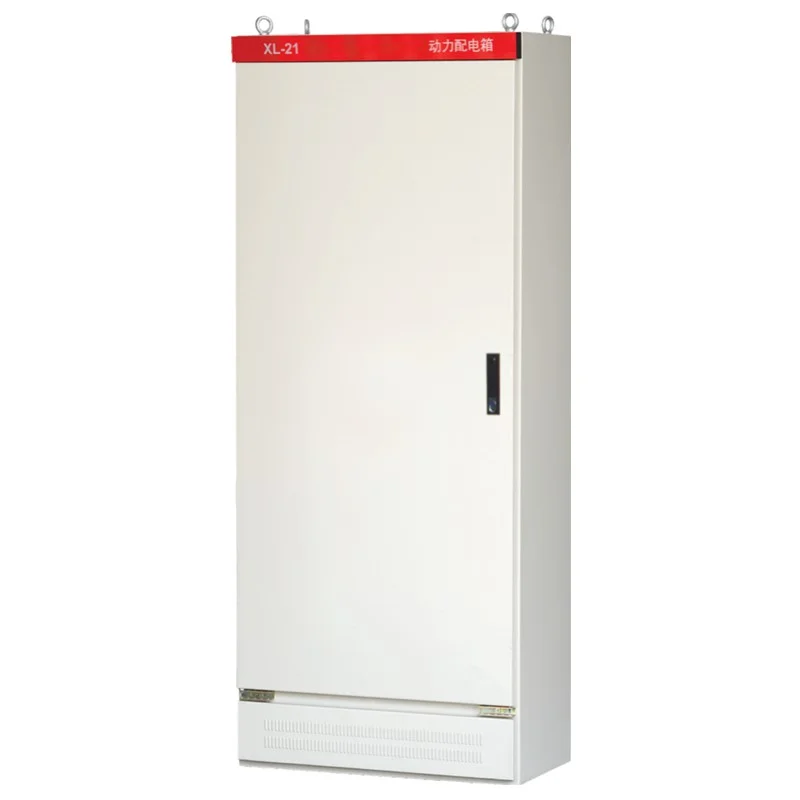
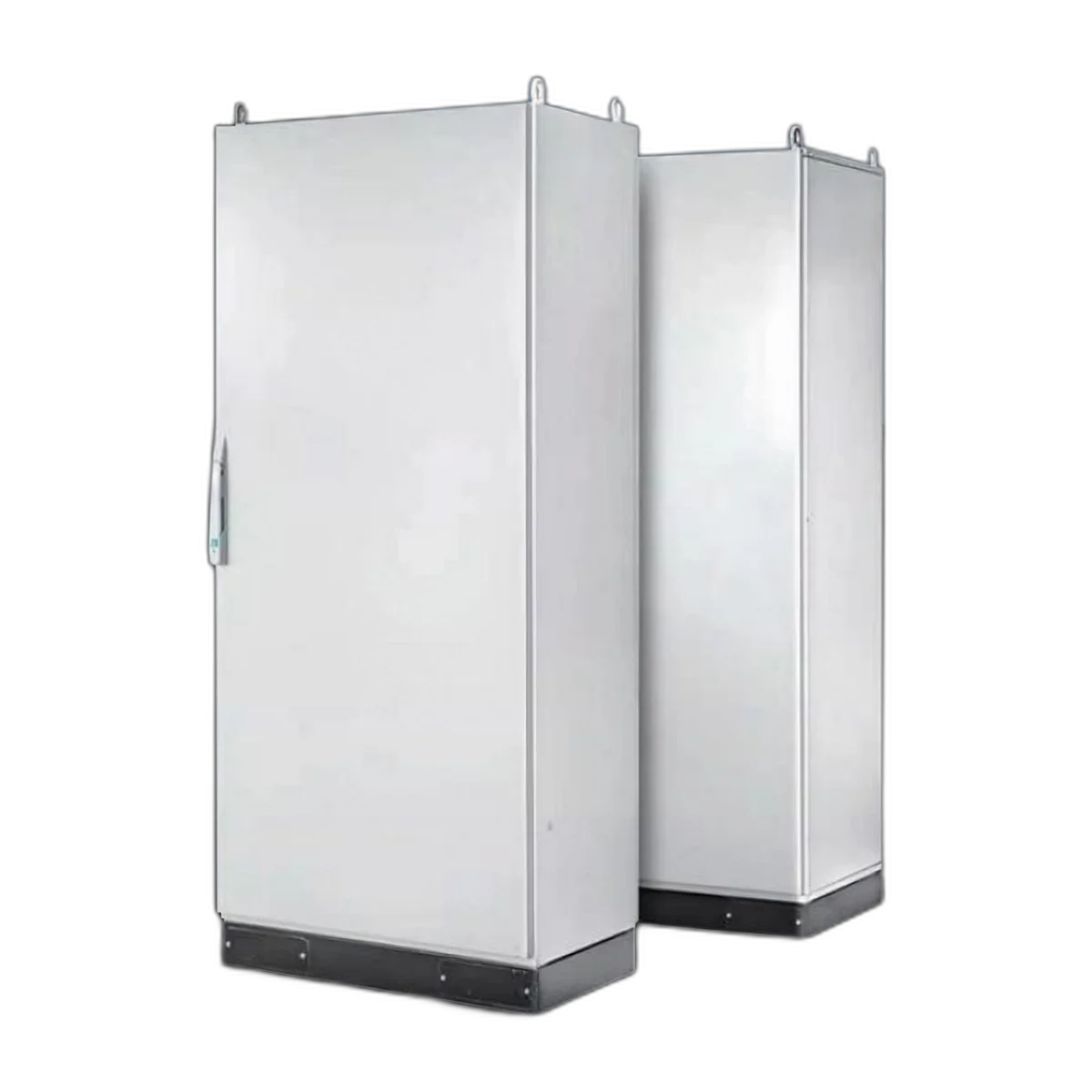
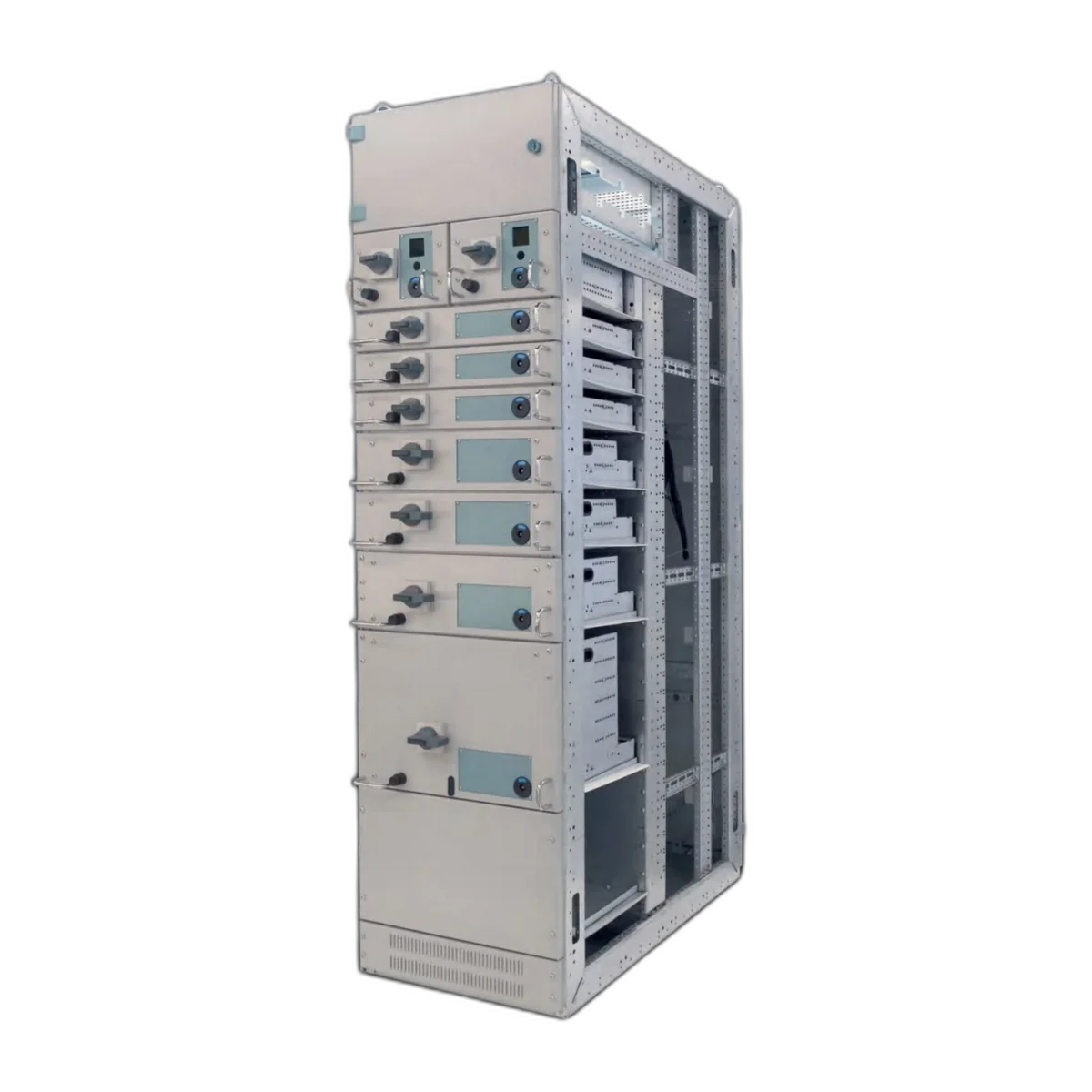
The SLVA is a standardized low-voltage switch cabinet produced by LYE Technology to the State Grid standardisation scheme and inspected by CQC. Because height, depth and ventilation are fixed by that published standard, cubicles from different production batches interchange in the same station building instead of being project one-offs.
- Cabinet height: 2200 mm including header, excluding top vent plate
- Cabinet depth: 800 mm or 1000 mm excluding door plates
- Cabinet width by duty: 700 / 800 / 900 / 1000 mm
- Finish: Epoxy powder electrostatic coating
- Mixing rule: Universal and compact widths must not be mixed in one room
Standardized Low-Voltage Switch Cabinet: Key Features & Typical Use
Built to a Published Standard, Not to a House Style
The SLVA follows the State Grid standardised design and procurement scheme for low-voltage switchgear, and the cabinet has passed CQC inspection as a recognised standardised design. Because height, depth and ventilation are fixed by the standard, a cubicle ordered next year will fit beside one installed this year — which is the whole point of standardisation in a distribution network.Two Width Families for One Station Building
The series is offered as universal-width and compact-width cubicles so a station building can be laid out around the civil design and the breaker selection rather than the other way round. Incoming, bus-tie, feeder and reactive power compensation duties each have their own width scheme from 700 to 1000 mm, and the standard requires that the two families are not mixed inside one room.Ventilation That Works Without Fans
Ventilation openings sit at the lower front of the incoming cubicle, the upper rear, the lower rear door on both sides and the top of the enclosure; on IP40 versions the top vent is dedicated. Hot air leaves at the top and cool air enters low down, so the sealed cabinet forms a natural chimney and the temperature rise stays inside the standard without forced cooling.Epoxy Powder Finish and a Clean Interior
The shell is finished with epoxy powder electrostatic coating, which is harder and more chip-resistant than a conventional paint film and gives the cubicle a uniform surface colour across a long run. Internally, the standard layout leaves cable and busbar routing unobstructed, so installation, thermal imaging and later extensions can be carried out without dismantling adjacent cubicles.Standardized Low-Voltage Switch Cabinet Specifications & Technical Data
| Parameter | Details |
|---|---|
| Product | SLVA standardised low-voltage switch cabinet |
| Applicable standard | State Grid low-voltage switchgear standardised design and customisation scheme |
| Conformity | CQC inspected standardised cabinet |
| Cabinet height | 2200 mm (including header, excluding top heat dissipation plate) |
| Cabinet depth | 800 mm / 1000 mm (excluding front and rear door plates) |
| Cabinet width – incoming | 1000 mm (universal) / 700 mm (compact) |
| Cabinet width – bus-tie | 1000 mm (universal) / 900 mm (compact) |
| Cabinet width – feeder | 800 / 1000 mm (universal) / 700 mm (compact) |
| Cabinet width – compensation | 1000 mm |
| Cabinet types | Universal width and compact width |
| Surface treatment | Epoxy powder electrostatic coating |
| Ventilation positions | Front lower, rear upper, rear lower left and right, top (IP40 dedicated) |
| Installation | Indoor station building, floor mounted |
| Mixing rule | Universal and compact types shall not be mixed in one station building |
SLVA — the Standardised Low-Voltage Cabinet That Interchanges Across a Network
Standardisation is not about making equipment cheaper; it is about making it interchangeable. The SLVA is designed against the State Grid standardised scheme for low-voltage switchgear and passes CQC inspection, which means a feeder cubicle supplied this year can be replaced by one supplied later without reworking the busbar run, the cable trench or the civil layout.This equipment is also referred to as a standardised LV switchgear cabinet, a State Grid (national grid) type low-voltage cabinet or simply a standardised distribution cabinet. The practical difference between manufacturers is whether they build to the published scheme at all: a non-standard shell may be cheaper per cubicle but loses interchangeability, which is the whole reason utilities specify standardisation in the first place.Height is fixed at 2200 mm including the header and depth at 800 or 1000 mm excluding the door plates, so the cabinet occupies a predictable footprint in the switchroom. The shell is finished with epoxy powder electrostatic coating, and the cabinet uses a natural chimney ventilation path instead of fans, which keeps the maintenance list short.The SLVA is specified by distribution network utilities, industrial park substations and large commercial developments that buy to a published specification rather than to a single project drawing. LYE manufactures the standardised shell in-house, so custom widths outside the standard scheme are treated as a separate project rather than a modification of this product.Factory-Direct Standardized Low-Voltage Switch Cabinet Manufacturer & OEM / ODM
We Manufacture, You Brand
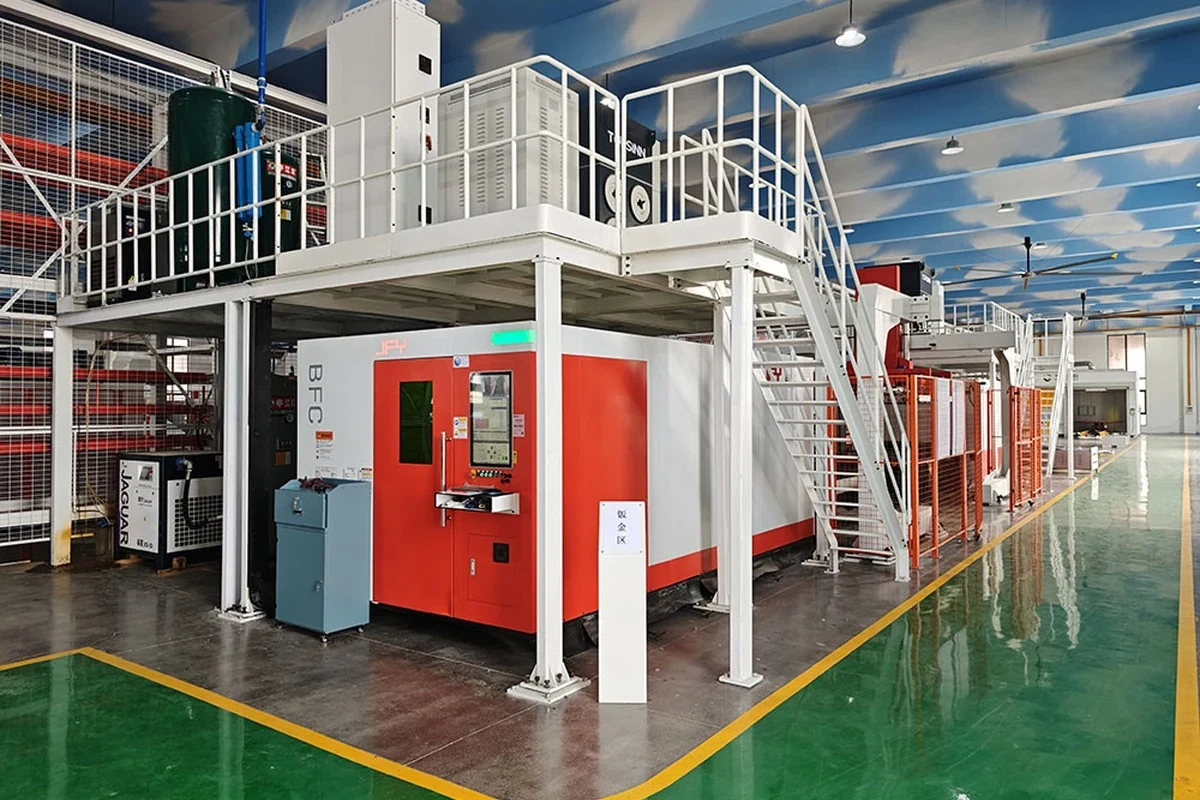
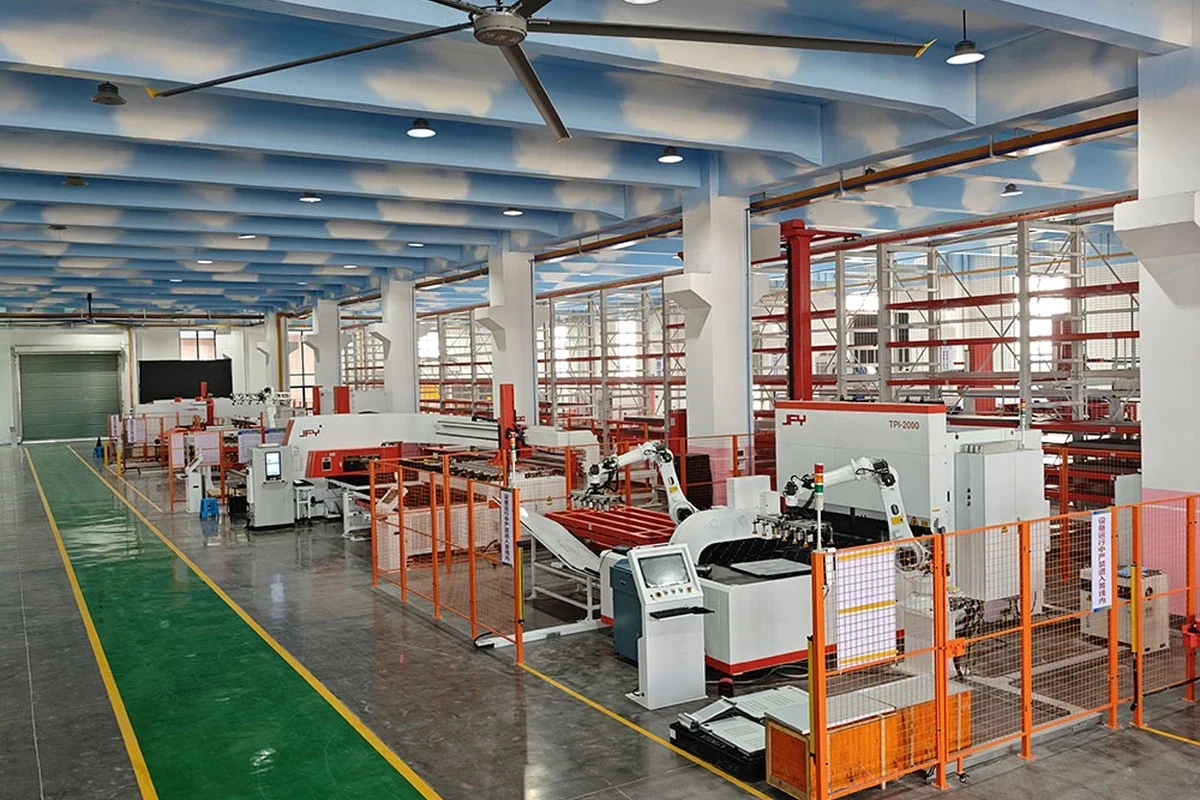
LYE Technology (Zhejiang) Co., Ltd. is a national high-tech enterprise and manufacturer in Wenzhou, China: sheet-metal fabrication, welding, powder coating, busbar machining and final assembly run on our own factory lines, and every unit is function-tested before it leaves the works. A SLVA Standardized Low-Voltage Switch Cabinet that reaches your site carries the routine test behind it, not just the rating on the nameplate.We are one of the Top 10 Brands of China's small power distribution boxes and a drafter of national standards in this category, and we hold ISO9001, ISO14001, ISO45001, CCC, CE and TUV certification. Because we are the manufacturer rather than a trading company, our sales engineers quote from your drawing in factory-direct terms, and OEM or ODM work is produced on the same lines as our standard products.For the SLVA we hold the standard shell geometry in-house, so a repeat order for the same station building can be released against the original drawings rather than re-engineered.- OEM branding — custom colours, laser marking and your own project or retail packaging, applied at the factory.
- ODM options — ratings, configurations and internal layouts built around your drawings or single-line diagram.
- Certification — ISO9001, ISO14001, ISO45001, CCC, CE and TUV, with test documents supplied per project.
- MOQ — flexible quantities for a project or a trial order, with mixed types welcome in one shipment.
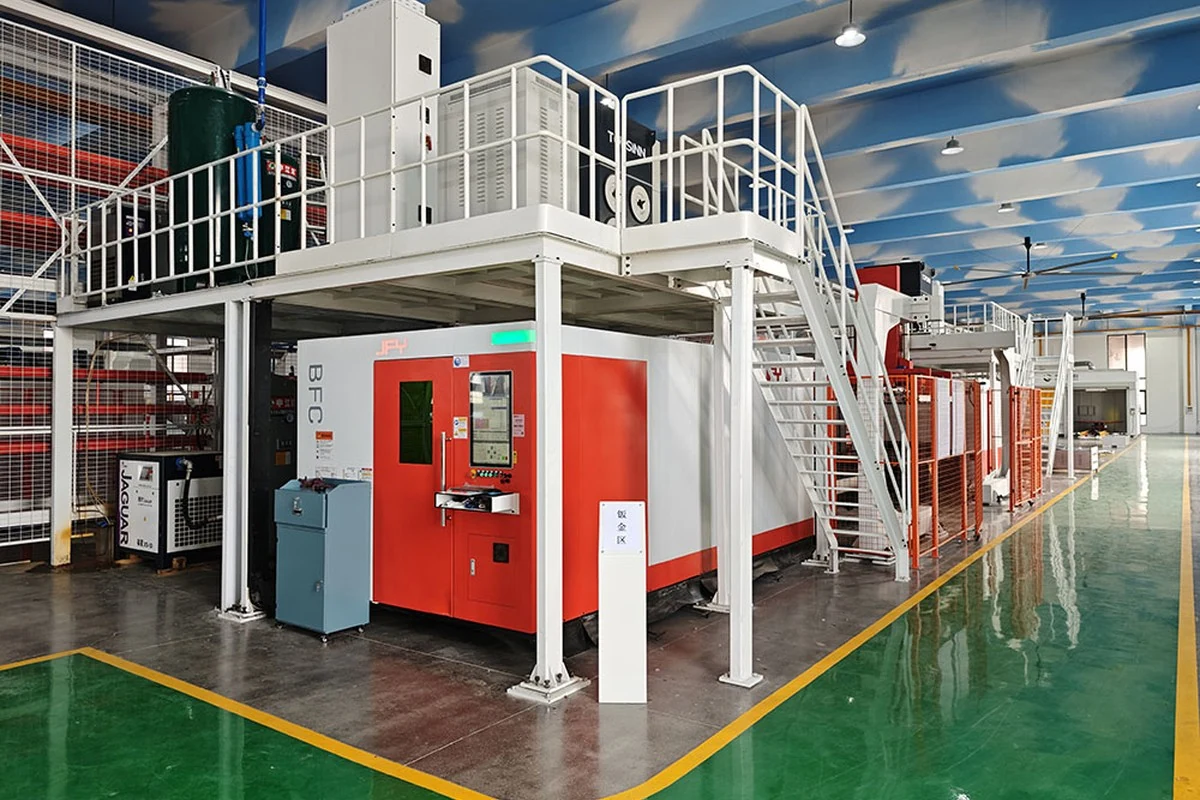
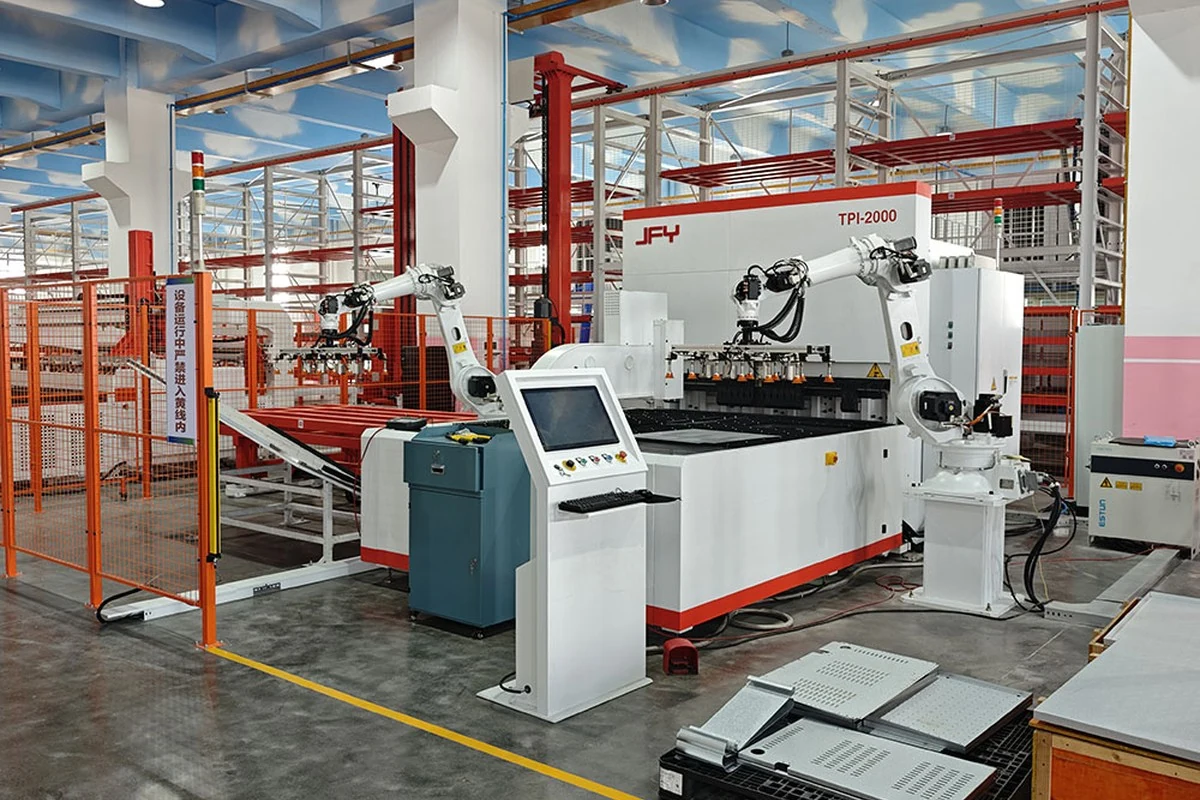
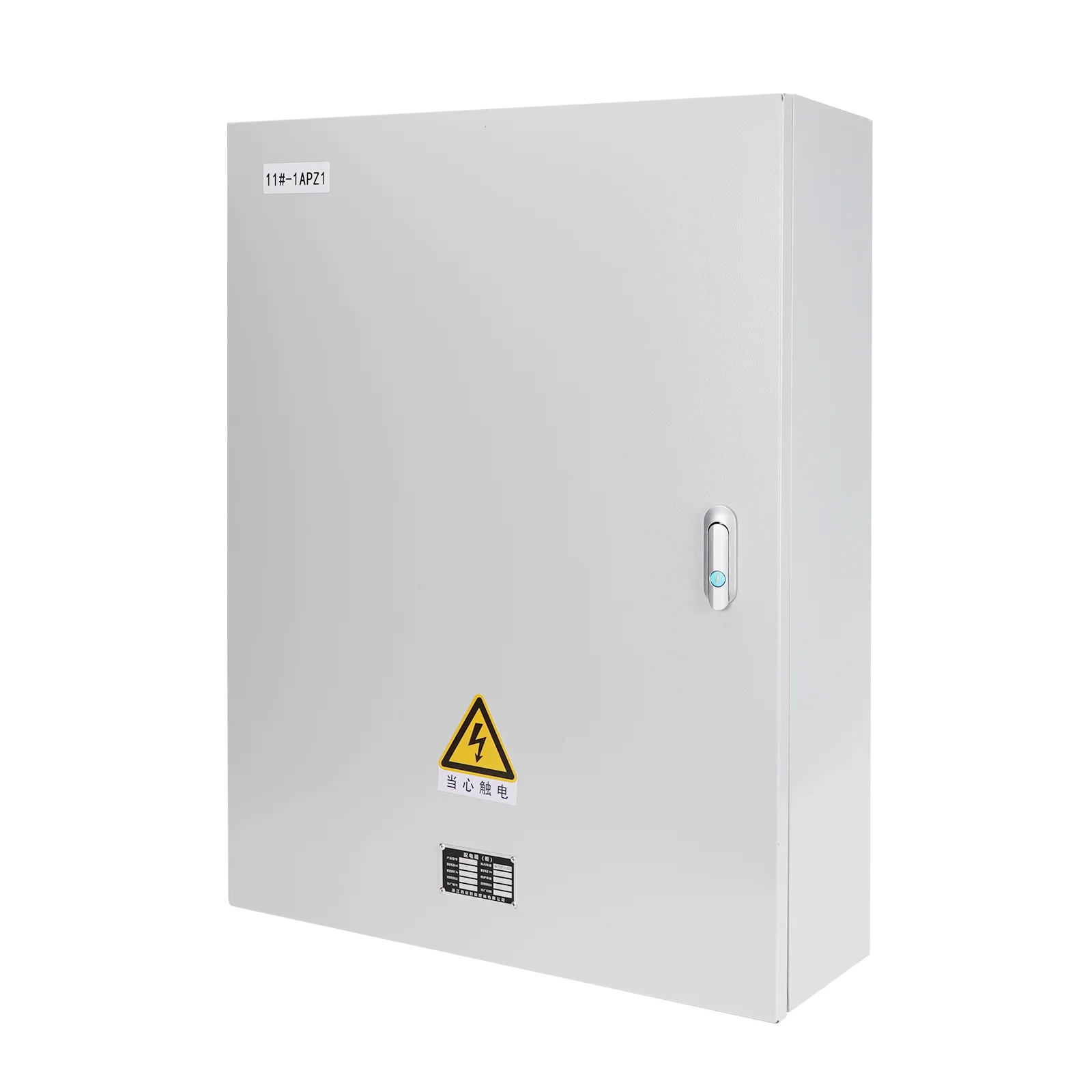
SLVA standardised cubicle line with epoxy powder coated shells
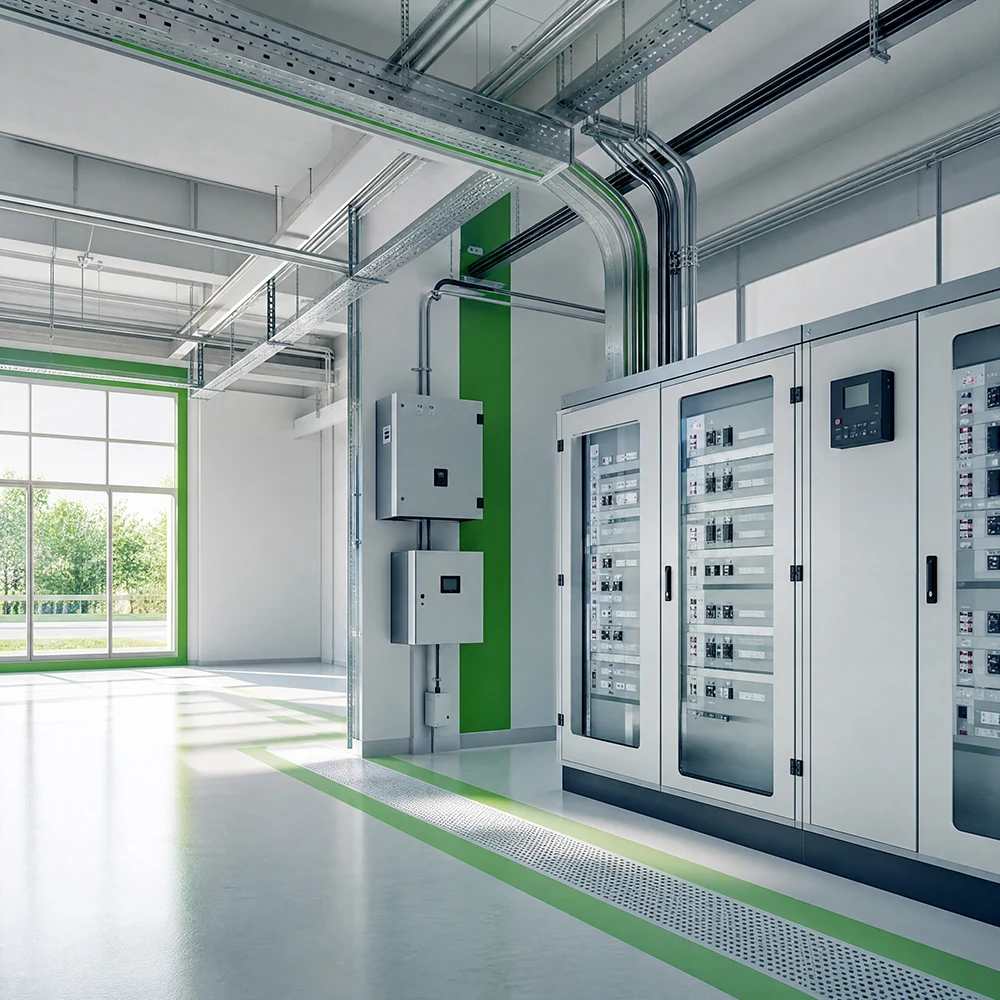
Rear ventilation openings forming the natural chimney path
Standardized Low-Voltage Switch Cabinet Buying Guide from the Manufacturer
Because the SLVA is a standardised product, the ordering conversation is mostly about matching duties to the standard width scheme. The steps below are what we confirm before releasing a drawing.
- Confirm that the station building is specified to the standardised scheme and will not mix universal and compact cubicles.
- List the duties required: incoming, bus-tie, feeder and reactive power compensation cubicles.
- Fix the cubicle widths against the standard scheme for each duty.
- Confirm the depth, 800 mm or 1000 mm, against the civil layout and cable trench.
- Send the single-line diagram, quantities and the required degree of protection.
- Approve drawings before coating and assembly, then routine-test and dispatch with inspection documents.
Manufacturer & Sales Support for Wholesale Buyers
OEM / ODM
Learn more →Factory colours · Logo marking · Custom layout
Wholesale
Learn more →Factory pricing · Flexible MOQ · Global shipping
Distributor Support
Learn more →Account manager · Drawing support · Priority lead times
Need SLVA Cubicles for a Standardised Station?
OEM/ODM, wholesale pricing and distributor support straight from the manufacturer — one enquiry gets you a factory-direct quotation for the SLVA Standardized Low-Voltage Switch Cabinet, sized to your duty list, cubicle schedule and the civil depth already fixed for the station building, with type-test documentation under the State Grid standardised low-voltage scheme with CQC inspection. Our sales team replies with a specification and an indicative price, so send your drawings and quantity.Contact Our Sales TeamStandardized Low-Voltage Switch Cabinet — Frequently Asked Questions
What is a standardized low-voltage switch cabinet?
It is a low-voltage distribution cabinet whose dimensions, ventilation and structure are fixed by a published scheme rather than by an individual project drawing. The SLVA follows the State Grid low-voltage switchgear standardised design and passes CQC inspection, so a replacement cubicle ordered later matches the busbar run, cable trench and civil openings already built.Why does standardisation matter for a distribution network?
Because interchangeability is what keeps a network maintainable over decades. When every cubicle follows the same geometry, a faulted unit can be replaced rather than rebuilt, spare cubicles can be held centrally, and different suppliers can supply into the same station building. Without it, each new substation becomes a one-off that only its original supplier can extend.What types of standardized low-voltage cabinet are there?
The scheme divides cubicles by duty: incoming, bus-tie, feeder and reactive power compensation, each with its own standard width. It also defines two families — universal width and compact width. The standard requires that the two families are not mixed inside one station building, because the cable trench and busbar penetrations are laid out for one geometry.Who manufactures standardized low-voltage switch cabinets?
Utilities usually buy from manufacturers whose design has passed the relevant type tests and inspection, because the cabinet has to be accepted into an existing standardised network. LYE designs and manufactures the SLVA shell in Wenzhou against the State Grid standardised scheme and holds CQC inspection for the design, so the cabinet can be specified directly into a standardised station building.How much does a standardized low-voltage switch cabinet cost?
Indicative factory-direct pricing is roughly US$1,500 to US$6,000 per cubicle, depending on the cubicle duty, the width family, the depth chosen against the civil layout and the quantity. Standardised cubicles are usually priced close to comparable standard switchgear, with the saving appearing over the life of the network rather than in the purchase price, so the value case should be made on spares and replacement time.
Download PDF
Electrical Cabinet Product Catalog
Mini Distribution Box Product Catalog
Distribution Box Product Manual
Fiber Optic Box Product Manual
Fan Module Manual
Use a distribution box for final circuits and compact branch protection; use a cabinet when the project needs larger incoming capacity, more feeder groups, metering, busbars or greater internal separation. The final choice should be checked against the single-line diagram, device list, available installation space and local project rules.
Provide the device schedule, circuit quantity, component dimensions, cable-entry direction, mounting method and required spare capacity. LYE also reviews door clearance, bending radius, heat-producing devices and the usable depth behind the mounting plate before confirming an enclosure size.
Start with the actual exposure to dust, rain, cleaning water and accidental contact rather than choosing the highest number by default. Cable entries, ventilation, door seals and installation workmanship affect the finished assembly, so the target rating and verification basis must be confirmed for the specific product and project.
Coated or galvanized steel is commonly considered for general indoor service, stainless steel for humid or corrosive locations, and engineering plastic for lightweight non-metallic applications. Material grade, thickness, UV exposure, chemical contact and earthing requirements must be confirmed against the installation environment.
Share the component heat load, ambient temperature, solar exposure, duty cycle and allowable internal temperature. LYE can then review enclosure volume, spacing, ventilation or fan provisions, sun shields, heaters or drainage details; the final thermal design remains tied to the installed equipment and site conditions.
Yes. A dimensioned drawing is preferred, but a physical sample and clear reference photographs can also start the review. Material, thickness, openings, hardware, finish, labels, inspection points and packing are recorded before sampling or repeat production.
PDF and common 2D CAD drawings are suitable for most enclosure enquiries, while 3D files can help with complex assemblies. Include a revision number, units, tolerances and component references; file compatibility and any missing production information will be confirmed during review.
A sample or first article can be arranged for a new or customized product. The approval plan should identify dimensions, openings, fit, appearance, hardware, labels and packaging, together with the sample cost and timing agreed for the actual order.
Available documents may include approved drawings, packing lists, dimensional or appearance inspection records, product data and certificates applicable to the confirmed model. Destination-specific declarations or third-party testing must be requested before order placement so availability and scope can be verified.
Lead time is confirmed after the product scope, quantity, sample requirement and finish are known. Packing is reviewed against product weight, surface protection, destination and shipping method; if an issue is found after delivery, send the order reference, label, photographs and quantity affected so it can be traced and reviewed.
Related Products
Send Inquiry
FROM PRODUCT TO PROJECT
Review the installation context before quotation
Use the related solutions to check typical installation inputs, then send drawings, dimensions and quantities for a manufacturability review.
Relevant Solutions
All Solutions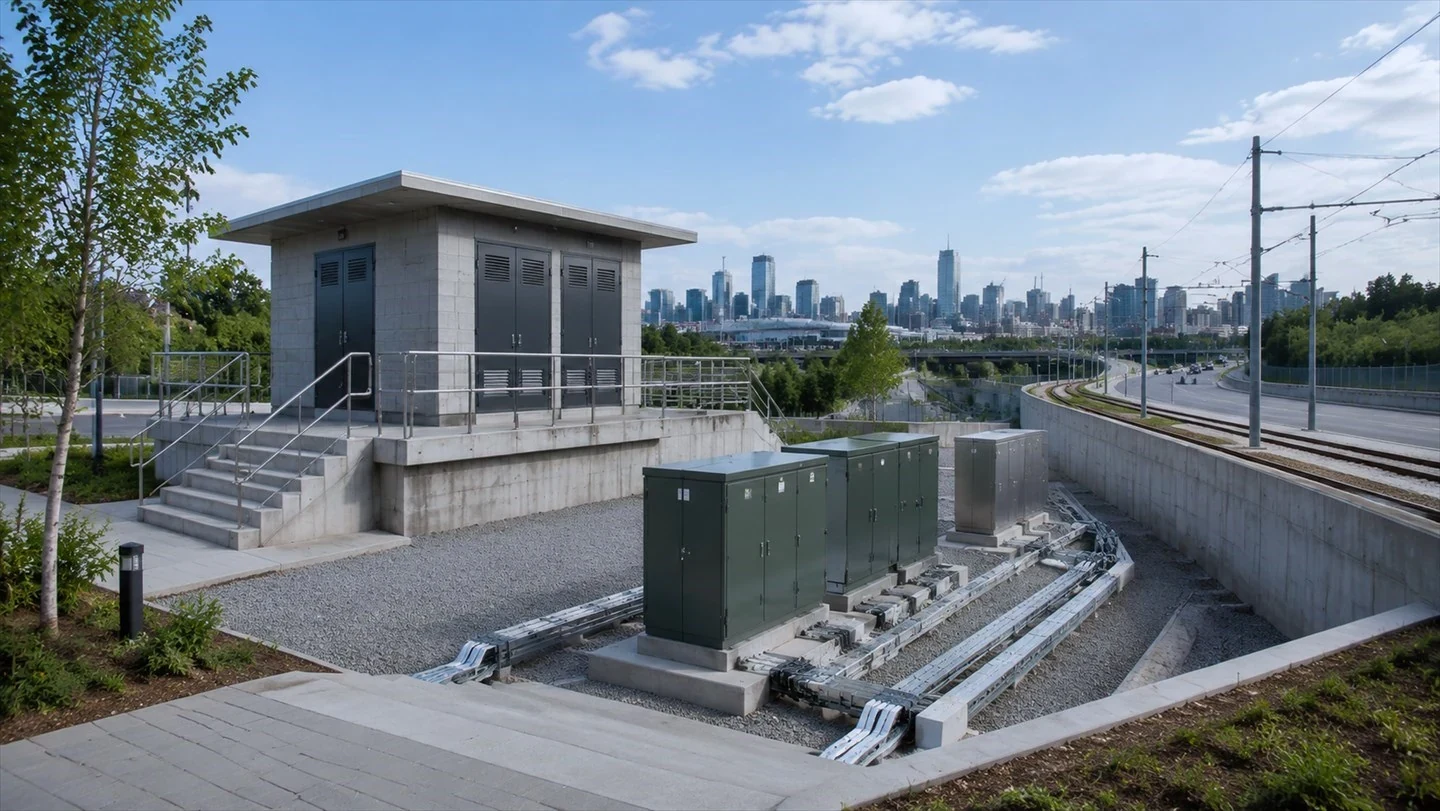
ENGINEERED SOLUTION
Infrastructure Project Enclosure Solution
Customized electrical enclosures for municipal utilities, transport facilities, public engineering and outdoor service points, reviewed around site exposure, access and delivery documentation.
View Solution 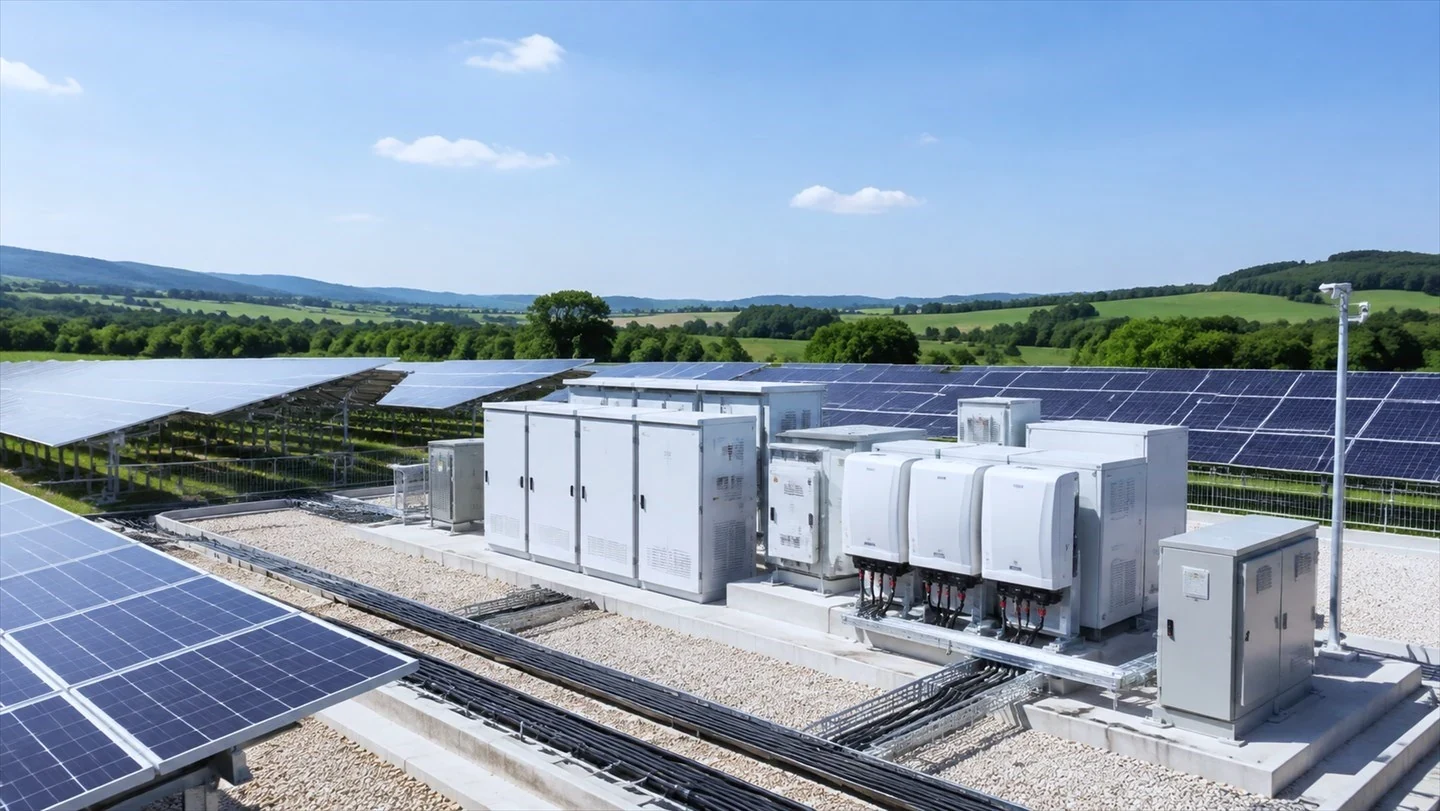
ENGINEERED SOLUTION
Renewable Energy Distribution Solution
PV grid-connection cabinets and outdoor distribution enclosures coordinated around protection, isolation, metering, cable interfaces and the actual installation environment.
View Solution