
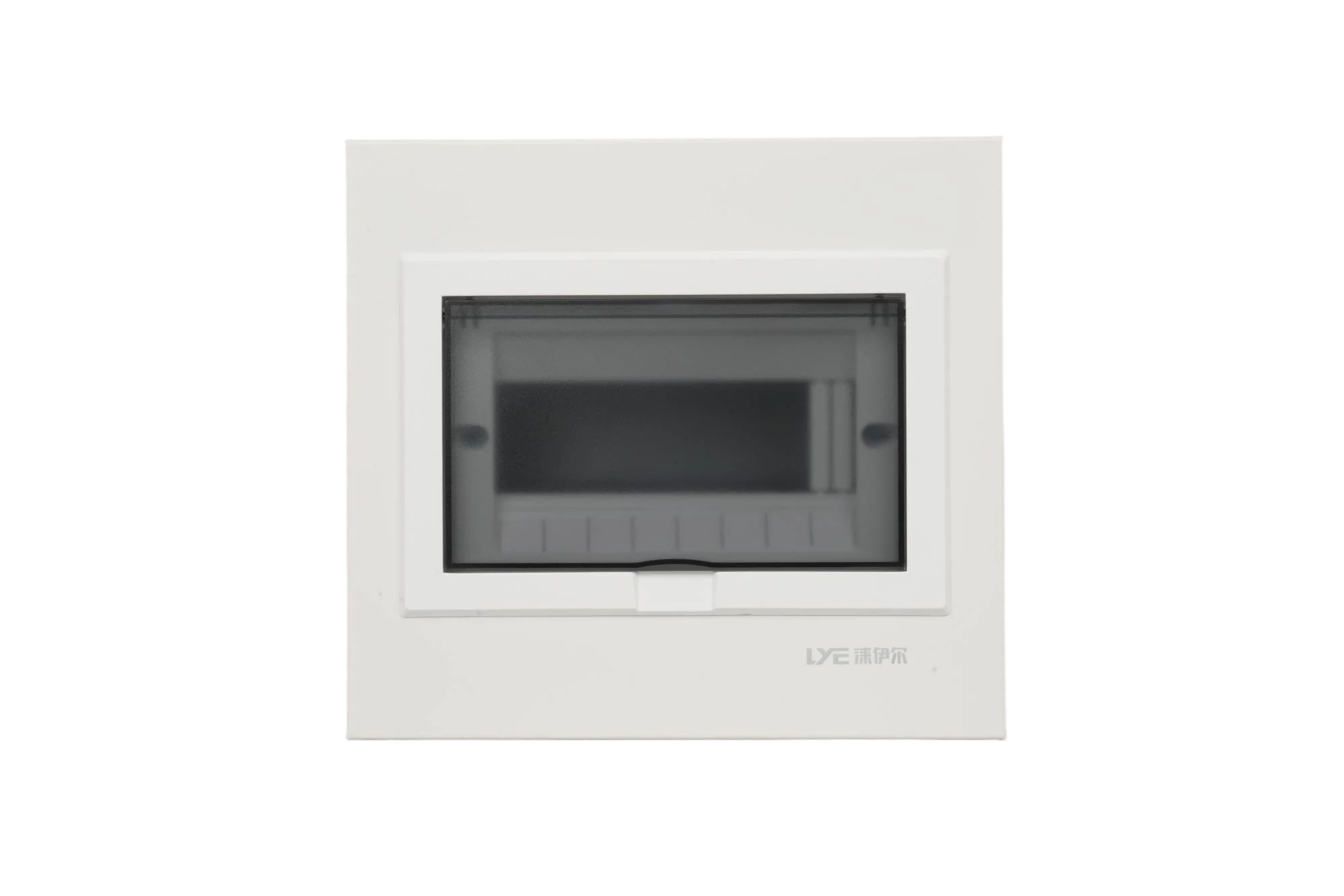
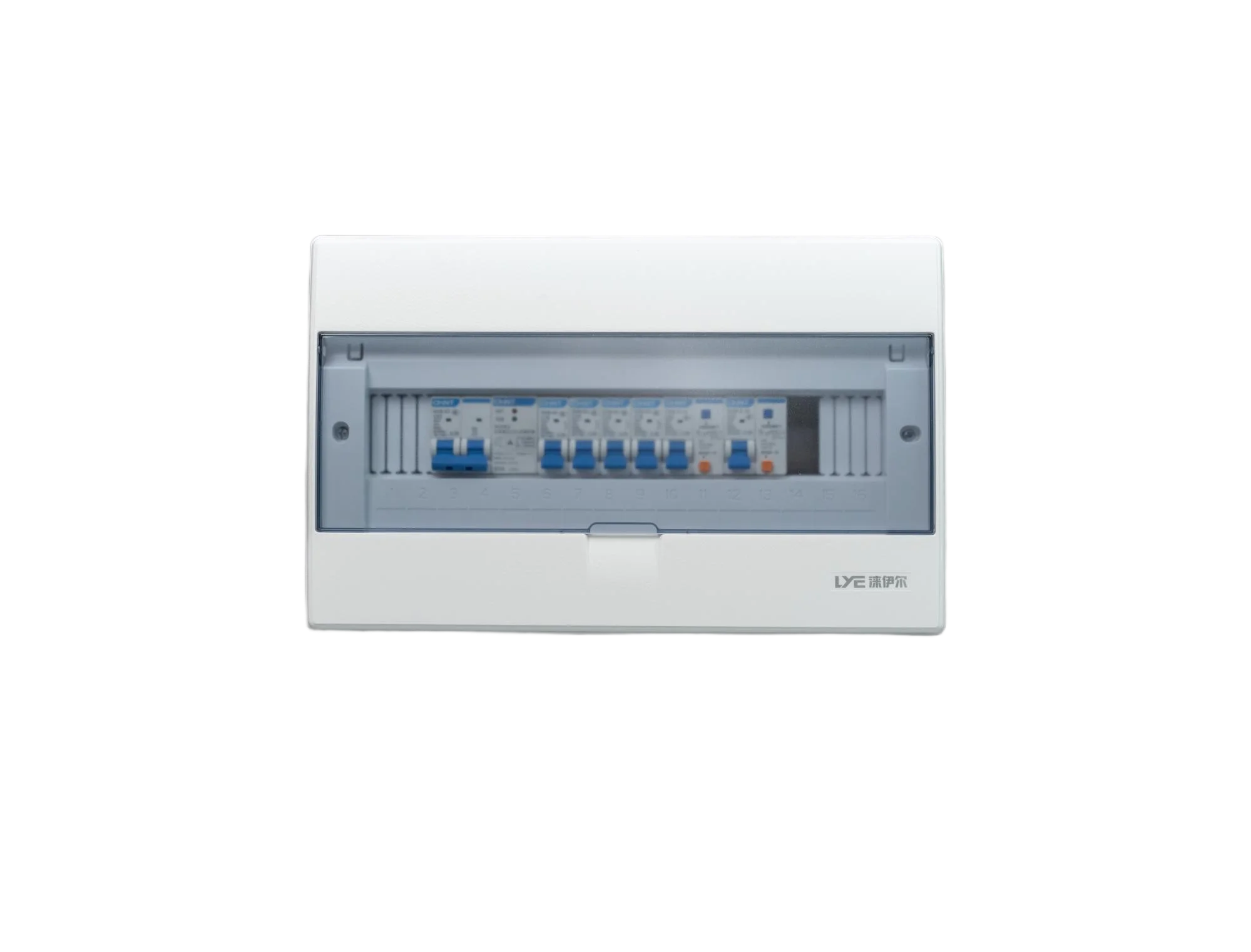
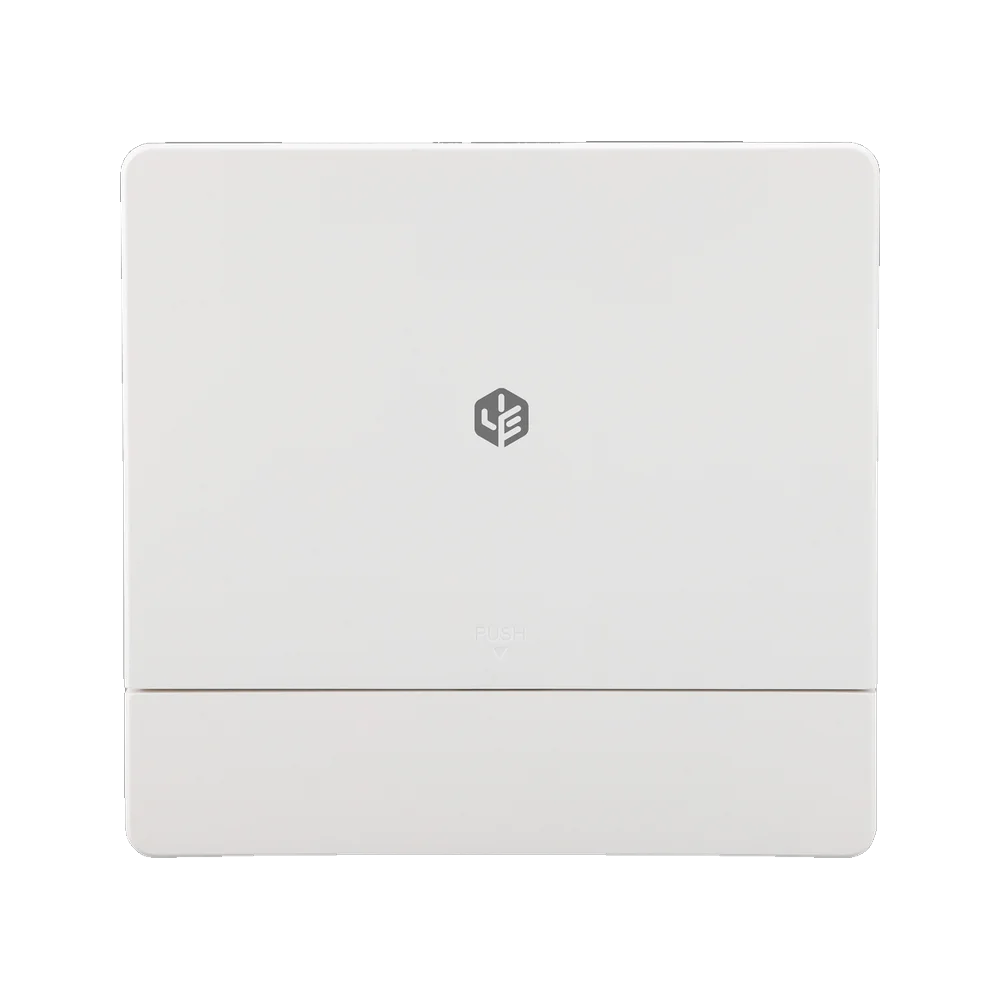
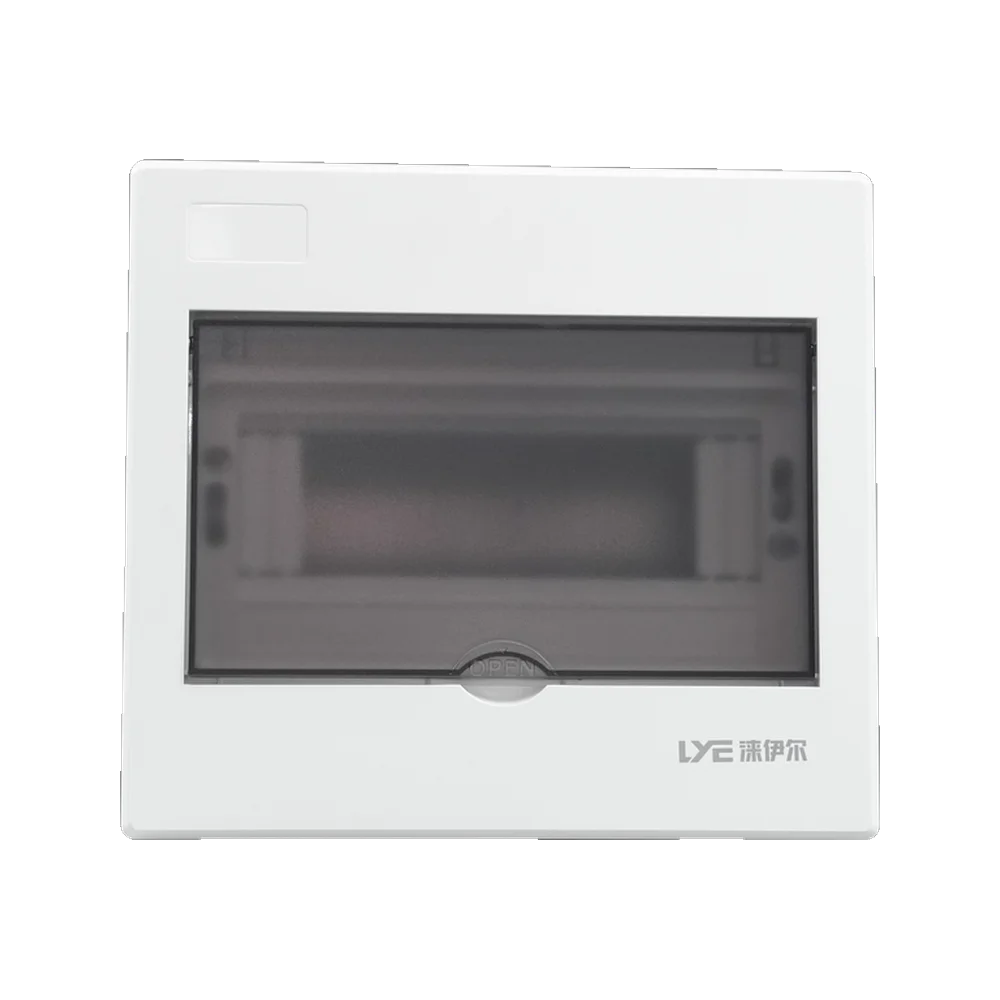
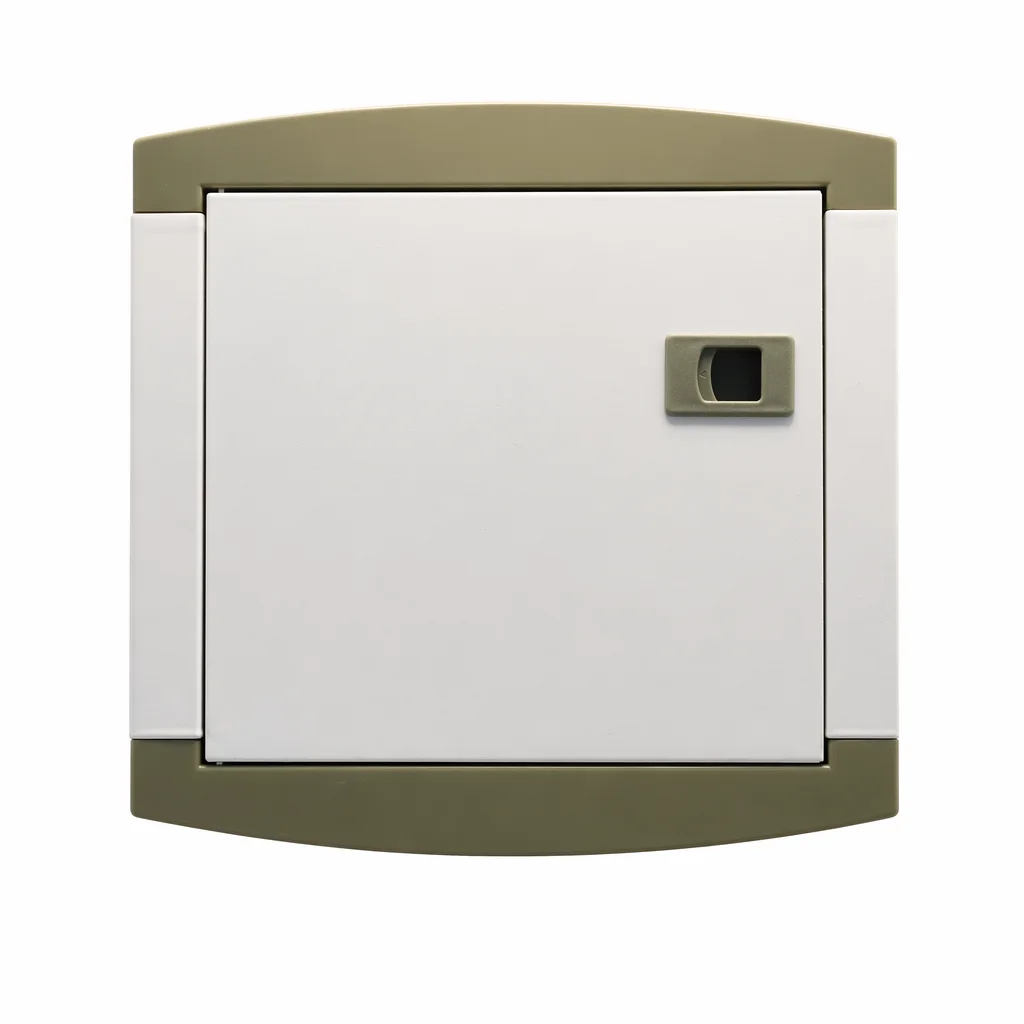
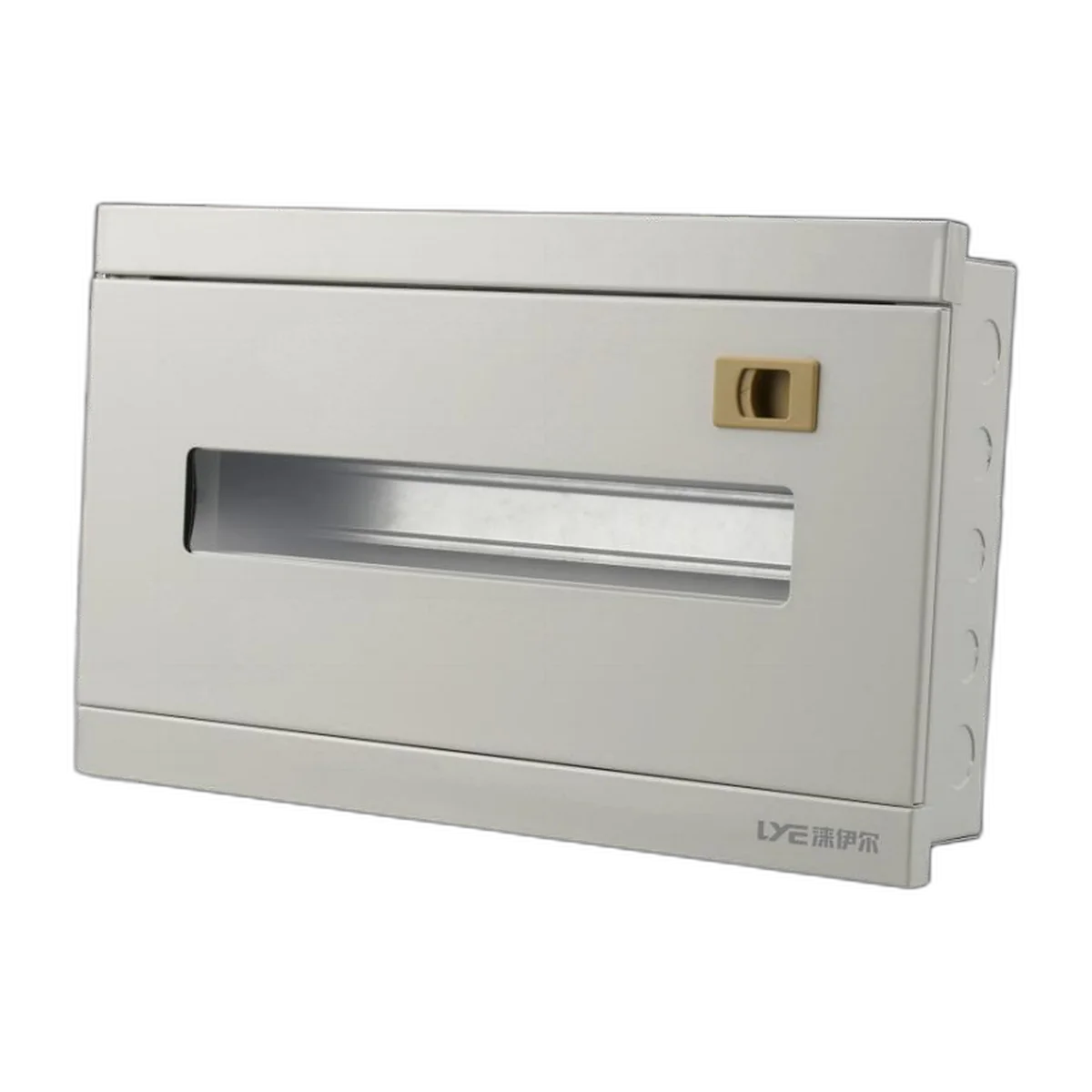
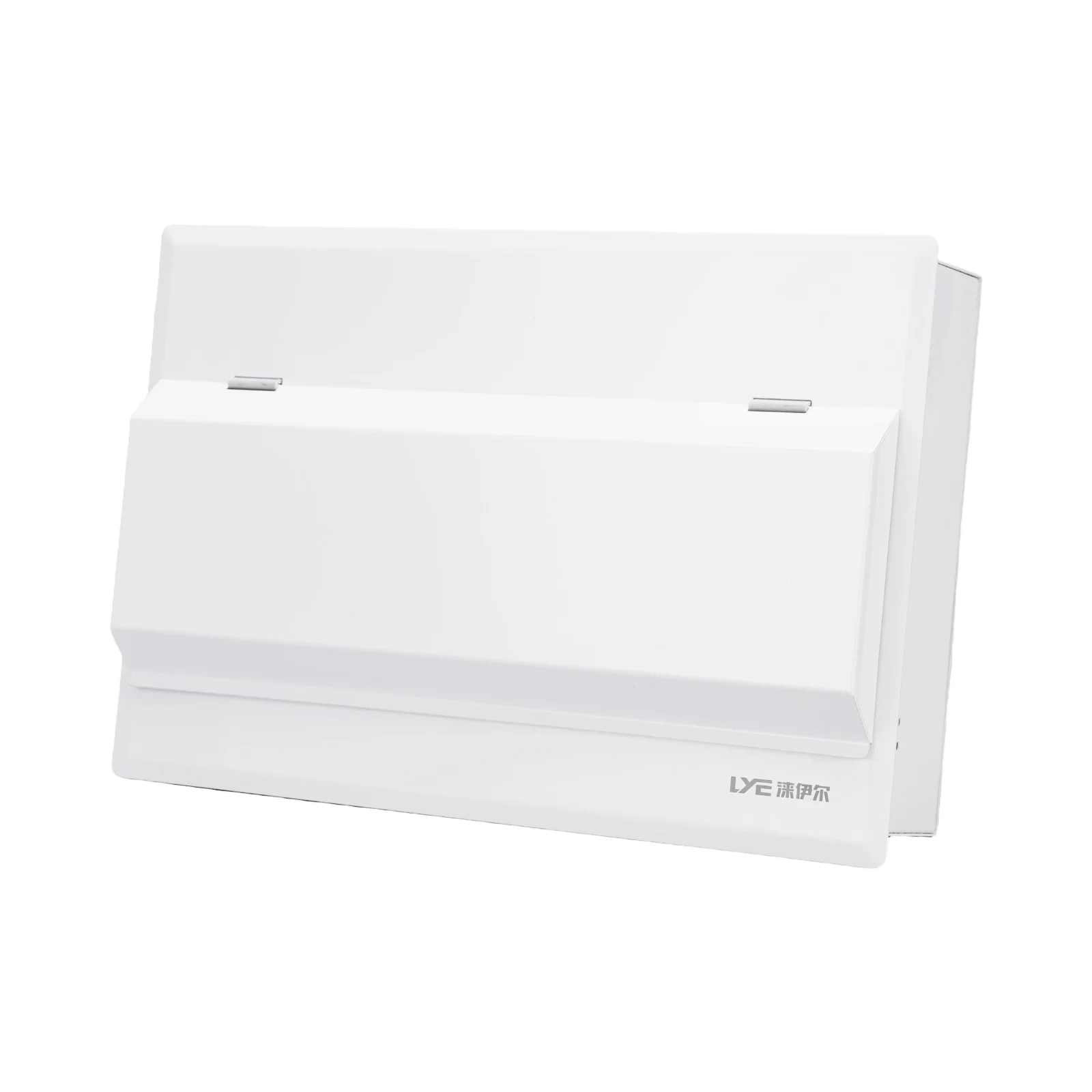
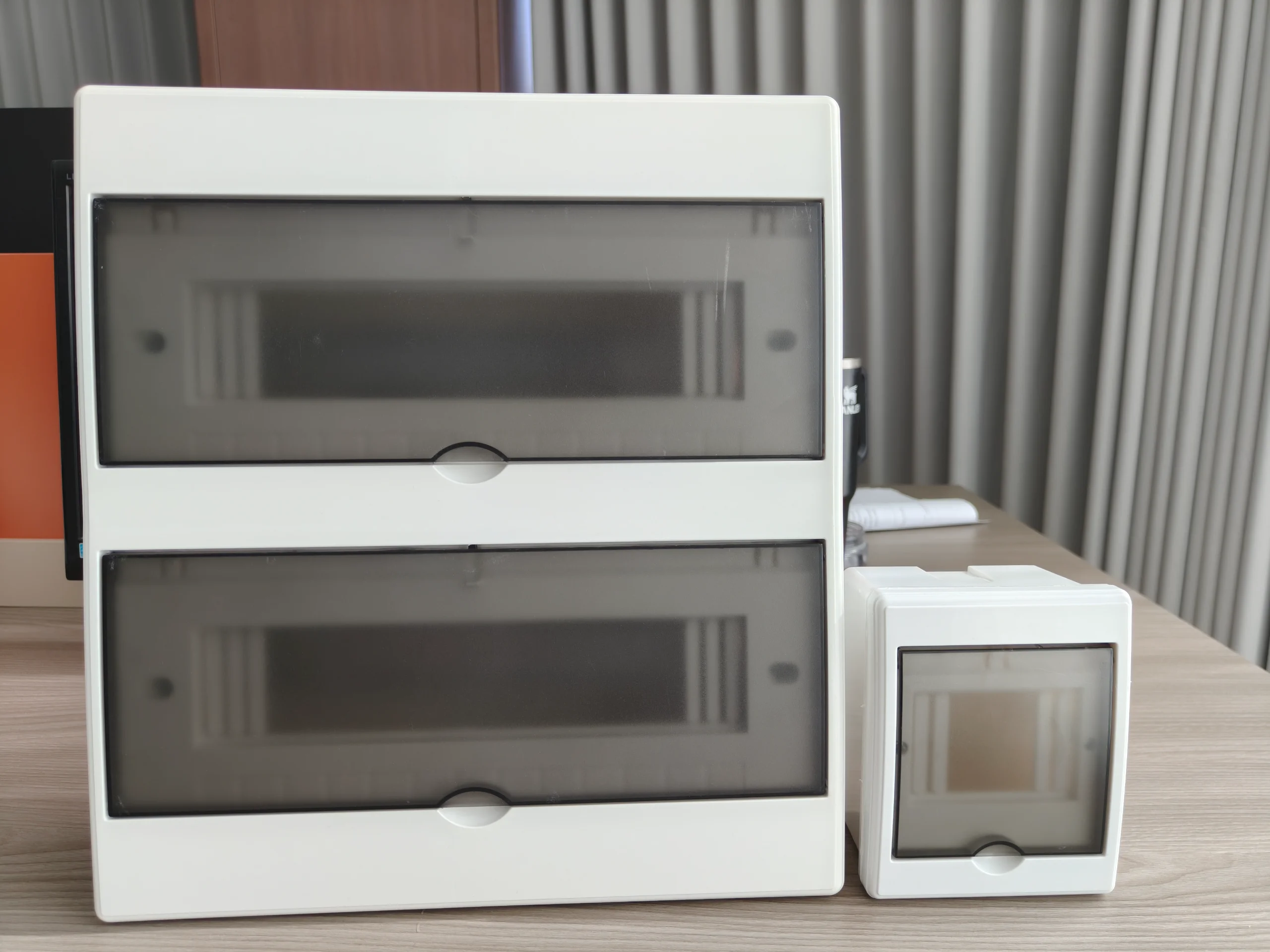
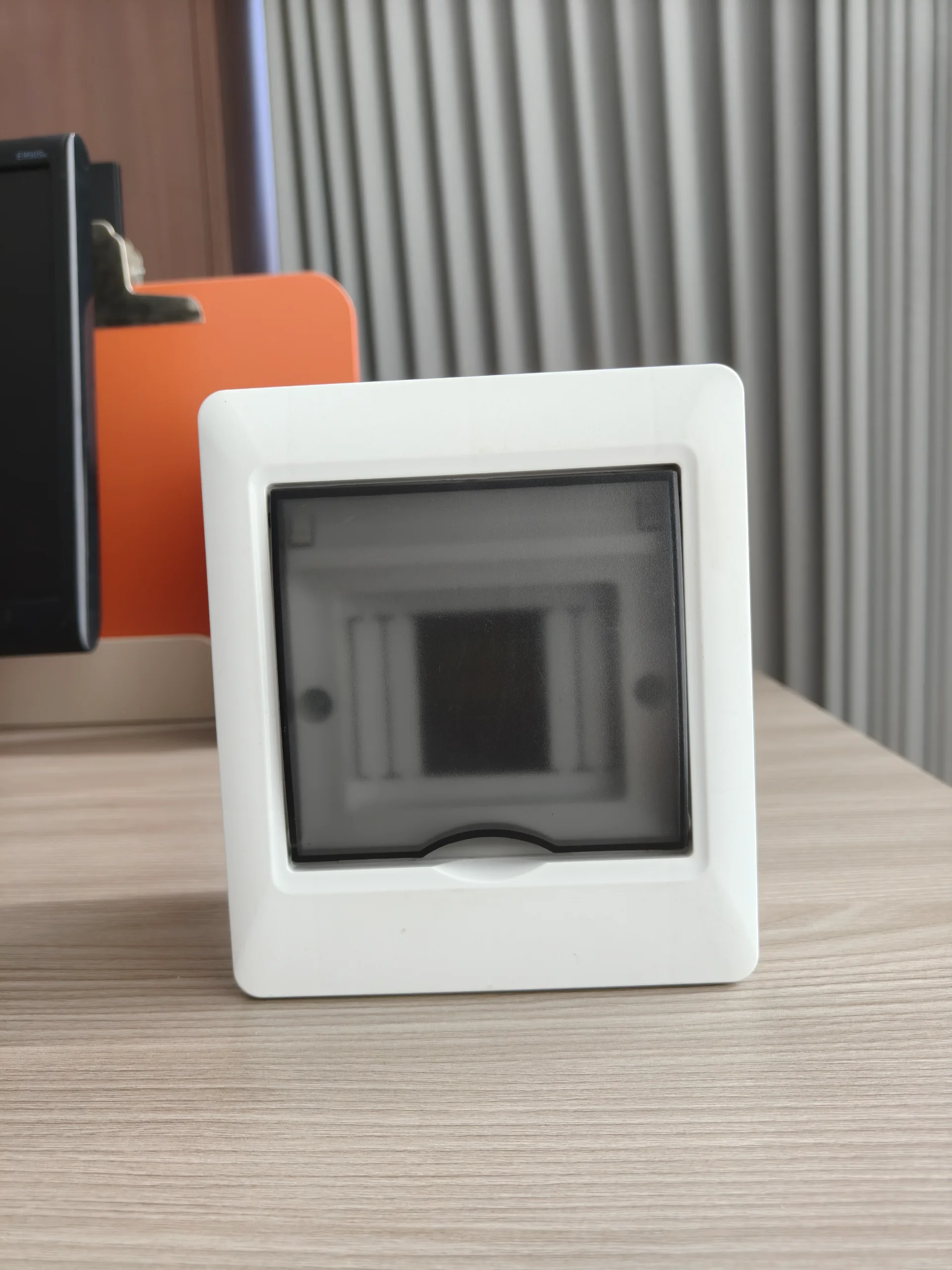
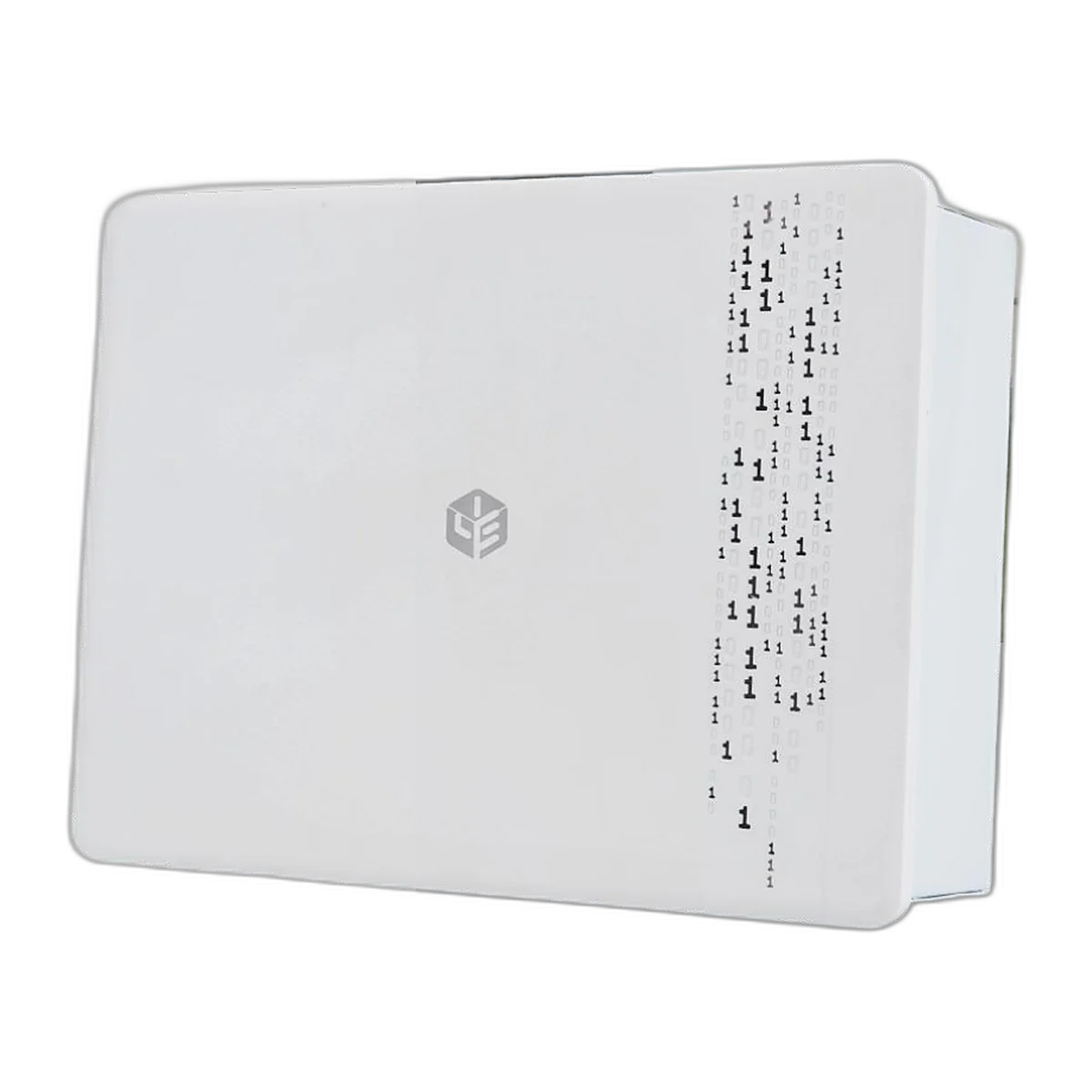
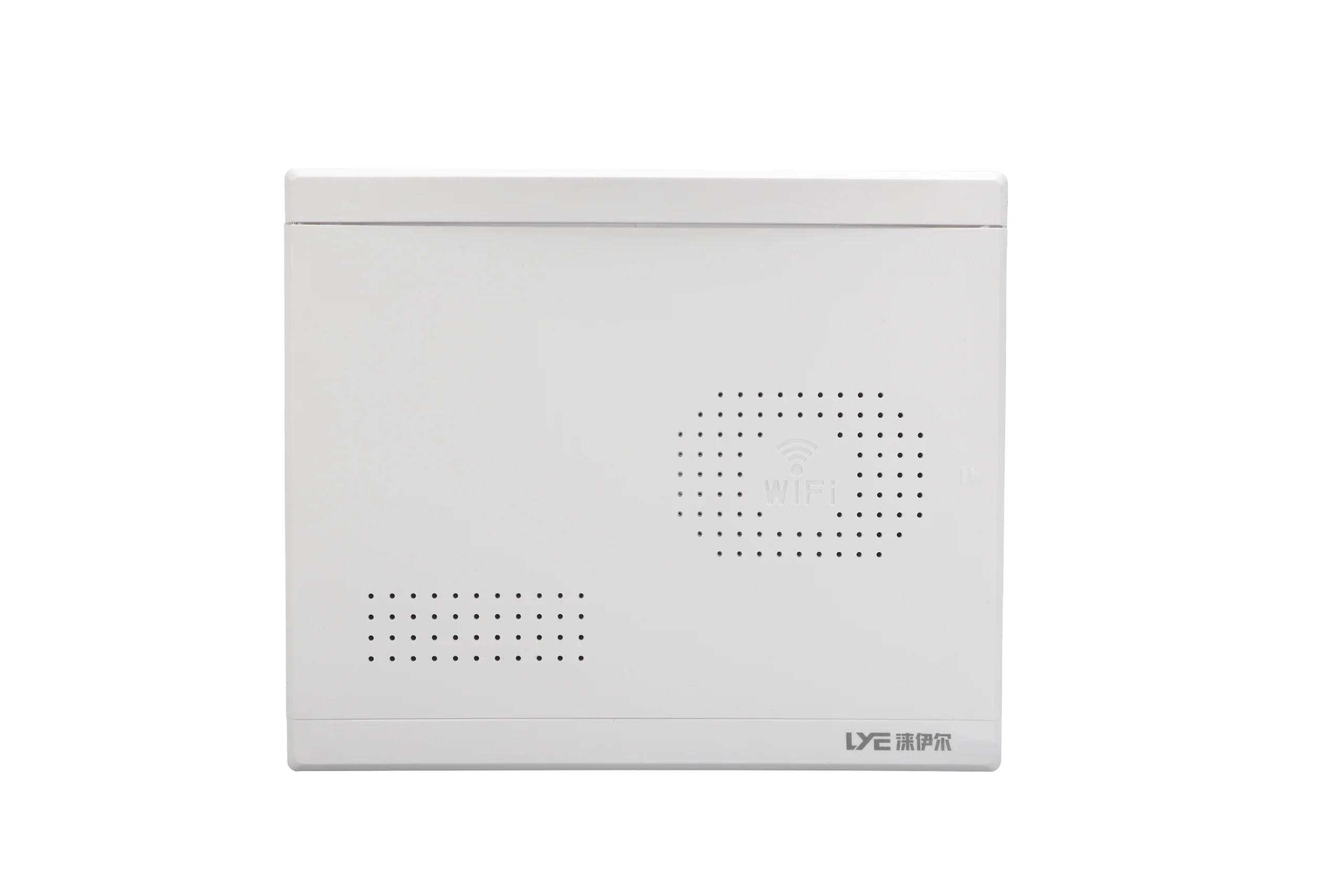
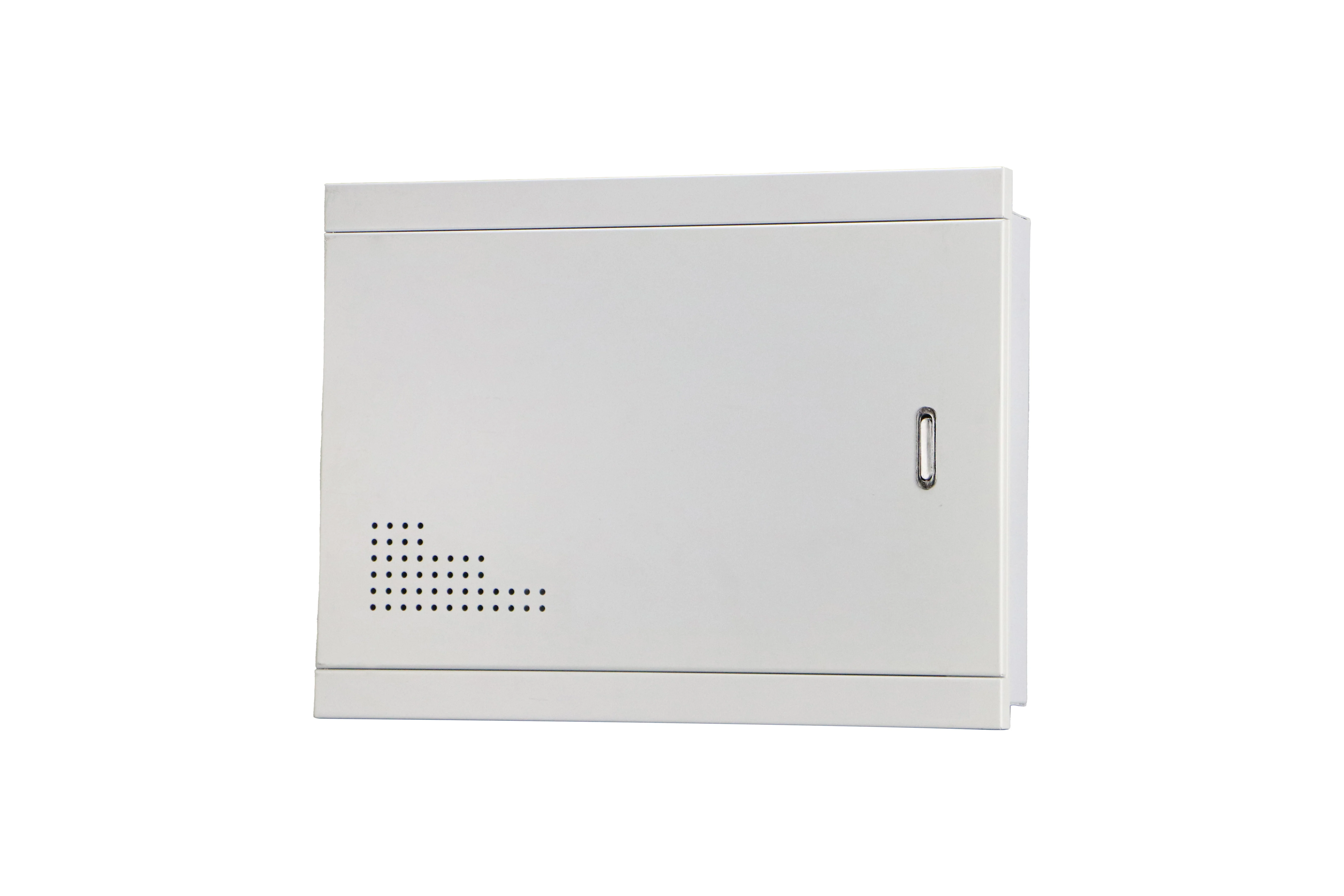
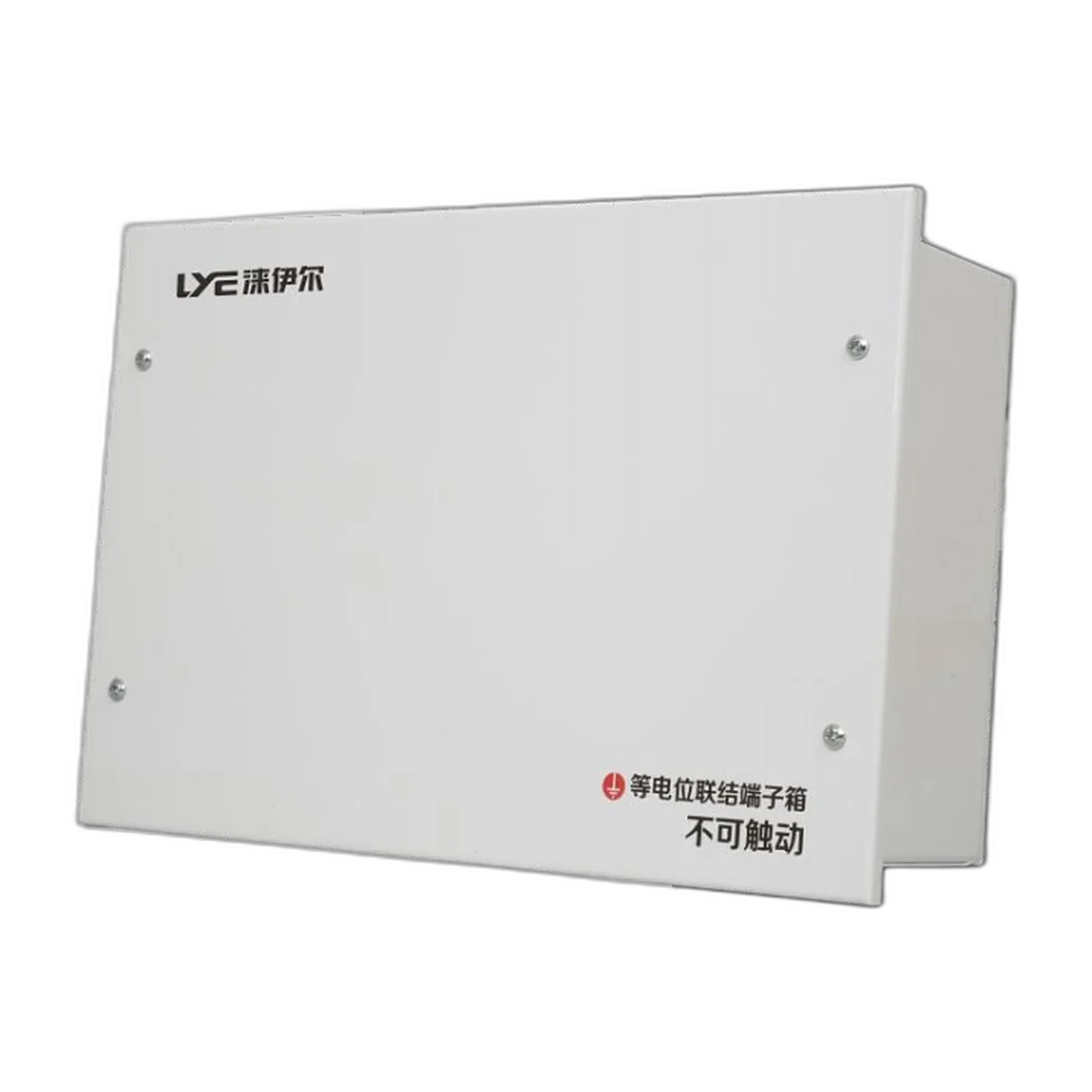
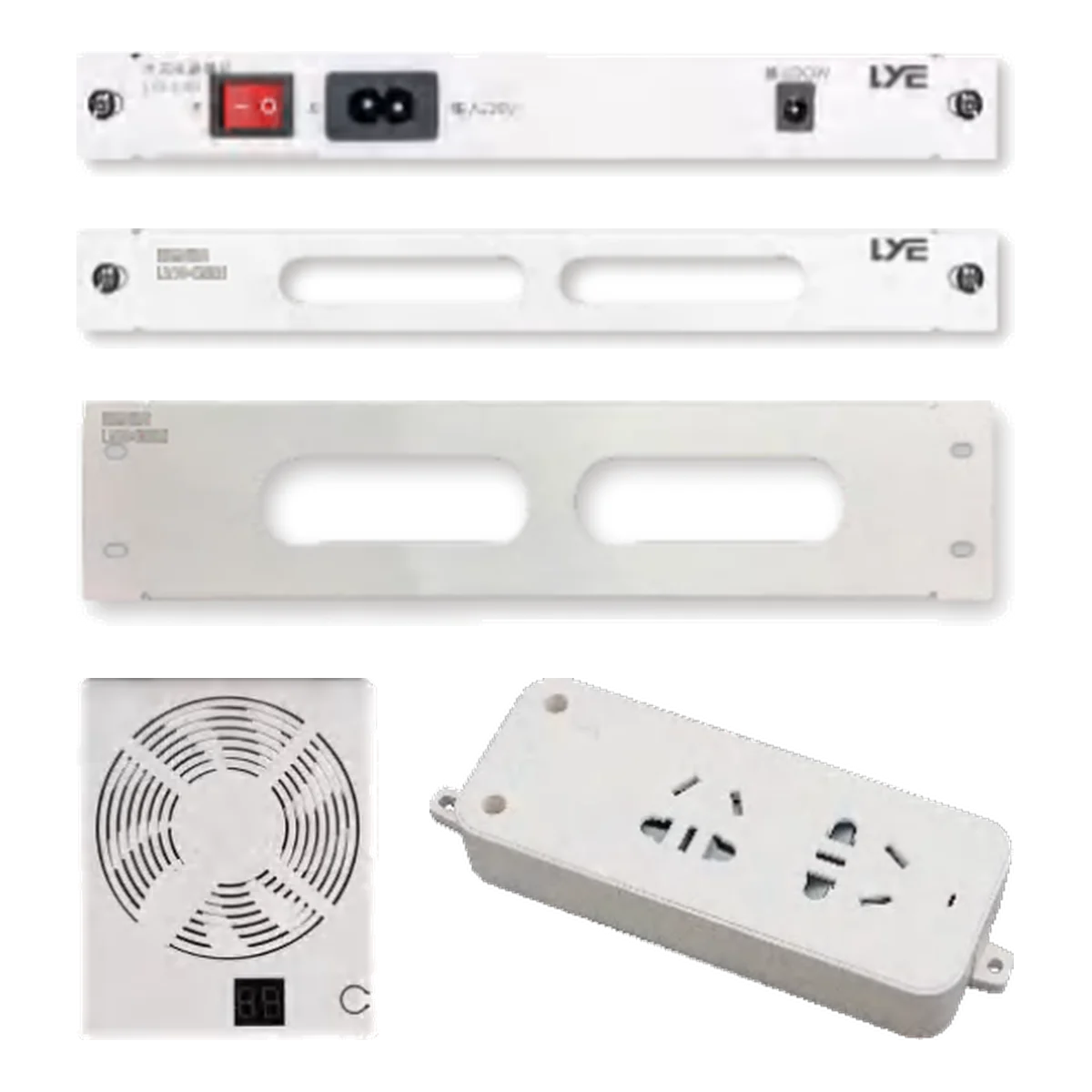
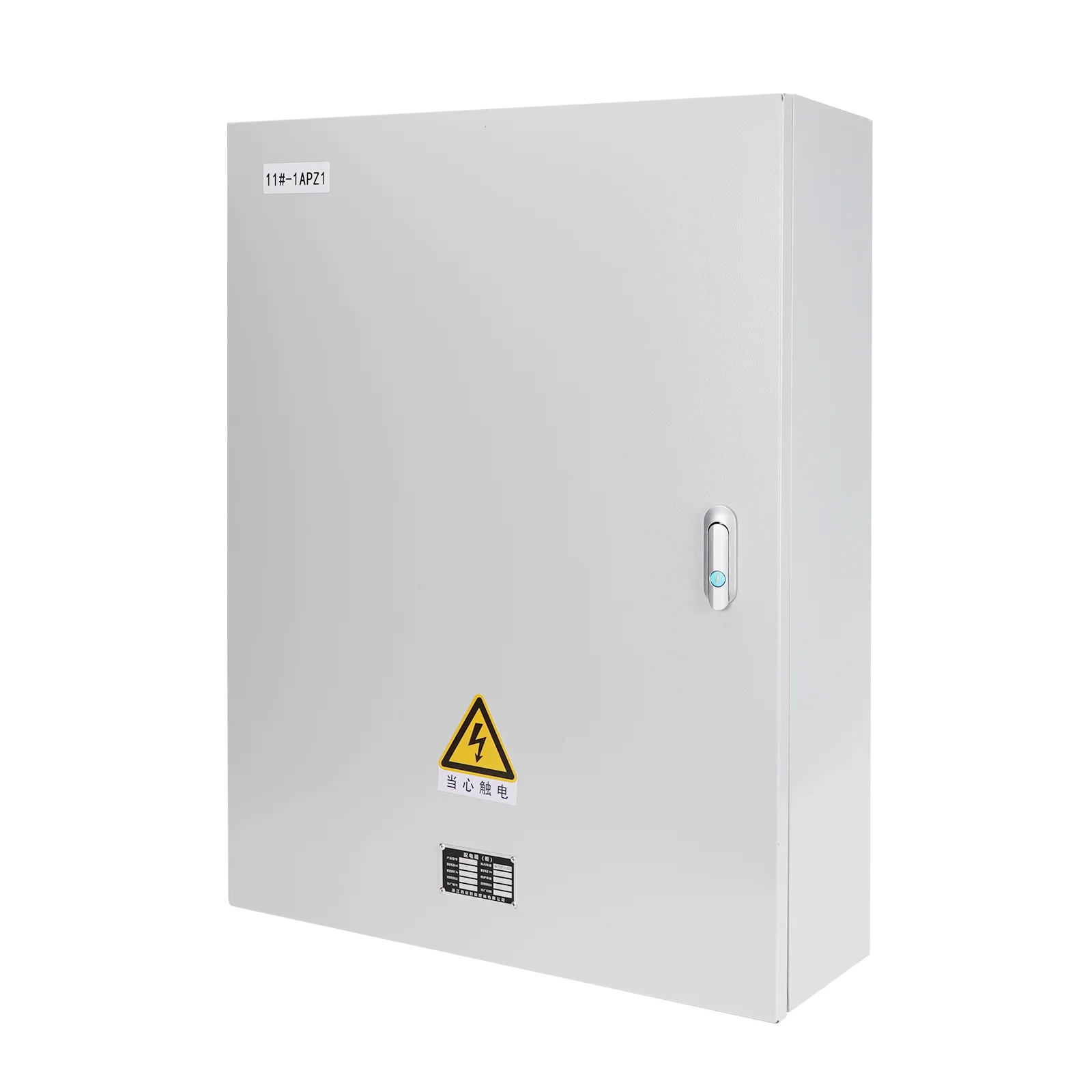
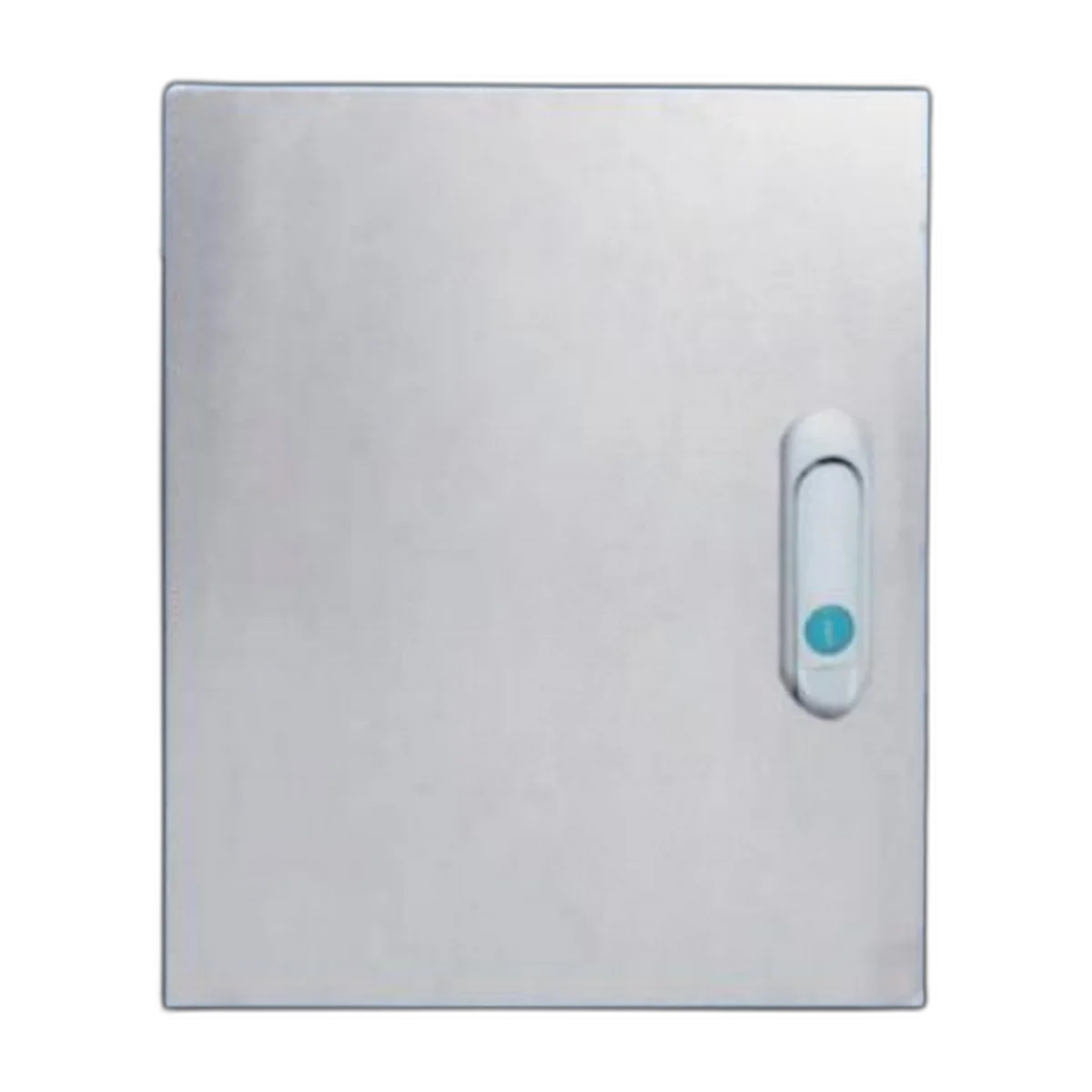
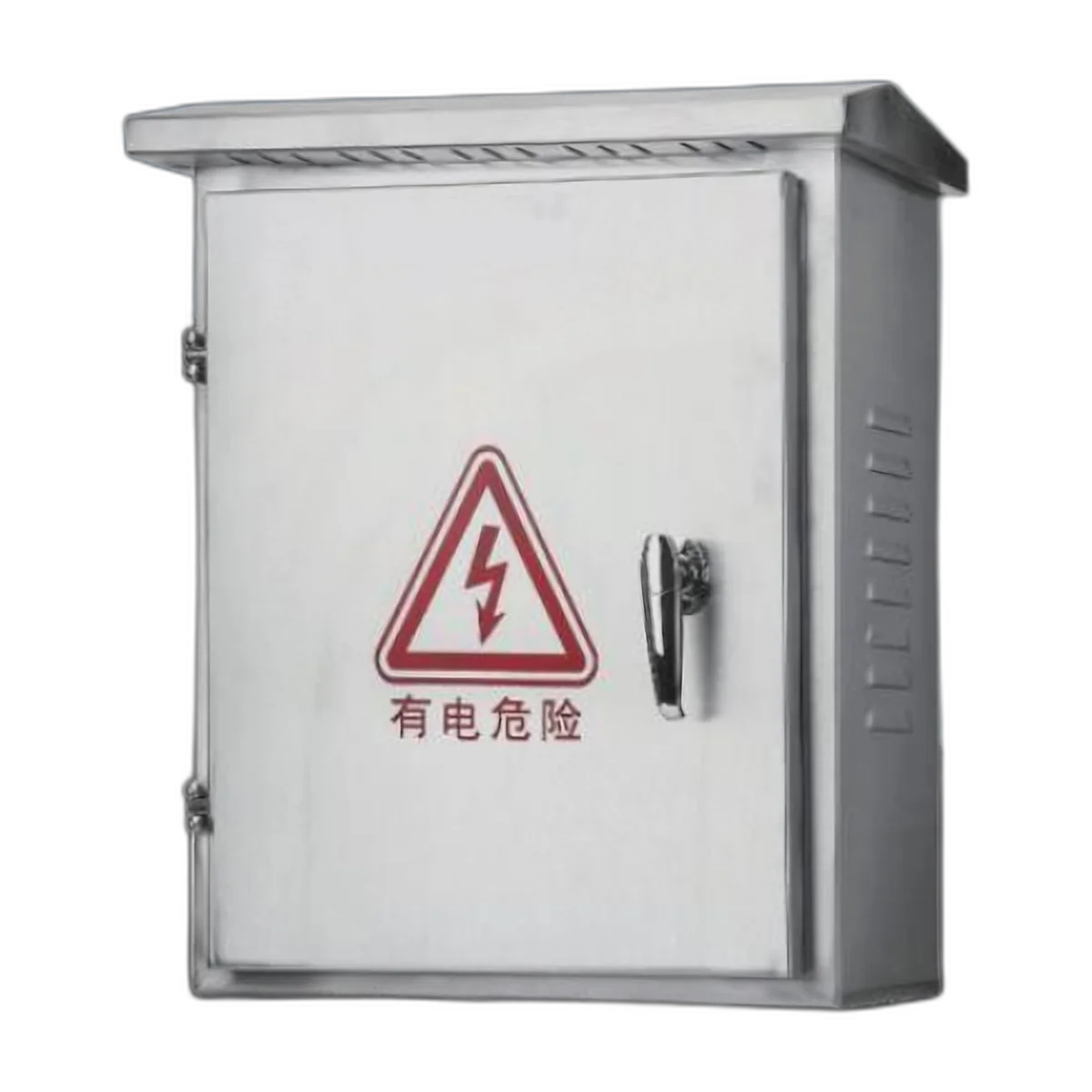
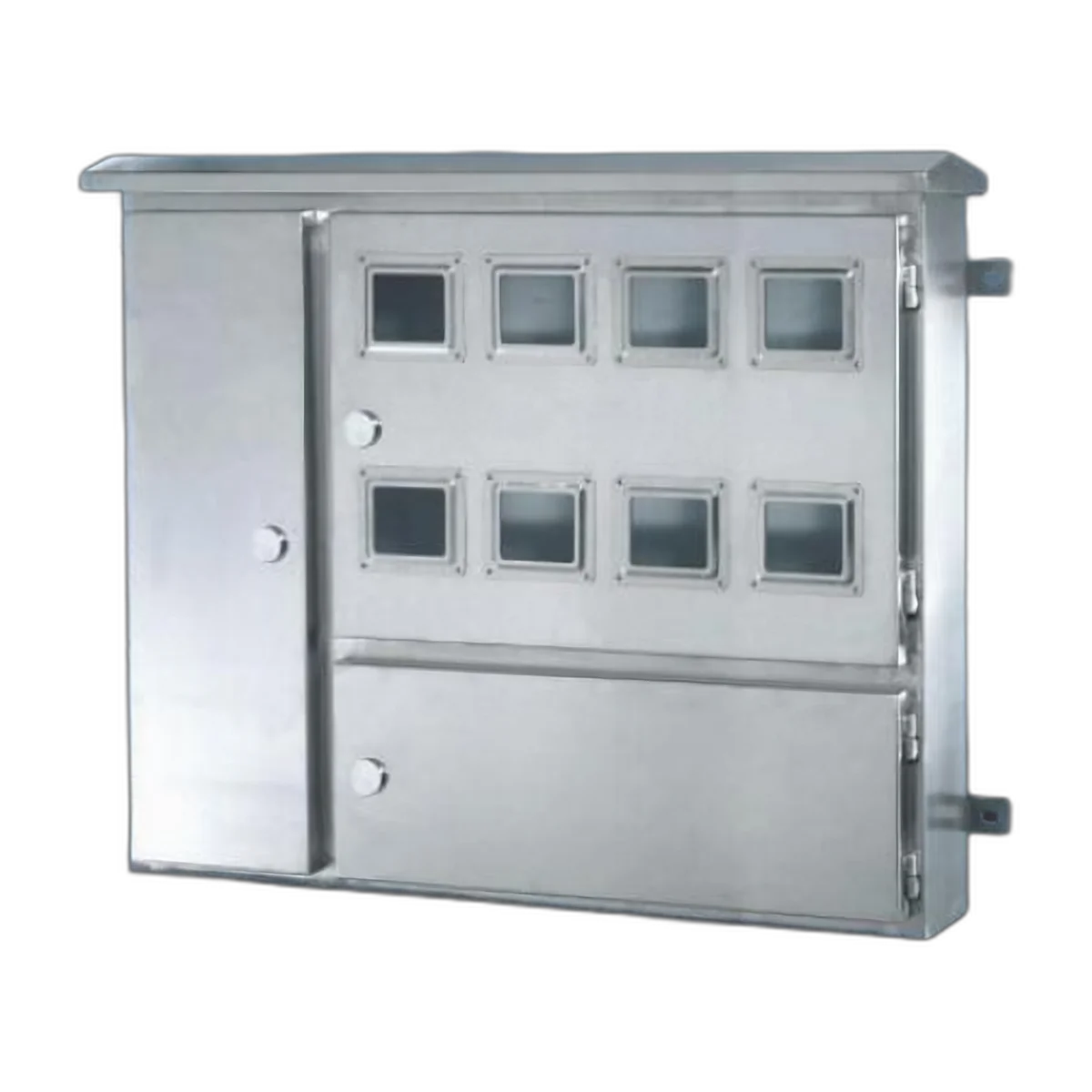
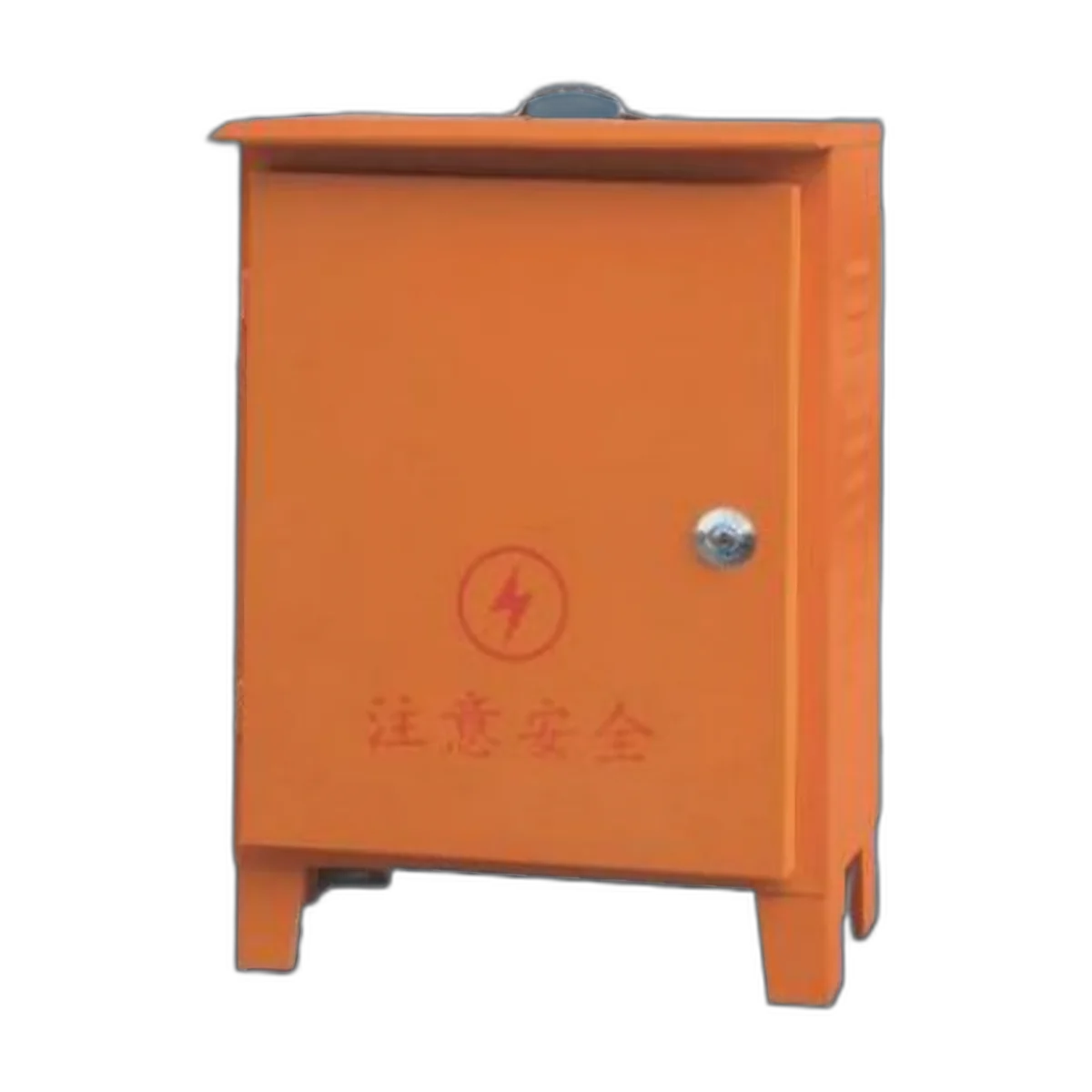
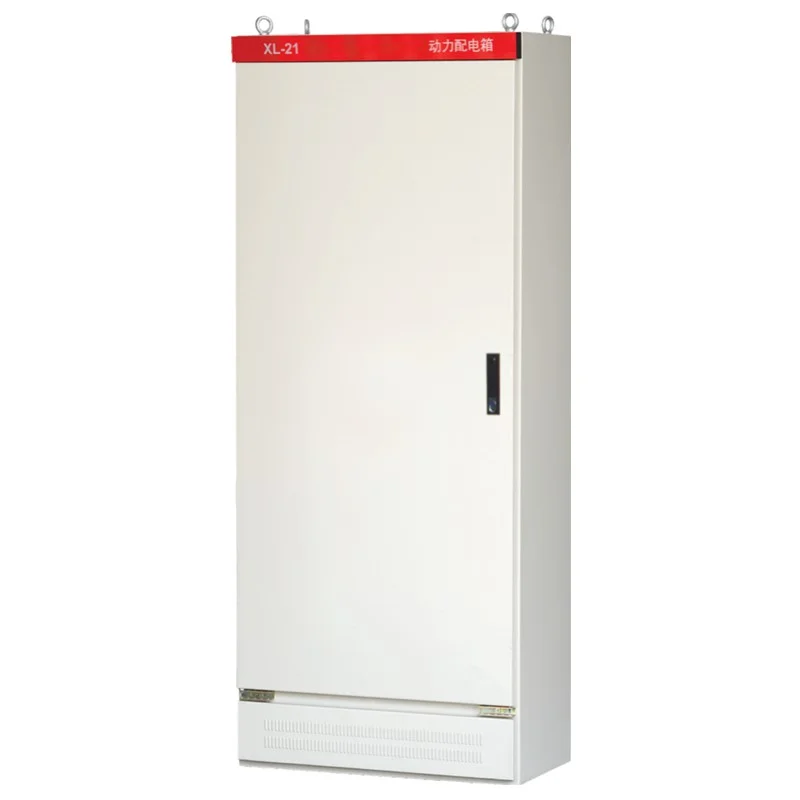
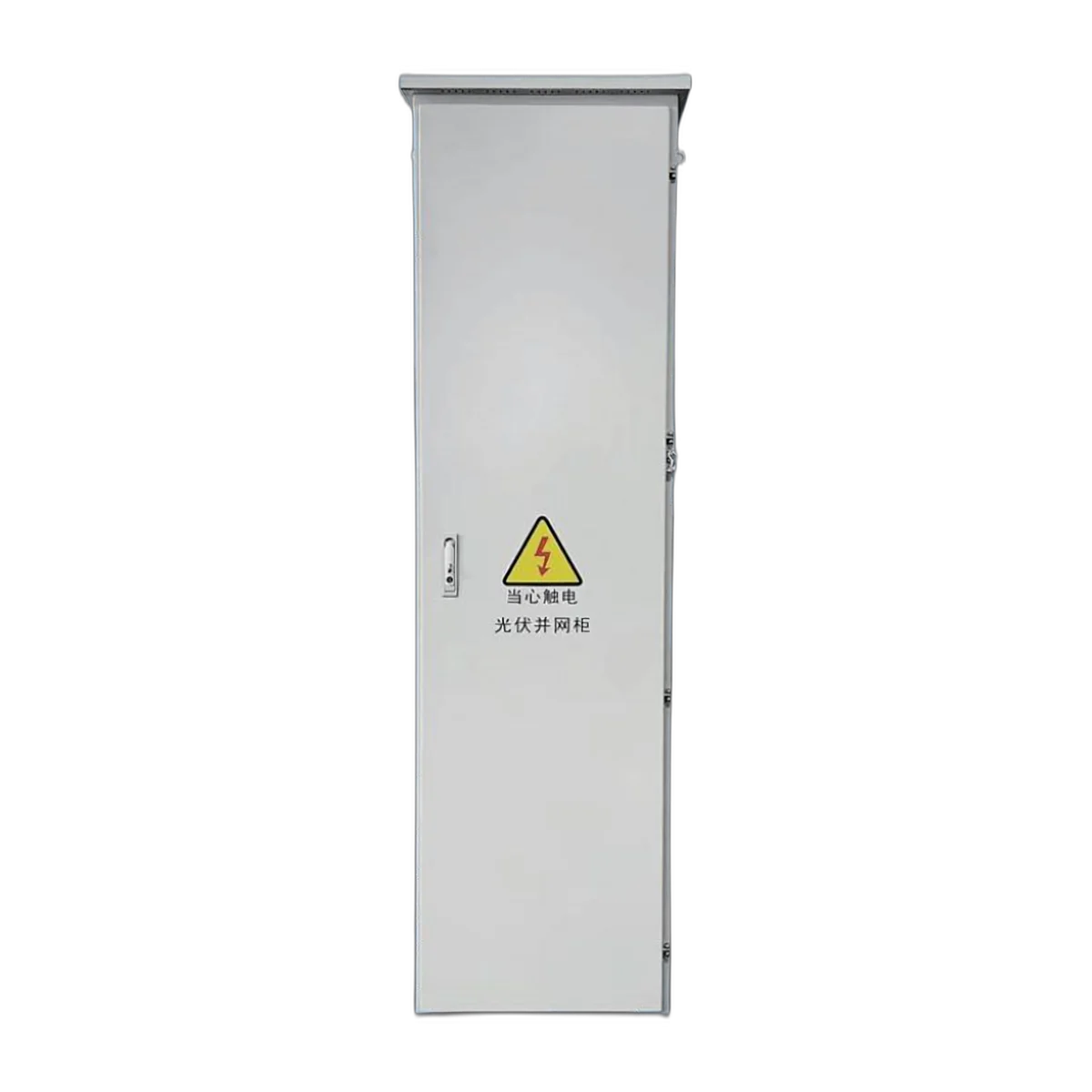
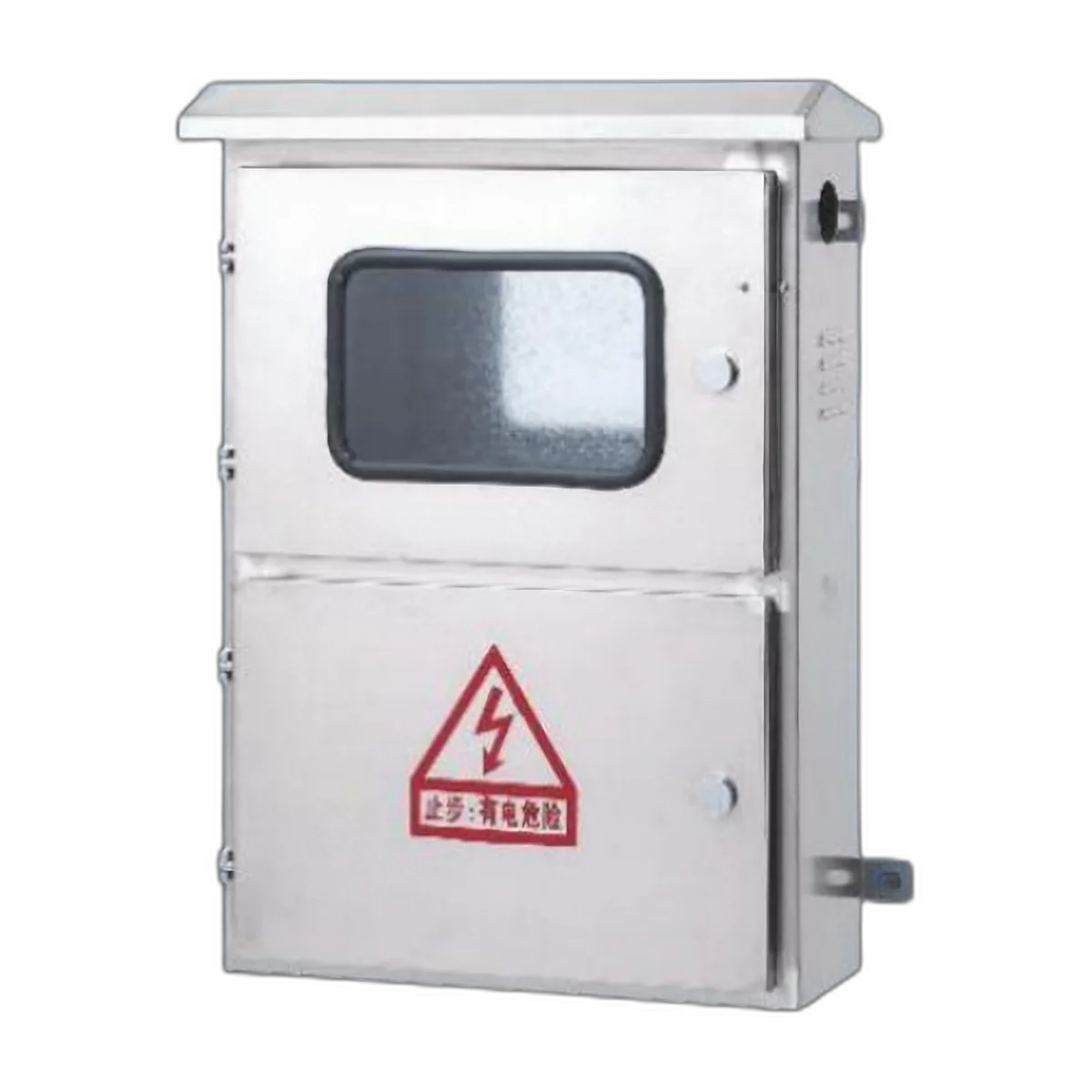
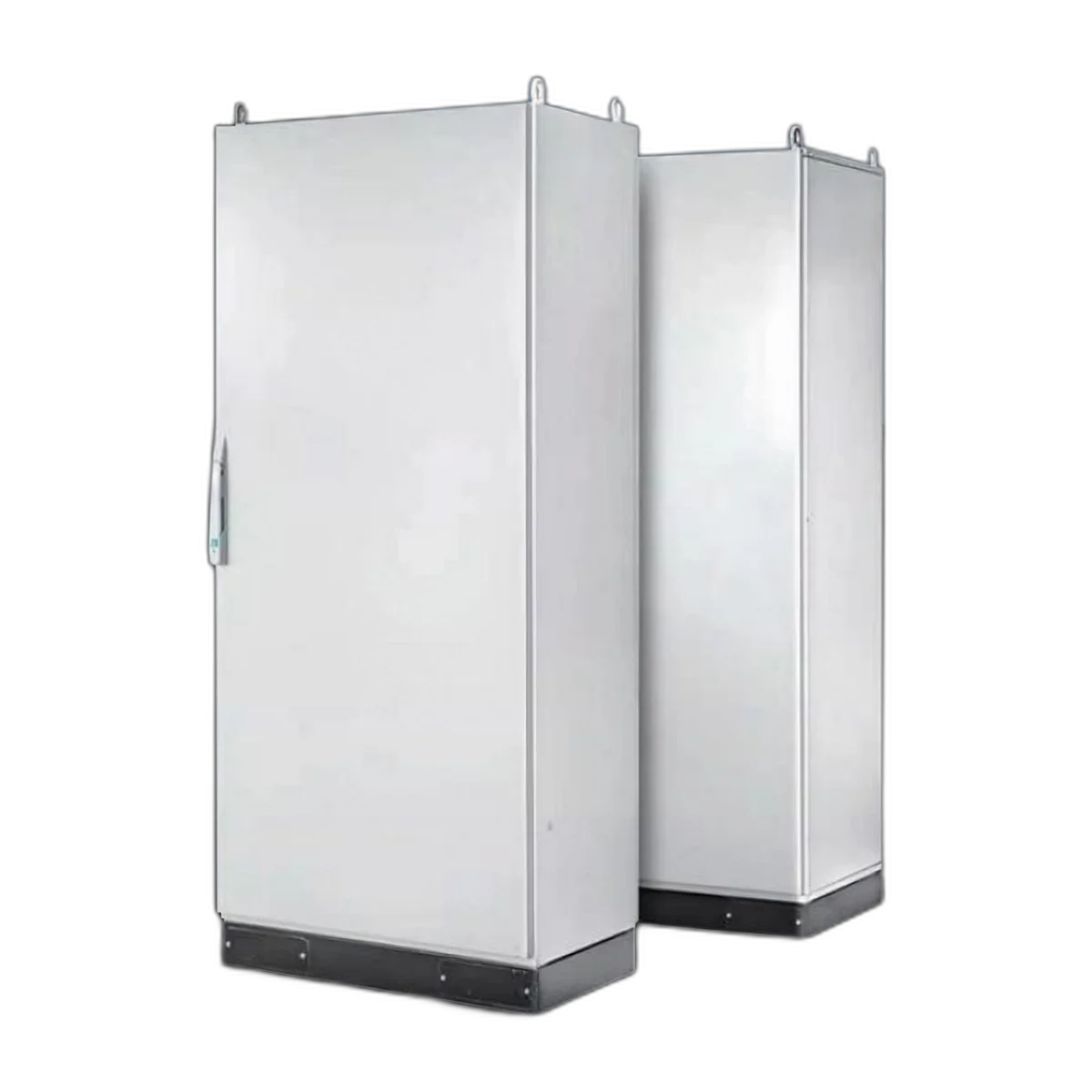
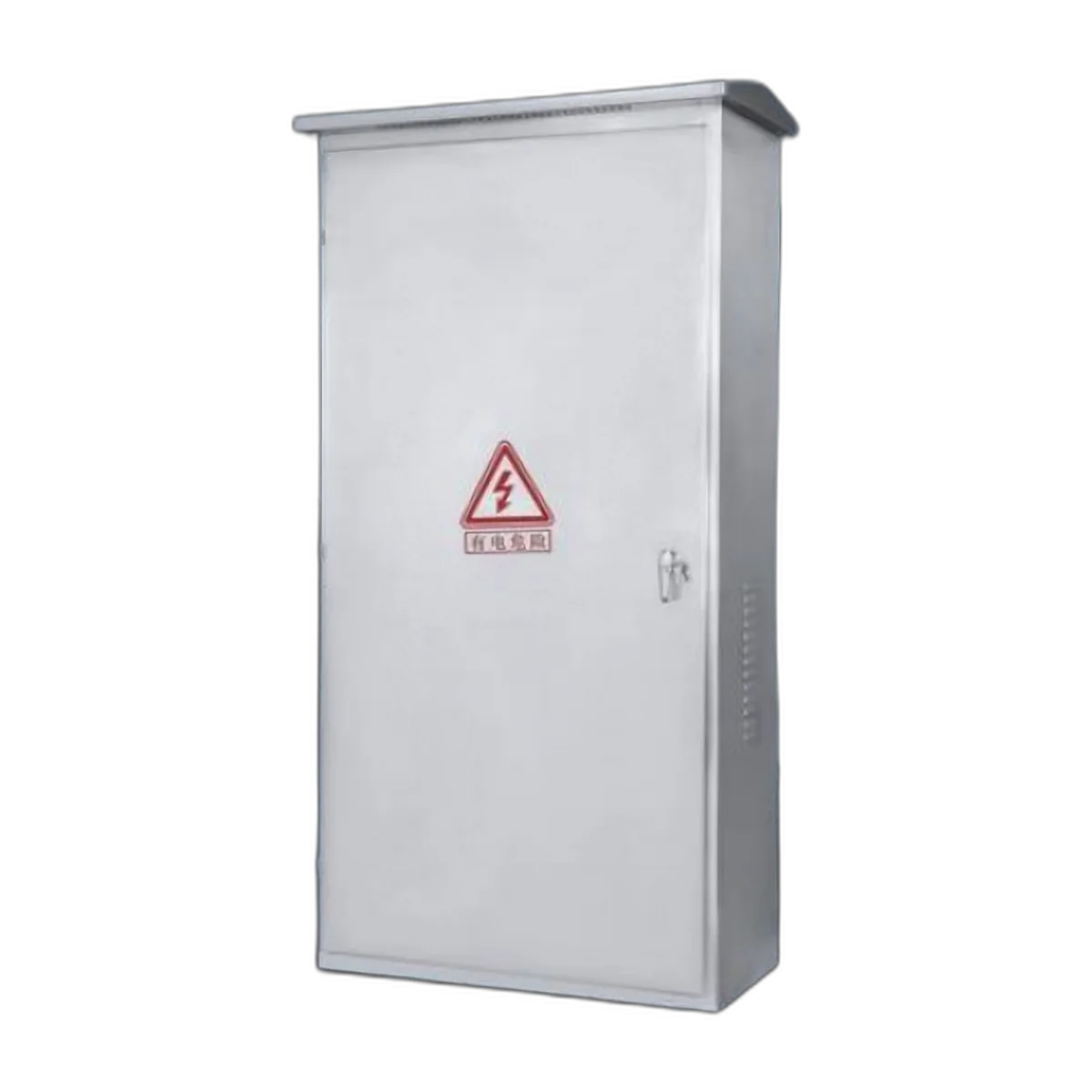
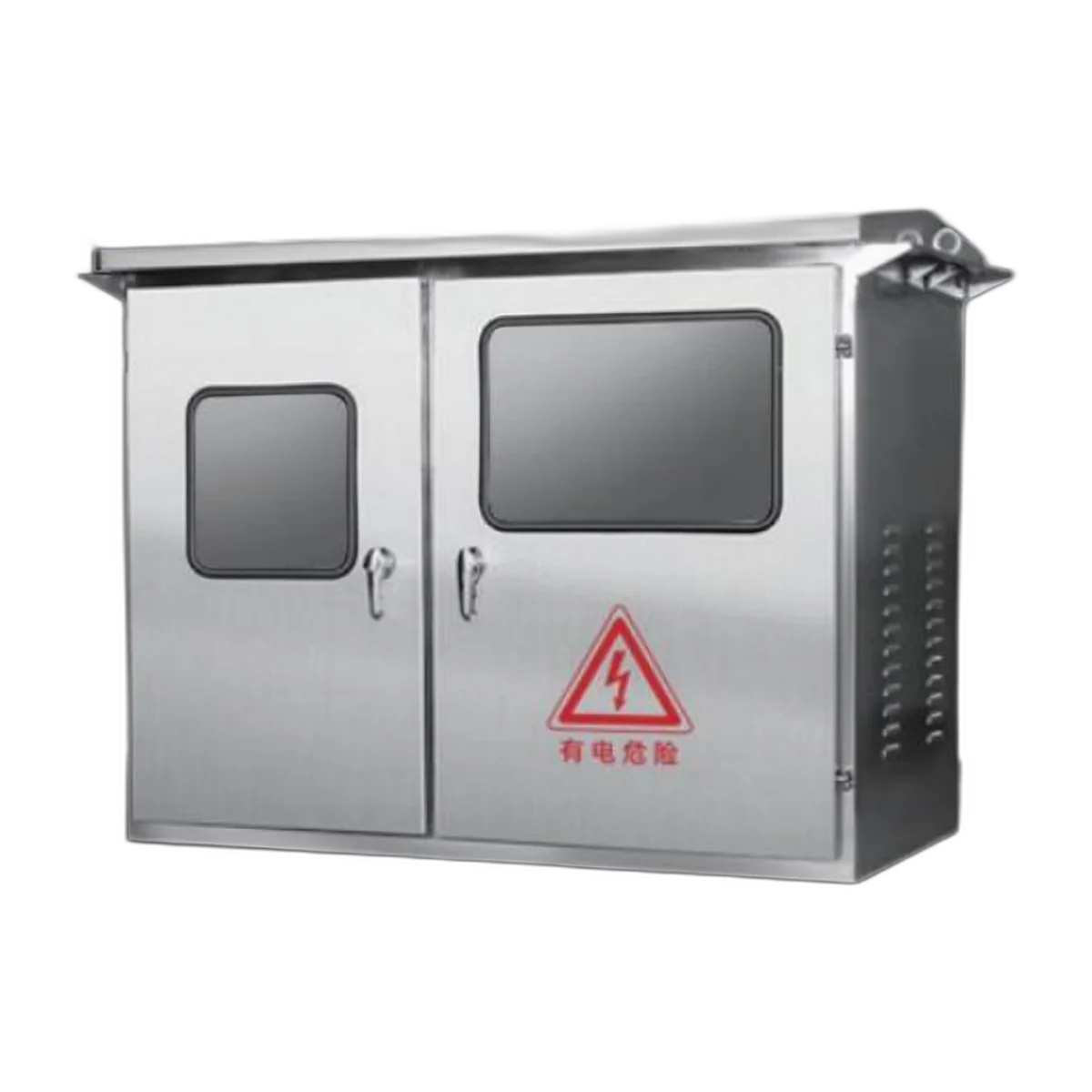
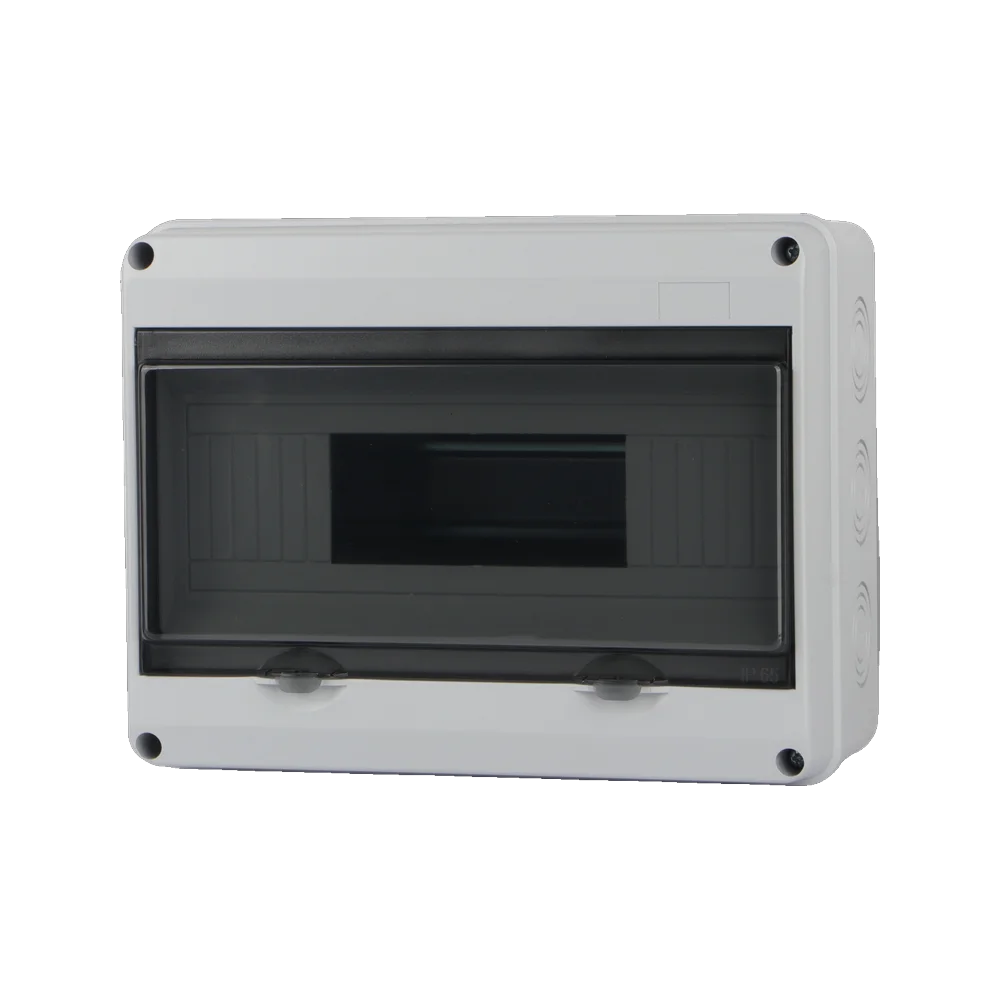
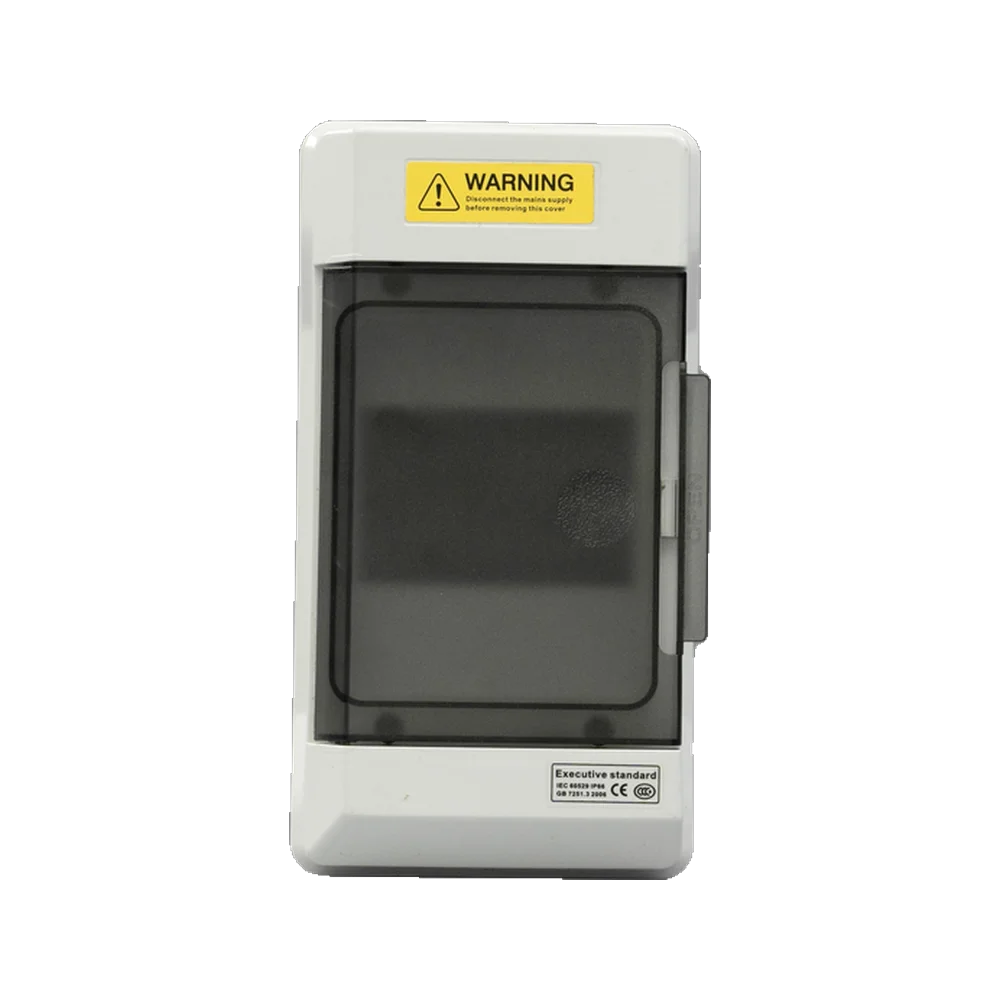
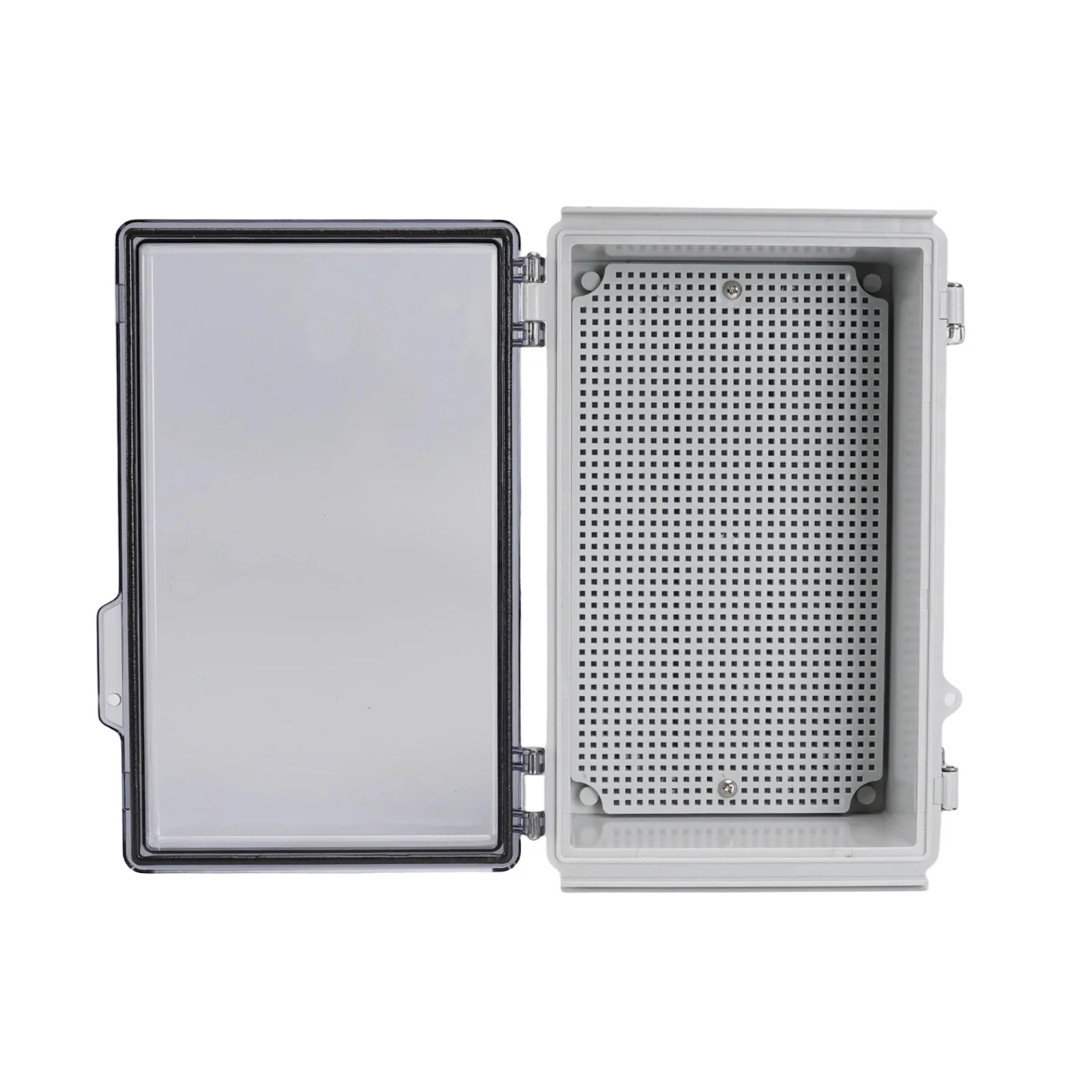
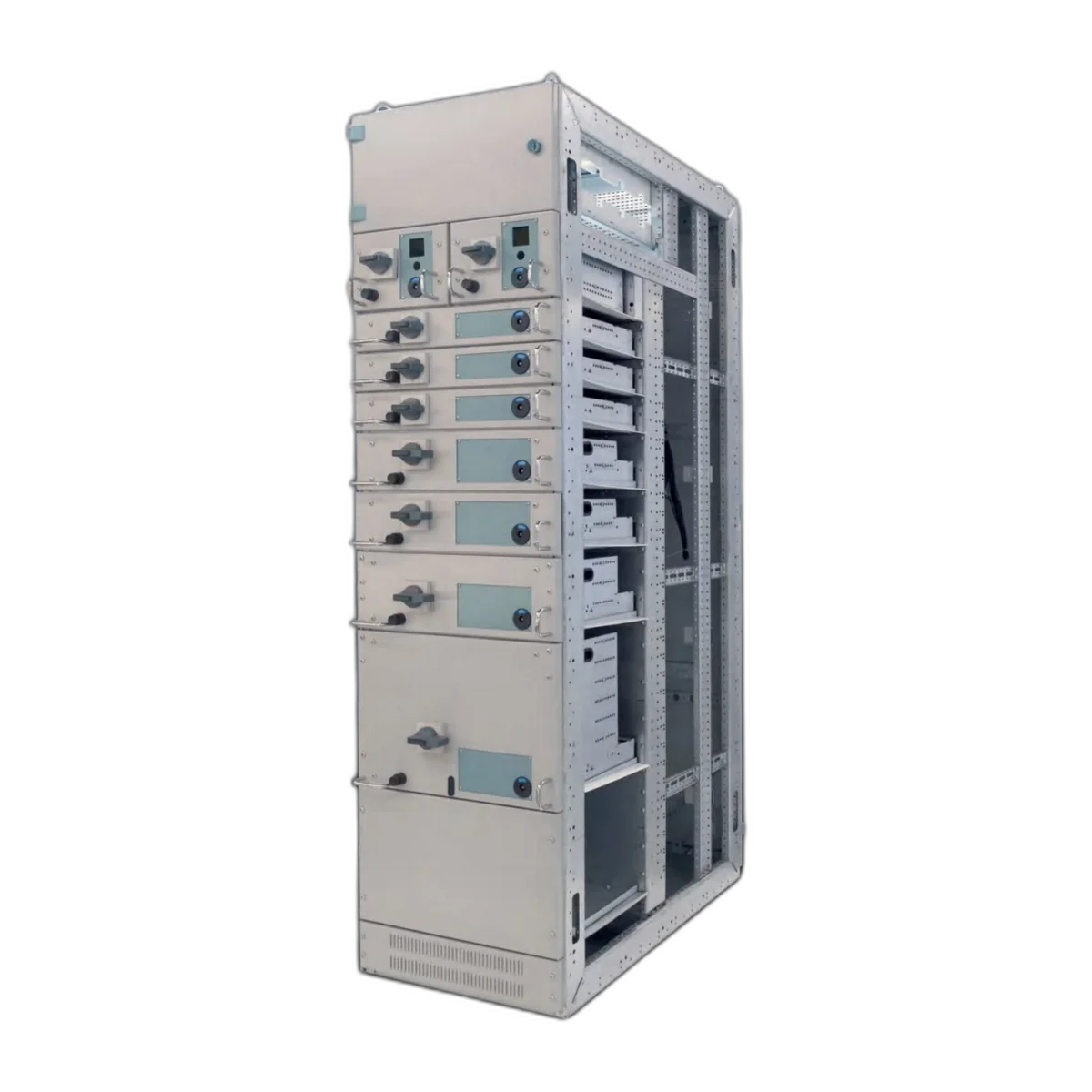
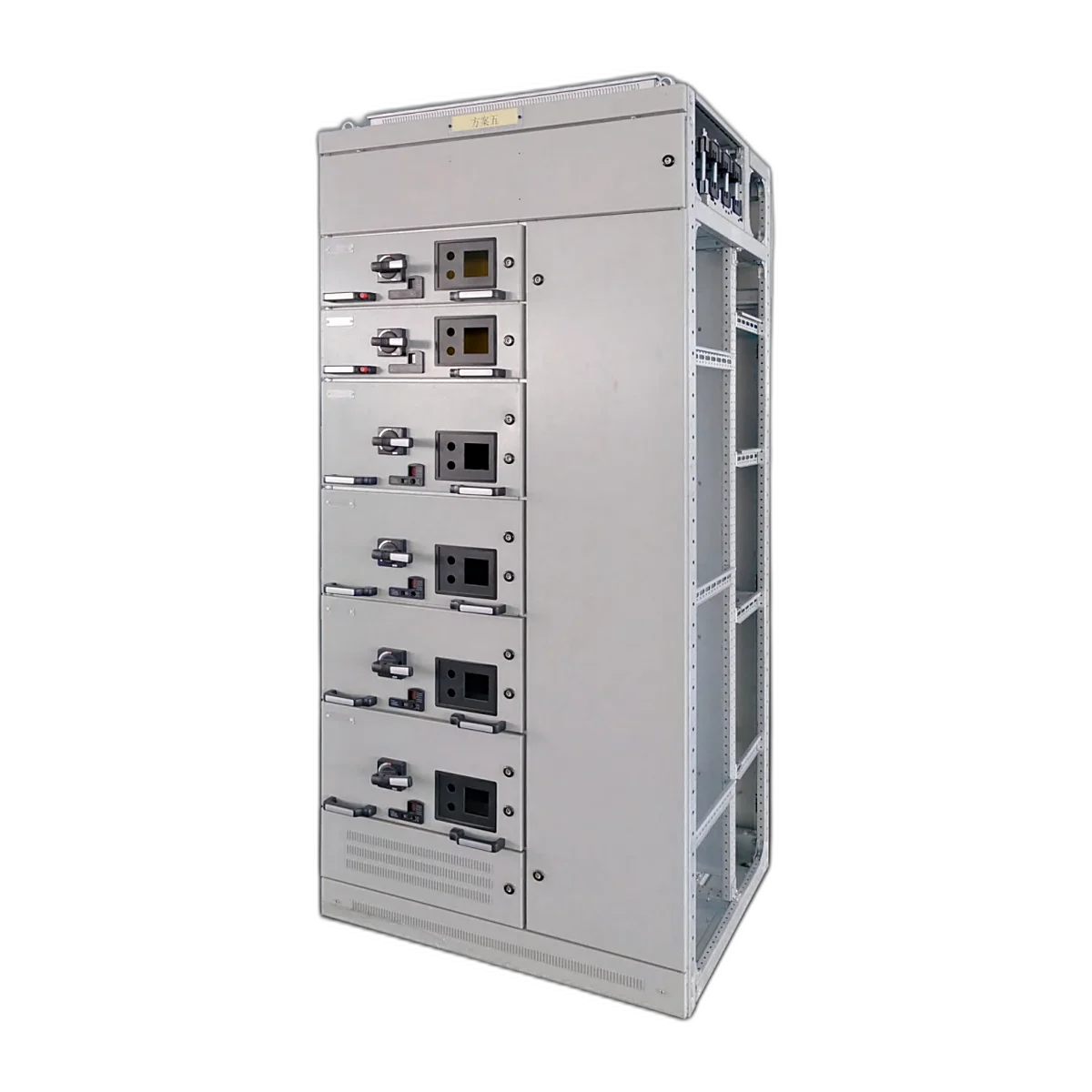
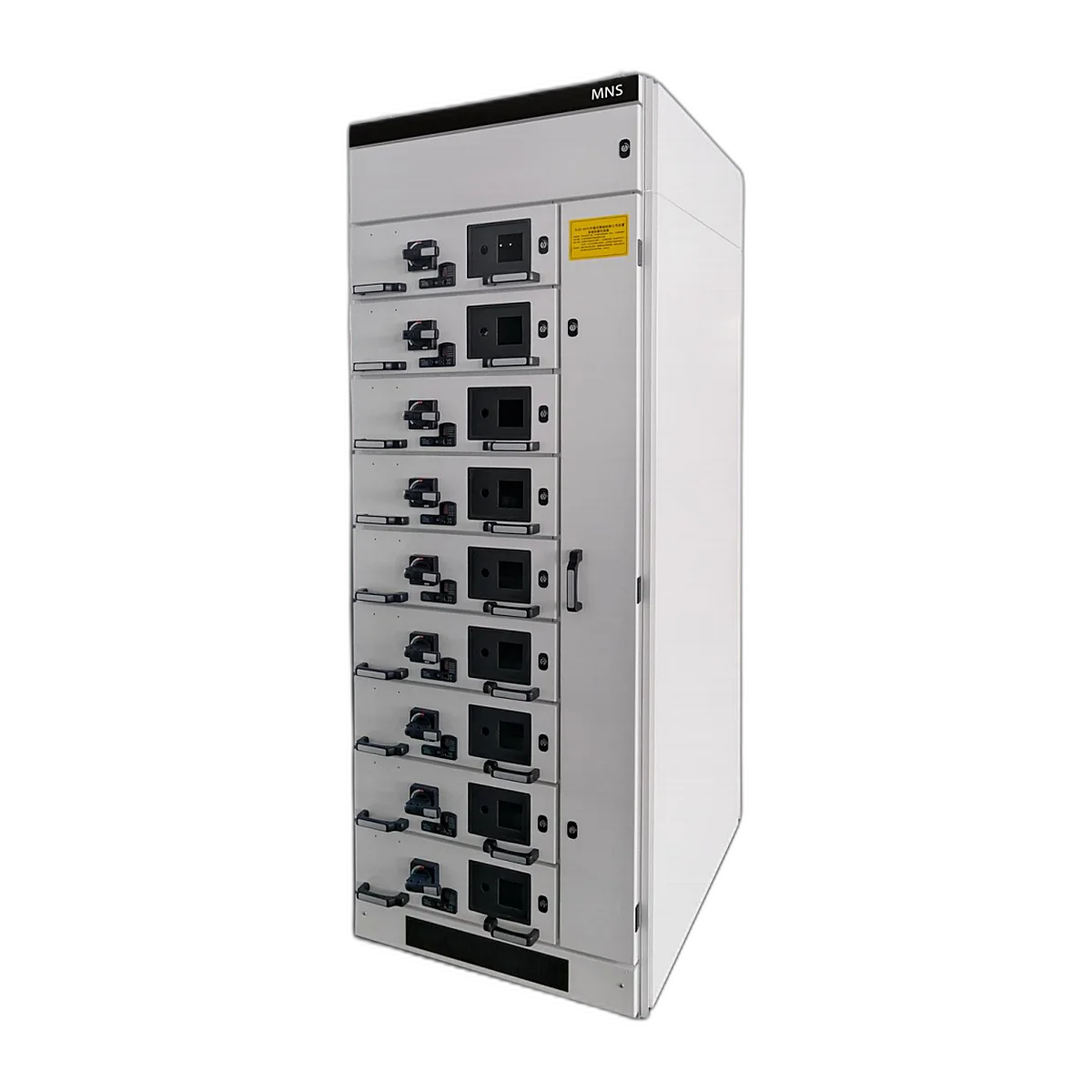
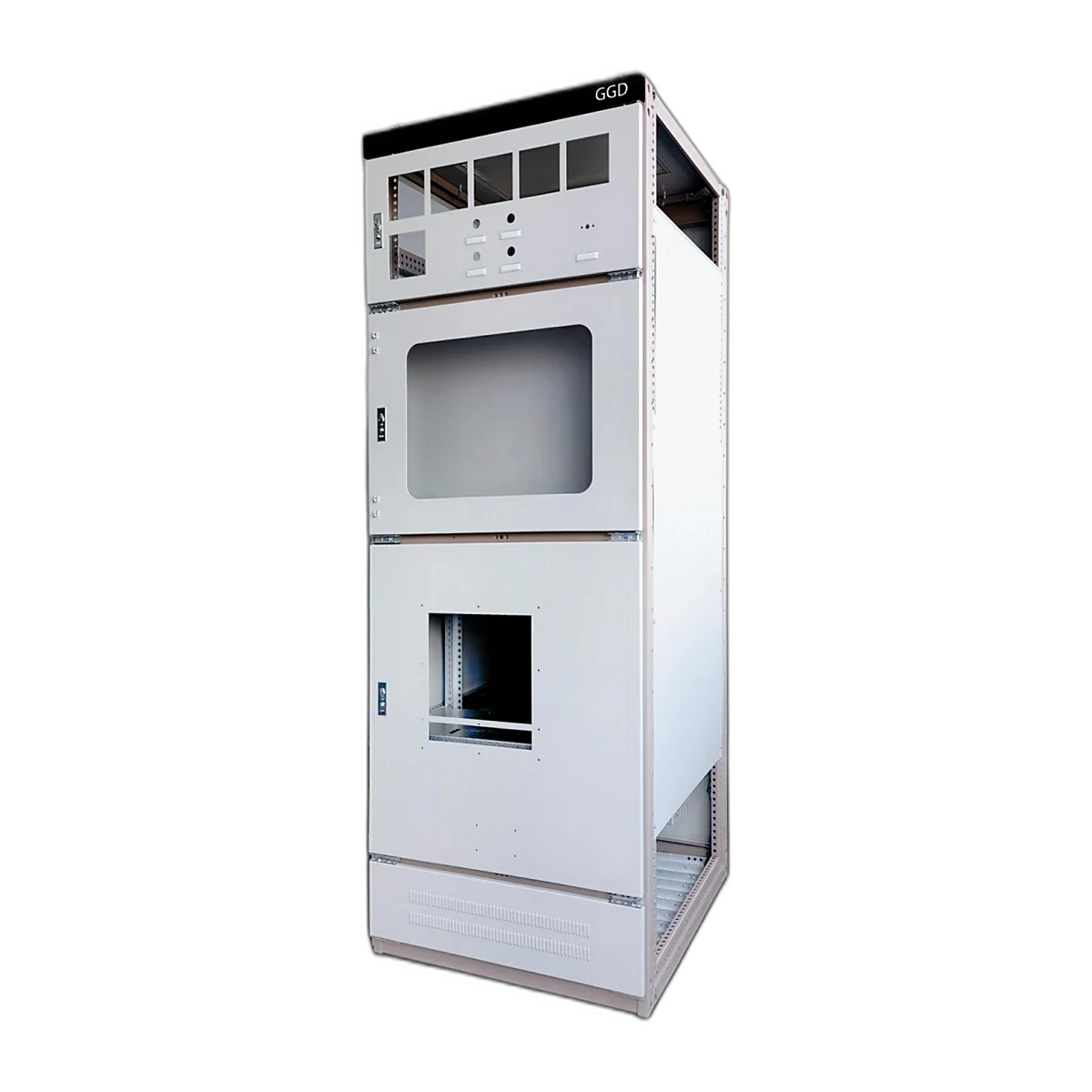
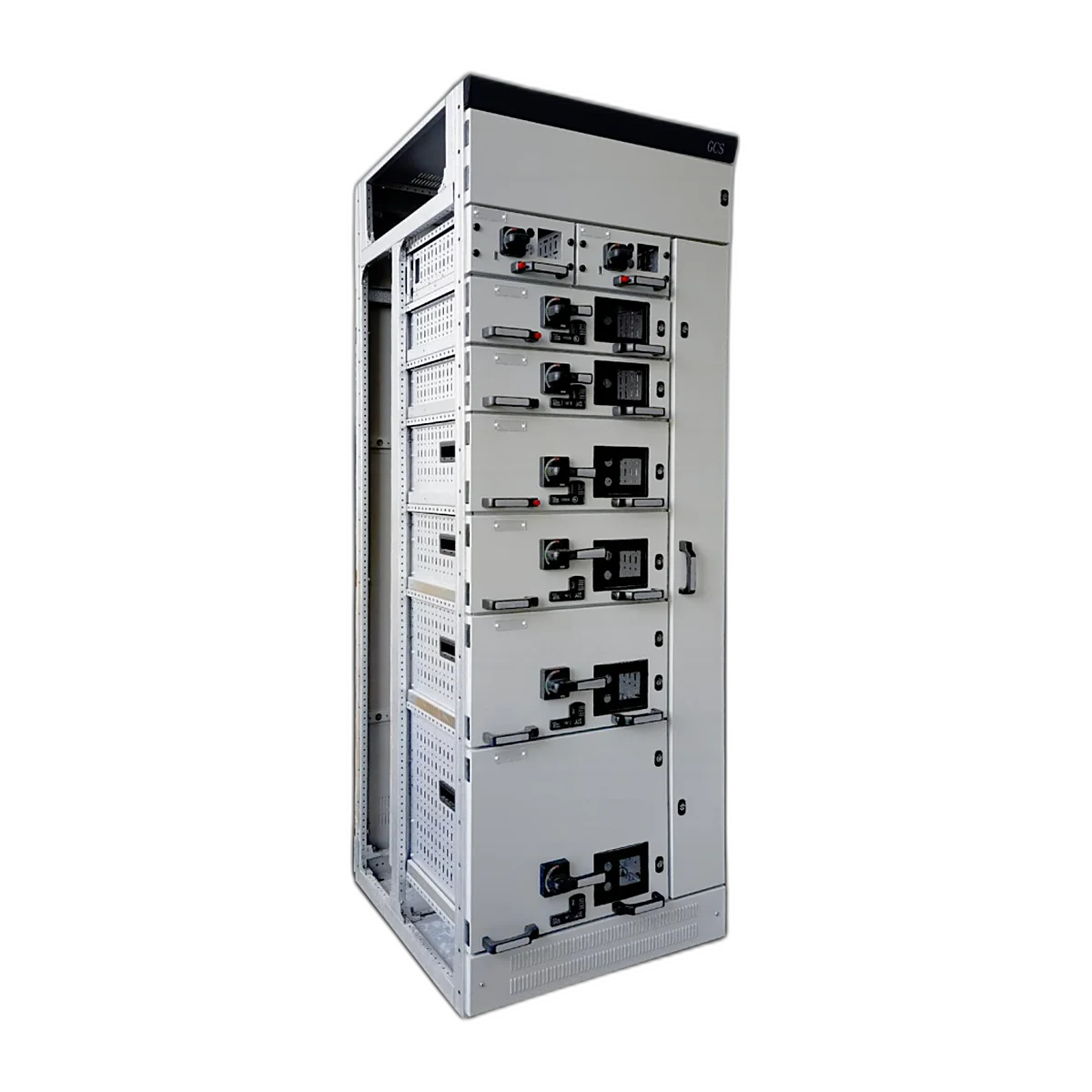
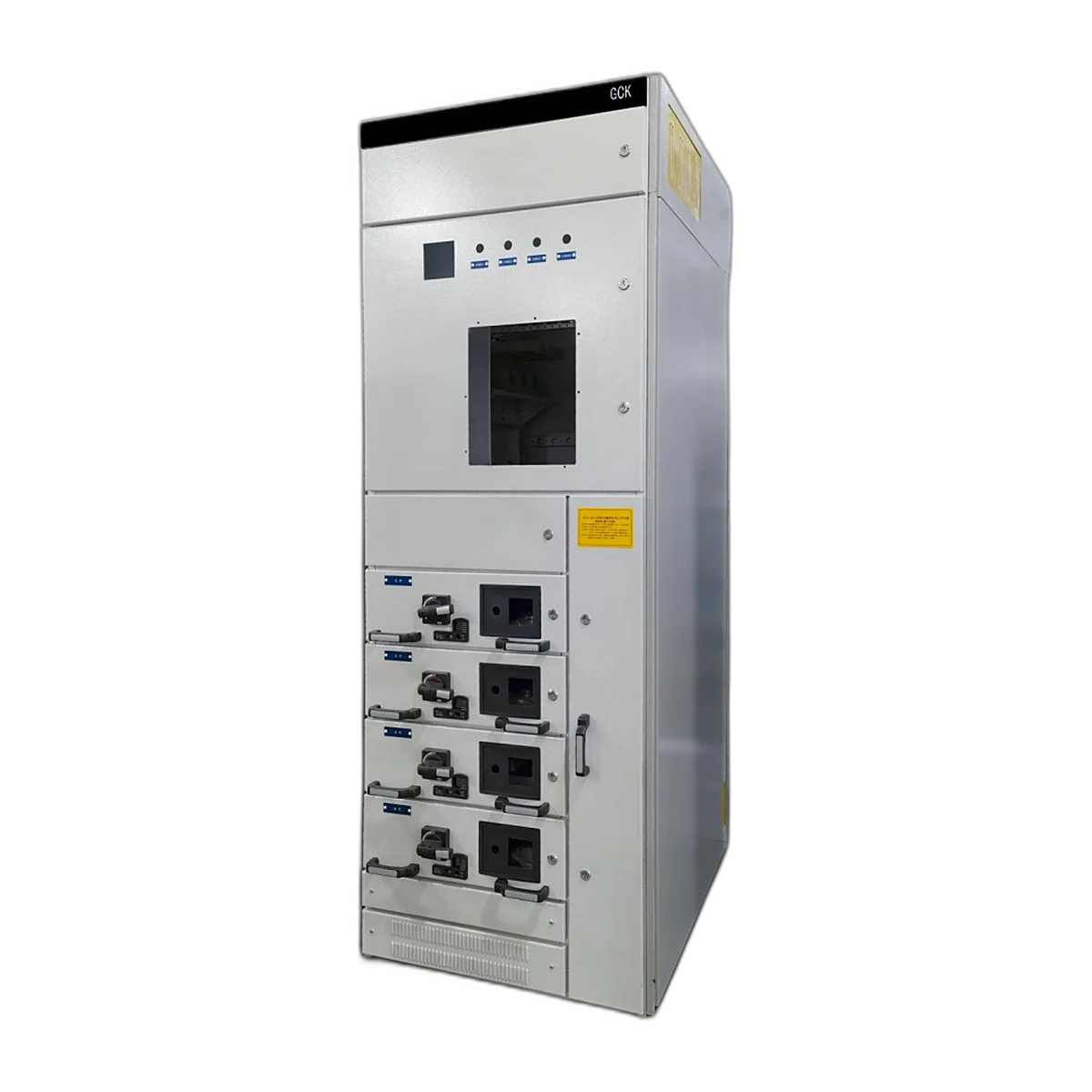
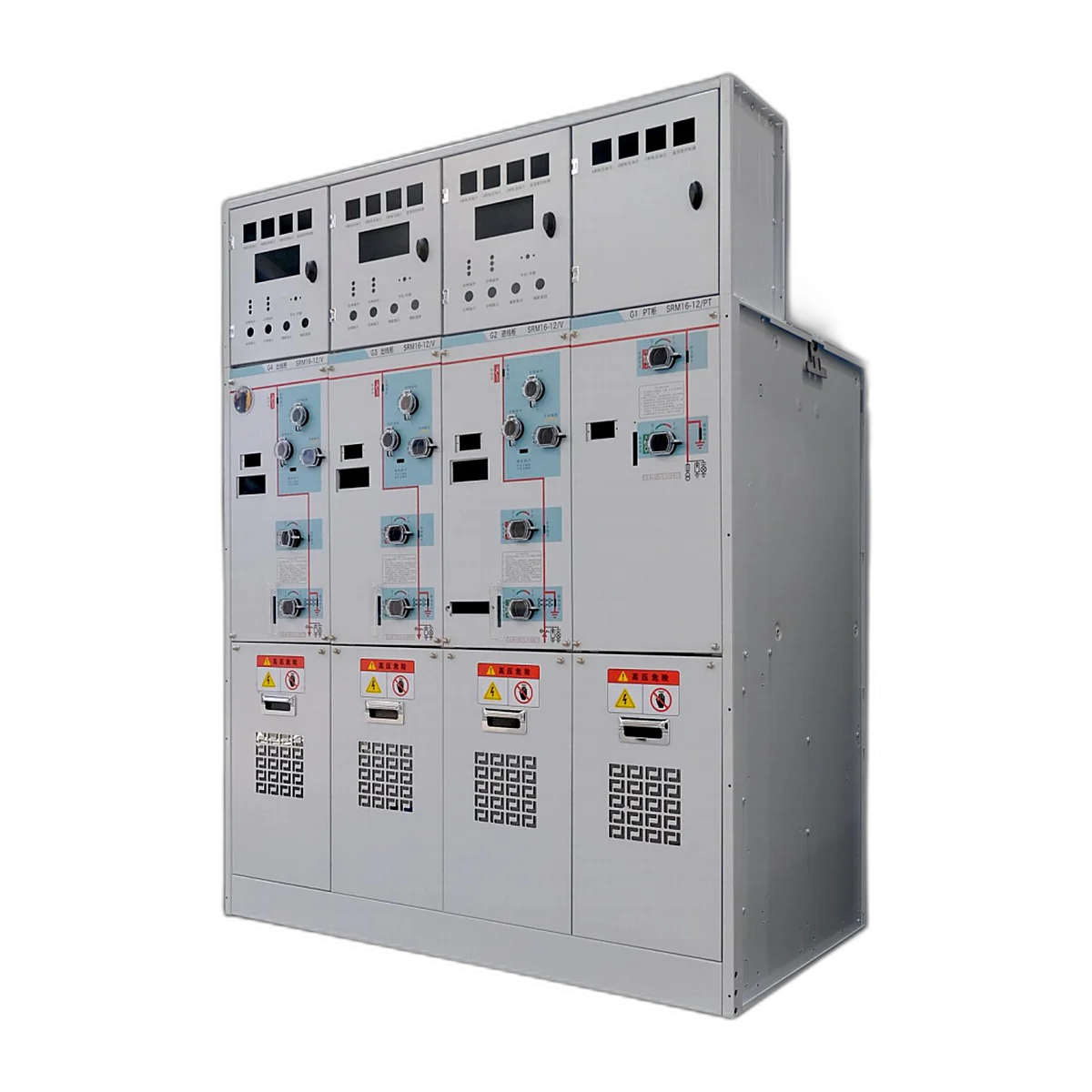
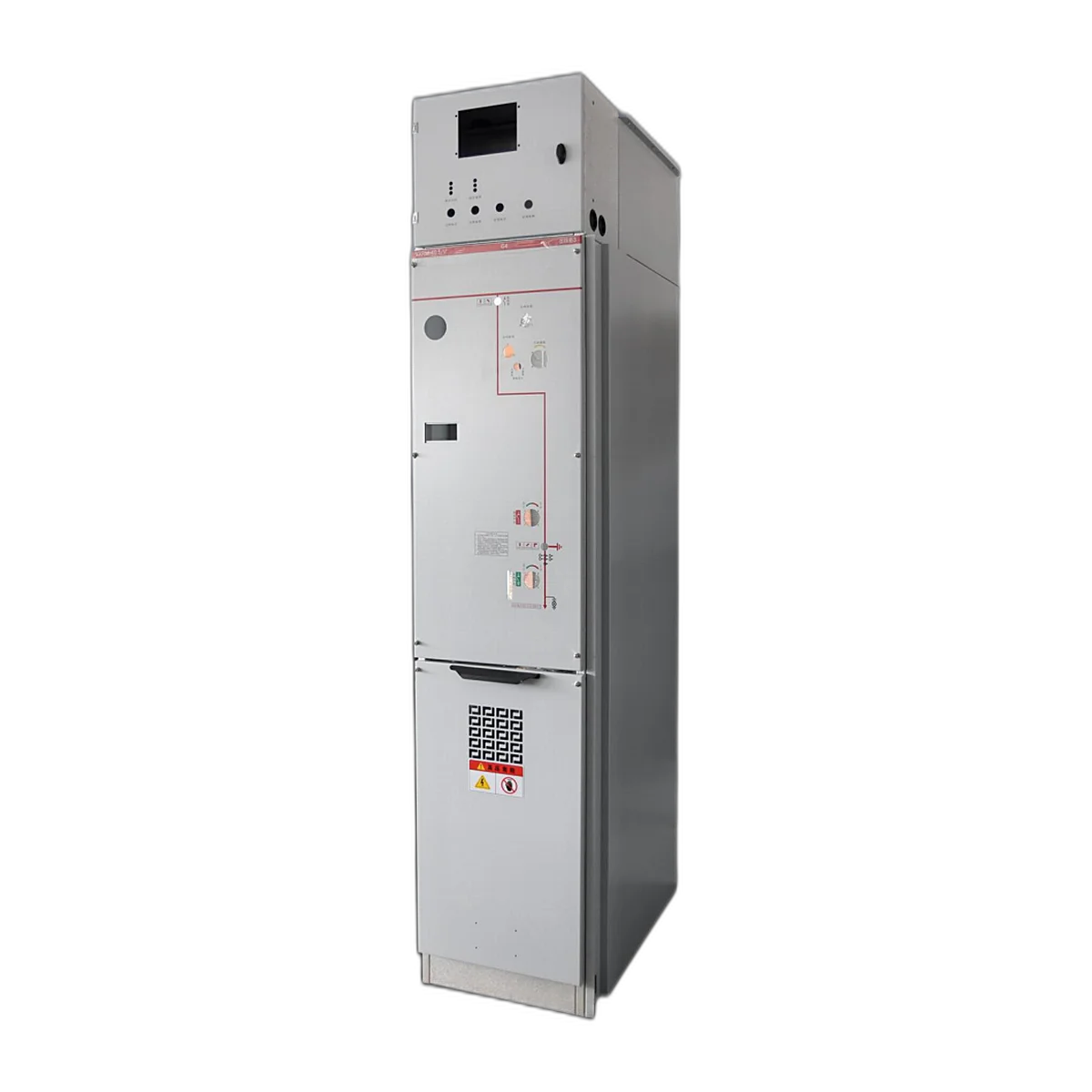
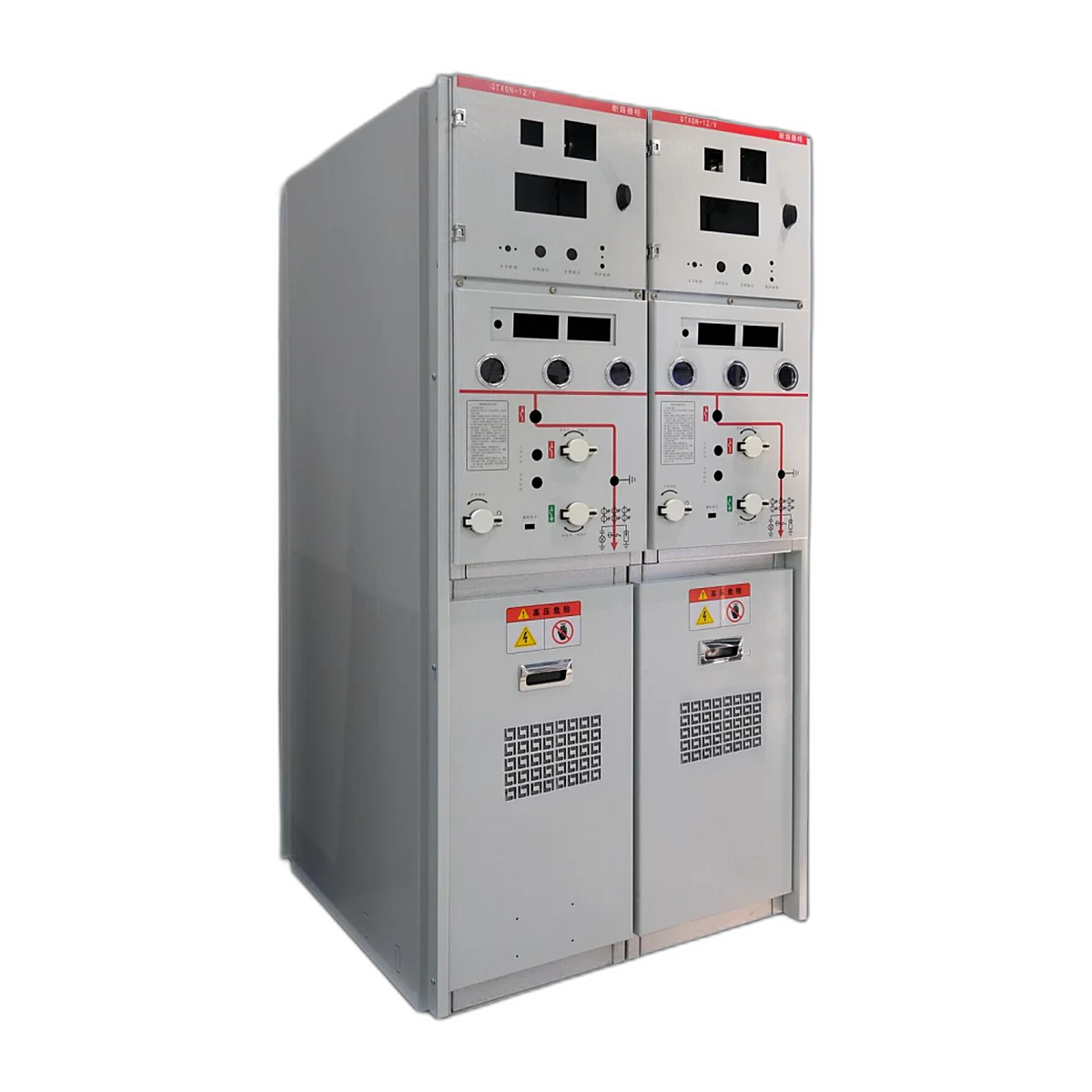
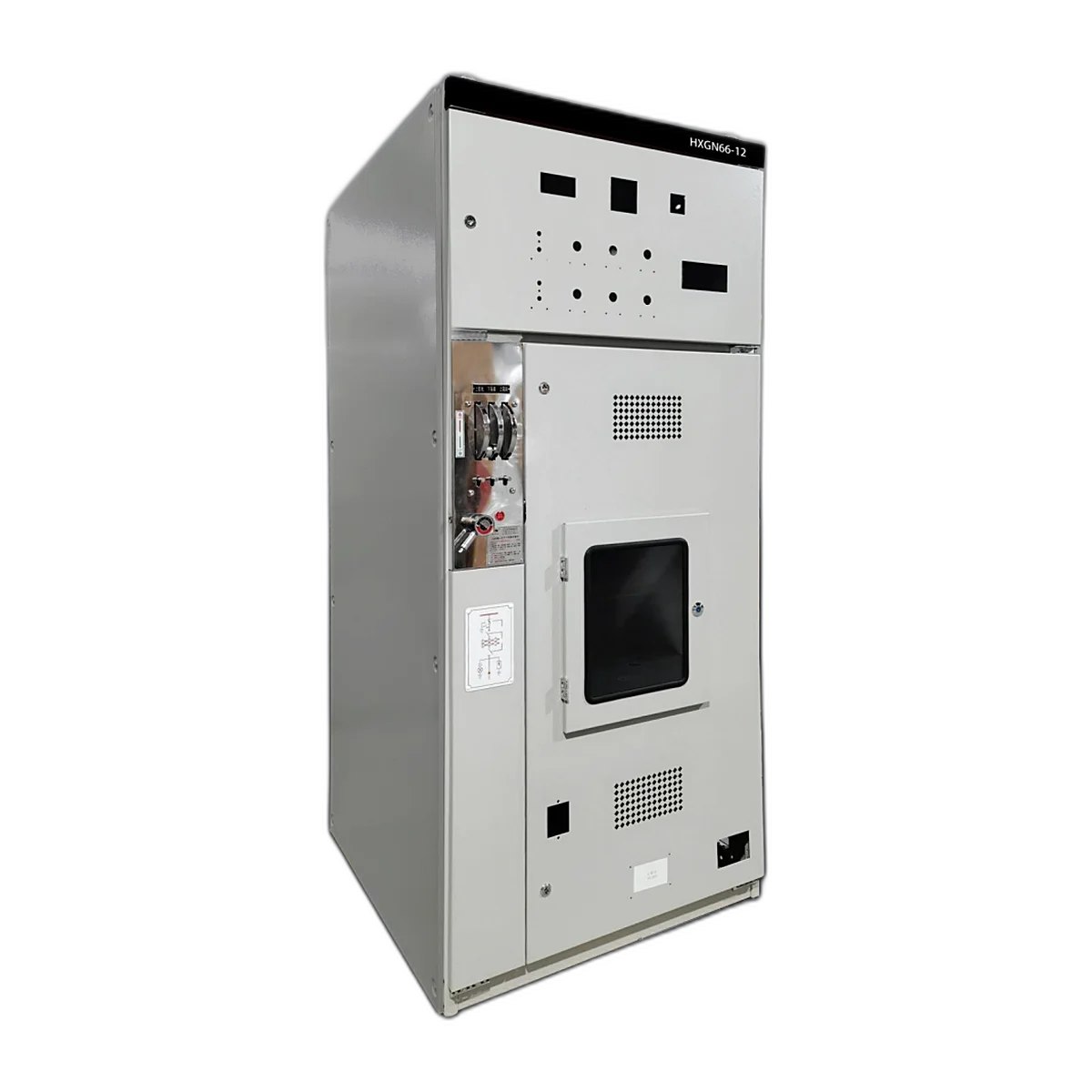
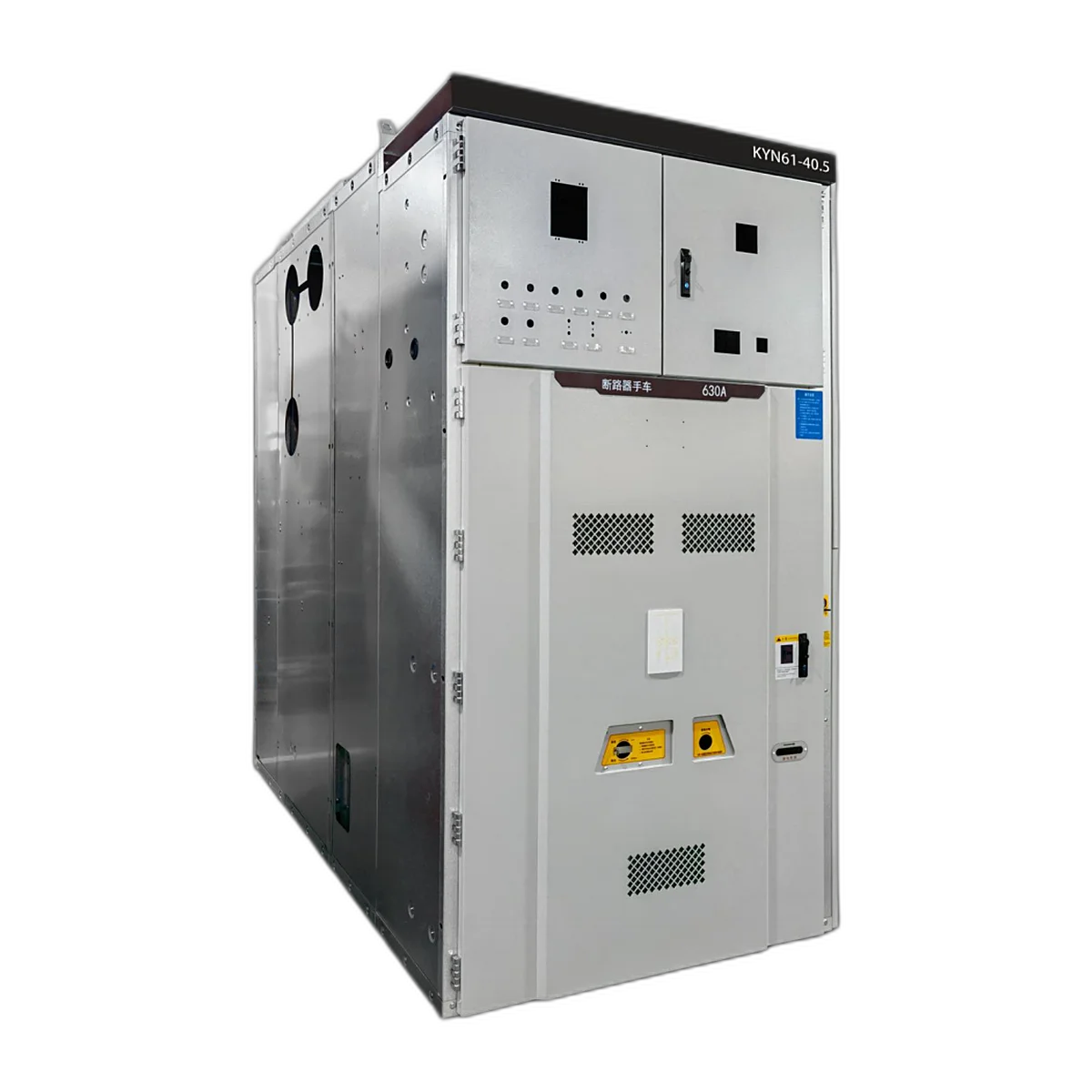
Use a distribution box for final circuits and compact branch protection; use a cabinet when the project needs larger incoming capacity, more feeder groups, metering, busbars or greater internal separation. The final choice should be checked against the single-line diagram, device list, available installation space and local project rules.
BUYER QUESTIONS
Frequently Asked Questions
Answers about product selection, drawings, samples, customization, documents, packing and delivery.
Provide the device schedule, circuit quantity, component dimensions, cable-entry direction, mounting method and required spare capacity. LYE also reviews door clearance, bending radius, heat-producing devices and the usable depth behind the mounting plate before confirming an enclosure size.
Start with the actual exposure to dust, rain, cleaning water and accidental contact rather than choosing the highest number by default. Cable entries, ventilation, door seals and installation workmanship affect the finished assembly, so the target rating and verification basis must be confirmed for the specific product and project.
Coated or galvanized steel is commonly considered for general indoor service, stainless steel for humid or corrosive locations, and engineering plastic for lightweight non-metallic applications. Material grade, thickness, UV exposure, chemical contact and earthing requirements must be confirmed against the installation environment.
Share the component heat load, ambient temperature, solar exposure, duty cycle and allowable internal temperature. LYE can then review enclosure volume, spacing, ventilation or fan provisions, sun shields, heaters or drainage details; the final thermal design remains tied to the installed equipment and site conditions.
Yes. A dimensioned drawing is preferred, but a physical sample and clear reference photographs can also start the review. Material, thickness, openings, hardware, finish, labels, inspection points and packing are recorded before sampling or repeat production.
PDF and common 2D CAD drawings are suitable for most enclosure enquiries, while 3D files can help with complex assemblies. Include a revision number, units, tolerances and component references; file compatibility and any missing production information will be confirmed during review.
A sample or first article can be arranged for a new or customized product. The approval plan should identify dimensions, openings, fit, appearance, hardware, labels and packaging, together with the sample cost and timing agreed for the actual order.
Available documents may include approved drawings, packing lists, dimensional or appearance inspection records, product data and certificates applicable to the confirmed model. Destination-specific declarations or third-party testing must be requested before order placement so availability and scope can be verified.
Lead time is confirmed after the product scope, quantity, sample requirement and finish are known. Packing is reviewed against product weight, surface protection, destination and shipping method; if an issue is found after delivery, send the order reference, label, photographs and quantity affected so it can be traced and reviewed.